

A methodological review of resilience measurement scales
Open accessThe DOI matches its Crossref record; 57 of the 59 references it cites were found in a registry or an index.
Abstract
BACKGROUND: The evaluation of interventions and policies designed to promote resilience, and research to understand the determinants and associations, require reliable and valid measures to ensure data quality. This paper systematically reviews the psychometric rigour of resilience measurement scales developed for use in general and clinical populations. METHODS: Eight electronic abstract databases and the internet were searched and reference lists of all identified papers were hand searched. The focus was to identify peer reviewed journal articles where resilience was a key focus and/or is assessed. Two authors independently extracted data and performed a quality assessment of the scale psychometric properties. RESULTS: Nineteen resilience measures were reviewed; four of these were refinements of the original measure. All the measures had some missing information regarding the psychometric properties. Overall, the Connor-Davidson Resilience Scale, the Resilience Scale for Adults and the Brief Resilience Scale received the best psychometric ratings. The conceptual and theoretical adequacy of a number of the scales was questionable. CONCLUSION: We found no current 'gold standard' amongst 15 measures of resilience. A number of the scales are in the early stages of development, and all require further validation work. Given increasing interest in resilience from major international funders, key policy makers and practice, researchers are urged to report relevant validation statistics when using the measures.
Overview
The claims and statistics of this paper haven’t been checked yet.
Free: it reads the open-access text and checks the first 5 claims that cite a source we can check. Create a free account to check every claim.
Integrity signals
Registry
Cites
Statistics
Figures
Verification
Claims the paper makes
The claims and statistics of this paper haven’t been checked yet.
Free: it reads the open-access text and checks the first 5 claims that cite a source we can check. Create a free account to check every claim.
Claims other papers make about this one
Each is checked against this paper’s own text: does it say what the citing paper says it does?
The cited source says what the claim attributes to it.
In the citing paper
“A number of self-report scales of perceived resilience, broadly construed, have been developed 225 , and parallel those recommended for use in the clinical management of depression.”
From The clinical characterization of the adult patient with an anxiety or related disorder aimed at personalization of management (2021) · cites this paper as [225]
The cited source says what the claim attributes to it.
In the citing paper
“It also obtained the highest rating in a methodological review of resilience measures [16].”
Self-check
Percentages, sums and reported differences re-computed from the paper’s own numbers.
The self-check needs the paper’s full text.
Citations
Cites
Development of a new resilience scale: The Connor-Davidson Resilience Scale (CD-RISC)
Connor, K. M., & Davidson, J. R. T. (2003) · Depression and Anxiety · doi:10.1002/da.10113 · Cited by 11,793
Quality criteria were proposed for measurement properties of health status questionnaires
Terwee, C. B., Bot, S. D. M., de Boer, M. R., van der Windt, D. A. W. M., Knol, D. L., Dekker, J., Bouter, L. M., & de Vet, H. C. W. (2007) · Journal of Clinical Epidemiology · doi:10.1016/j.jclinepi.2006.03.012 · Cited by 10,764 · cited 3×
“Fundamental to the robustness of a methodological review are the quality criteria used to distinguish the measurement properties of a scale to enable a meaningful comparison [15].”
BackgroundMethodHealth Measurement Scales: A Practical Guide to Their Development and Use
Streiner, D. L., Norman, G. R., & Cairney, J. (1989) · Cited by 9,595
The Construct of Resilience: A Critical Evaluation and Guidelines for Future Work
Luthar, S. S., Cicchetti, D., & Becker, B. (2000) · Child Development · doi:10.1111/1467-8624.00164 · Cited by 9,381 · cited 3×
“A common strategy is to use task measures which reflect developmental stages [ 6 ].”
BackgroundMethodInfluentialThe brief resilience scale: Assessing the ability to bounce back
Smith, B. W., Dalen, J., Wiggins, K., Tooley, E., Christopher, P., & Bernard, J. (2008) · International Journal of Behavioral Medicine · doi:10.1080/10705500802222972 · Cited by 6,439 · cited 2×
“[14,17,23-42].”
BackgroundDevelopment and psychometric evaluation of the Resilience Scale.
Wagnild, G. M., & Young, H. M. (1993) · PubMed · Cited by 5,728
Campbell‐Sills, L., & Stein, M. B. (2007) · Journal of Traumatic Stress · doi:10.1002/jts.20271 · Cited by 3,575 · cited 1×
“[14,17,23-42].”
Systematic reviews: CRD's guidance for undertaking reviews in health care
Tacconelli, E. (2010) · The Lancet Infectious Diseases · doi:10.1016/s1473-3099(10)70065-7 · Cited by 3,245
ADOLESCENT RESILIENCE: A Framework for Understanding Healthy Development in the Face of Risk
Fergus, S., & Zimmerman, M. A. (2005) · Annual Review of Public Health · doi:10.1146/annurev.publhealth.26.021304.144357 · Cited by 2,915 · cited 1×
“[2].”
Streiner, D. L., & Norman, G. R. (2008) · doi:10.1093/acprof:oso/9780199231881.001.0001 · Cited by 2,631
Cited by
Items 901–1,000 of 1,004
Juul, L., Frydenberg, M., Beck, M. S., & Fjorback, L. O. (2021) · BMC Psychology · doi:10.1186/s40359-021-00530-9 · Cited by 13
“has proposed BRS to be one of the most valid instruments to measure resilience in their review of psychometric rigor of resilience measurement scales [41].”
BackgroundBurnout and resilience among pharmacists: A Singapore study
Tan, Y. Z., Chong, J. J., Chew, L. S. T., Tan, K. H., & Wang, A. (2021) · JACCP JOURNAL OF THE AMERICAN COLLEGE OF CLINICAL PHARMACY · doi:10.1002/jac5.1551 · Cited by 19
“The BRS is a widely-used six-item survey that has been shown to demonstrate rigor in characterizing this ability.(30) It is scored on a sixpoint Likert scale from “Strongly Disagree” to “Strongly Agree.”
MethodBeckner, M. E., Conkright, W. R., Sahu, A., Mi, Q., Clemens, Z. J., Martin, B. J., Flanagan, S. D., Ferrarelli, F., Ambrosio, F., & Nindl, B. C. (2022) · Physiological Reports · doi:10.14814/phy2.15219 · Cited by 11
“Though there is currently no consensus on the best self- report measurement of resilience, the Connor– Davidson Resilience Scale (CD- RISC) (Connor & Davidson, 2003) received among one of the highest ratings in a methodological review of resilience scales based on validity, internal consistency, reproducibility, and i…”
BackgroundMethodInfluentialLi, S., Yin, Y., Cui, G., Zhang, C., Zhu, H., & Yao, Y. (2023) · Frontiers in Public Health · doi:10.3389/fpubh.2023.1137600 · Cited by 13
“We defined resilience as the ability to adapt and surmount adversity and traumatic events and used a standardized evaluation scale (CD-RISC-10), which systematic reviews have recognized as the highest-rated evaluation tool for resilience (34, 53).”
MethodValidation of the Arabic version of the resilience scale for adolescents (READ)
Chaaya, R., Obeïd, S., Postigo, Á., Dagher, D., Hallit, R. R., Malaeb, D. N., Dabbous, M., Sakr, F., Fekih‐Romdhane, F., & Hallit, S. R. (2023) · BMC Psychiatry · doi:10.1186/s12888-023-05219-4 · Cited by 15
“A meta-analysis by Windle et al. [26] indicated that there is “no current ‘gold standard’ amongst 15 measures of resilience” to be used in children and adolescents.”
BackgroundMethodThe Resilience Scale: A study in a Portuguese adult sample
Pinheiro, M. D. R. (2015) · The European Proceedings of Social & Behavioural Sciences · doi:10.15405/epsbs.2015.08.7 · Cited by 13
Porto, I., Cardoso, F. L., & Sacomori, C. (2016) · Journal of Rehabilitation Medicine · doi:10.2340/16501977-2171 · Cited by 13
“Another aspect that influences the sexuality of individuals with SCI is resilience (8).”
BackgroundAlonso‐Tapia, J., Garrido‐Hernansaiz, H., Rodríguez‐Rey, R., Ruiz, M. Á., & Nieto, C. (2017) · International Journal of Mental Health Promotion · doi:10.1080/14623730.2017.1297248 · Cited by 21
Hyphantis, T. N. (2017) · Journal of Psychology & Clinical Psychiatry · doi:10.15406/jpcpy.2017.07.00450 · Cited by 15
“Wagnild & Young [24] developed the 25-item Resilience Scale (RS), which attracted much attention and has been used in a number of studies [23]; it has been also regarded as an adequate instrument for assessing resilience in adolescent samples [25].”
MethodAsi, Y., Unruh, L. Y., & Liu, X. (2018) · Quality of Life Research · doi:10.1007/s11136-018-1802-y · Cited by 14
“Resilience can be a significant measure in an individual’s overall well-being and quality of life [43] and is defined as the ability to maintain healthy mental and physical functioning despite a stressful and oppressive environment.”
Blauth, L., & Oldfield, A. (2022) · Nordic Journal of Music Therapy · doi:10.1080/08098131.2022.2044893 · Cited by 15
“79), partly because none of the assessment tools has a more than moderate psychometric quality (Windle et al., 2011).”
BackgroundDageid, W., & Grønlie, A. A. (2015) · Journal of Community Psychology · doi:10.1002/jcop.21710 · Cited by 16
‘Bad news consultations’ with oncology nurses: Impact on perceived stress and patient experience
Guerdoux, E., Trouillet, R., de Forges, H., Valy, L., Jouvet, F., Chauvet, C., & Champoiral, P. (2021) · European Journal of Oncology Nursing · doi:10.1016/j.ejon.2021.102085 · Cited by 13
Desselle, S. P., Wasem, V., Woodyard, A., Hosseini, S., Hohmeier, K. C., & McKeirnan, K. C. (2022) · Research in Social and Administrative Pharmacy · doi:10.1016/j.sapharm.2022.09.019 · Cited by 17
Semkovska, M., Joyce, C., Keyes, J., Reilly, S., Delaney, A., Harrold, Á., & McManus, H. (2022) · Psychological Reports · doi:10.1177/00332941221139713 · Cited by 14
“Furthermore, a good criterion validity was demonstrated through a correlation of r = .59 with the Connor-Davidson Resilience Scale, another of the most frequently used and validated measures of trait resilience (Windle et al., 2011).”
MethodMallon, A., Mitchell, G., Carter, G., McLaughlin, D. F., & Wilson, C. B. (2023) · BMC Geriatrics · doi:10.1186/s12877-023-03860-y · Cited by 22
“[61] the scale relates to assets and resources, it may be considered to measure the process of resilience rather than resilience as an outcome.”
BackgroundMethodXu, L., Hagedorn, A., & Chi, I. (2023) · JMIR Research Protocols · doi:10.2196/48927 · Cited by 13
“Resilience of older adults will be measured by the Brief Resilience Scale (BRS) [43,44].”
BackgroundMethodCano, M. Á., Castro, F. G., Benner, A. D., Molina, K. M., Schwartz, S. J., Higashi, R. T., Lee, M., Vaughan, E. L., Bursac, Z., Cepeda, A., et al. (2023) · International Journal of Intercultural Relations · doi:10.1016/j.ijintrel.2023.101846 · Cited by 15
Kassis, W., Vasiou, A., Govaris, C., Favre, C. A., Aksoy, D., & Graf, U. (2023) · Education Sciences · doi:10.3390/educsci14010015 · Cited by 19
Levins, J. G., Dasari, S. P., Quinlan, N. J., Whitson, A. J., Matsen, F. A., & Hsu, J. E. (2024) · Journal of Shoulder and Elbow Surgery · doi:10.1016/j.jse.2024.03.008 · Cited by 12
Cognitive flexibility and resilience measured through a residual approach
Notebaert, L., Clarke, P., Meeten, F., Todd, J., & Bockstaele, B. V. (2024) · Anxiety Stress & Coping · doi:10.1080/10615806.2024.2353654 · Cited by 21
“These measures not only lack validation (Windle et al., 2011), but critically they do not conceptualize resilience as an outcome in response to adversity.”
Exploring an Organizational-Level Mindfulness-Based Intervention in Private Workplace Settings
Bonde, E. H., Mikkelsen, E. G., Fjorback, L. O., & Juul, L. (2024) · Mindfulness · doi:10.1007/s12671-024-02375-w · Cited by 18
“However, BRS has been suggested by international researchers to be among the most valid resilience measures (Windle et al., 2011).”
Hodder, R. K., Homer, S., Freund, M., Bowman, J., Lecathelinais, C., Colyvas, K., Campbell, E. M., Gillham, K. E., Dray, J., & Wiggers, J. H. (2018) · Australian and New Zealand Journal of Public Health · doi:10.1111/1753-6405.12744 · Cited by 12
Using Technology to Enhance Resiliency Among Older Adults
Berkowsky, R. W., Yost, E. A., & Cotten, S. R. (2018) · Springer eBooks · doi:10.1007/978-3-030-04555-5_21 · Cited by 13
Mao, X., Wang, Z., Hu, X., & Loke, A. Y. (2020) · International Journal of Disaster Risk Reduction · doi:10.1016/j.ijdrr.2020.101678 · Cited by 16
Formal Elements of Art Products Indicate Aspects of Mental Health
Pénzes, I., van Hooren, S., Dokter, D., & Hutschemaekers, G. J. M. (2020) · Frontiers in Psychology · doi:10.3389/fpsyg.2020.572700 · Cited by 18
Ghulam, A., Bonaccio, M., Costanzo, S., Gialluisi, A., Santonastaso, F., Castelnuovo, A. F. D., Cerletti, C., Donati, M. B., de Gaetano, G., Gianfagna, F., et al. (2021) · International Journal of Environmental Research and Public Health · doi:10.3390/ijerph19010222 · Cited by 13
Craven, H. P., Hallmark, M., Holland, F., & Maratos, F. A. (2022) · Journal of Police and Criminal Psychology · doi:10.1007/s11896-022-09521-x · Cited by 22
“Resilience has many beneficial facets, it independently predicts successful coping (Windle et al. 2011) and has been of interest to researchers in the field of CSI.”
BackgroundElshaer, I. A. (2022) · Mathematics · doi:10.3390/math10132298 · Cited by 15
Mathieu, J., Brunaud, L., Reibel, N., Moukah, D., Witkowski, P., Lighezzolo‐Alnot, J., Quilliot, D., & Ziegler, O. (2022) · Eating and Weight Disorders - Studies on Anorexia Bulimia and Obesity · doi:10.1007/s40519-022-01488-2 · Cited by 17
Pakenham, K. I., & Landi, G. (2023) · Sclerosis · doi:10.3390/sclerosis1010005 · Cited by 19
“, social support, financial capital, and community services) [4].”
BackgroundNeyer, M. A., Henry, R. S., Carrier, M., Kwakkenbos, L., Wojeck, R. K., Gietzen, A., Gottesman, K., Guillot, G., Lawrie-Jones, A., Mayes, M. D., et al. (2023) · Arthritis Care & Research · doi:10.1002/acr.25139 · Cited by 17
“The scale received the second-highest score level in the review of resilience measures (16) and the highest possible rating for content and construct validity.”
BackgroundMethodPapola, D., Prina, E., Ceccarelli, C., Cadorin, C., Gastaldon, C., Ferreira, M. C., Tol, W. A., van Ommeren, M., Barbui, C., & Purgato, M. (2024) · Cochrane Database of Systematic Reviews · doi:10.1002/14651858.cd014300.pub2 · Cited by 23
Abenayake, C., Mikami, Y., Marasinghe, A., YUKAWA, T., & Iwahashi, M. (2016) · Journal of Environmental Assessment Policy and Management · doi:10.1142/s1464333216500101 · Cited by 12
Resiliência e Justiça Organizacional como Antecedentes da Percepção de Desenvolvimento Profissional
Monteiro, A. C. F., & Mourão, L. (2016) · Psicologia Teoria e Pesquisa · doi:10.1590/0102-37722016012402111121 · Cited by 15
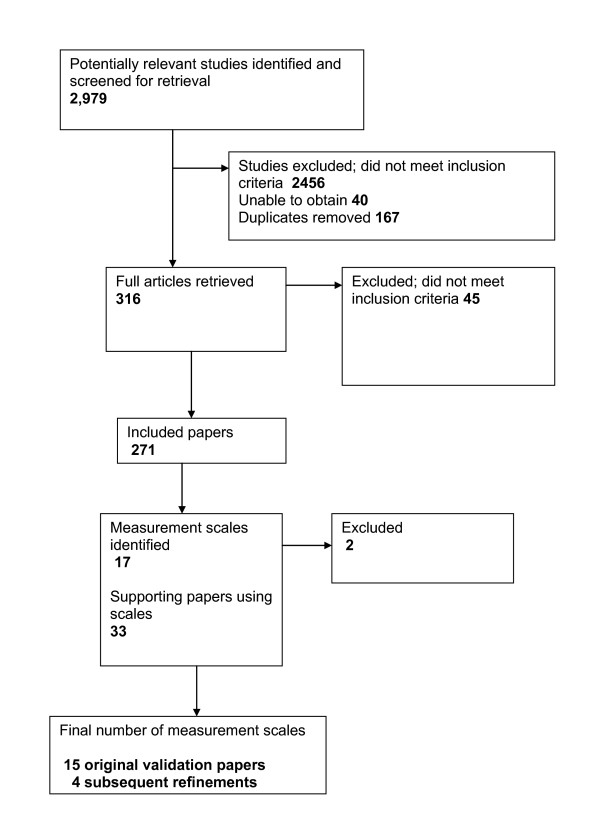
“No estudo realizado por Windle et al. (2011), apresentouse uma revisão das medidas de resiliência, partindo de uma amostra de 271 artigos e 17 escalas, das quais foram excluídas duas e analisadas 15 medidas, além de 4 refinamentos a medidas pré-existentes.”
BackgroundInfluentialHajmohammadi, R., & Shirazi, M. (2017) · Jundishapur Journal of Chronic Disease Care · doi:10.5812/jjcdc.14427 · Cited by 12
“Another variable associated with stress and resilience that attracted a lot of attention is the social context affecting resilience known as social support (14).”
BackgroundMoving on from adversity: an understanding of resilience in rural Thai older people
Pathike, W., O’Brien, A. P., & Hunter, S. (2017) · Aging & Mental Health · doi:10.1080/13607863.2017.1411883 · Cited by 18
Escala Breve de Resiliencia frente a los Problemas de Comportamiento de los hijos (EBR-PC)
Cantero-García, M., & Alonso‐Tapia, J. (2018) · Anales de Psicología · doi:10.6018/analesps.34.3.312601 · Cited by 14
“Excepcionalmente, de acuerdo con la revisión realizada por Windle et al. (2011) la única escala que mide ambos elementos (adversidad y adaptación positiva) es la BRS (Smith et al., 2008).”
BackgroundTan, W. S., Beatty, L., Kemp, E., & Koczwara, B. (2019) · Asia-Pacific Journal of Clinical Oncology · doi:10.1111/ajco.13128 · Cited by 15
Holm, S. E. H., Hansen, B. K. A., Kvale, G., Eilertsen, T., Johnsen, B. H., Hystad, S. W., & Solem, S. (2019) · Scandinavian Journal of Psychology · doi:10.1111/sjop.12531 · Cited by 16
Ndetei, D. M., Mutiso, V., Maraj, A., Anderson, K. K., Musyimi, C. W., Musau, A., Tele, A., Gitonga, I., & McKenzie, K. J. (2019) · Community Mental Health Journal · doi:10.1007/s10597-019-00425-5 · Cited by 12
Bhatt, J., Stoner, C. R., Scior, K., & Charlesworth, G. M. (2021) · BMC Geriatrics · doi:10.1186/s12877-020-01983-0 · Cited by 15
Kumar, S., & Mehany, M. S. H. M. (2021) · Socio-Economic Planning Sciences · doi:10.1016/j.seps.2021.101141 · Cited by 18
Hsu, S.-M., Chen, S., & Huang, T.-R. (2021) · Sensors · doi:10.3390/s21175844 · Cited by 12
Shiloh, S., Peleg, S., & Nudelman, G. (2022) · Psychology Health & Medicine · doi:10.1080/13548506.2022.2030480 · Cited by 13
“Subsequent findings indicating that CSEs are also associated with mental health and well-being (Windle et al., 2011) broadened the fields in which the constructs were applied.”
BackgroundCiber-rumor y síntomas internalizantes en la adolescencia: efecto mediador de la resiliencia
Bravo, A., Alcaide, F. C., Ruiz, R. O., & Romera, E. M. (2022) · Psychology Society & Education · doi:10.21071/psye.v14i1.14168 · Cited by 17
“La resiliencia se ha definido en términos de capacidad intrapersonal de afrontamiento del trauma, siendo un proceso dinámico de adaptación y recuperación del individuo en respuesta a situaciones adversas, ajustándose positivamente a su entorno (Campbell-Sills y Stein, 2007; Windle et al., 2011).”
BackgroundGiovannetti, A. M., Pakenham, K. I., Presti, G., Quartuccio, M. E., Confalonieri, P., Bergamaschi, R., Grobberio, M., Di Filippo, M., Micheli, M., Brichetto, G., et al. (2022) · PLoS ONE · doi:10.1371/journal.pone.0267245 · Cited by 11
“It also obtained the highest rating in a methodological review of resilience measures [16].”
BackgroundPoumeaud, F., Mircher, C., Smith, P. J. K., Faye, P.-A., & Sturtz, F. G. (2021) · Neurobiology of Stress · doi:10.1016/j.ynstr.2021.100305 · Cited by 13
“As for the intensity of stress, assessing or measuring resilience is not an easy task and several scales have been proposed, with questionable results (Windle et al., 2011).”
Resiliensi sebagai Prediktor Teacher Well-Being
Winesa, S. A., & Saleh, A. Y. (2020) · Jurnal Ilmiah Psikologi MIND SET · doi:10.35814/mindset.v11i02.1446 · Cited by 20
Resilience-Based Intervention to Promote Mental and Behavioral Health in Children
Jiang, Y., Harrison, S. E., & Li, X. (2022) · Pediatric Clinics of North America · doi:10.1016/j.pcl.2022.04.009 · Cited by 17
Antonucci, L. A., Pergola, G., Rampino, A., Rocca, P., Rossi, A., Amore, M., Aguglia, E., Bellomo, A., Bianchini, V., Brasso, C., et al. (2022) · Psychological Medicine · doi:10.1017/s003329172200294x · Cited by 12
“This is mainly due to small samples, absence of validation tests, differences in terms of resilience assessment (Windle et al., 2011), and the use of univariate statistics.”
InfluentialExploring the Role of Resilience and Optimism during the COVID-19 Pandemic in Older European Adults
Lee, S. (2023) · Research on Aging · doi:10.1177/01640275231152570 · Cited by 12
“Concerning the measure of resilience, although those two items captured key resilient manners, resilience has been assessed using more items considering its multidimensional nature and complex mechanism (Connor & Davidson, 2003; Gwyther et al., 2011; Martin et al., 2015; Windle et al., 2011).”
The REGAIN (Regional versus General Anesthesia for Promoting Independence after Hip Fracture) Investigators (2023) · Journal of the American Geriatrics Society · doi:10.1111/jgs.18552 · Cited by 11
“26 Patients with lived experience of hip fracture reviewed the instrument to assess face validity and readability and approved its selection prior to its incorporation into the study protocol.”
MethodAre we really studying resilience in sport? A critical review of adopted methodologies
Kegelaers, J. J. (2023) · Frontiers in Psychology · doi:10.3389/fpsyg.2023.1270887 · Cited by 29
“In addition to measuring stressors and corresponding trajectories of functioning, the fifth tenet states that resilience research should also assess the determinants for positive adaptation (Windle, 2011; Sarkar and Fletcher, 2013).”
BackgroundInfluentialA critical evaluation of adolescent resilience self-report scales: A scoping review
Ballard, M., Gill, P. R., Hand, T., & MacKenzie, D. C. (2023) · Children and Youth Services Review · doi:10.1016/j.childyouth.2023.107364 · Cited by 15
Broadening the Scope of Resilience in Chronic Pain: Methods, Social Context, and Development
Sturgeon, J. A., Zubieta, C. S., Kaplan, C. M., Pierce, J. M., Arewasikporn, A., Slepian, P. M., Hassett, A. L., & Trost, Z. (2024) · Current Rheumatology Reports · doi:10.1007/s11926-024-01133-0 · Cited by 20
“However, existing general resilience measures show moderate validity overall, due in part to the difficulty of matching broad resilience concepts with distinct characteristics and lived experiences of specific patient populations [13].”
Self-compassion and health-related quality of life in individuals with endometriosis
Skinner, C. M., & Kuijer, R. G. (2024) · Psychology and Health · doi:10.1080/08870446.2024.2325506 · Cited by 16
“The scale is a well-validated measure of resilience that is widely used and consistently demonstrates good to excellent reliability (McKay et al., 2021; Sánchez et al., 2021; Smith et al., 2008; Windle et al., 2011).”
Haeyen, S., & Wanten, F. (2024) · The Arts in Psychotherapy · doi:10.1016/j.aip.2024.102218 · Cited by 26
Hedeshi, E., & Ghanizadeh, A. (2024) · Applied Linguistics Review · doi:10.1515/applirev-2024-0133 · Cited by 11
Moret‐Tatay, C., Pérez-Bermejo, M., Lozano, A. C., Zharova, I., Arteaga, F., & Murphy, M. F. (2025) · Psicothema · doi:10.70478/psicothema.2025.37.03 · Cited by 26
“Social support from family, friends, and community members can play a significant role in promoting resilience ( Masten et al., 1990 ; Ungar, 2013; Windle et al., 2011).”
Adolescent experiences and exposures: a systematic review of life course outcomes
Banati, P., Vedechkina, M., Rubeis, V. D., Kalai, S., Massaquoi, L., Sadana, R., Baltag, V., & Baird, S. (2025) · EClinicalMedicine · doi:10.1016/j.eclinm.2025.103453 · Cited by 17
“28 Additionally, the outcomes of Family Dynamics and Relationships appear to be understudied, despite wide consensus of the usefulness of parenting programs in adolescence.”
Understanding resilience in young people with complex mental health needs: A Delphi study
Thompson, E.-G., Knowles, S. F., & Greasley, P. (2018) · Clinical Child Psychology and Psychiatry · doi:10.1177/1359104518794789 · Cited by 11
“The authors recommend that assessments should reflect a dynamic process, measuring an individual’s sense of personal agency, and their individual, family, and societal resources across a temporal dimension (Windle et al., 2011).”
BackgroundInfluentialLau, C., Chiesi, F., Saklofske, D. H., Yan, G., & Li, C. (2019) · Personality and Individual Differences · doi:10.1016/j.paid.2019.109666 · Cited by 14
Overstreet, C. M., DeViva, J. C., Amstadter, A. B., McCarthy, E., Southwick, S. M., & Pietrzak, R. H. (2021) · Journal of Psychiatric Research · doi:10.1016/j.jpsychires.2021.06.004 · Cited by 16
Wu, E. X., Collins, A., Briggs, S., Stajduhar, K., Kalsi, A., & Hilliard, N. (2021) · American Journal of Hospice and Palliative Medicine® · doi:10.1177/10499091211030442 · Cited by 15
“Of 15 resilience scales reviewed by Windle et al, the BRS received one of the highest psychometric ratings.(29) The BRS includes 6 questions with an equal number of positively and negatively worded statements for which respondents are asked to rate on a scale from 1 to 5 (strongly disagree to strongly agree).”
MethodMarch, M. K., Harmer, A. R., Thomas, B., Maitland, A. E., Black, D. A., & Dennis, S. M. (2022) · Arthroplasty · doi:10.1186/s42836-022-00128-5 · Cited by 12
“[36] has shown that the BRS, although a valid and reliable measure of resilience, does focus on resilience at the level of the individual, without acknowledging the social and environmental factors that influence resilience.”
BackgroundPsychological and Socio-Demographic Data Contributing to the Resilience of Holocaust Survivors
Fossion, P., Leys, C., Kempenaers, C., Braun, S., Verbanck, P., & Linkowski, P. (2014) · The Journal of Psychology · doi:10.1080/00223980.2013.819793 · Cited by 14
“In a recent methodological review of resilience measurement scales, the RSA was one of the three scales with the best psychometric ratings (Windle et al., 2011).”
BackgroundMethodPenyesuaian Dusun Jangka Panjang Ditinjau dari Resiliensi Komunitas Pasca Gempa
Novianty, A. (2011) · Jurnal Psikologi · doi:10.22146/jpsi.7662 · Cited by 11
Resilience in older adults: influence of the admission in nursing home and psychopathology
Callegari, C., Bertù, L., Caselli, I., Isella, C., & Ielmini, M. (2016) · Neuropsychiatry · doi:10.4172/neuropsychiatry.1000129 · Cited by 16
“An excellent internal consistency was showed too, as well as a good time stability, measured by 24 weeks test- retest reliability [33,37,38].”
BackgroundMethodForsythe, A. (2017) · Cogent Psychology · doi:10.1080/23311908.2017.1385131 · Cited by 18
“Inconsistencies exist in the reliability of measures of resilience (Windle et al., 2011), so it was not entirely surprising that the high Cronbach Alpha (.87) for the CD-RISC resilience scale masked differences within the factor structure.”
BackgroundMethodResultInfluentialVillasana, M., Alonso‐Tapia, J., & Ruiz, M. Á. (2017) · The Spanish Journal of Psychology · doi:10.1017/sjp.2017.39 · Cited by 14
Estimations de la résilience des territoires, sociétés, villes: Méthodes, mesures, validations
Rufat, S. (2018) · VertigO · doi:10.4000/vertigo.19223 · Cited by 15
Avdagic, E., Wade, C., McDonald, M., McCormack, D., Dakin, P., Macvean, M. L., Hayes, L., & Phan, T. (2018) · Early Child Development and Care · doi:10.1080/03004430.2018.1556211 · Cited by 21
Singh, R. K., Mahato, S., Singh, B., Bhushal, S., & Fomani, F. K. (2019) · Asian Journal of Psychiatry · doi:10.1016/j.ajp.2019.08.002 · Cited by 12
Ryder, R., Kearney, L. N., Kynn, M., & Weaver, E. (2019) · Australian and New Zealand Journal of Obstetrics and Gynaecology · doi:10.1111/ajo.13098 · Cited by 14
Resilience and disaster research: definitions, measurement, and future directions
Bakić, H. (2019) · Psihologijske teme · doi:10.31820/pt.28.3.4 · Cited by 33
Does resilience help sustain relationships in the face of interpersonal transgressions?
Halilova, J. G., Struthers, C. W., Guilfoyle, J. R., Shoikhedbrod, A., van Monsjou, E., & George, M. (2020) · Personality and Individual Differences · doi:10.1016/j.paid.2020.109928 · Cited by 17
A psychometric evaluation of the brief resilience scale among tertiary students in Singapore
Liu, V. Y.-Y., & Lim, S. M. (2020) · Asia Pacific Journal of Education · doi:10.1080/02188791.2020.1845120 · Cited by 17
“In fact, Windle, Bennett, and Noyes (2011) CONTACT Sok Mui Lim May.Lim@SingaporeTech.edu.sg Centre for Learning Environment and Assessment Development (CoLEAD), Singapore Institute of Technology, Singapore 138683, Singapore Supplemental data for this article can be accessed here.”
BackgroundMethodResultInfluentialDuan, W., Mu, W., & Xiong, H. (2020) · Frontiers in Psychology · doi:10.3389/fpsyg.2020.602736 · Cited by 11
Psychological Resilience in the Face of Later-Life Spousal Bereavement
Carr, D. (2020) · Risk, systems and decisions · doi:10.1007/978-3-030-57089-7_8 · Cited by 13
Resiliensi komunitas di tengah pandemi Covid-19
Fakultas Ushuluddin dan Dakwah, I. A. I. N. (. K., Sunarno, S., Sulistyowati, E., & Fakultas Ushuluddin dan Dakwah, I. A. I. N. (. K. (2021) · Mediapsi · doi:10.21776/ub.mps.2021.007.01.5 · Cited by 11
The Handbook of Wellness Medicine
IsHak, W. W. (2020) · Cambridge University Press eBooks · doi:10.1017/9781108650182 · Cited by 13
Improving Well-Being in Young Adults: A Social Marketing Proof-of-Concept
van Hierden, Y., Rundle-Thiele, S. R., & Dietrich, T. (2022) · International Journal of Environmental Research and Public Health · doi:10.3390/ijerph19095248 · Cited by 13
Developing the health visitor concept of family resilience in Wales using Group Concept Mapping
Wallace, C. A., Dale, F., Jones, G. M., O’Kane, J., Thomas, M., Wilson, L., & Pontin, D. (2018) · Rural and Remote Health · doi:10.22605/rrh4604 · Cited by 13
Kuo, S., Hou, W., Chang, C., Liao, Y., Cheng, S., Chou, Y., Yeh, Y., Lin, Y., & Chen, I. (2019) · PLoS ONE · doi:10.1371/journal.pone.0211451 · Cited by 12
Lindsey, S., Hiskey, S., Irons, C., & Andrews, L. (2022) · OBM Integrative and Complementary Medicine · doi:10.21926/obm.icm.2203039 · Cited by 10
Validation of the Child and Youth Resilience Measure-28 (CYRM-28) Among Spanish Youth
Garde, R. A., Torres, M. C. G., Vicente, J. M. M., Sánchez, F. J. P., & de la Fuente, J. (2021) · Heliyon · doi:10.1016/j.heliyon.2022.e09713 · Cited by 16
The Well-Being and Resilience of Canadian Christian Clergy
Clarke, M. A., Spurr, S., & Walker, K. D. (2022) · Pastoral Psychology · doi:10.1007/s11089-022-01023-1 · Cited by 22
“There is no specific clinical application recommended for the Ego-Resiliency scale, and Windle et al. (2011) stated that “egoresiliency may be one of the protective factors implicated in a resilient outcome, but it would be incorrect to use this measure on its own as an indicator of resilience” (p.”
BackgroundZhang, S., Wang, L., He, Y., & Liu, J. (2023) · Research Quarterly for Exercise and Sport · doi:10.1080/02701367.2022.2156446 · Cited by 12
“…perspective, resilience contains both trait-and state-like components, not only reflecting one’s ability to sustain relatively stable and healthy levels of psychological and physical functioning but also that to bounce back or recover from difficult situations (Fletcher, 2019; Windle et al., 2011).”
BackgroundPutative risk and resiliency factors among Royal Canadian Mounted Police cadets
Khoury, J. M. B., Jamshidi, L., Shields, R. E., Nisbet, J., Afifi, T. O., Fletcher, A. J., Stewart, S. H., Asmundson, G. J. G., Sauer-Zavala, S. E., Krätzig, G. P., et al. (2023) · Frontiers in Psychology · doi:10.3389/fpsyg.2023.1048573 · Cited by 11
“The BRS has demonstrated good internal consistency and test–retest reliability (Windle et al., 2011) and convergent and divergent validity (Sánchez et al.”
BackgroundMichel, G., Raguindin, P. F., Priboi, C., Ilic, A., Holmer, P., Scheinemann, K., the GROKids Project, von der Weid, N., Brazzola, P., Roessler, J., et al. (2023) · BMC Psychology · doi:10.1186/s40359-023-01309-w · Cited by 9
Margetts, J. L., Hazelton, M., Santangelo, P., Yorke, J., & Wilson, R. L. (2024) · International Journal of Mental Health Nursing · doi:10.1111/inm.13404 · Cited by 13
Evaluating the use of biblio-poetry therapy to improve resilience in undergraduates
Stanley, N. V., Stanley, L., & Nguyen, K. (2024) · Journal of Poetry Therapy · doi:10.1080/08893675.2024.2413598 · Cited by 17
“The RSA features high psychometric ratings for reliability (Cronbach’s α was .67 to .81) with a total coefficient of .8 on the test-retest (Windle et al., 2011).”
Caregiver resilience in palliative care: a research protocol
Limardi, S., Stievano, A., Rocco, G., Vellone, E., & Alvaro, R. (2015) · Journal of Advanced Nursing · doi:10.1111/jan.12829 · Cited by 23
Decker, K. M., Thurston, I. B., Howell, K. H., Hasselle, A. J., & Kamody, R. C. (2020) · Parenting · doi:10.1080/15295192.2020.1729611 · Cited by 13
Psychometric evaluation of the characteristics of resilience in sports team inventory in China
Yang, Y., Li, Y., & Sun, Y. (2020) · PLoS ONE · doi:10.1371/journal.pone.0234134 · Cited by 18
Community-Based Yoga for Women Undergoing Substance Use Disorder Treatment: A Descriptive Study
Galantino, M. L., Turetzkin, S., Lawlor, S., Jones, L., & Brooks, J. C. (2021) · International Journal of Yoga · doi:10.4103/ijoy.ijoy_103_20 · Cited by 15
LaGoy, A. D., Cashmere, J. D., Beckner, M. E., Eagle, S. R., Sinnott, A. M., Conkright, W. R., Miller, E., Derrow, C., Dretsch, M. N., Flanagan, S. D., et al. (2021) · SLEEP · doi:10.1093/sleep/zsab219 · Cited by 10
Does psychological resilience mediate the relation between daily functioning and prefrailty status?
Costenoble, A., Rossi, G. M. P., Knoop, V., Debain, A., Smeys, C., Bautmans, I., Verté, D., VRIENDT, P. D., & Gorus, E. (2021) · International Psychogeriatrics · doi:10.1017/s1041610221001058 · Cited by 10
Kyriazos, T. A., & Stalikas, A. (2021) · Open Journal of Social Sciences · doi:10.4236/jss.2021.911022 · Cited by 14
Metadata
- Authors
- Windle, G., Bennett, K. M., & Noyes, J.
- Affiliations
- Bangor University (GB)
- University of Liverpool (GB)
- Corresponding author
- Windle, Gill
- Venue
- Health and Quality of Life Outcomes
- Published
- 2011
- Volume
- 9
- Issue
- 1
- Pages
- 8
- ISSN
- 1477-7525 (ISSN-L)
- PMC
- PMC3042897
- OpenAlex
- W2097669248
- Cited by
- 2,079
- References
- 59
- Citations by year
- 2026: 86 · 2025: 145 · 2024: 160 · 2023: 170 · 2022: 200 · 2021: 233 · 2020: 258 · 2019: 168 · 2018: 133 · 2017: 118 · 2016: 133 · 2015: 112 · 2014: 75 · 2013: 54 · 2012: 23
- FWCI
- 54.07
- Type
- journal article
- Language
- en
- Open access
- gold
- doi.org
- Licence
- cc-by
- Locations
- Health and Quality of Life Outcomes (publishedVersion, cc-by)
- PubMed Central (publishedVersion, cc-by)
- PubMed (publishedVersion)
- DOAJ (DOAJ: Directory of Open Access Journals) (acceptedVersion)
- Funders
- Office of Research and Development
- Scottish Government
- National Institute for Health and Care Research
- Public Health Agency
- Bangor University
- Directorate for Biological Sciences
- Chief Scientist Office, Scottish Government Health and Social Care Directorate
- Medical Research Council
- Engineering and Physical Sciences Research Council
- Biotechnology and Biological Sciences Research Council
- Economic and Social Research Council
- Topics
- Social Sciences › Psychology › Clinical Psychology › Resilience and Mental Health
- Social Sciences › Decision Sciences › Management Science and Operations Research › Psychometric Methodologies and Testing
- Health Sciences › Nursing › Research and Theory › Health Education and Validation
- Keywords
- resilience, psychometric properties, scale validation, Connor-Davidson Resilience Scale, Resilience Scale for Adults, Brief Resilience Scale, reliability and validity, clinical populations, general population
- MeSH terms
- Adaptation, Psychological, Adult, Age Factors, Humans, Personal Satisfaction, Psychometrics, Quality of Life
About these checks
Registry, retraction, Cites and statistics results are computed, not judged, with one exception: a printed reference that no index lists is read once by a model before it counts as a citation error. Claims are extracted by a model and kept only when their quote appears verbatim in the text; each cited source is then checked, with a model’s help, for whether it says what the claim relies on. Those verdicts can be wrong — read the claim’s quote and the cited source before relying on one.
Statistics and arithmetic are recomputed, not judged.
Confidence bands are shown only for fields calibrated on our annotated test set. None is calibrated yet, so no band is shown.
What counts as a claim ›How we measure confidence ›How we check this ›
Are you an author, or do you see a problem with this page? Request a review
Data sources
Bibliographic data: Semantic Scholar, OpenAlex, Crossref.
Contains information from the Semantic Scholar Academic Graph Datasets, made available under the ODC Attribution License (ODC-BY 1.0).
Semantic Scholar’s data is described in: Kinney, R., et al. (2023). The Semantic Scholar Open Data Platform. arXiv:2301.10140.
