

The effects of pre versus post workout supplementation of creatine monohydrate on body composition and strength
Open accessThe DOI matches its Crossref record; 44 of the 44 references it cites were found in a registry or an index.
Abstract
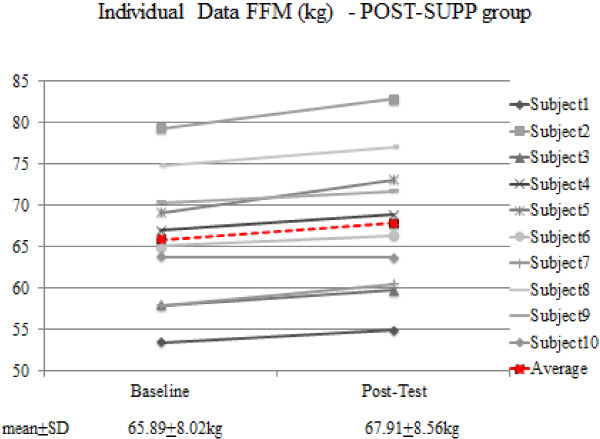
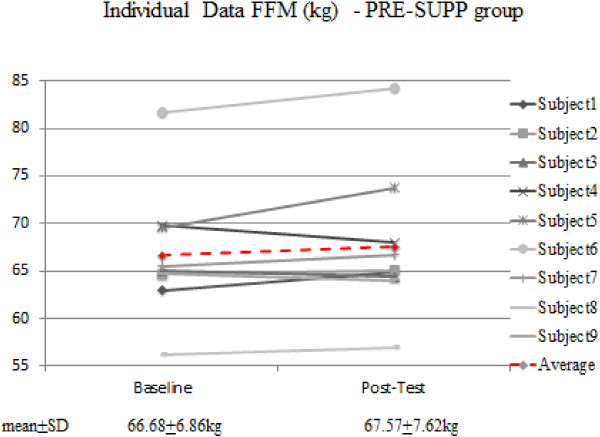
BACKGROUND: Chronic supplementation with creatine monohydrate has been shown to promote increases in total intramuscular creatine, phosphocreatine, skeletal muscle mass, lean body mass and muscle fiber size. Furthermore, there is robust evidence that muscular strength and power will also increase after supplementing with creatine. However, it is not known if the timing of creatine supplementation will affect the adaptive response to exercise. Thus, the purpose of this investigation was to determine the difference between pre versus post exercise supplementation of creatine on measures of body composition and strength. METHODS: Nineteen healthy recreational male bodybuilders (mean ± SD; age: 23.1 ± 2.9; height: 166.0 ± 23.2 cm; weight: 80.18 ± 10.43 kg) participated in this study. Subjects were randomly assigned to one of the following groups: PRE-SUPP or POST-SUPP workout supplementation of creatine (5 grams). The PRE-SUPP group consumed 5 grams of creatine immediately before exercise. On the other hand, the POST-SUPP group consumed 5 grams immediately after exercise. Subjects trained on average five days per week for four weeks. Subjects consumed the supplement on the two non-training days at their convenience. Subjects performed a periodized, split-routine, bodybuilding workout five days per week (Chest-shoulders-triceps; Back-biceps, Legs, etc.). Body composition (Bod Pod®) and 1-RM bench press (BP) were determined. Diet logs were collected and analyzed (one random day per week; four total days analyzed). RESULTS: 2x2 ANOVA results - There was a significant time effect for fat-free mass (FFM) (F = 19.9; p = 0.001) and BP (F = 18.9; p < 0.001), however, fat mass (FM) and body weight did not reach significance. While there were trends, no significant interactions were found. However, using magnitude-based inference, supplementation with creatine post workout is possibly more beneficial in comparison to pre workout supplementation with regards to FFM, FM and 1-RM BP. The mean change in the PRE-SUPP and POST-SUPP groups for body weight (BW kg), FFM (kg), FM (kg) and 1-RM bench press (kg) were as follows, respectively: Mean ± SD; BW: 0.4 ± 2.2 vs. 0.8 ± 0.9; FFM: 0.9 ± 1.8 vs. 2.0 ± 1.2; FM: -0.1 ± 2.0 vs. -1.2 ± 1.6; Bench Press 1-RM: 6.6 ± 8.2 vs. 7.6 ± 6.1. Qualitative inference represents the likelihood that the true value will have the observed magnitude. Furthermore, there were no differences in caloric or macronutrient intake between the groups. CONCLUSIONS: Creatine supplementation plus resistance exercise increases fat-free mass and strength. Based on the magnitude inferences it appears that consuming creatine immediately post-workout is superior to pre-workout vis a vis body composition and strength.
Overview
The claims and statistics of this paper haven’t been checked yet.
Free: it reads the open-access text and checks the first 5 claims that cite a source we can check. Create a free account to check every claim.
Integrity signals
Registry
Cites
Statistics
Figures
Verification
Claims the paper makes
The claims and statistics of this paper haven’t been checked yet.
Free: it reads the open-access text and checks the first 5 claims that cite a source we can check. Create a free account to check every claim.
Claims other papers make about this one
Each is checked against this paper’s own text: does it say what the citing paper says it does?
The source backs part of the claim, not all of it — or backs it for a different population, condition or comparison.
In the citing paper
“Moreover, in a group of healthy recreational male bodybuilders, 5 g/day of creatine consumed either pre- or post-training had no effect on fat mass [90].”
From Common questions and misconceptions about creatine supplementation: what does the scientific evidence really show? (2021) · cites this paper as [90]
Experimental — accuracy not yet measuredThe source backs part of the claim, not all of it — or backs it for a different population, condition or comparison.
In the citing paper
“After 4 weeks of training, changes in fat-free mass (assessed by air-displacement plethysmography) and bench-press strength (assessed by 1-repetition maximum) were similar between creatine ingestion strategies.”
From Creatine O'Clock: Does Timing of Ingestion Really Influence Muscle Mass and Performance? (2022) · cites this paper as Antonio and Ciccone (2013)
Experimental — accuracy not yet measuredThe cited source says what the claim attributes to it.
In the citing paper
“participants in the studies by Antonio and Ciccone (2013) and Jurado-Castro et al. (2021) consumed creatine on non-training days which may have also influenced their findings.”
From Creatine O'Clock: Does Timing of Ingestion Really Influence Muscle Mass and Performance? (2022) · cites this paper as Antonio and Ciccone (2013)
The cited source says what the claim attributes to it.
In the citing paper
“↔ FFM, FM, BM, 1-RM Bench press between groups; Magnitude based inference revealed CR Post more beneficial for FFM, FM, 1-RM Bench press”
From Creatine O'Clock: Does Timing of Ingestion Really Influence Muscle Mass and Performance? (2022) · cites this paper as Antonio and Ciccone (2013)
The cited source says what the claim attributes to it.
In the citing paper
“For instance, research related to caffeine [13], creatine [14–16] and bicarbonate [17] have indicated that timing may affect the acute and chronic response to exercise.”
From International society of sports nutrition position stand: nutrient timing (2017) · cites this paper as [14]
Self-check
Percentages, sums and reported differences re-computed from the paper’s own numbers.
The self-check needs the paper’s full text.
Citations
Cites
Progressive Statistics for Studies in Sports Medicine and Exercise Science
HOPKINS, W. G., MARSHALL, S. W., BATTERHAM, A. M., & HANIN, J. (2009) · Medicine & Science in Sports & Exercise · doi:10.1249/mss.0b013e31818cb278 · Cited by 9,128 · cited 2×
“Several studies have supported the use of magnitude-based inference statistics as a complementary tool for null hypothesis testing to reduce errors in interpretation and to provide more clinically meaningful results [30,31].”
MethodMaking Meaningful Inferences About Magnitudes
Batterham, A. M., & Hopkins, W. G. (2006) · International Journal of Sports Physiology and Performance · doi:10.1123/ijspp.1.1.50 · Cited by 2,183 · cited 5×
“Several studies have supported the use of magnitude-based inference statistics as a complementary tool for null hypothesis testing to reduce errors in interpretation and to provide more clinically meaningful results [30,31].”
MethodInfluentialPostexercise net protein synthesis in human muscle from orally administered amino acids
Tipton, K. D., Ferrando, A. A., Phillips, S. M., Doyle, D., & Wolfe, R. R. (1999) · American Journal of Physiology-Endocrinology and Metabolism · doi:10.1152/ajpendo.1999.276.4.e628 · Cited by 616 · cited 1×
“However, based on the preponderance of evidence, it is apparent that consuming the proper nutrients during the periworkout time period may enhance lean body mass and expedite skeletal muscle recovery [25-29].”
BackgroundEsmarck, B., Andersen, J. L., Olsen, S., Richter, E. A., Mizuno, M., & Kjær, M. (2001) · The Journal of Physiology · doi:10.1111/j.1469-7793.2001.00301.x · Cited by 540
Tipton, K. D., Rasmussen, B. B., Miller, S. L., Wolf, S. E., Owens-Stovall, S. K., Petrini, B. E., & Wolfe, R. R. (2001) · American Journal of Physiology-Endocrinology and Metabolism · doi:10.1152/ajpendo.2001.281.2.e197 · Cited by 526 · cited 3×
“However, based on the preponderance of evidence, it is apparent that consuming the proper nutrients during the periworkout time period may enhance lean body mass and expedite skeletal muscle recovery [25-29].”
BackgroundRasmussen, B. B., Tipton, K. D., Miller, S. L., Wolf, S. E., & Wolfe, R. R. (2000) · Journal of Applied Physiology · doi:10.1152/jappl.2000.88.2.386 · Cited by 523 · cited 1×
“investigators found no difference in the anabolic response whether the drink was consumed 1 hour or 3 hours post exercise [39].”
BackgroundInternational Society of Sports Nutrition position stand: Nutrient timing
Kerksick, C., Harvey, T., Stout, J., Campbell, B., Wilborn, C., Kreider, R., Kalman, D., Ziegenfuss, T., Lopez, H., Landis, J., et al. (2008) · Journal of the International Society of Sports Nutrition · doi:10.1186/1550-2783-5-17 · Cited by 456
Performance and muscle fiber adaptations to creatine supplementation and heavy resistance training
VOLEK, J. S., DUNCAN, N. D., MAZZETTI, S. A., STARON, R. S., PUTUKIAN, M., G??MEZ, A. L., PEARSON, D. R., FINK, W. J., & KRAEMER, W. J. (1999) · Medicine & Science in Sports & Exercise · doi:10.1097/00005768-199908000-00011 · Cited by 366 · cited 2×
“3% increase in body weight and fat-free mass after a 12 week treatment period [12].”
BackgroundInternational Society of Sports Nutrition position stand: creatine supplementation and exercise
Buford, T. W., Kreider, R. B., Stout, J. R., Greenwood, M., Campbell, B., Spano, M., Ziegenfuss, T., Lopez, H., Landis, J., & Antonio, J. (2007) · Journal of the International Society of Sports Nutrition · doi:10.1186/1550-2783-4-6 · Cited by 341
Olsen, S., Aagaard, P., Kadi, F., Tufekovic, G., Verney, J., Olesen, J. L., Suetta, C., & Kjær, M. (2006) · The Journal of Physiology · doi:10.1113/jphysiol.2006.107359 · Cited by 319 · cited 1×
“Mechanistically, creatine supplementation has been shown to increase muscle fiber size, enhance myosin heavy chain protein synthesis, activate satellite cells as well as increase the concentrations of intramuscular ATP and PCr [6,7,12,36,37].”
Background
Cited by
International society of sports nutrition position stand: nutrient timing
Kerksick, C. M., Arent, S., Schoenfeld, B. J., Stout, J. R., Campbell, B., Wilborn, C. D., Taylor, L., Kalman, D., Smith-Ryan, A. E., Kreider, R. B., et al. (2017) · Journal of the International Society of Sports Nutrition · doi:10.1186/s12970-017-0189-4 · Cited by 622
Zdzieblik, D., Oesser, S., Baumstark, M. W., Gollhofer, A., & König, D. (2015) · British Journal of Nutrition · doi:10.1017/s0007114515002810 · Cited by 269
“Creatine supplementation has been shown to improve both muscle mass and muscular function in some but not all studies((45)).”
BackgroundAntonio, J., Candow, D. G., Forbes, S. C., Gualano, B., Jagim, A. R., Kreider, R. B., Rawson, E. S., Smith-Ryan, A. E., VanDusseldorp, T. A., Willoughby, D. S., et al. (2021) · Journal of the International Society of Sports Nutrition · doi:10.1186/s12970-021-00412-w · Cited by 345
“healthy recreational male bodybuilders, 5 g/day of creatine consumed either pre- or post-training had no effect on fat mass [90].”
BackgroundAthletes’ nutritional demands: a narrative review of nutritional requirements
Amawi, A., AlKasasbeh, W., Jaradat, M., Almasri, A., Alobaidi, S., Hammad, A. A., Bishtawi, T., Fataftah, B., Turk, N., Saoud, H. A., et al. (2024) · Frontiers in Nutrition · doi:10.3389/fnut.2023.1331854 · Cited by 154
Creatine for exercise and sports performance, with recovery considerations for healthy populations
Wax, B., Kerksick, C. M., Jagim, A. R., Mayo, J. J., Lyons, B. C., & Kreider, R. B. (2021) · Nutrients · doi:10.3390/nu13061915 · Cited by 182
“[29], who observed greater improvements in fat-free mass accrual and bench press 1 RM strength in recreational male body builders following a 5-week creatine supplementation period, in conjunction with a body-building-type resistance training program compared to those in the placebo group.”
MethodHarty, P. S., Zabriskie, H. A., Erickson, J. L., Molling, P. E., Kerksick, C. M., & Jagim, A. R. (2018) · Journal of the International Society of Sports Nutrition · doi:10.1186/s12970-018-0247-6 · Cited by 140
Diet, exercise, and pharmacotherapy for sarcopenia in people with diabetes
Hashimoto, Y., Takahashi, F., Okamura, T., Hamaguchi, M., & Fukui, M. (2023) · Metabolism · doi:10.1016/j.metabol.2023.155585 · Cited by 132
Strategic creatine supplementation and resistance training in healthy older adults
Candow, D. G., Vogt, E., Johannsmeyer, S., Forbes, S. C., & Farthing, J. P. (2015) · Applied Physiology, Nutrition, and Metabolism · doi:10.1139/apnm-2014-0498 · Cited by 121
“Comparing the effects of creatine supplementation (5 g) immediately before and immediately after resistance training (20 sessions) in young males, Antonio and Ciccone (2013) found slightly greater increases in muscle mass and strength with postexercise creatine ingestion.”
BackgroundPinto, C. L., Botelho, P. B., Carneiro, J. A., & Mota, J. F. (2016) · Journal of Cachexia, Sarcopenia and Muscle · doi:10.1002/jcsm.12094 · Cited by 79
“On training days, to achieve optimal muscle adaptation, the participants consumed it immediately after resistance training sessions dissolved in a beverage comprising 100g of lemonflavoured maltodextrin prepared by our research team.(24)”
Nutrition and Supplementation in Soccer
Oliveira, C., Ferreira, D., Caetano, C., Granja, D., Pinto, R., Mendes, B., & Sousa, M. (2017) · Sports · doi:10.3390/sports5020028 · Cited by 72
Wang, C.-C., Fang, C.-C., Lee, Y.-H., Yang, M.-T., & Chan, K.-H. (2018) · Nutrients · doi:10.3390/nu10111640 · Cited by 83
“This result does not support our hypothesis, which is based on the positive effect of Cr supplementation during resistance training on body composition from previous studies [34,35,41,42].”
ResultNaderi, A., de Oliveira, E. P., Ziegenfuss, T. N., & Willems, M. E. T. (2016) · Journal of Exercise Nutrition & Biochemistry · doi:10.20463/jenb.2016.0031 · Cited by 82
“Recently, in the first study on timing of creatine ingestion, Antonio and Ciccone7, demonstrated that 5 g creatine monohydrate ingestion post-exercise had greater benefits for body composition (i.e. gains of fat-free mass and loss of fat mass) compared with pre-exercise creatine ingestion during a 4-week resistance tr…”
BackgroundInfluentialA review of creatine supplementation in age-related diseases: more than a supplement for athletes
Smith, R. N., Agharkar, A. S., & Gonzales, E. B. (2014) · F1000Research · doi:10.12688/f1000research.5218.1 · Cited by 82
Creatine monohydrate supplementation on lower-limb muscle power in Brazilian elite soccer players
Claudino, J. G., Mezêncio, B., Amaral, S., Zanetti, V., Benatti, F., Roschel, H., Gualano, B., Amadio, A. C., & Serrão, J. C. (2014) · Journal of the International Society of Sports Nutrition · doi:10.1186/1550-2783-11-32 · Cited by 78
“In addition, jumping performance data were analyzed using a contemporary magnitudebased inferences approach [29] in order to detect small effects of practical importance in an applied setting, a technique which is becoming increasingly common in an exercise performance research [30-33].”
MethodSupplements with purported effects on muscle mass and strength
Valenzuela, P. L., Morales, J. S., Emanuele, E., Pareja-Galeano, H., & Lucia, A. (2019) · European Journal of Nutrition · doi:10.1007/s00394-018-1882-z · Cited by 92
Mills, S., Candow, D. G., Forbes, S. C., Neary, J. P., Ormsbee, M. J., & Antonio, J. (2020) · Nutrients · doi:10.3390/nu12061880 · Cited by 63
“The significant increase in muscle strength (leg press: ∆ 43 ± 32 kg, chest press ∆ 13 ± 11 kg; Figure 2) from creatine supplementation during resistance training sessions is comparable to our previous studies showing significant improvements in muscle strength from creatine supplementation immediately before and imme…”
ResultCooke, M. B., Brabham, B., Buford, T. W., Shelmadine, B. D., McPheeters, M., Hudson, G. M., Stathis, C., Greenwood, M., Kreider, R., & Willoughby, D. S. (2014) · European Journal of Applied Physiology · doi:10.1007/s00421-014-2866-1 · Cited by 58
“…proximity of an exercise bout maybe more important than absolute daily intake of the supplements (cribb and Hayes 2006; candow and chilibeck 2008; Antonio and ciccone 2013). numer - ous studies have shown the benefit of protein timing on adaptations to resistance exercise in both young and older…”
Wang, Z., Qiu, B., Li, R., Han, Y., Petersen, C. J., Liu, S., Zhang, Y., Liu, C., Candow, D. G., & Coso, J. D. (2024) · Nutrients · doi:10.3390/nu16213665 · Cited by 53
Timing of Creatine Supplementation around Exercise: A Real Concern?
Ribeiro, F., Longobardi, I., Perim, P., Duarte, B., Ferreira, P., Gualano, B., Roschel, H., & Saunders, B. (2021) · Nutrients · doi:10.3390/nu13082844 · Cited by 34
“Although the results by Antonio and Ciccone [11] suggest that Cr supplementation post-workout may provide greater gains in muscle strength and fat-free mass compared to pre-exercise Cr, the aforementioned limitations preclude solid recommendations without further supporting evidence.”
BackgroundMethodResultInfluentialTiming of ergogenic aids and micronutrients on muscle and exercise performance
Stecker, R. A., Harty, P. S., Jagim, A. R., Candow, D. G., & Kerksick, C. M. (2019) · Journal of the International Society of Sports Nutrition · doi:10.1186/s12970-019-0304-9 · Cited by 56
Antonio, J., Brown, A. F., Candow, D. G., Chilibeck, P. D., Ellery, S. J., Forbes, S. C., Gualano, B., Jagim, A. R., Kerksick, C., Kreider, R. B., et al. (2025) · Journal of the International Society of Sports Nutrition · doi:10.1080/15502783.2024.2441760 · Cited by 33
“These results have been further corroborated by Candow et al. [43], Antonio and Ciccone et al. [44], Jurado-Castro et al. [45] and Dinan et al. [46], all showing similar effects in resistance training-induced adaptations, independent of the timing of CrM.”
Vargas-Molina, S., García-Sillero, M., Kreider, R. B., Salinas, E., Petro, J. L., Benítez-Porres, J., & Bonilla, D. A. (2022) · Journal of the International Society of Sports Nutrition · doi:10.1080/15502783.2022.2108683 · Cited by 22
“In this sense, reported improvements in fatigue prevention [12], high-intensity performance [13], jump and sprint capacity [14], body composition [15,16] and postactivation potentiation [17] might support the benefits of CrM supplementation on team sports performance such as basketball [6,7,18].”
BackgroundGuescini, M., Tiano, L., Genova, M. L., Polidori, E., Silvestri, S., Orlando, P., Fimognari, C., Calcabrini, C., Stocchi, V., & Sestili, P. (2017) · Oxidative Medicine and Cellular Longevity · doi:10.1155/2017/7083049 · Cited by 27
Performance Enhancing Diets and the PRISE Protocol to Optimize Athletic Performance
Arciero, P. J., Miller, V. J., & Ward, E. G. (2015) · Journal of Nutrition and Metabolism · doi:10.1155/2015/715859 · Cited by 36
“In male recreational bodybuilders, 4 weeks of creatine supplementation at 5 g⋅d, combined with resistance training, led to increases in lean body mass and 1 repetition maximum (RM) bench press with indication of greater benefit from postexercise versus preexercise supplementation [55].”
BackgroundATAKAN, M. M., Karavelioğlu, M. B., Harmancı, H., Cook, M., & Bulut, S. (2018) · Science & Sports · doi:10.1016/j.scispo.2018.11.003 · Cited by 42
Creatine O'Clock: Does Timing of Ingestion Really Influence Muscle Mass and Performance?
Candow, D. G., Forbes, S. C., Roberts, M. D., Roy, B. D., Antonio, J., Smith-Ryan, A. E., Rawson, E. S., Gualano, B., & Roschel, H. (2022) · Frontiers in Sports and Active Living · doi:10.3389/fspor.2022.893714 · Cited by 28
Nutrition and Supplements for Elite Open-Weight Rowing
Boegman, S., & Dziedzic, C. E. (2016) · Current Sports Medicine Reports · doi:10.1249/jsr.0000000000000281 · Cited by 29
“Consumption with a recovery meal may augment the uptake of creatine in skeletal muscle (3), potentially enhancing its effectiveness (10).”
BackgroundKim, J. (2019) · Exercise Science · doi:10.15857/ksep.2019.28.3.211 · Cited by 27
“In terms of the timing of creatine intake, post-exercise is recommended more than pre-exercise [78,79].”
BackgroundInfluentialHummer, E. T., Suprak, D. N., Buddhadev, H. H., Brilla, L. R., & Juan, J. G. S. (2019) · Journal of the International Society of Sports Nutrition · doi:10.1186/s12970-019-0291-x · Cited by 21
Timing of Creatine Supplementation and Resistance Training: A Brief Review
Forbes, S. C., & Candow, D. G. (2018) · Journal of Exercise and Nutrition · Cited by 23
Molecular and metabolic insights of creatine supplementation on resistance training
Bonilla, D. A., & Moreno, Y. (2016) · Revista Colombiana de Química · doi:10.15446/rev.colomb.quim.v44n1.53978 · Cited by 14
Dinan, N. E., Hagele, A. M., Jagim, A. R., Miller, M. G., & Kerksick, C. M. (2022) · Frontiers in Sports and Active Living · doi:10.3389/fspor.2022.1033842 · Cited by 19
“Several strengths are evident from the present study starting with the randomized, double-blind, placebo-controlled approach, with more study participants per group than what has been previously reported in the literature (12, 13, 15).”
BackgroundInfluentialFORBES, S. C., KRENTZ, J. R., & CANDOW, D. G. (2021) · The Journal of Sports Medicine and Physical Fitness · doi:10.23736/s0022-4707.20.11668-2 · Cited by 12
Acosta, R. G., & Plotnikow, G. A. (2024) · Rehabilitation and Sports Medicine · doi:10.56294/ri202492 · Cited by 17
Preparticipation Evaluation of the Young Athlete: What an Orthopaedic Surgeon Needs to Know
Miller, D. J., Blum, A. B., Levine, W. N., Ahmad, C. S., & Popkin, C. A. (2015) · The American Journal of Sports Medicine · doi:10.1177/0363546515598994 · Cited by 14
“In addition, creatine can increase weight and lean muscle mass.(3,86) Creatine can be an effective supplement for athletes when used for short-duration, maximal effort anaerobic exercise.”
BackgroundMeixner, B. J., Stegmaier, J., Renner, P., Koehler, K., Yang, W., & Sperlich, B. (2025) · Current Developments in Nutrition · doi:10.1016/j.cdnut.2025.104561 · Cited by 13
“As previously suggested, all participants were required to abstain from creatine supplementation in the 4 wk before study participation [29].”
Morning versus evening intake of creatine in elite female handball players
Jurado-Castro, J. M., Campos-Pérez, J., Vilches-Redondo, M. Á., Mata, F., Navarrete-Pérez, A., & Ranchal-Sanchez, A. (2021) · International Journal of Environmental Research and Public Health · doi:10.3390/ijerph19010393 · Cited by 10
“Although several studies have attempted to elucidate whether the best time to ingest Cr is before or after training [6], the results showed greater benefits when Cr was ingested close to the training sessions due to the increased blood flow, with significant improvements seen with post-training consumption [7] due to…”
BackgroundCreatine Monohydrate Supplementation: Considerations for Cognitive Performance in Athletes
Machek, S. B., & Bagley, J. R. (2018) · Strength and conditioning journal · doi:10.1519/ssc.0000000000000369 · Cited by 11
“Creatine monohydrate benefits at both the muscle and brain (1,6,9,16,22,35,51,68,70).”
BackgroundArazi, H., Eghbali, E., & Karimifard, M. (2019) · Biomedical Human Kinetics · doi:10.2478/bhk-2019-0022 · Cited by 9
“Contrary to the results of the present study regarding weight gain in the RT + CEE group, Jose [21] concluded that total creatine supplementation with RT did not cause significant changes in body weight and fat free mass after four weeks of RT and creatine consumption.”
BackgroundResultAn Update on Effects of Creatine Supplementation on Performance: A Review
Dorrell, H. F., Gee, T., & Middleton, G. (2016) · Sports Nutrition and Therapy · doi:10.4172/2473-6449.1000107 · Cited by 9
“The participants significantly increased their muscular strength, fat free mass (FFM), muscular hypertrophy and total muscle CR concentrations over a control group.”
BackgroundInfluentialBarranco‐Gil, D., Alejo, L. B., Revuelta, C., Górriz, M., Aldazabal, I. P., Ozcoidi, L. M., Lucía, A., & Valenzuela, P. L. (2024) · Journal of the International Society of Sports Nutrition · doi:10.1080/15502783.2024.2340574 · Cited by 8
“Regarding the latter, although scarce and mixed evidence exists [49], some reports suggest that ingesting creatine following exercise might provide additional benefits on performance and body composition [50–53].”
BackgroundRenal, hepatic and muscle effects of creatine supplementation in an older adults experimental model
Fernandes, V. A. R., Delforno, M. C., Banov, G. C., Shmayev, M., Leandro, J. V. A., Teixeira, K. F. G., Iatecola, A., Cardozo, M. F. I., Caldeira, E. J., & da Cunha, M. R. (2021) · Clinical Nutrition ESPEN · doi:10.1016/j.clnesp.2021.12.020 · Cited by 7
Maurelli, O., Bernard, P. L., Dubois, R., Ahmaïdi, S., & Prioux, J. (2017) · The Journal of Strength and Conditioning Research · doi:10.1519/jsc.0000000000002199 · Cited by 6
“Each subject had 2 attempts on the last performance to be executed (5).”
BackgroundOptimum timing in creatine supplementation for improved sporting performance
Jurado‐Castro, J. M., Navarrete-Pérez, A., Ranchal‐Sánchez, A., & Ordóñez, F. M. (2021) · Archivos de medicina del deporte: revista de la Federación Española de Medicina del Deporte y de la Confederación Iberoamericana de Medicina del Deporte · doi:10.18176/archmeddeporte.00026 · Cited by 8
Cooke, M. B., Rybalka, E., Stathis, C. G., & Hayes, A. (2018) · Nutrients · doi:10.3390/nu10050553 · Cited by 6
Chulvi‐Medrano, I., Picón-Martínez, M., García-Jaén, M., Cortell-Tormo, J. M., Alakhdar, Y., & Laurentino, G. C. (2019) · Montenegrin Journal of Sports Science and Medicine · doi:10.26773/mjssm.190306 · Cited by 8
Creatine in Sport and Medicine
Szewczyk, P., & Poniewierka, E. (2015) · Nursing and Public Health · doi:10.17219/pzp/60488 · Cited by 6
Creatine Supplements: What the Research Says about How It Can Help Healthy Athletes
Dahal, M., Dahal, K. R., Pokhrel, N. R., & Kutal, D. H. (2024) · Global Journal of Health Science · doi:10.5539/gjhs.v16n2p48 · Cited by 5
“Creatine also aids in recovery post-training (Antonio & Ciccone, 2013; BEMBEN et al., 2001; Wang et al., 2018).”
BackgroundMaurelli, O., Bernard, P. L., Dubois, R., Ahmaïdi, S., & Prioux, J. (2018) · The Journal of Strength and Conditioning Research · doi:10.1519/jsc.0000000000002590 · Cited by 8
“Each subject had 2 attempts on the last performance to be executed (1).”
BackgroundBagherpour, T., Yaghobi, A., & Nemati, N. (2022) · Thrita · doi:10.5812/thrita-128754 · Cited by 4
Sandoval, C., Villagrán-Silva, F., Recabarren, B., Schulz, M., & Souza‐Mello, V. (2023) · Science & Sports · doi:10.1016/j.scispo.2022.05.008 · Cited by 3
Kim, T. K., & Gil, H. Y. (2024) · Journal of Clinical Medicine · doi:10.3390/jcm13092607 · Cited by 3
“Creatine supplementation has been shown to be able to improve muscle mass and function in some studies and reduce sarcopenia [67,68].”
BackgroundNagy, S.-R., Mititelu, M., Marin, R. C., Popovici, V., Pallag, A., & Jurca, T. (2025) · Sports · doi:10.3390/sports13060182 · Cited by 4
“On the other hand, a study on nineteen healthy recreational male bodybuilders found no significant differences in body composition and strength between creatine administration before and after RT [80].”
(Na, I. T. S. A. C. C. M. P. B. W. S. C., (Kre-Alkalyn, ). T. A. P. O. 1. W. U., Pharmaceutical, (. B. A. A., Billings, monohydrate, M. O. G. C. I. C., analysis, C. E. A. C. M. F. F. (. S. O. E. W. P. A. R. F. S. S. T. R. R. A. C. A. F. P., creatines, L. C. M. W. A. T. A. G. C. A. P. O. A. B. N.-5. F. T. A. M. A. D. W. R. A. C. W. M. F. T. 4. D. T. O., & each., U. 6. L. O. (2015) · Integrative Molecular Medicine · doi:10.15761/imm.1000141 · Cited by 3
“Creatine (N-(aminoiminomethyl-N-methyl glycine) is an important amino acid based metabolite produced in the kidneys, liver and pancreas and used by the muscle in the production of energy [13].”
BackgroundNutritional Supplements for Strength and Power Athletes
Wilborn, C. (2015) · Springer eBooks · doi:10.1007/978-3-319-18230-8_10 · Cited by 2
Rodríguez-Gandullo, J. A., & Álvarez‐Barbosa, F. (2018) · Retos · doi:10.47197/retos.v0i34.58300 · Cited by 8
McDonough, D. J. (2017) · ScholarWorks (Boise State University) · doi:10.18122/b2kx4q · Cited by 4
“BW, FFM, and FM were measured using a Bod Pod as described by Antonio and colleagues in a similar study.(133) Both pre- and posttreatment body measures were assessed in this fashion.”
BackgroundMethodThe effect of creatine supplementation on muscle protein synthesis in athletes: A review
Izadi, M. A., & Daryanoosh, F. (2025) · Nutrition Clinique et Métabolisme · doi:10.1016/j.nupar.2025.09.001 · Cited by 1
Maaoui, K. B., Delleli, S., Jebabli, A., Mahdi, N., Coso, J. D., Chtourou, H., Ardigò, L. P., & Ouergui, I. (2026) · Nutrients · doi:10.3390/nu18111789 · Cited by 1
“Over multi-week training protocols, some evidence points to superior muscle mass and strength adaptations when Cr is consistently consumed post-exercise rather than pre-exercise [8,10,11].”
InfluentialImproved Creatine Stability and pH Profile for Kre-Alkalyn
Golini, J. (2015) · Journal of Biosensors & Bioelectronics · doi:10.4172/2155-6210.1000187 · Cited by 1
Reuland, E. M. (2016) · OhioLink ETD Center (Ohio Library and Information Network) · Cited by 2
Kerksick, C. M., & Cole, N. H. (2015) · Springer eBooks · doi:10.1007/978-3-319-18230-8_13 · Cited by 2
Tomaz, L. D. S. P., & Cruz, M. F. D. A. (2022) · Research Society and Development · doi:10.33448/rsd-v11i16.38519
Fernandes, V. A. R., Belozo, F. L., Conte, M., & Caldeira, E. J. (2020) · Revista Brasileira de Fisiologia do Exercício · doi:10.33233/rbfe.v18i4.3237 · Cited by 3
Cárdenas, L. H. (2019) · Cited by 1
Saxvanderweyden, M., & Willoughby, D. S. (2018) · Journal of Exercise and Nutrition · Cited by 1
EFFECTS OF CREATINE MONOHYDRATE TO STRENGTH AND BODY COMPOSITION
Bjelica, B., Aksović, N., Alempijević, R., Zelenović, M., & Dragović, I. (2020) · SPORT I ZDRAVLJE · doi:10.7251/sizen2001090b · Cited by 3
“Jose & Ciccone (2013) examined the effects of CR (5g/day) to strength and body composition in their study.”
BackgroundSarcopenia – Potential Beneficial Effects of Creatine Supplementation
Forbes, S. C., Candow, D. G., & McLeod, K. M. (2015) · Elsevier eBooks · doi:10.1016/b978-0-12-418680-4.00004-x · Cited by 1
Dehghani, F., Marandi, S. M., & Reisi, J. (2016)
Six Weeks of Creatine-Electrolyte Supplement Effects on Muscle Fatigability
Miller, D. R. (2017) · Western CEDAR (Western Washington University) · doi:10.25710/kqxh-ad36
Ferreira, R. C. A., Fernandes, W. S., Barros, F. S., & Ribeiro, W. (2016) · Athens Journal of Sports · doi:10.30958/ajspo.3-3-3
Sulistiani, U., Pangkahila, W. I., & Pangkahila, A. (2019) · IJAAM (Indonesian Journal of Anti-Aging Medicine) · doi:10.36675/ijaam.v3i2.46
The Effect of Creatine Supplement on The Kidney Function of Dragon Boat Athletes
Pitriani, P., Ray, H. R. D., & Negara, J. D. K. (2020) · JURNAL PENDIDIKAN JASMANI DAN OLAHRAGA · doi:10.17509/jpjo.v5i1.23181 · Cited by 1
“Creatine is one of the most popular substances in athletes and bodybuilders worldwide (Antonio and Ciccone, 2013).”
BackgroundEFEKTI KREATIN MONOHIDRATA NA SNAGU I TJELESNU KOMPOZICIJU
Bjelica, B., Aksović, N., Alempijević, R., Zelenović, M., & Dragović, I. (2020) · SPORT I ZDRAVLJE · doi:10.7251/siz2001006b
Yaghoobi, A., Bagherpoor, T., & Nemati, N. (2022) · مجله دانشگاه علوم پزشکی اراک · doi:10.32598/jams.25.3.6963.1
Trends in Creatine Supplementation for Athletes: A Systematic Review
Nag, S. (2023) · International Journal of Science and Research (IJSR) · doi:10.21275/sr23904095023
“Several studies reported an increase in fat free muscle mass with creatine supplementation, mostly in combination with resistance exercises [15].”
BackgroundPhysical effects of α-methyl guanidine acetic-acid consumption
Zevallos-Aquije, A., Maravi-Cardenas, A., Salas-Bolaños, R. A., Zevallos-Aquije, A., & Palomino-Salcedo, K. J. (2025) · Journal of Human Sport and Exercise · doi:10.55860/9kxt1b42
“Studies suggest that post-workout consumption may be more beneficial than pre-workout, as it maximizes muscle absorption and utilization (António & Ciccone, 2013); however, these studies are still under debate.”
Cooper, R. G. (2013) · Greenwich Academic Literature Archive (University of Greenwich)
State of the Art and Development Trends in Obtaining Fast-Dissolving Forms of Creatine Monohydrate
Albagachiev, S. A., Pinegina, E. D., Sadkovskii, I. A., Krasnyuk, I. I., & Александрович, М. М. (2026) · Pharmaceuticals · doi:10.3390/ph19010128 · Cited by 1
“As a result, even with vigorous mixing, an unstable suspension is formed, which leads to user discomfort, notably the need to continuously re-suspend the undissolved CM sediment [14].”
Ramezanzadeh, M., Arazi, H., & Saidie, P. (2026) · Sport Sciences for Health · doi:10.1007/s11332-026-01660-6
“The procedure involved providing the participants with the assigned supplement, followed by a 60 min rest period to allow for digestion and absorption of the supplement [18].”
Maurelli, O. (2018) · theses.fr (ABES) · doi:10.70675/87a8c7f1zeda8z4096za62cz3d7665b1d305 · Cited by 1
Mills, S. D., Candow, D. G., Rusterholz, F., Lewgood, J., Forbes, S. C., & Mang, C. S. (2026) · Nutraceuticals · doi:10.3390/nutraceuticals6030042
“Finally, Antonio and Ciccone [19] found similar improvements in body composition and strength when 5 g of CrM was consumed either immediately before or immediately after resistance training sessions for 4 weeks in young male bodybuilders (~23 years of age).”
Nutritional support for athletes: an overview of current principles and practical recommendations
Халитовна, Б. И., Maksimov, M. L., Kizlik, О. О., & Sidorova, A. D. (2026) · Glavvrač (Chief Medical Officer) · doi:10.33920/med-03-2606-08
Creatine - is it really a great supplement? - Literature review
Krych, G., & Rusak, A. (2026) · Medical Science · doi:10.54905/disssi.v30i174.e162ms3963
Metadata
- Authors
- Antonio, J., & Ciccone, V.
- Affiliations
- Exercise and Sports SciencesNova Southeastern University, 3532 S. University Drive University Park Plaza Suite 3532 33314 Davie FL USA
- Nova Southeastern University (US)
- Venue
- Journal of the International Society of Sports Nutrition
- Publisher
- Informa UK Limited
- Published
- 2013-01-03
- Volume
- 10
- Issue
- 1
- Pages
- 36-36
- ISSN
- 1550-2783 (ISSN-L)
- PMC
- PMC3750511
- OpenAlex
- W2099802348
- Cited by
- 83
- References
- 44
- Citations by year
- 2026: 5 · 2025: 4 · 2024: 7 · 2023: 3 · 2022: 6 · 2021: 7 · 2020: 6 · 2019: 8 · 2018: 10 · 2017: 5 · 2016: 8 · 2015: 10 · 2014: 3 · 2013: 1
- FWCI
- 4.25
- Type
- journal article
- Language
- en
- Open access
- gold
- doi.org
- Licence
- Locations
- Journal of the International Society of Sports Nutrition (publishedVersion, cc-by)
- Europe PMC (PubMed Central) (publishedVersion, cc-by)
- PubMed Central (publishedVersion, cc-by)
- PubMed (publishedVersion)
- Topics
- Health Sciences › Nursing › Nutrition and Dietetics › Muscle metabolism and nutrition
- Health Sciences › Medicine › Orthopedics and Sports Medicine › Sports Performance and Training
- Health Sciences › Medicine › Physiology (medical) › Biochemical effects in animals
- Keywords
- creatine monohydrate, timing of supplementation, body composition, fat-free mass, fat mass, muscle strength, bodybuilding, resistance training, dietary intake, magnitude-based inference, bodybuilders, recreational athletes, skeletal muscle hypertrophy, phosphocreatine, exercise adaptation
About these checks
Registry, retraction, Cites and statistics results are computed, not judged, with one exception: a printed reference that no index lists is read once by a model before it counts as a citation error. Claims are extracted by a model and kept only when their quote appears verbatim in the text; each cited source is then checked, with a model’s help, for whether it says what the claim relies on. Those verdicts can be wrong — read the claim’s quote and the cited source before relying on one.
Statistics and arithmetic are recomputed, not judged.
Confidence bands are shown only for fields calibrated on our annotated test set. None is calibrated yet, so no band is shown.
What counts as a claim ›How we measure confidence ›How we check this ›
Are you an author, or do you see a problem with this page? Request a review
Data sources
Bibliographic data: Semantic Scholar, OpenAlex, Crossref.
Contains information from the Semantic Scholar Academic Graph Datasets, made available under the ODC Attribution License (ODC-BY 1.0).
Semantic Scholar’s data is described in: Kinney, R., et al. (2023). The Semantic Scholar Open Data Platform. arXiv:2301.10140.
