

Perinatal nicotine exposure induces asthma in second generation offspring
Open accessThe DOI matches its Crossref record; 68 of the 68 references it cites were found in a registry or an index.
Abstract
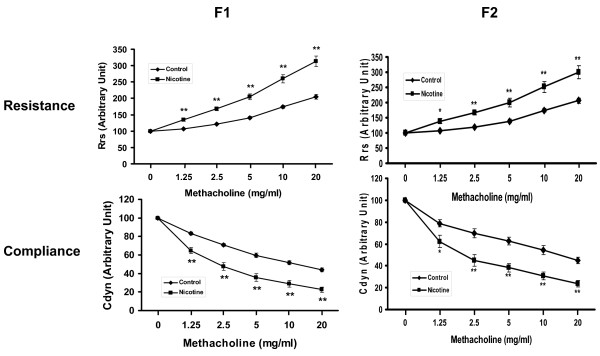
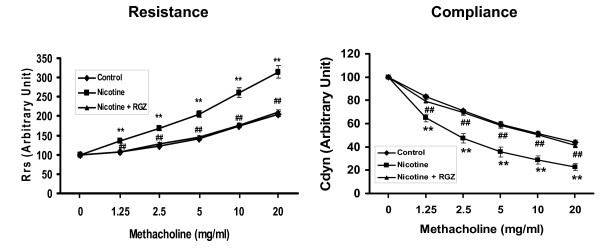
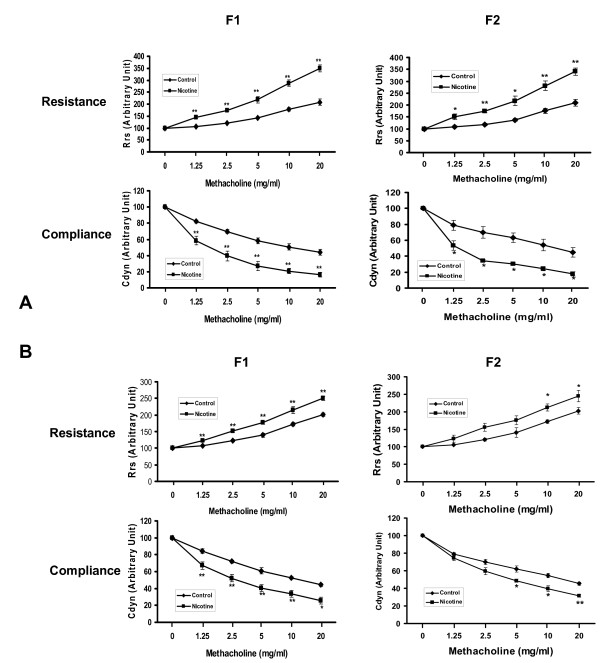
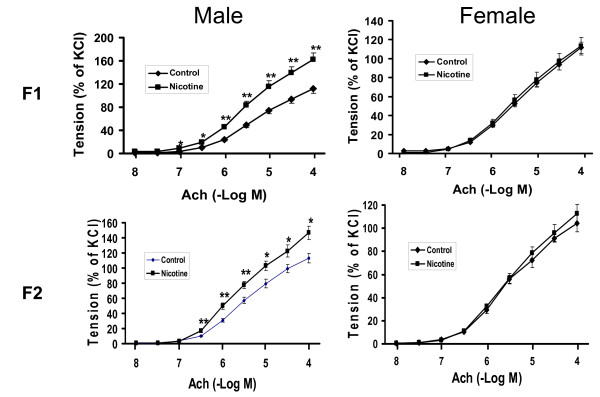
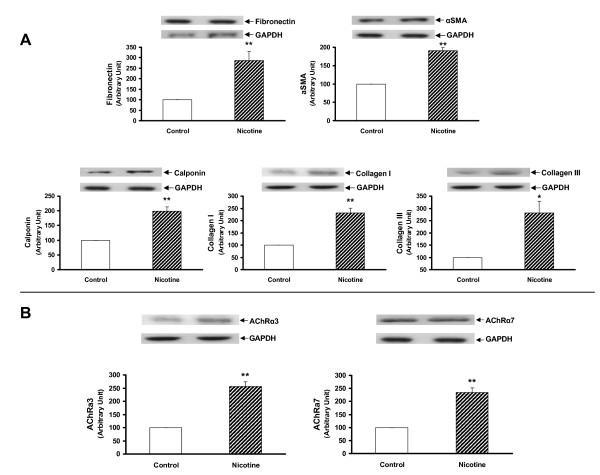
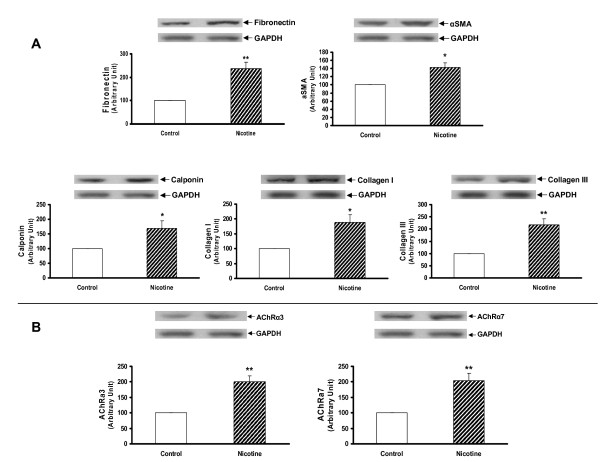
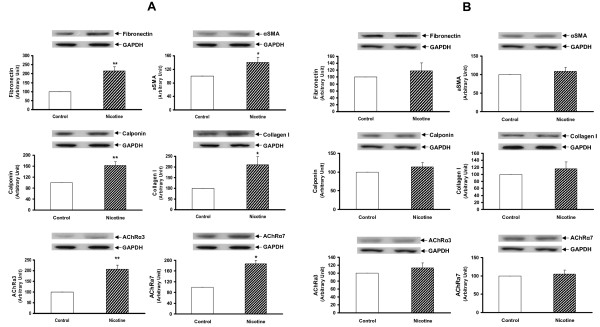
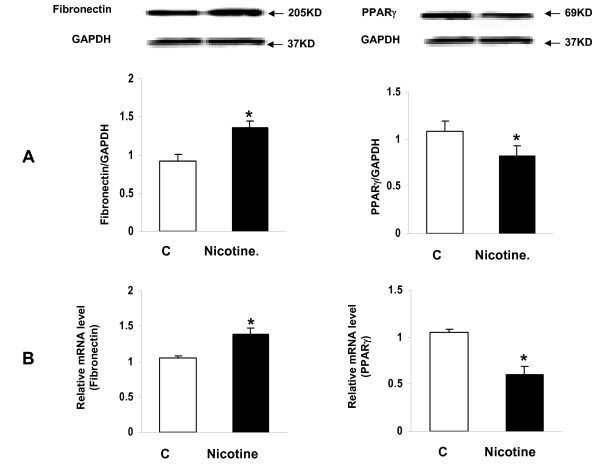
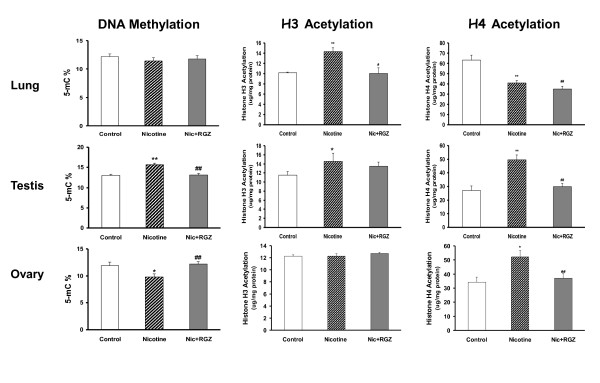
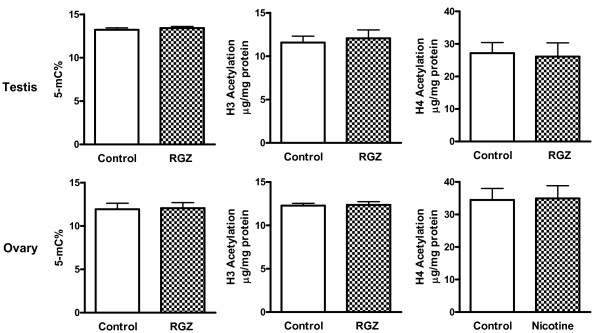
BACKGROUND: By altering specific developmental signaling pathways that are necessary for fetal lung development, perinatal nicotine exposure affects lung growth and differentiation, resulting in the offsprings' predisposition to childhood asthma; peroxisome proliferator-activated receptor gamma (PPARγ) agonists can inhibit this effect. However, whether the perinatal nicotine-induced asthma risk is restricted to nicotine-exposed offspring only; whether it can be transmitted to the next generation; and whether PPARγ agonists would have any effect on this process are not known. METHODS: Time-mated Sprague Dawley rat dams received either placebo or nicotine (1 mg/kg, s.c.), once daily from day 6 of gestation to postnatal day (PND) 21. Following delivery, at PND21, generation 1 (F1) pups were either subjected to pulmonary function tests, or killed to obtain their lungs, tracheas, and gonads to determine the relevant protein markers (mesenchymal contractile proteins), global DNA methylation, histone 3 and 4 acetylation, and for tracheal tension studies. Some F1 animals were used as breeders to generate F2 pups, but without any exposure to nicotine in the F1 pregnancy. At PND21, F2 pups underwent studies similar to those performed on F1 pups. RESULTS: Consistent with the asthma phenotype, nicotine affected lung function in both male and female F1 and F2 offspring (maximal 250% increase in total respiratory system resistance, and 84% maximal decrease in dynamic compliance following methacholine challenge; P < 0.01, nicotine versus control; P < 0.05, males versus females; and P > 0.05, F1 versus F2), but only affected tracheal constriction in males (51% maximal increase in tracheal constriction following acetylcholine challenge, P < 0.01, nicotine versus control; P < 0.0001, males versus females; P > 0.05, F1 versus F2); nicotine also increased the contractile protein content of whole lung (180% increase in fibronectin protein levels, P < 0.01, nicotine versus control, and P < 0.05, males versus females) and isolated lung fibroblasts (for example, 45% increase in fibronectin protein levels, P < 0.05, nicotine versus control), along with decreased PPARγ expression (30% decrease, P < 0.05, nicotine versus control), but only affected contractile proteins in the male trachea (P < 0.05, nicotine versus control, and P < 0.0001, males versus females). All of the nicotine-induced changes in the lung and gonad DNA methylation and histone 3 and 4 acetylation were normalized by the PPARγ agonist rosiglitazone except for the histone 4 acetylation in the lung. CONCLUSIONS: Germline epigenetic marks imposed by exposure to nicotine during pregnancy can become permanently programmed and transferred through the germline to subsequent generations, a ground-breaking finding that shifts the current asthma paradigm, opening up many new avenues to explore.
Overview
The claims and statistics of this paper haven’t been checked yet.
Free: it reads the open-access text and checks the first 5 claims that cite a source we can check. Create a free account to check every claim.
Integrity signals
Registry
Cites
Statistics
Figures
Verification
Claims the paper makes
The claims and statistics of this paper haven’t been checked yet.
Free: it reads the open-access text and checks the first 5 claims that cite a source we can check. Create a free account to check every claim.
Claims other papers make about this one
Each is checked against this paper’s own text: does it say what the citing paper says it does?
The source backs part of the claim, not all of it — or backs it for a different population, condition or comparison.
In the citing paper
“In rodent models, prenatal nicotine exposure causes similar DNA methylation changes, including changes in Runx1 methylation, which has been associated with increased risk of asthma”
From Developmental toxicity of nicotine: A transdisciplinary synthesis and implications for emerging tobacco products (2017) · cites this paper as [218]
Experimental — accuracy not yet measuredThe source backs part of the claim, not all of it — or backs it for a different population, condition or comparison.
In the citing paper
“Recent evidence has been provided for transgenerational epigenetic effects of fetal nicotine exposure on lung function, suggesting that nicotine can create lasting, multigenerational alterations in the epigenome (Rehan et al. 2012; Leslie, 2013).”
From Nicotine and the adolescent brain (2015) · cites this paper as Rehan et al. 2012
Experimental — accuracy not yet measuredThe cited source says what the claim attributes to it.
In the citing paper
“In a well-established animal model of in utero nicotine exposure, Rehan and colleagues 81 demonstrated increased airway resistance and contractility proteins in rats that were one generation (F2) removed from in utero nicotine exposure, which was supported by tissuespecific epigenetic differences.”
From Impact of Tobacco Smoke and Nicotine Exposure on Lung Development (2016) · cites this paper as [81]
In the citing paper
“Research by Rehan and colleagues supports that DNA methylation changes caused by in utero nicotine exposure may persist for multiple generations.”
From Developmental toxicity of nicotine: A transdisciplinary synthesis and implications for emerging tobacco products (2017) · cites this paper as [218]
Self-check
Percentages, sums and reported differences re-computed from the paper’s own numbers.
The self-check needs the paper’s full text.
Citations
Cites
Jaenisch, R., & Bird, A. (2003) · Nature Genetics · doi:10.1038/ng1089 · Cited by 6,325 · cited 1×
“For example, a change in the organism’s environment, that is, smoke/nicotine exposure (of the F0 generation), can result in modifications in gene expression through alterations in DNA methylation, histone (H) modification, non-coding RNA, and/or protein structure and assembly without changing the DNA sequence of the F…”
BackgroundThe global burden of asthma: executive summary of the GINA Dissemination Committee Report
Masoli, M., Fabian, D., Holt, S., Beasley, R., & Program, G. I. F. A. (. (2004) · Allergy · doi:10.1111/j.1398-9995.2004.00526.x · Cited by 3,529 · cited 1×
“The burden of this disease is increasing rapidly, with the most striking increases seen among children, the prevalence rates in some populations being greater than 30% [7].”
BackgroundBeasley, R. (1998) · The Lancet · doi:10.1016/s0140-6736(97)07302-9 · Cited by 3,389
Current estimates from the National Health Interview Survey.
Ss, J. (1981) · PubMed · Cited by 1,866
Surveillance for asthma--United States, 1980-1999.
Mannino, D. M., Homa, D. M., Akinbami, L. J., Moorman, J. E., Gwynn, C., & Redd, S. C. (2002) · PubMed · Cited by 1,858
(2014) · Choice Reviews Online · doi:10.5860/choice.185702 · Cited by 1,260
Braman, S. S. (2006) · Chest · doi:10.1378/chest.130.1_suppl.4s · Cited by 1,176 · cited 1×
“Background Asthma is a major public health problem [1,2].”
BackgroundSex-specific, male-line transgenerational responses in humans
The ALSPAC Study Team, Pembrey, M. E., Bygren, L. O., Kaati, G., Edvinsson, S., Northstone, K., Sjöström, M., & Golding, J. (2006) · European Journal of Human Genetics · doi:10.1038/sj.ejhg.5201538 · Cited by 1,150 · cited 1×
“In contrast to the very limited data in humans, in a variety of animal models gestational exposure to carcinogens, endocrine disruptors, and other toxins has been shown to have MG effects [38-40].”
ResultCurrent estimates from the National Health Interview Survey, 1990.
Adams, P. F., Hendershot, G. E., & Marano, M. A. (1987) · PubMed · Cited by 1,104
Cited by
Nicotine and the adolescent brain
Yuan, M., Cross, S. J., Loughlin, S. E., & Leslie, F. M. (2015) · The Journal of Physiology · doi:10.1113/jp270492 · Cited by 623
“Recent evidence has been provided for transgenerational epigenetic effects of fetal nicotine exposure on lung function, suggesting that nicotine can create lasting, multigenerational alterations in the epigenome (Rehan et al. 2012; Leslie, 2013).”
BackgroundLandecker, H., & Panofsky, A. (2013) · Annual Review of Sociology · doi:10.1146/annurev-soc-071312-145707 · Cited by 465
Epigenetics across the human lifespan
Kanherkar, R. R., Bhatia-Dey, N., & Csoka, A. B. (2014) · Frontiers in Cell and Developmental Biology · doi:10.3389/fcell.2014.00049 · Cited by 407
“Of particular interest is the finding that not only maternal smoking but also grandmaternal smoking is linked to pediatric disease as a result of epigenetic changes to DNA and histones (Rehan et al., 2012; Leslie, 2013) (See below for description of trans-generational influences).”
BackgroundNicotine and the Developing Human
England, L. J., Bunnell, R. E., Pechacek, T. F., Tong, V. T., & McAfee, T. A. (2015) · American Journal of Preventive Medicine · doi:10.1016/j.amepre.2015.01.015 · Cited by 320
Epigenetics and Allergy: from Basic Mechanisms to Clinical Applications
Potaczek, D. P., Harb, H., Michel, S., Alhamwe, B. A., Renz, H., & Tost, J. (2017) · Epigenomics · doi:10.2217/epi-2016-0162 · Cited by 284
Bell, A. M., & Hellmann, J. K. (2019) · Annual Review of Ecology, Evolution, and Systematics · doi:10.1146/annurev-ecolsys-110218-024613 · Cited by 215
“The dose (Rehan et al. 2012) and timing (Fang et al. 2016) of parental exposure to a cue can also generate different multigenerational patterns.”
BackgroundEpigenetic Inheritance and Its Role in Evolutionary Biology: Re-Evaluation and New Perspectives
Burggren, W. (2016) · Biology · doi:10.3390/biology5020024 · Cited by 220
“Mechanisms by which this might occur are emerging, but evidence remains somewhat circumstantial [4,19,27,119].”
BackgroundElectronic Cigarettes: Their Constituents and Potential Links to Asthma
Clapp, P. W., & Jaspers, I. (2017) · Current Allergy and Asthma Reports · doi:10.1007/s11882-017-0747-5 · Cited by 205
Impact of Tobacco Smoke and Nicotine Exposure on Lung Development
Gibbs, K., Collaco, J. M., & McGrath-Morrow, S. A. (2016) · Chest · doi:10.1378/chest.15-1858 · Cited by 201
The Effects of Nicotine on Development
McGrath-Morrow, S. A., Gorzkowski, J., Groner, J. A., Rule, A. M., Wilson, K., Tanski, S. E., Collaco, J. M., & Klein, J. D. (2020) · Pediatrics · doi:10.1542/peds.2019-1346 · Cited by 169
“One study of nicotine-exposed pregnant rats revealed that the offspring of the exposed offspring had potentially epigenetic-induced increased airway resistance and contractility proteins.(112)”
BackgroundEngland, L. J., Aagaard, K., Bloch, M., Conway, K., Cosgrove, K., Grana, R., Gould, T. J., Hatsukami, D., Jensen, F., Kandel, D., et al. (2017) · Neuroscience & Biobehavioral Reviews · doi:10.1016/j.neubiorev.2016.11.013 · Cited by 181
Breton, C. V., Landon, R., Kahn, L. G., Enlow, M. B., Peterson, A. K., Bastain, T., Braun, J., Comstock, S. S., Duarte, C. S., Hipwell, A., et al. (2021) · Communications Biology · doi:10.1038/s42003-021-02316-6 · Cited by 165
Health and the Economy in the United States from 1750 to the Present
Costa, D. L. (2015) · Journal of Economic Literature · doi:10.1257/jel.53.3.503 · Cited by 213
“In rats, germline epigenetic marks imposed by exposure to nicotine during pregnancy can become permanently programmed and transferred through the germline to subsequent generations, manifesting itself in asthmatic lungs (Rehan et al. 2012).”
BackgroundNicotine on the developing brain.
Castro, E. M., Lotfipour, S., & Leslie, F. M. (2023) · Pharmacological research · doi:10.1016/j.phrs.2023.106716 · Cited by 157
Homeostasis as the Mechanism of Evolution
Torday, J. S. (2015) · Biology · doi:10.3390/biology4030573 · Cited by 165
“thought [41–43], and that those marks are heritable and biologically active [44].”
BackgroundSelf-citationA three-generation study on the association of tobacco smoking with asthma
Accordini, S., Calciano, L., Johannessen, A., Portas, L., Benediktsdóttir, B., Bertelsen, R. J., Bråbäck, L., Carsin, A.-E., Dharmage, S. C., Dratva, J., et al. (2018) · International Journal of Epidemiology · doi:10.1093/ije/dyy031 · Cited by 125
“Animal data have shown that these epigenetic changes may be inherited by second-generation offspring, and affect lung function.(42) One study on humans has highlighted a link between prenatal smoke exposure, DNA methylation changes and asthmarelated lung function.”
Magnus, M. C., Haberg, S. E., Karlstad, O., Nafstad, P., London, S. J., & Nystad, W. (2015) · Thorax · doi:10.1136/thoraxjnl-2014-206438 · Cited by 112
Perinatal nicotine-induced transgenerational asthma
Rehan, V. K., Liu, J., Sakurai, R., & Torday, J. S. (2013) · American Journal of Physiology-Lung Cellular and Molecular Physiology · doi:10.1152/ajplung.00078.2013 · Cited by 110
“Using our rat model of perinatal nicotine 87 exposure-induced childhood asthma [16,19, 20, 34, 35 ], in this study we aimed to 88 determine if perinatal nicotine exposure of F0 gestating dams would transmit asthma 89 transgenerationally to F3 offspring.”
MethodSelf-citationFetal lung and placental methylation is associated with in utero nicotine exposure
Chhabra, D., Sharma, S., Kho, A. T., Gaedigk, R., Vyhlidal, C. A., Leeder, J. S., Morrow, J., Carey, V. J., Weiss, S. T., Tantisira, K. G., et al. (2014) · Epigenetics · doi:10.4161/15592294.2014.971593 · Cited by 102
“In addition to influencing fetal lung development, perinatal nicotine exposure has been shown to increase total airway resistance, and decrease dynamic compliance of the respiratory system in second generation offspring in animal models.(18) Nicotine exposure has also been related to abnormal placental structure and f…”
BackgroundSvanes, C., Koplin, J., Skulstad, S. M., Johannessen, A., Bertelsen, R. J., Benediktsdottir, B., Bråbäck, L., Elie Carsin, A., Dharmage, S., Dratva, J., et al. (2016) · International Journal of Epidemiology · doi:10.1093/ije/dyw151 · Cited by 94
“Environmental factors such as smoking and occupational exposures can cause genetic and epigenetic changes in sperm that are transmissible to offspring.(2-9) There is evidence for inheritable effects of food restriction though the male line from human studies, suggesting particular effects on offspring when exposure oc…”
BackgroundTransgenerational and intergenerational epigenetic inheritance in allergic diseases
Knudsen, T. M., Rezwan, F. I., Jiang, Y., Karmaus, W., Svanes, C., & Holloway, J. W. (2018) · Journal of Allergy and Clinical Immunology · doi:10.1016/j.jaci.2018.07.007 · Cited by 101
“Prenatal nicotine exposure has been shown to decrease forced expiratory flow rates mediated through a7 nicotinic acetylcholine receptors(91) and to affect global lung methylation levels and downregulate peroxisome proliferatoractivated receptor g expression in progeny.(92) Maternal particle exposure has also been link…”
BackgroundThe role of environmental exposures and the epigenome in health and disease
Perera, B. P. U., Faulk, C. D., Svoboda, L. K., Goodrich, J. M., & Dolinoy, D. C. (2019) · Environmental and Molecular Mutagenesis · doi:10.1002/em.22311 · Cited by 93
“In addition to epigenetic effects by gestational environment on the F1 offspring, there is evidence for F2 grandoffspring epigenetic changes (Rehan et al., 2012; Mitchell et al., 2016) as the fetal germ cells are directly exposed during this time (Fig.”
BackgroundParental smoking and cessation during pregnancy and the risk of childhood asthma
Harju, M., Keski‐Nisula, L., Georgiadis, L., & Heinonen, S. T. (2016) · BMC Public Health · doi:10.1186/s12889-016-3029-6 · Cited by 92
“Exposure to ETS during pregnancy is also associated with the same effects and, through genetic variation, a proportion of the population has been shown to be especially vulnerable to such exposure [1, 3, 11, 12].”
BackgroundA review of epigenetic changes in asthma: methylation and acetylation
Sheikhpour, M., Maleki, M., Vargoorani, M. E., & Amiri, V. (2021) · Clinical Epigenetics · doi:10.1186/s13148-021-01049-x · Cited by 90
Childhood asthma and smoking exposures before conception—A three‐generational cohort study
Bråbäck, L., Lodge, C., Lowe, A. J., Dharmage, S. C., Olsson, D., & Forsberg, B. (2018) · Pediatric Allergy and Immunology · doi:10.1111/pai.12883 · Cited by 89
Is There Evidence for Potential Harm of Electronic Cigarette Use in Pregnancy?
Suter, M. A., Mastrobattista, J., Sachs, M., & Aagaard, K. (2015) · Birth Defects Research Part A: Clinical and Molecular Teratology · doi:10.1002/bdra.23333 · Cited by 80
“One study, using a rat model of prenatal nicotine administration, showed that not only did the immediate offspring develop symptoms of childhood asthma, but the grandchildren did as well, even though the grandchildren were not exposed to nicotine in utero (Rehan et al., 2012).”
Mosbah, R., Yousef, M. I., & Mantovani, A. (2015) · Experimental and Toxicologic Pathology · doi:10.1016/j.etp.2015.01.001 · Cited by 75
Analysis of the Effects of Cigarette Smoke on Staphylococcal Virulence Phenotypes
McEachern, E. K., Hwang, J. H., Sladewski, K. M., Nicatia, S., Dewitz, C., Mathew, D. P., Nizet, V., & Alexander, L. E. C. (2015) · Infection and Immunity · doi:10.1128/iai.00303-15 · Cited by 85
Epigenetics and the developmental origins of lung disease
Joss‐Moore, L. A., Albertine, K. H., & Lane, R. H. (2011) · Molecular Genetics and Metabolism · doi:10.1016/j.ymgme.2011.07.018 · Cited by 74
Grandmaternal smoking increases asthma risk in grandchildren: A nationwide Swedish cohort
Lodge, C., Bråbäck, L., Lowe, A. J., Dharmage, S. C., Olsson, D., & Forsberg, B. (2017) · Clinical & Experimental Allergy · doi:10.1111/cea.13031 · Cited by 73
“In 2012 Rehan et al [26] demonstrated an inherited asthma phenotype in the second generation (F2) offspring of nicotine exposed grandmaternal mice.”
BackgroundMultigenerational cohorts in patients with asthma and allergy
Arshad, S. H., Karmaus, W., Zhang, H., & Holloway, J. W. (2017) · Journal of Allergy and Clinical Immunology · doi:10.1016/j.jaci.2016.12.002 · Cited by 75
Do grandmaternal smoking patterns influence the etiology of childhood asthma?
Miller, L. L., Henderson, J., Northstone, K., Pembrey, M., & Golding, J. (2014) · Chest · doi:10.1378/chest.13-1371 · Cited by 67
Multigenerational epigenetic effects of nicotine on lung function
Leslie, F. M. (2013) · BMC Medicine · doi:10.1186/1741-7015-11-27 · Cited by 67
“Rosiglitazone, a PPARg agonist, completely prevented the alterations in lung function, and in H3 acetylation of lung histones, when co-administered with nicotine to the pregnant dam [4].”
InfluentialCardoso, R. C., Veiga-Lopez, A., Moeller, J., Beckett, E., Pease, A., Keller, E., Madrigal, V., Chazenbalk, G., Dumesic, D., & Padmanabhan, V. (2016) · Endocrinology · doi:10.1210/en.2015-1565 · Cited by 67
Yurt, M., Liu, J., Sakurai, R., Gong, M., Husain, S., Siddiqui, M. A.-U., Husain, M., Villarreal, P., Akçay, F., Torday, J. S., et al. (2014) · American Journal of Physiology-Lung Cellular and Molecular Physiology · doi:10.1152/ajplung.00032.2014 · Cited by 70
Self-citationReview: DNA methylation and alcohol use disorders: Progress and challenges
Zhang, H., & Gelernter, J. E. (2016) · American Journal on Addictions · doi:10.1111/ajad.12465 · Cited by 77
“Using a rat model, it has been demonstrated that in utero nicotine exposure results in alterations to both the somatic and germ cell epigenome.(109) Thus, epigenetic mechanisms appear to underlie some part of the multigenerational transmission of a nicotine-induced asthma-like phenotype.”
MethodGregory, D. J., Kobzik, L., Yang, Z., McGuire, C. C., & Fedulov, A. V. (2017) · American Journal of Physiology-Lung Cellular and Molecular Physiology · doi:10.1152/ajplung.00035.2017 · Cited by 69
“As 307 reviewed in (22), studies of transgenerational and truly epigenetic asthma mechanisms are quite 308 limited (27, 31, 36).”
BackgroundEpigenetics in Immune-Mediated Pulmonary Diseases
Liu, Y., Li, H., Xiao, T., & Lu, Q. (2013) · Clinical Reviews in Allergy & Immunology · doi:10.1007/s12016-013-8398-3 · Cited by 69
Lockett, G. A., Huoman, J., & Holloway, J. W. (2015) · Pediatric Allergy and Immunology · doi:10.1111/pai.12408 · Cited by 74
“In rats, maternal nicotine during pregnancy alters histone H3 and H4 modifications in the foetal lung and gonad (32).”
BackgroundPolycyclic aromatic hydrocarbons, tobacco smoke, and epigenetic remodeling in asthma
Klingbeil, E., Hew, K. M., Nygaard, U. C., & Nadeau, K. C. (2014) · Immunologic Research · doi:10.1007/s12026-014-8508-1 · Cited by 70
“In animal models, however, gestational exposure to nicotine has been shown to have multigenerational and even transgenerational effects on asthma [36].”
BackgroundNoël, A., Hansen, S., Zaman, A., Perveen, Z., Pinkston, R., Hossain, E., Xiao, R., & Penn, A. L. (2020) · American Journal of Physiology-Lung Cellular and Molecular Physiology · doi:10.1152/ajplung.00408.2019 · Cited by 67
“There has been only a very limited number of experimental studies in rodents (68, 85, 89).”
Altered placental DNA methylation patterns associated with maternal smoking: current perspectives
Maccani, J. Z. J., & Maccani, M. (2015) · Advances in Genomics and Genetics · doi:10.2147/agg.s61518 · Cited by 62
“84 This process often occurs in gene promoter regions, where precise control of gene expression is necessary for cellular growth, differentiation, and functioning.”
A systematic review of possible serious adverse health effects of nicotine replacement therapy
Lee, P. N., & Fariss, M. W. (2016) · Archives of Toxicology · doi:10.1007/s00204-016-1856-y · Cited by 83
Epigenetic and long-term effects of nicotine on biology, behavior, and health
Gould, T. J. (2023) · Pharmacological Research · doi:10.1016/j.phrs.2023.106741 · Cited by 62
Recent advances in understanding lung function development
Melén, E., & Guerra, S. (2017) · F1000Research · doi:10.12688/f1000research.11185.1 · Cited by 63
“…experimental studies showing structural lung defects, hyperplasia of neuro-endocrine cells, and decreased lung growth in offspring exposed to tobacco smoke in utero 44,45 as well as human data reporting consistently altered epigenetic profiles in children of mothers who smoked during pregnancy 46 .”
BackgroundMiller, L. L., Pembrey, M., Davey Smith, G., Northstone, K., & Golding, J. (2014) · PLoS ONE · doi:10.1371/journal.pone.0086781 · Cited by 46
“In interpreting their finding of nicotine exposure producing comparable asthma outcomes in F1 and F2 generations in rats, Rehan et al [18] favoured direct epigenetic alterations of the germline, although only preliminary analysis of global DNA and histone methylation of the ovaries and testes was reported.”
BackgroundGreen, B. B., & Marsit, C. J. (2015) · Current Environmental Health Reports · doi:10.1007/s40572-015-0045-0 · Cited by 57
Epigenetic impacts of maternal tobacco and e-vapour exposure on the offspring lung
Zakarya, R., Adcock, I. M., & Oliver, B. G. G. (2019) · Clinical Epigenetics · doi:10.1186/s13148-019-0631-3 · Cited by 58
Hasan, A., Mitchell, A., Schneider, A., Halene, T. B., & Akbarian, S. (2013) · European Archives of Psychiatry and Clinical Neuroscience · doi:10.1007/s00406-013-0395-2 · Cited by 58
“Interestingly, based on studies in human sperm, up to 4 % of genome is believed to maintain some degree of cytosine methylation and nucleosomal organization (including retainment of some of the histone modifications), potentially passing on heritable epigenetic information to offspring [54, 114].”
BackgroundPPARγ agonist rosiglitazone prevents perinatal nicotine exposure-induced asthma in rat offspring
Liu, J., Sakurai, R., O'Roark, E. M., Kenyon, N. J., Torday, J. S., & Rehan, V. K. (2011) · American Journal of Physiology-Lung Cellular and Molecular Physiology · doi:10.1152/ajplung.00337.2010 · Cited by 51
Self-citationInter- and transgenerational epigenetic inheritance: evidence in asthma and COPD?
Krauss-Etschmann, S., Meyer, K. F., Dehmel, S., & Hylkema, M. N. (2015) · Clinical Epigenetics · doi:10.1186/s13148-015-0085-1 · Cited by 47
“Studies investigating effects up to F2: [80,83,109].”
BackgroundInfluentialDevelopmental origins of health and disease: Impact of paternal nutrition and lifestyle
Shi, Q., & Qi, K. (2023) · Pediatric Investigation · doi:10.1002/ped4.12367 · Cited by 52
Epigenetics in asthma and allergy
Kabesch, M. (2013) · Current Opinion in Allergy and Clinical Immunology · doi:10.1097/aci.0000000000000025 · Cited by 51
The cell as the mechanistic basis for evolution
Torday, J. S. (2015) · WIREs Systems Biology and Medicine · doi:10.1002/wsbm.1305 · Cited by 47
Self-citationSingh, M., Chand, H. S., Langley, R. J., Mishra, N. C., Barrett, T., Rudolph, K., Tellez, C. S., Filipczak, P. T., Belinsky, S. A., Saeed, A. I., et al. (2017) · The Journal of Immunology · doi:10.4049/jimmunol.1700014 · Cited by 45
“Moreover, proasthmatic effects of perinatal nicotine (1 mg/kg) were shown to be passed on to F2 and F3 generations and linked to decreased PPARg activity through PPARg gene methylation in alveolar fibroblasts (28, 30).”
BackgroundPuttabyatappa, M., Andriessen, V., Mesquitta, M., Zeng, L., Pennathur, S., & Padmanabhan, V. (2017) · Endocrinology · doi:10.1210/en.2017-00460 · Cited by 42
“The premise that i nsulin sensitizer intervention can overcome programmed alteration by prenatal exposures is supp orted by the observation that Rosiglitazone co-administration overcame epigenetic alterations i nduced by in utero exposure to nicotine in the rat (71).”
BackgroundAccordini, S., Calciano, L., Johannessen, A., Benediktsdóttir, B., Bertelsen, R. J., Bråbäck, L., Dharmage, S. C., Forsberg, B., Real, F. G., Holloway, J. W., et al. (2021) · European Respiratory Journal · doi:10.1183/13993003.02791-2020 · Cited by 46
Shin, I., Lee, M.-Y., Cho, E.-S., Choi, E.-Y., Son, H., & Lee, K. (2013) · Toxicology and Applied Pharmacology · doi:10.1016/j.taap.2013.12.009 · Cited by 43
Lu, C., Yang, W., Wang, F., Li, B., Liu, Z., & Liao, H. (2023) · Journal of Hazardous Materials · doi:10.1016/j.jhazmat.2023.131837 · Cited by 41
Wang, Q., Sundar, I. K., Blum, J. L., Ratner, J. R., Lucas, J. H., Chuang, T., Wang, Y., Liu, J., Rehan, V. K., Zelikoff, J. T., et al. (2020) · American Journal of Respiratory Cell and Molecular Biology · doi:10.1165/rcmb.2020-0036oc · Cited by 44
Self-citationAdolescent Substance Abuse, Transgenerational Consequences and Epigenetics
Salmanzadeh, H., Ahmadi‐Soleimani, S. M., Azadi, M., Halliwell, R. F., & Azizi, H. (2021) · Current Neuropharmacology · doi:10.2174/1570159x19666210303121519 · Cited by 45
“In utero, nicotine results in hyperactivity, altered metabolism and increased susceptibility for respiratory diseases in the next two generations (F1 and F2) of mice offspring [43-45].”
BackgroundLu, C., Yang, W., Liu, Z., Liao, H., Li, Q., & Liu, Q. (2022) · Environmental Research · doi:10.1016/j.envres.2022.114098 · Cited by 40
Pregnancy drugs, fetal germline epigenome, and risks for next‐generation pathology: A call to action
Escher, J., & Robotti, S. (2019) · Environmental and Molecular Mutagenesis · doi:10.1002/em.22288 · Cited by 38
“F2 rat grandpups of gestating dams exposed to tobacco smoke exhibited higher risk for asthma traits (Rehan et al. 2012).”
BackgroundPerinatal nicotine exposure‐induced transgenerational asthma: Effects of reexposure in F1 gestation
Liu, J., Yu, C., Doherty, T. M., Akbari, O., Allard, P., & Rehan, V. K. (2020) · The FASEB Journal · doi:10.1096/fj.201902386r · Cited by 39
“Journal FASEB journal : official publication of the Federation of American Societies for Experimental Biology, 34(9)”
BackgroundSelf-citationEast, C. N., Miller, S., Page, M., & Wherry, L. (2017) · National Bureau of Economic Research · doi:10.3386/w23810 · Cited by 45
“9 Examples include Iqbal et al. (2012), Grundwald and Brunton (2015), Morgan and Bale (2011), Rehan et al. (2012), and Maritz and Mutemwa (2014).”
Worku, D. A., & Worku, E. T. (2019) · SAGE Open Medicine · doi:10.1177/2050312119871405 · Cited by 41
Kuniyoshi, K. M., & Rehan, V. K. (2019) · Birth Defects Research · doi:10.1002/bdr2.1595 · Cited by 38
“…Mackay, & Ross, 2012), there is compelling evidence to support that the majority of the effects of perinatal smoke exposure on the developing lung, including the transgenerational transmission of asthma, is mediated by nicotine (Rehan et al., 2012; Rehan et al., 2013; Spindel & McEvoy, 2016).”
BackgroundResultInfluentialSelf-citationSuter, M. A., Abramovici, A. R., Griffin, E., Branch, D. W., Lane, R. H., Mastrobattista, J., Rehan, V. K., & Aagaard, K. (2015) · Birth Defects Research Part A: Clinical and Molecular Teratology · doi:10.1002/bdra.23395 · Cited by 35
“Prior work has shown that the F1 generation individuals exposed to nicotine in utero have epigenetic changes in their lung, ovaries and testes (Rehan et al., 2012).”
InfluentialSelf-citationThe risk of insecticides to pollinating insects
Connolly, C. N. (2013) · Communicative & Integrative Biology · doi:10.4161/cib.25074 · Cited by 34
“Finally, epigenetic changes by pesticide exposure could cause heritable changes in gene expression by mechanisms such as DNA methylation, histone modification or microRNA expression as reported for nicotine exposure in humans.(7,8) With respect to neonicotinoid toxicity on honeybees, acute exposure to the major learni…”
BackgroundSun, M., Song, M. M., Wei, B., Gao, Q., Li, L., Yao, B., Chen, L., Lin, L., Dai, Q., Zhou, X., et al. (2016) · Human Molecular Genetics · doi:10.1093/hmg/ddw089 · Cited by 34
Noël, A., Yilmaz, S., Farrow, T., Schexnayder, M., Eickelberg, O., & Jelesijevic, T. P. (2023) · International Journal of Environmental Research and Public Health · doi:10.3390/ijerph20043710 · Cited by 34
“Studies using rats have shown that in utero exposure to nicotine induces epigenetic alterations, evidenced by histone acetylation in the lung tissue, which resulted in an asthmatic phenotype in the offspring [27].”
BackgroundBiology transcends the limits of computation
Marshall, P. (2021) · Progress in Biophysics and Molecular Biology · doi:10.1016/j.pbiomolbio.2021.04.006 · Cited by 33
Uncertain Inheritance: Transgenerational Effects of Environmental Exposures
Schmidt, C. W. (2013) · Environmental Health Perspectives · doi:10.1289/ehp.121-a298 · Cited by 31
“But, similarly to an earlier study extending to F2 offspring, the effects were sex-specific, with total airway system resistance significantly greater in males than females, due in part to tracheal constriction, which was detected only in males.(5,6) What’s still unclear (and a subject of his current research), Rehan…”
Jamshed, L., Perono, G. A., Jamshed, S., & Holloway, A. C. (2020) · Toxicological Sciences · doi:10.1093/toxsci/kfaa127 · Cited by 32
“Offspring exposed to nicotine in utero showed decreased HDAC activity and increased overall histone H3 acetylation in the lung (Rehan et al. 2012), paralleling in vitro and in vivo observations of cigarette smoke-induced methylation changes in histones H3 [K9] and increased expression of inflammatory genes, including…”
BackgroundGrandmaternal smoking, asthma and lung function in the offspring: the Lifelines cohort study
Mahon, G. M., Koppelman, G. H., & Vonk, J. M. (2021) · Thorax · doi:10.1136/thoraxjnl-2020-215232 · Cited by 30
Svanes, C., Holloway, J. W., & Krauss‐Etschmann, S. (2023) · Journal of Internal Medicine · doi:10.1111/joim.13611 · Cited by 29
“An earlier study in the same animal model demonstrated that maternal nicotine exposure resulted in poorer lung function with increased airway resistance and decreased compliance in the F1 to F3 generations [88, 89].”
Farzan, N., Vijverberg, S. J. H., Kabesch, M., Sterk, P. J., & der Zee, A. H. M. (2018) · Pediatric Pulmonology · doi:10.1002/ppul.23976 · Cited by 31
“The results from this study indicate that epigenomic changes in newborns related to in utero smoke exposure persist into late childhood.(100)”
ResultE-cigarette vapor exposure in utero causes long-term pulmonary effects in offspring
Aslaner, D. M., Alghothani, O., Saldaña, T., Ezell, K. G., Yallourakis, M. D., MacKenzie, D. M., Miller, R. A., Wold, L. E., & Gorr, M. W. (2022) · American Journal of Physiology-Lung Cellular and Molecular Physiology · doi:10.1152/ajplung.00233.2022 · Cited by 30
Late reproductive analysis in rat male offspring exposed to nicotine during pregnancy and lactation
Miranda‐Spooner, M., Paccola, C. C., Neves, F. M. O., de Oliva, S. U., & Miraglia, S. M. (2016) · Andrology · doi:10.1111/andr.12100 · Cited by 27
“Concerning this, Rehan et al. (2012) commented that the germ line epigenetic marks imposed by nicotine exposure during pregnancy can become permanently programmed and transferred through the cell lineage to the subsequent generations.”
BackgroundLewis, J. B., Hirschi, K. M., Arroyo, J. A., Bikman, B. T., Kooyman, D. L., & Reynolds, P. R. (2017) · International Journal of Molecular Sciences · doi:10.3390/ijms18030652 · Cited by 29
The Impact of Traditional Food and Lifestyle Behavior on Epigenetic Burden of Chronic Disease
Imam, M. U., & Ismail, M. (2017) · Global Challenges · doi:10.1002/gch2.201700043 · Cited by 30
Review of Environmental Impact on the Epigenetic Regulation of Atopic Diseases
Sabounchi, S., Bollyky, J., & Nadeau, K. C. (2015) · Current Allergy and Asthma Reports · doi:10.1007/s11882-015-0533-1 · Cited by 29
PPAR-γ agonist rosiglitazone reverses perinatal nicotine exposure-induced asthma in rat offspring
Liu, J., Sakurai, R., & Rehan, V. K. (2015) · American Journal of Physiology-Lung Cellular and Molecular Physiology · doi:10.1152/ajplung.00234.2014 · Cited by 29
“DISCUSSION In a well-published rat model of perinatal nicotine exposureinduced offspring airway hyperreactivity (10, 11, 12, 17, 18), in line with our previous findings, compared with the control group, perinatal nicotine exposure caused a significant increase in airway resistance and a decrease in airway compliance f…”
BackgroundMethodResultSelf-citationMIAOME: Human microbiome affect the host epigenome
Wang, L., Zhang, W., Wu, X., Xiao, L., Cao, L., Zhai, J., Yang, Y., Chen, Q., Liu, H., Zhang, J., et al. (2022) · Computational and Structural Biotechnology Journal · doi:10.1016/j.csbj.2022.05.024 · Cited by 25
“The perinatal nicotine exposure remodeled the DNAmethylation in offspring spermatozoa [85].”
BackgroundLung functional development and asthma trajectories
Decrue, F., Gorlanova, O., Usemann, J., & Frey, U. (2020) · Seminars in Immunopathology · doi:10.1007/s00281-020-00784-2 · Cited by 29
Paternal chronic colitis causes epigenetic inheritance of susceptibility to colitis
Tschurtschenthaler, M., Kachroo, P., Heinsen, F., Adolph, T. E., Rühlemann, M. C., Klughammer, J., Offner, F. A., Ammerpohl, O., Krueger, F., Smallwood, S. A., et al. (2016) · Scientific Reports · doi:10.1038/srep31640 · Cited by 26
Long-term health consequences of early-life exposure to substance abuse: an epigenetic perspective
Vaiserman, A. M. (2013) · Journal of Developmental Origins of Health and Disease · doi:10.1017/s2040174413000123 · Cited by 25
Is it safe to use smoking cessation therapeutics during pregnancy?
De Long, N. E., Barra, N. G., Hardy, D. B., & Holloway, A. C. (2014) · Expert Opinion on Drug Safety · doi:10.1517/14740338.2014.973846 · Cited by 23
“Lastly, the longterm adverse effects on nicotine on lung function may be regulated via epigenetic mechanisms given that exposure to nicotine exposure during pregnancy can result in structural changes in the F2 progeny [69].”
BackgroundHammer, B. O., Wagner, C., Rankov, A. D., Reuter, S., Bartel, S., Hylkema, M. N., Krüger, A., Svanes, C., & Krauss‐Etschmann, S. (2018) · Clinical & Experimental Allergy · doi:10.1111/cea.13283 · Cited by 24
“in response to acetylcholine was only seen in males of the F2 and F3 generations.(70,71) In a second study, Singh et al exposed adult male and female”
BackgroundNicotine replacement therapy and e-cigarettes in pregnancy and infant respiratory outcomes
Bednarczuk, N. F., Williams, E. E., Dassios, T. G., & Greenough, A. (2021) · Early Human Development · doi:10.1016/j.earlhumdev.2021.105509 · Cited by 22
Early origins of asthma (and allergy)
Kabesch, M. (2016) · Molecular and Cellular Pediatrics · doi:10.1186/s40348-016-0056-4 · Cited by 25
“What this can induce was very impressively shown recently in a rat animal model [16], when pregnant mother animals (F0 generation) were exposed to tobacco smoke.”
BackgroundRyan, C. P., & Kuzawa, C. W. (2020) · Evolutionary Anthropology Issues News and Reviews · doi:10.1002/evan.21828 · Cited by 23
Impact of perinatal environmental tobacco smoke on the development of childhood allergic diseases
Yang, H.-J. (2016) · Korean Journal of Pediatrics · doi:10.3345/kjp.2016.59.8.319 · Cited by 20
Neurological repercussions of neonatal nicotine exposure: A review
Xavier, J., Singh, S., Kumari, P., & Ravichandiran, V. (2021) · International Journal of Developmental Neuroscience · doi:10.1002/jdn.10163 · Cited by 20
“Eliminating this risk factor could significantly reduce the prevalence; however, given the billions of dollars spent on advertising by cigarette corporations to entice young smokers, it is doubtful that the issue of smoking in physiological settings will go away anytime soon (Rehan et al., 2012).”
BackgroundThe Exposome Approach in Allergies and Lung Diseases: Is It Time to Define a Preconception Exposome?
López-Cervantes, J. P., Lønnebotn, M., Jõgi, N. O., Calciano, L., Kuiper, I. N., Darby, M., Dharmage, S. C., Real, F. G., Hammer, B. O., Bertelsen, R. J., et al. (2021) · International Journal of Environmental Research and Public Health · doi:10.3390/ijerph182312684 · Cited by 20
“To explain the decrease in lung function of the offspring, the authors hypothesize a transmission via the germ cells, as parental mice showed altered DNA methylation in testes and ovaries, as well as increased H3 acetylation in testes [40].”
BackgroundAltıntaş, A., Liu, J., Fabre, O., Chuang, T., Wang, Y., Sakurai, R., Chehabi, G. N., Barrès, R., & Rehan, V. K. (2021) · The FASEB Journal · doi:10.1096/fj.202100215r · Cited by 20
Self-citationGong, M., Liu, J., Sakurai, R., Corre, A., Anthony, S., & Rehan, V. K. (2015) · Molecular Genetics and Metabolism · doi:10.1016/j.ymgme.2015.01.004 · Cited by 19
“This is particularly concerning since our recent data suggests that the risk of the transmission of perinatal smoke exposure-induced lung phenotype is not restricted only to the exposed offspring, but is also transmitted to non-exposed second and third generation progeny [49,50].”
BackgroundSelf-citationCamlin, N. J., Jarnicki, A. G., Vanders, R. L., Walters, K. A., Hansbro, P. M., McLaughlin, E. A., & Holt, J. E. (2017) · Human Reproduction · doi:10.1093/humrep/dex073 · Cited by 17
Transcriptomic profiling of peripheral blood CD4+ T-cells in asthmatics with and without depression
Wang, T., Ji, Y., Yang, Y., Xiong, X., Wang, I., Sandford, A. J., Liang, Z.-A., & He, J. (2015) · Gene · doi:10.1016/j.gene.2015.04.029 · Cited by 16
Ji, B., Zhao, G., Sakurai, R., Cao, Y., Zhang, Z., Wang, D., Yan, M.-N., & Rehan, V. K. (2016) · Lung · doi:10.1007/s00408-016-9899-7 · Cited by 16
“Since the perinatal nicotine-induced lung phenotype has been shown to at least partially result from imbalanced PPARc and Wnt signaling [13, 14, 16, 18, 27], we next probed for key markers of these signaling pathways.”
BackgroundMethodSelf-citation
Metadata
- Authors
- Rehan, V. K., Liu, J., Naeem, E., Tian, J., Sakurai, R., Kwong, K., Akbari, O., & Torday, J. S.
- Affiliations
- University of California, Los Angeles (US)
- University of Southern California (US)
- Corresponding author
- Rehan, Virender K
- Venue
- BMC Medicine
- Published
- 2012-10-30
- Volume
- 10
- Issue
- 1
- Pages
- 129-129
- ISSN
- 1741-7015 (ISSN-L)
- PMC
- PMC3568737
- OpenAlex
- W2020247675
- Cited by
- 175
- References
- 68
- Citations by year
- 2026: 7 · 2025: 3 · 2024: 4 · 2023: 12 · 2022: 10 · 2021: 16 · 2020: 13 · 2019: 9 · 2018: 10 · 2017: 15 · 2016: 18 · 2015: 24 · 2014: 15 · 2013: 15 · 2012: 2
- FWCI
- 12.00
- Type
- journal article
- Language
- en
- Open access
- gold
- doi.org
- Licence
- Locations
- BMC Medicine (publishedVersion, cc-by)
- Europe PMC (PubMed Central) (publishedVersion, cc-by)
- PubMed Central (publishedVersion, cc-by)
- PubMed (publishedVersion)
- DOAJ (DOAJ: Directory of Open Access Journals) (submittedVersion, cc-by-sa)
- eScholarship (California Digital Library) (submittedVersion)
- eScholarship (California Digital Library) (submittedVersion, cc-by)
- Funders
- National Institutes of Health (HD071731, HL075405, HL55268, HL107118)
- National Heart, Lung, and Blood Institute (HL-55268, (HL075405, R01HL055268, R21HL107118, HL107118, R01HL075405)
- Eunice Kennedy Shriver National Institute of Child Health and Human Development (R01HD051857, HD-51857, HD071731, HD058948, R21HD071731, R03HD058948)
- Topics
- Health Sciences › Medicine › Pulmonary and Respiratory Medicine › Asthma and respiratory diseases
- Health Sciences › Medicine › Pediatrics, Perinatology and Child Health › Prenatal Substance Exposure Effects
- Health Sciences › Medicine › Pediatrics, Perinatology and Child Health › Birth, Development, and Health
- Keywords
- perinatal nicotine exposure, asthma, transgenerational transmission, second-generation offspring, PPARγ agonists, fetal lung development, airway hyperresponsiveness, fibronectin, lung fibroblasts, DNA methylation, histone acetylation, sex differences, maternal smoking, methacholine challenge, acetylcholine
- MeSH terms
- Animals, Animals, Newborn, Asthma, Female, Fetus, Male, Nicotine, Pregnancy, Prenatal Exposure Delayed Effects, Sex Characteristics, Rats, Sprague-Dawley, Rats
About these checks
Registry, retraction, Cites and statistics results are computed, not judged, with one exception: a printed reference that no index lists is read once by a model before it counts as a citation error. Claims are extracted by a model and kept only when their quote appears verbatim in the text; each cited source is then checked, with a model’s help, for whether it says what the claim relies on. Those verdicts can be wrong — read the claim’s quote and the cited source before relying on one.
Statistics and arithmetic are recomputed, not judged.
Confidence bands are shown only for fields calibrated on our annotated test set. None is calibrated yet, so no band is shown.
What counts as a claim ›How we measure confidence ›How we check this ›
Are you an author, or do you see a problem with this page? Request a review
Data sources
Bibliographic data: Semantic Scholar, OpenAlex, Crossref.
Contains information from the Semantic Scholar Academic Graph Datasets, made available under the ODC Attribution License (ODC-BY 1.0).
Semantic Scholar’s data is described in: Kinney, R., et al. (2023). The Semantic Scholar Open Data Platform. arXiv:2301.10140.
