

Perinatal nicotine exposure induces asthma in second generation offspring
Open accessThe DOI matches its Crossref record; 68 of the 68 references it cites were found in a registry or an index.
Abstract
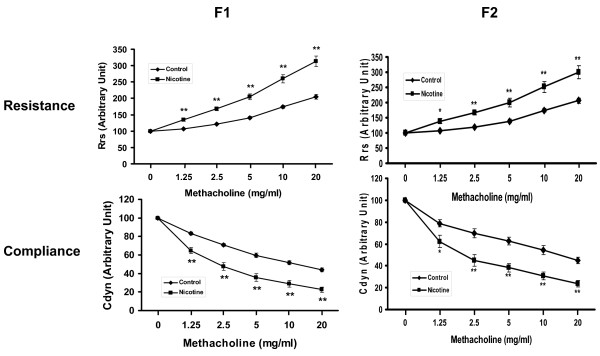
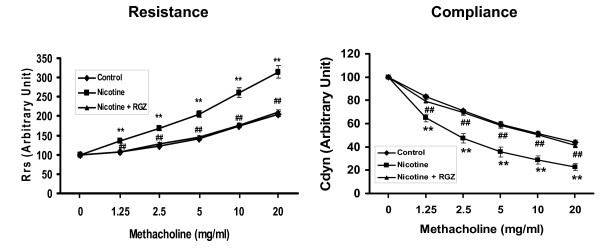
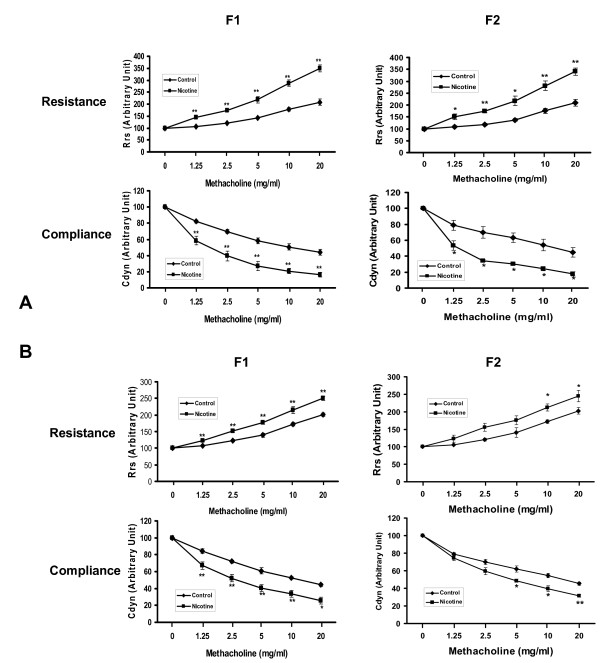
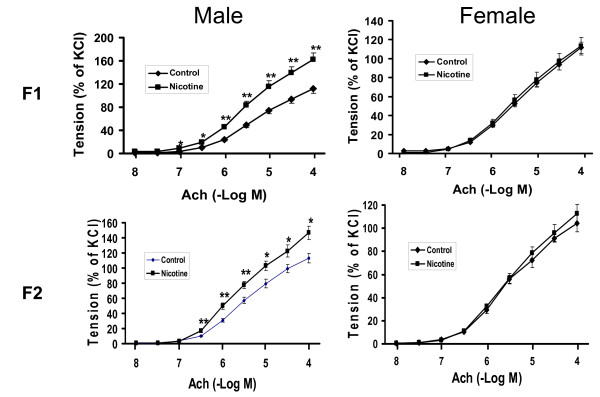
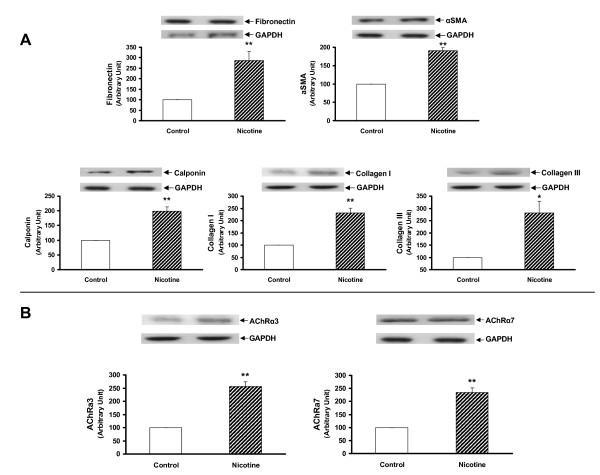
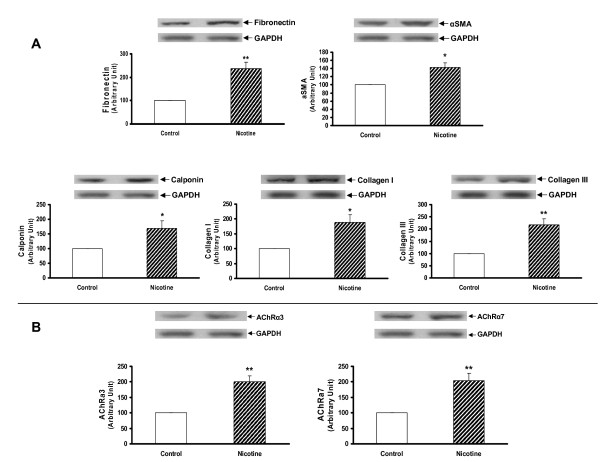
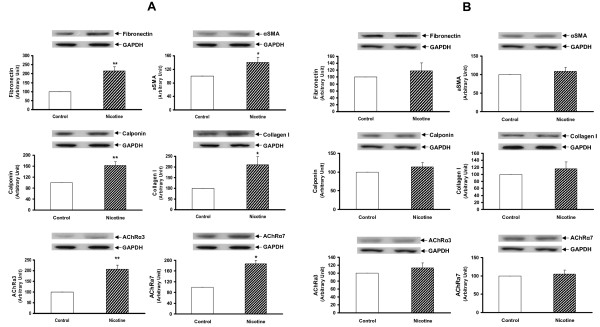
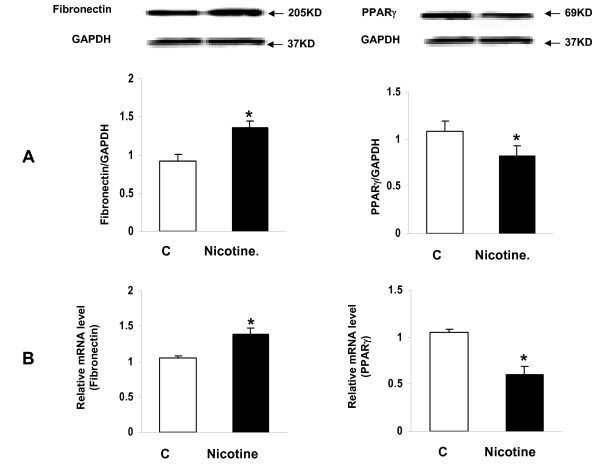
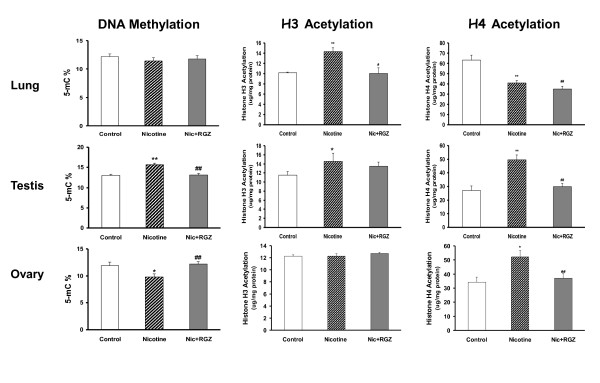
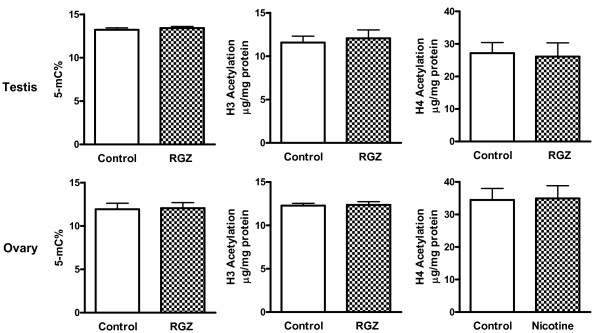
BACKGROUND: By altering specific developmental signaling pathways that are necessary for fetal lung development, perinatal nicotine exposure affects lung growth and differentiation, resulting in the offsprings' predisposition to childhood asthma; peroxisome proliferator-activated receptor gamma (PPARγ) agonists can inhibit this effect. However, whether the perinatal nicotine-induced asthma risk is restricted to nicotine-exposed offspring only; whether it can be transmitted to the next generation; and whether PPARγ agonists would have any effect on this process are not known. METHODS: Time-mated Sprague Dawley rat dams received either placebo or nicotine (1 mg/kg, s.c.), once daily from day 6 of gestation to postnatal day (PND) 21. Following delivery, at PND21, generation 1 (F1) pups were either subjected to pulmonary function tests, or killed to obtain their lungs, tracheas, and gonads to determine the relevant protein markers (mesenchymal contractile proteins), global DNA methylation, histone 3 and 4 acetylation, and for tracheal tension studies. Some F1 animals were used as breeders to generate F2 pups, but without any exposure to nicotine in the F1 pregnancy. At PND21, F2 pups underwent studies similar to those performed on F1 pups. RESULTS: Consistent with the asthma phenotype, nicotine affected lung function in both male and female F1 and F2 offspring (maximal 250% increase in total respiratory system resistance, and 84% maximal decrease in dynamic compliance following methacholine challenge; P < 0.01, nicotine versus control; P < 0.05, males versus females; and P > 0.05, F1 versus F2), but only affected tracheal constriction in males (51% maximal increase in tracheal constriction following acetylcholine challenge, P < 0.01, nicotine versus control; P < 0.0001, males versus females; P > 0.05, F1 versus F2); nicotine also increased the contractile protein content of whole lung (180% increase in fibronectin protein levels, P < 0.01, nicotine versus control, and P < 0.05, males versus females) and isolated lung fibroblasts (for example, 45% increase in fibronectin protein levels, P < 0.05, nicotine versus control), along with decreased PPARγ expression (30% decrease, P < 0.05, nicotine versus control), but only affected contractile proteins in the male trachea (P < 0.05, nicotine versus control, and P < 0.0001, males versus females). All of the nicotine-induced changes in the lung and gonad DNA methylation and histone 3 and 4 acetylation were normalized by the PPARγ agonist rosiglitazone except for the histone 4 acetylation in the lung. CONCLUSIONS: Germline epigenetic marks imposed by exposure to nicotine during pregnancy can become permanently programmed and transferred through the germline to subsequent generations, a ground-breaking finding that shifts the current asthma paradigm, opening up many new avenues to explore.
Overview
The claims and statistics of this paper haven’t been checked yet.
Free: it reads the open-access text and checks the first 5 claims that cite a source we can check. Create a free account to check every claim.
Integrity signals
Registry
Cites
Statistics
Figures
Verification
Claims the paper makes
The claims and statistics of this paper haven’t been checked yet.
Free: it reads the open-access text and checks the first 5 claims that cite a source we can check. Create a free account to check every claim.
Claims other papers make about this one
Each is checked against this paper’s own text: does it say what the citing paper says it does?
The source backs part of the claim, not all of it — or backs it for a different population, condition or comparison.
In the citing paper
“In rodent models, prenatal nicotine exposure causes similar DNA methylation changes, including changes in Runx1 methylation, which has been associated with increased risk of asthma”
From Developmental toxicity of nicotine: A transdisciplinary synthesis and implications for emerging tobacco products (2017) · cites this paper as [218]
Experimental — accuracy not yet measuredThe source backs part of the claim, not all of it — or backs it for a different population, condition or comparison.
In the citing paper
“Recent evidence has been provided for transgenerational epigenetic effects of fetal nicotine exposure on lung function, suggesting that nicotine can create lasting, multigenerational alterations in the epigenome (Rehan et al. 2012; Leslie, 2013).”
From Nicotine and the adolescent brain (2015) · cites this paper as Rehan et al. 2012
Experimental — accuracy not yet measuredThe cited source says what the claim attributes to it.
In the citing paper
“In a well-established animal model of in utero nicotine exposure, Rehan and colleagues 81 demonstrated increased airway resistance and contractility proteins in rats that were one generation (F2) removed from in utero nicotine exposure, which was supported by tissuespecific epigenetic differences.”
From Impact of Tobacco Smoke and Nicotine Exposure on Lung Development (2016) · cites this paper as [81]
In the citing paper
“Research by Rehan and colleagues supports that DNA methylation changes caused by in utero nicotine exposure may persist for multiple generations.”
From Developmental toxicity of nicotine: A transdisciplinary synthesis and implications for emerging tobacco products (2017) · cites this paper as [218]
Self-check
Percentages, sums and reported differences re-computed from the paper’s own numbers.
The self-check needs the paper’s full text.
Citations
Cites
Jaenisch, R., & Bird, A. (2003) · Nature Genetics · doi:10.1038/ng1089 · Cited by 6,325 · cited 1×
“For example, a change in the organism’s environment, that is, smoke/nicotine exposure (of the F0 generation), can result in modifications in gene expression through alterations in DNA methylation, histone (H) modification, non-coding RNA, and/or protein structure and assembly without changing the DNA sequence of the F…”
BackgroundThe global burden of asthma: executive summary of the GINA Dissemination Committee Report
Masoli, M., Fabian, D., Holt, S., Beasley, R., & Program, G. I. F. A. (. (2004) · Allergy · doi:10.1111/j.1398-9995.2004.00526.x · Cited by 3,529 · cited 1×
“The burden of this disease is increasing rapidly, with the most striking increases seen among children, the prevalence rates in some populations being greater than 30% [7].”
BackgroundBeasley, R. (1998) · The Lancet · doi:10.1016/s0140-6736(97)07302-9 · Cited by 3,389
Current estimates from the National Health Interview Survey.
Ss, J. (1981) · PubMed · Cited by 1,866
Surveillance for asthma--United States, 1980-1999.
Mannino, D. M., Homa, D. M., Akinbami, L. J., Moorman, J. E., Gwynn, C., & Redd, S. C. (2002) · PubMed · Cited by 1,858
(2014) · Choice Reviews Online · doi:10.5860/choice.185702 · Cited by 1,260
Braman, S. S. (2006) · Chest · doi:10.1378/chest.130.1_suppl.4s · Cited by 1,176 · cited 1×
“Background Asthma is a major public health problem [1,2].”
BackgroundSex-specific, male-line transgenerational responses in humans
The ALSPAC Study Team, Pembrey, M. E., Bygren, L. O., Kaati, G., Edvinsson, S., Northstone, K., Sjöström, M., & Golding, J. (2006) · European Journal of Human Genetics · doi:10.1038/sj.ejhg.5201538 · Cited by 1,150 · cited 1×
“In contrast to the very limited data in humans, in a variety of animal models gestational exposure to carcinogens, endocrine disruptors, and other toxins has been shown to have MG effects [38-40].”
ResultCurrent estimates from the National Health Interview Survey, 1990.
Adams, P. F., Hendershot, G. E., & Marano, M. A. (1987) · PubMed · Cited by 1,104
Asthma prevalence, health care use, and mortality: United States, 2005-2009.
Akinbami, L. J., Moorman, J. E., & Liu, X. (2011) · PubMed · Cited by 946
Martin, J. A., Hamilton, B. E., Sutton, P. D., Ventura, S. J., Menacker, F., & Munson, M. L. (2003) · PubMed · Cited by 915
Kaati, G., Bygren, L., & Edvinsson, S. (2002) · European Journal of Human Genetics · doi:10.1038/sj.ejhg.5200859 · Cited by 896 · cited 1×
“In contrast to the very limited data in humans, in a variety of animal models gestational exposure to carcinogens, endocrine disruptors, and other toxins has been shown to have MG effects [38-40].”
ResultGuidelines on nicotine dose selection for in vivo research
Matta, S. G., Balfour, D. J., Benowitz, N. L., Boyd, R. T., Buccafusco, J. J., Caggiula, A. R., Craig, C. R., Collins, A. C., Damaj, M. I., Donny, E. C., et al. (2007) · Psychopharmacology · doi:10.1007/s00213-006-0441-0 · Cited by 824
Epigenetic transgenerational actions of environmental factors in disease etiology
Skinner, M. K., Manikkam, M., & Guerrero-Bosagna, C. (2010) · Trends in Endocrinology & Metabolism · doi:10.1016/j.tem.2009.12.007 · Cited by 712 · cited 1×
“In contrast to the very limited data in humans, in a variety of animal models gestational exposure to carcinogens, endocrine disruptors, and other toxins has been shown to have MG effects [38-40].”
ResultWaterland, R. A., & Jirtle, R. L. (2004) · Nutrition · doi:10.1016/j.nut.2003.09.011 · Cited by 613
Transgenerational Epigenetic Effects
Youngson, N. A., & Whitelaw, E. (2008) · Annual Review of Genomics and Human Genetics · doi:10.1146/annurev.genom.9.081307.164445 · Cited by 580 · cited 1×
“Since ruling out genetic and environmental confounders is extremely difficult in humans, there is only scant evidence for MG epigenetic effects for any condition in humans [33]; and in fact, there is none for asthma.”
BackgroundA National Estimate of the Economic Costs of Asthma
SMITH, D. H., MALONE, D. C., LAWSON, K. A., OKAMOTO, L. J., BATTISTA, C., & SAUNDERS, W. B. (1997) · American Journal of Respiratory and Critical Care Medicine · doi:10.1164/ajrccm.156.3.9611072 · Cited by 562 · cited 1×
“It is the most common chronic disease of childhood [3,4], resulting in a significant medical burden and the resultant healthcare costs [5,6].”
BackgroundSingh, R., Artaza, J. N., Taylor, W. E., Gonzalez-Cadavid, N. F., & Bhasin, S. (2003) · Endocrinology · doi:10.1210/en.2003-0741 · Cited by 555 · cited 1×
“We have previously shown that androgens affect the rate of lung development in rabbits and rats by inhibiting the glucocorticoid-induced differentiation of lung fibroblasts [46], consistent with their effect on lipofibroblast differentiation [47], which determines lung development [48].”
BackgroundThe Effect of Maternal Smoking during Pregnancy on Early Infant Lung Function
Hanrahan, J. P., Tager, I. B., Segal, M. R., Tosteson, T. D., Castile, R. G., Van Vunakis, H., Weiss, S. T., & Speizer, F. E. (1992) · American Review of Respiratory Disease · doi:10.1164/ajrccm/145.5.1129 · Cited by 527 · cited 1×
“Although a multitude of causes contribute to childhood asthma, maternal smoking during pregnancy is a well-established contributor [8-13], and it is a major modifiable risk factor, the elimination of which could significantly reduce the prevalence of childhood asthma.”
BackgroundWigle, D. T., Arbuckle, T. E., Turner, M. C., Bérubé, A., Yang, Q., Liu, S., & Krewski, D. (2008) · Journal of Toxicology and Environmental Health, Part B · doi:10.1080/10937400801921320 · Cited by 466 · cited 2×
“It is important to point out that although there are many agents in cigarette smoke that may be detrimental to the developing lung, there is plenty of evidence to support nicotine as the main agent that alters fetal lung development: nicotine crosses the human placenta with minimal biotransformation [51]; it accumulat…”
BackgroundAccelerated Metabolism of Nicotine and Cotinine in Pregnant Smokers
Dempsey, D., Jacob, P., & Benowitz, N. L. (2002) · The Journal of Pharmacology and Experimental Therapeutics · doi:10.1124/jpet.301.2.594 · Cited by 452 · cited 1×
“It is important to point out that although there are many agents in cigarette smoke that may be detrimental to the developing lung, there is plenty of evidence to support nicotine as the main agent that alters fetal lung development: nicotine crosses the human placenta with minimal biotransformation [51]; it accumulat…”
BackgroundLuck, W., Nau, H., Hansen, R., & Steldinger, R. (2017) · Developmental Pharmacology and Therapeutics · doi:10.1159/000457063 · Cited by 444 · cited 1×
“It is important to point out that although there are many agents in cigarette smoke that may be detrimental to the developing lung, there is plenty of evidence to support nicotine as the main agent that alters fetal lung development: nicotine crosses the human placenta with minimal biotransformation [51]; it accumulat…”
BackgroundNewbold, R. R., Padilla-Banks, E., & Jefferson, W. N. (2006) · Endocrinology · doi:10.1210/en.2005-1164 · Cited by 433
Germ-line epigenetic modification of the murine A vy allele by nutritional supplementation
Cropley, J. E., Suter, C. M., Beckman, K. B., & Martin, D. I. K. (2006) · Proceedings of the National Academy of Sciences · doi:10.1073/pnas.0607090103 · Cited by 396 · cited 1×
“While one study reported that the acquired DNA methylation marks are not transmitted to subsequent generations [23], another study came to the opposite conclusion [24].”
Environmental epigenetic transgenerational inheritance and somatic epigenetic mitotic stability
(2011) · Epigenetics · doi:10.4161/epi.6.7.16537 · Cited by 368 · cited 1×
“This, and the recent finding that even ‘thirdhand smoke’ can induce the asthma phenotype [42], portends new and rational ways of thinking about effectively coping with the health hazards that abound all around us [43,44].”
BackgroundMaternal smoking during pregnancy, environmental tobacco smoke exposure and childhood lung function
Gilliland, F. D. (2000) · Thorax · doi:10.1136/thorax.55.4.271 · Cited by 360
Epigenetics and transgenerational transfer: a physiological perspective
Ho, D. H., & Burggren, W. W. (2010) · Journal of Experimental Biology · doi:10.1242/jeb.019752 · Cited by 353 · cited 1×
“There is also evidence of increased morbidity and mortality associated with parental and grandparental nutritional status, suggesting a role for fetal programming, possibly via epigenetic mechanisms to account for the MG effects [21,36,37].”
BackgroundMaternal and Grandmaternal Smoking Patterns Are Associated With Early Childhood Asthma
Li, Y.-F., Langholz, B., Salam, M. T., & Gilliland, F. D. (2005) · Chest · doi:10.1016/s0012-3692(15)34472-x · Cited by 347 · cited 3×
“For example, a questionnaire in the Children’s Health Study from Southern California reported that grandmaternal smoking during pregnancy increases the risk of asthma in grandchildren regardless of the presence of maternal smoking [17].”
BackgroundInfluentialDecreased birthweights in infants after maternal in utero exposure to the Dutch famine of 1944–1945
Lumey, L. H. (1992) · Paediatric and Perinatal Epidemiology · doi:10.1111/j.1365-3016.1992.tb00764.x · Cited by 343 · cited 1×
“For example, mothers from the Dutch Hunger Winter who were exposed to famine as fetuses delivered offspring of lower birth weights than those with no fetal exposure to famine, although this was not confirmed in a subsequent study [35].”
ResultMead, J. (1980) · PubMed · doi:10.1164/arrd.1980.121.2.339 · Cited by 340 · cited 2×
“Mead J: Dysanapsis in normal lungs assessed by the relationship between maximal flow, static recoil, and vital capacity.”
Adverse health effects of prenatal and postnatal tobacco smoke exposure on children
Hofhuis, W. (2003) · Archives of Disease in Childhood · doi:10.1136/adc.88.12.1086 · Cited by 329 · cited 1×
“Although a multitude of causes contribute to childhood asthma, maternal smoking during pregnancy is a well-established contributor [8-13], and it is a major modifiable risk factor, the elimination of which could significantly reduce the prevalence of childhood asthma.”
BackgroundLongevity Determined by Paternal Ancestors' Nutrition during Their Slow Growth Period
Bygren, L. O., Kaati, G., & Edvinsson, S. (2001) · Acta Biotheoretica · doi:10.1023/a:1010241825519 · Cited by 317 · cited 1×
“There is also evidence of increased morbidity and mortality associated with parental and grandparental nutritional status, suggesting a role for fetal programming, possibly via epigenetic mechanisms to account for the MG effects [21,36,37].”
BackgroundSekhon, H. S., Jia, Y., Raab, R., Kuryatov, A., Pankow, J. F., Whitsett, J. A., Lindstrom, J., & Spindel, E. R. (1999) · Journal of Clinical Investigation · doi:10.1172/jci5232 · Cited by 311 · cited 2×
“It is also important to emphasize that the main effects of in utero nicotine exposure on lung growth and development are due to specific alterations in signaling pathways involved in lung development [18,20,31,32,55-60], rather than being due to irreversible disruption by teratogenic or toxicological effects.”
BackgroundSexual dimorphism in environmental epigenetic programming
Gabory, A., Attig, L., & Junien, C. (2009) · Molecular and Cellular Endocrinology · doi:10.1016/j.mce.2009.02.015 · Cited by 279 · cited 2×
“Recently emerging evidence suggests that the phenotype of an individual is the cumulative result of complex interactions between the genotype and its current, past and ancestral environments [27,34].”
BackgroundPattenden, S., Antova, T., Neuberger, M., Nikiforov, B., De Sario, M., Grize, L., Heinrich, J., Hruba, F., Janssen, N., Luttmann-Gibson, H., et al. (2006) · Tobacco Control · doi:10.1136/tc.2005.015065 · Cited by 252 · cited 1×
“Furthermore, the effect of the child’s gender on asthma risk following perinatal exposure to cigarette smoke is not clear since an increased risk in both boys [25] and girls [26] has previously been reported.”
BackgroundParental Smoking and Lung Function in Children
Moshammer, H., Hoek, G., Luttmann-Gibson, H., Neuberger, M. A., Antova, T., Gehring, U., Hruba, F., Pattenden, S., Rudnai, P., Slachtova, H., et al. (2006) · American Journal of Respiratory and Critical Care Medicine · doi:10.1164/rccm.200510-1552oc · Cited by 251 · cited 1×
“Although a multitude of causes contribute to childhood asthma, maternal smoking during pregnancy is a well-established contributor [8-13], and it is a major modifiable risk factor, the elimination of which could significantly reduce the prevalence of childhood asthma.”
BackgroundMaternal and Grandmaternal Smoking Patterns Are Associated With Early Childhood Asthma*
Li, Y.-F. (2005) · CHEST Journal · doi:10.1378/chest.127.4.1232 · Cited by 216
Waterland, R. A., Travisano, M., & Tahiliani, K. G. (2007) · The FASEB Journal · doi:10.1096/fj.07-8229com · Cited by 193 · cited 1×
“While one study reported that the acquired DNA methylation marks are not transmitted to subsequent generations [23], another study came to the opposite conclusion [24].”
ResultMaternal Nicotine Exposure Upregulates Collagen Gene Expression in Fetal Monkey Lung
Sekhon, H. S., Keller, J. A., Proskocil, B. J., Martin, E. L., & Spindel, E. R. (2002) · American Journal of Respiratory Cell and Molecular Biology · doi:10.1165/ajrcmb.26.1.4170 · Cited by 191 · cited 2×
“It is also important to emphasize that the main effects of in utero nicotine exposure on lung growth and development are due to specific alterations in signaling pathways involved in lung development [18,20,31,32,55-60], rather than being due to irreversible disruption by teratogenic or toxicological effects.”
BackgroundLarson, K. L. (2012) · Government Information Quarterly · Cited by 179
Nicotine and cotinine concentrations in serum and milk of nursing smokers.
Luck, W., & Nau, H. (1984) · British Journal of Clinical Pharmacology · doi:10.1111/j.1365-2125.1984.tb05014.x · Cited by 161 · cited 1×
“It is important to point out that although there are many agents in cigarette smoke that may be detrimental to the developing lung, there is plenty of evidence to support nicotine as the main agent that alters fetal lung development: nicotine crosses the human placenta with minimal biotransformation [51]; it accumulat…”
BackgroundEffects of pre- and postnatal exposure to parental smoking on early childhood respiratory health
Haberg, S. E., Stigum, H., Nystad, W., & Nafstad, P. (2007) · American Journal of Epidemiology · doi:10.1093/aje/kwm134 · Cited by 157 · cited 1×
“Although a multitude of causes contribute to childhood asthma, maternal smoking during pregnancy is a well-established contributor [8-13], and it is a major modifiable risk factor, the elimination of which could significantly reduce the prevalence of childhood asthma.”
BackgroundTorday, J. S., Torres, E., & Rehan, V. K. (2003) · Fetal and Pediatric Pathology · doi:10.1080/15227950307732 · Cited by 135 · cited 1×
“We have previously shown that androgens affect the rate of lung development in rabbits and rats by inhibiting the glucocorticoid-induced differentiation of lung fibroblasts [46], consistent with their effect on lipofibroblast differentiation [47], which determines lung development [48].”
BackgroundSelf-citationIn Utero and Postnatal Maternal Smoking and Asthma in Adolescence
Alati, R., Al Mamun, A., O??Callaghan, M., Najman, J. M., & Williams, G. M. (2006) · Epidemiology · doi:10.1097/01.ede.0000198148.02347.33 · Cited by 134
Maternal smoking affects fetal growth more in the male fetus
Zarén, B., Lindmark, G., & Bakketeig, L. (2000) · Paediatric and Perinatal Epidemiology · doi:10.1046/j.1365-3016.2000.00247.x · Cited by 119 · cited 1×
“However, since there is emerging evidence to suggest that finely-tuned developmental programs, such as that of the lung, may be sensitive to specific environmental challenges in a sexspecific manner, particularly during the developmental programming and gametogenesis stages [27], and since maternal smoking is known to…”
BackgroundEpigenomics in Environmental Health
Christensen, B. C., & Marsit, C. J. (2011) · Frontiers in Genetics · doi:10.3389/fgene.2011.00084 · Cited by 117 · cited 1×
“The present study is groundbreaking in our understanding of the mechanisms potentially involved in the transmission of epigenetic human diseases, which to date have only been speculated, albeit based on strong epidemiologic grounds [41].”
BackgroundRoman, J., Ritzenthaler, J. D., Gil‐Acosta, A., Rivera, H. N., & Roser‐Page, S. (2004) · The FASEB Journal · doi:10.1096/fj.03-0826fje · Cited by 110 · cited 2×
“It is also important to emphasize that the main effects of in utero nicotine exposure on lung growth and development are due to specific alterations in signaling pathways involved in lung development [18,20,31,32,55-60], rather than being due to irreversible disruption by teratogenic or toxicological effects.”
BackgroundRehan, V. K., Asotra, K., & Torday, J. S. (2009) · Lung · doi:10.1007/s00408-009-9158-2 · Cited by 95 · cited 6×
“However, there is experimental evidence that methylation of H3/H4 results in down-regulation of PPARg expression [61], mechanistically linking the epigenetic effect of nicotine with decreased lipofibroblast expression [18] and asthma [20].”
BackgroundMethodInfluentialSelf-citationHyperoxia Augments Pulmonary Lipofibroblast-to-Myofibroblast Transdifferentiation
Rehan, V. K., & Torday, J. S. (2003) · Cell Biochemistry and Biophysics · doi:10.1385/cbb:38:3:239 · Cited by 83
Self-citationRehan, V. K., Wang, Y., Patel, S., Santos, J., & Torday, J. S. (2006) · Pediatric Pulmonology · doi:10.1002/ppul.20407 · Cited by 82 · cited 2×
“It is also important to note that this dose of RGZ has previously been shown to block hyperoxia-induced neonatal lung injury as well [30].”
BackgroundMethodSelf-citationJoad, J. P., Ji, C. M., Kott, K. S., Bric, J. M., & Pinkerton, K. E. (1995) · Toxicology and Applied Pharmacology · doi:10.1006/taap.1995.1087 · Cited by 73
Thirdhand smoke: a new dimension to the effects of cigarette smoke on the developing lung
Rehan, V. K., Sakurai, R., & Torday, J. S. (2011) · American Journal of Physiology-Lung Cellular and Molecular Physiology · doi:10.1152/ajplung.00393.2010 · Cited by 70 · cited 1×
“This, and the recent finding that even ‘thirdhand smoke’ can induce the asthma phenotype [42], portends new and rational ways of thinking about effectively coping with the health hazards that abound all around us [43,44].”
BackgroundSelf-citationMechanism of nicotine-induced pulmonary fibroblast transdifferentiation
Rehan, V. K., Wang, Y., Sugano, S., Romero, S., Chen, X., Santos, J., Khazanchi, A., & Torday, J. S. (2005) · American Journal of Physiology-Lung Cellular and Molecular Physiology · doi:10.1152/ajplung.00358.2004 · Cited by 70 · cited 4×
“It is also important to emphasize that the main effects of in utero nicotine exposure on lung growth and development are due to specific alterations in signaling pathways involved in lung development [18,20,31,32,55-60], rather than being due to irreversible disruption by teratogenic or toxicological effects.”
BackgroundInfluentialSelf-citationRehan, V. K., Wang, Y., Sugano, S., Santos, J., Patel, S., Sakurai, R., Boros, L. W., Lee, W.-P., & Torday, J. S. (2007) · American Journal of Physiology-Lung Cellular and Molecular Physiology · doi:10.1152/ajplung.00071.2006 · Cited by 69 · cited 2×
“It is also important to emphasize that the main effects of in utero nicotine exposure on lung growth and development are due to specific alterations in signaling pathways involved in lung development [18,20,31,32,55-60], rather than being due to irreversible disruption by teratogenic or toxicological effects.”
BackgroundSelf-citationGene by environment interactions and the development of asthma and allergy
Kabesch, M. (2006) · Toxicology Letters · doi:10.1016/j.toxlet.2005.10.009 · Cited by 64 · cited 1×
“Recently emerging evidence suggests that the phenotype of an individual is the cumulative result of complex interactions between the genotype and its current, past and ancestral environments [27,34].”
BackgroundEpigenetic cell fate regulation of hepatic stellate cells
Tsukamoto, H., Zhu, N., Asahina, K., Mann, D. A., & Mann, J. (2011) · Hepatology Research · doi:10.1111/j.1872-034x.2011.00804.x · Cited by 57 · cited 1×
“However, there is experimental evidence that methylation of H3/H4 results in down-regulation of PPARg expression [61], mechanistically linking the epigenetic effect of nicotine with decreased lipofibroblast expression [18] and asthma [20].”
BackgroundSzúts, T., Olsson, S., Lindquist, N. G., Ullberg, S., Pilotti, Å., & Enzell, C. R. (1978) · Toxicology · doi:10.1016/0300-483x(78)90072-0 · Cited by 53
PPARγ agonist rosiglitazone prevents perinatal nicotine exposure-induced asthma in rat offspring
Liu, J., Sakurai, R., O'Roark, E. M., Kenyon, N. J., Torday, J. S., & Rehan, V. K. (2011) · American Journal of Physiology-Lung Cellular and Molecular Physiology · doi:10.1152/ajplung.00337.2010 · Cited by 51 · cited 10×
“Each ring was suspended via two stirrups that were passed through the lumen: one stirrup was anchored to the bottom of the organ chamber and the other stirrup was connected to a strain gauge (model FT03C, Grass Instrument, Quincy, MA, USA) for the measurement of isometric force, as described previously [20].”
BackgroundMethodResultInfluentialSelf-citationSakurai, R., Cerny, L. M., Torday, J. S., & Rehan, V. K. (2011) · Experimental Lung Research · doi:10.3109/01902148.2010.490288 · Cited by 45 · cited 3×
“Real Time Reverse Transcription-Polymerase Chain Reaction RT-PCR was performed as previously described [19,31].”
BackgroundMethodSelf-citationCellular timing of fetal lung development.
Torday, J. S. (1992) · PubMed · Cited by 43
Self-citationKrebs, M., Sakurai, R., Torday, J. S., & Rehan, V. K. (2010) · Experimental Lung Research · doi:10.3109/01902141003714023 · Cited by 41 · cited 3×
“Real Time Reverse Transcription-Polymerase Chain Reaction RT-PCR was performed as previously described [19,31].”
BackgroundMethodSelf-citationLiu, X., Kirschenbaum, A. M., Shen, Y., Liu, G., Aaronson, S. A., & Levine, A. C. (2007) · Cancer Research · doi:10.1158/0008-5472.can-07-0478 · Cited by 40
Maternal nicotine exposure: reponse of type II pneumocytes of neonatal rat pups.
Maritz, G. S., & Thomas, R. ‐. (1995) · Cell Biology International · doi:10.1006/cbir.1995.1075 · Cited by 39
Gao, Y., Dhanakoti, S. N., Trevino, E. M., Sander, F. C., Portugal, A. M., & Raj, J. U. (2003) · American Journal of Physiology-Lung Cellular and Molecular Physiology · doi:10.1152/ajplung.00411.2002 · Cited by 37
Csaba, G., & Inczefi-Gonda, Á. (1998) · Human & Experimental Toxicology · doi:10.1177/096032719801700203 · Cited by 36
Glucose intolerance in the progeny of rats treated with single subdiabetogenic dose of alloxan
Spergel, G., Levy, L. J., & Goldner, M. G. (1971) · Metabolism · doi:10.1016/0026-0495(71)90102-8 · Cited by 33
PPARγ deficiency results in reduced lung elastic recoil and abnormalities in airspace distribution
Simon, D. M., Tsai, L. W., Ingenito, E. P., STARCHER, B. C., & Mariani, T. J. (2010) · Respiratory Research · doi:10.1186/1465-9921-11-69 · Cited by 32 · cited 1×
“The airway narrowing of dysanapsis has also been shown to be associated with asthma [49].”
Background
Cited by
Nicotine and the adolescent brain
Yuan, M., Cross, S. J., Loughlin, S. E., & Leslie, F. M. (2015) · The Journal of Physiology · doi:10.1113/jp270492 · Cited by 623
“Recent evidence has been provided for transgenerational epigenetic effects of fetal nicotine exposure on lung function, suggesting that nicotine can create lasting, multigenerational alterations in the epigenome (Rehan et al. 2012; Leslie, 2013).”
BackgroundLandecker, H., & Panofsky, A. (2013) · Annual Review of Sociology · doi:10.1146/annurev-soc-071312-145707 · Cited by 465
Epigenetics across the human lifespan
Kanherkar, R. R., Bhatia-Dey, N., & Csoka, A. B. (2014) · Frontiers in Cell and Developmental Biology · doi:10.3389/fcell.2014.00049 · Cited by 407
“Of particular interest is the finding that not only maternal smoking but also grandmaternal smoking is linked to pediatric disease as a result of epigenetic changes to DNA and histones (Rehan et al., 2012; Leslie, 2013) (See below for description of trans-generational influences).”
BackgroundNicotine and the Developing Human
England, L. J., Bunnell, R. E., Pechacek, T. F., Tong, V. T., & McAfee, T. A. (2015) · American Journal of Preventive Medicine · doi:10.1016/j.amepre.2015.01.015 · Cited by 320
Epigenetics and Allergy: from Basic Mechanisms to Clinical Applications
Potaczek, D. P., Harb, H., Michel, S., Alhamwe, B. A., Renz, H., & Tost, J. (2017) · Epigenomics · doi:10.2217/epi-2016-0162 · Cited by 284
Metadata
- Authors
- Rehan, V. K., Liu, J., Naeem, E., Tian, J., Sakurai, R., Kwong, K., Akbari, O., & Torday, J. S.
- Affiliations
- University of California, Los Angeles (US)
- University of Southern California (US)
- Corresponding author
- Rehan, Virender K
- Venue
- BMC Medicine
- Published
- 2012-10-30
- Volume
- 10
- Issue
- 1
- Pages
- 129-129
- ISSN
- 1741-7015 (ISSN-L)
- PMC
- PMC3568737
- OpenAlex
- W2020247675
- Cited by
- 175
- References
- 68
- Citations by year
- 2026: 7 · 2025: 3 · 2024: 4 · 2023: 12 · 2022: 10 · 2021: 16 · 2020: 13 · 2019: 9 · 2018: 10 · 2017: 15 · 2016: 18 · 2015: 24 · 2014: 15 · 2013: 15 · 2012: 2
- FWCI
- 12.00
- Type
- journal article
- Language
- en
- Open access
- gold
- doi.org
- Licence
- Locations
- BMC Medicine (publishedVersion, cc-by)
- Europe PMC (PubMed Central) (publishedVersion, cc-by)
- PubMed Central (publishedVersion, cc-by)
- PubMed (publishedVersion)
- DOAJ (DOAJ: Directory of Open Access Journals) (submittedVersion, cc-by-sa)
- eScholarship (California Digital Library) (submittedVersion)
- eScholarship (California Digital Library) (submittedVersion, cc-by)
- Funders
- National Institutes of Health (HD071731, HL075405, HL55268, HL107118)
- National Heart, Lung, and Blood Institute (HL-55268, (HL075405, R01HL055268, R21HL107118, HL107118, R01HL075405)
- Eunice Kennedy Shriver National Institute of Child Health and Human Development (R01HD051857, HD-51857, HD071731, HD058948, R21HD071731, R03HD058948)
- Topics
- Health Sciences › Medicine › Pulmonary and Respiratory Medicine › Asthma and respiratory diseases
- Health Sciences › Medicine › Pediatrics, Perinatology and Child Health › Prenatal Substance Exposure Effects
- Health Sciences › Medicine › Pediatrics, Perinatology and Child Health › Birth, Development, and Health
- Keywords
- perinatal nicotine exposure, asthma, transgenerational transmission, second-generation offspring, PPARγ agonists, fetal lung development, airway hyperresponsiveness, fibronectin, lung fibroblasts, DNA methylation, histone acetylation, sex differences, maternal smoking, methacholine challenge, acetylcholine
- MeSH terms
- Animals, Animals, Newborn, Asthma, Female, Fetus, Male, Nicotine, Pregnancy, Prenatal Exposure Delayed Effects, Sex Characteristics, Rats, Sprague-Dawley, Rats
About these checks
Registry, retraction, Cites and statistics results are computed, not judged, with one exception: a printed reference that no index lists is read once by a model before it counts as a citation error. Claims are extracted by a model and kept only when their quote appears verbatim in the text; each cited source is then checked, with a model’s help, for whether it says what the claim relies on. Those verdicts can be wrong — read the claim’s quote and the cited source before relying on one.
Statistics and arithmetic are recomputed, not judged.
Confidence bands are shown only for fields calibrated on our annotated test set. None is calibrated yet, so no band is shown.
What counts as a claim ›How we measure confidence ›How we check this ›
Are you an author, or do you see a problem with this page? Request a review
Data sources
Bibliographic data: Semantic Scholar, OpenAlex, Crossref.
Contains information from the Semantic Scholar Academic Graph Datasets, made available under the ODC Attribution License (ODC-BY 1.0).
Semantic Scholar’s data is described in: Kinney, R., et al. (2023). The Semantic Scholar Open Data Platform. arXiv:2301.10140.
