

Polycystic ovary syndrome: a complex condition with psychological, reproductive and metabolic manifestations that impacts on health across the lifespan
Open accessThe DOI matches its Crossref record; 86 of the 89 references it cites were found in a registry or an index, and 1 are not checked yet.
Abstract
Polycystic ovary syndrome (PCOS) is of clinical and public health importance as it is very common, affecting up to one in five women of reproductive age. It has significant and diverse clinical implications including reproductive (infertility, hyperandrogenism, hirsutism), metabolic (insulin resistance, impaired glucose tolerance, type 2 diabetes mellitus, adverse cardiovascular risk profiles) and psychological features (increased anxiety, depression and worsened quality of life). Polycystic ovary syndrome is a heterogeneous condition and, as such, clinical and research agendas are broad and involve many disciplines. The phenotype varies widely depending on life stage, genotype, ethnicity and environmental factors including lifestyle and bodyweight. Importantly, PCOS has unique interactions with the ever increasing obesity prevalence worldwide as obesity-induced insulin resistance significantly exacerbates all the features of PCOS. Furthermore, it has clinical implications across the lifespan and is relevant to related family members with an increased risk for metabolic conditions reported in first-degree relatives. Therapy should focus on both the short and long-term reproductive, metabolic and psychological features. Given the aetiological role of insulin resistance and the impact of obesity on both hyperinsulinaemia and hyperandrogenism, multidisciplinary lifestyle improvement aimed at normalising insulin resistance, improving androgen status and aiding weight management is recognised as a crucial initial treatment strategy. Modest weight loss of 5% to 10% of initial body weight has been demonstrated to improve many of the features of PCOS. Management should focus on support, education, addressing psychological factors and strongly emphasising healthy lifestyle with targeted medical therapy as required. Monitoring and management of long-term metabolic complications is also an important part of routine clinical care. Comprehensive evidence-based guidelines are needed to aid early diagnosis, appropriate investigation, regular screening and treatment of this common condition. Whilst reproductive features of PCOS are well recognised and are covered here, this review focuses primarily on the less appreciated cardiometabolic and psychological features of PCOS.
Overview
The claims and statistics of this paper haven’t been checked yet.
Free: it reads the open-access text and checks the first 5 claims that cite a source we can check. Create a free account to check every claim.
Integrity signals
Registry
Cites
Statistics
Figures
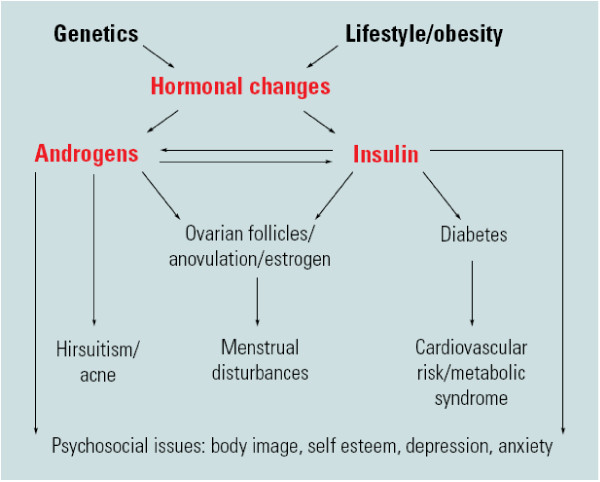
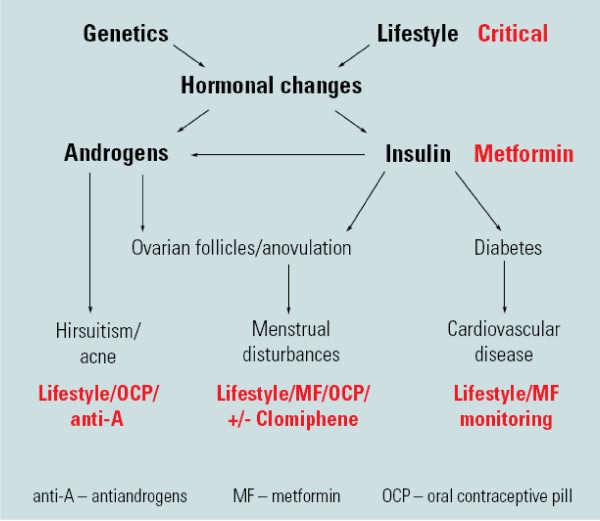
Verification
Claims the paper makes
The claims and statistics of this paper haven’t been checked yet.
Free: it reads the open-access text and checks the first 5 claims that cite a source we can check. Create a free account to check every claim.
Claims other papers make about this one
Each is checked against this paper’s own text: does it say what the citing paper says it does?
The source backs part of the claim, not all of it — or backs it for a different population, condition or comparison.
In the citing paper
“PCOS prevalence is between 10% and 13% as confirmed in the guideline process. 1,2”
From Recommendations from the 2023 international evidence-based guideline for the assessment and management of polycystic ovary syndrome (2023) · cites this paper as [1]
Experimental — accuracy not yet measuredThe source backs part of the claim, not all of it — or backs it for a different population, condition or comparison.
In the citing paper
“PCOS prevalence is between 10% to 13% as confirmed in the guideline process (1, 2).”
From Recommendations From the 2023 International Evidence-based Guideline for the Assessment and Management of Polycystic Ovary Syndrome (2023) · cites this paper as [1]
Experimental — accuracy not yet measuredThe cited source says what the claim attributes to it.
In the citing paper
“Polycystic ovary syndrome (PCOS) is the most common endocrinopathy affecting reproductive-aged women, with impacts across the lifespan from adolescence to post menopause.”
From Recommendations From the 2023 International Evidence-based Guideline for the Assessment and Management of Polycystic Ovary Syndrome (2023) · cites this paper as [1]
The cited source says what the claim attributes to it.
In the citing paper
“PCOS aetiology is complex”
From Recommendations From the 2023 International Evidence-based Guideline for the Assessment and Management of Polycystic Ovary Syndrome (2023) · cites this paper as [1]
The cited source says what the claim attributes to it.
In the citing paper
“clinical presentation is heterogeneous with reproductive, metabolic, and psychological features (1, 2).”
From Recommendations From the 2023 International Evidence-based Guideline for the Assessment and Management of Polycystic Ovary Syndrome (2023) · cites this paper as [1]
11 more claims about this paper
Create a free account to see every claim other papers make about this one.
Self-check
Percentages, sums and reported differences re-computed from the paper’s own numbers.
The self-check needs the paper’s full text.
Citations
Cites
1 retracted
Shaw, L. J., Bairey Merz, C. N., Azziz, R., Stanczyk, F. Z., Sopko, G., Braunstein, G. D., Kelsey, S. F., Kip, K. E., Cooper-DeHoff, R. M., Johnson, B. D., et al. (2008) · The Journal of Clinical Endocrinology & Metabolism · doi:10.1210/jc.2007-0425 · Cited by 427 · cited 4×
“Some studies support an increased risk of CVD in PCOS [18], but these findings are not universal [61] and further research is needed.”
InfluentialRetractedReduction in the incidence of type 2 diabetes with lifestyle intervention or metformin
(2002) · New England Journal of Medicine · doi:10.1056/nejmoa012512 · Cited by 19,011 · cited 4×
“• Metformin* reduces the risk of diabetes by approximately 50% in high-risk groups [49].”
Influential(2004) · Fertility and Sterility · doi:10.1016/j.fertnstert.2003.10.004 · Cited by 9,050
The Prevalence and Features of the Polycystic Ovary Syndrome in an Unselected Population
Azziz, R., Woods, K. S., Reyna, R., Key, T. J., Knochenhauer, E. S., & Yildiz, B. O. (2004) · The Journal of Clinical Endocrinology & Metabolism · doi:10.1210/jc.2003-032046 · Cited by 2,712 · cited 2×
“Proc Natl Acad Sci USA 2006, 103:7030-7035.”
Insulin Resistance and the Polycystic Ovary Syndrome: Mechanism and Implications for Pathogenesis*
Dunaif, A. (1997) · Endocrine Reviews · doi:10.1210/edrv.18.6.0318 · Cited by 2,458 · cited 2×
“Interestingly, there is a paradoxical expression of insulin resistance in PCOS whereby insulin-stimulated androgen production persists while its role in glucose metabolism is impaired [42].”
Men at risk: occupation and male infertility
Claman, P. (2004) · Fertility and Sterility · doi:10.1016/s0015-0282(03)01188-9 · Cited by 2,387
Azziz, R., Carmina, E., Dewailly, D., Diamanti-Kandarakis, E., Escobar-Morreale, H. F., Futterweit, W., Janssen, O. E., Legro, R. S., Norman, R. J., Taylor, A. E., et al. (2006) · The Journal of Clinical Endocrinology & Metabolism · doi:10.1210/jc.2006-0178 · Cited by 2,143 · cited 8×
“National Institutes of Health criteria consensus statement [83] European Society for Human Reproduction and Embryology/American Society for Reproductive Medicine consensus statement [20] Androgen Excess Society position statement [ 21 ]”
InfluentialAzziz, R., Carmina, E., Dewailly, D., Diamanti-Kandarakis, E., Escobar-Morreale, H. F., Futterweit, W., Janssen, O. E., Legro, R. S., Norman, R. J., Taylor, A. E., et al. (2009) · Fertility and Sterility · doi:10.1016/j.fertnstert.2008.06.035 · Cited by 2,132 · cited 1×
“Among those with amenorrhoea, only 40% will be diagnosed with PCOS as hypothalamic dysfunction is a more common cause [ 31 ].”
Profound Peripheral Insulin Resistance, Independent of Obesity, in Polycystic Ovary Syndrome
Dunaif, A., Segal, K. R., Futterweit, W., & Dobrjansky, A. (1989) · Diabetes · doi:10.2337/diab.38.9.1165 · Cited by 1,967 · cited 2×
“Lean women with PCOS often but not always [13] have abnormalities of insulin secretion and action compared to weight-matched control subjects [41].”
March, W. A., Moore, V. M., Willson, K. J., Phillips, D. I. W., Norman, R. J., & Davies, M. J. (2010) · Human Reproduction · doi:10.1093/humrep/dep399 · Cited by 1,799 · cited 4×
“8%) in the first community-based prevalence study based on current Rotterdam diagnostic criteria [5].”
Influential
Research works printed but not linked: 4
- Barr ELM Magliano DJ Zimmet PZ Polkinghorne KR Atkins RC Dunstan DW Murray SG Shaw JE AusDiab 2005: The Australian Diabetes, Obesity and Lifestyle Study 2006 Melbourne, Australia: International Diabetes Institute
- Dunstan D Zimmet P Welborne T Sicree RTA Atkins R Cameron A Shaw J Chadaban S Diabetes and associated disorders in Australia 2000 - the accelerating epidemic Australian Diabetes, Obesity and Lifestyle Report 2001 Melbourne, Australia: The International Diabetes Institute
- NHaMRC Clinical Practice Guidelines for the Management of Overweight and Obesity in Adults 2003 Canberra, Australia: Australian Government Publishing Service
- Zawadzki J Dunaif A Dunaif A, Givens J, Haseltine F, Marrian G Diagnostic criteria for polycystic ovary syndrome: towards a rational approach Polycystic Ovary Syndrome Current Issues in Endocrinology and Metabolism 1992 Boston, MA: Blackwell Scientific 377 384
Cited by
Items 601–700 of 1,003
Liu, Y., & Chen, Y. (2017) · PubMed Central · Cited by 22
Alahmadi, A. A., Alahmadi, B. A., Wahman, L. F., & El‐Shitany, N. A. (2021) · Saudi Journal of Biological Sciences · doi:10.1016/j.sjbs.2021.06.066 · Cited by 20
Hirschberg, A. L., Jakson, I., Brugalla, C. G., Salamon, D., & Ujvári, D. (2021) · Journal of Cellular and Molecular Medicine · doi:10.1111/jcmm.16892 · Cited by 20
Liu, S., Zhang, Y., Yang, F., Gu, J., Zhang, R., Kuang, Y., Mai, W., Zheng, C., Yu, Y. H., Lu, R., et al. (2022) · Frontiers in Endocrinology · doi:10.3389/fendo.2022.975724 · Cited by 20
Bisht, A., Gururani, R., Jain, S., Shukla, R., Dwivedi, J., & Sharma, S. K. (2023) · Journal of Ethnopharmacology · doi:10.1016/j.jep.2023.116206 · Cited by 17
Association betweenINS-VNTRpolymorphism and polycystic ovary syndrome in a Korean population
Yun, J.-H., Gu, B., Kang, Y.-B., Choi, B. C., Song, S.-J., & Baek, K. (2012) · Gynecological Endocrinology · doi:10.3109/09513590.2011.650658 · Cited by 17
Metformin in women with PCOS, CONS
Misso, M. L., & Teede, H. J. (2014) · Endocrine · doi:10.1007/s12020-014-0394-8 · Cited by 19
Self-citationHtet, T., Cassar, S., Kuczynska-Burggraf, M., Gibson-Helm, M., Chiu, W.-L., Stepto, N., Moran, L., & Boyle, J. (2018) · Seminars in Reproductive Medicine · doi:10.1055/s-0038-1667309 · Cited by 16
Self-citationJafar, N. K. A., Fan, M., Moran, L., Mansfield, D. R., & Bennett, C. (2025) · Clinical Endocrinology · doi:10.1111/cen.15219 · Cited by 18
“The key pathophysiological features of PCOS include hyperandrogenism, low progesterone and estrogen levels, central adiposity and insulin resistance [9].”
Self-citationKhan, F., Govender, N., Mitha, S. B., & Thandar, Y. (2026) · Archives of Women s Mental Health · doi:10.1007/s00737-025-01636-4 · Cited by 18
“However, most PCOS research often prioritizes clinical aspects over psychological ones (Teede et al. 2010).”
Jala, A., Varghese, B., Kaur, G., Karthikraj, R., Dutta, R., Adela, R., & Borkar, R. M. (2022) · Environmental Science and Pollution Research · doi:10.1007/s11356-022-21612-0 · Cited by 16
Rao, V. S., Armour, M., Cheema, B. S., Smith, C. A., Moran, L., Perera, R. S., Lim, S. S., Gupta, S., de Manincor, M., Vaidya, R. A., et al. (2023) · BMC Complementary Medicine and Therapies · doi:10.1186/s12906-023-04229-9 · Cited by 16
“It is heterogeneous, of complex pathogenesis and can adversely affect women’s reproductive, metabolic, psychological and emotional health [2].”
Self-citationBhingardive, K. B., Sarvade, D., & Bhatted, S. (2017) · AYU (An International Quarterly Journal of Research in Ayurveda) · doi:10.4103/ayu.ayu_192_16 · Cited by 16
“[1] Forty percent of women have anovulatory infertility due to PCOS.”
InfluentialSpeelman, D. L. (2019) · Journal of Osteopathic Medicine · doi:10.7556/jaoa.2019.006 · Cited by 20
Menshawy, A., Ismail, A., Abdel-Maboud, M., El-Din, A., Elgebaly, A. S., Gadelkarim, M., Bahbah, E. I., Abdelghany, M. F., Samy, A., & Abbas, A. M. (2019) · Journal of Gynecology Obstetrics and Human Reproduction · doi:10.1016/j.jogoh.2019.03.025 · Cited by 16
Chehin, M. B., Fraietta, R., Lorenzon, A. R., Bonetti, T. C., & Motta, E. L. A. (2020) · Therapeutic Advances in Reproductive Health · doi:10.1177/2633494120906866 · Cited by 16
Yavangui, M., Farhadian, M., Barati, S., Mahmoodi, M., & Mosleh, A. B. (2020) · Journal of Reports in Pharmaceutical Sciences · doi:10.4103/jrptps.jrptps_14_19 · Cited by 17
Biomediators in Polycystic Ovary Syndrome and Cardiovascular Risk
Pandurevic, S., Μacut, D., Fanelli, F., Pagotto, U., & Gambineri, A. (2021) · Biomolecules · doi:10.3390/biom11091350 · Cited by 18
Sun, Q., Gao, Y. J., Yang, J., Lu, J., Feng, W., & Wen, Y. (2021) · Reproductive Sciences · doi:10.1007/s43032-021-00776-z · Cited by 16
Soucie, K. M., Tapp, K., Kobrosli, J., Rakus, M., Katzman, R., Schramer, K., Samardžić, T., Citron, N., & Cao, P. (2022) · Women s Reproductive Health · doi:10.1080/23293691.2022.2054671 · Cited by 16
Rate of polycystic ovary syndrome in mental health disorders: a systematic review
Douglas, K. M., Fenton, A. J., Eggleston, K., & Porter, R. (2021) · Archives of Women s Mental Health · doi:10.1007/s00737-021-01179-4 · Cited by 17
Infertility: Epidemiology and Etiology
Marca, A. L., & Mastellari, E. (2020) · Endocrinology · doi:10.1007/978-3-030-14782-2_11 · Cited by 23
Fu, L., Dai, L., Li, X.-G., Zhang, K., & Bai, Y. (2013) · European Journal of Obstetrics & Gynecology and Reproductive Biology · doi:10.1016/j.ejogrb.2013.10.001 · Cited by 17
“As PCOS is involved in complex gene– environment and gene-gene interactions [43,44], and European and Asian people possess distinctive genetic background and living environment [45], a mutual effect between gene and environment may cause the different association found in our meta-analysis.”
Association of heme oxygenase-1 with the risk of polycystic ovary syndrome in non-obese women
Gao, H. Y., Meng, J., Xing, H., Nie, S., Xu, M., Zhang, S., Jin, Y., Sun, T., Huang, H., Zhang, H., et al. (2014) · Human Reproduction · doi:10.1093/humrep/deu029 · Cited by 16
“Increased insulin resistance (IR) is viewed as a central feature of PCOS irrespective of body mass index (BMI) (Teede et al., 2010; Fauser et al., 2012).”
Epigenetic regulation of traf2- and Nck-interacting kinase (TNIK) in polycystic ovary syndrome.
Li, D., Jiao, J., Zhou, Y., & Wang, X. (2015) · PubMed · Cited by 16
Polycystic ovary syndrome in Indian women: a mass spectrometry based serum metabolomics approach
RoyChoudhury, S., More, T. H., Chattopadhyay, R., Lodh, I., Ray, C. D., Bose, G., Sarkar, H. S., Chakravarty, B., Rapole, S., & Chaudhury, K. (2017) · Metabolomics · doi:10.1007/s11306-017-1253-4 · Cited by 16
“Therefore, oligo/anovulation and/or polycystic ovarian morphology have been included in the diagnosis of PCOS after exclusion of thyroid dysfunction, hyperprolactinemia, Cushing syndrome, and virilizing tumors (Azziz et al. 2009; Teede et al. 2010).”
Herbert, S., & Woolf, K. (2023) · Nutrients · doi:10.3390/nu15245069 · Cited by 15
“PCOS is a lifelong condition associated with reproductive, metabolic, and psychological presentations [1,3,4].”
Obstructive sleep apnea syndrome in polycystic ovary syndrome: a systematic review and meta-analysis
Abdul Jafar, N. K., Al Balushi, A., Subramanian, A., Lee, S. I., Bennett, C. J., Moran, L. J., Mousa, A., Tay, C. T., Teede, H. J., & Mansfield, D. R. (2025) · Frontiers in Endocrinology · doi:10.3389/fendo.2025.1532519 · Cited by 15
Self-citationKudesia, R., Illions, E. H., & Lieman, H. J. (2017) · Journal of Immigrant and Minority Health · doi:10.1007/s10903-016-0454-7 · Cited by 15
“and has been linked to development of metabolic disease in patients and even their first-degree relatives [3].”
Zhang, N., Yan, L., Zhao, H., Chen, T., Jia, F., Yu, Y., Zhu, S., Wang, C., Zhang, W., & Liu, X. (2023) · Frontiers in Endocrinology · doi:10.3389/fendo.2023.1110341 · Cited by 17
Jiang, H., Chen, L., Tian, T., Shi, H., Huang, N., Chi, H., Yang, R. J., Long, X., & Qiao, J. (2023) · Frontiers in Endocrinology · doi:10.3389/fendo.2023.1198602 · Cited by 15
Wang, G., Liu, X., Zhu, S., & Lei, J. (2024) · Journal of Advanced Nursing · doi:10.1111/jan.16220 · Cited by 18
Barancheshmeh, M., Najafzadehvarzi, H., Shokrzadeh, N., & Aram, C. (2024) · Obesity Medicine · doi:10.1016/j.obmed.2024.100574 · Cited by 15
Hai, B., Zhang, Y., Huang, J., Mprah, R., & Wang, M. (2025) · Annals of Medicine · doi:10.1080/07853890.2025.2503921 · Cited by 17
“Polycystic ovary syndrome (PCOS) is the most common reproductive endocrine disorder in women of childbearing age, characterized by persistent anovu-lation, hyperandrogenism, and polycystic ovarian changes [1].”
Chen, X., Wan, Y., & Xie, L. (2025) · Biology of Reproduction · doi:10.1093/biolre/ioaf197 · Cited by 23
Serum irisin concentrations in lean adolescents with polycystic ovary syndrome
Bacopoulou, F., Athanasopoulos, N., Efthymiou, V., Mantzou, A., Aravantinos, L., Vlahopoulos, S., & Deligeoroglou, E. (2018) · Clinical Endocrinology · doi:10.1111/cen.13555 · Cited by 16
Chang, H. H., Hsueh, Y., Cheng, Y. W., Ou, H., & Wu, M. (2019) · International Journal of Molecular Sciences · doi:10.3390/ijms20071720 · Cited by 20
Mizgier, M., Watrowski, R., Opydo-Szymaczek, J., Jodłowska-Siewert, E., Lombardi, G., Kędzia, W., & Jarząbek‐Bielecka, G. (2021) · Nutrients · doi:10.3390/nu14010073 · Cited by 18
Effect of visceral manipulation on menstrual complaints in women with polycystic ovarian syndrome
Yosri, M. M., Hamada, H. A., & Yousef, A. M. (2022) · Journal of Osteopathic Medicine · doi:10.1515/jom-2021-0255 · Cited by 15
Beneficial Effects of Probiotics on Benign Gynaecological Disorders: A Review
Norfuad, F. A., Mokhtar, M. H., & Ghani, N. A. A. (2023) · Nutrients · doi:10.3390/nu15122733 · Cited by 18
Burchall, G., Linden, M. D., Teede, H. J., & Piva, T. J. (2011) · Trends in Cardiovascular Medicine · doi:10.1016/j.tcm.2012.01.001 · Cited by 15
Self-citationCheraghi, E., Mehranjani, M. S., Shariatzadeh, S. M. A., Nasr‐Esfahani, M. H., & Alani, B. (2018) · PubMed Central · doi:10.22074/ijfs.2018.5142 · Cited by 17
“ir Royan Institute International Journal of Fertility and Sterility Vol 11, No 4, Jan-Mar 2018, Pages: 270-278 Introduction Anovulation associated with polycystic ovary syndrome (PCOS), as a common metabolic disorder, is the major cause of female infertility (1, 2).”
Aghaie, F., Khazali, H., Hedayati, M., & Akbarnejad, A. (2018) · PubMed Central · doi:10.22074/ijfs.2018.5035 · Cited by 24
“Polycystic ovarian syndrome (PCOS) is a common endocrine disorder in premenopausal women characterized by ovulatory dysfunction, clinical and/or biochemical signs of hyperandrogenism, and polycystic ovarian morphology (1, 2).”
Oliver‐Williams, C., Vassard, D., Pinborg, A. B., & Schmidt, L. (2020) · European Journal of Preventive Cardiology · doi:10.1177/2047487320922927 · Cited by 15
Androgen receptor gene mutations in 258 Han Chinese patients with polycystic ovary syndrome
Tian, L., Zou, Y., Tan, J., Wang, Y., Chen, J., Xia, L., Xu, L., Chen, G., Wu, Q., & Huang, O. (2020) · Experimental and Therapeutic Medicine · doi:10.3892/etm.2020.9463 · Cited by 19
“Polycystic ovary syndrome (PCOS) is one of the most common endocrine disorders in females, affecting 8‐13% of reproduc‐ tive‐age women (1,2).”
Non-cell autonomous mechanisms control mitochondrial gene dysregulation in polycystic ovary syndrome
Moreno‐Asso, A., Altıntaş, A., McIlvenna, L. C., Patten, R. K., Botella, J., McAinch, A. J., Rodgers, R. J., Barrès, R., & Stepto, N. K. (2021) · Journal of Molecular Endocrinology · doi:10.1530/jme-21-0212 · Cited by 16
Satveit, S. (2017) · Learning Health Systems · doi:10.1002/lrh2.10033 · Cited by 17
Sun, Q., Yuan, G., Yang, J., Lu, J., Feng, W., & Yang, W. (2021) · doi:10.1101/2021.06.29.21259512 · Cited by 15
Polycystic Ovary Syndrome and the Internet of Things: A Scoping Review
Graca, S., Alloh, F., Lagojda, L., Dallaway, A., Kyrou, I., Randeva, H. S., & Kite, C. (2024) · Healthcare · doi:10.3390/healthcare12161671 · Cited by 14
“Polycystic ovary syndrome (PCOS) is a highly prevalent endocrine disorder with heterogeneous symptomatology (e.g., metabolic, reproductive, and psychological symptoms), which negatively impacts the health-related quality of life (HRQoL) of affected women [1–3].”
Assessment of Optimism in Women with Polycystic Ovary Syndrome: A Case Control-Study
Morán‐Sánchez, I., Adoamnei, E., Sánchez-Ferrer, M. L., Prieto‐Sánchez, M. T., Árense-Gonzalo, J. J., Carmona‐Barnosi, A., Peñalver, A. I. H., Mendiola, J., & Torres-Cantero, A. M. (2021) · International Journal of Environmental Research and Public Health · doi:10.3390/ijerph18052352 · Cited by 14
“Besides, pervading concerns about crucial aspects of a wo an’s life, such as fertility and long-term health-related concerns are common in patients diagnosed with PCOS [3,22].”
InfluentialHan, Y., Lin, B., Lu, W., Wang, X., Tang, W., Tao, X., Cai, H., He, C., & Liu, C. (2022) · Frontiers in Endocrinology · doi:10.3389/fendo.2022.1057376 · Cited by 11
“Nearly 8%–13% of women worldwide have been diagnosed with PCOS according to the clinical definition (1).”
Mosorin, M., Piltonen, T., Rantala, A. S., Kangasniemi, M. H., Korhonen, E., Bloigu, R., Tapanainen, J. S., & Morin-Papunen, L. C. (2023) · Journal of Clinical Medicine · doi:10.3390/jcm12082827 · Cited by 15
Effects of mind-body interventions on polycystic ovary syndrome: a comprehensive meta-analysis
Zhao, K., Nie, L., Ye, X., & Hu, X. (2024) · Journal of Ovarian Research · doi:10.1186/s13048-024-01477-2 · Cited by 18
“The altered endocrine metabolism in PCOS can lead to changes in body image, potentially causing adverse psychological and emotional effects [6, 7].”
The current landscape of mental health challenges in women with PCOS: a narrative review
Khan, F., Govender, N., & Thandar, Y. (2025) · Current Psychology · doi:10.1007/s12144-025-07435-5 · Cited by 17
“The mental health impact of PCOS can significantly affect patients’ motivation and capacity to adopt effective lifestyle changes for PCOS man - agement, thereby exacerbating its clinical effects (Teede et al., 2010; Ee et al., 2021; Farajzadegan et al., 2023).”
Polycystic Ovary Syndrome: A Brief Review with Recent Updates
Shermin, S., Noor, A., & Jahan, S. (2020) · Delta Medical College Journal · doi:10.3329/dmcj.v7i2.45567 · Cited by 23
Palomaki, G. E., Kalra, B., Kumar, T., Patel, A., Savjani, G. V., Torchen, L. C., Dunaif, A. E., Morrison, A., Lambert-Messerlian, G. M., & Kumar, A. (2020) · Fertility and Sterility · doi:10.1016/j.fertnstert.2019.12.012 · Cited by 15
Scannell, N., Moran, L., Mantzioris, E., Cowan, S., & Villani, A. M. (2022) · Metabolites · doi:10.3390/metabo12040311 · Cited by 18
“and polycystic ovarian morphology [1,7,8].”
Self-citationKiconco, S., Tay, C. T., Rassie, K. L., Azziz, R., Teede, H. J., & Joham, A. E. (2022) · Human Reproduction · doi:10.1093/humrep/deac077 · Cited by 14
“Psychological features include anxiety, depression, low self-esteem and poor body image (Moran et al. , 2010; Teede et al. , 2010; Deeks et al. , 2011).”
Self-citationPolycystic ovary syndrome and leukocyte telomere length: cross-sectional and longitudinal changes
Pölönen, J., Pinola, P., Ronkainen, J., Blakemore, A. I. F., Buxton, J. L., Tapanainen, J. S., Franks, S., Piltonen, T., Sebert, S. P., & Morin-Papunen, L. C. (2022) · European Journal of Endocrinology · doi:10.1530/eje-22-0462 · Cited by 17
“This observation does not support our original hypothesis, as previous studies by our group and others have established that PCOS women are at risk for adverse cardiometabolic disorders (obesity, insulin resistance, pro-inflammation) (23,27,24,46,45) that are often associated with shorter LTL among the general populat…”
Yang, S., Yoon, S., Kim, M., Seo, Y. S., & Yuk, J. (2023) · Journal of Clinical Medicine · doi:10.3390/jcm12051738 · Cited by 16
“Polycystic ovary syndrome (PCOS) affects 8–13% of women of reproductive age [1] and is associated with dysfunctional gonadotropin secretion [2].”
Anatomy, Development, Histology, and Normal Function of the Ovary
Orsi, N. M., Baskind, N. E., & Cummings, M. (2014) · Springer eBooks · doi:10.1007/978-1-4471-2942-4_1 · Cited by 17
“Polycystic Ovary Syndrome (PCOS) PCOS affects approximately 5–10 % of women of reproductive age and, from a gynecological perspective, is typically associated with oligo-/ amenorrhea, hyperandrogenism, and the presence of multiple follicular cysts [ 280 – 283 ].”
Costello, M., & Ledger, W. J. (2012) · Women s Health · doi:10.2217/whe.12.14 · Cited by 16
Gerli, S., Favilli, A., Brozzetti, A., Torlone, E., Pugliese, B., Pericoli, S., Bini, V., & Falorni, A. (2014) · Endocrine · doi:10.1007/s12020-014-0515-4 · Cited by 14
Lipid Parameters in Patients with Polycystic Ovary Syndrome
Iuhas, C. I., Costin, N., & Mihu, D. (2012) · Applied Medical Informatics (University of Medicine and Pharmacy Cluj-Napoca) · Cited by 18
Evaluation of Depression and Mental Health Status in Women with Poly Cystic Ovary Syndrome
Shakerardekani, Z., Nasehi, A. A., Eftekhar, T., Ghaseminezhad, A., Ardekani, A. M., & Raisi, F. (2011) · DOAJ (DOAJ: Directory of Open Access Journals) · Cited by 19
Genotype based Risk Predictors for Polycystic Ovary Syndrome in Western Saudi Arabia
Bakhashab, S., & Ahmed, N. (2019) · Bioinformation · doi:10.6026/97320630015812 · Cited by 14
Changes in Metabolic Profile in the Women with a History of PCOS—A Long-Term Follow-Up Study
Jacewicz‐Święcka, M., & Kowalska, I. (2020) · Journal of Clinical Medicine · doi:10.3390/jcm9103367 · Cited by 21
Potential for NPY receptor–related therapies for polycystic ovary syndrome: an updated review
Chen, W.-H., Shi, Y., Huang, Q.-Y., Chen, J., Wang, Z., Lin, S., & Shi, Q. (2023) · HORMONES · doi:10.1007/s42000-023-00460-8 · Cited by 14
Al‐Hakeim, H. K. (2012) · Clinical Medicine Insights Women s Health · doi:10.4137/cmwh.s8780 · Cited by 14
Polyendocrine metabolic ovarian syndrome in pregnancy: pathophysiology and outcomes
Teede, H. J., Vanky, E., Piltonen, T., Stener‐Victorin, E., Moran, L., & Khomami, M. B. (2026) · Nature Reviews Endocrinology · doi:10.1038/s41574-026-01261-w · Cited by 13
“The pathophysiology of PMOS is complex, with interactions between genetic susceptibility, epigenetic modifications and lifestyle factors 2,17–20 .”
Self-citationThirumurugan, A., Moola, A. K., Mohan, P. K., Thiruppathi, S. K., Achiraman, S., & Diana, R. K. B. (2022) · Oriental Pharmacy and Experimental Medicine · doi:10.1007/s13596-022-00652-4 · Cited by 16
“Using genomic and proteomic approaches, identifying susceptible individuals would help personalise treatment and prevention (Lobo and Carmina 2000; Shaw et al. 2008; Teede et al. 2010; Goodarzi et al. 2011; Pasquali et al. 2011).”
Ranathunga, I., Athukorala, T. G., Sumanatilleke, M., & Somasundaram, N. P. (2022) · BMC Endocrine Disorders · doi:10.1186/s12902-022-01206-0 · Cited by 16
“7%) consistent with the pathophysiology of the disease [14].”
InfluentialFertility treatment-induced oxidative stress and reproductive disorders
Liew, F. F., Dutta, S., & Sengupta, P. (2024) · Journal of Integrated Science and Technology · doi:10.62110/sciencein.jist.2024.v12.756 · Cited by 17
Xie, M., Yang, Y., & Zhang, J. (2024) · Frontiers in Endocrinology · doi:10.3389/fendo.2024.1297841 · Cited by 13
Magalhães, F. M. V., Pestana, R. M. C., Ferreira, C. N., Silva, I. D. F. O., Cândido, A. L., de Oliveira, F. R., dos Reis, F. M., & Gomes, K. B. (2024) · Archives of Endocrinology and Metabolism · doi:10.20945/2359-4292-2023-0416 · Cited by 15
“…primary insulin resistance on muscle and adipose tissue level with compensatory hyperinsulinemia, intrinsic beta-cell dysfunction, type 2 diabetes mellitus (T2DM), dyslipidemia, nonalcoholic fatty liver disease, increased risk of cardiovascular disease, obesity, and metabolic syndrome (7,8).”
BackgroundSiemienowicz, K. J., Furmanska, K., Filis, P., Talia, C., Thomas, J. L., Fowler, P., Rae, M. T., & Duncan, W. C. (2021) · Molecular and Cellular Endocrinology · doi:10.1016/j.mce.2021.111196 · Cited by 14
Khomami, M. B., Earnest, A., Loxton, D. J., Teede, H. J., & Joham, A. E. (2021) · Clinical Endocrinology · doi:10.1111/cen.14451 · Cited by 13
Self-citationSíndrome de ovario poliquístico e infertilidad
Vanhauwaert, P. S. (2021) · Revista Médica Clínica Las Condes · doi:10.1016/j.rmclc.2020.11.005 · Cited by 47
Nabi, M., Ahmad, S. M., Rasool, S. U. A., Ashraf, S., Majid, I., & Amin, S. (2021) · Endocrine · doi:10.1007/s12020-021-02894-9 · Cited by 14
Is Polycystic Ovary Syndrome a Predisposing Factor for Pilonidal Sinus Disease?
Uğurlu, C., Yildirim, M., Özcan, Ö., Karayigit, S., Dasiran, F., & Okan, I. (2022) · Diseases of the Colon & Rectum · doi:10.1097/dcr.0000000000002336 · Cited by 13
Bellemare, V., Rotshenker-Olshinka, K., Nicholls, L., Digby, A. M., Pooni, A., Kadour‐Peero, E., Son, W., & Dahan, M. H. (2022) · Journal of Assisted Reproduction and Genetics · doi:10.1007/s10815-022-02598-7 · Cited by 14
“Polycystic ovary syndrome (PCOS) prevalence is reported to be between 4 and 18% of reproductive age women and is the most common cause for ovulatory-related infertility and the most common endocrinopathy in reproductive age women [1].”
Air pollution exposure and pregnancy outcomes among women with polycystic ovary syndrome
Zhu, Q., Cai, J., Guo, H., Zhao, Y. M., & Lin, J. (2022) · Frontiers in Public Health · doi:10.3389/fpubh.2022.1066899 · Cited by 13
Systems biology and in silico-based analysis of PCOS revealed the risk of metabolic disorders
Hossain, M. A., Ashik, S. A. A., Mahin, M. R., Amin, M. A., Rahman, M. H., Khan, M. A., & Emran, A. A. (2022) · Heliyon · doi:10.1016/j.heliyon.2022.e12480 · Cited by 14
Kong, Y., Yang, G., Feng, X., Ji, Z., Wang, X., Shao, Y., Meng, J., Yao, G., Ren, C., & Yang, G. S. (2024) · Communications Biology · doi:10.1038/s42003-024-06857-4 · Cited by 14
“In a meta-analysis, MetS prevalence is approximately 2-fold higher in females with PCOS than in those without 4 , implying a reciprocal pathophysiologic relationship between PCOS and MetS 5,6 .”
Polycystic Diseases in Visceral Organs
Abdul-Majeed, S., & Nauli, S. M. (2011) · Obstetrics and Gynecology International · doi:10.1155/2011/609370 · Cited by 14
Testosterone exposure in childhood: discerning pathology from physiology
Cabrera, S. M., & Rogol, A. D. (2013) · Expert Opinion on Drug Safety · doi:10.1517/14740338.2013.782000 · Cited by 14
“Female-specific PCOS Heterogeneous but unclear (ovarian dysfunction, hyperinsulinemia?) Hyperandrogenism, oligo-ovulation, hirsutism, acanthosis nigricans " free T " LH:FSH ratio ± hyperinsulinemia Polycystic ovaries [91-97]”
Achieving a Successful Pregnancy in Women with Polycystic Ovary Syndrome
Araki, T., Elias, R. T., Rosenwaks, Z., & Poretsky, L. (2011) · Endocrinology and Metabolism Clinics of North America · doi:10.1016/j.ecl.2011.08.003 · Cited by 13
Macruz, C. F., Lima, S. M. R. R., Salles, J. E. N., da Silva, G. M. D., & Scalissi, N. M. (2017) · International Journal of Gynecology & Obstetrics · doi:10.1002/ijgo.12066 · Cited by 15
“Chronic hyperinsulinemia can result in insulin resistance because it leads to an increase in insulin production and β-cell dysfunction, thereby accelerating the appearance of glucose intolerance and type 2 diabetes mellitus [16].”
Tabrizi, F. P. F., Alipoor, B., Sadaghiani, M. M., Ostadrahimi, A., & Mahdavi, A. M. (2013) · PubMed Central · Cited by 18
Olaniyan, O. T., Okoli, B. J., Uche, S., Adebayo, F., Dare, A., Ayoola, O., Builders, M. I., & Mali, P. C. (2019) · JBRA · doi:10.5935/1518-0557.20190059 · Cited by 13
“The main source of androgen in women with PCOS is the ovaries (Barnes et al., 1989), although 36 - 50% of women with PCOS have elevated adrenal androgen such as dehydroepiandrosterone (DHEA) (Teede et al., 2010).”
Park, C.-H., & Chun, S. (2020) · Obstetrics & Gynecology Science · doi:10.5468/ogs.2020.63.1.80 · Cited by 13
“Polycystic ovary syndrome (PCOS) is a common endocrine disorder affecting 8–13% women of reproductive age [1,2].”
A Practitioner’s Toolkit for Polycystic Ovary Syndrome Counselling
Lathia, T. B., Joshi, A. S., Behl, A., Dhingra, A., Kalra, B., Dua, C., Bajaj, K., Verma, K., Malhotra, N., Galagali, P. M., et al. (2022) · Indian Journal of Endocrinology and Metabolism · doi:10.4103/ijem.ijem_411_21 · Cited by 15
“Hirsutism Ferriman–Gallwey score Oral contraceptives, eflornithine, cosmetic therapy, laser treatment[6]”
InfluentialPolycystic Ovary Syndrome in Adolescence
Joham, A. E., & Peña, A. S. (2022) · Seminars in Reproductive Medicine · doi:10.1055/s-0042-1757138 · Cited by 13
Meher, A. P., Joshi, A. A., & Joshi, S. (2012) · Reproduction Fertility and Development · doi:10.1071/rd12210 · Cited by 13
“Ovulatory disturbances are known to result in polycystic ovarian syndrome (PCOS) and infertility (Teede et al. 2010).”
Association of altered thyroid function and prolactin level in polycystic ovarian syndrome
Mustari, M., Hasanat, M., Hasan, Q., Tuqan, S., Emran, M. S., Aktar, N., Banu, H., & Fariduddin, M. (2016) · Bangladesh Medical Journal · doi:10.3329/bmj.v45i1.28957 · Cited by 13
Thong, E. P., Milat, F., Joham, A. E., Mishra, G. D., & Teede, H. J. (2020) · Clinical Endocrinology · doi:10.1111/cen.14281 · Cited by 17
Self-citationYu, M., Feng, R., Sun, X., Wang, H., Wang, H., Sang, Q., Li, J., He, L., & Wang, L. (2014) · Molecular Biology Reports · doi:10.1007/s11033-014-3314-3 · Cited by 15
“Polycystic ovary syndrome (PCOS) is one of the most common endocrine disorders, affecting an estimated 4–8 % of women of childbearing age [1].”
Elevated androstenedione in young adult but not early adolescent prenatally androgenized female rats
Shah, A., Nivar, I., & Speelman, D. L. (2018) · PLoS ONE · doi:10.1371/journal.pone.0196862 · Cited by 13
Evolution of evidence-based diagnostic criteria in adolescents with polycystic ovary syndrome
Teede, H. J., Neven, A. C. H., & Peña, A. S. (2024) · Human Reproduction · doi:10.1093/humrep/deae050 · Cited by 13
Self-citationBeyond counting sheep: Exploring the link between polycystic ovary syndrome and sleep health
Jafar, N. K. A., Bennett, C. J., Moran, L. J., & Mansfield, D. R. (2023) · Seminars in Reproductive Medicine · doi:10.1055/s-0043-1777724 · Cited by 12
“20 Sleep health is a multidimensional pattern of sleep – wakefulness, adapted to individual, social, and environmental demands.”
Self-citation
Metadata
- Authors
- Teede, H., Deeks, A., & Moran, L.
- Affiliations
- Jean Hailes (AU)
- Corresponding author
- Moran, L
- Venue
- BMC Medicine
- Published
- 2010-06-30
- Volume
- 8
- Issue
- 1
- Pages
- 41-41
- ISSN
- 1741-7015 (ISSN-L)
- PMC
- PMC2909929
- OpenAlex
- W2058294720
- Cited by
- 1,565
- References
- 89
- Citations by year
- 2026: 83 · 2025: 139 · 2024: 156 · 2023: 145 · 2022: 155 · 2021: 171 · 2020: 122 · 2019: 102 · 2018: 87 · 2017: 78 · 2016: 57 · 2015: 53 · 2014: 75 · 2013: 63 · 2012: 42
- FWCI
- 6.42
- Type
- journal article
- Language
- en
- Open access
- gold
- doi.org
- Licence
- Locations
- BMC Medicine (publishedVersion, cc-by)
- PubMed Central (publishedVersion, cc-by)
- PubMed (publishedVersion)
- Adelaide Research & Scholarship (AR&S) (University of Adelaide) (submittedVersion, cc-by)
- DOAJ (DOAJ: Directory of Open Access Journals) (submittedVersion)
- Topics
- Health Sciences › Medicine › Reproductive Medicine › Ovarian function and disorders
- Health Sciences › Medicine › Endocrinology, Diabetes and Metabolism › Diabetes, Cardiovascular Risks, and Lipoproteins
- Health Sciences › Medicine › Reproductive Medicine › Endometriosis Research and Treatment
- Keywords
- polycystic ovary syndrome, insulin resistance, obesity, hyperandrogenism, hirsutism, infertility, cardiometabolic risk, type 2 diabetes, cardiovascular risk, anxiety, depression, quality of life, weight loss, lifestyle intervention, first-degree relatives, metabolic complications, psychological manifestations
- MeSH terms
- Anxiety, Cardiovascular Diseases, Depression, Diabetes Mellitus, Female, Hirsutism, Humans, Infertility, Ovary, Polycystic Ovary Syndrome, Quality of Life, Reproduction, Hyperandrogenism
About these checks
Registry, retraction, Cites and statistics results are computed, not judged, with one exception: a printed reference that no index lists is read once by a model before it counts as a citation error. Claims are extracted by a model and kept only when their quote appears verbatim in the text; each cited source is then checked, with a model’s help, for whether it says what the claim relies on. Those verdicts can be wrong — read the claim’s quote and the cited source before relying on one.
Statistics and arithmetic are recomputed, not judged.
Confidence bands are shown only for fields calibrated on our annotated test set. None is calibrated yet, so no band is shown.
What counts as a claim ›How we measure confidence ›How we check this ›
Are you an author, or do you see a problem with this page? Request a review
Data sources
Bibliographic data: Semantic Scholar, OpenAlex, Crossref.
Contains information from the Semantic Scholar Academic Graph Datasets, made available under the ODC Attribution License (ODC-BY 1.0).
Semantic Scholar’s data is described in: Kinney, R., et al. (2023). The Semantic Scholar Open Data Platform. arXiv:2301.10140.
