

Polycystic ovary syndrome: a complex condition with psychological, reproductive and metabolic manifestations that impacts on health across the lifespan
Open accessThe DOI matches its Crossref record; 86 of the 89 references it cites were found in a registry or an index, and 1 are not checked yet.
Abstract
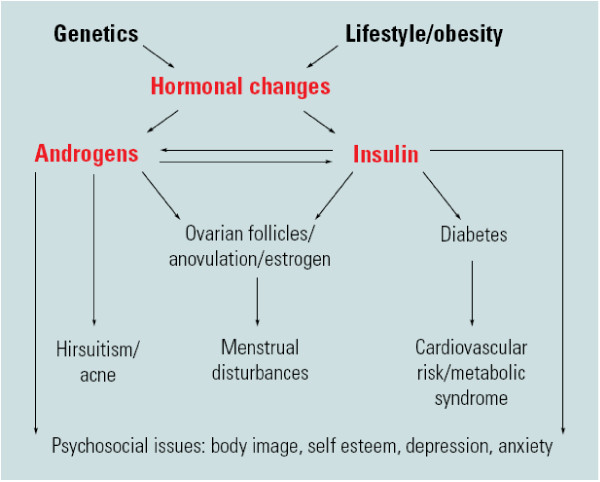
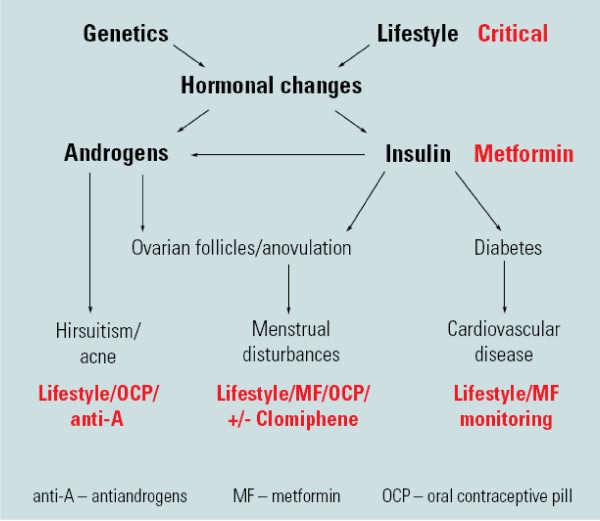
Polycystic ovary syndrome (PCOS) is of clinical and public health importance as it is very common, affecting up to one in five women of reproductive age. It has significant and diverse clinical implications including reproductive (infertility, hyperandrogenism, hirsutism), metabolic (insulin resistance, impaired glucose tolerance, type 2 diabetes mellitus, adverse cardiovascular risk profiles) and psychological features (increased anxiety, depression and worsened quality of life). Polycystic ovary syndrome is a heterogeneous condition and, as such, clinical and research agendas are broad and involve many disciplines. The phenotype varies widely depending on life stage, genotype, ethnicity and environmental factors including lifestyle and bodyweight. Importantly, PCOS has unique interactions with the ever increasing obesity prevalence worldwide as obesity-induced insulin resistance significantly exacerbates all the features of PCOS. Furthermore, it has clinical implications across the lifespan and is relevant to related family members with an increased risk for metabolic conditions reported in first-degree relatives. Therapy should focus on both the short and long-term reproductive, metabolic and psychological features. Given the aetiological role of insulin resistance and the impact of obesity on both hyperinsulinaemia and hyperandrogenism, multidisciplinary lifestyle improvement aimed at normalising insulin resistance, improving androgen status and aiding weight management is recognised as a crucial initial treatment strategy. Modest weight loss of 5% to 10% of initial body weight has been demonstrated to improve many of the features of PCOS. Management should focus on support, education, addressing psychological factors and strongly emphasising healthy lifestyle with targeted medical therapy as required. Monitoring and management of long-term metabolic complications is also an important part of routine clinical care. Comprehensive evidence-based guidelines are needed to aid early diagnosis, appropriate investigation, regular screening and treatment of this common condition. Whilst reproductive features of PCOS are well recognised and are covered here, this review focuses primarily on the less appreciated cardiometabolic and psychological features of PCOS.
Overview
The claims and statistics of this paper haven’t been checked yet.
Free: it reads the open-access text and checks the first 5 claims that cite a source we can check. Create a free account to check every claim.
Integrity signals
Registry
Cites
Statistics
Figures
Verification
Claims the paper makes
The claims and statistics of this paper haven’t been checked yet.
Free: it reads the open-access text and checks the first 5 claims that cite a source we can check. Create a free account to check every claim.
Claims other papers make about this one
Each is checked against this paper’s own text: does it say what the citing paper says it does?
The source backs part of the claim, not all of it — or backs it for a different population, condition or comparison.
In the citing paper
“PCOS prevalence is between 10% and 13% as confirmed in the guideline process. 1,2”
From Recommendations from the 2023 international evidence-based guideline for the assessment and management of polycystic ovary syndrome (2023) · cites this paper as [1]
Experimental — accuracy not yet measuredThe source backs part of the claim, not all of it — or backs it for a different population, condition or comparison.
In the citing paper
“PCOS prevalence is between 10% to 13% as confirmed in the guideline process (1, 2).”
From Recommendations From the 2023 International Evidence-based Guideline for the Assessment and Management of Polycystic Ovary Syndrome (2023) · cites this paper as [1]
Experimental — accuracy not yet measuredThe cited source says what the claim attributes to it.
In the citing paper
“Polycystic ovary syndrome (PCOS) is the most common endocrinopathy affecting reproductive-aged women, with impacts across the lifespan from adolescence to post menopause.”
From Recommendations From the 2023 International Evidence-based Guideline for the Assessment and Management of Polycystic Ovary Syndrome (2023) · cites this paper as [1]
The cited source says what the claim attributes to it.
In the citing paper
“PCOS aetiology is complex”
From Recommendations From the 2023 International Evidence-based Guideline for the Assessment and Management of Polycystic Ovary Syndrome (2023) · cites this paper as [1]
The cited source says what the claim attributes to it.
In the citing paper
“clinical presentation is heterogeneous with reproductive, metabolic, and psychological features (1, 2).”
From Recommendations From the 2023 International Evidence-based Guideline for the Assessment and Management of Polycystic Ovary Syndrome (2023) · cites this paper as [1]
11 more claims about this paper
Create a free account to see every claim other papers make about this one.
Self-check
Percentages, sums and reported differences re-computed from the paper’s own numbers.
The self-check needs the paper’s full text.
Citations
Cites
1 retracted
Shaw, L. J., Bairey Merz, C. N., Azziz, R., Stanczyk, F. Z., Sopko, G., Braunstein, G. D., Kelsey, S. F., Kip, K. E., Cooper-DeHoff, R. M., Johnson, B. D., et al. (2008) · The Journal of Clinical Endocrinology & Metabolism · doi:10.1210/jc.2007-0425 · Cited by 427 · cited 4×
“Some studies support an increased risk of CVD in PCOS [18], but these findings are not universal [61] and further research is needed.”
InfluentialRetractedReduction in the incidence of type 2 diabetes with lifestyle intervention or metformin
(2002) · New England Journal of Medicine · doi:10.1056/nejmoa012512 · Cited by 19,011 · cited 4×
“• Metformin* reduces the risk of diabetes by approximately 50% in high-risk groups [49].”
Influential(2004) · Fertility and Sterility · doi:10.1016/j.fertnstert.2003.10.004 · Cited by 9,050
The Prevalence and Features of the Polycystic Ovary Syndrome in an Unselected Population
Azziz, R., Woods, K. S., Reyna, R., Key, T. J., Knochenhauer, E. S., & Yildiz, B. O. (2004) · The Journal of Clinical Endocrinology & Metabolism · doi:10.1210/jc.2003-032046 · Cited by 2,712 · cited 2×
“Proc Natl Acad Sci USA 2006, 103:7030-7035.”
Insulin Resistance and the Polycystic Ovary Syndrome: Mechanism and Implications for Pathogenesis*
Dunaif, A. (1997) · Endocrine Reviews · doi:10.1210/edrv.18.6.0318 · Cited by 2,458 · cited 2×
“Interestingly, there is a paradoxical expression of insulin resistance in PCOS whereby insulin-stimulated androgen production persists while its role in glucose metabolism is impaired [42].”
Men at risk: occupation and male infertility
Claman, P. (2004) · Fertility and Sterility · doi:10.1016/s0015-0282(03)01188-9 · Cited by 2,387
Azziz, R., Carmina, E., Dewailly, D., Diamanti-Kandarakis, E., Escobar-Morreale, H. F., Futterweit, W., Janssen, O. E., Legro, R. S., Norman, R. J., Taylor, A. E., et al. (2006) · The Journal of Clinical Endocrinology & Metabolism · doi:10.1210/jc.2006-0178 · Cited by 2,143 · cited 8×
“National Institutes of Health criteria consensus statement [83] European Society for Human Reproduction and Embryology/American Society for Reproductive Medicine consensus statement [20] Androgen Excess Society position statement [ 21 ]”
InfluentialAzziz, R., Carmina, E., Dewailly, D., Diamanti-Kandarakis, E., Escobar-Morreale, H. F., Futterweit, W., Janssen, O. E., Legro, R. S., Norman, R. J., Taylor, A. E., et al. (2009) · Fertility and Sterility · doi:10.1016/j.fertnstert.2008.06.035 · Cited by 2,132 · cited 1×
“Among those with amenorrhoea, only 40% will be diagnosed with PCOS as hypothalamic dysfunction is a more common cause [ 31 ].”
Profound Peripheral Insulin Resistance, Independent of Obesity, in Polycystic Ovary Syndrome
Dunaif, A., Segal, K. R., Futterweit, W., & Dobrjansky, A. (1989) · Diabetes · doi:10.2337/diab.38.9.1165 · Cited by 1,967 · cited 2×
“Lean women with PCOS often but not always [13] have abnormalities of insulin secretion and action compared to weight-matched control subjects [41].”
March, W. A., Moore, V. M., Willson, K. J., Phillips, D. I. W., Norman, R. J., & Davies, M. J. (2010) · Human Reproduction · doi:10.1093/humrep/dep399 · Cited by 1,799 · cited 4×
“8%) in the first community-based prevalence study based on current Rotterdam diagnostic criteria [5].”
Influential
Research works printed but not linked: 4
- Barr ELM Magliano DJ Zimmet PZ Polkinghorne KR Atkins RC Dunstan DW Murray SG Shaw JE AusDiab 2005: The Australian Diabetes, Obesity and Lifestyle Study 2006 Melbourne, Australia: International Diabetes Institute
- Dunstan D Zimmet P Welborne T Sicree RTA Atkins R Cameron A Shaw J Chadaban S Diabetes and associated disorders in Australia 2000 - the accelerating epidemic Australian Diabetes, Obesity and Lifestyle Report 2001 Melbourne, Australia: The International Diabetes Institute
- NHaMRC Clinical Practice Guidelines for the Management of Overweight and Obesity in Adults 2003 Canberra, Australia: Australian Government Publishing Service
- Zawadzki J Dunaif A Dunaif A, Givens J, Haseltine F, Marrian G Diagnostic criteria for polycystic ovary syndrome: towards a rational approach Polycystic Ovary Syndrome Current Issues in Endocrinology and Metabolism 1992 Boston, MA: Blackwell Scientific 377 384
Cited by
Items 301–400 of 1,003
Female Gender Scheme is Disturbed by Polycystic Ovary Syndrome: A Qualitative Study From Iran
Amiri, F. N., Tehrani, F. R., Simbar, M., Mohammadpour, R. A., & Shiva, N. (2014) · Iranian Red Crescent Medical Journal · doi:10.5812/ircmj.12423 · Cited by 47
“PCOS, a heterogeneous disorder that influences reproductive ability and metabolic functioning and related disorders (7, 8), is difficult to diagnose because of the variation in its presentation (7-9).”
Roessler, K. K., Birkebaek, C., Ravn, P., Andersen, M. S., & Glintborg, D. (2013) · Acta Obstetricia et Gynecologica Scandinavica · doi:10.1111/aogs.12064 · Cited by 38
Tosatti, J. A. G., Alves, M. T., Cândido, A. L., Reis, F. M., Araújo, V. E., & Gomes, K. B. (2021) · British Journal of Nutrition · doi:10.1017/s0007114520003207 · Cited by 38
“Metabolic impairment includes the primary effect of insulin resistance (IR) on muscle and adipose tissue, with compensatory hyperinsulinaemia, associated with intrinsic β-cell dysfunction, type 2 diabetes mellitus and gestational diabetes, hyperlipidaemia, increased risk of CVD, obesity, sleep apnoea, non-alcoholic fa…”
Rooda, I., Hasan, M. M., Roos, K., Viil, J., Andronowska, A., Smolander, O.-P., Jaakma, Ü., Salumets, A., Fazeli, A., & Velthut-Meikas, A. (2020) · International Journal of Molecular Sciences · doi:10.3390/ijms21249550 · Cited by 38
“Polycystic ovary syndrome (PCOS) is a common hormonal disturbance affecting up to 20% reproductive age women worldwide [1].”
Effects of intestinal flora on polycystic ovary syndrome
Liu, J., Liu, Y., & Li, X. (2023) · Frontiers in Endocrinology · doi:10.3389/fendo.2023.1151723 · Cited by 44
Predictors of depression in women with polycystic ovary syndrome
Naqvi, S. H., Moore, A. D., Bevilacqua, K., Lathief, S., Williams, J. W., Naqvi, N., & Pal, L. (2014) · Archives of Women s Mental Health · doi:10.1007/s00737-014-0458-z · Cited by 40
Akbarzadeh, M., Heidary, M., Yazdanpanahi, Z., Dabbaghmanesh, M. H., Parsanezhad, M. E., & Emamghoreishi, M. (2018) · Journal of Research in Medical Sciences · doi:10.4103/jrms.jrms_90_17 · Cited by 38
Moore, A. M. (2025) · Journal of Neuroendocrinology · doi:10.1111/jne.70028 · Cited by 39
Bahadori, F., Sadatmahalleh, S. J., & Mirzaei, N. (2021) · Journal of Ovarian Research · doi:10.1186/s13048-021-00811-2 · Cited by 44
“The adverse impact of diverse clinical manifestations and prolonged complication on worsened QoL and psychological impairments have become a new area of research in the last decades (19).”
BackgroundClinical Utility of Anti-Mullerian Hormone in Pediatrics
Shankar, R. K., Dowlut‐McElroy, T., Dauber, A. N., & Gomez‐Lobo, V. (2021) · The Journal of Clinical Endocrinology & Metabolism · doi:10.1210/clinem/dgab687 · Cited by 43
Bifidobacterium Is Enriched in Gut Microbiome of Kashmiri Women with Polycystic Ovary Syndrome
Hassan, S., Kaakinen, M., Draisma, H. H. M., Zudina, L., Ganie, M. A., Rashid, A., Balkhiyarova, Z., Kiran, G. S., Vogazianos, P., Shammas, C., et al. (2022) · Genes · doi:10.3390/genes13020379 · Cited by 41
“In the 1930-s, PCOS was defined as a gynaecological disorder [5], however, it is associated with a constellation of metabolic conditions, such as obesity, dyslipidaemia, metabolic syndrome, endothelial dysfunction, inflammation, insulin resistance, hypertension and other cardiovascular risks [6-12].”
Mbara, K. C., Mato, P. E. M., Driver, C., Nzuza, S., Mkhombo, N. T., Gcwensa, S. K., Mcobothi, E. N., & Owira, P. M. O. (2021) · European Journal of Pharmacology · doi:10.1016/j.ejphar.2021.173934 · Cited by 36
Włodarczyk, M., Ciebiera, M., Nowicka, G., Łoziński, T., Ali, M. K., & Al-Hendy, A. A. (2024) · Nutrients · doi:10.3390/nu16040559 · Cited by 38
“These include menstrual disorders, acne, infertility, hirsutism, or male pattern baldness [185].”
Zhang, C., Yang, C., Li, N., Liu, X., He, J., Chen, X., Ding, Y., Tong, C., Peng, C. X., Yin, H., et al. (2019) · Archives of Toxicology · doi:10.1007/s00204-019-02601-8 · Cited by 40
“Although increasing experimental and clinical evidence suggests that high insulin levels are linked to subfertility and early pregnancy loss (Macut et al. 2017; Teede et al. 2010; Pinto et al. 2002), the mechanism is still not clear.”
Several critical genes and microRNAs associated with the development of polycystic ovary syndrome
Wang, W., Ji, J., Li, J., Ren, Q., Gu, J., Zhao, Y., Hong, D., Guo, Q., & Tan, Y. (2019) · Annales d Endocrinologie · doi:10.1016/j.ando.2019.10.002 · Cited by 39
Karsten, M. D. A., Wekker, V., Groen, H., Painter, R. C., Mol, B. W., Laan, E. T. M., Roseboom, T. J., & Hoek, A. (2021) · Human Reproduction Open · doi:10.1093/hropen/hoab038 · Cited by 40
“However, PCOS is assumed to be a lifelong condition (Teede et al., 2010; Puurunen et al., 2011).”
Cognitive behavioural therapy for depression in women with PCOS: systematic review and meta-analysis
Jiskoot, G., van der Kooi, A.-L., Busschbach, J. J. V., Laven, J. S. E., & Beerthuizen, A. (2022) · Reproductive BioMedicine Online · doi:10.1016/j.rbmo.2022.05.001 · Cited by 40
Lin, S., Deng, Y., Huang, J., Li, M., Sooranna, S. R., Qin, M., & Tan, B. (2025) · Scientific Reports · doi:10.1038/s41598-025-99622-4 · Cited by 35
Ee, C., Smith, C., Moran, L., MacMillan, F., Costello, M., Baylock, B., & Teede, H. (2020) · BMC Women's Health · doi:10.1186/s12905-020-01090-7 · Cited by 35
Self-citationAsghari, R., Shokri-Asl, V., Rezaei, H., Tavallaie, M., Khafaei, M., Abdolmaleki, A., & Seghinsara, A. M. (2021) · Daehan saengsik uihak hoeji/Clinical and experimental reproductive medicine · doi:10.5653/cerm.2020.04112 · Cited by 39
“Higher androgen levels can lead to hyperandrogenism, anovulation, follicular cysts, menstrual cycle irregularities, and eventually, female infertility [2,3].”
Tsai, Y.-R., Liao, Y.-N., & Kang, H. (2023) · Cells · doi:10.3390/cells12172189 · Cited by 39
Guo, Z., Qiu, H., Wang, L., Wang, L., Wang, C., Chen, M., & Zuo, Z. (2016) · Chemosphere · doi:10.1016/j.chemosphere.2016.12.127 · Cited by 38
Song, Y., Guo, Y., Xiang, Y., Li, Y., Wan, L., & Tan, L. (2019) · Molecular and Cellular Endocrinology · doi:10.1016/j.mce.2019.110478 · Cited by 35
Experimental models of polycystic ovary syndrome: An update
Divyashree, S., Janhavi, P., Veeranna, R. P., & Peddha, M. S. (2019) · Life Sciences · doi:10.1016/j.lfs.2019.116911 · Cited by 39
The Role of Serum Anti-Mullerian Hormone Measurement in the Diagnosis of Polycystic Ovary Syndrome
Sivanandy, M. S., & Ha, S. K. (2023) · Diagnostics · doi:10.3390/diagnostics13050907 · Cited by 46
The association between hyperandrogenemia and the metabolic syndrome in morbidly obese women
Valderhaug, T. G., Hertel, J. K., Nordstrand, N., Dale, P. O., Hofsø, D., & Hjelmesæth, J. (2015) · Diabetology & Metabolic Syndrome · doi:10.1186/s13098-015-0040-5 · Cited by 35
“PCOS is associated with infertility, hyperandrogenemia, impaired glucose tolerance and type 2 diabetes [5].”
Shift Work Is Associated with Metabolic Syndrome in Young Female Korean Workers
Yu, K. H., Yi, Y. H., Kim, Y. J., Cho, B. M., Lee, S. Y., Lee, J. G., Jeong, D. W., & Ji, S. Y. (2017) · Korean Journal of Family Medicine · doi:10.4082/kjfm.2017.38.2.51 · Cited by 38
Artini, P. G., Obino, M. E. R., Sergiampietri, C., Pinelli, S., Papini, F., Casarosa, E., & Cela, V. (2018) · Expert Review of Endocrinology & Metabolism · doi:10.1080/17446651.2018.1431122 · Cited by 39
“Infertility affects 40% of women with PCOS [13] and it is principally due to anovulation.”
Costello, M., Garad, R. M., Hart, R. J., Homer, H. A., Johnson, L., Jordan, C., Mocanu, E. V., Qiao, J., Rombauts, L. J. F., Teede, H. J., et al. (2019) · Medical Sciences · doi:10.3390/medsci7090095 · Cited by 43
Self-citationHuang, X., Wang, Q., Liu, T., Pei, T., Liu, D., Zhu, H., & Huang, W. (2019) · Endocrine · doi:10.1007/s12020-019-01912-1 · Cited by 34
Pohlmeier, A. M., Phy, J. L., Watkins, P., Boylan, M., Spallholz, J., Harris, K. S., & Cooper, J. A. (2014) · Applied Physiology, Nutrition, and Metabolism · doi:10.1139/apnm-2014-0073 · Cited by 34
“…RER; insulin resistance Introduction Polycystic ovary syndrome (PCOS) affects between 4% and 18% of women of reproductive age worldwide and is associated with increased risk of type 2 diabetes mellitus, obesity, cardiovascular disease, cancer and infertility (Teede et al. 2010; Yildiz et al. 2012).”
Liu, R., Bai, S., Zheng, S., Zhu, X., Zhang, Y., Xu, B., & Zhao, W. (2022) · Disease Markers · doi:10.1155/2022/6877541 · Cited by 40
“Insulin can maintain the balance of lipid metabolism by inhibiting the release of FFAs from adipose tissue [10].”
Ganie, M. A., Hassan, S., Nisar, S., Shamas, N., Rashid, A., Ahmed, I., Douhat, S., Mudassar, S., Jan, V. M., & Rashid, F. (2014) · Gynecological Endocrinology · doi:10.3109/09513590.2014.924099 · Cited by 35
“Hyperandrogenism being one of the key features of PCOS has been suspected to have link with elevated cardiovascular link in women with PCOS [4,7].”
Jamilian, M., Foroozanfard, F., Kavossian, E., Aghadavod, E., Amirani, E., Mahdavinia, M., Mafi, A., & Asemi, Z. (2019) · Journal of Psychosomatic Obstetrics & Gynecology · doi:10.1080/0167482x.2018.1557144 · Cited by 36
Anti-Inflammatory Dietary Combo in Overweight and Obese Women with Polycystic Ovary Syndrome
Salama, A., Amine, E., Salem, H. E., & Abd El Fattah, N. (2015) · North American Journal of Medical Sciences · doi:10.4103/1947-2714.161246 · Cited by 33
Weight management strategies for patients with PCOS: current perspectives
Ozgen Saydam, B., & Yildiz, B. O. (2021) · Expert Review of Endocrinology & Metabolism · doi:10.1080/17446651.2021.1896966 · Cited by 33
“Weight loss of 5–10% of total body weight was shown to improve several features of PCOS [24].”
Stefanaki, K., Karagiannakis, D. S., Raftopoulou, M., Ψαλτοπούλου, Θ., Paschou, S. Α., & Ilias, Ι. (2023) · Endocrine · doi:10.1007/s12020-023-03436-1 · Cited by 38
“The former consists of 14 questions scored on a 5point scale, ranging from (0) absence of symptoms, (1) very unlikely, (2) mild symptoms, (3) moderate symptoms and (4) signi cant symptoms.”
The Potential Utility of Tirzepatide for the Management of Polycystic Ovary Syndrome
Anala, A. D., Saifudeen, I. S. H., Ibrahim, M., Nanda, M., Naaz, N., & Atkin, S. L. (2023) · Journal of Clinical Medicine · doi:10.3390/jcm12144575 · Cited by 39
“Additionally, a number of distinct clinical manifestations may be apparent, including hirsutism and amenorrhea, together with metabolic disorders such as insulin resistance, prediabetes, type 2 diabetes, and risk of cardiovascular disease [7].”
Genetic and Epigenetic Landscape for Drug Development in Polycystic Ovary Syndrome
Chen, Y., Wang, G., Chen, J., Wang, C., Dong, X., Chang, H., Yuan, S., Zhao, Y., & Mu, L. (2024) · Endocrine Reviews · doi:10.1210/endrev/bnae002 · Cited by 41
Stefanaki, K., Karagiannakis, D. S., Peppa, Μ., Vryonidou, A., Kalantaridou, S., Goulis, D. G., Ψαλτοπούλου, Θ., & Paschou, S. Α. (2024) · Nutrients · doi:10.3390/nu16071049 · Cited by 35
“Polycystic ovary syndrome (PCOS) is the most common endocrine disorder in women of reproductive age, with a worldwide prevalence of between 9 and 18% [1–3].”
Approach to the Patient: Diagnostic Challenges in the Workup for Polycystic Ovary Syndrome
Joham, A. E., Tay, C. T., Laven, J. S. E., Louwers, Y. V., & Azziz, R. (2025) · The Journal of Clinical Endocrinology & Metabolism · doi:10.1210/clinem/dgae910 · Cited by 36
Formononetin ameliorates polycystic ovary syndrome through suppressing NLRP3 inflammasome
Liu, Z., Wang, R., & Wang, K. (2025) · Molecular Medicine · doi:10.1186/s10020-025-01092-x · Cited by 35
“PCOS represents a substantial health burden for women and poses a considerable economic challenge to communities (Teede et al. 2010).”
Kuang, H., Jin, S., Hansen, K. R., Diamond, M. P., Coutifaris, C., Casson, P. R., Christman, G. M., Alvero, R. J., Huang, H., Bates, G. W., et al. (2015) · Human Reproduction · doi:10.1093/humrep/dev182 · Cited by 33
“Approximately 40% of women with PCOS present with a clinical complaint of infertility (Teede et al., 2010), and 90–95% of anovulatory women who visit infertility clinics have PCOS (Sirmans and Pate, 2013).”
Integrated Model of Care for Polycystic Ovary Syndrome
Tay, C., Moran, L., Wijeyaratne, C., Redman, L., Norman, R., Teede, H., & Joham, A. (2018) · Seminars in Reproductive Medicine · doi:10.1055/s-0038-1667310 · Cited by 29
Self-citationEken, M. K., Ersoy, G. Ş., Abide, Ç. Y., Şanverdi, İ., Devranoğlu, B., Kutlu, T., & Çevik, Ö. D. (2019) · Journal of Obstetrics and Gynaecology · doi:10.1080/01443615.2019.1581754 · Cited by 34
“Anovulatory infertility is another comorbidity of PCOS (Teede et al. 2010).”
Elevated levels of arachidonic acid metabolites in follicular fluid of PCOS patients
Li, S., Qi, J., Tao, Y., Zhu, Q., Huang, R., Liao, Y., Yue, J., Liu, W., Zhao, H., Yin, H., et al. (2020) · Reproduction · doi:10.1530/rep-19-0136 · Cited by 35
Selvaraj, V., Vanitha, J., Dhanaraj, F. M., Sekar, P., & Babu, A. R. (2020) · Health Science Reports · doi:10.1002/hsr2.212 · Cited by 39
Zhao, X., Feng, X., Zhao, X., Jiang, Y., Li, X., Niu, J., Meng, X., Wu, J., Xu, G., Hou, L., et al. (2021) · Frontiers in Endocrinology · doi:10.3389/fendo.2021.659268 · Cited by 34
“The diagnosis of MS must be in accordance with the third guidelines for the adult treatment group of the national cholesterol education program (NCEP ATP III) (9): (1) central obesity: waist circumference (WC) ≥80 cm; (2) triglyceride (TG) >1.”
Zou, X., & Sun, Y. (2021) · Frontiers in Psychiatry · doi:10.3389/fpsyt.2021.683474 · Cited by 36
Park, J., Lim, Y., Kim, K., Kim, S. G., Kim, J. H., Lim, H. G., & Shin, J. (2013) · Journal of Women s Health · doi:10.1089/jwh.2012.4035 · Cited by 37
“Polycystic ovary syndrome, which causes hypertension, diabetes mellitus, dyslipidemia, and oligomenorrhea or menstrual irregularity, is one of the most common endocrine disorders in women of reproductive age.(44) However, we were unable to exclude women who may have met the criteria for polycystic ovary syndrome.”
Seyedoshohadaei, F., Tangestani, L., Zandvakili, F., & Rashadmanesh, N. (2016) · JOURNAL OF CLINICAL AND DIAGNOSTIC RESEARCH · doi:10.7860/jcdr/2016/20954.8324 · Cited by 33
“Infertility affects 40% of women with PCOS [1].”
Circulating irisin in patients with polycystic ovary syndrome: a meta-analysis
Cai, X., Qiu, S., Li, L., Zügel, M., Steinacker, J. M., & Schümann, U. (2017) · Reproductive BioMedicine Online · doi:10.1016/j.rbmo.2017.10.114 · Cited by 33
Kulle, A. E., Welzel, M., Holterhus, P.-M., & Riepe, F. G. (2011) · PubMed · doi:10.3275/7843 · Cited by 31
Psychological distress in women with polycystic ovary syndrome from imam khomeini hospital, tehran.
Zangeneh, F. Z., Jafarabadi, M. N., Naghizadeh, M. M., Abedinia, N., & Haghollahi, F. (2012) · PubMed Central · Cited by 65
Li, G., Hu, J., Zhang, S., Fan, W., Wen, L., Wang, G., & Zhang, D. (2020) · Frontiers in Endocrinology · doi:10.3389/fendo.2020.603279 · Cited by 32
“These symptoms not only affect reproductive function but also increase the risk of type 2 diabetes mellitus (T2DM), cardiovascular disease, metabolic syndrome and endometrial cancer during the middle of the patients’ lifespan or later in life (8, 9).”
Wu, H., Zhao, B., Yao, Q., & Kang, J. (2023) · Journal of Ovarian Research · doi:10.1186/s13048-023-01299-8 · Cited by 32
“About 40% of PCOS women are affected by infertility [3].”
Sudhakaran, G., Kesavan, D., Nayak, S. P. R. R., Madesh, S., Meenatchi, R., Pachaiappan, R., Almutairi, M. H., Almutairi, B. O., & Arockiaraj, J. (2024) · Tissue and Cell · doi:10.1016/j.tice.2024.102532 · Cited by 32
Grigorescu, V. I., Zhang, Y., Kissin, D. M., Sauber‐Schatz, E. K., Sunderam, M., Kirby, R. S., Diop, H., McKane, P., & Jamieson, D. J. (2014) · Fertility and Sterility · doi:10.1016/j.fertnstert.2013.12.030 · Cited by 32
“The significantly higher prevalence of diabetes found in our study among women with OD/ PCOS compared with those having TO has been previously described (14, 15, 18).”
Wang, Y., Huang, R., Li, X., Zhu, Q., Liao, Y., Tao, T., Kang, X., Liu, W., Li, S., & Sun, Y. W. (2019) · Gynecological Endocrinology · doi:10.1080/09513590.2019.1622087 · Cited by 32
“PCOS is the most common and heterogeneous endocrine disorder disease, with which 40% of the patients may suffer from infertility [20].”
Identifying genes associated with the development of human polycystic ovary syndrome
Saddick, S. (2020) · Saudi Journal of Biological Sciences · doi:10.1016/j.sjbs.2020.01.012 · Cited by 35
Gnawali, A., Patel, V., Cuello-Ramírez, A., kaabi, A. S. A., Noor, A., Rashid, M. Y., Henin, S., & Mostafa, J. A. (2021) · Cureus · doi:10.7759/cureus.13489 · Cited by 37
“There is a rising prevalence of PCOS ranging between 8% and 13%, depending on the population studied and definitions used [2,3].”
Female infertility in the era of obesity: The clash of two pandemics or inevitable consequence?
Medenica, S., Spoltore, M. E., Ormazabal, P., Marina, L., Šojat, A. S., Faggiano, A., Gnessi, L., Mazzilli, R., & Watanabe, M. (2022) · Clinical Endocrinology · doi:10.1111/cen.14785 · Cited by 32
“In fact, in the presence of IR, metformin may improve the ovulatory performance.114,133 Metformin as an insulin sensitizer effectively decreases circulating androgens, improving oocyte quality compared with placebo.134 It has multiple beneficial effects on metabolic parameters and menstrual disorders in PCOS, and it m…”
InfluentialGao, H. Y., Meng, J., Xu, M., Zhang, S., Bishwajit, G., Liu, J., Yao, P., Yan, H., Wang, D., & Liu, L. (2013) · PLoS ONE · doi:10.1371/journal.pone.0067727 · Cited by 37
“The increasing worldwide prevalence of PCOS, along with its wide ranging associations, has led to hopes that the disease can be reversed or prevented [1,24].”
Enli, Y., Fenkçi, S. M., Fenkçi, V., & Öztekin, Ö. (2013) · Gynecological Endocrinology · doi:10.3109/09513590.2013.829442 · Cited by 37
“It is known that hyperinsulinemia contributes to the development of diabetes, hypertension, and dyslipidemia in PCOS [5].”
PAI-1 antagonists: the promise and the peril.
Vaughan, D. E. (2011) · PubMed Central · Cited by 39
Wanderley, M. D. S., Pereira, L. C. R., Santos, C. B., da Cunha, V. S., & Neves, M. V. J. (2018) · Revista Brasileira Ginecologia e Obstetrícia · doi:10.1055/s-0038-1642634 · Cited by 37
The obesogen tributyltin induces features of polycystic ovary syndrome (PCOS): a review
Merlo, E., Silva, I. V., Cardoso, R. C., & Graceli, J. B. (2018) · Journal of Toxicology and Environmental Health Part B · doi:10.1080/10937404.2018.1496214 · Cited by 34
Assessing Self-efficacy and Self-help Methods in Women with and without Polycystic Ovary Syndrome
Kozica, S. L., Gibson-Helm, M. E., Teede, H. J., & Moran, L. J. (2013) · Behavioral Medicine · doi:10.1080/08964289.2012.720312 · Cited by 31
“Unsure 6 (7) 8 (11) Household I live alone 13 (14) 4 (5) .”
Self-citation(2019) · PubMed Central · doi:10.22088/cjim.10.4.359 · Cited by 31
“It is hypothesized that insulin resistance leads to hyperinsulinemia and as a result , increased insulin promotes secretion of androgens from the ovaries, which itself decreases the amount of serum sex hormone binding globulin (SHBG), therefore, serum free testosterone is elevated and ovarian follicle growth and matur…”
The Psychosocial Impact of Polycystic Ovary Syndrome
Simon, V., Peigné, M., & Dewailly, D. (2023) · Reproductive Medicine · doi:10.3390/reprodmed4010007 · Cited by 41
“Indeed, although it is less classically reported in the complications of PCOS, patients with PCOS are at greater risk of depression and psychiatric disorders [5].”
Costello, M., Garad, R. M., Hart, R. J., Homer, H. A., Johnson, L., Jordan, C., Mocanu, E. V., Qiao, J., Rombauts, L. J. F., Teede, H. J., et al. (2019) · Medical Sciences · doi:10.3390/medsci7070075 · Cited by 37
“PCOS is a complex condition with reproductive, metabolic and psychological features [1].”
Self-citationAldakheel, F. M., Abuderman, A., Alduraywish, S. A., Xiao, Y., & Guo, W. W. (2021) · Journal of Reproductive Immunology · doi:10.1016/j.jri.2021.103328 · Cited by 32
Mahmud, A. A., Anu, U. H., Foysal, K. A., Hasan, M., Sazib, S. M., Ragib, A. A., Taher, A. B., Hossain, M. S., Islam, M. S., Hossain, M. S., et al. (2022) · Narra J · doi:10.52225/narra.v2i1.56 · Cited by 37
“PCOS patients express their prevalence of metabolic problems, dyslipidemia, and insulin resistance [66–68].”
Chen, W., Huang, Q.-Y., Wang, Z., Zhuang, X., Lin, S., & Shi, Q. (2022) · Frontiers in Endocrinology · doi:10.3389/fendo.2022.918805 · Cited by 36
Huang, T., Howse, F. M., Stachenfeld, N. S., & Usselman, C. W. (2022) · American Journal of Physiology-Heart and Circulatory Physiology · doi:10.1152/ajpheart.00399.2022 · Cited by 34
Rafiee, A., Hoseini, M., Akbari, S., & Mahabee‐Gittens, E. M. (2022) · Reviews on Environmental Health · doi:10.1515/reveh-2022-0182 · Cited by 31
“PCOS is the most common cause of ovulatory infertility in women, a ff ecting 5 – 10% of reproductive-aged women globally [14, 16].”
Balkrishna, A., Rana, M., Mishra, S., Srivastava, D., Bhardwaj, R., Singh, S., Rajput, S. K., & Arya, V. (2023) · Evidence-based Complementary and Alternative Medicine · doi:10.1155/2023/3705508 · Cited by 39
“Losing 5 to 10% of one’s body weight can signifcantly improve PCOS’s endocrine profle [102].”
Causal association of immune cells and polycystic ovarian syndrome: a Mendelian randomization study
Aru, N., Yang, C., Chen, Y., & Liu, J. (2023) · Frontiers in Endocrinology · doi:10.3389/fendo.2023.1326344 · Cited by 34
Endocrine and Metabolic Profile of Different Phenotypes of Polycystic Ovarian Syndrome
Pikee, S., Shivani, S., & Bhattacharjee, J. (2016) · The Journal of Obstetrics and Gynecology of India · doi:10.1007/s13224-016-0898-7 · Cited by 31
Rzońca, E., Iwanowicz-Palus, G., Bień, A., Wdowiak, A., Szymański, R., & Chołubek, G. (2018) · International Journal of Environmental Research and Public Health · doi:10.3390/ijerph15112484 · Cited by 35
“Polycystic ovary syndrome presents a broad variety of symptoms, including metabolic, endocrine, and emotional or psychological ones, which is extremely challenging to women diagnosed with the disorder [5,7,10].”
Vitamin D, Bone Metabolism, and Fracture Risk in Polycystic Ovary Syndrome
Bari, F. D., Catalano, A., Bellone, F., Martino, G., & Benvenga, S. (2021) · Metabolites · doi:10.3390/metabo11020116 · Cited by 33
Chiu, W.-L., Boyle, J. A., Vincent, A. J., Teede, H. J., & Moran, L. (2016) · Neuroendocrinology · doi:10.1159/000455233 · Cited by 35
Self-citationWeight gain and lifestyle factors in women with and without polycystic ovary syndrome
Awoke, M. A., Earnest, A., Joham, A. E., Hodge, A. M., Teede, H. J., Brown, W. J., & Moran, L. J. (2021) · Human Reproduction · doi:10.1093/humrep/deab239 · Cited by 30
Self-citationAlenezi, S. A., Khan, R. N., & Amer, S. A. K. S. (2024) · Journal of Clinical Medicine · doi:10.3390/jcm13061578 · Cited by 37
“Throughout their lifespan, women with PCOS encounter various health challenges including anxiety, depression, insulin resistance, hypertension, metabolic disorders, and obesity-related chronic inflammation [2,3].”
Ott, J., Robin, G., Hager, M., & Dewailly, D. (2024) · Human Reproduction Update · doi:10.1093/humupd/dmae030 · Cited by 32
Brand, K. M. G., Gottwald‐Hostalek, U., & Andag‐Silva, A. (2025) · Women s Health · doi:10.1177/17455057241311759 · Cited by 38
“8,9 Women with PCOS may display a range of distressing symptoms, including overweight/obesity, dys-menorrhoea, hyperandrogenism (which may include male pattern hair loss, acne, oily skin and hirsutism 1,2 ), which promote issues with negative body image.”
Process evaluation of a pilot evidence-based Polycystic Ovary Syndrome clinic in the Torres Strait
Boyle, J., Hollands, G., Beck, S., Hampel, G., Wapau, H., Arnot, M., Browne, L., Teede, H. J., & Moran, L. J. (2017) · Australian Journal of Rural Health · doi:10.1111/ajr.12288 · Cited by 29
Self-citationRelationship of Polycystic Ovarian Syndrome with Cardiovascular Risk Factors
Bilal, M., Haseeb, A., & Rehman, A. (2018) · Diabetes & Metabolic Syndrome Clinical Research & Reviews · doi:10.1016/j.dsx.2018.01.006 · Cited by 32
Elenis, E., Desroziers, E., Persson, S., Poromaa, I. S., & Campbell, R. E. (2020) · Human Reproduction · doi:10.1093/humrep/deaa357 · Cited by 32
“Women diagnosed with anovulatory infertility were also included in our study population based on the fact that 90% of them have PCOS, according to the Rotterdam criteria (Broekmans et al. , 2006; Teede et al. , 2010).”
Ali, S. E., Badawy, S. A. E., Elmosalamy, S. H., Emam, S. R., Azouz, A. A., Galal, M. K., Abd‐Elsalam, R. M., Issa, M. Y., & Hassan, B. B. (2021) · Journal of Ethnopharmacology · doi:10.1016/j.jep.2021.114318 · Cited by 30
Chen, Q., Zheng, B., Du, S., & Lin, Y. (2021) · Taiwanese Journal of Obstetrics and Gynecology · doi:10.1016/j.tjog.2021.07.005 · Cited by 38
Young, C. C., Monge, M. C., Minami, H., Rew, L., Conroy, H. E., Peretz, C., & Tan, L. (2021) · Journal of Pediatric and Adolescent Gynecology · doi:10.1016/j.jpag.2021.10.016 · Cited by 36
Moore, A. M. (2022) · Clinical Endocrinology · doi:10.1111/cen.14711 · Cited by 32
“PCOS presents as a heterogenous and complex interaction of reproductive, metabolic and psychological traits that is difficult to diagnose and manage.(2) A recent international evidence‐based consensus on the assessment and management of PCOS endorsed the 2003 Rotterdam Criteria that PCOS diagnosis requires at least tw…”
Brown adipose tissue activation with ginsenoside compound K ameliorates polycystic ovary syndrome
Ye, R., Yan, C., Zhou, H., Zhang, C., Huang, Y., Dong, M., Zhang, H., Lin, J., Jiang, X., Yuan, S., et al. (2022) · British Journal of Pharmacology · doi:10.1111/bph.15909 · Cited by 33
“Importantly, PCOS is a complex syndrome that is associated with dyslipidaemia, obesity, insulin resistance, type 2 diabetes (T2D), cardiovascular disease and other metabolic disorders (Dokras, 2013; Teede et al., 2010; Zeng et al., 2020).”
Prolactin in Polycystic Ovary Syndrome: Metabolic Effects and Therapeutic Prospects
Mastnak, L., Herman, R., Ferjan, S., Janež, A., & Jensterle, M. (2023) · Life · doi:10.3390/life13112124 · Cited by 40
“PCOS presents with a variety of metabolic implications such as obesity, metabolic syndrome (MS), hyperinsulinemia, IR, and dyslipidemia [2,13,14] and thus presents an increased risk for type 2 diabetes mellitus (DM2) and cardiovascular disease [15].”
InfluentialGhasemi-rad, M., Hajishafiha, M., Dehghan, M., Kiarang, N., اسدی, ن., & Shayegh, S. N. (2013) · Drug Design Development and Therapy · doi:10.2147/dddt.s50972 · Cited by 38
“8%–18%,(1,2) and it is estimated that a large number of patients are not diagnosed.(1) The first signs of PCOS are diagnosable in the prepubertal period, and given its heterogeneous nature, the beginning of symptoms in the patient can be accompanied by psychologic disorders such as depression and anxiety, along with i…”
Counting ovarian follicles: updated threshold for diagnosis of hyperandrogenic anovulation
Martins, W. P., Kollmann, M., & Raine‐Fenning, N. J. (2014) · Ultrasound in Obstetrics and Gynecology · doi:10.1002/uog.13402 · Cited by 32
Sex Steroid Hormones and Reproductive Disorders: Impact on Women’s Health
Fauser, B. C. J. M., Laven, J. S. E., Tarlatzis, B. C., Moley, K. H., Critchley, H., Taylor, R. N., Berga, S. L., Mermelstein, P. G., Devroey, P., Gianaroli, L., et al. (2011) · Reproductive Sciences · doi:10.1177/1933719111405068 · Cited by 33
Sexual function in women with polycystic ovary syndrome and their hormonal and clinical correlations
Amiri, F. N., Tehrani, F. R., Esmaeilzadeh, S., Tohidi, M., Azizi, F., & Basirat, Z. (2017) · International Journal of Impotence Research · doi:10.1038/s41443-017-0006-2 · Cited by 31
“irregularities are the most common reproductive manifestations of PCOS and have consistently been documented in 70–80% of women living with the syndrome [43].”
Manoharan, V., & Wong, V. W. (2020) · BMC Pregnancy and Childbirth · doi:10.1186/s12884-020-03175-5 · Cited by 33
Metadata
- Authors
- Teede, H., Deeks, A., & Moran, L.
- Affiliations
- Jean Hailes (AU)
- Corresponding author
- Moran, L
- Venue
- BMC Medicine
- Published
- 2010-06-30
- Volume
- 8
- Issue
- 1
- Pages
- 41-41
- ISSN
- 1741-7015 (ISSN-L)
- PMC
- PMC2909929
- OpenAlex
- W2058294720
- Cited by
- 1,565
- References
- 89
- Citations by year
- 2026: 83 · 2025: 139 · 2024: 156 · 2023: 145 · 2022: 155 · 2021: 171 · 2020: 122 · 2019: 102 · 2018: 87 · 2017: 78 · 2016: 57 · 2015: 53 · 2014: 75 · 2013: 63 · 2012: 42
- FWCI
- 6.42
- Type
- journal article
- Language
- en
- Open access
- gold
- doi.org
- Licence
- Locations
- BMC Medicine (publishedVersion, cc-by)
- PubMed Central (publishedVersion, cc-by)
- PubMed (publishedVersion)
- Adelaide Research & Scholarship (AR&S) (University of Adelaide) (submittedVersion, cc-by)
- DOAJ (DOAJ: Directory of Open Access Journals) (submittedVersion)
- Topics
- Health Sciences › Medicine › Reproductive Medicine › Ovarian function and disorders
- Health Sciences › Medicine › Endocrinology, Diabetes and Metabolism › Diabetes, Cardiovascular Risks, and Lipoproteins
- Health Sciences › Medicine › Reproductive Medicine › Endometriosis Research and Treatment
- Keywords
- polycystic ovary syndrome, insulin resistance, obesity, hyperandrogenism, hirsutism, infertility, cardiometabolic risk, type 2 diabetes, cardiovascular risk, anxiety, depression, quality of life, weight loss, lifestyle intervention, first-degree relatives, metabolic complications, psychological manifestations
- MeSH terms
- Anxiety, Cardiovascular Diseases, Depression, Diabetes Mellitus, Female, Hirsutism, Humans, Infertility, Ovary, Polycystic Ovary Syndrome, Quality of Life, Reproduction, Hyperandrogenism
About these checks
Registry, retraction, Cites and statistics results are computed, not judged, with one exception: a printed reference that no index lists is read once by a model before it counts as a citation error. Claims are extracted by a model and kept only when their quote appears verbatim in the text; each cited source is then checked, with a model’s help, for whether it says what the claim relies on. Those verdicts can be wrong — read the claim’s quote and the cited source before relying on one.
Statistics and arithmetic are recomputed, not judged.
Confidence bands are shown only for fields calibrated on our annotated test set. None is calibrated yet, so no band is shown.
What counts as a claim ›How we measure confidence ›How we check this ›
Are you an author, or do you see a problem with this page? Request a review
Data sources
Bibliographic data: Semantic Scholar, OpenAlex, Crossref.
Contains information from the Semantic Scholar Academic Graph Datasets, made available under the ODC Attribution License (ODC-BY 1.0).
Semantic Scholar’s data is described in: Kinney, R., et al. (2023). The Semantic Scholar Open Data Platform. arXiv:2301.10140.
