

The DOI matches its Crossref record; 47 of the 48 references it cites were found in a registry or an index.
The acute inflammatory response to intranigral α-synuclein differs significantly from intranigral lipopolysaccharide and is exacerbated by peripheral inflammation
Open accessAbstract
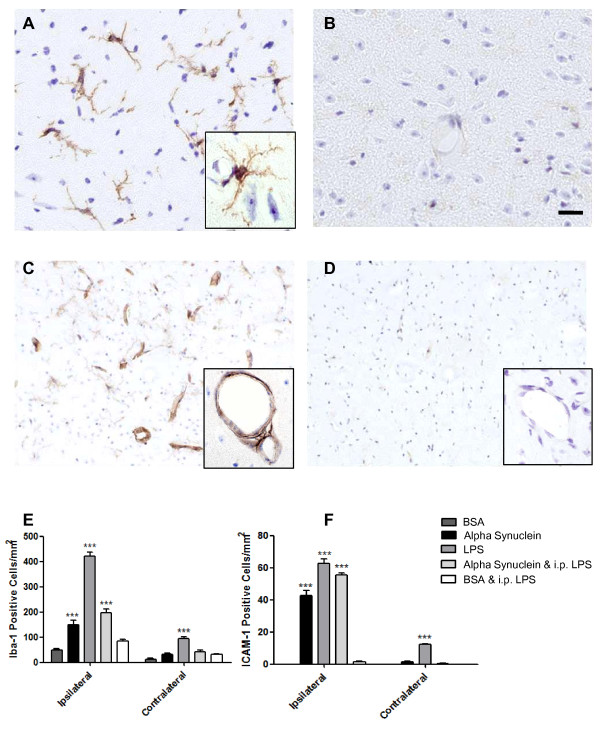
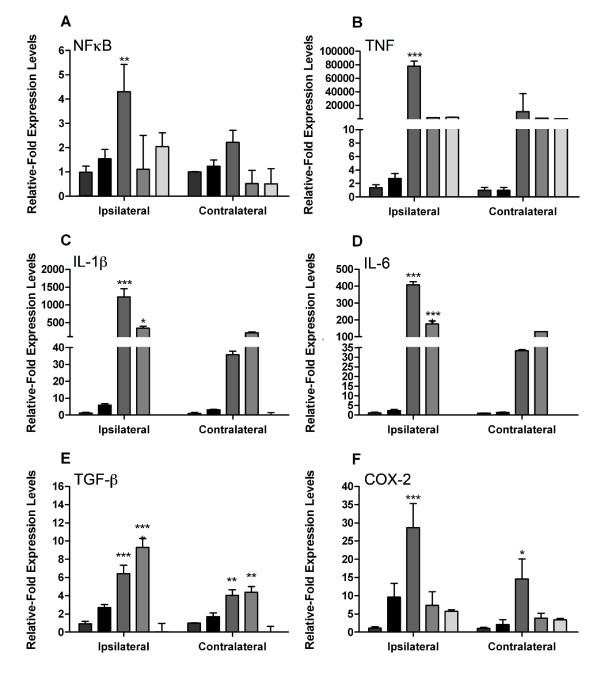
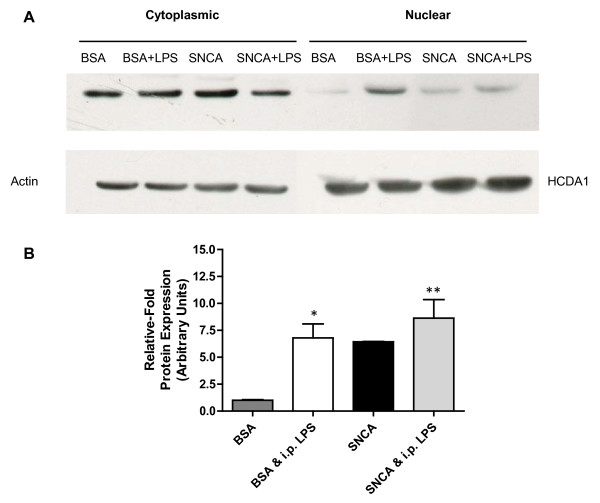
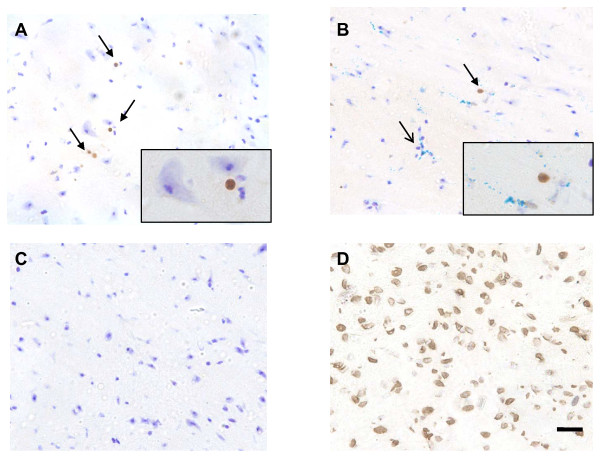
Background: Activated microglia are a feature of the host response to neurodegeneration in Parkinson's disease (PD) and are thought to contribute to disease progression. Recent evidence suggests that extracellular α-synuclein (eSNCA) may play an important role in the pathogenesis of PD and that this may be mediated by a microglial response. Methods: We wished to discover whether the host response to eSNCA would be sufficient to induce significant cytokine production. In vitro cultured BV-2 microglia were used to determine the basic inflammatory response to eSNCA. In vivo , 8-week old Biozzi mice were subjected to a single intranigral injection of either 3 μg SNCA, lipopolysaccharide (LPS) or serum protein (BSA) and allowed to recover for 24 hours. A second cohort of animals were peripherally challenged with LPS (0.5 mg/kg) 6 hours prior to tissue collection. Inflammation was studied by quantitative real-time PCR for a number of pro-inflammatory genes and immunohistochemistry for microglial activation, endothelial activation and cell death. Results: In vitro data showed a robust microglial response to SNCA, including a positive NFĸB response and the production of pro-inflammatory cytokines. Direct injection of SNCA into the substantia nigra resulted in the upregulation of mRNA expression of proinflammatory cytokines, the expression of endothelial markers of inflammation and microglial activation. However, these results were significantly different to those obtained after direct injection of LPS. By contrast, when the animals were injected intracerebrally with SNCA and subsequently challenged with systemic LPS, the level of production of IL-1β in the substantia nigra became comparable to that induced by the direct injection of LPS into the brain. The injection of albumin into the nigra with a peripheral LPS challenge did not provoke the production of a significant inflammatory response. Direct injection of LPS into the substantia nigra also induces cell death in a more robust manner than direct injection of either SNCA or BSA. Conclusion: These results suggest that the presence of eSNCA protein 'primes' microglia, making them susceptible to environmental proinflammatory challenge. For this reason, we hypothesise that where 'inflammation' contributes to the disease progression in PD, it does so in a punctuate manner (on-off) as a result of systemic events.
Overview
The claims and statistics of this paper haven’t been checked yet.
Run the check — free, no account needed. It reads the open-access text and checks the sources it cites.
Integrity signals
Registry
Cites
Statistics
Figures
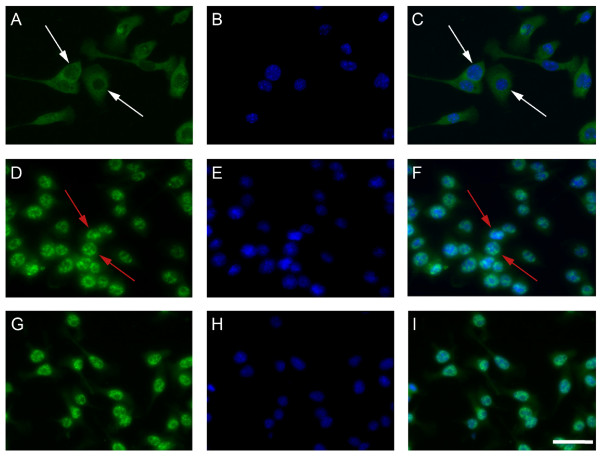
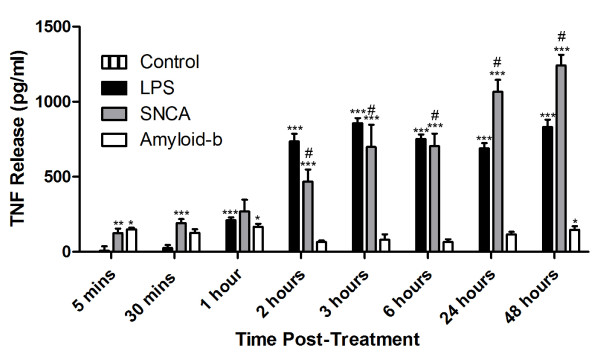
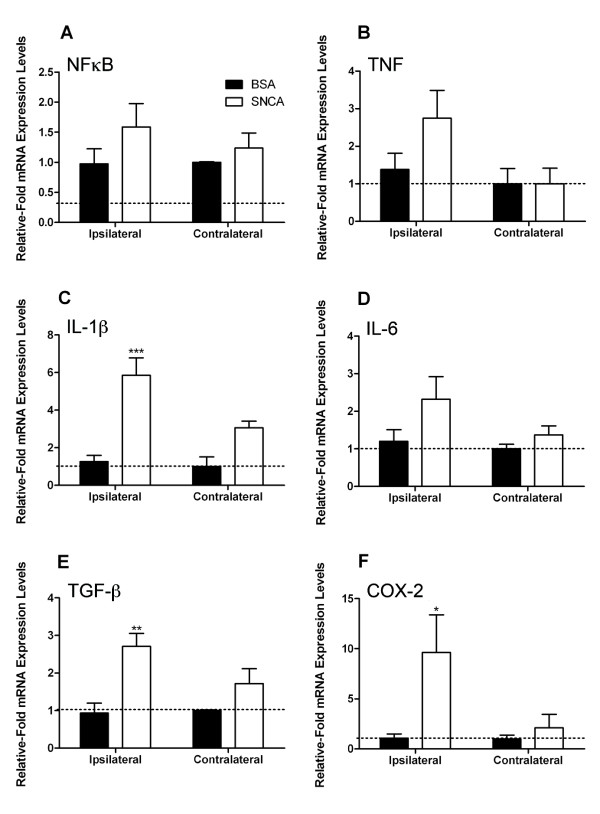
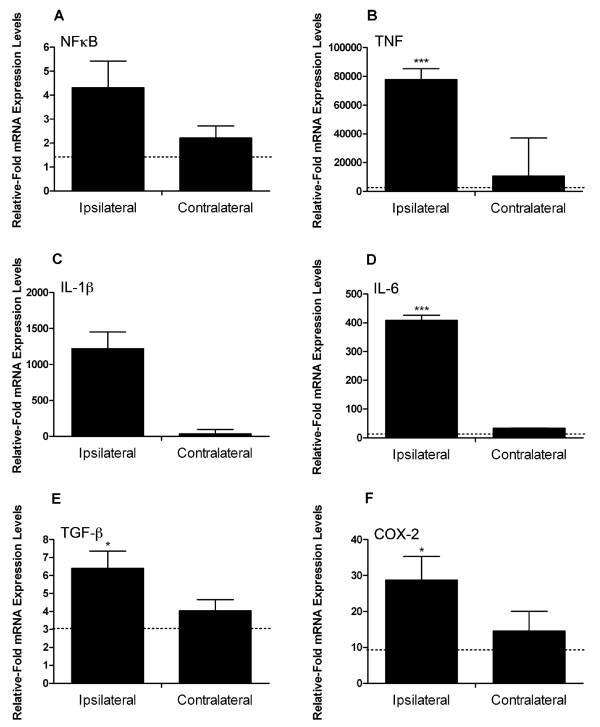
Verification
Claims the paper makes
The claims and statistics of this paper haven’t been checked yet.
Run the check — free, no account needed. It reads the open-access text and checks the sources it cites.
Claims other papers make about this one
Each is checked against this paper’s own text: does it say what the citing paper says it does?
In the citing paper
“Direct injection of LPS into the rodent brain is sufficient to induce neuronal loss [44, 46].”
From The endotoxin hypothesis of neurodegeneration (2019) · cites this paper as [46]
Self-check
Percentages, sums and reported differences re-computed from the paper’s own numbers.
The self-check needs the paper’s full text.
Citations
Cites
The mouse brain in stereotaxic coordinates
Konsman, J. (2003) · Psychoneuroendocrinology · doi:10.1016/s0306-4530(03)00088-x · Cited by 16,796
The Mouse Brain in Stereotaxic Coordinates
Paxinos, G. (2001) · Cited by 12,859
Spillantini, M. G., Crowther, R. A., Jakes, R., Hasegawa, M., & Goedert, M. (1998) · Proceedings of the National Academy of Sciences · doi:10.1073/pnas.95.11.6469 · Cited by 2,868
Systemic LPS causes chronic neuroinflammation and progressive neurodegeneration
Qin, L., Wu, X., Block, M. L., Liu, Y., Breese, G. R., Hong, J., Knapp, D. J., & Crews, F. T. (2007) · Glia · doi:10.1002/glia.20467 · Cited by 2,144
Li, J.-Y., Englund, E., Holton, J. L., Soulet, D., Hagell, P., Lees, A. J., Lashley, T., Quinn, N. P., Rehncrona, S., Björklund, A., et al. (2008) · Nature Medicine · doi:10.1038/nm1746 · Cited by 1,845
Zhang, W., Wang, T., Pei, Z., Miller, D. S., Wu, X., Block, M. L., Wilson, B., Zhang, W., Zhou, Y., Hong, J.-S., et al. (2005) · The FASEB Journal · doi:10.1096/fj.04-2751com · Cited by 1,265
Mogi, M., Harada, M., Riederer, P., Narabayashi, H., Fujita, K., & Nagatsu, T. (1994) · Neuroscience Letters · doi:10.1016/0304-3940(94)90746-3 · Cited by 986
Intravesicular Localization and Exocytosis of α-Synuclein and its Aggregates
Lee, H.-J., Patel, S. S., & Lee, S. (2005) · Journal of Neuroscience · doi:10.1523/jneurosci.0692-05.2005 · Cited by 824
Blum-Degena, D., Müller, T., Kuhn, W., Gerlach, M., Przuntek, H., & Riederer, P. (1995) · Neuroscience Letters · doi:10.1016/0304-3940(95)12192-7 · Cited by 801
Cunningham, C., Wilcockson, D. C., Campion, S., Lunnon, K., & Perry, V. H. (2005) · The Journal of Neuroscience · doi:10.1523/jneurosci.2614-05.2005 · Cited by 768
Cited by
Sorted by citations
Microglia and neurodegeneration: The role of systemic inflammation
Cunningham, C. (2013) · Glia · doi:10.1002/glia.22350 · Cited by 769
The gut-brain axis: is intestinal inflammation a silent driver of Parkinson’s disease pathogenesis?
Houser, M. C., & Tansey, M. G. (2017) · npj Parkinson's Disease · doi:10.1038/s41531-016-0002-0 · Cited by 588
Lipopolysaccharide-induced neuroinflammation as a bridge to understand neurodegeneration
Batista, C. R. A., Gomes, G. F., Candelario-Jalil, E., Fiebich, B. L., & de Oliveira, A. C. P. (2019) · International Journal of Molecular Sciences · doi:10.3390/ijms20092293 · Cited by 529
The endotoxin hypothesis of neurodegeneration
Brown, G. C. (2019) · Journal of Neuroinflammation · doi:10.1186/s12974-019-1564-7 · Cited by 457
Linking Neuroinflammation and Neurodegeneration in Parkinson's Disease
Gelders, G., Baekelandt, V., & Van der Perren, A. (2018) · Journal of Immunology Research · doi:10.1155/2018/4784268 · Cited by 430
Microglia and astrocyte dysfunction in parkinson's disease
Kam, T., Hinkle, J. T., Dawson, T. M., & Dawson, V. L. (2020) · Neurobiology of Disease · doi:10.1016/j.nbd.2020.105028 · Cited by 420
Microglia Mediated Neuroinflammation in Parkinson’s Disease
Işık, S., Yeman-Kıyak, B., Akbayır, R., Şeyhali-Abutayeh, R., & Arpaci, T. (2023) · Cells · doi:10.3390/cells12071012 · Cited by 419
Yan, Z., Gibson, S. A., Buckley, J. A., Qin, H., & Benveniste, E. N. (2018) · Clinical Immunology · doi:10.1016/j.clim.2016.09.014 · Cited by 318
The Role of Innate and Adaptive Immunity in Parkinson's Disease
Kannarkat, G. T., Boss, J. M., & Tansey, M. G. (2013) · Journal of Parkinson’s Disease · doi:10.3233/jpd-130250 · Cited by 324
Alpha-synuclein: from secretion to dysfunction and death
Marques, O., & Outeiro, T. F. (2012) · Cell Death and Disease · doi:10.1038/cddis.2012.94 · Cited by 296
The Contribution of Microglia to Neuroinflammation in Parkinson’s Disease
Badanjak, K., Fixemer, S., Smajić, S., Skupin, A., & Grünewald, A. (2021) · International Journal of Molecular Sciences · doi:10.3390/ijms22094676 · Cited by 296
Biomarker of Neuroinflammation in Parkinson’s Disease
Liu, T.-W., Chen, C., & Chang, K. (2022) · International Journal of Molecular Sciences · doi:10.3390/ijms23084148 · Cited by 272
Role of α-Synuclein in Inducing Innate and Adaptive Immunity in Parkinson Disease
Allen Reish, H. E., & Standaert, D. G. (2015) · Journal of Parkinson’s Disease · doi:10.3233/jpd-140491 · Cited by 244
Sánchez-Guajardo, V., Barnum, C. J., Tansey, M. G., & Romero‐Ramos, M. (2013) · ASN NEURO · doi:10.1042/an20120066 · Cited by 246
Inflammation is genetically implicated in Parkinson’s disease
Dzamko, N., Geczy, C. L., & Halliday, G. M. (2015) · Neuroscience · doi:10.1016/j.neuroscience.2014.10.028 · Cited by 222
Transcriptional control of microglia phenotypes in health and disease
Holtman, I. R., Skola, D., & Glass, C. K. (2017) · Journal of Clinical Investigation · doi:10.1172/jci90604 · Cited by 218
Microglia Response During Parkinson’s Disease: Alpha-Synuclein Intervention
Ferreira, S. A., & Romero‐Ramos, M. (2018) · Frontiers in Cellular Neuroscience · doi:10.3389/fncel.2018.00247 · Cited by 227
Outside in: Unraveling the Role of Neuroinflammation in the Progression of Parkinson's Disease
Troncoso-Escudero, P., Parra, A., Nassif, M., & Vidal, R. L. (2018) · Frontiers in Neurology · doi:10.3389/fneur.2018.00860 · Cited by 191
Bido, S., Muggeo, S., Massimino, L., Marzi, M. J., Giannelli, S. G., Melacini, E., Nannoni, M., Gambarè, D., Bellini, E., Ordazzo, G., et al. (2021) · Nature Communications · doi:10.1038/s41467-021-26519-x · Cited by 190
Neuroinflammation and Parkinson’s Disease—From Neurodegeneration to Therapeutic Opportunities
Araújo, B., Caridade-Silva, R., Soares-Guedes, C., Martins‐Macedo, J., Gomes, E. D., Monteiro, S., & Teixeira, F. G. (2022) · Cells · doi:10.3390/cells11182908 · Cited by 209
Couch, Y., Anthony, D. C., Dolgov, O., Revischin, A., Festoff, B., Santos, A. I., Steinbusch, H. W., & Strekalova, T. (2013) · Brain, Behavior, and Immunity · doi:10.1016/j.bbi.2012.12.017 · Cited by 187
Self-citationImmune system responses in Parkinson's disease: Early and dynamic
Tansey, M. G., & Romero‐Ramos, M. (2018) · European Journal of Neuroscience · doi:10.1111/ejn.14290 · Cited by 193
The relation between α-synuclein and microglia in Parkinson’s disease: Recent developments
Sánchez-Guajardo, V., Tentillier, N., & Romero‐Ramos, M. (2015) · Neuroscience · doi:10.1016/j.neuroscience.2015.02.008 · Cited by 178
Increased Immune Activation by Pathologic α‐Synuclein in Parkinson's Disease
Grozdanov, V., Bousset, L., Hoffmeister, M., Bliederhaeuser, C., Meier, C., Madiona, K., Pieri, L., Kiechle, M., McLean, P. J., Kassubek, J., et al. (2019) · Annals of Neurology · doi:10.1002/ana.25557 · Cited by 161
Hoenen, C., Gustin, A., Birck, C., Kirchmeyer, M., Beaume, N., Felten, P., Grandbarbe, L., Heuschling, P., & Heurtaux, T. (2016) · PLOS ONE · doi:10.1371/journal.pone.0162717 · Cited by 159
Zhang, Q.-S., Heng, Y., Yuan, Y.-H., & Chen, N.-H. (2017) · Toxicology Letters · doi:10.1016/j.toxlet.2016.11.002 · Cited by 156
Dong, H., Zhang, W., Zeng, X., Hu, G., Zhang, H., He, S., & Zhang, S. (2014) · Molecular Neurobiology · doi:10.1007/s12035-014-8697-6 · Cited by 151
Parkinson’s disease and enhanced inflammatory response
Stojkovska, I., Wagner, B. M., & Morrison, B. E. (2015) · Experimental Biology and Medicine · doi:10.1177/1535370215576313 · Cited by 149
Dickens, A. M., Vainio, S., Marjamäki, P., Johansson, J., Lehtiniemi, P., Rokka, J., Rinne, J., Solin, O., Haaparanta-Solin, M., Jones, P. A., et al. (2014) · Journal of Nuclear Medicine · doi:10.2967/jnumed.113.125625 · Cited by 138
Self-citationThe complex relationships between microglia, alpha-synuclein, and LRRK2 in Parkinson's disease
Schapansky, J., Nardozzi, J. D., & LaVoie, M. J. (2015) · Neuroscience · doi:10.1016/j.neuroscience.2014.09.049 · Cited by 132
Tapias, V., Hu, X., Luk, K. C., Sanders, L. H., Lee, V. M., & Greenamyre, J. T. (2017) · Cellular and Molecular Life Sciences · doi:10.1007/s00018-017-2541-x · Cited by 126
Updates on immunity and inflammation in Parkinson disease pathology
Joshi, N., & Singh, S. (2017) · Journal of Neuroscience Research · doi:10.1002/jnr.24185 · Cited by 118
Amyloidogenic α-synuclein seeds do not invariably induce rapid, widespread pathology in mice
Sacino, A. N., Brooks, M., Thomas, M. A., McKinney, A. B., McGarvey, N. H., Rutherford, N. J., Ceballos‐Diaz, C., Robertson, J., Golde, T. E., & Giasson, B. I. (2014) · Acta Neuropathologica · doi:10.1007/s00401-014-1268-0 · Cited by 119
Oligomeropathies and pathogenesis of Alzheimer and Parkinson's diseases
Forloni, G., Artuso, V., Vitola, P. L., & Balducci, C. (2016) · Movement Disorders · doi:10.1002/mds.26624 · Cited by 116
Yuan, Y., Yan, W.-F., Sun, J., Huang, J., Mu, Z., & Chen, N. (2014) · Toxicology Letters · doi:10.1016/j.toxlet.2014.11.029 · Cited by 111
The gut microbiome in Parkinson's disease: A culprit or a bystander?
Keshavarzian, A., Engen, P. A., Bonvegna, S., & Cilia, R. (2020) · Progress in brain research · doi:10.1016/bs.pbr.2020.01.004 · Cited by 108
Gallic Acid Attenuated LPS-Induced Neuroinflammation: Protein Aggregation and Necroptosis
Liu, Y., Hsu, C., Huang, H.-J., Chang, C., Sun, S.-H., & Lin, A. M. (2019) · Molecular Neurobiology · doi:10.1007/s12035-019-01759-7 · Cited by 100
Roodveldt, C., Labrador‐Garrido, A., González‐Rey, E., Lachaud, C. C., Guilliams, T., Fernández-Montesinos, R., Benitez-Rondan, A., Robledo, G., Hmadcha, A., Delgado, M., et al. (2013) · PLoS ONE · doi:10.1371/journal.pone.0079160 · Cited by 99
Kim, B.-W., Koppula, S., Hong, S. S., Jeon, S., Kwon, J.-H., Hwang, B., Park, E., & Choi, D. (2013) · PLoS ONE · doi:10.1371/journal.pone.0055792 · Cited by 98
Epigenetic Regulation of Neuroinflammation in Parkinson’s Disease
Rasheed, M., Liang, J., Wang, C., Deng, Y., & Chen, Z. (2021) · International Journal of Molecular Sciences · doi:10.3390/ijms22094956 · Cited by 96
A Spirulina-Enhanced Diet Provides Neuroprotection in an α-Synuclein Model of Parkinson's Disease
Pabon, M. M., Jernberg, J. N., Morganti, J., Contreras, J., Hudson, C. E., Klein, R. L., & Bickford, P. C. (2012) · PLoS ONE · doi:10.1371/journal.pone.0045256 · Cited by 90
Immune Responses in Parkinson’s Disease: Interplay between Central and Peripheral Immune Systems
Su, X., & Federoff, H. J. (2014) · BioMed Research International · doi:10.1155/2014/275178 · Cited by 96
Induction of CNS α-synuclein pathology by fibrillar and non-amyloidogenic recombinant α-synuclein
Sacino, A. N., Brooks, M., McGarvey, N. H., McKinney, A. B., Thomas, M. A., Levites, Y., Ran, Y., Golde, T. E., & Giasson, B. I. (2013) · Acta Neuropathologica Communications · doi:10.1186/2051-5960-1-38 · Cited by 88
Smith, G. A., Rocha, E. M., Rooney, T., Barnéoud, P., McLean, J. R., Beagan, J. A., Osborn, T. M., Coimbra, M., Luo, Y., Hallett, P. J., et al. (2015) · PLoS ONE · doi:10.1371/journal.pone.0121072 · Cited by 79
Alpha-Synuclein as a Prominent Actor in the Inflammatory Synaptopathy of Parkinson’s Disease
Cardinale, A., Calabrese, V., de Iure, A., & Picconi, B. (2021) · International Journal of Molecular Sciences · doi:10.3390/ijms22126517 · Cited by 79
Upregulation of α-synuclein following immune activation: Possible trigger of Parkinson's disease
Kasen, A., Houck, C., Burmeister, A. R., Sha, Q., Brundin, L., & Brundin, P. (2022) · Neurobiology of Disease · doi:10.1016/j.nbd.2022.105654 · Cited by 78
Alpha-synuclein oligomers impair memory through glial cell activation and via Toll-like receptor 2
Vitola, P. L., Balducci, C., Cerovic, M., Santamaria, G., Brandi, E., Grandi, F., Caldinelli, L., Colombo, L., Morgese, M. G., Trabace, L., et al. (2018) · Brain Behavior and Immunity · doi:10.1016/j.bbi.2018.02.012 · Cited by 74
Neuroinflammation and Glial Phenotypic Changes in Alpha-Synucleinopathies
Refolo, V., & Stefanova, N. (2019) · Frontiers in Cellular Neuroscience · doi:10.3389/fncel.2019.00263 · Cited by 72
The Prion Hypothesis of Parkinson’s Disease
Chu, Y., & Kordower, J. H. (2015) · Current Neurology and Neuroscience Reports · doi:10.1007/s11910-015-0549-x · Cited by 74
Blaylock, R. L. (2017) · Surgical Neurology International · doi:10.4103/sni.sni_441_16 · Cited by 67
Gong, J., Szegő, É. M., Leonov, A., Benito, E., Becker, S., Fischer, A., Zweckstetter, M., Outeiro, T. F., & Schneider, A. (2019) · Journal of Neuroscience · doi:10.1523/jneurosci.2070-18.2019 · Cited by 70
Cebrián, C., Loike, J. D., & Sulzer, D. (2014) · Current Topics in Behavioral Neurosciences · doi:10.1007/7854_2014_356 · Cited by 65
Neuroinflammation in Parkinson’s Disease: Triggers, Mechanisms, and Immunotherapies
Wang, T., Shi, C., Luo, H., Zheng, H., Fan, L., Tang, M., Su, Y., Yang, J., Mao, C., & Xu, Y. (2021) · The Neuroscientist · doi:10.1177/1073858421991066 · Cited by 69
Samantaray, S., Knaryan, V. H., Shields, D. C., Cox, A., Haque, A., & Banik, N. L. (2015) · Molecular Neurobiology · doi:10.1007/s12035-015-9255-6 · Cited by 64
Acuña, L., Hamadat, S., Corbalán, N. S., González-Lizárraga, F., dos-Santos-Pereira, M., Rocca, J., Sepúlveda Díaz, J., Del-Bel, E., Papy-García, D., Chehín, R. N., et al. (2019) · Cells · doi:10.3390/cells8080776 · Cited by 62
Inflammation in dementia with Lewy bodies
Amin, J., Erskine, D., Donaghy, P. C., Surendranathan, A., Swann, P., Kunicki, A., Boche, D., Holmes, C., McKeith, I. G., O'Brien, J. T., et al. (2022) · Neurobiology of Disease · doi:10.1016/j.nbd.2022.105698 · Cited by 66
Kelly, R. L., Joers, V. L., Tansey, M. G., McKernan, D. P., & Dowd, E. (2020) · Molecules · doi:10.3390/molecules25030453 · Cited by 58
Microglial glutamate release evoked by α‐synuclein aggregates is prevented by dopamine
Pereira, M. D. S., Acuña, L., Hamadat, S., Rocca, J., González‐Lizárraga, F., Chehín, R. N., Sepulveda-Diaz, J. E., Bel, E. A. D., Raisman‐Vozari, R., & Michel, P. P. (2018) · Glia · doi:10.1002/glia.23472 · Cited by 60
Dzamko, N. L. (2017) · Advances in neurobiology · doi:10.1007/978-3-319-49969-7_7 · Cited by 62
Kaur, G., Behl, T., BUNGAU, S. G., Kumar, A., Uddin, M. S., Mehta, V., Zengin, G., Mathew, B., Shah, M. A., & Arora, S. (2020) · Current Neuropharmacology · doi:10.2174/1570159x18666200606233050 · Cited by 57
Protein Transmission, Seeding and Degradation: Key Steps for α-Synuclein Prion-Like Propagation
Oueslati, A., Ximerakis, M., & Vekrellis, K. (2014) · Experimental Neurobiology · doi:10.5607/en.2014.23.4.324 · Cited by 58
Neurons and Glia Interplay in α-Synucleinopathies
Mavroeidi, P., & Xilouri, M. (2021) · International Journal of Molecular Sciences · doi:10.3390/ijms22094994 · Cited by 55
Microbes Tickling Your Tummy: the Importance of the Gut-Brain Axis in Parkinson’s Disease
Perez‐Pardo, P., Hartog, M., Garssen, J., & Kraneveld, A. D. (2017) · Current Behavioral Neuroscience Reports · doi:10.1007/s40473-017-0129-2 · Cited by 53
Role of the systemic immune system in brain metastasis
Hamilton, A., & Sibson, N. R. (2012) · Molecular and Cellular Neuroscience · doi:10.1016/j.mcn.2012.10.004 · Cited by 51
Self-citationMeningeal and choroid plexus cells—Novel drug targets for CNS disorders
Dragunow, M. (2013) · Brain Research · doi:10.1016/j.brainres.2013.01.013 · Cited by 51
Genetic Defects and Pro-inflammatory Cytokines in Parkinson's Disease
Magnusen, A. F., Hatton, S. L., Rani, R., & Pandey, M. K. (2021) · Frontiers in Neurology · doi:10.3389/fneur.2021.636139 · Cited by 47
An emerging role for LRRK2 in the immune system
Dzamko, N. L., & Halliday, G. M. (2012) · Biochemical Society Transactions · doi:10.1042/bst20120119 · Cited by 45
Walker, D. G., Lue, L., Serrano, G. E., Adler, C. H., Caviness, J. N., Sue, L. I., & Beach, T. G. (2016) · Frontiers in Neuroscience · doi:10.3389/fnins.2015.00507 · Cited by 44
Kim, B.-W., More, S. V., Yun, Y.-S., Ko, H.-M., Kwak, J., Lee, H., Suk, K., Kim, I., & Choi, D. (2016) · Acta Pharmacologica Sinica · doi:10.1038/aps.2015.138 · Cited by 43
Jacquet, A. D. R., Timmers, M. A., Ma, S. Y., Thieme, A., McCabe, G. P., Vest, J. H. C., Lila, M. A., & Rochet, J. (2017) · Journal of Ethnopharmacology · doi:10.1016/j.jep.2017.02.021 · Cited by 41
Glial activation precedes alpha-synuclein pathology in a mouse model of Parkinson’s disease
Izco, M., Blesa, J., Verona, G., Cooper, J. A. D., & Alvarez‐Erviti, L. (2020) · Neuroscience Research · doi:10.1016/j.neures.2020.11.004 · Cited by 42
Self-citationRotenone Could Activate Microglia Through NFκB Associated Pathway
Yuan, Y., Sun, J., Wu, M., Hu, J., Peng, S.-Y., & Chen, N. (2013) · Neurochemical Research · doi:10.1007/s11064-013-1055-7 · Cited by 41
Biomarkers and the Role of α-Synuclein in Parkinson’s Disease
Du, T., Wang, L., Liu, W., Zhu, G., Chen, Y., & Zhang, J. (2021) · Frontiers in Aging Neuroscience · doi:10.3389/fnagi.2021.645996 · Cited by 41
Christiansen, J. R., Olesen, M. N., Otzen, D. E., Romero‐Ramos, M., & Sánchez-Guajardo, V. (2016) · Journal of Neuroinflammation · doi:10.1186/s12974-016-0532-8 · Cited by 38
Chuang, K., Li, M., Lin, N., Chang, C.-H., Lu, I.-H., Pan, I.-H., Takahashi, T., Perng, M., & Wen, S. (2017) · Oxidative Medicine and Cellular Longevity · doi:10.1155/2017/5414297 · Cited by 40
Jacquet, A. D. R., Subedi, R., Ghimire, S. K., & Rochet, J. (2014) · Journal of Ethnopharmacology · doi:10.1016/j.jep.2014.02.016 · Cited by 37
Piancone, F., Saresella, M., Rosa, F. L., Marventano, I., Meloni, M., Navarro, J., & Clerici, M. (2021) · Frontiers in Neuroscience · doi:10.3389/fnins.2021.639646 · Cited by 39
Immune-related biomarkers for Parkinson's disease
Abdi, I. Y., Ghanem, S. S., & El‐Agnaf, O. M. A. (2022) · Neurobiology of Disease · doi:10.1016/j.nbd.2022.105771 · Cited by 38
Inflammatory Animal Models of Parkinson’s Disease
García‐Revilla, J., Herrera, A. J., de Pablos, R. M., & Venero, J. L. (2022) · Journal of Parkinson s Disease · doi:10.3233/jpd-213138 · Cited by 36
Posey, K. L., Coustry, F., Veerisetty, A. C., Liu, P., Alcorn, J. L., & Hecht, J. T. (2013) · Journal of Bone and Mineral Research · doi:10.1002/jbmr.2139 · Cited by 33
Pericytes take up and degrade α-synuclein but succumb to apoptosis under cellular stress
Stevenson, T. J., Johnson, R. H., Savistchenko, J., Rustenhoven, J., Woolf, Z., Smyth, L. C. D., Murray, H. C., Faull, R. L. M., Correia, J. A., Schweder, P. M., et al. (2022) · Scientific Reports · doi:10.1038/s41598-022-20261-0 · Cited by 34
Is there a link between inorganic polyphosphate (polyP), mitochondria, and neurodegeneration?
Borden, E. A., Furey, M., Gattone, N. J., Hambardikar, V. D., Liang, X. H., Scoma, E. R., Samra, A. A., D-Gary, L. R., Dennis, D. J., Fricker, D., et al. (2020) · Pharmacological Research · doi:10.1016/j.phrs.2020.105211 · Cited by 32
Anderson, G., & Maes, M. H. J. (2014) · CNS & Neurological Disorders - Drug Targets · doi:10.2174/18715273113129990082 · Cited by 32
Chen, C., Yen, C.-Y., Chen, W.-L., Lin, C., Wu, Y., Chang, K., & Lee‐Chen, G. (2021) · International Journal of Molecular Sciences · doi:10.3390/ijms22031062 · Cited by 31
Sun, L., Jiang, W.-W., Wang, Y., Yuan, Y.-S., Rong, Z., Wu, J., Fan, Y., Lu, M., & Zhang, K.-Z. (2021) · Cell Death Discovery · doi:10.1038/s41420-021-00676-w · Cited by 31
Creation of a gated antibody as a conditionally functional synthetic protein
Gunnoo, S. B., Finney, H. M., BAKER, T. S., Lawson, A. D. G., Anthony, D. C., & Davis, B. G. (2014) · Nature Communications · doi:10.1038/ncomms5388 · Cited by 29
Self-citationMixed pathology as a rule, not exception: Time to reconsider disease nosology
Chu, Y., Hirst, W. D., & Kordower, J. H. (2023) · Handbook of clinical neurology · doi:10.1016/b978-0-323-85538-9.00012-2 · Cited by 28
Clasen, F., Yıldırım, S., Arıkan, M., García-Guevara, F., Hanoğlu, L., Yılmaz, N. H., Şen, A., Celik, H. K., Alagöz, A. N., Demir, T. K., et al. (2025) · Gut Microbes · doi:10.1080/19490976.2025.2506843 · Cited by 27
Kharel, S., Ojha, R., Bist, A., Joshi, S. P., Rauniyar, R., & Yadav, J. K. (2022) · Aging Medicine · doi:10.1002/agm2.12192 · Cited by 27
Hippocampal structure and function are maintained despite severe innate peripheral inflammation
Süß, P., Kalinichenko, L. S., Baum, W., Reichel, M., Kornhuber, J., Loskarn, S., Ettle, B., Distler, J. H. W., Schett, G. A., Winkler, J., et al. (2015) · Brain Behavior and Immunity · doi:10.1016/j.bbi.2015.05.011 · Cited by 29
Jacquet, A. D. R., Tambe, M. A., Ma, S. Y., McCabe, G. P., Vest, J. H. C., & Rochet, J. (2017) · Journal of Ethnopharmacology · doi:10.1016/j.jep.2017.01.001 · Cited by 27
In Search of Effective Treatments Targeting α-Synuclein Toxicity in Synucleinopathies: Pros and Cons
Fouka, M., Mavroeidi, P., Tsaka, G., & Xilouri, M. (2020) · Frontiers in Cell and Developmental Biology · doi:10.3389/fcell.2020.559791 · Cited by 27
Let’s make microglia great again in neurodegenerative disorders
Guillot‐Sestier, M., & Town, T. (2017) · Journal of Neural Transmission · doi:10.1007/s00702-017-1792-x · Cited by 26
Niimi, Y., Mizutani, Y., Akiyama, H., Watanabe, H., Shiroki, R., Hirabayashi, Y., Hoshinaga, K., & Mutoh, T. (2020) · Journal of Parkinson s Disease · doi:10.3233/jpd-202310 · Cited by 26
Doroszkiewicz, J., Winkel, I., & Mroczko, B. (2025) · Frontiers in Neuroscience · doi:10.3389/fnins.2025.1579511 · Cited by 26
Exploring the multifactorial aspects of Gut Microbiome in Parkinson’s Disease
Pavan, S., Prabhu, A., Gorthi, S. P., Das, B., Mutreja, A., Shetty, V., Ramamurthy, T., & Ballal, M. (2022) · Folia Microbiologica · doi:10.1007/s12223-022-00977-2 · Cited by 25
Guerreiro, P. S., Coelho, J. E., Sousa‐Lima, I., Macedo, M. P., Lopes, L. V., Outeiro, T. F., & Pais, T. F. (2016) · NeuroMolecular Medicine · doi:10.1007/s12017-016-8435-5 · Cited by 26
α-Synuclein at the Presynaptic Axon Terminal as a Double-Edged Sword
Tan, L. Y., Tang, K. H., Lim, L. Y. Y., Ong, J. X., Park, H., & Jung, S. (2022) · Biomolecules · doi:10.3390/biom12040507 · Cited by 22
Dong, J., Liu, X., Wang, Y. Y., Cai, H., & Le, W. (2020) · Glia · doi:10.1002/glia.23826 · Cited by 22
Wang, J., Chen, Z., Walston, J. D., Gao, P., Gao, M., & Leng, S. X. (2019) · Molecular Neurobiology · doi:10.1007/s12035-019-1567-5 · Cited by 24
Metadata
- Authors
- Couch, Y., Alvarez-Erviti, L., Sibson, N. R., Wood, M. J., & Anthony, D. C.
- Affiliations
- University of Oxford (GB)
- Churchill Hospital (GB)
- Corresponding author
- Couch, Yvonne
- Sibson, Nicola R
- Wood, Matthew JA
- Anthony, Daniel C
- Venue
- Journal of Neuroinflammation
- Published
- 2011-11-28
- Volume
- 8
- Issue
- 1
- Pages
- 166-166
- ISSN
- 1742-2094 (ISSN-L)
- PMC
- PMC3239418
- OpenAlex
- W2064344027
- Semantic Scholar
- 8d36da2a381f6e870ef72f2ae121c4a93eb5d6ac
- Cited by
- 155
- References
- 48
- Citations by year
- 2026: 3 · 2025: 7 · 2024: 4 · 2023: 8 · 2022: 15 · 2021: 18 · 2020: 13 · 2019: 10 · 2018: 10 · 2017: 15 · 2016: 12 · 2015: 8 · 2014: 15 · 2013: 10 · 2012: 7
- FWCI
- 5.40
- Type
- journal article
- Language
- en
- Open access
- gold
- doi.org
- Licence
- cc-by
- Locations
- Journal of Neuroinflammation (publishedVersion, cc-by)
- Europe PMC (PubMed Central) (publishedVersion, cc-by)
- PubMed Central (publishedVersion, cc-by)
- PubMed (publishedVersion)
- DOAJ (DOAJ: Directory of Open Access Journals) (submittedVersion)
- UCL Discovery (University College London) (submittedVersion)
- Funders
- Biotechnology and Biological Sciences Research Council
- Topics
- Life Sciences › Neuroscience › Neurology › Neuroinflammation and Neurodegeneration Mechanisms
- Health Sciences › Medicine › Clinical Neurology › Parkinson's Disease Mechanisms and Treatments
- Life Sciences › Biochemistry, Genetics and Molecular Biology › Molecular Biology › Nuclear Receptors and Signaling
- Keywords
- extracellular alpha-synuclein, Parkinson's disease, microglial activation, neuroinflammation, lipopolysaccharide, substantia nigra, inflammatory cytokines, IL-1β, NF-κB, peripheral inflammation, microglial priming, neuronal cell death, endothelial activation, BV-2 cells, neurodegeneration
- MeSH terms
- Animals, Cell Line, Female, Inflammation, Lipopolysaccharides, Parkinson Disease, Serum Albumin, Substantia Nigra, Tumor Necrosis Factor-alpha, Cytokines, Amyloid beta-Peptides, Cell Death, Microglia, Mice, alpha-Synuclein, Transcription Factor RelA, Interleukin-1beta
About these checks
Registry, retraction, Cites and statistics results are computed, not judged, with one exception: a printed reference that no index lists is read once by a model before it counts as a citation error. Claims are extracted by a model and kept only when their quote appears verbatim in the text; each cited source is then checked, with a model’s help, for whether it says what the claim relies on. Those verdicts can be wrong — read the claim’s quote and the cited source before relying on one.
Statistics and arithmetic are recomputed, not judged.
Confidence bands are shown only for fields calibrated on our annotated test set. None is calibrated yet, so no band is shown.
What counts as a claim ›How we measure confidence ›How we check this ›
Are you an author, or do you see a problem with this page? Request a review
