

The DOI matches its Crossref record; 57 of the 57 references it cites were found in a registry or an index.
Loss of the receptor tyrosine kinase Axl leads to enhanced inflammation in the CNS and delayed removal of myelin debris during Experimental Autoimmune Encephalomyelitis
Open accessAbstract
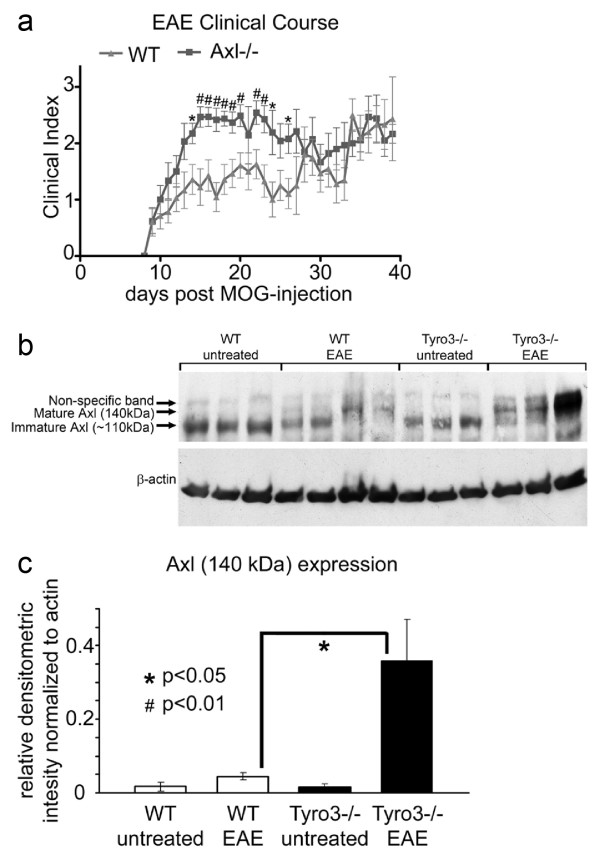
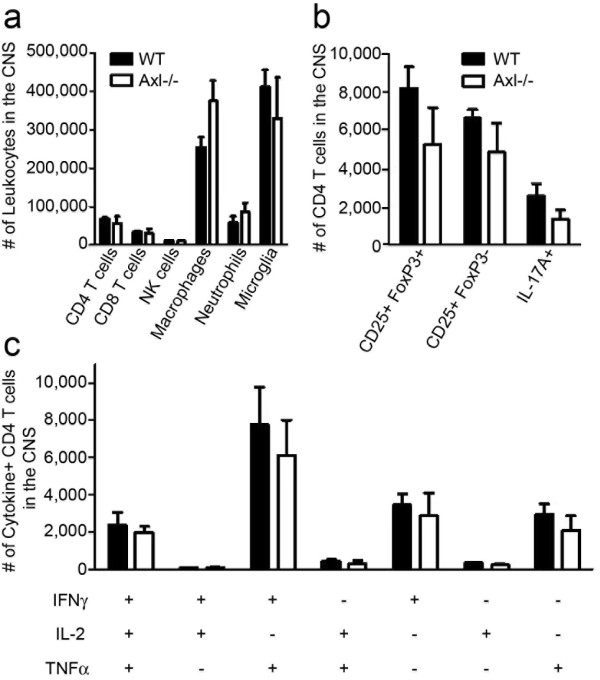
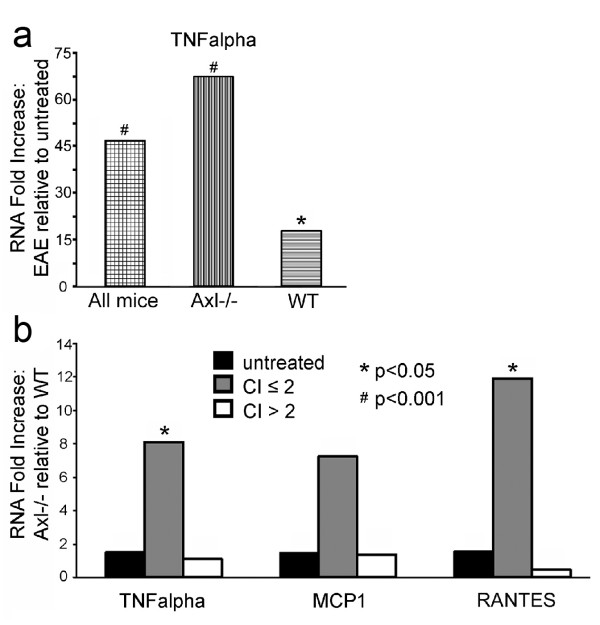
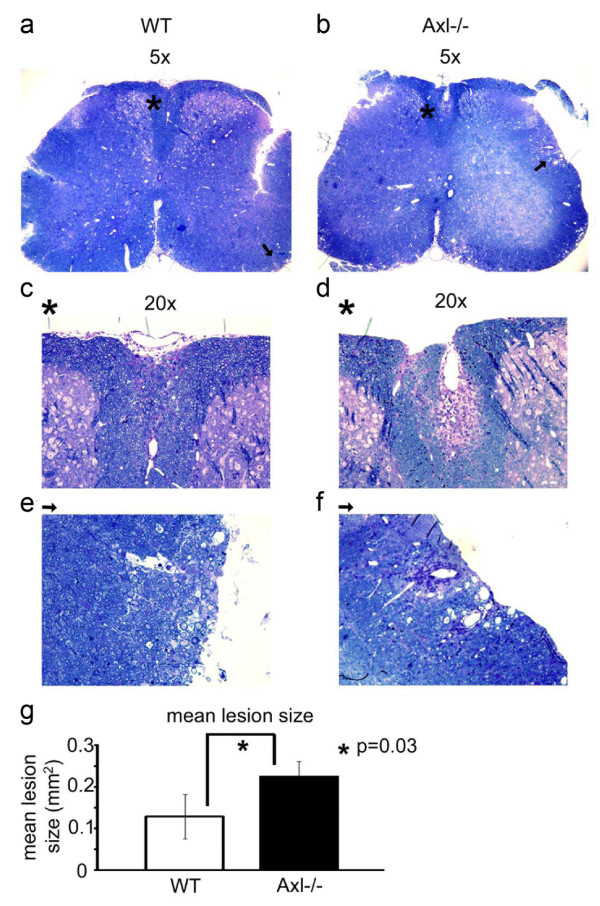
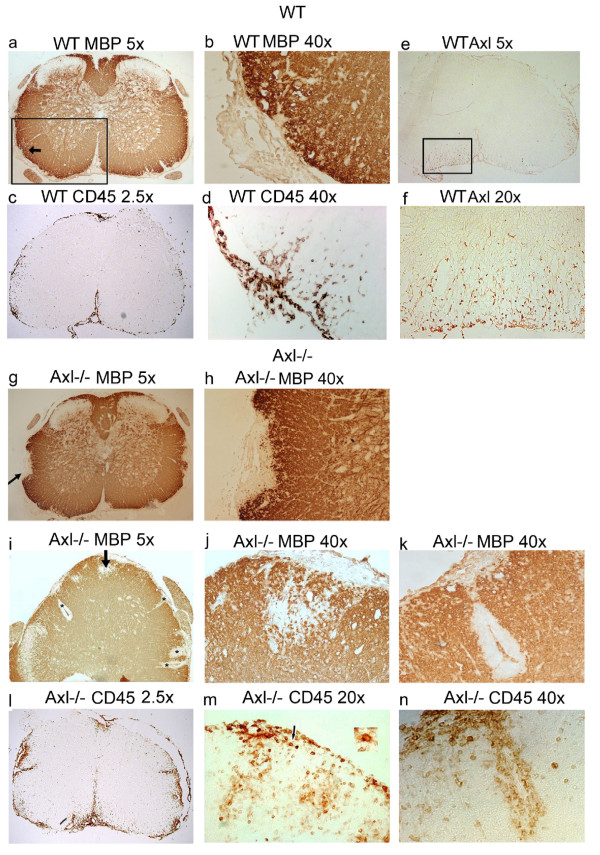
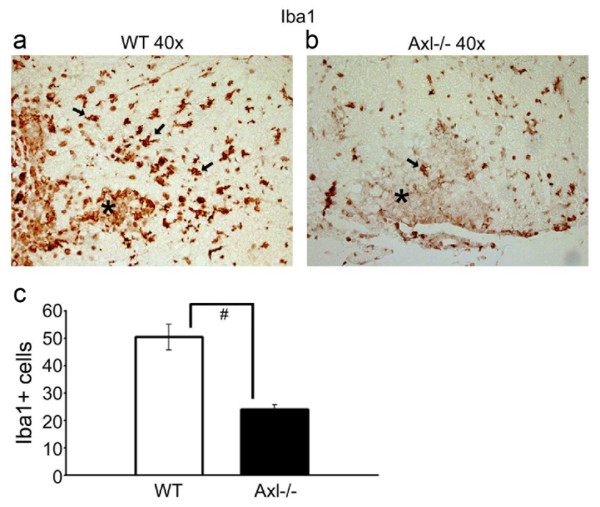
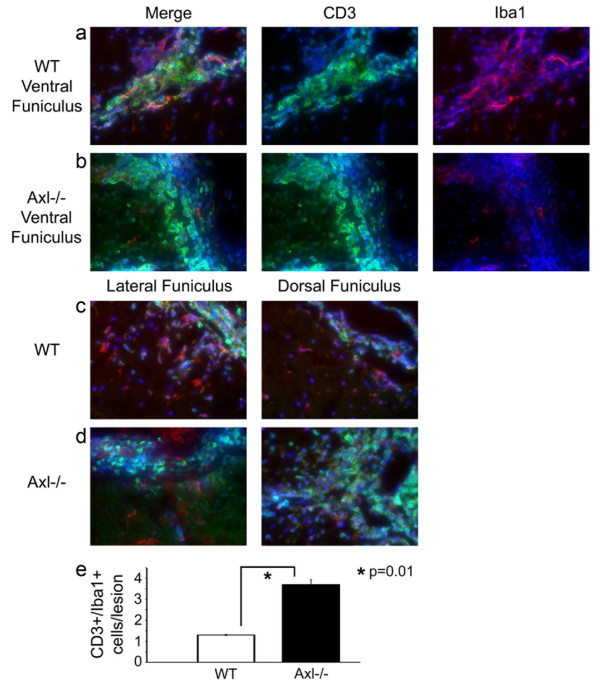
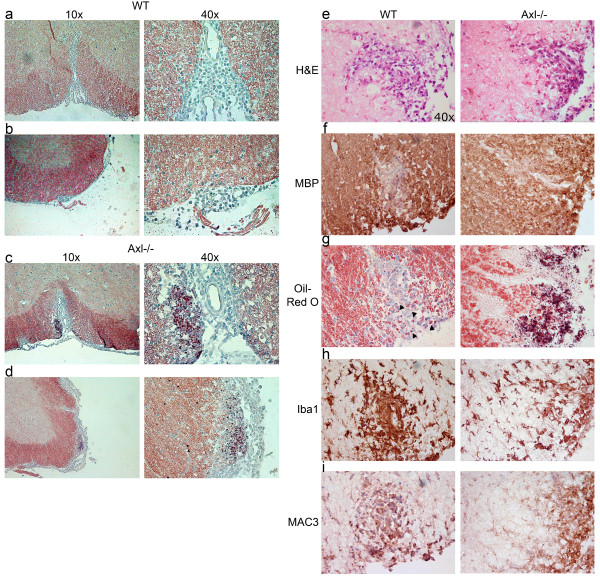
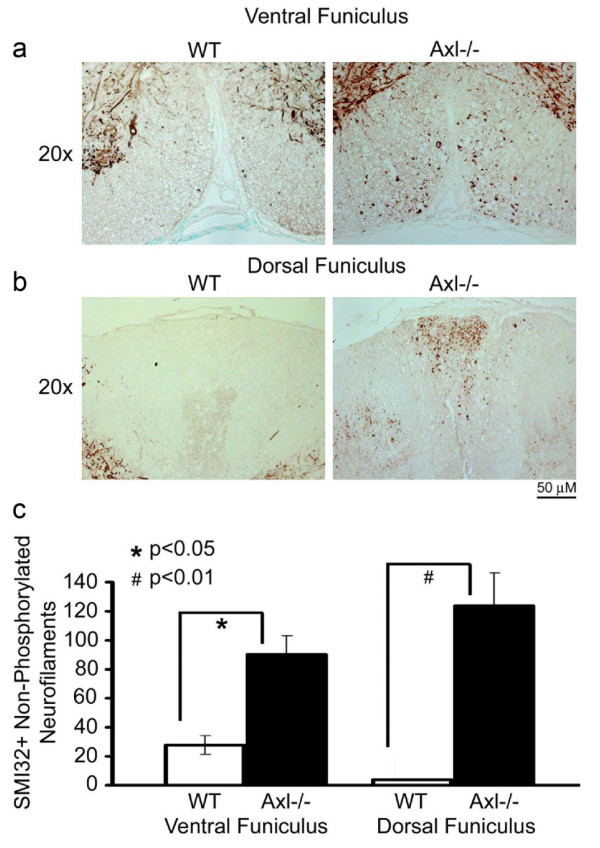
BACKGROUND: Axl, together with Tyro3 and Mer, constitute the TAM family of receptor tyrosine kinases. In the nervous system, Axl and its ligand Growth-arrest-specific protein 6 (Gas6) are expressed on multiple cell types. Axl functions in dampening the immune response, regulating cytokine secretion, clearing apoptotic cells and debris, and maintaining cell survival. Axl is upregulated in various disease states, such as in the cuprizone toxicity-induced model of demyelination and in multiple sclerosis (MS) lesions, suggesting that it plays a role in disease pathogenesis. To test for this, we studied the susceptibility of Axl-/- mice to experimental autoimmune encephalomyelitis (EAE), an animal model for multiple sclerosis. METHODS: WT and Axl-/- mice were immunized with myelin oligodendrocyte glycoprotein (MOG)35-55 peptide emulsified in complete Freund's adjuvant and injected with pertussis toxin on day 0 and day 2. Mice were monitored daily for clinical signs of disease and analyzed for pathology during the acute phase of disease. Immunological responses were monitored by flow cytometry, cytokine analysis and proliferation assays. RESULTS: Axl-/- mice had a significantly more severe acute phase of EAE than WT mice. Axl-/- mice had more spinal cord lesions with larger inflammatory cuffs, more demyelination, and more axonal damage than WT mice during EAE. Strikingly, lesions in Axl-/- mice had more intense Oil-Red-O staining indicative of inefficient clearance of myelin debris. Fewer activated microglia/macrophages (Iba1+) were found in and/or surrounding lesions in Axl-/- mice relative to WT mice. In contrast, no significant differences were noted in immune cell responses between naïve and sensitized animals. CONCLUSIONS: These data show that Axl alleviates EAE disease progression and suggests that in EAE Axl functions in the recruitment of microglia/macrophages and in the clearance of debris following demyelination. In addition, these data provide further support that administration of the Axl ligand Gas6 could be therapeutic for immune-mediated demyelinating diseases.
Overview
The claims and statistics of this paper haven’t been checked yet.
Run the check — free, no account needed. It reads the open-access text and checks the sources it cites.
Integrity signals
Registry
Cites
Statistics
Figures
Verification
Claims the paper makes
The claims and statistics of this paper haven’t been checked yet.
Run the check — free, no account needed. It reads the open-access text and checks the sources it cites.
Claims other papers make about this one
Each is checked against this paper’s own text: does it say what the citing paper says it does?
The source backs part of the claim, not all of it — or backs it for a different population, condition or comparison.
In the citing paper
“Furthermore, microglia at both 14 and 21 dpi up-regulated genes critical for the uptake and degradation of cellular and myelin debris, such as Apoe, Clec7a, and Axl (41–43).”
From Microglia depletion exacerbates demyelination and impairs remyelination in a neurotropic coronavirus infection (2020) · cites this paper as [43]
Experimental — accuracy not yet measuredThe cited source says what the claim attributes to it.
In the citing paper
“In particular, the clearance of myelin debris by microglia is believed to be critically required to limit neuronal damage in EAE (Cignarella et al., 2020; Takahashi et al., 2007; Weinger et al., 2011).”
From SYK coordinates neuroprotective microglial responses in neurodegenerative disease (2022) · cites this paper as Weinger et al., 2011
Self-check
Percentages, sums and reported differences re-computed from the paper’s own numbers.
The self-check needs the paper’s full text.
Citations
Cites
Cleavage of Structural Proteins during the Assembly of the Head of Bacteriophage T4
LAEMMLI, U. K. (1970) · Nature · doi:10.1038/227680a0 · Cited by 249,961
Towbin, H., Staehelin, T., & Gordon, J. (1979) · Proceedings of the National Academy of Sciences · doi:10.1073/pnas.76.9.4350 · Cited by 53,218
Microglia: Active sensor and versatile effector cells in the normal and pathologic brain
Hanisch, U.-K., & Kettenmann, H. (2007) · Nature Neuroscience · doi:10.1038/nn1997 · Cited by 3,676
Bethke, T. D. (2012) · Der Pneumologe · doi:10.1007/s10405-012-0601-3 · Cited by 3,286
Phagocytosis and clearance of apoptotic cells is mediated by MER
Scott, R. S., McMahon, E. J., Pop, S. M., Reap, E. A., Caricchio, R., Cohen, P. L., Earp, H. S., & Matsushima, G. K. (2001) · Nature · doi:10.1038/35075603 · Cited by 1,215
Microglia: Intrinsic immuneffector cell of the brain
Gehrmann, J., Matsumoto, Y., & Kreutzberg, G. W. (1995) · Brain Research Reviews · doi:10.1016/0165-0173(94)00015-h · Cited by 1,111
Debris clearance by microglia: an essential link between degeneration and regeneration
Neumann, H., Kotter, M. R., & Franklin, R. J. M. (2008) · Brain · doi:10.1093/brain/awn109 · Cited by 1,111
Injection of adult neurospheres induces recovery in a chronic model of multiple sclerosis
Pluchino, S., Quattrini, A., Brambilla, E., Gritti, A., Salani, G., Dina, G., Galli, R., Carro, U. D., Amadio, S., Bergami, A., et al. (2003) · Nature · doi:10.1038/nature01552 · Cited by 1,071
Immunobiology of the TAM receptors
Lemke, G., & Rothlin, C. V. (2008) · Nature reviews. Immunology · doi:10.1038/nri2303 · Cited by 893
Kuhlmann, T., Lingfeld, G., Bitsch, A., Schuchardt, J., & Brück, W. (2002) · Brain : a journal of neurology · doi:10.1093/brain/awf235 · Cited by 851
Cited by
Sorted by citations
Phagocytosis of apoptotic cells in homeostasis
Arandjelovic, S., & Ravichandran, K. S. (2015) · Nature Immunology · doi:10.1038/ni.3253 · Cited by 959
The TAM family: phosphatidylserine-sensing receptor tyrosine kinases gone awry in cancer
Graham, D. K., DeRyckere, D., Davies, K. D., & Earp, H. S. (2014) · Nature reviews. Cancer · doi:10.1038/nrc3847 · Cited by 717
Holtman, I. R., Raj, D. D., Miller, J. A., Schaafsma, W., Yin, Z., Brouwer, N., Wes, P. D., Möller, T., Orre, M., Kamphuis, W., et al. (2015) · Acta Neuropathologica Communications · doi:10.1186/s40478-015-0203-5 · Cited by 619
Lemke, G. (2013) · Cold Spring Harbor Perspectives in Biology · doi:10.1101/cshperspect.a009076 · Cited by 598
TAM Receptor Signaling in Immune Homeostasis
Rothlin, C. V., Silva, E. A. C., Bosurgi, L., & Ghosh, S. (2015) · Annual Review of Immunology · doi:10.1146/annurev-immunol-032414-112103 · Cited by 531
Zhu, C., Wei, Y., & Wei, X. (2019) · Molecular Cancer · doi:10.1186/s12943-019-1090-3 · Cited by 507
Living on the Edge: Efferocytosis at the Interface of Homeostasis and Pathology
Morioka, S., Maueröder, C., & Ravichandran, K. S. (2019) · Immunity · doi:10.1016/j.immuni.2019.04.018 · Cited by 391
TAM receptors, Gas6, and protein S: roles in inflammation and hemostasis
van der Meer, J. H. M., van der Poll, T., & Veer, C. V. ′. (2014) · Blood · doi:10.1182/blood-2013-09-528752 · Cited by 350
Giving AXL the axe: targeting AXL in human malignancy
Gay, C. M., Balaji, K., & Byers, L. A. (2017) · British Journal of Cancer · doi:10.1038/bjc.2016.428 · Cited by 346
SYK coordinates neuroprotective microglial responses in neurodegenerative disease
Ennerfelt, H., Frost, E. L., Shapiro, D. A., Holliday, C., Zengeler, K. E., Voithofer, G., Bolte, A. C., Lammert, C. R., Kulas, J. A., Ulland, T. K., et al. (2022) · Cell · doi:10.1016/j.cell.2022.09.030 · Cited by 297
“Experimental autoimmune encephalomyelitis (EAE) induction and scoring—”
InfluentialPhagocytosis in the Brain: Homeostasis and Disease
Galloway, D. A., Phillips, A. E. M., Owen, D. R., & Moore, C. S. (2019) · Frontiers in Immunology · doi:10.3389/fimmu.2019.00790 · Cited by 319
A spinal microglia population involved in remitting and relapsing neuropathic pain
Kohno, K., Shirasaka, R., Yoshihara, K., Mikuriya, S., Tanaka, K. Y., Takanami, K., Inoue, K., Sakamoto, H., Ohkawa, Y., Masuda, T., et al. (2022) · Science · doi:10.1126/science.abf6805 · Cited by 224
Erythrocyte efferocytosis modulates macrophages towards recovery after intracerebral hemorrhage
Chang, C.-F., Goods, B. A., Askenase, M. H., Hammond, M. D., Renfroe, S. C., Steinschneider, A. F., Landreneau, M. J., Ai, Y., Beatty, H. E., da Costa, L. H. A., et al. (2017) · Journal of Clinical Investigation · doi:10.1172/jci95612 · Cited by 217
MerTK Is a Functional Regulator of Myelin Phagocytosis by Human Myeloid Cells
Healy, L. M., Perron, G., Won, S.-Y., Michell-Robinson, M. A., Rezk, A., Ludwin, S. K., Moore, C. S., Hall, J. A., Bar-Or, A., & Antel, J. P. (2016) · The Journal of Immunology · doi:10.4049/jimmunol.1502562 · Cited by 174
Axl as a mediator of cellular growth and survival
Axelrod, H. D., & Pienta, K. J. (2014) · Oncotarget · doi:10.18632/oncotarget.2422 · Cited by 195
Microglia and lipids: how metabolism controls brain innate immunity
Chausse, B., Kakimoto, P. A., & Kann, O. (2021) · Seminars in Cell & Developmental Biology · doi:10.1016/j.semcdb.2020.08.001 · Cited by 181
Hu, X., Liou, A. K. F., Leak, R. K., Xu, M., An, C., Suenaga, J., Shi, Y., Gao, Y., Zheng, P., & Chen, J. (2014) · Progress in Neurobiology · doi:10.1016/j.pneurobio.2014.06.002 · Cited by 139
Roles and regulation of microglia activity in multiple sclerosis: insights from animal models
Distéfano‐Gagné, F., Bitarafan, S., Lacroix, S., & Gosselin, D. (2023) · Nature reviews. Neuroscience · doi:10.1038/s41583-023-00709-6 · Cited by 115
The Molecular Basis for Remyelination Failure in Multiple Sclerosis
Gruchot, J., Weyers, V., Göttle, P., Förster, M., Hartung, H., Küry, P., & Kremer, D. (2019) · Cells · doi:10.3390/cells8080825 · Cited by 117
Li, Y., Fan, H., Sun, J., Ni, M., Zhang, L., Chen, C., Hong, X., Fang, F., Zhang, W., & Ma, P. (2020) · The International Journal of Biochemistry & Cell Biology · doi:10.1016/j.biocel.2020.105747 · Cited by 112
Lewis, N. D., Hill, J. D., Juchem, K. W., Stefanopoulos, D. E., & Modis, L. K. (2014) · Journal of Neuroimmunology · doi:10.1016/j.jneuroim.2014.09.014 · Cited by 110
The roles of microglia and astrocytes in myelin phagocytosis in the central nervous system
Xu, T., Liu, C., Deng, S., Gan, L., Zhang, Z., Yang, G., Tian, H., & Tang, Y. (2022) · Journal of Cerebral Blood Flow & Metabolism · doi:10.1177/0271678x221137762 · Cited by 110
The Role of TAM Family Receptors in Immune Cell Function: Implications for Cancer Therapy
Paolino, M., & Penninger, J. M. (2016) · Cancers · doi:10.3390/cancers8100097 · Cited by 107
Migration/Invasion of Malignant Gliomas and Implications for Therapeutic Treatment
Liu, C.-A., Chang, C., Hsueh, K.-W., Su, H.-L., Chiou, T., Lin, S., & Harn, H. (2018) · International Journal of Molecular Sciences · doi:10.3390/ijms19041115 · Cited by 104
Regulation of efferocytosis as a novel cancer therapy
Zhou, Y., Yao, Y., Deng, Y., & Shao, A. (2020) · Cell Communication and Signaling · doi:10.1186/s12964-020-00542-9 · Cited by 100
Terzioglu, G., & Young-Pearse, T. L. (2023) · Molecular Neurodegeneration · doi:10.1186/s13024-023-00674-9 · Cited by 91
Mao, L., Yang, T., Li, X., Xia, L., Sun, Y., Zhao, Y., Zhang, W., Gao, Y., Sun, B., & Zhang, F. (2018) · Journal of Cerebral Blood Flow & Metabolism · doi:10.1177/0271678x18764083 · Cited by 94
Sariol, A., Mackin, S., Allred, M.-G., Ma, C., Zhou, Y., Zhang, Q., Zou, X., Abrahante, J. E., Meyerholz, D. K., & Perlman, S. (2020) · Proceedings of the National Academy of Sciences · doi:10.1073/pnas.2007814117 · Cited by 91
Dissecting the Role of AXL in Cancer Immune Escape and Resistance to Immune Checkpoint Inhibition
Engelsen, A. S. T., Lotsberg, M. L., Khouzam, R. A., Thiery, J. P., Lorens, J. B., Chouaı̈b, S., & Terry, S. (2022) · Frontiers in Immunology · doi:10.3389/fimmu.2022.869676 · Cited by 95
The role of TAM family receptors and ligands in the nervous system: From development to pathobiology
Shafit‐Zagardo, B., Gruber, R. C., & DuBois, J. C. (2018) · Pharmacology & Therapeutics · doi:10.1016/j.pharmthera.2018.03.002 · Cited by 89
TAM Receptor Pathways at the Crossroads of Neuroinflammation and Neurodegeneration
Tondo, G., Perani, D., & Comi, C. (2019) · Disease Markers · doi:10.1155/2019/2387614 · Cited by 88
Kurowska‐Stolarska, M., Alivernini, S., Melchor, E. G., Elmesmari, A., Tolusso, B., Tange, C., Petricca, L., Gilchrist, D. S., Sante, G. D., Keijzer, C., et al. (2017) · Nature Communications · doi:10.1038/ncomms15877 · Cited by 89
Melatonin induces mechanisms of brain resilience against neurodegeneration
Corpas, R., Griñán‐Ferré, C., Palomera‐Ávalos, V., Porquet, D., de Frutos, P. G., Cozzolino, S. M. F., Rodrı́guez-Farré, E., Pallàs, M., Sanfeliu, C., & Cardoso, B. R. (2018) · Journal of Pineal Research · doi:10.1111/jpi.12515 · Cited by 86
Orme, J. J., Du, Y., Vanarsa, K., Mayeux, J., Li, L., Mutwally, A., Arriens, C., Min, S., Hutcheson, J., Davis, L. S., et al. (2016) · Clinical Immunology · doi:10.1016/j.clim.2016.05.011 · Cited by 84
Gruber, R. C., Ray, A. K., Johndrow, C. T., Guzik, H. M., Burek, D., de Frutos, P. G., & Shafit‐Zagardo, B. (2014) · Journal of Neuroscience · doi:10.1523/jneurosci.2449-14.2014 · Cited by 77
Ganesh, K., Das, A., Dickerson, R. M., Khanna, S., Parinandi, N. L., Gordillo, G. M., Sen, C. K., & Roy, S. (2012) · The Journal of Immunology · doi:10.4049/jimmunol.1102762 · Cited by 76
Ray, A. K., DuBois, J. C., Gruber, R. C., Guzik, H. M., Gulinello, M. E., Perumal, G. S., Raine, C. S., Kozakiewicz, L., Williamson, J., & Shafit‐Zagardo, B. (2017) · Glia · doi:10.1002/glia.23214 · Cited by 74
TAM receptor tyrosine kinases: Expression, disease and oncogenesis in the central nervous system
Pierce, A. M., & Keating, A. K. (2013) · Brain Research · doi:10.1016/j.brainres.2013.10.049 · Cited by 72
Brain Parenchymal and Extraparenchymal Macrophages in Development, Homeostasis, and Disease
Brioschi, S., Zhou, Y., & Colonna, M. (2020) · The Journal of Immunology · doi:10.4049/jimmunol.1900821 · Cited by 67
Neuroinflammation: A Possible Link Between Chronic Vascular Disorders and Neurodegenerative Diseases
Moyse, E., Krantic, S. M., Djellouli, N., Roger, S., Angoulvant, D., Debacq, C., Leroy, V., Fougère, B., & Aïdoud, A. (2022) · Frontiers in Aging Neuroscience · doi:10.3389/fnagi.2022.827263 · Cited by 72
Davies, S. P., Reynolds, G. M., & Stamataki, Z. (2018) · Frontiers in Immunology · doi:10.3389/fimmu.2018.00044 · Cited by 61
The Gas6/TAM System and Multiple Sclerosis
Bellan, M., Pirisi, M., & Sainaghi, P. P. (2016) · International Journal of Molecular Sciences · doi:10.3390/ijms17111807 · Cited by 58
TAM receptors in phagocytosis: Beyond the mere internalization of particles
Burstyn‐Cohen, T., & Fresia, R. (2023) · Immunological Reviews · doi:10.1111/imr.13267 · Cited by 61
Rethinking Phagocytes: Clues from the Retina and Testes
Penberthy, K. K., Lysiak, J. J., & Ravichandran, K. S. (2018) · Trends in Cell Biology · doi:10.1016/j.tcb.2018.01.004 · Cited by 57
GAS6/TAM Pathway Signaling in Hemostasis and Thrombosis
Law, L. A., Graham, D. K., Paola, J. D., & Branchford, B. R. (2018) · Frontiers in Medicine · doi:10.3389/fmed.2018.00137 · Cited by 61
Böttcher, C., van der Poel, M., Fernández-Zapata, C., Schlickeiser, S., Leman, J. K. H., Hsiao, C.-C., Mizee, M. R., Adelia, Vincenten, M. C. J., Kunkel, D., et al. (2020) · Acta Neuropathologica Communications · doi:10.1186/s40478-020-01010-8 · Cited by 58
Tang, J., Jin, Y., Feng, J., Lv, T., Manaenko, A., Zhang, L.-F., Zhang, Z., Qi, X., Xue, Y., Zhao, B., et al. (2022) · Translational Stroke Research · doi:10.1007/s12975-022-01099-0 · Cited by 52
Sun, Y., Wei, K., Liao, X., Wang, J., Gao, L., & Pang, B. (2025) · International Journal of Molecular Medicine · doi:10.3892/ijmm.2025.5580 · Cited by 63
Goudarzi, S., Rivera, A. D., Butt, A. M., & Hafizi, S. (2016) · ASN NEURO · doi:10.1177/1759091416668430 · Cited by 49
Vouri, M., An, Q., Birt, M., Pilkington, G. J., & Hafizi, S. (2015) · Oncotarget · doi:10.18632/oncotarget.3952 · Cited by 49
Qi, L., Liu, S., Liu, Y.-C., Li, P., & Xu, X. (2021) · International Journal of Molecular Sciences · doi:10.3390/ijms22115559 · Cited by 50
Dynamic Responses of Microglia in Animal Models of Multiple Sclerosis
Plastini, M. J., Desu, H. L., & Brambilla, R. (2020) · Frontiers in Cellular Neuroscience · doi:10.3389/fncel.2020.00269 · Cited by 48
Ligand-dependent kinase activity of MERTK drives efferocytosis in human iPSC-derived macrophages
Wanke, F., Gutbier, S., Rümmelin, A., Steinberg, M., Hughes, L. D., Koenen, M., Komuczki, J., Regan-Komito, D., Wagage, S., Hesselmann, J., et al. (2021) · Cell Death and Disease · doi:10.1038/s41419-021-03770-0 · Cited by 49
Therapeutic aspects of the Axl/Gas6 molecular system
Stasi, R. D., Rosa, L. D., & D’Andrea, L. D. (2020) · Drug Discovery Today · doi:10.1016/j.drudis.2020.09.022 · Cited by 46
Zhu, K., Sun, J., Zheng, K., Zou, Z., Wu, G.-C., & Wang, J. (2017) · Frontiers in Neuroscience · doi:10.3389/fnins.2016.00613 · Cited by 46
Meyer, P., Savard, M., Poirier, J., Labonté, A., Rosa‐Neto, P., Weitz, T. M., Town, T., Breitner, J. C. S., & Initiative, A. D. N. (2018) · Journal of Alzheimer s Disease · doi:10.3233/jad-170887 · Cited by 44
Martin, N. A., Nawrocki, A., Molnar, V., Elkjaer, M. L., Thygesen, E. K., Palkovits, M., Acs, P., Sejbaek, T., Nielsen, H. H., Hegedus, Z., et al. (2018) · PLOS ONE · doi:10.1371/journal.pone.0202530 · Cited by 29
Zheng, Y., Wang, Q., Xiao, B., Lu, Q., Wang, Y., & Wang, X. (2012) · PLoS ONE · doi:10.1371/journal.pone.0039035 · Cited by 40
Nazareth, L., John, J. A. S., Murtaza, M., & Ekberg, J. A. K. (2021) · Frontiers in Cell and Developmental Biology · doi:10.3389/fcell.2021.660259 · Cited by 42
Cholesterol in the CNS: functions, recycling and remyelination
Wuerch, E. C., & Yong, V. W. (2025) · Journal of Neuroinflammation · doi:10.1186/s12974-025-03490-8 · Cited by 41
Cheng, L.-C., Chen, Y., Cheng, A. N., Lee, A. Y., Cho, C.-Y., Huang, J.-S., & Chuang, S. (2018) · Journal of Biomedical Science · doi:10.1186/s12929-018-0465-x · Cited by 38
Li, X., Zhang, B., Liu, W., Sun, M., Zhang, Y., Liu, H., & Wang, M. (2020) · Frontiers in Neurology · doi:10.3389/fneur.2020.590884 · Cited by 38
Tyro3, Axl, Mertk receptor-mediated efferocytosis and immune regulation in the tumor environment
Zhou, L., & Matsushima, G. K. (2021) · International review of cytology · doi:10.1016/bs.ircmb.2021.02.002 · Cited by 35
The Multifaceted Roles of TAM Receptors during Viral Infection
Wang, Z., Wang, P., & An, J. (2020) · Virologica Sinica · doi:10.1007/s12250-020-00264-9 · Cited by 35
Lipid droplet accumulation in microglia and their potential roles
Li, Y., Zhao, Q., Wang, Y., Du, W., Yang, R., Wu, J., & Li, Y. (2025) · Lipids in Health and Disease · doi:10.1186/s12944-025-02633-3 · Cited by 39
The use and limitations of single‐cell mass cytometry for studying human microglia function
Fernández‐Zapata, C., Leman, J. K. H., Priller, J., & Böttcher, C. (2020) · Brain Pathology · doi:10.1111/bpa.12909 · Cited by 38
Mirshafiey, A., Ghalamfarsa, G., Asghari, B., & Azizi, G. (2014) · Europe PMC (PubMed Central) · Cited by 30
Myelin debris phagocytosis in demyelinating disease
Gao, R., Song, S., Tian, M., Wang, L., Zhang, Y., & Li, X. (2024) · Glia · doi:10.1002/glia.24602 · Cited by 31
A scaffold for signaling of Tim-4-mediated efferocytosis is formed by fibronectin
Lee, J., Park, B., Moon, B., Park, J., Moon, H., Kim, K., Lee, S.-A., Kim, D., Min, C., Lee, D.-H., et al. (2018) · Cell Death and Differentiation · doi:10.1038/s41418-018-0238-9 · Cited by 29
Autophagy & Phagocytosis in Neurological Disorders and their Possible Cross-talk
Li, G., Sherchan, P., Tang, Z., & Tang, J. (2021) · Current Neuropharmacology · doi:10.2174/1570159x19666210407150632 · Cited by 29
TAM Signaling in the Nervous System
Burstyn-Cohen, T., & Hochberg, A. (2021) · Brain Plasticity · doi:10.3233/bpl-210125 · Cited by 29
Bedoui, Y., Neal, J. W., & Gasque, P. (2018) · Journal of Neuroimmune Pharmacology · doi:10.1007/s11481-018-9793-6 · Cited by 28
TAMs in Brain Metastasis: Molecular Signatures in Mouse and Man
Schulz, M., & Sevenich, L. (2021) · Frontiers in Immunology · doi:10.3389/fimmu.2021.716504 · Cited by 32
Liu, N., Yu, W., Sun, M., Li, X., Zhang, W., & Wang, M. (2024) · European Journal of Pharmacology · doi:10.1016/j.ejphar.2024.176600 · Cited by 20
Mechanism of gut microbiota and Axl/SOCS3 in experimental autoimmune encephalomyelitis
Li, X., Zhang, B., Sun, M., Bao, C.-C., Yuan, B., Xie, Q., Wang, L.-J., & Wang, M.-X. (2019) · Bioscience Reports · doi:10.1042/bsr20190228 · Cited by 23
Huang, H., Jiang, J., Chen, R., Lin, Y., Chen, H., & Ling, Q. (2022) · Liver International · doi:10.1111/liv.15380 · Cited by 20
Pop, O.-T., Geng, A., Flint, E., Singanayagam, A., Ercan, C., Possamai, L. A., Patel, V., Künzler‐Heule, P., Meier, M., Soysal, S. D., et al. (2023) · Cellular and Molecular Gastroenterology and Hepatology · doi:10.1016/j.jcmgh.2023.03.007 · Cited by 19
Two-Front War on Cancer—Targeting TAM Receptors in Solid Tumour Therapy
Mikołajczyk, A., Mituła, F., Popiel, D., Kaminska, B., Wieczorek, M., & Pieczykolan, J. (2022) · Cancers · doi:10.3390/cancers14102488 · Cited by 20
Anti-Axl antibody treatment reduces the severity of experimental autoimmune encephalomyelitis
DuBois, J. C., Ray, A. K., Davies, P., & Shafit‐Zagardo, B. (2020) · Journal of Neuroinflammation · doi:10.1186/s12974-020-01982-3 · Cited by 16
Zhuang, J., Zhang, Y., Shu, H., Zhang, S., Zhao, W., Ward, N., & Wang, J. (2022) · Molecular Neurobiology · doi:10.1007/s12035-022-03133-6 · Cited by 18
Zou, Z., Sun, J., Zheng, K., Wang, Y., Zhao, H., Zhu, K., & Wang, J. (2020) · Evidence-based Complementary and Alternative Medicine · doi:10.1155/2020/3205176 · Cited by 14
Wang, S., Bi, H.-Z., Chu, S., Dong, Y.-X., He, W., Tian, Y., Zang, Y., Zhang, D., Zhang, Z., & Chen, N. (2020) · Brain Research Bulletin · doi:10.1016/j.brainresbull.2020.03.017 · Cited by 14
Axl Alleviates Neuroinflammation and Delays Japanese Encephalitis Progression in Mice
Wang, Z., Zhen, Z.-D., Fan, D., Wang, P., & An, J. (2021) · Virologica Sinica · doi:10.1007/s12250-020-00342-y · Cited by 13
Association of plasma levels of Protein S with disease severity in multiple sclerosis
Gerry, Z. M., Giuffrida, L., Gresle, M. M., Haartsen, J., Laverick, L., Butzkueven, H., Field, J., Binder, M. D., & Kilpatrick, T. J. (2015) · Multiple Sclerosis Journal - Experimental Translational and Clinical · doi:10.1177/2055217315596532 · Cited by 12
Chia, T. S., Wong, K., & Luk, J. M. (2019) · Hepatoma Research · doi:10.20517/2394-5079.2018.112 · Cited by 12
Qin, J., Li, L., Zhang, D., Yu, H., Tan, H., Zhang, J., Deng, B., Kijlstra, A., & Yang, P. (2016) · Scientific Reports · doi:10.1038/srep26662 · Cited by 12
Kidney-resident macrophages limit toxin-induced inflammation through their hallmark functions
Hong, M., Yun, D., Hwang, J., Kang, C., Yoon, H., Shin, S.-K., Jang, B., Oh, J., Park, P. G., Shin, H. M., et al. (2025) · Kidney International · doi:10.1016/j.kint.2025.07.022 · Cited by 12
Facci, L., Barbierato, M., Fusco, M., Giusti, P., & Zusso, M. (2021) · Frontiers in Pharmacology · doi:10.3389/fphar.2021.698133 · Cited by 11
Curcumin ameliorates astrocyte inflammation through AXL in cuprizone-induced mice
Zhang, W., Sun, M., Liu, N., Li, X., Sun, J., & Wang, M. (2024) · Toxicology and Applied Pharmacology · doi:10.1016/j.taap.2024.117170 · Cited by 11
Wu, W., Zhang, J., Chen, Y., Chen, Q., Liu, Q., Zhang, F., Li, S., & Wang, X. (2024) · Molecular Neurobiology · doi:10.1007/s12035-024-04049-z · Cited by 9
Nomaki, K., Fujikawa, R., Masuda, T., & Tsuda, M. (2024) · Molecular Brain · doi:10.1186/s13041-024-01098-2 · Cited by 9
Proteolysis of TAM receptors in autoimmune diseases and cancer: what does it say to us?
Malikova, I., Worth, A., Aliyeva, D., Khassenova, M., Kriajevska, M. V., & Tulchinsky, E. M. (2025) · Cell Death and Disease · doi:10.1038/s41419-025-07480-9 · Cited by 10
O’Guin, K., Gruber, R. C., Raine, C. S., Guzik, H. M., Poulos, B. K., & Shafit‐Zagardo, B. (2014) · ASN NEURO · doi:10.1042/an20130022 · Cited by 9
Wei, S., Chang, S., Dong, Y., Xu, L., Yuan, X., Jia, H., Zhang, J., & Liang, L. (2021) · Neurochemical Research · doi:10.1007/s11064-020-03185-x · Cited by 9
Zhang, Y.-Q., Yao, X., Zhu, H.-M., Lu, W., Malhi, K. K., Saleem, M. A. U., Li, X., & Li, J. (2025) · Journal of Agricultural and Food Chemistry · doi:10.1021/acs.jafc.5c01732 · Cited by 8
Skóra, B., & Szychowski, K. A. (2025) · Archives of Toxicology · doi:10.1007/s00204-025-04183-0 · Cited by 9
Abuduwaili, Z., Fan, Y., Tao, W., Chen, Y., Xu, Y., & Zhu, X. (2024) · Current Neuropharmacology · doi:10.2174/011570159x337659241014140824 · Cited by 8
A procedure for producing an anti-AXL nanobody in E. coli
Lan, Z., Li, L., Sun, Y., Meng, X., Shi, Z., Du, M., Wang, H., Sun, Z., Cui, Q., Wang, L., et al. (2023) · Protein Expression and Purification · doi:10.1016/j.pep.2023.106268 · Cited by 7
The Role of the TAM Family of Receptor Tyrosine Kinases in Neural Development and Disorders
Zhang, J., & Qi, X. (2018) · Neuropsychiatry · doi:10.4172/neuropsychiatry.1000363 · Cited by 7
Jia, J., Gan, Y., Li, J., Li, L., Meng, H., Mh, S., Ye, L., Mao, R., Cao, X., Xia, S., et al. (2026) · Advanced Science · doi:10.1002/advs.202517825 · Cited by 7
Metadata
- Authors
- Weinger, J. G., Brosnan, C. F., Loudig, O., Goldberg, M. F., Macian, F., Arnett, H. A., Prieto, A. L., Tsiperson, V., & Shafit-Zagardo, B.
- Affiliations
- Albert Einstein College of Medicine (US)
- Amgen (United States) (US)
- Indiana University Bloomington (US)
- Venue
- Journal of Neuroinflammation
- Published
- 2011-05-15
- Volume
- 8
- Issue
- 1
- Pages
- 49-49
- ISSN
- 1742-2094 (ISSN-L)
- PMC
- PMC3121615
- OpenAlex
- W2081982964
- Cited by
- 134
- References
- 57
- Citations by year
- 2026: 9 · 2025: 14 · 2024: 10 · 2023: 9 · 2022: 9 · 2021: 10 · 2020: 15 · 2019: 10 · 2018: 13 · 2017: 5 · 2016: 10 · 2015: 6 · 2014: 9 · 2013: 3 · 2012: 2
- FWCI
- 3.14
- Type
- journal article
- Language
- en
- Open access
- gold
- doi.org
- Licence
- cc-by
- Locations
- Journal of Neuroinflammation (publishedVersion, cc-by)
- PubMed Central (publishedVersion, cc-by)
- PubMed (publishedVersion)
- DOAJ (DOAJ: Directory of Open Access Journals) (submittedVersion)
- eScholarship (California Digital Library) (submittedVersion)
- Funders
- National Multiple Sclerosis Society
- Multiple Sclerosis Society
- National Institutes of Health
- National Institute of General Medical Sciences (GM 07491, T32GM007491)
- National Institute of Allergy and Infectious Diseases (R01AI059738)
- National Institute of Neurological Disorders and Stroke (R21NS061128)
- Topics
- Health Sciences › Medicine › Clinical Neurology › Multiple Sclerosis Research Studies
- Life Sciences › Immunology and Microbiology › Immunology › Phagocytosis and Immune Regulation
- Life Sciences › Neuroscience › Neurology › Neuroinflammation and Neurodegeneration Mechanisms
- Keywords
- AXL receptor tyrosine kinase, TAM receptors, Gas6, experimental autoimmune encephalomyelitis, multiple sclerosis, demyelination, myelin debris clearance, neuroinflammation, myelin oligodendrocyte glycoprotein, axonal injury
- MeSH terms
- Axl Receptor Tyrosine Kinase, Animals, Central Nervous System, Encephalomyelitis, Autoimmune, Experimental, Glycoproteins, Inflammation, Macrophages, Myelin Sheath, Peptide Fragments, Proto-Oncogene Proteins, Cytokines, Microglia, Mice, Knockout, Receptor Protein-Tyrosine Kinases, Mice, Myelin-Oligodendrocyte Glycoprotein
About these checks
Registry, retraction, Cites and statistics results are computed, not judged, with one exception: a printed reference that no index lists is read once by a model before it counts as a citation error. Claims are extracted by a model and kept only when their quote appears verbatim in the text; each cited source is then checked, with a model’s help, for whether it says what the claim relies on. Those verdicts can be wrong — read the claim’s quote and the cited source before relying on one.
Statistics and arithmetic are recomputed, not judged.
Confidence bands are shown only for fields calibrated on our annotated test set. None is calibrated yet, so no band is shown.
What counts as a claim ›How we measure confidence ›How we check this ›
Are you an author, or do you see a problem with this page? Request a review
