

The DOI matches its Crossref record; 176 of the 177 references it cites were found in a registry or an index.
Role of carnitine in disease
Open accessAbstract
Carnitine is a conditionally essential nutrient that plays a vital role in energy production and fatty acid metabolism. Vegetarians possess a greater bioavailability than meat eaters. Distinct deficiencies arise either from genetic mutation of carnitine transporters or in association with other disorders such as liver or kidney disease. Carnitine deficiency occurs in aberrations of carnitine regulation in disorders such as diabetes, sepsis, cardiomyopathy, malnutrition, cirrhosis, endocrine disorders and with aging. Nutritional supplementation of L-carnitine, the biologically active form of carnitine, is ameliorative for uremic patients, and can improve nerve conduction, neuropathic pain and immune function in diabetes patients while it is life-saving for patients suffering primary carnitine deficiency. Clinical application of carnitine holds much promise in a range of neural disorders such as Alzheimer's disease, hepatic encephalopathy and other painful neuropathies. Topical application in dry eye offers osmoprotection and modulates immune and inflammatory responses. Carnitine has been recognized as a nutritional supplement in cardiovascular disease and there is increasing evidence that carnitine supplementation may be beneficial in treating obesity, improving glucose intolerance and total energy expenditure.
Overview
The claims and statistics of this paper haven’t been checked yet.
Run the check — free, no account needed. It reads the open-access text and checks the sources it cites.
Integrity signals
Registry
Cites
Statistics
Figures
Verification
Claims the paper makes
The claims and statistics of this paper haven’t been checked yet.
Run the check — free, no account needed. It reads the open-access text and checks the sources it cites.
Claims other papers make about this one
Each is checked against this paper’s own text: does it say what the citing paper says it does?
In the citing paper
“The bioavailability of L-carnitine in vegetarians (who are adapted to low-carnitine diets) was higher than in carnivores (42); therefore, less carnitine reaches the bacteria of the lower intestine in vegetarians.”
From Trimethylamine N -Oxide, the Microbiome, and Heart and Kidney Disease (2017) · cites this paper as [42]
In the citing paper
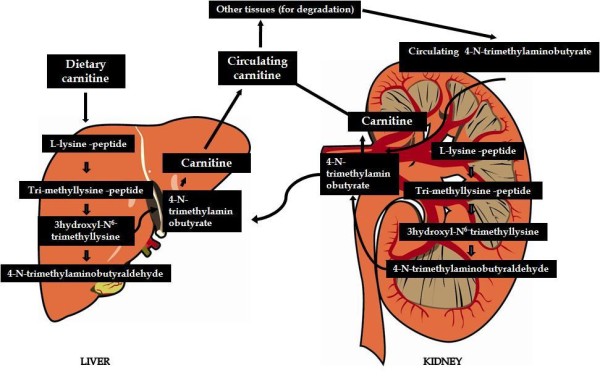
“Carnitine also can be synthesized endogenously from two essential amino acids, lysine and methionine (63).This occurs in kidney, liver, and brain (42).”
From Trimethylamine N -Oxide, the Microbiome, and Heart and Kidney Disease (2017) · cites this paper as [42]
In the citing paper
“Animal products like meat, fish, poultry, and milk (whey fraction) are highest in carnitine, whereas plants contain little carnitine (42).”
From Trimethylamine N -Oxide, the Microbiome, and Heart and Kidney Disease (2017) · cites this paper as [42]
Self-check
Percentages, sums and reported differences re-computed from the paper’s own numbers.
The self-check needs the paper’s full text.
Citations
Cites
Functional significance of cell volume regulatory mechanisms
LANG, F., BUSCH, G. L., RITTER, M., VÖLKL, H., WALDEGGER, S., GULBINS, E., & HÄUSSINGER, D. (1998) · Physiological Reviews · doi:10.1152/physrev.1998.78.1.247 · Cited by 1,891
Mutation nomenclature extensions and suggestions to describe complex mutations: A discussion
den Dunnen, J. T., & Antonarakis, S. E. (2000) · Human Mutation · doi:10.1002/(sici)1098-1004(200001)15:1 · Cited by 1,757
Watson, W. A., Litovitz, T. L., Rodgers, G. C., Klein‐Schwartz, W., Reid, N., Youniss, J., Flanagan, A., & Wruk, K. M. (2005) · The American Journal of Emergency Medicine · doi:10.1016/j.ajem.2005.05.001 · Cited by 1,147
Carnitine biosynthesis in mammals
Vaz, F. M., & Wanders, R. J. A. (2002) · Biochemical Journal · doi:10.1042/0264-6021:3610417 · Cited by 769
Ramassamy, C. (2006) · European Journal of Pharmacology · doi:10.1016/j.ejphar.2006.06.025 · Cited by 687 · cited 1×
“Based on the evidence that heat-shock proteins (Hsps) can exert neuroprotective effects against oxidative stress-related injury and that nutritional antioxidants are able to upregulate Hsps in neurons, use of nutritional antioxidants such as carnitine/acetyl-L-carnitine has been advocated to counteract the oxidative s…”
BackgroundCentral Administration of Oleic Acid Inhibits Glucose Production and Food Intake
Obici, S., Feng, Z., Morgan, K., Stein, D., Karkanias, G., & Rossetti, L. (2002) · Diabetes · doi:10.2337/diabetes.51.2.271 · Cited by 654 · cited 1×
“There is some debate in the literature regarding whether satiety depends on the cytosolic concentration of long-chain fatty acids, with the suggestion that an increased concentration correlates with satiety and decreased feeding and body weight [77-80].”
BackgroundDeCarli, L. M., & Lieber, C. S. (1967) · Journal of Nutrition · doi:10.1093/jn/91.3_suppl.331 · Cited by 607 · cited 1×
“Chronic ingestion of alcohol is known to cause hepatic steatosis [69,70].”
BackgroundWatson, W. A., Litovitz, T. L., Klein‐Schwartz, W., et al. (2004) · The American Journal of Emergency Medicine · doi:10.1016/j.ajem.2004.06.001 · Cited by 571
Pflugfelder, S. C., Tseng, S. C. G., Sanabria, O., Kell, H. Y., Garcia, C. G., Felix, C., Feuer, W. J., & Reis, B. L. (1998) · Cornea · doi:10.1097/00003226-199801000-00007 · Cited by 559 · cited 1×
“Dry eye is a common disease of the ocular surface that is associated with corneal surface irregularity and blurred vision [155-158].”
BackgroundNezu, J., Tamai, I., Oku, A., Ohashi, R., Yabuuchi, H., Hashimoto, N., Nikaido, H., Sai, Y., Koizumi, A., Shoji, Y., et al. (1999) · Nature Genetics · doi:10.1038/5030 · Cited by 553 · cited 2×
“Several mutations have been described [21,22,25,26, 29 ,31-33].”
Background
Research works printed but not linked: 1
- Rebouche C Shils M, Shike M, Ross A, et al Carnitine: Modern Nutrition in Health and Disease 2006 Philadelphia: Lippincott, Williams and Wilkins 537 544
Cited by
Sorted by citations
Items 201–300 of 613
Jansen, L., Niet, A. D., Stelma, F., van Iperen, E. P. A., van Dort, K. A., Sinnige, M. J., Takkenberg, R. B., Chin, D. J., Zwinderman, A. H., Lopatin, U. A., et al. (2014) · Journal of Hepatology · doi:10.1016/j.jhep.2014.05.004 · Cited by 21
Varney, J. L., Fowler, J. W., Gilbert, W. C., & Coon, C. N. (2017) · Journal of Nutritional Science · doi:10.1017/jns.2017.4 · Cited by 21
“Although L-carnitine is able to be synthesised in the hepatic and renal systems of humans and dogs((3)), this is not possible within cardiac or skeletal muscle and thus L-carnitine is either absorbed from the diet or biosynthesised by other tissues((4)).”
BackgroundKu, C. W., Tan, Z. W., Lim, M. K., Tam, Z. Y., Lin, C.-H., Ng, S. P., Allen, J. C., Lek, S. M., Tan, T. C., & Tan, N. S. (2017) · BBA Clinical · doi:10.1016/j.bbacli.2017.07.003 · Cited by 20
“Secondary carnitine deficiency can occur due to or in association with defects in fatty acid oxidation metabolism [54].”
BackgroundMa, Q., Hu, L., Zhu, J., Chen, J., Wang, Z., Yue, Z., Qiu, M., & Shan, A. (2020) · ACS Omega · doi:10.1021/acsomega.0c03707 · Cited by 21
Liu, J. H., Chen, N., Guo, Y. H., Guan, X. N., Wang, J., Wang, D., & Xiu, M. H. (2021) · Journal of Psychiatric Research · doi:10.1016/j.jpsychires.2021.06.001 · Cited by 21
Elhalis, H. (2025) · Food Reviews International · doi:10.1080/87559129.2025.2493734 · Cited by 21
Li, N., Wang, Y., Zhou, J., Chen, R., Li, J., Zhao, X., Zhou, P., Liu, C., Chen, Y., Song, L., et al. (2022) · Journal of Cardiovascular Development and Disease · doi:10.3390/jcdd9110380 · Cited by 21
Mitochondrial Profile and Responses to TGF-β Ligands in Keratoconus
Sarker‐Nag, A., Hutcheon, A. E. K., & Karamichos, D. (2015) · Current Eye Research · doi:10.3109/02713683.2015.1078361 · Cited by 20
“CPT1B (Figure 1C), and more specifically L-carnitine, was found to protect against corneal stress activation.(50) SLC25A2 and A31 (Figure 3A and C) are both mitochondrial carriers and any dysregulation will almost certainly alter cell and/or tissue mechanisms.”
BackgroundYazdani, A., Yazdani, A., Liu, X., & Boerwinkle, E. (2016) · Genetic Epidemiology · doi:10.1002/gepi.21980 · Cited by 20
“A major source of carnitine in the body, however, is dietary, with red meat having the highest levels [Flanagan et al., 2010].”
BackgroundSchoeler, N. E., Bell, G. S., Yuen, A. W. C., Kapelner, A. D., Heales, S., Cross, J. H., & Sisodiya, S. M. (2017) · Epilepsia · doi:10.1111/epi.13729 · Cited by 20
“Thesemetabolic adaptations, triggered by peroxisome proliferator-activated receptor alpha (PPARa), serve to favor the use of ketones as fuel.(24)”
BackgroundTan, E. X., Chen, J. R. T., Pang, D. W. C., Tan, N. S., Phang, I. Y., & Ling, X. Y. (2025) · Angewandte Chemie International Edition · doi:10.1002/anie.202508717 · Cited by 19
Blood carnitine profiling on tandem mass spectrometry in liver cirrhotic patients
Miyaaki, H., Kobayashi, H., Miuma, S., Fukushima, M., Sasaki, R., Haraguchi, M., & Nakao, K. (2020) · BMC Gastroenterology · doi:10.1186/s12876-020-01190-6 · Cited by 20
Amirdelfan, K., Pope, J. E., Gunn, J., Hill, M. M., Cotten, B. M., Beresh, J. E., Dobecki, D., Miller, N., Mehta, P., Girardi, G. E., et al. (2020) · Pain and Therapy · doi:10.1007/s40122-020-00175-3 · Cited by 19
Venn-Watson, S. K., Reiner, J., & Jensen, E. D. (2022) · Scientific Reports · doi:10.1038/s41598-022-18266-w · Cited by 19
Acylcarnitines in Ophthalmology: Promising Emerging Biomarkers
Theodoridis, K., Gika, H., & Kotali, A. (2022) · International Journal of Molecular Sciences · doi:10.3390/ijms232416183 · Cited by 19
Nazary-Vannani, A., Ghaedi, E., Mousavi, S. M., Teymour, A., Rahmani, J., & Kord‐Varkaneh, H. (2018) · Endocrine · doi:10.1007/s12020-018-1559-7 · Cited by 19
“L-carnitine is a natural amino-acid derivative that plays an important role in the metabolism of lipids and energy production [28].”
BackgroundLin, T., Tang, S., Liao, P.-Y., Dongoran, R. A., Yang, J., & Liu, C. (2019) · Nutrition · doi:10.1016/j.nut.2019.03.019 · Cited by 20
Carnitine Serum Levels in Frail Older Subjects
Malaguarnera, G., Catania, V. E., Bonfiglio, C., Bertino, G., Vicari, E. S. D., & Malaguarnera, M. (2020) · Nutrients · doi:10.3390/nu12123887 · Cited by 19
Dyakin, V. V., Dyakina‐Fagnano, N. V., McIntire, L. B., & Uversky, V. N. (2021) · International Journal of Molecular Sciences · doi:10.3390/ijms23010285 · Cited by 20
“At the molecular level, the fundamental age-related biological clocks are associated with the alterations in the biopolymers, such as DNA, RNAs [134 – 136, lipids [124], proteins [80, 81] and interaction between them [137].”
BackgroundA defined diet for pre-adult Drosophila melanogaster
Martelli, F., Quig, A., Mele, S., Lin, J., Fulton, T. L., Wansbrough, M., Barlow, C. K., Schittenhelm, R. B., Johnson, T. K., & Piper, M. D. W. (2024) · Scientific Reports · doi:10.1038/s41598-024-57681-z · Cited by 18
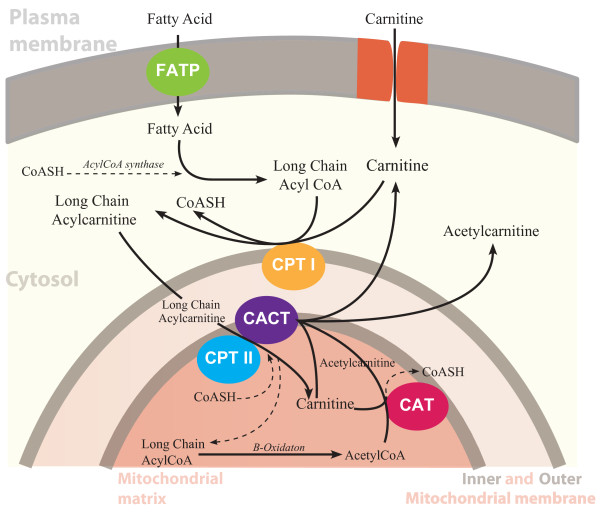
“Carnitines are involved in the transport of long-chain FA into mitochondria for energy production via β-oxidation 16 .”
BackgroundStrilakou, A. A., Perelas, A., Lazaris, A. C., Papavdi, A., Καρκαλούσος, Π., Giannopoulou, I., Kriebardis, A. G., Panayiotides, I. G., & Liapi, C. A. (2015) · Fundamental and Clinical Pharmacology · doi:10.1111/fcp.12163 · Cited by 18
Prevalence of Carnitine Deficiency and Decreased Carnitine Levels in Patients on Peritoneal Dialysis
Shimizu, S., Takashima, H., Tei, R., Furukawa, T., Okamura, M., Kitai, M., Nagura, C., Maruyama, T., Higuchi, T., & Abe, M. (2019) · Nutrients · doi:10.3390/nu11112645 · Cited by 18
“Its other major actions in vivo include suppression of apoptosis, correction of cytotoxicity by excessive acyl groups, and stabilization of the erythrocyte membrane [1-6].”
BackgroundJohri, A. M., Hétu, M., Heyland, D. K., Herr, J. E., Korol, J., Froese, S., Norman, P. A., Day, A. G., Matangi, M. F., Michos, E. D., et al. (2022) · Nutrition & Metabolism · doi:10.1186/s12986-022-00661-9 · Cited by 18
Klusa, V. Z., Beitnere, U., Pupure, J., Isajevs, S., Rumaks, J., Svirskis, Š., Dzirkale, Z., & Kalvinsh, I. (2013) · Medicina · doi:10.3390/medicina49070047 · Cited by 18
“Medicina (Kaunas) 2013;49(7) neurons in the substantia nigra (100 mg/kg, 78±16 vs.”
BackgroundInfluentialRevisiting the Role of Carnitine in Heart Disease Through the Lens of the Gut Microbiota
Demarquoy, J. (2024) · Nutrients · doi:10.3390/nu16234244 · Cited by 17
“[23].”
Jones, K. A., Richard, A. J., Salbaum, J. M., Newman, S. S., Carmouche, R. P., Webb, S., Bruce‐Keller, A. J., Stephens, J. M., & Campagna, S. R. (2022) · International Journal of Molecular Sciences · doi:10.3390/ijms23073654 · Cited by 16
Guevara‐Ramírez, P., Paz‐Cruz, E., Cadena-Ullauri, S., Ruiz‐Pozo, V. A., Tamayo‐Trujillo, R., Felix, M. L., Simancas‐Racines, D., & Zambrano, A. K. (2023) · Frontiers in Nutrition · doi:10.3389/fnut.2023.1228703 · Cited by 21
“Huo et al. and Dudzik et al. indicated that serum carnitine concentration was reduced in pregnancies with GDM, hence, carnitine deficiency may lead to impaired lipolysis (57–60).”
Impact of l-carnitine supplementation on metabolic profiles in premature infants
Clark, R. H., Chace, D. H., & Spitzer, A. R. (2017) · Journal of Perinatology · doi:10.1038/jp.2016.253 · Cited by 17
Radfar, S., & Ghoreishi, S. M. (2018) · The Journal of Supercritical Fluids · doi:10.1016/j.supflu.2018.06.014 · Cited by 17
Kamei, Y., Kamei, D., Tsuchiya, K., Mineshima, M., & Nitta, K. (2018) · PLoS ONE · doi:10.1371/journal.pone.0201591 · Cited by 17
Carnitines (Including l-Carnitine, Acetyl-Carnitine, and Proprionyl-Carnitine)
Roseiro, L. C., & Santos, C. (2018) · Elsevier eBooks · doi:10.1016/b978-0-12-812491-8.00006-0 · Cited by 17
Unravelling the metabolic alterations of liver damage induced by thirdhand smoke
Torres, S., Samino, S., Ràfols, P., Martins‐Green, M. M., Correig, X., & Ramírez, N. (2020) · Environment International · doi:10.1016/j.envint.2020.106242 · Cited by 17
Bioactive Substances of Animal Origin
Zhang, X., Chen, F., & Wang, M. (2015) · Springer eBooks · doi:10.1007/978-3-642-36605-5_14 · Cited by 17
Carnitine Is Associated With Atherosclerotic Risk and Myocardial Infarction in HIV‐Infected Adults
Sinha, A., Ma, Y., Scherzer, R., Rahalkar, S., Neilan, B. D., Crane, H. M., Drozd, D. R., Martin, J. N., Deeks, S. G., Hunt, P. W., et al. (2019) · Journal of the American Heart Association · doi:10.1161/jaha.118.011037 · Cited by 17
“45 Studies using inhibitors of carnitine have shown that carnitine can lead to mitochondrial dysfunction, which can play a role in atherosclerosis.”
Metabolomic Biomarkers in Polycystic Ovary Syndrome: A Review of the Evidence
Alesi, S., Ghelani, D., & Mousa, A. (2021) · Seminars in Reproductive Medicine · doi:10.1055/s-0041-1729841 · Cited by 16
His, M., Viallon, V., Dossus, L., Schmidt, J. A., Travis, R. C., Gunter, M. J., Overvad, K., Kyrø, C., Tjønneland, A. M., Lécuyer, L., et al. (2021) · BMC Medicine · doi:10.1186/s12916-021-02183-2 · Cited by 17
“Metabolomics studies on aging reported increasing circulating concentrations of acylcarnitines, mostly longchain, with age [43, 44], which could reflect loss in mitochondrial function [45].”
BackgroundRasmussen, J., Thomsen, J. A., Olesen, J. H., Lund, T. M., Mohr, M., Clementsen, J., Nielsen, O. W., & Lund, A. M. (2014) · JIMD Reports · doi:10.1007/8904_2014_398 · Cited by 16
“Acetylcarnitine is formed intracellularly during normal metabolic activity when L-carnitine is present (Flanagan et al. 2010).”
BackgroundPlasma free carnitine in severe trauma: Influence of the association with traumatic brain injury
Bounes, F. V., Faure, G., Rouget, A., Conil, J., Georges, B., Geeraerts, T., Fourcade, O., Minville, V., & Delmas, C. (2017) · Injury · doi:10.1016/j.injury.2017.11.005 · Cited by 16
Amanuma, M., Nagai, H., & Igarashi, Y. (2020) · Anticancer Research · doi:10.21873/anticanres.14417 · Cited by 16
Nachvak, S. M., Shabanpur, M., Mostafai, R., Moghaddam, R. H., & Moludi, J. (2020) · Archives of Physiology and Biochemistry · doi:10.1080/13813455.2020.1797102 · Cited by 16
“…Maryam Shabanpur maryam.shabanpur@yahoo.com Nutritional Sciences Department, School of Nutritional Sciences and Food Technology, Kermanshah University of Medical Sciences, Kermanshah, Iran 2020 Informa UK Limited, trading as Taylor & Francis Group concentration of carnitine (Flanagan et al. 2010).”
BackgroundModelling of UPLC behaviour of acylcarnitines by quantitative structure–retention relationships
D’Archivio, A. A., Maggi, M. A., & Ruggieri, F. (2014) · Journal of Pharmaceutical and Biomedical Analysis · doi:10.1016/j.jpba.2014.04.006 · Cited by 16
“Carnitine (3-hydroxy-4-N-trimethylaminobutanoate), in mamals mainly located in the cardiac and skeletal muscle, plays a key ole in the energy metabolism [1,2].”
BackgroundRole of L-carnitine in Cardiovascular Health: Literature Review
Elantary, R., & Othman, S. (2024) · Cureus · doi:10.7759/cureus.70279 · Cited by 15
“Further beneficial effects exhibited by L-C administration have been described, such as oxidative stress [31], nitric oxide [32], arterial hypertension, cardiac inflammation and fibrosis [9], and interstitial remodeling, as well as the improvement of endothelial function [33].”
BackgroundLi, Z., Dunlop, A. L., Sarnat, J. A., Hüls, A., Eick, S. M., Gaskins, A. J., Chang, H. H., Russell, A. G., Tan, Y., Cheng, H., et al. (2025) · Environmental Science & Technology · doi:10.1021/acs.est.5c02071 · Cited by 15
Blanca, A. J., Ruiz-Armenta, M. V., Zambrano, S. S., Miguel‐Carrasco, J. L., González-Roncero, F. M., Fortuño, A., Revilla, E., Mate, A., & Vázquez, C. M. (2017) · Food Chemistry · doi:10.1016/j.foodchem.2017.02.011 · Cited by 15
Long, N. P., Oh, J., Park, S., Yen, N. T. H., Phat, N. K., Cho, Y., Kim, H. M., Yoon, S., Shin, J., & Kim, D. (2022) · Toxicology and Applied Pharmacology · doi:10.1016/j.taap.2022.115928 · Cited by 15
Ghaffari, M. H., Sadri, H., & Sauerwein, H. (2022) · Journal of Dairy Science · doi:10.3168/jds.2022-22549 · Cited by 15
“Longchain FA impermeable to mitochondrial membranes are transported by the carnitine shuttle [consisting of 3 enzymes: CPT1, CPT2, and carnitine-acylcarnitine translocase (SLC25A20)] into the mitochondrial matrix for oxidation and energy production (Flanagan et al., 2010; Schooneman et al., 2013; Violante et al., 2013…”
BackgroundPotential Use of Chemoprotectants against the Toxic Effects of Cyanotoxins: A Review
Guzmán‐Guillén, R., Puerto, M., Gutiérrez‐Praena, D., Prieto, A. I., Pichardo, S., Jos, A. M., Campos, A. M. O., Vasconcelos, V. M., & Cameán, A. M. (2017) · Toxins · doi:10.3390/toxins9060175 · Cited by 15
Methyl Donor Deficiency Blocks Colorectal Cancer Development by Affecting Key Metabolic Pathways
Hanley, M. P., Aladelokun, O. B., Kadaveru, K., & Rosenberg, D. W. (2019) · Cancer Prevention Research · doi:10.1158/1940-6207.capr-19-0188 · Cited by 15
“Metabolite profiling further revealed that MDD may inhibit FAO by reducing the availability of carnitine, thereby restricting transport of FAs into the mitochondrial matrix (45).”
BackgroundMeyer, J., Kononov, S. U., Grindler, S., Tröscher-Mußotter, J., Alaedin, M., Frahm, J., Hüther, L., Kluess, J., Kersten, S., von Soosten, D., et al. (2021) · Animals · doi:10.3390/ani11010136 · Cited by 14
Ayyat, M. S., El-Latif, K. M. A., Helal, A., & Al-Sagheer, A. A. (2021) · Tropical Animal Health and Production · doi:10.1007/s11250-021-02723-1 · Cited by 15
“L-Carnitine (LC) is an essential nutrient with essential roles in fatty acid metabolism and energy production (Flanagan et al. 2010).”
BackgroundBabu, A. F., Koistinen, V., Turunen, S., Solano-Aguilar, G. I., Urban, J. F., Zarei, I., & Hanhineva, K. (2022) · Metabolites · doi:10.3390/metabo12010049 · Cited by 15
Laing, B. B., Han, D. Y., & Ferguson, L. R. (2013) · Nutrients · doi:10.3390/nu5125046 · Cited by 15
Sarcopenia and Skeletal Muscle Loss after CAR T-cell Therapy in Diffuse Large B-cell Lymphoma
Jhaveri, K. S., Thapa, R., Ercan, D., Saha, A., Noble, J. D., Singh, P., Fahrmann, J. F., Saini, N. Y., Wu, R., Dennison, J. B., et al. (2025) · Clinical Cancer Research · doi:10.1158/1078-0432.ccr-24-3782 · Cited by 13
Ghanbari, A., Jalili, C., Abdolmaleki, A., & Shokri-Asl, V. (2021) · Biotechnic & Histochemistry · doi:10.1080/10520295.2021.1925347 · Cited by 14
“By this process, long chain fatty acids are transported into the mitochondria to induce β-oxidation and ATP production (Rebouche and Seim 1998; Flanagan et al. 2010).”
BackgroundEffect of local use of l -carnitine after myringotomy on myringosclerosis development in rats
Vuralkan, E., Tokgöz, S. A., Şimşek, G., Koybasioglu, F., Han, Ü., Caliskan, M., Beşaltı, Ö., & Akın, İ. (2013) · The Journal of Laryngology & Otology · doi:10.1017/s002221511300056x · Cited by 14
L‐carnitine prevents metabolic steatohepatitis in obese diabetic KK‐Ay mice
Kon, K., Ikejima, K., Morinaga, M., Kusama, H., Arai, K., Aoyama, T., Uchiyama, A., Yamashina, S., & Watanabe, S. (2016) · Hepatology Research · doi:10.1111/hepr.12720 · Cited by 14
Wang, Y., Xu, Y., Zou, R., Wu, L., Liu, P., Yang, H., Xie, Z., & Wang, C. (2018) · Pediatric Drugs · doi:10.1007/s40272-018-0284-2 · Cited by 14
“Studies have shown that supplementation of exogenous levocarnitine is beneficial in improving the energy metabolism in cardiomyocytes and thus protecting the myocardium [2].”
BackgroundYaghubi, E., Daneshpazhooh, M., Djalali, M., Mohammadi, H., Sepandar, F., Fakhri, Z., Ghaedi, E., Keshavarz, S. A., Balighi, K., Mahmoudi, H., et al. (2019) · Dermatologic Therapy · doi:10.1111/dth.13049 · Cited by 14
Goethals, S., Rombouts, C., Hemeryck, L., Meulebroek, L. V., HECKE, T. V., Vossen, E., Camp, J. V., SMET, S. D., & Vanhaecke, L. (2020) · Molecular Nutrition & Food Research · doi:10.1002/mnfr.202000070 · Cited by 14
Discovery of different metabotypes in overconditioned dairy cows by means of machine learning
Ghaffari, M. H., Jahanbekam, A., Post, C., Sadri, H., Schuh, K., Koch, C., & Sauerwein, H. (2020) · Journal of Dairy Science · doi:10.3168/jds.2020-18661 · Cited by 14
Poulos, J., Kalogerinis, P. T., Milanov, V., Kalogerinis, C. T., & Poulos, E. J. (2021) · Journal of Dietary Supplements · doi:10.1080/19390211.2021.1874587 · Cited by 14
“Carnitine improves immune function, blood sugar levels, neuropathic pain, and improves nerve regeneration (Flanagan et al. 2010).”
BackgroundHuang, C., Shi, M., Wu, H., Luk, A. O. Y., Chan, J. C. N., & Ronald, C. W. (2022) · Metabolites · doi:10.3390/metabo12070598 · Cited by 14
“Carnitine deficiency and dysregulation have been reported in endocrine disorders such as diabetes [18] and may therefore contribute to the link between T2D and COVID-19 risk.”
BackgroundAiosa, N., Sinha, A., Jaiyesimi, O. A., Silva, R., Branda, S. S., & Garg, N. (2022) · ACS Infectious Diseases · doi:10.1021/acsinfecdis.2c00233 · Cited by 15
Dionne, S., Elimrani, I., Roy, M.-J., Qureshi, I. A., Sarma, D. S. R., Levy, E. H., & Seidman, E. G. (2012) · Nutrition and Cancer · doi:10.1080/01635581.2012.722247 · Cited by 14
“Its ability to protect tissues against oxidative damage is well established (21).”
BackgroundApplication of L-carnitine as nutritional supplement in veterinary medicine.
Fathi, E., & Farahzadi, R. (2014) · Cited by 14
The effect of vitamin D on MCF-7 breast cancer cell metabolism
Saraçlıgil, B., Öztürk, B., Ünlü, A., Abuşoğlu, S., & Tekin, G. (2017) · Bratislavské lekárske listy/Bratislava medical journal · doi:10.4149/bll_2017_021 · Cited by 14
“Besides, carnitines play a vital role in energy production and fat acid mechanism and thanks to its useful effects, nutritional variation is under study (23).”
Gill, B. D., Indyk, H. E., Kobayashi, T., McGrail, I. J., & Woollard, D. C. (2020) · Journal of AOAC International · doi:10.1093/jaoacint/qsaa060 · Cited by 13
Effect of L‑carnitine on health‑related quality of life in patients with liver cirrhosis
Sato, S., Namisaki, T., Furukawa, M., Saikawa, S., Kawaratani, H., Kaji, K., Takaya, H., Shimozato, N., Sawada, Y., Kitagawa, K., et al. (2020) · Biomedical Reports · doi:10.3892/br.2020.1372 · Cited by 13
“L‐carnitine increases carnitine palmi‐ toyl transferase activity, which reflects mitochondrial fatty acid oxidation resulting in increased acylcarnitine levels (33).”
BackgroundLiepinsh, E., Skapare, E., Vavers, E., Konrāde, I., Strēle, I., Grı̄nberga, S., Pugovičs, O., & Dambrova, M. (2012) · Nutrition Research · doi:10.1016/j.nutres.2012.03.010 · Cited by 13
Mitochondrial control of fuel switching via carnitine biosynthesis
Auger, C., Nishida, H., Yuan, B., Silva, G. M., Fujimoto, M., Li, M., Katoh, D., Wang, D., Granath-Panelo, M., Shin, J., et al. (2026) · Science · doi:10.1126/science.ady5532 · Cited by 13
“These data are in alignment with the model that carnitine is systematically derived from multiple organs ( 11, 12 ), and thus, tissue-specific deletion does not result in systemic carnitine deficiency.”
InfluentialEfficacy of L‐Carnitine for Dilated Cardiomyopathy: A Meta‐Analysis of Randomized Controlled Trials
Weng, Y., Zhang, S., Huang, W., Xie, X., Ma, Z., & Fan, Q. (2021) · BioMed Research International · doi:10.1155/2021/9491615 · Cited by 13
“Meanwhile, Lcarnitine administration can improve three-year survival in DCM patients [9, 10].”
BackgroundAsthenic syndrome in general therapeutic practice
Sokolova, L. P., & Владимировна, С. Е. (2022) · S S Korsakov Journal of Neurology and Psychiatry · doi:10.17116/jnevro202212204144 · Cited by 16
Ambrose, A., Sheehan, M., Bahl, S., Athey, T. B. T., Ghai-Jain, S., Chan, A., & Mercimek‐Andrews, S. (2022) · Orphanet Journal of Rare Diseases · doi:10.1186/s13023-022-02512-5 · Cited by 12
He, X., Barnett, L., Jeon, J., Zhang, Q., Alqahtani, S., Black, M. S., Shannahan, J. H., & Wright, C. (2024) · Toxics · doi:10.3390/toxics12010067 · Cited by 12
“Disruption in fatty acid, lipid, and carnitine metabolism is linked to pulmonary inflammation and diseases including COPD [66,67], fibrosis [59], hypertension [68], lung cancer [69], and a range of neural disorders such as Alzheimer’s disease [70].”
BackgroundL-Carnitine activates calcium signaling in human osteoblasts
Ferraretto, A., Bottani, M., Villa, I., Giusto, L., Signo, M., Senesi, P., Montesano, A., Vacante, F., Luzi, L., Rubinacci, A., et al. (2018) · Journal of Functional Foods · doi:10.1016/j.jff.2018.05.068 · Cited by 12
Arab, D., Doustmohammadi, H., & Zadeh, A. A. (2020) · Andrologia · doi:10.1111/and.13879 · Cited by 12
“As well, it plays a critical role in the stabilisation of cellular membranes (Flanagan et al., 2010; Lenzi et al., 2004).”
BackgroundEffects of L-carnitine supplementation in diets of broiler chickens
Azizi-Chekosari, M., BOUYE, Μ., & Seidavi, A. (2021) · Journal of the Hellenic Veterinary Medical Society · doi:10.12681/jhvms.26744 · Cited by 12
“Lysine is the supplier of the carbon chain and the hydrogen atom and methionine also play a role as a methyl donor in this process (Flanagan et al., 2010).”
Backgrounddu Toit, W. L., Kruger, R., Gafane-Matemane, L. F., Schutte, A. E., Louw, R., & Mels, C. M. C. (2022) · Journal of Hypertension · doi:10.1097/hjh.0000000000003182 · Cited by 14
Badawy, M. M., Elsherbiny, M. M., Elshopakey, G. E., Elsayyad, A., El-Kattan, M., Hamama, M. G., Aldariweesh, F. H., & Fehaid, A. (2022) · Journal of Toxicology · doi:10.1155/2022/7760594 · Cited by 14
“It promotes the β-oxidation of fatty acids and has a role in the metabolism of branched-chain amino acids and the stabilization of cell membranes [24].”
BackgroundBiomedical role of L-carnitine in several organ systems, cellular tissues, and COVID-19
Al-Dhuayan, I. S. (2022) · Brazilian Journal of Biology · doi:10.1590/1519-6984.267633 · Cited by 16
Zhao, L., Liu, H., Wang, W., Wang, Y., Xiu, M., & Li, S. (2023) · Frontiers in Pharmacology · doi:10.3389/fphar.2023.1255501 · Cited by 12
“Carnitine, biosynthesized from an amino acid, is present in nearly all cells of the body (Flanagan et al., 2010).”
BackgroundDelving noble metal and semiconductor nanomaterials into enantioselective analysis
Wen, Y., Li, Z., & Jiang, J. (2019) · Chinese Chemical Letters · doi:10.1016/j.cclet.2019.05.036 · Cited by 12
El-Kafoury, B. M. A., Ahmed, M. A., Hammouda, G. A., ElKady, A. H., & Lasheen, N. N. (2019) · Physiological Reports · doi:10.14814/phy2.14282 · Cited by 12
“However, the anti‐adiposity effects of l‐ Carnitine in fructose‐supplemented hyperuricemic rats could be attributed to its lipolytic and antioxidant effects according to Flanagan et al. (2010) and Derosa et al. (2011), in addition to eliciting more energy expenditure (Kim, Pan, Lee, & Kim, 2015).”
BackgroundEffect of levocarnitine administration in patients with chronic liver disease
Ohashi, K., Ishikawa, T., Hoshii, A., Hokari, T., Suzuki, M., Noguchi, H., Hirosawa, H., Koyama, F., Kobayashi, M., Hirosawa, S., et al. (2020) · Experimental and Therapeutic Medicine · doi:10.3892/etm.2020.9222 · Cited by 12
“Acylcarnitine is transported to the mitochondria and degraded by β‐oxidation (14,30).”
BackgroundTracing the Evolution of Human Gene Regulation and Its Association with Shifts in Environment
Colbran, L. L., Johnson, M. R., Mathieson, I., & Capra, J. A. (2021) · Genome Biology and Evolution · doi:10.1093/gbe/evab237 · Cited by 14
Abdulidha, N. A., Jaccob, A. A., & AL-Moziel, M. S. G. (2020) · Toxicology and Environmental Health Sciences · doi:10.1007/s13530-020-00061-7 · Cited by 10
Cadmium as a male reproductive toxicant and natural and non-natural ways to tackle it: a review
Wanjari, U. R., & Gopalakrishnan, A. V. (2024) · Environmental Science and Pollution Research · doi:10.1007/s11356-024-32210-7 · Cited by 12
“It is a highly polar, non-protein amino acid; soluble in water; and broadly distributed in nature (Flanagan et al. 2010).”
Medehouenou, T. C. M., Roy, C., Tremblay, P.-Y., St-Jean, A., Meziou, S., Muckle, G., Ayotte, P., & Lucas, M. (2021) · International Journal of Circumpolar Health · doi:10.1080/22423982.2020.1858605 · Cited by 11
“that are used as complementary sources of energy in cardiac and skeletal muscle mitochondria [22].”
BackgroundL-carnitine: Searching for New Therapeutic Strategy for Sepsis Management
Sahebnasagh, A., Avan, R., Monajati, M., Hashemi, J., Habtemariam, S., Negintaji, S., & Saghafi, F. (2021) · Current Medicinal Chemistry · doi:10.2174/0929867328666211117092345 · Cited by 12
Breed and Feeding System Impact the Bioactive Anti-Inflammatory Properties of Bovine Milk
Salzano, A., Meo, M. C. D., D’Onofrio, N., Bifulco, G., Cotticelli, A., Licitra, F., Fuintino, A. I., Cascone, G., Balestrieri, M. L., Varricchio, E., et al. (2022) · International Journal of Molecular Sciences · doi:10.3390/ijms231911088 · Cited by 11
“Among healthy molecules, betaine and carnitine precursors are broadly present in ruminant meat and milk [9] and are both essential in human health [10] due to their antioxidant, anti-inflammatory, and anticancer properties [11–15].”
BackgroundChisty, T. T. E., Sarif, S., Jahan, I., Ismail, I. N., Chowdhury, F. I., Siddiqua, S., Yasmin, T., Islam, M. N., Khan, F., Subhan, N., et al. (2024) · Heliyon · doi:10.1016/j.heliyon.2024.e25057 · Cited by 11
“L-CAR depletion may develop pathogenesis such as skeletal muscle myopathy and cardiomyopathy [20].”
BackgroundSadri, H., Ghaffari, M. H., Sauerwein, H., Schuchardt, S., Martín‐Tereso, J., Doelman, J., & Daniel, J. (2024) · Journal of Dairy Science · doi:10.3168/jds.2024-25324 · Cited by 11
Unveiling the Anti-Aging Potential of Marine Natural Bioproducts
Rosic, N. N. (2025) · Marine Drugs · doi:10.3390/md23040165 · Cited by 11
“Carnitine is a non-essential amino acid that can be synthesised in the human body from other essential amino acids (e.g., lysine and methionine), and it also needs sufficient levels of vitamins and trace elements as co-factors (e.g., ascorbic acid—vitamin C, ferrous iron, and niacin—vitamin B) [79].”
Baghban, F., Hosseinzadeh, M., Mozaffari–Khosravi, H., Dehghan, A. M., & Fallahzadeh, H. (2021) · BMC Musculoskeletal Disorders · doi:10.1186/s12891-021-04059-1 · Cited by 11
Systemic Primary Carnitine Deficiency
El‐Hattab, A. W. (2016) · University of Washington, Seattle eBooks · Cited by 11
Fatigue and carnitine levels over multiple cycles of chemotherapy in children and adolescents
Hooke, M. C., McCarthy, K. D., Taylor, O. A., & Hockenberry, M. J. (2014) · European Journal of Oncology Nursing · doi:10.1016/j.ejon.2014.07.015 · Cited by 11
Improvement of Endurance of DMD Animal Model Using Natural Polyphenols
Sitzia, C., Farini, A., Colleoni, F., Fortunato, F., Razini, P., Erratico, S., Tavelli, A., Fabrizi, F., Belicchi, M., Meregalli, M., et al. (2015) · BioMed Research International · doi:10.1155/2015/680615 · Cited by 11
“Similarly, carnitine held much promise in neural disorders, allowing osmoprotection and modulating immune and inflammatory responses [32].”
BackgroundPrimary Carnitine Deficiency – A Rare Treatable Cause of Cardiomyopathy and Massive Hepatomegaly
Deswal, S., Bijarnia‐Mahay, S., Manocha, V., Hara, K., Shigematsu, Y., Saxena, R., & Verma, I. C. (2016) · The Indian Journal of Pediatrics · doi:10.1007/s12098-016-2227-7 · Cited by 11
“acidemias; fatty acid oxidation defects and carnitine palmitoyltransferase II (CPT II) deficiencies [6].”
BackgroundThe effects of L-carnitine supplementation in athletic performance
Oliveíra, C., & Sousa, M. (2018) · Science & Sports · doi:10.1016/j.scispo.2018.09.005 · Cited by 11
Hagedorn, J. M., Gunn, J., Budwany, R. R., D'Souza, R. S., Chakravarthy, K. V., & Deer, T. R. (2021) · Journal of Pain Research · doi:10.2147/jpr.s311974 · Cited by 11
Metadata
- Authors
- Flanagan, J. L., Simmons, P. A., Vehige, J., Willcox, M. D., & Garrett, Q.
- Affiliations
- Brien Holden Vision Institute (AU)
- Allergan (United States) (US)
- Corresponding author
- Flanagan, Judith L
- Venue
- Nutrition & Metabolism
- Published
- 2010
- Volume
- 7
- Issue
- 1
- Pages
- 30
- ISSN
- 1743-7075 (ISSN-L)
- PMC
- PMC2861661
- OpenAlex
- W2084023408
- Cited by
- 611
- References
- 176
- Citations by year
- 2026: 27 · 2025: 50 · 2024: 46 · 2023: 43 · 2022: 62 · 2021: 64 · 2020: 61 · 2019: 40 · 2018: 45 · 2017: 30 · 2016: 30 · 2015: 31 · 2014: 36 · 2013: 19 · 2012: 18
- FWCI
- 9.03
- Type
- journal article
- Language
- en
- Open access
- gold
- doi.org
- Licence
- cc-by
- Locations
- Nutrition & Metabolism (publishedVersion, cc-by)
- PubMed Central (publishedVersion, cc-by)
- PubMed (publishedVersion)
- UNSWorks (University of New South Wales, Sydney, Australia) (submittedVersion, cc-by-nc-nd)
- DOAJ (DOAJ: Directory of Open Access Journals) (submittedVersion)
- Funders
- Allergan
- Topics
- Life Sciences › Biochemistry, Genetics and Molecular Biology › Clinical Biochemistry › Metabolism and Genetic Disorders
- Health Sciences › Nursing › Nutrition and Dietetics › Clinical Nutrition and Gastroenterology
- Health Sciences › Nursing › Nutrition and Dietetics › Muscle metabolism and nutrition
- Keywords
- L-carnitine, carnitine deficiency, carnitine transporter, fatty acid metabolism, energy production, carnitine supplementation, primary carnitine deficiency, diabetes mellitus, sepsis, cardiomyopathy, malnutrition, liver cirrhosis, aging, uremia, neuropathic pain, Alzheimer's disease, hepatic encephalopathy, dry eye, obesity, impaired glucose tolerance, cardiovascular disease
About these checks
Registry, retraction, Cites and statistics results are computed, not judged, with one exception: a printed reference that no index lists is read once by a model before it counts as a citation error. Claims are extracted by a model and kept only when their quote appears verbatim in the text; each cited source is then checked, with a model’s help, for whether it says what the claim relies on. Those verdicts can be wrong — read the claim’s quote and the cited source before relying on one.
Statistics and arithmetic are recomputed, not judged.
Confidence bands are shown only for fields calibrated on our annotated test set. None is calibrated yet, so no band is shown.
What counts as a claim ›How we measure confidence ›How we check this ›
Are you an author, or do you see a problem with this page? Request a review
