

Evolutionary primacy of sodium bioenergetics
Open accessThe DOI matches its Crossref record; 109 of the 111 references it cites were found in a registry or an index.
Abstract
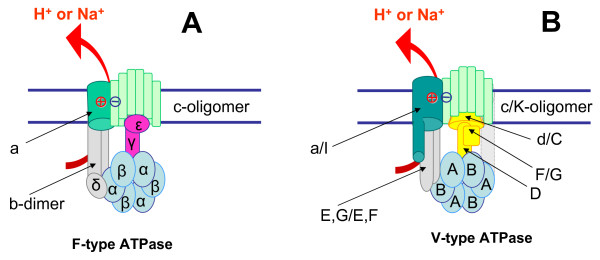
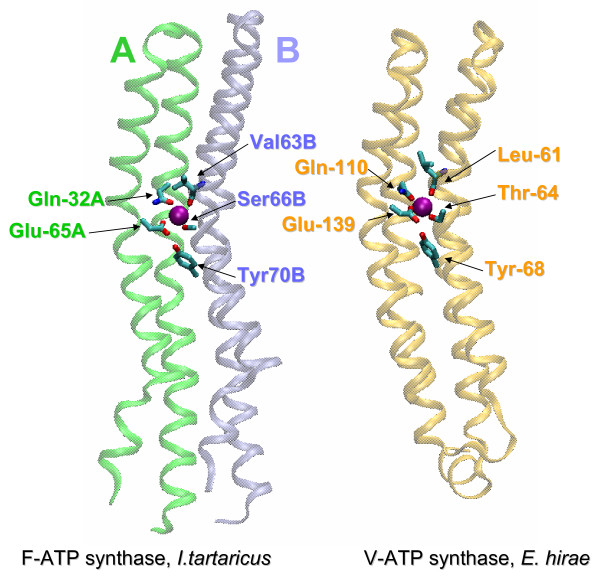
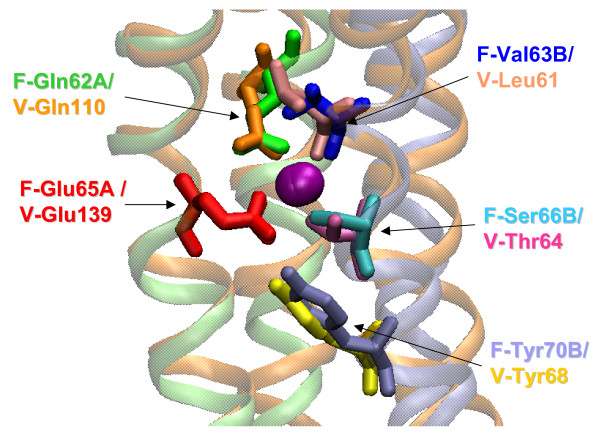
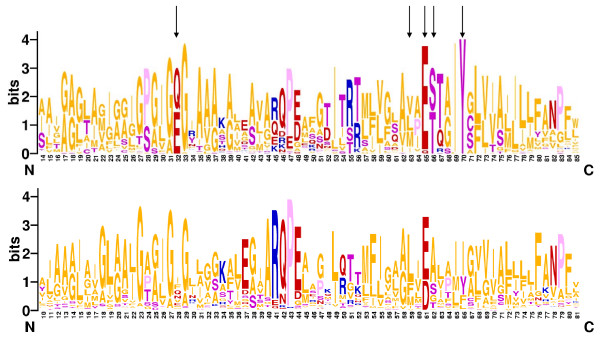
Background: The F- and V-type ATPases are rotary molecular machines that couple translocation of protons or sodium ions across the membrane to the synthesis or hydrolysis of ATP. Both the F-type (found in most bacteria and eukaryotic mitochondria and chloroplasts) and V-type (found in archaea, some bacteria, and eukaryotic vacuoles) ATPases can translocate either protons or sodium ions. The prevalent proton-dependent ATPases are generally viewed as the primary form of the enzyme whereas the sodium-translocating ATPases of some prokaryotes are usually construed as an exotic adaptation to survival in extreme environments. Results: We combine structural and phylogenetic analyses to clarify the evolutionary relation between the proton- and sodium-translocating ATPases. A comparison of the structures of the membrane-embedded oligomeric proteolipid rings of sodium-dependent F- and V-ATPases reveals nearly identical sets of amino acids involved in sodium binding. We show that the sodium-dependent ATPases are scattered among proton-dependent ATPases in both the F- and the V-branches of the phylogenetic tree. Conclusion: Barring convergent emergence of the same set of ligands in several lineages, these findings indicate that the use of sodium gradient for ATP synthesis is the ancestral modality of membrane bioenergetics. Thus, a primitive, sodium-impermeable but proton-permeable cell membrane that harboured a set of sodium-transporting enzymes appears to have been the evolutionary predecessor of the more structurally demanding proton-tight membranes. The use of proton as the coupling ion appears to be a later innovation that emerged on several independent occasions. Reviewers: This article was reviewed by J. Peter Gogarten, Martijn A. Huynen, and Igor B. Zhulin. For the full reviews, please go to the Reviewers' comments section.
Overview
The claims and statistics of this paper haven’t been checked yet.
Free: it reads the open-access text and checks the first 5 claims that cite a source we can check. Create a free account to check every claim.
Integrity signals
Registry
Cites
Statistics
Figures
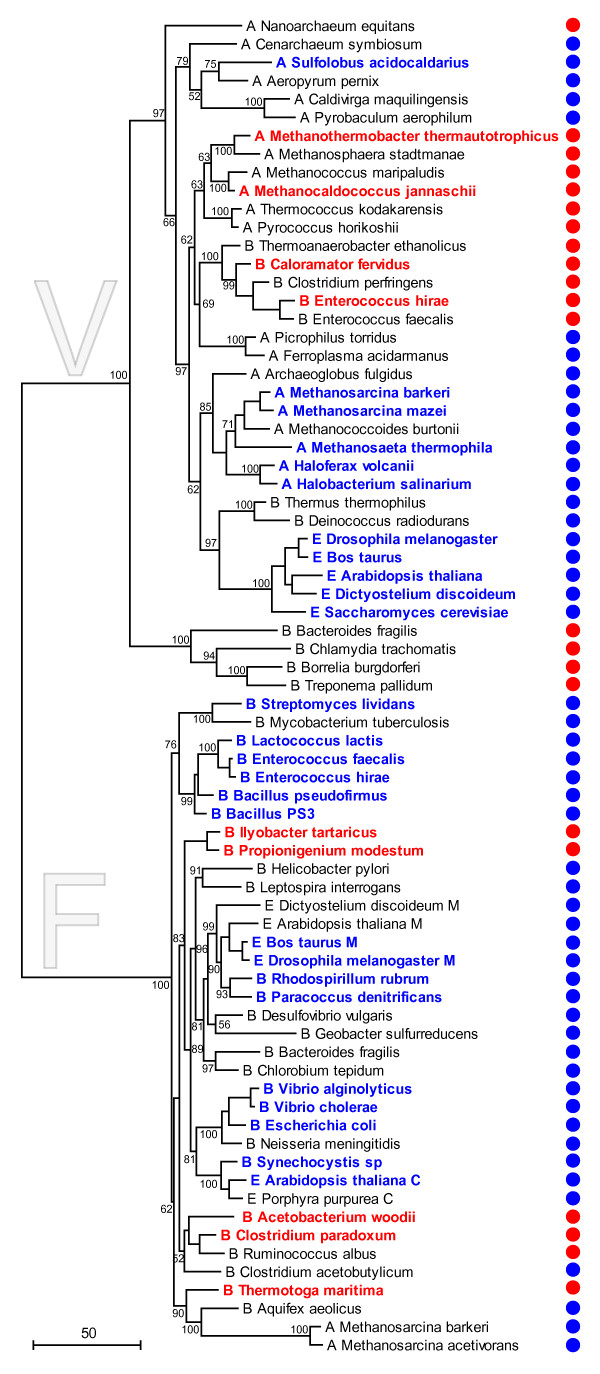
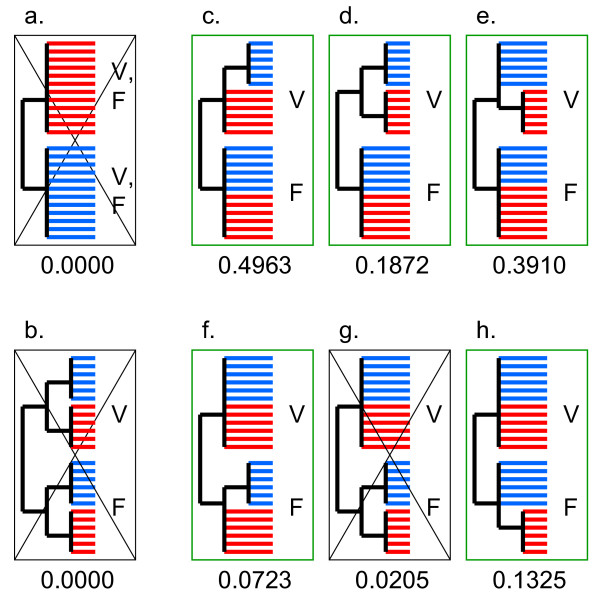
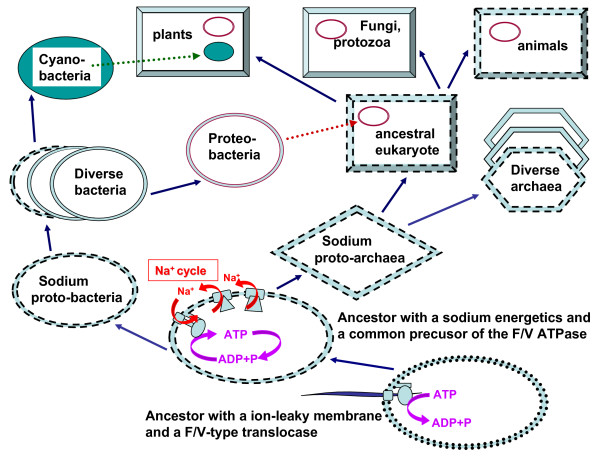
Verification
Claims the paper makes
The claims and statistics of this paper haven’t been checked yet.
Free: it reads the open-access text and checks the first 5 claims that cite a source we can check. Create a free account to check every claim.
Claims other papers make about this one
Each is checked against this paper’s own text: does it say what the citing paper says it does?
The source backs part of the claim, not all of it — or backs it for a different population, condition or comparison.
In the citing paper
“The catalytic and non-catalytic subunits comprising the soluble hetero-hexameric R1 component, are paralogs to each other. They arose prior to LUCA through an ancient duplication of a RecA family protein (P-loop NTPase) followed by the loss of the catalytic function in one subunit”
From ATP synthase evolution on a cross-braced dated tree of life (2023) · cites this paper as [35]
Experimental — accuracy not yet measuredThe cited source says what the claim attributes to it.
In the citing paper
“Archaea and Bacteria contain primarily A/V-type and F-type subunits, respectively, and eukaryotes harbor complexes of both types”
From ATP synthase evolution on a cross-braced dated tree of life (2023) · cites this paper as [35]
The check wasn’t confident either way, so it gives no verdict — never disputed.
In the citing paper
“our analysis agrees with the consensus view31,32,35,40, that the deepest split lies between those families”
From ATP synthase evolution on a cross-braced dated tree of life (2023) · cites this paper as [35]
Experimental — accuracy not yet measured
Self-check
Percentages, sums and reported differences re-computed from the paper’s own numbers.
The self-check needs the paper’s full text.
Citations
Cites
1 retracted
RETRACTED ARTICLE: TREEFINDER: a powerful graphical analysis environment for molecular phylogenetics
Jobb, G., von Haeseler, A., & Strimmer, K. (2004) · BMC Evolutionary Biology · doi:10.1186/1471-2148-4-18 · Cited by 1,112
RetractedGapped BLAST and PSI-BLAST: a new generation of protein database search programs
Altschul, S. (1997) · Nucleic Acids Research · doi:10.1093/nar/25.17.3389 · Cited by 73,302 · cited 3×
“Y a The table lists bacterial species (with strain numbers) whose genomes have been found to encode V-type ATPases based on BLAST [109] searches of the NCBI non-redundant protein database.”
MethodInfluentialVMD: visual molecular dynamics
Humphrey, W., Dalke, A., & Schulten, K. (1996) · Journal of Molecular Graphics · doi:10.1016/0263-7855(96)00018-5 · Cited by 66,952 · cited 1×
“Superposition of protein structures was performed using the VMD software [80].”
MethodMUSCLE: multiple sequence alignment with high accuracy and high throughput
Edgar, R. C. (2004) · Nucleic Acids Research · doi:10.1093/nar/gkh340 · Cited by 44,662 · cited 1×
“Methods Multiple alignments of protein sequences were constructed using the MUSCLE program [79].”
MethodWebLogo: A Sequence Logo Generator: Figure 1
Crooks, G. E., Hon, G., Chandonia, J.-M., & Brenner, S. E. (2004) · Genome Research · doi:10.1101/gr.849004 · Cited by 12,386
Woese, C. R. (1987) · Microbiological Reviews · doi:10.1128/mr.51.2.221-271.1987 · Cited by 5,042
Architecture of the Photosynthetic Oxygen-Evolving Center
Ferreira, K. N., Iverson, T. M., Maghlaoui, K., Barber, J., & Iwata, S. (2004) · Science · doi:10.1126/science.1093087 · Cited by 3,329 · cited 1×
“As noted above, proton energetics has a major advantage over sodium energetics because proton transfer can be chemically coupled to redox reactions, thus, enabling the advent of efficient redox-driven generators of proton potential, such as cytochrome bc1 complex [55], cytochrome oxidase [54], or the oxygen-evolving p…”
BackgroundWhelan, S., & Goldman, N. (2001) · Molecular Biology and Evolution · doi:10.1093/oxfordjournals.molbev.a003851 · Cited by 2,849 · cited 1×
“Statistical analysis of tree topology was performed using the TreeFinder program [83], with the Whelan and Goldman (WAG) evolutionary model [84] and gamma-distributed site rates.”
MethodAn approximately unbiased test of phylogenetic tree selection
Shimodaira, H. (2002) · Systematic Biology · doi:10.1080/10635150290069913 · Cited by 2,791 · cited 1×
“Tree topologies were compared using the Approximately Unbiased (AU) test [85] implemented in the TreeFinder program.”
MethodDirect observation of the rotation of F1-ATPase
Noji, H., Yasuda, R., Yoshida, M., & Kinosita, K. (1997) · Nature · doi:10.1038/386299a0 · Cited by 2,236 · cited 2×
“The F/V type ATPases, however, are unique functionally, because they can efficiently operate in the ATP synthase regimen, and mechanistically, in that their reaction cycle is accompanied by rotation of one enzyme part (rotor) relative to the other (stator) [3,15-17].”
Background
Research works printed but not linked: 1
- Adachi J Hasegawa M MOLPHY: Programs for Molecular Phylogenetics 1992 Tokyo, Institute of Statistical Mathematics
Cited by
The physiology and habitat of the last universal common ancestor
Weiss, M. C., Sousa, F. L., Mrnjavac, N., Neukirchen, S., Roettger, M., Nelson-Sathi, S., & Martin, W. F. (2016) · Nature Microbiology · doi:10.1038/nmicrobiol.2016.116 · Cited by 1,049
The origin of membrane bioenergetics
Lane, N., & Martin, W. F. (2012) · Cell · doi:10.1016/j.cell.2012.11.050 · Cited by 452
“This promiscuity could also explain why Na + -motive and H + -motive ATP synthases are interleaved in phylogenetic trees (Mulkidjanian et al., 2008), making it difficult to infer whether Na + or H + -coupled energetics arose first (Lane et al., 2010).”
Origin of first cells at terrestrial, anoxic geothermal fields
Mulkidjanian, A. Y., Bychkov, A. Y., Dibrova, D. V., Galperin, M. Y., & Koonin, E. V. (2012) · Proceedings of the National Academy of Sciences · doi:10.1073/pnas.1117774109 · Cited by 447
“As argued previously on the basis of phylogenomic analysis of rotary ATPases, the interplay between several Na pumps might have led to the emergence of membrane bioenergetics, initially in its ancestral, Na-using form (38, 131, 132).”
BackgroundSelf-citationHow did LUCA make a living? Chemiosmosis in the origin of life
Lane, N., Allen, J. F., & Martin, W. (2010) · BioEssays · doi:10.1002/bies.200900131 · Cited by 377
The early evolution of lipid membranes and the three domains of life
Lombard, J., López-García, P., & Moreira, D. (2012) · Nature Reviews Microbiology · doi:10.1038/nrmicro2815 · Cited by 320
Microbial genome analysis: the COG approach
Galperin, M. Y., Kristensen, D. M., Makarova, K. S., Wolf, Y. I., & Koonin, E. V. (2019) · Briefings in Bioinformatics · doi:10.1093/bib/bbx117 · Cited by 287
Self-citationPoehlein, A., Schmidt, S., Kaster, A.-K., Goenrich, M., Vollmers, J., Thürmer, A., Bertsch, J., Schuchmann, K., Voigt, B., Hecker, M., et al. (2012) · PLoS ONE · doi:10.1371/journal.pone.0033439 · Cited by 274
“bioenergetics [18].”
Rossier, B. C., Baker, M. E., & Studer, R. A. (2015) · Physiological Reviews · doi:10.1152/physrev.00011.2014 · Cited by 269
“The ancestral protocells must have developed various sets of pumps to use this gradient to provide energy to the cell (226, 227).”
BackgroundThe Origin and Nature of Life on Earth: The Emergence of the Fourth Geosphere
Smith, E., & Morowitz, H. J. (2016) · doi:10.1017/cbo9781316348772 · Cited by 215
Slow Microbial Life in the Seabed
Jørgensen, B. B., & Marshall, I. P. G. (2016) · Annual Review of Marine Science · doi:10.1146/annurev-marine-010814-015535 · Cited by 186
“The ion translocated by a given ATP synthase can be identified from the gene that encodes its c subunit, because certain amino acid residues at the subunit’s active site are indicative of Na+ rather than H+ translocation (Mulkidjanian et al. 2008, Mayer & Müller 2014).”
BackgroundFigueroa, I. A., Barnum, T. P., Somasekhar, P. Y., Carlström, C. I., Engelbrektson, A. L., & Coates, J. D. (2018) · Proceedings of the National Academy of Sciences · doi:10.1073/pnas.1715549114 · Cited by 170
“Both an F-type and V-type ATP synthase are present in the genome, with the F-type ATPase likely functioning as a sodium-translocating complex and the V-type ATPase as a proton-translocating complex, based on the identity of key residues in the c subunits of both complexes (29).”
BackgroundCo-evolution of primordial membranes and membrane proteins
Mulkidjanian, A. Y., Galperin, M. Y., & Koonin, E. V. (2009) · Trends in Biochemical Sciences · doi:10.1016/j.tibs.2009.01.005 · Cited by 169
“Once the membranes could maintain PMF and the first proton pumps emerged, the sodium-binding sites of the F and V-type ATPases became obsolete and, apparently, deteriorated independently on multiple occasions [50].”
BackgroundMethodResultInfluentialSelf-citationSpring, S., Bunk, B., Spröer, C., Schumann, P., Rohde, M., Tindall, B. J., & Klenk, H.-P. (2016) · The ISME Journal · doi:10.1038/ismej.2016.84 · Cited by 164
“habitats, sodium gradients have some advantages against using a proton-motive force (Mulkidjanian et al., 2008; Spring et al., 2010).”
BackgroundMethodThe past and present of sodium energetics: May the sodium-motive force be with you
Mulkidjanian, A. Y., Dibrov, P., & Galperin, M. Y. (2008) · Biochimica et Biophysica Acta (BBA) - Bioenergetics · doi:10.1016/j.bbabio.2008.04.028 · Cited by 162
“Independent emergence of nearly identical sets of Na ligands in several distinct lineages does not look plausible, leading to the conclusion that the common ancestor of V- and F-ATPases had a Nabinding site [30].”
BackgroundMethodInfluentialSelf-citationA Bioenergetic Basis for Membrane Divergence in Archaea and Bacteria
Sojo, V., Pomiankowski, A., & Lane, N. (2014) · PLoS Biology · doi:10.1371/journal.pbio.1001926 · Cited by 154
“While the ATPase generally specializes either for H or Na today, only a few amino acid changes are required to switch from one form to the other [46].”
BackgroundStructural divergence of the rotary ATPases
Muench, S. P., Trinick, J., & Harrison, M. A. (2011) · Quarterly Reviews of Biophysics · doi:10.1017/s0033583510000338 · Cited by 147
“In the A-ATPases, H+ or Na+-specific forms of either the 2- or 4-helical forms occur in different species, perhaps as a result of exchange of genes between archaea and eubacteria (Mulkidjanian et al. 2008; Müller et al. 2005).”
BackgroundBrunet, T., & Arendt, D. (2016) · Philosophical Transactions of the Royal Society B: Biological Sciences · doi:10.1098/rstb.2015.0043 · Cited by 129
Mulkidjanian, A. Y., & Galperin, M. Y. (2009) · Biology Direct · doi:10.1186/1745-6150-4-27 · Cited by 128
“As argued elsewhere [73,303], this difference seems to indicate that the formation of modern ion-tight cell envelopes, needed to survive in chemically hostile environments, followed the separation of these two domains of life.”
Self-citationWhat do we not know about mitochondrial potassium channels?
Laskowski, M., Augustynek, B., Kulawiak, B., Koprowski, P., Bednarczyk, P., Jarmuszkiewicz, W., & Szewczyk, A. M. (2016) · Biochimica et Biophysica Acta (BBA) - Bioenergetics · doi:10.1016/j.bbabio.2016.03.007 · Cited by 137
Inorganic pyrophosphatases: One substrate, three mechanisms
Kajander, T., Kellosalo, J., & Goldman, A. (2013) · FEBS Letters · doi:10.1016/j.febslet.2013.05.003 · Cited by 127
“As membranes are less leaky to sodium ions than protons, the use of Na could have preceded the use of H in the creation of membrane potential [57,58].”
BackgroundSuzuki, S., Kuenen, J. G., Schipper, K., van der Velde, S., Ishii, S., Wu, A., Sorokin, D. Y., Tenney, A., Meng, X., Morrill, P. L., et al. (2014) · Nature Communications · doi:10.1038/ncomms4900 · Cited by 127
Mulkidjanian, A. Y. (2009) · Biology Direct · doi:10.1186/1745-6150-4-26 · Cited by 116
“However, the ion-tight membranes, as argued elsewhere [175,176], seem to be a relatively late evolutionary acquisition.”
Self-citationTakami, H., Noguchi, H., Takaki, Y., Uchiyama, I., Toyoda, A., Nishi, S., Chee, G.-J., Arai, W., Nunoura, T., Itoh, T., et al. (2012) · PLoS ONE · doi:10.1371/journal.pone.0030559 · Cited by 115
“autotrophicum’ and is also missing in Thermus thermophiles and Deinococcus radiodurans [31].”
‘ARMAN’ archaea depend on association with euryarchaeal host in culture and in situ
Golyshina, O. V., Toshchakov, S. V., Makarova, K. S., Gavrilov, S. N., Korzhenkov, A. A., La Cono, V., Arcadi, E., Nechitaylo, T. Y., Ferrer, M., Kublanov, I. V., et al. (2017) · Nature Communications · doi:10.1038/s41467-017-00104-7 · Cited by 108
Self-citationTurnstiles and bifurcators: The disequilibrium converting engines that put metabolism on the road
Branscomb, E., & Russell, M. J. (2013) · Biochimica et Biophysica Acta (BBA) - Bioenergetics · doi:10.1016/j.bbabio.2012.10.003 · Cited by 105
Zhong, H., Lehtovirta‐Morley, L. E., Liu, J., Zheng, Y., Lin, H., Song, D., Todd, J. D., Tian, J., & Zhang, X. (2020) · Microbiome · doi:10.1186/s40168-020-00849-2 · Cited by 109
Complete Ion-Coordination Structure in the Rotor Ring of Na+-Dependent F-ATP Synthases
Meier, T. W., Krah, A., Bond, P. J., Pogoryelov, D., Diederichs, K., & Faraldo‐Gómez, J. D. (2009) · Journal of Molecular Biology · doi:10.1016/j.jmb.2009.05.082 · Cited by 101
F1F0-ATP synthases of alkaliphilic bacteria: Lessons from their adaptations
Hicks, D. B., Liu, J., Fujisawa, M., & Krulwich, T. A. (2010) · Biochimica et Biophysica Acta (BBA) - Bioenergetics · doi:10.1016/j.bbabio.2010.02.028 · Cited by 94
“Use of sodium-coupled energetics in organisms without proton-tight membranes has been proposed to have preceded proton energetic during evolution [162].”
BackgroundPyrophosphate-Fueled Na+and H+Transport in Prokaryotes
Baykov, A. A., Malinen, A. M., Luoto, H. H., & Lahti, R. (2013) · Microbiology and Molecular Biology Reviews · doi:10.1128/mmbr.00003-13 · Cited by 112
A New Type of Proton Coordination in an F1Fo-ATP Synthase Rotor Ring
Preiss, L., Yildiz, Ö., Hicks, D. B., Krulwich, T. A., & Meier, T. (2010) · PLoS Biology · doi:10.1371/journal.pbio.1000443 · Cited by 90
“have been suggested to be evolutionary pioneers in the establishment of the modern ATP synthases [30].”
BackgroundATP synthase evolution on a cross-braced dated tree of life
Mahendrarajah, T. A., Moody, E. R. R., Schrempf, D., Szánthó, L. L., Dombrowski, N., Davín, A. A., Pisani, D., Donoghue, P. C. J., Szöllősi, G. J., Williams, T. A., et al. (2023) · Nature Communications · doi:10.1038/s41467-023-42924-w · Cited by 86
“In line with this, eukaryotic F-type ATP synthases are hypothesized to be derived from the bacterial ancestors of these organelles 33,35,40 .”
BackgroundResultInfluentialEubacterial rhodopsins — Unique photosensors and diverse ion pumps
Brown, L. S. (2013) · Biochimica et Biophysica Acta (BBA) - Bioenergetics · doi:10.1016/j.bbabio.2013.05.006 · Cited by 98
“pumping homologs, often present in the same host, which has a fundamental importance for understanding the relationship between proton- and sodium- based bioenergetics [122,123].”
BackgroundAncient systems of sodium/potassium homeostasis as predecessors of membrane bioenergetics
Dibrova, D. V., Galperin, M. Y., Koonin, E. V., & Mulkidjanian, A. Y. (2015) · Biochemistry (Moscow) · doi:10.1134/s0006297915050016 · Cited by 80
Self-citationDibrova, D. V., Cherepanov, D. A., Galperin, M. Y., Skulachev, V. P., & Mulkidjanian, A. Y. (2013) · Biochimica et Biophysica Acta (BBA) - Bioenergetics · doi:10.1016/j.bbabio.2013.07.006 · Cited by 76
“Primitive membranes, while leaky for protons [84,86,91,100], could already represent a significant hydrophobic barrier for reducing equivalents (electrons).”
Self-citationElemental sulfur and acetate can support life of a novel strictly anaerobic haloarchaeon
Sorokin, D. Y., Kublanov, I. V., Гаврилов, С. Н., Rojo, D., Roman, P., Golyshin, P. N., Slepak, V. Z., Smedile, F., Ferrer, M., Messina, E., et al. (2015) · The ISME Journal · doi:10.1038/ismej.2015.79 · Cited by 76
“The HSR2 strain has only one ATP synthase operon (HLASF_0205-0213) belonging to H+-translocating V-type ATPases (Mulkidjanian et al., 2008), thus resembling all known haloarchaeal homologues.”
BackgroundDibrova, D. V., Galperin, M. Y., & Mulkidjanian, A. Y. (2010) · Bioinformatics · doi:10.1093/bioinformatics/btq234 · Cited by 70
“S1 shows that, despite the doubts of Swingley et al. (2008), the c subunit of the A.marina N-ATPase has a full set of Na+-binding ligands, including the recently recognized additional Thr residue of the ESTxxY motif (Mulkidjanian et al., 2008a; Meier et al., 2009).”
BackgroundSelf-citationPhylogenomic reconstruction of archaeal fatty acid metabolism
Dibrova, D. V., Galperin, M. Y., & Mulkidjanian, A. Y. (2014) · Environmental Microbiology · doi:10.1111/1462-2920.12359 · Cited by 69
“As discussed elsewhere, different branches of archaea utilize different means to make their etherbased membranes proton tight (Mulkidjanian et al., 2008; 2009).”
Self-citationEarly evolution without a tree of life
Martin, W. F. (2011) · Biology Direct · doi:10.1186/1745-6150-6-36 · Cited by 68
“It turns out that “the same set of ligands” boils down to two amino acid substitutions in the membrane portion of the enzyme [67], whereby the convergent emergence of two amino acid substitutions is a commonplace observation even during human mitochondrial DNA evolution [68], so the view that protons were the ancestra…”
BackgroundResultThe significance of Mg in prebiotic geochemistry
HOLM, N. G. (2012) · Geobiology · doi:10.1111/j.1472-4669.2012.00323.x · Cited by 67
“Mulkidjanian et al. (2008) have suggested an earlier transport of Na+ over H+ by pyrophosphatases (PPases) through biomembranes.”
BackgroundStructural and energetic basis for H+ versus Na+ binding selectivity in ATP synthase Fo rotors
Krah, A., Pogoryelov, D., Langer, J. D., Bond, P. J., Meier, T. W., & Faraldo‐Gómez, J. D. (2010) · Biochimica et Biophysica Acta (BBA) - Bioenergetics · doi:10.1016/j.bbabio.2010.04.014 · Cited by 66
Sakai, S., Takaki, Y., Shimamura, S., Sekine, M., Tajima, T., Kosugi, H., Ichikawa, N., Tasumi, E., Hiraki, A. T., Shimizu, A., et al. (2011) · PLoS ONE · doi:10.1371/journal.pone.0022898 · Cited by 72
“Ilyobacter tartaricus [24] (see Table S2 in the supporting information).”
BackgroundLuoto, H. H., Belogurov, G. A., Baykov, A. A., Lahti, R., & Malinen, A. M. (2011) · Journal of Biological Chemistry · doi:10.1074/jbc.m111.244483 · Cited by 61
Membrane-integral pyrophosphatase subfamily capable of translocating both Na + and H +
Luoto, H. H., Baykov, A. A., Lahti, R., & Malinen, A. M. (2013) · Proceedings of the National Academy of Sciences · doi:10.1073/pnas.1217816110 · Cited by 68
Lsi2: A black box in plant silicon transport
Coskun, D., Deshmukh, R. K., Shivaraj, S. M., Isenring, P., & Bélanger, R. R. (2021) · Plant and Soil · doi:10.1007/s11104-021-05061-1 · Cited by 64
On the potential roles of phosphorus in the early evolution of energy metabolism
Nicholls, J., Chin, J. P., Williams, T. A., Lenton, T. M., O’Flaherty, V., & McGrath, J. W. (2023) · Frontiers in Microbiology · doi:10.3389/fmicb.2023.1239189 · Cited by 74
Jackson, J. B. (2016) · Journal of Molecular Evolution · doi:10.1007/s00239-016-9756-6 · Cited by 52
“Working within a similar time frame, another possibility for the origin of chemiosmotic coupling arises from a perceived need to pump Na from early living cells (Mulkidjanian et al. 2008; Dibrova et al. 2012).”
BackgroundRequirement for asparagine in the aquaporin NPA sequence signature motifs for cation exclusion
Wree, D., Wu, B., Zeuthen, T., & Beitz, E. (2011) · FEBS Journal · doi:10.1111/j.1742-4658.2010.07993.x · Cited by 62
Links Between Hydrothermal Environments, Pyrophosphate, Na+, and Early Evolution
Holm, N. G., & Baltscheffsky, H. (2011) · Origins of Life and Evolution of Biospheres · doi:10.1007/s11084-011-9235-4 · Cited by 52
“During evolution, Na+-driven membrane energy conversion probably preceded the protonbased one that is dominant in modern cells (Mulkidjanian et al. 2008a,b).”
BackgroundInfluentialEukaryotic G protein-coupled receptors as descendants of prokaryotic sodium-translocating rhodopsins
Shalaeva, D. N., Galperin, M. Y., & Mulkidjanian, A. Y. (2015) · Biology Direct · doi:10.1186/s13062-015-0091-4 · Cited by 53
“The ability to bind Na, apparently, has been retained by GPCRs of class A [25–28] and, probably, of class E (cAMP receptors), see [34] and Additional file 1: Figure S9, but could have been lost in other classes of GPCRs, as it also happened in the majority of rotary ATPases [44].”
Self-citationNa+-NQR (Na+-translocating NADH:ubiquinone oxidoreductase) as a novel target for antibiotics
Dibrov, P. A., Dibrov, E., & Pierce, G. N. (2017) · FEMS Microbiology Reviews · doi:10.1093/femsre/fux032 · Cited by 51
“…primary redox H+ pumps into electron-transport chains covering the redox span of >1.0 V from donor metabolites to highpotential electron acceptors (i.e. oxygen, nitrate, sulfate or sulfite) ensured an enormous thermodynamic gain (Mulkidjanian et al. 2008; Mulkidjanian, Dibrov and Galperin 2008).”
BackgroundInfluentialNesbø, C. L., Charchuk, R., Pollo, S. M. J., Budwill, K., Kublanov, I. V., Haverkamp, T. H. A., & Foght, J. M. (2018) · Environmental Microbiology · doi:10.1111/1462-2920.14477 · Cited by 45
Potassium physiology from Archean to Holocene: A higher-plant perspective
Britto, D. T., Coskun, D., & Kronzucker, H. J. (2021) · Journal of Plant Physiology · doi:10.1016/j.jplph.2021.153432 · Cited by 49
Deep-branching acetogens in serpentinized subsurface fluids of Oman
Colman, D. R., Kraus, E. A., Thieringer, P. H., Rempfert, K., Templeton, A. S., Spear, J. R., & Boyd, E. S. (2022) · Proceedings of the National Academy of Sciences · doi:10.1073/pnas.2206845119 · Cited by 45
Siddaramappa, S., Challacombe, J. F., DeCastro, R. E., Pfeiffer, F., Sastre, D. E., Giménez, M. I., Paggi, R. A., Detter, J. C., Davenport, K. W., Goodwin, L., et al. (2012) · BMC Genomics · doi:10.1186/1471-2164-13-165 · Cited by 45
“magadii may have a proton-driven ATP synthase since its predicted AtpK lacks the sequence signature of Na-dependent ATP synthases [105].”
BackgroundRavin, N. V., Mardanov, A. V., Beletsky, A. V., Kublanov, I. V., Kolganova, T. V., Lebedinsky, A. V., Chernyh, N. A., Bonch-Osmolovskaya, E. A., & Skryabin, K. G. (2008) · Journal of Bacteriology · doi:10.1128/jb.01525-08 · Cited by 39
“It turned out that, like in some other hyperthermophilic archaea, the membrane rotor subunit (subunit K) (Dkam_0993) of this V-type ATP synthase contains all Na-ligands described by Mulkidjanian et al. ( 35 ) as necessary to predict Na translocation.”
BackgroundSuzuki, S., Nealson, K. H., & Ishii, S. (2018) · Frontiers in Microbiology · doi:10.3389/fmicb.2018.03141 · Cited by 36
Merino, N., Kawai, M., Boyd, E. S., Colman, D. R., McGlynn, S. E., Nealson, K. H., Kurokawa, K., & Hongoh, Y. (2020) · Frontiers in Microbiology · doi:10.3389/fmicb.2020.01031 · Cited by 42
Buessecker, S., Palmer, M., Lai, D., Dimapilis, J., Mayali, X., Mosier, D., Jiao, J., Colman, D. R., Keller, L. M., John, E. S., et al. (2022) · Nature Communications · doi:10.1038/s41467-022-31452-8 · Cited by 39
Na+ riboswitches regulate genes for diverse physiological processes in bacteria
White, N. A., Sadeeshkumar, H., Sun, A., Sudarsan, N., & Breaker, R. R. (2022) · Nature Chemical Biology · doi:10.1038/s41589-022-01086-4 · Cited by 39
Evolution of Genes and Organisms: The Tree/Web of Life in Light of Horizontal Gene Transfer
Olendzenski, L., & Gogarten, J. P. (2009) · Annals of the New York Academy of Sciences · doi:10.1111/j.1749-6632.2009.04998.x · Cited by 44
Cytochrome cbb 3 of Thioalkalivibrio is a Na + -pumping cytochrome oxidase
Muntyan, M. S., Cherepanov, D. A., Malinen, A. M., Bloch, D. A., Sorokin, D. Y., Severina, I. I., Ивашина, Т. В., Lahti, R., Gerard Muyzer, C., & Skulachev, V. P. (2015) · Proceedings of the National Academy of Sciences · doi:10.1073/pnas.1417071112 · Cited by 28
“Therefore, in our reasoning we take into consideration several independent markers of possible Cox evolution and generally accepted facts: (i) geological evidence on oxygen-free atmosphere on the Earth preceded an oxygen atmosphere (35), (ii) close relationship between nitric oxide reductases and C-type Coxs and their…”
BackgroundDynamics of bioenergetic microcompartments
Busch, K. B., Deckers‐Hebestreit, G., HANKE, G. T., & Mulkidjanian, A. Y. (2013) · Biological Chemistry · doi:10.1515/hsz-2012-0254 · Cited by 31
“Phylogenomic analysis has shown that the ancient form of the rotary ATP synthase translocated sodium ions (Cherepanov et al. , 1999 ; Mulkidjanian et al. , 2008b, 2009 ).”
BackgroundInfluentialSelf-citationBozdaganyan, M. E., Lokhmatikov, A. V., Voskoboynikova, N. E., Cherepanov, D. A., Steinhoff, H., Шайтан, К. В., & Mulkidjanian, A. Y. (2019) · Biochimica et Biophysica Acta (BBA) - Bioenergetics · doi:10.1016/j.bbabio.2019.03.001 · Cited by 32
Self-citationEnergy transduction by respiratory metallo-enzymes: From molecular mechanism to cell physiology
Al-Attar, S., & de Vries, S. (2012) · Coordination Chemistry Reviews · doi:10.1016/j.ccr.2012.05.022 · Cited by 32
Tsallagov, S. I., Sorokin, D. Y., Tikhonova, T. V., Popov, V. O., & Muyzer, G. (2019) · Frontiers in Microbiology · doi:10.3389/fmicb.2019.00898 · Cited by 30
Broadly conserved Na + -binding site in the N-lobe of prokaryotic multidrug MATE transporters
Ficici, E., Zhou, W., Castellano, S., & Faraldo‐Gómez, J. D. (2018) · Proceedings of the National Academy of Sciences · doi:10.1073/pnas.1802080115 · Cited by 26
“Na is believed to have been the primary coupling ion in the evolution of transport systems (44), but as has been demonstrated for rotary ATP synthases, one or two hydrophobic mutations in a site that is specific for Na under physiological concentrations will cause a strong shift in the selectivity of the site for H (3…”
BackgroundTrutschel, L. R., Chadwick, G. L., Kruger, B., Blank, J. G., Brazelton, W. J., Dart, E. R., & Rowe, A. R. (2022) · Science of The Total Environment · doi:10.1016/j.scitotenv.2022.155492 · Cited by 25
Rotary Ion-Translocating ATPases/ATP Synthases: Diversity, Similarities, and Differences
Zubareva, V. M., Lapashina, A. S., Shugaeva, T. E., Litvin, A. V., & Feniouk, B. A. (2020) · Biochemistry (Moscow) · doi:10.1134/s0006297920120135 · Cited by 27
The Role of Energy in the Emergence of Biology from Chemistry
Dibrova, D. V., Chudetsky, M. Y., Galperin, M. Y., Koonin, E. V., & Mulkidjanian, A. Y. (2012) · Origins of Life and Evolution of Biospheres · doi:10.1007/s11084-012-9308-z · Cited by 24
Self-citationBrunk, C. F., & Marshall, C. R. (2021) · Life · doi:10.3390/life11070690 · Cited by 23
Barnhart, E. P., McClure, M. A., Johnson, K., Cleveland, S. B., Hunt, K. A., & Fields, M. W. (2015) · Scientific Reports · doi:10.1038/srep12498 · Cited by 23
Genome of Methanoregula boonei 6A8 reveals adaptations to oligotrophic peatland environments
Bräuer, S. L., Cadillo‐Quiroz, H., Kyrpides, N. C., Woyke, T., Goodwin, L., Detter, C., Podell, S. B., Yavitt, J. B., & Zinder, S. H. (2015) · Microbiology · doi:10.1099/mic.0.000117 · Cited by 23
“Further, the A1A0 ATPase/synthases studied among the members of the groups Methanobacteriales/Methanococcales have clearly been shown to pump Na (McMillan et al., 2011; Mulkidjanian et al., 2008).”
BackgroundSun, D., Wan, X., Liu, W., Xia, X., Huang, F., Wang, A., Smith, J. A., Dang, Y., & Holmes, D. E. (2019) · RSC Advances · doi:10.1039/c9ra02343g · Cited by 26
Cryo-EM studies of the structure and dynamics of vacuolar-type ATPases
Mazhab‐Jafari, M. T., & Rubinstein, J. L. (2016) · Science Advances · doi:10.1126/sciadv.1600725 · Cited by 23
Glass, J. B., Elbon, C. E., & Williams, L. D. (2022) · Trends in Microbiology · doi:10.1016/j.tim.2022.08.006 · Cited by 24
Evolutionarily divergent, Na+-regulated H+-transporting membrane-bound pyrophosphatases
Luoto, H. H., Nordbo, E., Malinen, A. M., Baykov, A. A., & Lahti, R. (2015) · Biochemical Journal · doi:10.1042/bj20141434 · Cited by 23
Melton, E. D., Sorokin, D. Y., Overmars, L., Lapidus, A. L., Pillay, M., Ivanova, N., del Rio, T. G., Kyrpides, N. C., Woyke, T., & Muyzer, G. (2017) · Standards in Genomic Sciences · doi:10.1186/s40793-017-0268-9 · Cited by 21
“As seen before, there was a clear separation between V-type and F-type ATP synthase, where the AHT1 T sequence clustered together with the V-type ATP synthase.”
InfluentialFabG: from a core to circumstantial catalyst
Shanbhag, A. P. (2019) · Biotechnology Letters · doi:10.1007/s10529-019-02678-2 · Cited by 23
Evolution of the Stator Elements of Rotary Prokaryote Motors
Lai, Y.-W., Ridone, P., Peralta, G., Tanaka, M. M., & Baker, M. A. B. (2019) · Journal of Bacteriology · doi:10.1128/jb.00557-19 · Cited by 20
The Never-Ending Story-The Origin and Diversification of Life
Kumala, M. (2010) · Evolution Education and Outreach · doi:10.1007/s12052-010-0278-1 · Cited by 20
Pascal, R. (2012) · Springer eBooks · doi:10.1007/978-3-642-31730-9_8 · Cited by 22
Microbial ecology of serpentinite-hosted ecosystems
Colman, D. R., Templeton, A. S., Spear, J. R., & Boyd, E. S. (2025) · The ISME Journal · doi:10.1093/ismejo/wraf029 · Cited by 24
“Much remains unknown about the selectivity of ATP synthases for H + or Na + [112],with most Na + -driven ATP synthase activity inferred by comparison to earlier bioinformatics-based estimations of Na + -binding protein ligands within ATP synthase subunits [113].”
Chapter 4: A Geological and Chemical Context for the Origins of Life on Early Earth
Rodriguez, L. E., Altair, T., Hermis, N. Y., Jia, T. Z., Roche, T. P., Steller, L. H., & Weber, J. M. (2024) · Astrobiology · doi:10.1089/ast.2021.0139 · Cited by 24
“However, some organisms use Na + gradients (Gemperli et al., 2003), a pathway that may have evolved first (Mulkidjanian et al., 2008).”
Factors controlling the selectivity for Na + over Mg 2+ in sodium transporters and enzymes
Dudev, T., Mazmanian, K., & Lim, C. (2016) · Physical Chemistry Chemical Physics · doi:10.1039/c6cp01937d · Cited by 16
The archaeal-bacterial lipid divide, could a distinct lateral proton route hold the answer?
Mencía, M. (2020) · Biology Direct · doi:10.1186/s13062-020-00262-7 · Cited by 16
“the case of energetic systems based on sodium gradients [48], because no mechanism has been proposed for so-”
BackgroundSiewert, C., Hess, W. R., Duduk, B., Hüettel, B., Reinhardt, R., Büttner, C., & Kube, M. (2014) · BMC Genomics · doi:10.1186/1471-2164-15-931 · Cited by 18
“Discussion F1FO ATPases and V1VO ATPases are membrane complexes which function either as H- or Na-translocators [37] (Figure 9).”
BackgroundLife strategies for Aminicenantia in subseafloor oceanic crust
Booker, A. E., D’Angelo, T., Adams-Beyea, A., Brown, J. M., Nigro, O. D., Rappé, M. S., Stepanauskas, R., & Orcutt, B. N. (2023) · The ISME Journal · doi:10.1038/s41396-023-01454-5 · Cited by 13
Khomyakova, M. A., Merkel, A. Y., Segliuk, V. S., & Slobodkin, A. I. (2023) · Extremophiles · doi:10.1007/s00792-023-01297-0 · Cited by 15
The RNF/NQR redox pumps: a versatile system for energy transduction in bacteria and archaea
Buckel, W., Ermler, U., Vonck, J., Fritz, G., & Steuber, J. (2025) · Applied Microbiology and Biotechnology · doi:10.1007/s00253-025-13531-0 · Cited by 13
“…ATP synthases and considering Na + or H + specificities of the enzymes as predicted from sequence comparisons, Galperin and colleagues argue that Na + -specific ATP synthases predated H + -dependent enzymes and propose that ancestral membrane bioenergetics used Na + (Mulkidjanian et al. 2008).”
Evolutionary origins of membrane proteins
Mulkidjanian, A. Y., & Galperin, M. Y. (2010) · Springer eBooks · doi:10.1007/978-3-7091-0045-5_1 · Cited by 16
Self-citationShalaeva, D. N., Cherepanov, D. A., Galperin, M. Y., Vriend, G., & Mulkidjanian, A. Y. (2019) · Biochimica et Biophysica Acta (BBA) - Biomembranes · doi:10.1016/j.bbamem.2019.183051 · Cited by 10
Self-citationKozlova, M. I., Shalaeva, D. N., Dibrova, D. V., & Mulkidjanian, A. Y. (2022) · Biomolecules · doi:10.3390/biom12101346 · Cited by 11
Self-citationA statistical anomaly indicates symbiotic origins of eukaryotic membranes
Bansal, S., & Mittal, A. (2015) · Molecular Biology of the Cell · doi:10.1091/mbc.e14-06-1078 · Cited by 11
“Only a few scattered reports comment on the evolution of eukaryotic membranes, and those are also based largely on membrane proteins and biosynthetic pathways in cells (Pereto et al., 2004; Daiyasu et al., 2005; Mulkidjanian et al., 2008; Lombard and Moreira, 2011; Lombard et al., 2012a).”
Phylogenomic analysis of type 1 NADH:Quinone oxidoreductase
Novakovsky, G., Dibrova, D. V., & Mulkidjanian, A. Y. (2016) · Biochemistry (Moscow) · doi:10.1134/s0006297916070142 · Cited by 13
Self-citationTsunoda, J., Song, C., Imai, F. L., Takagi, J., Ueno, H., Murata, T., Iino, R., & Murata, K. (2018) · Scientific Reports · doi:10.1038/s41598-018-33977-9 · Cited by 11
Yichie, Y., Hasan, M. T., Tobias, P. A., Pascovici, D., Goold, H. D., Sluyter, S. C. V., Roberts, T. H., & Atwell, B. J. (2019) · PROTEOMICS · doi:10.1002/pmic.201900175 · Cited by 11
Barrera-Rojas, J., Tun, K. J. G., Ríos‐Castro, E., López-Méndez, M. C., & Sulbarán-Rangel, B. (2023) · Microorganisms · doi:10.3390/microorganisms11071640 · Cited by 11
The proton pumping bo oxidase from Vitreoscilla
Graf, S., Brzezinski, P., & von Ballmoos, C. (2019) · Scientific Reports · doi:10.1038/s41598-019-40723-2 · Cited by 10
Two independent evolutionary routes to Na+/H+ cotransport function in membrane pyrophosphatases
Nordbo, E., Luoto, H. H., Baykov, A. A., Lahti, R., & Malinen, A. M. (2016) · Biochemical Journal · doi:10.1042/bcj20160529 · Cited by 11
The rapid evolution of flagellar ion selectivity in experimental populations of E. coli
Ridone, P., Ishida, T., Lin, A., Humphreys, D. T., Giannoulatou, E., Sowa, Y., & Baker, M. A. B. (2022) · Science Advances · doi:10.1126/sciadv.abq2492 · Cited by 11
Metadata
- Authors
- Mulkidjanian, A. Y., Galperin, M. Y., Makarova, K. S., Wolf, Y. I., & Koonin, E. V.
- Affiliations
- Osnabrück University (DE)
- National Institutes of Health (US)
- Corresponding author
- Koonin, Eugene V
- Venue
- Biology Direct
- Published
- 2008-04-01
- Volume
- 3
- Issue
- 1
- Pages
- 13-13
- ISSN
- 1745-6150 (ISSN-L)
- PMC
- PMC2359735
- OpenAlex
- W2145026561
- Cited by
- 163
- References
- 111
- Citations by year
- 2026: 3 · 2025: 8 · 2024: 7 · 2023: 11 · 2022: 16 · 2021: 4 · 2020: 8 · 2019: 11 · 2018: 5 · 2017: 7 · 2016: 10 · 2015: 16 · 2014: 9 · 2013: 5 · 2012: 18
- FWCI
- 3.43
- Type
- journal article
- Language
- en
- Open access
- gold
- doi.org
- Licence
- cc-by
- Locations
- Biology Direct (publishedVersion, cc-by)
- PubMed Central (publishedVersion, cc-by)
- PubMed (publishedVersion)
- DOAJ (DOAJ: Directory of Open Access Journals) (submittedVersion)
- Funders
- Deutsche Forschungsgemeinschaft
- Volkswagen Foundation
- National Institutes of Health (Z99 LM999999)
- U.S. National Library of Medicine
- Topics
- Life Sciences › Biochemistry, Genetics and Molecular Biology › Molecular Biology › ATP Synthase and ATPases Research
- Life Sciences › Biochemistry, Genetics and Molecular Biology › Molecular Biology › Ion Transport and Channel Regulation
- Life Sciences › Biochemistry, Genetics and Molecular Biology › Genetics › Bacterial Genetics and Biotechnology
- Keywords
- F0F1-ATP synthase, V-type ATPase, proton-translocating ATPase, membrane bioenergetics, sodium gradient, ATP production, sodium binding site, phylogenetic analysis, convergent evolution
- MeSH terms
- Adenosine Triphosphatases, Sodium-Potassium-Exchanging ATPase, Bacteria, Energy Metabolism, Phylogeny, Sodium, Structure-Activity Relationship, Evolution, Molecular, Protein Subunits, Vacuolar Proton-Translocating ATPases, Cation Transport Proteins
About these checks
Registry, retraction, Cites and statistics results are computed, not judged, with one exception: a printed reference that no index lists is read once by a model before it counts as a citation error. Claims are extracted by a model and kept only when their quote appears verbatim in the text; each cited source is then checked, with a model’s help, for whether it says what the claim relies on. Those verdicts can be wrong — read the claim’s quote and the cited source before relying on one.
Statistics and arithmetic are recomputed, not judged.
Confidence bands are shown only for fields calibrated on our annotated test set. None is calibrated yet, so no band is shown.
What counts as a claim ›How we measure confidence ›How we check this ›
Are you an author, or do you see a problem with this page? Request a review
Data sources
Bibliographic data: Semantic Scholar, OpenAlex, Crossref.
Contains information from the Semantic Scholar Academic Graph Datasets, made available under the ODC Attribution License (ODC-BY 1.0).
Semantic Scholar’s data is described in: Kinney, R., et al. (2023). The Semantic Scholar Open Data Platform. arXiv:2301.10140.
