

The DOI matches its Crossref record; 28 of the 28 references it cites were found in a registry or an index.
Fibril specific, conformation dependent antibodies recognize a generic epitope common to amyloid fibrils and fibrillar oligomers that is absent in prefibrillar oligomers
Open accessAbstract
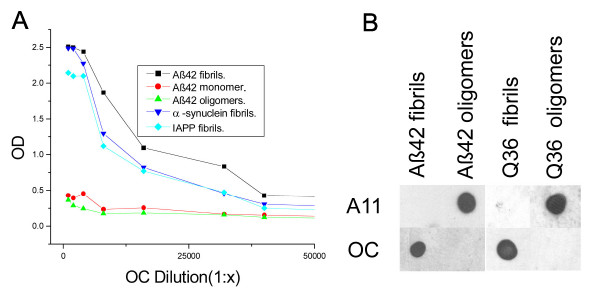
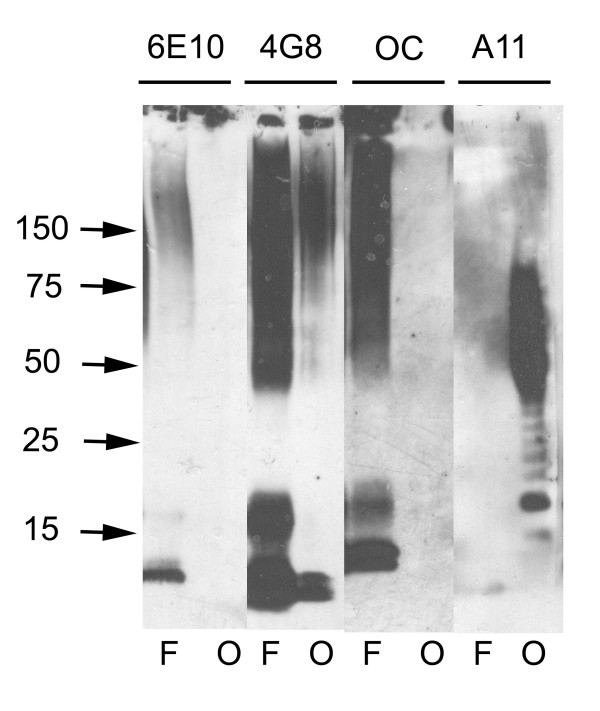
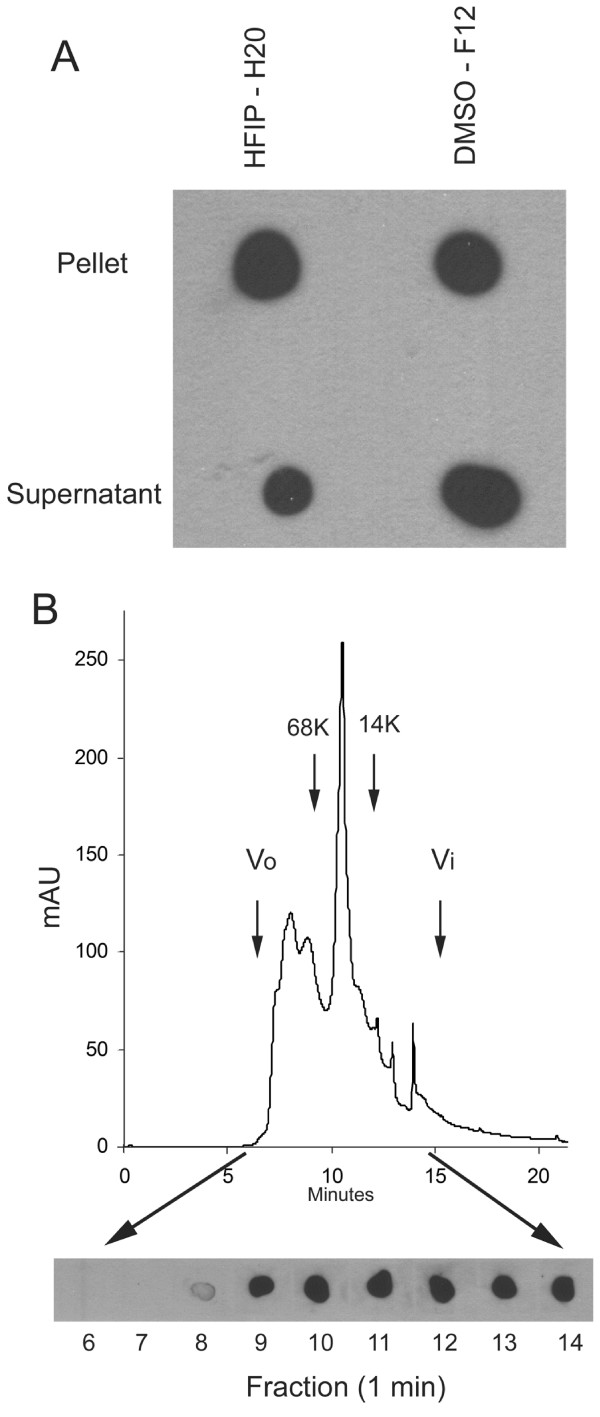
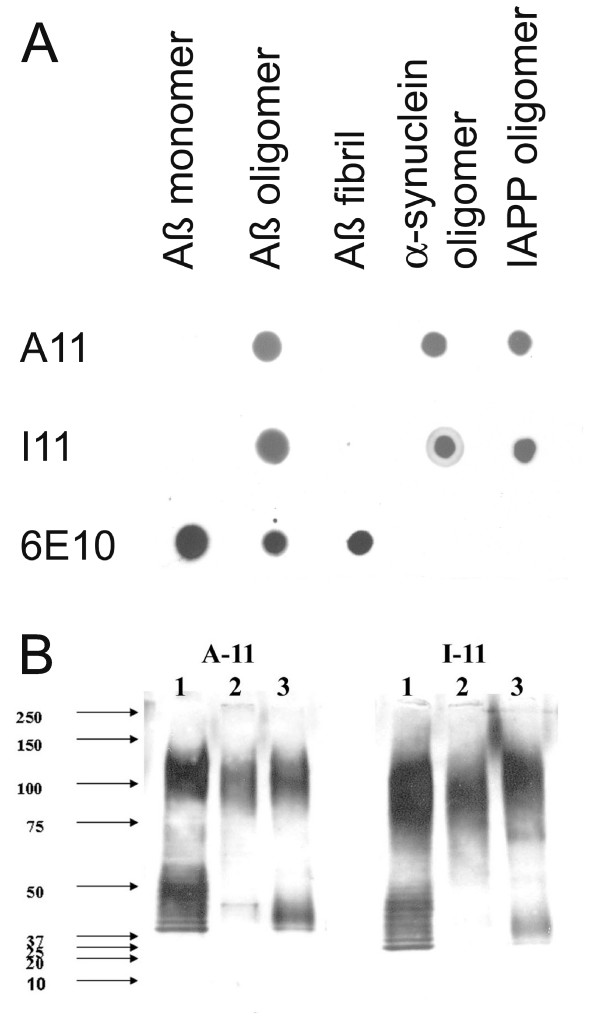
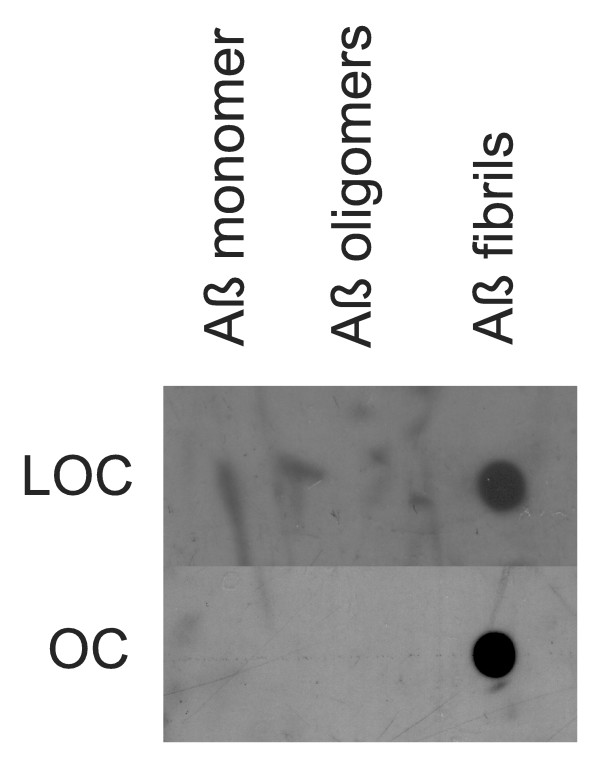
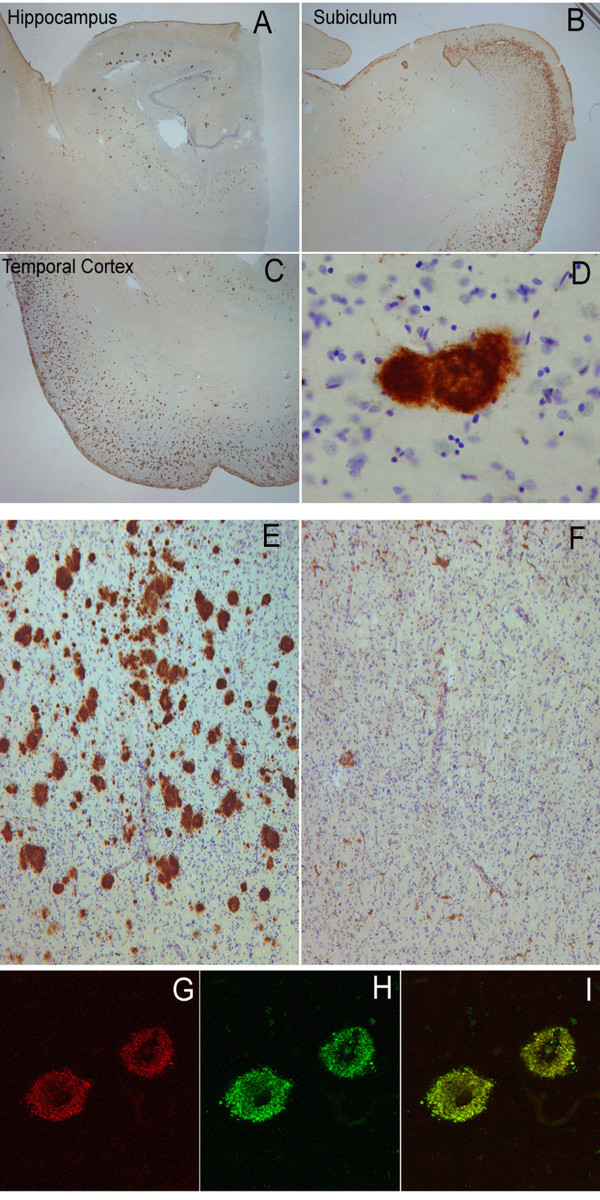
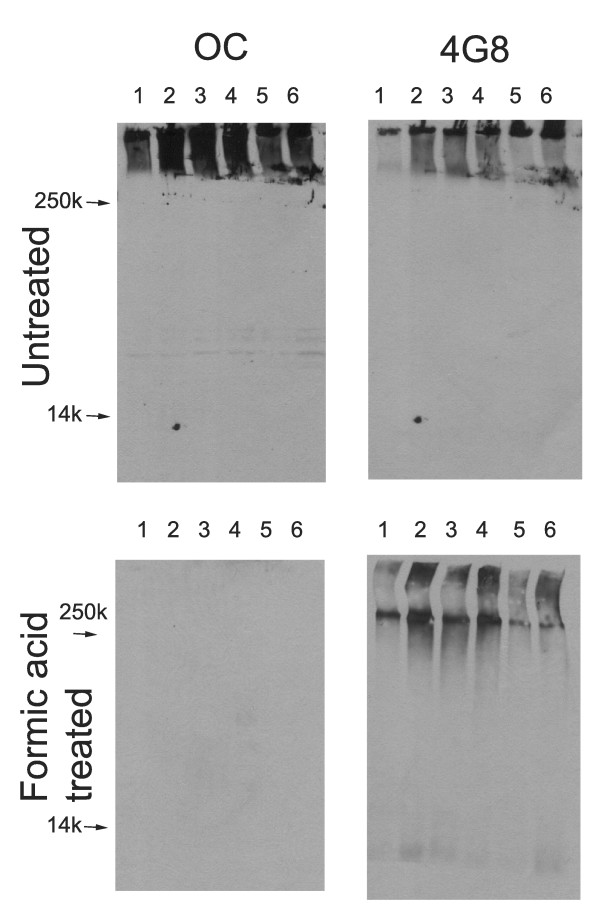
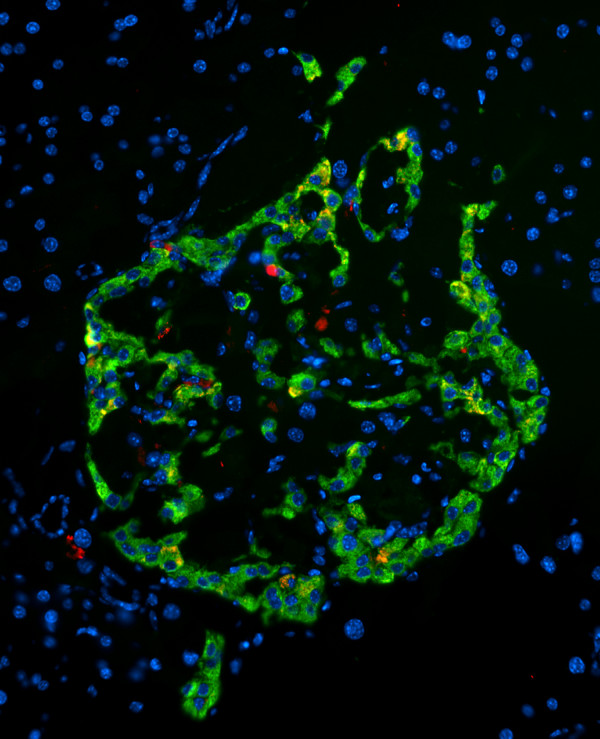
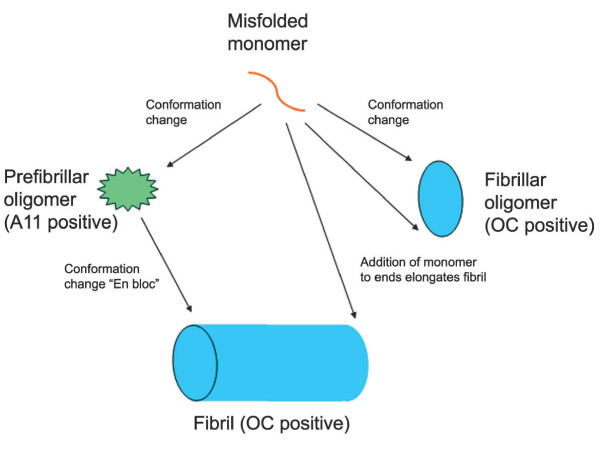
Background: Amyloid-related degenerative diseases are associated with the accumulation of misfolded proteins as amyloid fibrils in tissue. In Alzheimer disease (AD), amyloid accumulates in several distinct types of insoluble plaque deposits, intracellular Aβ and as soluble oligomers and the relationships between these deposits and their pathological significance remains unclear. Conformation dependent antibodies have been reported that specifically recognize distinct assembly states of amyloids, including prefibrillar oligomers and fibrils. Results: We immunized rabbits with a morphologically homogeneous population of Aβ42 fibrils. The resulting immune serum (OC) specifically recognizes fibrils, but not random coil monomer or prefibrillar oligomers, indicating fibrils display a distinct conformation dependent epitope that is absent in prefibrillar oligomers. The fibril epitope is also displayed by fibrils of other types of amyloids, indicating that the epitope is a generic feature of the polypeptide backbone. The fibril specific antibody also recognizes 100,000 × G soluble fibrillar oligomers ranging in size from dimer to greater than 250 kDa on western blots. The fibrillar oligomers recognized by OC are immunologically distinct from prefibrillar oligomers recognized by A11, even though their sizes overlap broadly, indicating that size is not a reliable indicator of oligomer conformation. The immune response to prefibrillar oligomers and fibrils is not sequence specific and antisera of the same specificity are produced in response to immunization with islet amyloid polypeptide prefibrillar oligomer mimics and fibrils. The fibril specific antibodies stain all types of amyloid deposits in human AD brain. Diffuse amyloid deposits stain intensely with anti-fibril antibody although they are thioflavin S negative, suggesting that they are indeed fibrillar in conformation. OC also stains islet amyloid deposits in transgenic mouse models of type II diabetes, demonstrating its generic specificity for amyloid fibrils. Conclusion: Since the fibril specific antibodies are conformation dependent, sequence-independent, and recognize epitopes that are distinct from those present in prefibrillar oligomers, they may have broad utility for detecting and characterizing the accumulation of amyloid fibrils and fibrillar type oligomers in degenerative diseases.
Overview
The claims and statistics of this paper haven’t been checked yet.
Run the check — free, no account needed. It reads the open-access text and checks the sources it cites.
Integrity signals
Registry
Cites
Statistics
Figures
Verification
Claims the paper makes
The claims and statistics of this paper haven’t been checked yet.
Run the check — free, no account needed. It reads the open-access text and checks the sources it cites.
Claims other papers make about this one
Each is checked against this paper’s own text: does it say what the citing paper says it does?
The source backs part of the claim, not all of it — or backs it for a different population, condition or comparison.
In the citing paper
“We obtained high resolution confocal images of brain slices from CRND8 mice stained with A11 and 4G8 antibodies, which detect oligomeric and other protofibrillar conformations respectively (Lesné et al., 2006; Kayed et al., 2007).”
From CX3CR1 in Microglia Regulates Brain Amyloid Deposition through Selective Protofibrillar Amyloid-β Phagocytosis (2010) · cites this paper as Kayed et al., 2007
Experimental — accuracy not yet measuredIn the citing paper
“As Aβ aggregates from monomers to oligomers and then fibrils, the conformation and antibody accessibility of peptide epitopes within Aβ can change.”
From Intraneuronal β-amyloid accumulation and synapse pathology in Alzheimer’s disease (2010) · cites this paper as [87]
Self-check
Percentages, sums and reported differences re-computed from the paper’s own numbers.
The self-check needs the paper’s full text.
Citations
Cites
Soluble protein oligomers in neurodegeneration: lessons from the Alzheimer's amyloid β-peptide
Haass, C., & Selkoe, D. J. (2007) · Nature Reviews Molecular Cell Biology · doi:10.1038/nrm2101 · Cited by 4,744
Common structure of soluble amyloid oligomers implies common mechanism of pathogenesis
Kayed, R., Head, E., Thompson, J. L., McIntire, T. M., Milton, S. C., Cotman, C. W., & Glabe, C. G. (2003) · Science · doi:10.1126/science.1079469 · Cited by 4,064
Self-citationDiffusible, nonfibrillar ligands derived from Aβ 1–42 are potent central nervous system neurotoxins
Lambert, M. P., Barlow, A. K., Chromy, B. A., Edwards, C., Freed, R., Liosatos, M., Morgan, T. E., Rozovsky, I., Trommer, B., Viola, K. L., et al. (1998) · Proceedings of the National Academy of Sciences · doi:10.1073/pnas.95.11.6448 · Cited by 3,506
Iwatsubo, T., Odaka, A., Suzuki, N., Mizusawa, H., Nukina, N., & Ihara, Y. (1994) · Neuron · doi:10.1016/0896-6273(94)90458-8 · Cited by 1,774
Soluble Amyloid β Peptide Concentration as a Predictor of Synaptic Change in Alzheimer's Disease
Lue, L.-F., Kuo, Y.-M., Roher, A. E., Brachova, L., Shen, Y., Sue, L., Beach, T., Kurth, J. H., Rydel, R. E., & Rogers, J. (1999) · The American Journal of Pathology · doi:10.1016/s0002-9440(10)65184-x · Cited by 1,530
von Bergen, M., Friedhoff, P., Biernat, J., Heberle, J., Mandelkow, E.-M., & Mandelkow, E. (2000) · Proceedings of the National Academy of Sciences · doi:10.1073/pnas.97.10.5129 · Cited by 1,021
Intraneuronal Aβ42 Accumulation in Human Brain
Gouras, G. K., Tsai, J., Naslund, J., Vincent, B., Edgar, M., Checler, F., Greenfield, J. P., Haroutunian, V., Buxbaum, J. D., Xu, H., et al. (2000) · The American Journal of Pathology · doi:10.1016/s0002-9440(10)64700-1 · Cited by 991
Some morphometric aspects of the brain in senile dementia of the alzheimer type
Terry, R. D., Peck, A., DeTeresa, R., Schechter, R., & Horoupian, D. S. (1981) · Annals of Neurology · doi:10.1002/ana.410100209 · Cited by 801
The Pathogenesis of Senile Plaques
DICKSON, D. W. (1997) · Journal of Neuropathology and Experimental Neurology · doi:10.1097/00005072-199704000-00001 · Cited by 753
Observation of metastable Aβ amyloid protofibrils by atomic force microscopy
Harper, J. D., Wong, S. S., Lieber, C. M., & Lansbury, P. T. (1997) · Chemistry & Biology · doi:10.1016/s1074-5521(97)90255-6 · Cited by 699
Research works printed but not linked: 1
- Wisniewski HM, Terry RD: Reexamination of the pathogenesis of the senile plaque. Prog Neuropathol. 1973, 333 , 2: 1-26.
Cited by
Sorted by citations
Items 501–600 of 778
Resistance of nepetin and its analogs on the fibril formation of human islet amyloid polypeptide
Xu, J., Zheng, T., Zhao, C., Huang, X., & Du, W. (2020) · International Journal of Biological Macromolecules · doi:10.1016/j.ijbiomac.2020.10.202 · Cited by 14
Gustavsson, N., Savchenko, E., Klementieva, O. L., & Roybon, L. (2021) · Acta Neuropathologica Communications · doi:10.1186/s40478-021-01256-w · Cited by 14
Protein adduction causes non-mutational inhibition of p53 tumor suppressor
Gokulan, R. C., Paulrasu, K., Azfar, J., El-Rifai, W. M., Que, J., Boutaud, O. G., Ban, Y. J., Gao, Z., Buitrago, M. G., Dikalov, S., et al. (2023) · Cell Reports · doi:10.1016/j.celrep.2023.112024 · Cited by 14
Clos, A. L., Lasagna‐Reeves, C. A., Wagner, R. F., Kelly, B. C., Jackson, G. R., & Kayed, R. (2010) · Experimental Dermatology · doi:10.1111/j.1600-0625.2010.01121.x · Cited by 14
Self-citationCalzà, L., Baldassarro, V. A., Giuliani, A., Lorenzini, L., Fernández, M., Mangano, C., Sivilia, S., Alessandri, M., Gusciglio, M., Torricella, R., et al. (2013) · Current Topics in Medicinal Chemistry · doi:10.2174/15680266113139990140 · Cited by 14
Whitehouse, I. J., Brown, D., Baybutt, H. N., Diack, A. B., Kellett, K. A. B., Piccardo, P., Manson, J. C., & Hooper, N. M. (2016) · PLoS ONE · doi:10.1371/journal.pone.0159119 · Cited by 16
Kim, S., Lee, H. J., Nam, E., Jeong, D., Cho, J., Lim, M. H., & You, Y. (2018) · ACS Omega · doi:10.1021/acsomega.8b00286 · Cited by 15
Cuello, A. C., Allard, S., & Ferretti, M. T. (2012) · Life Sciences · doi:10.1016/j.lfs.2012.05.020 · Cited by 15
Fundamental Structures and Behaviors of Proteins
Laurence, J. S., & Middaugh, C. R. (2010) · Wiley eBooks · doi:10.1002/9780470769829.ch1 · Cited by 14
Ou-Yang, M.-H., Xu, F., Liao, M.-C., Davis, J., Robinson, J. K., & Nostrand, W. E. V. (2014) · Neurobiology of Aging · doi:10.1016/j.neurobiolaging.2014.10.006 · Cited by 14
Pryor, N. E., Moss, M. A., & Hestekin, C. N. (2014) · Electrophoresis · doi:10.1002/elps.201400012 · Cited by 13
Field amplified sample stacking of amyloid beta (1-42) oligomers using capillary electrophoresis
Paracha, S., & Hestekin, C. N. (2016) · Biomicrofluidics · doi:10.1063/1.4954051 · Cited by 13
Iashchishyn, I. A., Алексеевна, Г. М., Moskalenko, R., Davydova, T. V., Wang, C., Sewell, R. D. E., & Morozova‐Roche, L. A. (2018) · ACS Chemical Neuroscience · doi:10.1021/acschemneuro.7b00512 · Cited by 13
Cholko, T., Barnum, J., & Chang, C. A. (2020) · The Journal of Physical Chemistry B · doi:10.1021/acs.jpcb.0c02926 · Cited by 13
Paul, A., Kumar, S., Kalita, S., Kalita, S., Sarkar, D., Bhunia, A., Bandyopadhyay, A., Mondal, A. C., & Mandal, B. (2020) · Chemical Science · doi:10.1039/d0sc04379f · Cited by 12
Madhu, P., Das, D., & Mukhopadhyay, S. (2021) · Physical Chemistry Chemical Physics · doi:10.1039/d0cp06456d · Cited by 15
S100B chaperone multimers suppress the formation of oligomers during Aβ42 aggregation
Figueira, A. J., Saavedra, J., Cardoso, I., & Gomes, C. M. (2023) · Frontiers in Neuroscience · doi:10.3389/fnins.2023.1162741 · Cited by 12
Greiner, E. R., Kelly, J. W., & Palhano, F. L. (2014) · PLoS ONE · doi:10.1371/journal.pone.0105433 · Cited by 13
Roeder, A., Roettger, Y., Stündel, A., Dodel, R. C., & Geyer, A. (2013) · Journal of Biological Chemistry · doi:10.1074/jbc.m113.463273 · Cited by 13
Detection of misfolded protein aggregates from a clinical perspective
Strømland, Ø., Jakubec, M., Furse, S., & Halskau, Ø. (2016) · Journal of Clinical and Translational Research · doi:10.18053/jctres.02.201601.003 · Cited by 12
Functional Amyloids and their Possible Influence on Alzheimer Disease
Lau, A., Bourkas, M. E. C., Lu, Y. Q. Q., Ostrowski, L., Weber‐Adrian, D., Figueiredo, C., Arshad, H., Shoaei, S. Z. S., Morrone, C. D., Matan‐Lithwick, S. A., et al. (2017) · Discoveries · doi:10.15190/d.2017.9 · Cited by 13
Caruana, M., Camilleri, A., Farrugia, M. Y., Ghio, S., Jakubíčková, M., Cauchi, R. J., & Vassallo, N. (2021) · Molecules · doi:10.3390/molecules26051444 · Cited by 13
The Toxic Effects of Pathogenic Ataxin-3 Variants in a Yeast Cellular Model
Bonanomi, M., Visentin, C., Invernizzi, G., Tortora, P., & Regonesi, M. E. (2015) · PLoS ONE · doi:10.1371/journal.pone.0129727 · Cited by 13
Sanders, O. D. (2022) · Journal of Alzheimer s Disease Reports · doi:10.3233/adr-220047 · Cited by 13
Chia, S., Cataldi, R., Ruggeri, F. S., Limbocker, R., Morales, I. C., Pisani, K., Possenti, A., Linse, S. S., Knowles, T. P. J., Habchi, J., et al. (2024) · ACS Chemical Neuroscience · doi:10.1021/acschemneuro.3c00718 · Cited by 12
Modeling Amyloid-Beta as Homogeneous Dodecamers and in Complex with Cellular Prion Protein
Gallion, S. L. (2012) · PLoS ONE · doi:10.1371/journal.pone.0049375 · Cited by 14
Pre-amyloid oligomers budding:a metastatic mechanism of proteotoxicity
Bernini, F., Malferrari, D., Pignataro, M., Bortolotti, C. A., Rocco, G. D., Lancellotti, L., Brigatti, M. F., Kayed, R., Borsari, M., del Monte, F., et al. (2016) · Scientific Reports · doi:10.1038/srep35865 · Cited by 12
Self-citationJoseph, D. J., Liu, C., Peng, J., Liang, G., & Wei, H. (2019) · PLoS ONE · doi:10.1371/journal.pone.0223509 · Cited by 11
Araújo, A. R., Camero, S., Taboada, P., Reis, R. L., & Pires, R. A. (2020) · Chemical Communications · doi:10.1039/d0cc00192a · Cited by 16
Multistep molecular mechanism of amyloid‐like aggregation of nucleic acid‐binding domain of TDP ‐43
Pillai, M., & Jha, S. K. (2022) · Proteins Structure Function and Bioinformatics · doi:10.1002/prot.26455 · Cited by 12
Lambracht‐Washington, D., Fu, M., Wight‐Carter, M., Riegel, M. S., & Rosenberg, R. N. (2017) · Journal of Alzheimer s Disease · doi:10.3233/jad-160947 · Cited by 12
Lee, H. J., Savelieff, M. G., Kang, J., Brophy, M. B., Nakashige, T. G., Lee, S. J. C., Nolan, E. M., & Lim, M. H. (2018) · Metallomics · doi:10.1039/c8mt00091c · Cited by 12
A Free Radical-Generating System Regulates Amyloid Oligomers: Involvement of Cathepsin B
Llorente, P., Kristen, H., Sastre, I., Toledano‐Zaragoza, A., Aldudo, J., Recuero, M., & Bullido, M. J. (2018) · Journal of Alzheimer s Disease · doi:10.3233/jad-170159 · Cited by 12
Bisphenol analogues differently affect human islet polypeptide amyloid formation
Huang, L., Liao, M., Yang, X., Gong, H., Ma, L., Zhao, Y., & Huang, K. (2016) · RSC Advances · doi:10.1039/c5ra21792j · Cited by 12
Paulus, A., Engdahl, A., Yang, Y., Boza‐Serrano, A., Bachiller, S., Torres-Garcia, L., Svanbergsson, A., Garcia, M. G., Gouras, G. K., Li, J., et al. (2021) · International Journal of Molecular Sciences · doi:10.3390/ijms22073430 · Cited by 11
Hamaguchi, T., Kim, J. H., Hasegawa, A., Goto, R., Sakai, K., Ono, K., Itoh, Y., & Yamada, M. (2021) · Acta Neuropathologica Communications · doi:10.1186/s40478-021-01252-0 · Cited by 11
Molecular Mechanisms of Protein Misfolding
Breydo, L., & Uversky, V. N. (2013) · Elsevier eBooks · doi:10.1016/b978-0-12-394431-3.00001-8 · Cited by 11
Self-citationAnalysis of Toxic Amyloid Fibril Interactions at Natively Derived Membranes by Ellipsometry
Smith, R., Nabok, A., Blakeman, B., Xue, W.-F., Abell, B., & Smith, D. P. (2015) · PLoS ONE · doi:10.1371/journal.pone.0132309 · Cited by 12
Role of oligomers in the amyloidogenesis of primary cutaneous amyloidosis
Clos, A. L., Lasagna‐Reeves, C. A., Kelly, B. C., Wagner, R. F., Wilkerson, M. G., Jackson, G. R., & Kayed, R. (2011) · Journal of the American Academy of Dermatology · doi:10.1016/j.jaad.2010.09.735 · Cited by 11
Self-citationBoeddrich, A., Babila, J. T., Wiglenda, T., Diez, L., Jacob, M., Nietfeld, W., Huska, M. R., Haenig, C., Groenke, N., Buntru, A., et al. (2019) · Cell Chemical Biology · doi:10.1016/j.chembiol.2018.10.013 · Cited by 8
Sensitive detection of glucagon aggregation using amyloid fibril‐specific antibodies
Stimple, S. D., Kalyoncu, S., Desai, A. A., Mogensen, J. E., Spang, L. T., Asgreen, D. J., Staby, A., & Tessier, P. M. (2019) · Biotechnology and Bioengineering · doi:10.1002/bit.26994 · Cited by 11
de la Vega, M. P., Syvänen, S., Giedraitis, V., Hooley, M., Konstantinidis, E., Meier, S. R., Rokka, J., Eriksson, J., Aguilar, X., Spires‐Jones, T. L., et al. (2024) · Acta Neuropathologica Communications · doi:10.1186/s40478-024-01734-x · Cited by 10
Loukou, S., Παπαντωνίου, Γ., Pantazaki, Α. A., & Tsolaki, M. (2024) · Neurology International · doi:10.3390/neurolint16060095 · Cited by 11
Cathepsin B prevents cell death by fragmentation and destruction of pathological amyloid fibrils
Sulatsky, M. I., Stepanenko, O. V., Stepanenko, O. V., Mikhailova, E. V., & Sulatskaya, A. I. (2025) · Cell Death Discovery · doi:10.1038/s41420-025-02343-w · Cited by 10
A human neuron Alzheimer’s disease model reveals barriers to senolytic translatability
Walton, C. C., Wang, E. Y., Lee, S., Siebrand, C. J., Bergo, N. J., Mayeri, Z., & Andersen, J. K. (2025) · Alzheimer s Research & Therapy · doi:10.1186/s13195-025-01822-7 · Cited by 10
Spectroscopic detection of β ‐sheet structure in nascent Aβ oligomers
Wang, M., & JiJi, R. D. (2011) · Journal of Biophotonics · doi:10.1002/jbio.201100023 · Cited by 10
Mahapatra, S., Sarbahi, A., Punia, N., Joshi, A., Avni, A., Walimbe, A., & Mukhopadhyay, S. (2023) · Journal of Biological Chemistry · doi:10.1016/j.jbc.2023.104654 · Cited by 11
Thiophene-Based Ligands for Specific Assignment of Distinct Aβ Pathologies in Alzheimer's Disease
Klingstedt, T., Lantz, L., Shirani, H., Ge, J., Hanrieder, J., Vidal, R., Ghetti, B. F., & Nilsson, K. P. R. (2024) · ACS Chemical Neuroscience · doi:10.1021/acschemneuro.4c00021 · Cited by 11
Nonhuman Amyloid Oligomer Epitope Reduces Alzheimer’s-Like Neuropathology in 3xTg-AD Transgenic Mice
Rasool, S., Martínez‐Coria, H., Milton, S. C. F., & Glabe, C. G. (2013) · Molecular Neurobiology · doi:10.1007/s12035-013-8478-7 · Cited by 10
Self-citationThe Amyloid Aggregation Accelerator Diacetyl Prevents Cognitive Decline in Alzheimer’s Mouse Models
Xie, W., Kim, K., Vince, R., & More, S. S. (2021) · Chemical Research in Toxicology · doi:10.1021/acs.chemrestox.1c00089 · Cited by 11
Kurouski, D., Luo, H., Sereda, V., Robb, F. T., & Lednev, I. K. (2013) · ACS Chemical Biology · doi:10.1021/cb400238a · Cited by 11
Bleiholder, C., Dupuis, N., & Bowers, M. T. (2013) · The Journal of Physical Chemistry B · doi:10.1021/jp306386p · Cited by 10
Oligomer Formation and Cross‐Seeding: The New Frontier
Farmer, K. M., Gerson, J. E., & Kayed, R. (2016) · Israel Journal of Chemistry · doi:10.1002/ijch.201600103 · Cited by 10
Self-citationNi, R., Chen, Z., Shi, G., Villois, A., Zhou, Q., Arosio, P., Nitsch, R. M., Nilsson, K. P. R., Klohs, J., & Razansky, D. (2020) · bioRxiv (Cold Spring Harbor Laboratory) · doi:10.1101/2020.02.01.929844 · Cited by 10
Inhibition of insulin-degrading enzyme in human neurons promotes amyloid-β deposition
Rowland, H. A., Moxon, S. R., Corbett, N. J., Hanson, K., Fisher, K., Kellett, K. A. B., & Hooper, N. M. (2023) · Neuronal Signaling · doi:10.1042/ns20230016 · Cited by 15
Phase separation modulates the functional amyloid assembly of human CPEB3
de Mingo, D. R., López-García, P., Vaquero, M. E., Hervás, R., Laurents, D. V., & Carrión‐Vázquez, M. (2023) · Progress in Neurobiology · doi:10.1016/j.pneurobio.2023.102540 · Cited by 9
Fukumoto, H., Kao, T., Tai, C., Jang, M., & Miyamoto, M. (2024) · The FASEB Journal · doi:10.1096/fj.202401704r · Cited by 9
Wang, Y., Wang, Z., Liu, Z., Li, J., Yang, S., Zhao, Y., Huang, Y., Liao, C., Zhang, Y., Zhao, J., et al. (2025) · Nature Communications · doi:10.1038/s41467-025-63458-3 · Cited by 13
Origin, toxicity and characteristics of two amyloid oligomer polymorphs
Niyangoda, C., Barton, J., Bushra, N., Karunarathne, K., Strauss, G. L., Fakhre, F., Koria, P., & Muschol, M. (2021) · RSC Chemical Biology · doi:10.1039/d1cb00081k · Cited by 9
Pomeshchik, Y., Velásquez, E., Gil, J., Klementieva, O. L., Gidlöf, R., Sydoff, M., Bagnoli, S., Nacmias, B., Sorbi, S., Westergren‐Thorsson, G., et al. (2023) · Acta Neuropathologica Communications · doi:10.1186/s40478-023-01649-z · Cited by 10
Mammalian odorant-binding proteins are prone to form amorphous aggregates and amyloid fibrils
Stepanenko, O. V., Sulatskaya, A. I., Sulatsky, M. I., Mikhailova, E. V., Kuznetsova, I. М., Константинович, Т. К., & Stepanenko, O. V. (2023) · International Journal of Biological Macromolecules · doi:10.1016/j.ijbiomac.2023.126872 · Cited by 9
EPR Studies of Aβ42 Oligomers Indicate a Parallel In-Register β-Sheet Structure
Jang, C., Barron, D. P., Duo, L., Ma, C., Seabaugh, H., & Guo, Z. (2023) · ACS Chemical Neuroscience · doi:10.1021/acschemneuro.3c00364 · Cited by 9
Nishitsuji, K., Mito, R., Ikezaki, M., Yano, H., Fujiwara, Y., Matsubara, E., Nishikawa, T., Ihara, Y., Uchimura, K., Iwahashi, N., et al. (2024) · Cancer Science · doi:10.1111/cas.16252 · Cited by 8
Opportunities for Conformation-Selective Antibodies in Amyloid-Related Diseases
Westwood, M., & Lawson, A. D. G. (2015) · Antibodies · doi:10.3390/antib4030170 · Cited by 9
S100A8/A9 Amyloidosis in the Ageing Prostate: Relating Ex Vivo and In Vitro Studies
Gharibyan, A. L., Raveh, D., & Morozova‐Roche, L. A. (2012) · Methods in molecular biology · doi:10.1007/978-1-61779-551-0_26 · Cited by 9
Amyloid-like Assembly Activates a Phosphatase in the Developing Drosophila Embryo
Nil, Z., Hervás, R., Gerbich, T. M., Leal, P., Yu, Z., Saraf, A., Sardiu, M. E., Lange, J. J., Yi, K., Unruh, J. R., et al. (2019) · Cell · doi:10.1016/j.cell.2019.09.033 · Cited by 9
Farfara, D., Sooliman, M., Avrahami, L., Royal, T. G., Amram, S., Rozenstein‐Tsalkovich, L., Trudler, D., Blanga‐Kanfi, S., Eldar-Finkelman, H., Pahnke, J., et al. (2023) · Journal of Neuroinflammation · doi:10.1186/s12974-023-02823-9 · Cited by 11
Alzheimers Disease: Review of Emerging Treatment Role for Intravenous Immunoglobulins
Kayed, R., Jackson, G. R., Estes, D. M., & Barrett, A. D. T. (2011) · Journal of Central Nervous System Disease · doi:10.4137/jcnsd.s5018 · Cited by 9
Self-citationKheirbakhsh, R., Chinisaz, M., Khodayari, S., Amanpour, S., Dehpour, A. R., Muhammadnejad, A., Larijani, B. A., & Ebrahim‐Habibi, A. (2015) · Neurological Sciences · doi:10.1007/s10072-015-2169-2 · Cited by 9
Ringman, J. M., Tomic, J. L., Coppola, G., Elashoff, D. A., Gylys, K. H., & Glabe, C. G. (2012) · Dementia and Geriatric Cognitive Disorders Extra · doi:10.1159/000345771 · Cited by 9
Self-citationBu, T., Zako, T., Zeltner, M., Sörgjerd, K. M., Schumacher, C. M., Hofer, C. J., Stark, W. J., & Maeda, M. (2015) · Journal of Materials Chemistry B · doi:10.1039/c4tb02029d · Cited by 9
Cytotoxic Helix-Rich Oligomer Formation by Melittin and Pancreatic Polypeptide
Singh, P. K., Ghosh, D., Tewari, D., Mohite, G. M., Carvalho, E. J., Jha, N. N., Jacob, R. S., Sahay, S., Banerjee, R., Bera, A. K., et al. (2015) · PLoS ONE · doi:10.1371/journal.pone.0120346 · Cited by 9
Rajput, R., Linga, B. G., Srivastava, A., Wahi, D., Shrivastava, N., Kundu, B., & Grover, A. (2019) · Biochemical Journal · doi:10.1042/bcj20190183 · Cited by 9
Pensalfini, A., Umar, A. R., Glabe, C. G., Parker, I., Ullah, G., & Demuro, A. (2022) · Cells · doi:10.3390/cells11223630 · Cited by 8
Self-citationFarris, F., Elhagh, A., Vigorito, I., Alongi, N., Pisati, F., Giannattasio, M., Casagrande, F., Veghini, L., Corbo, V., Tripodo, C., et al. (2024) · Cell Death & Disease · doi:10.1038/s41419-024-06424-z · Cited by 8
Randhawa, S., Saini, T. C., Bathla, M., Bhardwaj, R., Dhiman, R., & Acharya, A. (2025) · Beilstein Journal of Nanotechnology · doi:10.3762/bjnano.16.44 · Cited by 8
Preparation and Characterization of Zn(II)-Stabilized Aβ42 Oligomers
Díaz, A. G., Cataldi, R., Mannini, B., & Vendruscolo, M. (2024) · ACS Chemical Neuroscience · doi:10.1021/acschemneuro.4c00084 · Cited by 10
Wreden, A. B., Fernandes, L., Kelley, M., Pereira‐Neves, A., Moreira, C. D. S., da Rocha, D. R., & Palhano, F. L. (2018) · ACS Chemical Neuroscience · doi:10.1021/acschemneuro.8b00222 · Cited by 8
The ABCF gene family facilitates disaggregation during animal development
Skuodas, S., Clemons, A. M., Hayes, M., Goll, A. C., Zora, B., Weeks, D. L., Phillips, B. T., & Fassler, J. S. (2020) · Molecular Biology of the Cell · doi:10.1091/mbc.e19-08-0443 · Cited by 8
Novel conformation‐selective monoclonal antibodies against apoA‐I amyloid fibrils
Ohgita, T., Furutani, Y., Nakano, M., Hattori, M., Suzuki, A., Nakagawa, M., Naniwa, S., Morita, I., Oyama, H., Nishitsuji, K., et al. (2020) · FEBS Journal · doi:10.1111/febs.15487 · Cited by 8
Proteostasis Response to Protein Misfolding in Controlled Hypertension
Teixeira, M., Trindade, D., Gouveia, M., Borges, R. E., Magalhães, S., Duarte, A., Ferreira, M., Simões, M. I., Conceição, M., Nunes, A., et al. (2022) · Cells · doi:10.3390/cells11101686 · Cited by 7
Pariary, R., Shome, G., Kalita, S., Kalita, S., Roy, A., Harikishore, A., Jana, K., Senapati, D., Mandal, B., Mandal, A. K., et al. (2024) · Biochemistry · doi:10.1021/acs.biochem.4c00371 · Cited by 7
Tyagi, G., & Sengupta, S. (2024) · Biophysical Reviews · doi:10.1007/s12551-024-01232-3 · Cited by 7
RETRACTED ARTICLE: Evidence of a Prion-Like Transmission of p53 Amyloid in Saccharomyces cerevisiae
Sengupta, S., Maji, S. K., & Ghosh, S. (2017) · Molecular and Cellular Biology · doi:10.1128/mcb.00118-17 · Cited by 7
RetractedLiu, S., Yu, X., Zhu, J., Liu, X., Zhang, Y., Dong, Q.-X., Ma, S., & Liu, R. (2018) · Brain Research · doi:10.1016/j.brainres.2018.06.009 · Cited by 7
Structural Heterogeneity and Bioimaging of S100 Amyloid Assemblies
Carvalho, S. B., Cardoso, I., Botelho, H. M., Yanamandra, K., Fritz, G., Gomes, C. M., & Morozova‐Roche, L. A. (2013) · Elsevier eBooks · doi:10.1016/b978-0-12-394431-3.00018-3 · Cited by 7
Lou, W., Stimple, S. D., Desai, A. A., Makowski, E. K., Kalyoncu, S., Mogensen, J. E., Spang, L. T., Asgreen, D. J., Staby, A., Duus, K., et al. (2020) · Biotechnology and Bioengineering · doi:10.1002/bit.27610 · Cited by 6
A comparison of four technologies for detecting p53 aggregates in ovarian cancer
Heinzl, N., Kozieł, K., Maritschnegg, E., Berger, A., Pechriggl, E. J., Fiegl, H., Zeimet, A. G., Marth, C., Zeillinger, R., & Concin, N. (2022) · Frontiers in Oncology · doi:10.3389/fonc.2022.976725 · Cited by 7
Qu, W., Zhang, L., Liang, X., Yu, Z., Huang, H., Zhao, J., Guo, Y., Zhou, X., Xu, S., Luo, H., et al. (2023) · Biosensors · doi:10.3390/bios13010110 · Cited by 7
Readel, E. R., Patel, A. M., Putman, J. I., Du, S., & Armstrong, D. W. (2023) · Scientific Reports · doi:10.1038/s41598-023-38788-1 · Cited by 7
Amyloids as Sensors and Protectors (ASAP) Hypothesis
Chapa, R. P., Emery, M. A., Fawver, J. N., & Murray, I. V. J. (2012) · Journal of Alzheimer s Disease · doi:10.3233/jad-2012-112015 · Cited by 7
Sharma, A., & Singh, T. G. (2025) · Brain Research · doi:10.1016/j.brainres.2025.150047 · Cited by 7
Tsai, T.-Y., Jhang, W., Hsu, H., Chan, Y., Chang, C., & Chen, Y. (2024) · ACS Chemical Neuroscience · doi:10.1021/acschemneuro.3c00403 · Cited by 6
Aβ∗56 is a stable oligomer that impairs memory function in mice
Liu, P., Lapcinski, I. P., Hlynialuk, C. J. W., Steuer, E. L., Loude, T. J., Shapiro, S. L., Kemper, L. J., & Ashe, K. H. (2024) · iScience · doi:10.1016/j.isci.2024.109239 · Cited by 6
Chronic Gastroesophageal Reflux Dysregulates Proteostasis in Esophageal Epithelial Cells
Paulrasu, K., Gokulan, R. C., El-Rifai, W. M., Chen, Z., Que, J., Wang, T. C., Boutaud, O. G., Briegel, K. J., Dikalov, S., Garcia-Buitrago, M. T., et al. (2024) · Cellular and Molecular Gastroenterology and Hepatology · doi:10.1016/j.jcmgh.2024.101434 · Cited by 7
Nakajima, H., Nishitsuji, K., Kawashima, H., Kuwabara, K., Mikawa, S., Uchimura, K., Akaji, K., Kashiwada, Y., Kobayashi, N., Saito, H., et al. (2015) · Amyloid · doi:10.3109/13506129.2015.1113167 · Cited by 6
Chien, H.-M., He, R., Lee, C.-C., Huang, Y., Hung, I.-J., Hou, K.-T., Hsiao, J., Lu, P.-C., Agnihotri, D., Hwang, E., et al. (2021) · Communications Chemistry · doi:10.1038/s42004-021-00547-6 · Cited by 5
Mahapatra, S., Sarbahi, A., Madhu, P., Swasthi, H. M., Sharma, A., Singh, P., & Mukhopadhyay, S. (2022) · Journal of Biological Chemistry · doi:10.1016/j.jbc.2022.102143 · Cited by 7
Amyloid Properties of the FXR1 Protein Are Conserved in Evolution of Vertebrates
Velizhanina, M. E., & Galkin, A. P. (2022) · International Journal of Molecular Sciences · doi:10.3390/ijms23147997 · Cited by 6
Tsai, T.-Y., Chen, C., Lin, T.-W., Lin, T.-C., Chiu, F., Shih, O., Chang, M., Lin, Y., Su, A., Chen, C., et al. (2023) · Communications Biology · doi:10.1038/s42003-023-05142-0 · Cited by 6
Metadata
- Authors
- Kayed, R., Head, E., Sarsoza, F., Saing, T., Cotman, C. W., Necula, M., Margol, L., Wu, J., Breydo, L., Thompson, J. L., Rasool, S., Gurlo, T., Butler, P., & Glabe, C. G.
- Affiliations
- University of California, Irvine (US)
- University of California, Los Angeles (US)
- Corresponding author
- Glabe, Charles G
- ORCID
- Venue
- Molecular Neurodegeneration
- Published
- 2007-09-26
- Volume
- 2
- Issue
- 1
- Pages
- 18-18
- ISSN
- 1750-1326 (ISSN-L)
- PMC
- PMC2100048
- OpenAlex
- W2156193029
- Cited by
- 773
- References
- 28
- Citations by year
- 2026: 21 · 2025: 35 · 2024: 36 · 2023: 42 · 2022: 32 · 2021: 41 · 2020: 57 · 2019: 35 · 2018: 44 · 2017: 40 · 2016: 43 · 2015: 52 · 2014: 45 · 2013: 65 · 2012: 59
- FWCI
- 18.92
- Type
- journal article
- Language
- en
- Open access
- gold
- doi.org
- Licence
- cc-by
- Locations
- Molecular Neurodegeneration (publishedVersion, cc-by)
- PubMed Central (publishedVersion, cc-by)
- PubMed (publishedVersion)
- DOAJ (DOAJ: Directory of Open Access Journals) (submittedVersion, cc-by-sa)
- eScholarship (California Digital Library) (submittedVersion)
- Funders
- Larry L. Hillblom Foundation
- Cure Alzheimer's Fund
- National Institutes of Health (AG16573, AG000538)
- National Institute on Aging (P01AG000538, P50 AG 16573, AG 16573, AG-000538, P50AG016573)
- National Institute of Neurological Disorders and Stroke (R01NS031230)
- Topics
- Life Sciences › Neuroscience › Cellular and Molecular Neuroscience › Alzheimer's disease research and treatments
- Life Sciences › Biochemistry, Genetics and Molecular Biology › Molecular Biology › Prion Diseases and Protein Misfolding
- Health Sciences › Medicine › Psychiatry and Mental health › Dementia and Cognitive Impairment Research
- Keywords
- amyloid fibrils, prefibrillar oligomers, epitope mapping, amyloid-beta 42, Alzheimer's disease, amylin, type 2 diabetes, amyloid deposits, immunization, thioflavin S, degenerative diseases
About these checks
Registry, retraction, Cites and statistics results are computed, not judged, with one exception: a printed reference that no index lists is read once by a model before it counts as a citation error. Claims are extracted by a model and kept only when their quote appears verbatim in the text; each cited source is then checked, with a model’s help, for whether it says what the claim relies on. Those verdicts can be wrong — read the claim’s quote and the cited source before relying on one.
Statistics and arithmetic are recomputed, not judged.
Confidence bands are shown only for fields calibrated on our annotated test set. None is calibrated yet, so no band is shown.
What counts as a claim ›How we measure confidence ›How we check this ›
Are you an author, or do you see a problem with this page? Request a review
