

The Alzheimer's disease Beta-secretase enzyme, BACE1
Open accessThe DOI matches its Crossref record; 253 of the 254 references it cites were found in a registry or an index.
Abstract
The pathogenesis of Alzheimer's disease is highly complex. While several pathologies characterize this disease, amyloid plaques, composed of the beta-amyloid peptide are hallmark neuropathological lesions in Alzheimer's disease brain. Indeed, a wealth of evidence suggests that beta-amyloid is central to the pathophysiology of AD and is likely to play an early role in this intractable neurodegenerative disorder. The BACE1 enzyme is essential for the generation of beta-amyloid. BACE1 knockout mice do not produce beta-amyloid and are free from Alzheimer's associated pathologies including neuronal loss and certain memory deficits. The fact that BACE1 initiates the formation of beta-amyloid, and the observation that BACE1 levels are elevated in this disease provide direct and compelling reasons to develop therapies directed at BACE1 inhibition thus reducing beta-amyloid and its associated toxicities. However, new data indicates that complete abolishment of BACE1 may be associated with specific behavioral and physiological alterations. Recently a number of non-APP BACE1 substrates have been identified. It is plausible that failure to process certain BACE1 substrates may underlie some of the reported abnormalities in the BACE1-deficient mice. Here we review BACE1 biology, covering aspects ranging from the initial identification and characterization of this enzyme to recent data detailing the apparent dysregulation of BACE1 in Alzheimer's disease. We pay special attention to the putative function of BACE1 during healthy conditions and discuss in detail the relationship that exists between key risk factors for AD, such as vascular disease (and downstream cellular consequences), and the pathogenic alterations in BACE1 that are observed in the diseased state.
Overview
The claims and statistics of this paper haven’t been checked yet.
Free: it reads the open-access text and checks the first 5 claims that cite a source we can check. Create a free account to check every claim.
Integrity signals
Registry
Cites
Statistics
Figures
Verification
Claims the paper makes
The claims and statistics of this paper haven’t been checked yet.
Free: it reads the open-access text and checks the first 5 claims that cite a source we can check. Create a free account to check every claim.
Claims other papers make about this one
Each is checked against this paper’s own text: does it say what the citing paper says it does?
The source backs part of the claim, not all of it — or backs it for a different population, condition or comparison.
In the citing paper
“Abnormal activation of microglia and astrocytes is observed in the brains of AD patients15 and APPPS1–21 transgenic model mice13.”
From Deletion of SPI1 in microglia exacerbates amyloid pathology by impairing microglial response in Alzheimer’s disease models (2026) · cites this paper as [15]
Experimental — accuracy not yet measuredThe check wasn’t confident either way, so it gives no verdict — never disputed.
In the citing paper
“Activated microglia surround amyloid plaques in the brains of both human patients with AD and mouse models of Aβ amyloidosis13,15,21,22.”
From Deletion of SPI1 in microglia exacerbates amyloid pathology by impairing microglial response in Alzheimer’s disease models (2026) · cites this paper as [15]
Experimental — accuracy not yet measured
Self-check
Percentages, sums and reported differences re-computed from the paper’s own numbers.
The self-check needs the paper’s full text.
Citations
Cites
Part of this paper’s reference list could not be split into single entries.
2 retracted
Puglielli, L., Ellis, B. C., Saunders, A. J., & Kovacs, D. M. (2003) · Journal of Biological Chemistry · doi:10.1074/jbc.m300466200 · Cited by 265
RetractedGhribi, O., Larsen, B., Schrag, M., & Herman, M. M. (2006) · Experimental Neurology · doi:10.1016/j.expneurol.2006.03.019 · Cited by 151 · cited 3×
“BACE1 levels are elevated under a variety of conditions, including those cellular changes evoked under the stressful conditions of cardio- and cerebrovascular disease ([97,166,173,209-215]).”
RetractedCorder, E. H., Saunders, A. M., Strittmatter, W. J., Schmechel, D. E., Gaskell, P. C., Small, G. W., Roses, A. D., Haines, J. L., & Pericak-Vance, M. A. (1993) · Science · doi:10.1126/science.8346443 · Cited by 9,429 · cited 1×
“However, specific risk factors for AD have been recently identified and include aging, the presence of the apolipoprotein E4 (ApoE4) allele [5] and vascular diseases such as stroke and heart disease [6-10].”
Alzheimer's Disease: Genes, Proteins, and Therapy
Selkoe, D. J. (2001) · Physiological Reviews · doi:10.1152/physrev.2001.81.2.741 · Cited by 6,063 · cited 1×
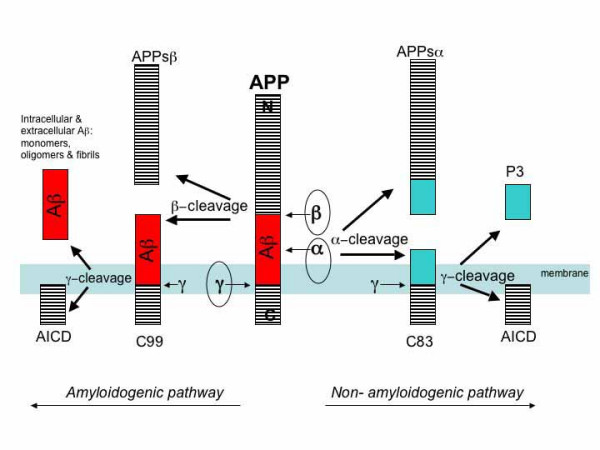
“Aβ genesis Aβ peptide is generated following the sequential cleavage of APP by β- and γ-secretase in the amyloidogenic pathway (reviewed in [19,20]).”
Goate, A., Chartier-Harlin, M.-C., Mullan, M., Brown, J., Crawford, F., Fidani, L., Giuffra, L., Haynes, A., Irving, N., James, L., et al. (1991) · Nature · doi:10.1038/349704a0 · Cited by 4,659 · cited 1×
“While familial AD (FAD) is caused by autosomal dominant mutations in either amyloid precursor protein (APP) [1,2] or the presenilin (PS1, PS2) [3,4] genes, the underlying cause (s) of the remaining ~98% of so-called sporadic AD (SAD) cases remain elusive.”
Inflammation and Alzheimer’s disease
Akiyama, H. (2000) · Neurobiology of Aging · doi:10.1016/s0197-4580(00)00124-x · Cited by 4,514
Correlative Memory Deficits, Aβ Elevation, and Amyloid Plaques in Transgenic Mice
Hsiao, K., Chapman, P., Nilsen, S., Eckman, C., Harigaya, Y., Younkin, S., Yang, F., & Cole, G. (1996) · Science · doi:10.1126/science.274.5284.99 · Cited by 4,210 · cited 2×
“To address this, we recently examined BACE1 levels in two Tg models of AD [97], namely the 5XFAD mouse [60] that develops amyloid plaques at young ages and exhibits significant neuronal loss, and the Tg2576 mouse [56], which develops plaques at older ages and does not show neuronal death.”
Vassar, R., Bennett, B. D., Babu-Khan, S., Kahn, S., Mendiaz, E. A., Denis, P., Teplow, D. B., Ross, S., Amarante, P., Loeloff, R., et al. (1999) · Science · doi:10.1126/science.286.5440.735 · Cited by 3,876 · cited 9×
“However, unlike BACE1, which is enriched in neuronal populations [23], human adult and fetal whole brain express very low or undetectable levels of BACE2 mRNA [50,74].”
InfluentialSelf-citationOakley, H., Cole, S. L., Logan, S., Maus, E., Shao, P., Craft, J., Guillozet-Bongaarts, A., Ohno, M., Disterhoft, J., Van Eldik, L., et al. (2006) · The Journal of Neuroscience · doi:10.1523/jneurosci.1202-06.2006 · Cited by 3,530 · cited 3×
“5XFAD mice exhibit aggressive pathology with plaque deposition occurring at 2 months and exhibit significant neuronal loss in AD-sensitive brain regions [60].”
Self-citationCandidate gene for the chromosome 1 familial Alzheimer’s disease locus
Levy-Lahad, E., Wasco, W., Poorkaj, P., Romano, D. M., Oshima, J., Pettingell, W. H., Yu, C.-E., Jondro, P. D., Schmidt, S. D., Wang, K., et al. (1995) · Science · doi:10.1126/science.7638622 · Cited by 2,577 · cited 2×
“While familial AD (FAD) is caused by autosomal dominant mutations in either amyloid precursor protein (APP) [1,2] or the presenilin (PS1, PS2) [3,4] genes, the underlying cause (s) of the remaining ~98% of so-called sporadic AD (SAD) cases remain elusive.”
Research works printed but not linked: 2
- Golde TE, Dickson D, Hutton M: Filling the gaps in the abeta cas- cade hypothesis of Alzheimer's disease. Curr Alzheimer Res 2006, 3(5):421-430.
- Hong HS, Hwang EM, Sim HJ, Cho HJ, Boo JH, Oh SS, Kim SU, Mook- Jung I: Interferon gamma stimulates beta-secretase expres- sion and sAPPbeta production in astrocytes. Biochem Biophys Res Commun 2003, 307(4):922-927.
Cited by
Items 101–200 of 590
Matsuda, S., Matsuda, Y., Snapp, E. L., & D’Adamio, L. (2011) · Neurobiology of Aging · doi:10.1016/j.neurobiolaging.2009.08.005 · Cited by 62
Androgen Therapy in Neurodegenerative Diseases
Bianchi, V. E., Rizzi, L., Bresciani, E., Omeljaniuk, R. J., & Torsello, A. (2020) · Journal of the Endocrine Society · doi:10.1210/jendso/bvaa120 · Cited by 85
Wang, N., Wang, H., Pan, Q., Kang, J., Liang, Z., & Zhang, R. (2021) · Oxidative Medicine and Cellular Longevity · doi:10.1155/2021/7158444 · Cited by 74
Huang, X., Chen, Y., Zhang, H., Ma, Q., Zhang, Y.-W., & Xu, H. (2012) · Neurobiology of Aging · doi:10.1016/j.neurobiolaging.2011.10.007 · Cited by 68
Rahman, M. A., Rahman, M. S., Rahman, M. H., Rasheduzzaman, M., Mamun-Or-Rashid, A., Uddin, M. J., Rahman, M. R., Hwang, H., Pang, M.-G., & Rhim, H. (2020) · Biomedicines · doi:10.3390/biomedicines9010005 · Cited by 62
Chia, P. Z. C., Toh, W. H., Sharples, R., Gasnereau, I., Hill, A. F., & Gleeson, P. A. (2013) · Traffic · doi:10.1111/tra.12088 · Cited by 67
Antibody-Based Drugs and Approaches Against Amyloid-β Species for Alzheimer’s Disease Immunotherapy
Liu, J., Yang, B., Ke, J., Li, W., & Suen, W.-C. (2016) · Drugs & Aging · doi:10.1007/s40266-016-0406-x · Cited by 74
Tan, J.-L., Li, Q.-X., Ciccotosto, G. D., Crouch, P. J., Culvenor, J. G., White, A. R., & Evin, G. (2013) · PLoS ONE · doi:10.1371/journal.pone.0061246 · Cited by 66
Ożarowski, M., Mikołajczak, P. Ł., Piasecka, A., Kachlicki, P., Kujawski, R., Bogacz, A., Bartkowiak-Wieczorek, J., Szulc, M., Kamińska, E., Kujawska, M., et al. (2016) · Evidence-based Complementary and Alternative Medicine · doi:10.1155/2016/9729818 · Cited by 79
Atrahimovich, D., Avni, D., & Khatib, S. (2021) · Antioxidants · doi:10.3390/antiox10030423 · Cited by 69
Lee, S., Youn, K., Lim, G., Lee, J., & Jun, M. (2018) · Molecules · doi:10.3390/molecules23071509 · Cited by 72
Cochrane review on ‘Statins for the treatment of dementia’
McGuinness, B., O'Hare, J., Craig, D., Bullock, R., Malouf, R., & Passmore, P. (2013) · International Journal of Geriatric Psychiatry · doi:10.1002/gps.3797 · Cited by 64
Pohanka, M. (2011) · Journal of Applied Biomedicine · doi:10.2478/v10136-011-0003-6 · Cited by 73
Sorting nexin 12 interacts with BACE1 and regulates BACE1-mediated APP processing
Zhao, Y., Wang, Y., Yang, J., Wang, X., Zhao, Y., Zhang, X., & Zhang, Y.-W. (2012) · Molecular Neurodegeneration · doi:10.1186/1750-1326-7-30 · Cited by 63
Estrogen, menopause, and Alzheimer’s disease: understanding the link to cognitive decline in women
Mervosh, N. L., & Devi, G. (2025) · Frontiers in Molecular Biosciences · doi:10.3389/fmolb.2025.1634302 · Cited by 67
“Estrogen influences amyloid precursor protein processing by promoting α-secretase activity and suppressing β-secretase, thereby favoring the non-amyloidogenic pathway (Cole and Vassar, 2007).”
Hiltunen, M. O., van Groen, T., & Jolkkonen, J. (2009) · Journal of Alzheimer s Disease · doi:10.3233/jad-2009-1154 · Cited by 93
“This also suggests that A β PP is necessary for certain specific physiological processes, although one should note that BACE1 has several additional substrates [10], which may play a role in behavior.”
Is γ-secretase a beneficial inactivating enzyme of the toxic APP C-terminal fragment C99?
Checler, F., Afram, E., Pardossi-Piquard, R., & Lauritzen, I. (2021) · Journal of Biological Chemistry · doi:10.1016/j.jbc.2021.100489 · Cited by 59
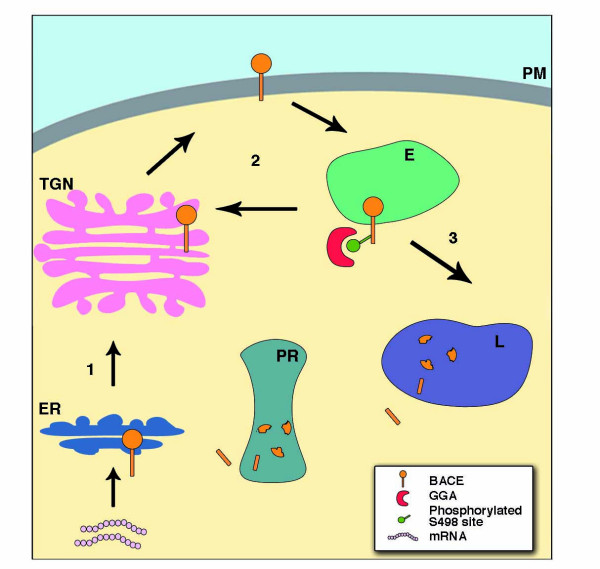
“BACE1 is an aspartic protease cleaving mainly within the Golgi and endosomes due to its optimal enzymatic activity at acidic pH (36).”
InfluentialReduced cerebrospinal fluid BACE1 activity in multiple sclerosis
Mattsson, N., Axelsson, M., Haghighi, S., Malmeström, C., Wu, G., Anckarsäter, R., Sankaranarayanan, S., Andreasson, U., Fredrikson, S., Gundersen, A., et al. (2009) · Multiple Sclerosis Journal · doi:10.1177/1352458508100031 · Cited by 61
Membrane Trafficking and Subcellular Drug Targeting Pathways
Kumar, A., Ahmad, A., Vyawahare, A., & Khan, R. (2020) · Frontiers in Pharmacology · doi:10.3389/fphar.2020.00629 · Cited by 68
Zhang, Q., Zhang, J., Ye, J., Li, X., Liu, H., Ma, X., Wang, C., He, K., Zhang, W., Ji, Y., et al. (2021) · Molecular Neurodegeneration · doi:10.1186/s13024-021-00485-w · Cited by 62
ADAM10 as a Biomarker for Alzheimer’s Disease: A Study with Brazilian Elderly
Manzine, P. R., Bram, J. M. D. F., Barham, E. J., do Vale, F. D. A. C., Selistre-de-Araújo, H. S., Cominetti, M. R., & Pavarini, S. C. I. (2013) · Dementia and Geriatric Cognitive Disorders · doi:10.1159/000345983 · Cited by 64
Azimi, S., Zonouzi, A., Firuzi, O., Iraji, A., Saeedi, M., Mahdavi, M. R., & Edraki, N. (2017) · European Journal of Medicinal Chemistry · doi:10.1016/j.ejmech.2017.06.040 · Cited by 62
Jin, P., Kim, J.-A., Choi, D.-Y., Lee, Y.-J., Jung, H. S., & Hong, J. T. (2013) · Journal of Neuroinflammation · doi:10.1186/1742-2094-10-2 · Cited by 59
Ahmad, K., Baig, M. H., Mushtaq, G., Kamal, M. A., Greig, N. H., & Choi, I. (2017) · Current Alzheimer Research · doi:10.2174/1567205014666170203141151 · Cited by 65
sAβPPα is a Potent Endogenous Inhibitor of BACE1
Peters-Libeu, C., Campagna, J., Mitsumori, M., Poksay, K. S., Spilman, P., Sabogal, A., Bredesen, D. E., & John, V. (2015) · Journal of Alzheimer's Disease · doi:10.3233/jad-150282 · Cited by 58
Cleavage and Cell Adhesion Properties of Human Epithelial Cell Adhesion Molecule (HEPCAM)
Tsaktanis, T., Kremling, H., Pavšič, M., von Stackelberg, R., Mack, B., Fukumori, A., Steiner, H., Vielmuth, F., Spindler, V., Huang, Z., et al. (2015) · Journal of Biological Chemistry · doi:10.1074/jbc.m115.662700 · Cited by 60
Resveratrol and Alzheimer's disease. From molecular pathophysiology to clinical trials
Drygalski, K., Fereniec, E., Koryciński, K., Chomentowski, A., Kiełczewska, A., Odrzygóźdź, C., & Modzelewska, B. (2018) · Experimental Gerontology · doi:10.1016/j.exger.2018.09.019 · Cited by 63
Guo, Y., Yan, B., Gui, Y., Tang, Z., Tai, S., Zhou, S., & Zheng, X. (2020) · Journal of Cellular Physiology · doi:10.1002/jcp.30025 · Cited by 63
“The major β‐secretase BACE1 cleaves APP to produce approximately 90% of the total β‐amyloid (Aβ) peptides, aggregation of which is associated with Alzheimer's disease (Cole & Vassar, 2007).”
Role of GPCR signaling and calcium dysregulation in Alzheimer's disease
Sushma, & Mondal, A. C. (2019) · Molecular and Cellular Neuroscience · doi:10.1016/j.mcn.2019.103414 · Cited by 63
Yang, A. C., Huang, C., Liu, M., Liou, Y.-J., Hong, C., Lo, M., Huang, N. E., Peng, C., Lin, C., & Tsai, S. (2013) · Human Brain Mapping · doi:10.1002/hbm.22398 · Cited by 59
The association of diabetes and dementia and possible implications for nondiabetic populations
Ravona‐Springer, R., & Beeri, M. S. (2011) · Expert Review of Neurotherapeutics · doi:10.1586/ern.11.152 · Cited by 58
Design, synthesis and biological activity of novel tacrine-isatin Schiff base hybrid derivatives
Riazimontazer, E., Sadeghpour, H., Nadri, H., Sakhteman, A., Küçükkılınç, T. T., Miri, R., & Edraki, N. (2019) · Bioorganic Chemistry · doi:10.1016/j.bioorg.2019.103006 · Cited by 58
Sathya, S., Manogari, B. G., Thamaraiselvi, K., Sethuraman, V., Kandasamy, R., & Devi, K. P. (2020) · Nutritional Neuroscience · doi:10.1080/1028415x.2020.1764290 · Cited by 56
Liu, L., Martin, R., Kohler, G., & Chan, C. (2013) · Experimental Neurology · doi:10.1016/j.expneurol.2013.08.004 · Cited by 55
T cell infiltration mediates neurodegeneration and cognitive decline in Alzheimer's disease
Zeng, J., Liao, Z., Yang, H., Wang, Q., Wu, Z., Hua, F., & Zhou, Z. (2024) · Neurobiology of Disease · doi:10.1016/j.nbd.2024.106461 · Cited by 55
“These A β molecules tend to aggregate, forming amyloid protein plaques (Cole and Vassar, 2007; Vassar, 2004).”
Triani, F., Tramutola, A., Di Domenico, F., Sharma, N., Butterfield, D. A., Head, E., Perluigi, M., & Barone, E. (2018) · Biochimica et Biophysica Acta (BBA) - Molecular Basis of Disease · doi:10.1016/j.bbadis.2018.07.005 · Cited by 52
Sachse, C. C., Kim, Y. H., Agsten, M., Huth, T., Alzheimer, C., Kovacs, D. M., & Kim, D. Y. (2013) · The FASEB Journal · doi:10.1096/fj.12-214056 · Cited by 48
Gadkar, K., Yadav, D. B., Zuchero, J. Y., Couch, J. A., Kanodia, J., Kenrick, M. K., Atwal, J. K., Dennis, M. S., Prabhu, S., Watts, R. J., et al. (2016) · European Journal of Pharmaceutics and Biopharmaceutics · doi:10.1016/j.ejpb.2016.01.009 · Cited by 52
Hayes, C. D., Dey, D., Palavicini, J. P., Wang, H., Patkar, K. A., Minond, D., Nefzi, A., & Lakshmana, M. K. (2013) · BMC Medicine · doi:10.1186/1741-7015-11-81 · Cited by 52
Cruz-Vicente, P., Passarinha, L. A., Silvestre, S., & Gallardo, E. (2021) · Molecules · doi:10.3390/molecules26082193 · Cited by 58
Walia, V., Chaudhary, S. K., & Kumar Sethiya, N. (2021) · Neurochemistry International · doi:10.1016/j.neuint.2020.104939 · Cited by 51
Targeting ApoE4/ApoE receptor LRP1 in Alzheimer's disease
Martiskainen, H., Haapasalo, A., Kurkinen, K. M., Pihlajamäki, J., Soininen, H., & Hiltunen, M. (2013) · Expert Opinion on Therapeutic Targets · doi:10.1517/14728222.2013.789862 · Cited by 46
Depression in Alzheimer’s Disease: An Alternative Role for Selective Serotonin Reuptake Inhibitors?
Elsworthy, R. J., & Aldred, S. (2019) · Journal of Alzheimer s Disease · doi:10.3233/jad-180780 · Cited by 74
Protein Misfolding during Pregnancy: New Approaches to Preeclampsia Diagnostics
Gerasimova, E. M., Fedotov, S. A., Kachkin, D. V., Vashukova, E. S., Glotov, A. S., Chernoff, Y. O., & Rubel, A. A. (2019) · International Journal of Molecular Sciences · doi:10.3390/ijms20246183 · Cited by 52
Brewer, G. J., Herrera, R. A., Philipp, S., Sosna, J., Reyes‐Ruiz, J. M., & Glabe, C. G. (2019) · Journal of Alzheimer s Disease · doi:10.3233/jad-190835 · Cited by 49
BACE1 activity regulates cell surface contactin-2 levels
Gautam, V., D’Avanzo, C., Hebisch, M., Kovacs, D. M., & Kim, D. Y. (2014) · Molecular Neurodegeneration · doi:10.1186/1750-1326-9-4 · Cited by 46
Husain, I., Akhtar, M., Vohora, D., Abdin, M. Z., Islamuddin, M., Akhtar, M. J., & Najmi, A. K. (2017) · Neurochemical Research · doi:10.1007/s11064-017-2264-2 · Cited by 47
Physical activity and beta-amyloid pathology in Alzheimer's disease: A sound mind in a sound body
Ebrahimi, K., Majdi, A., Baghaiee, B., Hosseini, S. H., & Sadigh‐Eteghad, S. (2017) · EXCLI journal · doi:10.17179/excli2017-475 · Cited by 47
Hannan, M. A., Dash, R., Sohag, A. A. M., & Moon, I. S. (2019) · Marine Drugs · doi:10.3390/md17110639 · Cited by 47
Non-proteolytic effect of β-site APP-cleaving enzyme 1 (BACE1) on sodium channel function
Huth, T., Schmidt-Neuenfeldt, K., Rittger, A., Saftig, P., Reiss, K., & Alzheimer, C. (2009) · Neurobiology of Disease · doi:10.1016/j.nbd.2008.10.015 · Cited by 41
Palakurti, R., Sriram, D., Yogeeswari, P., & Vadrevu, R. (2013) · Molecular Informatics · doi:10.1002/minf.201200169 · Cited by 47
Butler, C. R., Ogilvie, K., Martinez-Alsina, L., Barreiro, G., Beck, E. M., Nolan, C. E., Atchison, K. P., Benvenuti, E., Buzon, L. M., Doran, S. D., et al. (2016) · Journal of Medicinal Chemistry · doi:10.1021/acs.jmedchem.6b01451 · Cited by 48
Receptor-associated Protein Interacts with Amyloid-β Peptide and Promotes Its Cellular Uptake
Kanekiyo, T., & Bu, G. (2009) · Journal of Biological Chemistry · doi:10.1074/jbc.m109.015032 · Cited by 44
Drug pipeline in neurodegeneration based on transgenic mice models of Alzheimer's disease
Li, C., Ebrahimi, A., & Schluesener, H. J. (2012) · Ageing Research Reviews · doi:10.1016/j.arr.2012.09.002 · Cited by 50
Functional interactions of APP with the apoE receptor family
Hoe, H., & William Rebeck, G. (2008) · Journal of Neurochemistry · doi:10.1111/j.1471-4159.2008.05517.x · Cited by 41
Zhang, Y., Liu, S., Zhang, X., Li, W., Chen, Y., Huang, X., Sun, L., Luo, W., Netzer, W. J., Threadgill, R., et al. (2009) · Neuron · doi:10.1016/j.neuron.2009.08.036 · Cited by 47
Protective Effects of Wogonin against Alzheimer’s Disease by Inhibition of Amyloidogenic Pathway
Huang, D.-S., Yu, Y.-C., Wu, C., & Lin, J. (2017) · Evidence-based Complementary and Alternative Medicine · doi:10.1155/2017/3545169 · Cited by 45
Joseph, E., Villalobos-Acosta, D. M. Á., Torres-Ramos, M., Farfán‐García, E. D., Gómez‐López, M., Miliar-García, Á., Fragoso-Vázquez, M. J., García-Marín, I. D., Correa‐Basurto, J., & Rosales‐Hernández, M. C. (2019) · Journal of Molecular Neuroscience · doi:10.1007/s12031-019-01426-5 · Cited by 44
Acetylcholinesterase: The “Hub” for Neurodegenerative Diseases and Chemical Weapons Convention
Cavalcante, S. F. D. A., Simas, A. B. C., Barcellos, M. C., de Oliveira, V. G. M., Sousa, R. B., Cabral, P. A. M., Kuča, K., & França, T. C. C. (2020) · Biomolecules · doi:10.3390/biom10030414 · Cited by 49
Yu, T., Guo, J., Zhu, S., Zhang, X., Zhu, Z. Z., Cheng, S., & Cong, X. (2020) · Journal of Functional Foods · doi:10.1016/j.jff.2020.104277 · Cited by 42
Natural Products Targeting Amyloid Beta in Alzheimer’s Disease
Lee, J.-H., Ahn, N.-H., Choi, S.-B., Kwon, Y., & Yang, S. (2021) · International Journal of Molecular Sciences · doi:10.3390/ijms22052341 · Cited by 42
Identifying genes that interact with Drosophila presenilin and amyloid precursor protein
van de Hoef, D. L., Hughes, J., Livne‐Bar, I., Garza, D., Konsolaki, M., & Boulianne, G. L. (2009) · genesis · doi:10.1002/dvg.20485 · Cited by 47
“Therefore, we performed a secondary screen of the 177 Psn-interacting genes for modifiers that interacted with APPC99, which is a partially processed form of APP that serves as a substrate for g-secretase (Cole and Vassar, 2007).”
BACE2 plays a role in the insulin receptor trafficking in pancreatic β-cells
Casas, S., Casini, P., Piquer, S., Altirriba, J., Soty, M., Cadavez, L., Gomis, R., & Novials, A. (2010) · American Journal of Physiology-Endocrinology and Metabolism · doi:10.1152/ajpendo.00420.2010 · Cited by 41
Die Alzheimer‐Demenz: von der Pathologie zu therapeutischen Ansätzen
Jakob‐Roetne, R., & Jacobsen, H. (2009) · Angewandte Chemie · doi:10.1002/ange.200802808 · Cited by 41
Adami, P. V. M., Galeano, P., Wallinger, M. L., Quijano, C., Rabossi, A., Pagano, E. S., Olivar, N., Toso, C. R., Cardinali, D. P., Brusco, L. I., et al. (2016) · Biochimica et Biophysica Acta (BBA) - Molecular Basis of Disease · doi:10.1016/j.bbadis.2016.12.014 · Cited by 42
Liu, L., Lauro, B. M., Wolfe, M. S., & Selkoe, D. J. (2021) · Journal of Biological Chemistry · doi:10.1016/j.jbc.2021.100393 · Cited by 40
Ntsapi, C., Lumkwana, D., Swart, C., du Toit, A., & Loos, B. (2017) · International review of cytology · doi:10.1016/bs.ircmb.2017.07.002 · Cited by 43
Early Stage Glycosylation Biomarkers in Alzheimer’s Disease
Regan, P., McClean, P. L., Smyth, T. J., & Doherty, M. (2019) · Medicines · doi:10.3390/medicines6030092 · Cited by 40
Lee, Y., Choi, D., Han, S., Kim, Y. H., Kim, K. H., Hwang, B. Y., Kang, J., Lee, B. J., Oh, K.-W., & Hong, J. T. (2012) · Phytotherapy Research · doi:10.1002/ptr.4643 · Cited by 47
Mechanisms that lessen benefits of β-secretase reduction in a mouse model of Alzheimer’s disease
Devi, L., & Ohno, M. (2013) · Translational Psychiatry · doi:10.1038/tp.2013.59 · Cited by 38
Meza‐Aguilar, D. G., & Boucard, A. A. (2014) · BioMolecular Concepts · doi:10.1515/bmc-2014-0032 · Cited by 43
A combination Alzheimer’s therapy targeting BACE1 and neprilysin in 5XFAD transgenic mice
Devi, L., & Ohno, M. (2015) · Molecular Brain · doi:10.1186/s13041-015-0110-5 · Cited by 40
Linking vascular disorders and Alzheimer's disease: Potential involvement of BACE1
Cole, S. L., & Vassar, R. J. (2008) · Neurobiology of Aging · doi:10.1016/j.neurobiolaging.2007.12.012 · Cited by 43
Self-citationVishwakarma, S., Goyal, R., Gupta, V., & Dhar, K. L. (2016) · Revista Brasileira de Farmacognosia · doi:10.1016/j.bjp.2016.02.008 · Cited by 47
Kim, M. O., Blachly, P. G., & McCammon, J. A. (2015) · PLoS Computational Biology · doi:10.1371/journal.pcbi.1004341 · Cited by 39
What is strain in neurodegenerative diseases?
Tian, Y., Meng, L., & Zhang, Z. (2019) · Cellular and Molecular Life Sciences · doi:10.1007/s00018-019-03298-9 · Cited by 37
The roles of S-nitrosylation and S-glutathionylation in Alzheimer's disease
Dyer, R. R., Ford, K. I., & Robinson, R. A. S. (2019) · Methods in enzymology on CD-ROM/Methods in enzymology · doi:10.1016/bs.mie.2019.08.004 · Cited by 39
Implications of Microorganisms in Alzheimer’s Disease
Yadav, P., Lee, Y., Panday, H., Kant, S., Bajwa, N., Parashar, R., Jha, S. K., Jha, N. K., Nand, P., Lee, S., et al. (2022) · Current Issues in Molecular Biology · doi:10.3390/cimb44100314 · Cited by 40
A potential therapeutic effect of saikosaponin C as a novel dual‐target anti‐Alzheimer agent
Lee, T. H., Park, S., You, M., Lim, J.-H., Min, S., & Kim, B. M. (2016) · Journal of Neurochemistry · doi:10.1111/jnc.13515 · Cited by 40
Gagno, G., Ferro, F., Fluca, A. L., Janjusevic, M., Rossi, M., Sinagra, G., Beltrami, A. P., Moretti, R., & Aleksova, A. (2020) · International Journal of Molecular Sciences · doi:10.3390/ijms21249655 · Cited by 37
Singh, L., Singh, A. P., & Bhatti, R. (2021) · Pharmacological Reports · doi:10.1007/s43440-021-00261-z · Cited by 37
Cinnamon and cognitive function: a systematic review of preclinical and clinical studies
Nakhaee, S., Kooshki, A., Hormozi, A., Akbari, A., Mehrpour, O., & Farrokhfall, K. (2023) · Nutritional Neuroscience · doi:10.1080/1028415x.2023.2166436 · Cited by 35
Ding, X., Hu, Y., Feng, X., Wang, Z., Song, Q., Dai, C., Yang, B., Fu, X., Sun, D., & Fan, C. (2025) · Exploration · doi:10.1002/exp.20230178 · Cited by 36
Boddapati, S. P., Levites, Y., & Sierks, M. R. (2010) · Journal of Molecular Biology · doi:10.1016/j.jmb.2010.10.054 · Cited by 44
Anti-aging activity and their mechanisms of natural food-derived peptides: current advancements
Li, J., Wang, J., Zhang, N., Li, Y., Cai, Z., Li, G., Liu, Z., Liu, Z., Wang, Y., Shao, X., et al. (2023) · Food Innovation and Advances · doi:10.48130/fia-2023-0028 · Cited by 37
Soelter, T. M., Howton, T. C., Clark, A. D., Oza, V. H., & Lasseigne, B. N. (2024) · Cell Communication and Signaling · doi:10.1186/s12964-024-01686-8 · Cited by 38
Vetrivel, K. S., Barman, A., Chen, Y., Nguyen, P. D., Wagner, S. L., Prabhakar, R., & Thinakaran, G. (2011) · Journal of Biological Chemistry · doi:10.1074/jbc.m111.260471 · Cited by 32
Choi, G. E., Lee, S.-J., Lee, H. J., Ko, S. H., Chae, C. W., & Han, H. J. (2017) · The Journal of Neuroscience · doi:10.1523/jneurosci.0074-17.2017 · Cited by 35
Missing Puzzle Pieces in Dementia Research: HCN Channels and Theta Oscillations
Kaźmierska, P., Jankowski, M. M., & MacIver, M. B. (2023) · Aging and Disease · doi:10.14336/ad.2023.0607 · Cited by 33
Glimepiride attenuates Aβ production via suppressing BACE1 activity in cortical neurons
Liu, F., Wang, Y., Yan, M., Zhang, L., Pang, T., & Liao, H. (2013) · Neuroscience Letters · doi:10.1016/j.neulet.2013.10.052 · Cited by 34
Cholinesterase as a Target for Drug Development in Alzheimer’s Disease
Sharma, P. A., Tripathi, M. K., & Shrivastava, S. K. (2019) · Methods in molecular biology · doi:10.1007/978-1-0716-0163-1_18 · Cited by 33
Identification of BACE1 cleavage sites in human voltage-gated sodium channel beta 2 subunit
Gersbacher, M. T., Kim, D. Y., Bhattacharyya, R., & Kovacs, D. M. (2010) · Molecular Neurodegeneration · doi:10.1186/1750-1326-5-61 · Cited by 32
Natunen, T., Takalo, M., Kemppainen, S., Leskelä, S., Marttinen, M., Kurkinen, K. M. A., Pursiheimo, J., Sarajärvi, T., Viswanathan, J., Gabbouj, S., et al. (2015) · Neurobiology of Disease · doi:10.1016/j.nbd.2015.11.005 · Cited by 38
Alzheimer’s disease and epilepsy: An increasingly recognized comorbidity
Yang, F., Chen, L., Yu, Y., Xu, T., Chen, L., Yang, W., Wu, Q., & Han, Y. (2022) · Frontiers in Aging Neuroscience · doi:10.3389/fnagi.2022.940515 · Cited by 34
“Therefore, BACE1 is necessary for the production of Aβ (Cole and Vassar, 2007; Ehlers, 2018).”
BackgroundNMDA receptors in neurodegenerative diseases: mechanisms and emerging therapeutic strategies
Zhang, K., Wen, M., Nan, X., Zhao, S., Li, H., Ai, Y., & Zhu, H. (2025) · Frontiers in Aging Neuroscience · doi:10.3389/fnagi.2025.1604378 · Cited by 43
“NF-κ B induces the expression of β -secretase, resulting in the formation of amyloid fibrils, which consequently aggregate into amyloid plaques (Cole and Vassar, 2007).”
Shi, Y., & Jiang, H. (2013) · PLoS ONE · doi:10.1371/journal.pone.0079448 · Cited by 32
Salcedo, C., Garcia, V. P., García‐Adán, B., Ameen, A. O., Gegelashvili, G., Waagepetersen, H. S., Freude, K., & Aldana, B. I. (2023) · Journal of Neurochemistry · doi:10.1111/jnc.16014 · Cited by 30
The role of lipoprotein receptors on the physiological function of APP
Wagner, T., & Pietrzik, C. U. (2011) · Experimental Brain Research · doi:10.1007/s00221-011-2876-8 · Cited by 34
Par3 and aPKC regulate BACE1 endosome-to-TGN trafficking through PACS1
Sun, M., & Zhang, H. (2017) · Neurobiology of Aging · doi:10.1016/j.neurobiolaging.2017.08.024 · Cited by 29
Pereira, P., Barreira, M., Cruz, C., Tomás, J., Luís, Â., Pedro, A. Q., Queiroz, J. A., & de Sousa, F. P. (2020) · Pharmaceuticals · doi:10.3390/ph13100314 · Cited by 31
Metadata
- Authors
- Cole, S. L., & Vassar, R.
- Affiliations
- Northwestern University (US)
- Corresponding author
- Vassar, Robert
- ORCID
- Vassar, Robert
- Venue
- Molecular Neurodegeneration
- Published
- 2007
- Volume
- 2
- Issue
- 1
- Pages
- 22
- ISSN
- 1750-1326 (ISSN-L)
- PMC
- PMC2211305
- OpenAlex
- W2129495914
- Cited by
- 550
- References
- 254
- Citations by year
- 2026: 27 · 2025: 53 · 2024: 45 · 2023: 46 · 2022: 27 · 2021: 40 · 2020: 32 · 2019: 30 · 2018: 20 · 2017: 25 · 2016: 31 · 2015: 25 · 2014: 27 · 2013: 27 · 2012: 23
- FWCI
- 10.06
- Type
- journal article
- Language
- en
- Open access
- gold
- doi.org
- Licence
- cc-by
- Locations
- Molecular Neurodegeneration (publishedVersion, cc-by)
- PubMed Central (publishedVersion, cc-by)
- PubMed (publishedVersion)
- DOAJ (DOAJ: Directory of Open Access Journals) (submittedVersion, cc-by-sa)
- Funders
- John Douglas French Alzheimer's Foundation
- National Institute on Aging (P01AG021184)
- Topics
- Life Sciences › Neuroscience › Cellular and Molecular Neuroscience › Alzheimer's disease research and treatments
- Health Sciences › Medicine › Psychiatry and Mental health › Dementia and Cognitive Impairment Research
- Health Sciences › Medicine › Pharmacology (medical) › Cholinesterase and Neurodegenerative Diseases
- Keywords
- Alzheimer's disease, BACE1, beta-secretase, amyloid-beta, amyloid plaques, BACE1 inhibition, vascular disease, Alzheimer's disease risk factors, neurodegeneration, memory impairment
About these checks
Registry, retraction, Cites and statistics results are computed, not judged, with one exception: a printed reference that no index lists is read once by a model before it counts as a citation error. Claims are extracted by a model and kept only when their quote appears verbatim in the text; each cited source is then checked, with a model’s help, for whether it says what the claim relies on. Those verdicts can be wrong — read the claim’s quote and the cited source before relying on one.
Statistics and arithmetic are recomputed, not judged.
Confidence bands are shown only for fields calibrated on our annotated test set. None is calibrated yet, so no band is shown.
What counts as a claim ›How we measure confidence ›How we check this ›
Are you an author, or do you see a problem with this page? Request a review
Data sources
Bibliographic data: Semantic Scholar, OpenAlex, Crossref.
Contains information from the Semantic Scholar Academic Graph Datasets, made available under the ODC Attribution License (ODC-BY 1.0).
Semantic Scholar’s data is described in: Kinney, R., et al. (2023). The Semantic Scholar Open Data Platform. arXiv:2301.10140.
