

The Alzheimer's disease Beta-secretase enzyme, BACE1
Open accessThe DOI matches its Crossref record; 253 of the 254 references it cites were found in a registry or an index.
Abstract
The pathogenesis of Alzheimer's disease is highly complex. While several pathologies characterize this disease, amyloid plaques, composed of the beta-amyloid peptide are hallmark neuropathological lesions in Alzheimer's disease brain. Indeed, a wealth of evidence suggests that beta-amyloid is central to the pathophysiology of AD and is likely to play an early role in this intractable neurodegenerative disorder. The BACE1 enzyme is essential for the generation of beta-amyloid. BACE1 knockout mice do not produce beta-amyloid and are free from Alzheimer's associated pathologies including neuronal loss and certain memory deficits. The fact that BACE1 initiates the formation of beta-amyloid, and the observation that BACE1 levels are elevated in this disease provide direct and compelling reasons to develop therapies directed at BACE1 inhibition thus reducing beta-amyloid and its associated toxicities. However, new data indicates that complete abolishment of BACE1 may be associated with specific behavioral and physiological alterations. Recently a number of non-APP BACE1 substrates have been identified. It is plausible that failure to process certain BACE1 substrates may underlie some of the reported abnormalities in the BACE1-deficient mice. Here we review BACE1 biology, covering aspects ranging from the initial identification and characterization of this enzyme to recent data detailing the apparent dysregulation of BACE1 in Alzheimer's disease. We pay special attention to the putative function of BACE1 during healthy conditions and discuss in detail the relationship that exists between key risk factors for AD, such as vascular disease (and downstream cellular consequences), and the pathogenic alterations in BACE1 that are observed in the diseased state.
Overview
The claims and statistics of this paper haven’t been checked yet.
Free: it reads the open-access text and checks the first 5 claims that cite a source we can check. Create a free account to check every claim.
Integrity signals
Registry
Cites
Statistics
Figures
Verification
Claims the paper makes
The claims and statistics of this paper haven’t been checked yet.
Free: it reads the open-access text and checks the first 5 claims that cite a source we can check. Create a free account to check every claim.
Claims other papers make about this one
Each is checked against this paper’s own text: does it say what the citing paper says it does?
The source backs part of the claim, not all of it — or backs it for a different population, condition or comparison.
In the citing paper
“Abnormal activation of microglia and astrocytes is observed in the brains of AD patients15 and APPPS1–21 transgenic model mice13.”
From Deletion of SPI1 in microglia exacerbates amyloid pathology by impairing microglial response in Alzheimer’s disease models (2026) · cites this paper as [15]
Experimental — accuracy not yet measuredThe check wasn’t confident either way, so it gives no verdict — never disputed.
In the citing paper
“Activated microglia surround amyloid plaques in the brains of both human patients with AD and mouse models of Aβ amyloidosis13,15,21,22.”
From Deletion of SPI1 in microglia exacerbates amyloid pathology by impairing microglial response in Alzheimer’s disease models (2026) · cites this paper as [15]
Experimental — accuracy not yet measured
Self-check
Percentages, sums and reported differences re-computed from the paper’s own numbers.
The self-check needs the paper’s full text.
Citations
Cites
Part of this paper’s reference list could not be split into single entries.
2 retracted
Puglielli, L., Ellis, B. C., Saunders, A. J., & Kovacs, D. M. (2003) · Journal of Biological Chemistry · doi:10.1074/jbc.m300466200 · Cited by 265
RetractedGhribi, O., Larsen, B., Schrag, M., & Herman, M. M. (2006) · Experimental Neurology · doi:10.1016/j.expneurol.2006.03.019 · Cited by 151 · cited 3×
“BACE1 levels are elevated under a variety of conditions, including those cellular changes evoked under the stressful conditions of cardio- and cerebrovascular disease ([97,166,173,209-215]).”
RetractedCorder, E. H., Saunders, A. M., Strittmatter, W. J., Schmechel, D. E., Gaskell, P. C., Small, G. W., Roses, A. D., Haines, J. L., & Pericak-Vance, M. A. (1993) · Science · doi:10.1126/science.8346443 · Cited by 9,429 · cited 1×
“However, specific risk factors for AD have been recently identified and include aging, the presence of the apolipoprotein E4 (ApoE4) allele [5] and vascular diseases such as stroke and heart disease [6-10].”
Alzheimer's Disease: Genes, Proteins, and Therapy
Selkoe, D. J. (2001) · Physiological Reviews · doi:10.1152/physrev.2001.81.2.741 · Cited by 6,063 · cited 1×
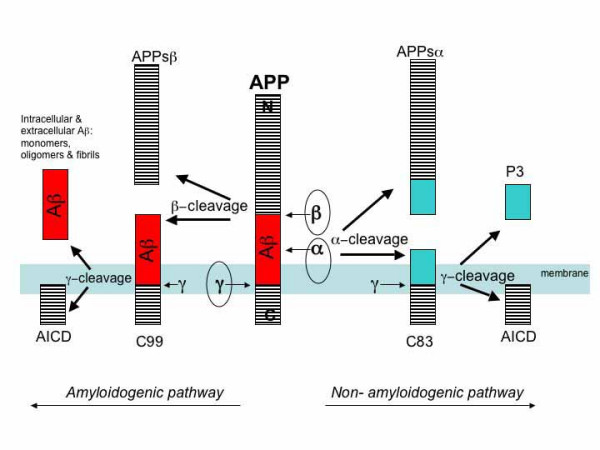
“Aβ genesis Aβ peptide is generated following the sequential cleavage of APP by β- and γ-secretase in the amyloidogenic pathway (reviewed in [19,20]).”
Goate, A., Chartier-Harlin, M.-C., Mullan, M., Brown, J., Crawford, F., Fidani, L., Giuffra, L., Haynes, A., Irving, N., James, L., et al. (1991) · Nature · doi:10.1038/349704a0 · Cited by 4,659 · cited 1×
“While familial AD (FAD) is caused by autosomal dominant mutations in either amyloid precursor protein (APP) [1,2] or the presenilin (PS1, PS2) [3,4] genes, the underlying cause (s) of the remaining ~98% of so-called sporadic AD (SAD) cases remain elusive.”
Inflammation and Alzheimer’s disease
Akiyama, H. (2000) · Neurobiology of Aging · doi:10.1016/s0197-4580(00)00124-x · Cited by 4,514
Correlative Memory Deficits, Aβ Elevation, and Amyloid Plaques in Transgenic Mice
Hsiao, K., Chapman, P., Nilsen, S., Eckman, C., Harigaya, Y., Younkin, S., Yang, F., & Cole, G. (1996) · Science · doi:10.1126/science.274.5284.99 · Cited by 4,210 · cited 2×
“To address this, we recently examined BACE1 levels in two Tg models of AD [97], namely the 5XFAD mouse [60] that develops amyloid plaques at young ages and exhibits significant neuronal loss, and the Tg2576 mouse [56], which develops plaques at older ages and does not show neuronal death.”
Vassar, R., Bennett, B. D., Babu-Khan, S., Kahn, S., Mendiaz, E. A., Denis, P., Teplow, D. B., Ross, S., Amarante, P., Loeloff, R., et al. (1999) · Science · doi:10.1126/science.286.5440.735 · Cited by 3,876 · cited 9×
“However, unlike BACE1, which is enriched in neuronal populations [23], human adult and fetal whole brain express very low or undetectable levels of BACE2 mRNA [50,74].”
InfluentialSelf-citationOakley, H., Cole, S. L., Logan, S., Maus, E., Shao, P., Craft, J., Guillozet-Bongaarts, A., Ohno, M., Disterhoft, J., Van Eldik, L., et al. (2006) · The Journal of Neuroscience · doi:10.1523/jneurosci.1202-06.2006 · Cited by 3,530 · cited 3×
“5XFAD mice exhibit aggressive pathology with plaque deposition occurring at 2 months and exhibit significant neuronal loss in AD-sensitive brain regions [60].”
Self-citationCandidate gene for the chromosome 1 familial Alzheimer’s disease locus
Levy-Lahad, E., Wasco, W., Poorkaj, P., Romano, D. M., Oshima, J., Pettingell, W. H., Yu, C.-E., Jondro, P. D., Schmidt, S. D., Wang, K., et al. (1995) · Science · doi:10.1126/science.7638622 · Cited by 2,577 · cited 2×
“While familial AD (FAD) is caused by autosomal dominant mutations in either amyloid precursor protein (APP) [1,2] or the presenilin (PS1, PS2) [3,4] genes, the underlying cause (s) of the remaining ~98% of so-called sporadic AD (SAD) cases remain elusive.”
Research works printed but not linked: 2
- Golde TE, Dickson D, Hutton M: Filling the gaps in the abeta cas- cade hypothesis of Alzheimer's disease. Curr Alzheimer Res 2006, 3(5):421-430.
- Hong HS, Hwang EM, Sim HJ, Cho HJ, Boo JH, Oh SS, Kim SU, Mook- Jung I: Interferon gamma stimulates beta-secretase expres- sion and sAPPbeta production in astrocytes. Biochem Biophys Res Commun 2003, 307(4):922-927.
Cited by
Items 301–400 of 590
Pandey, R. D., Gupta, P. P., Jha, D., & Kumar, S. (2013) · International Journal of Neuroscience · doi:10.3109/00207454.2013.778846 · Cited by 15
Lee, Y., Choi, D., Han, S., Kim, Y.-H., Kim, K.-H., Seong, Y.-H., Oh, K., & Hong, J. T. (2012) · Biomolecules & Therapeutics · doi:10.4062/biomolther.2012.20.3.332 · Cited by 15
Andaleon, A., Mogil, L. S., & Wheeler, H. E. (2018) · PeerJ · doi:10.7717/peerj.4314 · Cited by 16
Yu, Q., Zhou, C., Jiang, J., Shi, X., & Li, Y. (2025) · Bioinformatics · doi:10.1093/bioinformatics/btaf445 · Cited by 18
“The inhibition of BACE1 can reduce β -amyloid generation and has therefore been extensively studied as a potential therapeutic strategy for Alzheimer’s disease and related neurodegenerative disorders (Cole and Vassar 2007).”
UCH-L1 in Alzheimer’s Disease: A Crucial Player in Dementia-Associated Mechanisms
Porchietto, E., Morello, G., Cicilese, G., Rainero, I., Rubino, E., Tamagno, E., Boschi, S., & Guglielmotto, M. (2025) · International Journal of Molecular Sciences · doi:10.3390/ijms26189012 · Cited by 14
“The C99 fragment endures an intra-membranous cut by γ -secretase, generating the A β oligomers, which exert deleterious effects [45,46].”
Bhatia, S., Singh, M., Sharma, P., Mujwar, S., Singh, V., Mishra, K. K., Singh, T. G., Singh, T., & Ahmad, S. F. (2023) · Molecules · doi:10.3390/molecules28166032 · Cited by 16
Regulation of β cleavage of amyloid precursor protein
Wang, J., Lu, R., & Wang, Y.-Z. (2010) · Neuroscience Bulletin · doi:10.1007/s12264-010-0515-1 · Cited by 15
Dementia with Lewy Bodies: Genomics, Transcriptomics, and Its Future with Data Science
Goddard, T. R., Brookes, K. J., Sharma, R., Moemeni, A., & Rajkumar, A. P. (2024) · Cells · doi:10.3390/cells13030223 · Cited by 13
Mitochondria-targeting by small molecules against Alzheimer's disease: A mechanistic perspective
Pal, C. (2024) · Biochimica et Biophysica Acta (BBA) - Molecular Basis of Disease · doi:10.1016/j.bbadis.2024.167617 · Cited by 14
Abdel-Lah, E. S., Sherkawy, H. S., Mohamed, W. H., Fawy, M. A., Hasan, A. A., Muhammed, A. A., Taha, A. F., Tony, A. A., Hamad, N., & Gamea, M. G. (2025) · Inflammopharmacology · doi:10.1007/s10787-025-01755-5 · Cited by 13
“In the hippocampus, these plaques cause massive neuroinflammation, synaptic dysfunction, and cell death, all leading to early memory loss (Cole and Vassar 2007).”
Bourdet, I., Lampin-Saint-Amaux, A., Préat, T., & Goguel, V. (2015) · PLoS ONE · doi:10.1371/journal.pone.0135741 · Cited by 14
Ge, T., & Yuan, Y. (2022) · BioMed Research International · doi:10.1155/2022/8804925 · Cited by 17
RetractedBasciu, A., Koukos, P. I., Malloci, G., Bonvin, A. M. J. J., & Vargiu, A. V. (2019) · Journal of Computer-Aided Molecular Design · doi:10.1007/s10822-019-00244-6 · Cited by 14
Arrozi, A. P., Shukri, S. N. S., Murshid, N. M., Shahzalli, A. B. A., Ngah, W. Z. W., Damanhuri, H. A., & Makpol, S. (2022) · Frontiers in Cellular Neuroscience · doi:10.3389/fncel.2022.846459 · Cited by 13
Barcia, E., Salama, A., Fernández-Carballido, A. M., & Negro, S. (2010) · Journal of drug targeting · doi:10.3109/1061186x.2010.523789 · Cited by 13
Çalan, Ö. G., Akan, P., Cataler, A., Dogan, C., & Koçtürk, S. (2016) · Neurochemical Research · doi:10.1007/s11064-016-1886-0 · Cited by 13
Shaikh, A., Ahmad, F., Teoh, S. L., Kumar, J., & Yahaya, M. F. (2024) · Antioxidants · doi:10.3390/antiox13080926 · Cited by 14
Ma, L., Liu, S.-F., Ma, Z.-Q., Guo, Y.-G., Li, M., Gao, Y., Wen, Y., Niu, Y., Sui, H.-X., Li, B.-S., et al. (2024) · Endocrine Journal · doi:10.1507/endocrj.ej23-0723 · Cited by 13
Tripeptides inhibit dual targets AChE and BACE-1: a computational study
Tuan, A., Nguyen, T. H., Quân, P. M., Nguyen, H. T., Long, N. P., Vu, V. V., Phùng, H. T. T., & Ngô, S. T. (2025) · RSC Advances · doi:10.1039/d5ra00709g · Cited by 13
Mammalian Models in Alzheimer’s Research: An Update
Sharma, H., Chang, K., Hulme, J., & An, S. S. A. (2023) · Cells · doi:10.3390/cells12202459 · Cited by 14
Amyloid beta 42 alters cardiac metabolism and impairs cardiac function in male mice with obesity
Hall, L. G., Czeczor, J. K., Connor, T., Botella, J., Jong, K. A. D., Renton, M. C., Genders, A. J., Venardos, K. M., Martin, S. D., Bond, S. T., et al. (2024) · Nature Communications · doi:10.1038/s41467-023-44520-4 · Cited by 13
Hannan, M. A., Dash, R., Haque, M. N., Choi, S. M., & Moon, I. S. (2020) · CNS & Neurological Disorders - Drug Targets · doi:10.2174/1871527319999200730214807 · Cited by 13
İlhan, M., Zengin, G., Akkol, E. K., Aktümsek, A., & Süntar, I. P. (2016) · Turkish Journal of Pharmaceutical Sciences · doi:10.4274/tjps.2016.07 · Cited by 12
In silico Analysis of Polymorphisms in microRNAs Deregulated in Alzheimer Disease
Moraghebi, M., Maleki, R., Ahmadi, M., Negahi, A. A., Abbasi, H., & Mousavi, P. (2021) · Frontiers in Neuroscience · doi:10.3389/fnins.2021.631852 · Cited by 14
Ortona, S., Barisione, C., Ferrari, P. F., Palombo, D., & Pratesi, G. (2022) · Journal of Clinical Medicine · doi:10.3390/jcm11133638 · Cited by 13
Biologics as Therapeutical Agents Under Perspective Clinical Studies for Alzheimer’s Disease
Li, H., Shen, X., Zhang, B., & Zhu, Z. (2025) · Molecules · doi:10.3390/molecules30173479 · Cited by 12
“…C99 fragment is subsequently cleaved by γ -secretase, a multi-subunit protease complex comprising presenilin-1 or -2 (PSEN1/2), nicastrin, APH-1, and PEN-2. γ -Secretase processes C99 within the trans-membrane domain, producing A β peptides of variable lengths, most notably A β 40 and A β 42 [27].”
Feng, D. N., Wang, L. N., Hu, A. N., & Zhang, S. (2025) · Journal of Integrative Neuroscience · doi:10.31083/jin45223 · Cited by 12
Thakur, A., Rana, M., Vanjani, S., Liou, K.-C., Taliyan, R., Nepali, K., & Yang, C. (2026) · Medicinal Research Reviews · doi:10.1002/med.70047 · Cited by 12
Impact on Cognitive Function—Are All Statins the Same?
Shah, N. P., Swiger, K. J., & Martin, S. S. (2014) · Current Atherosclerosis Reports · doi:10.1007/s11883-014-0466-5 · Cited by 11
Carbone, M. G., Pagni, G., Tagliarini, C., Marazziti, D., & Pomara, N. (2021) · Life · doi:10.3390/life11080750 · Cited by 12
Moreira, P., Matos, P., Figueirinha, A., Salgueiro, L., Batista, M. T., Branco, P. C., Cruz, M. T., & Pereira, C. (2022) · International Journal of Molecular Sciences · doi:10.3390/ijms23158812 · Cited by 13
Zhai, Z., Xie, D., Qin, T., Zhong, Y., Xu, Y., & Sun, T. (2022) · Neuroscience · doi:10.1016/j.neuroscience.2022.09.012 · Cited by 12
Investigation of Potential Drug Targets for Cholesterol Regulation to Treat Alzheimer’s Disease
Passero, M., Zhai, T., & Huang, Z. J. (2023) · International Journal of Environmental Research and Public Health · doi:10.3390/ijerph20136217 · Cited by 11
Yang, S., Wang, S., Zhao, M., Zhang, R., Zhou, W., Li, Y.-N., Su, Y., Zhang, H., Yu, X., & Liu, R. (2012) · PLoS ONE · doi:10.1371/journal.pone.0048540 · Cited by 14
Kang, D., Baek, Y., & Lee, J. (2022) · Cells · doi:10.3390/cells11244062 · Cited by 10
Recent Advances in the Development of Nitrogen-containing Heterocyclic Anti-alzheimer’s Agents
Chawla, P. A., Kumar, A., Nehra, B., Singh, D., & Kumar, D. (2022) · Current Topics in Medicinal Chemistry · doi:10.2174/1568026623666221019152502 · Cited by 11
Krasnobaev, V. D., Bershatsky, Y. V., Bocharova, O. V., Bocharov, E. V., & Batishchev, O. V. (2023) · Membranes · doi:10.3390/membranes13080706 · Cited by 10
Wang, Z., Zhou, J., Zhang, B., Xu, Z., Wang, N., Sun, Q., & Wang, N. (2024) · Behavioural Brain Research · doi:10.1016/j.bbr.2024.114896 · Cited by 11
Liu, Y., Cong, L., Han, C., Li, B., & Dai, R. (2020) · Mini-Reviews in Medicinal Chemistry · doi:10.2174/1389557520666201127104539 · Cited by 11
Kalaimathi, K., Prabhu, S., Ayyanar, M., Thiruvengadam, M., Shine, K., Prabhu, S. V., & Amalraj, S. (2023) · Applied Biochemistry and Biotechnology · doi:10.1007/s12010-023-04803-4 · Cited by 10
Par3 regulates polarized convergence between APP and BACE1 in hippocampal neurons
Sun, M., Huang, C., Wang, H., & Zhang, H. (2019) · Neurobiology of Aging · doi:10.1016/j.neurobiolaging.2019.01.023 · Cited by 10
Luo, Y.-P., Liu, Z., Wang, C., Wang, C., Wu, X., Tian, X., & Wen, H. (2022) · Neural Regeneration Research · doi:10.4103/1673-5374.337053 · Cited by 10
Maler, J. M., Spitzer, P., Klafki, H., Esselmann, H., Bibl, M., Lewczuk, P., Kornhuber, J., i, M. H., & Wiltfang, J. (2008) · Brain Behavior and Immunity · doi:10.1016/j.bbi.2008.04.003 · Cited by 11
“…comigration with the synthetic standard and from mAb 82E1 /1E8+ immunodetection (Maler et al., 2007). b-Secretase cleavage between aspartate-1 and alanine-2 generating Ab2–x variants has not been reported yet suggesting that N-truncation occurs after b-secretase cleavage (Cole and Vassar, 2007).”
Retinoid X receptor‐α mediates (R )‐flurbiprofen’s effect on the levels of Alzheimer’s β‐amyloid
You, X., Zhang, Y., Chen, Y., Huang, X., Xu, R., Cao, X., Chen, J., Liu, Y., Zhang, X.-K., & Xu, H. (2009) · Journal of Neurochemistry · doi:10.1111/j.1471-4159.2009.06312.x · Cited by 10
Cheminformatics-driven prediction of BACE-1 inhibitors: Affinity and molecular mechanism exploration
Jawarkar, R. D., Anam Qadir, K. H. A. N., Mali, S. N., Deshmukh, P. K., Ingle, R. G., Al‐Hussain, S. A., Al‐Mutairi, A. A., & Zaki, M. E. A. (2024) · Chemical Physics Impact · doi:10.1016/j.chphi.2024.100754 · Cited by 10
Friligkou, E., Pathak, G. A., Tylee, D. S., Lillo, A. D., Koller, D., Cabrera‐Mendoza, B., & Polimanti, R. A. (2025) · Psychological Medicine · doi:10.1017/s0033291725001217 · Cited by 10
“BACE1 secretase activity plays a key role in the generation of β -amyloid and in the pathogenesis of Alzheimer ’ s disease (Cole & Vassar, 2007).”
Genetic and molecular biology of autism spectrum disorder among Middle East population: a review
Rahmani, Z., Bordbar, M. R. F., Dibaj, M., Alimardani, M., & Moghbeli, M. (2021) · Human Genomics · doi:10.1186/s40246-021-00319-2 · Cited by 10
Adnan, M., DasGupta, D., Anwar, S., Patel, M. B., Siddiqui, A. J., Bardakçi, F., Snoussi, M., & Hassan, M. I. (2023) · Journal of Molecular Liquids · doi:10.1016/j.molliq.2023.122267 · Cited by 9
The green tea polyphenol (2)-epigallocatechin-3-gallate (EGCG) is not a β-secretase inhibitor
Cheng, X., Zhou, J.-W., Zhou, Y., Cheng, J., Yang, R., Zhou, W., Zhang, Y., & Yun, L. (2011) · Bioorganic & Medicinal Chemistry Letters · doi:10.1016/j.bmcl.2011.12.034 · Cited by 9
Forgham, H., Liu, L., Zhu, J., Javed, I., Cai, W., Qiao, R., & Davis, T. P. (2023) · Coordination Chemistry Reviews · doi:10.1016/j.ccr.2023.215172 · Cited by 10
Nanomedicine strategies for central nervous system (CNS) diseases
Nagri, S., Rice, O., & Chen, Y. (2023) · Frontiers in Biomaterials Science · doi:10.3389/fbiom.2023.1215384 · Cited by 9
BACE1 Inhibition Using 2’-OMePS Steric Blocking Antisense Oligonucleotides
Chakravarthy, M., & Veedu, R. N. (2019) · Genes · doi:10.3390/genes10090705 · Cited by 10
Neuschmid, S., Schallerer, C., Ehrlich, B. E., & McGuone, D. (2025) · International Journal of Molecular Sciences · doi:10.3390/ijms26189245 · Cited by 9
“Calcium enhances acidification of endosomal and lysosomal compartments, optimizing BACE1 catalytic environment [119–121], and calcium/CaM binding further increases BACE1 enzymatic activity by approximately 2.5-fold in vitro [122].”
InfluentialMolecular Mechanisms of Emerging Therapeutic Targets in Alzheimer’s Disease: A Systematic Review
Premkumar, T., & Sajitha Lulu, S. (2022) · Neurochemical Journal · doi:10.1134/s1819712422040183 · Cited by 9
Chen, S., Koch, M. K., Chávez‐Gutiérrez, L., & Zacharias, M. (2023) · Journal of Medicinal Chemistry · doi:10.1021/acs.jmedchem.3c01480 · Cited by 8
PCSK6 exacerbates Alzheimer's disease pathogenesis by promoting MT5-MMP maturation
Xu, M., Li, J., Xia, L., Du, Y., Wu, B., Shi, X., Tian, N., Pang, Y., Yi, L., Chen, M., et al. (2024) · Experimental Neurology · doi:10.1016/j.expneurol.2024.114688 · Cited by 8
A Novel RAGE Modulator Induces Soluble RAGE to Reduce BACE1 Expression in Alzheimer's Disease
Baek, S. H., Hong, S., Kim, E., Park, S., Lee, M., Park, J., Cho, Y., Yoon, H.-J., Kim, D., Yun, Y., et al. (2025) · Advanced Science · doi:10.1002/advs.202407812 · Cited by 12
Nazir, S. S., Goel, D., & Vohora, D. (2025) · Metabolic Brain Disease · doi:10.1007/s11011-025-01599-6 · Cited by 8
“Therefore, it is a potential target for the reduction in Aβ aggregation via inhibition of BACE1 activity (Cole and Vassar 2007; Hamidpour et al. 2014).”
The APP Proteolytic System and Its Interactions with Dynamic Networks in Alzheimer’s Disease
Hunter, S., Martin, S., & Brayne, C. (2015) · Methods in molecular biology · doi:10.1007/978-1-4939-2627-5_3 · Cited by 8
Lim, S., Tran, D. N., Kieu, Z., Chen, C., Villanueva, E., Ghiaar, S., Gallup, V., Zumkehr, J., Cribbs, D. H., Rodríguez‐Ortiz, C. J., et al. (2020) · Molecular Neurobiology · doi:10.1007/s12035-020-01894-6 · Cited by 8
Alsenani, F. (2024) · Saudi Journal of Biological Sciences · doi:10.1016/j.sjbs.2024.103998 · Cited by 11
Effects of Physical Activity on Brain Energy Biomarkers in Alzheimer’s Diseases
Ebrahimi, K., Jourkesh, M., Sadigh‐Eteghad, S., Stannard, S. R., Earnest, C. P., Ramsbottom, R., António, J., & Navin, K. H. (2020) · Diseases · doi:10.3390/diseases8020018 · Cited by 8
Kapadia, A. N., Mirrahimi, A., & Dmytriw, A. A. (2020) · Medical Hypotheses · doi:10.1016/j.mehy.2020.110283 · Cited by 9
Melissa officinalis (lemon balm)
Doukani, K., Selles, S. M. A., & Bouhenni, H. (2020) · Elsevier eBooks · doi:10.1016/b978-0-12-819212-2.00047-5 · Cited by 8
Vázquez‐Coto, D., Pérez‐Oliveira, S., Menéndez‐González, M., Coto, E., & Álvarez, V. (2024) · Behavioural Brain Research · doi:10.1016/j.bbr.2024.115264 · Cited by 8
Defective autophagy in a fibroin secretion-deficient silkworm mutant
Xia, J., Chen, H., Wang, Y., Hu, W., Guo, K., Linghu, Q., Guo, P., Wang, X., Xia, Q., Nezis, I. P., et al. (2025) · Autophagy · doi:10.1080/15548627.2025.2510843 · Cited by 7
Hunter, S., Walsh, S., & Brayne, C. (2025) · Molecular Psychiatry · doi:10.1038/s41380-025-03156-0 · Cited by 8
“4. β -cleavage involving BACE1 generates sAPP β and the CTF C99 [127]; competitive inhibition arising from other substrates of BACE1 [128] requires clari fi cation.”
Radi, R. A., Kandeil, M. A., Mohammed, E. T., Ibrahim, M. A., Fouad, A. G., Abdel‐Razik, A. H., Khalıl, F., & Sabry, D. (2025) · Scientific Reports · doi:10.1038/s41598-025-25892-7 · Cited by 7
“Amyloid precursor protein (APP) is broken down by β-secretase (β-site APP cleaving enzyme; BACE-1) into the soluble sAPPβ and C99 peptide, which is then cleaved by γ-secretase to produce Aβ-40 and Aβ-42 67 .”
Ullah, R., Ali, G., Khan, A., Ahmad, S., & Al‐Harrasi, A. (2021) · International Journal of Molecular Sciences · doi:10.3390/ijms22179559 · Cited by 7
Molecular and Therapeutic Targets for Amyloid-beta Plaques in Alzheimer's Disease: A Review Study
Thomas, J., & WILSON, S. K. (2021) · Basic and Clinical Neuroscience Journal · doi:10.32598/bcn.2021.3522.1 · Cited by 7
BACE1 and SCD1 are associated with neurodegeneration
Bedoya-Guzmán, F. A., Pacheco‐Herrero, M., Salomon-Cruz, I. D., Barrera-Sandoval, Á. M., Vargas, J. A. G., Villamil-Ortiz, J. G., Villegas‐Lanau, C. A., Arias-Londoño, J. D., Área-Gómez, E., & Cardona‐Gómez, G. P. (2023) · Frontiers in Aging Neuroscience · doi:10.3389/fnagi.2023.1194203 · Cited by 8
Implantable Intraocular Fluorescence Sensor for Visualized Monitoring of Alzheimer's Disease
Lim, J., Lee, H. J., Kim, J., Moon, C., Lee, J., Kang, Y., Kim, R., Mun, B., Ji, Y. W., & Haam, S. (2024) · Advanced Functional Materials · doi:10.1002/adfm.202413723 · Cited by 7
Role of saturated fatty acid metabolism in posttranslational modifications of the Tau protein
García-Cruz, V. M., Coria, R., & Arias, C. (2025) · Molecular and Cellular Biochemistry · doi:10.1007/s11010-025-05275-2 · Cited by 7
The Antioxidative Effects of Picein and Its Neuroprotective Potential: A Review of the Literature
Elyasi, L., Rosenholm, J. M., Jesmi, F., & Jahanshahi, M. (2022) · Molecules · doi:10.3390/molecules27196189 · Cited by 7
Padmanabhan, D., Siddiqui, M. H., Natarajan, P., & PALANISAMY, S. (2023) · Metabolites · doi:10.3390/metabo13060758 · Cited by 7
Rao, N. R., Santiago-Marrero, I. G., DeGulis, O. A., Nomura, T., Goyal, K., Lee, S., Hark, T. J., Dynes, J. C., Dexter, E., Dulewicz, M., et al. (2026) · Science Translational Medicine · doi:10.1126/scitranslmed.adp3984 · Cited by 7
Self-citationHigh-Phytate Diets Increase Amyloid β Deposition and Apoptotic Neuronal Cell Death in a Rat Model
Kim, H., Jung, Y.-S., Jung, Y., Kim, O., & Oh, B. (2021) · Nutrients · doi:10.3390/nu13124370 · Cited by 9
Statins for the treatment of Alzheimer's disease and dementia
McGuinness, B., Bullock, R. A., Craig, D., Kerr, E., & Passmore, P. (2009) · Cochrane Database of Systematic Reviews · doi:10.1002/14651858.cd007514 · Cited by 8
Endothelial BACE1: Bridging the Gap Between Hypertension and Alzheimer’s Disease
Ihara, M. (2022) · Circulation Research · doi:10.1161/circresaha.122.321078 · Cited by 7
Kim, B., Tate, M. D., Karahan, H., Wijeratne, H. R. S., Sharify, A. D., Wang, S. S., Kim, J. R., Al-Amin, M. M., Hartigan, K., Chung, S., et al. (2026) · Neuron · doi:10.1016/j.neuron.2026.03.011 · Cited by 6
Waqar, Z., Sethi, P., Jain, D., Singh, K., Alsaidan, O. A., Alzarea, S. I., Gupta, J. K., Saxena, S., & Sharma, M. C. (2025) · Current Genomics · doi:10.2174/0113892029372437251010114053 · Cited by 6
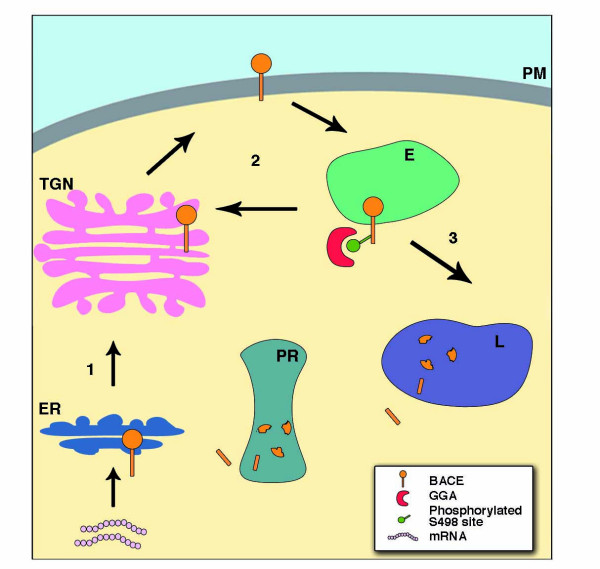
“This modification prevents further interactions with BACE1 in endosomes, thereby blocking a crucial step in Aβ synthesis [136].”
de Munter, J., Chaprov, K., Lang, E., Sitdikova, K., Wolters, E. C., Svirin, E. P., Kassenova, A., Tsoy, A., Kramer, B. W. W., Askarova, S., et al. (2025) · Cells · doi:10.3390/cells14151168 · Cited by 6
“Interestingly, the gene expression of Bace1 , a major contributor to A β generation [89], was not significantly different between APP/PS1 and wild-type mice.”
Fukuzawa, K., Tanaka, S., Yagi, Y., Kurita, N., Kawashita, N., Takaba, K., & Honma, T. (2021) · Springer eBooks · doi:10.1007/978-981-15-9235-5_8 · Cited by 6
Murray, H. C., Saar, G., Bai, L., Bouraoud, N., Dodd, S. J., Highet, B., Ryan, B., Curtis, M. A., Koretsky, A. P., & Belluscio, L. (2023) · Neuroscience · doi:10.1016/j.neuroscience.2023.01.009 · Cited by 6
Does a pickle a day keep Alzheimer's away? Fermented food in Alzheimer's disease: A review
Tyliszczak, M., Wiatrak, B., Danielewski, M., Szeląg, A., Kucharska, A. Z., & Sozański, T. (2023) · Experimental Gerontology · doi:10.1016/j.exger.2023.112332 · Cited by 8
“This may cause microglia to shift towards a pro-inflammatory response, thereby completing the cycle (Cole and Vassar, 2007; Merlo et al., 2020).”
Polyoxometalates bind multiple targets involved in Alzheimer’s disease
Zaken, K. B., Bouhnik, R., Omer, N., Bloch, N., & Samson, A. O. (2025) · JBIC Journal of Biological Inorganic Chemistry · doi:10.1007/s00775-025-02111-2 · Cited by 6
Hunter, S., & Brayne, C. (2014) · Biochemical Pharmacology · doi:10.1016/j.bcp.2013.12.015 · Cited by 7
Gu, M., Chun, Y. S., Yong, R. S., & Yang, H. O. (2019) · Molecular Nutrition & Food Research · doi:10.1002/mnfr.201800474 · Cited by 7
Bruno, A., Dolcetti, E., Azzolini, F., Buttari, F., Gilio, L., Iezzi, E., Galifi, G., Borrelli, A., Furlan, R., Finardi, A., et al. (2023) · Multiple Sclerosis and Related Disorders · doi:10.1016/j.msard.2023.104528 · Cited by 6
“Increased BACE1 expression and activity in the cerebrospinal fluid (CSF) of AD patients has been associated with enhanced amyloid β (A β ) synthesis and deposition (Cole and Vassar, 2007).”
Cerebral amyloid angiopathy-related cardiac injury: Focus on cardiac cell death
Xu, X., Xu, H., & Zhang, Z. (2023) · Frontiers in Cell and Developmental Biology · doi:10.3389/fcell.2023.1156970 · Cited by 7
Dolma, S., & Joshi, A. R. (2023) · Journal of Neuroimmune Pharmacology · doi:10.1007/s11481-023-10072-z · Cited by 6
“Although BACE-1 is now recognized as one of the principal targets in the treatment of AD (Cole and Vassar 2007) and its involvement in myelination and with Nav channels are evident, there is so much remaining to explore about the effect of BACE-1 on axo-glial component, causing exacerbation of AD…”
Therapeutic Potential of Ascorbic Acid in the Management of Alzheimer's Disease: An Update
Semwal, B. C., Singh, B. K., Murti, Y., & Singh, S. K. (2023) · Current Pharmaceutical Biotechnology · doi:10.2174/1389201024666230804102617 · Cited by 7
Cerebrospinal fluid biomarkers in idiopathic normal pressure hydrocephalus
Adleyba, B. G., Владимирович, Г. Г., Stanishevskiy, A. V., Gaydar, B. V., Свистов, Д. В., Lobzin, V. Y., & Kolmakova, K. A. (2019) · Neurology neuropsychiatry Psychosomatics · doi:10.14412/2074-2711-2019-1-53-58 · Cited by 6
Jin, P., Choi, D., & Hong, J. T. (2012) · Clinical and Experimental Pharmacology and Physiology · doi:10.1111/j.1440-1681.2012.12000.x · Cited by 6
Kurronen, A., Pihlaja, R., Pollari, E., Kanninen, K. M., Storvik, M., Wong, G., Koistinaho, M., & Koıstınaho, J. (2012) · World Journal of Neuroscience · doi:10.4236/wjns.2012.22009 · Cited by 8
Shaji, V., Amrutha, S., Pervaje, R., Abhinand, C. S., Raju, R., Prasad, T. S. K., & Modi, P. K. (2025) · Neurochemical Research · doi:10.1007/s11064-025-04440-9 · Cited by 5
“It is an important target for reducing cerebral Aβ levels and has a role in Aβ generation [21, 27, 34].”
From Better Diagnostics to Earlier Treatment: The Rapidly Evolving Alzheimer’s Disease Landscape
Bougea, A. M., Debasa‐Mouce, M., Gulkarov, S., Castro‐Mosquera, M., Reiss, A. B., & Ouro, A. (2025) · Medicina · doi:10.3390/medicina61081462 · Cited by 9
“Despite setbacks in the BACE1 inhibitor development, alternative approaches are being explored, such as partial inhibition strategies to maintain essential BACE1 functions while reducing pathological A β production [76].”
The manipulator behind “Scissors”: γ -secretase and its modulators in Alzheimer’s disease
Ning, G., Fan, X., Du, J., wenxue, Z., Sijia, W., Meinei, C., Xiaolong, D., & Yiming, Q. (2025) · Frontiers in Aging Neuroscience · doi:10.3389/fnagi.2025.1637671 · Cited by 5
Therapeutic effects of a novel synthetic α-secretase
Kim, S. B., Mun, B.-R., Kim, S. Y., Elangovan, M., Park, E. J., Choi, W., & Park, W. J. (2024) · Frontiers in Aging Neuroscience · doi:10.3389/fnagi.2024.1383905 · Cited by 5
Gao, Y., Schedin‐Weiss, S., & Tjernberg, L. O. (2024) · Advanced technology in neuroscience . · doi:10.4103/atn.atn-d-24-00014 · Cited by 9
Metadata
- Authors
- Cole, S. L., & Vassar, R.
- Affiliations
- Northwestern University (US)
- Corresponding author
- Vassar, Robert
- ORCID
- Vassar, Robert
- Venue
- Molecular Neurodegeneration
- Published
- 2007
- Volume
- 2
- Issue
- 1
- Pages
- 22
- ISSN
- 1750-1326 (ISSN-L)
- PMC
- PMC2211305
- OpenAlex
- W2129495914
- Cited by
- 550
- References
- 254
- Citations by year
- 2026: 27 · 2025: 53 · 2024: 45 · 2023: 46 · 2022: 27 · 2021: 40 · 2020: 32 · 2019: 30 · 2018: 20 · 2017: 25 · 2016: 31 · 2015: 25 · 2014: 27 · 2013: 27 · 2012: 23
- FWCI
- 10.06
- Type
- journal article
- Language
- en
- Open access
- gold
- doi.org
- Licence
- cc-by
- Locations
- Molecular Neurodegeneration (publishedVersion, cc-by)
- PubMed Central (publishedVersion, cc-by)
- PubMed (publishedVersion)
- DOAJ (DOAJ: Directory of Open Access Journals) (submittedVersion, cc-by-sa)
- Funders
- John Douglas French Alzheimer's Foundation
- National Institute on Aging (P01AG021184)
- Topics
- Life Sciences › Neuroscience › Cellular and Molecular Neuroscience › Alzheimer's disease research and treatments
- Health Sciences › Medicine › Psychiatry and Mental health › Dementia and Cognitive Impairment Research
- Health Sciences › Medicine › Pharmacology (medical) › Cholinesterase and Neurodegenerative Diseases
- Keywords
- Alzheimer's disease, BACE1, beta-secretase, amyloid-beta, amyloid plaques, BACE1 inhibition, vascular disease, Alzheimer's disease risk factors, neurodegeneration, memory impairment
About these checks
Registry, retraction, Cites and statistics results are computed, not judged, with one exception: a printed reference that no index lists is read once by a model before it counts as a citation error. Claims are extracted by a model and kept only when their quote appears verbatim in the text; each cited source is then checked, with a model’s help, for whether it says what the claim relies on. Those verdicts can be wrong — read the claim’s quote and the cited source before relying on one.
Statistics and arithmetic are recomputed, not judged.
Confidence bands are shown only for fields calibrated on our annotated test set. None is calibrated yet, so no band is shown.
What counts as a claim ›How we measure confidence ›How we check this ›
Are you an author, or do you see a problem with this page? Request a review
Data sources
Bibliographic data: Semantic Scholar, OpenAlex, Crossref.
Contains information from the Semantic Scholar Academic Graph Datasets, made available under the ODC Attribution License (ODC-BY 1.0).
Semantic Scholar’s data is described in: Kinney, R., et al. (2023). The Semantic Scholar Open Data Platform. arXiv:2301.10140.
