

The Alzheimer's disease Beta-secretase enzyme, BACE1
Open accessThe DOI matches its Crossref record; 253 of the 254 references it cites were found in a registry or an index.
Abstract
The pathogenesis of Alzheimer's disease is highly complex. While several pathologies characterize this disease, amyloid plaques, composed of the beta-amyloid peptide are hallmark neuropathological lesions in Alzheimer's disease brain. Indeed, a wealth of evidence suggests that beta-amyloid is central to the pathophysiology of AD and is likely to play an early role in this intractable neurodegenerative disorder. The BACE1 enzyme is essential for the generation of beta-amyloid. BACE1 knockout mice do not produce beta-amyloid and are free from Alzheimer's associated pathologies including neuronal loss and certain memory deficits. The fact that BACE1 initiates the formation of beta-amyloid, and the observation that BACE1 levels are elevated in this disease provide direct and compelling reasons to develop therapies directed at BACE1 inhibition thus reducing beta-amyloid and its associated toxicities. However, new data indicates that complete abolishment of BACE1 may be associated with specific behavioral and physiological alterations. Recently a number of non-APP BACE1 substrates have been identified. It is plausible that failure to process certain BACE1 substrates may underlie some of the reported abnormalities in the BACE1-deficient mice. Here we review BACE1 biology, covering aspects ranging from the initial identification and characterization of this enzyme to recent data detailing the apparent dysregulation of BACE1 in Alzheimer's disease. We pay special attention to the putative function of BACE1 during healthy conditions and discuss in detail the relationship that exists between key risk factors for AD, such as vascular disease (and downstream cellular consequences), and the pathogenic alterations in BACE1 that are observed in the diseased state.
Overview
The claims and statistics of this paper haven’t been checked yet.
Free: it reads the open-access text and checks the first 5 claims that cite a source we can check. Create a free account to check every claim.
Integrity signals
Registry
Cites
Statistics
Figures
Verification
Claims the paper makes
The claims and statistics of this paper haven’t been checked yet.
Free: it reads the open-access text and checks the first 5 claims that cite a source we can check. Create a free account to check every claim.
Claims other papers make about this one
Each is checked against this paper’s own text: does it say what the citing paper says it does?
The source backs part of the claim, not all of it — or backs it for a different population, condition or comparison.
In the citing paper
“Abnormal activation of microglia and astrocytes is observed in the brains of AD patients15 and APPPS1–21 transgenic model mice13.”
From Deletion of SPI1 in microglia exacerbates amyloid pathology by impairing microglial response in Alzheimer’s disease models (2026) · cites this paper as [15]
Experimental — accuracy not yet measuredThe check wasn’t confident either way, so it gives no verdict — never disputed.
In the citing paper
“Activated microglia surround amyloid plaques in the brains of both human patients with AD and mouse models of Aβ amyloidosis13,15,21,22.”
From Deletion of SPI1 in microglia exacerbates amyloid pathology by impairing microglial response in Alzheimer’s disease models (2026) · cites this paper as [15]
Experimental — accuracy not yet measured
Self-check
Percentages, sums and reported differences re-computed from the paper’s own numbers.
The self-check needs the paper’s full text.
Citations
Cites
Part of this paper’s reference list could not be split into single entries.
2 retracted
Puglielli, L., Ellis, B. C., Saunders, A. J., & Kovacs, D. M. (2003) · Journal of Biological Chemistry · doi:10.1074/jbc.m300466200 · Cited by 265
RetractedGhribi, O., Larsen, B., Schrag, M., & Herman, M. M. (2006) · Experimental Neurology · doi:10.1016/j.expneurol.2006.03.019 · Cited by 151 · cited 3×
“BACE1 levels are elevated under a variety of conditions, including those cellular changes evoked under the stressful conditions of cardio- and cerebrovascular disease ([97,166,173,209-215]).”
RetractedCorder, E. H., Saunders, A. M., Strittmatter, W. J., Schmechel, D. E., Gaskell, P. C., Small, G. W., Roses, A. D., Haines, J. L., & Pericak-Vance, M. A. (1993) · Science · doi:10.1126/science.8346443 · Cited by 9,429 · cited 1×
“However, specific risk factors for AD have been recently identified and include aging, the presence of the apolipoprotein E4 (ApoE4) allele [5] and vascular diseases such as stroke and heart disease [6-10].”
Alzheimer's Disease: Genes, Proteins, and Therapy
Selkoe, D. J. (2001) · Physiological Reviews · doi:10.1152/physrev.2001.81.2.741 · Cited by 6,063 · cited 1×
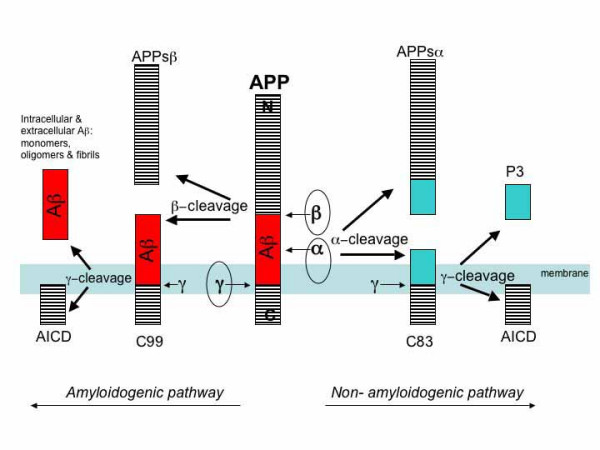
“Aβ genesis Aβ peptide is generated following the sequential cleavage of APP by β- and γ-secretase in the amyloidogenic pathway (reviewed in [19,20]).”
Goate, A., Chartier-Harlin, M.-C., Mullan, M., Brown, J., Crawford, F., Fidani, L., Giuffra, L., Haynes, A., Irving, N., James, L., et al. (1991) · Nature · doi:10.1038/349704a0 · Cited by 4,659 · cited 1×
“While familial AD (FAD) is caused by autosomal dominant mutations in either amyloid precursor protein (APP) [1,2] or the presenilin (PS1, PS2) [3,4] genes, the underlying cause (s) of the remaining ~98% of so-called sporadic AD (SAD) cases remain elusive.”
Inflammation and Alzheimer’s disease
Akiyama, H. (2000) · Neurobiology of Aging · doi:10.1016/s0197-4580(00)00124-x · Cited by 4,514
Correlative Memory Deficits, Aβ Elevation, and Amyloid Plaques in Transgenic Mice
Hsiao, K., Chapman, P., Nilsen, S., Eckman, C., Harigaya, Y., Younkin, S., Yang, F., & Cole, G. (1996) · Science · doi:10.1126/science.274.5284.99 · Cited by 4,210 · cited 2×
“To address this, we recently examined BACE1 levels in two Tg models of AD [97], namely the 5XFAD mouse [60] that develops amyloid plaques at young ages and exhibits significant neuronal loss, and the Tg2576 mouse [56], which develops plaques at older ages and does not show neuronal death.”
Vassar, R., Bennett, B. D., Babu-Khan, S., Kahn, S., Mendiaz, E. A., Denis, P., Teplow, D. B., Ross, S., Amarante, P., Loeloff, R., et al. (1999) · Science · doi:10.1126/science.286.5440.735 · Cited by 3,876 · cited 9×
“However, unlike BACE1, which is enriched in neuronal populations [23], human adult and fetal whole brain express very low or undetectable levels of BACE2 mRNA [50,74].”
InfluentialSelf-citationOakley, H., Cole, S. L., Logan, S., Maus, E., Shao, P., Craft, J., Guillozet-Bongaarts, A., Ohno, M., Disterhoft, J., Van Eldik, L., et al. (2006) · The Journal of Neuroscience · doi:10.1523/jneurosci.1202-06.2006 · Cited by 3,530 · cited 3×
“5XFAD mice exhibit aggressive pathology with plaque deposition occurring at 2 months and exhibit significant neuronal loss in AD-sensitive brain regions [60].”
Self-citationCandidate gene for the chromosome 1 familial Alzheimer’s disease locus
Levy-Lahad, E., Wasco, W., Poorkaj, P., Romano, D. M., Oshima, J., Pettingell, W. H., Yu, C.-E., Jondro, P. D., Schmidt, S. D., Wang, K., et al. (1995) · Science · doi:10.1126/science.7638622 · Cited by 2,577 · cited 2×
“While familial AD (FAD) is caused by autosomal dominant mutations in either amyloid precursor protein (APP) [1,2] or the presenilin (PS1, PS2) [3,4] genes, the underlying cause (s) of the remaining ~98% of so-called sporadic AD (SAD) cases remain elusive.”
Research works printed but not linked: 2
- Golde TE, Dickson D, Hutton M: Filling the gaps in the abeta cas- cade hypothesis of Alzheimer's disease. Curr Alzheimer Res 2006, 3(5):421-430.
- Hong HS, Hwang EM, Sim HJ, Cho HJ, Boo JH, Oh SS, Kim SU, Mook- Jung I: Interferon gamma stimulates beta-secretase expres- sion and sAPPbeta production in astrocytes. Biochem Biophys Res Commun 2003, 307(4):922-927.
Cited by
Apolipoprotein E and its receptors in Alzheimer's disease: pathways, pathogenesis and therapy
Bu, G. (2009) · Nature Reviews Neuroscience · doi:10.1038/nrn2620 · Cited by 1,168
Apolipoprotein E and Apolipoprotein E Receptors: Normal Biology and Roles in Alzheimer Disease
Holtzman, D. M., Herz, J., & Bu, G. (2012) · Cold Spring Harbor Perspectives in Medicine · doi:10.1101/cshperspect.a006312 · Cited by 782
Alzheimer's Disease: From Pathology to Therapeutic Approaches
Jakob‐Roetne, R., & Jacobsen, H. (2009) · Angewandte Chemie International Edition · doi:10.1002/anie.200802808 · Cited by 626
Amyloid-Beta: A Crucial Factor in Alzheimer's Disease
Sadigh-Eteghad, S., Sabermarouf, B., Majdi, A., Talebi, M., Farhoudi, M., & Mahmoudi, J. (2015) · Medical Principles and Practice · doi:10.1159/000369101 · Cited by 537
Synaptic degeneration in Alzheimer disease
Tzioras, M., McGeachan, R. I., Durrant, C. S., & Spires-Jones, T. L. (2023) · Nature Reviews Neurology · doi:10.1038/s41582-022-00749-z · Cited by 504
Statins for the prevention of dementia
McGuinness, B., Craig, D., Bullock, R., & Passmore, P. (2016) · Cochrane Database of Systematic Reviews · doi:10.1002/14651858.cd003160.pub3 · Cited by 490
Protein misfolding, congophilia, oligomerization, and defective amyloid processing in preeclampsia
Buhimschi, I. A., Nayeri, U. A., Zhao, G., Shook, L. L., Pensalfini, A., Funai, E. F., Bernstein, I. M., Glabe, C. G., & Buhimschi, C. S. (2014) · Science Translational Medicine · doi:10.1126/scitranslmed.3008808 · Cited by 475
“This discrepancy is not surprising, because BACE1 expression is driven by complex transcriptional and nontranscriptional mechanisms, including alternative splicing, posttranslational modifications, cellular trafficking, and degradation (63).”
Elusive roles for reactive astrocytes in neurodegenerative diseases
Ben Haim, L., Carrillo-de Sauvage, M.-A., Ceyzériat, K., & Escartin, C. (2015) · Frontiers in Cellular Neuroscience · doi:10.3389/fncel.2015.00278 · Cited by 453
Influence of gut microbiota on neuropsychiatric disorders
Cenit, M. C., Sanz, Y., & Codoñer-Franch, P. (2017) · World Journal of Gastroenterology · doi:10.3748/wjg.v23.i30.5486 · Cited by 416
Microglia and Inflammation in Alzheimers Disease
Mandrekar-Colucci, S., & Landreth, G. E. (2010) · CNS & Neurological Disorders - Drug Targets · doi:10.2174/187152710791012071 · Cited by 421
Reactive astrocytes in neurodegenerative diseases
Li, K., Li, J., Zheng, J., & Qin, S. (2019) · Aging and disease · doi:10.14336/ad.2018.0720 · Cited by 398
Chen, Y., Zhou, K., Wang, R., Liu, Y., Kwak, Y.-D., Ma, T., Thompson, R. C., Zhao, Y., Smith, L., Gasparini, L., et al. (2009) · Proceedings of the National Academy of Sciences · doi:10.1073/pnas.0807991106 · Cited by 390
The Pivotal Role of NF-kB in the Pathogenesis and Therapeutics of Alzheimer’s Disease
Sun, E., Motolani, A., Campos, L., & Lu, T. (2022) · International Journal of Molecular Sciences · doi:10.3390/ijms23168972 · Cited by 361
“γ-secretase, yielding p3 (adapted from [14]).”
Ilievski, V., Zuchowska, P. K., Green, S. J., Toth, P. T., Ragozzino, M. E., Le, K., Aljewari, H. W., O’Brien-Simpson, N. M., Reynolds, E. C., & Watanabe, K. (2018) · PLOS ONE · doi:10.1371/journal.pone.0204941 · Cited by 372
Proteolytic processing of Alzheimer’s β‐amyloid precursor protein
Zhang, H., Ma, Q., Zhang, Y., & Xu, H. (2012) · Journal of Neurochemistry · doi:10.1111/j.1471-4159.2011.07519.x · Cited by 343
Alquezar, C., Arya, S., & Kao, A. W. (2021) · Frontiers in Neurology · doi:10.3389/fneur.2020.595532 · Cited by 367
Sharma, P., Srivastava, P., Seth, A., Tripathi, P. N., Banerjee, A. G., & Shrivastava, S. K. (2019) · Progress in Neurobiology · doi:10.1016/j.pneurobio.2018.12.006 · Cited by 331
Molecular mechanisms underlying protective role of quercetin in attenuating Alzheimer's disease
Zaplatic, E., Bule, M., Shah, S. Z. A., Uddin, M. S., & Niaz, K. (2019) · Life Sciences · doi:10.1016/j.lfs.2019.03.055 · Cited by 293
Kim, J., Castellano, J. M., Jiang, H., Basak, J. M., Parsadanian, M., Pham, V., Mason, S. M., Paul, S. M., & Holtzman, D. M. (2009) · Neuron · doi:10.1016/j.neuron.2009.11.013 · Cited by 308
BACE1 inhibitors: Current status and future directions in treating Alzheimer's disease
Moussa‐Pacha, N. M., Abdin, S. M., Omar, H. A., Alniss, H., & Al‐Tel, T. H. (2020) · Medicinal Research Reviews · doi:10.1002/med.21622 · Cited by 274
Cole, S. L., & Vassar, R. (2008) · Journal of Biological Chemistry · doi:10.1074/jbc.r800015200 · Cited by 262
Self-citationGiuliani, D., Ottani, A., Zaffe, D., Galantucci, M., Strinati, F., Lodi, R., & Guarini, S. (2013) · Neurobiology of Learning and Memory · doi:10.1016/j.nlm.2013.05.006 · Cited by 254
Statins for the treatment of dementia
McGuinness, B., Craig, D., Bullock, R., Malouf, R., & Passmore, P. (2014) · Cochrane Database of Systematic Reviews · doi:10.1002/14651858.cd007514.pub3 · Cited by 216
Neuroprotective Natural Products for Alzheimer’s Disease
Chen, X., Drew, J., Berney, W., & Lei, W. (2021) · Cells · doi:10.3390/cells10061309 · Cited by 236
Amyloid precursor protein processing and bioenergetics
Wilkins, H. M., & Swerdlow, R. H. (2017) · Brain Research Bulletin · doi:10.1016/j.brainresbull.2016.08.009 · Cited by 223
Liu, C.-C., Tsai, C.-W., Deak, F., Rogers, J., Penuliar, M., Sung, Y. M., Maher, J. N., Fu, Y., Li, X., Xu, H., et al. (2014) · Neuron · doi:10.1016/j.neuron.2014.08.048 · Cited by 222
“Ab, generated from sequential proteolytic processing of b-amyloid precursor protein (APP) through b-and g-secretases (Chami and Checler, 2012; Cole and Vassar, 2007; Steiner and Haass, 2000), has been shown to disrupt synapses and initiate a cascade of toxic events that lead to eventual neuronal…”
Chen, T., Dai, Y., Hu, C., Lin, Z., Wang, S., Yang, J., Zeng, L., Li, S., & Li, W. (2024) · Fluids and Barriers of the CNS · doi:10.1186/s12987-024-00557-1 · Cited by 189
“Other factors that can hinder Aβ clearance include extracellular proprotein convertase subtilisin/kexin type 9 (PCSK9) impacting LRP1 on ECs and altered expression of β-site amyloid precursor protein cleaving enzyme 1 (BACE1) [175, 176].”
Biology and clinical relevance of EpCAM
Keller, L., Werner, S., & Pantel, K. (2019) · Cell Stress · doi:10.15698/cst2019.06.188 · Cited by 195
Impact of Cytokines and Chemokines on Alzheimer’s Disease Neuropathological Hallmarks
Domingues, C., da Cruz e Silva, O. A. B., & Henriques, A. G. (2017) · Current Alzheimer Research · doi:10.2174/1567205014666170317113606 · Cited by 203
Identification of β-Secretase (BACE1) Substrates Using Quantitative Proteomics
Hemming, M. L., Elias, J. E., Gygi, S. P., & Selkoe, D. J. (2009) · PLoS ONE · doi:10.1371/journal.pone.0008477 · Cited by 194
Statins for the prevention of dementia
McGuinness, B., Craig, D., Bullock, R., & Passmore, P. (2009) · Cochrane Database of Systematic Reviews · doi:10.1002/14651858.cd003160.pub2 · Cited by 193
LTP and memory impairment caused by extracellular Aβ and Tau oligomers is APP-dependent
Puzzo, D., Piacentini, R., Fá, M., Gulisano, W., Li Puma, D. D., Staniszewski, A., Zhang, H., Tropea, M. R., Cocco, S., Palmeri, A., et al. (2017) · eLife · doi:10.7554/elife.26991 · Cited by 172
A Review of Dietary Phytochemicals and Their Relation to Oxidative Stress and Human Diseases
Guan, R., Van Le, Q., Yang, H., Zhang, D., Gu, H., Yang, Y., Sonne, C., Lam, S. S., Zhong, J., Jianguang, Z., et al. (2021) · Chemosphere · doi:10.1016/j.chemosphere.2020.129499 · Cited by 169
Chami, L., & Checler, F. (2012) · Molecular Neurodegeneration · doi:10.1186/1750-1326-7-52 · Cited by 168
Gene regulation of mammalian long non-coding RNA
Bunch, H. (2018) · Molecular Genetics and Genomics · doi:10.1007/s00438-017-1370-9 · Cited by 164
Ku, T., Li, B., Gao, R., Zhang, Y., Yan, W., Ji, X., Li, G., & Sang, N. (2017) · Particle and Fibre Toxicology · doi:10.1186/s12989-017-0215-3 · Cited by 165
More than cholesterol transporters: lipoprotein receptors in CNS function and neurodegeneration
Lane-Donovan, C., Philips, G. T., & Herz, J. (2014) · Neuron · doi:10.1016/j.neuron.2014.08.005 · Cited by 158
“Whether APP isaor b-cleaved is determinedby the localization of APP processing proteins. a-secretase is active at the mem- 774 Neuron 83, August 20, 2014 ª2014 Elsevier Inc. brane surface, whereas BACE1 is most active at the lower pH found in endosomes (Cole and Vassar, 2007).”
M1 muscarinic acetylcholine receptor in Alzheimer’s disease
Jiang, S., Li, Y., Zhang, C., Zhao, Y., Bu, G., Xu, H., & Zhang, Y. (2014) · Neuroscience Bulletin · doi:10.1007/s12264-013-1406-z · Cited by 175
Brain-specific knockdown of miR-29 results in neuronal cell death and ataxia in mice
Roshan, R., Shridhar, S., Sarangdhar, M. A., Banik, A., Chawla, M., Garg, M., Singh, V. P., & Pillai, B. (2014) · RNA · doi:10.1261/rna.044008.113 · Cited by 150
Herskowitz, J. H., Feng, Y., Mattheyses, A. L., Hales, C. M., Higginbotham, L. A., Duong, D. M., Montine, T. J., Troncoso, J. C., Thambisetty, M., Seyfried, N. T., et al. (2013) · The Journal of Neuroscience · doi:10.1523/jneurosci.2508-13.2013 · Cited by 150
Kimura, R., Devi, L., & Ohno, M. (2010) · Journal of Neurochemistry · doi:10.1111/j.1471-4159.2010.06608.x · Cited by 145
Annunziata, I., Patterson, A., Helton, D., Hu, H., Moshiach, S., Gomero, E., Nixon, R., & d’Azzo, A. (2013) · Nature Communications · doi:10.1038/ncomms3734 · Cited by 146
Rinauro, D. J., Chiti, F., Vendruscolo, M., & Limbocker, R. (2024) · Molecular Neurodegeneration · doi:10.1186/s13024-023-00651-2 · Cited by 150
β-secretase inhibitor; a promising novel therapeutic drug in Alzheimer’s disease
Menting, K. W., & Claassen, J. A. H. R. (2014) · Frontiers in Aging Neuroscience · doi:10.3389/fnagi.2014.00165 · Cited by 139
Therapeutic Potentials of Microalgae in the Treatment of Alzheimer’s Disease
Olasehinde, T., Olaniran, A., & Okoh, A. (2017) · Molecules · doi:10.3390/molecules22030480 · Cited by 139
Tamayev, R., Matsuda, S., Arancio, O., & D'Adamio, L. (2012) · EMBO Molecular Medicine · doi:10.1002/emmm.201100195 · Cited by 142
“A b derives from sequential cleavage of amyloid-b precursor protein (APP) by b - and g -secretases (Cole & Vassar, 2007; De Strooper et al, 2010; Fig 1A).”
Devi, L., & Ohno, M. (2010) · PLoS ONE · doi:10.1371/journal.pone.0012974 · Cited by 140
Lipoprotein receptors – an evolutionarily ancient multifunctional receptor family
Dieckmann, M., Dietrich, M. F., & Herz, J. (2010) · Biological Chemistry · doi:10.1515/bc.2010.129 · Cited by 127
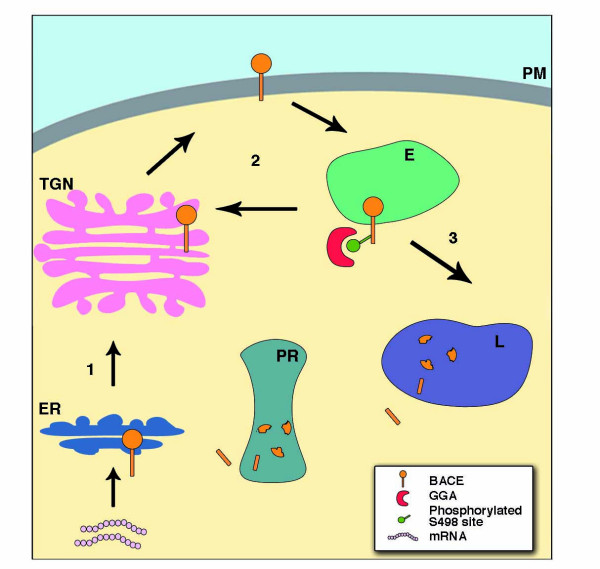
“Maximal BACE1 activity requires acidic pH, as is present not at the plasma membrane, but within the subcellular compartments of the secretory pathway, including the trans-Golgi network and endosomes (Cole and Vassar, 2007).”
Eketjäll, S., Janson, J., Kaspersson, K., Bogstedt, A., Jeppsson, F., Fälting, J., Haeberlein, S. B., Kugler, A. R., Alexander, R. C., & Cebers, G. (2016) · Journal of Alzheimer’s Disease · doi:10.3233/jad-150834 · Cited by 132
Molecular Insight into the Therapeutic Promise of Flavonoids against Alzheimer’s Disease
Uddin, M. S., Kabir, M. T., Niaz, K., Jeandet, P., Clément, C., Mathew, B., Rauf, A., Rengasamy, K. R. R., Sobarzo-Sánchez, E., Ashraf, G. M., et al. (2020) · Molecules · doi:10.3390/molecules25061267 · Cited by 133
Investigational BACE inhibitors for the treatment of Alzheimer’s disease
Imbimbo, B. P., & Watling, M. (2019) · Expert Opinion on Investigational Drugs · doi:10.1080/13543784.2019.1683160 · Cited by 132
Insights into T‐cell dysfunction in Alzheimer's disease
Dai, L., & Shen, Y. (2021) · Aging Cell · doi:10.1111/acel.13511 · Cited by 117
Nakamura, T., Watanabe, A., Fujino, T., Hosono, T., & Michikawa, M. (2009) · Molecular Neurodegeneration · doi:10.1186/1750-1326-4-35 · Cited by 124
Alzheimer's disease failed clinical trials
Asher, S., & Priefer, R. (2022) · Life Sciences · doi:10.1016/j.lfs.2022.120861 · Cited by 124
Marzolo, M.-P., & Bu, G. (2009) · Seminars in Cell & Developmental Biology · doi:10.1016/j.semcdb.2008.10.005 · Cited by 122
Role of Cholesterol in APP Metabolism and Its Significance in Alzheimer’s Disease Pathogenesis
Maulik, M., Westaway, D. A., Jhamandas, J. H., & Kar, S. (2012) · Molecular Neurobiology · doi:10.1007/s12035-012-8337-y · Cited by 130
Insulin Resistance as Common Molecular Denominator Linking Obesity to Alzheimer‘s Disease
Nuzzo, D., Picone, P., Baldassano, S., Caruana, L., Messina, E., Gammazza, A., Cappello, F., Mulè, F., & Carlo, M. (2015) · Current Alzheimer Research · doi:10.2174/1567205012666150710115506 · Cited by 119
Picone, P., Nuzzo, D., Caruana, L., Messina, E., Barera, A., Vasto, S., & Carlo, M. D. (2015) · Biochimica et Biophysica Acta (BBA) - Molecular Cell Research · doi:10.1016/j.bbamcr.2015.01.017 · Cited by 131
Alzheimer's β-Secretase (BACE1) Regulates the cAMP/PKA/CREB Pathway Independently of β-Amyloid
Chen, Y., Huang, X., Zhang, Y.-W., Rockenstein, E., Bu, G., Golde, T. E., Masliah, E., & Xu, H. (2012) · The Journal of Neuroscience · doi:10.1523/jneurosci.0757-12.2012 · Cited by 117
Sathya, M., Palanisamy, P., Chennakesavan, K., Ponnusamy, M., Jayachandran, K. S., & Anusuyadevi, M. (2012) · Clinica Chimica Acta · doi:10.1016/j.cca.2012.08.013 · Cited by 125
Voltage-Gated Sodium Channel β Subunits and Their Related Diseases
Bouza, A. A., & Isom, L. L. (2017) · Handbook of experimental pharmacology · doi:10.1007/164_2017_48 · Cited by 134
Crystal Structures of Protein-Bound Cyclic Peptides
Malde, A. K., Hill, T. A., Iyer, A., & Fairlie, D. P. (2019) · Chemical Reviews · doi:10.1021/acs.chemrev.8b00807 · Cited by 112
Central Angiotensin II Stimulation Promotes β Amyloid Production in Sprague Dawley Rats
Zhu, D., Shi, J., Zhang, Y., Wang, B., Liu, W., Chen, Z., & Tong, Q. (2011) · PLoS ONE · doi:10.1371/journal.pone.0016037 · Cited by 108
CSF N-glycoproteomics for early diagnosis in Alzheimer's disease
Palmigiano, A., Barone, R., Sturiale, L., Sanfilippo, C., Bua, R. O., Romeo, D. A., Messina, A., Capuana, M. L., Maci, T., Le Pira, F., et al. (2016) · Journal of Proteomics · doi:10.1016/j.jprot.2015.10.006 · Cited by 107
Amato, A., Terzo, S., & Mulè, F. (2019) · Antioxidants · doi:10.3390/antiox8120608 · Cited by 107
BACE1: More than just a β‐secretase
Taylor, H. A., Przemylska, L., Clavane, E. M., & Meakin, P. J. (2022) · Obesity Reviews · doi:10.1111/obr.13430 · Cited by 107
Metformin Facilitates Amyloid-β Generation by β- and γ -Secretases via Autophagy Activation
Son, S. M., Shin, H.-J., Byun, J., Kook, S. Y., Moon, M., Chang, Y. J., & Mook-Jung, I. (2016) · Journal of Alzheimer’s Disease · doi:10.3233/jad-151200 · Cited by 103
Statins for the treatment of dementia
McGuinness, B., O'Hare, J., Craig, D., Bullock, R., Malouf, R., & Passmore, P. (2010) · Cochrane Database of Systematic Reviews · doi:10.1002/14651858.cd007514.pub2 · Cited by 92
Differential regulation of BACE1 expression by oxidative and nitrosative signals
Kwak, Y.-D., Wang, R., Li, J. J., Zhang, Y.-W., Xu, H., & Liao, F.-F. (2011) · Molecular Neurodegeneration · doi:10.1186/1750-1326-6-17 · Cited by 102
Alzheimer's Disease in the Down Syndrome: An Overview of Genetics and Molecular Aspects
Gomes, F. D. C., Mattos, M. F., Goloni-Bertollo, E. M., & Pavarino, É. C. (2021) · Neurology India · doi:10.4103/0028-3886.310062 · Cited by 100
Meakin, P. J., Harper, A. J., Hamilton, D. L., Gallagher, J., McNeilly, A. D., Burgess, L. A., Vaanholt, L. M., Bannon, K. A., Latcham, J., Hussain, I., et al. (2012) · Biochemical Journal · doi:10.1042/bj20110512 · Cited by 103
Anti-Amyloid Therapies for Alzheimer’s Disease and the Amyloid Cascade Hypothesis
Fedele, E. (2023) · International Journal of Molecular Sciences · doi:10.3390/ijms241914499 · Cited by 102
Bustamante, H. A., González, A. E., Cerda-Troncoso, C., Shaughnessy, R., Otth, C., Soza, A., & Burgos, P. V. (2018) · Frontiers in Cellular Neuroscience · doi:10.3389/fncel.2018.00126 · Cited by 100
Revisiting the critical roles of reactive astrocytes in neurodegeneration
Qian, K., Jiang, X., Liu, Z., Zhang, J., Fu, P. F., Su, Y., Brazhe, N. A., Liu, D., & Zhu, L. (2023) · Molecular Psychiatry · doi:10.1038/s41380-023-02061-8 · Cited by 109
Jacobsen, H., Ozmen, L., Caruso, A., Narquizian, R., Hilpert, H., Jacobsen, B., Terwel, D., Tanghe, A., & Bohrmann, B. (2014) · The Journal of Neuroscience · doi:10.1523/jneurosci.1405-14.2014 · Cited by 97
Cebers, G., Alexander, R. C., Haeberlein, S. B., Han, D., Goldwater, R., Ereshefsky, L., Olsson, T., Ye, N., Rosen, L., Russell, M., et al. (2017) · Journal of Alzheimer’s Disease · doi:10.3233/jad-160701 · Cited by 91
Lipid metabolism and neuroinflammation in Alzheimer’s disease: a role for liver X receptors
Kang, J., & Rivest, S. (2012) · Endocrine Reviews · doi:10.1210/er.2011-1049 · Cited by 94
Increased BACE1-AS long noncoding RNA and β-amyloid levels in heart failure
Greco, S., Zaccagnini, G., Fuschi, P., Voellenkle, C., Carrara, M., Sadeghi, I., Bearzi, C., Maimone, B., Castelvecchio, S., Stellos, K., et al. (2017) · Cardiovascular Research · doi:10.1093/cvr/cvx013 · Cited by 94
Recombinant pre-miR-29b for Alzheimer´s disease therapeutics
Pereira, P. A., Tomás, J. F., Queiroz, J. A., Figueiras, A. R., & Sousa, F. (2016) · Scientific Reports · doi:10.1038/srep19946 · Cited by 91
Dietary Polyphenols: A Multifactorial Strategy to Target Alzheimer’s Disease
Dhakal, S., Kushairi, N., Phan, C., Adhikari, B., Sabaratnam, V., & Macreadie, I. G. (2019) · International Journal of Molecular Sciences · doi:10.3390/ijms20205090 · Cited by 99
Kindy, M. S., Yu, J., Zhu, H., El‐Amouri, S. S., HOOK, V. Y. H., & Hook, G. R. (2012) · Journal of Alzheimer s Disease · doi:10.3233/jad-2012-111604 · Cited by 100
The precision of axon targeting of mouse olfactory sensory neurons requires the BACE1 protease
Cao, L., Rickenbacher, G. T., Rodriguez, S., Moulia, T. W., & Albers, M. W. (2012) · Scientific Reports · doi:10.1038/srep00231 · Cited by 84
1950 MHz Electromagnetic Fields Ameliorate Aβ Pathology in Alzheimer’s Disease Mice
Jeong, Y. J., Kang, G.-Y., Kwon, J., Choi, H., Pack, J., Kim, N., Lee, Y., & Lee, H. (2015) · Current Alzheimer Research · doi:10.2174/156720501205150526114448 · Cited by 93
Manzine, P. R., Ettcheto, M., Cano, A. C., Busquets, O., Marcello, E. E., Pelucchi, S., Luca, M. D., Endres, K., Olloquequi, J., Camins, A., et al. (2019) · Biomedicine & Pharmacotherapy · doi:10.1016/j.biopha.2019.108661 · Cited by 87
Gong, B., Chen, F., Pan, Y., Arrieta‐Cruz, I., Yoshida, Y., Haroutunian, V., & Pasinetti, G. M. (2010) · Aging Cell · doi:10.1111/j.1474-9726.2010.00632.x · Cited by 82
“On the other hand, completely blocking the activity of BACE1 would bring deleterious neurologic dysfunctions (Cole & Vassar, 2007; Hemming et al., 2009), because BACE1 also plays important physiologic roles in maintaining normal neuronal function.”
Alzheimer culprits: Cellular crossroads and interplay
Claeysen, S., Cochet, M., Donneger, R., Dumuis, A., Bockaert, J., & Giannoni, P. (2012) · Cellular Signalling · doi:10.1016/j.cellsig.2012.05.008 · Cited by 96
Tamayev, R., & D’Adamio, L. (2012) · Molecular Neurodegeneration · doi:10.1186/1750-1326-7-19 · Cited by 81
Epilepsy and Alzheimer’s Disease: Potential mechanisms for an association
Giorgi, F. S., Saccaro, L. F., Busceti, C. L., Biagioni, F., & Fornai, F. (2020) · Brain Research Bulletin · doi:10.1016/j.brainresbull.2020.04.009 · Cited by 76
The Brain–Gut Axis, an Important Player in Alzheimer and Parkinson Disease: A Narrative Review
Caradonna, E., Nemni, R., Bifone, A., Gandolfo, P., Costantino, L., Giordano, L., Mormone, E., Macula, A., Cuomo, M., Difruscolo, R., et al. (2024) · Journal of Clinical Medicine · doi:10.3390/jcm13144130 · Cited by 85
Demars, M. P., Hollands, C., Zhao, K. D. (., & Lazarov, O. (2013) · Neurobiology of Aging · doi:10.1016/j.neurobiolaging.2013.04.016 · Cited by 70
Reed, S., Taka, E., Darling‐Reed, S., & Soliman, K. F. A. (2025) · Cells · doi:10.3390/cells14141064 · Cited by 82
“The same study observed that metformin-treated animals had greater accumulation of Alzheimer-type amyloid peptides [175,179,180].”
Lee, H. J., Ryu, J. M., Jung, Y. H., Lee, S.-J., Kim, J. Y., Lee, S. H., Hwang, I. K., Seong, J. K., & Han, H. J. (2016) · Scientific Reports · doi:10.1038/srep36746 · Cited by 73
Mani, V., Ramasamy, K., Ahmad, A., Parle, M., Shah, S. A. A., & Majeed, A. B. A. (2011) · Food and Chemical Toxicology · doi:10.1016/j.fct.2011.11.037 · Cited by 79
Wang, X., Perumalsamy, H., Kwon, H. W., Na, Y., & Ahn, Y. (2015) · Scientific Reports · doi:10.1038/srep16127 · Cited by 81
Liu, L., Martin, R., & Chan, C. (2013) · Neurobiology of Aging · doi:10.1016/j.neurobiolaging.2012.05.017 · Cited by 72
Signaling effect of amyloid-β42 on the processing of AβPP
Tabaton, M., Zhu, X., Perry, G., Smith, M. A., & Giliberto, L. (2010) · Experimental Neurology · doi:10.1016/j.expneurol.2009.09.002 · Cited by 66
“There are several indications that that the β-secretase cleavage on AβPP is highly sequence-specific (Cole and Vassar, 2007), and radiosequencing has demonstrated that Aβ isolated from amyloid plaques, as well as that produced in cell lines, predominantly begins at the Asp+1 residue of Aβ, although…”
InfluentialRevisiting the role of brain and peripheral Aβ in the pathogenesis of Alzheimer's disease
Uddin, M. S., Kabir, M. T., Tewari, D., Mamun, A. A., Mathew, B., Aleya, L., Barreto, G. E., Bin-Jumah, M. N., Abdel‐Daim, M. M., & Ashraf, G. M. (2020) · Journal of the Neurological Sciences · doi:10.1016/j.jns.2020.116974 · Cited by 77
Griffiths, H. H., Whitehouse, I. J., Baybutt, H., Brown, D., Kellett, K. A. B., Jackson, C. D., Turner, A. J., Piccardo, P., Manson, J. C., & Hooper, N. M. (2011) · Journal of Biological Chemistry · doi:10.1074/jbc.m111.278556 · Cited by 70
Choi, D., & Choi, H. (2014) · Archives of Pharmacal Research · doi:10.1007/s12272-014-0503-5 · Cited by 77
Transcriptional regulation and its misregulation in Alzheimer’s disease
Chen, X.-F., Zhang, Y.-W., Xu, H., & Bu, G. (2013) · Molecular Brain · doi:10.1186/1756-6606-6-44 · Cited by 67
Metadata
- Authors
- Cole, S. L., & Vassar, R.
- Affiliations
- Northwestern University (US)
- Corresponding author
- Vassar, Robert
- ORCID
- Vassar, Robert
- Venue
- Molecular Neurodegeneration
- Published
- 2007
- Volume
- 2
- Issue
- 1
- Pages
- 22
- ISSN
- 1750-1326 (ISSN-L)
- PMC
- PMC2211305
- OpenAlex
- W2129495914
- Cited by
- 550
- References
- 254
- Citations by year
- 2026: 27 · 2025: 53 · 2024: 45 · 2023: 46 · 2022: 27 · 2021: 40 · 2020: 32 · 2019: 30 · 2018: 20 · 2017: 25 · 2016: 31 · 2015: 25 · 2014: 27 · 2013: 27 · 2012: 23
- FWCI
- 10.06
- Type
- journal article
- Language
- en
- Open access
- gold
- doi.org
- Licence
- cc-by
- Locations
- Molecular Neurodegeneration (publishedVersion, cc-by)
- PubMed Central (publishedVersion, cc-by)
- PubMed (publishedVersion)
- DOAJ (DOAJ: Directory of Open Access Journals) (submittedVersion, cc-by-sa)
- Funders
- John Douglas French Alzheimer's Foundation
- National Institute on Aging (P01AG021184)
- Topics
- Life Sciences › Neuroscience › Cellular and Molecular Neuroscience › Alzheimer's disease research and treatments
- Health Sciences › Medicine › Psychiatry and Mental health › Dementia and Cognitive Impairment Research
- Health Sciences › Medicine › Pharmacology (medical) › Cholinesterase and Neurodegenerative Diseases
- Keywords
- Alzheimer's disease, BACE1, beta-secretase, amyloid-beta, amyloid plaques, BACE1 inhibition, vascular disease, Alzheimer's disease risk factors, neurodegeneration, memory impairment
About these checks
Registry, retraction, Cites and statistics results are computed, not judged, with one exception: a printed reference that no index lists is read once by a model before it counts as a citation error. Claims are extracted by a model and kept only when their quote appears verbatim in the text; each cited source is then checked, with a model’s help, for whether it says what the claim relies on. Those verdicts can be wrong — read the claim’s quote and the cited source before relying on one.
Statistics and arithmetic are recomputed, not judged.
Confidence bands are shown only for fields calibrated on our annotated test set. None is calibrated yet, so no band is shown.
What counts as a claim ›How we measure confidence ›How we check this ›
Are you an author, or do you see a problem with this page? Request a review
Data sources
Bibliographic data: Semantic Scholar, OpenAlex, Crossref.
Contains information from the Semantic Scholar Academic Graph Datasets, made available under the ODC Attribution License (ODC-BY 1.0).
Semantic Scholar’s data is described in: Kinney, R., et al. (2023). The Semantic Scholar Open Data Platform. arXiv:2301.10140.
