

The nuts and bolts of PROSPERO: an international prospective register of systematic reviews
Open accessThe DOI matches its Crossref record; 14 of the 14 references it cites were found in a registry or an index; 3 of the 5 sources its claims cite were checked for support.
Abstract
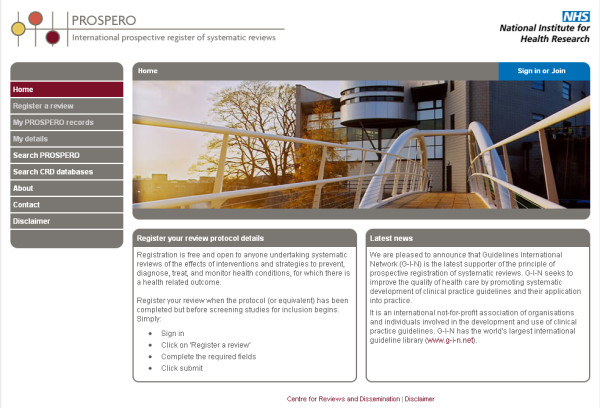
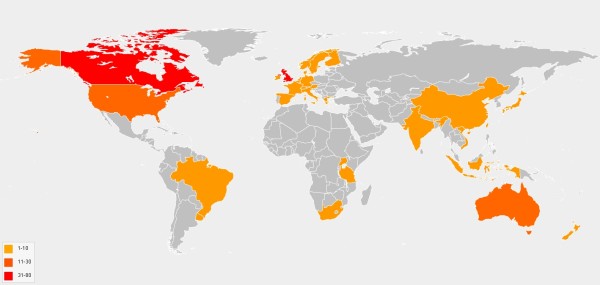
BACKGROUND: Following publication of the PRISMA statement, the UK Centre for Reviews and Dissemination (CRD) at the University of York in England began to develop an international prospective register of systematic reviews with health-related outcomes. The objectives were to reduce unplanned duplication of reviews and provide transparency in the review process, with the aim of minimizing reporting bias. METHODS: An international advisory group was formed and a consultation undertaken to establish the key items necessary for inclusion in the register and to gather views on various aspects of functionality. This article describes the development of the register, now called PROSPERO, and the process of registration. RESULTS: PROSPERO offers free registration and free public access to a unique prospective register of systematic reviews across all areas of health from all around the world. The dedicated web-based interface is electronically searchable and available to all prospective registrants. At the moment, inclusion in PROSPERO is restricted to systematic reviews of the effects of interventions and strategies to prevent, diagnose, treat, and monitor health conditions, for which there is a health-related outcome.Ideally, registration should take place before the researchers have started formal screening against inclusion criteria but reviews are eligible as long as they have not progressed beyond the point of completing data extraction.The required dataset captures the key attributes of review design as well as the administrative details necessary for registration.Submitted registration forms are checked against the scope for inclusion in PROSPERO and for clarity of content before being made publicly available on the register, rejected, or returned to the applicant for clarification.The public records include an audit trail of major changes to planned methods, details of when the review has been completed, and links to resulting publications when provided by the authors. CONCLUSIONS: There has been international support and an enthusiastic response to the principle of prospective registration of protocols for systematic reviews and to the development of PROSPERO.In October 2011, PROSPERO contained 200 records of systematic reviews being undertaken in 26 countries around the world on a diverse range of interventions.
Overview
CoChat Summary
## TL;DR
PROSPERO is a free, web-based international prospective register for systematic reviews with health-related outcomes, created to reduce unplanned duplication and improve transparency in review methods. By October 2011, it contained 200 records from 26 countries.
## Key findings
- PROSPERO provides free registration and free public access, with an electronically searchable interface and an audit trail of major changes to planned methods.
- At the time of writing, inclusion was limited to systematic reviews of effects of interventions and strategies to prevent, diagnose, treat, and monitor health conditions with a health-related outcome; the paper states that 200 records were in the register in October 2011.
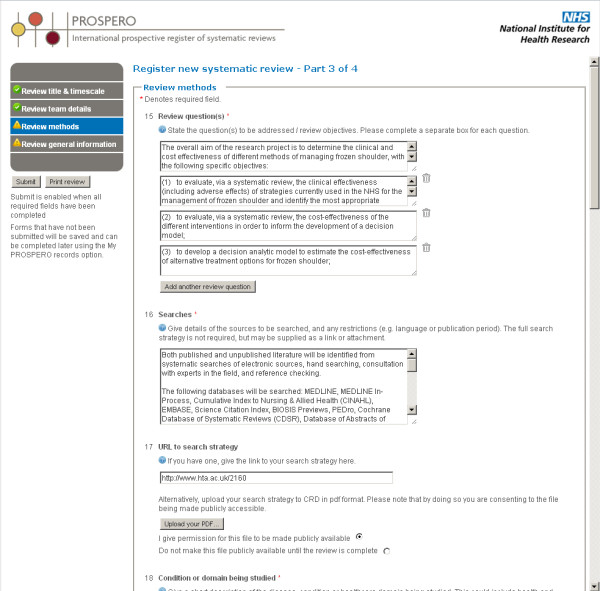
- The registration form required a minimum dataset with 15 review-method fields, of which 12 were required, plus administrative and general-information fields.
- In the Delphi consultation, 266 participants responded to one or both surveys, and their feedback supported balancing completeness with a process that was not overly burdensome.
## Methods
- Development paper describing the design and registration process for PROSPERO, not an evaluation of review outcomes.
- A small international advisory group guided development; a wider international consultation used a two-round electronic modified Delphi survey to define required and optional fields and gather views on functionality.
- Feedback from the Delphi process and pilot testing informed the final register and registration workflow.
## Limitations
- The paper states that the initial scope was restricted to certain health-related systematic reviews; scoping reviews, reviews of reviews, methodological reviews, and animal-study reviews were excluded at that time.
- The paper notes that the registration template may not suit broader types of knowledge syntheses, and that other templates may be needed for different fields; this is an explicit design limitation.
- Evidence of limitation from the text: the paper reports register development and early uptake, but not a formal outcome evaluation of whether PROSPERO reduced duplication or reporting bias.
Model-written summary. Check it against the paper before relying on it.
Integrity signals
Registry
Cites
Statistics
Figures
Verification
Claims the paper makes
2 Valid · 1 Not valid · 2 Not checked · 40 Own results and interpretations
The cited sources support only part of this claim — read each source’s verdict below.
In the paper
“Following the 2010 publication of the PRISMA statement advocating registration of systematic review protocols [1,2] and in response to user demand and increased recognition of the importance of accurate prospective registers of research [3], the Centre for Reviews and Dissemination (CRD) at the University of York in England began to develop PROSPERO, an international prospective register of system”
§ The nuts and bolts of PROSPERO: an international prospective register of systematic reviews > Background
What the sources say
- Partly supportedcites [1] Liberati A, Altman DG, Tetzlaff J, Mulrow C, Gøtzsche PC, Ioannidis JPA, Clarke M, Devereaux PJ, Kleijnen J, Moher D: The PRISMA statement for reporting systematic reviews and meta-analyses of studies that evaluate health care interventions: explanation and elaboration. PLoS Med. 2009, 6: e1000100-10.1371/journal.pmed.1000100. sourceExperimental — accuracy not yet measured
Our copy (the PRISMA Explanation and Elaboration, PLoS Medicine, 2009) does deal with protocol registration — Item 5 'PROTOCOL AND REGISTRATION' (METHODS) asks authors to 'indicate if a review protocol exists, if and where it can be accessed... and, if available, provide registration information including the registration number', and the TITLE and ABSTRACT section recommends reporting a registration number. But it frames this as a conditional reporting item and explicitly notes that 'protocol registration for systematic reviews is still not common practice', rather than advocating that reviews be registered; the paper nowhere calls for prospective registration as a requirement. Also, our copy is a 2009 publication, so the '2010 publication' date attributed here is not supported by it. (LLM, conf=0.78)
- Partly supportedcites [2] Moher D, Tetzlaff J, Altman DG, The PRISMA Group: Preferred reporting items for systematic reviews and meta-analyses: the PRISMA statement. PLoS Med. 2009, 6: e1000097-10.1371/journal.pmed.1000097. sourceExperimental — accuracy not yet measured
Our copy does support the substance of the attribution: in 'Developing the PRISMA Statement' the paper states that 'Item 5 asks authors to provide registration information about the systematic review, including a registration number, if available', noting that systematic review registration was 'not yet widely available' and that transparency/accountability benefits would accrue, and Box 1 ('Completing a Systematic Review Is an Iterative Process') stresses the value of a publicly accessible protocol. Two parts are not supported, however: (a) the dating — our copy is the PRISMA Statement published in PLoS Medicine in 2009, and no passage of it refers to a 2010 publication; (b) the wording 'registration of systematic review protocols' — Item 5 as described here asks for registration information about the review (a registration number), not explicitly for prospective protocol registration. (LLM, conf=0.72)
plainstates a cause- Asserted: passes — The authors put it forward as true.
- Checkable: passes — It can be checked against evidence.
- Load-bearing: passes — The paper’s conclusions depend on it.
- Based: passes — The paper gives a reason why it holds.
- Partly supported
A result the paper states — it cites no source for it, so there is none to check. The quote shows it is in the paper.
In the paper
“The register is electronically searchable; open to all prospective registrants; requires the submission of a minimum data set; and has a validation mechanism to ensure that entries fall within scope and are complete.”
§ The nuts and bolts of PROSPERO: an international prospective register of systematic reviews > Results and discussion > Design of the register
plainstates a cause- Asserted: passes — The authors put it forward as true.
- Checkable: passes — It can be checked against evidence.
- Load-bearing: unclear — It is unclear whether the paper’s conclusions depend on it.
- Based: passes — The paper gives a reason why it holds.
In the paper
“Reviews of methodological issues will not be included in PROSPERO as the findings are likely to relate to recommendations about changes in methods rather than direct effects on health outcomes [8].”
§ The nuts and bolts of PROSPERO: an international prospective register of systematic reviews > Results and discussion > Scope for inclusion
What the sources say
- Not checked yetcites [8] Tricco A, Tetzlaff J, Sampson M, Fergusson D, Cogo E, Horsley T, Moher D: Few systematic reviews exist documenting the extent of bias: a systematic review. J Clin Epidemiol. 2008, 61: 422-434. 10.1016/j.jclinepi.2007.10.017. source
plain- Asserted: passes — The authors put it forward as true.
- Checkable: passes — It can be checked against evidence.
- Load-bearing: passes — The paper’s conclusions depend on it.
- Based: passes — The paper gives a reason why it holds.
A result the paper reports from its own data — it cites no other source for it, so there is none to check. The quote shows it is in the paper.
In the paper
“PROSPERO offers free registration and free public access to a unique prospective register of systematic reviews across all areas of health from all around the world.”
§ The nuts and bolts of PROSPERO: an international prospective register of systematic reviews > Abstract > Results
plain- Asserted: passes — The authors put it forward as true.
- Checkable: passes — It can be checked against evidence.
- Load-bearing: passes — The paper’s conclusions depend on it.
- Based: passes — The paper gives a reason why it holds.
A result the paper reports from its own data — it cites no other source for it, so there is none to check. The quote shows it is in the paper.
In the paper
“The organizational affiliation of the review*, funding sources/sponsors* and conflicts of interest* were categorized as essential details by respondents to the consultation.”
§ The nuts and bolts of PROSPERO: an international prospective register of systematic reviews > Results and discussion > The PROSPERO registration form
plain- Asserted: passes — The authors put it forward as true.
- Checkable: passes — It can be checked against evidence.
- Load-bearing: unclear — It is unclear whether the paper’s conclusions depend on it.
- Based: passes — The paper gives a reason why it holds.
7 more claims
Create a free account to see all 45 claims and to verify the 2 references still open.
- Probably not a substantial claim. 29
- It may state two separate claims as one. 10
Claims other papers make about this one
Each is checked against this paper’s own text: does it say what the citing paper says it does?
The source backs part of the claim, not all of it — or backs it for a different population, condition or comparison.
In the citing paper
“the protocol outline preregistered with PROSPERO (#CRD42021281153) (28).”
From Interventions for insomnia in cancer patients and survivors-a comprehensive systematic review and meta-analysis (2024) · cites this paper as [28]
Experimental — accuracy not yet measuredThe source backs part of the claim, not all of it — or backs it for a different population, condition or comparison.
In the citing paper
“The present review was preregistered with PROSPERO (registration number: CRD42018096911)20”
From Mindfulness‐based interventions for psychological and physical health outcomes in cancer patients and survivors: A systematic review and meta‐analysis of randomized controlled trials (2019) · cites this paper as [20]
Experimental — accuracy not yet measuredThe cited source says what the claim attributes to it.
In the citing paper
“The eligibility of the selected systematic reviews was further validated by assessing their adherence to the PRISMA (Preferred Reporting Items for Systematic Reviews and Meta-Analyses) guidelines [13]. Additionally, the registration status of these reviews was verified in the PROSPERO database [14].”
From Hallucination Rates and Reference Accuracy of ChatGPT and Bard for Systematic Reviews: Comparative Analysis (2024) · cites this paper as [14]
The cited source says what the claim attributes to it.
In the citing paper
“Publicly recording details of inclusion and exclusion criteria, planned outcomes, and syntheses enables peer reviewers, journal editors, and readers to compare the completed review with what was planned, identify any deviations, and decide whether these may have introduced bias.”
From PRISMA 2020 explanation and elaboration: updated guidance and exemplars for reporting systematic reviews (2021) · cites this paper as [153]
The cited source says what the claim attributes to it.
In the citing paper
“In addition, the publishing landscape has transformed, with multiple avenues now available for registering and disseminating systematic review protocols,[33, 34] disseminating reports of systematic reviews, and sharing data and materials, such as preprint servers and publicly accessible repositories.”
From The PRISMA 2020 statement: An updated guideline for reporting systematic reviews (2021) · cites this paper as [33]
5 more claims about this paper
Create a free account to see every claim other papers make about this one.
Citations
Cites
Preferred Reporting Items for Systematic Reviews and Meta-Analyses: the PRISMA statement
Moher, D., Liberati, A., Tetzlaff, J., Altman, D. G., & for the PRISMA Group (2009) · BMJ · doi:10.1136/bmj.b2535 · Cited by 83,823
Self-citationPreferred Reporting Items for Systematic Reviews and Meta-Analyses: The PRISMA Statement
Moher, D., Liberati, A., Tetzlaff, J., Altman, D. G., & The PRISMA Group (2009) · PLoS Medicine · doi:10.1371/journal.pmed.1000097 · Cited by 64,042
Self-citationPreferred reporting items for systematic reviews and meta-analyses: the PRISMA Statement.
(2009) · PubMed Central · Cited by 44,859
Self-citationLiberati, A., Altman, D. G., Tetzlaff, J., Mulrow, C., Gøtzsche, P. C., Ioannidis, J. P. A., Clarke, M., Devereaux, P. J., Kleijnen, J., & Moher, D. (2009) · PLoS Medicine · doi:10.1371/journal.pmed.1000100 · Cited by 28,164 · cited 2×
“Following the 2010 publication of the PRISMA statement advocating registration of systematic review protocols [1,2] and in response to user demand and increased recognition of the importance of accurate prospective registers of research [3], the Centre for Reviews and Dissemination (CRD) at the University of York in E…”
BackgroundMethodSelf-citationWang, G., Ma, R., Qiao, G., Wada, K., Aizawa, Y., & Satoh, T. (2015) · Integrative Medicine International · doi:10.1159/000368408 · Cited by 18,657
Moher, D. (2009) · Journal of Chinese Integrative Medicine · doi:10.3736/jcim20090918 · Cited by 909
Self-citationAn international registry of systematic-review protocols
Booth, A., Clarke, M., Ghersi, D., Moher, D., Petticrew, M., & Stewart, L. (2011) · The Lancet · doi:10.1016/s0140-6736(10)60903-8 · Cited by 512
Self-citationComparison of protocols and registry entries to published reports for randomised controlled trials
Dwan, K., Altman, D. G., Cresswell, L., Blundell, M., Gamble, C. L., & Williamson, P. R. (2011) · Cochrane Database of Systematic Reviews · doi:10.1002/14651858.mr000031.pub2 · Cited by 243
Clarke, M., Hopewell, S., & Chalmers, I. (2010) · The Lancet · doi:10.1016/s0140-6736(10)61045-8 · Cited by 166 · cited 1×
“This includes systematic reviews undertaken before and after clinical trials to help design the trial or to place the results in context [7].”
BackgroundSelf-citationSystematic reviews: when is an update an update?
Moher, D., & Tsertsvadze, A. (2006) · The Lancet · doi:10.1016/s0140-6736(06)68358-x · Cited by 110 · cited 1×
“Updating a systematic review is a discrete event during which efforts are made to identify and incorporate new evidence into a previously completed systematic review [10].”
BackgroundSelf-citation
Cited by
The PRISMA 2020 statement: An updated guideline for reporting systematic reviews
Page, M. J., McKenzie, J. E., Bossuyt, P. M., Boutron, I., Hoffmann, T. C., Mulrow, C. D., Shamseer, L., Tetzlaff, J. M., Akl, E. A., Brennan, S. E., et al. (2021) · BMJ · doi:10.1136/bmj.n71 · Cited by 108,283
Self-citationPRISMA-P Group, Moher, D., Shamseer, L., Clarke, M., Ghersi, D., Liberati, A., Petticrew, M., Shekelle, P., & Stewart, L. A. (2015) · Systematic Reviews · doi:10.1186/2046-4053-4-1 · Cited by 26,223
“This challenge has been taken up by the Centre for Reviews and Dissemination, University of York, which has spearheaded the establishment of an international register — PROS-PERO (International Prospective Register of Ongoing Systematic Reviews, http://www.crd.york.ac.uk/prospero) [16,17].”
BackgroundSelf-citationThe PRISMA 2020 statement: an updated guideline for reporting systematic reviews
Page, M. J., McKenzie, J. E., Bossuyt, P. M., Boutron, I., Hoffmann, T. C., Mulrow, C. D., Shamseer, L., Tetzlaff, J. M., Akl, E. A., Brennan, S. E., et al. (2021) · Systematic Reviews · doi:10.1186/s13643-021-01626-4 · Cited by 13,874
Self-citationShamseer, L., Moher, D., Clarke, M., Ghersi, D., Liberati, A., Petticrew, M., Shekelle, P., Stewart, L. A., & the PRISMA-P Group (2015) · BMJ · doi:10.1136/bmj.g7647 · Cited by 13,120
Self-citationPage, M. J., Moher, D., Bossuyt, P. M., Boutron, I., Hoffmann, T. C., Mulrow, C. D., Shamseer, L., Tetzlaff, J. M., Akl, E. A., Brennan, S. E., et al. (2021) · BMJ · doi:10.1136/bmj.n160 · Cited by 13,262
Self-citationThe PRISMA 2020 Statement: An Updated Guideline for Reporting Systematic Reviews
Page, M. J., McKenzie, J. E., Bossuyt, P. M., Boutron, I., Hoffmann, T. C., Mulrow, C. D., Shamseer, L., Tetzlaff, J. M., Akl, E. A., Brennan, S. E., et al. (2021) · International Journal of Surgery · doi:10.1016/j.ijsu.2021.105906 · Cited by 11,748
Self-citationThe PRISMA 2020 statement: An updated guideline for reporting systematic reviews
Page, M. J., McKenzie, J. E., Bossuyt, P. M., Boutron, I., Hoffmann, T. C., Mulrow, C. D., Shamseer, L., Tetzlaff, J. M., Akl, E. A., Brennan, S. E., et al. (2021) · PLoS Medicine · doi:10.1371/journal.pmed.1003583 · Cited by 5,148
“[32] In addition, the publishing landscape has transformed, with multiple avenues now available for registering and disseminating systematic review protocols,[33, 34] disseminating reports of systematic reviews, and sharing data and materials, such as preprint servers and publicly accessible repositories.”
BackgroundSelf-citationThe PRISMA 2020 statement: an updated guideline for reporting systematic reviews
Page, M. J., McKenzie, J., Bossuyt, P., Boutron, I., Hoffmann, T., mulrow, C., Shamseer, L., Tetzlaff, J., Akl, E., Brennan, S. E., et al. (2020) · doi:10.31222/osf.io/v7gm2 · Cited by 5,177
Self-citationThe PRISMA 2020 statement: An updated guideline for reporting systematic reviews
Page, M. J., McKenzie, J. E., Bossuyt, P. M., Boutron, I., Hoffmann, T. C., Mulrow, C. D., Shamseer, L., Tetzlaff, J. M., Akl, E. A., Brennan, S. E., et al. (2021) · Journal of Clinical Epidemiology · doi:10.1016/j.jclinepi.2021.03.001 · Cited by 4,265
Self-citationDeclaración PRISMA 2020: una guía actualizada para la publicación de revisiones sistemáticas
Page, M. J., McKenzie, J. E., Bossuyt, P. M., Boutron, I., Hoffmann, T. C., Mulrow, C. D., Shamseer, L., Tetzlaff, J. M., Akl, E. A., Brennan, S. E., et al. (2021) · Revista Española de Cardiología · doi:10.1016/j.recesp.2021.06.016 · Cited by 2,095
Self-citationMigueles, J. H., Cadenas-Sanchez, C., Ekelund, U., Delisle Nyström, C., Mora-Gonzalez, J., Löf, M., Labayen, I., Ruiz, J. R., & Ortega, F. B. (2017) · Sports Medicine · doi:10.1007/s40279-017-0716-0 · Cited by 1,868
“Inclusion/exclusion criteria and analytical methods were specified in advance and registered in the PROSPERO (http://www.crd.york.ac. uk/PROSPERO/) international database of systematic reviews (CRD42016039991) [32].”
InfluentialIncreasing value and reducing waste in research design, conduct, and analysis
Ioannidis, J. P. A., Greenland, S., Hlatky, M. A., Khoury, M. J., Macleod, M. R., Moher, D., Schulz, K. F., & Tibshirani, R. (2014) · The Lancet · doi:10.1016/s0140-6736(13)62227-8 · Cited by 1,597
Self-citationThe Mass Production of Redundant, Misleading, and Conflicted Systematic Reviews and Meta‐analyses
IOANNIDIS, J. P. A. (2016) · The Milbank Quarterly · doi:10.1111/1468-0009.12210 · Cited by 1,483
Reducing waste from incomplete or unusable reports of biomedical research
Glasziou, P., Altman, D. G., Bossuyt, P., Boutron, I., Clarke, M., Julious, S., Michie, S., Moher, D., & Wager, E. (2014) · The Lancet · doi:10.1016/s0140-6736(13)62228-x · Cited by 1,319
Self-citationDeclaración PRISMA 2020: una guía actualizada para la publicación de revisiones sistemáticas
Page, M. J., McKenzie, J. E., Bossuyt, P. M., Boutron, I., Hoffmann, T. C., Mulrow, C. D., Shamseer, L., Tetzlaff, J. M., Akl, E. A., Brennan, S. E., et al. (2021) · Revista Española de Cardiología (English Edition) · doi:10.1016/j.rec.2021.07.010 · Cited by 1,313
“In addition, the publishing landscape has transformed, with multiple avenues now available for registering and disseminating systematic review protocols [33 , 34] , disseminating reports of systematic reviews, and sharing data and materials, such as preprint servers and publicly accessible repositories.”
Self-citationConceptual and technical challenges in network meta-analysis
Cipriani, A., Higgins, J. P. T., Geddes, J. R., & Salanti, G. (2013) · Annals of Internal Medicine · doi:10.7326/0003-4819-159-2-201307160-00008 · Cited by 1,072
“As for all systematic reviews, network meta-analysis should be based on detailed protocols, ideally registered prospectively (46, 47).”
BackgroundPage, M. J., Moher, D., Bossuyt, P., Boutron, I., Hoffmann, T., mulrow, C., Shamseer, L., Tetzlaff, J., Akl, E., Brennan, S. E., et al. (2020) · doi:10.31222/osf.io/gwdhk · Cited by 916
Self-citationIncreasing value and reducing waste: addressing inaccessible research
Chan, A.-W., Song, F., Vickers, A., Jefferson, T., Dickersin, K., Gøtzsche, P. C., Krumholz, H. M., Ghersi, D., & van der Worp, H. B. (2014) · The Lancet · doi:10.1016/s0140-6736(13)62296-5 · Cited by 887
Self-citationBorah, R., Brown, A. W., Capers, P. L., & Kaiser, K. A. (2017) · BMJ Open · doi:10.1136/bmjopen-2016-012545 · Cited by 737
Zachariae, R., Lyby, M. S., Ritterband, L. M., & O'Toole, M. S. (2016) · Sleep Medicine Reviews · doi:10.1016/j.smrv.2015.10.004 · Cited by 704
Laranjo, L., Arguel, A., Neves, A. L., Gallagher, A. M., Kaplan, R., Mortimer, N., Mendes, G. A., & Lau, A. Y. S. (2015) · Journal of the American Medical Informatics Association · doi:10.1136/amiajnl-2014-002841 · Cited by 661
Siskind, D., McCartney, L., Goldschlager, R., & Kisely, S. (2016) · British Journal of Psychiatry · doi:10.1192/bjp.bp.115.177261 · Cited by 601
How to write a systematic review
Harris, J. D., Quatman, C. E., Manring, M. M., Siston, R. A., & Flanigan, D. C. (2014) · The American Journal of Sports Medicine · doi:10.1177/0363546513497567 · Cited by 606
“Thus, on February 22, 2011, PROSPERO, the online, free, prospective international systematic review register, was launched for any and all health care–related research.(2,33) Nonpublication of finished systematic reviews, just as with clinical trials (publication bias), is a problem that may lead to overestimates of t…”
BackgroundPROSPERO: an international prospective register of systematic reviews
Wright, K. E. (2014) · Cited by 568
Dekkers, O. M., Vandenbroucke, J. P., Cevallos, M., Renehan, A. G., Altman, D. G., & Egger, M. (2019) · PLOS Medicine · doi:10.1371/journal.pmed.1002742 · Cited by 525
Registration of systematic reviews in PROSPERO: 30,000 records and counting
Page, M. J., Shamseer, L., & Tricco, A. C. (2018) · Systematic Reviews · doi:10.1186/s13643-018-0699-4 · Cited by 509
“The world’s first international prospective register of systematic reviews (PROSPERO) was launched in February 2011 to mitigate these problems with SR transparency [10, 11].”
BackgroundDeng, J., Zhou, F., Hou, W., Silver, Z., Wong, C. Y., Chang, O., Drakos, A., Zuo, Q. K., & Huang, E. (2021) · Psychiatry Research · doi:10.1016/j.psychres.2021.113863 · Cited by 474
“This systematic review was prospectively registered on PROSPERO (Booth et al., 2012) (CRD42020192087).”
BackgroundWorldwide prevalence of oral lichen planus: A systematic review and meta‐analysis
González‐Moles, M. Á., Warnakulasuriya, S., González‐Ruiz, I., González‐Ruiz, L., Ayén, Á., Lenouvel, D., Ruiz‐Ávila, I., & Ramos‐García, P. (2021) · Oral Diseases · doi:10.1111/odi.13323 · Cited by 463
A declaração PRISMA 2020: diretriz atualizada para relatar revisões sistemáticas
Page, M. J., McKenzie, J. E., Bossuyt, P. M., Boutron, I., Hoffmann, T. C., Mulrow, C. D., Shamseer, L., Tetzlaff, J. M., Akl, E. A., Brennan, S. E., et al. (2022) · Revista Panamericana de Salud Pública · doi:10.26633/rpsp.2022.112 · Cited by 433
“…o cenário de publicações se transformou, com vários caminhos agora disponíveis para registrar e disseminar protocolos de revisões sistemáticas, 33,34 disseminar publicações de revisões sistemáticas e compartilhar dados e materiais, como servido-res de pré-publicação ( preprints ) e…”
Self-citationChelli, M., Descamps, J., Lavoué, V., Trojani, C., Azar, M., Deckert, M., Raynier, J.-L., Clowez, G., Boileau, P., & Ruetsch-Chelli, C. (2024) · Journal of Medical Internet Research · doi:10.2196/53164 · Cited by 602
“Additionally, the registration status of these reviews was verified in the PROSPERO database [14].”
BackgroundTauber, N. M., O’Toole, M. S., Dinkel, A., Galica, J., Humphris, G., Lebel, S., Maheu, C., Ozakinci, G., Prins, J., Sharpe, L., et al. (2019) · Journal of Clinical Oncology · doi:10.1200/jco.19.00572 · Cited by 402
“: CRD42017076514).(25) Search Strategy We conducted keyword-based searches in PubMed, PsycINFO, Cochrane, CINAHL, and Embase databases.”
MethodPrevalence of Hospital-Associated Disability in Older Adults: A Meta-analysis
Loyd, C., Markland, A. D., Zhang, Y., Fowler, M., Harper, S., Wright, N. C., Carter, C. S., Buford, T. W., Smith, C. H., Kennedy, R., et al. (2020) · Journal of the American Medical Directors Association · doi:10.1016/j.jamda.2019.09.015 · Cited by 387
Anstey, K. J., Ashby-Mitchell, K., & Peters, R. (2017) · Journal of Alzheimer’s Disease · doi:10.3233/jad-160826 · Cited by 360
“The review was registered with the International Prospective Register of Systematic Reviews (PROSPERO CRD42015026727) [6] and reported in accordance with the PRISMA checklist [7].”
MethodTierney, J. F., Vale, C., Riley, R., Smith, C. T., Stewart, L., Clarke, M., & Rovers, M. (2015) · PLOS Medicine · doi:10.1371/journal.pmed.1001855 · Cited by 361
Self-citationSideri, S., Papageorgiou, S. N., & Eliades, T. (2018) · Journal of Clinical Epidemiology · doi:10.1016/j.jclinepi.2018.01.003 · Cited by 388
“Furthermore, a large number of systematic reviews seem to have overlap in terms of eligible interventions, settings, and types of studies [10]—something that is deemed as unnecessary duplication or research waste and can be theoretically prevented by the a priori registration of the systematic reviews’ protocol in an…”
BackgroundWhy prospective registration of systematic reviews makes sense
Stewart, L., Moher, D., & Shekelle, P. (2012) · Systematic Reviews · doi:10.1186/2046-4053-1-7 · Cited by 375
“This is a topic which has received increasing attention in recent years, notably in the 2009 PRISMA guidelines for preferred reporting items for systematic reviews and meta-analyses [1], and the subsequent development [2] and implementation [3] of PROSPERO, an international prospective register of systematic reviews w…”
BackgroundSelf-citationMediation analysis methods used in observational research: a scoping review and recommendations
Rijnhart, J. J. M., Lamp, S. J., Valente, M. J., MacKinnon, D. P., Twisk, J. W. R., & Heymans, M. W. (2021) · BMC Medical Research Methodology · doi:10.1186/s12874-021-01426-3 · Cited by 345
“The protocol for this scoping review was not registered in the international register of systematic reviews, because we did not extract data on clinical outcomes [67].”
MethodCillessen, L., Johannsen, M., Speckens, A. E. M., & Zachariae, R. (2019) · Psycho-Oncology · doi:10.1002/pon.5214 · Cited by 326
“(2013)(65) Mixed, 54% breast; 42 mo since diagnosis; with clinically significant sleep disturbance 38 Mindfulness meditation (20) PE sleephygiene (18) Mind‐body bridging program (19) Reynolds et al.”
BackgroundFactors Associated With Post-Stroke Physical Activity: A Systematic Review and Meta-Analysis
Thilarajah, S., Mentiplay, B. F., Bower, K. J., Tan, D., Pua, Y. H., Williams, G., Koh, G., & Clark, R. A. (2018) · Archives of Physical Medicine and Rehabilitation · doi:10.1016/j.apmr.2017.09.117 · Cited by 310
Rejeb, A., Keogh, J. G., Zailani, S., Treiblmaier, H., & Rejeb, K. (2020) · Logistics · doi:10.3390/logistics4040027 · Cited by 311
Kisely, S., Sawyer, E., Siskind, D., & Lalloo, R. (2016) · Journal of Affective Disorders · doi:10.1016/j.jad.2016.04.040 · Cited by 298
“The review was registered with PROSPERO, an international database of prospectively registered systematic reviews in health and social care based in the United Kingdom (Registration number: CRD42015029874) (Booth et al., 2012).”
MethodSilveira, E. A., Mendonça, C. R., Delpino, F. M., Elias Souza, G. V., Pereira de Souza Rosa, L., de Oliveira, C., & Noll, M. (2022) · Clinical Nutrition ESPEN · doi:10.1016/j.clnesp.2022.06.001 · Cited by 307
“This systematic review was conducted following the PRISMA (Preferred Reporting Items for Systematic Reviews and Metaanalyses) statement guidelines [26] and was registered in PROSPERO (protocol number: CRD42016037747) [27].”
MethodShekarian, M., & Mellat Parast, M. (2021) · International Journal of Logistics Research and Applications · doi:10.1080/13675567.2020.1763935 · Cited by 303
“Phase 1: Formulating questions The first step of an SLR is to define the scope of the study and to avoid ambiguity by defining and formulating the review question (Rousseau, Manning, and Denyer 2008; Booth et al. 2012; Ali, Mahfouz, and Arisha 2017).”
BackgroundIncidence of neonatal necrotising enterocolitis in high-income countries: a systematic review
Battersby, C., Santhalingam, T., Costeloe, K., & Modi, N. (2018) · Archives of Disease in Childhood - Fetal and Neonatal Edition · doi:10.1136/archdischild-2017-313880 · Cited by 282
Hannan, A., Hing, W., Simas, V., Climstein, M., Coombes, J., Jayasinghe, R., Byrnes, J., & Furness, J. (2018) · Open Access Journal of Sports Medicine · doi:10.2147/oajsm.s150596 · Cited by 284
“atic reviews in health and social care (Registration Number CRD42017072093).(23) A systematic search of all RCTs was”
BackgroundDeng, J., Zhou, F., Hou, W., Heybati, K., Lohit, S., Abbas, U., Silver, Z., Wong, C. Y., Chang, O., Huang, E., et al. (2023) · Annals of the New York Academy of Sciences · doi:10.1111/nyas.14947 · Cited by 283
Rao, G., Lopez-Jimenez, F., Boyd, J., D’Amico, F., Durant, N. H., Hlatky, M. A., Howard, G., Kirley, K., Masi, C., Powell-Wiley, T. M., et al. (2017) · Circulation · doi:10.1161/cir.0000000000000523 · Cited by 269
de Vries, R. B. M., Hooijmans, C. R., Langendam, M. W., van Luijk, J., Leenaars, M., Ritskes‐Hoitinga, M., & Wever, K. E. (2015) · Evidence-based Preclinical Medicine · doi:10.1002/ebm2.7 · Cited by 264
Scholz, A. F. M., Oldroyd, C., McCarthy, K., Quinn, T. J., & Hewitt, J. (2016) · Journal of British Surgery · doi:10.1002/bjs.10062 · Cited by 267
González-Moles, M. Á., Ruiz-Ávila, I., González-Ruiz, L., Ayén, Á., Gil-Montoya, J. A., & Ramos-García, P. (2019) · Oral Oncology · doi:10.1016/j.oraloncology.2019.07.012 · Cited by 276
Pepper, D. J., Sun, J., Welsh, J., Cui, X., Suffredini, A. F., & Eichacker, P. Q. (2016) · Critical Care · doi:10.1186/s13054-016-1360-z · Cited by 238
“We performed a systematic literature review using published guidelines and registered the planned meta-analysis July 11, 2014 [20–22] in PROSPERO (International prospective register of systematic reviews 10.”
MethodPharmacist-led medication review in community settings: An overview of systematic reviews
Jokanovic, N., Tan, E. C., Sudhakaran, S., Kirkpatrick, C. M., Dooley, M. J., Ryan-Atwood, T. E., & Bell, J. S. (2017) · Research in Social and Administrative Pharmacy · doi:10.1016/j.sapharm.2016.08.005 · Cited by 242
Viergever, R. F., & Li, K. (2015) · BMJ Open · doi:10.1136/bmjopen-2015-008932 · Cited by 228
“78 Efforts to enforce and encourage registration of other types of research have progressed much less than for clinical trial research, but observational studies can be registered at most clinical trial registries, and a register for systematic reviews has also been established.(79) In our data set, 16% of all studies…”
BackgroundWilliams, J., Allen, L., Wickramasinghe, K., Mikkelsen, B., Roberts, N., & Townsend, N. (2018) · Journal of Global Health · doi:10.7189/jogh.08.020409 · Cited by 228
Zhang, H., Huntley, J., Bhome, R., Holmes, B., Cahill, J., Gould, R. L., Wang, H., Yu, X., & Howard, R. (2019) · BMJ Open · doi:10.1136/bmjopen-2018-027062 · Cited by 222
“The registration could ensure that the protocol and results are available to other researchers for replication and updating.(61) However, unfortunately at the stage of registration of our protocol, data extraction was complete and the study was, therefore, ineligible to be registered on PROSPERO.”
BackgroundCharacteristics of publicly available skin cancer image datasets: a systematic review
Wen, D., Khan, S. M., Ji Xu, A., Ibrahim, H., Smith, L., Caballero, J., Zepeda, L., de Blas Perez, C., Denniston, A. K., Liu, X., et al. (2022) · The Lancet Digital Health · doi:10.1016/s2589-7500(21)00252-1 · Cited by 243
Johannsen, M., Damholdt, M. F., Zachariae, R., Lundorff, M., Farver-Vestergaard, I., & O'Connor, M. (2019) · Journal of Affective Disorders · doi:10.1016/j.jad.2019.04.065 · Cited by 214
Tobias, D. K., Merino, J., Ahmad, A., Aiken, C., Benham, J. L., Bodhini, D., Clark, A. L., Colclough, K., Corcoy, R., Cromer, S. J., et al. (2023) · Nature Medicine · doi:10.1038/s41591-023-02502-5 · Cited by 217
Foley, L., Larkin, J., Lombard-Vance, R., Murphy, A. W., Hynes, L., Galvin, E., & Molloy, G. J. (2021) · BMJ Open · doi:10.1136/bmjopen-2020-044987 · Cited by 208
“The review was prospectively registered on PROSPERO and a peer-reviewed protocol was published.”
Warrington, L., Absolom, K., Conner, M., Kellar, I., Clayton, B., Ayres, M., & Velikova, G. (2019) · Journal of Medical Internet Research · doi:10.2196/10875 · Cited by 190
“Protocol and Registration Details of the protocol were registered on the International Prospective Register of Systematic Reviews (PROSPERO) database [37].”
MethodWeinstein, E. J., Levene, J. L., Cohen, M. S., Andreae, D. A., Chao, J. Y., Johnson, M., Hall, C. B., & Andreae, M. H. (2018) · Cochrane Database of Systematic Reviews · doi:10.1002/14651858.cd007105.pub3 · Cited by 201
Where to prospectively register a systematic review
Pieper, D., & Rombey, T. (2022) · Systematic Reviews · doi:10.1186/s13643-021-01877-1 · Cited by 192
“Launch references [18, 19] [20, 21] / [22] [23]”
PROSPERO at one year: an evaluation of its utility
Booth, A., Clarke, M., Dooley, G., Ghersi, D., Moher, D., Petticrew, M., & Stewart, L. (2013) · Systematic Reviews · doi:10.1186/2046-4053-2-4 · Cited by 188
“; licensee BioMed Central L Commons Attribution License (http://creativec reproduction in any medium, provided the or contain ownership details and key protocol methods, such as participants, outcomes and analyses; they must be completed before a registration form can be submitted [3].”
BackgroundSelf-citationIncreasing Psychological Capital: A Pre‐Registered Meta‐Analysis of Controlled Interventions
Lupșa, D., Vîrga, D., Maricuțoiu, L. P., & Rusu, A. (2020) · Applied Psychology · doi:10.1111/apps.12219 · Cited by 193
Foo, Y. Z., O'Dea, R. E., Koricheva, J., Nakagawa, S., & Lagisz, M. (2021) · Methods in Ecology and Evolution · doi:10.1111/2041-210x.13654 · Cited by 192
“Second, systematic review methods are iterative (Booth et al., 2012).”
Nature and Children’s Health: A Systematic Review
Fyfe-Johnson, A. L., Hazlehurst, M. F., Perrins, S. P., Bratman, G. N., Thomas, R., Garrett, K. A., Hafferty, K. R., Cullaz, T. M., Marcuse, E. K., & Tandon, P. S. (2021) · Pediatrics · doi:10.1542/peds.2020-049155 · Cited by 181
Hind, D., Cotter, J., Thake, A., Bradburn, M., Cooper, C., Isaac, C., & House, A. (2014) · BMC Psychiatry · doi:10.1186/1471-244x-14-5 · Cited by 180
“As initial data extraction was completed prior to the inception of the PROSPERO database [32], the protocol was not registered.”
MethodThe association between adverse childhood experiences and childhood obesity: A systematic review
Schroeder, K., Schuler, B. R., Kobulsky, J. M., & Sarwer, D. B. (2021) · Obesity Reviews · doi:10.1111/obr.13204 · Cited by 176
Core outcome sets in women's and newborn health: a systematic review
Duffy, J., Rolph, R., Gale, C., Hirsch, M., Khan, K., Ziebland, S., McManus, R., & On behalf of the International Collaboration to Harmonise Outcomes in Pre‐eclampsia (iHOPE) (2017) · BJOG: An International Journal of Obstetrics & Gynaecology · doi:10.1111/1471-0528.14694 · Cited by 166
Pravila PRISMA 2020.: ažurirane smjernice za izvještavanje u sustavnim pregledima
Page, M. J., Grimshaw, J. M., Hróbjartsson, A., Lalu, M. M., Li, T., Loder, E. W., Mayo-Wilson, E., McGuinness, L., McDonald, S., Stewart, L. A., et al. (2021) · Medicina Fluminensis · doi:10.21860/medflum2021_264903 · Cited by 163
Self-citationThe Effect of Overdose Education and Naloxone Distribution: An Umbrella Review of Systematic Reviews
Razaghizad, A., Windle, S. B., Filion, K. B., Gore, G., Kudrina, I., Paraskevopoulos, E., Kimmelman, J., Martel, M. O., & Eisenberg, M. J. (2021) · American Journal of Public Health · doi:10.2105/ajph.2021.306306 · Cited by 159
Elevated clozapine levels associated with infection: A systematic review
Clark, S. R., Warren, N., Kim, G., Jankowiak, D., Schubert, K. O., Kisely, S. R., Forrester, T., Baune, B. T., & Siskind, D. J. (2017) · Schizophrenia Research · doi:10.1016/j.schres.2017.03.045 · Cited by 158
“This study was registered with PROSPERO, (registration number: CRD42016037536), an international database of prospectively registered systematic reviews (Booth et al., 2012).”
Barakat‐Johnson, M., Lai, M., Wand, T., Li, M., White, K., & Coyer, F. M. (2019) · Journal of Wound Care · doi:10.12968/jowc.2019.28.8.512 · Cited by 209
Pfarrwaller, E., Sommer, J., Chung, C., Maisonneuve, H., NENDAZ, M. R., Perron, N. J., & Haller, D. M. (2015) · Journal of General Internal Medicine · doi:10.1007/s11606-015-3372-9 · Cited by 162
Estarli, M., Barrera, E. S. A., Martínez-Rodríguez, R., Baladía, E., Durán‐Agüero, S., Camacho‐López, S., Kristian Buhring, B., Herrero-López, A., & Gil‐González, D. (2016) · Revista Española de Nutrición Humana y Dietética · doi:10.14306/renhyd.20.2.223 · Cited by 208
Patel, M. B., Humble, S. S., Cullinane, D. C., Day, M. A., Jawa, R. S., Devin, C. J., Delozier, M. S., Smith, L. M., Smith, M. A., Capella, J. M., et al. (2015) · The Journal of Trauma: Injury, Infection, and Critical Care · doi:10.1097/ta.0000000000000503 · Cited by 158
Wang, Z., Zhu, W., Xing, Y., Jia, J., & Tang, Y. (2022) · Nutrition Reviews · doi:10.1093/nutrit/nuab057 · Cited by 144
Kovic, B., Jin, X., Kennedy, S. A., Hylands, M., Pędziwiatr, M., Kuriyama, A., Gomaa, H. A., Lee, Y., Katsura, M., Tada, M., et al. (2018) · JAMA Internal Medicine · doi:10.1001/jamainternmed.2018.4710 · Cited by 162
Gahungu, J., Vahdaninia, M., & Regmi, P. (2021) · Reproductive Health · doi:10.1186/s12978-021-01089-9 · Cited by 172
Bérubé, C., Schachner, T., Keller, R., Fleisch, E., v Wangenheim, F., Barata, F., & Kowatsch, T. (2021) · Journal of Medical Internet Research · doi:10.2196/25933 · Cited by 133
“This study is compliant with the PRISMA (Preferred Reporting Items for Systematic Reviews and Meta-Analyses) checklist [48] (an overview of the study protocol is given in Multimedia Appendix 1 [49-55]).”
Siskind, D., Hahn, M., Correll, C. U., Fink‐Jensen, A., Russell, A. W., Bak, N., Broberg, B. V., Larsen, J., Ishøy, P. L., Vilsbøll, T., et al. (2019) · Diabetes, Obesity and Metabolism · doi:10.1111/dom.13522 · Cited by 144
“1 | Protocol and registration This study was registered with PROSPERO (CRD42017079791).(31) We followed the Preferred Reporting Items for Systematic Reviews and Meta-Analyses (PRISMA) recommendations for the background, search strategy, methods, results, discussion and conclusions.”
MethodSiskind, D. J., Lee, M., Ravindran, A., Zhang, Q., Ma, E., Motamarri, B., & Kisely, S. (2018) · Australian & New Zealand Journal of Psychiatry · doi:10.1177/0004867418772351 · Cited by 139
“This study was registered with PROSPERO (registration number: CRD42016033279), an international database of prospectively registered systematic reviews (Booth et al., 2012).”
The impact of clozapine on hospital use: a systematic review and meta-analysis
Land, R., Siskind, D., McArdle, P., Kisely, S., Winckel, K., & Hollingworth, S. A. (2017) · Acta Psychiatrica Scandinavica · doi:10.1111/acps.12700 · Cited by 141
“Material and methods Protocol and registration The review was registered with PROSPERO (registration number: CRD42016038287), an international database of prospectively registered systematic reviews (12).”
Abuzaid, A. S., Al Ashry, H. S., Elbadawi, A., Ld, H., Saad, M., Elgendy, I. Y., Elgendy, A., Mahmoud, A. N., Mentias, A., Barakat, A., et al. (2017) · The American Journal of Cardiology · doi:10.1016/j.amjcard.2017.05.042 · Cited by 140
Vitamin D deficiency as a risk factor for dementia: a systematic review and meta-analysis
Sommer, I., Griebler, U., Kien, C., Auer, S., Klerings, I., Hammer, R., Holzer, P. D., & Gartlehner, G. (2017) · BMC Geriatrics · doi:10.1186/s12877-016-0405-0 · Cited by 163
Cannabinoids for adult cancer-related pain: systematic review and meta-analysis
Boland, E. G., Bennett, M., Allgar, V. L., & Boland, J. W. (2020) · BMJ Supportive & Palliative Care · doi:10.1136/bmjspcare-2019-002032 · Cited by 148
“13”
Sherk, A., Stockwell, T. R., Chikritzhs, T. N., Andréasson, S., Angus, C., Gripenberg, J., Holder, H. D., Holmes, J., Mäkelä, P., Mills, M., et al. (2017) · Journal of Studies on Alcohol and Drugs · doi:10.15288/jsad.2017.79.58 · Cited by 174
The Replication Crisis Has Led to Positive Structural, Procedural, and Community Changes
Korbmacher, M., Azevedo, F., Pennington, C. R., Hartmann, H., Pownall, M., Schmidt, K., Elsherif, M., Breznau, N., Robertson, O., Kalandadze, T., et al. (2023) · Communications Psychology · doi:10.1038/s44271-023-00003-2 · Cited by 137
“…such as Preferred Reporting Items for Systematic Reviews and Meta-Analyses (PRISMA) 133 , Non-Interventional, Reproducible, and Open (NIRO) 134 systematic review guidelines, the Generalized Systematic Review Registration Form 135 , and PROSPERO, a register of systematic review protocols 136 .”
BackgroundTowards evidence based research
Lund, H., Brunnhuber, K., Juhl, C., Robinson, K., Leenaars, M., Dorch, B. F., Jamtvedt, G., Nortvedt, M. W., Christensen, R., & Chalmers, I. (2016) · BMJ · doi:10.1136/bmj.i5440 · Cited by 131
Clay, F., Howett, D., FitzGerald, J., Fletcher, P., Chan, D., & Price, A. (2020) · Journal of Alzheimer's Disease · doi:10.3233/jad-191218 · Cited by 126
“Details of the protocol for this systematic review were registered on the PROSPERO database [28] under registration number CRD42018115173.”
MethodAssociation between poor oral health and eating disorders: Systematic review and meta-analysis
Kisely, S., Baghaie, H., Lalloo, R., & Johnson, N. W. (2015) · British Journal of Psychiatry · doi:10.1192/bjp.bp.114.156323 · Cited by 129
Obesity and dental caries in early childhood: A systematic review and meta‐analyses
Manohar, N., Hayen, A. D., Fahey, P. P., & Arora, A. (2019) · Obesity Reviews · doi:10.1111/obr.12960 · Cited by 166
“The protocol of this systematic review has been published(23) and registered with PROSPERO International Prospective Register of Systematic Reviews (2018: CRD42018085292).(27)”
MethodSaldanha, I. J., Dickersin, K., Wang, X., & Li, T. (2014) · PLoS ONE · doi:10.1371/journal.pone.0109400 · Cited by 119
“This practice will facilitate Cochrane’s contribution of its protocols and updates to PROSPERO [32]–[33], an international database of prospectively registered systematic reviews.”
MethodA declaração PRISMA 2020: diretriz atualizada para relatar revisões sistemáticas
Page, M. J., McKenzie, J. E., Bossuyt, P. M., Boutron, I., Hoffmann, T., Mulrow, C. D., Shamseer, L., Tetzlaff, J., Akl, E. A., Brennan, S., et al. (2022) · Epidemiologia e Serviços de Saúde · doi:10.5123/s1679-49742022000200033 · Cited by 365
Self-citationLeme, A. C. B., Hou, S., Fisberg, R. M., Fisberg, M., & Haines, J. (2021) · Nutrients · doi:10.3390/nu13031038 · Cited by 158
“The protocol for this systematic review was registered with PROSPERO (CRD 42020191131) [19] accessible at https://www.”
MethodText mining approaches for dealing with the rapidly expanding literature on COVID-19
Wang, L. L., & Lo, K. (2021) · Briefings in Bioinformatics · doi:10.1093/bib/bbaa296 · Cited by 116
“They have become a fixture in the biomedical literature, with many established protocol around their registration, production, publication and update [10, 15, 81].”
BackgroundA guide to prospective meta-analysis
Seidler, A. L., Hunter, K. E., Cheyne, S., Ghersi, D., Berlin, J. A., & Askie, L. (2019) · BMJ · doi:10.1136/bmj.l5342 · Cited by 125
Self-citationMetformin for clozapine associated obesity: a systematic review and meta-analysis
Siskind, D. J., Leung, J., Russell, A. W., Wysoczanski, D., & Kisely, S. (2016) · PLoS ONE · doi:10.1371/journal.pone.0156208 · Cited by 122
“Method Protocol and registration This study was registered with PROSPERO (registration number: CRD42015029723), an international database of prospectively registered systematic reviews [18].”
MethodXie, S., Wang, Q., Wang, L., Wang, L., Song, K., & He, C. (2021) · Journal of Medical Internet Research · doi:10.2196/21542 · Cited by 117
“The inclusion and exclusion criteria of the studies were based on the PICO (Population, Intervention, Comparison, Outcome) method [38,39].”
Mizuno, Y., McCutcheon, R. A., Brugger, S. P., & Howes, O. D. (2019) · Neuropsychopharmacology · doi:10.1038/s41386-019-0577-3 · Cited by 125
Metadata
- Authors
- Booth, A., Clarke, M., Dooley, G., Ghersi, D., Moher, D., Petticrew, M., & Stewart, L.
- Affiliations
- University of York (GB)
- Queen's University Belfast (GB)
- National Health and Medical Research Council (AU)
- University of Ottawa (CA)
- London School of Hygiene & Tropical Medicine (GB)
- Corresponding author
- Booth, Alison
- ORCID
- Venue
- Systematic Reviews
- Published
- 2012-02-09
- Volume
- 1
- Issue
- 1
- Pages
- 2-2
- ISSN
- 2046-4053 (ISSN-L)
- PMC
- PMC3348673
- OpenAlex
- W2163661402
- Cited by
- 1,433
- References
- 14
- Citations by year
- 2026: 177 · 2025: 127 · 2024: 159 · 2023: 164 · 2022: 157 · 2021: 167 · 2020: 120 · 2019: 96 · 2018: 70 · 2017: 68 · 2016: 46 · 2015: 39 · 2014: 21 · 2013: 16 · 2012: 4
- FWCI
- 7.05
- Type
- journal article
- Language
- en
- Open access
- gold
- doi.org
- Licence
- cc-by
- creativecommons.org/licenses/by/2.0 (tdm)
- Locations
- Systematic Reviews (publishedVersion, cc-by)
- Europe PMC (PubMed Central) (publishedVersion, cc-by)
- PubMed Central (publishedVersion, cc-by)
- PubMed (publishedVersion)
- uO Research (University of Ottawa) (submittedVersion, public-domain)
- DOAJ (DOAJ: Directory of Open Access Journals) (submittedVersion)
- Research Portal (Queen's University Belfast) (submittedVersion)
- Funders
- National Institute for Health and Care Research (NF-SI-0507-10259)
- Topics
- Social Sciences › Decision Sciences › Statistics, Probability and Uncertainty › Meta-analysis and systematic reviews
- Social Sciences › Library and Information Sciences › Academic Publishing and Open Access
- Social Sciences › Sociology and Political Science › Delphi Technique in Research
- Keywords
- Prospero, reporting bias, PRISMA, health outcomes, audit trail
- MeSH terms
- Registries, Review Literature as Topic, Internet, Information Dissemination, Internationality, Evidence-Based Practice
About these checks
Registry, retraction, Cites and statistics results are computed, not judged, with one exception: a printed reference that no index lists is read once by a model before it counts as a citation error. Claims are extracted by a model and kept only when their quote appears verbatim in the text; each cited source is then checked, with a model’s help, for whether it says what the claim relies on. Those verdicts can be wrong — read the claim’s quote and the cited source before relying on one.
The claim verdicts this report counts are experimental: their accuracy is not yet measured.
A language model drew the claims from the paper on 2026-10-11, under version 3 of the claim definition (model deepseek-v4.1-flash, prompt extract-v3).
A second model labelled each claim on 2026-10-11 (model jev-1.13-20260917, definition revision gold-guideline-v0.2).
Cited sources are checked with a language model’s help (qwen3.8-omni-flash).
Statistics and arithmetic are recomputed, not judged.
Confidence bands are shown only for fields calibrated on our annotated test set. None is calibrated yet, so no band is shown.
What counts as a claim ›How we measure confidence ›How we check this ›
Are you an author, or do you see a problem with this page? Request a review
Data sources
Bibliographic data: Semantic Scholar, OpenAlex, Crossref.
Contains information from the Semantic Scholar Academic Graph Datasets, made available under the ODC Attribution License (ODC-BY 1.0).
Semantic Scholar’s data is described in: Kinney, R., et al. (2023). The Semantic Scholar Open Data Platform. arXiv:2301.10140.
