

The Inferelator: an algorithm for learning parsimonious regulatory networks from systems-biology data sets de novo
Open accessThe DOI matches its Crossref record; 54 of the 54 references it cites were found in a registry or an index.
Abstract
We present a method (the Inferelator) for deriving genome-wide transcriptional regulatory interactions, and apply the method to predict a large portion of the regulatory network of the archaeon Halobacterium NRC-1. The Inferelator uses regression and variable selection to identify transcriptional influences on genes based on the integration of genome annotation and expression data. The learned network successfully predicted Halobacterium's global expression under novel perturbations with predictive power similar to that seen over training data. Several specific regulatory predictions were experimentally tested and verified.
Overview
The claims and statistics of this paper haven’t been checked yet.
Free: it reads the open-access text and checks the first 5 claims that cite a source we can check. Create a free account to check every claim.
Integrity signals
Registry
Cites
Statistics
Figures
Verification
Claims the paper makes
The claims and statistics of this paper haven’t been checked yet.
Free: it reads the open-access text and checks the first 5 claims that cite a source we can check. Create a free account to check every claim.
Claims other papers make about this one
Each is checked against this paper’s own text: does it say what the citing paper says it does?
In the citing paper
“The combination of CLR with another method, the Inferelator [78], became one of the top performers at the DREAM4 100-gene in silico network inference challenge [79].”
From Reverse engineering and identification in systems biology: strategies, perspectives and challenges (2014) · cites this paper as [78]
Self-check
Percentages, sums and reported differences re-computed from the paper’s own numbers.
The self-check needs the paper’s full text.
Citations
Cites
Regression shrinkage and selection via the lasso
Tibshirani, R. (1996) · Journal of the Royal Statistical Society Series B: Statistical Methodology · doi:10.1111/j.2517-6161.1996.tb02080.x · Cited by 51,482 · cited 1×
“Here, we adopt the L1 shrinkage or the LASSO [48,53] for predictor selection, which involves the following minimization: Subject to the following additional constraint: where β ols is the ordinary least squares estimate of β .”
MethodEmergence of Scaling in Random Networks
Barabási, A.-L., & Albert, R. (1999) · Science · doi:10.1126/science.286.5439.509 · Cited by 36,135
The Elements of Statistical Learning
Hastie, T., Friedman, J., & Tibshirani, R. (2001) · Springer Series in Statistics · doi:10.1007/978-0-387-21606-5 · Cited by 24,162
The Pfam Protein Families Database
Bateman, A. (2002) · Nucleic Acids Research · doi:10.1093/nar/30.1.276 · Cited by 14,000
Efron, B., Hastie, T., Johnstone, I., & Tibshirani, R. (2004) · The Annals of Statistics · doi:10.1214/009053604000000067 · Cited by 9,357
Using Bayesian Networks to Analyze Expression Data
Friedman, N., Linial, M., Nachman, I., & Pe'er, D. (2000) · Journal of Computational Biology · doi:10.1089/106652700750050961 · Cited by 3,266 · cited 1×
“Recent probabilistic approaches to modeling regulatory network on the genome-wide scale use Bayesian networks to model regulatory structure, de novo , at the Boolean level [6-11].”
The Pfam protein families database
Bateman, A. (2004) · Nucleic Acids Research · doi:10.1093/nar/gkh121 · Cited by 3,127
Transcriptional Regulatory Networks in Saccharomyces cerevisiae
Lee, T. I., Rinaldi, N. J., Robert, F., Odom, D. T., Bar-Joseph, Z., Gerber, G. K., Hannett, N. M., Harbison, C. T., Thompson, C. M., Simon, I., et al. (2002) · Science · doi:10.1126/science.1075090 · Cited by 2,956
Network motifs in the transcriptional regulation network of Escherichia coli
Shen-Orr, S. S., Milo, R., Mangan, S., & Alon, U. (2002) · Nature Genetics · doi:10.1038/ng881 · Cited by 2,952 · cited 1×
“This assumption breaks down when activators are self-activating and correctly included in biclusters that they regulate [40].”
BackgroundModeling and Simulation of Genetic Regulatory Systems: A Literature Review
de Jong, H. (2002) · Journal of Computational Biology · doi:10.1089/10665270252833208 · Cited by 2,663 · cited 2×
“com/2006/7/5/R36 or when the system is confronted with novel stimulatory factors or novel combinations of perturbations? A significant body of work has been devoted to the modeling and learning of regulatory networks [1-3].”
BackgroundBiclustering of expression data.
Cheng, Y., & Church, G. M. (2000) · PubMed · Cited by 2,462
A Gene-Coexpression Network for Global Discovery of Conserved Genetic Modules
Stuart, J. M., Segal, E., Koller, D., & Kim, S. K. (2003) · Science · doi:10.1126/science.1087447 · Cited by 2,256 · cited 1×
“Recent probabilistic approaches to modeling regulatory network on the genome-wide scale use Bayesian networks to model regulatory structure, de novo, at the Boolean level [6-11].”
Segal, E., Shapira, M., Regev, A., Pe'er, D., Botstein, D., Koller, D., & Friedman, N. (2003) · Nature Genetics · doi:10.1038/ng1165 · Cited by 1,670 · cited 1×
“Biclustering was developed to address better the full complexity of finding co-regulated genes under multifactor con-trol by grouping genes on the basis of coherence under subsets of observed conditions [10,16-22].”
Kanehisa, M. (2002) · Novartis Foundation Symposia · doi:10.1002/0470857897.ch8 · Cited by 1,383 · cited 1×
“…following: coherence in expression data across subsets of experimental conditions; co-occurrence of putative cis -acting regulatory motifs in the regulatory regions of bicluster members; and the presence of highly connected subgraphs in metabolic [23] and functional association networks [24-26].”
BackgroundClementi, C., Nymeyer, H., & Onuchic, J. N. (2000) · Journal of Molecular Biology · doi:10.1006/jmbi.2000.3693 · Cited by 1,240 · cited 1×
“…with an initial guess for τ , first find the regression solution for β using the multivariate regression methods of L1 shrinkage (described below); second, solve for a new τ that minimizes the prediction error given [49] and g ( β Z ); and third, repeat the first two steps until convergence.”
MethodThe segment polarity network is a robust developmental module
von Dassow, G., Meir, E., Munro, E. M., & Odell, G. M. (2000) · Nature · doi:10.1038/35018085 · Cited by 1,144
Measuring the metabolome: current analytical technologies
Dunn, W. B., Bailey, N. J. C., & Johnson, H. E. (2005) · The Analyst · doi:10.1039/b418288j · Cited by 924 · cited 1×
“We expect such data sets to be available soon [45] for several organisms as part of ongoing functional genomics efforts, and we can foresee no major methodologic barriers to the use of such data in the framework described here.”
Bernstein, J. A., Khodursky, A. B., Lin, P.-H., Lin-Chao, S., & Cohen, S. N. (2002) · Proceedings of the National Academy of Sciences · doi:10.1073/pnas.112318199 · Cited by 857 · cited 1×
“If available, results from independent experiments can be used to estimate by τ [50], thus reducing the number of free paramaters in the model.”
MethodDiscovering statistically significant biclusters in gene expression data
Tanay, A., Sharan, R., & Shamir, R. (2002) · Bioinformatics · doi:10.1093/bioinformatics/18.suppl_1.s136 · Cited by 855 · cited 1×
“Biclustering was developed to address better the full complexity of finding co-regulated genes under multifactor control by grouping genes on the basis of coherence under subsets of observed conditions [10,16-22].”
BackgroundSpectral Biclustering of Microarray Data: Coclustering Genes and Conditions
Kluger, Y., Basri, R., Chang, J. T., & Gerstein, M. (2003) · Genome Research · doi:10.1101/gr.648603 · Cited by 726 · cited 1×
“Biclustering was developed to address better the full complexity of finding co-regulated genes under multifactor control by grouping genes on the basis of coherence under subsets of observed conditions [10,16-22].”
BackgroundGenome sequence of Halobacterium species NRC-1
Ng, W. V., Kennedy, S. P., Mahairas, G. G., Berquist, B., Pan, M., Shukla, H. D., Lasky, S. R., Baliga, N. S., Thorsson, V., Sbrogna, J., et al. (2000) · Proceedings of the National Academy of Sciences · doi:10.1073/pnas.190337797 · Cited by 706 · cited 1×
“The Halobacterium genome contains 2,404 nonredundant genes, of which 124 are annotated to be known or putative TFs [28,29].”
BackgroundSelf-citationComputational discovery of gene modules and regulatory networks
Bar-Joseph, Z., Gerber, G. K., Lee, T. I., Rinaldi, N. J., Yoo, J. Y., Robert, F., Gordon, D. B., Fraenkel, E., Jaakkola, T. S., Young, R. A., et al. (2003) · Nature Biotechnology · doi:10.1038/nbt890 · Cited by 606
LINEAR MODELING OF mRNA EXPRESSION LEVELS DURING CNS DEVELOPMENT AND INJURY
D'HAESELEER, P., WEN, X., FUHRMAN, S., & SOMOGYI, R. (1998) · Biocomputing '99 · doi:10.1142/9789814447300_0005 · Cited by 498
Evolutionary conservation of motif constituents in the yeast protein interaction network
Wuchty, S., Oltvai, Z. N., & Barabási, A.-L. (2003) · Nature Genetics · doi:10.1038/ng1242 · Cited by 440
MODELING REGULATORY NETWORKS WITH WEIGHT MATRICES
WEAVER, D. C., WORKMAN, C. T., & STORMO, G. D. (1998) · Biocomputing '99 · doi:10.1142/9789814447300_0011 · Cited by 402 · cited 1×
“Additive linear or generalized linear models take an intermediate approach, in terms of model complexity and robustness [12-15].”
BackgroundTanay, A., Sharan, R., Kupiec, M., & Shamir, R. (2004) · Proceedings of the National Academy of Sciences · doi:10.1073/pnas.0308661100 · Cited by 381 · cited 1×
“Biclustering was developed to address better the full complexity of finding co-regulated genes under multifactor control by grouping genes on the basis of coherence under subsets of observed conditions [10,16-22].”
BackgroundTesting for Differentially-Expressed Genes by Maximum-Likelihood Analysis of Microarray Data
Ideker, T., Thorsson, V., Siegel, A. F., & Hood, L. E. (2000) · Journal of Computational Biology · doi:10.1089/10665270050514945 · Cited by 327 · cited 2×
“The significance of change was estimated by a maximum likelihood method [ 32 ], and subsequent filtering of genes with significant change was performed such that genes with fewer than five conditions with λ values greater than 15 were removed and set aside as genes for which we observed no significant change (where λ…”
BackgroundMethodSelf-citationProlinks: a database of protein functional linkages derived from coevolution
Bowers, P. M., Pellegrini, M., Thompson, M. J., Fierro, J., Yeates, T. O., & Eisenberg, D. (2004) · Genome Biology · doi:10.1186/gb-2004-5-5-r35 · Cited by 303 · cited 1×
“…following: coherence in expression data across subsets of experimental conditions; co-occurrence of putative cis -acting regulatory motifs in the regulatory regions of bicluster members; and the presence of highly connected subgraphs in metabolic [23] and functional association networks [24-26].”
Backgroundδ-clusters: capturing subspace correlation in a large data set
Yang, J., Wang, W., Wang, H., & Yu, P. (2003) · Proceedings 18th International Conference on Data Engineering · doi:10.1109/icde.2002.994771 · Cited by 300
Enhanced biclustering on expression data
Yang, J., Wang, H., Wang, W., & Yu, P. (2003) · Third IEEE Symposium on Bioinformatics and Bioengineering, 2003. Proceedings. · doi:10.1109/bibe.2003.1188969 · Cited by 299 · cited 1×
“Biclustering was developed to address better the full complexity of finding co-regulated genes under multifactor con-trol by grouping genes on the basis of coherence under subsets of observed conditions [10,16-22].”
Alm, E. (2003) · Current Opinion in Structural Biology · doi:10.1016/s0959-440x(03)00031-9 · Cited by 298
Que, Q., & Helmann, J. D. (2000) · Molecular Microbiology · doi:10.1046/j.1365-2958.2000.01811.x · Cited by 282 · cited 1×
“In fact, a dual role in regulation has been observed for at least one protein in the family of regulators to which SirR belongs, which functions as an activator and repressor under low and high Mn conditions, respectively [38].”
BackgroundActivities and Sensitivities in Boolean Network Models
Shmulevich, I., & Kauffman, S. A. (2004) · Physical Review Letters · doi:10.1103/physrevlett.93.048701 · Cited by 279 · cited 1×
“Despite this simplification of regulatory dynamics and interactions, these approaches have the advantages of simplicity, robustness (they can be learned with significantly fewer data), and ease of interpretation [5].”
BackgroundRich probabilistic models for gene expression
Segal, E., Taskar, B., Gasch, A., Friedman, N., & Koller, D. (2001) · Bioinformatics · doi:10.1093/bioinformatics/17.suppl_1.s243 · Cited by 255 · cited 1×
“Recent probabilistic approaches to modeling regulatory network on the genome-wide scale use Bayesian networks to model regulatory structure, de novo, at the Boolean level [6-11].”
MethodBiclustering microarray data by Gibbs sampling
Sheng, Q., Moreau, Y., & De Moor, B. (2003) · Bioinformatics · doi:10.1093/bioinformatics/btg1078 · Cited by 220 · cited 1×
“Biclustering was developed to address better the full complexity of finding co-regulated genes under multifactor control by grouping genes on the basis of coherence under subsets of observed conditions [10,16-22].”
BackgroundSomeren, E. V., Wessels, L., Backer, E., & Reinders, M. (2002) · Pharmacogenomics · doi:10.1517/14622416.3.4.507 · Cited by 194 · cited 2×
“Previous studies suggest that the distinction between these two forms is inconsequential given the expected error in the data [12, 13 ].”
BackgroundResultLinear modeling of genetic networks from experimental data.
van Someren, E. P., Wessels, L. F. A., & Reinders, M. J. T. (2000) · PubMed · Cited by 193
Baliga, N. S., Bjork, S. J., Bonneau, R., Pan, M., Iloanusi, C., Kottemann, M. C., Hood, L., & DiRuggiero, J. (2004) · Genome Research · doi:10.1101/gr.1993504 · Cited by 177 · cited 2×
“Microarray gene expression data set The total data set, described in full elsewhere ('Kaur A, Pan M, Meislin M, El-Geweley R, Baliga NS' and 'Whitehead K, Kish A, Pan M, Kaur A, King N, Hohmann L, Diruggiero J, Baliga NS', personal communications), [30, 31 ], contains genomewide measurements of mRNA expression by micr…”
MethodSelf-citationReconstruction of microbial transcriptional regulatory networks
Herrgård, M. J., Covert, M. W., & Palsson, B. Ø. (2003) · Current Opinion in Biotechnology · doi:10.1016/j.copbio.2003.11.002 · Cited by 167 · cited 2×
“In these studies regulatory interactions and dynamics are modeled with varying degrees of detail and model flexibility and, accordingly, such models can be separated into general classes based on the level of detail with which they model individual regulatory interactions [1,2].”
BackgroundThe Gaggle: An open-source software system for integrating bioinformatics software and data sources
Shannon, P. T., Reiss, D. J., Bonneau, R., & Baliga, N. S. (2006) · BMC Bioinformatics · doi:10.1186/1471-2105-7-176 · Cited by 158
Self-citationPredictome: a database of putative functional links between proteins
Mellor, J. C. (2002) · Nucleic Acids Research · doi:10.1093/nar/30.1.306 · Cited by 147 · cited 1×
“We developed an integrated biclustering algorithm, named cMonkey (Reiss DJ, Baliga NS, Bonneau R, unpublished data), which groups genes and conditions into biclusters on the basis of the following: coherence in expression data across subsets of experimental conditions; co-occurrence of putative cis-acting regulatory m…”
MethodThe role of certain Post classes in Boolean network models of genetic networks
Shmulevich, I., Lähdesmäki, H., Dougherty, E. R., Astola, J., & Zhang, W. (2003) · Proceedings of the National Academy of Sciences · doi:10.1073/pnas.1534782100 · Cited by 142 · cited 1×
“We have not discussed the topology (higher order structure or local motifs) of the derived network [42-44].”
BackgroundBaliga, N. S., Pan, M., Goo, Y. A., Yi, E. C., Goodlett, D. R., Dimitrov, K., Shannon, P., Aebersold, R., Ng, W. V., & Hood, L. (2002) · Proceedings of the National Academy of Sciences · doi:10.1073/pnas.192558999 · Cited by 129 · cited 2×
“…containing 268 mRNA microarray measurements of this archaeon under a wide range of genetic and environmental perturbations ('Kaur A, Pan M, Meislin M, El-Geweley R, Baliga NS' and 'Whitehead K, Kish A, Pan M, Kaur A, King N, Hohmann L, Diruggiero J, Baliga NS', personal communications), [30,31].”
BackgroundSelf-citationGrowing genetic regulatory networks from seed genes
Hashimoto, R. F., Kim, S., Shmulevich, I., Zhang, W., Bittner, M. L., & Dougherty, E. R. (2004) · Bioinformatics · doi:10.1093/bioinformatics/bth074 · Cited by 129 · cited 1×
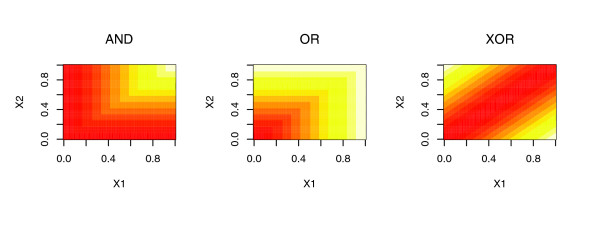
“At the other end of the model complexity spectrum lie Boolean networks [4], which assume that genes are simply on or off, and include standard logic interactions (AND, OR, XOR, and so on).”
BackgroundInteracting models of cooperative gene regulation
Das, D., Banerjee, N., & Zhang, M. Q. (2004) · Proceedings of the National Academy of Sciences · doi:10.1073/pnas.0407365101 · Cited by 119 · cited 1×
“Many other methods for capturing TFs cooperatively exist as well [51].”
MethodSirR, a Novel Iron-Dependent Repressor in Staphylococcus epidermidis
Hill, P. J., Cockayne, A., Landers, P., Morrissey, J. A., Sims, C. M., & Williams, P. (1998) · Infection and Immunity · doi:10.1128/iai.66.9.4123-4129.1998 · Cited by 110 · cited 2×
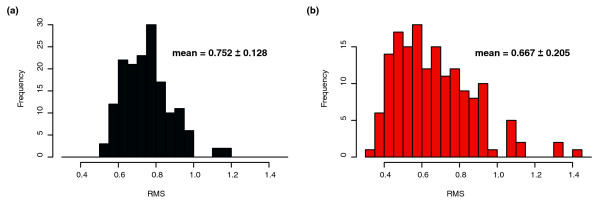
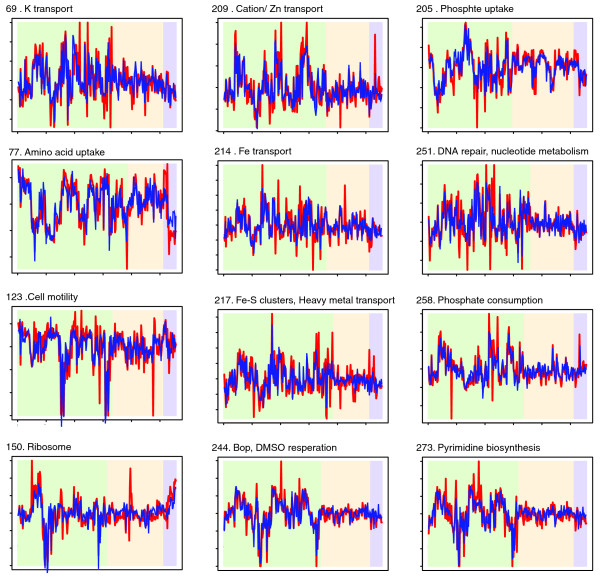
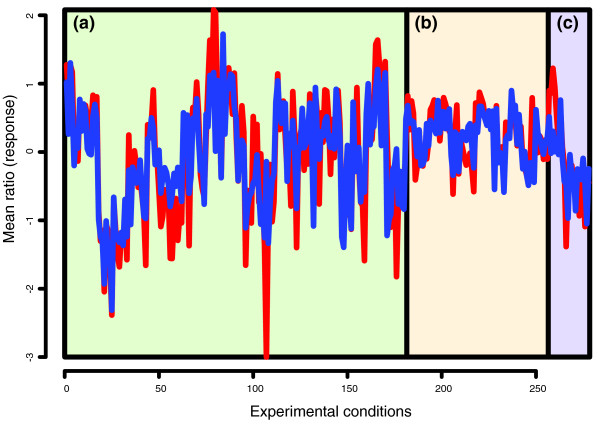
“Although the majority of biclusters have new data RMS values well matched by the training set RMS values, there are also nine biclusters (biclusters 1, 37, 77, 82, 99, 137, 161, 165, and 180) with RMS values significantly higher in the new data than in the training data.”
BackgroundResultGustafsson, M., Hörnquist, M., & Lombardi, A. (2005) · IEEE Transactions on Computational Biology and Bioinformatics · doi:10.1109/tcbb.2005.35 · Cited by 109 · cited 1×
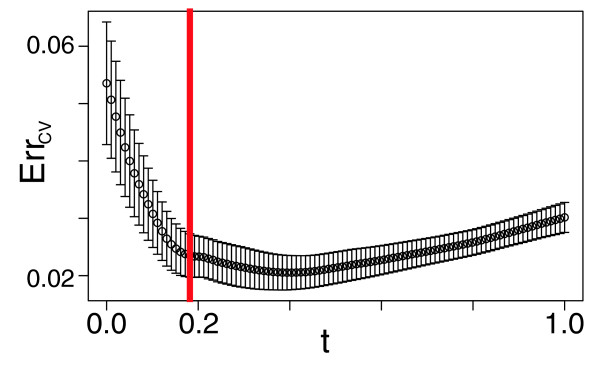
“We previously compared this method (L1 shrinkage with CV to select the shrinkage parameter) with several other model selection methods in the context of regulatory network inference and found it to be attractive for inferring large networks [27,54].”
MethodIs gene expression in Halobacterium NRC‐1 regulated by multiple TBP and TFB transcription factors?
Baliga, N. S., Goo, Y. A., Ng, W. V., Hood, L., Daniels, C. J., & DasSarma, S. (2000) · Molecular Microbiology · doi:10.1046/j.1365-2958.2000.01916.x · Cited by 100 · cited 1×
“…are directed at determining the degree to which these multiple copies of the general TFs are responsible for differential regulation of cellular processes (Facciotti MT, Bonneau R, Reiss D, Vuthoori M, Pan M, Kaur A, Schmidt A, Whitehead K, Shannon P, Dannahoe S, personal communication), [39].”
BackgroundSelf-citationEttema, T. J. G., Huynen, M. A., de Vos, W. M., & John van der, O. O. S. T. (2003) · Trends in Biochemical Sciences · doi:10.1016/s0968-0004(03)00037-9 · Cited by 81 · cited 1×
“VNG1179C is a Lrp / AsnC family regulator that also contains a metal-binding TRASH domain [35,36].”
BackgroundModeling Genetic Regulatory Dynamics in Neural Development
Wahde, M., & Hertz, J. (2001) · Journal of Computational Biology · doi:10.1089/106652701752236223 · Cited by 75 · cited 1×
“P = N } amounts to the simple weighted linear combination of influencing factors β • Z = Σβ j x j [46].”
BackgroundBonneau, R., Baliga, N. S., Deutsch, E. W., Shannon, P. T., & Hood, L. (2004) · Genome biology · doi:10.1186/gb-2004-5-8-r52 · Cited by 50
Self-citationPrice, M. N., Arkin, A. P., & Alm, E. J. (2006) · BMC Bioinformatics · doi:10.1186/1471-2105-7-19 · Cited by 26 · cited 1×
“…following: coherence in expression data across subsets of experimental conditions; co-occurrence of putative cis -acting regulatory motifs in the regulatory regions of bicluster members; and the presence of highly connected subgraphs in metabolic [23] and functional association networks [24-26].”
BackgroundReverse Engineering Galactose Regulation in Yeast through Model Selection
Thórsson, V., Hörnquist, M., Siegel, A. F., & Hood, L. (2005) · Statistical Applications in Genetics and Molecular Biology · doi:10.2202/1544-6115.1118 · Cited by 17 · cited 3×
“We previously compared this method (L1 shrinkage with CV to select the shrinkage parameter) with several other model selection methods in the context of regulatory network inference and found it to be attractive for inferring large networks [27,54].”
Self-citationProbabilistic models for identifying regulation networks
Friedman, N. (2003) · Bioinformatics · doi:10.1093/bioinformatics/btg1060 · Cited by 15 · cited 1×
“Recent probabilistic approaches to modeling regulatory network on the genome-wide scale use Bayesian networks to model regulatory structure, de novo, at the Boolean level [6-11].”
Cited by
Two new Later Stone Age sites from the Final Pleistocene in the Falémé Valley, eastern Senegal
Ndiaye, M., Lespez, L., Tribolo, C., Rassé, M., Hadjas, I., Davidoux, S., Huysecom, É., & Douze, K. (2024) · Monash University Research Portal (Monash University) · doi:10.3929/ethz-b-000667478 · Cited by 23,868
TopHat: discovering splice junctions with RNA-Seq
Trapnell, C., Pachter, L., & Salzberg, S. L. (2009) · Bioinformatics · doi:10.1093/bioinformatics/btp120 · Cited by 11,617
Inferring Regulatory Networks from Expression Data Using Tree-Based Methods
Huynh-Thu, V. A., Irrthum, A., Wehenkel, L., & Geurts, P. (2010) · PLoS ONE · doi:10.1371/journal.pone.0012776 · Cited by 2,131
“Nevertheless, hybrid methods involving ordinary differential equations have shown good performances on real-life genome-wide GRN inference [8].”
BackgroundSparse and Compositionally Robust Inference of Microbial Ecological Networks
Kurtz, Z. D., Müller, C. L., Miraldi, E. R., Littman, D. R., Blaser, M. J., & Bonneau, R. A. (2015) · PLOS Computational Biology · doi:10.1371/journal.pcbi.1004226 · Cited by 1,799
“Second, SPIEC-EASI estimates the interaction graph from the transformed data using one of two methods: (i) neighborhood selection [20, 21] and (ii) sparse inverse covariance selection [22, 23].”
MethodSelf-citationFaith, J. J., Hayete, B., Thaden, J. T., Mogno, I., Wierzbowski, J., Cottarel, G., Kasif, S., Collins, J. J., & Gardner, T. S. (2007) · PLoS Biology · doi:10.1371/journal.pbio.0050008 · Cited by 1,563
“…used machine-learning algorithms to identify cis -regulatory motifs or transcription factor target genes using a large set of expression arrays [2–18], genome-wide location analysis chromatin immunoprecipitation (ChIP-Chip) [19,20], or a combination of these and other high-throughput methods…”
Method
Metadata
- Authors
- Bonneau, R., Reiss, D. J., Shannon, P., Facciotti, M., Hood, L., Baliga, N. S., & Thorsson, V.
- Affiliations
- Courant Institute of Mathematical Sciences (US)
- Institute for Systems Biology (US)
- Corresponding author
- Bonneau, Richard
- Venue
- Genome Biology
- Published
- 2006-05-10
- Volume
- 7
- Issue
- 5
- Pages
- R36-R36
- ISSN
- 1465-6906 (ISSN-L)
- 1474-760X
- PMC
- PMC1779511
- OpenAlex
- W2129265801
- Cited by
- 510
- References
- 54
- Citations by year
- 2026: 14 · 2025: 8 · 2024: 15 · 2023: 17 · 2022: 21 · 2021: 27 · 2020: 25 · 2019: 23 · 2018: 29 · 2017: 24 · 2016: 39 · 2015: 33 · 2014: 26 · 2013: 34 · 2012: 35
- FWCI
- 10.62
- Type
- journal article
- Language
- en
- Open access
- gold
- doi.org
- Licence
- cc-by
- creativecommons.org/licenses/by/2.0/ (tdm)
- creativecommons.org/licenses/by/2.0/ (vor)
- Locations
- Genome biology (publishedVersion, cc-by)
- PubMed Central (publishedVersion, cc-by)
- PubMed (publishedVersion)
- Funders
- National Science Foundation (0220153, 0313754)
- U.S. Department of Energy (FG02-04ER63807)
- Deutscher Akademischer Austauschdienst
- National Institutes of Health
- National Institute of General Medical Sciences (P20GM064361, P20 GM64361)
- Topics
- Life Sciences › Biochemistry, Genetics and Molecular Biology › Molecular Biology › Gene Regulatory Network Analysis
- Life Sciences › Biochemistry, Genetics and Molecular Biology › Molecular Biology › Microbial Metabolic Engineering and Bioproduction
- Life Sciences › Biochemistry, Genetics and Molecular Biology › Molecular Biology › Bioinformatics and Genomic Networks
- Keywords
- transcriptional regulatory networks, archaea, gene expression prediction, feature selection, regression analysis, perturbation prediction, regulatory interactions
- MeSH terms
- Adenosine Triphosphatases, Algorithms, Halobacterium, Homeostasis, Ribosomal Proteins, Transcription Factors, Cluster Analysis, Archaeal Proteins, Gene Expression Regulation, Archaeal, Oligonucleotide Array Sequence Analysis, Gene Expression Profiling, Genomics, Cation Transport Proteins, Systems Biology
About these checks
Registry, retraction, Cites and statistics results are computed, not judged, with one exception: a printed reference that no index lists is read once by a model before it counts as a citation error. Claims are extracted by a model and kept only when their quote appears verbatim in the text; each cited source is then checked, with a model’s help, for whether it says what the claim relies on. Those verdicts can be wrong — read the claim’s quote and the cited source before relying on one.
Statistics and arithmetic are recomputed, not judged.
Confidence bands are shown only for fields calibrated on our annotated test set. None is calibrated yet, so no band is shown.
What counts as a claim ›How we measure confidence ›How we check this ›
Are you an author, or do you see a problem with this page? Request a review
Data sources
Bibliographic data: Semantic Scholar, OpenAlex, Crossref.
Contains information from the Semantic Scholar Academic Graph Datasets, made available under the ODC Attribution License (ODC-BY 1.0).
Semantic Scholar’s data is described in: Kinney, R., et al. (2023). The Semantic Scholar Open Data Platform. arXiv:2301.10140.
