

DNA methylome profiling of human tissues identifies global and tissue-specific methylation patterns
Open accessThe DOI matches its Crossref record; 30 of the 30 references it cites were found in a registry or an index.
Abstract
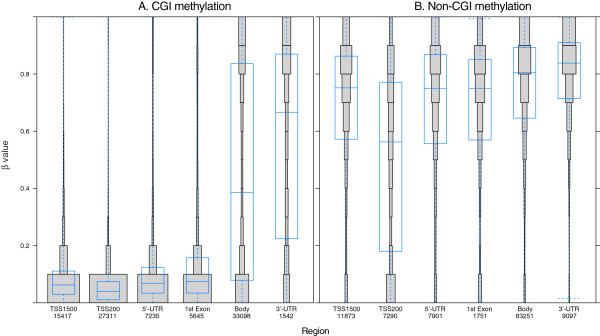
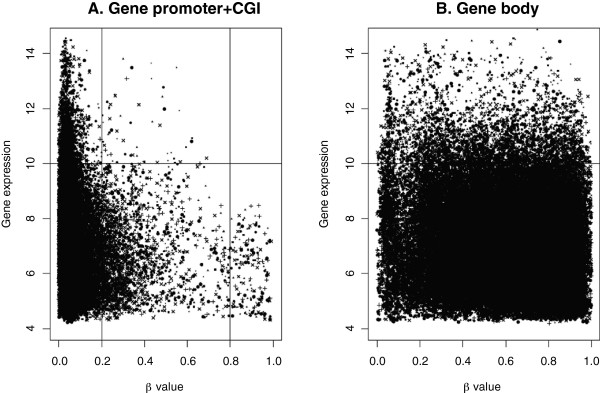
Background: DNA epigenetic modifications, such as methylation, are important regulators of tissue differentiation, contributing to processes of both development and cancer. Profiling the tissue-specific DNA methylome patterns will provide novel insights into normal and pathogenic mechanisms, as well as help in future epigenetic therapies. In this study, 17 somatic tissues from four autopsied humans were subjected to functional genome analysis using the Illumina Infinium HumanMethylation450 BeadChip, covering 486 428 CpG sites. Results: Only 2% of the CpGs analyzed are hypermethylated in all 17 tissue specimens; these permanently methylated CpG sites are located predominantly in gene-body regions. In contrast, 15% of the CpGs are hypomethylated in all specimens and are primarily located in regions proximal to transcription start sites. A vast number of tissue-specific differentially methylated regions are identified and considered likely mediators of tissue-specific gene regulatory mechanisms since the hypomethylated regions are closely related to known functions of the corresponding tissue. Finally, a clear inverse correlation is observed between promoter methylation within CpG islands and gene expression data obtained from publicly available databases. Conclusions: This genome-wide methylation profiling study identified tissue-specific differentially methylated regions in 17 human somatic tissues. Many of the genes corresponding to these differentially methylated regions contribute to tissue-specific functions. Future studies may use these data as a reference to identify markers of perturbed differentiation and disease-related pathogenic mechanisms.
Overview
The claims and statistics of this paper haven’t been checked yet.
Free: it reads the open-access text and checks the first 5 claims that cite a source we can check. Create a free account to check every claim.
Integrity signals
Registry
Cites
Statistics
Figures
Verification
Claims the paper makes
The claims and statistics of this paper haven’t been checked yet.
Free: it reads the open-access text and checks the first 5 claims that cite a source we can check. Create a free account to check every claim.
Claims other papers make about this one
Each is checked against this paper’s own text: does it say what the citing paper says it does?
The cited source says what the claim attributes to it.
In the citing paper
“Significant variability in methylation patterns between cord blood and placental and saliva samples suggests tissue-specific epigenetic patterns, 79 which may lead to differing functional consequences.80”
From Impact of Tobacco Smoke and Nicotine Exposure on Lung Development (2016) · cites this paper as [80]
Self-check
Percentages, sums and reported differences re-computed from the paper’s own numbers.
The self-check needs the paper’s full text.
Citations
Cites
R: A Language and Environment for Statistical Computing
R Core Team (2025) · doi:10.32614/r.manuals · Cited by 352,181
Gene Expression Omnibus: NCBI gene expression and hybridization array data repository
Edgar, R. (2002) · Nucleic Acids Research · doi:10.1093/nar/30.1.207 · Cited by 13,288 · cited 5×
“The data used in this study has been deposited in NCBI’s Gene Expression Omnibus repository and are accessible through GEO Series, accession number GSE50192.”
MethodInfluentialExploration, normalization, and summaries of high density oligonucleotide array probe level data
Irizarry, R. A. (2003) · Biostatistics · doi:10.1093/biostatistics/4.2.249 · Cited by 10,603 · cited 1×
“Gene expression data were normalized and preprocessed according to the robust multiarray average algorithm [29].”
MethodDAVID: Database for Annotation, Visualization, and Integrated Discovery
Dennis, G., Sherman, B. T., Hosack, D. A., Yang, J., Gao, W., Lane, H. C., & Lempicki, R. A. (2003) · Genome Biology · doi:10.1186/gb-2003-4-5-p3 · Cited by 9,327 · cited 5×
“The Database for Annotation, Visualization and Integrated Discovery (DAVID).”
MethodInfluentialDNA methylation patterns and epigenetic memory
Bird, A. (2002) · Genes & Development · doi:10.1101/gad.947102 · Cited by 7,124
CpG-rich islands and the function of DNA methylation
Bird, A. P. (1986) · Nature · doi:10.1038/321209a0 · Cited by 3,777 · cited 1×
“Background DNA methylation is the most extensively studied epigenetic modification of mammalian DNA [1].”
BackgroundMethPrimer: designing primers for methylation PCRs
Li, L.-C., & Dahiya, R. (2002) · Bioinformatics · doi:10.1093/bioinformatics/18.11.1427 · Cited by 2,729 · cited 2×
“Li LC, Dahiya R: MethPrimer: designing primers for methylation PCRs. Bioinformatics 2002, 18:1427–1431.”
MethodConserved role of intragenic DNA methylation in regulating alternative promoters
Maunakea, A. K., Nagarajan, R. P., Bilenky, M., Ballinger, T. J., D’Souza, C., Fouse, S. D., Johnson, B. E., Hong, C., Nielsen, C., Zhao, Y., et al. (2010) · Nature · doi:10.1038/nature09165 · Cited by 1,743 · cited 1×
“The fact that over a half of tDMRs were located in gene bodies and not in promoter areas is intriguing because methylation within a gene body may indicate the presence of alternative promoters [20].”
BackgroundHigh density DNA methylation array with single CpG site resolution
Bibikova, M., Barnes, B., Tsan, C., Ho, V., Klotzle, B., Le, J. M., Delano, D., Zhang, L., Schroth, G. P., Gunderson, K. L., et al. (2011) · Genomics · doi:10.1016/j.ygeno.2011.07.007 · Cited by 1,727 · cited 2×
“more than 485,000 methylation sites, covering 99% of RefSeq genes with an average of 17 CpGs per gene distributed across the promoter, 5′-UTR, first exon, gene body, and 3′-UTR regions [14].”
BackgroundMethodDNA methylation profiling of human chromosomes 6, 20 and 22
Eckhardt, F., Lewin, J., Cortese, R., Rakyan, V. K., Attwood, J., Burger, M., Burton, J., Cox, T. V., Davies, R., Down, T. A., et al. (2006) · Nature Genetics · doi:10.1038/ng1909 · Cited by 1,348
Research works printed but not linked: 1
- The Database for Annotation, Visualization and Integrated Discovery (DAVID) [ http://david.abcc.ncifcrf.gov/] 12734009
Cited by
Items 101–200 of 476
Yang, S., Lee, S., Lee, S., Kim, H., Kim, H., Kim, J., Lim, H., Park, M. J., Cho, H., Yoon, J., et al. (2020) · Annals of Allergy Asthma & Immunology · doi:10.1016/j.anai.2020.09.008 · Cited by 47
Liquid Biopsies beyond Mutation Calling: Genomic and Epigenomic Features of Cell-Free DNA in Cancer
Angeles, A. K., Janke, F., Bauer, S., Christopoulos, P., Riediger, A. L., & Sültmann, H. (2021) · Cancers · doi:10.3390/cancers13225615 · Cited by 47
Map of epigenetic age acceleration: A worldwide analysis
Yusipov, I., Kalyakulina, A., Trukhanov, A., Franceschi, C., & Ivanchenko, M. (2024) · Ageing Research Reviews · doi:10.1016/j.arr.2024.102418 · Cited by 47
DNA Methylation Patterns in the Hypothalamus of Female Pubertal Goats
Chen, Y., Ye, J., Li, X., Gao, X., Zhang, K., Luo, L., Ding, J., Zhang, Y., Li, Y., Cao, H., et al. (2016) · PLoS ONE · doi:10.1371/journal.pone.0165327 · Cited by 48
Vogt, G. (2018) · Journal of Biosciences · doi:10.1007/s12038-018-9741-x · Cited by 48
“DNA methylation is one of the effectors of tissue specificity in mouse and humans (Yagi et al. 2008; Ziller et al. 2013; Lokk et al. 2014; Roadmap Epigenomics Consortium et al. 2015).”
BackgroundDNA Methylation Changes Are Associated With an Incremental Ascent to High Altitude
Childebayeva, A., Harman, T. S., Weinstein, J. B., Goodrich, J. M., Dolinoy, D. C., Day, T. A., Bigham, A. W., & Brutsaert, T. D. (2019) · Frontiers in Genetics · doi:10.3389/fgene.2019.01062 · Cited by 48
Jiménez, B. P., Liu, F., Caliebe, A., González, D. M., Bell, J. T., Kayser, M., & Vidaki, A. (2021) · Genome biology · doi:10.1186/s13059-020-02223-9 · Cited by 47
“All publicly available data employed in this research were suitably deidentified and consented for public release prior to deposition to the GEO and ArrayExpress public repositories by the respective researchers.”
InfluentialKlein, H., & Hebestreit, K. (2015) · Briefings in Bioinformatics · doi:10.1093/bib/bbv095 · Cited by 48
Hum, M., & Lee, A. S. G. (2025) · Journal of Translational Medicine · doi:10.1186/s12967-025-06495-2 · Cited by 50
“This method has been instrumental in identifying hypermethylated tumor suppressor genes and hypomethylated oncogenes that serve as early diagnostic markers, contributing to the development of methylation-based screening assays [59].”
Kolde, R., Märtens, K., Lokk, K., Laur, S., & Vilo, J. (2016) · Bioinformatics · doi:10.1093/bioinformatics/btw304 · Cited by 44
Self-citationGlobal Deep-Sea Biodiversity Research Trends Highlighted by Science Mapping Approach
Costa, C., Fanelli, E., Marini, S., Danovaro, R., & Aguzzi, J. (2020) · Frontiers in Marine Science · doi:10.3389/fmars.2020.00384 · Cited by 46
Mortlock, S., Restuadi, R., Levien, R., Girling, J. E., Holdsworth‐Carson, S. J., Healey, M., Zhu, Z., Qi, T., Wu, Y., Lukowski, S. W., et al. (2019) · Clinical Epigenetics · doi:10.1186/s13148-019-0648-7 · Cited by 45
Seo, E., Kim, H., Kim, J., Lim, B., Park, J., Kim, S., Lee, S., Jeong, H. Y., Song, K., & Kim, Y. S. (2020) · International Journal of Cancer · doi:10.1002/ijc.32946 · Cited by 43
An epigenetic toolbox for conservation biologists
Balard, A., Baltazar‐Soares, M., Eizaguirre, C., & Heckwolf, M. J. (2024) · Evolutionary Applications · doi:10.1111/eva.13699 · Cited by 44
“…technique was originally de - veloped for humans using saliva (Bocklandt et al., 2011), then blood (Hannum et al., 2013), and it was eventually extended to multiple tissues (Horvath, 2013; Levine et al., 2018) – as methylation is cell-specific and therefore organ-specific (Lokk et al., 2014).”
MethodTramacere, A., Pievani, T., & Ferrari, P. F. (2016) · Biological reviews/Biological reviews of the Cambridge Philosophical Society · doi:10.1111/brv.12310 · Cited by 44
“…evidence and models stating that epigenetic regulation associated with developmental plasticity reflect adaptive functional interactions of the brain with the environment during ontogeny (Riedl, 1977; Striedter, 1998; Fishell & Heintz, 2013; Bronfman, Ginsburg & Jablonka, 2014; Lokk et al., 2014).”
BackgroundResultvan Rooij, J., Mandaviya, P. R., Claringbould, A., Felix, J. F., van Dongen, J., Jansen, R., Franke, L., Hoen, P. A. C. ’., Heijmans, B. T., & van Meurs, J. B. J. (2019) · Genome biology · doi:10.1186/s13059-019-1878-x · Cited by 44
Schaffner, S. L., & Kobor, M. S. (2022) · Frontiers in Genetics · doi:10.3389/fgene.2022.971298 · Cited by 47
Yuan, D., Jugas, R., Pokorná, P., Štěrba, J., Slaby, O., Schmid, S., Siewert, C., Osberg, B., Capper, D., Halldórsson, S., et al. (2025) · Nature Cancer · doi:10.1038/s43018-025-00976-5 · Cited by 48
“DNA methylation has an important role in the regulation of gene expression and cell type differentiation 1,2 .”
Whole slide images reflect DNA methylation patterns of human tumors
Zheng, H., Momeni, A., Cedoz, P.-L., Vogel, H., & Gevaert, O. (2020) · npj Genomic Medicine · doi:10.1038/s41525-020-0120-9 · Cited by 38
Ebrahimi, P., Luthman, H., McGuigan, F. E., & Åkesson, K. (2020) · Epigenetics · doi:10.1080/15592294.2020.1788325 · Cited by 41
Epigenetics for anthropologists: An introduction to methods
Non, A. L., & Thayer, Z. M. (2015) · American Journal of Human Biology · doi:10.1002/ajhb.22679 · Cited by 41
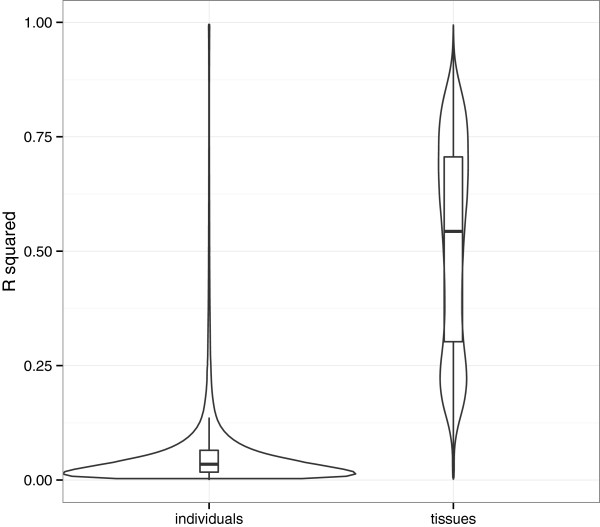
“…between tissues in a single individual can greatly exceed the amount of variation between individuals (Davies et al., 2012); for example, in one study interindividual variation explained 6.4% of the variance in DNA methylation while intertissue variation explained 51.2% (Lokk et al., 2014).”
BackgroundInfluentialKatrinli, Ş., Wani, A. H., Maihofer, A. X., Ratanatharathorn, A. D., Daskalakis, N. P., Montalvo‐Ortiz, J. L., Núñez-Ríos, D. L., Zannas, A. S., Zhao, X., Aiello, A. E., et al. (2024) · Genome Medicine · doi:10.1186/s13073-024-01417-1 · Cited by 41
Lin, Y., Tsai, L., Jc, L., Liu, K.-L., Tzen, J. T. C., Linacre, A. M. T., & Hsieh, H. (2016) · Forensic Science Medicine and Pathology · doi:10.1007/s12024-016-9763-3 · Cited by 41
Hernández, H. G., Sandoval-Hernández, A. G., Garrido‐Gil, P., Labandeira-García, J. L., Zelaya, M. V., Bayón, G. F., Fernández, A. F., Fraga, M. F., Arboleda, G., & Arboleda, H. (2018) · Epigenomics · doi:10.2217/epi-2017-0160 · Cited by 39
Yao, H., & Li, J. (2014) · Journal of Pharmacology and Experimental Therapeutics · doi:10.1124/jpet.114.219816 · Cited by 43
“The best studied DNA methylation of CpG islands has been within proximal promoter regions (Lokk et al., 2014).”
BackgroundNam, A.-R., Lee, K.-H., Hwang, H., Schabort, J. J., An, J., Won, S., & Cho, J. (2020) · Clinical Epigenetics · doi:10.1186/s13148-020-00888-4 · Cited by 39
“On the other hand, differential methylation on intergenic regions where enhancers or silencers exist contributes to the tissue-type specificity [29].”
BackgroundNon-linear patterns in age-related DNA methylation may reflect CD4+ T cell differentiation
Johnson, N. D., Wiener, H. W., Smith, A. K., Nishitani, S., Absher, D. M., Arnett, D. K., Aslibekyan, S., & Conneely, K. N. (2017) · Epigenetics · doi:10.1080/15592294.2017.1314419 · Cited by 37
“Many studies have found not only tissue-specific but also cell type-specific DNAm patterns.(24,25) Furthermore, such tissue- and cell type-specific DNAm patterns could be involved in cell lineage differentiation.”
BackgroundAlghanim, H., Balamurugan, K., & McCord, B. R. (2020) · Analytical Biochemistry · doi:10.1016/j.ab.2020.113933 · Cited by 37
Lin, Y., Tsai, L., Jc, L., Su, C.-W., Tzen, J. T. C., Linacre, A. M. T., & Hsieh, H. (2016) · Forensic Science International Genetics · doi:10.1016/j.fsigen.2016.08.011 · Cited by 36
Zhang, S., He, S., Zhu, X., Wang, Y., Xie, Q., Song, X., Xu, C., Wang, W., Xing, L., Xia, C., et al. (2023) · Nature Communications · doi:10.1038/s41467-023-41015-0 · Cited by 35
Age-related epigenome-wide DNA methylation and hydroxymethylation in longitudinal mouse blood
Kochmanski, J. J., Marchlewicz, E. H., Cavalcante, R. G., Sartor, M. A., & Dolinoy, D. C. (2018) · Epigenetics · doi:10.1080/15592294.2018.1507198 · Cited by 36
“DNA methylation and hydroxymethylation levels vary by tissue [14,38,39], so it remains to be seen whether the documented epigenetic aging in blood is consistent in other murine tissues – e.”
BackgroundDNA Methylation Profiling of Salivary Gland Tumors Supports and Expands Conventional Classification
Jurmeister, P. S., Leitheiser, M., Arnold, A., Capilla, E. P., Mochmann, L. H., Zhdanovich, Y., Schleich, K., Jung, N., Chimal, E., Jung, A., et al. (2024) · Modern Pathology · doi:10.1016/j.modpat.2024.100625 · Cited by 34
Epigenetic regulation by DNA methylation and miRNA molecules in cancer
Holubeková, V., Mendelová, A., Jašek, K., Meršaková, S., Žúbor, P., & Lasabová, Z. (2017) · Future Oncology · doi:10.2217/fon-2017-0363 · Cited by 34
Dopamine gene methylation patterns are associated with obesity markers and carbohydrate intake
Ramos‐Lopez, O., Riezu‐Boj, J. I., Milagro, F. I., Martinez, J. A., & MENA Project (2018) · Brain and Behavior · doi:10.1002/brb3.1017 · Cited by 33
Walker, R. M., Christoforou, A. N., McCartney, D. L., Morris, S. W., Kennedy, N. A., Morten, P., Anderson, S. M., Torrance, H. S., Macdonald, A., Sussmann, J. E., et al. (2016) · Clinical Epigenetics · doi:10.1186/s13148-016-0171-z · Cited by 30
“Our findings indicate that it may be possible to detect methylation differences relevant to nervous system function in the blood, despite the existence of between-tissue differences in DNA methylation [59, 60].”
Genome‐wide epigenetic isolation by environment in a widespread Anolis lizard
Wogan, G. O. U., Yuan, M. S., Mahler, D. L., & Wang, I. (2019) · Molecular Ecology · doi:10.1111/mec.15301 · Cited by 34
“Because methylation profiles are highly tissue-specific (Lokk et al., 2014; Schilling & Rehli, 2007; Vanyushin, Mazin, Vasilyev, & Belozersky, 1973), liver was chosen because of its physiological importance in thermoregulation through energy storage and release (Rui, 2014) and because changes in…”
BackgroundKong, W., Zhu, Q., Zhang, Q., Zhu, Y., Yang, J., Chai, K., Lei, W., Jiang, M., Zhang, S., Lin, J., et al. (2023) · Horticulture Research · doi:10.1093/hr/uhad126 · Cited by 35
Specific expression and methylation of SLIT1, SLIT2, SLIT3, and miR-218 in gastric cancer subtypes
Kim, M., KIM, J.-H., Baek, S., Kim, S., & KIM, Y. S. (2016) · International Journal of Oncology · doi:10.3892/ijo.2016.3473 · Cited by 34
Mechanical regulation of metabolism, epigenetics, and their interplay
Nam, H., Yu, G., Ahn, S. I., & Nam, S. (2026) · npj Biomedical Innovations. · doi:10.1038/s44385-025-00059-1 · Cited by 38
Crime investigation through DNA methylation analysis: methods and applications in forensics
Rana, A. K. (2018) · Egyptian Journal of Forensic Sciences · doi:10.1186/s41935-018-0042-1 · Cited by 35
“, 2011) which without altering the DNA sequence leads to phenotypic variation among the various tissues, monozygotic twins or among humans has provided a new vista to distinguish cell types or tissues (Brunner et al., 2009; Lokk et al., 2014), monozygotic twins (Fraga et al.”
BackgroundGu, X., Boldrup, L., Coates, P. J., Fåhræus, R., Nylander, E., Loizou, C., Olofsson, K., Norberg‐Spaak, L., Gärskog, O., & Nylander, K. (2016) · Scientific Reports · doi:10.1038/srep32579 · Cited by 30
Mathematical models of DNA methylation dynamics: Implications for health and ageing
Zagkos, L., Auley, M. T. M., Roberts, J. A., & Kavallaris, N. I. (2018) · Journal of Theoretical Biology · doi:10.1016/j.jtbi.2018.11.006 · Cited by 30
Zhang, D., Hao, J., Hou, R., Yu, Y., Hu, B., & Wei, L. (2019) · Journal of Clinical Pharmacy and Therapeutics · doi:10.1111/jcpt.13097 · Cited by 29
Impact of Depression and Stress on Placental DNA Methylation in Ethnically Diverse Pregnant Women
Tesfaye, M., Chatterjee, S., Zeng, X., Joseph, P. V., & Ayele, F. T. (2021) · Epigenomics · doi:10.2217/epi-2021-0192 · Cited by 31
Ciuculete, D. M., Voisin, S. A. C., Kular, L., Welihinda, N., Jonsson, J., Jagodic, M., Mwinyi, J., & Schiöth, H. B. (2019) · Epigenetics · doi:10.1080/15592294.2019.1700628 · Cited by 30
Giuliani, C., Biggs, D., Nguyen, T. T., Marasco, E., Fanti, S. D., Garagnani, P., Minh, T. L. P., Nguyen, V. N., Luiselli, D., & Romeo, G. C. (2018) · Environmental Pollution · doi:10.1016/j.envpol.2018.07.015 · Cited by 28
DNA methylation and copy number variation profiling of T-cell lymphoblastic leukemia and lymphoma
Haider, Z., Landfors, M., Golovleva, I., Erlanson, M., Schmiegelow, K., Flægstad, T., Kanerva, J. A., Norén‐Nyström, U., Hultdin, M., & Degerman, S. (2020) · Blood Cancer Journal · doi:10.1038/s41408-020-0310-9 · Cited by 29
Blood-Based Detection of Colorectal Cancer Using Cancer-Specific DNA Methylation Markers
Cho, N., Park, J. W., Wen, X., Shin, Y.-J., Kang, J., Song, S., Kim, H., Kim, T., Bae, J. M., & Kang, G. H. (2020) · Diagnostics · doi:10.3390/diagnostics11010051 · Cited by 28
The impact of epigenetic mechanisms in migraine: Current knowledge and future directions
Gallardo, V. J., Vila‐Pueyo, M., & Pozo‐Rosich, P. (2023) · Cephalalgia · doi:10.1177/03331024221145916 · Cited by 29
“Another important challenge is that epigenetic mechanisms also happen during normal development and differentiation (63), and this variation should be accounted for when comparing samples from different sources.”
BackgroundUnderstanding the role of the chromosome 15q25.1 in COPD through epigenetics and transcriptomics
Nedeljkovic, I., Carnero‐Montoro, E., Lahousse, L., van der Plaat, D. A., de Jong, K., Vonk, J. M., van Diemen, C. C., Faiz, A., van den Berge, M., Obeidat, M., et al. (2018) · European Journal of Human Genetics · doi:10.1038/s41431-017-0089-8 · Cited by 27
“Furthermore, studies comparing the DNA methylation patterns in multiple tissues confirm that there is a great overlap in patterns, encouraging us to believe that blood is a good surrogate to study differences that occur in lungs [45, 46].”
BackgroundCarpenter, B. L., Remba, T. K., Thomas, S. L., Madaj, Z., Brink, L. T., Tiedemann, R. L., Odendaal, H. J., & Jones, P. A. (2021) · Proceedings of the National Academy of Sciences · doi:10.1073/pnas.2026580118 · Cited by 27
“To confirm that the entire nc886 DMR maintains its imprint in adults, we analyzed genome-wide DNA methylation data from 17 somatic tissues, collected from four individuals at autopsy (17).”
Cell-free placental DNA: What do we really know?
Yuen, N., Lemaire, M., & Wilson, S. L. (2024) · PLoS Genetics · doi:10.1371/journal.pgen.1011484 · Cited by 27
Angerfors, A., Lindvall, M. O., Andersson, B., Nilsson, S., López, M. D., Hansson, L., Stanne, T. M., & Jern, C. (2020) · Thrombosis and Haemostasis · doi:10.1055/s-0040-1720980 · Cited by 28
Genome Methylation Accurately Predicts Neuroendocrine Tumor Origin: An Online Tool
Hackeng, W. M., Dreijerink, K. M. A., de Leng, W. W. J., Morsink, F. H. M., Valk, G. D., Vriens, M. R., Offerhaus, G. J. A., Geisenberger, C., & Brosens, L. A. A. (2020) · Clinical Cancer Research · doi:10.1158/1078-0432.ccr-20-3281 · Cited by 26
“DNA methylation is important in regulating gene expression and the distribution ofDNAmethylation across the genome is highly tissue and tumor specific (6).”
Denoyelle, L., de Villemereuil, P., Boyer, F., Khelifi, M., Gaffet, C., Alberto, F. J., Benjelloun, B., & Pompanon, F. (2021) · Frontiers in Genetics · doi:10.3389/fgene.2021.745284 · Cited by 26
“However, sweat glands localized in the dermis and mammary glands have a common tissue origin, and recent studies showed that the most similar tissues had comparable CpG methylation patterns (Lokk et al., 2014).”
BackgroundKhongsti, S., Lamare, F. A., Shunyu, N. B., Ghosh, S., Maitra, A., & Ghosh, S. (2017) · Genomics · doi:10.1016/j.ygeno.2017.09.002 · Cited by 27
Bánlaki, Z., Cimarelli, G., Virányi, Z., Kubinyi, E., Sasvári‐Székely, M., & Rónai, Z. (2017) · Molecular Genetics and Genomics · doi:10.1007/s00438-017-1305-5 · Cited by 27
“2016), similar to tissue-specific differentially methylated regions (Lokk et al. 2014).”
BackgroundInterethnic DNA Methylation Difference and Its Implications in Pharmacoepigenetics
Chu, S., & Yang, H. (2017) · Epigenomics · doi:10.2217/epi-2017-0046 · Cited by 25
Memory and neuromodulation: A perspective of DNA methylation
Poon, C. H., Chan, Y., Fung, M., & Lim, L. W. (2019) · Neuroscience & Biobehavioral Reviews · doi:10.1016/j.neubiorev.2019.12.022 · Cited by 25
Pinto-Medel, M. J., Oliver‐Martos, B., Urbaneja, P., Hurtado-Guerrero, I., Ortega-Pinazo, J., Serrano-Castro, P. J., Fernández, Ó., & Leyva, L. (2017) · Scientific Reports · doi:10.1038/s41598-017-09301-2 · Cited by 25
Genetic models and approaches to study orofacial clefts
Leslie, E. J. (2021) · Oral Diseases · doi:10.1111/odi.14109 · Cited by 24
Epigenetics of osteoarticular diseases: recent developments
Roberts, S. B., Wootton, E., Ferrari, L. D., Albagha, O., & Salter, D. M. (2015) · Rheumatology International · doi:10.1007/s00296-015-3260-y · Cited by 24
Distinguishable DNA methylation defines a cardiac-specific epigenetic clock
Mongelli, A., Panunzi, S., Nesta, M., Zamperla, M. G., Atlante, S., Barbi, V., Mongiardini, V., Ferraro, F., Martino, S. D., Cis, L., et al. (2023) · Clinical Epigenetics · doi:10.1186/s13148-023-01467-z · Cited by 24
“However, internal organs may have intrinsic features, such as different growth rates [8], specific telomere lengths [31], and organ-specific variation in the DNA methylation level [32] that might influence the epigenetic landscape.”
BackgroundTorres‐Martín, M., Lassaletta, L., de Campos, J. M., Isla, A., Pinto, G. R., Burbano, R. M. R., Meléndez, B., Castresana, J. S., & REY, J. A. (2014) · Genes Chromosomes and Cancer · doi:10.1002/gcc.22232 · Cited by 23
“This relationship has been highlighted in tissue specificity (Lokk et al., 2014), differentiation (Liu”
BackgroundVillalba‐Benito, L., Torroglosa, A., Fernández, R. M., Ruiz‐Ferrer, M., Moya-Jiménez, M. J., Antiñolo, G., & Borrego, S. (2017) · Scientific Reports · doi:10.1038/s41598-017-06539-8 · Cited by 24
Comparing DNA methylation profiles in saliva and intestinal mucosa
Hearn, N. L., Coleman, A. S., Ho, V., Chiu, C. L., & Lind, J. M. (2019) · BMC Genomics · doi:10.1186/s12864-019-5553-0 · Cited by 23
DNA methylation as a regulator of intestinal gene expression
Pinho, R. M., & Maga, E. A. (2021) · British Journal Of Nutrition · doi:10.1017/s0007114521000556 · Cited by 23
“developmental regulators(6,7), with around 50% of the CGI in mice and humans located in transcription start sites(8).”
BackgroundCamuzi, D., Simão, T. D. A., Dias, F. L., Pinto, L. F. R., & Soares‐Lima, S. C. (2021) · Cancers · doi:10.3390/cancers13225630 · Cited by 28
Zuo, Y., Zhong, J., Bai, H., Xu, B., Wang, Z., Li, W., Chen, Y., Jin, S. K., Wang, S., Wang, X., et al. (2022) · EBioMedicine · doi:10.1016/j.ebiom.2022.104165 · Cited by 22
Genome-wide DNA methylation profiling in ectopic and eutopic of endometrial tissues
Barjaste, N., Shahhoseini, M., Afsharian, P., Sharifi‐Zarchi, A., & Masoudi‐Nejad, A. (2019) · Journal of Assisted Reproduction and Genetics · doi:10.1007/s10815-019-01508-8 · Cited by 22
“Also, the endometrium is a heterogeneous glandular, composed of luminal, epithelial, and stromal cells with their own tissue type-specific DNA methylation signature [27], and therefore, the comparison between two really distinct tissues (lesions vs.”
BackgroundPathare, A. D. S., & Hinduja, I. N. (2019) · American Journal of Reproductive Immunology · doi:10.1111/aji.13196 · Cited by 23
Kho, M., Zhao, W., Ratliff, S. M., Ammous, F., Mosley, T. H., Shang, L., Kardia, S. L. R., Zhou, X., & Smith, J. A. (2020) · BMC Medical Genomics · doi:10.1186/s12920-020-00791-0 · Cited by 23
He, L., Khanal, P., Morse, C. I., Williams, A. G., & Thomis, M. A. (2020) · Journal of Cachexia Sarcopenia and Muscle · doi:10.1002/jcsm.12585 · Cited by 25
DNA methylation in adult diffuse gliomas
Leblanc, V., & Marra, M. A. (2016) · Briefings in Functional Genomics · doi:10.1093/bfgp/elw019 · Cited by 23
Kim, M.-K., Kim, E. J., Cheng, Y., Shin, M. H., Oh, J.-H., Lee, D. H., & Chung, J. H. (2017) · Journal of Investigative Dermatology · doi:10.1016/j.jid.2017.02.005 · Cited by 21
de Assis, R. I. F., Racca, F., Ferreira, R. S., Ruiz, K. G. S., da Silva, R. A., Clokie, S. J. H., Wiench, M., & Andia, D. C. (2022) · Cells · doi:10.3390/cells11071126 · Cited by 21
CancerNet: a unified deep learning network for pan-cancer diagnostics
Gore, S., & Azad, R. K. (2022) · BMC Bioinformatics · doi:10.1186/s12859-022-04783-y · Cited by 21
“Tissue specific patterns of methylation arise through development and limit the possible changes to the cell state during development or carcinogenesis [2, 3].”
BackgroundHu, Y., Yuan, S., Du, X., Liu, J., Zhou, W., & Wei, F. (2023) · The Innovation · doi:10.1016/j.xinn.2023.100434 · Cited by 22
Tuwaijri, A. A., Gagné‐Ouellet, V., Madore, A., Laprise, C., & Naumova, A. K. (2015) · Journal of Medical Genetics · doi:10.1136/jmedgenet-2015-103313 · Cited by 24
Bilichak, A., & Kovalchuk, I. (2016) · Methods in molecular biology · doi:10.1007/978-1-4899-7708-3_5 · Cited by 21
Twin studies advance the understanding of gene-environment interplay in human nutrigenomics
Pallister, T., Spector, T. D., & Menni, C. (2014) · Nutrition Research Reviews · doi:10.1017/s095442241400016x · Cited by 20
“However, only DNA extracted from saliva samples was used for this study and recent findings suggest that DNA methylation is tissue specific((79)); therefore analysis of different tissues may provide contrasting findings.”
Saito, T., Whatmore, P., Taylor, J. F., Fernandes, J. M. O., Adam, A., Tocher, D. R., Espe, M., & Skjærven, K. H. (2022) · BMC Genomics · doi:10.1186/s12864-022-08348-4 · Cited by 20
“The DNA methylation status is globally cleared and reset during germ-cell specification as most methylated cytosine sites become unmethylated [13, 14].”
BackgroundComparative computational analysis to distinguish mesenchymal stem cells from fibroblasts
Budeus, B., Unger, K., Heß, J., Sentek, H., & Klein, D. (2023) · Frontiers in Immunology · doi:10.3389/fimmu.2023.1270493 · Cited by 21
“Moreover, an inverse correlation between promoter methylation within CpG islands and gene expression data was observed in numerous human tissue specimens, thus suggesting that (permanently) methylated CpG sites located predominantly in gene-body regions are mediators of tissue-specific gene regulatory mechanisms and t…”
BackgroundDNA methylation dynamics: identification and functional annotation
Liu, H., Li, S., Wang, X., Zhu, J., Wei, Y., Wang, Y., Wen, Y., Wang, L., Huang, Y., Zhang, B., et al. (2016) · Briefings in Functional Genomics · doi:10.1093/bfgp/elw029 · Cited by 22
Arroyo‐Jousse, V., García‐Díaz, D. F., Ethel Codner, D., & Pérez‐Bravo, F. (2016) · British Journal Of Nutrition · doi:10.1017/s0007114516003846 · Cited by 20
“They did find differences between the different tissues and cells studied, demonstrating that gene methylation is tissue and cell specific, which corresponds with the work of Lokk et al.((38)).”
ResultGao, L., Liu, X., Millstein, J., Siegmund, K. D., Dubeau, L., Maguire, R. L., Zhang, J. J., Fuemmeler, B. F., Kollins, S. H., Hoyo, C., et al. (2018) · Clinical Epigenetics · doi:10.1186/s13148-018-0532-x · Cited by 20
Abdallah, M. O. E., Algizouli, U. K., Suliman, M. A., Abdulrahman, R. A., Koko, M., Fessahaye, G., Shakir, J. H., Fahal, A. H., El-Hassan, A. M., Ibrahim, M. E., et al. (2018) · Frontiers in Oncology · doi:10.3389/fonc.2018.00316 · Cited by 21
“The vast majority ofmethylation changes occur in a tissue-specificmanner (8), which makes methylome profiling a very sensitive and specific method for delineating dysregulated epigenetic pathways at the tissue level, as in cancer, which usually arises from a single tissue.”
BackgroundDietary Sodium Restriction Results in Tissue-Specific Changes in DNA Methylation in Humans
Kidambi, S., Pan, X., Yang, C., Liu, P., Roberts, M. L., Li, Y., Wang, T., Laud, P. W., Liu, Y., Rubens, M., et al. (2021) · Hypertension · doi:10.1161/hypertensionaha.120.17351 · Cited by 20
Dynamic Changes of DNA Methylation and Transcriptome Expression in Porcine Ovaries during Aging
Xi, X., Zou, Q., Wei, Y., Chen, Y., Wang, X., Lv, D., Li, P., Wen, A., Zhu, L., Tang, G., et al. (2019) · BioMed Research International · doi:10.1155/2019/8732023 · Cited by 20
“However, previous scientists reported a positive correlation with gene expression levels [56, 57] or no clear relationship patterns [58].”
BackgroundLi, J., Chen, Y., Yu, H., Tian, J., Yuan, F., Fan, J., Liu, Y., Zhu, L., Wang, F., Zhao, Y., et al. (2017) · Scientific Reports · doi:10.1038/srep43011 · Cited by 20
“Increasing numbers of studies have identified tissue-specific differential methylation 42 , which will provide important novel insights into normal and pathogenic mechanisms, as well as help in identifying markers of carcinogenesis and future epigenetic therapies.”
Systematic evaluation of methylation-based cell type deconvolution methods for plasma cell-free DNA
Sun, T., Yuan, J., Zhu, Y., Li, J., Yang, S., Zhou, J., Ge, X., Qu, S., Li, J. J., Li, Y., et al. (2024) · Genome biology · doi:10.1186/s13059-024-03456-8 · Cited by 20
“We downsampled the reference data to average CpG site coverages of 85, 71, 57, 43, 28, 14, and 3, corresponding to 5/6, 2/3, 1/2, 1/3, 1/6, and 1/30 of the original coverage, respectively.”
Human methylome variation across Infinium 450K data on the Gene Expression Omnibus
Maden, S. K., Thompson, R. F., Hansen, K. D., & Nellore, A. (2021) · NAR Genomics and Bioinformatics · doi:10.1093/nargab/lqab025 · Cited by 21
Biological aging markers in blood and brain tissue indicate age acceleration in alcohol use disorder
Zillich, L., Cetin, M., Hummel, E. M., Poisel, E., Fries, G. R., Frank, J., Streit, F., Foo, J. C., Sirignano, L., Friske, M. M., et al. (2024) · Alcoholism Clinical and Experimental Research · doi:10.1111/acer.15241 · Cited by 19
“Studying biological aging not only in blood but also the human brain is of particular importance as DNAm profiles, TL, and mtDNAcn are all highly tissue-specific (Demanelis et al., 2020 ; D'Erchia et al., 2015; Lokk et al., 2014).”
BackgroundCreation and validation of the first infinium DNA methylation array for the human imprintome
Carreras-Gallo, N., Dwaraka, V. B., Jima, D. D., Skaar, D. A., Mendez, T. L., Planchart, A., Zhou, W., Jirtle, R. L., Smith, R. C., & Hoyo, C. (2024) · Epigenetics Communications · doi:10.1186/s43682-024-00028-6 · Cited by 19
“Sometimes the interpretation of the findings is ambiguous because the DNA methylation modifications identified in the accessible tissues, such as blood, are different from the marks in the diseased tissue [9, 10].”
BackgroundHerzog, E. M., Eggink, A. J., Willemsen, S. P., Slieker, R. C., Felix, J. F., Stubbs, A., van der Spek, P. J., van Meurs, J. B. J., Heijmans, B. T., & Steegers‐Theunissen, R. P. M. (2020) · Journal of Developmental Origins of Health and Disease · doi:10.1017/s2040174420000136 · Cited by 19
ENPP2 Methylation in Health and Cancer
Παναγοπούλου, Μ., Fanidis, D., Aidinis, V., & Chatzaki, Ε. (2021) · International Journal of Molecular Sciences · doi:10.3390/ijms222111958 · Cited by 19
“In total, 13 studies, GSE27130 [25], GSE98534 [26], GSE63704, GSE46306 [27], GSE134772 [28], GSE120878 [29], GSE76938 [30], GSE97686 [31], GSE113017 [32], GSE113019 [32], GSE71627 [33], GSE50192 [34,35] and GSE51815 [36], were recruited for our analysis.”
BackgroundInfluentialYu, F., Shen, H., & Deng, H. (2017) · Bone Reports · doi:10.1016/j.bonr.2017.04.001 · Cited by 20
“…the enrichment of cell lineage-/tissue-specific DNA methylation events in non-CGI regions but depletion in CGIs have also been observed by others (Lokk et al., 2014; Yang et al., 2015; Byun et al., 2009; Slieker et al., 2013), highlighting the importance of exploring the functional significance…”
BackgroundResultInfluentialSilva, R., Glennon, K., Metoudi, M., Moran, B., Salta, S., Slattery, K., Treacy, A. D., Martin, T., Shaw, J., Doran, P., et al. (2023) · International Journal of Cancer · doi:10.1002/ijc.34496 · Cited by 19
“However, while genomic mutations are commonly tumour-specific, methylation patterns are known to be cell-type specific.(48,49) Moreover, a great proportion of cfDNA comes from non-tumour sources, thus assessment of the cfDNA methylome without prior knowledge of tumour's content proportion can lead to erroneous conclus…”
BackgroundLin, H., Wang, F., Rosato, A. J., Farrer, L. A., Henderson, D. C., & Zhang, H. (2020) · Epigenomics · doi:10.2217/epi-2019-0270 · Cited by 18
“For instance, eQTLs (or mQTLs) identified in the peripheral blood may have no regulatory function in the brain, given that the expression (or DNA methylation) of many genes is tissue- or cell-specific [16,17].”
Background
Metadata
- Authors
- Lokk, K., Modhukur, V., Rajashekar, B., Märtens, K., Mägi, R., Kolde, R., Koltšina, M., Nilsson, T. K., Vilo, J., Salumets, A., & Tõnisson, N.
- Affiliations
- Tartu University Hospital (EE)
- University of Tartu (EE)
- Umeå University (SE)
- Competence Centre on Health Technologies (Estonia) (EE)
- Corresponding author
- Salumets, Andres
- Tõnisson, Neeme
- ORCID
- Venue
- Genome Biology
- Published
- 2014-04-01
- Volume
- 15
- Issue
- 4
- Pages
- 224-224
- ISSN
- 1465-6906 (ISSN-L)
- 1474-760X
- PMC
- PMC4053947
- OpenAlex
- W2153250619
- Semantic Scholar
- da111e0d9ebf75483eec28e84f1b302f793083e5
- Cited by
- 444
- References
- 30
- Citations by year
- 2026: 21 · 2025: 27 · 2024: 55 · 2023: 29 · 2022: 39 · 2021: 40 · 2020: 45 · 2019: 41 · 2018: 31 · 2017: 37 · 2016: 35 · 2015: 31 · 2014: 13
- FWCI
- 15.84
- Type
- journal article
- Language
- en
- Update notices
- correction (2016-11-01)
- Open access
- gold
- doi.org
- Licence
- cc-by
- creativecommons.org/licenses/by/2.0/ (tdm)
- creativecommons.org/licenses/by/2.0/ (vor)
- Locations
- Genome biology (publishedVersion, cc-by)
- Europe PMC (PubMed Central) (publishedVersion, cc-by)
- PubMed Central (publishedVersion, cc-by)
- PubMed (publishedVersion)
- DiVA at Umeå University (Umeå University) (submittedVersion, other-oa)
- Funders
- European Commission (306031, 313010, 278913)
- Eesti Teadusagentuur (IUT20-60)
- Ettevõtluse Arendamise Sihtasutus (EU324509, EU30020)
- Tartu Ülikool (SP1GVARENG, EU30020)
- European Regional Development Fund (EU30020, EU-FP7)
- Eurostars
- Topics
- Life Sciences › Biochemistry, Genetics and Molecular Biology › Molecular Biology › Epigenetics and DNA Methylation
- Life Sciences › Biochemistry, Genetics and Molecular Biology › Molecular Biology › Genomics and Chromatin Dynamics
- Life Sciences › Biochemistry, Genetics and Molecular Biology › Genetics › Genetic Syndromes and Imprinting
- Keywords
- DNA methylation, tissue-specific methylation, differentially methylated regions, CpG hypermethylation, CpG hypomethylation, promoter methylation, CpG islands, gene expression, gene expression regulation, histogenesis, epigenetics
- MeSH terms
- Humans, Organ Specificity, Genome, Human, CpG Islands, DNA Methylation, Transcriptome
About these checks
Registry, retraction, Cites and statistics results are computed, not judged, with one exception: a printed reference that no index lists is read once by a model before it counts as a citation error. Claims are extracted by a model and kept only when their quote appears verbatim in the text; each cited source is then checked, with a model’s help, for whether it says what the claim relies on. Those verdicts can be wrong — read the claim’s quote and the cited source before relying on one.
Statistics and arithmetic are recomputed, not judged.
Confidence bands are shown only for fields calibrated on our annotated test set. None is calibrated yet, so no band is shown.
What counts as a claim ›How we measure confidence ›How we check this ›
Are you an author, or do you see a problem with this page? Request a review
Data sources
Bibliographic data: Semantic Scholar, OpenAlex, Crossref.
Contains information from the Semantic Scholar Academic Graph Datasets, made available under the ODC Attribution License (ODC-BY 1.0).
Semantic Scholar’s data is described in: Kinney, R., et al. (2023). The Semantic Scholar Open Data Platform. arXiv:2301.10140.
