

The NIH Toolbox Cognitive Battery for intellectual disabilities: three preliminary studies and future directions
Open accessThe DOI matches its Crossref record; 81 of the 81 references it cites were found in a registry or an index.
Abstract
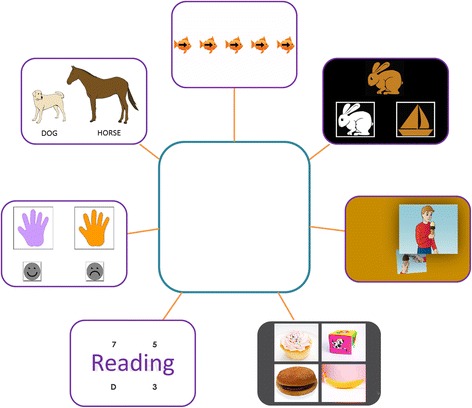
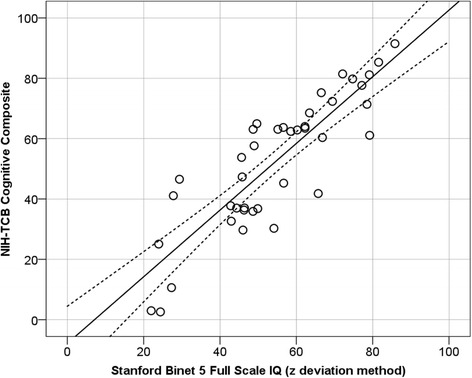
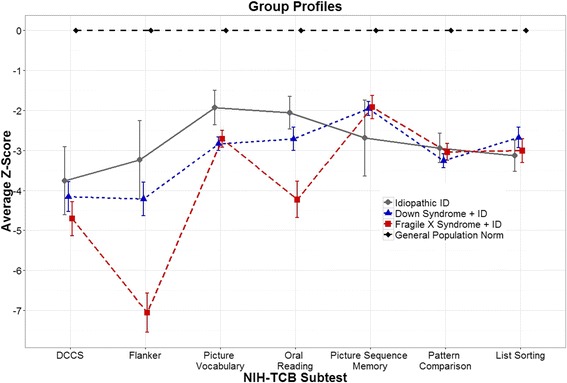
BACKGROUND: Recent advances in understanding molecular and synaptic mechanisms of intellectual disabilities (ID) in fragile X syndrome (FXS) and Down syndrome (DS) through animal models have led to targeted controlled trials with pharmacological agents designed to normalize these underlying mechanisms and improve clinical outcomes. However, several human clinical trials have failed to demonstrate efficacy of these targeted treatments to improve surrogate behavioral endpoints. Because the ultimate index of disease modification in these disorders is amelioration of ID, the validation of cognitive measures for tracking treatment response is essential. Here, we present preliminary research to validate the National Institutes of Health Toolbox Cognitive Battery (NIH-TCB) for ID. METHODS: We completed three pilot studies of patients with FXS (total n = 63; mean age 19.3 ± 8.3 years, mean mental age 5.3 ± 1.6 years), DS (n = 47; mean age 16.1 ± 6.2, mean mental age 5.4 ± 2.0), and idiopathic ID (IID; n = 16; mean age 16.1 ± 5.0, mean mental age 6.6 ± 2.3) measuring processing speed, executive function, episodic memory, word/letter reading, receptive vocabulary, and working memory using the web-based NIH-TB-CB, addressing feasibility, test-retest reliability, construct validity, ecological validity, and syndrome differences and profiles. RESULTS: Feasibility was good to excellent (≥80 % of participants with valid scores) for above mental age 4 years for all tests except list sorting (working memory). Test-retest stability was good to excellent, and convergent validity was similar to or better than results obtained from typically developing children in the normal sample for executive function and language measures. Examination of ecological validity revealed moderate to very strong correlations between the NIH-TCB composite and adaptive behavior and full-scale IQ measures. Syndrome/group comparisons demonstrated significant deficits for the FXS and DS groups relative to IID on attention and inhibitory control, a significant reading weakness for FXS, and a receptive vocabulary weakness for DS. CONCLUSIONS: The NIH-TCB has potential for assessing important dimensions of cognition in persons with ID, and several tests may be useful for tracking response to intervention. However, more extensive psychometric studies, evaluation of the NIH-TCB's sensitivity to change, both developmentally and in the context of treatment, and perhaps establishing links to brain function in these populations, are required to determine the true utility of the battery as a set of outcome measures.
Overview
The claims and statistics of this paper haven’t been checked yet.
Free: it reads the open-access text and checks the first 5 claims that cite a source we can check. Create a free account to check every claim.
Integrity signals
Registry
Cites
Statistics
Figures
Verification
Claims the paper makes
The claims and statistics of this paper haven’t been checked yet.
Free: it reads the open-access text and checks the first 5 claims that cite a source we can check. Create a free account to check every claim.
Claims other papers make about this one
Each is checked against this paper’s own text: does it say what the citing paper says it does?
The source backs part of the claim, not all of it — or backs it for a different population, condition or comparison.
In the citing paper
“The present study based the task version administered on chronological age, unlike other studies looking at the Toolbox in ID, which have used mental age as estimated through IQ testing.”
From NIH Toolbox Cognition Battery Feasibility in Individuals With Williams Syndrome (2022) · cites this paper as Hessl et al., 2016
Experimental — accuracy not yet measuredThe source backs part of the claim, not all of it — or backs it for a different population, condition or comparison.
In the citing paper
“The discrepant performance between these subtests appears consistent with previous findings using the NIHTB-CB in ID (Hessl et al., 2016).”
From NIH Toolbox Cognition Battery Feasibility in Individuals With Williams Syndrome (2022) · cites this paper as Hessl et al., 2016
Experimental — accuracy not yet measuredThe cited source says what the claim attributes to it.
In the citing paper
“available mouse operant touchscreen paradigms seem to have face validity63,89,101–104 relative to human cognitive touchscreen tasks97, although there is concern that the cognitive profile of Fmr1-KO mice may not emulate the cognitive deficits in the human syndrome63.”
From Drug development for neurodevelopmental disorders: lessons learned from fragile X syndrome (2018) · cites this paper as [97]
The cited source says what the claim attributes to it.
In the citing paper
“Efforts to validate the measure in individuals with ID indicate good feasibility in the moderate ID range and a mental age above 5 years (Shields et al., 2020) and convergent validity comparable to the original NIHTB-CB norming study (Hessl et al., 2016).”
From NIH Toolbox Cognition Battery Feasibility in Individuals With Williams Syndrome (2022) · cites this paper as Hessl et al., 2016
The cited source says what the claim attributes to it.
In the citing paper
“previous studies examining the NIHTB-CB in ID used mental age to determine which subtest version was administered (Hessl et al., 2016; Shields et al., 2020).”
From NIH Toolbox Cognition Battery Feasibility in Individuals With Williams Syndrome (2022) · cites this paper as Hessl et al., 2016
Self-check
Percentages, sums and reported differences re-computed from the paper’s own numbers.
The self-check needs the paper’s full text.
Citations
Cites
Harris, P. A., Taylor, R., Thielke, R., Payne, J., Gonzalez, N., & Conde, J. G. (2009) · Journal of Biomedical Informatics · doi:10.1016/j.jbi.2008.08.010 · Cited by 51,384 · cited 1×
“All data for study 3 was entered and managed within the Research Electronic Data Capture (REDCap) [57] system at UC Davis Clinical and Translational Science Center (CTSC).”
MethodPeabody Picture Vocabulary Test
Campbell, J. M., & Dommestrup, A. K. (2010) · The Corsini Encyclopedia of Psychology · doi:10.1002/9780470479216.corpsy0649 · Cited by 3,787
TEST REVIEW behavior rating inventory of executive function.
Gioia, G. A., Isquith, P. K., Guy, S. C., & Kenworthy, L. (2000) · Child Neuropsychology · doi:10.1076/chin.6.3.235.3152 · Cited by 1,925
Behavior Rating Inventory for Executive Function
Gioia, G. A., Isquith, P. K., & Roth, R. M. (2017) · Encyclopedia of Clinical Neuropsychology · doi:10.1007/978-3-319-56782-2_1881-2 · Cited by 1,568 · cited 1×
“The Behavior Rating Inventory of Executive Function (BRIEF) [55] is an 86-item parent or teacher rating to assess executive function and selfregulation in children and teenagers.”
Background(1985) · PubMed · Cited by 1,427
Roizen, N. J., & Patterson, D. (2003) · The Lancet · doi:10.1016/s0140-6736(03)12987-x · Cited by 1,331
Cognition assessment using the NIH Toolbox
Weintraub, S., Dikmen, S. S., Heaton, R. K., Tulsky, D. S., Zelazo, P. D., Bauer, P. J., Carlozzi, N. E., Slotkin, J., Blitz, D., Wallner-Allen, K., et al. (2013) · Neurology · doi:10.1212/wnl.0b013e3182872ded · Cited by 1,287
Self-citationVision assessment using the NIH Toolbox
Varma, R., McKean-Cowdin, R., Vitale, S., Slotkin, J., & Hays, R. D. (2013) · Neurology · doi:10.1212/wnl.0b013e3182876e0a · Cited by 1,178
Leiter International Performance Scale-Revised
Sullivan, S. A. (1998) · Psychology in the Schools · doi:10.1002/(sici)1520-6807(199804)35:2<195::aid-pits14>3.0.co;2-7 · Cited by 1,007
Correction of Fragile X Syndrome in Mice
Dölen, G., Osterweil, E., Rao, B. S. S., Smith, G. B., Auerbach, B. D., Chattarji, S., & Bear, M. F. (2007) · Neuron · doi:10.1016/j.neuron.2007.12.001 · Cited by 979 · cited 1×
“Recent advances in understanding the molecular mechanisms underlying NDD through animal models [2–5] have led to targeted controlled trials with pharmacological agents designed to normalize molecular abnormalities, synaptic function, cognition, and behavior in humans with these conditions.”
Background
Research works printed but not linked: 3
- Weintraub S Bauer PJ Zelazo PD Wallner-Allen K Dikmen SS Heaton RK I. NIH Toolbox Cognition Battery (CB): introduction and pediatric data Monogr Soc Res Child Dev 2013 78 4 1 15 10.1111/mono.12031 23952199 PMC3954750 · DOI · Paper page
- Zelazo PD Anderson JE Richler J Wallner-Allen K Beaumont JL Weintraub S II. NIH Toolbox Cognition Battery (CB): measuring executive function and attention Monogr Soc Res Child Dev 2013 78 4 16 33 10.1111/mono.12032 23952200 · DOI · Paper page
- Zelazo PD Bauer PJ National Institutes of Health Toolbox—Cognitive Function Battery (NIH Toolbox CFB): validation for children between 3 and 15 years: child development Monographs of the society for research in child development 2013 78 4 1 172 10.1111/mono.12032 23952209 · DOI · Paper page
Cited by
Hagerman, R. J., Berry-Kravis, E., Hazlett, H. C., Bailey, D. B., Moine, H., Kooy, R. F., Tassone, F., Gantois, I., Sonenberg, N., Mandel, J. L., et al. (2017) · Nature Reviews Disease Primers · doi:10.1038/nrdp.2017.65 · Cited by 838
Self-citationDrug development for neurodevelopmental disorders: lessons learned from fragile X syndrome
Berry-Kravis, E. M., Lindemann, L., Jønch, A. E., Apostol, G., Bear, M. F., Carpenter, R. L., Crawley, J. N., Curie, A., Des Portes, V., Hossain, F., et al. (2018) · Nature Reviews Drug Discovery · doi:10.1038/nrd.2017.221 · Cited by 336
Self-citationArbaclofen in fragile X syndrome: results of phase 3 trials
Berry-Kravis, E., Hagerman, R., Visootsak, J., Budimirovic, D., Kaufmann, W. E., Cherubini, M., Zarevics, P., Walton-Bowen, K., Wang, P., Bear, M. F., et al. (2017) · Journal of Neurodevelopmental Disorders · doi:10.1186/s11689-016-9181-6 · Cited by 183
“and the NIH Toolbox cognitive battery [37], and these types of measures have been increasingly incorporated in subsequent trials, including the KiTAP computerized”
MethodSelf-citationUpdated report on tools to measure outcomes of clinical trials in fragile X syndrome
Budimirovic, D. B., Berry-Kravis, E., Erickson, C. A., Hall, S. S., Hessl, D., Reiss, A. L., King, M. K., Abbeduto, L., & Kaufmann, W. E. (2017) · Journal of Neurodevelopmental Disorders · doi:10.1186/s11689-017-9193-x · Cited by 157
“A recently published series of pilot studies from this group using NIH-TCB measures provides preliminary evidence of feasibility, test-retest reliability, convergent validity, and sensitivity to group differences [38].”
BackgroundSelf-citationBerry-Kravis, E. M., Harnett, M. D., Reines, S. A., Reese, M. A., Ethridge, L. E., Outterson, A. H., Michalak, C., Furman, J., & Gurney, M. E. (2021) · Nature Medicine · doi:10.1038/s41591-021-01321-w · Cited by 131
Self-citationOpportunities, barriers, and recommendations in Down syndrome research
Hendrix, J. A., Amon, A., Abbeduto, L., Agiovlasitis, S., Alsaied, T., Anderson, H. A., Bain, L. J., Baumer, N., Bhattacharyya, A., Bogunovic, D., et al. (2021) · Translational Science of Rare Diseases · doi:10.3233/trd-200090 · Cited by 100
Self-citationSoorya, L., Leon, J., Trelles, M. P., & Thurm, A. (2018) · The Clinical Neuropsychologist · doi:10.1080/13854046.2017.1413211 · Cited by 87
Shalabi, H., Wolters, P. L., Martin, S. C., Toledo‐Tamula, M. A., Roderick, M. C., Struemph, K. L., Kane, E., Yates, B., Delbrook, C., Mackall, C. L., et al. (2018) · Journal of Immunotherapy · doi:10.1097/cji.0000000000000241 · Cited by 89
Long-Term Treatment of Niemann-Pick Type C1 Disease With Intrathecal 2-Hydroxypropyl-β-Cyclodextrin
Berry‐Kravis, E., Chin, J. A., Hoffmann, A., Winston, A., Stoner, R., LaGorio, L. A., Friedmann, K., Hernández, M., Ory, D. S., Porter, F. D., et al. (2018) · Pediatric Neurology · doi:10.1016/j.pediatrneurol.2017.12.014 · Cited by 81
Self-citationValidation of the NIH Toolbox Cognitive Battery in intellectual disability
Shields, R. H., Kaat, A. J., McKenzie, F. J., Drayton, A., Sansone, S. M., Coleman, J., Michalak, C., Riley, K., Berry-Kravis, E., Gershon, R. C., et al. (2020) · Neurology · doi:10.1212/wnl.0000000000009131 · Cited by 73
“The battery includes 7 tests: Dimensional Change Card Sort (DCCS), Flanker Inhibitory Control and Attention (Flanker), List Sorting Working Memory (LS), Pattern Comparison Processing Speed (PC), Picture Sequence Memory (PSM), Picture Vocabulary (PVT), and Oral Reading Recognition (OR).(9,15) The NIHTB-CB provided expe…”
MethodSelf-citationCognitive decline and dementia in Down syndrome
Hithersay, R., Hamburg, S., Knight, B., & Strydom, A. (2017) · Current Opinion in Psychiatry · doi:10.1097/yco.0000000000000307 · Cited by 73
“Validation of the NIH toolbox Cognitive Battery for ID found Flanker inhibition/attention tasks, picture vocabulary, oral reading and picture sequence memory tasks were accessible to those with ID, whereas dimensional change card sort, pattern comparison and list sorting tasks showed large floor effects, limiting thei…”
MethodExecutive Function in Fragile X Syndrome: A Systematic Review
Schmitt, L., Shaffer, R. C., Hessl, D. R., & Erickson, C. A. (2019) · Brain Sciences · doi:10.3390/brainsci9010015 · Cited by 73
Self-citationSirolimus Treatment in Sturge-Weber Syndrome
Sebold, A. J., Day, A. M., Ewen, J. B., Adamek, J. H., Byars, A. W., COHEN, B. A., Kossoff, E. H., Mizuno, T., Ryan, M., Sievers, J. W., et al. (2020) · Pediatric Neurology · doi:10.1016/j.pediatrneurol.2020.10.013 · Cited by 62
“After six months on sirolimus, mean processing speed scores improved for the group, and five of the nine subjects showed a statistically rare improvement in individual processing speed scores relative to the expected pattern of test score stability seen in a disabled comparison population [39].”
BackgroundMethodBerg, E. L., Pride, M. C., Petkova, S. P., Lee, R. D., Copping, N. A., Shen, Y., Adhikari, A., Fenton, T. A., Pedersen, L. R., Noakes, L. S., et al. (2020) · Translational Psychiatry · doi:10.1038/s41398-020-0720-2 · Cited by 65
Hart, S. J., Visootsak, J., Tamburri, P., Phuong, P., Baumer, N., Hernandez, M., Skotko, B. G., Ochoa‐Lubinoff, C., Liogier D'Ardhuy, X., Kishnani, P. S., et al. (2017) · American Journal of Medical Genetics Part A · doi:10.1002/ajmg.a.38465 · Cited by 54
“Finally, continued work on validating the NIH Toolbox Cognitive Battery for intellectual disabilities to provide common clinical endpoints for cognition in individuals with DS and other conditions (Hessl et al., 2016) will be critical for future studies in both academia and industry.”
BackgroundMethodAbbeduto, L., Berry‐Kravis, E., Sterling, A. M., Sherman, S. L., Edgin, J. O., McDuffie, A. S., Hoffmann, A., Hamilton, D., Nelson, M. N., Aschkenasy, J. R., et al. (2020) · Journal of Neurodevelopmental Disorders · doi:10.1186/s11689-020-09313-6 · Cited by 62
“[22] administered the NIH Toolbox Cognitive Battery, which was normed on children with TD as young as 3 years, to 6- to 25-yearolds with ID.”
BackgroundMethodInfluentialSelf-citationBest Practices in Fragile X Syndrome Treatment Development
Erickson, C. A., Kaufmann, W. E., Budimirovic, D. B., Lachiewicz, A. M., Haas‐Givler, B., Miller, R. M., Weber, J. D., Abbeduto, L., Hessl, D. R., Hagerman, R. J., et al. (2018) · Brain Sciences · doi:10.3390/brainsci8120224 · Cited by 45
Self-citationSnitz, B. E., Tudorascu, D. L., Yu, Z., Campbell, E., Lopresti, B. J., Laymon, C. M., Minhas, D. S., Nadkarni, N. K., Aizenstein, H. J., Klunk, W. E., et al. (2020) · Alzheimer s & Dementia Diagnosis Assessment & Disease Monitoring · doi:10.1002/dad2.12018 · Cited by 60
Self-citationResponse to Placebo in Fragile X Syndrome Clinical Trials: An Initial Analysis
Luu, S., Province, H. S., Berry‐Kravis, E., Hagerman, R. J., Hessl, D. R., Vaidya, D. M., Lozano, R., Rosselot, H., Erickson, C. A., Kaufmann, W. E., et al. (2020) · Brain Sciences · doi:10.3390/brainsci10090629 · Cited by 44
“Newer performance-rated measures such as ELS and NIH Toolbox may be able to capture real change, controlling for placebo e ff ect given the lack of caregiver rating [8,19,20,51].”
BackgroundSelf-citationStandardized Assessment Accommodations for Individuals with Intellectual Disability
Thompson, T., Coleman, J. M., Riley, K., Snider, L. A., Howard, L. J., Sansone, S. M., & Hessl, D. (2018) · Contemporary School Psychology · doi:10.1007/s40688-018-0171-4 · Cited by 37
“The proposed cycle of assessment has been successfully used in a research setting to increase validity and enhance feasibility for several standardized assessments with a variety of individuals with ID (Hessl et al. 2016).”
BackgroundMethodInfluentialSelf-citationHessl, D. R., Schweitzer, J. B., Nguyen, D. V., McLennan, Y. A., Johnston, C. K., Shickman, R., & Chen, Y. (2019) · Journal of Neurodevelopmental Disorders · doi:10.1186/s11689-019-9264-2 · Cited by 45
Self-citationParental Education, Household Income, Race, and Children’s Working Memory: Complexity of the Effects
Akhlaghipour, G., & Assari, S. (2020) · Brain Sciences · doi:10.3390/brainsci10120950 · Cited by 40
“This measure [103] has shown high reliability and validity [9,104].”
BackgroundClinical Development of Targeted Fragile X Syndrome Treatments: An Industry Perspective
Lee, A. W., Ventola, P. E., Budimirovic, D. B., Berry‐Kravis, E., & Visootsak, J. (2018) · Brain Sciences · doi:10.3390/brainsci8120214 · Cited by 39
“php?page=KiTAP, Expressive Language Sampling (ELS) [71], and the NIH-TCB [72,73]; (http://www.”
BackgroundSelf-citationBaseline Cognition Assessment Among Patients With Oropharyngeal Cancer Using PROMIS and NIH Toolbox
Sinha, P., Wong, A., Kallogjeri, D., & Piccirillo, J. F. (2018) · JAMA Otolaryngology–Head & Neck Surgery · doi:10.1001/jamaoto.2018.0283 · Cited by 31
de la Torre, R., de Sola, S., Farré, M., Xicota, L., Cuenca‐Royo, A., Rodríguez, J. C., León, A., Langohr, K., Gomis‐González, M., Hernández, G., et al. (2019) · Clinical Nutrition · doi:10.1016/j.clnu.2019.02.028 · Cited by 34
Mouse models of fragile X-related disorders
Willemsen, R., & Kooy, R. F. (2023) · Disease Models & Mechanisms · doi:10.1242/dmm.049485 · Cited by 31
Emerging pharmacological therapies in fragile X syndrome and autism
Yamasue, H., Aran, A. A., & Berry‐Kravis, E. (2019) · Current Opinion in Neurology · doi:10.1097/wco.0000000000000703 · Cited by 28
“To address these problems, new designs and outcome measures are needed [13,14,15 & ], including development and incorporation of more objective clinician-administered and direct observational measures [16] such as cognitive assessments to measure change [17] and biomarkers of central nervous system function, to reduce…”
MethodSelf-citationEvaluating working memory outcome measures for children with Down syndrome
Schworer, E. K., Esbensen, A. J., Fidler, D. J., Beebe, D. W., Carle, A., & Wiley, S. (2022) · Journal of Intellectual Disability Research · doi:10.1111/jir.12833 · Cited by 26
Hessl, D. R., Harvey, D. J., Sansone, S. M., Crestodina, C., Chin, J. A., Joshi, R., Hagerman, R. J., & Berry‐Kravis, E. (2019) · PLoS ONE · doi:10.1371/journal.pone.0209984 · Cited by 27
“More recently, discussion has focused on the lack of adequate research on outcome measures that have proven feasibility, reliability, and sensitivity to the core phenotypic features of FXS [35] as a potential factor in the failure of targeted treatment trials.”
BackgroundSelf-citationSchworer, E., Hoffman, E., & Esbensen, A. (2021) · Brain Sciences · doi:10.3390/brainsci11070836 · Cited by 24
“This selection was informed by previous work on the psychometrics of cognitive measurements in intellectual disability and DS [33,39].”
MethodThe NIH Toolbox for cognitive surveillance in Duchenne muscular dystrophy
Thangarajh, M., Kaat, A. J., Bibat, G., Mansour, J., Summerton, K., Gioia, A. R., Berger, C., Hardy, K. K., & Wagner, K. R. (2019) · Annals of Clinical and Translational Neurology · doi:10.1002/acn3.50867 · Cited by 24
“The NIHTB-CB tests have previously been evaluated for their reliability, validity, and other psychometric properties, 26 including among individuals with several different neurodevelopmental disorders.(27) We hypothesized that the NIHTB-CB would be sensitive to detect cognitive deficits in domains known to be impaired…”
MethodChallenges and Opportunities for Translation of Therapies to Improve Cognition in Down Syndrome
Lee, S. E., Duran-Martinez, M., Khantsis, S., Bianchi, D. W., & Guedj, F. (2019) · Trends in Molecular Medicine · doi:10.1016/j.molmed.2019.10.001 · Cited by 26
“There is an unmet need to develop behavioral tests in animal models that directly translate from human clinical studies, including the NIH Toolbox, CANTAB and ACTB (Table 2) [11, 12, 45].”
BackgroundMethodFoy, J. G., & Foy, M. R. (2020) · Frontiers in Human Neuroscience · doi:10.3389/fnhum.2020.00158 · Cited by 25
Validity of the NIH toolbox cognitive battery in a healthy oldest-old 85+ sample
Nolin, S. A., Cowart, H., Merritt, S. S., McInerney, K., Bharadwaj, P., Franchetti, M. K., Raichlen, D. A., Jessup, C. J., Hishaw, G. A., Etten, E. J. V., et al. (2022) · Journal of the International Neuropsychological Society · doi:10.1017/s1355617722000443 · Cited by 23
“…developmental disability, and neurological conditions (Carlozzi, Goodnight, et al., 2017; Flores et al., 2017; Hackett et al., 2018; Heaton et al., 2014; Hessl et al., 2016; Ma et al., 2021; Mungas et al., 2013; Tulsky et al., 2017; Weintraub, Dikmen, et al., 2013; Weintraub et al., 2014).”
BackgroundMa, Y., Carlsson, C. M., Wahoske, M. L., Blazel, H. M., Chappell, R. J., Johnson, S. C., Asthana, S., & Gleason, C. E. (2020) · Journal of the International Neuropsychological Society · doi:10.1017/s1355617720000922 · Cited by 25
“…Goodnight, et al., 2017; Nitsch et al., 2017; Tulsky, Carlozzi, et al., 2017; Tulsky, Holdnack, et al., 2017), stroke (Carlozzi, Goodnight, et al., 2017; Carlozzi, Tulsky, et al., 2017; Nitsch et al., 2017; Tulsky, Holdnack, et al., 2017), and intellectual disabilities (Hessl et al., 2016).”
Lang, S., Cadeaux, M., Opoku-Darko, M., Gaxiola‐Valdez, I., Partlo, L. A., Goodyear, B. G., Federico, P., & Kelly, J. J. (2016) · World Neurosurgery · doi:10.1016/j.wneu.2016.12.061 · Cited by 22
Berry‐Kravis, E. (2022) · Journal of Child Neurology · doi:10.1177/08830738221089740 · Cited by 21
Self-citationDakopolos, A., Condy, E. E., Smith, E. G., Harvey, D. J., Kaat, A. J., Coleman, J., Riley, K., Berry‐Kravis, E., & Hessl, D. R. (2024) · Journal of Neurodevelopmental Disorders · doi:10.1186/s11689-024-09542-z · Cited by 34
“In addition to our work with the NIHTB-CB in IDD [7, 12, 26], components of the NIHTB-CB [27] detected treatment effects in a 24-week phase 2 randomized, placebo-controlled, crossover trial of a phosphodiesterase-4D allosteric inhibitor (BPN14770) in 30 adult males with FXS [28].”
BackgroundMethodInfluentialSelf-citationJones, D. R., Dallman, A., Harrop, C., Whitten, A., Pritchett, J., Lecavalier, L., Bodfish, J. W., & Boyd, B. A. (2022) · Journal of Autism and Developmental Disorders · doi:10.1007/s10803-021-04965-2 · Cited by 18
Shields, R. H., Kaat, A. J., Sansone, S., Michalak, C., Coleman, J., Thompson, T., McKenzie, F. J., Dakopolos, A., Riley, K., Berry‐Kravis, E., et al. (2022) · Neurology · doi:10.1212/wnl.0000000000201528 · Cited by 17
“The FXS group showed delayed gains in attention and inhibitory control compared with OID.”
MethodInfluentialSelf-citationSchworer, E. K., Soltani, A., Altaye, M., Fidler, D. J., & Esbensen, A. J. (2023) · Research in Developmental Disabilities · doi:10.1016/j.ridd.2022.104416 · Cited by 22
Understanding the impact of tuberous sclerosis complex: development and validation of the TSC-PROM
Müller, A. R., Luijten, M. A. J., Haverman, L., de Ranitz‐Greven, W. L., Janssens, P., Rietman, A. B., ten Hoopen, L. W., de Graaff, L. C. G., de Wit, M. Y., Jansen, A., et al. (2023) · BMC Medicine · doi:10.1186/s12916-023-03012-4 · Cited by 22
Rej, S., Quayle, W., Forester, B. P., Dols, A., Gatchel, J. R., Chen, P., Gough, S., Fox, R., Sajatovic, M., Strejilevich, S., et al. (2017) · Bipolar Disorders · doi:10.1111/bdi.12566 · Cited by 19
The essentials of a global index for cognitive function
Antony, J. M., Weaver, I. C. G., Rueffer, M., Guthrie, N., & Evans, M. (2017) · Translational Neuroscience · doi:10.1515/tnsci-2017-0014 · Cited by 17
“The NIH Toolbox required rigorous work examining the psychometrics of the test battery in large clinical populations before being used as primary outcomes in clinical trials [64].”
BackgroundMethodA Pilot Study of Cognition Among Hypoparathyroid Adults
Rubin, M. R., Tabacco, G., Omeragic, B., Majeed, R., Hale, C., & Brickman, A. M. (2022) · Journal of the Endocrine Society · doi:10.1210/jendso/bvac002 · Cited by 18
“The National Institutes of Health (NIH) Toolbox® Cognition Battery (NIHTB-CB) is a validated and reliable method for objective assessment of cognitive function [11-14].”
MethodSchworer, E. K., Voth, K., Hoffman, E. K., & Esbensen, A. J. (2021) · Research in Developmental Disabilities · doi:10.1016/j.ridd.2021.104147 · Cited by 16
Müller, A. R., van Silfhout, N. Y., den Hollander, B., Kampman, D. H. C., Bakkum, L., Brands, M. M. M. G., Haverman, L., Terwee, C. B., Schuengel, C., Daams, J. G., et al. (2024) · Therapeutic Advances in Rare Disease · doi:10.1177/26330040241245721 · Cited by 17
“28,67 Affected individuals and representatives of the target population should be formally involved in the choice of measured outcomes, while now involvement was mentioned in only 2% of the clinical trials.”
BackgroundInfluentialSelf-citationTranslating molecular advances in Down syndrome and Fragile X syndrome into therapies
Faundez, V., De Toma, I., Bardoni, B., Bartesaghi, R., Nizetic, D., de la Torre, R., Cohen Kadosh, R., Herault, Y., Dierssen, M., Potier, M.-C., et al. (2018) · European Neuropsychopharmacology · doi:10.1016/j.euroneuro.2018.03.006 · Cited by 13
“However, more extensive psychometric studies, and evaluation of its sensitivity to developmental and treatment-related change, will determine the true utility of the battery as a set of outcome measures (Hessl et al. , 2016).”
Validating and Applying the CSBS-ITC in Neurogenetic Syndromes
Hamrick, L. R., & Tonnsen, B. L. (2019) · American Journal on Intellectual and Developmental Disabilities · doi:10.1352/1944-7558-124.3.263 · Cited by 14
“This need has motivated efforts to both create new measures and validate existing measures appropriate to clinical trials for NGS (Berry-Kravis et al., 2013; Hessl et al., 2009, 2016).”
BackgroundCordeiro, L., Braden, M. L., Coan, E., Welnick, N., Tanda, T., & Tartaglia, N. R. (2020) · Brain Sciences · doi:10.3390/brainsci10040248 · Cited by 18
Scott, H. M., Harvey, D. J., Li, Y., McLennan, Y. A., Johnston, C. K., Shickman, R., Piven, J., Schweitzer, J. B., & Hessl, D. R. (2020) · Brain Sciences · doi:10.3390/brainsci10100671 · Cited by 14
Self-citationWalkley, S. U., Abbeduto, L., Batshaw, M. L., Bhattacharyya, A., Bookheimer, S. Y., Christian, B. T., Constantino, J. N., de Vellis, J., Doherty, D., Nelson, D. L., et al. (2019) · Annals of Neurology · doi:10.1002/ana.25531 · Cited by 12
Self-citationThe impact of intellectual disability and sport expertise on cognitive and executive functions
Biesen, D. V., Damme, T. V., Pineda, R. C., & Burns, J. (2022) · Journal of Intellectual Disabilities · doi:10.1177/17446295211036331 · Cited by 19
“The Flanker task is also part of the US National Institute of Health (NIH) toolbox, which is a cognitive battery including measures of EF, that has been validated in various target groups, including people with intellectual disability (Hessl et al., 2016).”
Targeted Treatments for Fragile X Syndrome
Johnson, D., Clark, C. J., & Hagerman, R. J. (2023) · Advances in neurobiology · doi:10.1007/978-3-031-21054-9_10 · Cited by 10
Psychometric evaluation of a working memory assessment measure in young children with Down syndrome
Pinks, M. E., Deusen, K. V., Prince, M. A., Esbensen, A. J., Thurman, A. J., Patel, L., Abbeduto, L., Walsh, M. M., Daunhauer, L. A., Feigles, R. T., et al. (2023) · Research in Developmental Disabilities · doi:10.1016/j.ridd.2023.104564 · Cited by 14
Self-citationWatson, W., Pedowitz, A., Nowak, S., Neumayer, C., Kaplan, E., & Shah, S. (2020) · Rehabilitation Psychology · doi:10.1037/rep0000309 · Cited by 10
Expanding Best Practices in Assessment for Students with Intellectual and Developmental Disabilities
Snider, L. A., Talapatra, D., Miller, G. E., & Zhang, D. (2020) · Contemporary School Psychology · doi:10.1007/s40688-020-00294-w · Cited by 14
“Particularly in the context of cognitive assessment, it is only recently that explicit efforts have been made to develop tests with norm-reference groups that allow the cognitive functioning of individuals with IDD to be measured with sensitivity (Hessl et al. 2009; Hessl et al. 2016).”
BackgroundHom, C. L., Walsh, D. M. A., Fernandez, G., Tournay, A. E., Touchette, P. E., & Lott, I. T. (2021) · Journal of Intellectual Disability Research · doi:10.1111/jir.12863 · Cited by 9
Neuropsychological assessment of adults with phenylketonuria using the NIH toolbox
Christ, S. E., Clocksin, H. E., Zalik, M., Goodlett, B. D., Sacharow, S. J., & Abbene, E. E. (2023) · Molecular Genetics and Metabolism · doi:10.1016/j.ymgme.2023.107579 · Cited by 12
Prerequisite skills in cognitive testing: Innovations in theory and recommendations for practice
Kaat, A. J., Bishop, S. L., Condy, E. E., Sullivan, N. R., Soorya, L. V., & Thurm, A. E. (2021) · Cognitive Development · doi:10.1016/j.cogdev.2021.101038 · Cited by 11
“other computerized assessment increases the ability to test special populations, such as infants and toddlers, and individuals with physical or neurodevelopmental disabilities, among others (Hessl et al., 2016; Tulsky & Heinemann, 2017; Twomey et al., 2018).”
BackgroundNeurocognitive monitoring in congenital central hypoventilation syndrome with the NIH Toolbox®
Welbel, R. Z., Rand, C. M., Zhou, A. Z., Fadl‐Alla, A., Chen, M. L., Weese‐Mayer, D. E., & Zelko, F. A. J. (2022) · Pediatric Pulmonology · doi:10.1002/ppul.25973 · Cited by 8
“The validity of the NTCB has also been supported in individuals with fragile X syndrome, Down syndrome, and ID, attesting to its broad range of applicability.(31,32) Together, these studies strongly support the validity and sensitivity of NTCB as a measure of cognitive outcomes in neurologically and developmentally vu…”
BackgroundMethodEvaluating Verbal Fluency Outcome Measures in Children With Down Syndrome
Smeyne, C. N., Esbensen, A. J., Schworer, E. K., Belizaire, S., Hoffman, E. K., Beebe, D. W., & Wiley, S. (2022) · American Journal on Intellectual and Developmental Disabilities · doi:10.1352/1944-7558-127.4.328 · Cited by 10
Esbensen, A. J., Schworer, E. K., Fidler, D. J., & Thurman, A. J. (2022) · International review of research in developmental disabilities · doi:10.1016/bs.irrdd.2022.05.005 · Cited by 11
Gimblet, C. J., Kruse, N. T., Geasland, K. M., Michelson, J., Sun, M., Eyck, P. T., Linkenmeyer, C., Mandukhail, S. R., Rossman, M. J., Sambharia, M., et al. (2024) · Antioxidants · doi:10.3390/antiox13080983 · Cited by 13
“In the present investigation, we evaluated cognitive function using the NIH Toolbox Cognition Battery, including measures of processing speed, executive function, memory, and language [42].”
MethodAbbeduto, L., Soriano, L. D. H., Berry‐Kravis, E., Sterling, A. M., Edgin, J. O., Abdelnur, N., Drayton, A., Hoffmann, A., Hamilton, D., Harvey, D. J., et al. (2023) · Scientific Reports · doi:10.1038/s41598-023-36087-3 · Cited by 8
Self-citationNeuropsychological and ASD phenotypes in rare genetic syndromes: A critical review of the literature
Bush, L., & Scott, M. (2021) · The Clinical Neuropsychologist · doi:10.1080/13854046.2021.1980111 · Cited by 9
“…of novel computer and application-based test batteries of executive functioning (e.g. NIH Toolbox) have shown promise for more reliable assessment (Au et al., 2014; Hessl et al., 2016; Knox et al., 2012), although psychometric properties remain under development and limit clinical utility.”
BackgroundMethodSchworer, E. K., Altaye, M., Fidler, D. J., Beebe, D. W., Wiley, S., Hoffman, E. K., & Esbensen, A. J. (2023) · International Journal of Environmental Research and Public Health · doi:10.3390/ijerph20065202 · Cited by 12
“Predetermined criterion for feasibility was set at ≥80% based on acceptable feasibility used in previous studies [28,57].”
MethodBehavioral inflexibility in fragile X syndrome: Accounts from caregivers and self-advocates
Jones, A., Kang, S., Shaffer, R. C., Erickson, C. A., & Schmitt, L. (2023) · Frontiers in Psychology · doi:10.3389/fpsyg.2023.1118652 · Cited by 8
“For example, they are often not feasible for individuals with a mental age below 4 years old (Knox et al., 2012; Hessl et al., 2016) and do not necessarily capture true functional impairment and impact on daily life.”
BackgroundKaat, A. J., McKenzie, F. J., Shields, R. H., LaForte, E. M., Coleman, J., Michalak, C., & Hessl, D. R. (2021) · Child Neuropsychology · doi:10.1080/09297049.2021.1938987 · Cited by 8
“In previous research, PCPS has also shown lower feasibility among older individuals of similar mental age with an intellectual or developmental disability (IDD; Hessl et al., 2016; Shields et al., 2020).”
MethodSelf-citationKable, T. J., Leahy, A. A., Smith, J. J., Eather, N., Shields, N., Noetel, M., Lonsdale, C., Hillman, C. H., Reeves, P., Oldmeadow, C. J., et al. (2022) · BMJ Open · doi:10.1136/bmjopen-2022-065321 · Cited by 10
Psychometric properties of inhibitory control measures among youth with Down syndrome
Soltani, A., Schworer, E. K., Altaye, M., Fidler, D. J., Beebe, D. W., Wiley, S., Hoffman, E. K., Voth, K., & Esbensen, A. J. (2023) · Journal of Intellectual Disability Research · doi:10.1111/jir.13043 · Cited by 8
Intercorrelation of Molecular Biomarkers and Clinical Phenotype Measures in Fragile X Syndrome
Aishworiya, R., Chi, M., Zafarullah, M., Mendoza‐Morales, G., Ponzini, M. D., Kim, K., Biag, H. M. B., Thurman, A. J., Abbeduto, L., Hessl, D. R., et al. (2023) · Cells · doi:10.3390/cells12141920 · Cited by 7
“The NIHTB-CB has been extensively evaluated in children and young adults with Intellectual Developmental Disabilities (IDD), including FXS [36,42,43].”
MethodSelf-citationEffects of Social Robotics on Episodic Memory in Children With Intellectual Disabilities
Perez, J., Azuaje, M., León, C. S., & Pedroza, O. (2021) · IEEE Revista Iberoamericana de Tecnologias del Aprendizaje · doi:10.1109/rita.2021.3125899 · Cited by 9
Schmitt, L., Dominick, K. C., Liu, R., Pedapati, E. V., Ethridge, L. E., Smith, E. G., Sweeney, J. A., & Erickson, C. A. (2022) · Frontiers in Integrative Neuroscience · doi:10.3389/fnint.2021.797546 · Cited by 8
NIH Toolbox Cognition Battery Feasibility in Individuals With Williams Syndrome
Condy, E. E., Becker, L., Farmer, C., Kaat, A. J., Chlebowski, C., Kozel, B. A., & Thurm, A. (2022) · American Journal on Intellectual and Developmental Disabilities · doi:10.1352/1944-7558-127.6.473 · Cited by 6
A Comparison of Three Executive Function Batteries in a Preschool-Aged Sample
Kuhn, L., Camerota, M., Willoughby, M. T., & Blair, C. (2024) · Children · doi:10.3390/children11070811 · Cited by 9
“The NT-ECCB has been used with children with traumatic brain injuries [32] and disabilities [33].”
MethodEye Tracking as a Tool for Detecting Alzheimer's Disease in People With Down Syndrome
Piro-Gambetti, B., Krinsky-McHale, S., Kovacs, C. M., Handen, B., Christian, B., Laymon, C., Minhas, D., Luo, W., Yoon, D. M., Fleming, V. L., et al. (2025) · Journal of Intellectual Disability Research · doi:10.1111/jir.13214 · Cited by 7
Everyday Memory in People with Down Syndrome
Yang, Y., Himmelberger, Z. M., Robinson, T., Davis, M., Conners, F. A., & Merrill, E. C. (2021) · Brain Sciences · doi:10.3390/brainsci11050551 · Cited by 7
Watkins, L. V., Moon, S., Burrows, L., Tromans, S. J., Barwell, J., & Shankar, R. (2024) · Expert Opinion on Pharmacotherapy · doi:10.1080/14656566.2024.2323605 · Cited by 7
“Databasing of research interests [66], working with patient and family organizations and adoption of inter-nationally approved metrics for tracking cognitive improvements [67] could well be beneficial in improving access to future interventional research.”
BackgroundBrkić, D., Ng‐Cordell, E., O’Brien, S., Martin, J., Scerif, G., Astle, D. E., & Baker, K. (2022) · Child Neuropsychology · doi:10.1080/09297049.2022.2054968 · Cited by 7
“…existing methods rely on a one-off assessment by an unfamiliar examiner, irrespective of an individual’s variable concentration, motivation, and social confidence, all of which may influence capacity to attempt a novel task and to improve performance if practice is permitted (Hessl et al., 2016b).”
BackgroundMethodNeurocognitive and psychosocial outcomes in survivors of childhood leukemia with Down syndrome
Gandy, K. C., Hall, L., Krull, K. R., Esbensen, A. J., Rubnitz, J. E., & Jacola, L. M. (2024) · Cancer Medicine · doi:10.1002/cam4.6842 · Cited by 4
“…following: measures of attention and executive function (NIH-Toolbox Flanker Inhibitory Control and Attention and Dimensional Change Card Sort 50,51 ; Verbal Fluency, 52–56 Modified Self Ordered Pointing, 54–58 Cat-Dog Stroop, 52,58 Spatial Reversal, 52,54,59,60 and Rule Shift Card Task 54 ),…”
BackgroundTenorio, M., Arango, P. S., Aparicio, A., Rosas, R., & Strasser, K. (2019) · Psykhe (Santiago) · doi:10.7764/psykhe.29.1.1378 · Cited by 10
“Aunque hay algunos desarrollos de instrumentos orientados a la evaluación específica de cognición en SD (de Sola et al., 2015; Edgin et al., 2010; Hessl et al., 2016) y algunas pruebas de instrumentos tradicionales en esta población (Galeote, Sebastián, Checa, Rey & Soto, 2011), estos han sido…”
BackgroundYang, W., Li, M., Yu, J. J., Wong, S. H., Sum, R. K. W., & Sit, C. H. P. (2022) · Journal of Autism and Developmental Disorders · doi:10.1007/s10803-022-05777-8 · Cited by 6
“Intellectual disabilities (IDs) are characterized by impairments in mental functioning and adaptive behaviors, such as conceptual, social, and practical skills (Regier et al., 2009), which usually develop before the age of 18 (Hessl et al., 2016).”
BackgroundThe Effects of Virtual Zumba® on Functional Outcomes in Adults with Developmental Disabilities
Munn, E. E., Lang, D. M., Hynes, J., NORTHCUTT, A., Patten, B., Wadsworth, D. D., & Pangelinan, M. M. (2023) · Medicine & Science in Sports & Exercise · doi:10.1249/mss.0000000000003157 · Cited by 4
Neural and Genetic Bases for Human Ability Traits
Pinto, C. B., Bielefeld, J., Jabakhanji, R., Reckziegel, D., Griffith, J. W., & Apkarian, A. V. (2020) · Frontiers in Human Neuroscience · doi:10.3389/fnhum.2020.609170 · Cited by 4
“, 2017), disability classification (Hessl et al., 2016), and brain injury recovery (Tulsky et al.”
BackgroundPreliminary psychometric properties of an inhibition task in young children with Down syndrome
Walsh, M. M., Deusen, K. V., Prince, M. A., Esbensen, A. J., Thurman, A. J., Pinks, M. E., Patel, L., Feigles, R. T., Abbeduto, L., Daunhauer, L. A., et al. (2023) · Journal of Intellectual Disabilities · doi:10.1177/17446295231218776 · Cited by 6
“A benchmark of 80% has been commonly used in evaluations of outcome measures for children and adults with intellectual or developmental disabilities (Hessl et al., 2016).”
Self-citationSchworer, E. K., & Esbensen, A. J. (2023) · International Journal of Developmental Disabilities · doi:10.1080/20473869.2023.2230409 · Cited by 4
“Relatedly, the measures selected for a trial may inform inclusion criteria, if it is established that a person with DS must have a specific mental age or adaptive level to participate in the required study activities (Esbensen et al. 2022, Hessl et al. 2016, Schworer et al. 2022).”
Mwanza-Kabaghe, S., Sportiello, K., Shah, M., Adams, H., Mbewe, E. G., Kabundula, P., Schneider, C., Mweemba, M., Birbeck, G. L., & Bearden, D. (2025) · Journal of Child Neurology · doi:10.1177/08830738251360197 · Cited by 3
Early Detection of Cognitive Decline Via Mobile and Home Sensors
Jimison, H. B., Kos, M., & Pavel, M. (2022) · Cognitive informatics in biomedicine and healthcare · doi:10.1007/978-3-031-07696-1_8 · Cited by 2
Siegel, A. E., Bianchi, D. W., & Guedj, F. (2023) · Journal of Neuroscience Research · doi:10.1002/jnr.25160 · Cited by 4
“…include the Cambridge Neuropsychological Test Automated Battery (CANTAB), the Arizona Cognitive Test Battery (ACTB) and the National Institutes of Health (NIH) Toolbox Cognition Battery (Akshoomoff et al., 2014; Edgin et al., 2010; Hessl et al., 2016; Sahakian & Owen, 1992; Weintraub et al., 2013).”
MethodMolecular mechanisms for targeted treatments in fragile X syndrome
Miranda, I., & Hagerman, R. J. (2023) · Rare Disease and Orphan Drugs Journal · doi:10.20517/rdodj.2023.21 · Cited by 3
Condy, E. E., Kaat, A. J., Becker, L., Sullivan, N. R., Soorya, L. V., Berger, N. I., Berry‐Kravis, E., Michalak, C., & Thurm, A. E. (2021) · Research in Developmental Disabilities · doi:10.1016/j.ridd.2021.103993 · Cited by 3
Self-citationDeusen, K. V., Prince, M. A., Walsh, M. M., Patel, L., Pinks, M. E., Esbensen, A. J., Thurman, A. J., Abbeduto, L., Oser, C., Daunhauer, L. A., et al. (2025) · American Journal on Intellectual and Developmental Disabilities · doi:10.1352/1944-7558-130.3.195 · Cited by 3
Self-citationPardej, S. K., Casnar, C. L., Yund, B. D., & Klein-Tasman, B. (2024) · Child Neuropsychology · doi:10.1080/09297049.2024.2302634 · Cited by 2
“…preliminary evidence of sensitivity of the NIH Toolbox Cognition Battery in a sample of individuals (6–25 years old) with intellectual disability (Hessl et al., 2016), while in a sample of childhood cancer survivors, sensitivity was found to be low and specificity was adequate for the Cogstate…”
Effects of IQ and Adaptive Behavior on Assessment and Treatment in Dual Diagnosis
Hennessey, J. M., & McGowan, M. R. (2020) · Autism and child psychopathology series · doi:10.1007/978-3-030-46835-4_5 · Cited by 2
Siegel, A. E., Bianchi, D. W., & Guedj, F. (2020) · bioRxiv (Cold Spring Harbor Laboratory) · doi:10.1101/2020.07.21.214106 · Cited by 2
Talbott, M. R., Dufek, S., & Young, G. (2023) · International review of research in developmental disabilities · doi:10.1016/bs.irrdd.2023.07.002 · Cited by 1
Sterling, A. M., Elmquist, M., Banasik, A., Ciullo, B., Chavers, T. N., & Hoover, J. R. (2026) · Journal of Neurodevelopmental Disorders · doi:10.1186/s11689-026-09697-x · Cited by 1
“EFs have been systematically studied in DS and several studies have been completed in FXS, including both verbal and nonverbal EF tasks [26, 54–56, 68, 71].”
CGG repeat expansion at FMR1 locus – A new molecular diagnostic algorithm in fragile X syndrome
Garg, R. K., Kumar, N., & Malhotra, H. (2016) · Neurology India · doi:10.4103/0028-3886.193771 · Cited by 1
Patel, L., Esbensen, A. J., & Sannar, E. M. (2020) · International review of research in developmental disabilities · doi:10.1016/bs.irrdd.2020.07.004 · Cited by 6
Metadata
- Authors
- Hessl, D., Sansone, S. M., Berry-Kravis, E., Riley, K., Widaman, K. F., Abbeduto, L., Schneider, A., Coleman, J., Oaklander, D., Rhodes, K. C., & Gershon, R. C.
- Affiliations
- University of California Davis Medical Center (US)
- University of Denver (US)
- University of California, Riverside (US)
- Rush University Medical Center (US)
- Northwestern University (US)
- Corresponding author
- Hessl, David
- ORCID
- Venue
- Journal of Neurodevelopmental Disorders
- Published
- 2016-09-06
- Volume
- 8
- Issue
- 1
- Pages
- 35-35
- ISSN
- 1866-1947 (ISSN-L)
- 1866-1955
- PMC
- PMC5012003
- OpenAlex
- W2517687243
- Cited by
- 126
- References
- 79
- Citations by year
- 2026: 8 · 2025: 9 · 2024: 11 · 2023: 18 · 2022: 14 · 2021: 14 · 2020: 19 · 2019: 13 · 2018: 8 · 2017: 9 · 2016: 3
- FWCI
- 10.90
- Type
- journal article
- Language
- en
- Open access
- gold
- doi.org
- Licence
- cc-by
- creativecommons.org/licenses/by/4.0/ (tdm)
- creativecommons.org/licenses/by/4.0/ (vor)
- Locations
- Journal of Neurodevelopmental Disorders (publishedVersion, cc-by)
- PubMed Central (publishedVersion, cc-by)
- PubMed (publishedVersion)
- eScholarship (California Digital Library) (submittedVersion, cc-by)
- Digital Commons - DU (University of Denver) (submittedVersion)
- eScholarship (California Digital Library) (submittedVersion)
- Funders
- Eunice Kennedy Shriver National Institute of Child Health and Human Development (HD076189, HD079125)
- National Fragile X Foundation
- National Center for Advancing Translational Sciences (TR000002)
- Topics
- Health Sciences › Medicine › Public Health, Environmental and Occupational Health › Down syndrome and intellectual disability research
- Life Sciences › Biochemistry, Genetics and Molecular Biology › Genetics › Genetics and Neurodevelopmental Disorders
- Social Sciences › Psychology › Experimental and Cognitive Psychology › Cognitive Abilities and Testing
- Keywords
- intellectual disability, fragile X syndrome, Down syndrome, idiopathic intellectual disability, cognitive assessment, test-retest reliability, construct validity, ecological validity, processing speed, executive function, working memory, episodic memory, receptive vocabulary, reading, adaptive behavior, treatment response monitoring, inhibitory control, attention deficits, reading deficits
About these checks
Registry, retraction, Cites and statistics results are computed, not judged, with one exception: a printed reference that no index lists is read once by a model before it counts as a citation error. Claims are extracted by a model and kept only when their quote appears verbatim in the text; each cited source is then checked, with a model’s help, for whether it says what the claim relies on. Those verdicts can be wrong — read the claim’s quote and the cited source before relying on one.
Statistics and arithmetic are recomputed, not judged.
Confidence bands are shown only for fields calibrated on our annotated test set. None is calibrated yet, so no band is shown.
What counts as a claim ›How we measure confidence ›How we check this ›
Are you an author, or do you see a problem with this page? Request a review
Data sources
Bibliographic data: Semantic Scholar, OpenAlex, Crossref.
Contains information from the Semantic Scholar Academic Graph Datasets, made available under the ODC Attribution License (ODC-BY 1.0).
Semantic Scholar’s data is described in: Kinney, R., et al. (2023). The Semantic Scholar Open Data Platform. arXiv:2301.10140.
