

The NIH Toolbox Cognitive Battery for intellectual disabilities: three preliminary studies and future directions
Open accessThe DOI matches its Crossref record; 81 of the 81 references it cites were found in a registry or an index.
Abstract
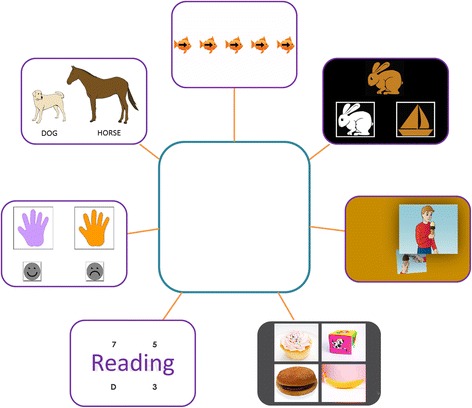
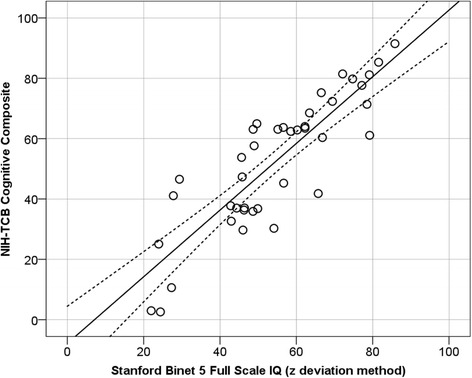
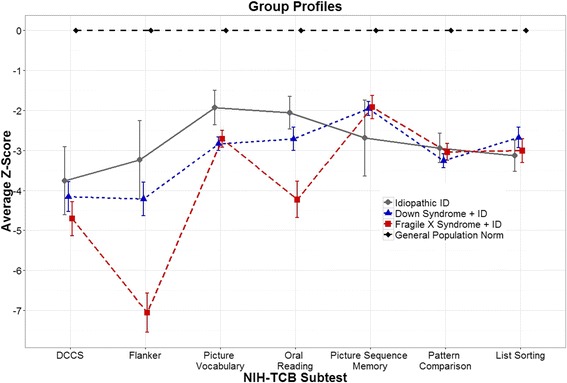
BACKGROUND: Recent advances in understanding molecular and synaptic mechanisms of intellectual disabilities (ID) in fragile X syndrome (FXS) and Down syndrome (DS) through animal models have led to targeted controlled trials with pharmacological agents designed to normalize these underlying mechanisms and improve clinical outcomes. However, several human clinical trials have failed to demonstrate efficacy of these targeted treatments to improve surrogate behavioral endpoints. Because the ultimate index of disease modification in these disorders is amelioration of ID, the validation of cognitive measures for tracking treatment response is essential. Here, we present preliminary research to validate the National Institutes of Health Toolbox Cognitive Battery (NIH-TCB) for ID. METHODS: We completed three pilot studies of patients with FXS (total n = 63; mean age 19.3 ± 8.3 years, mean mental age 5.3 ± 1.6 years), DS (n = 47; mean age 16.1 ± 6.2, mean mental age 5.4 ± 2.0), and idiopathic ID (IID; n = 16; mean age 16.1 ± 5.0, mean mental age 6.6 ± 2.3) measuring processing speed, executive function, episodic memory, word/letter reading, receptive vocabulary, and working memory using the web-based NIH-TB-CB, addressing feasibility, test-retest reliability, construct validity, ecological validity, and syndrome differences and profiles. RESULTS: Feasibility was good to excellent (≥80 % of participants with valid scores) for above mental age 4 years for all tests except list sorting (working memory). Test-retest stability was good to excellent, and convergent validity was similar to or better than results obtained from typically developing children in the normal sample for executive function and language measures. Examination of ecological validity revealed moderate to very strong correlations between the NIH-TCB composite and adaptive behavior and full-scale IQ measures. Syndrome/group comparisons demonstrated significant deficits for the FXS and DS groups relative to IID on attention and inhibitory control, a significant reading weakness for FXS, and a receptive vocabulary weakness for DS. CONCLUSIONS: The NIH-TCB has potential for assessing important dimensions of cognition in persons with ID, and several tests may be useful for tracking response to intervention. However, more extensive psychometric studies, evaluation of the NIH-TCB's sensitivity to change, both developmentally and in the context of treatment, and perhaps establishing links to brain function in these populations, are required to determine the true utility of the battery as a set of outcome measures.
Overview
The claims and statistics of this paper haven’t been checked yet.
Free: it reads the open-access text and checks the first 5 claims that cite a source we can check. Create a free account to check every claim.
Integrity signals
Registry
Cites
Statistics
Figures
Verification
Claims the paper makes
The claims and statistics of this paper haven’t been checked yet.
Free: it reads the open-access text and checks the first 5 claims that cite a source we can check. Create a free account to check every claim.
Claims other papers make about this one
Each is checked against this paper’s own text: does it say what the citing paper says it does?
The source backs part of the claim, not all of it — or backs it for a different population, condition or comparison.
In the citing paper
“The present study based the task version administered on chronological age, unlike other studies looking at the Toolbox in ID, which have used mental age as estimated through IQ testing.”
From NIH Toolbox Cognition Battery Feasibility in Individuals With Williams Syndrome (2022) · cites this paper as Hessl et al., 2016
Experimental — accuracy not yet measuredThe source backs part of the claim, not all of it — or backs it for a different population, condition or comparison.
In the citing paper
“The discrepant performance between these subtests appears consistent with previous findings using the NIHTB-CB in ID (Hessl et al., 2016).”
From NIH Toolbox Cognition Battery Feasibility in Individuals With Williams Syndrome (2022) · cites this paper as Hessl et al., 2016
Experimental — accuracy not yet measuredThe cited source says what the claim attributes to it.
In the citing paper
“available mouse operant touchscreen paradigms seem to have face validity63,89,101–104 relative to human cognitive touchscreen tasks97, although there is concern that the cognitive profile of Fmr1-KO mice may not emulate the cognitive deficits in the human syndrome63.”
From Drug development for neurodevelopmental disorders: lessons learned from fragile X syndrome (2018) · cites this paper as [97]
The cited source says what the claim attributes to it.
In the citing paper
“Efforts to validate the measure in individuals with ID indicate good feasibility in the moderate ID range and a mental age above 5 years (Shields et al., 2020) and convergent validity comparable to the original NIHTB-CB norming study (Hessl et al., 2016).”
From NIH Toolbox Cognition Battery Feasibility in Individuals With Williams Syndrome (2022) · cites this paper as Hessl et al., 2016
The cited source says what the claim attributes to it.
In the citing paper
“previous studies examining the NIHTB-CB in ID used mental age to determine which subtest version was administered (Hessl et al., 2016; Shields et al., 2020).”
From NIH Toolbox Cognition Battery Feasibility in Individuals With Williams Syndrome (2022) · cites this paper as Hessl et al., 2016
Self-check
Percentages, sums and reported differences re-computed from the paper’s own numbers.
The self-check needs the paper’s full text.
Citations
Cites
Harris, P. A., Taylor, R., Thielke, R., Payne, J., Gonzalez, N., & Conde, J. G. (2009) · Journal of Biomedical Informatics · doi:10.1016/j.jbi.2008.08.010 · Cited by 51,384 · cited 1×
“All data for study 3 was entered and managed within the Research Electronic Data Capture (REDCap) [57] system at UC Davis Clinical and Translational Science Center (CTSC).”
MethodPeabody Picture Vocabulary Test
Campbell, J. M., & Dommestrup, A. K. (2010) · The Corsini Encyclopedia of Psychology · doi:10.1002/9780470479216.corpsy0649 · Cited by 3,787
TEST REVIEW behavior rating inventory of executive function.
Gioia, G. A., Isquith, P. K., Guy, S. C., & Kenworthy, L. (2000) · Child Neuropsychology · doi:10.1076/chin.6.3.235.3152 · Cited by 1,925
Behavior Rating Inventory for Executive Function
Gioia, G. A., Isquith, P. K., & Roth, R. M. (2017) · Encyclopedia of Clinical Neuropsychology · doi:10.1007/978-3-319-56782-2_1881-2 · Cited by 1,568 · cited 1×
“The Behavior Rating Inventory of Executive Function (BRIEF) [55] is an 86-item parent or teacher rating to assess executive function and selfregulation in children and teenagers.”
Background(1985) · PubMed · Cited by 1,427
Roizen, N. J., & Patterson, D. (2003) · The Lancet · doi:10.1016/s0140-6736(03)12987-x · Cited by 1,331
Cognition assessment using the NIH Toolbox
Weintraub, S., Dikmen, S. S., Heaton, R. K., Tulsky, D. S., Zelazo, P. D., Bauer, P. J., Carlozzi, N. E., Slotkin, J., Blitz, D., Wallner-Allen, K., et al. (2013) · Neurology · doi:10.1212/wnl.0b013e3182872ded · Cited by 1,287
Self-citationVision assessment using the NIH Toolbox
Varma, R., McKean-Cowdin, R., Vitale, S., Slotkin, J., & Hays, R. D. (2013) · Neurology · doi:10.1212/wnl.0b013e3182876e0a · Cited by 1,178
Leiter International Performance Scale-Revised
Sullivan, S. A. (1998) · Psychology in the Schools · doi:10.1002/(sici)1520-6807(199804)35:2<195::aid-pits14>3.0.co;2-7 · Cited by 1,007
Correction of Fragile X Syndrome in Mice
Dölen, G., Osterweil, E., Rao, B. S. S., Smith, G. B., Auerbach, B. D., Chattarji, S., & Bear, M. F. (2007) · Neuron · doi:10.1016/j.neuron.2007.12.001 · Cited by 979 · cited 1×
“Recent advances in understanding the molecular mechanisms underlying NDD through animal models [2–5] have led to targeted controlled trials with pharmacological agents designed to normalize molecular abnormalities, synaptic function, cognition, and behavior in humans with these conditions.”
BackgroundPeabody Picture Vocabulary Test--Fourth Edition
Dunn, L. M., & Dunn, D. M. (2012) · PsycTESTS Dataset · doi:10.1037/t15144-000 · Cited by 914
Estes, A., Munson, J., Dawson, G., Koehler, E., Zhou, X.-H., & Abbott, R. (2009) · Autism · doi:10.1177/1362361309105658 · Cited by 865 · cited 1×
“Although ID is the hallmark feature of FXS, cognitive measures were not used to track treatment response, mainly due to a lack of consensus about which measures to choose, a lack of validation of existing measures in ID and/or FXS that could quantify short-term changes in cognition, and a desire to reduce distressing…”
MethodII. NIH TOOLBOX COGNITION BATTERY (CB): MEASURING EXECUTIVE FUNCTION AND ATTENTION
Zelazo, P. D., Anderson, J. E., Richler, J., Wallner-Allen, K., Beaumont, J. L., & Weintraub, S. (2013) · Monographs of the Society for Research in Child Development · doi:10.1111/mono.12032 · Cited by 823
Jacquemont, S., Curie, A., des Portes, V., Torrioli, M. G., Berry-Kravis, E., Hagerman, R. J., Ramos, F. J., Cornish, K., He, Y., Paulding, C., et al. (2011) · Science Translational Medicine · doi:10.1126/scitranslmed.3001708 · Cited by 609 · cited 2×
“subgroups [18], these trials were deemed “negative” or “failed” and none of these companies have been able to”
BackgroundSelf-citationPharmacotherapy for cognitive impairment in a mouse model of Down syndrome
Fernandez, F., Morishita, W., Zuniga, E., Nguyen, J., Blank, M., Malenka, R. C., & Garner, C. C. (2007) · Nature Neuroscience · doi:10.1038/nn1860 · Cited by 515 · cited 1×
“In the DS mouse model, cognitive deficits in object and declarative memory, as well as LTP deficits, are reversed with inverse agonists of alpha5 subunit-containing GABAA receptors, leading to the use of these agents in human trials of DS [5, 35].”
MethodThe neuropsychology of down syndrome: evidence for hippocampal dysfunction.
Pennington, B. F., Moon, J., Edgin, J., Stedron, J., & Nadel, L. (2003) · Child Development · doi:10.1111/1467-8624.00522 · Cited by 514 · cited 1×
“The cognitive phenotype is characterized by deficits in verbal working memory and recall [26], cognitive flexibility [27–29], visual memory and learning [28, 30, 31], and planning and goal-directed problem-solving [32–34].”
BackgroundStanford‐Binet Intelligence Scales
Kamphaus, R. W., & Juechter, J. I. (2010) · The Corsini Encyclopedia of Psychology · doi:10.1002/9780470479216.corpsy0941 · Cited by 385
Language and communication development in down syndrome
Roberts, J. E., Price, J., & Malkin, C. (2007) · Mental Retardation and Developmental Disabilities Research Reviews · doi:10.1002/mrdd.20136 · Cited by 384 · cited 1×
“Similarly, although the battery has limited language measures, the picture vocabulary test did yield lower scores for participants with DS, a group who has previously been found to score lower on standardized tests of vocabulary than typically developing mental age matches [60–64] and individuals with other forms of I…”
BackgroundWoodcock-Johnson Tests of Achievement
(2018) · The SAGE Encyclopedia of Intellectual and Developmental Disorders · doi:10.4135/9781483392271.n542 · Cited by 381
Assessment of neurological and behavioural function: the NIH Toolbox
Gershon, R. C., Cella, D., Fox, N. A., Havlik, R. J., Hendrie, H. C., & Wagster, M. V. (2010) · The Lancet Neurology · doi:10.1016/s1474-4422(09)70335-7 · Cited by 377 · cited 1×
“org; [39, 40]).”
Self-citationBerry-Kravis, E. M., Hessl, D., Rathmell, B., Zarevics, P., Cherubini, M., Walton-Bowen, K., Mu, Y., Nguyen, D. V., Gonzalez-Heydrich, J., Wang, P. P., et al. (2012) · Science Translational Medicine · doi:10.1126/scitranslmed.3004214 · Cited by 328 · cited 2×
“phase 2 trial [20] and two phase 3 trials in adults/adolescents and children [21]).”
BackgroundSelf-citationExecutive function in adolescents with Down Syndrome
Lanfranchi, S., Jerman, O., Dal Pont, E., Alberti, A., & Vianello, R. (2010) · Journal of Intellectual Disability Research · doi:10.1111/j.1365-2788.2010.01262.x · Cited by 308 · cited 1×
“The cognitive phenotype is characterized by deficits in verbal working memory and recall [26], cognitive flexibility [27–29], visual memory and learning [28, 30, 31], and planning and goal-directed problem-solving [32–34].”
BackgroundAkshoomoff, N., Beaumont, J. L., Bauer, P. J., Dikmen, S. S., Gershon, R. C., Mungas, D., Slotkin, J., Tulsky, D., Weintraub, S., Zelazo, P. D., et al. (2013) · Monographs of the Society for Research in Child Development · doi:10.1111/mono.12038 · Cited by 299 · cited 1×
“[58].”
Self-citationBussey, T. J., Holmes, A., Lyon, L., Mar, A. C., McAllister, K. A. L., Nithianantharajah, J., Oomen, C. A., & Saksida, L. M. (2012) · Neuropharmacology · doi:10.1016/j.neuropharm.2011.04.011 · Cited by 299 · cited 1×
“In this regard, it is noteworthy that cognitive tasks developed for mice, including measures of attention, inhibitory control, working and object memory, and pattern discrimination using touch screen technology [71–74], are available and could in the future be compared across species with some of the NIH-TCB tasks.”
BackgroundRole for metabotropic glutamate receptor 5 (mGluR5) in the pathogenesis of fragile X syndrome
Dölen, G., & Bear, M. F. (2008) · The Journal of Physiology · doi:10.1113/jphysiol.2008.150722 · Cited by 278 · cited 1×
“Extensive studies with two FXS animal models, the fmr1 knockout mouse and dfmr Drosophila (fruit fly) mutant, have demonstrated abnormalities in metabotropic glutamate (mGluR) [3] and γ-aminobutyric acid (GABA) [17] receptor signaling due to loss of normal inhibitory control of dendritic translation in the absence of…”
BackgroundBerry-Kravis, E., Des Portes, V., Hagerman, R., Jacquemont, S., Charles, P., Visootsak, J., Brinkman, M., Rerat, K., Koumaras, B., Zhu, L., et al. (2016) · Science Translational Medicine · doi:10.1126/scitranslmed.aab4109 · Cited by 270
Self-citationThe touchscreen cognitive testing method for rodents: How to get the best out of your rat
Bussey, T. J., Padain, T. L., Skillings, E. A., Winters, B. D., Morton, A. J., & Saksida, L. M. (2008) · Learning & Memory · doi:10.1101/lm.987808 · Cited by 255
I. NIH TOOLBOX COGNITION BATTERY (CB): INTRODUCTION AND PEDIATRIC DATA
Weintraub, S., Bauer, P. J., Zelazo, P. D., Wallner-Allen, K., Dikmen, S. S., Heaton, R. K., Tulsky, D. S., Slotkin, J., Blitz, D. L., Carlozzi, N. E., et al. (2013) · Monographs of the Society for Research in Child Development · doi:10.1111/mono.12031 · Cited by 248 · cited 1×
“In study 3, psychometric properties of the NIH-TCB in the ID samples (feasibility, reliability, and validity) were compared with those available from the pediatric sample (ages 3–16) from the general population used to develop the NIH-TCB [43].”
MethodSelf-citationA resource model of the neural basis of executive working memory
Bunge, S. A., Klingberg, T., Jacobsen, R. B., & Gabrieli, J. D. E. (2000) · Proceedings of the National Academy of Sciences · doi:10.1073/pnas.97.7.3573 · Cited by 243 · cited 1×
“Third, given that several of the tests have established links to brain functions (working memory/frontal [65, 66]; inhibitory control/frontostriatal [7]; episodic memory/hippocampus [67]; processing speed/white matter development [68]), the battery may aid in understanding the neuropsychological basis of cognitive imp…”
BackgroundDiagnostic Overshadowing Reviewed and Reconsidered
Jopp, D. A., & Keys, C. B. (2001) · American Journal on Mental Retardation · doi:10.1352/0895-8017(2001)106<0416:dorar>2.0.co;2 · Cited by 219
Abbeduto, L., Brady, N., & Kover, S. T. (2007) · Mental Retardation and Developmental Disabilities Research Reviews · doi:10.1002/mrdd.20142 · Cited by 218 · cited 1×
“Lack of FMRP leads to abnormalities in dendritic structure and synaptic plasticity, as well as functional and structural brain abnormalities, and a cognitive phenotype characterized by deficits in executive function, including working memory [6, 7], inhibitory control [6–9], cognitive flexibility/perseveration [9], an…”
BackgroundSelf-citationHessl, D., Dyer-Friedman, J., Glaser, B., Wisbeck, J., Barajas, R. G., Taylor, A., & Reiss, A. L. (2001) · Pediatrics · doi:10.1542/peds.108.5.e88 · Cited by 201 · cited 1×
“Although ID is the hallmark feature of FXS, cognitive measures were not used to track treatment response, mainly due to a lack of consensus about which measures to choose, a lack of validation of existing measures in ID and/or FXS that could quantify short-term changes in cognition, and a desire to reduce distressing…”
MethodSelf-citationWhite matter growth as a mechanism of cognitive development in children
Mabbott, D. J., Noseworthy, M., Bouffet, E., Laughlin, S., & Rockel, C. (2006) · NeuroImage · doi:10.1016/j.neuroimage.2006.07.024 · Cited by 193 · cited 1×
“Third, given that several of the tests have established links to brain functions (working memory/frontal [65, 66]; inhibitory control/frontostriatal [7]; episodic memory/hippocampus [67]; processing speed/white matter development [68]), the battery may aid in understanding the neuropsychological basis of cognitive imp…”
BackgroundA neuropsychological profile of attention deficits in young males with fragile X syndrome
Munir, F., Cornish, K. M., & Wilding, J. (2000) · Neuropsychologia · doi:10.1016/s0028-3932(00)00036-1 · Cited by 187 · cited 2×
“Lack of FMRP leads to abnormalities in dendritic structure and synaptic plasticity, as well as functional and structural brain abnormalities, and a cognitive phenotype characterized by deficits in executive function, including working memory [6, 7], inhibitory control [6–9], cognitive flexibility/perseveration [9], an…”
Mazzocco, M. M. M. (2001) · Journal of Learning Disabilities · doi:10.1177/002221940103400605 · Cited by 183
Arbaclofen in fragile X syndrome: results of phase 3 trials
Berry-Kravis, E., Hagerman, R., Visootsak, J., Budimirovic, D., Kaufmann, W. E., Cherubini, M., Zarevics, P., Walton-Bowen, K., Wang, P., Bear, M. F., et al. (2017) · Journal of Neurodevelopmental Disorders · doi:10.1186/s11689-016-9181-6 · Cited by 183
Self-citationHessl, D., Nguyen, D. V., Green, C., Chavez, A., Tassone, F., Hagerman, R. J., Senturk, D., Schneider, A., Lightbody, A., Reiss, A. L., et al. (2009) · Journal of Neurodevelopmental Disorders · doi:10.1007/s11689-008-9001-8 · Cited by 182 · cited 2×
“In order to compare and contrast NIH-TCB profiles within and across diagnostic groups, we calculated agecorrected z scores representing the deviation of each participant’s performance on each test from the normative sample for his/her age (see [37, 38] for details of this scoring method).”
BackgroundMethodSelf-citationDevelopment and validation of the Arizona Cognitive Test Battery for Down syndrome
Edgin, J. O., Mason, G. M., Allman, M. J., Capone, G. T., DeLeon, I., Maslen, C., Reeves, R. H., Sherman, S. L., & Nadel, L. (2010) · Journal of Neurodevelopmental Disorders · doi:10.1007/s11689-010-9054-3 · Cited by 182 · cited 1×
“The cognitive phenotype is characterized by deficits in verbal working memory and recall [26], cognitive flexibility [27–29], visual memory and learning [28, 30, 31], and planning and goal-directed problem-solving [32–34].”
BackgroundFactors Associated with Parenting Stress in Mothers of Children with Fragile X Syndrome
JOHNSTON, C., HESSL, D., BLASEY, C., ELIEZ, S., ERBA, H., DYER-FRIEDMAN, J., GLASER, B., & REISS, A. L. (2003) · Journal of Developmental & Behavioral Pediatrics · doi:10.1097/00004703-200308000-00008 · Cited by 170 · cited 1×
“Although ID is the hallmark feature of FXS, cognitive measures were not used to track treatment response, mainly due to a lack of consensus about which measures to choose, a lack of validation of existing measures in ID and/or FXS that could quantify short-term changes in cognition, and a desire to reduce distressing…”
MethodSelf-citationLeiter International Performance Scale–Revised
Dumont, R., & Willis, J. O. (2008) · Encyclopedia of Special Education · doi:10.1002/9780470373699.speced1257 · Cited by 169 · cited 1×
“Spatial memory [52]: This is a measure of visuospatial”
BackgroundHick, R. F., Botting, N., & Conti-Ramsden, G. (2005) · Developmental Medicine & Child Neurology · doi:10.1017/s0012162205001040 · Cited by 168 · cited 1×
“Similarly, although the battery has limited language measures, the picture vocabulary test did yield lower scores for participants with DS, a group who has previously been found to score lower on standardized tests of vocabulary than typically developing mental age matches [60–64] and individuals with other forms of I…”
BackgroundThe GABAA receptor: a novel target for treatment of fragile X?
D’Hulst, C., & Kooy, R. F. (2007) · Trends in Neurosciences · doi:10.1016/j.tins.2007.06.003 · Cited by 166
Gershon, R. C., Slotkin, J., Manly, J. J., Blitz, D. L., Beaumont, J. L., Schnipke, D., Wallner-Allen, K., Golinkoff, R. M., Gleason, J. B., Hirsh-Pasek, K., et al. (2013) · Monographs of the Society for Research in Child Development · doi:10.1111/mono.12034 · Cited by 157
Self-citationFurther delineation of the executive deficit in males with fragile-X syndrome
Wilding, J. P. H., Cornish, K. M., & Munir, F. (2002) · Neuropsychologia · doi:10.1016/s0028-3932(01)00212-3 · Cited by 149 · cited 2×
“Lack of FMRP leads to abnormalities in dendritic structure and synaptic plasticity, as well as functional and structural brain abnormalities, and a cognitive phenotype characterized by deficits in executive function, including working memory [6, 7], inhibitory control [6–9], cognitive flexibility/perseveration [9], an…”
BackgroundMethodImproving IQ measurement in intellectual disabilities using true deviation from population norms
Sansone, S. M., Schneider, A., Bickel, E., Berry-Kravis, E., Prescott, C., & Hessl, D. (2014) · Journal of Neurodevelopmental Disorders · doi:10.1186/1866-1955-6-16 · Cited by 148 · cited 5×
“We also applied this transformation for the Stanford-Binet 5 IQ scores as previously described [38].”
BackgroundMethodInfluentialSelf-citationZelazo, P. D., Burack, J. A., Benedetto, E., & Frye, D. (1996) · Journal of Child Psychology and Psychiatry · doi:10.1111/j.1469-7610.1996.tb01429.x · Cited by 146 · cited 1×
“The cognitive phenotype is characterized by deficits in verbal working memory and recall [26], cognitive flexibility [27–29], visual memory and learning [28, 30, 31], and planning and goal-directed problem-solving [32–34].”
BackgroundV. NIH TOOLBOX COGNITION BATTERY (CB): MEASURING WORKING MEMORY
Tulsky, D. S., Carlozzi, N. E., Chevalier, N., Espy, K. A., Beaumont, J. L., & Mungas, D. (2013) · Monographs of the Society for Research in Child Development · doi:10.1111/mono.12035 · Cited by 146
Kwon, H., Menon, V., Eliez, S., Warsofsky, I. S., White, C. D., Dyer-Friedman, J., Taylor, A. K., Glover, G. H., & Reiss, A. L. (2001) · American Journal of Psychiatry · doi:10.1176/appi.ajp.158.7.1040 · Cited by 144 · cited 1×
“Third, given that several of the tests have established links to brain functions (working memory/frontal [65, 66]; inhibitory control/frontostriatal [7]; episodic memory/hippocampus [67]; processing speed/white matter development [68]), the battery may aid in understanding the neuropsychological basis of cognitive imp…”
BackgroundRivera, S. M., Menon, V., White, C. D., Glaser, B., & Reiss, A. L. (2002) · Human Brain Mapping · doi:10.1002/hbm.10048 · Cited by 140
Task-Related Social Behavior in Children With Down Syndrome
Kasari, C., & Freeman, S. F. N. (2001) · American Journal on Mental Retardation · doi:10.1352/0895-8017(2001)106<0253:trsbic>2.0.co;2 · Cited by 135
Frontostriatal deficits in fragile X syndrome: Relation to FMR1 gene expression
Menon, V., Leroux, J., White, C. D., & Reiss, A. L. (2004) · Proceedings of the National Academy of Sciences · doi:10.1073/pnas.0304544101 · Cited by 131 · cited 2×
“Lack of FMRP leads to abnormalities in dendritic structure and synaptic plasticity, as well as functional and structural brain abnormalities, and a cognitive phenotype characterized by deficits in executive function, including working memory [6, 7], inhibitory control [6–9], cognitive flexibility/perseveration [9], an…”
BackgroundLanguage in Italian children with Down syndrome and with specific language impairment.
Caselli, M. C., Monaco, L., Trasciani, M., & Vicari, S. (2008) · Neuropsychology · doi:10.1037/0894-4105.22.1.27 · Cited by 130
REISS, A. L., & DANT, C. C. (2003) · Development and Psychopathology · doi:10.1017/s0954579403000464 · Cited by 128 · cited 1×
“, parenting, physical and social environment, responses to behaviors [36]).”
BackgroundIII. NIH toolbox cognition battery (CB): measuring episodic memory
Bauer, P. J., Dikmen, S. S., Heaton, R. K., Mungas, D., Slotkin, J., & Beaumont, J. L. (2013) · Monographs of the Society for Research in Child Development · doi:10.1111/mono.12033 · Cited by 128 · cited 2×
“Picture Sequence Memory [45] involves recalling increasingly lengthy series of illustrated objects and activ-”
BackgroundSB5: Stanford-Binet Intelligence Scales, Fifth Edition
Roid, G. H., & Pomplun, M. R. (2012) · edoc (University of Basel) · Cited by 124
Are the Majority of Children With Autism Mentally Retarded?: A Systematic Evaluation of the Data
Goldberg Edelson, M. (2006) · Focus on Autism and Other Developmental Disabilities · doi:10.1177/10883576060210020301 · Cited by 122
Language comprehension in boys with fragile X syndrome and boys with Down syndrome
Price, J., Roberts, J., Vandergrift, N., & Martin, G. (2007) · Journal of Intellectual Disability Research · doi:10.1111/j.1365-2788.2006.00881.x · Cited by 116 · cited 1×
“Similarly, although the battery has limited language measures, the picture vocabulary test did yield lower scores for participants with DS, a group who has previously been found to score lower on standardized tests of vocabulary than typically developing mental age matches [60–64] and individuals with other forms of I…”
BackgroundStrengths and weaknesses in the intellectual functioning of males with fragile X syndrome.
Dykens, E. M., Hodapp, R. M., & Leckman, J. F. (1987) · PubMed · Cited by 115
Bennett, S. J., Holmes, J., & Buckley, S. (2013) · American Journal on Intellectual and Developmental Disabilities · doi:10.1352/1944-7558-118.3.179 · Cited by 114 · cited 1×
“For example, prior work on the neuropsychological aspects of FXS and DS, especially deficits in executive functions [9, 10], have led to trials of computer-based working memory training (see [69, 70]; “Cognitive Training for Fragile X Syndrome”, clinicaltrials.”
MethodNonverbal Requesting and Problem-Solving by Toddlers With Down Syndrome
Fidler, D. J., Philofsky, A., Hepburn, S. L., & Rogers, S. J. (2005) · American Journal on Mental Retardation · doi:10.1352/0895-8017(2005)110[312:nrapbt]2.0.co;2 · Cited by 104 · cited 1×
“The cognitive phenotype is characterized by deficits in verbal working memory and recall [26], cognitive flexibility [27–29], visual memory and learning [28, 30, 31], and planning and goal-directed problem-solving [32–34].”
BackgroundVisu-Petra, L., Benga, O., Ţincaş, I., & Miclea, M. (2007) · Journal of Intellectual Disability Research · doi:10.1111/j.1365-2788.2007.01002.x · Cited by 91 · cited 1×
“The cognitive phenotype is characterized by deficits in verbal working memory and recall [26], cognitive flexibility [27–29], visual memory and learning [28, 30, 31], and planning and goal-directed problem-solving [32–34].”
BackgroundTargeted Treatments for Cognitive and Neurodevelopmental Disorders in Tuberous Sclerosis Complex
de Vries, P. J. (2010) · Neurotherapeutics · doi:10.1016/j.nurt.2010.05.001 · Cited by 91
Toward a neuro‐developmental account of the development of declarative memory
Bauer, P. J. (2008) · Developmental Psychobiology · doi:10.1002/dev.20265 · Cited by 88 · cited 1×
“Third, given that several of the tests have established links to brain functions (working memory/frontal [65, 66]; inhibitory control/frontostriatal [7]; episodic memory/hippocampus [67]; processing speed/white matter development [68]), the battery may aid in understanding the neuropsychological basis of cognitive imp…”
BackgroundMazzocco, M. M. M., Singh Bhatia, N., & Lesniak-Karpiak, K. (2006) · Child Neuropsychology · doi:10.1080/09297040500266951 · Cited by 86
Discrimination of Multidimensional Visual Stimuli by Mice: Intra- and Extradimensional Shifts.
Brigman, J. L., Bussey, T. J., Saksida, L. M., & Rothblat, L. A. (2005) · Behavioral Neuroscience · doi:10.1037/0735-7044.119.3.839 · Cited by 85 · cited 1×
“In this regard, it is noteworthy that cognitive tasks developed for mice, including measures of attention, inhibitory control, working and object memory, and pattern discrimination using touch screen technology [71–74], are available and could in the future be compared across species with some of the NIH-TCB tasks.”
BackgroundPrepulse inhibition in fragile X syndrome: Feasibility, reliability, and implications for treatment
Hessl, D., Berry‐Kravis, E., Cordeiro, L., Yuhas, J., Ornitz, E. M., Campbell, A., Chruscinski, E., Hervey, C., Long, J. M., & Hagerman, R. J. (2009) · American Journal of Medical Genetics Part B: Neuropsychiatric Genetics · doi:10.1002/ajmg.b.30858 · Cited by 77 · cited 1×
“As executive dysfunction is an extensively documented and prominent aspect of the FXS phenotype [6–11], the NIH-TCB was successful in measuring substantial inhibitory control and attention deficits among these participants.”
BackgroundSelf-citationVI. NIH toolbox cognition battery (CB): measuring processing speed
Carlozzi, N. E., Tulsky, D. S., Kail, R. V., & Beaumont, J. L. (2013) · Monographs of the Society for Research in Child Development · doi:10.1111/mono.12036 · Cited by 76
Scerif, G., Cornish, K., Wilding, J., Driver, J., & Karmiloff-Smith, A. (2007) · Neuropsychologia · doi:10.1016/j.neuropsychologia.2006.12.005 · Cited by 74 · cited 1×
“As executive dysfunction is an extensively documented and prominent aspect of the FXS phenotype [6–11], the NIH-TCB was successful in measuring substantial inhibitory control and attention deficits among these participants.”
BackgroundMerrell, K. W., & Wolfe, T. M. (1998) · Psychology in the Schools · doi:10.1002/(sici)1520-6807(199804)35:2<101::aid-pits1>3.0.co;2-s · Cited by 73
Knox, A., Schneider, A., Abucayan, F., Hervey, C., Tran, C., Hessl, D., & Berry-Kravis, E. (2012) · Journal of Neurodevelopmental Disorders · doi:10.1186/1866-1955-4-2 · Cited by 58
Self-citationEpisodic-like memory in Ts65Dn, a mouse model of Down syndrome
Fernandez, F., & Garner, C. C. (2007) · Behavioural Brain Research · doi:10.1016/j.bbr.2007.09.015 · Cited by 55 · cited 1×
“In the DS mouse model, cognitive deficits in object and declarative memory, as well as LTP deficits, are reversed with inverse agonists of alpha5 subunit-containing GABAA receptors, leading to the use of these agents in human trials of DS [5, 35].”
MethodPredictably irrational: assaying cognitive inflexibility in mouse models of schizophrenia
Brigman, J. L. (2010) · Frontiers in Neuroscience · doi:10.3389/neuro.01.013.2010 · Cited by 52 · cited 1×
“In this regard, it is noteworthy that cognitive tasks developed for mice, including measures of attention, inhibitory control, working and object memory, and pattern discrimination using touch screen technology [71–74], are available and could in the future be compared across species with some of the NIH-TCB tasks.”
BackgroundFox, N. A. (2013) · Monographs of the Society for Research in Child Development · doi:10.1111/mono.12044 · Cited by 52
Receptive vocabulary analysis in Down syndrome
Loveall, S. J., Channell, M. M., Phillips, B. A., Abbeduto, L., & Conners, F. A. (2016) · Research in Developmental Disabilities · doi:10.1016/j.ridd.2016.03.018 · Cited by 50 · cited 1×
“Similarly, although the battery has limited language measures, the picture vocabulary test did yield lower scores for participants with DS, a group who has previously been found to score lower on standardized tests of vocabulary than typically developing mental age matches [60–64] and individuals with other forms of I…”
BackgroundSelf-citationBarker, A., Musso, M. W., Jones, G. N., Roid, G. H., & Gouvier, D. (2013) · Applied Neuropsychology Adult · doi:10.1080/09084282.2012.726670 · Cited by 46
Neuropsychological effects of second language exposure in Down syndrome
Edgin, J. O., Kumar, A., Spanò, G., & Nadel, L. (2011) · Journal of Intellectual Disability Research · doi:10.1111/j.1365-2788.2010.01362.x · Cited by 45 · cited 1×
“The cognitive phenotype is characterized by deficits in verbal working memory and recall [26], cognitive flexibility [27–29], visual memory and learning [28, 30, 31], and planning and goal-directed problem-solving [32–34].”
BackgroundStage transitioning in the sensorimotor development of Down's syndrome infants
Dunst, C. J. (1988) · Journal of Intellectual Disability Research · doi:10.1111/j.1365-2788.1988.tb01430.x · Cited by 39 · cited 1×
“The cognitive phenotype is characterized by deficits in verbal working memory and recall [26], cognitive flexibility [27–29], visual memory and learning [28, 30, 31], and planning and goal-directed problem-solving [32–34].”
Background[A neuropsychological and behavioural profile of attention deficits in fragile X syndrome].
Cornish, K. M., Munir, F., & Wilding, J. P. H. (2001) · PubMed · Cited by 35
A feasibility trial of Cogmed working memory training in fragile X syndrome
Berkowitz-Sutherland, L., Schneider, A., Schweitzer, J. B., Hessl, D. R., Hagerman, R. J., & Au, J. (2015) · Journal of Pediatric Genetics · doi:10.3233/pge-14098 · Cited by 26 · cited 1×
“For example, prior work on the neuropsychological aspects of FXS and DS, especially deficits in executive functions [9, 10], have led to trials of computer-based working memory training (see [69, 70]; “Cognitive Training for Fragile X Syndrome”, clinicaltrials.”
MethodSelf-citationPerfil neuropsicológico y conductual de los déficit de atención en el síndrome X frágil
Cornish, K. M., Munir, F., & Wilding, J. P. H. (2001) · Revista de Neurología · doi:10.33588/rn.33s1.2001356 · Cited by 22
Research works printed but not linked: 3
- Weintraub S Bauer PJ Zelazo PD Wallner-Allen K Dikmen SS Heaton RK I. NIH Toolbox Cognition Battery (CB): introduction and pediatric data Monogr Soc Res Child Dev 2013 78 4 1 15 10.1111/mono.12031 23952199 PMC3954750 · DOI · Paper page
- Zelazo PD Anderson JE Richler J Wallner-Allen K Beaumont JL Weintraub S II. NIH Toolbox Cognition Battery (CB): measuring executive function and attention Monogr Soc Res Child Dev 2013 78 4 16 33 10.1111/mono.12032 23952200 · DOI · Paper page
- Zelazo PD Bauer PJ National Institutes of Health Toolbox—Cognitive Function Battery (NIH Toolbox CFB): validation for children between 3 and 15 years: child development Monographs of the society for research in child development 2013 78 4 1 172 10.1111/mono.12032 23952209 · DOI · Paper page
Cited by
Hagerman, R. J., Berry-Kravis, E., Hazlett, H. C., Bailey, D. B., Moine, H., Kooy, R. F., Tassone, F., Gantois, I., Sonenberg, N., Mandel, J. L., et al. (2017) · Nature Reviews Disease Primers · doi:10.1038/nrdp.2017.65 · Cited by 838
Self-citationDrug development for neurodevelopmental disorders: lessons learned from fragile X syndrome
Berry-Kravis, E. M., Lindemann, L., Jønch, A. E., Apostol, G., Bear, M. F., Carpenter, R. L., Crawley, J. N., Curie, A., Des Portes, V., Hossain, F., et al. (2018) · Nature Reviews Drug Discovery · doi:10.1038/nrd.2017.221 · Cited by 336
Self-citationArbaclofen in fragile X syndrome: results of phase 3 trials
Berry-Kravis, E., Hagerman, R., Visootsak, J., Budimirovic, D., Kaufmann, W. E., Cherubini, M., Zarevics, P., Walton-Bowen, K., Wang, P., Bear, M. F., et al. (2017) · Journal of Neurodevelopmental Disorders · doi:10.1186/s11689-016-9181-6 · Cited by 183
“and the NIH Toolbox cognitive battery [37], and these types of measures have been increasingly incorporated in subsequent trials, including the KiTAP computerized”
MethodSelf-citationUpdated report on tools to measure outcomes of clinical trials in fragile X syndrome
Budimirovic, D. B., Berry-Kravis, E., Erickson, C. A., Hall, S. S., Hessl, D., Reiss, A. L., King, M. K., Abbeduto, L., & Kaufmann, W. E. (2017) · Journal of Neurodevelopmental Disorders · doi:10.1186/s11689-017-9193-x · Cited by 157
“A recently published series of pilot studies from this group using NIH-TCB measures provides preliminary evidence of feasibility, test-retest reliability, convergent validity, and sensitivity to group differences [38].”
BackgroundSelf-citationBerry-Kravis, E. M., Harnett, M. D., Reines, S. A., Reese, M. A., Ethridge, L. E., Outterson, A. H., Michalak, C., Furman, J., & Gurney, M. E. (2021) · Nature Medicine · doi:10.1038/s41591-021-01321-w · Cited by 131
Self-citation
Metadata
- Authors
- Hessl, D., Sansone, S. M., Berry-Kravis, E., Riley, K., Widaman, K. F., Abbeduto, L., Schneider, A., Coleman, J., Oaklander, D., Rhodes, K. C., & Gershon, R. C.
- Affiliations
- University of California Davis Medical Center (US)
- University of Denver (US)
- University of California, Riverside (US)
- Rush University Medical Center (US)
- Northwestern University (US)
- Corresponding author
- Hessl, David
- ORCID
- Venue
- Journal of Neurodevelopmental Disorders
- Published
- 2016-09-06
- Volume
- 8
- Issue
- 1
- Pages
- 35-35
- ISSN
- 1866-1947 (ISSN-L)
- 1866-1955
- PMC
- PMC5012003
- OpenAlex
- W2517687243
- Semantic Scholar
- 3c10224117942cbe143e9481908f1cbcaad464c9
- Cited by
- 126
- References
- 79
- Citations by year
- 2026: 8 · 2025: 9 · 2024: 11 · 2023: 18 · 2022: 14 · 2021: 14 · 2020: 19 · 2019: 13 · 2018: 8 · 2017: 9 · 2016: 3
- FWCI
- 10.90
- Type
- journal article
- Language
- en
- Open access
- gold
- doi.org
- Licence
- cc-by
- creativecommons.org/licenses/by/4.0/ (tdm)
- creativecommons.org/licenses/by/4.0/ (vor)
- Locations
- Journal of Neurodevelopmental Disorders (publishedVersion, cc-by)
- PubMed Central (publishedVersion, cc-by)
- PubMed (publishedVersion)
- eScholarship (California Digital Library) (submittedVersion, cc-by)
- Digital Commons - DU (University of Denver) (submittedVersion)
- eScholarship (California Digital Library) (submittedVersion)
- Funders
- Eunice Kennedy Shriver National Institute of Child Health and Human Development (HD076189, HD079125)
- National Fragile X Foundation
- National Center for Advancing Translational Sciences (TR000002)
- Topics
- Health Sciences › Medicine › Public Health, Environmental and Occupational Health › Down syndrome and intellectual disability research
- Life Sciences › Biochemistry, Genetics and Molecular Biology › Genetics › Genetics and Neurodevelopmental Disorders
- Social Sciences › Psychology › Experimental and Cognitive Psychology › Cognitive Abilities and Testing
- Keywords
- intellectual disability, fragile X syndrome, Down syndrome, idiopathic intellectual disability, cognitive assessment, test-retest reliability, construct validity, ecological validity, processing speed, executive function, working memory, episodic memory, receptive vocabulary, reading, adaptive behavior, treatment response monitoring, inhibitory control, attention deficits, reading deficits
About these checks
Registry, retraction, Cites and statistics results are computed, not judged, with one exception: a printed reference that no index lists is read once by a model before it counts as a citation error. Claims are extracted by a model and kept only when their quote appears verbatim in the text; each cited source is then checked, with a model’s help, for whether it says what the claim relies on. Those verdicts can be wrong — read the claim’s quote and the cited source before relying on one.
Statistics and arithmetic are recomputed, not judged.
Confidence bands are shown only for fields calibrated on our annotated test set. None is calibrated yet, so no band is shown.
What counts as a claim ›How we measure confidence ›How we check this ›
Are you an author, or do you see a problem with this page? Request a review
Data sources
Bibliographic data: Semantic Scholar, OpenAlex, Crossref.
Contains information from the Semantic Scholar Academic Graph Datasets, made available under the ODC Attribution License (ODC-BY 1.0).
Semantic Scholar’s data is described in: Kinney, R., et al. (2023). The Semantic Scholar Open Data Platform. arXiv:2301.10140.
