

Adherence to Mediterranean diet impacts gastrointestinal microbial diversity throughout pregnancy
Open accessThe DOI matches its Crossref record; 48 of the 48 references it cites were found in a registry or an index.
Abstract
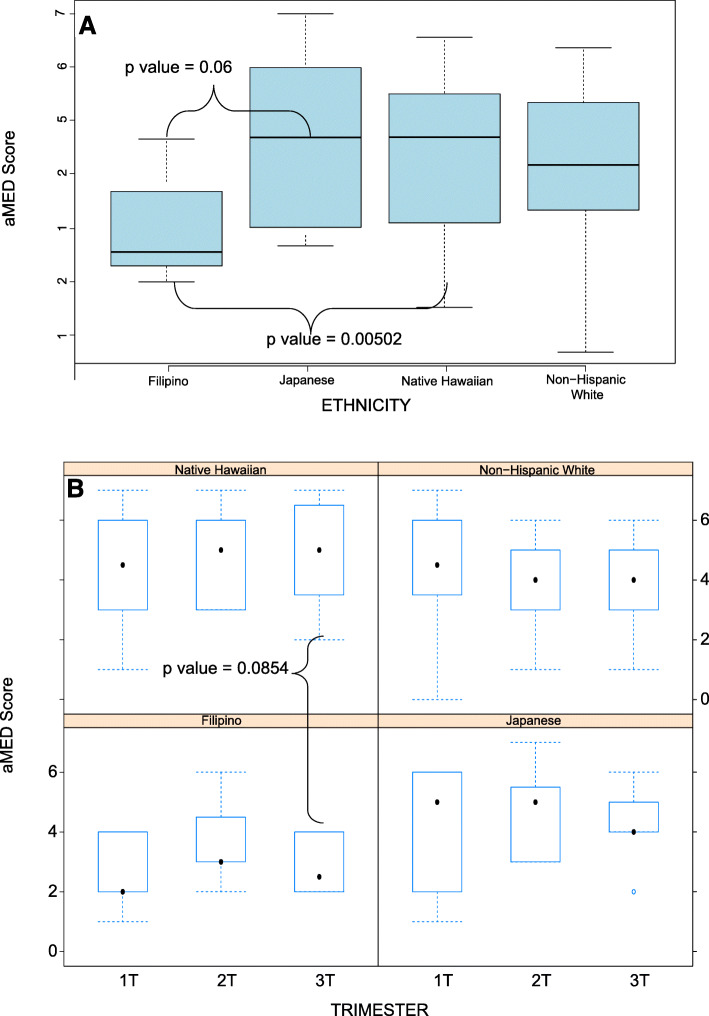
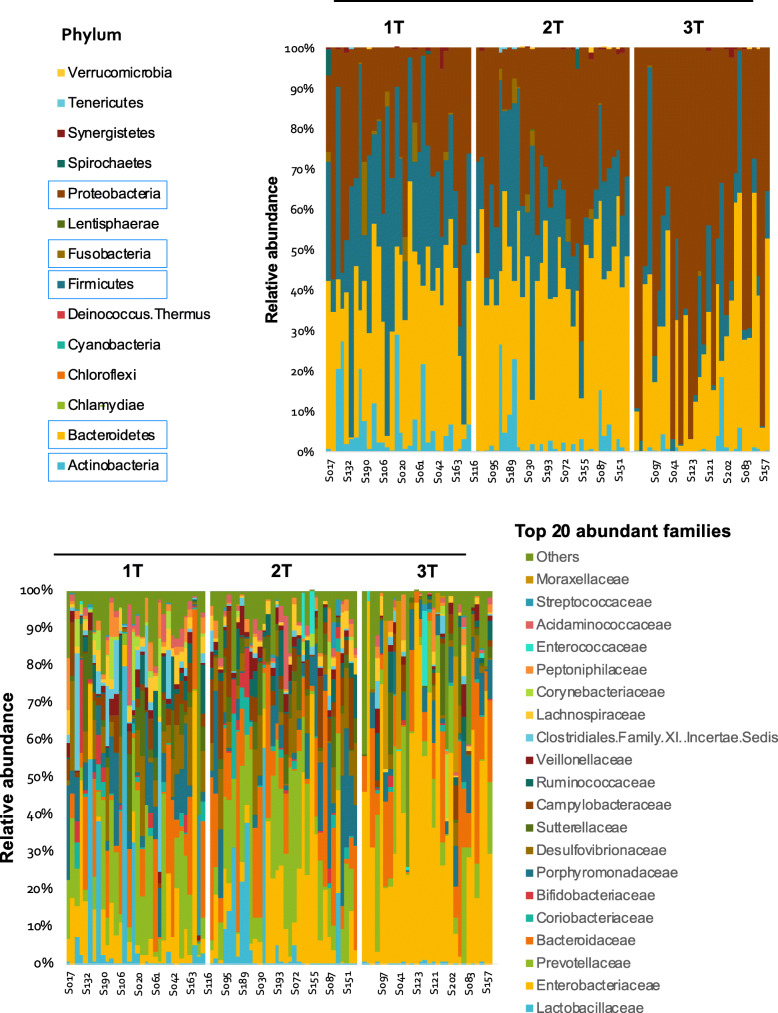
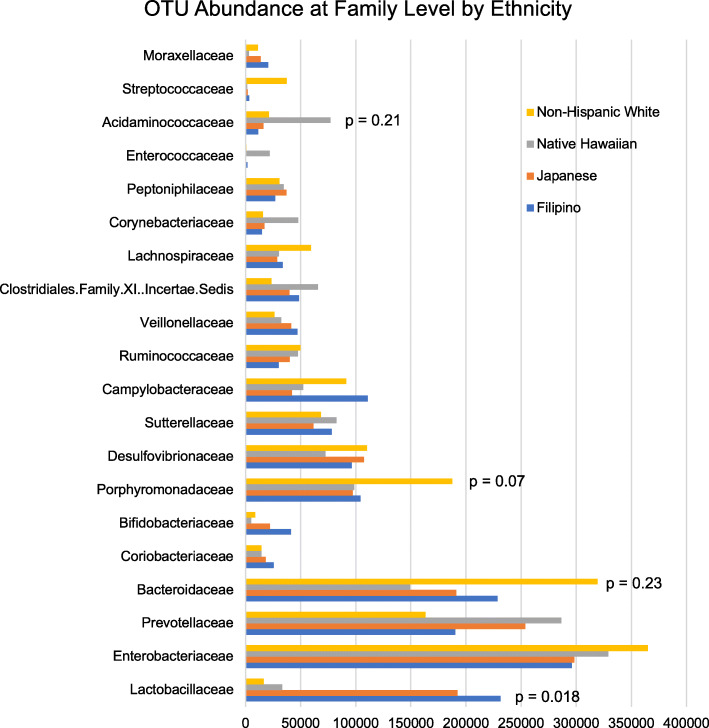
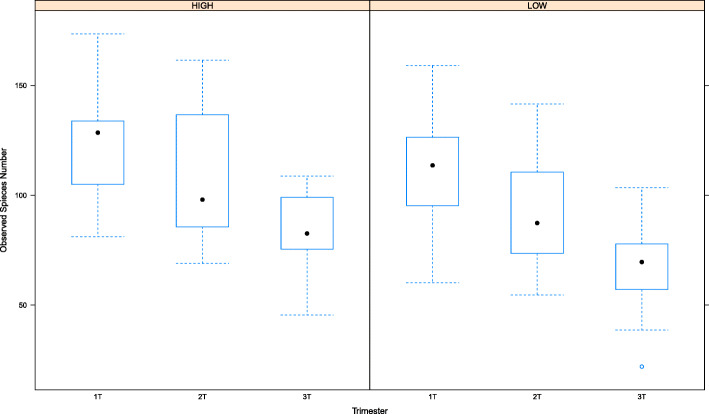
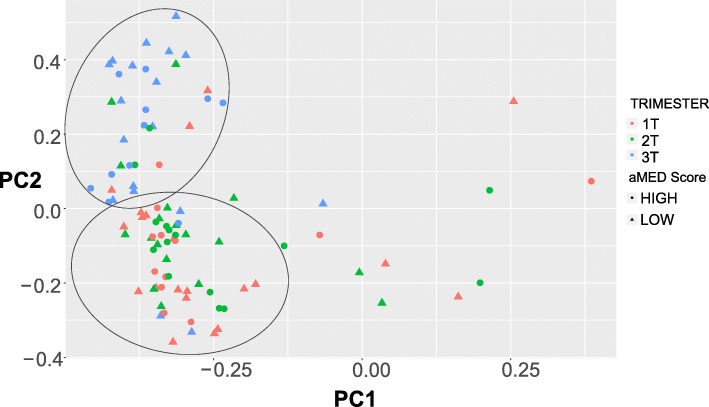
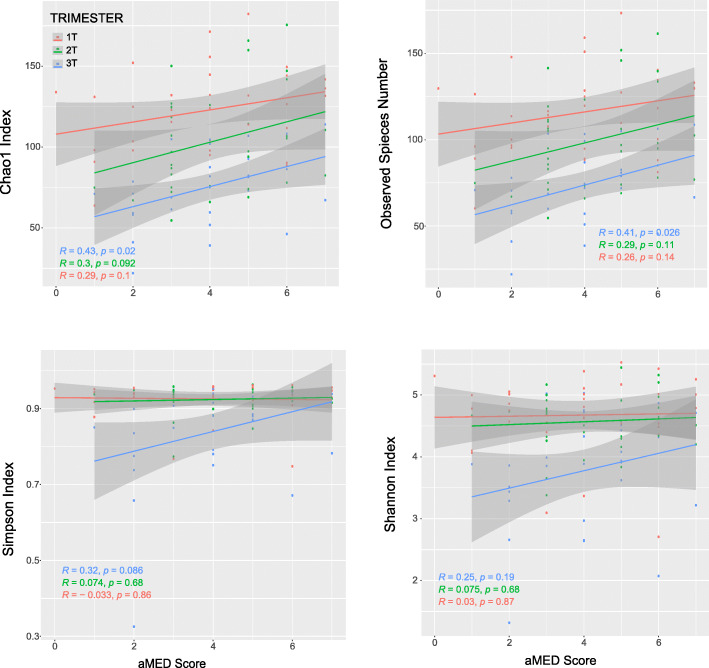
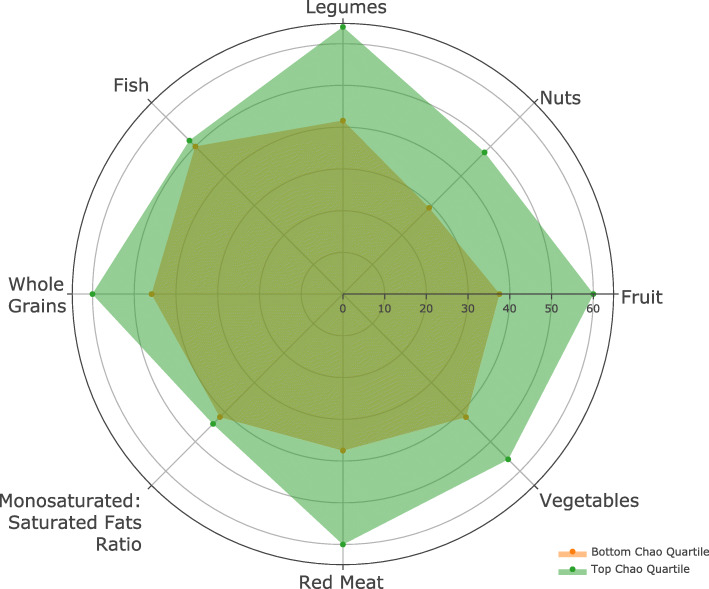
Background: Consumption of a diet with high adherence to a Mediterranean diet pattern (MDP) has been associated with a favorable gastrointestinal tract (GIT) microbiome. A healthy GIT microbiome in pregnancy, as defined by increased alpha diversity, is associated with lower chance of adverse perinatal outcomes. This study aimed to evaluate the impact of adherence to an MDP on GIT microbial diversity longitudinally throughout pregnancy. Methods: Adherence to MDP was scored by the Alternate Mediterranean (aMED) Diet Quality Score, after being applied to a validated Food Frequency Questionnaire. Association of aMED Scores with GIT alpha diversity profiles were compared linearly and across time using a linear mixed model, including covariates of age, body mass index (BMI), ethnicity, and parity. Results: Forty-one participants of Filipino, Japanese, Native Hawaiian, and Non-Hispanic White descent provided dietary information and microbiome samples during each trimester of pregnancy. Alpha diversity profiles changed over gestation, with decreased microbial diversity in the third trimester. aMED scores positively correlated with Chao1 Index and Observed Species Number (r = 0.244, p = 0.017, and r = 0.233, p = 0.023, respectively). The strongest association was detected in the third trimester (Chao 1: r = 0.43, p = 0.020, Observed Species Number: r = 0.41, p = 0.026). Participants with higher aMED scores had higher relative abundance of Acidaminoacaeae at the family level ( p = 0.0169), as well as higher abundance of several species known to increase production of short chain fatty acids within the GIT. Conclusions: Adherence to MDP pattern is associated with increased maternal GIT microbial diversity, and promotes the abundance of bacteria that produce short chain fatty acids. Increased consumption of fruits, vegetables and legumes with low red meat consumption were key components driving this association. The effect of nutrition however, was less of an effect than pregnancy itself. Further studies are needed to determine if adherence to a Mediterranean diet translates not only into microbial health, but also into reduced risk of adverse pregnancy outcomes.
Overview
The claims and statistics of this paper haven’t been checked yet.
Free: it reads the open-access text and checks the first 5 claims that cite a source we can check. Create a free account to check every claim.
Integrity signals
Registry
Cites
Statistics
Figures
Verification
Claims the paper makes
The claims and statistics of this paper haven’t been checked yet.
Free: it reads the open-access text and checks the first 5 claims that cite a source we can check. Create a free account to check every claim.
Self-check
Percentages, sums and reported differences re-computed from the paper’s own numbers.
The self-check needs the paper’s full text.
Citations
Cites
Linking long-term dietary patterns with gut microbial enterotypes
Wu, G. D., Chen, J., Hoffmann, C., Bittinger, K., Chen, Y.-Y., Keilbaugh, S. A., Bewtra, M., Knights, D., Walters, W. A., Knight, R., et al. (2011) · Science · doi:10.1126/science.1208344 · Cited by 6,513 · cited 2×
“012 Actively ferments carbohydrates, produces butyric and acetic acids with formic or propionic and/or lactic acid [24]”
BackgroundDe Filippo, C., Cavalieri, D., Di Paola, M., Ramazzotti, M., Poullet, J. B., Massart, S., Collini, S., Pieraccini, G., & Lionetti, P. (2010) · Proceedings of the National Academy of Sciences · doi:10.1073/pnas.1005963107 · Cited by 5,579 · cited 1×
“both describe a Prevotella dominant enterotype is prevalent in populations eating a more traditional diet versus Westernized dietary pattern [41] [42].”
BackgroundSokol, H., Pigneur, B., Watterlot, L., Lakhdari, O., Bermúdez-Humarán, L. G., Gratadoux, J.-J., Blugeon, S., Bridonneau, C., Furet, J.-P., Corthier, G., et al. (2008) · Proceedings of the National Academy of Sciences · doi:10.1073/pnas.0804812105 · Cited by 4,413 · cited 2×
“018 Produces short-chain fatty acids, including acetate and propionate, upregulated by metformin in animal models [25]”
BackgroundHost Remodeling of the Gut Microbiome and Metabolic Changes during Pregnancy
Koren, O., Goodrich, J. K., Cullender, T. C., Spor, A., Laitinen, K., Kling Bäckhed, H., Gonzalez, A., Werner, J. J., Angenent, L. T., Knight, R., et al. (2012) · Cell · doi:10.1016/j.cell.2012.07.008 · Cited by 2,165 · cited 8×
“Lopez-Siles M, Duncan SH, Garcia-Gil LJ, Martinez-Medina M. Faecalibacterium prausnitzii: from microbiology to diagnostics and prognostics.”
BackgroundResultInfluentialDe Filippis, F., Pellegrini, N., Vannini, L., Jeffery, I. B., La Storia, A., Laghi, L., Serrazanetti, D. I., Di Cagno, R., Ferrocino, I., Lazzi, C., et al. (2016) · Gut · doi:10.1136/gutjnl-2015-309957 · Cited by 1,638
Feskanich, D., Rimm, E. B., Giovannucci, E. L., Colditz, G. A., Stampfer, M. J., Litin, L. B., & Willett, W. C. (1993) · Journal of the American Dietetic Association · doi:10.1016/0002-8223(93)91754-e · Cited by 1,070 · cited 1×
“FFQs have been shown to be as accurate as 24-h recall in correlation with biologic specimens showing metabolites and nutrients [50].”
MethodA Multiethnic Cohort in Hawaii and Los Angeles: Baseline Characteristics
Kolonel, L. N., Henderson, B. E., Hankin, J. H., Nomura, A. M. Y., Wilkens, L. R., Pike, M. C., Stram, D. O., Monroe, K. R., Earle, M. E., & Nagamine, F. S. (2000) · American Journal of Epidemiology · doi:10.1093/oxfordjournals.aje.a010213 · Cited by 1,021 · cited 1×
“The MEC-FFQ was developed and validated in a large healthy adult population from 1993 to 1996 in Hawai’i and California [21].”
MethodDiet-quality scores and plasma concentrations of markers of inflammation and endothelial dysfunction
Fung, T. T., McCullough, M. L., Newby, P., Manson, J. E., Meigs, J. B., Rifai, N., Willett, W. C., & Hu, F. B. (2005) · The American Journal of Clinical Nutrition · doi:10.1093/ajcn/82.1.163 · Cited by 1,001
Faecalibacterium prausnitzii: from microbiology to diagnostics and prognostics
Lopez-Siles, M., Duncan, S. H., Garcia-Gil, L. J., & Martinez-Medina, M. (2017) · The ISME Journal · doi:10.1038/ismej.2016.176 · Cited by 874 · cited 1×
“Likewise, Faecalibacterium prausnitzii is associated with decreased cytokine production in patients with Crohn’s disease [25, 40].”
BackgroundGarcia-Mantrana, I., Selma-Royo, M., Alcantara, C., & Collado, M. C. (2018) · Frontiers in Microbiology · doi:10.3389/fmicb.2018.00890 · Cited by 574
Crusell, M. K. W., Hansen, T. H., Nielsen, T., Allin, K. H., Rühlemann, M. C., Damm, P., Vestergaard, H., Rørbye, C., Jørgensen, N. R., Christiansen, O. B., et al. (2018) · Microbiome · doi:10.1186/s40168-018-0472-x · Cited by 480 · cited 1×
“Such inflammation may lead to preterm labor [1], higher blood pressure [2], and increase the risk of developing gestational diabetes [3].”
BackgroundGomez-Arango, L. F., Barrett, H. L., Wilkinson, S. A., Callaway, L. K., McIntyre, H. D., Morrison, M., & Dekker Nitert, M. (2018) · Gut Microbes · doi:10.1080/19490976.2017.1406584 · Cited by 402 · cited 1×
“Vegetarian diets promote higher levels of roseburia and lacnospiraceae, and reduce collinsella, which is associated with higher levels of circulating insulin [6] [7].”
BackgroundGomez-Arango, L. F., Barrett, H. L., McIntyre, H. D., Callaway, L. K., Morrison, M., & Dekker Nitert, M. (2016) · Hypertension · doi:10.1161/hypertensionaha.116.07910 · Cited by 385 · cited 2×
“There is a natural decline in butyrate-producing bacteria from the Firmicutes (Coprococci, Eubacterium, Roseburia, and Faecalibacterium genera) and Bacteroidetes (Odoribacter and Alistipes genera) phyla [2] at the end of gestation.”
BackgroundDifferences in fecal microbial metabolites and microbiota of children with autism spectrum disorders
Kang, D.-W., Ilhan, Z. E., Isern, N. G., Hoyt, D. W., Howsmon, D. P., Shaffer, M., Lozupone, C. A., Hahn, J., Adams, J. B., & Krajmalnik-Brown, R. (2018) · Anaerobe · doi:10.1016/j.anaerobe.2017.12.007 · Cited by 381 · cited 1×
“While the literature is limited in descriptions of how these organisms directly impact human health, some of the identified species have been described in patients with autoimmune or inflammatory conditions [27, 36, 37].”
BackgroundDietary Quality during Pregnancy Varies by Maternal Characteristics in Project Viva: A US Cohort
Rifas-Shiman, S. L., Rich-Edwards, J. W., Kleinman, K. P., Oken, E., & Gillman, M. W. (2009) · Journal of the American Dietetic Association · doi:10.1016/j.jada.2009.03.001 · Cited by 344
Diversity of the Vaginal Microbiome Correlates With Preterm Birth
Hyman, R. W., Fukushima, M., Jiang, H., Fung, E., Rand, L., Johnson, B., Vo, K. C., Caughey, A. B., Hilton, J. F., Davis, R. W., et al. (2014) · Reproductive Sciences · doi:10.1177/1933719113488838 · Cited by 334
Mitsou, E. K., Kakali, A., Antonopoulou, S., Mountzouris, K. C., Yannakoulia, M., Panagiotakos, D. B., & Kyriacou, A. (2017) · British Journal of Nutrition · doi:10.1017/s0007114517001593 · Cited by 325
Brown, R. G., Marchesi, J. R., Lee, Y. S., Smith, A., Lehne, B., Kindinger, L. M., Terzidou, V., Holmes, E., Nicholson, J. K., Bennett, P. R., et al. (2018) · BMC Medicine · doi:10.1186/s12916-017-0999-x · Cited by 295
Ezaki, T., Kawamura, Y., Li, N., Li, Z. Y., Zhao, L., & Shu, S. (2001) · International Journal of Systematic and Evolutionary Microbiology · doi:10.1099/00207713-51-4-1521 · Cited by 277 · cited 1×
“Ferments glucose and mannose, butyrate is an end-product [26]”
BackgroundHOLDEMAN, L. V., & MOORE, W. E. C. (1974) · International Journal of Systematic Bacteriology · doi:10.1099/00207713-24-2-260 · Cited by 265 · cited 1×
“046 Butyrate producing, Anti-inflammatory properties, associated with low secretion of pro-inflammatory cytokines (IL-12 and IFN-γ), and elevated secretion of the anti-inflammatory cytokine IL-10 [36, 38, 39].”
BackgroundEarly pregnancy vaginal microbiome trends and preterm birth
Stout, M. J., Zhou, Y., Wylie, K. M., Tarr, P. I., Macones, G. A., & Tuuli, M. G. (2017) · American Journal of Obstetrics and Gynecology · doi:10.1016/j.ajog.2017.05.030 · Cited by 264
Changes in dietary intake from the first to the second trimester of pregnancy
Rifas‐Shiman, S. L., Rich‐Edwards, J. W., Willett, W. C., Kleinman, K. P., Oken, E., & Gillman, M. W. (2006) · Paediatric and Perinatal Epidemiology · doi:10.1111/j.1365-3016.2006.00691.x · Cited by 200
Callaway, L. K., McIntyre, H. D., Barrett, H. L., Foxcroft, K., Tremellen, A., Lingwood, B. E., Tobin, J. M., Wilkinson, S., Kothari, A., Morrison, M., et al. (2019) · Diabetes Care · doi:10.2337/dc18-2248 · Cited by 187
Maternal diet quality in pregnancy and neonatal adiposity: the Healthy Start Study
Shapiro, A. L. B., Kaar, J. L., Crume, T. L., Starling, A. P., Siega-Riz, A. M., Ringham, B. M., Glueck, D. H., Norris, J. M., Barbour, L. A., Friedman, J. E., et al. (2016) · International Journal of Obesity · doi:10.1038/ijo.2016.79 · Cited by 172
Metagenomic profiling of the pro-inflammatory gut microbiota in ankylosing spondylitis
Zhou, C., Zhao, H., Xiao, X.-Y., Chen, B.-D., Guo, R.-J., Wang, Q., Chen, H., Zhao, L.-D., Zhang, C.-C., Jiao, Y.-H., et al. (2020) · Journal of Autoimmunity · doi:10.1016/j.jaut.2019.102360 · Cited by 169 · cited 2×
“046 Butyrate producing, Anti-inflammatory properties, associated with low secretion of pro-inflammatory cytokines (IL-12 and IFN-γ), and elevated secretion of the anti-inflammatory cytokine IL-10 [36, 38, 39].”
BackgroundMokkala, K., Röytiö, H., Munukka, E., Pietilä, S., Ekblad, U., Rönnemaa, T., Eerola, E., Laiho, A., & Laitinen, K. (2016) · Journal of Nutrition · doi:10.3945/jn.116.235358 · Cited by 162 · cited 1×
“While other research has focused on particular micro or macronutrients [8, 35] impact on GIT microbiome, we sought to understand how holistic and balanced nutrition improves the gut microbiome, as this type of dietary pattern is the easiest to which to adhere.”
BackgroundA Vegetarian Diet Is a Major Determinant of Gut Microbiota Composition in Early Pregnancy
Barrett, H. L., Gómez-Arango, L. F., Wilkinson, S. A., McIntyre, D. H., Callaway, L. K., Morrison, M., & Nitert, M. D. (2018) · Nutrients · doi:10.3390/nu10070890 · Cited by 140 · cited 1×
“Vegetarian diets promote higher levels of roseburia and lacnospiraceae, and reduce collinsella, which is associated with higher levels of circulating insulin [6] [7].”
BackgroundThe Impact of Mediterranean Dietary Patterns During Pregnancy on Maternal and Offspring Health
Amati, F., Hassounah, S., & Swaka, A. (2019) · Nutrients · doi:10.3390/nu11051098 · Cited by 135
Qin, P., Zou, Y., Dai, Y., Luo, G., Zhang, X., & Xiao, L. (2019) · Microorganisms · doi:10.3390/microorganisms7030078 · Cited by 130 · cited 2×
“022 Unique collinsella species with butyrate kinase [27]”
BackgroundRöytiö, H., Mokkala, K., Vahlberg, T., & Laitinen, K. (2017) · British Journal Of Nutrition · doi:10.1017/s0007114517002100 · Cited by 128 · cited 3×
“Proportions of high fiber and low-fat intake are correlated with greater microbial diversity and lower levels of bacteriodaceae [8].”
BackgroundRemodeling of the gut microbiota and structural shifts in Preeclampsia patients in South China
Liu, J., Yang, H., Yin, Z., Jiang, X., Zhong, H., Qiu, D., Zhu, F., & Li, R. (2016) · European Journal of Clinical Microbiology & Infectious Diseases · doi:10.1007/s10096-016-2853-z · Cited by 121 · cited 5×
“Lopez-Siles M, Duncan SH, Garcia-Gil LJ, Martinez-Medina M. Faecalibacterium prausnitzii: from microbiology to diagnostics and prognostics.”
BackgroundInfluentialStafford, G. P., Parker, J. L., Amabebe, E., Kistler, J., Reynolds, S., Stern, V., Paley, M., & Anumba, D. O. C. (2017) · Frontiers in Physiology · doi:10.3389/fphys.2017.00615 · Cited by 106 · cited 1×
“Researchers hypothesize this is due to acquisition of pathogenic organisms, or from metabolites produced by anerobic microbes [48].”
BackgroundMaskarinec, G., Hullar, M. A. J., Monroe, K. R., Shepherd, J., Hunt, J., Randolph, T. W., Wilkens, L. R., Boushey, C. J., Marchand, L. L., Lim, U., et al. (2019) · Journal of Nutrition · doi:10.1093/jn/nxz065 · Cited by 105 · cited 1×
“The relationship of improved metabolic health with a Mediterranean diet via increased GIT microbial diversity is established in non-pregnant populations [8] [19], but gaps in knowledge of this relationship among parous women remain.”
BackgroundSelf-citationOverall Dietary Quality Relates to Gut Microbiota Diversity and Abundance
Laitinen, K., & Mokkala, K. (2019) · International Journal of Molecular Sciences · doi:10.3390/ijms20081835 · Cited by 98 · cited 2×
“Looking at the specific enterotypes represented in this cohort, Prevotella was highly abundant in participants with higher diet quality scores [34].”
BackgroundMethodGylswyk, N. O. V., Hippe, H., & Rainey, F. A. (1996) · International Journal of Systematic Bacteriology · doi:10.1099/00207713-46-2-559 · Cited by 97 · cited 3×
“Abbreviations aMED: Alternate Mediterranean Diet; BMI: Body Mass Index; GDM: Gestational Diabetes; GIT: Gastrointestinal; GWG: Gestational Weight Gain; IDQ: Index of Diet Quality; IOM: Institute of Medicine; MDP: Mediterranean diet pattern; MEC FFQ: Multiethnic Cohort Food Frequency Questionnaire; OTU: Operational Tax…”
BackgroundInfluentialDahl, C., Stanislawski, M., Iszatt, N., Mandal, S., Lozupone, C., Clemente, J. C., Knight, R., Stigum, H., & Eggesbø, M. (2017) · PLOS ONE · doi:10.1371/journal.pone.0184336 · Cited by 93 · cited 1×
“Such inflammation may lead to preterm labor [1], higher blood pressure [2], and increase the risk of developing gestational diabetes [3].”
BackgroundMaternal Gut Microbiome Biodiversity in Pregnancy
Ricks, N., Panzer, A., Mccoy, A., Azcarate-Peril, M., Keku, T., Boggess, K., & Smid, M. (2018) · American Journal of Perinatology · doi:10.1055/s-0037-1604412 · Cited by 82 · cited 1×
“Commensurate with other published studies of pregnant populations [32] [4], there were significant differences in Shannon, Chao1, Simpson, and observed number of species from first trimester to third trimester.”
ResultGutiérrez-Díaz, I., Fernández-Navarro, T., Salazar, N., Bartolomé, B., Moreno-Arribas, M. V., de Andres-Galiana, E. J., Fernández-Martínez, J. L., de los Reyes-Gavilán, C. G., Gueimonde, M., & González, S. (2017) · Journal of Agricultural and Food Chemistry · doi:10.1021/acs.jafc.6b04408 · Cited by 81
Horwood, P. F., Tarantola, A., Goarant, C., Matsui, M., Klement-Frutos, E., Umezaki, M., Navarro, S., & Greenhill, A. R. (2019) · Frontiers in Immunology · doi:10.3389/fimmu.2019.02184 · Cited by 81 · cited 1×
“both describe a Prevotella dominant enterotype is prevalent in populations eating a more traditional diet versus Westernized dietary pattern [41] [42].”
BackgroundGesteiro, E., Bernal, B. R., Bastida, S., & Sánchez-Muniz, F. J. (2012) · European Journal of Clinical Nutrition · doi:10.1038/ejcn.2012.92 · Cited by 77 · cited 1×
“Mediterranean diet patterns are also associated with improved maternal and neonatal outcomes including a lower chance of diabetes [14], hypertension during pregnancy [15], excessive gestational weight gain, low birth weight neonates [16], and beneficial metabolic profiling in offspring [17] [18].”
BackgroundWu, Y., Bible, P. W., Long, S., Ming, W., Ding, W., Long, Y., Wen, X., Li, X., Deng, X., Deng, Y., et al. (2019) · Acta Diabetologica · doi:10.1007/s00592-019-01434-2 · Cited by 75 · cited 2×
“These organisms are observed to be decreased in women with gestational diabetes or glucose intolerance during pregnancy [28, 38].”
BackgroundDavis, S. C., Yadav, J. S., Barrow, S. D., & Robertson, B. K. (2017) · MicrobiologyOpen · doi:10.1002/mbo3.476 · Cited by 69 · cited 1×
“that diet has more of an influence on microbial composition than body mass index, this was masked in our study by the pregnant cohort [33].”
ResultSchoenaker, D. A. J. M., Soedamah‐Muthu, S. S., & Mishra, G. D. (2016) · American Journal of Clinical Nutrition · doi:10.3945/ajcn.116.133884 · Cited by 56 · cited 2×
“Interestingly, women with excess gestational weight gain had higher aMED scores, which is not consistent with previous studies [15], and reflective of the small sample size.”
BackgroundResultFatty acids from diet and microbiota regulate energy metabolism
Alcock, J., & Lin, H. C. (2015) · F1000Research · doi:10.12688/f1000research.6078.1 · Cited by 52 · cited 1×
“Polyunsaturated fatty acids also promote gut mucosal integrity and insulin sensitivity by inhibiting inflammation through byproduct fermentation [9].”
BackgroundMingot, D. L., Gesteiro, E., Bastida, S., & Sánchez-Muniz, F. J. (2017) · Journal of Physiology and Biochemistry · doi:10.1007/s13105-017-0592-y · Cited by 49 · cited 1×
“Mediterranean diet patterns are also associated with improved maternal and neonatal outcomes including a lower chance of diabetes [14], hypertension during pregnancy [15], excessive gestational weight gain, low birth weight neonates [16], and beneficial metabolic profiling in offspring [17] [18].”
BackgroundChang, A. L., Hurwitz, E., Miyamura, J., Kaneshiro, B., & Sentell, T. (2015) · BMC Pregnancy and Childbirth · doi:10.1186/s12884-015-0671-4 · Cited by 45
Martínez-Galiano, J., Olmedo-Requena, R., Barrios-Rodríguez, R., Amezcua-Prieto, C., Bueno-Cavanillas, A., Salcedo-Bellido, I., Jimenez-Moleon, J., & Delgado-Rodríguez, M. (2018) · Nutrients · doi:10.3390/nu10091234 · Cited by 41
Flash on Gut Microbiome in GDM and Non-GDM Pregnancies
Festa, C., Corleto, V. D., Toscano, M., Bitterman, O., Drago, L., & Napoli, A. (2018) · Diabetes · doi:10.2337/db18-2345-pub · Cited by 5
Cited by
The Influence of Dietary Factors on the Gut Microbiota
Nova, E., Gómez-Martinez, S., & González-Soltero, R. (2022) · Microorganisms · doi:10.3390/microorganisms10071368 · Cited by 126
“Preliminary evidence, however, showed that adherence to a MD pattern was associated with higher diversity in pregnant women microbiota [78], and another study showed that in obese pregnant women, consumption of recommended levels of fat and fiber resulted in lower level of Bacteroidetes, and higher bacterial richness…”
BackgroundSun, Z., Pan, X., Li, X., Jiang, L., Hu, P., Wang, Y., Ye, Y., Wu, P., Zhao, B., Xu, J., et al. (2023) · Advanced Science · doi:10.1002/advs.202205289 · Cited by 67
Dietary Habits and Nutritional Knowledge of Pregnant Women: The Importance of Nutrition Education
Mundet, M. J. O., Cavia, M. D. M., Alonso-Torre, S. R., & Carrillo, C. (2024) · Foods · doi:10.3390/foods13193189 · Cited by 63
“…that stricter adherence to the Mediterranean diet during pregnancy is associated with a greater diversity in the intestinal microbiota of pregnant woman, which could have beneficial effects for the mother, as well as for the colonization of the intestinal microbiota of the baby after birth [6].”
BackgroundHost–gut microbiota interactions during pregnancy
Amato, K. R., Pradhan, P. P., Mallott, E. K., Shirola, W., & Lu, A. (2024) · Evolution Medicine and Public Health · doi:10.1093/emph/eoae001 · Cited by 34
“In 12 studies of humans [12, 14, 21–31] and 13 studies of non-human mammals [7, 9–11, 13, 15–20, 79] (Table 1) differences in microbial taxonomic composition and/or function have been identified across gestational stages (Table 1).”
BackgroundManipulation of the diet–microbiota–brain axis in Alzheimer’s disease
Lee, D. D., Lee, V. M. ‐., & Hur, S. K. (2022) · Frontiers in Neuroscience · doi:10.3389/fnins.2022.1042865 · Cited by 29
Metadata
- Authors
- Miller, C. B., Benny, P., Riel, J., Boushey, C., Perez, R., Khadka, V., Qin, Y., Maunakea, A. K., & Lee, M.-J.
- Affiliations
- University of Hawaiʻi at Mānoa (US)
- University of Hawaii Cancer Center (US)
- Corresponding author
- Miller, Corrie B.
- ORCID
- Venue
- BMC Pregnancy and Childbirth
- Published
- 2021-08-16
- Volume
- 21
- Issue
- 1
- Pages
- 558-558
- ISSN
- 1471-2393 (ISSN-L)
- PMC
- PMC8369757
- OpenAlex
- W3193450232
- Cited by
- 26
- References
- 48
- Citations by year
- 2026: 1 · 2025: 7 · 2024: 8 · 2023: 6 · 2022: 4
- FWCI
- 1.41
- Type
- journal article
- Language
- en
- Open access
- gold
- doi.org
- Licence
- cc-by
- creativecommons.org/licenses/by/4.0 (tdm)
- creativecommons.org/licenses/by/4.0 (vor)
- Locations
- BMC Pregnancy and Childbirth (publishedVersion, cc-by)
- PubMed Central (publishedVersion, cc-by)
- PubMed (publishedVersion)
- DOAJ (DOAJ: Directory of Open Access Journals) (submittedVersion, cc-by-sa)
- Funders
- National Institute on Minority Health and Health Disparities (U54MD007601)
- Lakshmi Devi and Devraj Sharma Foundation (Lakshmi Devi and Devraj Sharma Foundation)
- Topics
- Life Sciences › Biochemistry, Genetics and Molecular Biology › Molecular Biology › Gut microbiota and health
- Health Sciences › Medicine › Public Health, Environmental and Occupational Health › Nutritional Studies and Diet
- Life Sciences › Agricultural and Biological Sciences › Food Science › Probiotics and Fermented Foods
- Keywords
- Mediterranean diet, dietary adherence, gut microbiota, microbial diversity, pregnancy, pregnancy trimesters, short-chain fatty acids, diet quality, perinatal outcomes, maternal nutrition
- MeSH terms
- Gastrointestinal Microbiome, Adolescent, Adult, Asian, Female, Hawaii, Humans, Japan, Middle Aged, Philippines, Pregnancy, Pregnancy Complications, Pregnancy Trimesters, Diet, Mediterranean, White People, Young Adult
About these checks
Registry, retraction, Cites and statistics results are computed, not judged, with one exception: a printed reference that no index lists is read once by a model before it counts as a citation error. Claims are extracted by a model and kept only when their quote appears verbatim in the text; each cited source is then checked, with a model’s help, for whether it says what the claim relies on. Those verdicts can be wrong — read the claim’s quote and the cited source before relying on one.
Statistics and arithmetic are recomputed, not judged.
Confidence bands are shown only for fields calibrated on our annotated test set. None is calibrated yet, so no band is shown.
What counts as a claim ›How we measure confidence ›How we check this ›
Are you an author, or do you see a problem with this page? Request a review
Data sources
Bibliographic data: Semantic Scholar, OpenAlex, Crossref.
Contains information from the Semantic Scholar Academic Graph Datasets, made available under the ODC Attribution License (ODC-BY 1.0).
Semantic Scholar’s data is described in: Kinney, R., et al. (2023). The Semantic Scholar Open Data Platform. arXiv:2301.10140.
