

Medical decision-making in children and adolescents: developmental and neuroscientific aspects
Open accessThe DOI matches its Crossref record; 85 of the 89 references it cites were found in a registry or an index, and 1 are not checked yet; 23 of the 100 sources its claims cite were checked for support.
Abstract
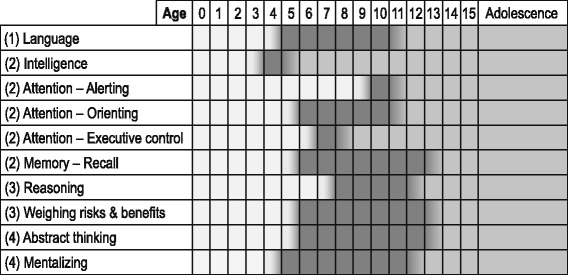
BACKGROUND: Various international laws and guidelines stress the importance of respecting the developing autonomy of children and involving minors in decision-making regarding treatment and research participation. However, no universal agreement exists as to at what age minors should be deemed decision-making competent. Minors of the same age may show different levels of maturity. In addition, patients deemed rational conversation-partners as a child can suddenly become noncompliant as an adolescent. Age, context and development all play a role in decision-making competence. In this article we adopt a perspective on competence that specifically focuses on the impact of brain development on the child's decision-making process. MAIN BODY: We believe that the discussion on decision-making competence of minors can greatly benefit from a multidisciplinary approach. We adopted such an approach in order to contribute to the understanding on how to deal with children in decision-making situations. Evidence emerging from neuroscience research concerning the developing brain structures in minors is combined with insights from various other fields, such as psychology, decision-making science and ethics. Four capacities have been described that are required for (medical) decision-making: (1) communicating a choice; (2) understanding; (3) reasoning; and (4) appreciation. Each capacity is related to a number of specific skills and abilities that need to be sufficiently developed to support the capacity. Based on this approach it can be concluded that at the age of 12 children can have the capacity to be decision-making competent. However, this age coincides with the onset of adolescence. Early development of the brain's reward system combined with late development of the control system diminishes decision-making competence in adolescents in specific contexts. We conclude that even adolescents possessing capacities required for decision-making, may need support of facilitating environmental factors. CONCLUSION: This paper intends to offer insight in neuroscientific mechanisms underlying the medical decision-making capacities in minors and to stimulate practices for optimal involvement of minors. Developing minors become increasingly capable of decision-making, but the neurobiological development in adolescence affects competence in specific contexts. Adequate support should be offered in order to create a context in which minors can make competently make decisions.
Verified 2026-11-25 · 1 reference not checked yet
Overview
CoChat Summary
TL;DR
This narrative review argues that decision-making competence in minors develops unevenly across childhood and adolescence and cannot be fixed to a single age cut-off. Based on neuroscience plus ethics/psychology/decision science, the authors conclude that children around age 12 may be competent in some contexts, but adolescents often need support because hot, peer-influenced, or emotional situations can reduce competence.
Key findings
- The paper organizes medical decision-making into four capacity standards: communicating a choice, understanding, reasoning, and appreciation.
- Based on developmental evidence, the authors state that “at the age of 12 children can have the capacity to be decision-making competent,” but this age coincides with adolescence, when competence can fluctuate by context.
- In a recent study of pediatric patients aged 6–18 years using MacCAT-CR, children 11.2 years and above generally appeared competent, children 9.6 years and younger generally were not competent, and the crossover point was estimated at 10.4 years.
- The paper argues that adolescents’ early-developing reward system and later-developing control system make them more vulnerable to risk-taking, especially in “hot” or peer-present situations; in “cold” situations, risk-taking is similar to children and adults.
Methods
- Narrative, multidisciplinary review: the authors combine neuroscience research on brain development with psychology, decision-making science, ethics, and medical practice.
- They focus on the four Appelbaum and Grisso capacity standards and relate each to developmental trajectories and brain areas.
- They also use previously published empirical findings, including a MacCAT-CR study in pediatric patients aged 6–18 years, to translate the model into clinical practice.
Limitations
- The authors explicitly state that this paper provides only “initial insight” because neuroscience on these abilities is “a relatively new and developing science” with “many questions left to be answered.”
- They also say they cannot give a precise age cut-off for competence, and that age-based thresholds do not imply competence for every decision or situation.
- Evident from the text: this is a review, not a primary empirical study of a new sample, so its conclusions depend on the quality and scope of the cited literature.
Model-written summary. Check it against the paper before relying on it.
Integrity signals
Registry
Cites
Statistics
Figures
Verification
Claims the paper makes
20 Valid · 3 Not valid · 43 Not checked · 34 Own results and interpretations
The cited sources support only part of this claim — read each source’s verdict below.
In the paper
“Accordingly, decision-making in the presence of peers is substantially different from individual decisions [56].”
§ Medical decision-making in children and adolescents: developmental and neuroscientific aspects > Background > Risk, sensation-seeking and self-regulation
What the sources say
- Partly supportedcites [56] Albert D Chein J Steinberg L The teenage brain: influences on adolescent decision making Curr Dir Psychol 2013 22 114 120 10.1177/0963721412471347 PMC4276317 25544805 sourceExperimental — accuracy not yet measured
The Identification of Mechanisms section reports that adolescents took more risks and preferred immediate rewards when peers were present than when alone. But the claim leaves out an important limit: the paper reports no peer-related increase in risk-taking among adults and no difference on the adolescent inhibitory-control task. It therefore supports a difference in some adolescent decisions, not decision-making generally. (LLM, conf=0.86)
states an association- Asserted: passes — The authors put it forward as true.
- Checkable: passes — It can be checked against evidence.
- Load-bearing: unclear — It is unclear whether the paper’s conclusions depend on it.
- Based: passes — The paper gives a reason why it holds.
- Partly supported
The cited sources support only part of this claim — read each source’s verdict below.
In the paper
“Children at the age of 10–12 appear to have recall abilities compared to adults [31–33].”
§ Medical decision-making in children and adolescents: developmental and neuroscientific aspects > Background > Development of abilities and brain areas related to the four capacity standards
What the sources say
- Partly supportedcites [31] Rhodes SM Murphy D Hancock PJ Developmental changes in the engagement of episodic retrieval processes and their relationship with working memory during the period of middle childhood Br J Dev Psychol 2011 29 865 882 10.1111/j.2044-835X.2010.02014.x 21995741 sourceExperimental — accuracy not yet measured
The Discussion reports that 11-year-olds engaged recollection to the same degree as adults. It also says 10-year-olds differed from adults, while the study did not test 12-year-olds. The source therefore supports an adult comparison at age 11, not across the stated 10–12 age range. (LLM, conf=0.88)
- Not checked — no full text of the sourcecites [32] Sprondel V Kipp KH Mecklinger A Developmental changes in item and source memory: evidence from an ERP recognition memory study with children, adolescents, and adults Child Dev 2011 82 1638 1953 10.1111/j.1467-8624.2011.01642.x 21883163 source
- Not checked — no full text of the sourcecites [33] Czernochowski D Mecklinger A Johansson M Age-related changes in the control of episodic retrieval: an ERP study of recognition memory in children and adults Dev Sci 2009 12 1026 1040 10.1111/j.1467-7687.2009.00841.x 19840057 source
hedged- Asserted: passes — The authors put it forward as true.
- Checkable: passes — It can be checked against evidence.
- Load-bearing: unclear — It is unclear whether the paper’s conclusions depend on it.
- Based: passes — The paper gives a reason why it holds.
- Partly supported
The cited sources support only part of this claim — read each source’s verdict below.
In the paper
“Children at the age of 6 to 8 already demonstrate the ability for logic reasoning [34, 35].”
§ Medical decision-making in children and adolescents: developmental and neuroscientific aspects > Background > Development of abilities and brain areas related to the four capacity standards
What the sources say
- Partly supportedcites [34] Markovits H Barrouillet P Gauffroy C The development of abstract conditional reasoning The development of thinking and reasoning 2013 London Psychology Press 71 94 sourceExperimental — accuracy not yet measured
The review (Thinking and reasoning beyond Piaget's conceptions, p. 11) states that 'children as young as six or seven years can give the logical responses of uncertainty to AC and DA with category-based' conditional premises, and elsewhere (pp. 10-11) that analogical reasoning appears by age three and counterfactual rationality by three to four — so logical responding in specific domains at 6-7 is supported. But the claim's upper bound of 8 years is not stated anywhere in our copy, and the source does not attribute a general 'ability for logic reasoning' to that age band: it stresses that abstract conditional reasoning 'is not available before the end of adolescence' (p. 11) and that even adults often fail to reason logically. The unsupported part is the blanket, age-6-to-8 general competence. (LLM, conf=0.75)
- Not checked — no full text of the sourcecites [35] Pillow BH Pearson RM Hecht M Bremer A Children’s and adults’ judgments of the certainty of deductive inferences, inductive inferences, and guesses J Genet Psychol 2010 171 203 217 10.1080/00221320903300403 20836430 source
boosted- Asserted: passes — The authors put it forward as true.
- Checkable: passes — It can be checked against evidence.
- Load-bearing: passes — The paper’s conclusions depend on it.
- Based: passes — The paper gives a reason why it holds.
- Partly supported
The cited sources support only part of this claim — read each source’s verdict below.
In the paper
“Improvement of the efficiency of working memory with age further increases the ability to think about abstract and hypothetical things, situations and norms and values [34, 41].”
§ Medical decision-making in children and adolescents: developmental and neuroscientific aspects > Background > Development of abilities and brain areas related to the four capacity standards
What the sources say
- Partly supportedcites [34] Markovits H Barrouillet P Gauffroy C The development of abstract conditional reasoning The development of thinking and reasoning 2013 London Psychology Press 71 94 sourceExperimental — accuracy not yet measured
The review (Thinking and reasoning beyond Piaget's conceptions, p. 11) does state that age-related changes in general factors including working memory capacities affect all types of reasoning, and it describes the protracted development of abstract conditional reasoning (Markovits) and counterfactual/hypothetical thinking (Meehan & Byrne, pp. 10-11) — supporting the abstract/hypothetical half of the claim. However, it never says that increased working-memory efficiency produces a greater capacity to think about norms and values; the only 'normative' material (pp. 10, 12) concerns normative responding in dual-process reasoning tasks, i.e. logical/normative responses to biases, not moral norms or values. Moreover, the source frames the working-memory/capacity link cautiously and even warns that 'any view of development as a progressive shift from intuitive and heuristic responses to rational reasoning leading to normative responses is an oversimplification' (p. 12), so the straightforward causal improvement asserted in the citing sentence overstates it. (LLM, conf=0.72)
- Partly supportedcites [41] Pike MM Barnes MA Barron RW The role of illustrations in children’s inferential comprehension J Exp Child Psychol 2010 105 243 255 10.1016/j.jecp.2009.10.006 19954799 sourceExperimental — accuracy not yet measured
The Developmental Differences section (page unavailable) says inhibition of irrelevant information becomes more efficient with age, and the Individual Differences section (page unavailable) finds that working memory predicts children's ability to make bridging inferences while reading. The paper does not establish that age-related gains in working-memory efficiency increase the ability to think about abstract or hypothetical matters, norms, or values. (LLM, conf=0.84)
plainstates a cause- Asserted: passes — The authors put it forward as true.
- Checkable: passes — It can be checked against evidence.
- Load-bearing: passes — The paper’s conclusions depend on it.
- Based: passes — The paper gives a reason why it holds.
- Partly supported
The sources with a verdict support this claim; the rest weren’t checked yet, have no full text we could read, or their verdicts aren’t rated yet.
In the paper
“The brain in adolescence differs significantly from the brain in childhood and adulthood [45–48].”
§ Medical decision-making in children and adolescents: developmental and neuroscientific aspects > Background > Adolescence and decision-making competence
What the sources say
- Not matchedcites [45] Crone EA Het puberende brein 2008 The Netherlands Bert Bakker
We searched by its title and found no matching paper.
- Supportedcites [46] Steinberg L A behavioral scientist looks at the science of adolescent brain development Brain Cogn 2010 72 160 164 10.1016/j.bandc.2009.11.003 19963311 PMC2904973 source
In the Commentary, Steinberg states that the adolescent brain is different from both the child's and the adult's brain, in morphology and function. The passage directly supports the citing sentence. (LLM, conf=0.95)
- Supportedcites [47] Casey BJ Jones RM Hare TA The adolescent brain Ann N Y Acad Sci 2008 1124 111 126 10.1196/annals.1440.010 18400927 PMC2475802 source
The Introduction describes structural brain changes continuing throughout adolescence and into adulthood, including changes in gray and white matter. It also reports dopamine levels peaking during adolescence compared with earlier and later life, supporting the broad comparison with childhood and adulthood. (LLM, conf=0.91)
- Not checked — no full text of the sourcecites [48] Blakemore SJ Robbins TW Decision-making in the adolescent brain Nat Neurosci 2012 15 1184 1191 10.1038/nn.3177 22929913 source
plain- Asserted: passes — The authors put it forward as true.
- Checkable: passes — It can be checked against evidence.
- Load-bearing: passes — The paper’s conclusions depend on it.
- Based: passes — The paper gives a reason why it holds.
- Not matched
55 more claims · 10 with their cited sources checked
Create a free account to see all 100 claims and to verify the 4 references still open.
- It may state two separate claims as one. 34
- Probably not a substantial claim. 8
Claims other papers make about this one
Each is checked against this paper’s own text: does it say what the citing paper says it does?
The cited source says what the claim attributes to it.
In the citing paper
“In addition, ongoing neurobiological development during adolescence may affect competency of decision-making.”
From Requests for Medical Assistance in Dying by Young Dutch People With Psychiatric Disorders (2025) · cites this paper as [7]
Citations
Cites
The attention system of the human brain
Posner, M. I., & Petersen, S. E. (1990) · Annual Review of Neuroscience · doi:10.1146/annurev.ne.13.030190.000325 · Cited by 8,070
Dynamic mapping of human cortical development during childhood through early adulthood
Gogtay, N., Giedd, J. N., Lusk, L., Hayashi, K. M., Greenstein, D., Vaituzis, A. C., Nugent, T. F., Herman, D. H., Clasen, L. S., Toga, A. W., et al. (2004) · Proceedings of the National Academy of Sciences · doi:10.1073/pnas.0402680101 · Cited by 5,604 · cited 6×
“The development of each ability starts at an early age, and continues to mature to a small or larger extent into adolescence or even beyond Thus, the control system (PFC) develops slowly, even into early adulthood whereas the reward system (amygdala and possibly nucleus accumbens) already changes in early adolescence…”
BackgroundInfluentialNine Ways to Reduce Cognitive Load in Multimedia Learning
Mayer, R. E., & Moreno, R. (2003) · Educational Psychologist · doi:10.1207/s15326985ep3801_6 · Cited by 4,207 · cited 1×
“In the UK, children under the age of 16 cannot be treated without parental consent, unless they prove to be mature according to the Gillick ruling [4].”
BackgroundOfficial Journal of the European Communities
(1984) · Analytical Proceedings · doi:10.1039/ap9842100196 · Cited by 4,027
A social neuroscience perspective on adolescent risk-taking
Steinberg, L. (2008) · Developmental Review · doi:10.1016/j.dr.2007.08.002 · Cited by 3,644
The attention system of the human brain: 20 years after
Petersen, S. E., & Posner, M. I. (2012) · Annual Review of Neuroscience · doi:10.1146/annurev-neuro-062111-150525 · Cited by 3,439
Casey, B. J., Jones, R. M., & Hare, T. A. (2008) · Annals of the New York Academy of Sciences · doi:10.1196/annals.1440.010 · Cited by 3,345
Understanding adolescence as a period of social–affective engagement and goal flexibility
Crone, E. A., & Dahl, R. E. (2012) · Nature Reviews Neuroscience · doi:10.1038/nrn3313 · Cited by 2,507 · cited 5×
“ates a perfect situation for learning new skills that are important to function in a social context [53, 55].”
BackgroundInfluentialDevelopment and neurophysiology of mentalizing
Frith, U., & Frith, C. D. (2003) · Philosophical Transactions of the Royal Society of London. Series B: Biological Sciences · doi:10.1098/rstb.2002.1218 · Cited by 2,306 · cited 1×
“Between the age of 3 and 4, children already start to recognize their own beliefs and desires, which contribute to the development of personal norms and values, and start to understand how these influence their actions [25, 39, 40].”
BackgroundIs Adolescence a Sensitive Period for Sociocultural Processing?
Blakemore, S.-J., & Mills, K. L. (2014) · Annual Review of Psychology · doi:10.1146/annurev-psych-010213-115202 · Cited by 2,264 · cited 3×
“In addition, self-awareness increases during adolescence [55].”
Background
Research works printed but not linked: 3
- Shaffer D Kipp K Developmental psychology 2007 Belmont Thomson Wadsworth
- Reed J Warner-Rogers J Child Neuropsychology; Concept, Theory and Practice 2008 Oxford Wiley-Blackwell
- Crone EA Het puberende brein 2008 The Netherlands Bert Bakker
Cited by
Standards of Care for the Health of Transgender and Gender Diverse People, Version 8
Coleman, E., Radix, A. E., Bouman, W. P., Brown, G. R., de Vries, A. L. C., Deutsch, M. B., Ettner, R., Fraser, L., Goodman, M., Green, J., et al. (2022) · International Journal of Transgender Health · doi:10.1080/26895269.2022.2100644 · Cited by 2,698
Embracing change: the era for pediatric ERAS is here
on behalf Pediatric ERAS (Enhanced Recovery After Surgery) Society, Brindle, M. E., Heiss, K. F., Scott, M. J., Herndon, C. D. A., Ljungqvist, O. H., & Koyle, M. A. (2019) · Pediatric Surgery International · doi:10.1007/s00383-019-04476-3 · Cited by 102
Reconsidering Informed Consent for Trans-Identified Children, Adolescents, and Young Adults
Levine, S. B., Abbruzzese, E., & Mason, J. W. (2022) · Journal of Sex & Marital Therapy · doi:10.1080/0092623x.2022.2046221 · Cited by 110
Involving Youth With a Chronic Illness in Decision-making: Highlighting the Role of Providers
Miller, V. A. (2018) · PEDIATRICS · doi:10.1542/peds.2018-0516d · Cited by 88
“In this article, I propose that (1) there are numerous ways to involve children and adolescents in decisionmaking, and involving children has potential benefits; (2) even as children and adolescents become increasingly involved in decisionmaking, parents continue to play an important role; and (3) the role of the prov…”
BackgroundThe impact of oral health literacy and family cohesion on dental caries in early adolescence
Neves, É. T. B., Dutra, L. D. C., Gomes, M. C., et al. (2020) · Community Dentistry And Oral Epidemiology · doi:10.1111/cdoe.12520 · Cited by 54
Clark, D. B. A., & Virani, A. (2021) · Journal of Bioethical Inquiry · doi:10.1007/s11673-020-10086-9 · Cited by 83
“A concern raised in discussions of youth decision-making capacity is that of impulsivity; however, it is important to distinguish between the kinds of decisions that elicit impulsivity versus those that do not (Grootens-Wiegers et al. 2017).”
Palliative Care in Adolescents and Young Adults With Cancer
Johnston, E. E., & Rosenberg, A. R. (2023) · Journal of Clinical Oncology · doi:10.1200/jco.23.00709 · Cited by 53
Children’s Understanding of Informed Assents in Research Studies
Cotrim, H., Granja, C., Carvalho, A. S., Cotrim, C., & Martins, R. (2021) · Healthcare · doi:10.3390/healthcare9070871 · Cited by 53
Wiguna, T., Minayati, K., Kaligis, F., Ismail, R. I., Wijaya, E., Murtani, B. J., & Pradana, K. (2021) · Frontiers in Psychiatry · doi:10.3389/fpsyt.2021.743329 · Cited by 56
Neuroethics of neuromodulation: An update
Zuk, P. D., Torgerson, L. N., Sierra‐Mercado, D., & Lázaro‐Muñoz, G. (2018) · Current Opinion in Biomedical Engineering · doi:10.1016/j.cobme.2018.10.003 · Cited by 40
Adolescent Consent for Human Papillomavirus Vaccine: Ethical, Legal, and Practical Considerations
Zimet, G. D., Silverman, R. D., Bednarczyk, R. A., & English, A. (2021) · The Journal of Pediatrics · doi:10.1016/j.jpeds.2021.01.026 · Cited by 40
“However, an average adolescent, especially by middle adolescence, likely has the capacity to make independent informed decisions about HPV vaccination.(21,36) A determination of decisional capacity requires that a HCP assess and conclude that the minor adolescent can demonstrate and communicate that they understand th…”
BackgroundI know better! Emerging metacognition allows adolescents to ignore false advice
Moses-Payne, M. E., Habicht, J., Bowler, A., Steinbeis, N., & Hauser, T. U. (2021) · Developmental Science · doi:10.1111/desc.13101 · Cited by 52
A systematic concept analysis of ‘technology dependent’: challenging the terminology
Brenner, M., Alexander, D., Quirke, M. B., Eustace‐Cook, J., Leroy, P. L. J. M., Berry, J. G., Healy, M., Doyle, C., & Masterson, K. (2020) · European Journal of Pediatrics · doi:10.1007/s00431-020-03737-x · Cited by 43
Role of Development on Youth Decision-Making and Recovery From Gender-Affirming Surgery
Bernacki, J. M., & Weimer, A. K. (2019) · Clinical Practice in Pediatric Psychology · doi:10.1037/cpp0000294 · Cited by 30
“James demonstrated the ability to meet four decision-making capacity standards of (a) expressing a choice, (b) understanding, (c) reasoning, and (d) appreciation (Grootens-Wiegers et al., 2017; Michaud, Blum, Benaroyo, Zermatten, & Bal-tag, 2015).”
School-Based Cardiovascular Health Promotion in Adolescents: A Cluster Randomized Clinical Trial
Santos-Beneit, G., Fernández-Alvira, J. M., Tresserra‐Rimbau, A., Bodega, P., de Cos-Gandoy, A., de Miguel, M., Ramírez-Garza, S. L., Santos, E. P. L., Arancibia‐Riveros, C., Carral, V., et al. (2023) · JAMA Cardiology · doi:10.1001/jamacardio.2023.2231 · Cited by 38
Maharani, D. A., Tantawi, M. E., Yoseph, M. G., & Rahardjo, A. (2021) · BMC Oral Health · doi:10.1186/s12903-020-01387-x · Cited by 45
Koechlin, H., Locher, C., & Prchal, A. (2020) · Children · doi:10.3390/children7100179 · Cited by 44
The role of maturity in adolescent decision-making around HPV vaccination in France
Karafillakis, E., Peretti‐Watel, P., Verger, P., Chantler, T., & Larson, H. J. (2021) · Vaccine · doi:10.1016/j.vaccine.2021.08.096 · Cited by 35
Muñoz, K. A., Kostick, K. M., Torgerson, L. N., Zuk, P. D., Kalwani, L., Sanchez, C. E., Blumenthal‐Barby, J., Storch, E. A., & Lázaro‐Muñoz, G. (2021) · Brain stimulation · doi:10.1016/j.brs.2021.10.388 · Cited by 30
“discussing with experts in pediatric DBS and mental healthcare [22-25].”
Horton, D. B., Salas, J., Wec, A., Kohlheim, M., Kapadia, P., Beukelman, T., Boneparth, A. D., Haverkamp, K., Mannion, M. L., Moorthy, L. N., et al. (2019) · Arthritis Care & Research · doi:10.1002/acr.24129 · Cited by 28
“Instead, we found a divide between age lines, with adolescents tending to consider shortterm risks to wellbeing, as previously reported (37,38), while adults with JIA, like caregivers, were”
ResultBrunetta, J., Fahner, J. C., Legemaat, M., van den Bergh, E., Krommenhoek, K. B., Prinsze, K., Kars, M. C., & Michiels, E. M. C. (2022) · Children · doi:10.3390/children9060830 · Cited by 36
“A review of medical decision making in children and adolescents showed that four cognitive capacities are needed: communicating a choice, understanding, reasoning, and appreciation [64].”
BackgroundPediatric Participation in Medical Decision Making: Optimized or Personalized?
Sabatello, M., Janvier, A., Verhagen, E. A. A., Morrison, W. E., & Lantos, J. D. (2018) · The American Journal of Bioethics · doi:10.1080/15265161.2017.1418931 · Cited by 29
“Children’s brain development, readiness to assert their autonomy, and preferences regarding participation in medical decisions—regardless of their decisional capacity—are not monolithic (Alderson 2007; Grootens-Wiegers et al. 2017).”
BackgroundWilliams, L. H., Baker-Smith, C. M., Bolick, J. P., Carter, J., Kirkpatrick, C. F., Ley, S. L., Peterson, A. L. H., SHAH, A. S., Sikand, G., Ware, A. L., et al. (2022) · Journal of clinical lipidology · doi:10.1016/j.jacl.2022.07.011 · Cited by 31
Vrouenraets, L. J. J. J., de Vries, A. L. C., Arnoldussen, M., Hannema, S. E., Lindauer, R., de Vries, M. C., & Hein, I. M. (2022) · European Child & Adolescent Psychiatry · doi:10.1007/s00787-022-02076-6 · Cited by 31
Self-citationOperationalization of assent for research participation in pre-adolescent children: a scoping review
Cayouette, F., O’Hearn, K., Gertsman, S., & Menon, K. (2022) · BMC Medical Ethics · doi:10.1186/s12910-022-00844-2 · Cited by 25
“Capacity, on the other hand, is a functional assessment made by a clinician regarding an individual’s ability to make an informed decision in a particular situation [10, 48].”
BackgroundKoiwa, Y., Shishido, E., & Horiuchi, S. (2024) · International Journal of Environmental Research and Public Health · doi:10.3390/ijerph21030288 · Cited by 42
“…depends on their abilities that vary across situations, and they may be able to make autonomous decisions with the support of facilitative environmental factors, such as having the right information, at the right time, in the right place, by the right person, and in the right way [59,60].”
BackgroundAddressing Legislation That Restricts Access to Care for Transgender Youth
Kremen, J., Williams, C. R., Barrera, E. P., Harris, R. M., McGregor, K., Millington, K., Guss, C. E., Pilcher, S., Tishelman, A. C., Baskaran, C., et al. (2021) · PEDIATRICS · doi:10.1542/peds.2021-049940 · Cited by 26
Lewis, C., Hammond, J., Hill, M. K., Searle, B. A., Hunter, A., Patch, C., Chitty, L. S., & Sanderson, S. C. (2020) · European Journal of Medical Genetics · doi:10.1016/j.ejmg.2020.104043 · Cited by 25
Jones, M. R., Frey, S. M., Riekert, K. A., Fagnano, M., & Halterman, J. S. (2018) · Journal of Adolescent Health · doi:10.1016/j.jadohealth.2018.08.026 · Cited by 26
“Despite these challenges, an adolescent’s intellectual maturity and tendency to respond to rewards and social cues makes this an ideal time to increase a motivated teen’s engagement in their care [5,6].”
BackgroundIt hurts to get forced: Children's narratives about restraint during medical procedures
Forsner, M., Cyrén, M., Gerdin, A., & Rullander, A. (2023) · Paediatric and Neonatal Pain · doi:10.1002/pne2.12093 · Cited by 25
“9 However, to dare to make their voices heard and be involved, children and young people need to feel safe and well-informed.”
BackgroundDowns, J. A., Keeley, J., Skoss, R., Mills, J., Nevill, T., Schippers, A., Lindly, O. J., & Thompson, S. (2024) · International Journal for Equity in Health · doi:10.1186/s12939-024-02204-5 · Cited by 31
“Decision making competence begins to develop soon after early childhood [36] and increases with the child’s development in language and communication, reasoning, and abstract thinking [37].”
BackgroundADOLESCENT PATIENTS AND THE CLINICAL DECISION ABOUT THEIR HEALTH
Garanito, M. P., & Zaher-Rutherford, V. L. (2019) · Revista Paulista de Pediatria · doi:10.1590/1984-0462/;2019;37;4;00011 · Cited by 30
Miano, S. J., Douglas, S. L., Hickman, R. L., DiMarco, M., Piccone, C. M., & Daly, B. J. (2020) · Journal of Adolescent and Young Adult Oncology · doi:10.1089/jayao.2019.0135 · Cited by 25
“Teens are still developing a sense of decisional autonomy that relies on the interplay between factors like the cognitive and psychosocial abilities of the adolescent and the readiness of parents to allow their child to assume a more active role in decisionmaking and self-care.(14) As health care autonomy develops, a…”
BackgroundThe Alteration of Brain Interstitial Fluid Drainage with Myelination Development
Wang, R., Han, H., Shi, K., Alberts, I., Rominger, A., Yang, C., Yan, J., Cui, D., Peng, Y., He, Q., et al. (2021) · Aging and Disease · doi:10.14336/ad.2021.0305 · Cited by 26
“memory begin to increase significantly [34,35].”
Singer, I., Klatte, I. S., de Vries, R., van der Lugt, R., & Gerrits, E. (2022) · International Journal of Language & Communication Disorders · doi:10.1111/1460-6984.12753 · Cited by 27
Adolescent neurocognitive development and decision-making abilities regarding gender-affirming care
Ravindranath, O., Perica, M. I., Parr, A. C., Ojha, A., McKeon, S. D., Montano, G. T., Ullendorff, N., Luna, B., & Edmiston, E. K. (2024) · Developmental Cognitive Neuroscience · doi:10.1016/j.dcn.2024.101351 · Cited by 31
Decision-Making in Cleft-Related Surgery: A Qualitative Analysis of Patients and Caregivers
Bennett, K. G., Patterson, A. K., Schafer, K. A., Haase, M. M., Ranganathan, K., Carlozzi, N. E., Vercler, C. J., Kasten, S. J., Buchman, S. R., & Waljee, J. F. (2019) · The Cleft Palate-Craniofacial Journal · doi:10.1177/1055665619866552 · Cited by 22
“Although the legal guardian ultimately provides informed consent, child assent should be incorporated in all treatment decisions, out of respect for patient dignity and ever-increasing levels of autonomy (Grootens-Wiegers et al., 2017).”
BackgroundPediatric Deep Brain Stimulation for Dystonia: Current State and Ethical Considerations
Muñoz, K. A., Blumenthal‐Barby, J., Storch, E. A., Torgerson, L. N., & Lázaro‐Muñoz, G. (2020) · Cambridge Quarterly of Healthcare Ethics · doi:10.1017/s0963180120000316 · Cited by 24
Ethics of Bariatric Surgery in Adolescence and Its Implications for Clinical Practice
Martinelli, V., Singh, S., Politi, P., Caccialanza, R., Peri, A., Pietrabissa, A., & Chiappedi, M. A. (2023) · International Journal of Environmental Research and Public Health · doi:10.3390/ijerph20021232 · Cited by 29
Are We on the Same Page? Exploring Pediatric Patients’ Involvement With Advance Care Planning
Aasen, E. R. H. V., Søvik, M. L., Størdal, K., & Lee, A. (2023) · Journal of Pain and Symptom Management · doi:10.1016/j.jpainsymman.2023.04.003 · Cited by 23
Pediatric Organ Donation and Transplantation: Across the Care Continuum
Hsu, B., Bondoc, A. J., Cuenca, A. G., Gigli, K. H., Laventhal, N. T., Nakagawa, T. A., Rauch, D. A. A., Fontánez-Nieves, T. D., House, S. A., Vinocur, C. D., et al. (2023) · PEDIATRICS · doi:10.1542/peds.2023-062923 · Cited by 34
Głąbska, D., Guzek, D., Mellová, B., Zadka, K., Żywczyk, K., & Gutkowska, K. (2019) · International Journal of Environmental Research and Public Health · doi:10.3390/ijerph16030405 · Cited by 20
Decisional conflict among adolescents and parents making decisions about genomic sequencing results
Pillai, P. R., Prows, C. A., Martin, L. J., & Myers, M. F. (2019) · Clinical Genetics · doi:10.1111/cge.13658 · Cited by 20
“Research indicates that adolescents and adults have similar decision-making capacities when providers have clearly detailed the costs and benefits about each possible decision.(23,24) Thus, adolescents' right to be engaged in medical decision-making, including clinical genomic testing is increasingly recognized.”
BackgroundWhen Does A Minor’s Legal Competence To Make Health Care Decisions Matter?
Weithorn, L. A. (2020) · PEDIATRICS · doi:10.1542/peds.2020-0818g · Cited by 22
Contraceptive Counseling and Methods for Adolescents: Clinical Report
Ott, M. A., Sucato, G. S., Leroy‐Melamed, M., Hoopes, A. J., Alderman, E. M., Berlan, E. D., Chung, R. J., Colburn, M. D., Grubb, L. K., Lee, J. B., et al. (2025) · PEDIATRICS · doi:10.1542/peds.2025-072218 · Cited by 23
Kilicel, D., Crescenzo, F. D., Pontrelli, G., & Armando, M. (2023) · Journal of Clinical Medicine · doi:10.3390/jcm12062307 · Cited by 27
Experiences of adolescents and their parents after receiving adolescents’ genomic screening results
Lillie, N., Prows, C. A., McGowan, M. L., Blumling, A. A., & Myers, M. F. (2021) · Journal of Genetic Counseling · doi:10.1002/jgc4.1528 · Cited by 16
The Adolescent’s Right to Confidential Care When Considering Abortion
(2022) · PEDIATRICS · doi:10.1542/peds.2022-058780 · Cited by 20
NFL’s dangerous strategies of marketing football to youth: shades of big tobacco
Clissold, A., & Bachynski, K. (2024) · Sport Ethics and Philosophy · doi:10.1080/17511321.2024.2365400 · Cited by 17
“…to children through animated cartoon characters was deemed unlawful by the Federal Trade Commission (FTC) because it capitalized on children’s inability to understand health risks associated with a dangerous product (Federal Trade Commission, 1997; Grootens-Wiegers et al. 2017; Packer et al. 2022).”
Consent for Research on Violence against Children: Dilemmas and Contradictions
Martins, P. C., & Sani, A. I. (2020) · Societies · doi:10.3390/soc10010015 · Cited by 16
“Underlying these concerns is the dialectic between children’s rights to protection and participation and the associated concepts of child autonomy and competence [6,14,15].”
BackgroundUnderstanding the child-doctor relationship in research participation: a qualitative study
Luchtenberg, M. L., Maeckelberghe, E. L. M., Locock, L., & Verhagen, E. A. A. (2020) · BMC Pediatrics · doi:10.1186/s12887-020-02243-1 · Cited by 16
Relationship Between Basic Human Values and Decision-Making Styles in Adolescents
Gallego, J. P., Oliva, Á. D. J., Castilla, F. J. G., & Plaza, Á. M. (2020) · International Journal of Environmental Research and Public Health · doi:10.3390/ijerph17228315 · Cited by 27
Ethical considerations for involving adolescents in biomedical HIV prevention research
Nakalega, R., Akello, C. A., Gati, B. M., Nakabiito, C., Nolan, M. L., Kamira, B., Etima, J., Nakyanzi, T., Kemigisha, D., Nanziri, S. C., et al. (2021) · BMC Medical Ethics · doi:10.1186/s12910-021-00695-3 · Cited by 17
Juárez‐Villegas, L., Altamirano‐Bustamante, M. M., & Zapata‐Tarrés, M. (2021) · Frontiers in Oncology · doi:10.3389/fonc.2021.739092 · Cited by 21
Schwartz, Y., Williams, T. S., Roberts, S. D., Hellmann, J., & Shaul, R. Z. (2018) · Paediatrics & Child Health · doi:10.1093/pch/pxy037 · Cited by 16
“While increased propensity towards risk-taking behaviour is observed in adolescents in socially-mediated contexts, it is well accepted that adolescents can still meet the threshold of providing capable consent to decisions related to their health care as they exhibit low impulsivity and sound decision-making under neu…”
BackgroundWilkinson, T. A., Meredith, A. H., Rafie, S., Katz, A. J., Vielott, T. L., Meagher, C. G., & Ott, M. A. (2021) · Journal of Adolescent Health · doi:10.1016/j.jadohealth.2021.04.032 · Cited by 15
Turan, F. D., & Yangöz, Ş. T. (2022) · Journal of Clinical Nursing · doi:10.1111/jocn.16346 · Cited by 20
Paediatric biobanking for health: The ethical, legal, and societal landscape
Casati, S., Ellul, B., Mayrhofer, M. T., Lavitrano, M., Caboux, É., & Kozlakidis, Z. (2022) · Frontiers in Public Health · doi:10.3389/fpubh.2022.917615 · Cited by 22
Sarhan, M. B. A., Shannon, H. S., Fujiya, R., Jimba, M., & Giacaman, R. (2020) · BMJ Open · doi:10.1136/bmjopen-2019-034943 · Cited by 15
Community perspective on family medicine and family physician in Saudi Arabia 2020
Murad, M. A., Kheimi, R. M., Toras, M. M., Alem, R., Aljuaid, A. M., Alobaidan, J. N., Binishaq, H. Y., Asiri, A. A., & Sagga, M. K. (2022) · BMC Family Practice · doi:10.1186/s12875-021-01604-8 · Cited by 21
“The choice of making the cutoff age to be 15 was based on studies that was done stating that adolescents of 14–15 years of age are as competent as adults [23, 24].”
MethodWhite paper: Oncofertility in pediatric patients with Wilms tumor
van der Perk, M. E. M., Cost, N. G., Bos, A. M. E., Brannigan, R. E., Chowdhury, T., Davidoff, A. M., Daw, N. C., Dome, J. S., Ehrlich, P. F., Graf, N. M., et al. (2022) · International Journal of Cancer · doi:10.1002/ijc.34006 · Cited by 14
“Most WT patients are minors, and there is no universal consensus at what age a child is competent to make medical decisions.(108)”
BackgroundFeragen, K. B., Myhre, A., & Stock, N. M. (2019) · The Cleft Palate-Craniofacial Journal · doi:10.1177/1055665619851650 · Cited by 15
“Additional constraints, when the patient is a child, may include the child’s age and developmental stage, and the challenge of discussing difficult or complex issues with parents when the child is present (Grootens-Wiegers et al., 2017).”
BackgroundJoseph, R. S., Mahiti, G. R., Frumence, G., et al. (2022) · BMC Medical Ethics · doi:10.1186/s12910-022-00762-3 · Cited by 14
“Indeed, adolescents have an increasing need to be involved in making decisions related to their care and well-being [3, 4].”
BackgroundSexuality Among Adolescents With Intellectual Disability: Balancing Autonomy and Protection
Enujioke, S. C., Leland, B. D., Munson, E., & Ott, M. A. (2021) · PEDIATRICS · doi:10.1542/peds.2021-050220 · Cited by 15
Paediatric oncology providers' perspectives on early integration of paediatric palliative care
Saad, R., Kurdahi, L. B., Dumit, N. Y., Irani, C., & Muwakkit, S. A. (2020) · International Journal of Palliative Nursing · doi:10.12968/ijpn.2020.26.3.100 · Cited by 14
Requests for Medical Assistance in Dying by Young Dutch People With Psychiatric Disorders
Schweren, L. J. S., Rasing, S. P. A., Kammeraat, M., Middelkoop, L. A., Werner, R., Mérelle, S. Y. M., Garcia, J. M., Creemers, D. H. M., & van Veen, S. M. P. (2025) · JAMA Psychiatry · doi:10.1001/jamapsychiatry.2024.4006 · Cited by 11
Adolescents’ Perceptions of Contraception Access through Pharmacies
Meredith, A. H., Vahary, E. B., Wilkinson, T. A., Meagher, C. G., Vielott, T. L., & Ott, M. A. (2020) · Pharmacy · doi:10.3390/pharmacy8020053 · Cited by 13
Hilário, A. P., & Augusto, F. R. (2020) · MDPI eBooks · doi:10.3390/books978-3-03943-395-7 · Cited by 25
Lopes, R. T., Neves, É. T. B., Gomes, M. C., et al. (2021) · Ciência & Saúde Coletiva · doi:10.1590/1413-812320212611.3.34782019 · Cited by 12
Pediatric Participation in Medical Decision Making: The Devil Is in the Details
Scherer, D. G. (2018) · The American Journal of Bioethics · doi:10.1080/15265161.2017.1418924 · Cited by 12
From Human Papillomavirus to COVID-19: Adolescent Autonomy and Minor Consent for Vaccines
Mihaly, L. K., Schapiro, N. A., & English, A. (2022) · Journal of Pediatric Health Care · doi:10.1016/j.pedhc.2022.06.007 · Cited by 11
Yun, J., Shin, J., Lee, H., Kim, D., Choi, I. Y., & Kim, M. (2023) · Journal of Medical Internet Research · doi:10.2196/45465 · Cited by 15
“Although there is no universal consensus on when children should be considered capable of making medical decisions, the possibility that altered decision-making patterns may occur with the onset of adolescence, which occurs at approximately 12 years of age, should be considered [48].”
Ou, L., Chen, A. C., & Amresh, A. (2023) · JMIR Pediatrics and Parenting · doi:10.2196/47334 · Cited by 14
“In addition, adolescents aged as young as 9 to 12 years may already have the capability to make informed medical decisions [44].”
BackgroundSiegel, B. D., Taylor, L. S., Alizadeh, F., et al. (2024) · Pediatric Critical Care Medicine · doi:10.1097/pcc.0000000000003422 · Cited by 11
“Possible explanations include chronically ill patients, differences in disease severity between neonates and older children, or possible challenges with surrogate decision-making as children develop decisional capacity (31).”
BackgroundBon, S. B. B., Wouters, R. H. P., Bakhuizen, J. J., Jongmans, M. C. J., van den Heuvel‐Eibrink, M. M., & Grootenhuis, M. A. (2024) · European Journal of Human Genetics · doi:10.1038/s41431-024-01565-3 · Cited by 15
Decisional capacity to consent to treatment in children and adolescents: A systematic review
Parmigiani, G., Benevento, M., Solarino, B., Margari, A., Ferorelli, D., Buongiorno, L., Catanesi, R., Carabellese, F., CASALE, A. D., Ferracuti, S., et al. (2024) · Psychiatry Research · doi:10.1016/j.psychres.2024.116343 · Cited by 16
Tan, J. Y., Ge, G., Low, C. E., Rana, S., Tan, T. Y. Z., Fang, N. B. J., Teo, J. Y. Y., Yap, Y. T., Yau, C. E., Lee, A. R. Y. B., et al. (2025) · JAMA Network Open · doi:10.1001/jamanetworkopen.2024.57544 · Cited by 16
Moore, J. M., Glover, J. J., Jackson, B. M., Coughlin, C. R., Kelsey, M. M., Inge, T. H., & Boles, R. E. (2020) · Surgery for Obesity and Related Diseases · doi:10.1016/j.soard.2020.09.014 · Cited by 13
“Neurotypical children between age 12 and 17 are thought to have medical decision-making capacity, with additional support from adult caregivers.[12] For children under 12, the parent/legal guardian has primary decision-making authority, but assent from the child is sought starting at age 7, or even younger depending o…”
BackgroundEthical Considerations on Pediatric Genetic Testing Results in Electronic Health Records
Kanungo, S., Barr, J., Crutchfield, P., Fealko, C., & Soares, N. S. (2020) · Applied Clinical Informatics · doi:10.1055/s-0040-1718753 · Cited by 11
Özveren, N., & Yıldırım, S. (2022) · Dental Traumatology · doi:10.1111/edt.12784 · Cited by 14
Norbäck, K., Höglund, A. T., Godskesen, T., et al. (2023) · BMC Medical Ethics · doi:10.1186/s12910-023-00901-4 · Cited by 11
“Like HCPs in prior studies, they relied on supportive, child-centred practices and high-quality information [25, 51, 52].”
Adolescent Confidentiality and Women’s Health
Schapiro, N. A., & Mejia, J. (2018) · Nursing Clinics of North America · doi:10.1016/j.cnur.2018.01.002 · Cited by 12
“Although cognitive processes and cognitive tests, such as the MacArthur tests noted above, indicate that children have the capacity to make research and some medical decisions at age 12, emerging knowledge about the developing adolescent brain suggests that decisions are more influenced by emotional states than had pr…”
MethodAdolescent Perceptions of Pharmacogenetic Testing
Stancil, S. L., Berrios, C., & Abdel‐Rahman, S. M. (2021) · Pharmacogenomics · doi:10.2217/pgs-2020-0177 · Cited by 15
“Although some debate remains about the age of medical decision-making capacity, evidence suggests neurocognitive capabilities are present in most children around age 12 [27].”
BackgroundRoberts, B., Cooper, Z., Landery, G., Stanley, S. H., Majda, B. T., Collins, K. R. L., Akkari, P. A., Hood, S. D., Rodger, J., & Rodger, J. (2025) · Frontiers in Pharmacology · doi:10.3389/fphar.2024.1526101 · Cited by 11
Khalil, R., Kellett, S., Petrushkin, H., Twomey, C., Rahi, J. S., & Solebo, A. L. (2023) · Eye · doi:10.1038/s41433-023-02659-w · Cited by 10
“…recommended that “attention should be paid to providing the child with adequate information, as decision-making competence is ‘only as good as the provided informa-tion’… this means that the information supplied needs to be adapted to the child’s level of communication and under-standing” [14].”
BackgroundAssent and consent in pediatric and adolescent research: school children’s perspectives
Al-Sheyab, N., Alomari, M. A., Khabour, O. F., Shattnawi, K. K., & Alzoubi, K. H. (2019) · Adolescent Health Medicine and Therapeutics · doi:10.2147/ahmt.s185553 · Cited by 13
“For example, in the Netherlands and the UK, children aged 16 and above may make treatment decisions independently.(18,20) In the USA, a child of at least 7 years old is eligible by law for assent.”
BackgroundBrorsson, A. L., Nordin, K., & Ekbom, K. (2020) · Obesity Surgery · doi:10.1007/s11695-020-04880-y · Cited by 12
Rodríguez-Domínguez, F. J., Osuna-García, T., Guillén, A., Pérez-Cárceles, M. D., & Osuna, E. (2023) · Children · doi:10.3390/children10121844 · Cited by 11
Informed Consent in Paediatric Telemedicine: Challenge or Opportunity? A Scoping Review
Ricci, G., Gibelli, F., Bailo, P., Caraffa, A. M., Nittari, G., & Sirignano, A. (2023) · Healthcare · doi:10.3390/healthcare11101430 · Cited by 13
Cohen, L. (2023) · The Arts in Psychotherapy · doi:10.1016/j.aip.2023.102089 · Cited by 11
Tsamadou, E., Voultsos, P. P., Emmanouilidis, A., & Ampatzoglou, G. (2021) · BMC Psychiatry · doi:10.1186/s12888-021-03471-0 · Cited by 12
“Αdolescents have a propensity towards risk-taking and short-term reward (reward reactivity) due to asymmetry in the development of various structures in the adolescent brain [23, 27].”
BackgroundDecision making under ambiguity and risk in adolescent-onset schizophrenia
Li, D., Zhang, F., Wang, L., Zhang, Y., Yang, T., Wang, K., & Zhu, C. (2021) · BMC Psychiatry · doi:10.1186/s12888-021-03230-1 · Cited by 9
“Taking into account the alterations of reward processing in the etiology of schizophrenia [52], combining with the late developed impulse control in the adolescence [56], performances of DM in patients with AOS might be consequently damaged.”
BackgroundTECHNOLOGIES IN EDUCATION IN SCHOOLS AND UNIVERSITIES
International Science Group, & Vladlenov, D. (2024) · doi:10.46299/isg.p.2024.1.3 · Cited by 9
“You can’t make me!” Managing adolescent dissent to anesthesia
Bryant, B. E., Adler, A. C., Mann, D. G., & Malek, J. (2021) · Pediatric Anesthesia · doi:10.1111/pan.14119 · Cited by 9
Assavavongwaikit, P., Chantasrisawad, N., Himananto, O., Phasomsap, C., Klawaja, P., Cartledge, S., Nadsasarn, R., Jupimai, T., Kawichai, S., Anugulruengkitt, S., et al. (2022) · Vaccines · doi:10.3390/vaccines10071098 · Cited by 8
Exploring the Complexity of Telehealth Privacy Through a Lens of Adolescent Development
Rea, S., Mikesell, L., Cuddihy, C., Perry, M. F., & Allison, B. A. (2023) · Qualitative Health Research · doi:10.1177/10497323231151596 · Cited by 11
“…supports that adolescent learning and engagement is mediated by receiving emotional support and basic psychological needs from their teachers, parents, and peers, as well as other facilitating environmental factors, and this is true of video visits as well (Grootens-Wiegers et al., 2017; Jin 2019).”
BackgroundA concept analysis of routines for improving health behaviors
Ruggeri, S. Y., Emerson, A., & Russell, C. L. (2023) · International Journal of Nursing Sciences · doi:10.1016/j.ijnss.2023.06.004 · Cited by 18
“In the case of minors, parents or guardians may act to control a child’s routines by framing and presenting the minor’s available choices [41].”
BackgroundSangngam, J., Prasopkittikun, T., Nookong, A., Pacharn, P., & Chamchan, C. (2023) · International Journal of Nursing Sciences · doi:10.1016/j.ijnss.2023.06.001 · Cited by 15
“Adolescents are often considered only on the way to adulthood and are not fully capable of forming opinions to make decisions; thus, they are not sufficiently informed or optimally supported, and they are unable to play a role in medical decision-making, which is an important part of self-management [45].”
BackgroundThe Gray Zone: Adolescent and Young Adult Decision Support Needs for Ulcerative Colitis
Meisman, A. R., Daraiseh, N. M., Minar, P., Saxe, M., & Lipstein, E. A. (2020) · MDM Policy & Practice · doi:10.1177/2381468320940708 · Cited by 8
“Decision-making competence varies depending on the developmental stage of the adolescent, in part due to changes in neurologic processing related to rewards and risks, self-regulation and peer role in decisions that occur during adolescent years.(20) In order to feel successful during this transitional period, reliabl…”
BackgroundCollege Students’ Experiences and Attitudes Toward Physical Activity Counseling
Wilson, O. W. A., Bopp, C. M., Papalia, Z., Duffey, M., & Bopp, M. (2020) · The Journal for Nurse Practitioners · doi:10.1016/j.nurpra.2020.06.006 · Cited by 8
Metadata
- Authors
- Grootens-Wiegers, P., Hein, I. M., van den Broek, J. M., & de Vries, M. C.
- Affiliations
- Amsterdam UMC Location University of Amsterdam (NL)
- ORCID
- Hein, Irma M.
- Venue
- BMC Pediatrics
- Published
- 2017-05-08
- Volume
- 17
- Issue
- 1
- Pages
- 120-120
- ISSN
- 1471-2431 (ISSN-L)
- PMC
- PMC5422908
- OpenAlex
- W2613806924
- Semantic Scholar
- 81919ff0ed2c5afddae8a0f76e6f394b519281f3
- Cited by
- 357
- References
- 89
- Citations by year
- 2026: 25 · 2025: 49 · 2024: 51 · 2023: 61 · 2022: 30 · 2021: 78 · 2020: 33 · 2019: 17 · 2018: 11 · 2017: 1
- FWCI
- 3.17
- Type
- journal article
- Language
- en
- Open access
- gold
- doi.org
- Licence
- cc-by
- Locations
- BMC Pediatrics (publishedVersion, cc-by)
- Europe PMC (PubMed Central) (publishedVersion, cc-by)
- PubMed Central (publishedVersion, cc-by)
- PubMed (publishedVersion)
- Pure Amsterdam UMC (publishedVersion, other-oa)
- VU Research Portal (publishedVersion, other-oa)
- Data Archiving and Networked Services (DANS) (submittedVersion)
- DOAJ (DOAJ: Directory of Open Access Journals) (submittedVersion)
- Data Archiving and Networked Services (DANS) (submittedVersion, other-oa)
- Funders
- Universiteit Leiden
- ZonMw (113203016)
- Topics
- Health Sciences › Medicine › Pediatrics, Perinatology and Child Health › Ethics and Legal Issues in Pediatric Healthcare
- Social Sciences › Sociology and Political Science › Children's Rights and Participation
- Social Sciences › Psychology › Clinical Psychology › Healthcare Decision-Making and Restraints
- Keywords
- clinical decision-making, minors, adolescents, decision-making capacity, brain development, adolescent brain, reward systems, executive function, autonomy, informed consent, research participation
- MeSH terms
- Adolescent, Psychology, Adolescent, Age Factors, Brain, Child, Child Development, Psychology, Child, Decision Making, Humans, Mental Competency, Adolescent Development, Informed Consent By Minors
About these checks
Registry, retraction, Cites and statistics results are computed, not judged, with one exception: a printed reference that no index lists is read once by a model before it counts as a citation error. Claims are extracted by a model and kept only when their quote appears verbatim in the text; each cited source is then checked, with a model’s help, for whether it says what the claim relies on. Those verdicts can be wrong — read the claim’s quote and the cited source before relying on one.
The claim verdicts this report counts are experimental: their accuracy is not yet measured.
A language model drew the claims from the paper on 2026-10-09, under version 3 of the claim definition (model deepseek-v4.1-flash, prompt extract-v3).
A second model labelled each claim on 2026-10-09 (model jev-1.13-20260917, definition revision gold-guideline-v0.2).
Cited sources are checked with a language model’s help (gpt-6-sol and qwen3.8-omni-flash).
Statistics and arithmetic are recomputed, not judged.
Confidence bands are shown only for fields calibrated on our annotated test set. None is calibrated yet, so no band is shown.
What counts as a claim ›How we measure confidence ›How we check this ›
Are you an author, or do you see a problem with this page? Request a review
Data sources
Bibliographic data: Semantic Scholar, OpenAlex, Crossref.
Contains information from the Semantic Scholar Academic Graph Datasets, made available under the ODC Attribution License (ODC-BY 1.0).
Semantic Scholar’s data is described in: Kinney, R., et al. (2023). The Semantic Scholar Open Data Platform. arXiv:2301.10140.
