

The DOI matches its Crossref record; 75 of the 75 references it cites were found in a registry or an index; 1 of the 65 sources its claims cite were checked for support.
Effect of fecal microbiota transplant on symptoms of psychiatric disorders: a systematic review
Open accessPublished version of a preprint
Abstract
Background: The Gut-Brain-Axis is a bidirectional signaling pathway between the gastrointestinal (GI) tract and the brain. The hundreds of trillions of microorganisms populating the gastrointestinal tract are thought to modulate this connection, and have far reaching effects on the immune system, central and autonomic nervous systems, and GI functioning. These interactions Diagnostic and statistical manual of mental disorders have also been linked to various psychiatric illnesses such as depression, anxiety, substance abuse, autism spectrum disorder, and eating disorders. It is hypothesized that techniques aimed at strengthening and repopulating the gut microbiome, such as Fecal Microbiota Transplant (FMT), may be useful in the prevention and treatment of psychiatric illnesses. Methods: A systematic search of five databases was conducted using key terms related to FMT and psychiatric illnesses. All results were then evaluated based on specific eligibility criteria. Results: Twenty-one studies met the eligibility criteria and were analysed for reported changes in mood and behavioural measures indicative of psychiatric wellbeing. The studies included were either entirely clinical ( n = 8), preclinical with human donors ( n = 9), or entirely preclinical ( n = 11). All studies found a decrease in depressive and anxiety-like symptoms and behaviours resulting from the transplantation of healthy microbiota. The inverse was also found, with the transmission of depressive and anxiety-like symptoms and behaviours resulting from the transplantation of microbiota from psychiatrically ill donors to healthy recipients. Conclusion: There appears to be strong evidence for the treatment and transmission of psychiatric illnesses through FMT. Further research with larger sample sizes and stronger scientific design is warranted in order to fully determine the efficacy and safety of this potential treatment. Registered on PROSPERO, IRD: CRD42019126795.
Overview
AI snapshot
Written from the paper’s full text.
TL;DR
This systematic review synthesizes preclinical and clinical evidence that fecal microbiota transplant (FMT) can both alleviate and transmit psychiatric symptoms via the gut-brain axis. It reports consistent short-term improvements in depression and anxiety symptoms after healthy-donor FMT, but notes transient effects and major limitations in study design.
Key findings
- The review reports 28 included studies: 11 entirely preclinical, 9 preclinical with human donors, and 8 clinical; the abstract states 21 studies met eligibility, an internal inconsistency in the paper.
- All included studies found a decrease in depressive and anxiety-like symptoms/behaviours after transplantation of healthy microbiota, and the inverse was found when microbiota from psychiatrically ill donors was transplanted into healthy recipients.
- In clinical studies, all eight assessed psychiatric symptoms; all found significant short-term improvement in depression symptoms, but long-term effects were less consistent, with three studies finding return to baseline at week 12, week 20, and month 6, while Xie et al. found persistent decrease up to 17 months.
- Of four clinical studies assessing anxiety, three found significant improvement; Mizuno et al. found improvement that was not significant, and Mazzawi et al. found improvement insignificant by week 20.
Methods
- Systematic search of five databases (MEDLINE, EMBASE, CINAHL, PsycINFO, Web of Science) using terms related to mood, anxiety, mania, stress, phobia, microbiota transfer, and fecal transplant; November 2019 search yielded 285 studies after duplicates, and an April 2020 update yielded 7 new studies after full-text screening.
- Eligibility required peer-reviewed English articles with preclinical or clinical samples assessed for changes in psychiatric illness symptoms after endogenous microbe transfer via any route; PRISMA guidelines were followed, and two authors independently screened titles/abstracts and full texts, with disagreements resolved by a third author.
- Study quality was assessed with the Cochrane Risk of Bias Tool across six domains; non-double-blind randomized studies were included if methodology was comprehensive after review by three authors.
Limitations
- Stated: there is no agreed definition of a “healthy microbiome”; clinical studies had small sample sizes and lacked large-scale double-blind randomized controlled trials; most clinical studies assessed psychiatric symptoms in individuals with IBS rather than exclusively psychiatric disorders, so improvement may be secondary to GI symptom improvement.
- Stated: preclinical human-donor studies mostly used only male donors or mice, some donors took medications including antidepressants, and variability in antibiotics for germ-free mice and FMT administration protocols limits translation and comparability.
- Evident: the abstract reports 21 eligible studies while the Results section reports 28 included studies; allocation concealment was not assessed because no studies concealed treatment allocation, and blinding failures were rated as high bias.
Model-written summary. Check it against the paper before relying on it.
Integrity signals
Registry
Cites
Statistics
Figures
Verification
Claims the paper makes
46 Not checked yet · 24 Own interpretation · 13 Own result · 13 No basis given · 9 Own method · 1 Partly supported · accuracy not yet measured
The cited sources support only part of this claim — read each source’s verdict below.
In the paper
“Though antidepressants have a relatively high efficacy, a large proportion of individuals with psychiatric illnesses do not respond to these first-line treatments, and thus need to try alternatives [61].”
§ Effect of fecal microbiota transplant on symptoms of psychiatric disorders: a systematic review > Discussion > Treatment feasibility
What the sources say
- Partly supportedcites [61] Garcia-Toro M, Medina E, Galan JL, Gonzalez MA, Maurino J. Treatment patterns in major depressive disorder after an inadequate response to first-line antidepressant treatment. BMC Psychiatry. 2012;12:143 https://doi.org/10.1186/1471-244X-12-143. sourceExperimental — accuracy not yet measured
The Background states that approximately 50% of patients do not respond to a first-line antidepressant, and the Conclusions describe switching to another antidepressant after an inadequate response. The paper addresses major depressive disorder, however, not psychiatric illnesses generally; the claim extends its finding beyond the population discussed. (LLM, conf=0.87)
plain- Asserted: passes — The authors put it forward as true.
- Checkable: passes — It can be checked against evidence.
- Load-bearing: passes — The paper’s conclusions depend on it.
- Based: passes — The paper gives a reason why it holds.
- Partly supported
None of the sources cited for this claim have been checked yet.
In the paper
“When investigating the effects of FMT from CUMS mice to germ free mice, three studies found that the FMT resulted in increased anxiety and depression-like behaviour [21–23].”
§ Effect of fecal microbiota transplant on symptoms of psychiatric disorders: a systematic review > Results > Preclinical studies
What the sources say
- Not checked yetcites [21] Li N, et al. Fecal microbiota transplantation from chronic unpredictable mild stress mice donors affects anxiety-like and depression-like behavior in recipient mice via the gut microbiota-inflammation-brain axis. Stress. 2019;22(5):592–602 https://doi.org/10.1080/10253890.2019.1617267. source
- Not checked yetcites [22] Lv W, et al. The gut microbiome modulates the changes in liver metabolism and in inflammatory processes in the brain of chronic unpredictable mild stress rats. Oxidative Med Cell Longev. 2019;2019:1–14 https://doi.org/10.1155/2019/7902874. source
- Not checked yetcites [23] Siopi E, et al. Changes in gut microbiota by chronic stress impair the efficacy of fluoxetine. Cell Rep. 2020;30(11):3682–3690.e6 https://doi.org/10.1016/j.celrep.2020.02.099. source
plaindirect- Asserted: passes — The authors put it forward as true.
- Checkable: passes — It can be checked against evidence.
- Load-bearing: unclear — It is unclear whether the paper’s conclusions depend on it.
- Based: passes — The paper gives a reason why it holds.
In the paper
“It was found that FMT from NLPR3 knockout mice resulted in a decrease in anxiety and depressive-like behaviours in the recipient mice [28].”
§ Effect of fecal microbiota transplant on symptoms of psychiatric disorders: a systematic review > Results > Preclinical studies
What the sources say
- Not checked yetcites [28] Zhang Y, et al. Gut microbiota from NLRP3-deficient mice ameliorates depressive-like behaviors by regulating astrocyte dysfunction via circHIPK2. Microbiome. 2019;7(1):116 https://doi.org/10.1186/s40168-019-0733-3. source
plaindirect- Asserted: passes — The authors put it forward as true.
- Checkable: passes — It can be checked against evidence.
- Load-bearing: unclear — It is unclear whether the paper’s conclusions depend on it.
- Based: passes — The paper gives a reason why it holds.
A result the paper reports from its own data — it cites no other source for it, so there is none to check. The quote shows it is in the paper.
In the paper
“The symptoms most frequently studied were that of Irritable Bowel Syndrome (IBS), chronic stress, and depressive-like symptoms.”
§ Effect of fecal microbiota transplant on symptoms of psychiatric disorders: a systematic review > Results > Study characteristics
plain- Asserted: passes — The authors put it forward as true.
- Checkable: passes — It can be checked against evidence.
- Load-bearing: unclear — It is unclear whether the paper’s conclusions depend on it.
- Based: passes — The paper gives a reason why it holds.
None of the sources cited for this claim have been checked yet.
In the paper
“These four studies all support that FMT from patients with depression to GF mice can result in depression-like behaviour in the recipient mice.”
§ Effect of fecal microbiota transplant on symptoms of psychiatric disorders: a systematic review > Results > Preclinical studies with human donors
What the sources say
- Not checked yetcites [34] Kelly JR, et al. Transferring the blues: depression-associated gut microbiota induces neurobehavioural changes in the rat. J Psychiatr Res. 2016;82:109–18 https://doi.org/10.1016/j.jpsychires.2016.07.019. source
- Not checked yetcites [35] Zheng P, et al. Gut microbiome remodeling induces depressive-like behaviors through a pathway mediated by the host’s metabolism. Mol Psychiatry. 2016;21(6):786–96 https://doi.org/10.1038/mp.2016.44. source
- Not checked yetcites [36] Huang C, et al. Proteomic analysis of olfactory bulb suggests CACNA1E as a promoter of CREB signaling in microbiota-induced depression. J Proteome. 2019b;194:132–47 https://doi.org/10.1016/j.jprot.2018.11.023. source
- Not checked yetcites [37] Liu S, Guo R, Liu F, Yuan Q, Yu Y, Ren F. Gut microbiota regulates depression-like behavior in rats through the neuroendocrine-immune-mitochondrial pathway. Neuropsychiatr Dis Treat. 2020;16:859–69 https://doi.org/10.2147/NDT.S243551. source
plainconditional- Asserted: passes — The authors put it forward as true.
- Checkable: passes — It can be checked against evidence.
- Load-bearing: passes — The paper’s conclusions depend on it.
- Based: passes — The paper gives a reason why it holds.
In the paper
“This transplantation resulted in depressive behaviour in the recipient mice. This behaviour was evaluated using the forced swim and tail suspension tests [29].”
§ Effect of fecal microbiota transplant on symptoms of psychiatric disorders: a systematic review > Results > Preclinical studies
What the sources say
- Not checked yetcites [29] Xiao H, et al. Gut microbiota modulates alcohol withdrawal-induced anxiety in mice. Toxicol Lett. 2018;287:23–30 https://doi.org/10.1016/j.toxlet.2018.01.021. source
plaindirect- Asserted: passes — The authors put it forward as true.
- Checkable: passes — It can be checked against evidence.
- Load-bearing: unclear — It is unclear whether the paper’s conclusions depend on it.
- Based: passes — The paper gives a reason why it holds.
None of the sources cited for this claim have been checked yet.
In the paper
“Three of the four studies found a significant improvement in anxiety symptoms following FMT [44, 45, 48].”
§ Effect of fecal microbiota transplant on symptoms of psychiatric disorders: a systematic review > Results > Clinical studies
What the sources say
- Not checked yetcites [44] Mizuno S, et al. Bifidobacterium-rich fecal donor may be a positive predictor for successful fecal microbiota transplantation in patients with irritable bowel syndrome. Digestion. 2017;96(1):29–38 https://doi.org/10.1159/000471919. source
- Not checked yetcites [45] Huang HL, et al. Relief of irritable bowel syndrome by fecal microbiota transplantation is associated with changes in diversity and composition of the gut microbiota. J Dig Dis. 2019c;20(8):401–8 https://doi.org/10.1111/1751-2980.12756. source
- Not checked yetcites [48] Kurokawa S, et al. The effect of fecal microbiota transplantation on psychiatric symptoms among patients with irritable bowel syndrome, functional diarrhea and functional constipation: an open-label observational study. J Affect Disord. 2018;235:506–12 https://doi.org/10.1016/j.jad.2018.04.038. source
plaindirect- Asserted: passes — The authors put it forward as true.
- Checkable: passes — It can be checked against evidence.
- Load-bearing: unclear — It is unclear whether the paper’s conclusions depend on it.
- Based: passes — The paper gives a reason why it holds.
The paper states this without a source or data behind it here, so there is nothing to check it against. The quote shows it is in the paper.
In the paper
“This was shown for both the relief of psychiatric symptoms resulting from the transfer of microbiota from healthy donors to ill recipients and the transmission of symptoms through the transplantation of microbiota from ill donors to healthy recipients.”
§ Effect of fecal microbiota transplant on symptoms of psychiatric disorders: a systematic review > Discussion
boosteddirect- Asserted: passes — The authors put it forward as true.
- Checkable: passes — It can be checked against evidence.
- Load-bearing: passes — The paper’s conclusions depend on it.
- Based: passes — The paper gives a reason why it holds.
The paper states this without a source or data behind it here, so there is nothing to check it against. The quote shows it is in the paper.
In the paper
“This alleviation of symptoms was found in mice experiencing alcohol withdrawal, as well as stressful living conditions.”
§ Effect of fecal microbiota transplant on symptoms of psychiatric disorders: a systematic review > Discussion
plaindirect- Asserted: passes — The authors put it forward as true.
- Checkable: passes — It can be checked against evidence.
- Load-bearing: unclear — It is unclear whether the paper’s conclusions depend on it.
- Based: passes — The paper gives a reason why it holds.
The paper states this without a source or data behind it here, so there is nothing to check it against. The quote shows it is in the paper.
In the paper
“The beneficial aspect of FMT from healthy donors was also demonstrated preclinically where healthy transplants resulted in alleviation of depression- and anxiety-like symptoms that appeared in mice subjected to certain conditions.”
§ Effect of fecal microbiota transplant on symptoms of psychiatric disorders: a systematic review > Discussion
boosteddirect- Asserted: passes — The authors put it forward as true.
- Checkable: passes — It can be checked against evidence.
- Load-bearing: unclear — It is unclear whether the paper’s conclusions depend on it.
- Based: passes — The paper gives a reason why it holds.
- It may state two separate claims as one. 35
- Probably not a substantial claim. 27
- The quote only partly states this claim. 1
A result the paper reports from its own data — it cites no other source for it, so there is none to check. The quote shows it is in the paper.
In the paper
“Of these, eleven studies examined exclusively animal samples, nine studies were preclinical subjects with transplanted microbiota from human donors, and eight studies examined exclusively human samples.”
- Also stated in: § Results · plain
“The studies included were either entirely clinical (n = 8), preclinical with human donors (n = 9), or entirely preclinical (n = 11).”
§ Effect of fecal microbiota transplant on symptoms of psychiatric disorders: a systematic review > Results > Study characteristics
plainn = 11- Asserted: passes — The authors put it forward as true.
- Checkable: passes — It can be checked against evidence.
- Load-bearing: unclear — It is unclear whether the paper’s conclusions depend on it.
- Based: passes — The paper gives a reason why it holds.
It may state two separate claims as one.
- Also stated in: § Results · plain
The paper states this without a source or data behind it here, so there is nothing to check it against. The quote shows it is in the paper.
In the paper
“SL/vulnerable rats displayed increased depressive and anxiety-like behaviours, whereas LL/resilient rats did not.”
§ Effect of fecal microbiota transplant on symptoms of psychiatric disorders: a systematic review > Results > Preclinical studies
plain- Asserted: passes — The authors put it forward as true.
- Checkable: passes — It can be checked against evidence.
- Load-bearing: passes — The paper’s conclusions depend on it.
- Based: passes — The paper gives a reason why it holds.
It may state two separate claims as one.
A result the paper reports from its own data — it cites no other source for it, so there is none to check. The quote shows it is in the paper.
In the paper
“Four of the preclinical studies failed to report rodent sample size.”
§ Effect of fecal microbiota transplant on symptoms of psychiatric disorders: a systematic review > Results > Study characteristics
plain- Asserted: passes — The authors put it forward as true.
- Checkable: passes — It can be checked against evidence.
- Load-bearing: fails — The paper’s conclusions may not depend on it.
- Based: passes — The paper gives a reason why it holds.
Probably not a substantial claim. The paper’s conclusions may not depend on it.
None of the sources cited for this claim have been checked yet.
In the paper
“It was found that transplants from anhedonia susceptible rats aggravated pain and depression-like symptoms, and those receiving from anhedonia resilient microbiotas had improved pain and depression-like symptoms.”
§ Effect of fecal microbiota transplant on symptoms of psychiatric disorders: a systematic review > Results > Preclinical studies
plaindirect- Asserted: passes — The authors put it forward as true.
- Checkable: passes — It can be checked against evidence.
- Load-bearing: passes — The paper’s conclusions depend on it.
- Based: passes — The paper gives a reason why it holds.
It may state two separate claims as one.
A result the paper reports from its own data — it cites no other source for it, so there is none to check. The quote shows it is in the paper.
In the paper
“This review contains 28 studies evaluating the effect of fecal microbiota transplants on various psychiatric and physical symptoms.”
§ Effect of fecal microbiota transplant on symptoms of psychiatric disorders: a systematic review > Results > Study characteristics
plain- Asserted: passes — The authors put it forward as true.
- Checkable: passes — It can be checked against evidence.
- Load-bearing: fails — The paper’s conclusions may not depend on it.
- Based: passes — The paper gives a reason why it holds.
Probably not a substantial claim. The paper’s conclusions may not depend on it.
A result the paper reports from its own data — it cites no other source for it, so there is none to check. The quote shows it is in the paper.
In the paper
“In the eleven preclinical studies included in this review (Table 2), the primary indications investigated were chronic stress (n = 6), alcoholism (n = 2), chronic neuropathic pain (n = 2), and depression (n = 1).”
§ Effect of fecal microbiota transplant on symptoms of psychiatric disorders: a systematic review > Results > Preclinical studies
plain- Asserted: passes — The authors put it forward as true.
- Checkable: passes — It can be checked against evidence.
- Load-bearing: unclear — It is unclear whether the paper’s conclusions depend on it.
- Based: passes — The paper gives a reason why it holds.
It may state two separate claims as one.
In the paper
“It was found that these transplants were mildly stress protective, resulting in decreased anxiety and depression-like symptoms in the recipient mice [25].”
§ Effect of fecal microbiota transplant on symptoms of psychiatric disorders: a systematic review > Results > Preclinical studies
What the sources say
- Not checked yetcites [25] Langgartner D, et al. The role of the intestinal microbiome in chronic psychosocial stress-induced pathologies in male mice. Front Behav Neurosci. 2018;12:252 https://doi.org/10.3389/fnbeh.2018.00252. source
plaindirect- Asserted: passes — The authors put it forward as true.
- Checkable: passes — It can be checked against evidence.
- Load-bearing: passes — The paper’s conclusions depend on it.
- Based: passes — The paper gives a reason why it holds.
It may state two separate claims as one.
A result the paper reports from its own data — it cites no other source for it, so there is none to check. The quote shows it is in the paper.
In the paper
“The average sample size was n = 23 for entirely preclinical studies, and n = 78 for preclinical studies with human donors, and n = 19 for clinical studies.”
§ Effect of fecal microbiota transplant on symptoms of psychiatric disorders: a systematic review > Results > Study characteristics
plain- Asserted: passes — The authors put it forward as true.
- Checkable: passes — It can be checked against evidence.
- Load-bearing: unclear — It is unclear whether the paper’s conclusions depend on it.
- Based: passes — The paper gives a reason why it holds.
It may state two separate claims as one.
In the paper
“Similar results were found after FMT from alcohol treated mice, but treating the donors with nicotinamide riboside before transplantation stopped the transmission of depressive-like behaviours [30].”
§ Effect of fecal microbiota transplant on symptoms of psychiatric disorders: a systematic review > Results > Preclinical studies
What the sources say
- Not checked yetcites [30] Jiang Y, Liu Y, Gao M, Xue M, Wang Z, Liang H. Nicotinamide riboside alleviates alcohol-induced depression-like behaviours in C57BL/6J mice by altering the intestinal microbiota associated with microglial activation and BDNF expression. Food Funct. 2020;11(1):378–91 https://doi.org/10.1039/C9FO01780A. source
plaindirect- Asserted: passes — The authors put it forward as true.
- Checkable: passes — It can be checked against evidence.
- Load-bearing: unclear — It is unclear whether the paper’s conclusions depend on it.
- Based: passes — The paper gives a reason why it holds.
It may state two separate claims as one.
In the paper
“It was found that rats receiving FMT from the SL/vulnerable group displayed depressive-like behaviours when asses with the forced swim test while the LL/resilient group was not significantly different than control [24].”
§ Effect of fecal microbiota transplant on symptoms of psychiatric disorders: a systematic review > Results > Preclinical studies
What the sources say
- Not checked yetcites [24] Pearson-Leary J, et al. The gut microbiome regulates the increases in depressive-type behaviors and in inflammatory processes in the ventral hippocampus of stress vulnerable rats. Mol Psychiatry. 2019;25:1–12 https://doi.org/10.1038/s41380-019-0380-x. source
plaindirect- Asserted: passes — The authors put it forward as true.
- Checkable: passes — It can be checked against evidence.
- Load-bearing: unclear — It is unclear whether the paper’s conclusions depend on it.
- Based: passes — The paper gives a reason why it holds.
It may state two separate claims as one.
In the paper
“Although Mizuno et al. found improvement in the anxiety scores as well, it was not significant [44].”
§ Effect of fecal microbiota transplant on symptoms of psychiatric disorders: a systematic review > Results > Clinical studies
What the sources say
- Not checked yetcites [44] Mizuno S, et al. Bifidobacterium-rich fecal donor may be a positive predictor for successful fecal microbiota transplantation in patients with irritable bowel syndrome. Digestion. 2017;96(1):29–38 https://doi.org/10.1159/000471919. source
plain- Asserted: passes — The authors put it forward as true.
- Checkable: passes — It can be checked against evidence.
- Load-bearing: unclear — It is unclear whether the paper’s conclusions depend on it.
- Based: passes — The paper gives a reason why it holds.
It may state two separate claims as one.
None of the sources cited for this claim have been checked yet.
In the paper
“The long-term effects were less consistent, with three studies finding a return to baseline at week 12, week 20, and month 6 respectively [44–46].”
§ Effect of fecal microbiota transplant on symptoms of psychiatric disorders: a systematic review > Results > Clinical studies
What the sources say
- Not checked yetcites [44] Mizuno S, et al. Bifidobacterium-rich fecal donor may be a positive predictor for successful fecal microbiota transplantation in patients with irritable bowel syndrome. Digestion. 2017;96(1):29–38 https://doi.org/10.1159/000471919. source
- Not checked yetcites [45] Huang HL, et al. Relief of irritable bowel syndrome by fecal microbiota transplantation is associated with changes in diversity and composition of the gut microbiota. J Dig Dis. 2019c;20(8):401–8 https://doi.org/10.1111/1751-2980.12756. source
- Not checked yetcites [46] Mazzawi T, et al. The kinetics of gut microbial community composition in patients with irritable bowel syndrome following fecal microbiota transplantation. PLoS ONE. 2018;13(11):e0194904 https://doi.org/10.1371/journal.pone.0194904. source
plain- Asserted: passes — The authors put it forward as true.
- Checkable: passes — It can be checked against evidence.
- Load-bearing: unclear — It is unclear whether the paper’s conclusions depend on it.
- Based: passes — The paper gives a reason why it holds.
It may state two separate claims as one.
In the paper
“Johnsen et al. also found a similar effect on fatigue, with improvement up to 6 months after FMT and a waning effect from 6 to 12 months [49].”
§ Effect of fecal microbiota transplant on symptoms of psychiatric disorders: a systematic review > Results > Clinical studies
What the sources say
- Not checked yetcites [49] Johnsen PH, Hilpüsch F, Valle PC, Goll R. The effect of fecal microbiota transplantation on IBS related quality of life and fatigue in moderate to severe non-constipated irritable bowel: secondary endpoints of a double blind, randomized, placebo-controlled trial. EBioMedicine. 2020;51:102562 https://doi.org/10.1016/j.ebiom.2019.11.023. source
plaindirect- Asserted: passes — The authors put it forward as true.
- Checkable: passes — It can be checked against evidence.
- Load-bearing: unclear — It is unclear whether the paper’s conclusions depend on it.
- Based: passes — The paper gives a reason why it holds.
It may state two separate claims as one.
In the paper
“In their study, it was found that transplants from anxious IBS donors resulted in more anxiety-like behaviour in recipient mice. This was not the same for transplants from IBS donors without anxiety [43].”
§ Effect of fecal microbiota transplant on symptoms of psychiatric disorders: a systematic review > Results > Preclinical studies with human donors
What the sources say
- Not checked yetcites [43] De Palma G, et al. Transplantation of fecal microbiota from patients with irritable bowel syndrome alters gut function and behavior in recipient mice. Sci Transl Med. 2017;9(379):eaaf6397 https://doi.org/10.1126/scitranslmed.aaf6397. source
plaindirect- Asserted: passes — The authors put it forward as true.
- Checkable: passes — It can be checked against evidence.
- Load-bearing: passes — The paper’s conclusions depend on it.
- Based: passes — The paper gives a reason why it holds.
It may state two separate claims as one.
In the paper
“A significant decrease in EPQ-N-12 scores was seen at week 3, but this returned to baseline by week 20 [46].”
§ Effect of fecal microbiota transplant on symptoms of psychiatric disorders: a systematic review > Results > Clinical studies
What the sources say
- Not checked yetcites [46] Mazzawi T, et al. The kinetics of gut microbial community composition in patients with irritable bowel syndrome following fecal microbiota transplantation. PLoS ONE. 2018;13(11):e0194904 https://doi.org/10.1371/journal.pone.0194904. source
plaindirect- Asserted: passes — The authors put it forward as true.
- Checkable: passes — It can be checked against evidence.
- Load-bearing: unclear — It is unclear whether the paper’s conclusions depend on it.
- Based: passes — The paper gives a reason why it holds.
It may state two separate claims as one.
A result the paper reports from its own data — it cites no other source for it, so there is none to check. The quote shows it is in the paper.
In the paper
“All eight clinical studies assessed for psychiatric symptoms – six studies assessed depressive symptoms, four assessed anxiety symptoms, one assessed neuroticism, two assessed quality of life in relation to IBS, and one assessed fatigue.”
§ Effect of fecal microbiota transplant on symptoms of psychiatric disorders: a systematic review > Results > Clinical studies
plain- Asserted: passes — The authors put it forward as true.
- Checkable: passes — It can be checked against evidence.
- Load-bearing: unclear — It is unclear whether the paper’s conclusions depend on it.
- Based: passes — The paper gives a reason why it holds.
It may state two separate claims as one.
None of the sources cited for this claim have been checked yet.
In the paper
“Scores on this questionnaire followed a similar pattern as the assessments above, with a significant improvement being observed during the first 3 to 6 months and returning to baseline after 6 to12 months [45, 49].”
§ Effect of fecal microbiota transplant on symptoms of psychiatric disorders: a systematic review > Results > Clinical studies
What the sources say
- Not checked yetcites [45] Huang HL, et al. Relief of irritable bowel syndrome by fecal microbiota transplantation is associated with changes in diversity and composition of the gut microbiota. J Dig Dis. 2019c;20(8):401–8 https://doi.org/10.1111/1751-2980.12756. source
- Not checked yetcites [49] Johnsen PH, Hilpüsch F, Valle PC, Goll R. The effect of fecal microbiota transplantation on IBS related quality of life and fatigue in moderate to severe non-constipated irritable bowel: secondary endpoints of a double blind, randomized, placebo-controlled trial. EBioMedicine. 2020;51:102562 https://doi.org/10.1016/j.ebiom.2019.11.023. source
plaindirect- Asserted: passes — The authors put it forward as true.
- Checkable: passes — It can be checked against evidence.
- Load-bearing: unclear — It is unclear whether the paper’s conclusions depend on it.
- Based: passes — The paper gives a reason why it holds.
It may state two separate claims as one.
The paper states this without a source or data behind it here, so there is nothing to check it against. The quote shows it is in the paper.
In the paper
“This was supported in multiple studies, with observed transference of symptoms from mouse models of depression, anxiety, chronic stress and alcoholism, and from humans with depression, to GF mice.”
§ Effect of fecal microbiota transplant on symptoms of psychiatric disorders: a systematic review > Discussion
boosteddirect- Asserted: passes — The authors put it forward as true.
- Checkable: passes — It can be checked against evidence.
- Load-bearing: passes — The paper’s conclusions depend on it.
- Based: passes — The paper gives a reason why it holds.
It may state two separate claims as one.
The paper states this without a source or data behind it here, so there is nothing to check it against. The quote shows it is in the paper.
In the paper
“For instance, some recipients received multiple FMTs, while others received only one and the justification for choosing donors varied.”
§ Effect of fecal microbiota transplant on symptoms of psychiatric disorders: a systematic review > Discussion > Limitations
plain- Asserted: passes — The authors put it forward as true.
- Checkable: passes — It can be checked against evidence.
- Load-bearing: fails — The paper’s conclusions may not depend on it.
- Based: passes — The paper gives a reason why it holds.
Probably not a substantial claim. The paper’s conclusions may not depend on it. It may state two separate claims as one.
In the paper
“In disease- or stress-states these pathways may become compromised resulting in intestinal dysbiosis, changes in mood, behavior, and cognition, and altered inflammatory levels [1].”
§ Effect of fecal microbiota transplant on symptoms of psychiatric disorders: a systematic review > Background
What the sources say
- Not checked yetcites [1] Cryan JF, Dinan TG. Mind-altering microorganisms: the impact of the gut microbiota on brain and behaviour. Nat Rev Neurosci. 2012;13(10):701–12 https://doi.org/10.1038/nrn3346. source
hedgedconditional- Asserted: passes — The authors put it forward as true.
- Checkable: passes — It can be checked against evidence.
- Load-bearing: passes — The paper’s conclusions depend on it.
- Based: passes — The paper gives a reason why it holds.
Probably not a substantial claim. It may state two separate claims as one.
In the paper
“The interaction of the gut with the environmental risk factors of psychiatric illnesses, such as diet and early life stress, suggests that interventions targeting the gut microbiome could prevent and treat psychiatric symptoms [8].”
§ Effect of fecal microbiota transplant on symptoms of psychiatric disorders: a systematic review > Background > The gut and psychiatric symptoms and disorders
What the sources say
- Not checked yetcites [8] Dash S, Clarke G, Berk M, Jacka FN. The gut microbiome and diet in psychiatry: focus on depression. Curr Opin Psychiatry. 2015;28(1):1 https://doi.org/10.1097/YCO.0000000000000117. source
hedgedconditional- Asserted: passes — The authors put it forward as true.
- Checkable: passes — It can be checked against evidence.
- Load-bearing: passes — The paper’s conclusions depend on it.
- Based: passes — The paper gives a reason why it holds.
It may state two separate claims as one.
None of the sources cited for this claim have been checked yet.
In the paper
“Studies have since shown that gut bacteria play a vital role in regulating important aspects of brain development and function, along with other host physiology [5, 7].”
§ Effect of fecal microbiota transplant on symptoms of psychiatric disorders: a systematic review > Background
What the sources say
- Not checked yetcites [5] O’Hara AM, Shanahan F. The gut flora as a forgotten organ. EMBO Rep. 2006;7(7):688–93 https://doi.org/10.1038/sj.embor.7400731. source
- Not checked yetcites [7] Stilling RM, Dinan TG, Cryan JF. Microbial genes, brain & behaviour – epigenetic regulation of the gut–brain axis. Genes Brain Behav. 2014;13(1):69–86 https://doi.org/10.1111/gbb.12109. source
boosteddirect- Asserted: passes — The authors put it forward as true.
- Checkable: passes — It can be checked against evidence.
- Load-bearing: passes — The paper’s conclusions depend on it.
- Based: passes — The paper gives a reason why it holds.
Probably not a substantial claim.
What the paper did — it cites no source for this, so there is none to check. The quote shows it is in the paper.
In the paper
“Allocation concealment was not assessed since no studies concealed treatment allocation from subjects or participants.”
§ Effect of fecal microbiota transplant on symptoms of psychiatric disorders: a systematic review > Methods > Study quality
plain- Asserted: passes — The authors put it forward as true.
- Checkable: passes — It can be checked against evidence.
- Load-bearing: fails — The paper’s conclusions may not depend on it.
- Based: passes — The paper gives a reason why it holds.
Probably not a substantial claim. The paper’s conclusions may not depend on it. It may state two separate claims as one.
In the paper
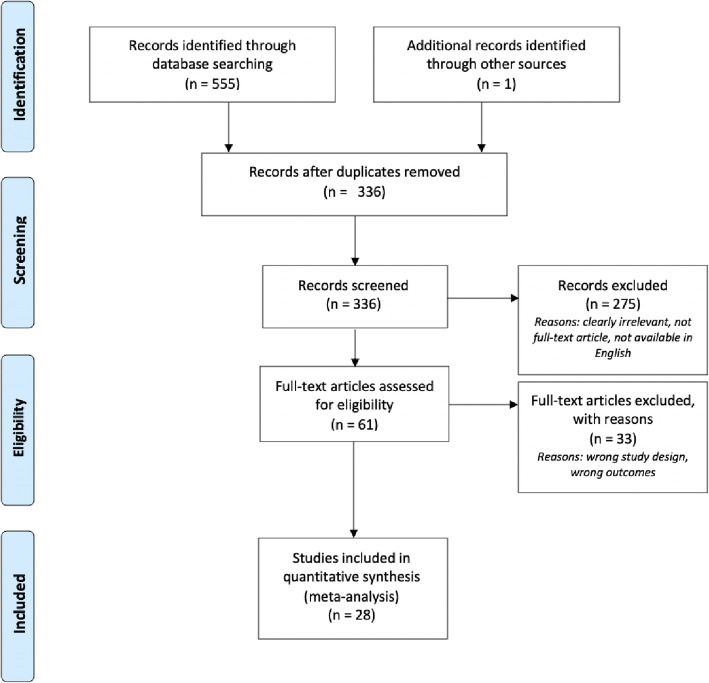
“This review adhered to the Preferred Reporting Items for Systematic Reviews and Meta-Analyses (PRISMA) guidelines (Fig. 1, [20]).”
§ Effect of fecal microbiota transplant on symptoms of psychiatric disorders: a systematic review > Methods > Literature search strategy
What the sources say
- Not checked yetcites [20] Moher D, Liberati A, Tetzlaff J, Altman DG, PRISMA Group. Preferred reporting items for systematic reviews and meta-analyses: the PRISMA statement. PLoS Med. 2009;6(7):e1000097 https://doi.org/10.1371/journal.pmed.1000097. source
plain- Asserted: passes — The authors put it forward as true.
- Checkable: passes — It can be checked against evidence.
- Load-bearing: fails — The paper’s conclusions may not depend on it.
- Based: passes — The paper gives a reason why it holds.
Probably not a substantial claim. The paper’s conclusions may not depend on it.
A conclusion the paper draws from its own results — it cites no other source for it, so there is none to check. The quote shows it is in the paper.
In the paper
“The former suggests the transfer of depression symptoms from FSL rats to others, and the latter provides evidence against the transference of resiliency from FRL rats.”
§ Effect of fecal microbiota transplant on symptoms of psychiatric disorders: a systematic review > Results > Preclinical studies
hedgeddirect- Asserted: passes — The authors put it forward as true.
- Checkable: passes — It can be checked against evidence.
- Load-bearing: passes — The paper’s conclusions depend on it.
- Based: passes — The paper gives a reason why it holds.
It may state two separate claims as one.
None of the sources cited for this claim have been checked yet.
In the paper
“Some investigations have shown neurochemical changes as a result of gut microbiome dysfunction, such as altered levels of brain-derived neurotropic factor (BDNF), reduced serotonin receptor expression, reduced synaptic plasticity gene expression, and increased striatal monoamine turnover [10–12].”
§ Effect of fecal microbiota transplant on symptoms of psychiatric disorders: a systematic review > Background > The gut and psychiatric symptoms and disorders
What the sources say
- Not checked yetcites [10] Sudo N, et al. Postnatal microbial colonization programs the hypothalamic–pituitary–adrenal system for stress response in mice. J Physiol. 2004;558(Pt 1):263–75 https://doi.org/10.1113/jphysiol.2004.063388. source
- Not checked yetcites [11] Heijtz RD, et al. Normal gut microbiota modulates brain development and behavior. Proc Natl Acad Sci U S A. 2011;108(7):3047–52 https://doi.org/10.1073/pnas.1010529108. source
- Not checked yetcites [12] Neufeld KM, Kang N, Bienenstock J, Foster JA. Reduced anxiety-like behavior and central neurochemical change in germ-free mice. Neurogastroenterol Motil. 2011;23(3):255–e119 https://doi.org/10.1111/j.1365-2982.2010.01620.x. source
hedgeddirect- Asserted: passes — The authors put it forward as true.
- Checkable: passes — It can be checked against evidence.
- Load-bearing: unclear — It is unclear whether the paper’s conclusions depend on it.
- Based: passes — The paper gives a reason why it holds.
It may state two separate claims as one.
What the paper did — it cites no source for this, so there is none to check. The quote shows it is in the paper.
In the paper
“As there is limited research on this topic, studies that did not follow the double-blind, randomized controlled model, were included if they had a comprehensive methodology after thorough analysis by three of the authors (A.C.M., C.W., and R.M.).”
§ Effect of fecal microbiota transplant on symptoms of psychiatric disorders: a systematic review > Methods > Study quality
plain- Asserted: passes — The authors put it forward as true.
- Checkable: passes — It can be checked against evidence.
- Load-bearing: passes — The paper’s conclusions depend on it.
- Based: passes — The paper gives a reason why it holds.
Probably not a substantial claim.
What the paper did — it cites no source for this, so there is none to check. The quote shows it is in the paper.
In the paper
“All included studies were analyzed according to these domains by A.C.M and C.W.”
§ Effect of fecal microbiota transplant on symptoms of psychiatric disorders: a systematic review > Methods > Study quality
plain- Asserted: passes — The authors put it forward as true.
- Checkable: passes — It can be checked against evidence.
- Load-bearing: fails — The paper’s conclusions may not depend on it.
- Based: passes — The paper gives a reason why it holds.
Probably not a substantial claim. The paper’s conclusions may not depend on it.
What the paper did — it cites no source for this, so there is none to check. The quote shows it is in the paper.
In the paper
“Overall, the included studies presented with low levels of potential bias save for cases where blinding of either the participant or study team was not performed. For these cases, bias was assessed as high.”
§ Effect of fecal microbiota transplant on symptoms of psychiatric disorders: a systematic review > Methods > Study quality
plain- Asserted: passes — The authors put it forward as true.
- Checkable: passes — It can be checked against evidence.
- Load-bearing: unclear — It is unclear whether the paper’s conclusions depend on it.
- Based: passes — The paper gives a reason why it holds.
It may state two separate claims as one.
What the paper did — it cites no source for this, so there is none to check. The quote shows it is in the paper.
In the paper
“Two authors (A.C.M and C.W) independently assessed the titles and abstracts of records retrieved from the systematic search according to the identified inclusion and exclusion criteria and completed the full-text review. Any disagreements were resolved by a third author (R.M).”
§ Effect of fecal microbiota transplant on symptoms of psychiatric disorders: a systematic review > Methods > Study selection
plain- Asserted: passes — The authors put it forward as true.
- Checkable: passes — It can be checked against evidence.
- Load-bearing: fails — The paper’s conclusions may not depend on it.
- Based: passes — The paper gives a reason why it holds.
Probably not a substantial claim. The paper’s conclusions may not depend on it. It may state two separate claims as one.
A conclusion the paper draws from its own results — it cites no other source for it, so there is none to check. The quote shows it is in the paper.
In the paper
“This provides support for the concept that the gut microbiome may both contribute to the development of psychiatric disorders and be a viable target for treatment for these disorders.”
§ Effect of fecal microbiota transplant on symptoms of psychiatric disorders: a systematic review > Discussion
hedgedconditional- Asserted: passes — The authors put it forward as true.
- Checkable: passes — It can be checked against evidence.
- Load-bearing: passes — The paper’s conclusions depend on it.
- Based: passes — The paper gives a reason why it holds.
It may state two separate claims as one.
A conclusion the paper draws from its own results — it cites no other source for it, so there is none to check. The quote shows it is in the paper.
In the paper
“There appears to be strong evidence for the treatment and transmission of psychiatric illnesses through FMT.”
§ Effect of fecal microbiota transplant on symptoms of psychiatric disorders: a systematic review > Abstract > Conclusion
hedgeddirect- Asserted: passes — The authors put it forward as true.
- Checkable: passes — It can be checked against evidence.
- Load-bearing: passes — The paper’s conclusions depend on it.
- Based: passes — The paper gives a reason why it holds.
It may state two separate claims as one.
A conclusion the paper draws from its own results — it cites no other source for it, so there is none to check. The quote shows it is in the paper.
In the paper
“These studies all show that FMT can confer certain traits of the donor’s psychiatric illnesses to the recipient mouse, and that transplants from healthy donors may be able to alleviate some psychiatric symptom.”
§ Effect of fecal microbiota transplant on symptoms of psychiatric disorders: a systematic review > Results > Preclinical studies with human donors
hedgedconditional- Asserted: passes — The authors put it forward as true.
- Checkable: passes — It can be checked against evidence.
- Load-bearing: passes — The paper’s conclusions depend on it.
- Based: passes — The paper gives a reason why it holds.
It may state two separate claims as one.
In the paper
“Anorexia is also closely tied to mood and anxiety disorders, with the likelihood of someone with anorexia having a comorbid mood or anxiety disorder being 2.4 and 1.9 times higher respectively than the general public [41].”
§ Effect of fecal microbiota transplant on symptoms of psychiatric disorders: a systematic review > Results > Preclinical studies with human donors
What the sources say
- Not checked yetcites [41] Hudson JI, Hiripi E, Pope HG, Kessler RC. The prevalence and correlates of eating disorders in the National Comorbidity Survey Replication. Biol Psychiatry. 2007;61(3):348–58 https://doi.org/10.1016/j.biopsych.2006.03.040. source
plaincorrelational- Asserted: passes — The authors put it forward as true.
- Checkable: passes — It can be checked against evidence.
- Load-bearing: fails — The paper’s conclusions may not depend on it.
- Based: passes — The paper gives a reason why it holds.
Probably not a substantial claim. The paper’s conclusions may not depend on it. It may state two separate claims as one.
In the paper
“Alcoholism is highly comorbid with mood and anxiety disorders, with someone with alcoholism being 3.6 and 2.6 times more likely to have a mood or anxiety disorder respectively [38].”
§ Effect of fecal microbiota transplant on symptoms of psychiatric disorders: a systematic review > Results > Preclinical studies with human donors
What the sources say
- Not checked yetcites [38] Petrakis IL, Gonzalez G, Rosenheck R, Krystal JH. Comorbidity of alcoholism and psychiatric disorders. Alcohol Res Health. 2002;26(2):81–9.
plaincorrelational- Asserted: passes — The authors put it forward as true.
- Checkable: passes — It can be checked against evidence.
- Load-bearing: fails — The paper’s conclusions may not depend on it.
- Based: passes — The paper gives a reason why it holds.
Probably not a substantial claim. The paper’s conclusions may not depend on it. It may state two separate claims as one.
A conclusion the paper draws from its own results — it cites no other source for it, so there is none to check. The quote shows it is in the paper.
In the paper
“However, given FMT effects can last up to 6 months, it may be easier to adhere to than a daily medication or a weekly psychotherapy appointment.”
§ Effect of fecal microbiota transplant on symptoms of psychiatric disorders: a systematic review > Discussion > Treatment feasibility
hedgedconditional- Asserted: passes — The authors put it forward as true.
- Checkable: fails — It may be too vague to check against evidence.
- Load-bearing: fails — The paper’s conclusions may not depend on it.
- Based: fails — The paper may give no reason why it holds.
Probably not a substantial claim. It may be too vague to check against evidence. The paper’s conclusions may not depend on it. The paper may give no reason why it holds. It may state two separate claims as one.
A conclusion the paper draws from its own results — it cites no other source for it, so there is none to check. The quote shows it is in the paper.
In the paper
“Additionally, the safety of FMT has also not been sufficiently understood and its associated stigma is still unknown.”
§ Effect of fecal microbiota transplant on symptoms of psychiatric disorders: a systematic review > Discussion > Treatment feasibility
plain- Asserted: passes — The authors put it forward as true.
- Checkable: passes — It can be checked against evidence.
- Load-bearing: passes — The paper’s conclusions depend on it.
- Based: fails — The paper may give no reason why it holds.
Probably not a substantial claim. The paper may give no reason why it holds.
In the paper
“An estimated 90% of the body’s serotonin is produced by enterochromaffin (EC) cells in the digestive tract [51].”
§ Effect of fecal microbiota transplant on symptoms of psychiatric disorders: a systematic review > Discussion > Mechanism of action
What the sources say
- Not checked yetcites [51] Gershon MD. 5-Hydroxytryptamine (serotonin) in the gastrointestinal tract. Curr Opin Endocrinol Diab Obes. 2013;20(1):14–21 https://doi.org/10.1097/MED.0b013e32835bc703. source
hedged- Asserted: passes — The authors put it forward as true.
- Checkable: passes — It can be checked against evidence.
- Load-bearing: fails — The paper’s conclusions may not depend on it.
- Based: passes — The paper gives a reason why it holds.
Probably not a substantial claim. The paper’s conclusions may not depend on it.
A conclusion the paper draws from its own results — it cites no other source for it, so there is none to check. The quote shows it is in the paper.
In the paper
“These mechanisms may provide insight into the use of FMT as a potential treatment for psychiatric symptoms, such as mood and anxiety.”
§ Effect of fecal microbiota transplant on symptoms of psychiatric disorders: a systematic review > Discussion > Mechanism of action
hedgedconditional- Asserted: passes — The authors put it forward as true.
- Checkable: fails — It may be too vague to check against evidence.
- Load-bearing: passes — The paper’s conclusions depend on it.
- Based: passes — The paper gives a reason why it holds.
Probably not a substantial claim. It may be too vague to check against evidence.
A conclusion the paper draws from its own results — it cites no other source for it, so there is none to check. The quote shows it is in the paper.
In the paper
“The repopulation of the gut microbiome with healthy bacteria through FMT may have positive neurological, immune, and metabolic effects which in turn may influence the trajectory of the psychiatric indication.”
§ Effect of fecal microbiota transplant on symptoms of psychiatric disorders: a systematic review > Discussion > Mechanism of action
hedgedconditional- Asserted: passes — The authors put it forward as true.
- Checkable: passes — It can be checked against evidence.
- Load-bearing: passes — The paper’s conclusions depend on it.
- Based: passes — The paper gives a reason why it holds.
It may state two separate claims as one.
A conclusion the paper draws from its own results — it cites no other source for it, so there is none to check. The quote shows it is in the paper.
In the paper
“Additionally, the safety of FMT has also not been sufficiently understood and its associated stigma is still unknown.”
§ Effect of fecal microbiota transplant on symptoms of psychiatric disorders: a systematic review > Discussion > Treatment feasibility
plain- Asserted: passes — The authors put it forward as true.
- Checkable: passes — It can be checked against evidence.
- Load-bearing: fails — The paper’s conclusions may not depend on it.
- Based: fails — The paper may give no reason why it holds.
Probably not a substantial claim. The paper’s conclusions may not depend on it. The paper may give no reason why it holds.
A conclusion the paper draws from its own results — it cites no other source for it, so there is none to check. The quote shows it is in the paper.
In the paper
“Although costs are comparable to antidepressants, it is still relatively expensive and a labor-intensive alternative to other psychiatric treatments.”
§ Effect of fecal microbiota transplant on symptoms of psychiatric disorders: a systematic review > Discussion > Treatment feasibility
plain- Asserted: passes — The authors put it forward as true.
- Checkable: passes — It can be checked against evidence.
- Load-bearing: unclear — It is unclear whether the paper’s conclusions depend on it.
- Based: passes — The paper gives a reason why it holds.
It may state two separate claims as one.
What the paper did — it cites no source for this, so there is none to check. The quote shows it is in the paper.
In the paper
“Although the studies included in this review were of good quality and contributed to a greater understanding of FMT in the context of mental health and illness, there are considerable limitations.”
§ Effect of fecal microbiota transplant on symptoms of psychiatric disorders: a systematic review > Discussion > Limitations
plain- Asserted: passes — The authors put it forward as true.
- Checkable: passes — It can be checked against evidence.
- Load-bearing: fails — The paper’s conclusions may not depend on it.
- Based: passes — The paper gives a reason why it holds.
Probably not a substantial claim. The paper’s conclusions may not depend on it.
In the paper
“Assuming one transplant is sufficient for therapeutic benefits lasting up to 6 months, the cost of treatment may be comparable to that of brand-name antidepressants, however not much is known about the costs of FMT (Eisenberg Centre at Oregon Health & Sciences University, 2007).”
§ Effect of fecal microbiota transplant on symptoms of psychiatric disorders: a systematic review > Discussion > Treatment feasibility
What the sources say
- Not checked yetcites Eisenberg Centre at Oregon Health & Sciences University, 2007
hedgedconditional- Asserted: passes — The authors put it forward as true.
- Checkable: passes — It can be checked against evidence.
- Load-bearing: fails — The paper’s conclusions may not depend on it.
- Based: passes — The paper gives a reason why it holds.
Probably not a substantial claim. The paper’s conclusions may not depend on it.
- The authors state this as an assumption: One transplant is sufficient for therapeutic benefits lasting up to 6 months.
In the paper
“The SCFAs produced by the gut microbiome have anti-inflammatory properties and can work to regulate the immune response [54].”
§ Effect of fecal microbiota transplant on symptoms of psychiatric disorders: a systematic review > Discussion > Mechanism of action
What the sources say
- Not checked yetcites [54] van de Wouw M, et al. Short-chain fatty acids: microbial metabolites that alleviate stress-induced brain–gut axis alterations. J Physiol. 2018;596(20):4923–44 https://doi.org/10.1113/JP276431. source
plaindirect- Asserted: passes — The authors put it forward as true.
- Checkable: passes — It can be checked against evidence.
- Load-bearing: fails — The paper’s conclusions may not depend on it.
- Based: passes — The paper gives a reason why it holds.
Probably not a substantial claim. The paper’s conclusions may not depend on it. It may state two separate claims as one.
In the paper
“Serotonin transmission has long been known to be altered in depression, with selective serotonin reuptake inhibitors (SSRIs) being the most prescribed treatment for depression [50].”
§ Effect of fecal microbiota transplant on symptoms of psychiatric disorders: a systematic review > Discussion > Mechanism of action
What the sources say
- Not checked yetcites [50] Treviño LA, Ruble MW, Treviño K, Weinstein LM, Gresky DP. Antidepressant medication prescribing practices for treatment of major depressive disorder. Psychiatr Serv. 2017;68(2):199–202 https://doi.org/10.1176/appi.ps.201600087. source
plain- Asserted: passes — The authors put it forward as true.
- Checkable: passes — It can be checked against evidence.
- Load-bearing: fails — The paper’s conclusions may not depend on it.
- Based: passes — The paper gives a reason why it holds.
Probably not a substantial claim. The paper’s conclusions may not depend on it.
In the paper
“Serotonin transmission has long been known to be altered in depression, with selective serotonin reuptake inhibitors (SSRIs) being the most prescribed treatment for depression [50].”
§ Effect of fecal microbiota transplant on symptoms of psychiatric disorders: a systematic review > Discussion > Mechanism of action
What the sources say
- Not checked yetcites [50] Treviño LA, Ruble MW, Treviño K, Weinstein LM, Gresky DP. Antidepressant medication prescribing practices for treatment of major depressive disorder. Psychiatr Serv. 2017;68(2):199–202 https://doi.org/10.1176/appi.ps.201600087. source
boostedcorrelational- Asserted: passes — The authors put it forward as true.
- Checkable: passes — It can be checked against evidence.
- Load-bearing: fails — The paper’s conclusions may not depend on it.
- Based: passes — The paper gives a reason why it holds.
Probably not a substantial claim. The paper’s conclusions may not depend on it.
A conclusion the paper draws from its own results — it cites no other source for it, so there is none to check. The quote shows it is in the paper.
In the paper
“which, if used as a treatment for psychiatric disorders, is a limitation for FMT in clinical practice.”
§ Effect of fecal microbiota transplant on symptoms of psychiatric disorders: a systematic review > Discussion
plaindirect- Asserted: passes — The authors put it forward as true.
- Checkable: passes — It can be checked against evidence.
- Load-bearing: passes — The paper’s conclusions depend on it.
- Based: passes — The paper gives a reason why it holds.
The quote only partly states this claim.
A conclusion the paper draws from its own results — it cites no other source for it, so there is none to check. The quote shows it is in the paper.
In the paper
“Without a consensus on a standard procedure for conducting this research, it is difficult to compare results between studies.”
§ Effect of fecal microbiota transplant on symptoms of psychiatric disorders: a systematic review > Discussion > Limitations
plaindirect- Asserted: passes — The authors put it forward as true.
- Checkable: fails — It may be too vague to check against evidence.
- Load-bearing: passes — The paper’s conclusions depend on it.
- Based: passes — The paper gives a reason why it holds.
Probably not a substantial claim. It may be too vague to check against evidence.
A conclusion the paper draws from its own results — it cites no other source for it, so there is none to check. The quote shows it is in the paper.
In the paper
“Given the huge heterogeneity of psychiatric disorders, finding treatment that works for all patients is not achievable, especially given the range of factors that influence the disorder and treatment response.”
§ Effect of fecal microbiota transplant on symptoms of psychiatric disorders: a systematic review > Conclusion
plain- Asserted: passes — The authors put it forward as true.
- Checkable: fails — It may be too vague to check against evidence.
- Load-bearing: passes — The paper’s conclusions depend on it.
- Based: passes — The paper gives a reason why it holds.
Probably not a substantial claim. It may be too vague to check against evidence.
A conclusion the paper draws from its own results — it cites no other source for it, so there is none to check. The quote shows it is in the paper.
In the paper
“With high individual variability in symptomatology and prognosis, high levels of comorbidity with other disorders, genetic and environmental influences, progress in research in treatment of psychiatric disorders has been challenging.”
§ Effect of fecal microbiota transplant on symptoms of psychiatric disorders: a systematic review > Conclusion
plaindirect- Asserted: passes — The authors put it forward as true.
- Checkable: fails — It may be too vague to check against evidence.
- Load-bearing: fails — The paper’s conclusions may not depend on it.
- Based: fails — The paper may give no reason why it holds.
Probably not a substantial claim. It may be too vague to check against evidence. The paper’s conclusions may not depend on it. The paper may give no reason why it holds.
What the paper did — it cites no source for this, so there is none to check. The quote shows it is in the paper.
In the paper
“Some of these studies also included donors that were taking various medications, including antidepressants, which may have affected the results.”
§ Effect of fecal microbiota transplant on symptoms of psychiatric disorders: a systematic review > Discussion > Limitations
plain- Asserted: passes — The authors put it forward as true.
- Checkable: passes — It can be checked against evidence.
- Load-bearing: fails — The paper’s conclusions may not depend on it.
- Based: passes — The paper gives a reason why it holds.
Probably not a substantial claim. The paper’s conclusions may not depend on it.
A conclusion the paper draws from its own results — it cites no other source for it, so there is none to check. The quote shows it is in the paper.
In the paper
“Additionally, given the adaptable nature of the gut microbiome, it may be a good representation of the individual’s history and could explain differences in risk of illness, disease course, and response to treatment.”
§ Effect of fecal microbiota transplant on symptoms of psychiatric disorders: a systematic review > Conclusion
hedgedconditional- Asserted: passes — The authors put it forward as true.
- Checkable: fails — It may be too vague to check against evidence.
- Load-bearing: fails — The paper’s conclusions may not depend on it.
- Based: fails — The paper may give no reason why it holds.
Probably not a substantial claim. It may be too vague to check against evidence. The paper’s conclusions may not depend on it. The paper may give no reason why it holds. It may state two separate claims as one.
A conclusion the paper draws from its own results — it cites no other source for it, so there is none to check. The quote shows it is in the paper.
In the paper
“Additionally, the administration of antibiotics to create GF recipient mice and the variability in FMT administration protocol make the findings difficult to translate.”
§ Effect of fecal microbiota transplant on symptoms of psychiatric disorders: a systematic review > Discussion > Limitations
plaindirect- Asserted: passes — The authors put it forward as true.
- Checkable: passes — It can be checked against evidence.
- Load-bearing: unclear — It is unclear whether the paper’s conclusions depend on it.
- Based: passes — The paper gives a reason why it holds.
It may state two separate claims as one.
The paper relies on this without support.
Many people with Major Depressive Disorder or anxiety disorders deny pharmacological treatment due to side effects or stigma-related reasons, or are treatment-resistant and unable to find an effective way to improve their symptoms.
“While there are pharmacological treatments available for both disorders, many people deny treatment due to side effects or stigma-related reasons or are treatment-resistant and unable to find an effective way to improve their symptoms.”
The paper relies on this without support.
There are few studies on FMT in humans as a treatment method in the context of psychiatric disorders.
“However, as this is a relatively novel area of research, there are few studies on FMT in humans as a treatment method in the context of psychiatric disorders.”
The paper relies on this without support.
The gut-brain axis is a bidirectional signaling pathway between the gastrointestinal tract and the brain.
“The Gut-Brain-Axis is a bidirectional signaling pathway between the gastrointestinal (GI) tract and the brain.”
“The GBA consists of bidirectional biochemical and neural signalling between the gastrointestinal (GI) tract and the brain.”
The authors state this as an assumption.
One transplant is sufficient for therapeutic benefits lasting up to 6 months.
“Assuming one transplant is sufficient for therapeutic benefits lasting up to 6 months”
Claims other papers make about this one
Each is checked against this paper’s own text: does it say what the citing paper says it does?
In the citing paper
“Based on mentioned above clinical trials, but also the latest systematic review by Chinna Meyyappan et al. [85], there is strong evidence for the possibility of targeting the gut-brain axis with FMT to mitigate depression-and anxiety-like symptoms.”
From The Role of Microbiota-Gut-Brain Axis in Neuropsychiatric and Neurological Disorders (2021) · cites this paper as [85]
In the citing paper
“Reported studies about therapeutic benefits of fecal microbial transfer in patient populations for other psychiatric conditions have recently been reviewed with mixed results (Chinna Meyyappan et al., 2020).”
From Role of diet and its effects on the gut microbiome in the pathophysiology of mental disorders (2022) · cites this paper as Chinna Meyyappan et al., 2020
In the citing paper
“The evaluation of the potential therapeutic benefit of fecal microbial transplants in brain disorders, mimicking such effects previously reported in animal models has shown inconsistent and time limited success [123], with the exception of the study in ASD discussed earlier.”
From Role of diet and its effects on the gut microbiome in the pathophysiology of mental disorders (2022) · cites this paper as [123]
Self-check
Percentages, sums and reported differences re-computed from the paper’s own numbers.
Each contradiction between two passages listed here was confirmed by an independent check.
Rated major: it would touch a result — a value a result rests on, reported and recomputed p-values on opposite sides of the significance level, two passages that conflict with no sign which is right, or a cited work retracted before this paper was published.
In the paper
“Twenty-one studies met the eligibility criteria and were analysed for reported changes in mood and behavioural measures indicative of psychiatric wellbeing. The studies included were either entirely clinical (n = 8), preclinical with human donors (n = 9), or entirely preclinical (n = 11).”
§ Effect of fecal microbiota transplant on symptoms of psychiatric disorders: a systematic review > Abstract > Results
Reported 21 · recomputed 28
Rated minor: it would not touch a result — a value no result rests on, a p-value that stays on the same side of the significance level, or a conflict that is clerical, resolved elsewhere in the paper, or outside its own findings.
In the paper
§ Effect of fecal microbiota transplant on symptoms of psychiatric disorders: a systematic review > Results > Clinical studies
“Three of the four studies found a significant improvement in anxiety symptoms following FMT [44, 45, 48].”
§ Effect of fecal microbiota transplant on symptoms of psychiatric disorders: a systematic review > Results > Clinical studies
“Although Mizuno et al. found improvement in the anxiety scores as well, it was not significant [44].”
Citations
Cites
Diagnostic and Statistical Manual of Mental Disorders
American Psychiatric Association (2013) · doi:10.1176/appi.books.9780890425596 · Cited by 116,369
Preferred Reporting Items for Systematic Reviews and Meta-Analyses: the PRISMA statement
Moher, D., Liberati, A., Tetzlaff, J., Altman, D. G., & for the PRISMA Group (2009) · BMJ · doi:10.1136/bmj.b2535 · Cited by 83,823
Preferred Reporting Items for Systematic Reviews and Meta-Analyses: The PRISMA Statement
Moher, D., Liberati, A., Tetzlaff, J., Altman, D. G., & The PRISMA Group (2009) · PLoS Medicine · doi:10.1371/journal.pmed.1000097 · Cited by 64,042
Preferred reporting items for systematic reviews and meta-analyses: the PRISMA Statement.
(2009) · PubMed Central · Cited by 44,859
Structure, function and diversity of the healthy human microbiome
The Human Microbiome Project Consortium (2012) · Nature · doi:10.1038/nature11234 · Cited by 11,726
Turnbaugh, P. J., Ley, R. E., Hamady, M., Fraser-Liggett, C. M., Knight, R., & Gordon, J. I. (2007) · Nature · doi:10.1038/nature06244 · Cited by 6,091
The prevalence and correlates of eating disorders in the National Comorbidity Survey Replication
Hudson, J. I., Hiripi, E., Pope, H. G., & Kessler, R. C. (2007) · Biological Psychiatry · doi:10.1016/j.biopsych.2006.03.040 · Cited by 4,973
Mind-altering microorganisms: the impact of the gut microbiota on brain and behaviour
Cryan, J. F., & Dinan, T. G. (2012) · Nature Reviews Neuroscience · doi:10.1038/nrn3346 · Cited by 4,572
Host microbiota constantly control maturation and function of microglia in the CNS
Erny, D., Hrabě de Angelis, A. L., Jaitin, D., Wieghofer, P., Staszewski, O., David, E., Keren-Shaul, H., Mahlakoiv, T., Jakobshagen, K., Buch, T., et al. (2015) · Nature Neuroscience · doi:10.1038/nn.4030 · Cited by 3,569
Normal gut microbiota modulates brain development and behavior
Heijtz, R. D., Wang, S., Anuar, F., Qian, Y., Björkholm, B., Samuelsson, A., Hibberd, M. L., Forssberg, H., & Pettersson, S. (2011) · Proceedings of the National Academy of Sciences · doi:10.1073/pnas.1010529108 · Cited by 3,228
Research works printed but not linked: 1
- Petrakis IL, Gonzalez G, Rosenheck R, Krystal JH. Comorbidity of alcoholism and psychiatric disorders. Alcohol Res Health. 2002;26(2):81–9.
Cited by
Sorted by citations
The Role of Microbiota-Gut-Brain Axis in Neuropsychiatric and Neurological Disorders
Socała, K., Doboszewska, U., Szopa, A., Serefko, A., Włodarczyk, M., Zielińska, A., Poleszak, E., Fichna, J., & Wlaź, P. (2021) · Pharmacological Research · doi:10.1016/j.phrs.2021.105840 · Cited by 857
Brain–gut–microbiota axis in depression: A historical overview and future directions
Chang, L., Wei, Y., & Hashimoto, K. (2022) · Brain Research Bulletin · doi:10.1016/j.brainresbull.2022.02.004 · Cited by 407
Han, Y., Wang, B., Gao, H., He, C., Hua, R., Liang, C., Zhang, S., Wang, Y., Xin, S., & Xu, J. (2022) · Journal of Inflammation Research · doi:10.2147/jir.s384949 · Cited by 265
Role of diet and its effects on the gut microbiome in the pathophysiology of mental disorders
Horn, J., Mayer, D. E., Chen, S., & Mayer, E. A. (2022) · Translational Psychiatry · doi:10.1038/s41398-022-01922-0 · Cited by 193
“The evaluation of the potential therapeutic benefit of fecal microbial transplants in brain disorders, mimicking such effects previously reported in animal models has shown inconsistent and time limited success [123], with the exception of the study in ASD discussed earlier.”
ResultThe Role of Gut Dysbiosis in the Pathophysiology of Neuropsychiatric Disorders
Anand, N., Gorantla, V. R., & Chidambaram, S. B. (2022) · Cells · doi:10.3390/cells12010054 · Cited by 194
Mechanistic Insights into the Link between Gut Dysbiosis and Major Depression: An Extensive Review
Sonali, S., Ray, B., Hediyal, T. A., Rathipriya, A. G., Sunanda, T., Mahalakshmi, A. M., Rungratanawanich, W., Essa, M. M., Qoronfleh, M. W., Chidambaram, S. B., et al. (2022) · Cells · doi:10.3390/cells11081362 · Cited by 166
Gut Microbiota in Anxiety and Depression: Unveiling the Relationships and Management Options
Kumar, A., Pramanik, J., Goyal, N., Chauhan, D., Sivamaruthi, B. S., Prajapati, B. G., & Chaiyasut, C. (2023) · Pharmaceuticals · doi:10.3390/ph16040565 · Cited by 174
“FMT is now one of the approaches most often used to treat gastrointestinal and neuropsychiatric diseases [253].”
BackgroundMicrobiome therapeutics: exploring the present scenario and challenges
Yadav, M., & Chauhan, N. S. (2021) · Gastroenterology report · doi:10.1093/gastro/goab046 · Cited by 164
“FMT was found to be successful in relieving depression and anxiety [238].”
The gut microbiome: what the oncologist ought to know
Lee, K. A., Luong, M., Shaw, H. M., Nathan, P., Bataille, V. A., & Spector, T. D. (2021) · British Journal of Cancer · doi:10.1038/s41416-021-01467-x · Cited by 154
The Relationship Between the Gut Microbiome-Immune System-Brain Axis and Major Depressive Disorder
Foster, J. A., Baker, G. B., & Dursun, S. M. (2021) · Frontiers in Neurology · doi:10.3389/fneur.2021.721126 · Cited by 161
“Chinna Meyyappan et al. (107) did a systematic review on the effect of FMT on symptoms of psychiatric disorders.”
BackgroundInfluentialWestern Diet: Implications for Brain Function and Behavior
López-Taboada, I., González‐Pardo, H., & Conejo, N. M. (2020) · Frontiers in Psychology · doi:10.3389/fpsyg.2020.564413 · Cited by 154
Gut-derived systemic inflammation as a driver of depression in chronic liver disease
Kronsten, V. T., Tranah, T. H., Pariante, C. M., & Shawcross, D. L. (2021) · Journal of Hepatology · doi:10.1016/j.jhep.2021.11.008 · Cited by 137
Aaldijk, E., & Vermeiren, Y. (2022) · Ageing Research Reviews · doi:10.1016/j.arr.2021.101556 · Cited by 138
Emerging role of the host microbiome in neuropsychiatric disorders: overview and future directions
Hashimoto, K. (2023) · Molecular Psychiatry · doi:10.1038/s41380-023-02287-6 · Cited by 143
Gut microbes in neurocognitive and mental health disorders
Halverson, T., & Alagiakrishnan, K. (2020) · Annals of Medicine · doi:10.1080/07853890.2020.1808239 · Cited by 125
Ortega, M. A., Álvarez-Mon, M. Á., Montero, C. G., Fraile‐Μartinez, O., Guijarro, L. G., Lahera, G., Monserrat, J., Valls, P., Mora, F., Rodríguez–Jiménez, R., et al. (2022) · Metabolites · doi:10.3390/metabo12010050 · Cited by 131
Emerging Evidence for the Widespread Role of Glutamatergic Dysfunction in Neuropsychiatric Diseases
McGrath, T., Baskerville, R., Rogero, M. M., & Castell, L. M. (2022) · Nutrients · doi:10.3390/nu14050917 · Cited by 124
“There is strong systematic review evidence of FMT both alleviating depressive symptoms in patients and inducing depressive symptoms in healthy FMT recipients [206].”
BackgroundMicrobiota-gut-brain axis drives overeating disorders
Fan, S., Guo, W., Xiao, D., Guan, M., Liao, T., Peng, S., Feng, A., Wang, Z., Yin, H., Li, M., et al. (2023) · Cell Metabolism · doi:10.1016/j.cmet.2023.09.005 · Cited by 109
Settanni, C. R., Ianiro, G., Bibbò, S., Cammarota, G., & Gasbarrini, A. (2021) · Progress in Neuro-Psychopharmacology and Biological Psychiatry · doi:10.1016/j.pnpbp.2021.110258 · Cited by 106
Lin, H., Guo, Q., Wen, Z., Tan, S., Chen, J., Lin, L., Chen, P., He, J., Wen, J., & Chen, Y. (2021) · Microbial Cell Factories · doi:10.1186/s12934-021-01720-1 · Cited by 103
Shobeiri, P., Kalantari, A., Teixeira, A. L., & Rezaei, N. (2022) · Biology of Sex Differences · doi:10.1186/s13293-022-00422-6 · Cited by 113
Staudacher, H. M., Mikocka‐Walus, A. A., & Ford, A. C. (2021) · The Lancet. Gastroenterology & hepatology · doi:10.1016/s2468-1253(20)30363-0 · Cited by 96
The Microbiota–Gut–Brain Axis and Neurological Disorders: A Comprehensive Review
Nakhal, M. M., Yassin, L. K., Alyaqoubi, R., Saeed, S., Alderei, A., Alhammadi, A., Alshehhi, M., Almehairbi, A., Houqani, S. A., BaniYas, S., et al. (2024) · Life · doi:10.3390/life14101234 · Cited by 136
Zang, Y., Lai, X., Li, C., Ding, D., Wang, Y., & Zhu, Y. (2023) · Mediators of Inflammation · doi:10.1155/2023/5127157 · Cited by 92
“patients with intestinal or neurological disorders to increase the number of beneficial bacteria and reduce the number of harmful bacteria in patients to maintain the steady state of gut microbiota [62, 63].”
The Brain-Gut-Microbiome System: Pathways and Implications for Autism Spectrum Disorder
Chernikova, M. A., Flores, G. D., Kilroy, E., Labus, J. S., Mayer, E. A., & Aziz‐Zadeh, L. (2021) · Nutrients · doi:10.3390/nu13124497 · Cited by 93
“Fecal microbial transplantation (FMT) has been shown to alleviate the behavioral symptoms of various neuropsychiatric disorders, including ASD [63].”
BackgroundDong, T. S., & Mayer, E. A. (2024) · Cellular and Molecular Gastroenterology and Hepatology · doi:10.1016/j.jcmgh.2024.01.024 · Cited by 86
Mind, Mood and Microbiota—Gut–Brain Axis in Psychiatric Disorders
Toader, C., Dobrin, N., Costea, D., Glavan, L.-A., Covache-Busuioc, R.-A., Dumitrascu, D.-I., Bratu, B.-G., Costin, H. P., & Ciurea, A. V. (2024) · International Journal of Molecular Sciences · doi:10.3390/ijms25063340 · Cited by 93
“Moreover, certain probiotics or fecal microbiota transplants from healthy donors have been effective in alleviating symptoms and inducing positive outcomes in patients with psychiatric disorders [106,122].”
BackgroundMicrobiota in Autism Spectrum Disorder: A Systematic Review
Lewandowska, Z., Figlerowicz, M., & Mazur‐Melewska, K. (2023) · International Journal of Molecular Sciences · doi:10.3390/ijms242316660 · Cited by 99
“Moreover, the usage of MTT was studied in psychiatric disorders with promising results, including the reduction of anxiety and depression symptoms [75].”
BackgroundNutrition-based interventions for mood disorders
Martins, L. B., Tibães, J. R. B., Sanches, M., Jacka, F. N., Berk, M., & Teixeira, A. L. (2021) · Expert Review of Neurotherapeutics · doi:10.1080/14737175.2021.1881482 · Cited by 79
“Chinna Meyyappan et al. (2020) described the phase 1 methods of an open-label study using Microbial Ecosystem Therapeutics-2 (MET-2) in patients with MDD and/or anxiety disorder.”
MethodAhmed, E., & Hens, K. (2021) · AJOB Neuroscience · doi:10.1080/21507740.2021.1958096 · Cited by 70
Bile acid receptors and signaling crosstalk in the liver, gut and brain
Ferrell, J. M., & Chiang, J. Y. L. (2021) · Liver Research · doi:10.1016/j.livres.2021.07.002 · Cited by 72
The Role of Probiotics and Their Metabolites in the Treatment of Depression
Jach, M. E., Serefko, A., Szopa, A., Sajnaga, E., Golczyk, H., Santos, L. S., Borowicz, K. K., & Sieniawska, E. (2023) · Molecules · doi:10.3390/molecules28073213 · Cited by 75
Encapsulated Fecal Microbiota Transplantation: Development, Efficacy, and Clinical Application
Halaweish, H., Boatman, S. M., & Staley, C. M. (2022) · Frontiers in Cellular and Infection Microbiology · doi:10.3389/fcimb.2022.826114 · Cited by 74
Microbiota-targeted interventions for mental health
Berding, K., & Cryan, J. F. (2021) · Current Opinion in Psychiatry · doi:10.1097/yco.0000000000000758 · Cited by 69
Kovtun, A. S., Averina, O. V., Angelova, I. Y., Yunes, R. А., Zorkina, Y., Morozova, A. Y., Pavlichenko, A. V., Syunyakov, T., Karpenko, O., Kostyuk, G. P., et al. (2022) · Biomedicines · doi:10.3390/biomedicines10092162 · Cited by 67
Ma, Y., Liu, T., Li, X., Kong, A., Xiao, R., Xie, R., Gao, J., Wang, Z., Yun, C., Zou, J., et al. (2022) · Microbiome · doi:10.1186/s40168-022-01356-2 · Cited by 73
“Numerous studies have indicated that colitis and anxiety-like behaviors could be significantly influenced by transmissible microbial compositions arising from diet changes or host genetic defects [22, 57, 58].”
BackgroundSjöstedt, P., Enander, J., & Isung, J. (2021) · Frontiers in Psychiatry · doi:10.3389/fpsyt.2021.682868 · Cited by 65
The microbiota–gut–brain axis in Huntington's disease: pathogenic mechanisms and therapeutic targets
Ekwudo, M. N., Gubert, C., & Hannan, A. J. (2024) · FEBS Journal · doi:10.1111/febs.17102 · Cited by 61
“The current application of FMT in various neurological and psychiatric diseases, including AD, PD, ALS, and MS, has been extensively reviewed [306 – 308].”
The human microbiome in clinical translation: from bench to bedside
Bautista, J., Echeverría, C. E., Maldonado-Noboa, I., Ojeda-Mosquera, S., Hidalgo-Tinoco, C., & López-Cortés, A. (2025) · Frontiers in Microbiology · doi:10.3389/fmicb.2025.1632435 · Cited by 55
Systematic review of probiotics as an adjuvant treatment for psychiatric disorders
Forth, E., Buehner, B. J., Storer, A., Sgarbossa, C., Milev, R. V., & Meyyappan, A. C. (2023) · Frontiers in Behavioral Neuroscience · doi:10.3389/fnbeh.2023.1111349 · Cited by 54
“Certain probiotics or fecal microbiota transplants from healthy patients have also helped alleviate symptoms and induced positive outcomes in patients with psychiatric disorders (Meyyappan et al., 2020; Johnson et al., 2021).”
BackgroundSelf-citationLin, P., Li, D., Shi, Y., Li, Q., Guo, X., Dong, K., Chen, Q., Lou, X., Li, Z., Li, P., et al. (2021) · Nutrients · doi:10.3390/nu15071752 · Cited by 51
“The microbial flora plays a causal role in physical diseases, suggesting that abundance variation in the gut microbiota may cause depression and anxiety through the microbiota– gut–brain axis [11].”
BackgroundChen, C.-Y., Wang, Y., Lei, L., & Zhang, Y. (2024) · Life Sciences · doi:10.1016/j.lfs.2024.122815 · Cited by 54
Influence of the Microbiota-Gut-Brain Axis on Cognition in Alzheimer’s Disease
Escobar, Y.-N. H., O’Piela, D., Wold, L. E., & Mackos, A. R. (2022) · Journal of Alzheimer s Disease · doi:10.3233/jad-215290 · Cited by 52
Human Gut Microbiota for Diagnosis and Treatment of Depression
Averina, O. V., Poluektova, E. U., Zorkina, Y., Kovtun, A. S., & Даниленко, В. Н. (2024) · International Journal of Molecular Sciences · doi:10.3390/ijms25115782 · Cited by 54
“It has been shown that animals acquired a depressive phenotype after transplantation of intestinal flora (FMT) from patients with MDD [17].”
BackgroundAn update on fecal microbiota transplantation for the treatment of gastrointestinal diseases
Waller, K. M. J., Leong, R. W. L., & Paramsothy, S. (2021) · Journal of Gastroenterology and Hepatology · doi:10.1111/jgh.15731 · Cited by 49
Querdasi, F. R., Enders, C. K., Karnani, N., Broekman, B. F. P., Seng, C. Y., Gluckman, P. D., Daniel, L. M., Yap, F. K. P., Eriksson, J. G., Cai, S., et al. (2023) · Proceedings of the National Academy of Sciences · doi:10.1073/pnas.2213768120 · Cited by 47
“The gut microbiome is highly plastic in early postnatal life (5), appears to be shaped by prenatal and postnatal experiences of adversity (6–10), and is causally connected to emotional health in adulthood (11).”
BackgroundThe gut microbiome and antipsychotic treatment response
Seeman, M. V. (2020) · Behavioural Brain Research · doi:10.1016/j.bbr.2020.112886 · Cited by 46
Fecal microbiota transplantation treatment of autoimmune-mediated type 1 diabetes mellitus
He, L., Chen, R., Zhang, B., Zhang, S., Khan, B. A., Zhu, D., Wu, Z., Xiao, C., Chen, B., Chen, F., et al. (2022) · Frontiers in Immunology · doi:10.3389/fimmu.2022.930872 · Cited by 45
MacKay, M., Yang, B. H., Dursun, S. M., & Baker, G. B. (2023) · Current Neuropharmacology · doi:10.2174/1570159x21666230222092029 · Cited by 52
“In a small study done by Chinna Meyyappan et al. [117] on 12 patients with major depressive disorder (MDD) and/or GAD (8 had MDD and GAD), patients consumed encapsulated MET-2 (contained 40 strains of bacteria purified and lab-grown from the stool of a healthy donor) once daily for 8 weeks; 9 of…”
Stolfi, F., Abreu, H., Sinella, R., Nembrini, S., Centonze, S., Landra, V., Brasso, C., Cappellano, G., Rocca, P., & Chiocchetti, A. (2024) · Frontiers in Psychiatry · doi:10.3389/fpsyt.2024.1422939 · Cited by 54
Microbiome and substances of abuse
Salavrakos, M., Leclercq, S., de Timary, P., & Dom, G. (2020) · Progress in Neuro-Psychopharmacology and Biological Psychiatry · doi:10.1016/j.pnpbp.2020.110113 · Cited by 45
Inserra, A., Giorgini, G., Lacroix, S., Bertazzo, A., Choo, J. M., Markopolous, A., Grant, E., Abolghasemi, A., Gregorio, D. D., Flamand, N., et al. (2022) · British Journal of Pharmacology · doi:10.1111/bph.15977 · Cited by 41
“Another key biological system intimately connected with the immune system (Chiurchiù et al., 2015; Hemarajata & Versalovic, 2012; Pandey et al., 2009) and the gut microbiome (Cani et al., 2016; Manca et al., 2020) is the expanded endocannabinoid system or endocannabinoidome (eCBome).”
BackgroundRewiring the Brain Through the Gut: Insights into Microbiota–Nervous System Interactions
Săvulescu-Fiedler, I., Benea, S. N., Căruntu, C., Nancoff, A.-S., Homentcovschi, C., & Bucurica, S. (2025) · Current Issues in Molecular Biology · doi:10.3390/cimb47070489 · Cited by 51
Cold, F., Baunwall, S. M. D., Dahlerup, J. F., Petersen, A. M., Hvas, C. L., & Hansen, L. H. (2021) · Therapeutic Advances in Gastroenterology · doi:10.1177/17562848211041004 · Cited by 41
Hyperinsulinemia Associated Depression
Sarwar, H., Rafiqi, S. I., Ahmad, S., Jinna, S., Khan, S. A., Karim, T., Qureshi, O., Zahid, Z. A., Elhai, J. D., Levine, J. C., et al. (2022) · Clinical Medicine Insights Endocrinology and Diabetes · doi:10.1177/11795514221090244 · Cited by 43
Possible Therapeutic Mechanisms and Future Perspectives of Vaginal Microbiota Transplantation
Tuniyazi, M., Li, S., Fu, Y., Hu, X., & Zhang, N. (2023) · Microorganisms · doi:10.3390/microorganisms11061427 · Cited by 34
“FMT has been found to be effective and safe in treating CDI [14], as well as gastrointestinal and psychiatric disorders such as ulcerative colitis and mental illness [15,16].”
BackgroundMood Disorders: The Gut Bacteriome and Beyond
McGuinness, A. J., Loughman, A., Foster, J. A., & Jacka, F. N. (2023) · Biological Psychiatry · doi:10.1016/j.biopsych.2023.08.020 · Cited by 40
“effect is mediated by improvements in bowel symptoms requires further exploration (111).”
BackgroundSah, R. K., Nandan, A., Athira, K. V., Prashant, S. K., Sankaran, S., Jose, A., Venkidasamy, B., & Nile, S. H. (2023) · Asian Journal of Psychiatry · doi:10.1016/j.ajp.2023.103861 · Cited by 37
Toner, A., Lewis, J. S., Stanhope, J., & Marić, F. (2021) · Physical Therapy Reviews · doi:10.1080/10833196.2021.1876598 · Cited by 35
“regards to psychiatric [42], neurological [43], and gastrointestinal conditions [44,45].”
BackgroundThe link among microbiota, epigenetics, and disease development
El-Sayed, A., Aleya, L., & Kamel, M. S. (2021) · Environmental Science and Pollution Research · doi:10.1007/s11356-021-13862-1 · Cited by 37
Mechanisms affecting brain remodeling in depression: do all roads lead to impaired fibrinolysis?
Hoirisch-Clapauch, S. (2021) · Molecular Psychiatry · doi:10.1038/s41380-021-01264-1 · Cited by 34
“Clinical and preclinical studies also demonstrated a significant decrease in depressive symptoms after fecal microbiota transplantation [130].”
BackgroundRoss, F. C., Mayer, D. E., Gupta, A., Gill, C. I. R., Rio, D. D., Cryan, J. F., Lavelle, A., Ross, R. P., Stanton, C., & Mayer, E. A. (2023) · Biological Psychiatry · doi:10.1016/j.biopsych.2023.10.018 · Cited by 35
Fang, H., Hou, Q., Zhang, W., Su, Z., Zhang, J., Li, J., Lin, J., Wang, Z., Yu, X., Yang, Y., et al. (2024) · The Journal of Pain · doi:10.1016/j.jpain.2024.104535 · Cited by 33
The Microbiota‐Gut‐Brain Connection: A New Horizon in Neurological and Neuropsychiatric Disorders
Faysal, M. F., Zehravi, M., Sutradhar, B., Amin, M. A., Shanmugarajan, T. S., Arjun, U. V. N. V., Ethiraj, S., Durairaj, A., Dayalan, G., Ahamad, S. K., et al. (2025) · CNS Neuroscience & Therapeutics · doi:10.1111/cns.70593 · Cited by 41
“Gut microbiome significantly influences mental disease, with FMT from healthy donors often alleviating symptoms for three to 6 months [79].”
Fecal Microbiota Transplantation in Autism Spectrum Disorder
Li, Y., Wang, Y., & Zhang, T. (2022) · Neuropsychiatric Disease and Treatment · doi:10.2147/ndt.s382571 · Cited by 33
Ben‐Azu, B., del Re, E. C., VanderZwaag, J., Carrier, M., Keshavan, M. S., Khakpour, M., & Tremblay, M. (2023) · Frontiers in Cellular Neuroscience · doi:10.3389/fncel.2023.1139357 · Cited by 32
Takyi, E., Nirmalkar, K., Adams, J. B., & Krajmalnik‐Brown, R. (2025) · Gut Microbes · doi:10.1080/19490976.2025.2499580 · Cited by 37
Gut Biome and Mental Health: Do Probiotics Work?
Madabushi, J. S., Khurana, P., Gupta, N., & Gupta, M. (2023) · Cureus · doi:10.7759/cureus.40293 · Cited by 33
“The diverse nature of the microbiota can help treat mental disorders, and recently fecal microbiota transplant has gained attention in treating psychiatric illness [62].”
BackgroundAssociations between short-chain fatty acid levels and mood disorder symptoms: a systematic review
Bruun, C. F., Hansen, T. H., Vinberg, M., Kessing, L. V., & Coello, K. (2023) · Nutritional Neuroscience · doi:10.1080/1028415x.2023.2277970 · Cited by 33
Ginseng as a therapeutic target to alleviate gut and brain diseases via microbiome regulation
Iqbal, H., Kim, Y., Jin, M., & Rhee, D. (2024) · Journal of Ginseng Research · doi:10.1016/j.jgr.2024.04.005 · Cited by 32
Varied Composition and Underlying Mechanisms of Gut Microbiome in Neuroinflammation
Farooq, R. K., Alamoudi, W., Alhibshi, A., Rehman, S., Sharma, A. R., & Abdulla, F. A. (2022) · Microorganisms · doi:10.3390/microorganisms10040705 · Cited by 31
Depression and the Aberrant Intestinal Microbiome.
Kopera, A. F., Khiew, Y. C., Alsamman, M. A., Mattar, M. C., Olsen, R. S., & Doman, D. B. (2024) · PubMed Central · Cited by 28
Long COVID and gut microbiome: insights into pathogenesis and therapeutics
Lau, R. I., Su, Q., & Ng, S. C. (2025) · Gut Microbes · doi:10.1080/19490976.2025.2457495 · Cited by 28
Microbial Therapeutics in Neurocognitive and Psychiatric Disorders
Alagiakrishnan, K., & Halverson, T. (2021) · Journal of Clinical Medicine Research · doi:10.14740/jocmr4575 · Cited by 29
“Outside of this, research is being done to explore its role in the treatment of metabolic and neurological disorders such as multiple sclerosis, Parkinson’s disease, as well as neurocognitive and psychiatric conditions [129].”
BackgroundThe Microbiome–Gut–Brain Axis, a Potential Therapeutic Target for Substance-Related Disorders
Fu, X., Chen, T., Cai, J., Liu, B., Zeng, Y., & Zhang, X. (2021) · Frontiers in Microbiology · doi:10.3389/fmicb.2021.738401 · Cited by 29
Kronsten, V. T., & Shawcross, D. L. (2022) · Analytical Biochemistry · doi:10.1016/j.ab.2021.114437 · Cited by 27
Effect of gut microbiome on serotonin metabolism: a personalized treatment approach
Potter, K., Gayle, E. J., & Deb, S. (2023) · Naunyn-Schmiedeberg s Archives of Pharmacology · doi:10.1007/s00210-023-02762-5 · Cited by 27
“The limited literature available on personalized therapy with the promising FMT approach indicates that it can be a viable path for managing psychiatric disorders (Chinna Meyyappan et al. 2020).”
Jamerlan, A., An, S. S. A., & Hulme, J. (2025) · Gut Microbes · doi:10.1080/19490976.2025.2486518 · Cited by 34
Abuaish, S., Al-Otaibi, N. M., Aabed, K., Abujamel, T. S., Alzahrani, S. A., Alotaibi, S. M., Bhat, R. S., Arzoo, S., Algahtani, N. M., Moubayed, N., et al. (2022) · Journal of Molecular Neuroscience · doi:10.1007/s12031-021-01959-8 · Cited by 29
IUPHAR themed review: The gut microbiome in schizophrenia
Kamath, S., Sokolenko, E., Collins, K., Chan, N. S. L., Mills, N. T., Clark, S. R., Marques, F. Z., & Joyce, P. (2024) · Pharmacological Research · doi:10.1016/j.phrs.2024.107561 · Cited by 26
The role of faecal microbiota transplantation: looking beyond Clostridioides difficile infection
Goldenberg, S. D., & Merrick, B. (2021) · Therapeutic Advances in Infectious Disease · doi:10.1177/2049936120981526 · Cited by 28
Tongue microbiome in children with autism spectrum disorder
Abdulhaq, A. A., Halboub, E. S., Homeida, H. E., Basode, V. K., Ghzwani, A. H., Zain, K. A., Baraniya, D., Chen, T., & Al-Hebshi, N. N. (2021) · Journal of Oral Microbiology · doi:10.1080/20002297.2021.1936434 · Cited by 28
“Furthermore, interventional studies using fecal microbiota transplants, prebiotics and probiotics to modulate the gut microbiome in patients with psychiatric disorders including ASD have found promising results [16,17].”
BackgroundChanges in the rodent gut microbiome following chronic restraint stress and low-intensity rTMS
Seewoo, B. J., Chua, E. G., Arena-Foster, Y., Hennessy, L. A., Gorecki, A. M., Anderton, R. S., & Rodger, J. (2022) · Neurobiology of Stress · doi:10.1016/j.ynstr.2022.100430 · Cited by 28
Prebiotics for depression: how does the gut microbiota play a role?
Yang, Y., Bi, Z., Zhang, S., Si, L., Liu, X., & Li, F. (2023) · Frontiers in Nutrition · doi:10.3389/fnut.2023.1206468 · Cited by 31
Cooke, N. C. A., Bala, A., Allard, J. P., Hota, S. S., Poutanen, S. M., & Taylor, V. H. (2021) · Pilot and Feasibility Studies · doi:10.1186/s40814-021-00882-4 · Cited by 27
Vasiliu, O. (2022) · Current Medical Research and Opinion · doi:10.1080/03007995.2022.2124071 · Cited by 30
The gut–brain connection: microbes’ influence on mental health and psychological disorders
Ataei, P., Kalantari, H., Bodnar, T. S., & Turner, R. J. (2026) · Frontiers in Microbiomes · doi:10.3389/frmbi.2025.1701608 · Cited by 33
Linking Environmental Exposures to Depression: Insights from Epidemiology, Biology, and Methodology
Zhang, Z., Zhao, Q., Xu, J., Yang, K., Wu, Y., Lei, M., Wu, Q., Wang, H., Cai, W., An, Q., et al. (2025) · Brain Conflux · doi:10.71321/ymyc0370 · Cited by 24
Targeting the gut microbiome in the management of sepsis-associated encephalopathy
Barlow, B., Ponnaluri, S., Barlow, A., & Roth, W. (2022) · Frontiers in Neurology · doi:10.3389/fneur.2022.999035 · Cited by 25
Fecal microbiota transplantation: Current evidence and future directions
Cymbal, M., Chatterjee, A., & Baggott, B. B. (2025) · Cleveland Clinic Journal of Medicine · doi:10.3949/ccjm.92a.24107 · Cited by 23
Giulio, P. (2021) · Archives of Clinical Gastroenterology · doi:10.17352/2455-2283.000094 · Cited by 24
Decoding the Role of Gut-Microbiome in the Food Addiction Paradigm
Novelle, M. G. (2021) · International Journal of Environmental Research and Public Health · doi:10.3390/ijerph18136825 · Cited by 24
Teixeira, A. L., Martins, L. B., Berk, M., & Bauer, M. E. (2022) · Clinical Science · doi:10.1042/cs20211106 · Cited by 22
Zhang, X., Li, Y., Guo, Y., Sun, J., & Yang, Y. (2025) · Frontiers in Psychiatry · doi:10.3389/fpsyt.2025.1656969 · Cited by 25
Getting closer to modeling the gut-brain axis using induced pluripotent stem cells
Hall, V. J., & Bendtsen, K. M. (2023) · Frontiers in Cell and Developmental Biology · doi:10.3389/fcell.2023.1146062 · Cited by 21
Effect of Washed Microbiota Transplantation on Patients With Dyslipidemia in South China
Liang, F., Lu, X., Deng, Z., Zhong, H., Zhang, W. Y., Li, Q., Zhou, H.-H., Liou, Y., & He, X. (2022) · Frontiers in Endocrinology · doi:10.3389/fendo.2022.827107 · Cited by 20
Madison, C. A., Hillbrick, L., Kuempel, J., Albrecht, G. L., Landrock, K. K., Safe, S. H., Chapkin, R. S., & Eitan, S. (2022) · Behavioural Brain Research · doi:10.1016/j.bbr.2022.114256 · Cited by 21
Gawlik-Kotelnicka, O., & Strzelecki, D. (2021) · Life · doi:10.3390/life11020117 · Cited by 19
“Finally, it is possible that FMT may be of value in the treatment of psychiatric disorders and MetS, but the data is limited [105,106], and further research with larger sample sizes and stronger scientific design is necessary.”
BackgroundProbiotics as a Treatment for “Metabolic Depression”? A Rationale for Future Studies
Gawlik-Kotelnicka, O., & Strzelecki, D. (2021) · Pharmaceuticals · doi:10.3390/ph14040384 · Cited by 20
Martínez‐Mota, R., Righini, N., Mallott, E. K., Palme, R., & Amato, K. R. (2022) · Frontiers in Ecology and Evolution · doi:10.3389/fevo.2022.863242 · Cited by 21
Metadata
- Authors
- Chinna Meyyappan, A., Forth, E., Wallace, C. J. K., & Milev, R.
- Affiliations
- Queen's University (CA)
- Venue
- BMC Psychiatry
- Published
- 2020-06-15
- Volume
- 20
- Issue
- 1
- Pages
- 299-299
- ISSN
- 1471-244X (ISSN-L)
- PMC
- PMC7294648
- OpenAlex
- W3035496405
- Semantic Scholar
- a86c26c27f357bd731df3414f7607e645cfa15c8
- Cited by
- 254
- References
- 75
- Citations by year
- 2026: 31 · 2025: 53 · 2024: 41 · 2023: 37 · 2022: 44 · 2021: 43 · 2020: 5
- FWCI
- 3.09
- Type
- journal article
- Language
- en
- Open access
- gold
- doi.org
- Locations
- BMC Psychiatry (publishedVersion, cc-by)
- Research Square (acceptedVersion, cc-by)
- PubMed Central (publishedVersion, cc-by)
- PubMed (publishedVersion)
- DOAJ (DOAJ: Directory of Open Access Journals) (submittedVersion, cc-by-sa)
- Funders
- Canadian Institutes of Health Research
- Topics
- Life Sciences › Biochemistry, Genetics and Molecular Biology › Molecular Biology › Gut microbiota and health
- Health Sciences › Medicine › Gastroenterology › Gastrointestinal motility and disorders
- Life Sciences › Neuroscience › Biological Psychiatry › Tryptophan and brain disorders
- Keywords
- fecal microbiota transplantation, gut-brain axis, mental illness, depression, anxiety, gut microbiota, autism spectrum disorder, eating disorders, substance abuse
- MeSH terms
- Autism Spectrum Disorder, Gastrointestinal Microbiome, Fecal Microbiota Transplantation, Anxiety, Humans, Microbiota
About these checks
Registry, retraction, Cites and statistics results are computed, not judged, with one exception: a printed reference that no index lists is read once by a model before it counts as a citation error. Claims are extracted by a model and kept only when their quote appears verbatim in the text; each cited source is then checked, with a model’s help, for whether it says what the claim relies on. Those verdicts can be wrong — read the claim’s quote and the cited source before relying on one.
A language model drew the claims from the paper on 2026-10-09, under version 3 of the claim definition (model deepseek-v4.1-flash, prompt extract-v3).
A second model labelled each claim on 2026-10-09 (model jev-1.13-20260917, definition revision gold-guideline-v0.2).
Cited sources are checked with a language model’s help (gpt-6-sol).
Statistics and arithmetic are recomputed, not judged.
Confidence bands are shown only for fields calibrated on our annotated test set. None is calibrated yet, so no band is shown.
What counts as a claim ›How we measure confidence ›How we check this ›
Are you an author, or do you see a problem with this page? Request a review
