

Tumor-associated macrophages: an accomplice in solid tumor progression
Open accessThe DOI matches its Crossref record; 109 of the 109 references it cites were found in a registry or an index.
Abstract
In many solid tumor types, tumor-associated macrophages (TAMs) are important components of the tumor microenvironment (TME). Moreover, TAMs infiltration is strongly associated with poor survival in solid tumor patients. In this review, we describe the origins of TAMs and their polarization state dictated by the TME. We also specifically focus on the role of TAMs in promoting tumor growth, enhancing cancer cells resistance to chemotherapy and radiotherapy, promoting tumor angiogenesis, inducing tumor migration and invasion and metastasis, activating immunosuppression. In addition, we discuss TAMs can be used as therapeutic targets of solid tumor in clinics. The therapeutic strategies include clearing macrophages and inhibiting the activation of TAMs, promoting macrophage phagocytic activity, limiting monocyte recruitment and other targeted TAMs therapies.
Overview
The claims and statistics of this paper haven’t been checked yet.
Free: it reads the open-access text and checks the first 5 claims that cite a source we can check. Create a free account to check every claim.
Integrity signals
Registry
Cites
Statistics
Figures
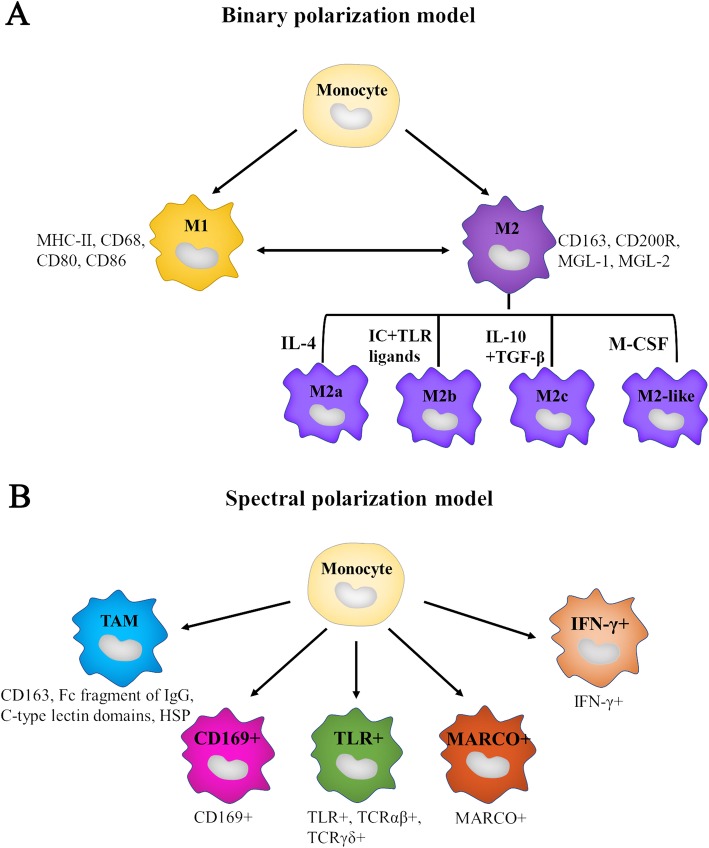
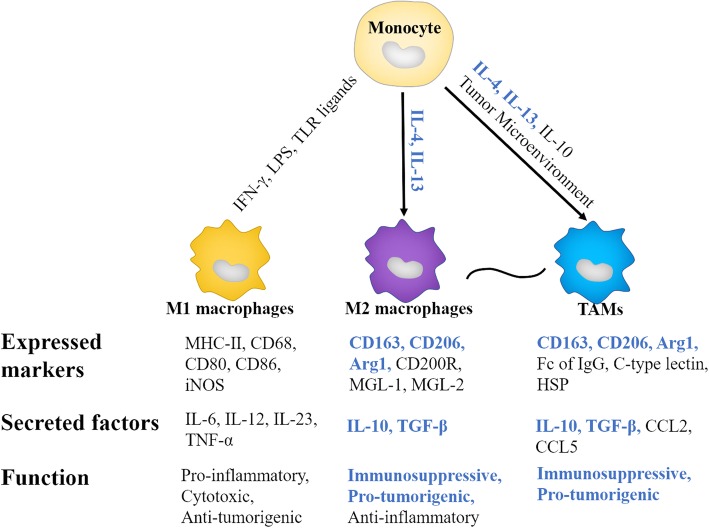
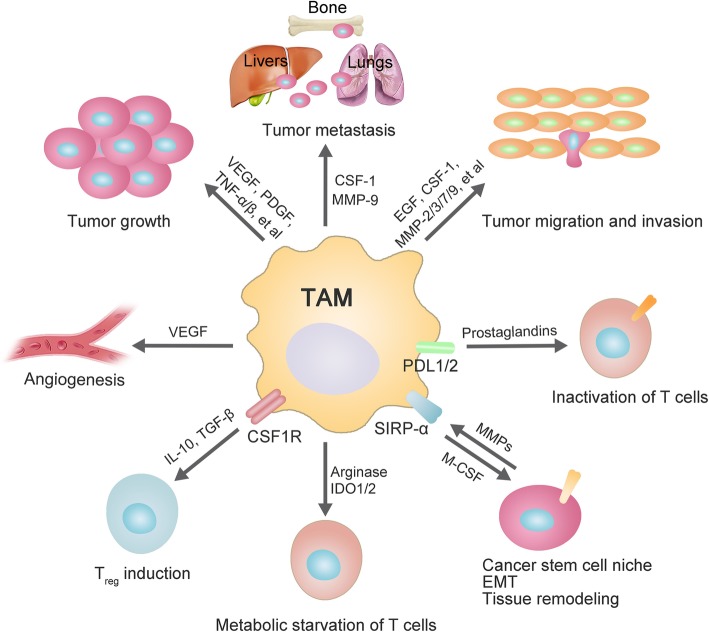
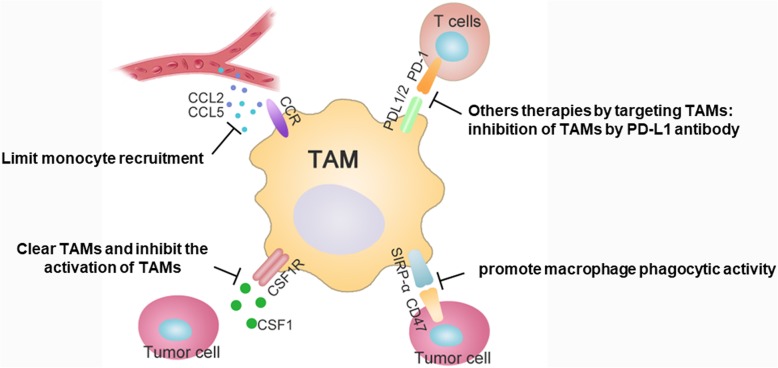
Verification
Claims the paper makes
The claims and statistics of this paper haven’t been checked yet.
Free: it reads the open-access text and checks the first 5 claims that cite a source we can check. Create a free account to check every claim.
Claims other papers make about this one
Each is checked against this paper’s own text: does it say what the citing paper says it does?
The source backs part of the claim, not all of it — or backs it for a different population, condition or comparison.
In the citing paper
“Moreover, other components of the TIME, such as TAMs, monocytes, and granulocytes, have also been reported to inhibit the antitumor activity of T cells and NK cells via various mechanisms, thereby leading to resistance to immunotherapy.244,257”
From Drug repurposing for cancer therapy (2024) · cites this paper as [257]
Experimental — accuracy not yet measuredThe source backs part of the claim, not all of it — or backs it for a different population, condition or comparison.
In the citing paper
“Additionally, TAMs–MPM crosstalk underlies the acquisition of the immunosuppressive and chemoresistant phenotype [32].”
From Chronic Inflammation, Oxidative Stress and Metabolic Plasticity: Three Players Driving the Pro-Tumorigenic Microenvironment in Malignant Mesothelioma (2023) · cites this paper as [32]
Experimental — accuracy not yet measuredThe check wasn’t confident either way, so it gives no verdict — never disputed.
In the citing paper
“However, the effectiveness of TMZ is dependent on silencing of the Methylguanine methyltransferase (MGMT) gene.”
From Revisiting the HIF switch in the tumor and its immune microenvironment. (2022) · cites this paper as [57]
Experimental — accuracy not yet measuredThe check wasn’t confident either way, so it gives no verdict — never disputed.
In the citing paper
“Over 50% of patients do not have silenced MGMT, thus do not respond to TMZ [57].”
From Revisiting the HIF switch in the tumor and its immune microenvironment. (2022) · cites this paper as [57]
Experimental — accuracy not yet measured
Self-check
Percentages, sums and reported differences re-computed from the paper’s own numbers.
The self-check needs the paper’s full text.
Citations
Cites
Microenvironmental regulation of tumor progression and metastasis
Quail, D. F., & Joyce, J. A. (2013) · Nature Medicine · doi:10.1038/nm.3394 · Cited by 7,994
Molecular Mechanisms of Stress-Responsive Changes in Collagen and Elastin Networks in Skin
Aziz, J., Shezali, H., Radzi, Z., Yahya, N. A., Abu Kassim, N. H., Czernuszka, J., & Rahman, M. T. (2016) · Skin Pharmacology and Physiology · doi:10.1159/000447017 · Cited by 7,323
Macrophage plasticity and polarization: in vivo veritas
Sica, A., & Mantovani, A. (2012) · Journal of Clinical Investigation · doi:10.1172/jci59643 · Cited by 6,335
Macrophage Diversity Enhances Tumor Progression and Metastasis
Qian, B.-Z., & Pollard, J. W. (2010) · Cell · doi:10.1016/j.cell.2010.03.014 · Cited by 5,188
Curiel, T. J., Coukos, G., Zou, L., Alvarez, X., Cheng, P., Mottram, P., Evdemon-Hogan, M., Conejo-Garcia, J. R., Zhang, L., Burow, M., et al. (2004) · Nature Medicine · doi:10.1038/nm1093 · Cited by 5,151
Tumor-Associated Macrophages: From Mechanisms to Therapy
Noy, R., & Pollard, J. W. (2014) · Immunity · doi:10.1016/j.immuni.2014.06.010 · Cited by 4,089
Tumour-associated macrophages as treatment targets in oncology
Mantovani, A., Marchesi, F., Malesci, A., Laghi, L., & Allavena, P. (2017) · Nature Reviews Clinical Oncology · doi:10.1038/nrclinonc.2016.217 · Cited by 4,033
Cancer and the chemokine network
Balkwill, F. (2004) · Nature Reviews Cancer · doi:10.1038/nrc1388 · Cited by 2,343
PD-1 expression by tumour-associated macrophages inhibits phagocytosis and tumour immunity
Gordon, S. R., Maute, R. L., Dulken, B. W., Hutter, G., George, B. M., McCracken, M. N., Gupta, R., Tsai, J. M., Sinha, R., Corey, D., et al. (2017) · Nature · doi:10.1038/nature22396 · Cited by 2,247 · cited 1×
“PD-L1 and PD-1 expression on TAMs can induce T cell exhaustion and potentially limit the efficacy of T cells associated immunotherapies in solid tumor [108].”
BackgroundWang, Q., Hu, B., Hu, X., Kim, H., Squatrito, M., Scarpace, L., deCarvalho, A. C., Lyu, S., Li, P., Li, Y., et al. (2017) · Cancer Cell · doi:10.1016/j.ccell.2017.06.003 · Cited by 1,995
Zanganeh, S., Hutter, G., Spitler, R., Lenkov, O., Mahmoudi, M., Shaw, A., Pajarinen, J. S., Nejadnik, H., Goodman, S., Moseley, M., et al. (2016) · Nature Nanotechnology · doi:10.1038/nnano.2016.168 · Cited by 1,647
Bissell, M. J., & Hines, W. C. (2011) · Nature Medicine · doi:10.1038/nm.2328 · Cited by 1,517
Macrophages and Therapeutic Resistance in Cancer
Ruffell, B., & Coussens, L. M. (2015) · Cancer Cell · doi:10.1016/j.ccell.2015.02.015 · Cited by 1,474
Sica, A., Schioppa, T., Mantovani, A., & Allavena, P. (2006) · European Journal of Cancer · doi:10.1016/j.ejca.2006.01.003 · Cited by 1,451
Zhu, Y., Knolhoff, B. L., Meyer, M. A., Nywening, T. M., West, B. L., Luo, J., Wang-Gillam, A., Goedegebuure, S. P., Linehan, D. C., & DeNardo, D. G. (2014) · Cancer Research · doi:10.1158/0008-5472.can-13-3723 · Cited by 1,324
Rodriguez, P. C., Quiceno, D. G., Zabaleta, J., Ortiz, B., Zea, A. H., Piazuelo, M. B., Delgado, A., Correa, P., Brayer, J., Sotomayor, E. M., et al. (2004) · Cancer Research · doi:10.1158/0008-5472.can-04-0465 · Cited by 1,276
Fantin, A., Vieira, J. M., Gestri, G., Denti, L., Schwarz, Q., Prykhozhij, S., Peri, F., Wilson, S. W., & Ruhrberg, C. (2010) · Blood · doi:10.1182/blood-2009-12-257832 · Cited by 1,153
Chao, M. P., Alizadeh, A. A., Tang, C., Myklebust, J. H., Varghese, B., Gill, S., Jan, M., Cha, A. C., Chan, C. K., Tan, B. T., et al. (2010) · Cell · doi:10.1016/j.cell.2010.07.044 · Cited by 1,087
Direct Visualization of Macrophage-Assisted Tumor Cell Intravasation in Mammary Tumors
Wyckoff, J. B., Wang, Y., Lin, E. Y., Li, J.-F., Goswami, S., Stanley, E. R., Segall, J. E., Pollard, J. W., & Condeelis, J. (2007) · Cancer Research · doi:10.1158/0008-5472.can-06-1823 · Cited by 1,053
Ruffell, B., Chang-Strachan, D., Chan, V., Rosenbusch, A., Ho, C. M. T., Pryer, N., Daniel, D., Hwang, E. S., Rugo, H. S., & Coussens, L. M. (2014) · Cancer Cell · doi:10.1016/j.ccell.2014.09.006 · Cited by 1,008
Denning, T. L., Wang, Y.-C., Patel, S. R., Williams, I. R., & Pulendran, B. (2007) · Nature Immunology · doi:10.1038/ni1511 · Cited by 994
Zhou, W., Ke, S. Q., Huang, Z., Flavahan, W., Fang, X., Paul, J., Wu, L., Sloan, A. E., McLendon, R. E., Li, X., et al. (2015) · Nature Cell Biology · doi:10.1038/ncb3090 · Cited by 940
Cancer stem cells as key drivers of tumour progression
Ayob, A. Z., & Ramasamy, T. S. (2018) · Journal of Biomedical Science · doi:10.1186/s12929-018-0426-4 · Cited by 910
Kuang, D.-M., Zhao, Q., Peng, C., Xu, J., Zhang, J.-P., Wu, C., & Zheng, L. (2009) · Journal of Experimental Medicine · doi:10.1084/jem.20082173 · Cited by 903
Progress in tumor-associated macrophage (TAM)-targeted therapeutics
Ngambenjawong, C., Gustafson, H. H., & Pun, S. H. (2017) · Advanced Drug Delivery Reviews · doi:10.1016/j.addr.2017.04.010 · Cited by 840
Nywening, T. M., Wang-Gillam, A., Sanford, D. E., Belt, B. A., Panni, R. Z., Cusworth, B. M., Toriola, A. T., Nieman, R. K., Worley, L. A., Yano, M., et al. (2016) · The Lancet Oncology · doi:10.1016/s1470-2045(16)00078-4 · Cited by 807 · cited 1×
“In a phase Ib trial, PF-04136309 has been used to combined with FOLFIRINOX, a combination of the chemotherapy drugs 5-FU, leucovorin, irinotecan and oxaliplatin [102].”
MethodBruchard, M., Mignot, G., Derangère, V., Chalmin, F., Chevriaux, A., Végran, F., Boireau, W., Simon, B., Ryffel, B., Connat, J. L., et al. (2013) · Nature Medicine · doi:10.1038/nm.2999 · Cited by 774
Su, S., Liu, Q., Chen, J., Chen, J., Chen, F., He, C., Huang, D., Wu, W., Lin, L., Huang, W., et al. (2014) · Cancer Cell · doi:10.1016/j.ccr.2014.03.021 · Cited by 772
Borrego, F., Ulbrecht, M., Weiss, E. H., Coligan, J. E., & Brooks, A. G. (1998) · The Journal of Experimental Medicine · doi:10.1084/jem.187.5.813 · Cited by 727
Macrophages and cancer: from mechanisms to therapeutic implications
Ostuni, R., Kratochvill, F., Murray, P. J., & Natoli, G. (2015) · Trends in Immunology · doi:10.1016/j.it.2015.02.004 · Cited by 683
CCL18 from Tumor-Associated Macrophages Promotes Breast Cancer Metastasis via PITPNM3
Chen, J., Yao, Y., Gong, C., Yu, F., Su, S., Chen, J., Liu, B., Deng, H., Wang, F., Lin, L., et al. (2011) · Cancer Cell · doi:10.1016/j.ccr.2011.02.006 · Cited by 641
Mazzieri, R., Pucci, F., Moi, D., Zonari, E., Ranghetti, A., Berti, A., Politi, L. S., Gentner, B., Brown, J. L., Naldini, L., et al. (2011) · Cancer Cell · doi:10.1016/j.ccr.2011.02.005 · Cited by 639
Sanford, D. E., Belt, B. A., Panni, R. Z., Mayer, A., Deshpande, A. D., Carpenter, D., Mitchem, J. B., Plambeck-Suess, S. M., Worley, L. A., Goetz, B. D., et al. (2013) · Clinical Cancer Research · doi:10.1158/1078-0432.ccr-13-0525 · Cited by 613
Tumor-associated macrophages: Potential therapeutic targets for anti-cancer therapy
Komohara, Y., Fujiwara, Y., Ohnishi, K., & Takeya, M. (2016) · Advanced Drug Delivery Reviews · doi:10.1016/j.addr.2015.11.009 · Cited by 612
TAMeless traitors: macrophages in cancer progression and metastasis
Aras, S., & Zaidi, M. R. (2017) · British Journal of Cancer · doi:10.1038/bjc.2017.356 · Cited by 609
Xu, J., Escamilla, J., Mok, S., David, J., Priceman, S., West, B., Bollag, G., McBride, W., & Wu, L. (2013) · Cancer Research · doi:10.1158/0008-5472.can-12-3981 · Cited by 569 · cited 1×
“Their results imply that macrophages can limit the efficacy of radiotherapy [28].”
BackgroundMacrophages and cathepsin proteases blunt chemotherapeutic response in breast cancer
Shree, T., Olson, O. C., Elie, B. T., Kester, J. C., Garfall, A. L., Simpson, K., Bell-McGuinn, K. M., Zabor, E. C., Brogi, E., & Joyce, J. A. (2011) · Genes & Development · doi:10.1101/gad.180331.111 · Cited by 541
An HIF-1α/VEGF-A Axis in Cytotoxic T Cells Regulates Tumor Progression
Palazon, A., Tyrakis, P. A., Macias, D., Veliça, P., Rundqvist, H., Fitzpatrick, S., Vojnovic, N., Phan, A. T., Loman, N., Hedenfalk, I., et al. (2017) · Cancer Cell · doi:10.1016/j.ccell.2017.10.003 · Cited by 521
Perivascular M2 Macrophages Stimulate Tumor Relapse after Chemotherapy
Hughes, R., Qian, B.-Z., Rowan, C., Muthana, M., Keklikoglou, I., Olson, O. C., Tazzyman, S., Danson, S., Addison, C., Clemons, M., et al. (2015) · Cancer Research · doi:10.1158/0008-5472.can-14-3587 · Cited by 518
Venneri, M. A., Palma, M. D., Ponzoni, M., Pucci, F., Scielzo, C., Zonari, E., Mazzieri, R., Doglioni, C., & Naldini, L. (2007) · Blood · doi:10.1182/blood-2006-10-053504 · Cited by 505
Jinushi, M., Chiba, S., Yoshiyama, H., Masutomi, K., Kinoshita, I., Dosaka-Akita, H., Yagita, H., Takaoka, A., & Tahara, H. (2011) · Proceedings of the National Academy of Sciences · doi:10.1073/pnas.1106645108 · Cited by 479
Liu, C.-Y., Xu, J.-Y., Shi, X.-Y., Huang, W., Ruan, T.-Y., Xie, P., & Ding, J.-L. (2013) · Laboratory Investigation · doi:10.1038/labinvest.2013.69 · Cited by 465
Fan, Q.-M., Jing, Y.-Y., Yu, G.-F., Kou, X.-R., Ye, F., Gao, L., Li, R., Zhao, Q.-D., Yang, Y., Lu, Z.-H., et al. (2014) · Cancer Letters · doi:10.1016/j.canlet.2014.05.008 · Cited by 458
CD47-blocking immunotherapies stimulate macrophage-mediated destruction of small-cell lung cancer
Weiskopf, K., Jahchan, N. S., Schnorr, P. J., Cristea, S., Ring, A. M., Maute, R. L., Volkmer, A. K., Volkmer, J.-P., Liu, J., Lim, J. S., et al. (2016) · Journal of Clinical Investigation · doi:10.1172/jci81603 · Cited by 444
Strachan, D. C., Ruffell, B., Oei, Y., Bissell, M. J., Coussens, L. M., Pryer, N., & Daniel, D. (2013) · OncoImmunology · doi:10.4161/onci.26968 · Cited by 376 · cited 2×
“Several studies showed that TAMs depletion by inhibiting CSF1 displays substantial attenuation in angiogenic potential and tumor burden in breast cancer [43].”
BackgroundVasiljeva, O., Papazoglou, A., Krüger, A., Brodoefel, H., Korovin, M., Deussing, J., Augustin, N., Nielsen, B. S., Almholt, K., Bogyo, M., et al. (2006) · Cancer Research · doi:10.1158/0008-5472.can-05-4463 · Cited by 375
Ahn, G.-O., Tseng, D., Liao, C.-H., Dorie, M. J., Czechowicz, A., & Brown, J. M. (2010) · Proceedings of the National Academy of Sciences · doi:10.1073/pnas.0911378107 · Cited by 347
Liu, C., Chikina, M., Deshpande, R., Menk, A. V., Wang, T., Tabib, T., Brunazzi, E. A., Vignali, K. M., Sun, M., Stolz, D. B., et al. (2019) · Immunity · doi:10.1016/j.immuni.2019.06.017 · Cited by 345 · cited 2×
“For example, nTregs repress CD8+ T cells to decrease production of IFN-γ which promote development and function of TAMs by engaging in fatty acid synthesis of TAMs [79].”
BackgroundTumor-associated Macrophages (TAM) and Inflammation in Colorectal Cancer
Erreni, M., Mantovani, A., & Allavena, P. (2011) · Cancer Microenvironment · doi:10.1007/s12307-010-0052-5 · Cited by 325
Yin, Y., Yao, S., Hu, Y., Feng, Y., Li, M., Bian, Z., Zhang, J., Qin, Y., Qi, X., Zhou, L., et al. (2017) · Clinical Cancer Research · doi:10.1158/1078-0432.ccr-17-1283 · Cited by 296
Macrophages: The Road Less Traveled, Changing Anticancer Therapy
Guerriero, J. L. (2018) · Trends in Molecular Medicine · doi:10.1016/j.molmed.2018.03.006 · Cited by 293
Petrova, P. S., Viller, N. N., Wong, M., Pang, X., Lin, G. H. Y., Dodge, K., Chai, V., Chen, H., Lee, V., House, V., et al. (2017) · Clinical Cancer Research · doi:10.1158/1078-0432.ccr-16-1700 · Cited by 278 · cited 2×
“showed TTI-621 (SIRPαFc) enhances phagocytosis of both hematologic and solid tumor cells by blocking the CD47-SIRPα axis [97, 98].”
BackgroundS1PR1 on tumor-associated macrophages promotes lymphangiogenesis and metastasis via NLRP3/IL-1β
Weichand, B., Popp, R., Dziumbla, S., Mora, J., Strack, E., Elwakeel, E., Frank, A.-C., Scholich, K., Pierre, S., Syed, S. N., et al. (2017) · Journal of Experimental Medicine · doi:10.1084/jem.20160392 · Cited by 267 · cited 1×
“indicated that TAMs infiltrate into tumors to promote pulmonary metastasis and tumor lymph angiogenesis by S1PR1 /NLRP3/IL-1β signal in mouse breast cancer model [50].”
BackgroundCancer cell and macrophage cross-talk in the tumor microenvironment
Dehne, N., Mora, J., Namgaladze, D., Weigert, A., & Brüne, B. (2017) · Current Opinion in Pharmacology · doi:10.1016/j.coph.2017.04.007 · Cited by 263 · cited 12×
“The distant metastasis potential of tumor cells depends on the TME.”
BackgroundInfluentialTH2-Polarized CD4+ T Cells and Macrophages Limit Efficacy of Radiotherapy
Shiao, S. L., Ruffell, B., DeNardo, D. G., Faddegon, B. A., Park, C. C., & Coussens, L. M. (2015) · Cancer Immunology Research · doi:10.1158/2326-6066.cir-14-0232 · Cited by 253 · cited 2×
“PLX3397) significantly reduces tumor regrowth followed by radiotherapy in mice bearing mammary tumor [27].”
BackgroundLiu, J., Zhang, N., Li, Q., Zhang, W., Ke, F., Leng, Q., Wang, H., Chen, J., & Wang, H. (2011) · PLoS ONE · doi:10.1371/journal.pone.0019495 · Cited by 245
Daurkin, I., Eruslanov, E., Stoffs, T., Perrin, G. Q., Algood, C., Gilbert, S. M., Rosser, C. J., Su, L.-M., Vieweg, J., & Kusmartsev, S. (2011) · Cancer Research · doi:10.1158/0008-5472.can-11-1261 · Cited by 235
Raghavan, S., Mehta, P., Xie, Y., Lei, Y. L., & Mehta, G. (2019) · Journal for ImmunoTherapy of Cancer · doi:10.1186/s40425-019-0666-1 · Cited by 234
Paulus, P., Stanley, E. R., Schäfer, R., Abraham, D., & Aharinejad, S. (2006) · Cancer Research · doi:10.1158/0008-5472.can-05-3523 · Cited by 231
Daly, C., Eichten, A., Castanaro, C., Pasnikowski, E., Adler, A., Lalani, A. S., Papadopoulos, N., Kyle, A. H., Minchinton, A. I., Yancopoulos, G. D., et al. (2013) · Cancer Research · doi:10.1158/0008-5472.can-12-2064 · Cited by 230
Smith, M. P., Sanchez-Laorden, B., O'Brien, K., Brunton, H., Ferguson, J., Young, H., Dhomen, N., Flaherty, K. T., Frederick, D. T., Cooper, Z. A., et al. (2014) · Cancer Discovery · doi:10.1158/2159-8290.cd-13-1007 · Cited by 223 · cited 3×
“identified TAMs-derived TNFα promotes melanoma resistance to MAPK pathway inhibitors through nuclear factor κB (NF-κB) dependent expression of the microphthalmia transcription factor (MITF) [40].”
BackgroundEscamilla, J., Schokrpur, S., Liu, C., Priceman, S. J., Moughon, D., Jiang, Z., Pouliot, F., Magyar, C., Sung, J. L., Xu, J., et al. (2015) · Cancer Research · doi:10.1158/0008-5472.can-14-0992 · Cited by 219
Macrophage-Derived SPARC Bridges Tumor Cell-Extracellular Matrix Interactions toward Metastasis
Sangaletti, S., Di Carlo, E., Gariboldi, S., Miotti, S., Cappetti, B., Parenza, M., Rumio, C., Brekken, R. A., Chiodoni, C., & Colombo, M. P. (2008) · Cancer Research · doi:10.1158/0008-5472.can-08-1327 · Cited by 207
Hu, Y., He, M.-Y., Zhu, L.-F., Yang, C.-C., Zhou, M.-L., Wang, Q., Zhang, W., Zheng, Y.-Y., Wang, D.-M., Xu, Z.-Q., et al. (2016) · Journal of Experimental & Clinical Cancer Research · doi:10.1186/s13046-015-0281-z · Cited by 197
Shi, Y., Fan, X., Deng, H., Brezski, R. J., Rycyzyn, M., Jordan, R. E., Strohl, W. R., Zou, Q., Zhang, N., & An, Z. (2015) · The Journal of Immunology · doi:10.4049/jimmunol.1402891 · Cited by 195 · cited 1×
“In addition, trastuzumab, a monoclonal antibody drug used for the therapy of HER2-overexpressing breast cancer, has been found to trigger macrophage-mediated phagocytic killing of cancer cells in vitro and in vivo [96].”
BackgroundWang, R., Zhang, J., Chen, S., Lu, M., Luo, X., Yao, S., Liu, S., Qin, Y., & Chen, H. (2011) · Lung Cancer · doi:10.1016/j.lungcan.2011.04.009 · Cited by 189
Myeloid WNT7b Mediates the Angiogenic Switch and Metastasis in Breast Cancer
Yeo, E.-J., Cassetta, L., Qian, B.-Z., Lewkowich, I., Li, J.-F., Stefater, J. A., Smith, A. N., Wiechmann, L. S., Wang, Y., Pollard, J. W., et al. (2014) · Cancer Research · doi:10.1158/0008-5472.can-13-2421 · Cited by 187
The roles of CSF s on the functional polarization of tumor‐associated macrophages
Jeannin, P., Paolini, L., Adam, C., & Delneste, Y. (2018) · The FEBS Journal · doi:10.1111/febs.14343 · Cited by 184
Aurora kinase A inhibition-induced autophagy triggers drug resistance in breast cancer cells
Zou, Z., Yuan, Z., Zhang, Q., Long, Z., Chen, J., Tang, Z., Zhu, Y., Chen, S., Xu, J., Yan, M., et al. (2012) · Autophagy · doi:10.4161/auto.22110 · Cited by 181
Self-citationMeng, Y., Beckett, M. A., Liang, H., Mauceri, H. J., van Rooijen, N., Cohen, K. S., & Weichselbaum, R. R. (2010) · Cancer Research · doi:10.1158/0008-5472.can-09-2995 · Cited by 181
Baghdadi, M., Wada, H., Nakanishi, S., Abe, H., Han, N., Putra, W. E., Endo, D., Watari, H., Sakuragi, N., Hida, Y., et al. (2016) · Cancer Research · doi:10.1158/0008-5472.can-16-1170 · Cited by 180
Role of tumor-associated macrophages in the progression of hepatocellular carcinoma
Shirabe, K., Mano, Y., Muto, J., Matono, R., Motomura, T., Toshima, T., Takeishi, K., Uchiyama, H., Yoshizumi, T., Taketomi, A., et al. (2012) · Surgery Today · doi:10.1007/s00595-011-0058-8 · Cited by 174
Lim, S. Y., Yuzhalin, A. E., Gordon-Weeks, A. N., & Muschel, R. J. (2016) · Oncogene · doi:10.1038/onc.2016.107 · Cited by 173
Dual Role of Macrophage in Tumor Immunity
Tamura, R., Tanaka, T., Yamamoto, Y., Akasaki, Y., & Sasaki, H. (2018) · Immunotherapy · doi:10.2217/imt-2018-0006 · Cited by 145
Kong, L., Zhou, Y., Bu, H., Lv, T., Shi, Y., & Yang, J. (2016) · Journal of Experimental & Clinical Cancer Research · doi:10.1186/s13046-016-0412-1 · Cited by 143
Pyonteck, S. M., Gadea, B. B., Wang, H.-W., Gocheva, V., Hunter, K. E., Tang, L. H., & Joyce, J. A. (2011) · Oncogene · doi:10.1038/onc.2011.337 · Cited by 140
Yao, R.-R., Li, J.-H., Zhang, R., Chen, R.-X., & Wang, Y.-H. (2018) · World Journal of Surgical Oncology · doi:10.1186/s12957-018-1312-y · Cited by 137
Li, Y., Cao, F., Li, M., Li, P., Yu, Y., Xiang, L., Xu, T., Lei, J., Tai, Y. Y., Zhu, J., et al. (2018) · Journal of Experimental & Clinical Cancer Research · doi:10.1186/s13046-018-0938-5 · Cited by 125
Kogure, A., Kosaka, N., & Ochiya, T. (2019) · Journal of Biomedical Science · doi:10.1186/s12929-019-0500-6 · Cited by 118
Kuwada, K., Kagawa, S., Yoshida, R., Sakamoto, S., Ito, A., Watanabe, M., Ieda, T., Kuroda, S., Kikuchi, S., Tazawa, H., et al. (2018) · Journal of Experimental & Clinical Cancer Research · doi:10.1186/s13046-018-0981-2 · Cited by 117
Shan, M., Qin, J., Jin, F., Han, X., Guan, H., Li, X., Zhang, J., Zhang, H., & Wang, Y. (2017) · Free Radical Biology and Medicine · doi:10.1016/j.freeradbiomed.2017.05.021 · Cited by 115
Cai, J., Xia, L., Li, J., Ni, S., Song, H., & Wu, X. (2019) · Cancer Research and Treatment · doi:10.4143/crt.2017.613 · Cited by 115 · cited 1×
“Moreover, another study showed that TAMs-derived TGF-β induces colorectal cancer cell EMT via Smad/Snail signaling pathway [72].”
BackgroundChen, X., Wu, S., Yan, R., Fan, L., Yu, L., Zhang, Y., Wei, W., Zhou, C., Wu, X., Zhong, M., et al. (2019) · Molecular Carcinogenesis · doi:10.1002/mc.22936 · Cited by 115
Zhang, S., Che, D., Yang, F., Chi, C., Meng, H., Shen, J., Qi, L., Liu, F., Lv, L., Li, Y., et al. (2017) · Oncotarget · doi:10.18632/oncotarget.21068 · Cited by 114
Cancer Stem Cells and Macrophages: Implications in Tumor Biology and Therapeutic Strategies
Sainz, B., Carron, E., Vallespinós, M., & Machado, H. L. (2016) · Mediators of Inflammation · doi:10.1155/2016/9012369 · Cited by 110 · cited 1×
“In turn, TSC provide pivotal tumor-promoting signals to activate TAMs that further promote tumorigenesis [15].”
BackgroundLeblond, M. M., Pérès, E. A., Helaine, C., Gérault, A. N., Moulin, D., Anfray, C., Divoux, D., Petit, E., Bernaudin, M., & Valable, S. (2017) · Oncotarget · doi:10.18632/oncotarget.19994 · Cited by 110
Tumor-associated macrophages remodeling EMT and predicting survival in colorectal carcinoma
Li, S., Xu, F., Zhang, J., Wang, L., Zheng, Y., Wu, X., Wang, J., Huang, Q., & Lai, M. (2018) · OncoImmunology · doi:10.1080/2162402x.2017.1380765 · Cited by 109
Zhu, J., Zou, Z., Nie, P., Kou, X., Wu, B., Wang, S., Song, Z., & He, J. (2016) · Cell Death & Disease · doi:10.1038/cddis.2016.361 · Cited by 104
Self-citationKono, K., Mimura, K., & Kiessling, R. W. (2013) · Cell Death and Disease · doi:10.1038/cddis.2013.207 · Cited by 101
Steenbrugge, J., Breyne, K., Demeyere, K., De Wever, O., Sanders, N. N., Van Den Broeck, W., Colpaert, C., Vermeulen, P., Van Laere, S., & Meyer, E. (2018) · Journal of Experimental & Clinical Cancer Research · doi:10.1186/s13046-018-0860-x · Cited by 99
Tong, H., Ke, J., Jiang, F., Wang, X., Wang, F., Li, Y., Lu, W., & Wan, X. (2016) · Cancer Letters · doi:10.1016/j.canlet.2016.03.036 · Cited by 81 · cited 1×
“Additionally, TAM-secreted CXCL8 promotes tumor progress by decreasing ERα expression via HOXB13 in endometrial cancer [10].”
BackgroundCai, H., Zhu, X., Ao, J., Ye, B., Zhang, Y.-Y., Chai, Z., Wang, C.-H., Shi, W.-K., Cao, M.-Q., Li, X., et al. (2017) · OncoImmunology · doi:10.1080/2162402x.2017.1333213 · Cited by 79
The role of tumor-associated macrophages in breast carcinoma invasion and metastasis.
Yang, J., Li, X., Liu, X., & Liu, Y. (2015) · Europe PMC (PubMed Central) · Cited by 77
Ao, X., Nie, P., Wu, B., Xu, W. G., Zhang, T., Wang, S., Chang, H., & Zou, Z. (2016) · Cell Death and Disease · doi:10.1038/cddis.2016.367 · Cited by 71
Self-citationLindsten, T., Hedbrant, A., Ramberg, A., Wijkander, J., Solterbeck, A., Eriksson, M., Delbro, D. S., & Erlandsson, A. (2017) · International Journal of Oncology · doi:10.3892/ijo.2017.3996 · Cited by 70
Zhu, X., Shen, H., Yin, X., Long, L., Chen, X., Feng, F., Liu, Y., Zhao, P., Xu, Y., Li, M., et al. (2017) · Oncotarget · doi:10.18632/oncotarget.16610 · Cited by 67 · cited 1×
“The attenuation of miR-204-5p promotes chemotherapy resistance by increasing anti-apoptotic protein RAB22A and bcl2 expression in cancer cells [31, 32].”
BackgroundHypoxia-induced autophagy: A new player in cancer immunotherapy?
Noman, M. Z., Janji, B., Berchem, G., Mami-Chouaib, F., & Chouaib, S. (2012) · Autophagy · doi:10.4161/auto.19572 · Cited by 63
Su-Yan, W. A. N. G., Zou, Z., Luo, X., Mi, Y., Chang, H., & Xing, D. (2018) · Oncogene · doi:10.1038/s41388-018-0193-4 · Cited by 63
Self-citationGoulielmaki, E., Bermúdez-Brito, M., Andreou, M., Tzenaki, N., Tzardi, M. N., de Bree, E., Tsentelierou, E., Makrigiannakis, A., & Papakonstanti, E. A. (2018) · Cell Death and Disease · doi:10.1038/s41419-018-0717-4 · Cited by 63
Rafat, M., Aguilera, T. A., Vilalta, M., Bronsart, L. L., Soto, L. A. C., von Eyben, R., Golla, M. A., Ahrari, Y., Melemenidis, S., Afghahi, A., et al. (2018) · Cancer Research · doi:10.1158/0008-5472.can-17-3623 · Cited by 58
Arima, K., Komohara, Y., Bu, L., Tsukamoto, M., Itoyama, R., Miyake, K., Uchihara, T., Ogata, Y., Nakagawa, S., Okabe, H., et al. (2017) · Cancer Science · doi:10.1111/cas.13467 · Cited by 55
The Ontogeny and Microenvironmental Regulation of Tumor-Associated Macrophages
Movahedi, K., & Van Ginderachter, J. A. (2016) · Antioxidants & Redox Signaling · doi:10.1089/ars.2016.6704 · Cited by 53
Accelerated lymphangiogenesis in malignant lymphoma: possible role of VEGF‐A and VEGF‐C
Kadowaki, I., Ichinohasama, R., Harigae, H., Ishizawa, K., Okitsu, Y., Kameoka, J., & Sasaki, T. (2005) · British Journal of Haematology · doi:10.1111/j.1365-2141.2005.05695.x · Cited by 51
Luo, X., Yao, J., Nie, P., Yang, Z., Feng, H., Chen, P., Shi, X., & Zou, Z. (2016) · Oncotarget · doi:10.18632/oncotarget.8419 · Cited by 51
Self-citationM2 macrophage-derived IL6 mediates resistance of breast cancer cells to hedgehog inhibition
Xu, X., Ye, J., Huang, C., Yan, Y., & Li, J. (2018) · Toxicology and Applied Pharmacology · doi:10.1016/j.taap.2018.12.013 · Cited by 51
Osterberg, N., Ferrara, N., Vacher, J., Gaedicke, S., Niedermann, G., Weyerbrock, A., Doostkam, S., Schaefer, H.-E., Plate, K. H., & Machein, M. R. (2016) · Neuro-Oncology · doi:10.1093/neuonc/now005 · Cited by 50
Obreque, J., Vega, F., Torres, A., Cuitiño, L., Mackern‐Oberti, J. P., Paola Viviani, G., Kalergis, A. M., & Llanos, C. (2017) · Immunology · doi:10.1111/imm.12806 · Cited by 50
Kim, O.-H., Kang, G.-H., Noh, H., Cha, J.-Y., Lee, H.-J., Yoon, J.-H., Mamura, M., Nam, J.-S., Lee, D. H., Kim, Y. A., et al. (2013) · Molecules and Cells · doi:10.1007/s10059-013-0194-7 · Cited by 43
Baghel, K. S., Tewari, B. N., Shrivastava, R., Malik, S. A., Lone, M. U.-D., Jain, N. K., Tripathi, C., Kanchan, R. K., Dixit, S., Singh, K., et al. (2016) · OncoImmunology · doi:10.1080/2162402x.2016.1196299 · Cited by 36 · cited 1×
“showed that TAMderived macrophage inflammatory protein-1-β (MIP-1β) induces MYO3A expression and promotes cancer cell matrix protrusive and invasion in breast cancer [58].”
Background
Cited by
Tumor microenvironment complexity and therapeutic implications at a glance
Baghban, R., Roshangar, L., Jahanban-Esfahlan, R., Seidi, K., Ebrahimi-Kalan, A., Jaymand, M., Kolahian, S., Javaheri, T., & Zare, P. (2020) · Cell Communication and Signaling · doi:10.1186/s12964-020-0530-4 · Cited by 1,784
“For one, TAM strengthens angiogenesis by production of VEGF-A, TNFα, urokinase plasminogen activator (uPA), FGF, adrenomedullin (ADM), and semaphorin 4D (Sema4D) thymidine phosphorylase (TP), lymphangigensis (secretion of VEGF-A, VEGF-C, VEGF-D, CXCL8, MMP2, MMP9) fueling cancer invasion and metastasis [96, 98, 99] .”
BackgroundOral squamous cell carcinomas: state of the field and emerging directions
Tan, Y., Wang, Z., Xu, M., Li, B., Huang, Z., Qin, S., Nice, E. C., Tang, J., & Huang, C. (2023) · International Journal of Oral Science · doi:10.1038/s41368-023-00249-w · Cited by 831
Advances in bladder cancer biology and therapy
Tran, L., Xiao, J.-F., Agarwal, N., Duex, J. E., & Theodorescu, D. (2021) · Nature Reviews Cancer · doi:10.1038/s41568-020-00313-1 · Cited by 735
Redefining Tumor-Associated Macrophage Subpopulations and Functions in the Tumor Microenvironment
Wu, K., Lin, K., Li, X., Yuan, X., Xu, P., Ni, P., & Xu, D. (2020) · Frontiers in Immunology · doi:10.3389/fimmu.2020.01731 · Cited by 687
Maalej, K. M., Merhi, M., Inchakalody, V. P., Mestiri, S., Alam, M., Maccalli, C., Cherif, H., Uddin, S., Steinhoff, M., Marincola, F. M., et al. (2023) · Molecular Cancer · doi:10.1186/s12943-023-01723-z · Cited by 618
“CD39 is an extracellular ATP hydrolase enzyme expressed by CD8+ T cells; its expression is necessary for CAR-T cells cytotoxicity [114].”
Background
Metadata
- Authors
- Chen, Y., Song, Y., Du, W., Gong, L., Chang, H., & Zou, Z.
- Affiliations
- Zhengzhou University (CN)
- South China Normal University (CN)
- Corresponding author
- Chen, Yibing
- Zou, Zhengzhi
- Venue
- Journal of Biomedical Science
- Published
- 2019-10-20
- Volume
- 26
- Issue
- 1
- Pages
- 78-78
- ISSN
- 1021-7770 (ISSN-L)
- 1423-0127
- PMC
- PMC6800990
- OpenAlex
- W2980823965
- Cited by
- 1,096
- References
- 109
- Citations by year
- 2026: 88 · 2025: 145 · 2024: 215 · 2023: 199 · 2022: 208 · 2021: 167 · 2020: 73
- FWCI
- 9.76
- Type
- journal article
- Language
- en
- Open access
- diamond
- doi.org
- Licence
- cc-by
- creativecommons.org/licenses/by/4.0/ (tdm)
- creativecommons.org/licenses/by/4.0/ (vor)
- Locations
- Journal of Biomedical Science (publishedVersion, cc-by)
- PubMed Central (publishedVersion, cc-by)
- PubMed (publishedVersion)
- DOAJ (DOAJ: Directory of Open Access Journals) (submittedVersion)
- Funders
- National Natural Science Foundation of China (81772643, 81772803, 81402281, 81402187)
- Topics
- Life Sciences › Immunology and Microbiology › Immunology › Immune cells in cancer
- Life Sciences › Biochemistry, Genetics and Molecular Biology › Molecular Biology › Angiogenesis and VEGF in Cancer
- Life Sciences › Biochemistry, Genetics and Molecular Biology › Cancer Research › Cancer, Stress, Anesthesia, and Immune Response
- Keywords
- tumor-associated macrophages, tumor microenvironment, macrophage polarization, tumor progression, chemoresistance, radiotherapy resistance, tumor angiogenesis, metastasis, immunosuppression, TAM-targeted therapy, macrophage phagocytosis, monocyte recruitment
- MeSH terms
- Animals, Humans, Macrophages, Neoplasms, Neovascularization, Pathologic, Disease Progression, Mice, Tumor Microenvironment
About these checks
Registry, retraction, Cites and statistics results are computed, not judged, with one exception: a printed reference that no index lists is read once by a model before it counts as a citation error. Claims are extracted by a model and kept only when their quote appears verbatim in the text; each cited source is then checked, with a model’s help, for whether it says what the claim relies on. Those verdicts can be wrong — read the claim’s quote and the cited source before relying on one.
Statistics and arithmetic are recomputed, not judged.
Confidence bands are shown only for fields calibrated on our annotated test set. None is calibrated yet, so no band is shown.
What counts as a claim ›How we measure confidence ›How we check this ›
Are you an author, or do you see a problem with this page? Request a review
Data sources
Bibliographic data: Semantic Scholar, OpenAlex, Crossref.
Contains information from the Semantic Scholar Academic Graph Datasets, made available under the ODC Attribution License (ODC-BY 1.0).
Semantic Scholar’s data is described in: Kinney, R., et al. (2023). The Semantic Scholar Open Data Platform. arXiv:2301.10140.
