

Tumor-associated macrophages: an accomplice in solid tumor progression
Open accessThe DOI matches its Crossref record; 109 of the 109 references it cites were found in a registry or an index.
Abstract
In many solid tumor types, tumor-associated macrophages (TAMs) are important components of the tumor microenvironment (TME). Moreover, TAMs infiltration is strongly associated with poor survival in solid tumor patients. In this review, we describe the origins of TAMs and their polarization state dictated by the TME. We also specifically focus on the role of TAMs in promoting tumor growth, enhancing cancer cells resistance to chemotherapy and radiotherapy, promoting tumor angiogenesis, inducing tumor migration and invasion and metastasis, activating immunosuppression. In addition, we discuss TAMs can be used as therapeutic targets of solid tumor in clinics. The therapeutic strategies include clearing macrophages and inhibiting the activation of TAMs, promoting macrophage phagocytic activity, limiting monocyte recruitment and other targeted TAMs therapies.
Overview
The claims and statistics of this paper haven’t been checked yet.
Free: it reads the open-access text and checks the first 5 claims that cite a source we can check. Create a free account to check every claim.
Integrity signals
Registry
Cites
Statistics
Figures
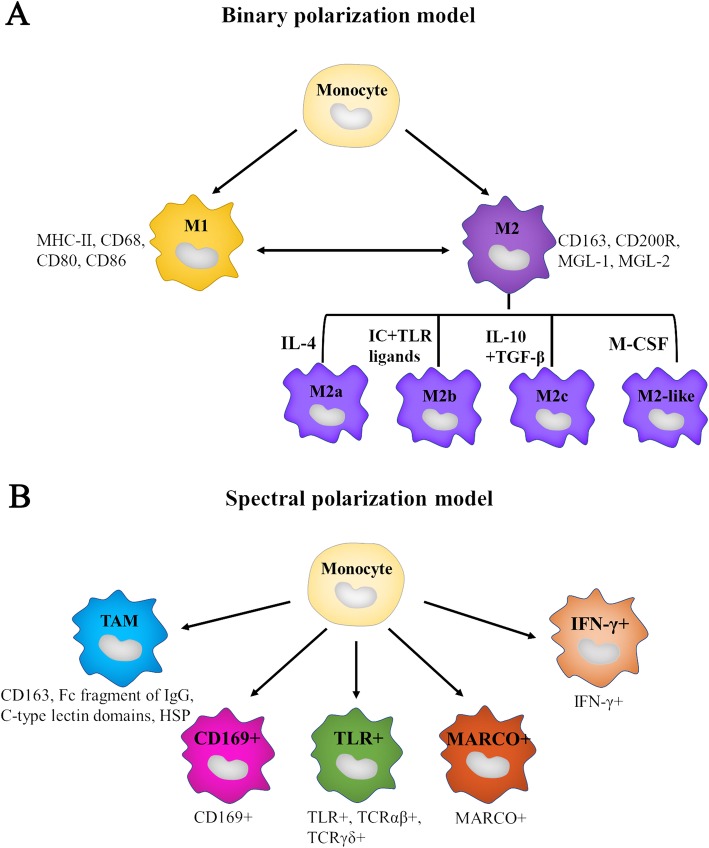
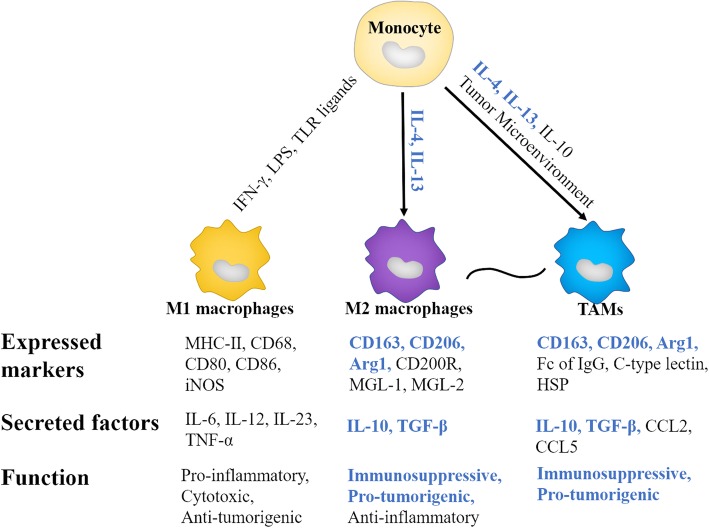
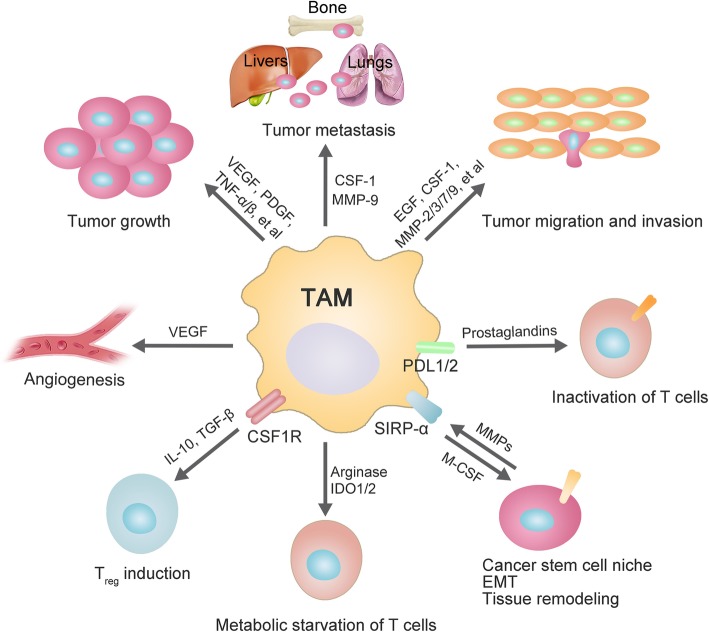
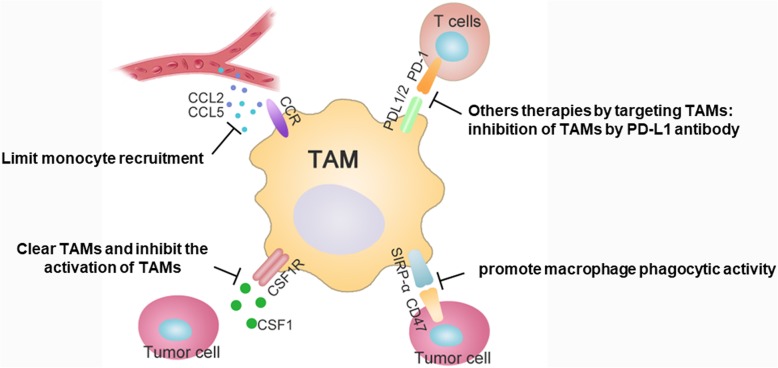
Verification
Claims the paper makes
The claims and statistics of this paper haven’t been checked yet.
Free: it reads the open-access text and checks the first 5 claims that cite a source we can check. Create a free account to check every claim.
Claims other papers make about this one
Each is checked against this paper’s own text: does it say what the citing paper says it does?
The source backs part of the claim, not all of it — or backs it for a different population, condition or comparison.
In the citing paper
“Moreover, other components of the TIME, such as TAMs, monocytes, and granulocytes, have also been reported to inhibit the antitumor activity of T cells and NK cells via various mechanisms, thereby leading to resistance to immunotherapy.244,257”
From Drug repurposing for cancer therapy (2024) · cites this paper as [257]
Experimental — accuracy not yet measuredThe source backs part of the claim, not all of it — or backs it for a different population, condition or comparison.
In the citing paper
“Additionally, TAMs–MPM crosstalk underlies the acquisition of the immunosuppressive and chemoresistant phenotype [32].”
From Chronic Inflammation, Oxidative Stress and Metabolic Plasticity: Three Players Driving the Pro-Tumorigenic Microenvironment in Malignant Mesothelioma (2023) · cites this paper as [32]
Experimental — accuracy not yet measuredThe check wasn’t confident either way, so it gives no verdict — never disputed.
In the citing paper
“However, the effectiveness of TMZ is dependent on silencing of the Methylguanine methyltransferase (MGMT) gene.”
From Revisiting the HIF switch in the tumor and its immune microenvironment. (2022) · cites this paper as [57]
Experimental — accuracy not yet measuredThe check wasn’t confident either way, so it gives no verdict — never disputed.
In the citing paper
“Over 50% of patients do not have silenced MGMT, thus do not respond to TMZ [57].”
From Revisiting the HIF switch in the tumor and its immune microenvironment. (2022) · cites this paper as [57]
Experimental — accuracy not yet measured
Self-check
Percentages, sums and reported differences re-computed from the paper’s own numbers.
The self-check needs the paper’s full text.
Citations
Cites
Microenvironmental regulation of tumor progression and metastasis
Quail, D. F., & Joyce, J. A. (2013) · Nature Medicine · doi:10.1038/nm.3394 · Cited by 7,994
Molecular Mechanisms of Stress-Responsive Changes in Collagen and Elastin Networks in Skin
Aziz, J., Shezali, H., Radzi, Z., Yahya, N. A., Abu Kassim, N. H., Czernuszka, J., & Rahman, M. T. (2016) · Skin Pharmacology and Physiology · doi:10.1159/000447017 · Cited by 7,323
Macrophage plasticity and polarization: in vivo veritas
Sica, A., & Mantovani, A. (2012) · Journal of Clinical Investigation · doi:10.1172/jci59643 · Cited by 6,335
Macrophage Diversity Enhances Tumor Progression and Metastasis
Qian, B.-Z., & Pollard, J. W. (2010) · Cell · doi:10.1016/j.cell.2010.03.014 · Cited by 5,188
Curiel, T. J., Coukos, G., Zou, L., Alvarez, X., Cheng, P., Mottram, P., Evdemon-Hogan, M., Conejo-Garcia, J. R., Zhang, L., Burow, M., et al. (2004) · Nature Medicine · doi:10.1038/nm1093 · Cited by 5,151
Tumor-Associated Macrophages: From Mechanisms to Therapy
Noy, R., & Pollard, J. W. (2014) · Immunity · doi:10.1016/j.immuni.2014.06.010 · Cited by 4,089
Tumour-associated macrophages as treatment targets in oncology
Mantovani, A., Marchesi, F., Malesci, A., Laghi, L., & Allavena, P. (2017) · Nature Reviews Clinical Oncology · doi:10.1038/nrclinonc.2016.217 · Cited by 4,033
Cancer and the chemokine network
Balkwill, F. (2004) · Nature Reviews Cancer · doi:10.1038/nrc1388 · Cited by 2,343
PD-1 expression by tumour-associated macrophages inhibits phagocytosis and tumour immunity
Gordon, S. R., Maute, R. L., Dulken, B. W., Hutter, G., George, B. M., McCracken, M. N., Gupta, R., Tsai, J. M., Sinha, R., Corey, D., et al. (2017) · Nature · doi:10.1038/nature22396 · Cited by 2,247 · cited 1×
“PD-L1 and PD-1 expression on TAMs can induce T cell exhaustion and potentially limit the efficacy of T cells associated immunotherapies in solid tumor [108].”
BackgroundWang, Q., Hu, B., Hu, X., Kim, H., Squatrito, M., Scarpace, L., deCarvalho, A. C., Lyu, S., Li, P., Li, Y., et al. (2017) · Cancer Cell · doi:10.1016/j.ccell.2017.06.003 · Cited by 1,995
Cited by
Tumor microenvironment complexity and therapeutic implications at a glance
Baghban, R., Roshangar, L., Jahanban-Esfahlan, R., Seidi, K., Ebrahimi-Kalan, A., Jaymand, M., Kolahian, S., Javaheri, T., & Zare, P. (2020) · Cell Communication and Signaling · doi:10.1186/s12964-020-0530-4 · Cited by 1,784
“For one, TAM strengthens angiogenesis by production of VEGF-A, TNFα, urokinase plasminogen activator (uPA), FGF, adrenomedullin (ADM), and semaphorin 4D (Sema4D) thymidine phosphorylase (TP), lymphangigensis (secretion of VEGF-A, VEGF-C, VEGF-D, CXCL8, MMP2, MMP9) fueling cancer invasion and metastasis [96, 98, 99] .”
BackgroundOral squamous cell carcinomas: state of the field and emerging directions
Tan, Y., Wang, Z., Xu, M., Li, B., Huang, Z., Qin, S., Nice, E. C., Tang, J., & Huang, C. (2023) · International Journal of Oral Science · doi:10.1038/s41368-023-00249-w · Cited by 831
Advances in bladder cancer biology and therapy
Tran, L., Xiao, J.-F., Agarwal, N., Duex, J. E., & Theodorescu, D. (2021) · Nature Reviews Cancer · doi:10.1038/s41568-020-00313-1 · Cited by 735
Redefining Tumor-Associated Macrophage Subpopulations and Functions in the Tumor Microenvironment
Wu, K., Lin, K., Li, X., Yuan, X., Xu, P., Ni, P., & Xu, D. (2020) · Frontiers in Immunology · doi:10.3389/fimmu.2020.01731 · Cited by 687
Maalej, K. M., Merhi, M., Inchakalody, V. P., Mestiri, S., Alam, M., Maccalli, C., Cherif, H., Uddin, S., Steinhoff, M., Marincola, F. M., et al. (2023) · Molecular Cancer · doi:10.1186/s12943-023-01723-z · Cited by 618
“CD39 is an extracellular ATP hydrolase enzyme expressed by CD8+ T cells; its expression is necessary for CAR-T cells cytotoxicity [114].”
BackgroundTang, T., Huang, X., Zhang, G., Hong, Z., Bai, X., & Liang, T. (2021) · Signal Transduction and Targeted Therapy · doi:10.1038/s41392-020-00449-4 · Cited by 607
“These cells inhibit the antitumor activity of T cells and natural killer (NK) cells using a variety of mechanisms, leading to resistance to immunotherapy.(46,47) Mounting evidence demonstrates that the recruitment and activation of myeloid subsets are associated with tumor progression, recurrence, and negative clinica…”
BackgroundNext generation of immune checkpoint inhibitors and beyond
Marin-Acevedo, J. A., Kimbrough, E. O., & Lou, Y. (2021) · Journal of Hematology & Oncology · doi:10.1186/s13045-021-01056-8 · Cited by 548
“Increased number of TAMs within the TME correlates with poor prognosis [93].”
BackgroundDyrskjøt, L., Hansel, D. E., Efstathiou, J. A., Knowles, M. A., Galsky, M. D., Teoh, J., & Theodorescu, D. (2023) · Nature Reviews Disease Primers · doi:10.1038/s41572-023-00468-9 · Cited by 544
Immune evasion in cancer: mechanisms and cutting-edge therapeutic approaches
Tufail, M., Jiang, C.-H., & Li, N. (2025) · Signal Transduction and Targeted Therapy · doi:10.1038/s41392-025-02280-1 · Cited by 363
Drug repurposing for cancer therapy
Xia, Y., Sun, M., Huang, H., & Jin, W.-L. (2024) · Signal Transduction and Targeted Therapy · doi:10.1038/s41392-024-01808-1 · Cited by 443
“244,257 Given this highly intricate milieu, a synergistic approach integrating ICIs with therapies that speci fi cally target the TIME such as cytokine therapy, oncolytic viruses, and anti-angiogenic treatments could potentially increase antitumor immune responses.”
BackgroundChesney, J., Lewis, K. D., Kluger, H., Hamid, O., Whitman, E., Thomas, S., Wermke, M., Cusnir, M., Domingo-Musibay, E., Phan, G. Q., et al. (2022) · Journal for ImmunoTherapy of Cancer · doi:10.1136/jitc-2022-005755 · Cited by 359
CCL5/CCR5 axis in human diseases and related treatments
Zeng, Z., Lan, T., Wei, Y., & Wei, X. (2022) · Genes & Diseases · doi:10.1016/j.gendis.2021.08.004 · Cited by 378
Chemical and Biomolecular Strategies for STING Pathway Activation in Cancer Immunotherapy
Garland, K. M., Sheehy, T. L., & Wilson, J. T. (2022) · Chemical Reviews · doi:10.1021/acs.chemrev.1c00750 · Cited by 357
Tumor-associated macrophages: potential therapeutic strategies and future prospects in cancer
Li, C., Xu, X., Wei, S., Jiang, P., Xue, L., & Wang, J. (2021) · Journal for ImmunoTherapy of Cancer · doi:10.1136/jitc-2020-001341 · Cited by 360
Managing the TME to improve the efficacy of cancer therapy
Bilotta, M. T., Antignani, A., & Fitzgerald, D. J. (2022) · Frontiers in Immunology · doi:10.3389/fimmu.2022.954992 · Cited by 309
“In solid tumors, the most abundant immune infiltrating cells are TAMs (36).”
BackgroundKundu, M., Butti, R., Panda, V. K., Malhotra, D., Das, S., Mitra, T., Kapse, P., Gosavi, S. W., & Kundu, G. C. (2024) · Molecular Cancer · doi:10.1186/s12943-024-01990-4 · Cited by 250
“They also secrete various immunosuppressive factors, including CCL20, CCL22, TGFβ, IL-6, and IL-10, that can directly inhibit both CD8 + and CD4 + T cell effector function as well as recruitment of Tregs into the tumor lesion [153, 162–165].”
BackgroundInfluentialCAR-macrophage therapy for HER2-overexpressing advanced solid tumors: a phase 1 trial
Reiss, K. A., Angelos, M. G., Dees, E. C., Yuan, Y., Ueno, N. T., Pohlmann, P. R., Johnson, M. L., Chao, J., Shestova, O., Serody, J. S., et al. (2025) · Nature Medicine · doi:10.1038/s41591-025-03495-z · Cited by 248
The Role of Tumor-Associated Macrophages in the Progression and Chemoresistance of Ovarian Cancer
Nowak, M., & Klink, M. (2020) · Cells · doi:10.3390/cells9051299 · Cited by 287
Cancer Vaccine Therapeutics: Limitations and Effectiveness—A Literature Review
Kaczmarek, M., Poznańska, J., Fechner, F., Michalska, N., Paszkowska, S., Napierała, A., & Mackiewicz, A. (2023) · Cells · doi:10.3390/cells12172159 · Cited by 241
“Recent studies have observed an increase in cancer cell resistance to chemotherapy and radiotherapy and the promotion of tumor angiogenesis, leading to a greater risk for tumor invasion and metastasis [105].”
BackgroundThe Impact of the Tumor Microenvironment on Macrophage Polarization in Cancer Metastatic Progression
Wang, H., Yung, M. M. H., Ngan, H. Y. S., Chan, K. K. L., & Chan, D. W. (2021) · International Journal of Molecular Sciences · doi:10.3390/ijms22126560 · Cited by 254
Yi, Q., Xu, Z., Thakur, A., Zhang, K., Liang, Q., Liu, Y., & Yan, Y. (2023) · Pharmacological Research · doi:10.1016/j.phrs.2023.106733 · Cited by 241
Diao, J. A., Wang, J. K., Chui, W. F., Mountain, V., Gullapally, S. C., Srinivasan, R., Mitchell, R. N., Glass, B., Hoffman, S., Rao, S. K., et al. (2021) · Nature Communications · doi:10.1038/s41467-021-21896-9 · Cited by 269
Wang, Y., Zhao, M., Liu, S., Guo, J., Lu, Y., Cheng, J., & Liu, J. (2020) · Cell Death & Disease · doi:10.1038/s41419-020-03127-z · Cited by 267
Salemme, V., Centonze, G., Cavallo, F., Defilippi, P., & Conti, L. (2021) · Frontiers in Oncology · doi:10.3389/fonc.2021.610303 · Cited by 247
Exploiting innate immunity for cancer immunotherapy
Yi, M., Li, T., Niu, M., Mei, Q., Zhao, B., Chu, Q., Dai, Z., & Wu, K. (2023) · Molecular Cancer · doi:10.1186/s12943-023-01885-w · Cited by 225
Revisiting the HIF switch in the tumor and its immune microenvironment.
Cowman, S. J., & Koh, M. Y. (2022) · Trends in Cancer · doi:10.1016/j.trecan.2021.10.004 · Cited by 256
Metabolic reprogramming and therapeutic resistance in primary and metastatic breast cancer
Liu, S., Zhang, X., Wang, W., Li, X., Sun, X., Zhao, Y., Wang, Q., Li, Y., Hu, F., & Ren, H. (2024) · Molecular Cancer · doi:10.1186/s12943-024-02165-x · Cited by 246
Heterogeneity and treatment landscape of ovarian carcinoma
Veneziani, A. C., Gonzalez-Ochoa, E., Alqaisi, H., Madariaga, A., Bhat, G., Rouzbahman, M., Sneha, S., & Oza, A. M. (2023) · Nature Reviews Clinical Oncology · doi:10.1038/s41571-023-00819-1 · Cited by 210
“Interferonγ (IFNγ) favours an M1 pheno type with tumoricidal capacity, whereas IL13 and IL4 favour an M2 pheno type, with secretion of immunosuppressive cytokines 54,55 .”
BackgroundEpithelial‐to‐mesenchymal transition in oral squamous cell carcinoma: Challenges and opportunities
Ling, Z., Cheng, B., & Tao, X. (2021) · International Journal of Cancer · doi:10.1002/ijc.33352 · Cited by 222
Macrophage Biology and Mechanisms of Immune Suppression in Breast Cancer
Mehta, A. K., Kadel, S., Townsend, M. G., Oliwa, M., & Guerriero, J. L. (2021) · Frontiers in Immunology · doi:10.3389/fimmu.2021.643771 · Cited by 231
The role of tumor-associated macrophages in tumor immune evasion
Huang, R., Kang, T., & Chen, S. (2024) · Journal of Cancer Research and Clinical Oncology · doi:10.1007/s00432-024-05777-4 · Cited by 230
“IL-10 functions by inhibiting Th1 cell generation and activation, reducing the production of cytokines such as IFN-γ, IL-2, and TNF-α, thereby suppressing T cell immune responses (Chen et al. 2019; Li et al. 2022).”
BackgroundCAFs Interacting With TAMs in Tumor Microenvironment to Enhance Tumorigenesis and Immune Evasion
Gunaydin, G. (2021) · Frontiers in Oncology · doi:10.3389/fonc.2021.668349 · Cited by 202
Zheng, S., Wang, W., Shen, L., Yao, Y., Xia, W., & Ni, C. (2024) · Experimental Hematology & Oncology · doi:10.1186/s40164-024-00543-1 · Cited by 163
“Therefore, converting M2 TAMs into anti-tumor M1 subtypes is a promising immunotherapeutic approach for the treatment of solid tumors [225].”
BackgroundLiu, Y., Shi, M., He, X., Cao, Y., Liu, P., Li, F., Zou, S., Wen, C., Zhan, Q., Xu, Z., et al. (2022) · Journal of Hematology & Oncology · doi:10.1186/s13045-022-01272-w · Cited by 202
“As many previous studies have reported that TAMs promote tumour cell proliferation, migration and invasion [36], we explored the pro-tumour function of TAMs through a co-culture model of pancreatic cancer cells and macrophages in vitro.”
BackgroundKemp, S. B., Carpenter, E. S., Steele, N. G., Donahue, K. L., Nwosu, Z. C., Pacheco, A., Velez-Delgado, A., Menjivar, R. E., Lima, F., The, S., et al. (2021) · Cancer Research · doi:10.1158/0008-5472.can-20-3929 · Cited by 197
“TAMs are distinct from both M1 and M2 macrophages, expressing markers of both (31).”
BackgroundTargeting of TAMs: can we be more clever than cancer cells?
Kzhyshkowska, J. G., Shen, J., & Larionova, I. (2024) · Cellular and Molecular Immunology · doi:10.1038/s41423-024-01232-z · Cited by 201
“Immunosuppressive factors produced by TAMs in the TME include chemokines (e.g., CCL2, CCL5, CCL17, CCL18, CCL20 and CCL22), cytokines (e.g., HGF, PDGF-B, VEGF, IL-4, IL-10, and TGF-β ) and enzymes (e.g., cathepsin K, COX-2, ARG1, and MMPs) [146].”
Fibroblast Activation Protein (FAP)-Targeted CAR-T Cells: Launching an Attack on Tumor Stroma
Bughda, R., Dimou, P., D'Souza, R. R., & Klampatsa, A. (2021) · ImmunoTargets and Therapy · doi:10.2147/itt.s291767 · Cited by 172
The Notch signaling pathway: a potential target for cancer immunotherapy
Li, X., Yan, X., Wang, Y., Kaur, B., Han, H., & Yu, J. (2023) · Journal of Hematology & Oncology · doi:10.1186/s13045-023-01439-z · Cited by 167
“In contrast, M2-TAMs are involved in neovascularization [84] and matrix deposition and remodeling [85], and they participate in immunosuppression, promoting tumor growth [84].”
BackgroundZhu, Z., Zhang, H., Chen, B., Liu, X., Zhang, S., Zong, Z., & Gao, M. (2020) · Frontiers in Immunology · doi:10.3389/fimmu.2020.588552 · Cited by 167
Glaviano, A., Lau, H., Carter, L. M., Lee, E. H. C., Lam, H. Y., Okina, E., Tan, D. J. J., Tan, W., Ang, H. L., Carbone, D., et al. (2025) · Journal of Hematology & Oncology · doi:10.1186/s13045-024-01634-6 · Cited by 184
Molecular, cellular and systemic aspects of epithelial ovarian cancer and its tumor microenvironment
Schoutrop, E., Moyano-Galceran, L., Lheureux, S., Mattsson, J., Lehti, K., Dahlstrand, H., & Magalhaes, I. (2022) · Seminars in Cancer Biology · doi:10.1016/j.semcancer.2022.03.027 · Cited by 176
Rihawi, K., Ricci, A. D., Rizzo, A., Brocchi, S., Marasco, G., Pastore, L. V., Llimpe, F. L. R., Golfieri, R., & Renzulli, M. (2021) · International Journal of Molecular Sciences · doi:10.3390/ijms22083805 · Cited by 166
“Macrophages were initially supposed to enhance antitumor immunity, taking part in innate host defense, recognizing non-self cells, and phagocyting them [20,21].”
BackgroundNanotechnology Advances in the Detection and Treatment of Cancer: An Overview
Mosleh-Shirazi, S., Abbasi, M., Moaddeli, M. R., Vaez, A., Shafiee, M., Kasaee, S. R., Amani, A. M., & Hatam, S. (2022) · Nanotheranostics · doi:10.7150/ntno.74613 · Cited by 181
“This confirms the strong association between increased TAM penetration and negative patient outcomes [17-19].”
BackgroundLactic acid in macrophage polarization: The significant role in inflammation and cancer
Zhou, H.-C., Yan, X.-Y., Yu, W.-W., Liang, X.-Q., Du, X.-Y., Liu, Z.-C., Long, J.-P., Zhao, G.-H., & Liu, H.-B. (2022) · International Reviews of Immunology · doi:10.1080/08830185.2021.1955876 · Cited by 165
Thuya, W. L., Cao, Y., Ho, P. C., Wong, A. L., Wang, L., Zhou, J., Nicot, C., & Goh, B. C. (2025) · Cytokine & Growth Factor Reviews · doi:10.1016/j.cytogfr.2025.01.003 · Cited by 168
Zheng, Y., Han, Y., Sun, Q., & Li, Z. (2022) · Exploration · doi:10.1002/exp.20210166 · Cited by 169
Magar, A. G., Morya, V. K., Kwak, M. K., Oh, J. U., & Noh, K.-C. (2024) · International Journal of Molecular Sciences · doi:10.3390/ijms25063313 · Cited by 343
“HIF-1 α expression regulates the transcription of angiogenic factors, such as the vascular endothelial growth factor (VEGF), platelet-derived growth factor (PDGF), TGF, angiopoietins (ANG), erythropoietin (EPO), and fibroblast growth factors (FGF) [6,12,13,24].”
BackgroundCathepsin S (CTSS) activity in health and disease - A treasure trove of untapped clinical potential
Smyth, P., Sasiwachirangkul, J., Williams, R. D., & Scott, C. J. (2022) · Molecular Aspects of Medicine · doi:10.1016/j.mam.2022.101106 · Cited by 172
Roles of CCL2-CCR2 Axis in the Tumor Microenvironment
Kadomoto, S., Izumi, K., & Mizokami, A. (2021) · International Journal of Molecular Sciences · doi:10.3390/ijms22168530 · Cited by 145
“TAMs secrete CCL2 to mobilize and educate a large number of macrophages to the TME, thereby increasing their number of associates [16].”
BackgroundZheng, H., Liu, H., Li, H., Dou, W., Wang, J., Zhang, J., Liu, T., Wu, Y., Liu, Y., & Wang, X. (2022) · Stem Cell Research & Therapy · doi:10.1186/s13287-022-02913-0 · Cited by 160
“Tumor-associated macrophages (TAMs) are the principal source of these pro-inflammatory cytokines, which in turn drive macrophages into M2-polarized subtype [66] that interactively contribute to the EMT and CSCs transition [67–69] as well as immunosuppression and therapy resistance [70].”
BackgroundSharifi, E., Bigham, A., Yousefiasl, S., Trovato, M., Ghomi, M., Esmaeili, Y., Samadi, P., Zarrabi, A., Ashrafizadeh, M., Sharifi, S., et al. (2021) · Advanced Science · doi:10.1002/advs.202102678 · Cited by 154
Tumor-Associated Macrophages and Ovarian Cancer: Implications for Therapy
Schweer, D. S., McAtee, A. M., Neupane, K. R., Richards, C. I., Ueland, F. R., & Kolesar, J. (2022) · Cancers · doi:10.3390/cancers14092220 · Cited by 152
“TAMs have been directly linked to tumor progression via angiogenesis, stromal remodeling, invasion, metastasis, and immune escape [20].”
BackgroundFigueiredo, P., Lepland, A., Scodeller, P., Fontana, F., Torrieri, G., Tiboni, M., Shahbazi, M., Casettari, L., Kostiainen, M. A., Hirvonen, J., et al. (2021) · Acta Biomaterialia · doi:10.1016/j.actbio.2020.09.038 · Cited by 135
Hu, X., Ma, Z., Xu, B., Li, S., Yao, Z., Liang, B., Wang, J., Liao, W., Li, L., Wang, C., et al. (2023) · 癌症:英文版 · doi:10.1002/cac2.12459 · Cited by 136
Diet, lipids, and antitumor immunity
Prendeville, H., & Lynch, L. (2022) · Cellular and Molecular Immunology · doi:10.1038/s41423-021-00781-x · Cited by 134
“Intratumoral macrophages (coined tumor-associated macrophages or TAMs) are phenotypically similar to anti-inflammatory macrophages and constitute the main population of CD45 cells in solid tumors [96].”
BackgroundCD206+ tumor-associated macrophages cross-present tumor antigen and drive antitumor immunity
Modak, M., Mattes, A.-K., Reiss, D., Skrońska-Wąsek, W., Langlois, R., Sabarth, N., Konopitzky, R., Ramírez, F., Lehr, K., Mayr, T., et al. (2022) · JCI Insight · doi:10.1172/jci.insight.155022 · Cited by 136
“In contrast, the role of M2 macrophages has mainly been studied in the context of angiogenesis, metastasis, and tumor progression mediated by the secreted growth factors (7).”
Surgery-mediated tumor-promoting effects on the immune microenvironment
Cheng, X., Zhang, H., Hamad, A., Huang, H., & Tsung, A. (2022) · Seminars in Cancer Biology · doi:10.1016/j.semcancer.2022.01.006 · Cited by 136
Cancer Stem Cells: Emerging Key Players in Immune Evasion of Cancers
Lei, M. M. L., & Lee, T. K. (2021) · Frontiers in Cell and Developmental Biology · doi:10.3389/fcell.2021.692940 · Cited by 130
“In coculture systems, recruited TAMs promote liver CSC expansion through IL-6/STAT3, Wnt/β-catenin and TGF-β signaling pathways (Fang et al., 2014; Wan et al., 2014; Chen et al., 2019).”
BackgroundTargeting tumor‑associated macrophages in the tumor microenvironment (Review)
Zhou, K., Cheng, T., Zhan, J., Peng, X., Zhang, Y., Wen, J., Chen, X., & Ying, M. (2020) · Oncology Letters · doi:10.3892/ol.2020.12097 · Cited by 114
“HIF1α upregulates VEGF, Tie2 and ANG2 expression to promote angiogenesis (55).”
BackgroundJiang, H., Zhou, L., Shen, N., Ning, X., Wu, D., Jiang, K., & Huang, X. (2022) · Cell Death and Disease · doi:10.1038/s41419-022-04640-z · Cited by 125
“Moreover, M2 ones produce the anti-inflammatory cytokine IL-10 to promote tumor development [47].”
Reprogramming tumor-associated macrophages as a unique approach to target tumor immunotherapy
Khan, S. U., Khan, M. U., Din, M. A. U., Khan, I. M., Khan, M. I., BUNGAU, S. G., & Hassan, S. S. U. (2023) · Frontiers in Immunology · doi:10.3389/fimmu.2023.1166487 · Cited by 129
“Therefore, TAMs with M2-like traits may be viewed as the immune system’s “corrupted policemen” (2) because they are commonly linked to and accountable for the disease’s poor prognosis.”
BackgroundThe Roles of miRNA in Glioblastoma Tumor Cell Communication: Diplomatic and Aggressive Negotiations
Buruiană, A., Florian, I. Ş., Florian, I. A., Timiș, T. L., Mihu, C. M., Miclăuș, M., Oșan, S., Hrapșa, I., Cataniciu, R. C., Farcas, M. F., et al. (2020) · International Journal of Molecular Sciences · doi:10.3390/ijms21061950 · Cited by 127
“By formation of the VCAM-1-α4β1 integrin complex, recruited adherent monocytes produced high levels of TNF-α and IFN-γ but not of Arg1, IL-10, and CD163.”
BackgroundZhang, W., Zheng, X., Yu, Y., Zheng, L., Lan, J., Wu, Y., Liu, H., Zhao, A., Huang, H., & Chen, W. (2022) · International Journal of Biological Sciences · doi:10.7150/ijbs.70289 · Cited by 121
“IL-13 and transforming growth factor-β (TGF-β), promoting tumor initiation, growth, progression, metastasis, and immune evasion [9-12].”
BackgroundJiang, M., Li, X., Zhang, J., Lu, Y., Shi, Y., Zhu, C., Liu, Y., Qin, B., Luo, Z., Du, Y., et al. (2021) · ACS Nano · doi:10.1021/acsnano.1c04068 · Cited by 123
Nanomedicines modulating tumor immunosuppressive cells to enhance cancer immunotherapy
Zhu, Y., Yu, X., Thamphiwatana, S., Zheng, Y., & Pang, Z. (2020) · Acta Pharmaceutica Sinica B · doi:10.1016/j.apsb.2020.08.010 · Cited by 118
Geuijen, C. A. W., Tacken, P. J., Wang, L.-C., Klooster, R., van Loo, P. F., Zhou, J., Mondal, A., Liu, Y.-B., Kramer, A., Condamine, T., et al. (2021) · Nature Communications · doi:10.1038/s41467-021-24767-5 · Cited by 126
Hashemi, M., Zandieh, M. A., Talebi, Y., Rahmanian, P., Shafiee, S. S., Nejad, M. M., Babaei, R., Sadi, F. H., Rajabi, R., Abkenar, Z. O., et al. (2023) · Biomedicine & Pharmacotherapy · doi:10.1016/j.biopha.2023.114392 · Cited by 117
RetractedLan, H., Liu, Y., Liu, J., Wang, X., Guan, Z., Du, J., & Jin, K. (2021) · Molecular Pharmaceutics · doi:10.1021/acs.molpharmaceut.0c00961 · Cited by 123
Fan, M., Liu, H., Yan, H., Che, R., Jin, Y., Yang, X., Zhou, X., Yang, H., Ge, K., Liang, X.-J., et al. (2022) · Biomaterials · doi:10.1016/j.biomaterials.2022.121424 · Cited by 107
Role of Exosomal miRNAs and the Tumor Microenvironment in Drug Resistance
dos Santos, P. W. D. S., & Almeida, F. B. D. R. (2020) · Cells · doi:10.3390/cells9061450 · Cited by 124
“Moreover, TAMs are extremely plastic cells that promote tumor angiogenesis, activate immunosuppression, and enhance tumor cell resistance to chemotherapy [47,48].”
BackgroundDual Relationship Between Stromal Cells and Immune Cells in the Tumor Microenvironment
Mun, J.-Y., Leem, S.-H., Lee, J. H., & Kim, H. S. (2022) · Frontiers in Immunology · doi:10.3389/fimmu.2022.864739 · Cited by 103
“DR↑ M2 macrophage polarization Hepatocellular carcinoma (78, 79)”
BackgroundJin, H., Du, W., Huang, W., Yan, J., Tang, Q., Chen, Y., & Zou, Z. (2021) · Molecular Therapy — Nucleic Acids · doi:10.1016/j.omtn.2021.08.005 · Cited by 122
Self-citationYang, Y., Yang, F., Huang, Z.-Q., Li, Y.-Y., Shi, H.-Y., Sun, Q., Ma, Y., Wang, Y., Zhang, Y., Yang, S., et al. (2023) · Frontiers in Immunology · doi:10.3389/fimmu.2023.1199173 · Cited by 126
“The tumorpromoting effects of M2 TAMs manifest in multiple aspects: (1) suppression of T-cell-mediated tumor immune responses (92); (2) promotion of tumor angiogenesis (93); (3) induction of tumor migration, invasion, and metastasis (94); (4) improvement of cancer cell resistance to chemotherapy and radiotherapy (95).”
BackgroundIron Metabolism in Cancer Progression
Forciniti, S., Greco, L., Grizzi, F., Malesci, A., & Laghi, L. (2020) · International Journal of Molecular Sciences · doi:10.3390/ijms21062257 · Cited by 112
“In some instance, it has been shown that the density of TAMs at tumor front can predict the responsiveness to chemotherapy.”
BackgroundInfluentialWang, Y., Gao, R., Li, J., Tang, S., Li, S., Tong, Q., & Li, S. (2021) · International Journal of Nanomedicine · doi:10.2147/ijn.s284560 · Cited by 120
Impaired function of dendritic cells within the tumor microenvironment
Xiao, Z., Wang, R., Wang, X., Yang, H., Dong, J.-M., He, X., Yang, Y., Guo, J., Cui, J., & Zhou, Z. (2023) · Frontiers in Immunology · doi:10.3389/fimmu.2023.1213629 · Cited by 115
“In many solid tumor types, TAMs are among the most abundant populations of tumor-infiltrating immune cells in the TME (86).”
BackgroundLinTT1 peptide-functionalized liposomes for targeted breast cancer therapy
d’Avanzo, N., Torrieri, G., Figueiredo, P., Celia, C., Paolino, D., Correia, A., Moslova, K., Teesalu, T., Fresta, M., & Santos, H. A. (2021) · International Journal of Pharmaceutics · doi:10.1016/j.ijpharm.2021.120346 · Cited by 110
Emerging Therapeutics for Immune Tolerance: Tolerogenic Vaccines, T cell Therapy, and IL-2 Therapy
Moorman, C. D., Sohn, S. J., & Phee, H. (2021) · Frontiers in Immunology · doi:10.3389/fimmu.2021.657768 · Cited by 115
Dendritic Cell Vaccination of Glioblastoma: Road to Success or Dead End
Datsi, A., & Sorg, R. V. (2021) · Frontiers in Immunology · doi:10.3389/fimmu.2021.770390 · Cited by 100
Tumor-associated macrophages in multiple myeloma: advances in biology and therapy
Sun, J., Park, C., Guenthner, N., Gurley, S., Zhang, L., Lubben, B., Adebayo, O., Bash, H. D., Chen, Y., Maksimos, M., et al. (2022) · Journal for ImmunoTherapy of Cancer · doi:10.1136/jitc-2021-003975 · Cited by 109
Self-citationAnti-CTLA-4 nanobody as a promising approach in cancer immunotherapy
Babamohamadi, M., Mohammadi, N., Faryadi, E., Haddadi, M., Merati, A., Ghobadinezhad, F., Amirian, R., Izadi, Z., & Hadjati, J. (2024) · Cell Death and Disease · doi:10.1038/s41419-023-06391-x · Cited by 107
CAR-T cell therapy: developments, challenges and expanded applications from cancer to autoimmunity
Kong, Y., Li, J., Zhao, X., Wu, Y., & Chen, L. (2025) · Frontiers in Immunology · doi:10.3389/fimmu.2024.1519671 · Cited by 120
Tumor-associated macrophage polarization in the inflammatory tumor microenvironment
Zou, Z., Lin, H., Li, M., & Lin, B. (2023) · Frontiers in Oncology · doi:10.3389/fonc.2023.1103149 · Cited by 100
Self-citationMetabolic reprograming of tumor-associated macrophages
Puthenveetil, A., & Dubey, S. (2020) · Annals of Translational Medicine · doi:10.21037/atm-20-2037 · Cited by 108
“Experimental data suggests TAMs to be largely biased towards M2 phenotype (2,45).”
BackgroundAlfaro‐Arnedo, E., López, I. P., Piñeiro‐Hermida, S., Canalejo, M., Gotera, C., Sola, J. J., Roncero, A., Peces‐Barba, G., Ruíz-Martínez, C., & Pichel, J. G. (2022) · Oncogene · doi:10.1038/s41388-022-02376-w · Cited by 101
“Moreover, accumulation of M2 TAMs in solid tumors was associated with hypoxia (HIF1α), IL10 and TGFβ production [66, 67], as well as cytokines that were found counteracted in the TME of IGF1R- deficient mice.”
BackgroundYu, Y., Liang, Y., Xie, F., Zhang, Z., Zhang, P., Zhao, X., Zhang, Z., Liang, Z., Li, D., Wang, L., et al. (2024) · Cancer Letters · doi:10.1016/j.canlet.2024.216964 · Cited by 97
Self-citationJust eat it: A review of CD47 and SIRP-α antagonism
Oronsky, B. T., Carter, C. A., Reid, T. R., Brinkhaus, F., & Knox, S. J. (2020) · Seminars in Oncology · doi:10.1053/j.seminoncol.2020.05.009 · Cited by 98
Chen, S., Wang, M., Lu, T., Liu, Y., Hong, W., He, X., Cheng, Y., Liu, J., Wei, Y., & Wei, X. (2023) · Oncogene · doi:10.1038/s41388-023-02781-9 · Cited by 99
“TAMs are often characterized with the gene expression profile of M2 macrophages, such as the surface markers CD163, CD206 and Arg1, and the secretory factors IL-10 and TGF-β [4].”
BackgroundLuo, Y., Chen, Y., Jin, H., Hou, B., Li, H., Li, X., Liu, L., Zhou, Y., Li, Y., Song, Y. S., et al. (2023) · Acta Pharmaceutica Sinica B · doi:10.1016/j.apsb.2023.03.025 · Cited by 92
Self-citationYu, K.-X., Yuan, W.-J., Wang, H.-Z., & Li, Y. (2024) · Cancer Immunology Immunotherapy · doi:10.1007/s00262-024-03675-9 · Cited by 96
“Exhaustion of TAM, reprogramming, and inhibition of its recruitment are some proposed targeted therapies [162].”
BackgroundWang, Y., Li, J., Nakahata, S., & Iha, H. (2024) · International Journal of Molecular Sciences · doi:10.3390/ijms25137346 · Cited by 98
NK cells-directed therapies target circulating tumor cells and metastasis
Dianat‐Moghadam, H., Mahari, A., Heidarifard, M., Parnianfard, N., Pourmousavi-Kh, L., Rahbarghazi, R., & Amoozgar, Z. (2020) · Cancer Letters · doi:10.1016/j.canlet.2020.09.021 · Cited by 91
Mechanisms of Immunosuppression in Colorectal Cancer
Zhang, Y., Rajput, A., Jin, N. Y., & Wang, J. (2020) · Cancers · doi:10.3390/cancers12123850 · Cited by 94
“As a result, a positive feedback loop is formed to further induce immunosuppression in the TME, in which Tregs in return further inhibit effector T cells or secrete more immunosuppressive factors [21,22].”
BackgroundGu, X., Shi, Y., Dong, M., Li, J., Yang, J., & Liu, Z. (2021) · Cell Death and Disease · doi:10.1038/s41419-021-04087-8 · Cited by 90
“M1-polarized macrophages participate in innate host defense and exhibit an antitumor effect, while M2polarized macrophages participate in humoral immunity and exhibit a pro-tumor effect [46].”
BackgroundBelgiovine, C., Digifico, E., Anfray, C., Ummarino, A., & Torres, F. (2020) · Journal of Clinical Medicine · doi:10.3390/jcm9103226 · Cited by 90
“TAMs showing M2-like features are typically associated and responsible for the bad prognosis of the disease, and for this reason, they could be considered the corrupted policemen of our immune system [3,18].”
BackgroundITGA5 is a prognostic biomarker and correlated with immune infiltration in gastrointestinal tumors
Zhu, H. H., Wang, G., Zhu, H., & Xu, A. (2021) · BMC Cancer · doi:10.1186/s12885-021-07996-1 · Cited by 92
Tumor‐associated macrophages: An important player in breast cancer progression
Huang, X., Cao, J., & Zu, X. (2021) · Thoracic Cancer · doi:10.1111/1759-7714.14268 · Cited by 92
“Targeting TAMs has previously been suggested as a potential therapeutic strategy for the treatment of metastatic breast cancer.(5,24)TAMs facilitate tumor metastasis by chemokine (C-C motif) ligand2 (CCL2), CCL5, and CCL18, respectively.”
BackgroundInterplay between Solid Tumors and Tumor Microenvironment
Kim, S., Khadka, D., & Seo, J. H. (2022) · Frontiers in Immunology · doi:10.3389/fimmu.2022.882718 · Cited by 96
“multidrug resistance and plasticity (33, 34).”
Tumor-associated macrophage-related strategies for glioma immunotherapy
Tang, F., Wang, Y., Zeng, Y., Xiao, A., Tong, A., & Xu, J. (2023) · npj Precision Oncology · doi:10.1038/s41698-023-00431-7 · Cited by 90
Molecular Targets of Triple-Negative Breast Cancer: Where Do We Stand?
Newton, E. E., Mueller, L. E., Treadwell, S. M., Morris, C. A., & Machado, H. L. (2022) · Cancers · doi:10.3390/cancers14030482 · Cited by 89
Metadata
- Authors
- Chen, Y., Song, Y., Du, W., Gong, L., Chang, H., & Zou, Z.
- Affiliations
- Zhengzhou University (CN)
- South China Normal University (CN)
- Corresponding author
- Chen, Yibing
- Zou, Zhengzhi
- Venue
- Journal of Biomedical Science
- Published
- 2019-10-20
- Volume
- 26
- Issue
- 1
- Pages
- 78-78
- ISSN
- 1021-7770 (ISSN-L)
- 1423-0127
- PMC
- PMC6800990
- OpenAlex
- W2980823965
- Semantic Scholar
- ce494fb6a90b18166f259a1af0bbdb64e186315e
- Cited by
- 1,096
- References
- 109
- Citations by year
- 2026: 88 · 2025: 145 · 2024: 215 · 2023: 199 · 2022: 208 · 2021: 167 · 2020: 73
- FWCI
- 9.76
- Type
- journal article
- Language
- en
- Open access
- diamond
- doi.org
- Licence
- cc-by
- creativecommons.org/licenses/by/4.0/ (tdm)
- creativecommons.org/licenses/by/4.0/ (vor)
- Locations
- Journal of Biomedical Science (publishedVersion, cc-by)
- PubMed Central (publishedVersion, cc-by)
- PubMed (publishedVersion)
- DOAJ (DOAJ: Directory of Open Access Journals) (submittedVersion)
- Funders
- National Natural Science Foundation of China (81772643, 81772803, 81402281, 81402187)
- Topics
- Life Sciences › Immunology and Microbiology › Immunology › Immune cells in cancer
- Life Sciences › Biochemistry, Genetics and Molecular Biology › Molecular Biology › Angiogenesis and VEGF in Cancer
- Life Sciences › Biochemistry, Genetics and Molecular Biology › Cancer Research › Cancer, Stress, Anesthesia, and Immune Response
- Keywords
- tumor-associated macrophages, tumor microenvironment, macrophage polarization, tumor progression, chemoresistance, radiotherapy resistance, tumor angiogenesis, metastasis, immunosuppression, TAM-targeted therapy, macrophage phagocytosis, monocyte recruitment
- MeSH terms
- Animals, Humans, Macrophages, Neoplasms, Neovascularization, Pathologic, Disease Progression, Mice, Tumor Microenvironment
About these checks
Registry, retraction, Cites and statistics results are computed, not judged, with one exception: a printed reference that no index lists is read once by a model before it counts as a citation error. Claims are extracted by a model and kept only when their quote appears verbatim in the text; each cited source is then checked, with a model’s help, for whether it says what the claim relies on. Those verdicts can be wrong — read the claim’s quote and the cited source before relying on one.
Statistics and arithmetic are recomputed, not judged.
Confidence bands are shown only for fields calibrated on our annotated test set. None is calibrated yet, so no band is shown.
What counts as a claim ›How we measure confidence ›How we check this ›
Are you an author, or do you see a problem with this page? Request a review
Data sources
Bibliographic data: Semantic Scholar, OpenAlex, Crossref.
Contains information from the Semantic Scholar Academic Graph Datasets, made available under the ODC Attribution License (ODC-BY 1.0).
Semantic Scholar’s data is described in: Kinney, R., et al. (2023). The Semantic Scholar Open Data Platform. arXiv:2301.10140.
