

Clinical trials of new drugs for Alzheimer disease
Open accessThe DOI matches its Crossref record; 83 of the 84 references it cites were found in a registry or an index; 21 of the 49 sources its claims cite were checked for support.
Abstract
Current AD drugs, including cholinesterase inhibitors and memantine, can only inhibit dementia symptoms for a limited period and cannot stop or reverse disease progression.
Overview
CoChat Summary
## TL;DR
This review surveys ongoing and recent clinical trials of Alzheimer disease drugs and argues that the field has shifted away from late-stage anti-amyloid strategies toward earlier intervention and more diverse targets. The authors conclude that effective disease-modifying therapies are still lacking, despite some encouraging signals for a few agents.
## Key findings
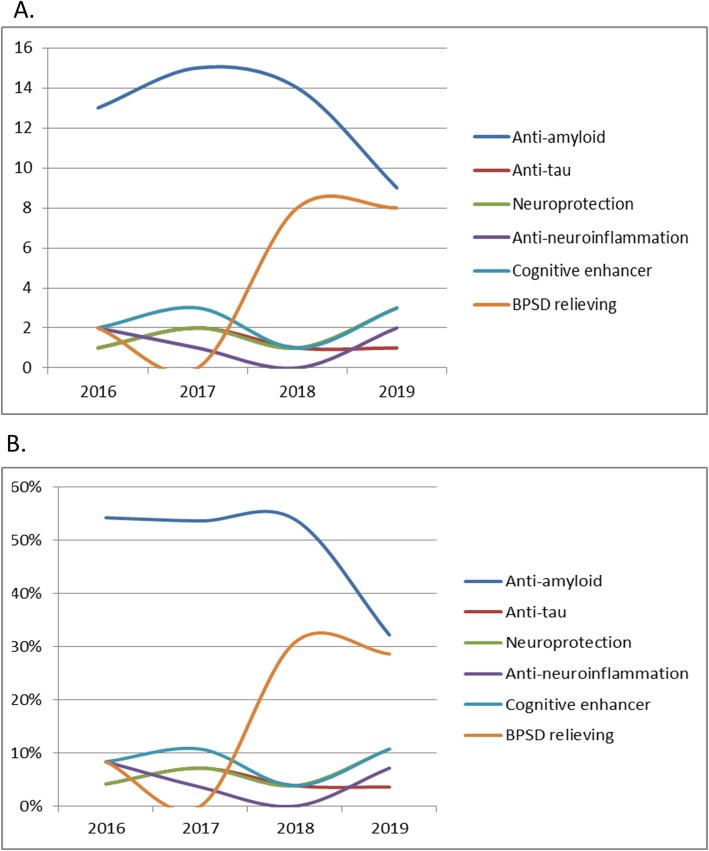
- In 2019, there were nine phase 3 anti-amyloid trials for eight drugs, and the number of anti-amyloid phase 3 trials was lower than in 2017 and 2018.
- Ongoing anti-amyloid trials had largely moved to prodromal or preclinical AD; no ongoing drug trials enrolled patients with advanced AD.
- Aducanumab showed dose-dependent amyloid removal and, in the updated EMERGE analysis, 23% less decline in CDR-SB, 27% less decline in ADAS-Cog 13, and 40% less decline in ADCS-ADL-MCI versus placebo at 78 weeks; amyloid plaque burden also decreased at 26 and 78 weeks (P < 0.001).
- Several programs were unsuccessful or stopped for lack of efficacy or other reasons, including azeliragon, pioglitazone, intepirdine, aripiprazole, nilvadipine, and the CNP520 arm of Generation Study 1, which “showed a worsening of cognitive function.”
## Methods
- The paper is a narrative review of Alzheimer disease clinical trials, organized by therapeutic target: anti-amyloid, anti-tau, antineuroinflammation, neuroprotection, cognitive enhancers, and BPSD-relieving therapy.
- The authors state they reviewed the current state of clinical trials at clinicaltrials.gov, along with the underlying mechanisms and reasons prior trials failed.
- Main analysis is descriptive synthesis of trial status, phases, targets, endpoints, and reported outcomes; no original participant-level statistical analysis is reported.
## Limitations
- The paper does not describe a systematic search strategy, inclusion/exclusion criteria, or formal risk-of-bias assessment; this is evident from the text.
- It is a review of trial registrations and reported results, so its conclusions depend on available public reports and may be limited by incomplete disclosure of some trial findings; this is evident from the text.
- The authors do not report pooled effect estimates or meta-analytic results; instead, the evidence is presented trial by trial.
Model-written summary. Check it against the paper before relying on it.
Integrity signals
Registry
Cites
Statistics
Figures
Verification
Claims the paper makes
16 Valid · 5 Not valid · 18 Not checked · 32 Own results and interpretations
The cited sources support only part of this claim — read each source’s verdict below.
In the paper
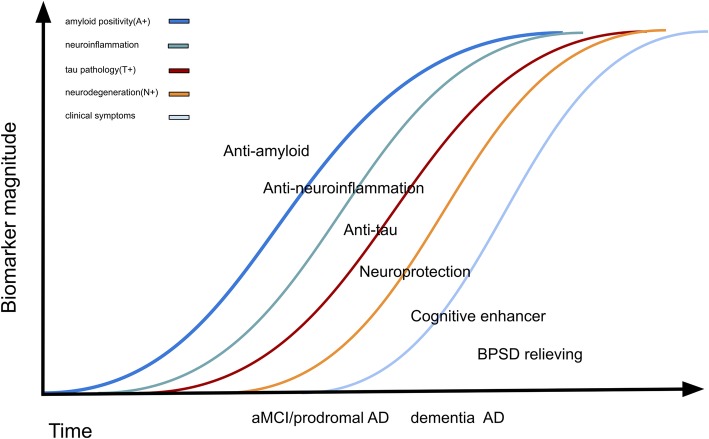
“Molecular imaging studies such as those using amyloid positron emission tomography (PET) have shown that Aβ deposition reaches a plateau before brain atrophy can be identified from structural magnetic resonance imaging (MRI) and cognitive symptoms [15, 19].”
§ Clinical trials of new drugs for Alzheimer disease > Introduction
What the sources say
- Not checked — no full text of the sourcecites [15] Kang J Lemaire HG Unterbeck A Salbaum JM Masters CL Grzeschik KH The precursor of Alzheimer's disease amyloid A4 protein resembles a cell-surface receptor Nature 1987 325 6106 733 736 10.1038/325733a0 2881207 source
- Partly supportedcites [19] Mormino EC Kluth JT Madison CM Rabinovici GD Baker SL Miller BL Episodic memory loss is related to hippocampal-mediated beta-amyloid deposition in elderly subjects Brain J Neurol 2009 132 Pt 5 1310 1323 10.1093/brain/awn320 PMC2677792 19042931 sourceExperimental — accuracy not yet measured
Our copy of Mormino et al. (2009) supports only the sequencing element of the claim: the Discussion section 'Ab burden and EM' states that 'modest PIB increases were associated with HV atrophy... [but] were not accompanied by EM memory deficits after removal of the two subjects with highest PIB values', and 'Quantifying and classifying PIB uptake' says 'the negative impact of Ab pathology begins during initial stages of accumulation in non-demented individuals, far before Alzheimer's disease-comparable levels are reached' — i.e. Aβ-related hippocampal atrophy precedes detectable episodic memory symptoms. However, no passage in our copy states or implies that Aβ deposition 'reaches a plateau'; on the contrary, the Introduction and Discussion describe PIB uptake as continuous, supporting 'the hypothesis that Ab accumulation is a continuous process that results in clinical Alzheimer's disease once a certain threshold is reached'. The plateau claim (searched: plateau, ceiling, saturation, levels off, nonlinear) is therefore not attributable to this source, and the study is cross-sectional with no longitudinal trajectory data. (LLM, conf=0.68)
plainstates an association- Asserted: passes — The authors put it forward as true.
- Checkable: passes — It can be checked against evidence.
- Load-bearing: unclear — It is unclear whether the paper’s conclusions depend on it.
- Based: passes — The paper gives a reason why it holds.
The cited sources support only part of this claim — read each source’s verdict below.
In the paper
“Furthermore, the brains of patients with AD exhibited evidence of sustained inflammation.”
§ Clinical trials of new drugs for Alzheimer disease > Introduction
What the sources say
- Partly supportedcites [26] Hamelin L Lagarde J Dorothee G Leroy C Labit M Comley RA Early and protective microglial activation in Alzheimer's disease: a prospective study using 18F-DPA-714 PET imaging Brain J Neurol 2016 139 Pt 4 1252 1264 10.1093/brain/aww017 26984188 sourceExperimental — accuracy not yet measured
The Introduction describes microglial activation in the brains of patients with Alzheimer’s disease, and the Discussion reports evidence of neuroinflammation in patients at the prodromal stage. The paper discusses chronic activation and a sustained inflammatory response, but its reported patient findings do not establish that inflammation persisted over time in those individuals. The copy provides section labels but no page numbers for these passages. (LLM, conf=0.82)
plainstates an association- Asserted: passes — The authors put it forward as true.
- Checkable: passes — It can be checked against evidence.
- Load-bearing: unclear — It is unclear whether the paper’s conclusions depend on it.
- Based: passes — The paper gives a reason why it holds.
- Partly supported
The cited sources support only part of this claim — read each source’s verdict below.
In the paper
“Aβ itself acts as a proinflammatory agent, activating many inflammatory components.”
§ Clinical trials of new drugs for Alzheimer disease > Introduction
What the sources say
- Partly supportedcites [26] Hamelin L Lagarde J Dorothee G Leroy C Labit M Comley RA Early and protective microglial activation in Alzheimer's disease: a prospective study using 18F-DPA-714 PET imaging Brain J Neurol 2016 139 Pt 4 1252 1264 10.1093/brain/aww017 26984188 sourceExperimental — accuracy not yet measured
The Introduction describes microglial activation around amyloid-β plaques, and the Discussion says amyloid deposits provoke an inflammatory response (page numbers unavailable in our copy). But the Discussion also says the mechanism is not fully understood; the paper does not establish that Aβ itself activates many inflammatory components. (LLM, conf=0.84)
plainstates a cause- Asserted: passes — The authors put it forward as true.
- Checkable: passes — It can be checked against evidence.
- Load-bearing: unclear — It is unclear whether the paper’s conclusions depend on it.
- Based: passes — The paper gives a reason why it holds.
- Partly supported
The cited sources support only part of this claim — read each source’s verdict below.
In the paper
“Neuronal death or brain atrophy induced by amyloid, tau, and neuroinflammation might be prevented with neuroprotective therapies, which include suppressing excitable amino acid signaling pathways, free radical scavengers, and regeneration enhancers (Table 3) [29].”
§ Clinical trials of new drugs for Alzheimer disease > Introduction
What the sources say
- Partly supportedcites [29] Chi Hao Chang Hui-Yun Sang Tzu-Kang Neuronal Cell Death Mechanisms in Major Neurodegenerative Diseases International Journal of Molecular Sciences 2018 19 10 3082 10.3390/ijms19103082 30304824 PMC6213751 sourceExperimental — accuracy not yet measured
Section 3.2 links amyloid-beta and Tau to neuronal death, and the Introduction and Future Directions discuss developing treatments to counter disease progression. But the copy does not support the full attributed claim: it does not identify neuroinflammation as a cause in this account or describe the listed neuroprotective therapies—suppressing excitatory amino acid signaling, free-radical scavengers, and regeneration enhancers—as ways to prevent neuronal death or brain atrophy. No page numbers are provided for these passages. (LLM, conf=0.84)
hedgedstates a possible cause- Asserted: passes — The authors put it forward as true.
- Checkable: passes — It can be checked against evidence.
- Load-bearing: passes — The paper’s conclusions depend on it.
- Based: passes — The paper gives a reason why it holds.
- Partly supported
The cited sources support only part of this claim — read each source’s verdict below.
In the paper
“All the mutant genes of hereditary, autosomal, and dominant familial AD, including amyloid precursor protein (APP), presenilin 1, and presenilin 2, encode the major proteins involved in amyloid metabolism [14–16].”
§ Clinical trials of new drugs for Alzheimer disease > Introduction
What the sources say
- Not checked — no full text of the sourcecites [14] Selkoe DJ The molecular pathology of Alzheimer's disease Neuron. 1991 6 4 487 498 10.1016/0896-6273(91)90052-2 1673054 source
- Not checked — no full text of the sourcecites [15] Kang J Lemaire HG Unterbeck A Salbaum JM Masters CL Grzeschik KH The precursor of Alzheimer's disease amyloid A4 protein resembles a cell-surface receptor Nature 1987 325 6106 733 736 10.1038/325733a0 2881207 source
- Partly supportedcites [16] Gunawardena S Yang G Goldstein LS Presenilin controls kinesin-1 and dynein function during APP-vesicle transport in vivo Hum Mol Genet 2013 22 19 3828 3843 10.1093/hmg/ddt237 23710041 PMC3766177 sourceExperimental — accuracy not yet measured
The Introduction (page not provided) says presenilin is the catalytic component of the gamma-secretase complex that cleaves APP, and that numerous presenilin mutations cause familial AD. It does not establish that APP, presenilin 1, and presenilin 2 comprise all the genes implicated in autosomal-dominant familial AD, or characterize all three as encoding the major proteins of amyloid metabolism. (LLM, conf=0.83)
plain- Asserted: passes — The authors put it forward as true.
- Checkable: passes — It can be checked against evidence.
- Load-bearing: unclear — It is unclear whether the paper’s conclusions depend on it.
- Based: passes — The paper gives a reason why it holds.
37 more claims · 7 with their cited sources checked
Create a free account to see all 71 claims and to verify the 1 reference still open.
- Probably not a substantial claim. 15
- It may state two separate claims as one. 17
- The quote only partly states this claim. 2
Claims other papers make about this one
Each is checked against this paper’s own text: does it say what the citing paper says it does?
The source backs part of the claim, not all of it — or backs it for a different population, condition or comparison.
In the citing paper
“all attempts to develop A β -targeting drugs to reverse deficits in memory and cognition have ended in failure, despite being successful in reducing the A β load”
From Nilotinib restores memory function by preventing dopaminergic neuron degeneration in a mouse model of Alzheimer’s Disease (2021) · cites this paper as Huang et al., 2020
Experimental — accuracy not yet measuredThe source backs part of the claim, not all of it — or backs it for a different population, condition or comparison.
In the citing paper
“However, in numerous human clinical trials using this approach, there was a decrease in amyloid load, but without significant clinical improvement nor reduction in disease progression [165].”
From Alzheimer's Disease: Treatment Strategies and Their Limitations. (2022) · cites this paper as [165]
Experimental — accuracy not yet measuredThe cited source says what the claim attributes to it.
In the citing paper
“These drugs primarily function by modulating neurotransmitter levels but cannot alter the course of the disease,409,411 which are instructive for designing new drugs.”
From Recent advances in Alzheimer's disease: Mechanisms, clinical trials and new drug development strategies. (2024) · cites this paper as [411]
The cited source says what the claim attributes to it.
In the citing paper
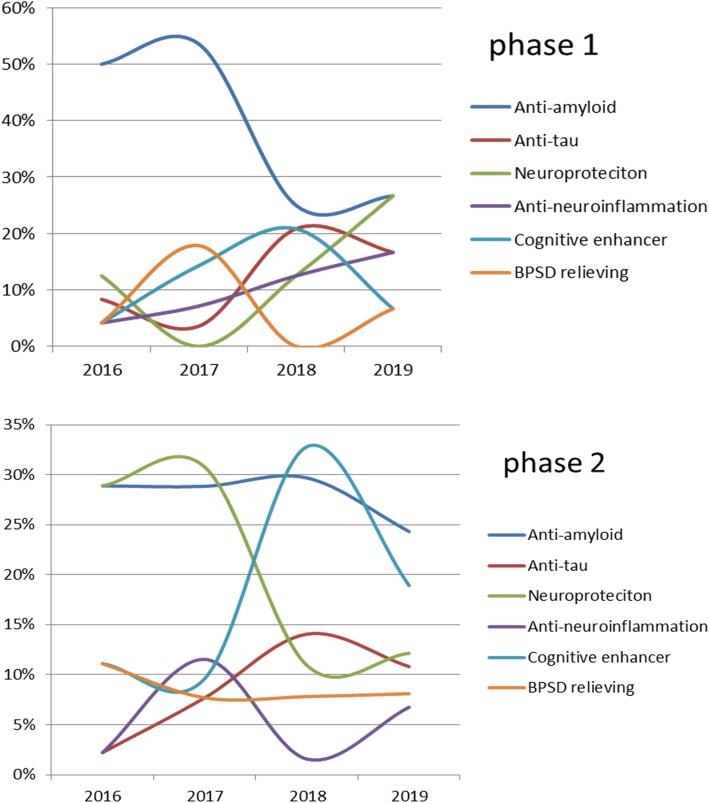
“However, the targets of both phase 1 and phase 2 trials are diverse, with a noticeable increase in the number of phase 1 trials focusing on neuroprotection and phase 2 trials focusing on anti-neuroinflammation [85].”
From Clinical trials of new drugs for Alzheimer disease: a 2020–2023 update (2023) · cites this paper as [85]
The check wasn’t confident either way, so it gives no verdict — never disputed.
In the citing paper
“Moreover, the literature review reveals that only a single cholinesterase inhibitor is in Phase II and Phase III clinical trials, for AD management [147,148].”
From Acetylcholinesterase Inhibitory Potential of Various Sesquiterpene Analogues for Alzheimer’s Disease Therapy (2021) · cites this paper as [147]
Experimental — accuracy not yet measured
4 more claims about this paper
Create a free account to see every claim other papers make about this one.
Citations
Cites
NIA‐AA Research Framework: Toward a biological definition of Alzheimer's disease
Jack, C. R., Bennett, D. A., Blennow, K., Carrillo, M. C., Dunn, B., Haeberlein, S. B., Holtzman, D. M., Jagust, W., Jessen, F., Karlawish, J., et al. (2018) · Alzheimer's & Dementia · doi:10.1016/j.jalz.2018.02.018 · Cited by 10,537
The amyloid hypothesis of Alzheimer's disease at 25 years
Selkoe, D. J., & Hardy, J. (2016) · EMBO Molecular Medicine · doi:10.15252/emmm.201606210 · Cited by 6,164
Pushko, P., Pumpens, P., & Grens, E. (2013) · Intervirology · doi:10.1159/000346773 · Cited by 5,950
Glenner, G. G., & Wong, C. W. (1984) · Biochemical and Biophysical Research Communications · doi:10.1016/s0006-291x(84)80190-4 · Cited by 5,404
Hypothetical model of dynamic biomarkers of the Alzheimer's pathological cascade
Jack, C. R., Knopman, D. S., Jagust, W. J., Shaw, L. M., Aisen, P. S., Weiner, M. W., Petersen, R. C., & Trojanowski, J. Q. (2010) · The Lancet Neurology · doi:10.1016/s1474-4422(09)70299-6 · Cited by 4,806 · cited 1×
“Tau accumulation, which might be a consequence of neuronal damage, was proposed to begin between AD clinical symptom development and Aβ accumulation [20].”
BackgroundThe precursor of Alzheimer's disease amyloid A4 protein resembles a cell-surface receptor
Kang, J., Lemaire, H.-G., Unterbeck, A., Salbaum, J. M., Masters, C. L., Grzeschik, K.-H., Multhaup, G., Beyreuther, K., & Müller-Hill, B. (1987) · Nature · doi:10.1038/325733a0 · Cited by 4,619
Amyloid plaque core protein in Alzheimer disease and Down syndrome.
Masters, C. L., Simms, G., Weinman, N. A., Multhaup, G., McDonald, B. L., & Beyreuther, K. (1985) · Proceedings of the National Academy of Sciences · doi:10.1073/pnas.82.12.4245 · Cited by 4,431
The antibody aducanumab reduces Aβ plaques in Alzheimer’s disease
Sevigny, J., Chiao, P., Bussière, T., Weinreb, P. H., Williams, L., Maier, M., Dunstan, R., Salloway, S., Chen, T., Ling, Y., et al. (2016) · Nature · doi:10.1038/nature19323 · Cited by 3,059 · cited 1×
“Additionally, amyloid was cleared from the six cortical regions of interest, namely the frontal, parietal, lateral temporal, sensorimotor, anterior, and posterior cingulate areas [43].”
BackgroundThe molecular pathology of Alzheimer's disease
Selkoe, D. J. (1991) · Neuron · doi:10.1016/0896-6273(91)90052-2 · Cited by 2,708
Neurofibrillary tangles but not senile plaques parallel duration and severity of Alzheimer's disease
Arriagada, P. V., Growdon, J. H., Hedley-Whyte, E. T., & Hyman, B. T. (1992) · Neurology · doi:10.1212/wnl.42.3.631 · Cited by 2,668
Cited by
Items 401–500 of 669
Subramanian, S., Krishna, G., Sivakumar, P. T., Dahale, A. B., Susheel Kumar, J., Sinha, P., & Varghese, M. (2021) · Asian Journal of Psychiatry · doi:10.1016/j.ajp.2021.102914 · Cited by 8
Liu, M., Chen, C., Gao, K., Gao, F., Qin, C., Yuan, Q., Zhang, H., Zhuang, L., & Wang, P. (2022) · Biosensors and Bioelectronics · doi:10.1016/j.bios.2022.114619 · Cited by 10
Jatav, S., Pandey, N., Dwivedi, P., Akhtar, A., Jyoti, J., Singh, R., Bansal, R., & Mishra, B. B. (2022) · ACS Chemical Neuroscience · doi:10.1021/acschemneuro.2c00328 · Cited by 7
Greco, F. A., McKee, A. C., Kowall, N. W., & Hanlon, E. B. (2021) · Journal of Alzheimer s Disease · doi:10.3233/jad-201021 · Cited by 7
“[1] because the insidious onset of symptoms masks 34 the ongoing, irreversible damage until a diagnosis 35 can be established.”
BackgroundAggidis, A., Chatterjee, S., Townsend, D. J., Fullwood, N. J., Ortega, E. R., Tarutani, A., Hasegawa, M., Lucas, H., Mudher, A. K., & Allsop, D. (2021) · bioRxiv (Cold Spring Harbor Laboratory) · doi:10.1101/2021.06.04.447069 · Cited by 11
“To date, all drugs targeting Aβ have failed stage 3 clinical trials [20] and this has placed more emphasis on Tau.”
BackgroundPalai, A. K., Kumar, A., Mazahir, F., Sharma, A., & Yadav, A. K. (2024) · Therapeutic Delivery · doi:10.1080/20415990.2024.2365620 · Cited by 6
Coenzyme Q10 and Cognition: A Review
Nankivell, M. C., Rosenfeldt, F., Pipingas, A., Pase, M. P., Reddan, J. M., & Stough, C. K. K. (2025) · Nutrients · doi:10.3390/nu17172896 · Cited by 18
“AD is an increasingly common disease especially in the elderly; however, there are few effective treatments for the disease [69].”
Hernando, S., Igartúa, M., Santos‐Vizcaíno, E., & Hernández, R. M. (2023) · Cytotherapy · doi:10.1016/j.jcyt.2023.04.001 · Cited by 6
“Despite their significant burden in public health systems, to date, all new drug candidates have failed in phase 2 and 3 clinical trials, without meeting the minimal clinical requirements [3,4].”
BackgroundAdhikari, A., Chauhan, K., Adhikari, M., & Tiwari, A. K. (2024) · Bioorganic & Medicinal Chemistry · doi:10.1016/j.bmc.2024.117628 · Cited by 7
Li, Y., Zhang, X., Zhao, H., Wang, Y., Zhang, D., Wang, X., Dong, R., Yan, X., Wu, J., Sui, Y., et al. (2024) · ACS Pharmacology & Translational Science · doi:10.1021/acsptsci.4c00149 · Cited by 6
Mohamadi, M. H., Bavafa, A., Salehi, S., Abedi, M., Shahabi, F., Jafarlou, S., Kolivand, P., & Negah, S. S. (2025) · Current Therapeutic Research · doi:10.1016/j.curtheres.2025.100798 · Cited by 8
Costly New Alzheimer Disease Medications on the Horizon—Financing Alternatives for Medicare
Fleming, W. K., Brown, C. R., & Shrank, W. H. (2020) · JAMA Health Forum · doi:10.1001/jamahealthforum.2020.1148 · Cited by 5
Neurodegeneration and the pharmacotherapeutic aspect of Alzheimer's disease
Binert-Kusztal, Ż., Starek, M., & Dąbrowska, M. (2021) · Farmacja Polska · doi:10.32383/farmpol/142108 · Cited by 6
Alzheimer’s Disease: Perspective on Therapeutic Options and Recent Hallmarks in Clinical Research
MOLLY, B. A., Seethamraju, S. M., & Nori, L. P. (2021) · International Journal Of Pharmaceutical Research And Allied Sciences · doi:10.51847/vic6sagcyq · Cited by 7
Feng, L., Li, C., Wang, L., et al. (2022) · ACS Applied Bio Materials · doi:10.1021/acsabm.2c00272 · Cited by 6
The Antioxidative Effects of Picein and Its Neuroprotective Potential: A Review of the Literature
Elyasi, L., Rosenholm, J. M., Jesmi, F., & Jahanshahi, M. (2022) · Molecules · doi:10.3390/molecules27196189 · Cited by 7
“Further studies on novel classes of BACE1 inhibitors are being performed to investigate their potential as novel candidates for AD treatment [125].”
BackgroundHaeger, A., Boumezbeur, F., Bottlaender, M., Rabrait‐Lerman, C., Lagarde, J., Mirzazade, S., Krahe, J., Hohenfeld, C., Sarazin, M., Schulz, J. B., et al. (2022) · NeuroImage Clinical · doi:10.1016/j.nicl.2022.103274 · Cited by 10
“Crucially, the development of novel treatments is limited by an insufficient 42 understanding of the pathological processes underlying the development and progression of 43 dementia (Huang et al., 2020) and focus especially needs to be set on the earliest stages of 44 neurodegeneration (Cummings et al.”
BackgroundPlasmon-activated water as a therapeutic strategy in Alzheimer’s disease by altering gut microbiota
Cheng, C., Liu, Y., Yang, Y. S. H., Lin, K., Wu, D., Liu, Y., Chang, C., Hong, C., & Hu, C. (2023) · Aging · doi:10.18632/aging.204706 · Cited by 8
Self-citationGallic Acid: A Wonderful Remedy in Medicinal Field
Kumar, S. S., Saharan, R., Saini, V., & Saini, A. (2023) · Current Traditional Medicine · doi:10.2174/0122150838266828231005055236 · Cited by 6
Meftahi, G. H., Khodadadi, M., Jahromi, G. P., Ezami, M., & Valipour, H. (2024) · PubMed Central · doi:10.22038/ijbms.2024.74823.16247 · Cited by 9
Ghalayini, J. (2020) · Journal of Neuroscience · doi:10.1523/jneurosci.0852-20.2020 · Cited by 6
“Despite evidence from preclinical studies, however, support for this hypothesis has been challenged in recent years by the fact that many therapeutics developed to target either Ab or tau failed to show efficacy at later stages of clinical trials (Huang et al., 2020).”
BackgroundConference report: dementia research and care and its impact in Switzerland
Leyhe, T., Jucker, M., Nef, T., Sollberger, M. A., Riese, F., Haba‐Rubio, J., Verloo, H., Lüthi, R., Becker, S., & Popp, J. (2020) · Swiss Medical Weekly · doi:10.4414/smw.2020.20376 · Cited by 10
Tsay, G. J., Lin, Y.-T., Hsu, C.-H., Tang, F., Kuo, Y., & Chao, C. (2021) · Biochemistry and Biophysics Reports · doi:10.1016/j.bbrep.2021.101020 · Cited by 6
“In the future, there is an opportunity to develop agricultural waste into neuroprotective health food or drugs for AD treatment [29].”
BackgroundPrins, S., Zhuparris, A., Hart, E. P., Doll, R. J., & Groeneveld, G. J. (2021) · Alzheimer s Research & Therapy · doi:10.1186/s13195-021-00874-9 · Cited by 11
“Huang et al. (2020) reported 9 failed phase 3 antiamyloid trails since 2016 with 6 different compounds [58].”
BackgroundGurunathan, V., Hamre, J. R., Klimov, D. K., & Jafri, M. S. (2021) · Biomolecules · doi:10.3390/biom11101541 · Cited by 6
“However, clinical trials of anti-aggregations drugs have thus far mostly failed suggesting that researchers might consider targeting other mechanisms to treat Alzheimer’s disease [5].”
BackgroundŞimşek, H., & Uçar, A. (2022) · Advances in Gerontology · doi:10.1134/s2079057022020175 · Cited by 6
“2 202 lation of Aβ plaques or to increase the clearance of these plaques [21, 24].”
BackgroundThe economic imperatives for technology enabled wellness centered healthcare
Jones, G. B., & Wright, J. (2022) · Journal of Public Health Policy · doi:10.1057/s41271-022-00356-8 · Cited by 7
“In addition to reducing disease burden, this approach would also help identify potentially large cohorts of patients with whom researchers can conduct clinical trials (where sufficient scale, study power, and diversity is critical) to help the industry realize asyet elusive disease modifying agents [24].”
BackgroundMerde, İ. B., Önel, G. T., Türkmenoğlu, B., et al. (2022) · Fabad Journal of Pharmaceutical Sciences · doi:10.55262/fabadeczacilik.1128446 · Cited by 6
Molecular Design of Magnetic Resonance Imaging Agents Binding to Amyloid Deposits
Nikiforova, A. A., & Sedov, I. A. (2023) · International Journal of Molecular Sciences · doi:10.3390/ijms241311152 · Cited by 8
Rizzi, L., Aventurato, Í. K., & Balthazar, M. L. F. (2021) · Frontiers in Neurology · doi:10.3389/fneur.2021.640525 · Cited by 8
“The widespread interest in new drugs for AD may partially explain this finding (159).”
BackgroundItkyal, V. S., Abrol, A., LaGrow, T. J., Fedorov, A., & Calhoun, V. D. (2023) · SSRN Electronic Journal · doi:10.21203/rs.3.rs-3740218/v1 · Cited by 6
“Given that Alzheimer's disease affects a signi�cant portion of the global population, early and precise AD diagnosis is imperative to facilitate timely interventions and enhance patient well-being (Cummings et al., 2022; Dubois et al., 2021; L.-K. Huang et al., 2020).”
BackgroundMoreira, N. C. D. S., Piassi, L. D. O., Lima, J. E. B. D. F., Passos, G. A. S., & Sakamoto‐Hojo, E. T. (2025) · Journal of Alzheimer s Disease · doi:10.1177/13872877251352194 · Cited by 5
Ji, Y., Li, X., Li, X., Hu, X., Cong, W., Hu, H., Liu, S., & Chen, Y. (2025) · Materials Today Bio · doi:10.1016/j.mtbio.2025.102081 · Cited by 10
“Currently, cerebrospinal fluid (CSF) analysis or brain imaging techniques can aid in AD early diagnosis [4 – 6].”
Tutubala, T. E., Egunlusi, A. O., Fisher, D., Dube, A., & Joubert, J. (2025) · ACS Omega · doi:10.1021/acsomega.4c04887 · Cited by 12
In Silico Studies to Develop New GSK3β Inhibitors Effective in the Alzheimer's Disease
Yalçın, G., & Yıldız, İ. (2022) · Letters in Drug Design & Discovery · doi:10.2174/1570180819666220210100813 · Cited by 6
Almalki, S. G., Alqurashi, Y. E., Alturaiki, W., Almawash, S., Khan, A., Ahmad, P., & Iqbal, D. (2023) · Biomolecules · doi:10.3390/biom13101474 · Cited by 6
Candesartan Effectively Preserves Cognition in Senescence Accelerated Mouse Prone 8 (SAMP8) mice
Ahmed, H. A., & Ishrat, T. (2022) · Journal of Alzheimer s Disease Reports · doi:10.3233/adr-220016 · Cited by 5
“This is especially important given the disappointing results of this and similarly novel drug products targeting A (cid:2) in exorbitant, high-profile clinical trials [3].”
Abeta-induced presynaptic release of UBC9 through extracellular vesicles involves SNAP23
Long, Y., Cheng, Y., Yang, J., Yang, T., & Lai, Y. (2022) · Neuroscience Letters · doi:10.1016/j.neulet.2022.136771 · Cited by 6
Ayurvedic herbs–derived cognitive enhancers for the management of Alzheimer's disease (AD)
Muralidhara, M., & Rajini, P. S. (2023) · Elsevier eBooks · doi:10.1016/b978-0-443-19084-1.00002-8 · Cited by 4
Abdelli, A., Ouni, S., M’rabet, H., Efrit, M. L., & Prim, D. (2023) · Chemistry Africa · doi:10.1007/s42250-023-00783-4 · Cited by 5
“…via the conjugate addition of nitro-methane and –propane to N -allylmorpholine 10 using a one-pot method adapted from the report by Ballini et al. [67–69] We reacted 2-(morpholinomethyl)acrylonitrile 10 with nitroalkanes in the presence of two equivalents of DBU in acetonitrile at 60 °C.”
Jiang, J., Liu, Y., Wang, A., Zhuo, Z., Shi, H., Zhang, X., Li, W., Sun, M., Jiang, S., Wang, Y., et al. (2023) · Chinese Medical Journal · doi:10.1097/cm9.0000000000002914 · Cited by 5
Role of Amyloid Beta in Neurodegeneration and Therapeutic Strategies for Neuroprotection
Ghosh, P., Narang, K., & Iyer, P. K. (2024) · Methods in molecular biology · doi:10.1007/978-1-0716-3662-6_25 · Cited by 5
Gabr, M. T., & Murugan, N. A. (2020) · Bioorganic & Medicinal Chemistry Letters · doi:10.1016/j.bmcl.2020.127370 · Cited by 8
Mobile Application Aimed at Older Adults to Increase Cognitive Capacity
Leon-Ayala, R., ́omez-Cortez, G. G., & Andrade–Arenas, L. (2021) · International Journal of Advanced Computer Science and Applications · doi:10.14569/ijacsa.2021.0121297 · Cited by 7
“During the course of the disease many psychological symptoms occur in behavior, affecting activities of daily living [3].”
BackgroundRastegari, A., Saeedi, M., Vahedi‐Mazdabadi, Y., Soleimani, M., Eftekhari, M., Akbarzadeh, T., & Khanavi, M. (2020) · DOAJ (DOAJ: Directory of Open Access Journals) · doi:10.22127/rjp.2020.223143.1565 · Cited by 5
“clinically studied for the treatment of AD; however, they kept failing [8,9].”
BackgroundAducanumab for Alzheimer's disease: An update
Retinasamy, T., & Shaikh, M. F. (2021) · Neuroscience Research Notes · doi:10.31117/neuroscirn.v4i2.81 · Cited by 5
“…studies carried out to evaluate the efficacy and safety of Aducanumab in patients with mild cognitive impairment (MCI) due to Alzheimer's disease and mild Alzheimer's disease dementia (Huang et al., 2020; NEUROSCIENCE RESEARCH NOTES | 2021 | VOLUME 4 | ISSUE 2 | PAGE 19 Schneider, 2020).”
BackgroundPorphyromonas Gingivalis in the Pathogenesis of Alzheimer’s Disease and Its Therapeutic Target
Seymour, T., & Zhang, J. (2021) · Journal of Exploratory Research in Pharmacology · doi:10.14218/jerp.2021.00030 · Cited by 6
“…include β-secretase inhibition and the upregulation of phosphatases to lower tau phosphorylation,2 but most of these are ineffective or even toxic.19 Huang et al. (2020) listed nine different treatments for AD that failed in phase 3 trials between 2016 and 2019 alone.20 Porphyromonas gingivalis is…”
BackgroundZoila, F., de Stefano, M. I., Sgobbio, A., Panaro, M. A., Maffione, A. B., Antonucci, L., Benameur, T., Massaro, M., Gaban, S. V. F., Filannino, F. M., et al. (2025) · Sports · doi:10.3390/sports13120458 · Cited by 6
“Chronic neuroinflammation can occur in ND due to danger signals, such as protein aggregates, misfolded proteins, damaged synapses, Ca2+, or mitochondrial Reactive oxygen species (ROS) [30–32].”
Taha, M., Rahim, F., Khan, A. A., Adalat, B., Imran, S., Alshehri, J. M., Ahmad, A., Khan, K. M., Shah, S. A. A., & Uddin, N. (2023) · Arabian Journal of Chemistry · doi:10.1016/j.arabjc.2023.105300 · Cited by 4
Anti-Alzheimer’s and Anti-inflammatory Activities of Compounds Isolated from Solanum Mauritianum
Ticona, L. A., García, B., Bastante, M. H., Șerban, A. M., & Sánchez, Á. R. (2022) · Planta Medica International Open · doi:10.1055/a-1696-6741 · Cited by 10
Tozzi, V. D., Boscolo, P. R., Cinelli, G., Ferrara, L., Petracca, F., & Zazzera, A. (2022) · Health Services Management Research · doi:10.1177/09514848221138406 · Cited by 3
Pathogen infection in Alzheimer’s disease: pathophysiology and therapeutic strategies
Xiong, M., Yu, H., Tian, Y., Meng, L., & Zhang, Z. (2023) · Ageing and Neurodegenerative Diseases · doi:10.20517/and.2022.32 · Cited by 4
Elshazly, A. M., Sinanian, M. M., Elimam, D. M., & Zakaria, S. (2023) · Neuroglia · doi:10.3390/neuroglia4030014 · Cited by 6
Dendrimers: Patents for Alzheimer’s Disease
Maheshwari, S., & Singh, A. (2023) · Recent Patents on Nanotechnology · doi:10.2174/1872210517666230831154408 · Cited by 4
Noncoding RNAs in Alzheimer’s Disease: Overview of Functional and Therapeutic Significance
Adiga, D., Eswaran, S., Sriharikrishnaa, S., Khan, N. G., Kumar, D., & Kabekkodu, S. P. (2024) · Current Topics in Medicinal Chemistry · doi:10.2174/0115680266293212240405042540 · Cited by 4
An optimal control problem for anti-inflammatory treatments of Alzheimer’s disease
Torres, N., Molina, E., & Pujo-Menjouet, L. (2025) · Journal of Mathematical Biology · doi:10.1007/s00285-025-02227-8 · Cited by 7
“Other therapeutic strategies target multiple pathways, addressing not only neuroinflammation and neuroprotection but also anti-amyloid and anti-tau effects [25, 26].”
A Cationic Gallium Phthalocyanine Inhibits Amyloid β Peptide Fibril Formation
Tabassum, S., Sheikh, A. M., Yano, S., Ikeue, T., Mitaki, S., Michikawa, M., & Nagai, A. (2020) · Current Alzheimer Research · doi:10.2174/1567205017666201008112002 · Cited by 4
Coelho, C. M., Pereira, L., Teubig, P., Santos, P. M. P., Mendes, F., Víñals, S., Galaviz, D., & Herrera, F. (2022) · International Journal of Molecular Sciences · doi:10.3390/ijms232012265 · Cited by 4
Agents at the Peak of US FDA Approval for the Treatment of Alzheimer’s Disease
Alam, J., Kalash, A., Hassan, M. I., & Rahman, S. Z. (2024) · Neurological Research · doi:10.1080/01616412.2024.2302271 · Cited by 8
Combinatorial therapy in Alzheimer's disease
Giri, M. A., Kendre, P. N., Bhalke, R. D., Pande, V. V., Autade, K. A., & Sumbe, R. B. (2024) · Elsevier eBooks · doi:10.1016/b978-0-443-13205-6.00026-1 · Cited by 7
Mitra, A., Naik, L., Dhiman, R., & Sarkar, N. (2024) · The Journal of Physical Chemistry B · doi:10.1021/acs.jpcb.4c01578 · Cited by 4
Can gamma entrainment of the brain rhythms prevent or alleviate Alzheimer’s disease?
Kim, T. (2021) · Journal of Translational Internal Medicine · doi:10.2478/jtim-2021-0048 · Cited by 5
“[1] Based on known pathomechanisms, that is, amyloid pathology and tauopathy, there has been a plethora of research to develop an effective pharmacotherapy for AD.”
BackgroundDementia and cognitive decline
Huq, A. J., Eratne, D., & Velakoulis, D. (2024) · Elsevier eBooks · doi:10.1016/b978-0-323-99417-0.00006-9 · Cited by 4
Chen, J. J., Thiyagarajah, M. T., Song, J., Chen, C. C., Herrmann, N., Gallagher, D., Rapoport, M. J., Black, S. E., Ramirez, J., Andreazza, A. C., et al. (2021) · Research Square · doi:10.21203/rs.3.rs-430047/v1 · Cited by 4
Noh, B., Lee, H.-J., Lee, J., Lee, J., Joo, B., Jung, Y., Park, M., Kang, S., Oh, S., Hwang, J.-W., et al. (2025) · ACS Biomaterials Science & Engineering · doi:10.1021/acsbiomaterials.5c01162 · Cited by 5
Feng, L., Chunyu, N., Li, Z., Wu, X., Zhao, L., & Li, M. (2025) · Journal of King Saud University - Computer and Information Sciences · doi:10.1007/s44443-025-00344-4 · Cited by 3
“As the most common type of dementia, it accounts for approximately 60% to 70% of global dementia cases (Huang et al. 2020).”
Chudhary, M. (2025) · Chemical Papers · doi:10.1007/s11696-025-04532-4 · Cited by 6
Yan, Y., Su, J., Xie, M., Kong, Y., Wang, C., Yuan, G., Fang, Y., Hwang, K., Kim, C., Han, H. S., et al. (2025) · Brain stimulation · doi:10.1016/j.brs.2025.103015 · Cited by 6
Siam, N. H., Nasrin, N., Saiyara, S., Saha, H., Deb, D. P., & Islam, J. (2026) · Scientifica · doi:10.1155/sci5/6124916 · Cited by 4
Ramalingam, J., Mohan, A., & Sachdev, P. S. (2023) · Springer eBooks · doi:10.1007/978-3-031-15401-0_13 · Cited by 8
Rani, K., Pippal, B., Singh, S. K., Karmakar, A., Vankayala, R., & Jain, N. (2023) · Biomaterials Science · doi:10.1039/d3bm00400g · Cited by 3
Mateev, E., & Georgieva, M. (2023) · Pharmacia · doi:10.3897/pharmacia.70.e113014 · Cited by 3
Albadrani, H. M., Alsaweed, M., Jamal, Q. M. S., Alasiry, S. M., Jahan, S., Hamed, M., Kamal, M., Rehman, M. T., & Iqbal, D. (2024) · Journal of Taibah University for Science · doi:10.1080/16583655.2024.2403813 · Cited by 3
“Cholinesterase inhibitors that were approved to treat AD come with a number of adverse effects, including nausea, vomiting, lack of appetite, headaches, constipation, disorientation and dizziness [6,7].”
Soni, A., Kumar, A., & Kumar, V. (2024) · Russian Journal of Bioorganic Chemistry · doi:10.1134/s1068162024050212 · Cited by 3
Anti-Amyloid Aggregation Effects of Gobaishi (Galla chinensis) and Its Active Constituents
Akter, S., Tohge, T., Ananda, S. H., Kuragano, M., Tokuraku, K., & Uwai, K. (2025) · Molecules · doi:10.3390/molecules30132720 · Cited by 5
“At present, the available therapies primarily aim to alleviate symptoms [8].”
Keymoradzadeh, A., Hedayati, M., Abedinzade, M., & Taleghani, B. K. (2021) · Physiology and Pharmacology · doi:10.52547/phypha.26.3.4 · Cited by 6
Lipton, R. B., Podger, L., Stewart, W. F., Gómez‐Ulloa, D., Rodriguez, W., Runken, M. C., Barnes, F. B., & Serrano, D. (2022) · Expert Review of Neurotherapeutics · doi:10.1080/14737175.2022.2149324 · Cited by 3
Glia in FTLD-GRN: from supporting cast to leading role
Pinarbasi, E. S., & Barmada, S. J. (2023) · Journal of Clinical Investigation · doi:10.1172/jci168215 · Cited by 3
Copper Chelation via beta-alanine extends lifespan in a C. elegans model of Alzheimer's Disease
Pulido, A., Hulbert, B., Giese, H., Kurian, S., Rozhon, R., Zambrano, M., Diaz, O. R., Abd, M., Caputo, M., Kissel, D. S., et al. (2023) · Brain Disorders · doi:10.1016/j.dscb.2023.100076 · Cited by 4
Imaging spectrum of amyloid-related imaging abnormalities associated with aducanumab immunotherapy
Sotoudeh, H., Alizadeh, M., Shahidi, R., Shobeiri, P., Saadatpour, Z., Wheeler, C. A., Love, M. N., & Tanwar, M. (2024) · Frontiers in Radiology · doi:10.3389/fradi.2023.1305390 · Cited by 4
“Gamma-secretase, beta-secretase inhibitors, and monoclonal antibodies aim to reduce the synthesis of neurotoxic A β (4).”
BackgroundVishnumurthy, R. H., Priya, M. G. R., Tiwari, P. K., & Solomon, V. R. (2024) · Current Pharmaceutical Design · doi:10.2174/0113816128298289240723103828 · Cited by 3
Caregivers’ willingness to pay for Alzheimer’s disease medications in Taiwan
Huang, M., Tsai, C.-F., Lee, W., Wang, W.-F., Jhang, K.-M., Wang, S., & Fuh, J. (2021) · Journal of the Chinese Medical Association · doi:10.1097/jcma.0000000000000504 · Cited by 5
Jahan, R., Yousaf, M., Khan, H., Bibi, N., Ijaz, M., Rehan, T., & Shah, S. A. (2022) · BioMed Research International · doi:10.1155/2022/8902262 · Cited by 3
“Caspases and BCl2 proteins are two major families that lead to nerve cell death in neurodegenerative diseases [29].”
BackgroundRetractedAbdelkrim, A., Bouramoul, A., & Zenbout, I. (2022) · International Journal of Organizational and Collective Intelligence · doi:10.4018/ijoci.312223 · Cited by 3
Amyloid Imaging in Dementia and Neurodegenerative Disease
Ponisio, M. R., Iranpour, P., & Benzinger, T. L. S. (2021) · Springer eBooks · doi:10.1007/978-3-030-82367-2_11 · Cited by 4
Senescence inhibits the chaperone response to thermal stressPreprint
Llewellyn, J., Mallikarjun, V., Appleton, E., Osipova, M., Gilbert, H. T. J., Richardson, S. M., Hubbard, S. J., & Swift, J. (2021) · bioRxiv (Cold Spring Harbor Laboratory) · doi:10.1101/2021.06.15.448532 · Cited by 3
“Progress in the development of drugs to address diseases such as Alzheimer’s has been slow (Huang et al, 2020), but a better understanding of the PN may inform new therapeutic strategies.”
BackgroundSarparast, M., Hinman, J., Pourmand, E., Vonarx, D., Ramirez, L., Ma, W., Liachko, N. F., Alan, J. K., & Lee, K. S. S. (2023) · bioRxiv (Cold Spring Harbor Laboratory) · doi:10.1101/2023.10.02.560527 · Cited by 4
“While the amyloid cascade hypothesis has dominated the field, the limited efficacy of anti-Aβ therapy suggests a more complex pathogenesis 2–4 .”
Advanced Polymeric Nanoparticles for the Treatment of Neurodegenerative Diseases
Ferrão, R., & Rai, A. (2024) · Wiley eBooks · doi:10.1002/9783527837021.ch27 · Cited by 3
Padmapriya, K., & Periyathambi, E. (2024) · PeerJ Computer Science · doi:10.7717/peerj-cs.2538 · Cited by 5
“It is thought that AD-related costs will hit $345 billion in the USA alone by 2023 ( Huang, Chao & Hu, 2020 ).”
Intelligent Alzheimer’s Care: Predictive and Supportive Systems with GNNs and GANs
Sathyabama, K., Yuvaraj, V., & Aslam Khan, A. (2025) · doi:10.1109/incacct65424.2025.11011355 · Cited by 2
“Using data gathered from wearables, activity level and even environmental stimuli, the application adjusts and creates specific daily schedules for the AI system [13].”
Curcumin Delivery in Regenerative Medicine for Alzheimer’s Disease
Jafarisavari, Z., Hasanzadeh, E., Tayebi, L., & Asadpour, S. (2025) · Regenerative Engineering and Translational Medicine · doi:10.1007/s40883-025-00482-1 · Cited by 2
Nath, R., Bhattacharjee, S., Ashique, S., Panda, S., Maiti, N. J., Akhtar, M. J., Debnath, I., Hussain, M. S., Debnath, B., Attar, J. R., et al. (2025) · Journal of Molecular Structure · doi:10.1016/j.molstruc.2025.144837 · Cited by 3
Bhagunde, P. R., Penner, N., Willis, B. A., Bell, R., Charil, A., Irizarry, M. C., Hersch, S. M., & Reyderman, L. (2026) · CPT Pharmacometrics & Systems Pharmacology · doi:10.1002/psp4.70173 · Cited by 6
Yang, D., Liu, L., & Fu, J. (2026) · Journal of Integrative Neuroscience · doi:10.31083/jin43410 · Cited by 2
Saikat, S. N., & Siam, N. H. (2026) · Natural Products and Bioprospecting · doi:10.1007/s13659-026-00621-3 · Cited by 3
“These cognitive deficits impair daily activities and are often accompanied by behavioral and psychological symptoms of dementia (BPSD), which tend to emerge as the disease progresses [5].”
Brodtmann, A. G., & Huq, A. J. (2021) · Neurology Genetics · doi:10.1212/nxg.0000000000000610 · Cited by 2
Ehrlich, D., Dunzinger, A., Malsiner‐Walli, G., Grün, B., Topakian, R., Hodolič, M., Kainz, E., & Pichler, R. (2021) · Radiology and Oncology · doi:10.2478/raon-2021-0051 · Cited by 3
Epigenetic regulons in Alzheimer's disease
Raval, M., Mishra, S., & Tiwari, A. K. (2023) · Progress in molecular biology and translational science · doi:10.1016/bs.pmbts.2023.01.012 · Cited by 2
Şenol, Ş., & Akyol, E. (2023) · Revue Roumaine de Chimie · doi:10.33224/rrch.2022.67.10-12.01 · Cited by 3
Benefits of using the CRISPR-Cas9 system in the modification of genetic disorders
Ахнафович, Ш. Р., Абдурахманович, О. М., Рамильевич, М. А., Dybova, A. I., Vyaseleva, E. T., Kayumova, N. B., Saitgalina, A. S., Ententeev, K. R., Ягафаров, И. Р., Kuserbaev, I. V., et al. (2023) · Molecular Genetics Microbiology and Virology (Russian) · doi:10.17116/molgen2023410313 · Cited by 2
Metadata
- Authors
- Huang, L.-K., Chao, S.-P., & Hu, C.-J.
- Affiliations
- National Health Research Institutes (TW)
- Taipei Medical University-Shuang Ho Hospital (TW)
- Corresponding author
- Hu, Chaur-Jong
- Venue
- Journal of Biomedical Science
- Published
- 2020-01-06
- Volume
- 27
- Issue
- 1
- Pages
- 18-18
- ISSN
- 1021-7770 (ISSN-L)
- 1423-0127
- PMC
- PMC6943903
- OpenAlex
- W3000635098
- Cited by
- 702
- References
- 84
- Citations by year
- 2026: 32 · 2025: 66 · 2024: 94 · 2023: 142 · 2022: 137 · 2021: 146 · 2020: 66
- FWCI
- 73.09
- Type
- journal article
- Language
- en
- Open access
- diamond
- doi.org
- Licence
- cc-by
- creativecommons.org/licenses/by/4.0/ (tdm)
- creativecommons.org/licenses/by/4.0/ (vor)
- Locations
- Journal of Biomedical Science (publishedVersion, cc-by)
- PubMed (publishedVersion)
- PubMed Central (submittedVersion, cc-by)
- DOAJ (DOAJ: Directory of Open Access Journals) (submittedVersion, cc-by-sa)
- Topics
- Health Sciences › Medicine › Pharmacology (medical) › Cholinesterase and Neurodegenerative Diseases
- Life Sciences › Neuroscience › Cellular and Molecular Neuroscience › Alzheimer's disease research and treatments
- Life Sciences › Neuroscience › Neurology › Neuroprotection in Cerebral Ischemia
- Keywords
- Alzheimer's disease, clinical trials, amyloid hypothesis, amyloid-beta, anti-amyloid therapy, anti-tau therapy, cholinesterase inhibitors, NMDA receptor antagonists
- MeSH terms
- Alzheimer Disease, Cholinesterase Inhibitors, Clinical Trials as Topic, Humans, Receptors, N-Methyl-D-Aspartate, Amyloid beta-Peptides
About these checks
Registry, retraction, Cites and statistics results are computed, not judged, with one exception: a printed reference that no index lists is read once by a model before it counts as a citation error. Claims are extracted by a model and kept only when their quote appears verbatim in the text; each cited source is then checked, with a model’s help, for whether it says what the claim relies on. Those verdicts can be wrong — read the claim’s quote and the cited source before relying on one.
The claim verdicts this report counts are experimental: their accuracy is not yet measured.
A language model drew the claims from the paper on 2026-10-10, under version 3 of the claim definition (model deepseek-v4.1-flash, prompt extract-v3).
A second model labelled each claim on 2026-10-10 (model jev-1.13-20260917, definition revision gold-guideline-v0.2).
Cited sources are checked with a language model’s help (qwen3.8-omni-flash and gpt-6-sol).
Statistics and arithmetic are recomputed, not judged.
Confidence bands are shown only for fields calibrated on our annotated test set. None is calibrated yet, so no band is shown.
What counts as a claim ›How we measure confidence ›How we check this ›
Are you an author, or do you see a problem with this page? Request a review
Data sources
Bibliographic data: Semantic Scholar, OpenAlex, Crossref.
Contains information from the Semantic Scholar Academic Graph Datasets, made available under the ODC Attribution License (ODC-BY 1.0).
Semantic Scholar’s data is described in: Kinney, R., et al. (2023). The Semantic Scholar Open Data Platform. arXiv:2301.10140.
