

Sodium–glucose transporter-2 inhibitors for prevention and treatment of cardiorenal complications of type 2 diabetes
Open accessThe DOI matches its Crossref record; 79 of the 80 references it cites were found in a registry or an index.
Abstract
Hospitalization for major diabetes complications, including myocardial infarction, stroke, lower-extremity amputation, and end-stage kidney disease, is on the rise and represents a great health burden for patients with type 2 diabetes (T2D), in particular for older people. Newer glucose-lowering medications have generated some optimism on the possibility to influence the natural history of cardiorenal complications of T2D. This review summarizes work in the area of sodium–glucose cotransporter 2 inhibitors (SGLT-2i) treatment and prevention of cardiorenal complications in patients with T2D (major adverse cardiovascular events, hospitalization for heart failure, kidney outcomes), with a particular emphasis on the effect of age, the role of primary versus secondary prevention and the possible extension of their cardiorenal benefits to the entire class of SGLT-2i.
Overview
The claims and statistics of this paper haven’t been checked yet.
Free: it reads the open-access text and checks the first 5 claims that cite a source we can check. Create a free account to check every claim.
Integrity signals
Registry
Cites
Statistics
Figures
Verification
Claims the paper makes
The claims and statistics of this paper haven’t been checked yet.
Free: it reads the open-access text and checks the first 5 claims that cite a source we can check. Create a free account to check every claim.
Claims other papers make about this one
Each is checked against this paper’s own text: does it say what the citing paper says it does?
In the citing paper
“Because the prevalence of CVD in the population with T2DM is around 32% [33], at least one fourth of the average patient with T2DM is possible a candidate for the use of the GLP-1RA, or sodium-glucose transporter-2 inhibitors [34], to improve the MACE outcome.”
From GLP-1 receptor agonists and cardiorenal outcomes in type 2 diabetes: an updated meta-analysis of eight CVOTs (2021) · cites this paper as [34]
Self-check
Percentages, sums and reported differences re-computed from the paper’s own numbers.
The self-check needs the paper’s full text.
Citations
Cites
International Diabetes Federation 2017
Carracher, A. M., Marathe, P. H., & Close, K. L. (2018) · Journal of Diabetes · doi:10.1111/1753-0407.12644 · Cited by 13,418
Canagliflozin and Cardiovascular and Renal Events in Type 2 Diabetes
Neal, B., Perkovic, V., Mahaffey, K. W., de Zeeuw, D., Fulcher, G., Erondu, N., Shaw, W., Law, G., Desai, M., & Matthews, D. R. (2017) · New England Journal of Medicine · doi:10.1056/nejmoa1611925 · Cited by 7,830
Dapagliflozin in Patients with Heart Failure and Reduced Ejection Fraction
McMurray, J. J. V., Solomon, S. D., Inzucchi, S. E., Køber, L., Kosiborod, M. N., Martinez, F. A., Ponikowski, P., Sabatine, M. S., Anand, I. S., Bělohlávek, J., et al. (2019) · New England Journal of Medicine · doi:10.1056/nejmoa1911303 · Cited by 7,140
Dapagliflozin and Cardiovascular Outcomes in Type 2 Diabetes
Wiviott, S. D., Raz, I., Bonaca, M. P., Mosenzon, O., Kato, E. T., Cahn, A., Silverman, M. G., Zelniker, T. A., Kuder, J. F., Murphy, S. A., et al. (2019) · New England Journal of Medicine · doi:10.1056/nejmoa1812389 · Cited by 6,382 · cited 2×
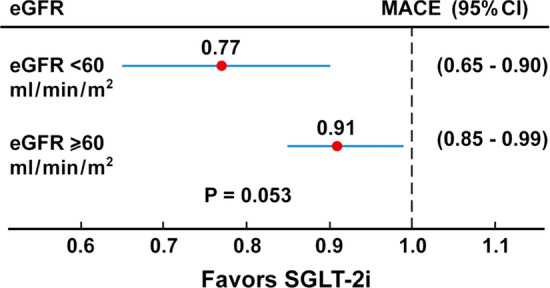
“Most patients assessed in the trials (EMPA-REG [29], CANVAS [30], DECLARE [31], CREDENCE [32]) had preserved kidney function (estimated glomerular filtration rate [eGFR] ≥ 60 ml/min/1.”
BackgroundCanagliflozin and Renal Outcomes in Type 2 Diabetes and Nephropathy
Perkovic, V., Jardine, M. J., Neal, B., Bompoint, S., Heerspink, H. J. L., Charytan, D. M., Edwards, R., Agarwal, R., Bakris, G., Bull, S., et al. (2019) · New England Journal of Medicine · doi:10.1056/nejmoa1811744 · Cited by 6,189 · cited 10×
“1 Meta-analysis evaluating the efficacy of SGLT-2i (empagliflozin, canagliflozin and dapagliflozin) on MACE according to basal eGFR values in four trials (EMPA-REG, CANVAS, DECLARE and CREDENCE) Fig.”
BackgroundInfluentialDapagliflozin in Patients with Chronic Kidney Disease
Heerspink, H. J. L., Stefánsson, B. V., Correa-Rotter, R., Chertow, G. M., Greene, T., Hou, F.-F., Mann, J. F. E., McMurray, J. J. V., Lindberg, M., Rossing, P., et al. (2020) · New England Journal of Medicine · doi:10.1056/nejmoa2024816 · Cited by 5,618 · cited 1×
“Treatment with these SGLT2i could be useful for early [47] as well as late [48] prevention of DKD.”
BackgroundCardiovascular and renal outcomes with empagliflozin in heart failure
Packer, M., Anker, S. D., Butler, J., Filippatos, G., Pocock, S. J., Carson, P., Januzzi, J., Verma, S., Tsutsui, H., Brueckmann, M., et al. (2020) · New England Journal of Medicine · doi:10.1056/nejmoa2022190 · Cited by 5,206 · cited 1×
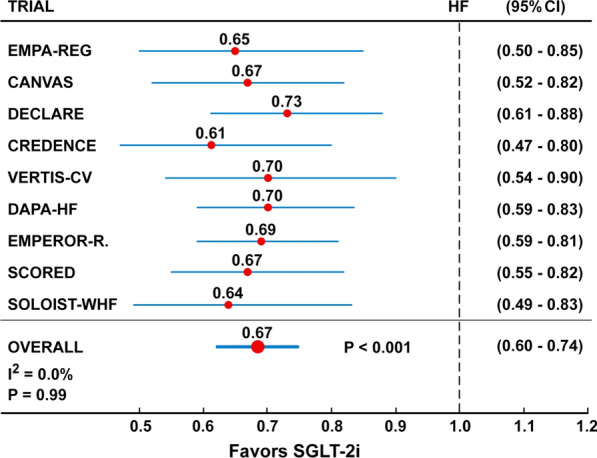
“2 months), the EMPEROR-Reduced trial [38] with empagliflozin (3730 patients with or without T2D and with HF randomized to empagliflozin or placebo and followed for a median of 16 months), the SCORED trial [34] with sotagliflozin (10 584 patients with T2D and DKD randomized to sotagliflozin or placebo and followed for…”
MethodCosentino, F., Grant, P. J., Aboyans, V., Bailey, C. J., Ceriello, A., Delgado, V., Federici, M., Filippatos, G., Grobbee, D. E., Hansen, T. B., et al. (2020) · European Heart Journal · doi:10.1093/eurheartj/ehz486 · Cited by 4,763
(2019) · doi:10.1161/cir.0000000000000677 · Cited by 4,501
Empagliflozin and Progression of Kidney Disease in Type 2 Diabetes
Wanner, C., Inzucchi, S. E., Lachin, J. M., Fitchett, D., von Eynatten, M., Mattheus, M., Johansen, O. E., Woerle, H. J., Broedl, U. C., & Zinman, B. (2016) · New England Journal of Medicine · doi:10.1056/nejmoa1515920 · Cited by 3,655 · cited 14×
“1 Meta-analysis evaluating the efficacy of SGLT-2i (empagliflozin, canagliflozin and dapagliflozin) on MACE according to basal eGFR values in four trials (EMPA-REG, CANVAS, DECLARE and CREDENCE) Fig.”
BackgroundInfluentialZelniker, T. A., Wiviott, S. D., Raz, I., Im, K., Goodrich, E. L., Bonaca, M. P., Mosenzon, O., Kato, E. T., Cahn, A., Furtado, R. H. M., et al. (2019) · The Lancet · doi:10.1016/s0140-6736(18)32590-x · Cited by 2,845 · cited 18×
“1 Meta-analysis evaluating the efficacy of SGLT-2i (empagliflozin, canagliflozin and dapagliflozin) on MACE according to basal eGFR values in four trials (EMPA-REG, CANVAS, DECLARE and CREDENCE) Fig.”
BackgroundMethodInfluentialEinarson, T. R., Acs, A., Ludwig, C., & Panton, U. H. (2018) · Cardiovascular Diabetology · doi:10.1186/s12933-018-0728-6 · Cited by 2,312 · cited 1×
“Cardiovascular events Overall, CVD affects approximately about 32% of all persons with T2D [25] in whom CV risk is mitigated primarily with statins and aspirin [26].”
BackgroundSotagliflozin in patients with diabetes and recent worsening heart failure
Bhatt, D. L., Szarek, M., Steg, P. G., Cannon, C. P., Leiter, L. A., McGuire, D. K., Lewis, J. B., Riddle, M. C., Voors, A. A., Metra, M., et al. (2021) · New England Journal of Medicine · doi:10.1056/nejmoa2030183 · Cited by 1,868 · cited 6×
“Since then, other outcome trials have been published: specifically, the VERTIS-CV trial [35] with ertugliflozin (8246 patients with T2D randomized to ertugliflozin or placebo and followed for a mean of 3.5 years), the DAPA-HF trial [36, 37] with dapagliflozin (4744 patients with or without T2D and with HF randomized t…”
MethodInfluentialCardiovascular outcomes with ertugliflozin in type 2 diabetes
Cannon, C. P., Pratley, R., Dagogo-Jack, S., Mancuso, J., Huyck, S., Masiukiewicz, U., Charbonnel, B., Frederich, R., Gallo, S., Cosentino, F., et al. (2020) · New England Journal of Medicine · doi:10.1056/nejmoa2004967 · Cited by 1,514 · cited 11×
“Since then, other outcome trials have been published: specifically, the VERTIS-CV trial [35] with ertugliflozin (8246 patients with T2D randomized to ertugliflozin or placebo and followed for a mean of 3.5 years), the DAPA-HF trial [36, 37] with dapagliflozin (4744 patients with or without T2D and with HF randomized t…”
BackgroundMethodInfluentialRisk factors, mortality, and cardiovascular outcomes in patients with type 2 diabetes
Rawshani, A., Rawshani, A., Franzén, S., Sattar, N., Eliasson, B., Svensson, A.-M., Zethelius, B., Miftaraj, M., McGuire, D. K., Rosengren, A., et al. (2018) · New England Journal of Medicine · doi:10.1056/nejmoa1800256 · Cited by 1,475 · cited 2×
“These US data are consistent with both Swedish [5] and UK [6] data indicating that patients with T2D who obtained the control of five variables to optimal values (hemoglobin A1c [A1C], total cholesterol or LDL-cholesterol, blood pressure, absence of albuminuria or triglycerides, and abstinence from smoking) were at hi…”
BackgroundResultFox, C. S., Matsushita, K., Woodward, M., Bilo, H. J., Chalmers, J., Heerspink, H. J. L., Lee, B. J., Perkins, R. M., Rossing, P., Sairenchi, T., et al. (2012) · The Lancet · doi:10.1016/s0140-6736(12)61350-6 · Cited by 1,401
Sotagliflozin in patients with diabetes and chronic kidney disease
Bhatt, D. L., Szarek, M., Pitt, B., Cannon, C. P., Leiter, L. A., McGuire, D. K., Lewis, J. B., Riddle, M. C., Inzucchi, S. E., Kosiborod, M. N., et al. (2021) · New England Journal of Medicine · doi:10.1056/nejmoa2030186 · Cited by 1,205
2019 ACC/AHA Guideline on the Primary Prevention of Cardiovascular Disease: Executive Summary
Arnett, D. K., Blumenthal, R. S., Albert, M. A., Buroker, A. B., Goldberger, Z. D., Hahn, E. J., Himmelfarb, C. D., Khera, A., Lloyd-Jones, D., McEvoy, J. W., et al. (2019) · Journal of the American College of Cardiology · doi:10.1016/j.jacc.2019.03.009 · Cited by 1,193
SGLT2 inhibitors and mechanisms of cardiovascular benefit: a state-of-the-art review
Verma, S., & McMurray, J. J. V. (2018) · Diabetologia · doi:10.1007/s00125-018-4670-7 · Cited by 999 · cited 1×
“The sodium-hydrogen exchanger hypothesis [50] claims that SLGT-2i may directly bind to and inhibit the sodium-hydrogen exchangers in the heart and kidney.”
BackgroundCV Protection in the EMPA-REG OUTCOME Trial: A “Thrifty Substrate” Hypothesis
Ferrannini, E., Mark, M., & Mayoux, E. (2016) · Diabetes Care · doi:10.2337/dc16-0330 · Cited by 975
Mechanisms of Cardiovascular Benefits of Sodium Glucose Co-Transporter 2 (SGLT2) Inhibitors
Lopaschuk, G. D., & Verma, S. (2020) · JACC: Basic to Translational Science · doi:10.1016/j.jacbts.2020.02.004 · Cited by 894 · cited 1×
“Moreover, the list of their cardiorenal protective effects is expanding and includes, among others, preventing adverse cardiac remodeling and ischemia/ reperfusion injury, increasing circulating hematopoietic progenitor cells, decreasing epicardial fat mass, decreasing oxidative stress and inflammation, increasing ery…”
BackgroundNeuen, B. L., Young, T., Heerspink, H. J. L., Neal, B., Perkovic, V., Billot, L., Mahaffey, K. W., Charytan, D. M., Wheeler, D. C., Arnott, C., et al. (2019) · The Lancet Diabetes & Endocrinology · doi:10.1016/s2213-8587(19)30256-6 · Cited by 893
Inzucchi, S. E., Zinman, B., Fitchett, D., Wanner, C., Ferrannini, E., Schumacher, M., Schmoor, C., Ohneberg, K., Johansen, O. E., George, J. T., et al. (2018) · Diabetes Care · doi:10.2337/dc17-1096 · Cited by 740 · cited 1×
“The smart diuretic hypothesis [51] suggests that the cardiorenal benefits observed with SGLT-2i are in part due to their more selective diuretic effects, leading to osmotic diuresis.”
BackgroundMosenzon, O., Wiviott, S. D., Cahn, A., Rozenberg, A., Yanuv, I., Goodrich, E. L., Murphy, S. A., Heerspink, H. J. L., Zelniker, T. A., Dwyer, J. P., et al. (2019) · The Lancet Diabetes & Endocrinology · doi:10.1016/s2213-8587(19)30180-9 · Cited by 684 · cited 1×
“Treatment with these SGLT2i could be useful for early [47] as well as late [48] prevention of DKD.”
BackgroundPetrie, M. C., Verma, S., Docherty, K. F., Inzucchi, S. E., Anand, I., Belohlávek, J., Böhm, M., Chiang, C.-E., Chopra, V. K., de Boer, R. A., et al. (2020) · JAMA · doi:10.1001/jama.2020.1906 · Cited by 531 · cited 1×
“The benefits of SGLT-2i on HF occur early after randomization, are independent of the glycemic status of patients and unrelated to glycemic control in patients with T2D [43].”
Background10. Cardiovascular Disease and Risk Management: Standards of Medical Care in Diabetes—2021
American Diabetes Association (2021) · Diabetes Care · doi:10.2337/dc21-s010 · Cited by 495
The tubular hypothesis of nephron filtration and diabetic kidney disease
Vallon, V., & Thomson, S. C. (2020) · Nature Reviews Nephrology · doi:10.1038/s41581-020-0256-y · Cited by 465 · cited 1×
“The tubule-centered hypothesis [52] asserts that tubular growth is associated with the development of a senescence-like molecular signature that sets the stage for inflammation and fibrosis; by attenuating the proximal reabsorption of sodium and glucose, SGLT-2i mitigate hyperfiltration and normalize tubule-glomerular…”
BackgroundAdherence to diabetes medication: a systematic review
Krass, I., Schieback, P., & Dhippayom, T. (2015) · Diabetic Medicine · doi:10.1111/dme.12651 · Cited by 453
Nassif, M. E., Windsor, S. L., Tang, F., Khariton, Y., Husain, M., Inzucchi, S. E., McGuire, D. K., Pitt, B., Scirica, B. M., Austin, B., et al. (2019) · Circulation · doi:10.1161/circulationaha.119.042929 · Cited by 424 · cited 1×
“For example, dapagliflozin did not produce a meaningful decline in natriuretic peptides in a smaller mechanistic study in patients with HF with reduced ejection fraction [55], suggesting that enhanced diuresis and decongestion may not be a primary driver of the reduced risk of outcomes seen in DAPA-HF trial [36].”
BackgroundPotential overtreatment of diabetes mellitus in older adults with tight glycemic control
Lipska, K. J., Ross, J. S., Miao, Y., Shah, N. D., Lee, S. J., & Steinman, M. A. (2015) · JAMA Internal Medicine · doi:10.1001/jamainternmed.2014.7345 · Cited by 408 · cited 1×
“Finally, tight glycemic control, especially in older patients with multiple medical conditions, is associated with an increased risk of hypoglycemia [13, 14], which may further increase CV risk [15].”
BackgroundTrends in drug utilization, glycemic control, and rates of severe hypoglycemia, 2006–2013
Lipska, K. J., Yao, X., Herrin, J., McCoy, R. G., Ross, J. S., Steinman, M. A., Inzucchi, S. E., Gill, T. M., Krumholz, H. M., & Shah, N. D. (2017) · Diabetes Care · doi:10.2337/dc16-0985 · Cited by 306 · cited 1×
“What’s the road ahead? Despite treatment for T2D changed markedly in the last two decades, including the use of new medications and combined therapies, overall glycemic control has not improved as much as expected [65].”
Background10. Microvascular Complications and Foot Care: Standards of Medical Care in Diabetes—2018
American Diabetes Association (2018) · Diabetes Care · doi:10.2337/dc18-s010 · Cited by 302
Das, S. R., Everett, B. M., Birtcher, K. K., Brown, J. M., Cefalu, W. T., Januzzi, J. L., Kalyani, R. R., Kosiborod, M., Magwire, M. L., Morris, P. B., et al. (2018) · Journal of the American College of Cardiology · doi:10.1016/j.jacc.2018.09.020 · Cited by 300
Type 2 Diabetes in the Real World: The Elusive Nature of Glycemic Control
Edelman, S. V., & Polonsky, W. H. (2017) · Diabetes Care · doi:10.2337/dc16-1974 · Cited by 285 · cited 1×
“Medication non-adherence may also contribute for up to 75% to the gap between clinical efficacy from randomized controlled trials and real world results in lowering A1C levels [23, 24].”
BackgroundResurgence in Diabetes-Related Complications
Gregg, E. W., Hora, I., & Benoit, S. R. (2019) · JAMA · doi:10.1001/jama.2019.3471 · Cited by 254 · cited 1×
“Introduction In the first half of the past decade, hospitalization for major diabetes complications, including myocardial infarction (MI), stroke, lower-extremity amputation, and end-stage kidney disease (ESKD), has increased substantially, subtracting much of the benefits obtained during the years between 1990 and 20…”
BackgroundUS life expectancy stalls due to cardiovascular disease, not drug deaths
Mehta, N. K., Abrams, L. R., & Myrskylä, M. (2020) · Proceedings of the National Academy of Sciences · doi:10.1073/pnas.1920391117 · Cited by 240 · cited 1×
“has declined since 2014 [7], which has been attributed, in part, to increased prevalence of underlying cardiometabolic risk factors, including obesity and diabetes.”
Background12. Older Adults:Standards of Medical Care in Diabetes—2020
American Diabetes Association (2020) · Diabetes Care · doi:10.2337/dc20-s012 · Cited by 223
Martinez, F. A., Serenelli, M., Nicolau, J. C., Petrie, M. C., Chiang, C.-E., Tereshchenko, S., Solomon, S. D., Inzucchi, S. E., Køber, L., Kosiborod, M. N., et al. (2020) · Circulation · doi:10.1161/circulationaha.119.044133 · Cited by 210
Ryan, P. B., Buse, J. B., Schuemie, M. J., DeFalco, F., Yuan, Z., Stang, P. E., Berlin, J. A., & Rosenthal, N. (2018) · Diabetes, Obesity and Metabolism · doi:10.1111/dom.13424 · Cited by 201 · cited 1×
“The results of post-hoc analyses [58, 59] or real-world databases [71] are reassuring about both the efficacy and safety of SGLT-2i in older patients with T2D, for whom the choice of the optimal drug is often limited by subjective (health state of patient) and objective (side effects of the antihyperglycemic drug) con…”
BackgroundSchernthaner, G., Shehadeh, N., Ametov, A. S., Bazarova, A. V., Ebrahimi, F., Fasching, P., Janež, A., Kempler, P., Konrāde, I., Lalić, N. M., et al. (2020) · Cardiovascular Diabetology · doi:10.1186/s12933-020-01154-w · Cited by 164 · cited 1×
“It is sad to acknowledge that, despite the continuing accumulation of data regarding the benefits of SGLT2i which are incorporated in newly updated guidelines, many eligible patients with T2D are still not receiving these agents, depriving them of protection against the progression of avoidable cardiorenal complicatio…”
BackgroundCarls, G. S., Tuttle, E., Tan, R.-D., Huynh, J., Yee, J., Edelman, S. V., & Polonsky, W. H. (2017) · Diabetes Care · doi:10.2337/dc16-2725 · Cited by 153
Langan, D., Higgins, J. P. T., & Simmonds, M. (2017) · Research Synthesis Methods · doi:10.1002/jrsm.1198 · Cited by 149 · cited 1×
“Pooled summary estimates were calculated according to the random effects model, using the empirical Bayes method [40].”
MethodEfficacy and Safety of Dapagliflozin in the Elderly: Analysis From the DECLARE–TIMI 58 Study
Cahn, A., Mosenzon, O., Wiviott, S. D., Rozenberg, A., Yanuv, I., Goodrich, E. L., Murphy, S. A., Bhatt, D. L., Leiter, L. A., McGuire, D. K., et al. (2020) · Diabetes Care · doi:10.2337/dc19-1476 · Cited by 136 · cited 17×
“The percentage of diabetic patients ≥ 65 years ranged from 44.5% (EMPAREG), to 46% (DECLARE), to 60% (CANVAS).”
BackgroundMethodInfluentialEfficacy and safety of empagliflozin in older patients in the EMPA-REG OUTCOME® trial
Monteiro, P., Bergenstal, R. M., Toural, E., Inzucchi, S. E., Zinman, B., Hantel, S., Kiš, S. G., Kaspers, S., George, J. T., & Fitchett, D. (2019) · Age and Ageing · doi:10.1093/ageing/afz096 · Cited by 133 · cited 16×
“1 Meta-analysis evaluating the efficacy of SGLT-2i (empagliflozin, canagliflozin and dapagliflozin) on MACE according to basal eGFR values in four trials (EMPA-REG, CANVAS, DECLARE and CREDENCE) Fig.”
BackgroundMethodResultInfluentialCheng, Y. J., Imperatore, G., Geiss, L. S., Saydah, S. H., Albright, A. L., Ali, M. K., & Gregg, E. W. (2018) · Diabetes Care · doi:10.2337/dc18-0831 · Cited by 122
Wright, A. K., Suarez-Ortegon, M. F., Read, S. H., Kontopantelis, E., Buchan, I., Emsley, R., Sattar, N., Ashcroft, D. M., Wild, S. H., & Rutter, M. K. (2020) · Circulation · doi:10.1161/circulationaha.120.046783 · Cited by 117 · cited 2×
“These US data are consistent with both Swedish [5] and UK [6] data indicating that patients with T2D who obtained the control of five variables to optimal values (hemoglobin A1c [A1C], total cholesterol or LDL-cholesterol, blood pressure, absence of albuminuria or triglycerides, and abstinence from smoking) were at hi…”
BackgroundResultAndreadou, I., Bell, R. M., Bøtker, H. E., & Zuurbier, C. J. (2020) · Biochimica et Biophysica Acta (BBA) - Molecular Basis of Disease · doi:10.1016/j.bbadis.2020.165770 · Cited by 105
A safety update on sodium glucose co-transporter 2 inhibitors
Fitchett, D. (2019) · Diabetes, Obesity and Metabolism · doi:10.1111/dom.13611 · Cited by 99 · cited 1×
“However, SGLT-2i have also been associated with a variety of adverse effects [73], inducing both the FDA and EMA to publish specific warnings regarding an increased risk of lower-limb amputation, diabetic ketoacidosis, bone fracture, acute renal injury and Fournier gangrene.”
BackgroundGiugliano, D., Maiorino, M. I., Bellastella, G., Chiodini, P., & Esposito, K. (2019) · Journal of the American Heart Association · doi:10.1161/jaha.119.012356 · Cited by 99 · cited 1×
“the risk of vascular event that persists high to very high after intensive glucose control despite the attainment of near‐to‐normal A1C targets [10, 11].”
BackgroundSelf-citationDocherty, K. F., Jhund, P. S., Anand, I., Bengtsson, O., Böhm, M., de Boer, R. A., DeMets, D. L., Desai, A. S., Drozdz, J., Howlett, J., et al. (2020) · Circulation · doi:10.1161/circulationaha.120.047480 · Cited by 95 · cited 1×
“5 years), the DAPA-HF trial [36, 37] with dapagliflozin (4744 patients with or without T2D and with HF randomized to dapagliflozin or placebo and followed for a median of 18.”
BackgroundTrends in hospital admissions for hypoglycaemia in England: a retrospective, observational study
Zaccardi, F., Davies, M. J., Dhalwani, N. N., Webb, D. R., Housley, G., Shaw, D. E., Hatton, J. W., & Khunti, K. (2016) · The Lancet Diabetes & Endocrinology · doi:10.1016/s2213-8587(16)30091-2 · Cited by 80 · cited 1×
“Finally, tight glycemic control, especially in older patients with multiple medical conditions, is associated with an increased risk of hypoglycemia [13, 14], which may further increase CV risk [15].”
BackgroundNeuen, B. L., Arnott, C., Perkovic, V., Figtree, G., de Zeeuw, D., Fulcher, G., Jun, M., Jardine, M. J., Zoungas, S., Pollock, C., et al. (2021) · Diabetes, Obesity and Metabolism · doi:10.1111/dom.14226 · Cited by 78 · cited 1×
“The accumulated evidence suggests that SGLT-2i should be considered for control of hyperglycemia in patients with T2D, particularly in those with established CVD, given that they reduce the risk of MACE, hospitalization for HF and progression of DKD, regardless of whether patients are receiving or not metformin [66].”
BackgroundGlycemic control in type 2 diabetes: from medication nonadherence to residual vascular risk
Giugliano, D., Maiorino, M. I., Bellastella, G., & Esposito, K. (2018) · Endocrine · doi:10.1007/s12020-017-1517-9 · Cited by 66 · cited 1×
“the risk of vascular event that persists high to very high after intensive glucose control despite the attainment of near‐to‐normal A1C targets [10, 11].”
BackgroundSelf-citationSodium–Glucose Cotransporter–2 (SGLT-2) Inhibitors and the Treatment of Type 2 Diabetes
Kramer, C. K., & Zinman, B. (2018) · Annual Review of Medicine · doi:10.1146/annurev-med-042017-094221 · Cited by 62 · cited 1×
“SGLT‐2 inhibitors Sodium-glucose cotransporter 2 inhibitors (SGLT-2i) are a new class of orally active drugs approved for the management of T2D [18].”
BackgroundGiugliano, D., Longo, M., Maiorino, M. I., Bellastella, G., Chiodini, P., Solerte, S. B., & Esposito, K. (2020) · Diabetes Research and Clinical Practice · doi:10.1016/j.diabres.2020.108114 · Cited by 59 · cited 1×
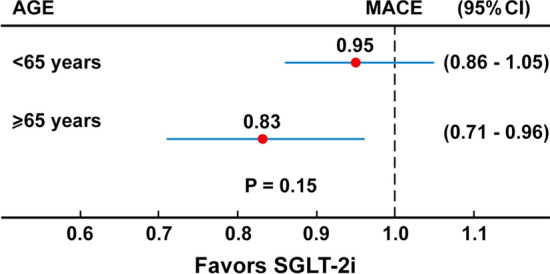
“Figure 3 shows the results of a meta-analysis [60] on the effects of three SGLT-2i of the risk of MACE stratified by age (< 65 years vs ≥ 65 years).”
BackgroundSelf-citationBirkeland, K. I., Bodegård, J., Banerjee, A., Kim, D. J., Norhammar, A., Eriksson, J. W., Thuresson, M., Okami, S., Ha, K. H., Kossack, N., et al. (2020) · Diabetes Obesity and Metabolism · doi:10.1111/dom.14189 · Cited by 59 · cited 1×
“For instance, in a multinational observational study [72] including 1,006,577 new users of SGLT-2i or dipeptidyl peptidase-4 inhibitors (DPP-4i), the use of SGLT-2i was associated with a lower risk of HF and CKD versus DPP-4i in patients with T2D otherwise free from both cardiovascular and renal disease.”
BackgroundHuang, C., & Lee, J. (2020) · Diabetes, Obesity and Metabolism · doi:10.1111/dom.14159 · Cited by 57 · cited 1×
“However, a recent meta-analysis [75] of six trials (EMPA-REG, CANVAS, CREDENCE, DECLARE, DAPA-HF, VERTIS-CV) show that SGLT-2i were not significantly associated with an increased risk of amputation, including subgroups with or without established peripheral artery disease.”
BackgroundThe Impact of Hypoglycemia on the Cardiovascular System: Physiology and Pathophysiology
Yang, S., Park, K., & Zhou, Y.-J. (2016) · Angiology · doi:10.1177/0003319715623400 · Cited by 55 · cited 1×
“Finally, tight glycemic control, especially in older patients with multiple medical conditions, is associated with an increased risk of hypoglycemia [13, 14], which may further increase CV risk [15].”
BackgroundVaduganathan, M., Greene, S. J., Zhang, S., Grau‐Sepulveda, M. V., DeVore, A. D., Butler, J., Heidenreich, P. A., Huang, J., Kittleson, M. M., Maddox, K. E. J., et al. (2020) · JAMA Cardiology · doi:10.1001/jamacardio.2020.5864 · Cited by 55 · cited 1×
“For instance, it has been calculated that about 80% of patients with HF and reduced ejection fraction would be potentially eligible for initiation of dapagliflozin based on the US Food and Drug Administration label, and independent of the presence of T2D [45].”
BackgroundHeart failure and type 2 diabetes: From cardiovascular outcome trials, with hope
Giugliano, D., Meier, J. J., & Esposito, K. (2019) · Diabetes, Obesity and Metabolism · doi:10.1111/dom.13629 · Cited by 52 · cited 2×
“Glycemic control is not enough Only 9% of the risk of MACE (major adverse cardiovascular events) is eliminated after achievement of the best possible glycemic control in patients with T2D and the risk of HF is not influenced at all [2].”
BackgroundSelf-citationOlesen, K. K. W., Madsen, M., Egholm, G., Thim, T., Jensen, L. O., Raungaard, B., Bøtker, H. E., Sørensen, H. T., & Maeng, M. (2017) · Diabetes Care · doi:10.2337/dc16-2388 · Cited by 51 · cited 1×
“Cardiovascular events Overall, CVD affects approximately about 32% of all persons with T2D [25] in whom CV risk is mitigated primarily with statins and aspirin [26].”
BackgroundGordon, J. P., McEwan, P. C., IDRIS, I. R., Evans, M., & Puelles, J. (2018) · BMJ Open Diabetes Research & Care · doi:10.1136/bmjdrc-2018-000512 · Cited by 51 · cited 1×
“[22] used the real-world data from 33,849 patients with T2D in UK and found that antihyperglycemic drugs associated with weight loss and lower incidence of hypoglycemia were generally associated with better medication adherence, which in turn was related to improved glycemic control.”
MethodClass effect for SGLT-2 inhibitors: a tale of 9 drugs
Giugliano, D., & Esposito, K. (2019) · Cardiovascular Diabetology · doi:10.1186/s12933-019-0899-9 · Cited by 49 · cited 2×
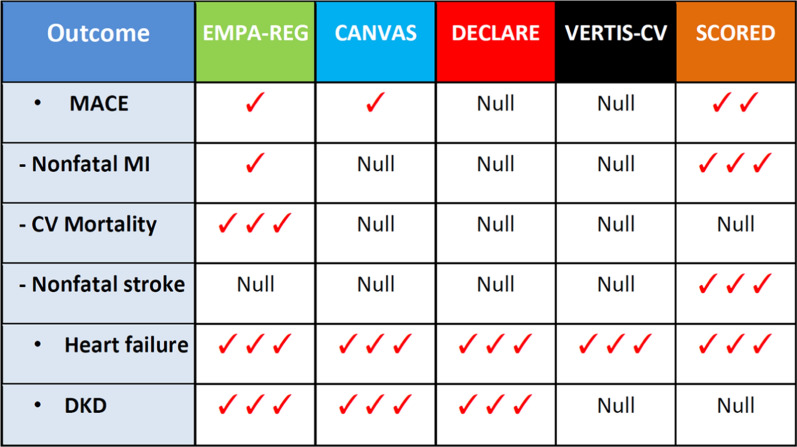
“In order to make the concept of a class more stringent, we have assumed that a class effect is paramount when an effect on a particular outcome is present and is significant for each drug within the class of SGLT-2i [19].”
BackgroundSelf-citationGiugliano, D., Bellastella, G., Longo, M., Scappaticcio, L., Maiorino, M. I., Chiodini, P., & Esposito, K. (2020) · Diabetes, Obesity and Metabolism · doi:10.1111/dom.14047 · Cited by 43 · cited 18×
“1 Meta-analysis evaluating the efficacy of SGLT-2i (empagliflozin, canagliflozin and dapagliflozin) on MACE according to basal eGFR values in four trials (EMPA-REG, CANVAS, DECLARE and CREDENCE) Fig.”
BackgroundMethodSelf-citationAbdelhafiz, A. H., & Sinclair, A. J. (2020) · Journal of Diabetes and its Complications · doi:10.1016/j.jdiacomp.2020.107639 · Cited by 40 · cited 1×
“and orthostatic hypotension) [74], or those with previous limb ulcers or history of amputation.”
BackgroundGiugliano, D., Nicola, L. D., Maiorino, M. I., Bellastella, G., Garofalo, C., Chiodini, P., Ceriello, A., & Esposito, K. (2020) · Cardiovascular Diabetology · doi:10.1186/s12933-020-01010-x · Cited by 35 · cited 1×
“In the SCORED trial [33], diarrhea, genital mycotic infections, volume depletion, and diabetic ketoacidosis occurred more with sotagliflozin than placebo.”
BackgroundSelf-citationCintra, R. M. R., Moura, F. A., de Carvalho, L. S. F., Barreto, J., Tambascia, M. A., Pecoits‐Filho, R., & Sposito, A. C. (2019) · Revista da Associação Médica Brasileira · doi:10.1590/1806-9282.65.1.70 · Cited by 32 · cited 1×
“In older patients, treatment with SGLT-2i is effective at lowering glucose, body weight and systolic blood pressure, as shown in a meta-analysis of post-hoc studies in which the median age of patients was > 60 years [56].”
ResultContemporary Management of Heart Failure in Patients With Diabetes
Shaw, J. A., & Cooper, M. E. (2020) · Diabetes Care · doi:10.2337/dc20-2173 · Cited by 32 · cited 1×
“The results of the present meta-analysis gives further support for the use of SGLT-2i to provide symptomatic improvement in HF symptoms and hospital presentations, as well as deaths, in subjects both with and without T2D [42].”
ResultImproving Care for Heart Failure With Reduced Ejection Fraction—A Potential Polypill-Based Strategy
Agarwal, A., Yancy, C. W., & Huffman, M. D. (2020) · JAMA · doi:10.1001/jama.2020.21395 · Cited by 31
Use of sodium–glucose cotransporter 2 inhibitors in older patients with type 2 diabetes mellitus
Kambara, T., Shibata, R., Osanai, H., Nakashima, Y., Asano, H., Sakai, K., Murohara, T., & Ajioka, M. (2017) · Geriatrics and gerontology international/Geriatrics & gerontology international · doi:10.1111/ggi.13149 · Cited by 29 · cited 1×
“On the other hand, specific trials that evaluated both the efficacy and safety of SGLT-2i in older patients with T2D, especially in those > 75 years, are still lacking and only very limited data are available from observational studies [57].”
BackgroundNeuen, B. L., Jardine, M., & Perkovic, V. (2020) · Nephrology Dialysis Transplantation · doi:10.1093/ndt/gfz252 · Cited by 28 · cited 1×
“Moreover, evidence from completed trials also indicates that patients with T2D and with lower levels of eGFR and higher levels of albuminuria are among those who stand to gain the greatest absolute benefits [70].”
BackgroundSelective estrogen receptor modulators—A new age of estrogens in cardiovascular disease?
Guzzo, J. A. (2000) · Clinical Cardiology · doi:10.1002/clc.4960230104 · Cited by 26
Class effects and evidence-based medicine
Furberg, C. D. (2000) · Clinical Cardiology · doi:10.1002/clc.4960230705 · Cited by 23 · cited 1×
“Class effect of SGLT‐2i The definition of class effect for a drug may be based on three concepts: a similar chemical structure, a similar mechanism of action and similar pharmacological effects [62].”
BackgroundGiugliano, D., Ceriello, A., De Nicola, L., Perrone‐Filardi, P., Cosentino, F., & Esposito, K. (2020) · Diabetes, Obesity and Metabolism · doi:10.1111/dom.13881 · Cited by 22 · cited 1×
“Accordingly, the CV risk in patients with T2D may range from the highest risk in patients who experienced a previous CV event, to a mild risk in patients with the main risk factors within target ranges, a very small category of about 5%-6% of patients [5, 6, 63, 64].”
BackgroundSelf-citationBarer, Y., Cohen, O., & Cukierman‐Yaffe, T. (2018) · Diabetes Obesity and Metabolism · doi:10.1111/dom.13581 · Cited by 16
Suissa, M., Yin, H., Yu, O. H. Y., Wong, S. M., & Azoulay, L. (2020) · Diabetes Care · doi:10.2337/dc20-1073 · Cited by 16 · cited 1×
“Moreover, the results of a large population-based cohort study [76] indicate that use of SGLT-2i is not associated with an overall increased risk of breast cancer compared with DPP-4 inhibitors, at least in the short term (median follow-up 2.”
ResultSacre, J. W., Magliano, D. J., & Shaw, J. E. (2020) · Diabetes Care · doi:10.2337/dc20-0654 · Cited by 15
Giugliano, D., Maiorino, M. I., Bellastella, G., & Esposito, K. (2018) · Diabetes Care · doi:10.2337/dc17-1826 · Cited by 5
Self-citationBirkeland, K. I., Bodegård, J., Banerjee, A., Kim, D. J., Norhammar, A., Eriksson, J. W., Thuresson, M., Okami, S., Ha, K. H., Kossack, N., et al. (2020) · Publons reviews and discussion · doi:10.1111/dom.14189/v2/response1 · Cited by 1
Research works printed but not linked: 1
- Heerspink HJL Stefánsson BV Correa-Rotter R Dapagliflozin in patients with chronic kidney disease N Engl J Med 2020 383 1436 1446 10.1056/NEJMoa2024816 32970396 · DOI · Paper page
Cited by
Yun, J.-S., & Ko, S.-H. (2021) · Metabolism · doi:10.1016/j.metabol.2021.154838 · Cited by 292
Giugliano, D., Scappaticcio, L., Longo, M., Caruso, P., Maiorino, M. I., Bellastella, G., Ceriello, A., Chiodini, P., & Esposito, K. (2021) · Cardiovascular Diabetology · doi:10.1186/s12933-021-01366-8 · Cited by 263
“Because the prevalence of CVD in the population with T2DM is around 32% [33], at least one fourth of the average patient with T2DM is possible a candidate for the use of the GLP-1RA, or sodium-glucose transporter-2 inhibitors [34], to improve the MACE outcome.”
BackgroundSelf-citationThe current role of sodium-glucose cotransporter 2 inhibitors in type 2 diabetes mellitus management
Xu, B., Li, S., Kang, B., & Zhou, J. (2022) · Cardiovascular Diabetology · doi:10.1186/s12933-022-01512-w · Cited by 190
Giugliano, D., Longo, M., Scappaticcio, L., Bellastella, G., Maiorino, M. I., & Esposito, K. (2021) · Cardiovascular Diabetology · doi:10.1186/s12933-021-01430-3 · Cited by 107
Self-citationMascolo, A., Scavone, C., Scisciola, L., Chiodini, P., Capuano, A., & Paolisso, G. (2021) · Pharmacological Research · doi:10.1016/j.phrs.2021.105836 · Cited by 60
Metadata
- Authors
- Giugliano, D., Longo, M., Scappaticcio, L., Caruso, P., & Esposito, K.
- Affiliations
- University of Campania "Luigi Vanvitelli" (IT)
- Corresponding author
- Giugliano, Dario
- Venue
- Cardiovascular Diabetology
- Published
- 2021-01-11
- Volume
- 20
- Issue
- 1
- Pages
- 17-17
- ISSN
- 1475-2840 (ISSN-L)
- PMC
- PMC7798345
- OpenAlex
- W3119719361
- Cited by
- 48
- References
- 80
- Citations by year
- 2026: 3 · 2025: 7 · 2024: 6 · 2023: 3 · 2022: 14 · 2021: 15
- FWCI
- 1.46
- Type
- journal article
- Language
- en
- Open access
- gold
- doi.org
- Licence
- cc-by
- creativecommons.org/licenses/by/4.0/ (tdm)
- creativecommons.org/licenses/by/4.0/ (vor)
- Locations
- Cardiovascular Diabetology (publishedVersion, cc-by)
- Europe PMC (PubMed Central) (publishedVersion, other-oa)
- PubMed Central (publishedVersion, cc-by)
- PubMed (publishedVersion)
- DOAJ (DOAJ: Directory of Open Access Journals) (submittedVersion, cc-by-sa)
- Archivio Istituzionale della Ricerca - Università degli Studi della Campania "Luigi Vanvitelli" (submittedVersion)
- Funders
- Associazione Salute con Stile
- Topics
- Health Sciences › Medicine › Endocrinology, Diabetes and Metabolism › Diabetes Treatment and Management
- Health Sciences › Medicine › Nephrology › Chronic Kidney Disease and Diabetes
- Health Sciences › Medicine › Cardiology and Cardiovascular Medicine › Heart Failure Treatment and Management
- Keywords
- SGLT2 inhibitors, type 2 diabetes, cardiorenal complications, major adverse cardiovascular events, heart failure hospitalization, renal outcomes, end-stage renal disease, primary prevention, secondary prevention, age, older adults, glucose-lowering medications
- MeSH terms
- Sodium-Glucose Transporter 2 Inhibitors, Glycemic Control, Blood Glucose, Diabetes Mellitus, Type 2, Diabetic Nephropathies, Heart Failure, Glycated Hemoglobin, Humans, Primary Prevention, Risk Factors, Biomarkers, Treatment Outcome, Risk Assessment, Secondary Prevention, Diabetic Cardiomyopathies
About these checks
Registry, retraction, Cites and statistics results are computed, not judged, with one exception: a printed reference that no index lists is read once by a model before it counts as a citation error. Claims are extracted by a model and kept only when their quote appears verbatim in the text; each cited source is then checked, with a model’s help, for whether it says what the claim relies on. Those verdicts can be wrong — read the claim’s quote and the cited source before relying on one.
Statistics and arithmetic are recomputed, not judged.
Confidence bands are shown only for fields calibrated on our annotated test set. None is calibrated yet, so no band is shown.
What counts as a claim ›How we measure confidence ›How we check this ›
Are you an author, or do you see a problem with this page? Request a review
Data sources
Bibliographic data: Semantic Scholar, OpenAlex, Crossref.
Contains information from the Semantic Scholar Academic Graph Datasets, made available under the ODC Attribution License (ODC-BY 1.0).
Semantic Scholar’s data is described in: Kinney, R., et al. (2023). The Semantic Scholar Open Data Platform. arXiv:2301.10140.
