

The DOI matches its Crossref record; 210 of the 216 references it cites were found in a registry or an index.
Postbiotics-parabiotics: the new horizons in microbial biotherapy and functional foods
Open accessAbstract
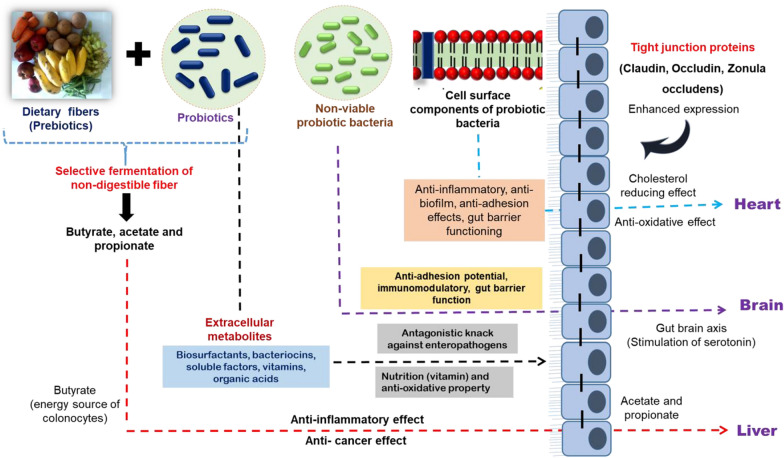
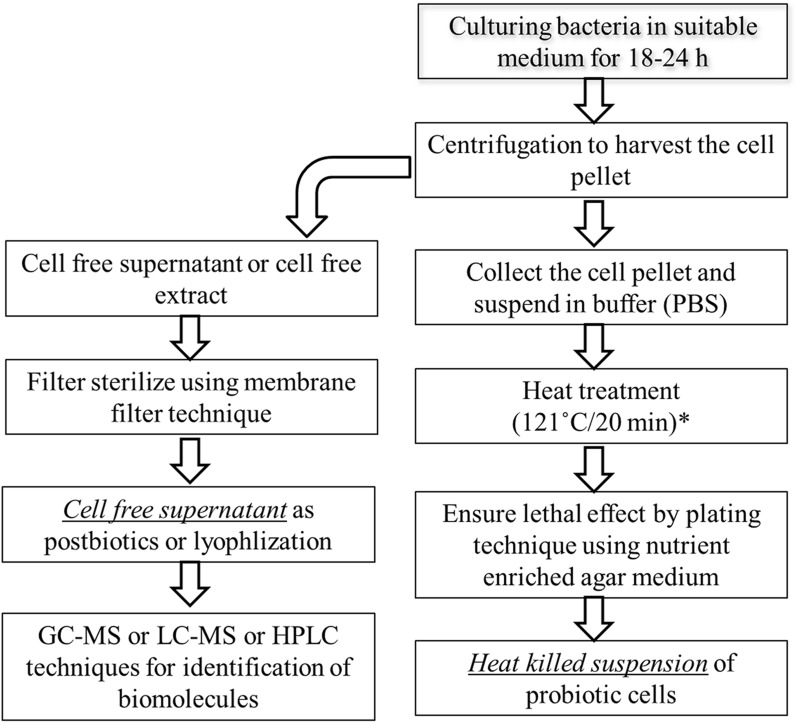
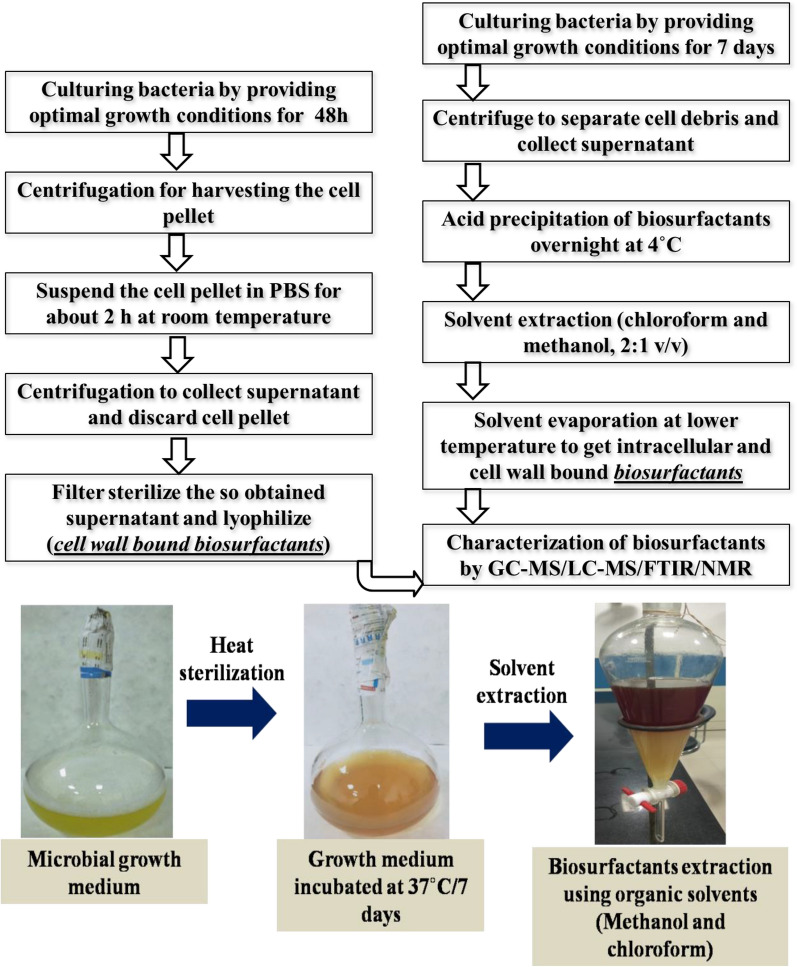
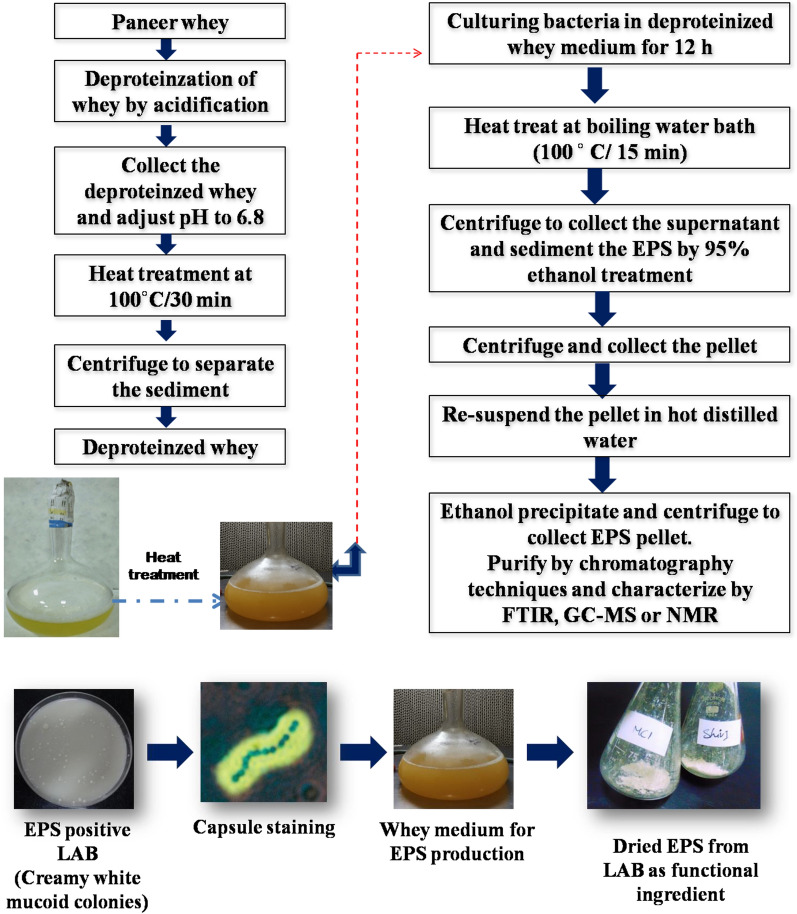
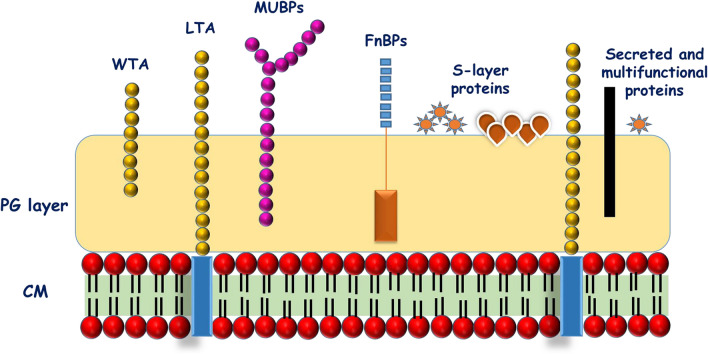
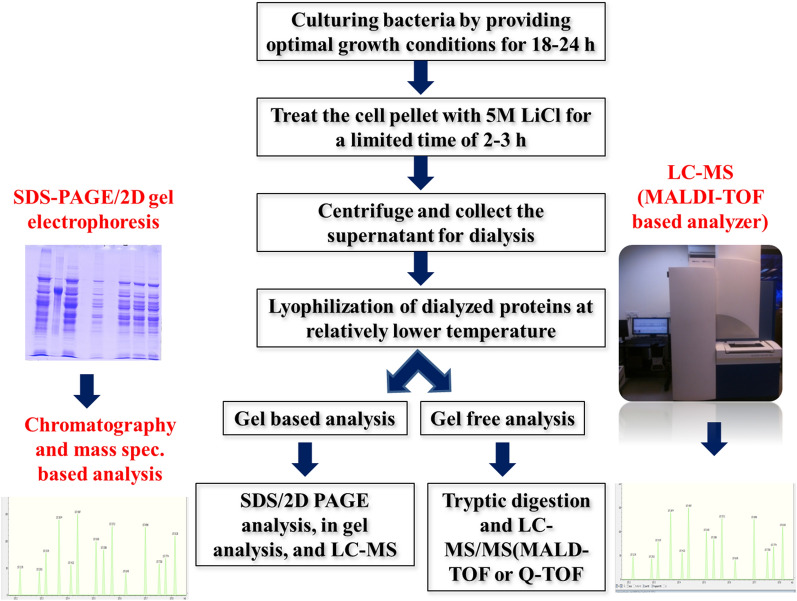
Probiotics have several health benefits by modulating gut microbiome; however, techno-functional limitations such as viability controls have hampered their full potential applications in the food and pharmaceutical sectors. Therefore, the focus is gradually shifting from viable probiotic bacteria towards non-viable paraprobiotics and/or probiotics derived biomolecules, so-called postbiotics. Paraprobiotics and postbiotics are the emerging concepts in the functional foods field because they impart an array of health-promoting properties. Although, these terms are not well defined, however, for time being these terms have been defined as here. The postbiotics are the complex mixture of metabolic products secreted by probiotics in cell-free supernatants such as enzymes, secreted proteins, short chain fatty acids, vitamins, secreted biosurfactants, amino acids, peptides, organic acids, etc. While, the paraprobiotics are the inactivated microbial cells of probiotics (intact or ruptured containing cell components such as peptidoglycans, teichoic acids, surface proteins, etc.) or crude cell extracts (i.e. with complex chemical composition)". However, in many instances postbiotics have been used for whole category of postbiotics and parabiotics. These elicit several advantages over probiotics like; (i) availability in their pure form, (ii) ease in production and storage, (iii) availability of production process for industrial-scale-up, (iv) specific mechanism of action, (v) better accessibility of Microbes Associated Molecular Pattern (MAMP) during recognition and interaction with Pattern Recognition Receptors (PRR) and (vi) more likely to trigger only the targeted responses by specific ligand-receptor interactions. The current review comprehensively summarizes and discussed various methodologies implied to extract, purify, and identification of paraprobiotic and postbiotic compounds and their potential health benefits.
Overview
The claims and statistics of this paper haven’t been checked yet.
Run the check — free, no account needed. It reads the open-access text and checks the sources it cites.
Integrity signals
Registry
Cites
Statistics
Figures
Verification
Claims the paper makes
The claims and statistics of this paper haven’t been checked yet.
Run the check — free, no account needed. It reads the open-access text and checks the sources it cites.
Claims other papers make about this one
Each is checked against this paper’s own text: does it say what the citing paper says it does?
The source backs part of the claim, not all of it — or backs it for a different population, condition or comparison.
In the citing paper
“Several LAB species, particularly those of the genus Lactobacillus, are capable of producing EPSs, and some of the EPSs identified to date by LAB have been shown to have biological functions, such as free radical scavenging, free cholesterol binding, gut microbiota modulation, antitumor, antimicrobial, and antibiofilm properties [8,15,16].”
From Analysis of Chemical Structure and Antibiofilm Properties of Exopolysaccharides from Lactiplantibacillus plantarum EIR/IF-1 Postbiotics (2022) · cites this paper as [8]
Experimental — accuracy not yet measuredThe cited source says what the claim attributes to it.
In the citing paper
“Several LAB species, particularly those of the genus Lactobacillus, are capable of producing EPSs, and some of the EPSs identified to date by LAB have been shown to have biological functions”
From Analysis of Chemical Structure and Antibiofilm Properties of Exopolysaccharides from Lactiplantibacillus plantarum EIR/IF-1 Postbiotics (2022) · cites this paper as [8]
Self-check
Percentages, sums and reported differences re-computed from the paper’s own numbers.
The self-check needs the paper’s full text.
Citations
Cites
Hill (2014) · doi:10.1038/nrgastro.2014.66 · Cited by 9,592
Gibson, G. R., Hutkins, R., Sanders, M. E., Prescott, S. L., Reimer, R. A., Salminen, S. J., Scott, K., Stanton, C., Swanson, K. S., Cani, P. D., et al. (2017) · Nature Reviews Gastroenterology & Hepatology · doi:10.1038/nrgastro.2017.75 · Cited by 5,634
Parada Venegas, D., De la Fuente, M. K., Landskron, G., González, M. J., Quera, R., Dijkstra, G., Harmsen, H. J. M., Faber, K. N., & Hermoso, M. A. (2019) · Frontiers in Immunology · doi:10.3389/fimmu.2019.00277 · Cited by 3,820
Peptidoglycan structure and architecture
Vollmer, W., Blanot, D., & de Pedro, M. A. (2008) · FEMS Microbiology Reviews · doi:10.1111/j.1574-6976.2007.00094.x · Cited by 2,355
Global burden of disease in young people aged 10–24 years: a systematic analysis
Gore, F. M., Bloem, P. J., Patton, G. C., Ferguson, J., Joseph, V., Coffey, C., Sawyer, S. M., & Mathers, C. D. (2011) · The Lancet · doi:10.1016/s0140-6736(11)60512-6 · Cited by 2,301
Peng, L., Li, Z.-R., Green, R. S., Holzmanr, I. R., & Lin, J. (2009) · The Journal of Nutrition · doi:10.3945/jn.109.104638 · Cited by 2,130
The pros, cons, and many unknowns of probiotics
Suez, J., Zmora, N., Segal, E., & Elinav, E. (2019) · Nature Medicine · doi:10.1038/s41591-019-0439-x · Cited by 1,398
Probiotics, gut microbiota, and their influence on host health and disease
Sánchez, B., Delgado, S., Blanco‐Míguez, A., Lourenço, A., Gueimonde, M., & Margolles, A. (2017) · Molecular Nutrition & Food Research · doi:10.1002/mnfr.201600240 · Cited by 1,104
Postbiotics: An Evolving Term within the Functional Foods Field
Aguilar-Toalá, J. E., Garcia-Varela, R., Garcia, H. S., Mata-Haro, V., González-Córdova, A. F., Vallejo-Cordoba, B., & Hernández-Mendoza, A. (2018) · Trends in Food Science & Technology · doi:10.1016/j.tifs.2018.03.009 · Cited by 1,078
Next-generation probiotics: the spectrum from probiotics to live biotherapeutics
O’Toole, P. W., Marchesi, J. R., & Hill, C. (2017) · Nature Microbiology · doi:10.1038/nmicrobiol.2017.57 · Cited by 971 · cited 1×
“However, Bacteroides and Clostridium genera are emerging as next-generation probiotics irrespective of their safety issues [17].”
Background
Research works printed but not linked: 10
- Deshpande G, Athalye-Jape G, Patole S. Para-probiotics for preterm neonates. Next Front Nutr. 2018;10:E871.
- Kaur HP, Prasad B, Kaur S. A review on applications of biosurfactants produced from unconventional inexpensive wastes in food and agriculture Industry. World J Pharm Res. 2015;4:827–42.
- Fracchia L, Cavallo M, Allegrone G, Martinotti MG. A Lactobacillus-derived biosurfactant inhibits biofilm formation of human pathogenic Candida albicans biofilm producers. Appl Microbiol Biotechnol. 2010;2:827–37.
- Kattke M, Gosschalk J, Clubb R. Structural, biochemical, and cellular studies of TarA, the novel wall teichoic acid glycosyltransferase, for the discovery of gram-positive bacterial inhibitors. FASEBJ. 2017;2017(31):939–18.
- Wang S, Han X, Zhang L, Zhang Y, Li H, Jiao Y. Whole peptidoglycan extracts from the Lactobacillus paracasei subsp. paracasei M5 strain exert anticancer activity in vitro. Biomed Res Int. 2018;2018:1–12.
- De Marco S, Sichetti M, Muradyan D, Piccioni M, Traina G, Pagiotti R, Pietrella D. Probiotic cell-free supernatants exhibited anti-inflammatory and antioxidant activity on human gut epithelial cells and macrophages stimulated with LPS. Evid Based Complementary Alternative Med. 2018;2018:1–12. · DOI · Paper page
- Thakur K, Lule VK, Rajni CS, Kumar N, Mandal S, Anand S, Kumari V, Tomar SK. Riboflavin producing probiotic lactobacilli as a biotechnological strategy to obtain riboflavin-enriched fermented foods. J Pure Appl Microbiol. 2016;10:161–6.
- Abbas HH, Abudulhadi S, Mohammed A, Shawkat DS, Baker YM. Effect of Lactobacillus sp. crude bacteriocin (CB) and cell-free supernatant (CFS) against E. coli growth and adherence on vaginal epithelial cell surface. Int J Adv Res. 2016;4:614–20.
- Wang K, Niu M, Song D, Song X, Zhao J, Wu Y, Lu B, Niu G. Preparation, partial characterization and biological activity of exopolysaccharides produced from Lactobacillus fermentum S1. J Biosci Bioeng. 2019;129:26–214.
- Merghni A, Dallel I, Noumi E, Kadmi Y, Hentati H, Tobji S, Amor AB, Mastouri M. Antioxidant and antiproliferative potential of biosurfactants isolated from Lactobacillus casei and their anti-biofilm effect in oral Staphylococcus aureus strains. Microb Pathog. 2017;104:84–9. · DOI
Cited by
Sorted by citations
Items 401–500 of 790
da Rosa, C. E., Pinilla, C. M. B., Toss, L. D., & Brandelli, A. (2025) · Foods · doi:10.3390/foods14132334 · Cited by 5
Postbiotic-Mediated Obesity Reduction via Bioactive Peptide ETLVK and Gut Microbiota in HFD Mice
Da, J.-Y., Wang, C., Feng, X., Li, H.-L., Zhong, F., & Luo, X. (2025) · Journal of Agricultural and Food Chemistry · doi:10.1021/acs.jafc.5c07319 · Cited by 5
Akter, S., Rahman, M. A., Ashrafudoulla, M., Mahamud, A. G. M. S. U., Reem, C. S. A., Chowdhury, M. A. H., Rapak, M. T., Yoon, H.-J., & Ha, S. (2025) · Poultry Science · doi:10.1016/j.psj.2025.106362 · Cited by 5
Mokashe, N. U., Talkal, R., & Tokdar, P. (2026) · Current Microbiology · doi:10.1007/s00284-026-04865-7 · Cited by 5
Postbiotics in Dairy: A Comprehensive Review of Applications and Health Impacts
Kaya, Y., Aktaş, H., Aktaş, H. M., Ürkek, B., Gürbüz, Z., Çiftçi, E., Erkaya, T., Şengül, M., & Çeti̇n, B. (2026) · Current Nutrition Reports · doi:10.1007/s13668-026-00767-z · Cited by 5
Sasidharan, N. B., Hely, S., John, S., Arun, K., Raveendran, N. J., Ghanta, R., Kumar, S. S., Nair, K. A., Pal, S., Sunilkumar, D., et al. (2026) · Microorganisms · doi:10.3390/microorganisms14061230 · Cited by 5
Tonetti, F. R., Tomokiyo, M., Fukuyama, K., Elean, M., Moyano, R. O., Yamamuro, H., Shibata, R., Quilodrán-Vega, S., Kurata, S., Villena, J., et al. (2023) · Beneficial Microbes · doi:10.3920/bm2022.0118 · Cited by 5
Dinu, L.-D., Gatea, F., Matei, F., Banciu, C., & Vamanu, E. (2024) · Current Vascular Pharmacology · doi:10.2174/0115701611290537240509061549 · Cited by 5
Comparison of the effects of three sourdough postbiotics on high-fat diet-induced intestinal damage
Yu, Y., Zhou, M., Sadiq, F. A., Hu, P., Gao, F., Wang, J., Liu, A., Liu, Y., Wu, H., & Zhang, G. (2024) · Food & Function · doi:10.1039/d4fo02948h · Cited by 5
Haghshenas, L., Banihashemi, S., Malekzadegan, Y., Catanzaro, R., Ahmadi, A. M., & Marotta, F. (2024) · World Journal of Gastrointestinal Pathophysiology · doi:10.4291/wjgp.v15.i5.96446 · Cited by 5
Gann, P. J. I., Fabia, J. Z. P., Pagurayan, A. G. B., Agcaoili, M. J. T., Pascual, R. J. J., Baranda, S. M., Racho, A. J. J., Olivar, M. P., Cariaga, J. F., Domingo, A., et al. (2024) · Journal of Pure and Applied Microbiology · doi:10.22207/jpam.18.4.53 · Cited by 5
Padeniya, U. M., Davis, D. A., Wells, D. E., Harrison, C. E., LaFrentz, B. R., Beck, B. H., Roy, L. A., Farmer, M., & Bruce, T. J. (2025) · Animal Feed Science and Technology · doi:10.1016/j.anifeedsci.2025.116348 · Cited by 5
Microbiome Modulation: Probiotics, Prebiotics, and Postbiotics in Acne Vulgaris Therapy
Almosilhy, N. A., & AlEdani, E. M. (2025) · Updates in clinical dermatology · doi:10.1007/978-3-031-83677-0_5 · Cited by 5
Xuan, B., Park, J., Lee, G., & Kim, E. B. (2022) · Food Science of Animal Resources · doi:10.5851/kosfa.2022.e54 · Cited by 5
Falalyeyeva, T. M., Kobyliak, N. M., Korotkyi, O., Meleshko, T., Sulaieva, O., Hryshchenko, I., Domylivska, L., & Boyko, N. (2023) · Advances in predictive, preventive and personalised medicine · doi:10.1007/978-3-031-19564-8_5 · Cited by 5
Капустян, А. І., Cherno, N., Naumenko, K., Gural, L., & Osolina, S. (2023) · Food Science and Technology · doi:10.15673/fst.v17i2.2641 · Cited by 5
Karaçam, S., & Tunçer, S. (2022) · Letters in Applied Microbiology · doi:10.1093/lambio/ovac034 · Cited by 5
Lauková, A., Dvorožňáková, E., Vargová, M., Ščerbová, J., Focková, V., Plachá, I., & Simonová, M. P. (2023) · Applied Sciences · doi:10.3390/app132212223 · Cited by 5
Wang, N., Wu, P., & Chen, X. D. (2025) · Foods · doi:10.3390/foods14081335 · Cited by 4
Pawase, P. A., Haldua, S., Bashir, O., Pathare, A. M., Shams, R., Dash, K. K., Ingale, O. S., Shaikh, A. M., & Kovács, B. (2025) · Journal of Agriculture and Food Research · doi:10.1016/j.jafr.2025.102035 · Cited by 4
Current Situation, Future Goals, and Strategies of the Global Feed and Feed Additives Industries
Kırkpınar, F., Açıkgöz, Z., & Niyonshuti, E. (2025) · Veterinary medicine and science · doi:10.5772/intechopen.1011333 · Cited by 4
Ampemohotti, T., Spooner, C., Eastwood, S., Golneshin, A., Brennan, C. S., Pillidge, C. J., & Van, T. T. H. (2025) · Foods · doi:10.3390/foods14193395 · Cited by 4
Lee, M., Lin, T.-A., & Huang, C. (2025) · Foods · doi:10.3390/foods14244190 · Cited by 4
Nair, V. G., Chellappan, D. R., Durai, R. D., Yamajala, R. B. R. D., Narbhavi, D., Anupriya, A., Prabhusaran, N., & Nagarajan, S. (2026) · Scientific Reports · doi:10.1038/s41598-026-35736-7 · Cited by 4
Probiotics: A Promising Microbial Functional Food with Diverse Health Benefits
Srivastav, H., Kumar, A., Bhargawa, P. K., Vishnoi, N., & Kumar, R. (2026) · Probiotics and Antimicrobial Proteins · doi:10.1007/s12602-025-10894-8 · Cited by 4
Aydın, F., Kahve, H. İ., & Şahmurat, F. (2026) · Fermentation · doi:10.3390/fermentation12020090 · Cited by 4
Promises and challenges of postbiotics: From bioactive mechanisms to functional food applications
Bodjrenou, D. M., Dhital, S., Li, W., Zeng, H., Huang, Q., Wang, Q., Mackay, C. R., & Zhang, B. (2026) · Food Wellness · doi:10.1016/j.foodw.2026.100041 · Cited by 4
Mockutė, E., Aksomaitienė, J., Novoslavskij, A., & Kondrotienė, K. (2026) · Microorganisms · doi:10.3390/microorganisms14071520 · Cited by 4
Preparation of Postbiotics from Bacillus
Beulah, B. F. P., & Rajasekar, T. (2023) · Methods and protocols in food science · doi:10.1007/978-1-0716-3421-9_11 · Cited by 4
Xuan, B., Park, J., Choi, S., & Kim, E. B. (2024) · Applied Microbiology and Biotechnology · doi:10.1007/s00253-024-13237-9 · Cited by 4
Probiotics in reducing obesity by reconfiguring the gut microbiota.
Zhang, Y., & Wang, W. (2024) · PubMed Central · doi:10.11817/j.issn.1672-7347.2024.240361 · Cited by 4
Abubakr, R. A. H., A’al, M. H. A., Moghazy, G. M. E., El-Razik, A. B. A., & Ibrahim, S. A. A. (2025) · Beni-Suef University Journal of Basic and Applied Sciences · doi:10.1186/s43088-025-00650-w · Cited by 4
Lauková, A., Tomáška, M., Drončovský, M., Mucha, R., Dvorožňáková, E., Kološta, M., & Simonová, M. P. (2025) · Applied Sciences · doi:10.3390/app15126781 · Cited by 4
Elnar, A. G., & Kim, G. (2025) · Microbial Cell Factories · doi:10.1186/s12934-025-02766-1 · Cited by 4
Feed Additives of Bacterial Origin as an Immunoprotective or Immunostimulating Factor – A Review
Szuba-Trznadel, A., & Rząsa, A. (2023) · Annals of Animal Science · doi:10.2478/aoas-2023-0021 · Cited by 4
Ben‐Miled, H., Semmar, N., Castellanos, M. S., Ben‐Mahrez, K., Benoit‐Biancamano, M., & Réjiba, S. (2023) · Archives of Microbiology · doi:10.1007/s00203-023-03630-9 · Cited by 4
Probiotics as starter and nonstarter cultures in fermented foods
Patarata, L., Munekata, P. E. S., & Fraqueza, M. J. (2023) · Elsevier eBooks · doi:10.1016/b978-0-443-15346-4.00008-2 · Cited by 4
Layús, B. I., Gómez, M. A., Cazorla, S. I., & Rodriguez, A. V. (2024) · Ocular Immunology and Inflammation · doi:10.1080/09273948.2024.2310173 · Cited by 4
Effects of Probiotics, Paraprobiotics and Postbiotics against Food Borne Pathogens: A Review
Baskar, R., Subramaniyan, V., Nambiar, R. B., Perumal, A. B., Anitha, P. M., Muhamad, I. I., & Sellamuthu, P. S. (2024) · Indian Journal of Pharmaceutical Sciences · doi:10.36468/pharmaceutical-sciences.1247 · Cited by 4
Lee, Y. Y., Kim, E., Jo, M., & Choi, Y. J. (2024) · Food Chemistry X · doi:10.1016/j.fochx.2024.101276 · Cited by 4
Chandran, R., Obuliraj, S., Sundararajan, S., Baskaran, S., & Margabandhu, M. (2024) · Current Research in Nutrition and Food Science Journal · doi:10.12944/crnfsj.12.3.6 · Cited by 4
Development of a Postbiotic-Based Orodispersible Film to Prevent Dysbiosis in the Oral Cavity
Rebelo, M. B., Oliveira, C. S., & Tavaria, F. K. (2025) · Frontiers in Bioscience-Elite · doi:10.31083/fbe26987 · Cited by 4
Mechanisms of Gut Microbiota Modulation by Food, Probiotics, Prebiotics and More
Molinero, N., Sabater, C., Calvete‐Torre, I., Delgado, S., Ruas‐Madiedo, P., Ruíz, L., & Margollés, A. (2021) · Elsevier eBooks · doi:10.1016/b978-0-12-819265-8.00095-4 · Cited by 4
Immunomodulatory and antiinflammatory mechanisms of probiotics
Freitas, A. D. S., Fernandes, L. J. D. S., Coelho-Rocha, N. D., de Jesus, L. C. L., Rodovalho, V. D. R., da Silva, T. F., Carvalho, R. D. D. O., & Azevedo, V. (2022) · Elsevier eBooks · doi:10.1016/b978-0-323-85170-1.00019-1 · Cited by 4
Lara-Cervantes, T. D. J., Carrillo-Inungaray, M. L., Balderas‐Hernández, V. E., Aguilar‐Zárate, P., & Veana, F. (2022) · Archives of Microbiology · doi:10.1007/s00203-022-03295-w · Cited by 4
León-Herrera, L. R., Contreras-Medina, L. M., Feregrino‐Pérez, A. A., Cedillo-Jiménez, C. A., Soto-Zarazúa, G. M., Ramos-López, M. Á., Tejeda, S., Enríquez, E. A., & Morado, E. M. (2025) · Separations · doi:10.3390/separations12020041 · Cited by 3
Postbiotics as promising tools for controlling foodborne viruses infections
Soleimani, R. A., Abdoli, A., Milani, P. G., Khani, N., & Rad, A. H. (2025) · Microbial Pathogenesis · doi:10.1016/j.micpath.2025.107835 · Cited by 3
Lee, M., Cheng, T.-Y., Lin, P.-J., Lin, T.-C., Chou, C.-H., Chen, C., & Huang, C. (2025) · Nutrients · doi:10.3390/nu17152568 · Cited by 3
Yavorov-Dayliev, D., Iturria, I., Iriarte, L., Araña, M., Barajas, M., & Ayo, J. (2025) · International Journal of Molecular Sciences · doi:10.3390/ijms26168094 · Cited by 3
Understanding the ambiguity behind Enterococcus as a probiotic ally or a pathogenic adversary
Elnar, A. G., & Kim, G. (2025) · Critical Reviews in Microbiology · doi:10.1080/1040841x.2025.2562926 · Cited by 3
Rethinking the fight against pig-related human salmonellosis in the European union
Jaime, R. C. M., Casanova-Higes, A., Bernad-Roche, M., Vico, J. P., & Andrés-Barranco, S. (2025) · Porcine Health Management · doi:10.1186/s40813-025-00460-7 · Cited by 3
Woo, I.-K., Cha, S.-Y., Lee, N., Jang, H. J., & Paik, H. (2025) · Microbial Pathogenesis · doi:10.1016/j.micpath.2025.108171 · Cited by 3
Ethnic fermentation secrets of Northeast India and emerging functional food insights
Mipun, P., Sarma, P., Dey, G., Terangpi, L. A., Hajong, B., Chakraborty, D., Kshetriya, D., Mandal, S. M., Dinata, R., & Baindara, P. (2026) · Food Research International · doi:10.1016/j.foodres.2026.118431 · Cited by 3
Bacterial fructan-metabolizing enzymes: modular architecture and biotechnological potential
Siziya, I. N., Seo, M., Park, C.-S., & Jung, D.-H. (2026) · 3 Biotech · doi:10.1007/s13205-026-04695-1 · Cited by 3
Zang, J., Xiao, L., Zhao, X., Shi, Y., Ma, K., Zhang, C., Geng, S., Rui, X., Lin, T., & Li, W. (2026) · Critical Reviews in Food Science and Nutrition · doi:10.1080/10408398.2026.2631641 · Cited by 3
Sharafi, H., Nikoo, M., Liu, S., & Moradi, M. (2026) · Food Bioscience · doi:10.1016/j.fbio.2026.108578 · Cited by 3
Sharafi, H., Moradi, M., Nikoo, M., & Liu, S. (2026) · Food Research International · doi:10.1016/j.foodres.2026.118872 · Cited by 3
Kahve, H. İ., Aydın, F., & Dikici, E. (2026) · Probiotics and Antimicrobial Proteins · doi:10.1007/s12602-026-11021-x · Cited by 3
Singh, A., Bhattacharjee, S., Singh, Y., & Kostova, I. P. (2026) · Current Microbiology · doi:10.1007/s00284-026-04942-x · Cited by 3
Kang, S. J., Moon, J. A., Son, D. Y., & Hong, K. W. (2022) · BMC Microbiology · doi:10.1186/s12866-022-02735-3 · Cited by 3
Kim, M., Lee, M., Kim, M., Kim, H., Choi, B., Kim, S., Bang, W.-Y., Kim, Y.-J., Yang, J., & Kang, H. (2023) · Fermentation · doi:10.3390/fermentation9080766 · Cited by 3
Thermal Methods of Postbiotics Preparation
Eswari, U. A., Radhamanalan, G., & Dharumadurai, D. (2023) · Methods and protocols in food science · doi:10.1007/978-1-0716-3421-9_13 · Cited by 3
Elughi, G. N., Oniha, M. I., Obafemi, Y. D., Akinyosoye, A. D., Ahuekwe, E. F., & Akinduti, P. A. (2024) · Journal of Pure and Applied Microbiology · doi:10.22207/jpam.18.1.28 · Cited by 3
Akın, M., Eyduran, Ş. P., Negi, N. P., Yılmaz, B., Yıldırım, K., Παπαγεωργίου, Μ., & Rocha, J. M. (2024) · Elsevier eBooks · doi:10.1016/b978-0-443-18622-6.00010-4 · Cited by 3
Efficient gene editing of pig embryos by combining electroporation and lipofection
Lin, Q., Torigoe, N., Liu, B., Nakayama, Y., Nakai, A., Namula, Z., Nagahara, M., Tanihara, F., Hirata, M., & Otoi, T. (2024) · Veterinary World · doi:10.14202/vetworld.2024.2701-2707 · Cited by 3
Separation, characterization and identification of postbiotics from probiotic microbes
Thangaraj, R., Chellapandian, N., & Dharumadurai, D. (2025) · Elsevier eBooks · doi:10.1016/b978-0-443-22188-0.00008-5 · Cited by 3
Mwanza, S. S., Mudalungu, C. M., Makwatta, J. O., Kabii, J., Kimani, N. M., & Tanga, C. M. (2025) · PLoS ONE · doi:10.1371/journal.pone.0325756 · Cited by 3
Ali, S. A., Singh, A. K., Tomar, S. K., & Behare, P. V. (2021) · Microbiology Resource Announcements · doi:10.1128/mra.00672-21 · Cited by 3
Self-citationRelación entre probióticos - postbióticos y sus principales efectos bioactivos
Bolívar-Jacobo, N. A., Reyes-Villagrana, R. A., & Chávez‐Martínez, A. (2021) · TECNOCIENCIA CHIHUAHUA · doi:10.54167/tecnociencia.v15i2.836 · Cited by 3
Postbiotics and their role in healthy life
Fesseha, H., Sisay, T. Y., & MEKONNEN, E. (2022) · Journal of Life Science and Biomedicine · doi:10.54203/jlsb.2022.8 · Cited by 3
Zacarchenco, P. B., Spadoti, L. M., Alves, A. T. S. E., Zanetti, V. C., & Verruck, S. (2023) · Methods and protocols in food science · doi:10.1007/978-1-0716-3187-4_4 · Cited by 3
Características de microorganismos utilizados como probióticos tradicionales y nuevos probióticos
Pacheco-Martínez, C. K., Saucedo‐Castañeda, G., Rodríguez‐Durán, L. V., & Pérez-Chabela, L. (2023) · Actualidades Biológicas · doi:10.17533/udea.acbi/v45n119a05 · Cited by 3
Tokpunar, M., Çelik, K., Baş, M., Kuleaşan, H., & Altıntaş, A. K. (2023) · Nutrición Hospitalaria · doi:10.20960/nh.04785 · Cited by 3
Postbiotics: perspectives on innovative applications
Castro-López, C., Romero‐Luna, H. E., Garcia, H. S., Vallejo‐Córdoba, B., González-Córdova, A. F., & Hernández‐Mendoza, A. (2023) · Elsevier eBooks · doi:10.1016/b978-0-443-15346-4.00009-4 · Cited by 3
Assessment of Postbiotic, Mundticin-like Substance EM 41/3 Application in Broiler Rabbits
Lauková, A., Chrastinová, Ľ., Focková, V., Plachá, I., Bino, E., Grešáková, Ľ., Formelová, Z., Žitňan, R., Bełżecki, G., Miltko, R., et al. (2024) · Applied Sciences · doi:10.3390/app14125059 · Cited by 3
The main factors that improve gut microbiota composition
Melnychuk, I. O., Sharayeva, M. L., Gargi, A., & Lizogub, V. G. (2024) · Modern medical technology · doi:10.14739/mmt.2024.2.298841 · Cited by 3
Kim, H. J., Kim, K. M., Yun, M., Kim, D., Sohn, J., Song, J.-W., & Lee, S. (2024) · Journal of Microbiology and Biotechnology · doi:10.4014/jmb.2402.02035 · Cited by 3
Probiotics-Associated Extracellular Vesicles in Health and Diseases
Ghosh, A. R. (2024) · Springer eBooks · doi:10.1007/978-981-97-2494-9_7 · Cited by 3
The Skin Histopathology of Pro- and Parabiotics in a Mouse Model of Atopic Dermatitis
Kim, H. H., Jeong, S. H., Park, M. Y., Bhosale, P. B., Abusaliya, A., Heo, J., Kim, H., Seong, J. K., Kim, T. Y., Park, J. W., et al. (2024) · Nutrients · doi:10.3390/nu16172903 · Cited by 3
Jayaraman, V., Apthi, S., Datta, L., Baxi, D. B., Rajasekharan, S. K., Vasanthi, L., Palaniyandi, K., & Gnanasampanthapandian, D. (2024) · Springer eBooks · doi:10.1007/978-981-96-0297-1_3 · Cited by 3
Tong, Y., Abbas, Z., Wu, S. L., Zhang, J., Mo, P., Wang, J., Li, Z., Zhang, H., Hu, X., Yao, M., et al. (2025) · Food Bioscience · doi:10.1016/j.fbio.2025.106732 · Cited by 3
Unlocking the Potential of Ghost Probiotics in Combating Antimicrobial Resistance
Ndudzo, A., Ndlovu, S., Nyathi, N., & Sibanda-Makuvise, A. (2022) · IntechOpen eBooks · doi:10.5772/intechopen.104126 · Cited by 3
Fundamental and applied science: state and development trends
Belogrud, I. N., Pyanova, N. V., Makarova, D. D., Chernyshova, A. V., Самощенкова, И. Ф., Kondratova, D. V., Tarasova, E. V., Kozlov, V. S., Doctorova, N. P., Kiriyenko, O. E., et al. (2024) · ICSP «NEW SCIENCE» eBooks · doi:10.46916/04062024-1-978-5-00215-407-4 · Cited by 3
Papademas, P., Aspri, M., Malissiova, E., Fantuz, F., & Salimei, E. (2021) · Elsevier eBooks · doi:10.1016/b978-0-12-818766-1.00365-2 · Cited by 3
Ruiz‐Ojeda, F. J., Plaza‐Díaz, J., Morales, J., de la Torre, A. I. C., García-García, A., de Prado, C. N., Coronel, C., Crespo, C., Ortega, E., Martín-Pérez, E., et al. (2022) · medRxiv · doi:10.1101/2022.08.31.22279449 · Cited by 3
Altieri, C., Filippone, A., Bevilacqua, A., Corbo, M. R., & Sinigaglia, M. (2024) · Foods · doi:10.3390/foods13182966 · Cited by 2
Salek, S., Moazamian, E., Mohammadi‐Bardbori, A., & Shamsdin, S. A. (2024) · Folia Microbiologica · doi:10.1007/s12223-024-01228-2 · Cited by 2
Postbiotics: Potential as functional ingredients—A review
Sarkar, S. (2024) · Food Nutrition Chemistry · doi:10.18686/fnc241 · Cited by 2
Growth and immunomodulatory postbiotic effects in fish
Thangaraj, R., Deepalakshmi, U., & Dharumadurai, D. (2025) · Elsevier eBooks · doi:10.1016/b978-0-443-22188-0.00031-0 · Cited by 2
Biopreservation of fruits and vegetables using postbiotics
Kalangadan, N., Patil, M. M., Krishna, A. R., Krishna, K. U., & Rajaram, K. (2025) · Elsevier eBooks · doi:10.1016/b978-0-443-22188-0.00036-x · Cited by 2
Molecular Mechanisms of Postbiotics in Colorectal Cancer
Kumar, S., Singh, V. P., Bee, S., Rahaman, S. M., Kriti, K., Shivaram, R., Muztaba, M., Katari, S., & Ashique, S. (2025) · Cancer drug discovery and develogment/Cancer drug discovery and development · doi:10.1007/978-3-031-86065-2_3 · Cited by 2
Gut-to-Body: Regulatory Roles of Probiotic Extracellular Vesicles in Healthy Homeostasis
Li, X., Li, X., Tang, M., Yuan, X., Wang, Y., Liu, L., Zhao, J., Qiao, W., Zhang, Y., & Chen, L. (2025) · Journal of Future Foods · doi:10.1016/j.jfutfo.2025.05.004 · Cited by 2
Benefits that Death Does Not Part: the Promise of Postbiotics for Bone Health
Ribeiro, J. L., Santos, T. A., & Anbinder, A. L. (2025) · Probiotics and Antimicrobial Proteins · doi:10.1007/s12602-025-10768-z · Cited by 2
Lactic Acid Bacteria: From Bioprocessing to Nanomedicine
Rezvani, M., Manconi, M., & Düzgüneş, N. (2026) · BioChem · doi:10.3390/biochem6010003 · Cited by 2
Malik, H. N., Kumar, P., & Ray, S. (2026) · Journal of Applied Microbiology · doi:10.1093/jambio/lxag078 · Cited by 2
Умиралиева, Л. Б., Ismailova, E., Филатов, И. Д., & Ospanov, A. B. (2026) · Scifood. · doi:10.5219/scifood.90 · Cited by 2
The Effect of Pediococcus Lactis and Postbiotics on Gut Health and Intestinal Metabolic Profiles
Sun, J., Zhang, H., Liu, W., Wang, J., Wang, X., Wang, Z., Tao, H., & Han, B. (2026) · Nutrients · doi:10.3390/nu18081184 · Cited by 2
Selection of Lactobacillus Strains to Form Production-Significant Consortia
Semenova, V. A., Kishilova, S. A., Leonova, V. A., Mitrova, V. A., Рожкова, И. В., Косарева, А. В., Semipyatnyi, V. K., Pryanichnikova, N. S., & Galstyan, A. (2026) · Fermentation · doi:10.3390/fermentation12050216 · Cited by 2
Cheong, K., Pan, T., Wang, M., Wang, D., & Zhong, S. (2026) · Pediatric Research · doi:10.1038/s41390-026-04983-9 · Cited by 2
Li, Y., Jia, H., Zhao, T., Huo, J., Zhang, Y., Jiang, Y., Guo, L., & Zhao, Q. (2026) · Advanced Healthcare Materials · doi:10.1002/adhm.71236 · Cited by 2
Metadata
- Authors
- Nataraj, B. H., Ali, S. A., Behare, P. V., & Yadav, H.
- Affiliations
- National Dairy Research Institute (IN)
- Wake Forest University Health Sciences (US)
- Corresponding author
- Behare, Pradip V.
- Yadav, Hariom
- Venue
- Microbial Cell Factories
- Published
- 2020-08-20
- Volume
- 19
- Issue
- 1
- Pages
- 168-168
- ISSN
- 1475-2859 (ISSN-L)
- PMC
- PMC7441679
- OpenAlex
- W3059301501
- Cited by
- 737
- References
- 216
- Citations by year
- 2026: 124 · 2025: 150 · 2024: 165 · 2023: 118 · 2022: 117 · 2021: 59 · 2020: 3
- FWCI
- 6.27
- Type
- journal article
- Language
- en
- Open access
- gold
- doi.org
- Locations
- Microbial Cell Factories (publishedVersion, cc-by)
- PubMed Central (publishedVersion, cc-by)
- PubMed (publishedVersion)
- DOAJ (DOAJ: Directory of Open Access Journals) (submittedVersion, cc-by-sa)
- Funders
- National Institutes of Health (R01AG018915, P30AG21332, UL1TR001420)
- Congressionally Directed Medical Research Programs (W81XWH-19-1-0236)
- Topics
- Life Sciences › Agricultural and Biological Sciences › Food Science › Probiotics and Fermented Foods
- Life Sciences › Agricultural and Biological Sciences › Food Science › Protein Hydrolysis and Bioactive Peptides
- Life Sciences › Biochemistry, Genetics and Molecular Biology › Molecular Biology › Gut microbiota and health
- Keywords
- postbiotics, paraprobiotics, probiotics, functional foods, cell-free supernatant, microbial metabolites, short-chain fatty acids, biosurfactants, peptidoglycan, teichoic acid, pattern recognition receptors, microbe-associated molecular patterns, health-promoting properties
- MeSH terms
- Gastrointestinal Microbiome, Bacteria, Biological Products, Biological Therapy, Insurance Benefits, Probiotics, Microbial Viability, Functional Food
About these checks
Registry, retraction, Cites and statistics results are computed, not judged, with one exception: a printed reference that no index lists is read once by a model before it counts as a citation error. Claims are extracted by a model and kept only when their quote appears verbatim in the text; each cited source is then checked, with a model’s help, for whether it says what the claim relies on. Those verdicts can be wrong — read the claim’s quote and the cited source before relying on one.
Statistics and arithmetic are recomputed, not judged.
Confidence bands are shown only for fields calibrated on our annotated test set. None is calibrated yet, so no band is shown.
What counts as a claim ›How we measure confidence ›How we check this ›
Are you an author, or do you see a problem with this page? Request a review
