

Achieving global malaria eradication in changing landscapes
Open accessThe DOI matches its Crossref record; 118 of the 123 references it cites were found in a registry or an index; 20 of the 39 sources its claims cite were checked for support.
Abstract
Land use and land cover changes, such as deforestation, agricultural expansion and urbanization, are one of the largest anthropogenic environmental changes globally. Recent initiatives to evaluate the feasibility of malaria eradication have highlighted impacts of landscape changes on malaria transmission and the potential of these changes to undermine malaria control and elimination efforts. Multisectoral approaches are needed to detect and minimize negative impacts of land use and land cover changes on malaria transmission while supporting development aiding malaria control, elimination and ultimately eradication. Pathways through which land use and land cover changes disrupt social and ecological systems to increase or decrease malaria risks are outlined, identifying priorities and opportunities for a global malaria eradication campaign. The impacts of land use and land cover changes on malaria transmission are complex and highly context-specific, with effects changing over time and space. Landscape changes are only one element of a complex development process with wider economic and social dimensions affecting human health and wellbeing. While deforestation and other landscape changes threaten to undermine malaria control efforts and have driven the emergence of zoonotic malaria, most of the malaria elimination successes have been underpinned by agricultural development and land management. Malaria eradication is not feasible without addressing these changing risks while, conversely, consideration of malaria impacts in land management decisions has the potential to significantly accelerate progress towards eradication. Multisectoral cooperation and approaches to linking malaria control and environmental science, such as conducting locally relevant ecological monitoring, integrating landscape data into malaria surveillance systems and designing environmental management strategies to reduce malaria burdens, are essential to achieve malaria eradication.
Overview
CoChat Summary
TL;DR
This review argues that land use and land cover changes (LULCC) are complex, context-specific drivers of malaria transmission that must be integrated into eradication strategies because they can both undermine control and be leveraged to reduce transmission. It outlines pathways through vector, human, and wildlife systems and calls for multisectoral surveillance, environmental data integration, and malaria-resistant landscape design.
Key findings
- LULCC—deforestation, agricultural expansion, and urbanization—can increase or decrease malaria risk depending on local Anopheles species and socio-ecological context; the paper concludes malaria eradication is not feasible without addressing these changing risks.
- Deforestation examples include the Peruvian Amazon, where deforestation between 1983 and 1995 corresponded with a fourfold national increase in malaria cases from 1992 to 1997 and a 50-fold increase in Loreto Department; in Nigeria, each standard deviation of forest loss corresponded to an almost 5% increase in malaria in children under 5.
- Large dams in sub-Saharan Africa were predicted to increase malaria risk for around 15 million people, adding more than 1 million cases annually, with an additional 50,000 cases per year from planned dams; agriculture covers over 37% of global land surfaces, 50 million km².
- Environmental management can reduce risk: a systematic review identified 16 studies applying environmental modification and 8 modifying human habitation, reducing the risk ratio of malaria by 88% and 79.5%, respectively; zoonotic malaria, such as Plasmodium knowlesi now the main cause of human malaria in Malaysia and 28 confirmed Plasmodium simium cases in 2015–2016, threatens elimination.
Methods
- Design: narrative review and framework based on a report commissioned by the WHO Strategic Advisory Group for Malaria Eradication (SAGme).
- Data or sample: published literature, global datasets, and case examples; no primary data collection or systematic search strategy is reported.
- Main analysis: conceptual synthesis organized around LULCC drivers, vector biology, changing human populations, wildlife reservoirs, scale, surveillance, and environmental management.
Limitations
- The paper states that LULCC impacts on malaria transmission are complex and highly context-specific, with effects changing over time and space, and that it is difficult to distinguish landscape effects from housing, health coverage, and other development factors.
- The paper states that associations between LULCC and malaria risk are modulated by spatial and temporal scales of analysis and that LULCC data rarely inform malaria surveillance.
- Evident from the text: as a narrative review without a reported systematic search or quantitative synthesis, the examples are illustrative rather than exhaustive.
Model-written summary. Check it against the paper before relying on it.
Integrity signals
Registry
Cites
Statistics
Figures
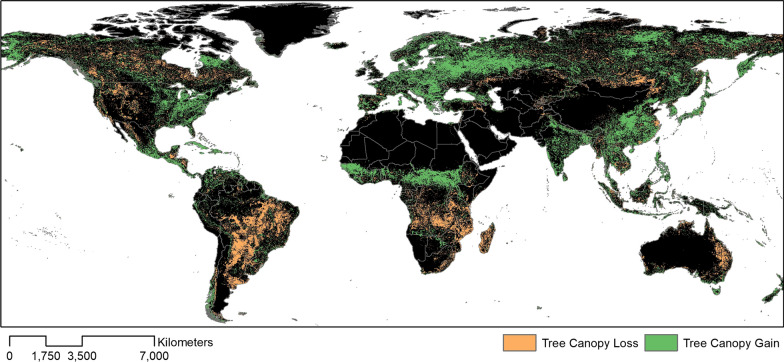
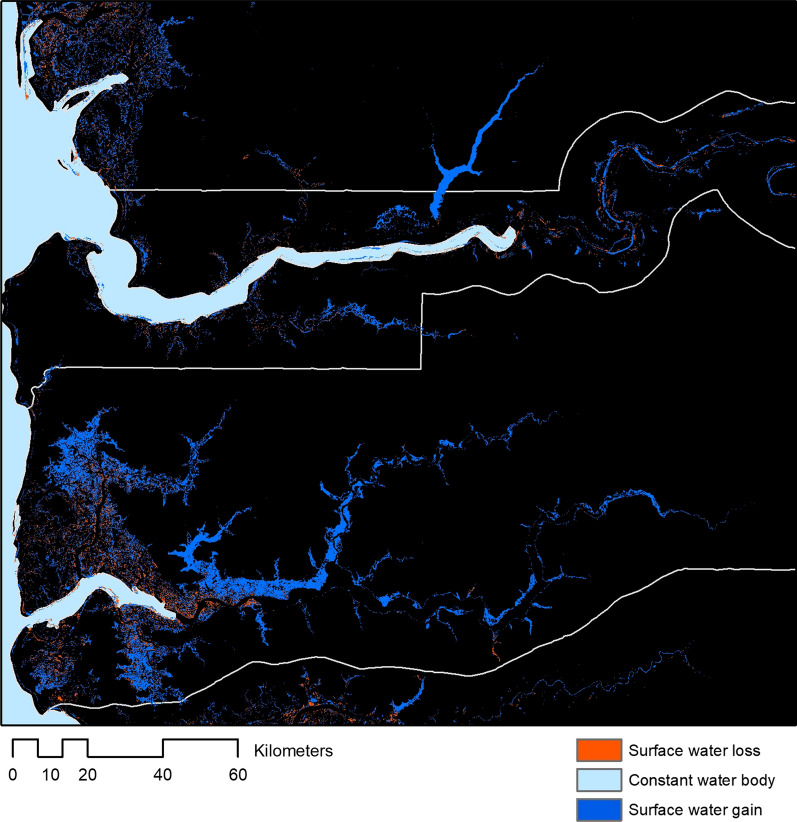
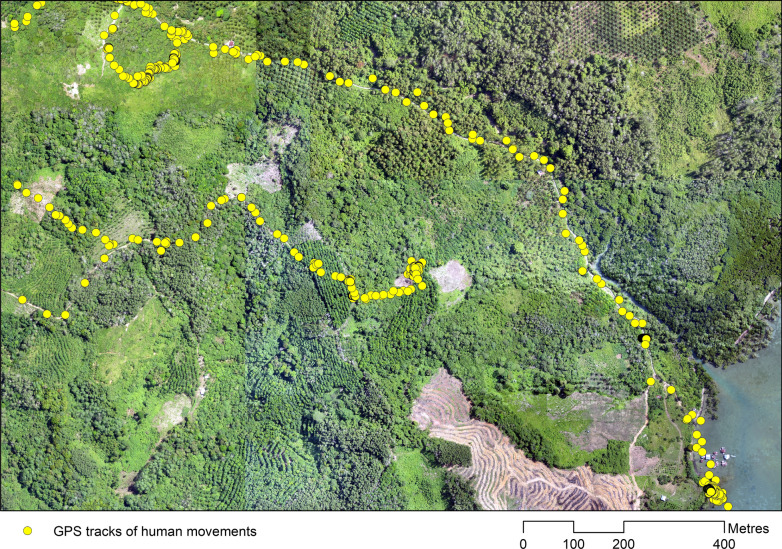
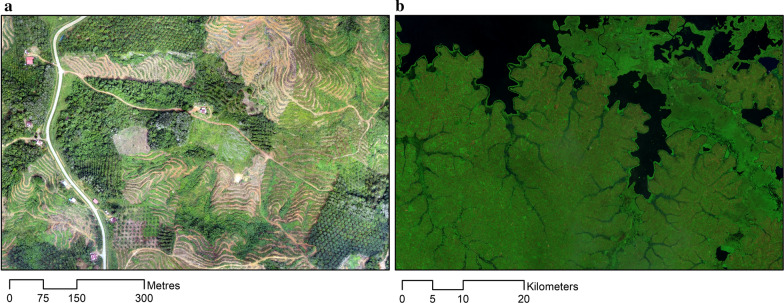
Verification
Claims the paper makes
15 Valid · 5 Not valid · 16 Not checked · 21 Own results and interpretations
Every source the paper cites for this claim was checked and supports it.
In the paper
“While previous successful disease eradication programmes for smallpox and rinderpest relied heavily on vaccination, there remains no highly effective licensed vaccine for malaria and increasing levels of insecticide resistance threaten to undermine existing vector control methods [9].”
§ Achieving global malaria eradication in changing landscapes > Background
What the sources say
- Supportedcites [9] Hemingway J Ranson H Magill A Kolaczinski J Fornadel C Gimnig J Averting a malaria disaster: will insecticide resistance derail malaria control? Lancet 2016 387 1785 1788 10.1016/S0140-6736(15)00417-1 26880124 PMC6215693 source
The Introduction says insecticide resistance is decreasing the efficacy of pyrethroids, on which malaria prevention relies heavily. The Current situation section reports increasing pyrethroid resistance and settings where resistant mosquitoes survive insecticide-treated bednets and indoor spraying. (LLM, conf=0.94)
plainstates a possible cause- Asserted: passes — The authors put it forward as true.
- Checkable: passes — It can be checked against evidence.
- Load-bearing: passes — The paper’s conclusions depend on it.
- Based: passes — The paper gives a reason why it holds.
- Supported
The cited sources support only part of this claim — read each source’s verdict below.
In the paper
“Malaria risk models have incorporated land use factors to develop spatially and/or temporal predictions of malaria risks, potentially allowing targeting of interventions and strategic planning [103].”
§ Achieving global malaria eradication in changing landscapes > Linking health and environmental data for surveillance in changing landscapes
What the sources say
- Partly supportedcites [103] Cohen JM Le Menach A Pothin E Eisele TP Gething PW Eckhoff PA Mapping multiple components of malaria risk for improved targeting of elimination interventions Malar J 2017 16 459 10.1186/s12936-017-2106-3 29132357 PMC5683539 sourceExperimental — accuracy not yet measured
The Background (page unavailable) describes geostatistical malaria-risk maps used to guide programme decisions, and the Discussion (page unavailable) links mapping local transmission drivers to targeting interventions. The cited paper does not establish the claim’s specific point that these models incorporated land-use factors, nor does it describe temporal risk predictions. (LLM, conf=0.84)
plainstates an association- Asserted: passes — The authors put it forward as true.
- Checkable: passes — It can be checked against evidence.
- Load-bearing: unclear — It is unclear whether the paper’s conclusions depend on it.
- Based: passes — The paper gives a reason why it holds.
- Partly supported
The cited sources support only part of this claim — read each source’s verdict below.
In the paper
“While deforestation and other landscape changes threaten to undermine malaria control efforts and have driven the emergence of zoonotic malaria, most of the malaria elimination successes have been underpinned by agricultural development and land management.”
§ Achieving global malaria eradication in changing landscapes > Abstract
What the sources say
- Partly supportedcites [53] Ramasamy R Zoonotic malaria–global overview and research and policy needs Front Public Health 2014 2 123 10.3389/fpubh.2014.00123 25184118 PMC4135302 sourceExperimental — accuracy not yet measured
In “Changes in Human Habitation and Ecology…” (page not supplied), the paper links deforestation and other ecological changes to a likely increase in human exposure to primate malaria parasites. It presents emergence as a possibility, not as an established outcome already driven by those changes. (LLM, conf=0.86)
plainstates a cause- Asserted: passes — The authors put it forward as true.
- Checkable: passes — It can be checked against evidence.
- Load-bearing: passes — The paper’s conclusions depend on it.
- Based: passes — The paper gives a reason why it holds.
- Partly supported
The cited sources that could be checked couldn’t confirm or dispute this claim.
In the paper
“While previous successful disease eradication programmes for smallpox and rinderpest relied heavily on vaccination, there remains no highly effective licensed vaccine for malaria and increasing levels of insecticide resistance threaten to undermine existing vector control methods [9].”
§ Achieving global malaria eradication in changing landscapes > Background
What the sources say
- Could not verifycites [9] Hemingway J Ranson H Magill A Kolaczinski J Fornadel C Gimnig J Averting a malaria disaster: will insecticide resistance derail malaria control? Lancet 2016 387 1785 1788 10.1016/S0140-6736(15)00417-1 26880124 PMC6215693 sourceExperimental — accuracy not yet measured
The Introduction refers to a “future vaccine roll-out,” and the Abstract mentions progress in vaccine development. Neither passage states whether a highly effective malaria vaccine was licensed. Searches for “licensed vaccine malaria efficacy highly effective” and “vaccine” found no passage that settles the claim. (LLM, conf=0.72)
plain- Asserted: passes — The authors put it forward as true.
- Checkable: passes — It can be checked against evidence.
- Load-bearing: passes — The paper’s conclusions depend on it.
- Based: passes — The paper gives a reason why it holds.
- Could not verify
The cited sources support only part of this claim — read each source’s verdict below.
In the paper
“Low-cost drones (unmanned aerial vehicles or UAVs) have also been utilized by malaria programmes in diverse ecological contexts including Malaysia, Tanzania and Peru [100–102].”
§ Achieving global malaria eradication in changing landscapes > Linking health and environmental data for surveillance in changing landscapes
What the sources say
- Partly supportedcites [100] Carrasco-Escobar G Manrique E Ruiz-Cabrejos J Saavedra M Alava F Bickersmith S High-accuracy detection of malaria vector larval habitats using drone-based multispectral imagery PLoS Negl Trop Dis 2019 13 e0007105 10.1371/journal.pntd.0007105 30653491 PMC6353212 sourceExperimental — accuracy not yet measured
The Introduction (page unavailable) describes a proof-of-concept study using drones to map potential malaria-vector habitats in four Peruvian villages, and the Conclusions describe the UAVs as low-cost. It discusses deployment in larval-source-management campaigns as a possibility, but does not establish that a malaria programme had used the drones operationally. The Malaysia and Tanzania examples are not assessed against this source because the sentence cites multiple papers. (LLM, conf=0.84)
- Not checked — no full text of the sourcecites [101] Fornace KM Drakeley CJ William T Espino F Cox J Mapping infectious disease landscapes: unmanned aerial vehicles and epidemiology Trends Parasitol 2014 30 514 519 10.1016/j.pt.2014.09.001 25443854 source
- Partly supportedcites [102] Hardy A Makame M Cross D Majambere S Msellem M Using low-cost drones to map malaria vector habitats Parasit Vectors 2017 10 29 10.1186/s13071-017-1973-3 28088225 PMC5237572 sourceExperimental — accuracy not yet measured
The Abstract (Background) describes a low-cost drone survey of seven sites in Zanzibar, Tanzania, supporting this paper as the Tanzania example in the citation group. The Conclusions describe operational use by malaria elimination programmes as a potential application, not an established programme use. This paper does not supply the Malaysia or Peru examples. (LLM, conf=0.84)
plain- Asserted: passes — The authors put it forward as true.
- Checkable: passes — It can be checked against evidence.
- Load-bearing: unclear — It is unclear whether the paper’s conclusions depend on it.
- Based: passes — The paper gives a reason why it holds.
- Partly supported
23 more claims · 6 with their cited sources checked
Create a free account to see all 57 claims and every source verdict.
- Probably not a substantial claim. 24
- It may state two separate claims as one. 13
Citations
Cites
Global Consequences of Land Use
Foley, J. A., DeFries, R., Asner, G. P., Barford, C., Bonan, G., Carpenter, S. R., Chapin, F. S., Coe, M. T., Daily, G. C., Gibbs, H. K., et al. (2005) · Science · doi:10.1126/science.1111772 · Cited by 13,272
High-Resolution Global Maps of 21st-Century Forest Cover Change
Hansen, M. C., Potapov, P. V., Moore, R., Hancher, M., Turubanova, S. A., Tyukavina, A., Thau, D., Stehman, S. V., Goetz, S. J., Loveland, T. R., et al. (2013) · Science · doi:10.1126/science.1244693 · Cited by 11,704 · cited 1×
“Changes to forest cover are particularly pronounced in tropical areas, where over 80% of new agricultural land was cleared from tropical rainforests between 1980 and 2000 and an estimated 2100 km2 of forests were lost per year between 2000 and 2012 [15, 16].”
BackgroundSolutions for a cultivated planet
Foley, J. A., Ramankutty, N., Brauman, K. A., Cassidy, E. S., Gerber, J. S., Johnston, M., Mueller, N. D., O’Connell, C., Ray, D. K., West, P. C., et al. (2011) · Nature · doi:10.1038/nature10452 · Cited by 8,476 · cited 1×
“However, increased productivity and industrialization has meant this increase in the amount of food produced is not always accompanied by corresponding increases in land area but rather new management techniques, such as irrigation and fertilizers [19].”
BackgroundHigh-resolution mapping of global surface water and its long-term changes
Pekel, J.-F., Cottam, A., Gorelick, N., & Belward, A. S. (2016) · Nature · doi:10.1038/nature20584 · Cited by 5,513
Proximate Causes and Underlying Driving Forces of Tropical Deforestation
GEIST, H. J., & LAMBIN, E. F. (2002) · BioScience · doi:10.1641/0006-3568(2002)052[0143:pcaudf]2.0.co;2 · Cited by 3,123 · cited 1×
“The causes for LULCC are multifactorial, with underlying political, institutional and economic factors driving agricultural expansion, resource extraction and infrastructure development [22].”
BackgroundThe emergence of land change science for global environmental change and sustainability
Turner, B. L., Lambin, E. F., & Reenberg, A. (2007) · Proceedings of the National Academy of Sciences · doi:10.1073/pnas.0704119104 · Cited by 2,216 · cited 1×
“Land use and land cover changes: definitions and drivers Land cover refers to the physical and biological cover of terrestrial surfaces, such as water, soil, vegetation and infrastructure, while land use refers to the human management and activities which modify land surface processes [11].”
BackgroundGlobal land change from 1982 to 2016
Song, X.-P., Hansen, M. C., Stehman, S. V., Potapov, P. V., Tyukavina, A., Vermote, E. F., & Townshend, J. R. (2018) · Nature · doi:10.1038/s41586-018-0411-9 · Cited by 1,946
Tropical forests were the primary sources of new agricultural land in the 1980s and 1990s
Gibbs, H. K., Ruesch, A. S., Achard, F., Clayton, M. K., Holmgren, P., Ramankutty, N., & Foley, J. A. (2010) · Proceedings of the National Academy of Sciences · doi:10.1073/pnas.0910275107 · Cited by 1,876 · cited 1×
“Changes to forest cover are particularly pronounced in tropical areas, where over 80% of new agricultural land was cleared from tropical rainforests between 1980 and 2000 and an estimated 2100 km2 of forests were lost per year between 2000 and 2012 [15, 16].”
BackgroundPutting people in the map: anthropogenic biomes of the world
Ellis, E. C., & Ramankutty, N. (2008) · Frontiers in Ecology and the Environment · doi:10.1890/070062 · Cited by 1,846
Anthropogenic transformation of the biomes, 1700 to 2000
Ellis, E. C., Klein Goldewijk, K., Siebert, S., Lightman, D., & Ramankutty, N. (2010) · Global Ecology and Biogeography · doi:10.1111/j.1466-8238.2010.00540.x · Cited by 1,543
Klein Goldewijk, K., Beusen, A., van Drecht, G., & de Vos, M. (2011) · Global Ecology and Biogeography · doi:10.1111/j.1466-8238.2010.00587.x · Cited by 1,270 · cited 1×
“While agricultural land occupied less than 2% of global ice-free land prior to 1000 AD, this percentage increased to over 4% in 1700 AD to 35% in 2000 AD [13].”
BackgroundA large focus of naturally acquired Plasmodium knowlesi infections in human beings
Singh, B., Sung, L. K., Matusop, A., Radhakrishnan, A., Shamsul, S. S., Cox-Singh, J., Thomas, A., & Conway, D. J. (2004) · The Lancet · doi:10.1016/s0140-6736(04)15836-4 · Cited by 1,188
Agriculture, Forestry and Other Land Use (AFOLU)
Smith, P., Bustamante, M., Ahammad, H., Clark, H., Dong, H., Elsiddig, E. A., Haberl, H., Harper, R. J., House, J. I., Jafari, M., et al. (2014) · Murdoch University Research Portal · Cited by 1,031
Quantifying the Impact of Human Mobility on Malaria
Wesolowski, A., Eagle, N., Tatem, A. J., Smith, D. L., Noor, A. M., Snow, R. W., & Buckee, C. O. (2012) · Science · doi:10.1126/science.1223467 · Cited by 992 · cited 1×
“mobile phone data across Kenya highlighted the role of human mobility in malaria transmission; these movement patterns are largely driven by trade and connectivity of different land use types [48].”
BackgroundPlasmodium knowlesi Malaria in Humans Is Widely Distributed and Potentially Life Threatening
Cox-Singh, J., Davis, T. M. E., Lee, K.-S., Shamsul, S. S. G., Matusop, A., Ratnam, S., Rahman, H. A., Conway, D. J., & Singh, B. (2008) · Clinical Infectious Diseases · doi:10.1086/524888 · Cited by 886
Global technical strategy for malaria 2016–2030
Alonso, P. L., Noor, A., Santelli, A. C. F. E. S., Ghani, A. C., de Quadrós, C. A., Karema, C., Gao, Q., Baird, J. K., Conteh, L., Gyapong, M., et al. (2015) · ResearchOnline at James Cook University (James Cook University) · Cited by 853
Averting a malaria disaster: will insecticide resistance derail malaria control?
Hemingway, J., Ranson, H., Magill, A., Kolaczinski, J., Fornadel, C., Gimnig, J., Coetzee, M., Simard, F., Roch, D. K., Hinzoumbe, C. K., et al. (2016) · The Lancet · doi:10.1016/s0140-6736(15)00417-1 · Cited by 562
Origin of the human malaria parasite Plasmodium falciparum in gorillas
Liu, W., Li, Y., Learn, G. H., Rudicell, R. S., Robertson, J. D., Keele, B. F., Ndjango, J.-B. N., Sanz, C. M., Morgan, D. B., Locatelli, S., et al. (2010) · Nature · doi:10.1038/nature09442 · Cited by 532
Human Infections and Detection of Plasmodium knowlesi
Singh, B., & Daneshvar, C. (2013) · Clinical Microbiology Reviews · doi:10.1128/cmr.00079-12 · Cited by 509 · cited 1×
“LULCC, resulting in increased spatial overlap between people, macaques and mosquitoes, likely drive this emergence [58, 79, 80].”
BackgroundMalaria early warnings based on seasonal climate forecasts from multi-model ensembles
Thomson, M. C., Doblas-Reyes, F. J., Mason, S. J., Hagedorn, R., Connor, S. J., Phindela, T., Morse, A. P., & Palmer, T. N. (2006) · Nature · doi:10.1038/nature04503 · Cited by 470
Pangloss revisited: a critique of the dilution effect and the biodiversity-buffers-disease paradigm
RANDOLPH, S. E., & DOBSON, A. D. M. (2012) · Parasitology · doi:10.1017/s0031182012000200 · Cited by 405
Impact of irrigation on malaria in Africa: paddies paradox
Ijumba, J. N., & Lindsay, S. W. (2001) · Medical and Veterinary Entomology · doi:10.1046/j.1365-2915.2001.00279.x · Cited by 371 · cited 1×
“Described as “paddy’s paradox,” in many cases, increased abundance may correlate with changes in biting patterns or life history or be counteracted by the socioeconomic and public health improvements associated with agriculture [39].”
BackgroundMalaria eradication within a generation: ambitious, achievable, and necessary
Feachem, R. G. A., Chen, I., Akbari, O., Bertozzi-Villa, A., Bhatt, S., Binka, F., Boni, M. F., Buckee, C., Dieleman, J., Dondorp, A., et al. (2019) · The Lancet · doi:10.1016/s0140-6736(19)31139-0 · Cited by 366
The evidence for improving housing to reduce malaria: a systematic review and meta-analysis
Tusting, L. S., Ippolito, M. M., Willey, B. A., Kleinschmidt, I., Dorsey, G., Gosling, R. D., & Lindsay, S. W. (2015) · Malaria Journal · doi:10.1186/s12936-015-0724-1 · Cited by 355 · cited 2×
“Economic development can improve housing quality and infrastructure, factors associated with decreasing risks of malaria [51, 52].”
BackgroundPlasmodium knowlesi: Reservoir Hosts and Tracking the Emergence in Humans and Macaques
Lee, K.-S., Divis, P. C. S., Zakaria, S. K., Matusop, A., Julin, R. A., Conway, D. J., Cox-Singh, J., & Singh, B. (2011) · PLoS Pathogens · doi:10.1371/journal.ppat.1002015 · Cited by 350 · cited 1×
“LULCC, resulting in increased spatial overlap between people, macaques and mosquitoes, likely drive this emergence [58, 79, 80].”
BackgroundIMPACT OF DEFORESTATION AND AGRICULTURAL DEVELOPMENT ON ANOPHELINE ECOLOGY AND MALARIA EPIDEMIOLOGY
YASUOKA, J., & LEVINS, R. (2007) · The American Journal of Tropical Medicine and Hygiene · doi:10.4269/ajtmh.2007.76.450 · Cited by 323 · cited 5×
“Expansion of rubber and rice paddies associated with increases in anopheline densities [28, 36]”
BackgroundMethodInfluentialFirst case of a naturally acquired human infection with Plasmodium cynomolgi
Ta, T. H., Hisam, S., Lanza, M., Jiram, A. I., Ismail, N., & Rubio, J. M. (2014) · Malaria Journal · doi:10.1186/1475-2875-13-68 · Cited by 313
Agriculture, Forestry and Other Land Use (AFOLU)
(2015) · Climate Change 2014: Mitigation of Climate Change · doi:10.1017/cbo9781107415416.017 · Cited by 312 · cited 1×
“4% increase in daily per capita food availability globally [18].”
BackgroundEFFECT OF IRRIGATION AND LARGE DAMS ON THE BURDEN OF MALARIA ON A GLOBAL AND REGIONAL SCALE
KEISER, J., DE CASTRO, M. C., MALTESE, M. F., BOS, R., TANNER, M., SINGER, B. H., & UTZINGER, J. (2005) · The American Journal of Tropical Medicine and Hygiene · doi:10.4269/ajtmh.2005.72.392 · Cited by 306 · cited 2×
“Wider developments of irrigation and water projects can also drive changes in vector ecology through mechanisms such as increased breeding sites, changes in water pH, turbidity and chemical composition [40].”
BackgroundHumid tropical forest disturbance alerts using Landsat data
Hansen, M. C., Krylov, A., Tyukavina, A., Potapov, P. V., Turubanova, S., Zutta, B., Ifo, S., Margono, B., Stolle, F., & Moore, R. (2016) · Environmental Research Letters · doi:10.1088/1748-9326/11/3/034008 · Cited by 303
AMERICAN SOCIETY OF TROPICAL MEDICINE AND HYGIENE: ANNUAL BUSINESS MEETING
(2009) · The American Journal of Tropical Medicine and Hygiene · doi:10.4269/ajtmh.2009.81.5 · Cited by 302
Housing Improvements and Malaria Risk in Sub-Saharan Africa: A Multi-Country Analysis of Survey Data
Tusting, L. S., Bottomley, C., Gibson, H., Kleinschmidt, I., Tatem, A. J., Lindsay, S. W., & Gething, P. W. (2017) · PLOS Medicine · doi:10.1371/journal.pmed.1002234 · Cited by 282
Malaria risk on the Amazon frontier
de Castro, M. C., Monte-Mór, R. L., Sawyer, D. O., & Singer, B. H. (2006) · Proceedings of the National Academy of Sciences · doi:10.1073/pnas.0510576103 · Cited by 265 · cited 2×
“Termed “frontier malaria,” early stages of forest clearance are linked with changes in human exposure risks, weakened health systems and creation of vector breeding sites [44].”
BackgroundNaturally Acquired Plasmodium knowlesi Malaria in Human, Thailand
Jongwutiwes, S., Putaporntip, C., Iwasaki, T., Sata, T., & Kanbara, H. (2004) · Emerging Infectious Diseases · doi:10.3201/eid1012.040293 · Cited by 264
Brasil, P., Zalis, M. G., de Pina-Costa, A., Siqueira, A. M., Júnior, C. B., Silva, S., Areas, A. L. L., Pelajo-Machado, M., de Alvarenga, D. A. M., da Silva Santelli, A. C. F., et al. (2017) · The Lancet Global Health · doi:10.1016/s2214-109x(17)30333-9 · Cited by 263 · cited 1×
“simium, including 28 confirmed cases in 2015–2016 [85].”
BackgroundKeiser, J., Singer, B. H., & Utzinger, J. (2005) · The Lancet Infectious Diseases · doi:10.1016/s1473-3099(05)70268-1 · Cited by 261
Multiple pathways of commodity crop expansion in tropical forest landscapes
Meyfroidt, P., Carlson, K. M., Fagan, M. E., Gutiérrez-Vélez, V. H., Macedo, M. N., Curran, L. M., DeFries, R. S., Dyer, G. A., Gibbs, H. K., Lambin, E. F., et al. (2014) · Environmental Research Letters · doi:10.1088/1748-9326/9/7/074012 · Cited by 240 · cited 1×
“Much of this deforestation is driven by agricultural expansion driven by rising demands due to population growth and increased consumption levels [17].”
BackgroundSocioeconomic development as an intervention against malaria: a systematic review and meta-analysis
Tusting, L. S., Willey, B., Lucas, H., Thompson, J., Kafy, H. T., Smith, R., & Lindsay, S. W. (2013) · The Lancet · doi:10.1016/s0140-6736(13)60851-x · Cited by 222 · cited 2×
“Increased income following agricultural development leading to decrease in malaria risk [52]”
BackgroundHuman Infections with Plasmodium knowlesi,the Philippines
Luchavez, J., Espino, F., Curameng, P., Espina, R., Bell, D., Chiodini, P., Nolder, D., Sutherland, C., Lee, K.-S., & Singh, B. (2008) · Emerging Infectious Diseases · doi:10.3201/eid1405.071407 · Cited by 220
Malaria Reemergence in the Peruvian Amazon Region
Guarda, J. (1999) · Emerging Infectious Diseases · doi:10.3201/eid0502.9902 · Cited by 209 · cited 2×
“This malaria emergence paralleled increases in Anopheles darlingi, which was not found in the area in 1991 and favours ecologically altered habitats, leading to increased vector density in areas undergoing rapid land use change in close proximity to human settlements [31].”
BackgroundFornace, K. M., Abidin, T. R., Alexander, N., Brock, P., Grigg, M. J., Murphy, A., William, T., Menon, J., Drakeley, C. J., & Cox, J. (2016) · Emerging Infectious Diseases · doi:10.3201/eid2202.150656 · Cited by 190 · cited 1×
“knowlesi incidence was positively associated with both forest cover and historical forest loss, with wider community exposure associated with forest fragmentation and agricultural practices [81, 82].”
BackgroundSelf-citationGrigg, M. J., Cox, J., William, T., Jelip, J., Fornace, K., Brock, P. M., von Seidlein, L., Barber, B. E., Anstey, N. M., Yeo, T. W., et al. (2017) · The Lancet Planetary Health · doi:10.1016/s2542-5196(17)30031-1 · Cited by 182
Self-citationHuman Plasmodium knowlesi infections in young children in central Vietnam
den Eede, P. V., Van, H. N., Overmeir, C. V., Vythilingam, I., Duc, T. N., Hung, L. X., Mạnh, H. N., Anné, J., D’Alessandro, U., & Erhart, A. (2009) · Malaria Journal · doi:10.1186/1475-2875-8-249 · Cited by 182
Putaporntip, C., Hongsrimuang, T., Seethamchai, S., Kobasa, T., Limkittikul, K., Cui, L., & Jongwutiwes, S. (2009) · The Journal of Infectious Diseases · doi:10.1086/597414 · Cited by 181
William, T., Rahman, H. A., Jelip, J., Ibrahim, M., Menon, J., Grigg, M. J., Yeo, T. W., Anstey, N. M., & Barber, B. E. (2013) · PLoS neglected tropical diseases · doi:10.1371/journal.pntd.0002026 · Cited by 181
A global assessment of closed forests, deforestation and malaria risk
Guerra, C. A., Snow, R. W., & Hay, S. I. (2006) · Annals of Tropical Medicine and Parasitology · doi:10.1179/136485906x91512 · Cited by 177 · cited 9×
“Forest disturbance can also impact species composition and may initially deplete deep forest vectors but subsequently lead to invasion by other efficient vectors [7].”
BackgroundInfluentialSpatial scale modulates the strength of ecological processes driving disease distributions
Cohen, J. M., Civitello, D. J., Brace, A. J., Feichtinger, E. M., Ortega, C. N., Richardson, J. C., Sauer, E. L., Liu, X., & Rohr, J. R. (2016) · Proceedings of the National Academy of Sciences · doi:10.1073/pnas.1521657113 · Cited by 175
Drug Policy as Conservation Policy: Narco-Deforestation
McSweeney, K., Nielsen, E. A., Taylor, M. J., Wrathall, D. J., Pearson, Z., Wang, O., & Plumb, S. T. (2014) · Science · doi:10.1126/science.1244082 · Cited by 175 · cited 1×
“United States drug policies have led to “narco-deforestation”, extensive forest loss in Central America fuelled by the development of landing strips, need to launder money and influxes of cash from the global narcotics trade [27].”
BackgroundMapping infectious disease landscapes: unmanned aerial vehicles and epidemiology
Fornace, K. M., Drakeley, C. J., William, T., Espino, F., & Cox, J. (2014) · Trends in Parasitology · doi:10.1016/j.pt.2014.09.001 · Cited by 167
Self-citationOutdoor malaria transmission in forested villages of Cambodia
Durnez, L., Mao, S., Denis, L., Roelants, P., Sochantha, T., & Coosemans, M. (2013) · Malaria Journal · doi:10.1186/1475-2875-12-329 · Cited by 161 · cited 2×
“Initial decreases in vector densities followed by colonization by more efficient malaria vectors [7, 35]”
BackgroundA Planetary Health Perspective on Agroforestry in Sub-Saharan Africa
Rosenstock, T. S., Dawson, I. K., Aynekulu, E., Chomba, S., Degrande, A., Fornace, K., Jamnadass, R., Kimaro, A., Kindt, R., Lamanna, C., et al. (2019) · One Earth · doi:10.1016/j.oneear.2019.10.017 · Cited by 159 · cited 1×
“However, while much of the literature focuses on agricultural practices driving malaria transmission, agricultural practices also can reduce transmission; for example, agroforestry is increasingly proposed as a malaria intervention in Africa where planting trees can both increase biodiversity and decrease breeding sit…”
BackgroundSelf-citationLalremruata, A., Magris, M., Vivas-Martínez, S., Koehler, M., Esen, M., Kempaiah, P., Jeyaraj, S., Perkins, D. J., Mordmüller, B. G., & Metzger, W. G. (2015) · EBioMedicine · doi:10.1016/j.ebiom.2015.07.033 · Cited by 159 · cited 2×
“Lalremruata A, Magris M, Vivas-Martinez S, Koehler M, Esen M, Kempaiah P, et al. Natural infection of Plasmodium brasilianum in humans: man and monkey share quartan malaria parasites in the Venezuelan Amazon.”
BackgroundPlasmodium knowlesi in Human, Indonesian Borneo
Figtree, M. C., Lee, R., Bain, L., Kennedy, T., Mackertich, S., Urban, M., Cheng, Q., & Hudson, B. J. (2010) · Emerging infectious diseases · doi:10.3201/eid1604.091624 · Cited by 158
Fornace, K., Brock, P. M., Abidin, T. R., Grignard, L., Herman, L. S., Chua, T. H., Daim, S. J., William, T., Patterson, C., Hall, T., et al. (2019) · The Lancet Planetary Health · doi:10.1016/s2542-5196(19)30045-2 · Cited by 152
Self-citationChanging epidemiology of malaria in Sabah, Malaysia: increasing incidence of Plasmodium knowlesi
William, T., Jelip, J., Menon, J., Anderios, F., Mohammad, R., Mohammad, T. A. A., Grigg, M. J., Yeo, T. W., Anstey, N. M., & Barber, B. E. (2014) · Malaria Journal · doi:10.1186/1475-2875-13-390 · Cited by 151
Wilson, M. L., Krogstad, D. J., Arinaitwe, E., Arevalo-Herrera, M., Chery, L., Ferreira, M. U., Ndiaye, D., Mathanga, D. P., & Eapen, A. (2015) · The American Journal of Tropical Medicine and Hygiene · doi:10.4269/ajtmh.14-0834 · Cited by 143
Moyes, C. L., Shearer, F. M., Huang, Z., Wiebe, A., Gibson, H. S., Nijman, V., Mohd‐Azlan, J., Brodie, J. F., Malaivijitnond, S., Linkie, M., et al. (2016) · Parasites & Vectors · doi:10.1186/s13071-016-1527-0 · Cited by 139 · cited 2×
“Plasmodium knowlesi is a malaria species maintained by long and pig-tailed macaques (Macaca fascicularis and Macaca nemestrina) and transmitted by the Anopheles leucosphyrus group of mosquitoes [57, 58].”
BackgroundDefining the Geographical Range of the Plasmodium knowlesi Reservoir
Moyes, C. L., Henry, A. J., Golding, N., Huang, Z., Singh, B. B., Baird, J. K., Newton, P. N., Huffman, M. A., Duda, K. A., DRAKELEY, C. J., et al. (2014) · PLoS neglected tropical diseases · doi:10.1371/journal.pntd.0002780 · Cited by 134 · cited 1×
“Plasmodium knowlesi is a malaria species maintained by long and pig-tailed macaques (Macaca fascicularis and Macaca nemestrina) and transmitted by the Anopheles leucosphyrus group of mosquitoes [57, 58].”
BackgroundSelf-citationUsing low-cost drones to map malaria vector habitats
Hardy, A., Makame, M., Cross, D., Majambere, S., & Msellem, M. (2017) · Parasites & Vectors · doi:10.1186/s13071-017-1973-3 · Cited by 129
High-accuracy detection of malaria vector larval habitats using drone-based multispectral imagery
Carrasco-Escobar, G., Manrique, E., Ruiz-Cabrejos, J., Saavedra, M., Alava, F., Bickersmith, S., Prussing, C., Vinetz, J. M., Conn, J. E., Moreno, M., et al. (2019) · PLOS Neglected Tropical Diseases · doi:10.1371/journal.pntd.0007105 · Cited by 126
Nøhr, C., Sørensen, E. M., Gudes, O., Geraghty, E. M., Shaw, N. T., Bivona-Tellez, C., Lyseen, A. K., & the IMIA Health GIS Working Group (2014) · Yearbook of Medical Informatics · doi:10.15265/iy-2014-0008 · Cited by 120
Plasmodium knowlesi Infection in Humans, Cambodia, 2007–2010
Khim, N., Sovannaroth, S., Kim, S., Mueller, T., Fleischmann, E., Singh, B. B., Divis, P. C. S., Steenkeste, N., Duval, L., Bouchier, C., et al. (2011) · Emerging infectious diseases · doi:10.3201/eid1710.110355 · Cited by 120
Broich, M., Hansen, M. C., Stolle, F., Potapov, P. V., Margono, B. A., & Adusei, B. (2011) · Environmental Research Letters · doi:10.1088/1748-9326/6/1/014010 · Cited by 117
Impact of Land-use Change on Dengue and Malaria in Northern Thailand
Vanwambeke, S. O., Lambin, E. F., Eichhorn, M. P., Flasse, S. P., Harbach, R. E., Oskam, L., Somboon, P., van Beers, S., van Benthem, B. H. B., Walton, C., et al. (2007) · EcoHealth · doi:10.1007/s10393-007-0085-5 · Cited by 116
Increased Threat of Urban Malaria from Anopheles stephensi Mosquitoes, Africa
Takken, W., & Lindsay, S. (2019) · Emerging Infectious Diseases · doi:10.3201/eid2507.190301 · Cited by 112
Co-infections with Plasmodium knowlesi and Other Malaria Parasites, Myanmar
Jiang, N., Chang, Q., Sun, X., Lu, H., Yin, J., Zhang, Z., Wahlgren, M., & Chen, Q. (2010) · Emerging Infectious Diseases · doi:10.3201/eid1609.100339 · Cited by 112
Biodiversity Can Help Prevent Malaria Outbreaks in Tropical Forests
Laporta, G. Z., Prado, P. I. K. L. D., Kraenkel, R. A., Coutinho, R. M., & Sallum, M. A. M. (2013) · PLoS Neglected Tropical Diseases · doi:10.1371/journal.pntd.0002139 · Cited by 108
Barber, B. E., William, T., Dhararaj, P., Anderios, F., Grigg, M. J., Yeo, T. W., & Anstey, N. M. (2012) · Malaria Journal · doi:10.1186/1475-2875-11-401 · Cited by 103
Zoonotic Malaria – Global Overview and Research and Policy Needs
Ramasamy, R. (2014) · Frontiers in Public Health · doi:10.3389/fpubh.2014.00123 · Cited by 101 · cited 2×
“simium had been historically reported, although there was little evidence of widespread human infections until recently [53].”
BackgroundMalaria Control and Elimination,1 Venezuela, 1800s–1970s
Griffing, S. M., Villegas, L., & Udhayakumar, V. (2014) · Emerging Infectious Diseases · doi:10.3201/eid2010.130917 · Cited by 100
Ecology, economy and management of an agroindustrial frontier landscape in the southeast Amazon
Brando, P. M., Coe, M. T., DeFries, R., & Azevedo, A. A. (2013) · Philosophical Transactions of the Royal Society B: Biological Sciences · doi:10.1098/rstb.2012.0152 · Cited by 99 · cited 1×
“These frontier communities are often characterized by weak social institutions, limited health care and absence of malaria control measures [46].”
BackgroundHuman Plasmodium knowlesi infection in Ranong province, southwestern border of Thailand
Sermwittayawong, N., Singh, B. B., Nishibuchi, M., Sawangjaroen, N., & Vuddhakul, V. (2012) · Malaria Journal · doi:10.1186/1475-2875-11-36 · Cited by 97
Grignard, L., Shah, S., Chua, T. H., William, T., DRAKELEY, C. J., & Fornace, K. (2019) · The Journal of Infectious Diseases · doi:10.1093/infdis/jiz397 · Cited by 94
Self-citationLocal human movement patterns and land use impact exposure to zoonotic malaria in Malaysian Borneo
Fornace, K., Alexander, N. D. E., Abidin, T. R., Brock, P. M., Chua, T. H., Vythilingam, I., Ferguson, H. M., Manin, B. O., Wong, M. L., Ng, S. H., et al. (2019) · eLife · doi:10.7554/elife.47602 · Cited by 89 · cited 2×
“Deforestation is also associated with changes in macaque movements and increased contact between people and mosquito vectors at forest edges [83, 84].”
BackgroundSelf-citationLong-Tailed Macaque Response to Deforestation in a Plasmodium knowlesi-Endemic Area
Stark, D. J., Fornace, K., Brock, P. M., Abidin, T. R., Gilhooly, L. J., Jalius, C., Goossens, B., DRAKELEY, C. J., & Salgado‐Lynn, M. (2019) · EcoHealth · doi:10.1007/s10393-019-01403-9 · Cited by 89 · cited 1×
“Deforestation is also associated with changes in macaque movements and increased contact between people and mosquito vectors at forest edges [83, 84].”
BackgroundSelf-citationFurther shrinking the malaria map: how can geospatial science help to achieve malaria elimination?
Clements, A. C., Reid, H. L., Kelly, G. C., & Hay, S. I. (2013) · The Lancet Infectious Diseases · doi:10.1016/s1473-3099(13)70140-3 · Cited by 88
Rice volatiles lure gravid malaria mosquitoes, Anopheles arabiensis
Wondwosen, B., Birgersson, G., Seyoum, E., Tekie, H., Torto, B., Fillinger, U., Hill, S. R., & Ignell, R. (2016) · Scientific Reports · doi:10.1038/srep37930 · Cited by 87 · cited 2×
“arabiensis are attracted to the odour of rice, acting as a cue for oviposition site selection [38].”
BackgroundTyagi, R. K., Das, M. K., Singh, S. S., & Sharma, Y. D. (2013) · Journal of Antimicrobial Chemotherapy · doi:10.1093/jac/dks508 · Cited by 85
Hoffmann, C., García Márquez, J. R., & Krueger, T. (2018) · Land Use Policy · doi:10.1016/j.landusepol.2018.04.043 · Cited by 84 · cited 1×
“Peace agreements between the Colombian government and armed groups led to land colonization in previously inaccessible areas of the Andean-Amazonian foothills of Colombia; deforestation has been further amplified by governmental programs building roads and fostering extractive and ranching industries [26].”
BackgroundDoes Forest Loss Increase Human Disease? Evidence from Nigeria
Berazneva, J., & Byker, T. S. (2017) · American Economic Review · doi:10.1257/aer.p20171132 · Cited by 83 · cited 1×
“In Nigeria, forest loss was demonstrated to have a large impact on malaria risks, with each standard deviation of forest loss corresponding to an almost 5% increase in malaria in children under 5 [32].”
BackgroundTaheripour, F., Zhao, X., & Tyner, W. E. (2017) · Biotechnology for Biofuels · doi:10.1186/s13068-017-0877-y · Cited by 82 · cited 1×
“2 million hectares for oilseeds globally [21].”
Naturally Acquired Human Plasmodium cynomolgi and P. knowlesi Infections, Malaysian Borneo
Raja, T. N., Hu, T. H., Kadir, K. A., Mohamad, D. S. A., Rosli, N., Wong, L. L., Hii, K. C., Divis, P. C. S., & Singh, B. B. (2020) · Emerging infectious diseases · doi:10.3201/eid2608.200343 · Cited by 82
Sundararaman, S. A., Liu, W., Keele, B. F., Learn, G. H., Bittinger, K. L., Mouacha, F., Ahuka‐Mundeke, S., Manske, M., Sherrill-Mix, S. A., Li, Y., et al. (2013) · Proceedings of the National Academy of Sciences · doi:10.1073/pnas.1305201110 · Cited by 81 · cited 2×
“Human malaria species circulating in great apes and gorillas in West and Central Africa [55, 56]”
BackgroundJanko, M. M., Irish, S. R., Reich, B. J., Peterson, M., Doctor, S. M., Mwandagalirwa, M. K., Likwela, J. L., Tshefu, A. K., Meshnick, S. R., & Emch, M. E. (2018) · The Lancet Planetary Health · doi:10.1016/s2542-5196(18)30009-3 · Cited by 77 · cited 1×
“A study in the Democratic Republic of Congo similarly found deforestation and agricultural expansion led to an increase in malaria prevalence in children; these LULCC were associated with increases of indoor biting rates of the malaria vector Anopheles gambiae sensu lato [33].”
BackgroundPopulation and Land Use Effects on Malaria Prevalence in the Southern Brazilian Amazon
Barbieri, A. F., Sawyer, I. O., & Soares-Filho, B. S. (2005) · Human Ecology · doi:10.1007/s10745-005-8213-8 · Cited by 76 · cited 5×
“Influx of susceptible populations into endemic areas in response to increased economic opportunity [43, 120]”
BackgroundInfluentialBrock, P. M., Fornace, K., Parmiter, M., Cox, J. S. H., DRAKELEY, C. J., Ferguson, H. M., & Kao, R. R. (2016) · Parasitology · doi:10.1017/s0031182015001821 · Cited by 74
Self-citationWayant, N. M., Maldonado, D., Rojas de Arias, A., Cousiño, B., & Goodin, D. G. (2010) · Geospatial health · doi:10.4081/gh.2010.199 · Cited by 73
Transmission and Control of Plasmodium knowlesi: A Mathematical Modelling Study
Imai, N., White, M. T., Ghani, A. C., & DRAKELEY, C. J. (2014) · PLoS neglected tropical diseases · doi:10.1371/journal.pntd.0002978 · Cited by 73
Self-citationPindolia, D. K., Garcia, A. J., Huang, Z., Fik, T. J., Smith, D. L., & Tatem, A. J. (2014) · Malaria Journal · doi:10.1186/1475-2875-13-169 · Cited by 71
Risk and Control of Mosquito-Borne Diseases in Southeast Asian Rubber Plantations
Tangena, J.-A. A., Thammavong, P., Wilson, A. L., Brey, P. T., & Lindsay, S. W. (2016) · Trends in Parasitology · doi:10.1016/j.pt.2016.01.009 · Cited by 69 · cited 4×
“Expansion of rubber and rice paddies associated with increases in anopheline densities [28, 36]”
BackgroundInfluentialMapping multiple components of malaria risk for improved targeting of elimination interventions
Cohen, J. M., Le Menach, A., Pothin, E., Eisele, T. P., Gething, P. W., Eckhoff, P. A., Moonen, B., Schapira, A., & Smith, D. L. (2017) · Malaria Journal · doi:10.1186/s12936-017-2106-3 · Cited by 68
Disturbance and mosquito diversity in the lowland tropical rainforest of central Panama
Loaiza, J. R., Dutari, L. C., Rovira, J. R., Sanjur, O. I., Laporta, G. Z., Pecor, J., Foley, D. H., Eastwood, G., Kramer, L. D., Radtke, M., et al. (2017) · Scientific Reports · doi:10.1038/s41598-017-07476-2 · Cited by 68 · cited 7×
“Counter-intuitively, the abundance of both colonist (disturbance-tolerant) and climax (disturbance-intolerant) anopheline mosquitoes species increased in disturbed forests in Panama [34].”
BackgroundInfluentialThe rise and fall of malaria under land-use change in frontier regions
Baeza, A., Santos‐Vega, M., Dobson, A. P., & Pascual, M. (2017) · Nature Ecology & Evolution · doi:10.1038/s41559-017-0108 · Cited by 62 · cited 3×
“Primarily driven by economic forces, increased prosperity from LULCC can reduce malaria burdens despite ecological changes favourable to transmission [45].”
BackgroundInfluentialMalaria impact of large dams in sub-Saharan Africa: maps, estimates and predictions
Kibret, S., Lautze, J., McCartney, M., Wilson, G. G., & Nhamo, L. (2015) · Malaria Journal · doi:10.1186/s12936-015-0873-2 · Cited by 61 · cited 1×
“Within sub-Saharan Africa, large dams have major malaria impacts in areas of unstable transmission, either by intensifying transmission or through shifting from seasonal to perennial patterns [40, 42].”
BackgroundVenezuela and its rising vector-borne neglected diseases
Hotez, P. J., Basáñez, M.-G., Acosta-Serrano, Á., & Grillet, M. E. (2017) · PLoS neglected tropical diseases · doi:10.1371/journal.pntd.0005423 · Cited by 61
Novel Approaches to Control Malaria in Forested Areas of Southeast Asia
von Seidlein, L., Peto, T. J., Tripura, R., Pell, C. L., Yeung, S., Kindermans, J.-M., Dondorp, A. M., & Maude, R. J. (2019) · Trends in Parasitology · doi:10.1016/j.pt.2019.03.011 · Cited by 56
Diversity of malaria parasites in great apes in Gabon
Boundenga, L., Ollomo, B., Rougeron, V., Mouele, L. Y., Mvé-Ondo, B., Délicat-Loembet, L. M., Moukodoum, N. D., Okouga, A. P., Arnathau, C., Elguero, É., et al. (2015) · Malaria Journal · doi:10.1186/s12936-015-0622-6 · Cited by 56 · cited 2×
“Human malaria species circulating in great apes and gorillas in West and Central Africa [55, 56]”
BackgroundLeonardo, L., Rivera, P. T., Crisostomo, B., Sarol, J. N., Jr., Bantayan, N. C., Tiu, W. U., & Bergquist, N. R. (2005) · PubMed · Cited by 53
Forest work and its implications for malaria elimination: a qualitative study
Sanann, N., Peto, T. J., Tripura, R., Callery, J. J., Nguon, C., Bui, T. M., Nofal, S. D., von Seidlein, L., Lek, D., Dondorp, A. M., et al. (2019) · Malaria Journal · doi:10.1186/s12936-019-3008-3 · Cited by 52
Earth Observation, Spatial Data Quality, and Neglected Tropical Diseases
Hamm, N. A. S., Soares Magalhães, R. J., & Clements, A. C. A. (2015) · PLOS Neglected Tropical Diseases · doi:10.1371/journal.pntd.0004164 · Cited by 48
Suwarno, A., van Noordwijk, M., Weikard, H.-P., & Suyamto, D. (2018) · Mitigation and Adaptation Strategies for Global Change · doi:10.1007/s11027-016-9721-0 · Cited by 45
Predictors of malaria-association with rubber plantations in Thailand
Satitvipawee, P., Wongkhang, W., Pattanasin, S., Hoithong, P., & Bhumiratana, A. (2012) · BMC Public Health · doi:10.1186/1471-2458-12-1115 · Cited by 44
Guimarães, L. D. O., Bajay, M. M., Wunderlich, G., Bueno, M. G., Röhe, F., Catão‐Dias, J. L., Neves, A., Malafronte, R. S., Curado, I., & Kirchgatter, K. (2012) · Acta Tropica · doi:10.1016/j.actatropica.2012.05.016 · Cited by 42
Dj, B. (1998) · PubMed · Cited by 40
Epidemiological Characteristics of Imported and Locally-acquired Malaria in Singapore
Lee, Y., Tang, C. S., Ang, L. W., Han, H. K., James, L., & Goh, K. T. (2009) · Annals of the Academy of Medicine Singapore · doi:10.47102/annals-acadmedsg.v38n10p840 · Cited by 34
Malaria Ecotypes and Stratification
Schapira, A., & Boutsika, K. (2012) · Advances in Parasitology/Advances in parasitology · doi:10.1016/b978-0-12-394303-3.00001-3 · Cited by 34
Baeza, A., Bouma, M. J., Dhiman, R. C., Baskerville, E. B., Ceccato, P., Yadav, R. S., & Pascual, M. (2013) · Proceedings of the National Academy of Sciences · doi:10.1073/pnas.1305728110 · Cited by 33 · cited 1×
“For example, expansion of irrigation systems in an arid region of India was associated with dramatic increases in malaria risks; however, over time, the economic prosperity from these developments and increased health service availability led to decreased malaria incidence [50].”
BackgroundZhou, X., Huang, J.-L., Njuabe, M. T., Li, S., Chen, J., & Zhou, X. (2014) · Parasite · doi:10.1051/parasite/2014030 · Cited by 33
Wai, K. T., Kyaw, M. P., Oo, T., Zaw, P., Nyunt, M. H., Thida, M., & Kyaw, T. T. (2014) · BMC Public Health · doi:10.1186/1471-2458-14-463 · Cited by 32
Gebreslasie, M. T. (2015) · Geospatial Health · doi:10.4081/gh.2015.328 · Cited by 30
The dilution effect of the domestic animal population on the transmission of P. vivax malaria
Nah, K., Kim, Y., & Lee, J. M. (2010) · Journal of Theoretical Biology · doi:10.1016/j.jtbi.2010.06.032 · Cited by 25
Castro, M. C., Krieger, G. R., Balge, M. Z., Tanner, M., Utzinger, J., Whittaker, M., & Singer, B. H. (2016) · Proceedings of the National Academy of Sciences · doi:10.1073/pnas.1605678113 · Cited by 25
Pacheco, C. E., Aguado, I., & Mollicone, D. (2014) · Acta Amazonica · doi:10.1590/s0044-59672014000200004 · Cited by 24
Planetary Health Watch: integrated monitoring in the Anthropocene epoch
Haines, A., Hanson, C., & Ranganathan, J. (2018) · The Lancet Planetary Health · doi:10.1016/s2542-5196(18)30047-0 · Cited by 24
Gachelin, G., & Opinel, A. (2011) · História, Ciências, Saúde-Manguinhos · doi:10.1590/s0104-59702011000200009 · Cited by 20 · cited 1×
“Conversely, many major malaria elimination successes were underpinned by LULCC, including, famously, the extensive hydrological and agricultural modifications conducted by Italian malaria control programmes following World War II [8].”
BackgroundIncreasing malaria in Venezuela threatens regional progress
Daniels, J. P. (2018) · The Lancet Infectious Diseases · doi:10.1016/s1473-3099(18)30086-0 · Cited by 15
Deforestation, agriculture and farm jobs: a good recipe for Plasmodium vivax in French Guiana
Basurko, C., Dematteï, C., Han-Sze, R., Grenier, C., Joubert, M., Nacher, M., & Carme, B. (2013) · Malaria Journal · doi:10.1186/1475-2875-12-90 · Cited by 15 · cited 3×
“Occupational changes, such as forestry and extraction activities bringing people into vector habitats [44, 47]”
BackgroundPlasmodium knowlesi malaria infection in human
Ninan, T., Nalees, K., Newin, M., Sultan, Q., Moe, M., Shinde, S. N., Velerie, A., Habana, F., Yusof, N., & Darussalam, B. (2012) · Cited by 11
Research works printed but not linked: 6
- WHO World Malaria Report 2019 2019 Geneva World Health Organization
- Global Malaria Programme WHO Malaria Terminology (updated 2019) 2016 Geneva World Health Organization
- WHO Malaria eradication: benefits, future scenarios and feasibility. A report of the Strategic Advisory Group on Malaria Eradication 2020 Geneva World Health Organization
- FAO. Forest Resource Assessment Terms and Definitions 2015 Rome Food and Agriculture Organization of the United Nations 2012
- Brant HL. Changes in abundance, diversity and community composition of mosquitoes based on different land use in Sabah, Malaysia. MSc Thesis. London: Imperial College London; 2011.
- WHO WHO Meeting report of the WHO Evidence Review Group on assessment of malariogenic potential to inform elimination strategies and plans to prevent re-establishment of malaria 2019 Geneva World Health Organization
Cited by
Neglected tropical diseases risk correlates with poverty and early ecosystem destruction
Magalhães, A. R., Codeço, C. T., Svenning, J., Escobar, L. E., de Vuurst, P. V., & Gonçalves‐Souza, T. (2023) · Infectious Diseases of Poverty · doi:10.1186/s40249-023-01084-1 · Cited by 162
“reservoirs for malaria but only in its zoonotic manifestations, which can even have a distinct pathogen, Plasmodium simium, and have a distinct cycle from typical malaria, which is caused by Plasmodium vivax [67].”
BackgroundClimate-proofing a malaria eradication strategy
Nissan, H., Ukawuba, I., & Thomson, M. (2021) · Malaria Journal · doi:10.1186/s12936-021-03718-x · Cited by 69
“It is critical that the malaria control programme that the WHO pursues is robust to a wide range of possible outcomes for the climate, and indeed for other uncertain drivers of malaria risk such as land use changes [77] or migration patterns.”
BackgroundChilot, D., Mondelaers, A., Alem, A. Z., Asres, M. S., Yimer, M. A., Toni, A. T., & Ayele, T. A. (2023) · PLoS ONE · doi:10.1371/journal.pone.0285265 · Cited by 62
“The control and eradication of malaria demand a multifaceted approach [11].”
BackgroundMechan, F., Bartoníček, Z., Malone, D. J., & Lees, R. S. (2023) · Malaria Journal · doi:10.1186/s12936-022-04414-0 · Cited by 61
“This slow progress against malaria is associated with the challenges of insecticide resistance in vectors and changes in land use that may bring human populations into greater contact with vectors [3].”
BackgroundFletcher, I. K., Grillet, M. E., Moreno, J. E., DRAKELEY, C. J., Hernández-Villena, J. V., Jones, K. E., & Lowe, R. (2022) · The Lancet Planetary Health · doi:10.1016/s2542-5196(22)00192-9 · Cited by 54
Self-citation
Metadata
- Authors
- Fornace, K. M., Diaz, A. V., Lines, J., & Drakeley, C. J.
- Affiliations
- London School of Hygiene & Tropical Medicine (GB)
- Corresponding author
- Fornace, Kimberly M.
- Venue
- Malaria Journal
- Published
- 2021-02-02
- Volume
- 20
- Issue
- 1
- Pages
- 69-69
- ISSN
- 1475-2875 (ISSN-L)
- PMC
- PMC7856737
- OpenAlex
- W3128499523
- Cited by
- 112
- References
- 123
- Citations by year
- 2026: 8 · 2025: 20 · 2024: 27 · 2023: 27 · 2022: 13 · 2021: 17
- FWCI
- 3.37
- Type
- journal article
- Language
- en
- Open access
- gold
- doi.org
- Licence
- cc-by
- creativecommons.org/licenses/by/4.0 (tdm)
- creativecommons.org/licenses/by/4.0 (vor)
- Locations
- Malaria Journal (publishedVersion, cc-by)
- PubMed Central (publishedVersion, cc-by)
- PubMed (publishedVersion)
- ENLIGHTEN (Jurnal Bimbingan dan Konseling Islam) (acceptedVersion, cc-by-sa)
- LSHTM Research Online (London School of Hygiene and Tropical Medicine) (acceptedVersion)
- DOAJ (DOAJ: Directory of Open Access Journals) (submittedVersion, cc-by-sa)
- Funders
- World Health Organization
- CGIAR
- Topics
- Health Sciences › Medicine › Public Health, Environmental and Occupational Health › Malaria Research and Control
- Health Sciences › Medicine › Public Health, Environmental and Occupational Health › Mosquito-borne diseases and control
- Physical Sciences › Environmental Science › Global and Planetary Change › Land Use and Ecosystem Services
- Keywords
- malaria eradication, malaria elimination, land use and land cover change, deforestation, agricultural expansion, urbanization, malaria transmission, zoonotic malaria, land management, environmental management, malaria surveillance, intersectoral collaboration, ecological monitoring
- MeSH terms
- Humans, Malaria, Global Health, Ecosystem, Disease Eradication
About these checks
Registry, retraction, Cites and statistics results are computed, not judged, with one exception: a printed reference that no index lists is read once by a model before it counts as a citation error. Claims are extracted by a model and kept only when their quote appears verbatim in the text; each cited source is then checked, with a model’s help, for whether it says what the claim relies on. Those verdicts can be wrong — read the claim’s quote and the cited source before relying on one.
The claim verdicts this report counts are experimental: their accuracy is not yet measured.
A language model drew the claims from the paper on 2026-10-01, under version 3 of the claim definition (model deepseek-v4.1-flash, prompt extract-v3).
A second model labelled each claim on 2026-10-01 (model jev-1.13-20260917, definition revision gold-guideline-v0.2).
Cited sources are checked with a language model’s help (gpt-6-sol).
Statistics and arithmetic are recomputed, not judged.
Confidence bands are shown only for fields calibrated on our annotated test set. None is calibrated yet, so no band is shown.
What counts as a claim ›How we measure confidence ›How we check this ›
Are you an author, or do you see a problem with this page? Request a review
Data sources
Bibliographic data: Semantic Scholar, OpenAlex, Crossref.
Contains information from the Semantic Scholar Academic Graph Datasets, made available under the ODC Attribution License (ODC-BY 1.0).
Semantic Scholar’s data is described in: Kinney, R., et al. (2023). The Semantic Scholar Open Data Platform. arXiv:2301.10140.
