

Crosstalk between cancer cells and tumor associated macrophages is required for mesenchymal circulating tumor cell-mediated colorectal cancer metastasis
Open accessThe DOI matches its Crossref record; 55 of the 55 references it cites were found in a registry or an index.
Abstract
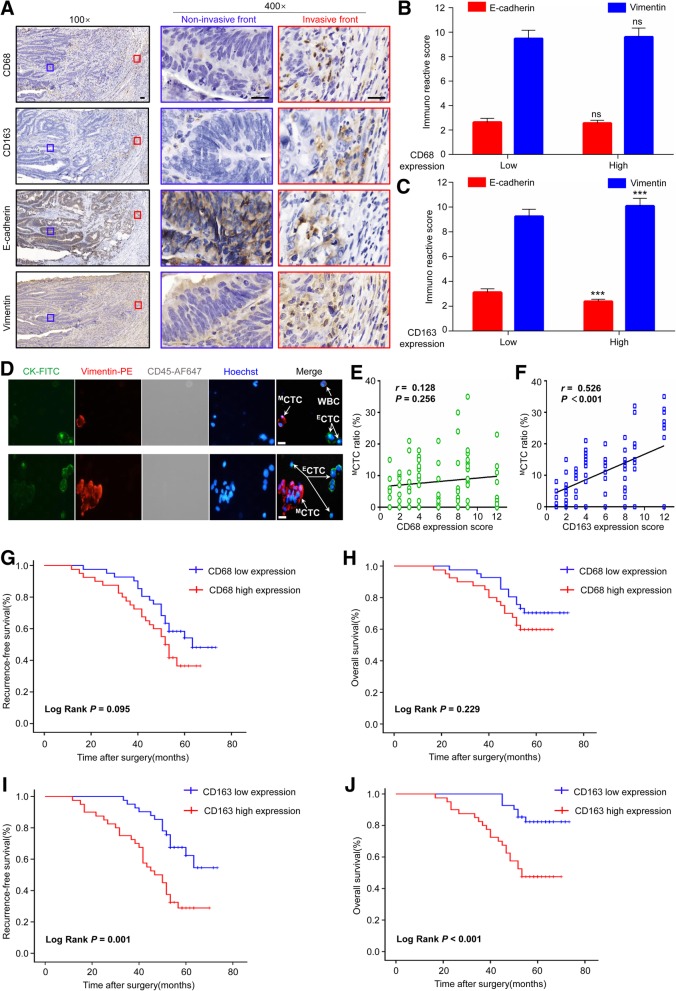
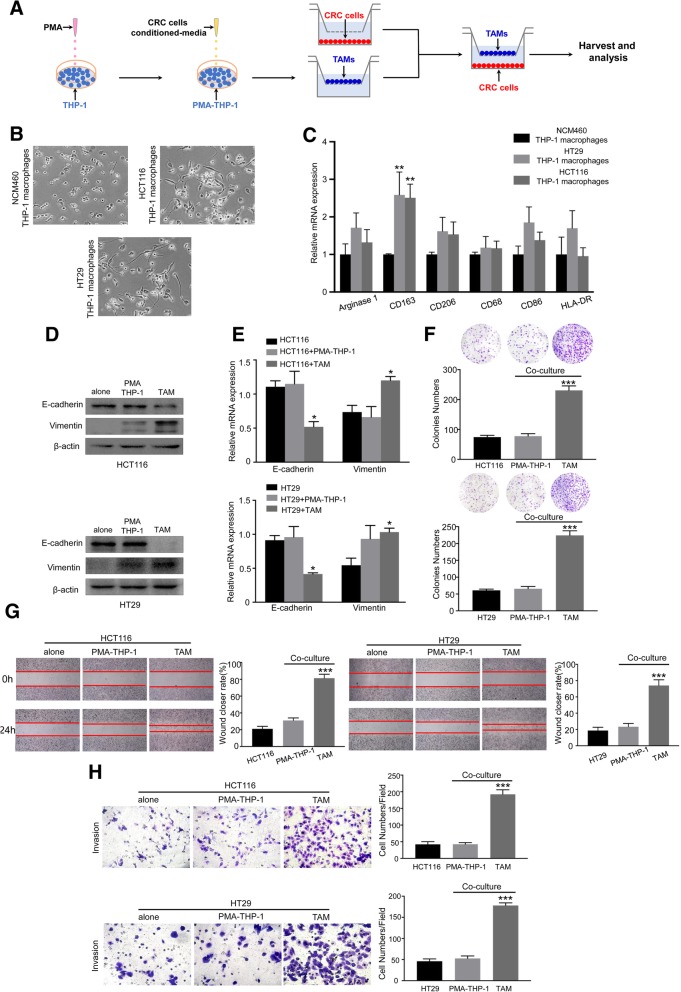
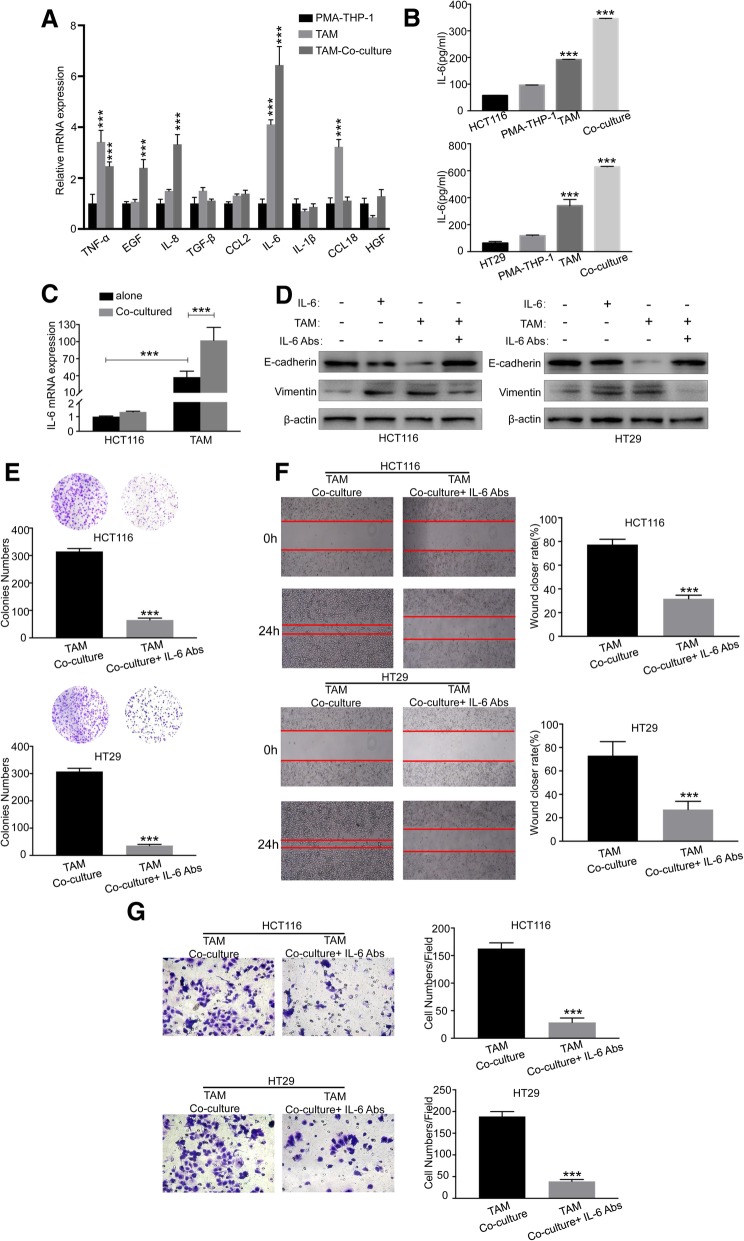
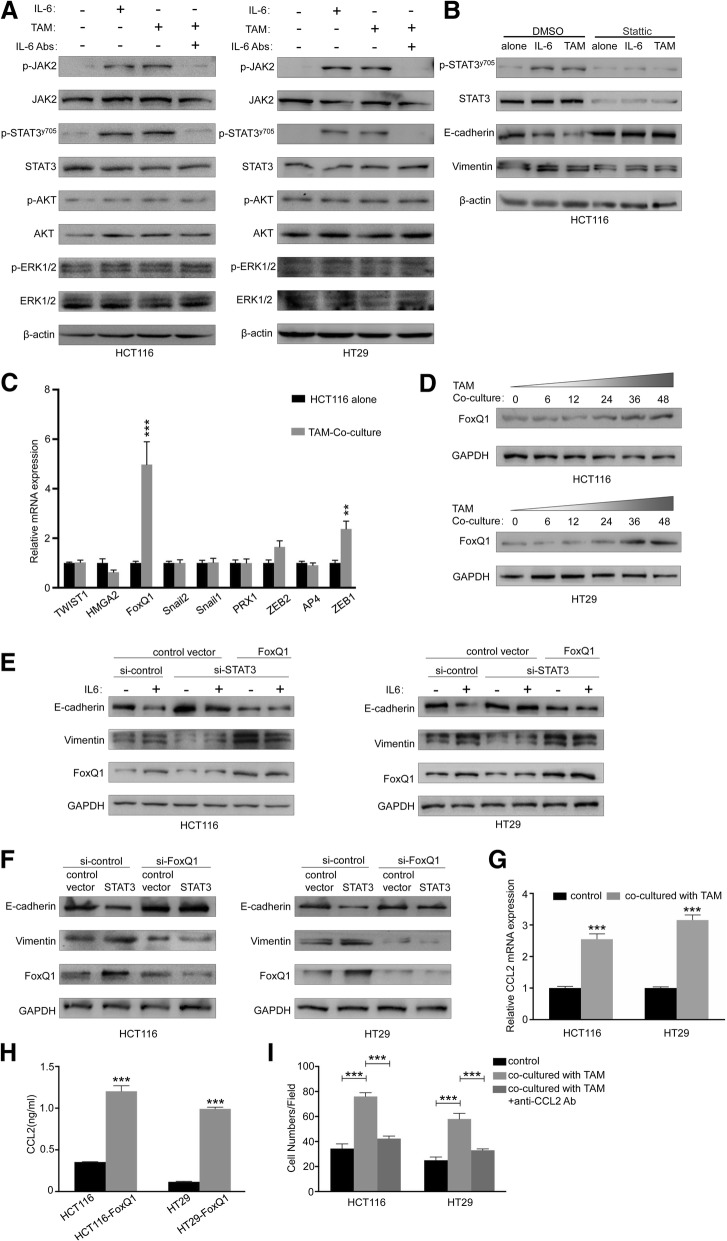
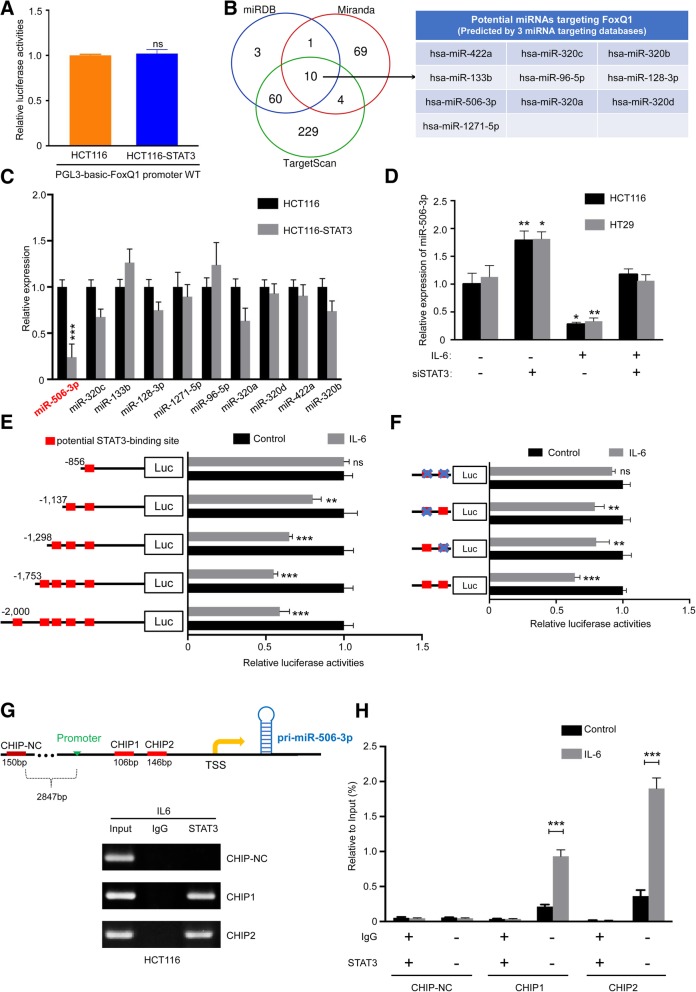
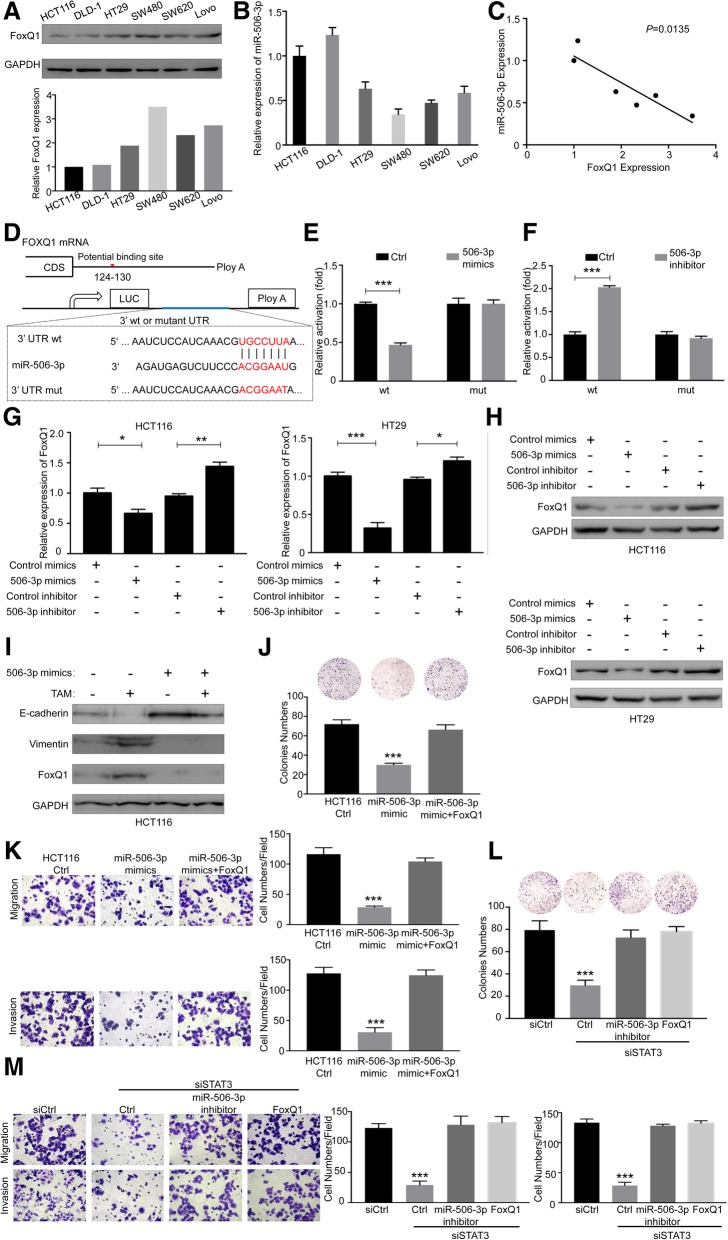
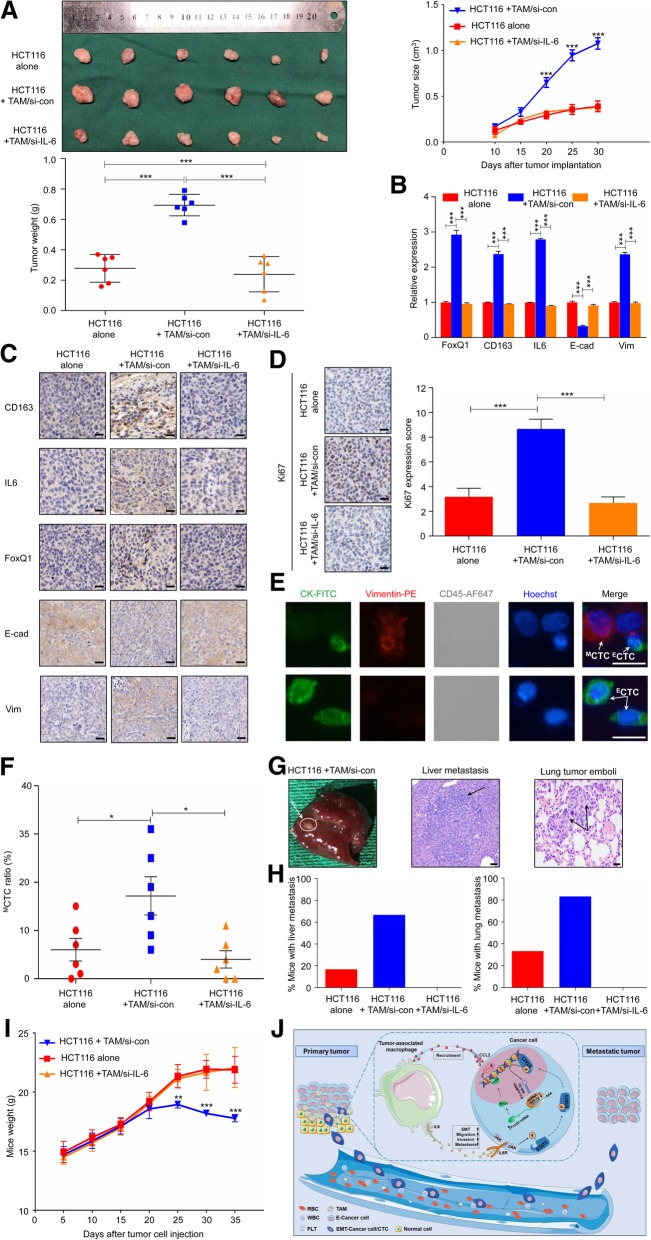
BACKGROUND: Tumor-associated macrophages (TAMs) are major components of tumor microenvironment that frequently associated with tumor metastasis in human cancers. Circulating tumor cell (CTC), originating from primary tumor sites, is considered to be the precursors of tumor metastasis. However, the regulatory mechanism of TAMs in CTC-mediated tumor metastasis still remains unclear. METHODS: Immunohistochemical staining was used to detect the macrophages infiltration (CD68 and CD163), epithelial-mesenchymal transition (EMT) markers (E-cadherin and Vimentin) expression in serial sections of human colorectal cancer (CRC) specimens. Then, the correlations between macrophages infiltration and clinicopathologic features, mesenchymal CTC ratio, and patients' prognosis were analyzed. A co-culture assay in vitro was used to evaluate the role of TAMs on CRC EMT, migration and invasion, and ELISA, luciferase reporter assay and CHIP were performed to uncover the underlying mechanism. Furthermore, an in vivo model was carried out to confirm the effect of TAMs on mesenchymal CTC-mediated metastasis. RESULTS: TAMs infiltrated in invasive front was associated with EMT, mesenchymal CTC ratio, and poor prognosis in patients with CRC. CRC-conditioned macrophages regulated EMT program to enhance CRC cells migration and invasion by secreting IL6. TAMs-derived IL6 activated the JAK2/STAT3 pathway, and activated STAT3 transcriptionally inhibited the tumor suppressor miR-506-3p in CRC cells. miR-506-3p, a key miRNA regulating FoxQ1, was downregulated in CRC cells, resulting in increased FoxQ1 expression, which in turn led to the production of CCL2 that promoted macrophage recruitment. Inhibition of CCL2 or IL6 broke this loop and reduced macrophage migration and mesenchymal CTC-mediated metastasis, respectively. CONCLUSIONS: Our data indicates that TAMs induce EMT program to enhance CRC migration, invasion, and CTC-mediated metastasis by regulating the JAK2/STAT3/miR-506-3p/FoxQ1 axis, which in turn leads to the production of CCL2 that promote macrophage recruitment, revealing a new cross-talk between immune cells and tumor cells in CRC microenvironment.
Overview
The claims and statistics of this paper haven’t been checked yet.
Free: it reads the open-access text and checks the first 5 claims that cite a source we can check. Create a free account to check every claim.
Integrity signals
Registry
Cites
Statistics
Figures
Verification
Claims the paper makes
The claims and statistics of this paper haven’t been checked yet.
Free: it reads the open-access text and checks the first 5 claims that cite a source we can check. Create a free account to check every claim.
Claims other papers make about this one
Each is checked against this paper’s own text: does it say what the citing paper says it does?
The cited source says what the claim attributes to it.
In the citing paper
“In this line, a study in human colorectal cancer (CRC) specimens and in vitro co-culture, revealed that TAMs induce EMT program to enhance CRC invasion, migration, and CTC-mediated metastasis by producing IL6 to activate JAK2/STAT3 axis and inhibit the suppressive role of miR-506-3p on FoxQ1 expression.”
From Tumor microenvironment complexity and therapeutic implications at a glance (2020) · cites this paper as [94]
Self-check
Percentages, sums and reported differences re-computed from the paper’s own numbers.
The self-check needs the paper’s full text.
Citations
Cites
Siegel, R. L., Miller, K. D., & Jemal, A. (2015) · CA: A Cancer Journal for Clinicians · doi:10.3322/caac.21254 · Cited by 11,853
Molecular mechanisms of epithelial–mesenchymal transition
Lamouille, S., Xu, J., & Derynck, R. (2014) · Nature Reviews Molecular Cell Biology · doi:10.1038/nrm3758 · Cited by 8,091
Macrophage Diversity Enhances Tumor Progression and Metastasis
Qian, B.-Z., & Pollard, J. W. (2010) · Cell · doi:10.1016/j.cell.2010.03.014 · Cited by 5,188 · cited 1×
“Macrophages in the TME, referred to as tumor-associated macrophages (TAMs), are one of the most abundant types of cells, and exhibit different phenotypes and functions in response to various microenvironmental signals generated from tumor and stromal cells [14].”
BackgroundCCL2 recruits inflammatory monocytes to facilitate breast-tumour metastasis
Qian, B.-Z., Li, J., Zhang, H., Kitamura, T., Zhang, J., Campion, L. R., Kaiser, E. A., Snyder, L. A., & Pollard, J. W. (2011) · Nature · doi:10.1038/nature10138 · Cited by 2,874
Berns, K., Horlings, H. M., Hennessy, B. T., Madiredjo, M., Hijmans, E. M., Beelen, K., Linn, S. C., Gonzalez-Angulo, A. M., Stemke-Hale, K., Hauptmann, M., et al. (2007) · Cancer Cell · doi:10.1016/j.ccr.2007.08.030 · Cited by 1,627
Dissecting the metastatic cascade
Pantel, K., & Brakenhoff, R. H. (2004) · Nature Reviews Cancer · doi:10.1038/nrc1370 · Cited by 1,281 · cited 1×
“Furthermore, CTC disseminate from primary tumor by undergoing EMT that allow them to penetrate blood vessels [35], and CTC was thought to have stronger invasive and metastatic ability [36].”
BackgroundApplied bioinformatics for the identification of regulatory elements
Wasserman, W. W., & Sandelin, A. (2004) · Nature Reviews Genetics · doi:10.1038/nrg1315 · Cited by 1,228 · cited 1×
“To validate whether transcription of miR-506-3p was directly activated by STAT3, we performed bioinformatics analysis of miR-506-3p promoter region to reveal potential transcription factor binding sites and five potential STAT3-binding sites were revealed by Jaspar [32] (Additional file 1: Figure S3A and Additional fi…”
MethodIliopoulos, D., Jaeger, S. A., Hirsch, H. A., Bulyk, M. L., & Struhl, K. (2010) · Molecular Cell · doi:10.1016/j.molcel.2010.07.023 · Cited by 830 · cited 1×
“For example, STAT3 activated by IL6 directly upregulated the miR-21 and miR-181b-1, which was shown to be necessary for the epigenetic switch linking inflammation to cancer [53].”
BackgroundSu, S., Liu, Q., Chen, J., Chen, J., Chen, F., He, C., Huang, D., Wu, W., Lin, L., Huang, W., et al. (2014) · Cancer Cell · doi:10.1016/j.ccr.2014.03.021 · Cited by 772 · cited 1×
“Our results were in accordance with previous study, which comprehensively demonstrated that CCL18 TAMs infiltration in the tumor invasive front might establish an aggressive TME and could regulate breast cancer cells an EMT shift to increase metastatic ability [33].”
ResultSelf-citationWang, X., Luo, G., Zhang, K., Cao, J., Huang, C., Jiang, T., Liu, B., Su, L., & Qiu, Z. (2018) · Cancer Research · doi:10.1158/0008-5472.can-17-3841 · Cited by 767 · cited 1×
“Additionally, Wang and colleagues revealed that pancreatic cancer (PC) cells activated macrophages to the M2 phenotype, which then promoted EMT progress to increase migration and invasion of PC cells [23].”
Background
Research works printed but not linked: 3
- Su S Liu Q Chen J Chen J Chen F He C Huang D Wu W Lin L Huang W A positive feedback loop between mesenchymal-like cancer cells and macrophages is essential to breast cancer metastasis Cancer Cell 2014 25 605 620 10.1016/j.ccr.2014.03.021 24823638 · DOI · Paper page
- Pantel K Brakenhoff RH Dissecting the metastatic cascade Nat Rev Cancer 2004 4 448 10.1038/nrc1370 15170447 · DOI · Paper page
- Guo J Yan Y Yan Y Guo Q Zhang M Zhang J Goltzman D Tumor-associated macrophages induce the expression of FOXQ1 to promote epithelial-mesenchymal transition and metastasis in gastric cancer cells Oncol Rep 2017 38 2003 2010 10.3892/or.2017.5877 28791370 PMC5652949 · DOI
Cited by
Items 101–200 of 861
Zheng, B., Wang, Y., Zhou, B., Qian, F., Liu, D., Ye, D., Zhou, X., & Fang, L. (2024) · Journal of Advanced Research · doi:10.1016/j.jare.2024.04.010 · Cited by 65
“:3) regulated CCL2 expression to increase macrophage recruitment [12].”
Yang, M., Liu, Q., Dai, M., Peng, R., Li, X., Zuo, W., Gou, J., Zhou, F., Yu, S., Liu, H., et al. (2022) · Journal of Experimental & Clinical Cancer Research · doi:10.1186/s13046-021-02239-4 · Cited by 65
“Our findings corroborate previous studies that revealed the up-regulated expression of FOXQ1 and its cancer metastasis-promoting effects in CRC [13, 38].”
BackgroundResultSelf-citationNearchou, I. P., Gwyther, B. M., Georgiakakis, E. C. T., Gavriel, C. G., Lillard, K., Kajiwara, Y., Ueno, H., Harrison, D. J., & Caie, P. D. (2020) · npj Digital Medicine · doi:10.1038/s41746-020-0275-x · Cited by 66
Molecular and Circulating Biomarkers in Patients with Glioblastoma
Senhaji, N., Houssaini, A. S., Lamrabet, S., Louati, S., & Bennis, S. (2022) · International Journal of Molecular Sciences · doi:10.3390/ijms23137474 · Cited by 68
“Nowadays, the study of CTCs has been performed in different types of tumors including lung [170], breast [171], prostate [172], and colorectal cancers [173], among others.”
BackgroundGao, X., Zhou, S., Qin, Z., Li, D., Zhu, Y., & Ma, D.-N. (2023) · Journal of Translational Medicine · doi:10.1186/s12967-023-03918-w · Cited by 62
“[43] found that TAMs could enhance the invasion and metastasis of colon cancer cells by secreting IL-6 and regulating the JAK2/STAT3/miR5063P/FXQ1 axis to induce the EMT program.”
BackgroundQiao, L., Chen, Y., Liang, N., Xie, J. W., Deng, G., Chen, F., Wang, X., Liu, F., Li, Y., & Zhang, J. (2022) · Frontiers in Oncology · doi:10.3389/fonc.2022.775238 · Cited by 60
“Furthermore, TAMs could mediate EMT to promote the migration and invasion of cancer cells, which is associated with activation of JAK2/STAT3/miR-506-3p/FoxQ1 axis (50).”
BackgroundTumor-associated macrophages: Potential therapeutic targets and diagnostic markers in cancer
Song, J., Xiao, T., Li, M., & Jia, Q. (2023) · Pathology - Research and Practice · doi:10.1016/j.prp.2023.154739 · Cited by 61
Yang, Y., Feng, M., Bai, L., Liao, W., Zhou, K., Zhang, M., Wu, Q., Wen, F., Lei, W., Zhang, P., et al. (2021) · Journal of Translational Medicine · doi:10.1186/s12967-021-03065-0 · Cited by 59
“TAM induces the EMT program by regulating the JAK2/STAT3/miR-506-3p/FoxQ1 axis to enhance CRC migration, invasion, and CTC-mediated metastasis [31].”
BackgroundOsmulski, P. A., Cunsolo, A., Chen, M., Qian, Y., Lin, C.-L., Hung, C., Mahalingam, D., Kirma, N. B., Chen, C., Taverna, J. A., et al. (2021) · Cancer Research · doi:10.1158/0008-5472.can-20-3595 · Cited by 57
“Multiple observations in patients, animal and cell culture models support themetastasis-promoting role of TAMs (4, 31, 42, 43), including induction of EMT (42, 43) and help in intravasation (4, 44, 45).”
BackgroundTumor-associated macrophage clusters linked to immunotherapy in a pan-cancer census
Wei, C., Ma, Y., Wang, M., Wang, S., Yu, W., Dong, S., Deng, W., Bie, L., Zhang, C., Shen, W., et al. (2024) · npj Precision Oncology · doi:10.1038/s41698-024-00660-4 · Cited by 63
Self-citationAdamo, A., Delfino, P., Gatti, A., Bonato, A., Kamga, P. T., Bazzoni, R., Ugel, S., Mercuri, A., Caligola, S., & Krampera, M. (2020) · Frontiers in Cell and Developmental Biology · doi:10.3389/fcell.2020.584232 · Cited by 59
Tumour-associated macrophages heterogeneity drives resistance to clinical therapy
Guo, S., Chen, X., Guo, C.-H., & Wang, W. (2022) · Expert Reviews in Molecular Medicine · doi:10.1017/erm.2022.8 · Cited by 62
Chen, Q., Zou, J., He, Y. Z., Pan, Y., Yang, G., Zhao, H., Huang, Y., Zhao, Y., Wang, A., Chen, W., et al. (2022) · Frontiers in Oncology · doi:10.3389/fonc.2022.944487 · Cited by 58
“Subsequently, the migration ability of macrophages would be weakened, and the metastatic potential of CTCs would also be reduced (109).”
BackgroundMacrophage Signaling Pathways in Health and Disease: From Bench to Bedside Applications
Chi, Y., Jiang, H., Yin, Y., Zhou, X., Shao, Y., Li, Y., & Rao, J. (2025) · MedComm · doi:10.1002/mco2.70256 · Cited by 62
Tumor microenvironment pathways: Cross regulation in breast cancer metastasis
Malla, R. R., & Kiran, P. J. (2020) · Genes & Diseases · doi:10.1016/j.gendis.2020.11.015 · Cited by 56
“The TAMs also have cross-talk with immune cells and tumor cells to induce epithelial to mesenchymal transition (EMT) via JAK2/STAT3/miR-506-3p/FoxQ1 axis.(44) TAMs communicate with tumor cells for the formation of vasculature by secreting IL-1a and activating NF-kB.”
BackgroundLi, M., Jiang, P., Wei, S., Wang, J., & Li, C. (2023) · Frontiers in Immunology · doi:10.3389/fimmu.2023.1113312 · Cited by 60
Kurma, K., & Alix‐Panabières, C. (2023) · Frontiers in Cell and Developmental Biology · doi:10.3389/fcell.2023.1188499 · Cited by 58
“In another study in colorectal cancer, the feedback loop between TAMs and cancer cells was essential for CTC EMT and intravasation into the bloodstream (Wei et al., 2019).”
BackgroundProgress in targeting tumor-associated macrophages in cancer immunotherapy
Xia, W., Zhang, X., Wang, Y., Huang, Z., Guo, X., & Fang, L. (2025) · Frontiers in Immunology · doi:10.3389/fimmu.2025.1658795 · Cited by 58
Biological Implications and Clinical Potential of Metastasis-Related miRNA in Colorectal Cancer
Niu, L., Yang, W., Duan, L., Wang, X., Li, Y., Xu, C., Liu, C., Zhang, Y., Zhou, W. J., Liu, J., et al. (2020) · Molecular Therapy — Nucleic Acids · doi:10.1016/j.omtn.2020.10.030 · Cited by 56
Zhang, Y., Zhao, Y., Li, Q., & Wang, Y. (2021) · Frontiers in Immunology · doi:10.3389/fimmu.2021.685978 · Cited by 59
“Studies have indicated that TAMs produce pro-inflammatory cytokine IL-6 to activate the JAK/STAT3 signaling in CRC cells and lead to epithelial–mesenchymal transition (EMT) involved in tumor progression (81), which in turn leads to the CCL2 secreted by CRC cells, to promote macrophage recruitment, while, inhibition of…”
BackgroundZhang, Q., Fei, L., Han, R., Huang, R., Wang, Y., Chen, H., Yao, B., Qiao, N., Wang, Z., Ma, Z., et al. (2022) · Cell Discovery · doi:10.1038/s41421-022-00459-2 · Cited by 53
Self-citationThe Role of Soluble CD163 (sCD163) in Human Physiology and Pathophysiology
Plevriti, A., Λάμπρου, Μ., Mourkogianni, E., Skoulas, N., Giannakopoulou, M., Sajib, M. S., Wang, Z., Mattheolabakis, G., Chatzigeorgiou, A., Marazioti, A., et al. (2024) · Cells · doi:10.3390/cells13201679 · Cited by 58
“Colorectal cancer: High CD163 expression at the tumor invasive front was correlated with high tumor grade, invasion, the presence of lymph node metastases, and low over-all survival [110,116].”
BackgroundHypoxia Correlates With Poor Survival and M2 Macrophage Infiltration in Colorectal Cancer
Qi, L., Chen, J., Yang, Y., & Hu, W. (2020) · Frontiers in Oncology · doi:10.3389/fonc.2020.566430 · Cited by 56
“TAMs were reported to promote EMT of CRC cells via IL6/JAK/STAT3 pathway (24).”
BackgroundAngioregulatory microRNAs in Colorectal Cancer
Soheilifar, M. H., Grusch, M., Neghab, H. K., Amini, R., Maadi, H., Saidijam, M., & Wang, Z. (2019) · Cancers · doi:10.3390/cancers12010071 · Cited by 54
“FoxQ1 inhibition via miR-506-3p and subsequent CCL2 upregulation can promote circulating tumor cell (CTC)-mediated tumor metastasis in CRC patients [32].”
BackgroundInfluentialPakravan, K., Mohammadi, M. M., Ghazimoradi, M. H., Cho, W. C. S., Sadeghizadeh, M., & Babashah, S. (2022) · Journal of Translational Medicine · doi:10.1186/s12967-022-03780-2 · Cited by 51
Liu, K., Dou, R., Yang, C., Di, Z., Shi, D., Zhang, C., Song, J., Fang, Y., Huang, S., Xiang, Z., et al. (2023) · Carcinogenesis · doi:10.1093/carcin/bgad013 · Cited by 52
Self-citationThe Neuropeptide System and Colorectal Cancer Liver Metastases: Mechanisms and Management
Kasprzak, A., & Adamek, A. (2020) · International Journal of Molecular Sciences · doi:10.3390/ijms21103494 · Cited by 51
“, cancer-associated fibroblasts (CAFs) [203], myofibroblasts [204], TAMs [202], B and T cells [205], tumor ECs (TECs) [206] and CRC CSCs [207], which might be a source of NPs and their receptors, playing a key role in CRC metastasis (including LM).”
BackgroundMethodWu, J., Dong, W., Pan, Y., Wang, J., Wu, M., & Yu, Y. (2023) · Frontiers in Immunology · doi:10.3389/fimmu.2023.1296783 · Cited by 52
Macrophages in tumor cell migration and metastasis
Friedman, M., Karagiannis, G. S., Condeelis, J. S., Oktay, M. H., & Entenberg, D. R. (2024) · Frontiers in Immunology · doi:10.3389/fimmu.2024.1494462 · Cited by 53
Yuan, J. X., Li, Y., Zhang, H., Beeraka, N. M., Zhang, D., Wang, Q., Wang, M., Hemanth Vikram, P. R., Sethi, G., & Wang, G. (2024) · Biomedicine & Pharmacotherapy · doi:10.1016/j.biopha.2024.117714 · Cited by 52
RetractedZhao, Y., Ge, X., Xu, X., Yu, S., Wang, J., & Sun, L. (2019) · Journal of Cancer Research and Clinical Oncology · doi:10.1007/s00432-019-03041-8 · Cited by 51
Imodoye, S. O., Adedokun, K. A., & Bello, I. O. (2024) · Histochemistry and Cell Biology · doi:10.1007/s00418-023-02258-6 · Cited by 50
“Wei et al. (2019) found that TAMs regulate JAK2/STAT3/miR-506-3p/FoxQ1 signaling to induce EMT and increase the metastatic potential of colorectal cancer, suggesting their roles in cancer stemness and heterogeneity.”
Lopes‐Coelho, F., SILVA, F. A. B. N. D., Gouveia-Fernandes, S., Martins, C., Lopes, N., Domingues, G., Brito, C., Almeida, A. M., Pereira, S. A., & Serpa, J. (2020) · Cells · doi:10.3390/cells9010107 · Cited by 50
Zhou, D., Xia, Z., Xie, M., Gao, Y., Yu, Q., & He, B. (2021) · Human Cell · doi:10.1007/s13577-021-00572-6 · Cited by 48
Prognostic significance of CD163+ tumor-associated macrophages in colorectal cancer
Xue, T., Yan, K., Cai, Y., Sun, J., Chen, Z., Chen, X., & Wu, W. (2021) · World Journal of Surgical Oncology · doi:10.1186/s12957-021-02299-y · Cited by 46
“associated macrophages (TAMs) is associated with metastasis of CRC [10], and macrophage-derived IL-6 is associated with drug resistance of CRC [11].”
BackgroundWang, M., Liu, X., Chen, T., Cheng, X., Xiao, H., Meng, X., & Jiang, Y. (2022) · Frontiers in Oncology · doi:10.3389/fonc.2022.956793 · Cited by 52
Hong, J., Du, K., Jin, H., Chen, Y., Jiang, Y., Zhang, W., Chen, D., Zheng, S., & Cao, L. (2024) · Environment International · doi:10.1016/j.envint.2024.108582 · Cited by 47
Autophagy: A Versatile Player in the Progression of Colorectal Cancer and Drug Resistance
Manzoor, S., Muhammad, J. S., Maghazachi, A. A., & Hamid, Q. (2022) · Frontiers in Oncology · doi:10.3389/fonc.2022.924290 · Cited by 45
Li, H.-X., Wang, S., Lian, Z., Deng, S., & Yu, K. (2022) · Cells · doi:10.3390/cells12010064 · Cited by 51
“The upregulation of FoxQ1 accelerates the induction of EMT in tumor cells and promotes tumor metastasis and invasion [42].”
BackgroundSelf-citationThe emerging roles of Hedgehog signaling in tumor immune microenvironment
Wang, J., Cui, B., Li, X., Zhao, X., Huang, T., & Ding, X. (2023) · Frontiers in Oncology · doi:10.3389/fonc.2023.1171418 · Cited by 49
Liu, H., Han, J., Lv, Y., Zhao, Z., Zheng, S., Sun, Y., & Sun, T. (2023) · Journal of Nanobiotechnology · doi:10.1186/s12951-023-01967-3 · Cited by 46
“EMT program can enhance tumor migration, invasion, and tumor immune evasion [22].”
BackgroundYang, S., Wang, M., Hua, Y., Li, J., Zheng, H., Cui, M., Huang, N., Liu, Q., & Liao, Q. (2024) · Cancer Letters · doi:10.1016/j.canlet.2024.216610 · Cited by 48
Self-citationSun, Y., Diao, F., Niu, Y., Li, X., Zhou, H., Mei, Q., & Li, Y. (2020) · International Journal of Biological Macromolecules · doi:10.1016/j.ijbiomac.2020.06.121 · Cited by 46
Su, P., Li, O., Ke, K., Jiang, Z., Wu, J., Wang, Y., Mou, Y., & Jin, W. (2024) · International Journal of Oncology · doi:10.3892/ijo.2024.5648 · Cited by 47
“…demonstrated that TAM‑derived IL‑6 induced EMT in cancer cells by regulating the JAK2/STAT3/miR‑506‑3p/forkhead box Q1 axis, which in turn contributed to the release of CCL2 and thereby facili‑ tated the recruitment of macrophages, ultimately resulting in the promotion of CRC metastasis (99).”
BackgroundYanghe decoction inhibits inflammation-induced lung metastasis of colorectal cancer
Zhang, L., Liu, S., Ding, K., Zeng, B., Li, B., Zhou, J., Li, J., Wang, J., Su, X., & Sun, R. (2024) · Journal of Ethnopharmacology · doi:10.1016/j.jep.2024.119257 · Cited by 44
Yang, Z., Zhang, M., Peng, R., Liu, J., Wang, F., Li, Y., Zhao, Q., & Liu, J. (2020) · International Journal of Colorectal Disease · doi:10.1007/s00384-020-03686-9 · Cited by 50
Bringing Macrophages to the Frontline against Cancer: Current Immunotherapies Targeting Macrophages
Reis-Sobreiro, M., da Mota, A. T., Jardim, C., & Serre, K. (2021) · Cells · doi:10.3390/cells10092364 · Cited by 46
Guo, J. X., Zeng, H., Shi, X., Han, T., Liu, Y., Liu, Y., Liu, C., Qu, D., & Chen, Y. (2022) · Journal of Nanobiotechnology · doi:10.1186/s12951-022-01311-1 · Cited by 44
“The in vivo EMT process of the tumor tissues was verified via immunohistochemical staining of vimentin, N-cadherin, E-cadherin and snail protein by the protocols [55].”
MethodXiang, Z., Huang, G., Wu, H., He, Q., Yang, C., Dou, R., Liu, Q., Song, J., Fang, Y., Wang, S., et al. (2022) · International Journal of Biological Sciences · doi:10.7150/ijbs.73438 · Cited by 45
“[62] and our laboratory [25] also demonstrated that MCTCs are especially important for tumor recurrence and metastasis.”
BackgroundSelf-citationDeshpande, A. M., Loth, M., Sidiropoulos, D. N., Zhang, S., Yuan, L., Bell, A. T. F., Zhu, Q., Ho, W. J., Santa-Maria, C. A., Gilkes, D. M., et al. (2023) · Cell Systems · doi:10.1016/j.cels.2023.03.004 · Cited by 44
Wnt signaling: Modulating tumor-associated macrophages and related immunotherapeutic insights
Yuan, Y., Wu, D., Hou, Y., Zhang, Y., Tan, C., Nie, X., Zhao, Z., & Hou, J. (2024) · Biochemical Pharmacology · doi:10.1016/j.bcp.2024.116154 · Cited by 43
Meng, J., Liu, Y., Guan, S., Fan, S., Zhou, J., Zhang, M., & Liang, C. Y. (2019) · Cancer Medicine · doi:10.1002/cam4.2433 · Cited by 46
Novel Methylation Biomarkers for Colorectal Cancer Prognosis
Gutierrez, A. R., Demond, H., Brebi, P., & Ili, C. (2021) · Biomolecules · doi:10.3390/biom11111722 · Cited by 50
Zhang, J., Zhang, L., Duan, S., Li, Z., Li, G., & Yu, H. (2023) · Frontiers in Oncology · doi:10.3389/fonc.2023.1143154 · Cited by 43
“Therefore, circulating tumor cell (CTC) counts in the peripheral blood can possibly be used to diagnose cancer early, understand tumor progression, and assess prognosis (22, 23).”
BackgroundZhong, Z., Yang, K., Li, Y., Zhou, S., Yao, H., Zhao, Y., Huang, Y., Zou, J., Li, Y., Li, J., et al. (2024) · Cancer Letters · doi:10.1016/j.canlet.2024.216784 · Cited by 44
Signaling pathways in colorectal cancer: implications for the target therapies
Song, Y., Chen, M., Wei, Y., Ma, X., & Shi, H. (2024) · Molecular Biomedicine · doi:10.1186/s43556-024-00178-y · Cited by 46
“Moreover, IL6 from tumor-associated macrophages (TAMs) activates the JAK/STAT3 pathway, leading to transcriptional inhibition of tumor suppressors [111], while caspase-related IL-8 is considerably related to the recruitment of anti-inflammation macrophage through neutrophil [112].”
BackgroundLiu, Z., Lu, T., Wang, Y., Jiao, D., Li, Z., Wang, L., Liu, L., Guo, C., Zhao, Y., & Han, X. (2021) · Journal of Cellular and Molecular Medicine · doi:10.1111/jcmm.16696 · Cited by 50
Yan, C., Li, K., Meng, F., Chen, L., Zhao, J., Zhang, Z., Xu, D., Sun, J., & Zhou, M. (2022) · Journal of Advanced Research · doi:10.1016/j.jare.2022.04.006 · Cited by 47
“Finally, the expression levels of CD86 and CD206 were obtained using the immunoreactive score (the staining intensity the staining percentage) as previously described [33].”
MethodDeciphering the complexities of cancer cell immune evasion: Mechanisms and therapeutic implications
Gupta, I., Hussein, O., Sastry, K. S., Bougarn, S., Gopinath, N., Chin-Smith, E. C., Sinha, Y., Korashy, H. M., & Maccalli, C. (2023) · Advances in Cancer Biology - Metastasis · doi:10.1016/j.adcanc.2023.100107 · Cited by 44
He, Q., Li, L., & Ren, Q. (2021) · Frontiers in Oncology · doi:10.3389/fonc.2021.671811 · Cited by 42
“growth and metastasis, and can induce macrophages to promote angiogenesis through the expression of CXCL1 and CXCL8 (47, 48).”
BackgroundTumor-associated macrophages in lymphoma: From mechanisms to therapy
Xiong, X., Xie, X., Wang, Z., Zhang, Y., & Wang, L. (2022) · International Immunopharmacology · doi:10.1016/j.intimp.2022.109235 · Cited by 41
CD2AP inhibits metastasis in gastric cancer by promoting cellular adhesion and cytoskeleton assembly
Xie, W., Chen, C., Han, Z., Huang, J., Liu, X., Chen, H., Zhang, T., Chen, S., Chen, C., Lu, M., et al. (2020) · Molecular Carcinogenesis · doi:10.1002/mc.23158 · Cited by 42
“Overall, the upregulation of CD2AP could attenuate GC metastasis, suggesting CD2AP as a novel biomarker for the prognosis and treatment of patients with GC.”
InfluentialEndoplasmic Reticulum Stress in Cancer
Zhou, R., Wang, W., Li, B., Zhu, L., Huang, J., & Li, X. (2025) · MedComm · doi:10.1002/mco2.70263 · Cited by 45
Tumor-associated macrophages in cancer: from mechanisms to application
Tang, W., Wang, X., Han, B., Jiang, S.-H., & Cao, H. (2025) · Molecular Biomedicine · doi:10.1186/s43556-025-00396-y · Cited by 48
“CD163 expression also shows a positive correlation with the degree of serum or lymphatic metastasis [276], supporting its utility as a promising biomarker.”
A Novel Model of Cancer Drug Resistance: Oncosomal Release of Cytotoxic and Antibody-Based Drugs
Eguchi, T., Taha, E. A., Calderwood, S. K., & Ono, K. (2020) · Biology · doi:10.3390/biology9030047 · Cited by 42
Han, L., Wang, S., Wei, C., Fang, Y., Huang, S., Yin, T., Xiong, B., & Yang, C. (2021) · Expert Reviews in Molecular Medicine · doi:10.1017/erm.2021.13 · Cited by 44
Self-citationCirculating tumor cells: Towards mechanical phenotyping of metastasis
Peralta, M., Osmani, N., & Goetz, J. G. (2022) · iScience · doi:10.1016/j.isci.2022.103969 · Cited by 41
“Blockage of IL6 or CCL2 broke this loop reducing mesenchymal CTCs number and macrophage migration, respectively (Wei et al., 2019).”
BackgroundXu, L., Yao, L.-J., Jiang, D., Zhou, L., Chen, M., Liao, W.-Z., Zou, W., & Peng, H. (2021) · Parasites & Vectors · doi:10.1186/s13071-021-05032-6 · Cited by 42
Wu, L., Qian, C., Zhang, W., Shi, M., Chen, X., Wang, Y., & Lin, F. (2023) · Phytomedicine · doi:10.1016/j.phymed.2023.154846 · Cited by 41
He, Y., Han, Y., Fan, A., Li, D., Wang, B., Ji, K., Wang, X., Zhao, X., & Lu, Y. (2022) · Journal of Translational Medicine · doi:10.1186/s12967-022-03667-2 · Cited by 42
“It is well known that CD163 can enhance the migration and invasion of colorectal cancer cells (35) and is related to the poor prognosis of patients (36).”
BackgroundYao, Y., Feng, S., Li, X., Liu, T., Ye, S., Ma, L., & Man, S. (2023) · Cell Death and Disease · doi:10.1038/s41419-022-05482-5 · Cited by 40
“LPC inhibits TAMs and inflammatory factors accumulation TAMs as the predominant infiltrated immune cells in TME exhibit pro-tumoral angiogenesis, metastasis, and immunosuppression activity [23, 24].”
BackgroundMacrophage’s role in solid tumors: two edges of a sword
Jahandideh, A., Yarizadeh, M., Masjedi, M. N.-K., Fatehnejad, M., Jahandideh, R., Soheili, R., Eslami, Y., Zokaei, M., Ahmadvand, A., Ghalamkarpour, N., et al. (2023) · Cancer Cell International · doi:10.1186/s12935-023-02999-3 · Cited by 40
“improving CRC invasion and migration ability through the modulation of the JAK2/STAT3/miR-506-3p/FoxQ1 axis [75].”
BackgroundSingh, D., & Siddique, H. R. (2023) · Cancer and Metastasis Reviews · doi:10.1007/s10555-023-10141-y · Cited by 41
“Cancer cells can produce factors that attract TAMs to the TME and promote their activation [55, 76].”
Tumor Hypoxia and Circulating Tumor Cells
Tinganelli, W., & Durante, M. (2020) · International Journal of Molecular Sciences · doi:10.3390/ijms21249592 · Cited by 41
“Tumor-associated macrophages (TAM) are responsible for creating a favorable CTCs microenvironment [28,29].”
BackgroundXu, S., Li, H., Li, T., Li, S., Xia, H., Long, J., Wu, C., Wang, W., Zhang, W., Gao, H.-L., et al. (2021) · Frontiers in Immunology · doi:10.3389/fimmu.2021.577517 · Cited by 43
“Macrophages also provide feedback to tumor cells (49).”
BackgroundSelf-citationSu, Y. J., Leng, M., Yang, Q., Jiang, W., Xiang, G., Long, L., & Zhou, X. W. (2025) · Journal of Nanobiotechnology · doi:10.1186/s12951-025-03522-8 · Cited by 38
“In return, the direct interaction with or secretion of factors from CTCs accelerate the transformation of tumor-related cells into protumor phenotypes [33, 34].”
Zheng, H., Chen, Z., Cai, A., Lin, X., Jiang, X., Zhou, B., Wang, J., Yao, Q., Chen, R., & Kou, L. (2020) · Colloids and Surfaces B Biointerfaces · doi:10.1016/j.colsurfb.2020.111109 · Cited by 37
Self-citationLi, C., Li, R. Q., Wu, X., Zuo, Y., Xiong, G., Huang, M., Sun, Y., Liao, R., Xiao, Y., Hu, L., et al. (2022) · Analytical Chemistry · doi:10.1021/acs.analchem.2c02416 · Cited by 37
A new insight of immunosuppressive microenvironment in osteosarcoma lung metastasis
He, M., Jiang, X., Miao, J., Feng, W., Xie, T., Liao, S., Qin, Z., Tang, H., Lin, C., Li, B., et al. (2023) · Experimental Biology and Medicine · doi:10.1177/15353702231171900 · Cited by 39
Guo, D., Li, X., Wang, J., Liu, X., Wang, Y., Huang, S., & Dang, N. (2024) · Cell Death and Disease · doi:10.1038/s41419-024-06583-z · Cited by 42
“This process plays a key role in the regulation of tumour invasion and metastasis in many human cancers [37 – 39].”
Wang, X., Xiang, Z., Tsao, G. S., & Tu, W. (2020) · Cellular and Molecular Immunology · doi:10.1038/s41423-020-0420-0 · Cited by 36
Macrophages-stimulated PRMT1-mediated EZH2 methylation promotes breast cancer metastasis
Li, Z., Wang, D., Wang, W., Chen, X., Tang, A., Hou, P., Li, M., Zheng, J., & Bai, J. (2020) · Biochemical and Biophysical Research Communications · doi:10.1016/j.bbrc.2020.10.037 · Cited by 37
Li, Y., Lu, L., Wu, X., Li, Q., Zhao, Y., Du, F., Chen, Y., Shen, J., Xiao, Z., Wu, Z., et al. (2021) · International Journal of Biological Sciences · doi:10.7150/ijbs.61410 · Cited by 38
“Tumor-associated macrophages (TAMs), as the central component of infiltrating leukocytes in tumors, are more similar to the functional phenotype of M2-type macrophages, playing an extremely important role in mediating the occurrence of tumor inflammation and tumor progression [45-48].”
BackgroundFu, Y., Guo, X., Sun, L., Cui, T., Wu, C., Wang, J., Liu, Y., & Liu, L. (2024) · eLife · doi:10.7554/elife.95009 · Cited by 39
“Furthermore, TAMs not only dampen T-cell activity but also facilitate tumor progression and metastasis through signaling pathways like JAK2/STAT3/miR- 506-3p/ FoxQ1 ( Wei et al., 2019 ).”
BackgroundLuo, Y., Wang, J., Wang, F., Liu, X., Lü, J., Yu, X., Ma, X., Peng, X., & Li, X. (2021) · Cell Death and Disease · doi:10.1038/s41419-021-03674-z · Cited by 38
Fang, X., Xu, Y., Li, K., Liu, P., Zhang, H., Jiang, Y., Tang, J., & Li, Y. (2022) · Journal of Immunology Research · doi:10.1155/2022/9916228 · Cited by 37
“Studies have shown that CTCs are readily survivable and metastatic after epithelial-mesenchymal transformation and are therefore closely associated with a high metastatic potential in many solid cancers, including CRC [9].”
Liu, Y., Zhao, S., Chen, Y., Ma, W., Lu, S.-P., He, L., Chen, J., Chen, X., Zhang, X., Shi, Y., et al. (2023) · Cellular Oncology · doi:10.1007/s13402-023-00844-3 · Cited by 36
“The role of VIM in promoting cancer progression has been verified in breast cancer [11], colon cancer [12], bladder cancer [13], etc.”
BackgroundLiu, W., Kuang, T., Liu, L., & Deng, W. (2024) · Frontiers in Immunology · doi:10.3389/fimmu.2024.1407449 · Cited by 45
Barbălată, C. I., Porfire, A. S., Sesărman, A., Rauca, V. F., Banciu, M., Muntean, D. M., Stiufiuc, R. I., Moldovan, A. I., Moldovan, C. S., & Tomuță, I. (2021) · Pharmaceutics · doi:10.3390/pharmaceutics13101526 · Cited by 36
“Among the most prominent immune cells that infiltrate in the tumor, macrophages were demonstrated to play a key role in the progression, invasion and drug resistance of CRC [93].”
Sa, P., Mohapatra, P., Swain, S. S., Khuntia, A., & Sahoo, S. K. (2023) · Molecular Pharmaceutics · doi:10.1021/acs.molpharmaceut.3c00286 · Cited by 36
Advances in Modeling the Immune Microenvironment of Colorectal Cancer
Yoon, P., Piccolo, N. D., Shirure, V. S., Peng, Y., Kirane, A., Canter, R. J., Fields, R. C., George, S. C., & Gholami, S. (2021) · Frontiers in Immunology · doi:10.3389/fimmu.2020.614300 · Cited by 35
“These studies show that macrophages differentiate towards an M2-like phenotype in response to tumor cells or tumor cell-conditioned media (51–55) and migrate towards tumor cells (54, 55).”
BackgroundYang, C., Cao, F., Huang, S., & Zheng, Y. (2021) · Frontiers in Immunology · doi:10.3389/fimmu.2021.717505 · Cited by 37
Self-citationShen, M., Du, Y., & Ye, Y. (2021) · Medical Review · doi:10.1515/mr-2021-0014 · Cited by 34
“and activator of transcription 3 (STAT3)/miR-506-3p/ Forkhead box Q1 (FoxQ1) axis [34].”
BackgroundHMGB1 Signaling-Mediated Tumor Immunity in Cancer Progress
Wen, J., & Zhang, X. (2023) · Frontiers in Bioscience-Landmark · doi:10.31083/j.fbl2810260 · Cited by 33
“When confronted with complex mediators released by tumor cells, TAMs may not be purely polarized M1 or M2 subtypes but rather a mixture (M1 and M2) that can exert proinflammatory or pro-tumor effects at different cancer stages [79,80].”
BackgroundMalik, S., Sureka, N., Ahuja, S., Aden, D., Zaheer, S., & Zaheer, S. (2024) · Cell Biology International · doi:10.1002/cbin.12226 · Cited by 36
“…phenotype are under investigation as potential approaches to enhance the body's natural immune response against cancer cells, with the aim of improving cancer therapy outcomes (Kloosterman & Akkari, 2023; Lu et al., 2022; Pu & Ji, 2022; Vanmeerbeek et al., 2022; Wei et al., 2019; Zhu et al., 2022).”
Lv, J., Yu, X., Liu, X., Zhang, Q., Zhang, M., Gao, J., Sun, Z., Zhang, F., Zuo, Y., & Ren, S. (2025) · Journal of Experimental & Clinical Cancer Research · doi:10.1186/s13046-025-03461-0 · Cited by 36
“At present, research on CRC liver metastasis has focused mainly on heterogeneous cancer stem-like cells [4], the crosstalk between cancer cells and tumour-associated macrophages [5], and the epi-thelial‒mesenchymal transition (EMT) [6].”
Paradoxical role of β8 integrin on angiogenesis and vasculogenic mimicry in glioblastoma
Liu, Y., Xu, X., Zhang, Y., Mo, Y., Sun, X., Shu, L., & Ke, Y. (2022) · Cell Death and Disease · doi:10.1038/s41419-022-04959-7 · Cited by 33
“Luciferase reporter assay Luciferase reporter assay was carried out according to the protocol described previously [55].”
MethodLi, X., Lan, Q., Lai, W., Wu, H., Xu, H., Fang, K., Chu, Z., & Zeng, Y. (2022) · BMC Cancer · doi:10.1186/s12885-022-09926-1 · Cited by 32
“M1 macrophages play a crucial role in tumoricidal activity, while M2 macrophages are linked to tumor promotion via inhibition of the Th1-like lymphocyte reaction [28, 29].”
BackgroundLi, Z., Wang, P., Cui, W., Yong, H., Wang, D., Zhao, T., Wang, W., Shi, M., Zheng, J., & Bai, J. (2022) · Cell & Bioscience · doi:10.1186/s13578-022-00913-4 · Cited by 33
“For instance, TAMs enhance PDPK1-mediated PGK1-T243 phosphorylation in tumour cells by secreting interleukin-6 (IL-6), which enhances TAM-induced tumorigenesis in human glioblastoma multiforme (GBM) [24]; TAMderived IL-6 activates the JAK2/STAT3 pathway, and the activated STAT3 transcriptionally inhibits the tumour su…”
BackgroundTransforming growth factor‐β signalling in tumour resistance to the anti‐PD ‐(L)1 therapy: Updated
Mortezaee, K., & Majidpoor, J. (2023) · Journal of Cellular and Molecular Medicine · doi:10.1111/jcmm.17666 · Cited by 35
Metadata
- Authors
- Wei, C., Yang, C., Wang, S., Shi, D., Zhang, C., Lin, X., Liu, Q., Dou, R., & Xiong, B.
- Affiliations
- Zhongnan Hospital of Wuhan University (CN)
- Corresponding author
- Xiong, Bin
- Venue
- Molecular Cancer
- Published
- 2019-03-30
- Volume
- 18
- Issue
- 1
- Pages
- 64-64
- ISSN
- 1476-4598 (ISSN-L)
- PMC
- PMC6441214
- OpenAlex
- W2948024202
- Cited by
- 833
- References
- 55
- Citations by year
- 2026: 60 · 2025: 129 · 2024: 148 · 2023: 147 · 2022: 173 · 2021: 100 · 2020: 66 · 2019: 8
- FWCI
- 34.76
- Type
- journal article
- Language
- en
- Open access
- gold
- doi.org
- Licence
- cc-by
- creativecommons.org/licenses/by/4.0/ (tdm)
- Locations
- Molecular Cancer (publishedVersion, cc-by)
- PubMed Central (publishedVersion, cc-by)
- PubMed (publishedVersion)
- DOAJ (DOAJ: Directory of Open Access Journals) (submittedVersion, cc-by-sa)
- Funders
- National Natural Science Foundation of China ((81572874, 81702411)
- Topics
- Life Sciences › Immunology and Microbiology › Immunology › Immune cells in cancer
- Health Sciences › Medicine › Oncology › Cancer Cells and Metastasis
- Life Sciences › Biochemistry, Genetics and Molecular Biology › Molecular Biology › Mechanisms of cancer metastasis
- Keywords
- tumor-associated macrophages, circulating tumor cells, colorectal cancer, metastasis, epithelial-mesenchymal transition, interleukin-6, JAK2/STAT3 signaling, miR-506-3p, FOXQ1, MCP-1, macrophage recruitment, tumor microenvironment, cell migration and invasion
- MeSH terms
- Animals, Cell Movement, Female, Follow-Up Studies, Humans, Liver Neoplasms, Lung Neoplasms, Macrophages, Male, Mice, Nude, Middle Aged, Neoplastic Cells, Circulating, Neoplasm Invasiveness, Prognosis, Tumor Cells, Cultured, Biomarkers, Tumor, Colorectal Neoplasms, Signal Transduction, Gene Expression Regulation, Neoplastic, Survival Rate, Apoptosis, Xenograft Model Antitumor Assays, Cell Proliferation, Mice, Epithelial-Mesenchymal Transition, Tumor Microenvironment
About these checks
Registry, retraction, Cites and statistics results are computed, not judged, with one exception: a printed reference that no index lists is read once by a model before it counts as a citation error. Claims are extracted by a model and kept only when their quote appears verbatim in the text; each cited source is then checked, with a model’s help, for whether it says what the claim relies on. Those verdicts can be wrong — read the claim’s quote and the cited source before relying on one.
Statistics and arithmetic are recomputed, not judged.
Confidence bands are shown only for fields calibrated on our annotated test set. None is calibrated yet, so no band is shown.
What counts as a claim ›How we measure confidence ›How we check this ›
Are you an author, or do you see a problem with this page? Request a review
Data sources
Bibliographic data: Semantic Scholar, OpenAlex, Crossref.
Contains information from the Semantic Scholar Academic Graph Datasets, made available under the ODC Attribution License (ODC-BY 1.0).
Semantic Scholar’s data is described in: Kinney, R., et al. (2023). The Semantic Scholar Open Data Platform. arXiv:2301.10140.
