

Crosstalk between cancer cells and tumor associated macrophages is required for mesenchymal circulating tumor cell-mediated colorectal cancer metastasis
Open accessThe DOI matches its Crossref record; 55 of the 55 references it cites were found in a registry or an index.
Abstract
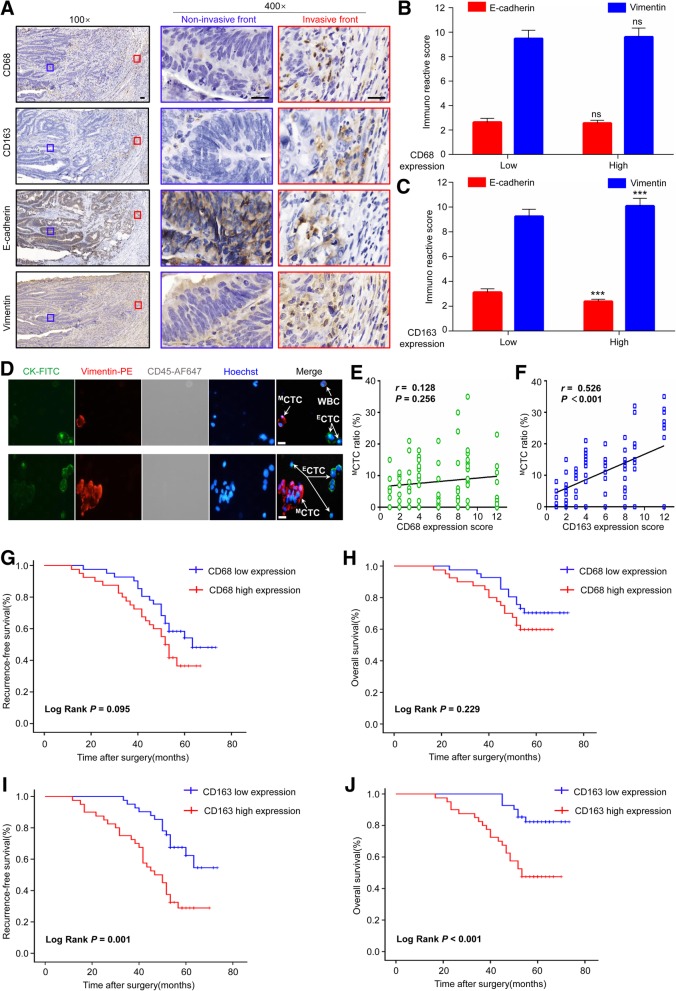
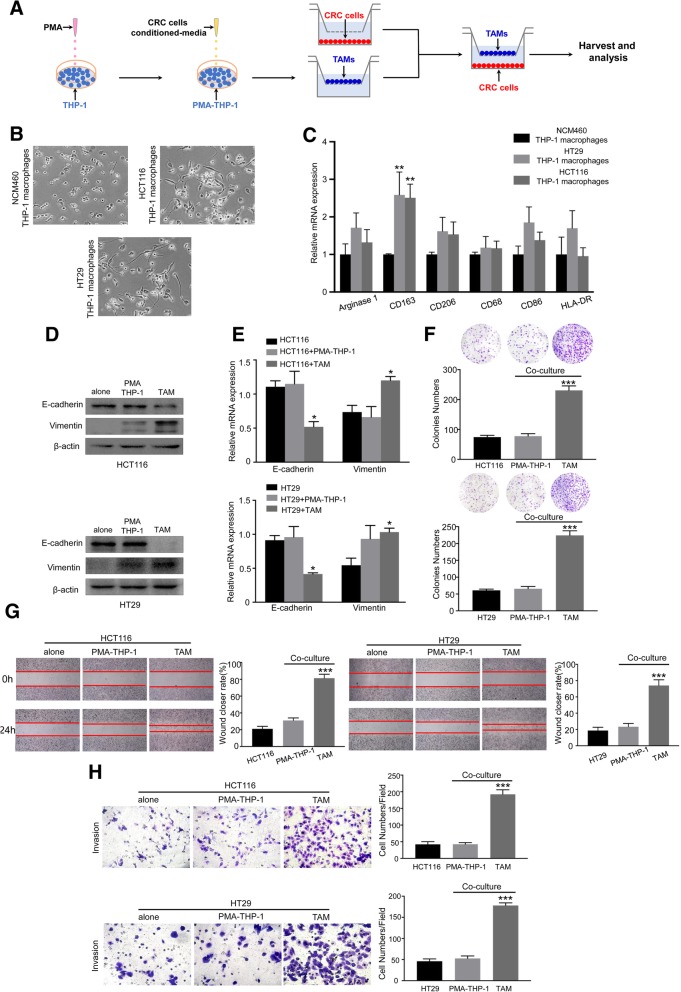
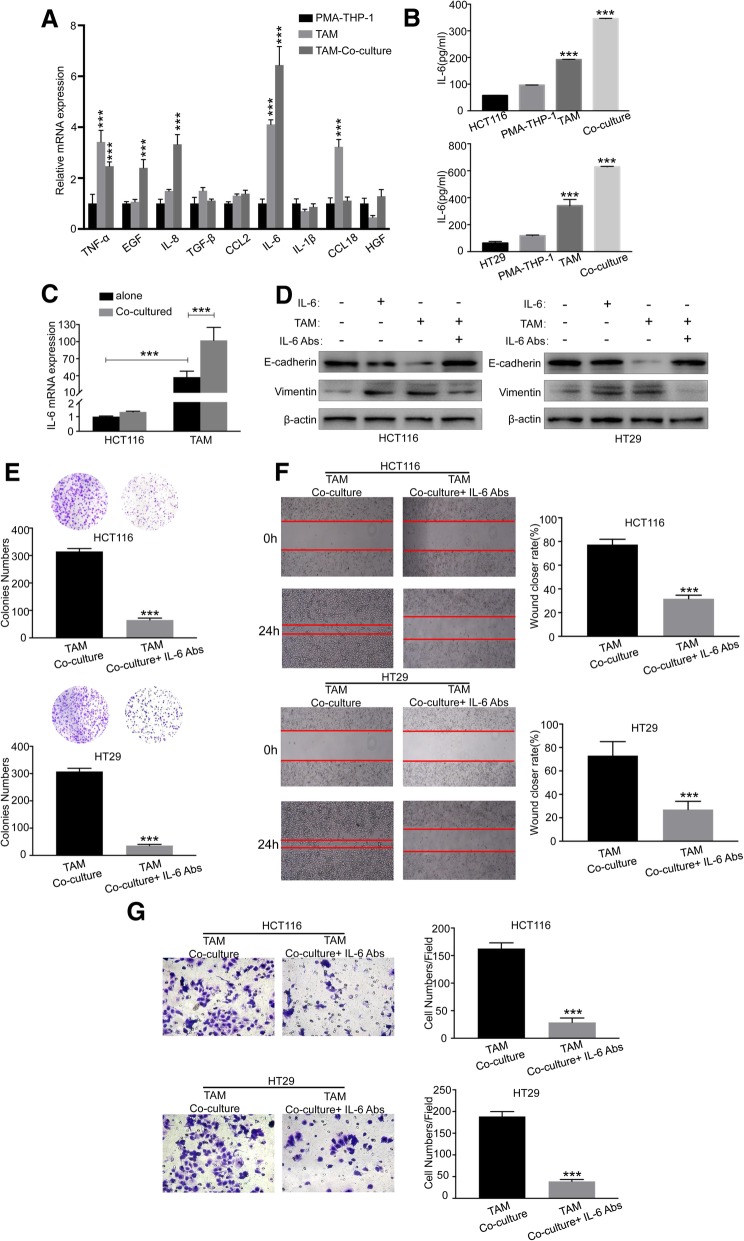
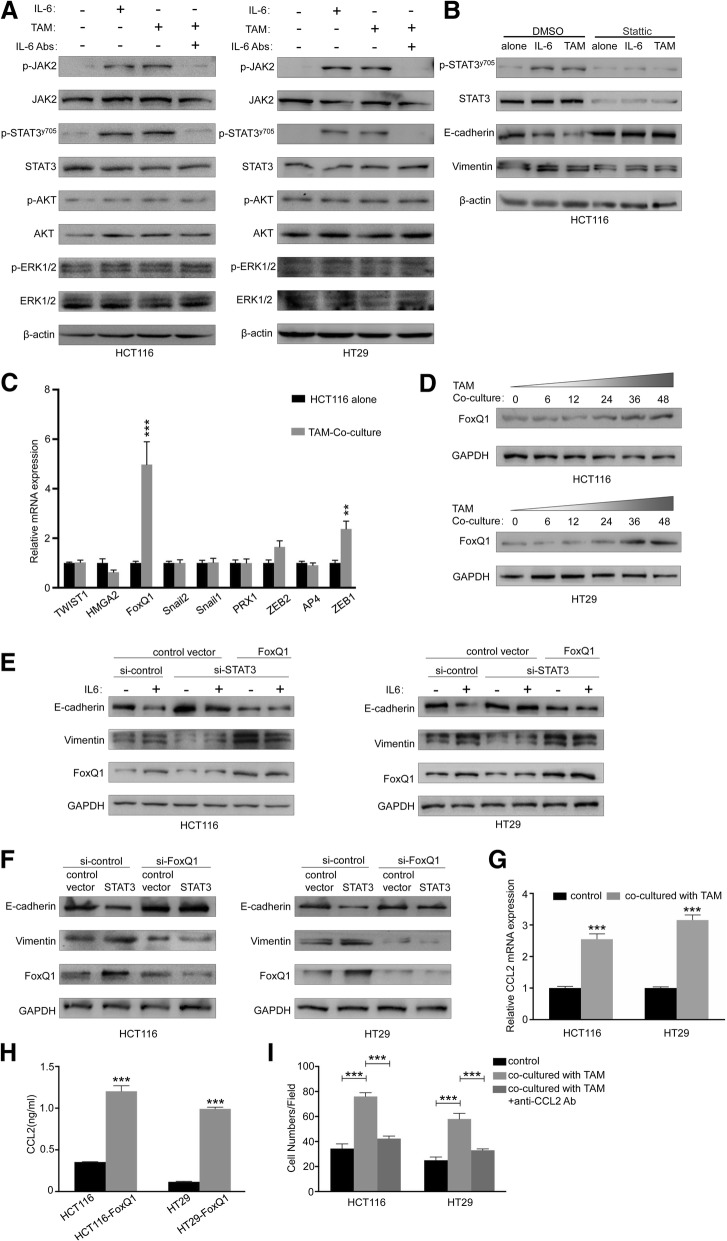
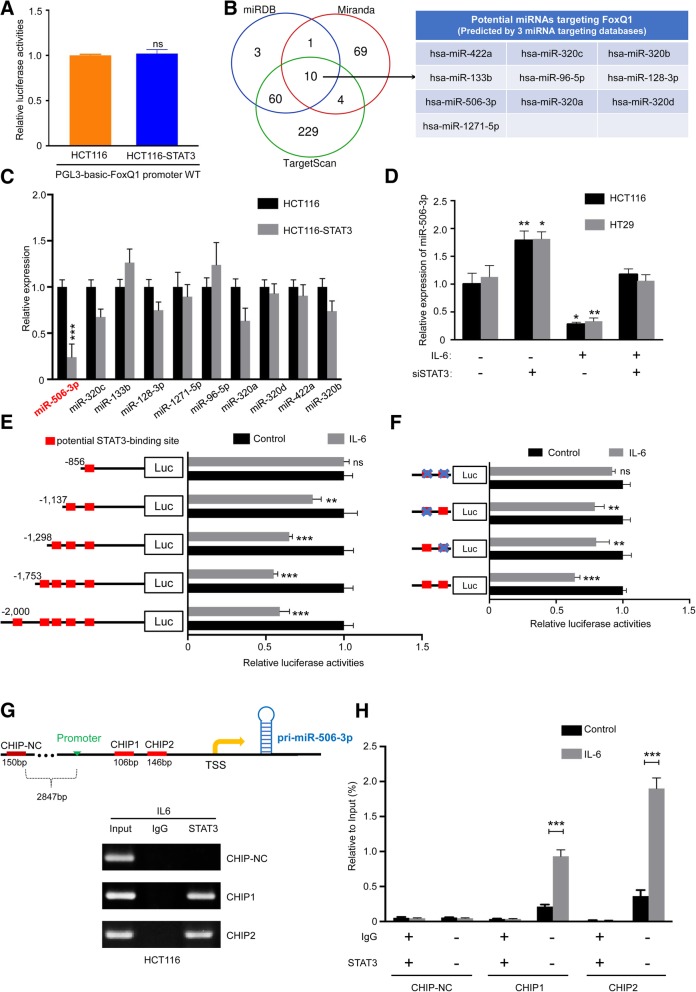
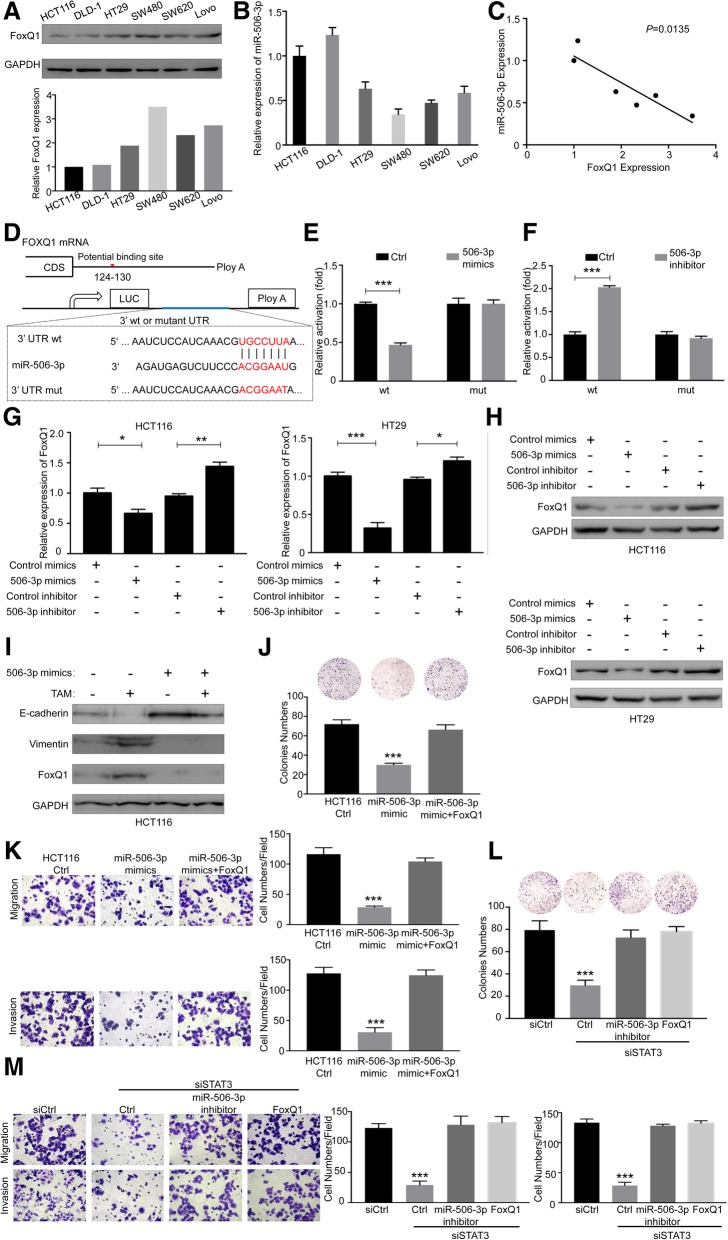
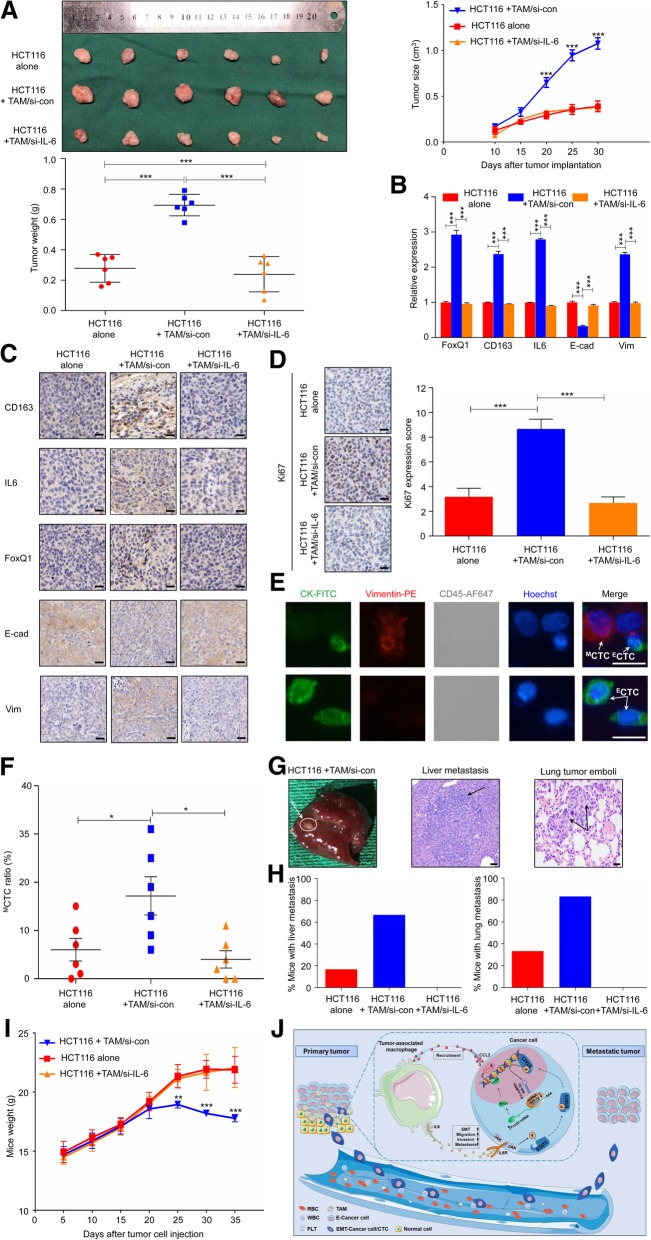
BACKGROUND: Tumor-associated macrophages (TAMs) are major components of tumor microenvironment that frequently associated with tumor metastasis in human cancers. Circulating tumor cell (CTC), originating from primary tumor sites, is considered to be the precursors of tumor metastasis. However, the regulatory mechanism of TAMs in CTC-mediated tumor metastasis still remains unclear. METHODS: Immunohistochemical staining was used to detect the macrophages infiltration (CD68 and CD163), epithelial-mesenchymal transition (EMT) markers (E-cadherin and Vimentin) expression in serial sections of human colorectal cancer (CRC) specimens. Then, the correlations between macrophages infiltration and clinicopathologic features, mesenchymal CTC ratio, and patients' prognosis were analyzed. A co-culture assay in vitro was used to evaluate the role of TAMs on CRC EMT, migration and invasion, and ELISA, luciferase reporter assay and CHIP were performed to uncover the underlying mechanism. Furthermore, an in vivo model was carried out to confirm the effect of TAMs on mesenchymal CTC-mediated metastasis. RESULTS: TAMs infiltrated in invasive front was associated with EMT, mesenchymal CTC ratio, and poor prognosis in patients with CRC. CRC-conditioned macrophages regulated EMT program to enhance CRC cells migration and invasion by secreting IL6. TAMs-derived IL6 activated the JAK2/STAT3 pathway, and activated STAT3 transcriptionally inhibited the tumor suppressor miR-506-3p in CRC cells. miR-506-3p, a key miRNA regulating FoxQ1, was downregulated in CRC cells, resulting in increased FoxQ1 expression, which in turn led to the production of CCL2 that promoted macrophage recruitment. Inhibition of CCL2 or IL6 broke this loop and reduced macrophage migration and mesenchymal CTC-mediated metastasis, respectively. CONCLUSIONS: Our data indicates that TAMs induce EMT program to enhance CRC migration, invasion, and CTC-mediated metastasis by regulating the JAK2/STAT3/miR-506-3p/FoxQ1 axis, which in turn leads to the production of CCL2 that promote macrophage recruitment, revealing a new cross-talk between immune cells and tumor cells in CRC microenvironment.
Overview
The claims and statistics of this paper haven’t been checked yet.
Free: it reads the open-access text and checks the first 5 claims that cite a source we can check. Create a free account to check every claim.
Integrity signals
Registry
Cites
Statistics
Figures
Verification
Claims the paper makes
The claims and statistics of this paper haven’t been checked yet.
Free: it reads the open-access text and checks the first 5 claims that cite a source we can check. Create a free account to check every claim.
Claims other papers make about this one
Each is checked against this paper’s own text: does it say what the citing paper says it does?
The cited source says what the claim attributes to it.
In the citing paper
“In this line, a study in human colorectal cancer (CRC) specimens and in vitro co-culture, revealed that TAMs induce EMT program to enhance CRC invasion, migration, and CTC-mediated metastasis by producing IL6 to activate JAK2/STAT3 axis and inhibit the suppressive role of miR-506-3p on FoxQ1 expression.”
From Tumor microenvironment complexity and therapeutic implications at a glance (2020) · cites this paper as [94]
Self-check
Percentages, sums and reported differences re-computed from the paper’s own numbers.
The self-check needs the paper’s full text.
Citations
Cites
Siegel, R. L., Miller, K. D., & Jemal, A. (2015) · CA: A Cancer Journal for Clinicians · doi:10.3322/caac.21254 · Cited by 11,853
Molecular mechanisms of epithelial–mesenchymal transition
Lamouille, S., Xu, J., & Derynck, R. (2014) · Nature Reviews Molecular Cell Biology · doi:10.1038/nrm3758 · Cited by 8,091
Macrophage Diversity Enhances Tumor Progression and Metastasis
Qian, B.-Z., & Pollard, J. W. (2010) · Cell · doi:10.1016/j.cell.2010.03.014 · Cited by 5,188 · cited 1×
“Macrophages in the TME, referred to as tumor-associated macrophages (TAMs), are one of the most abundant types of cells, and exhibit different phenotypes and functions in response to various microenvironmental signals generated from tumor and stromal cells [14].”
BackgroundCCL2 recruits inflammatory monocytes to facilitate breast-tumour metastasis
Qian, B.-Z., Li, J., Zhang, H., Kitamura, T., Zhang, J., Campion, L. R., Kaiser, E. A., Snyder, L. A., & Pollard, J. W. (2011) · Nature · doi:10.1038/nature10138 · Cited by 2,874
Berns, K., Horlings, H. M., Hennessy, B. T., Madiredjo, M., Hijmans, E. M., Beelen, K., Linn, S. C., Gonzalez-Angulo, A. M., Stemke-Hale, K., Hauptmann, M., et al. (2007) · Cancer Cell · doi:10.1016/j.ccr.2007.08.030 · Cited by 1,627
Dissecting the metastatic cascade
Pantel, K., & Brakenhoff, R. H. (2004) · Nature Reviews Cancer · doi:10.1038/nrc1370 · Cited by 1,281 · cited 1×
“Furthermore, CTC disseminate from primary tumor by undergoing EMT that allow them to penetrate blood vessels [35], and CTC was thought to have stronger invasive and metastatic ability [36].”
BackgroundApplied bioinformatics for the identification of regulatory elements
Wasserman, W. W., & Sandelin, A. (2004) · Nature Reviews Genetics · doi:10.1038/nrg1315 · Cited by 1,228 · cited 1×
“To validate whether transcription of miR-506-3p was directly activated by STAT3, we performed bioinformatics analysis of miR-506-3p promoter region to reveal potential transcription factor binding sites and five potential STAT3-binding sites were revealed by Jaspar [32] (Additional file 1: Figure S3A and Additional fi…”
MethodIliopoulos, D., Jaeger, S. A., Hirsch, H. A., Bulyk, M. L., & Struhl, K. (2010) · Molecular Cell · doi:10.1016/j.molcel.2010.07.023 · Cited by 830 · cited 1×
“For example, STAT3 activated by IL6 directly upregulated the miR-21 and miR-181b-1, which was shown to be necessary for the epigenetic switch linking inflammation to cancer [53].”
BackgroundSu, S., Liu, Q., Chen, J., Chen, J., Chen, F., He, C., Huang, D., Wu, W., Lin, L., Huang, W., et al. (2014) · Cancer Cell · doi:10.1016/j.ccr.2014.03.021 · Cited by 772 · cited 1×
“Our results were in accordance with previous study, which comprehensively demonstrated that CCL18 TAMs infiltration in the tumor invasive front might establish an aggressive TME and could regulate breast cancer cells an EMT shift to increase metastatic ability [33].”
ResultSelf-citationWang, X., Luo, G., Zhang, K., Cao, J., Huang, C., Jiang, T., Liu, B., Su, L., & Qiu, Z. (2018) · Cancer Research · doi:10.1158/0008-5472.can-17-3841 · Cited by 767 · cited 1×
“Additionally, Wang and colleagues revealed that pancreatic cancer (PC) cells activated macrophages to the M2 phenotype, which then promoted EMT progress to increase migration and invasion of PC cells [23].”
Background
Research works printed but not linked: 3
- Su S Liu Q Chen J Chen J Chen F He C Huang D Wu W Lin L Huang W A positive feedback loop between mesenchymal-like cancer cells and macrophages is essential to breast cancer metastasis Cancer Cell 2014 25 605 620 10.1016/j.ccr.2014.03.021 24823638 · DOI · Paper page
- Pantel K Brakenhoff RH Dissecting the metastatic cascade Nat Rev Cancer 2004 4 448 10.1038/nrc1370 15170447 · DOI · Paper page
- Guo J Yan Y Yan Y Guo Q Zhang M Zhang J Goltzman D Tumor-associated macrophages induce the expression of FOXQ1 to promote epithelial-mesenchymal transition and metastasis in gastric cancer cells Oncol Rep 2017 38 2003 2010 10.3892/or.2017.5877 28791370 PMC5652949 · DOI
Cited by
Items 201–300 of 861
Zheng, J., Dou, R., Zhang, X., Zhong, B., Fang, C., Xu, Q., Di, Z., Huang, S., Lin, Z., Song, J., et al. (2023) · Journal of Translational Medicine · doi:10.1186/s12967-023-04009-6 · Cited by 32
“polarization It is well known that CCL2 is a chemokine which is positively regulated by FOXQ1 to promote macrophage recruitment and M2 polarization [17, 25, 34].”
BackgroundMethodSelf-citationTargeting crosstalk of STAT3 between tumor-associated M2 macrophages and Tregs in colorectal cancer
Huang, L., Zhao, Y., Shan, M., Wang, S., Chen, J., Liu, Z., & Xu, Q. (2023) · Cancer Biology & Therapy · doi:10.1080/15384047.2023.2226418 · Cited by 36
Self-citationLi, H., Ruan, Y., Liu, C., Fan, X., Yao, Y., Dai, Y., Song, Y., Jiang, D., Sun, N., Jiao, G., et al. (2024) · Cell Communication and Signaling · doi:10.1186/s12964-024-01578-x · Cited by 31
“Macrophages as the most abundant immune cells within the tumor [17], we hypothesized that PAAD cells overexpressing the VDR could promote more TAMs infiltration, thereby influencing the malignant evolution of PAAD.”
BackgroundDai, Z., Gu, X., Xiang, S., Gong, D., Man, C., & Fan, Y. J. (2020) · Biomarker Research · doi:10.1186/s40364-020-00240-1 · Cited by 35
“A cell–cell communication tool was used to investigate the association between CTCs and TME.”
BackgroundInfluentialHongli, M., Sheng, J., Jia, J., Wang, C., Zhang, S., Xing, Y., & He, F. (2021) · OncoTargets and Therapy · doi:10.2147/ott.s288709 · Cited by 31
Stoellinger, H. M., & Alexanian, A. R. (2022) · Assay and Drug Development Technologies · doi:10.1089/adt.2021.140 · Cited by 31
Lu, Y., Guan, T., Xu, S., Chen, Y., Shen, Q., Zhu, S., Liu, Y., Liang, J., & Hou, S. (2022) · Phytomedicine · doi:10.1016/j.phymed.2022.154070 · Cited by 31
Chronic Inflammation in Obesity and Cancer Cachexia
Divella, R., Gadaleta‐Caldarola, G., & Mazzocca, A. (2022) · Journal of Clinical Medicine · doi:10.3390/jcm11082191 · Cited by 36
Shi, Y., Li, J., Chen, H., Hu, Y., Tang, L., Zhou, X., Tao, M., Lv, Z., Chen, S., Qiu, A., et al. (2022) · Frontiers in Immunology · doi:10.3389/fimmu.2022.899140 · Cited by 34
“Clinical data showed the infiltration of CD163 positive macrophages associated with EMT in colorectal cancer metastasis (54).”
BackgroundCell–Cell Interactions Drive Metastasis of Circulating Tumor Microemboli
Tao, J., Zhu, L., Yakoub, M., Reißfelder, C., Loges, S., & Schölch, S. (2022) · Cancer Research · doi:10.1158/0008-5472.can-22-0906 · Cited by 31
Gazzillo, A., Polidoro, M. A., Soldani, C., Franceschini, B., Lleò, A., & Donadon, M. (2022) · International Journal of Molecular Sciences · doi:10.3390/ijms232416197 · Cited by 33
“A co-culture assay was recently realized in vitro to evaluate the role of TAMs in CRC EMT, migration, and invasion [127].”
BackgroundMethodInfluentialNegi, M., Kaushik, N., Nguyen, L. N., Choi, E. H., & Kaushik, N. K. (2023) · Free Radical Biology and Medicine · doi:10.1016/j.freeradbiomed.2023.03.009 · Cited by 31
He, L., Chen, Q., Wu, X., Zhu, W., Chen, Q., & Wu, X. (2025) · Journal of Ovarian Research · doi:10.1186/s13048-025-01616-3 · Cited by 31
Colorectal Cancer at the Crossroads: The Good, the Bad, and the Future of Platinum-Based Drugs
Kee, J. X., Yau, J. N. N., Muthuramalingam, R. P. K., Wang, X., Chng, W. H., Lopez‐Sanchez, A., Tay, K. K. W., Deng, L., Gibson, D., Bertrand, H. C., et al. (2025) · Chemical Reviews · doi:10.1021/acs.chemrev.5c00041 · Cited by 35
Crosstalk between epithelium, myeloid and innate lymphoid cells during gut homeostasis and disease
Ghilas, S., O’Keefe, R. N., Mielke, L. A., Raghu, D., Büchert, M., & Ernst, M. (2022) · Frontiers in Immunology · doi:10.3389/fimmu.2022.944982 · Cited by 31
The regulatory relationship between transcription factor STAT3 and noncoding RNA
Liu, S., Li, W., Liang, L., Zhou, Y., & Li, Y. (2024) · Cellular & Molecular Biology Letters · doi:10.1186/s11658-023-00521-1 · Cited by 31
“[25 –28].”
Transgelins: Cytoskeletal Associated Proteins Implicated in the Metastasis of Colorectal Cancer
Liu, J., Zhang, Y., Li, Q., & Wang, Y. (2020) · Frontiers in Cell and Developmental Biology · doi:10.3389/fcell.2020.573859 · Cited by 34
Ben, S., Zhu, Q., Chen, S., Li, S., Du, M., Xin, J., Chu, H., Zhang, Z., & Wang, M. (2021) · Archives of Toxicology · doi:10.1007/s00204-021-03040-0 · Cited by 30
Circulating tumor cells: mechanisms and clinical significance in colorectal cancer metastasis
Ren, X., Song, M. L., Liu, X., & He, W. (2025) · Molecular Cancer · doi:10.1186/s12943-025-02465-w · Cited by 31
“…process of colorectal cancer liver metastasis, tumor-associated macrophages (TAMs) and mesenchymal phenotypic tumor cells form a vicious circle through the bidirectional regulation mechanism of IL-6/ STAT3-CCL2 axis, which ultimately promotes the formation and progression of liver metastases [24].”
Nadella, V., Garg, M., Kapoor, S., Barwal, T. S., Jain, A., & Prakash, H. (2020) · Annals of Translational Medicine · doi:10.21037/atm-20-695 · Cited by 29
“have shown that TAM-derived IL6induce epithelialmesenchymal transition (EMT) program to enhance human colorectal cancer migration, invasion and Circulating tumor cell- mediated metastasis by regulating the JAK2/STAT3/ miR-506-3p/FoxQ1 axis leading to the production of CCL2 that promote macrophage migration (27).”
BackgroundNeutrophils: Accomplices in metastasis
Zhu, K., Li, P., Mo, Y., Wang, J., Jiang, X., Ge, J., Huang, W., Liu, Y., Tang, Y., Gong, Z., et al. (2020) · Cancer Letters · doi:10.1016/j.canlet.2020.07.028 · Cited by 29
Qi, L., Ye, C., Zhang, D., Bai, R., Zheng, S. S., Hu, W., & Yuan, Y. (2021) · Frontiers in Immunology · doi:10.3389/fimmu.2021.781221 · Cited by 32
“Tumor associated macrophages (TAM) can be divided into M1 and M2 types, of which M2 has a tumor-promoting effect (28, 29).”
BackgroundWu, S., Yuan, W., Luo, W., Nie, K., Wu, X., Meng, X., Shen, Z., & Wang, X. (2022) · Molecular Oncology · doi:10.1002/1878-0261.13218 · Cited by 29
The promise and challenge of spatial omics in dissecting tumour microenvironment and the role of AI
Lee, R. Y., Ng, C. W., Rajapakse, M. P., Ang, N., Yeong, J. P.-S., & Lau, M. C. (2023) · Frontiers in Oncology · doi:10.3389/fonc.2023.1172314 · Cited by 31
“Using Visium, Meylan et al. examined the B-cell response within intratumoral tertiary lymphoid structures (TLS) in renal cell carcinoma, and found positive clinical outcomes associated with intratumoral TLS+ regions enriched with B-cell maturation and anti-tumorigenic antibody production (26); Lau et al. examined the…”
BackgroundInfluentialMa, Y., Nenkov, M., Chen, Y., & Gaßler, N. (2024) · International Journal of Molecular Sciences · doi:10.3390/ijms25158352 · Cited by 28
“Moreover, CAMs-M2-derived IL6 promotes metastasis via upregulation of the JAK2/STAT3/miR-506-3P/FoxQ1 axis, which further leads to CCL2 release and CCL2-induced macrophage recruitment [153].”
BackgroundShi, J., Zhu, X., & Yang, J.-B. (2025) · World Journal of Hepatology · doi:10.4254/wjh.v17.i1.102273 · Cited by 30
Monocytes and Macrophages in Cancer: Unsuspected Roles
Gouveia-Fernandes, S. (2020) · Advances in experimental medicine and biology · doi:10.1007/978-3-030-34025-4_9 · Cited by 35
Efficient Propagation of Circulating Tumor Cells: A First Step for Probing Tumor Metastasis
Xiao, J., McGill, J. R., Stanton, K., Kassner, J. D., Choudhury, S., Schlegel, R., Sauna, Z. E., Pohlmann, P. R., & Agarwal, S. (2020) · Cancers · doi:10.3390/cancers12102784 · Cited by 29
“More recent studies demonstrated that both macrophages and neutrophils associate with CTCs [17,27,31,32].”
BackgroundEngineering Macrophages via Nanotechnology and Genetic Manipulation for Cancer Therapy
Ding, X., Sun, X., Cai, H., Wu, L., Liu, Y., Zhao, Y., Zhou, D., Yu, G., & Zhou, X. (2022) · Frontiers in Oncology · doi:10.3389/fonc.2021.786913 · Cited by 31
Exosomes in lung cancer metastasis, diagnosis, and immunologically relevant advances
Zhao, J., Li, X., Liu, L., Zhu, Z., & He, C. (2023) · Frontiers in Immunology · doi:10.3389/fimmu.2023.1326667 · Cited by 29
Zhu, Y. J., Zou, C., Zhang, J., Jiang, W., Guan, F., Tang, K., Li, S., Li, G., Wang, J., & Ke, Z. (2020) · ACS Applied Materials & Interfaces · doi:10.1021/acsami.9b22234 · Cited by 28
Li, C., Xu, J., Wang, X., Zhang, C., Yu, Z., Liu, J., Tai, Z., Luo, Z., Yi, X., & Zhong, Z. (2021) · Cell Death Discovery · doi:10.1038/s41420-021-00607-9 · Cited by 30
“Immune cells affect the tumor progression and determine tumor cell fate under the strong selection stress [10, 11].”
BackgroundSelf-citationCirculating tumour cell clusters: isolation, biological significance and therapeutic implications
Yang, Y., Huang, G., Lian, J., Long, C., Zhao, B., Liu, X., Zhang, B., Ye, W., Chen, J., Du, L., et al. (2024) · BMJ Oncology · doi:10.1136/bmjonc-2024-000437 · Cited by 30
Yin, B., Ding, J., Liu, J., Hu, H., Zhu, Y., Yang, M., Zhou, H., Baoyou, H., Huang, T., Li, M., et al. (2025) · Advanced Science · doi:10.1002/advs.202504436 · Cited by 32
Li, Y., Shi, Y., Zhang, X., Li, P., Ma, L., Hu, P., Xu, L., Dai, Y., Xia, S., & Qiu, H. (2023) · Biochimica et Biophysica Acta (BBA) - Molecular Basis of Disease · doi:10.1016/j.bbadis.2023.166665 · Cited by 29
Li, T., Han, L., Ma, S., Lin, W., Ba, X. W., Yan, J., Huang, Y., Tu, S., & Qin, K. (2023) · Frontiers in Molecular Biosciences · doi:10.3389/fmolb.2023.1140325 · Cited by 29
Bandini, S., Ulivi, P., & Rossi, T. (2024) · Cells · doi:10.3390/cells13040337 · Cited by 29
“In this context, Cheng Wei and collaborators described a positive feedback loop between cancer cells and TAMs involving the IL6/STAT3 pathway, with a critical role in cancer progression and metastasis [146].”
BackgroundZhou, M., Niu, H., Cui, D., Huang, G., Li, J., Tian, H., Xu, X.-J., Liang, F., & Chen, R. (2024) · Phytotherapy Research · doi:10.1002/ptr.8184 · Cited by 28
“Within the tumour microenvironment, FOXQ1 potentially affects cancer development by influencing angiogenesis and immune evasion (Wei et al., 2019).”
BackgroundTan, S., Tang, H., Wang, Y., Xie, P., Li, H., Zhang, Z., & Zhou, J. (2023) · Heliyon · doi:10.1016/j.heliyon.2023.e19296 · Cited by 26
Prognostic value of CD163+ macrophages in solid tumor malignancies: A scoping review
Mathiesen, H., Juul‐Madsen, K., Tramm, T., Vorup‐Jensen, T., Møller, H. J., Etzerodt, A., & Andersen, M. N. (2025) · Immunology Letters · doi:10.1016/j.imlet.2025.106970 · Cited by 31
Lei, Y., Wang, X., Sun, H., Fu, Y., Tian, Y., Yang, L., Wang, J., & Xia, F. (2021) · Frontiers in Oncology · doi:10.3389/fonc.2021.601668 · Cited by 29
“Liver cancer cells spread from the primary lesion to form CTCs (7, 8, 58).”
Tackling Current Biomedical Challenges With Frontier Biofabrication and Organ-On-A-Chip Technologies
Celikkin, N., Presutti, D., Maiullari, F., Fornetti, E., Agarwal, T., Paradiso, A., Volpi, M., Święszkowski, W., Bearzi, C., Barbetta, A., et al. (2021) · Frontiers in Bioengineering and Biotechnology · doi:10.3389/fbioe.2021.732130 · Cited by 26
“For instance, tumor-on-a-chip platforms have provided unique microenvironments to simulate the overall tumor pathologies (Wang Z. et al., 2019; Wei et al., 2019; Mencattini et al., 2020).”
BackgroundShi, W., Zhang, F., Chen, X., Wang, S., Zhang, H., Yang, Z., Wang, G., Zheng, Y., Han, Y., Sun, Y., et al. (2022) · Cancer Science · doi:10.1111/cas.15360 · Cited by 26
Self-citationZhang, R., Cheng, K., Huang, Z., Zhang, X., Li, Y., Sun, X. P., Yang, X., Hu, Y., Hou, X. L., Liu, B., et al. (2023) · Journal of Colloid and Interface Science · doi:10.1016/j.jcis.2023.10.054 · Cited by 27
The functional roles of chemokines and chemokine receptors in colorectal cancer progression
Yue, M., Chen, M., Zhang, B., Wang, Y., Li, P., & Zhao, Y. (2023) · Biomedicine & Pharmacotherapy · doi:10.1016/j.biopha.2023.116040 · Cited by 26
A Signaling View into the Inflammatory Tumor Microenvironment
Pereira, J., Jordan, P., & Matos, P. (2021) · Immuno · doi:10.3390/immuno1020007 · Cited by 26
“For more detailed descriptions, the reader is referred to reviews on specific tumor types, such as breast [100,101], lung [102,103], colorectal [104,105], prostate [106,107], or brain cancer [108,109].”
BackgroundRen, X., Ju, Y., Wang, C., Wei, R., Sun, H., & Zhang, Q. (2021) · Cancer Investigation · doi:10.1080/07357907.2021.1950757 · Cited by 25
“TAMs act as a “bridge” between tumor and inflammation in TME and are closely associated with cancer occurrence, metastasis, and progression (39,40), making TAMs a key target in combating HCC.”
BackgroundModi, U., Makwana, P., & Vasita, R. (2021) · Critical Reviews in Oncology/Hematology · doi:10.1016/j.critrevonc.2021.103511 · Cited by 25
Wu, D., Liu, X., Mu, J., Yang, J., Wu, F., & Zhou, H. (2022) · Biomolecules · doi:10.3390/biom12030392 · Cited by 29
Glioblastoma Vaccines as Promising Immune-Therapeutics: Challenges and Current Status
Houssaini, A. S., Lamrabet, S., Nshizirungu, J. P., Senhaji, N., Sekal, M., Karkouri, M., & Bennis, S. (2024) · Vaccines · doi:10.3390/vaccines12060655 · Cited by 28
“Numerous studies have shown that the effect of TERT mutations on prognosis depends on an assortment of variables, including age, tumor histology, the absence of IDH mutations, and the existence of an unmethylated O 6 -methylguanine-DNA-methyltransferase ( MGMT ) promoter [111–113].”
BackgroundZhang, Y., Ding, X., Zhang, X., Li, Y., Xu, R. C., Li, H., Zuo, D., & Chen, G. (2024) · Frontiers in Pharmacology · doi:10.3389/fphar.2024.1404687 · Cited by 33
Prognostic Model of Colorectal Cancer Constructed by Eight Immune-Related Genes
Wen, S., He, L., Zhong, Z., Mi, H., & Liu, F. (2020) · Frontiers in Molecular Biosciences · doi:10.3389/fmolb.2020.604252 · Cited by 28
C1Q+ TPP1+ macrophages promote colon cancer progression through SETD8-driven p53 methylation
Veschi, V., Verona, F., Bella, S. D., Turdo, A., Gaggianesi, M., Franco, S. D., Mangiapane, L. R., Modica, C., Iacono, M. L., Bianca, P., et al. (2025) · Molecular Cancer · doi:10.1186/s12943-025-02293-y · Cited by 26
Wei, C., Chen, M., Deng, W., Bie, L., Ma, Y., Zhang, C., Liu, K., Shen, W., Wang, S., Yang, C., et al. (2021) · Briefings in Bioinformatics · doi:10.1093/bib/bbab386 · Cited by 27
Self-citationGuo, Y., Mao, W., Jin, L., Xia, L., Huang, J., Liu, X., Ni, P., Shou, Q., & Fu, H. (2022) · Frontiers in Pharmacology · doi:10.3389/fphar.2022.918975 · Cited by 27
“Tumor-associated macrophages (TAMs) are a general term for macrophages that infiltrate tumor tissues, and have been proven to be closely related to tumor growth, angiogenesis, metastasis, and tumor immune escape (Wenes et al., 2016; Wei et al., 2019).”
BackgroundLiu, F., Liang, Y., Sun, R., Yang, W., Liang, Z., Gu, J., Zhao, F., & Tang, D. (2022) · Chinese Medicine · doi:10.1186/s13020-022-00641-4 · Cited by 24
“EMT is an essential dynamic biological process responsible for distant tumor metastasis, which occurs and enhances tumor cell migration and invasion when polarized tumor cells develop a mesenchymal phenotype [42, 43].”
BackgroundWen, J., Yin, P., Su, Y., Gao, F., Wu, Y., Zhang, W., Chi, P., Chen, J., & Zhang, X. (2023) · International Immunopharmacology · doi:10.1016/j.intimp.2023.110259 · Cited by 24
Wang, L., & Peng, J. (2023) · Scientific Reports · doi:10.1038/s41598-023-37807-5 · Cited by 27
Dou, R., Han, L., Yang, C., Fang, Y., Zheng, J., Liang, C., Song, J., Chen, W., Huang, G., Zhong, P., et al. (2023) · Clinical and Translational Medicine · doi:10.1002/ctm2.1432 · Cited by 25
“49,50 Once EMT is activated, the cell will be characterised by a decline in E-CADHERIN expression and re-expression of mesenchymal markers.”
BackgroundSelf-citationThe cross-talk between macrophages and tumor cells as a target for cancer treatment
Aizaz, M., Khan, A. U., Khan, F., Khan, M., Saleh, E. A. M., Nisar, M., & Baran, N. (2023) · Frontiers in Oncology · doi:10.3389/fonc.2023.1259034 · Cited by 25
IL-35: New Target for Immunotherapy Targeting the Tumor Microenvironment
Yi, P., Yu, W., Xiong, Y., Dong, Y., Huang, Q., Lin, Y., Du, Y., & Hua, F. (2023) · Molecular Cancer Therapeutics · doi:10.1158/1535-7163.mct-23-0242 · Cited by 26
Wu, W., Shi, X.-D., Zhang, F.-P., Zhu, K., Zhang, R., Yu, X., Qin, Y., He, S.-P., Fu, H.-W., Zhang, L., et al. (2022) · Oncogene · doi:10.1038/s41388-022-02246-5 · Cited by 27
“Since previous studies have already shown that conditioned medium from macrophages can enhance tumor cell migration [29, 30], we therefore focused on whether macrophage-derived VEGFA might play a role in regulating the transendothelial migration ability of tumor cells.”
BackgroundChemokine ligand 2: beyond chemotaxis—a multifaceted role in tumor progression
Jin, Y., Wang, Y., & Yang, R. (2025) · Frontiers in Immunology · doi:10.3389/fimmu.2025.1685474 · Cited by 26
Saunders, A. S., Bender, D. E., Ray, A. L., Wu, X., & Morris, K. T. (2021) · PLoS ONE · doi:10.1371/journal.pone.0247233 · Cited by 27
“The mechanisms behind the multiple facets of macrophage behavior and tumor outcome are not completely understood, but tumor cell chemotactic factor excretion as well as regulation of the cytokine milieu are known to contribute [49, 50].”
BackgroundCrosstalk between Fatty Acid Metabolism and Tumour-Associated Macrophages in Cancer Progression
Zaidi, N. E., Shazali, N. A. H., Leow, T. C., Osman, M. A., Ibrahim, K., & Rahman, N. M. A. N. A. (2022) · Biomedicine · doi:10.37796/2211-8039.1381 · Cited by 23
“Recent studies suggest that infiltrating CD163þ TAMs (M2 phenotype) trigger EMT to increase colorectal cancer migration, invasion, and metastasis through modulating the JAK2/STAT3/miR-506-3p/FoxQ1 axis, which leads to the production of CCL2 for macrophage recruitment [81].”
BackgroundJain, S. M., Deka, D., Das, A., Paul, S., Pathak, S., & Banerjee, A. (2023) · Digestive Diseases and Sciences · doi:10.1007/s10620-023-07972-8 · Cited by 27
“This work shows that the signal cascade of IL-6, STAT3, miR506-3p, and FoxQ1 may be a promising therapeutic target for treating CRC [116].”
BackgroundZhou, J., Li, L., Pu, Y., Li, H., Wu, X., Wang, Z., Sun, J., Song, Q., Zhou, L., Ma, X., et al. (2024) · Heliyon · doi:10.1016/j.heliyon.2024.e31450 · Cited by 24
Ni, H., Chen, Y., Xia, W., Wang, C., Hu, C., Sun, L., Tang, W., Cui, H., Shen, T., Liu, Y., et al. (2021) · Journal of Crohn s and Colitis · doi:10.1093/ecco-jcc/jjab094 · Cited by 25
Yoshida, C., Kadota, K., Yamada, K., Fujimoto, S., Ibuki, E., Ishikawa, R., Haba, R., & Yokomise, H. (2022) · Lung Cancer · doi:10.1016/j.lungcan.2022.03.016 · Cited by 23
Neuroblastoma Invasion Strategies Are Regulated by the Extracellular Matrix
Gavin, C., Geerts, N., Cavanagh, B., Haynes, M., Reynolds, C. P., Loessner, D., Ewald, A. J., & Piskareva, O. (2021) · Cancers · doi:10.3390/cancers13040736 · Cited by 22
The tumor immune microenvironment in peritoneal carcinomatosis
Demuytere, J., Ernst, S., van Ovost, J., Cosyns, S., & Ceelen, W. P. (2022) · International review of cytology · doi:10.1016/bs.ircmb.2022.04.015 · Cited by 23
Classical Angiogenic Signaling Pathways and Novel Anti-Angiogenic Strategies for Colorectal Cancer
Cao, M., Wang, Y., Lu, G., Qi, H., Li, P., Dai, X., & Lü, J. (2022) · Current Issues in Molecular Biology · doi:10.3390/cimb44100305 · Cited by 23
Pang, L., Guo, S., Huang, Y.-Y., Khan, F., Liu, Y., Fei, Z., Lathia, J. D., & Chen, P. (2025) · Journal of Clinical Investigation · doi:10.1172/jci186034 · Cited by 23
Directionality of Macrophages Movement in Tumour Invasion: A Multiscale Moving-Boundary Approach
Suveges, S., Eftimie, R., & Trucu, D. (2020) · Bulletin of Mathematical Biology · doi:10.1007/s11538-020-00819-7 · Cited by 24
He, Q., Li, X., Luo, Y., Wang, R., Zheng, C., Gao, Y., & Yao, H. (2025) · Frontiers in Immunology · doi:10.3389/fimmu.2025.1642091 · Cited by 24
Zhang, M., Zheng, M. H., Dai, L., Zhang, W., Fan, H., Yu, X., Pang, X., Liao, P., Chen, B., Wang, S., et al. (2021) · Journal of Cellular and Molecular Medicine · doi:10.1111/jcmm.16713 · Cited by 22
Self-citationYan, H., Shi, J., Dai, Y., Li, X., Wu, Y., Zhang, J., Gu, Z., Zhang, C., & Leng, J. (2022) · Cancer Cell International · doi:10.1186/s12935-022-02580-4 · Cited by 25
“have shown the crosstalk between TAMs and colorectal cancer cells which is associated with cancer migration, invasion, and circulating tumor cellmediated metastasis [82].”
BackgroundSelf-citationLiu, X., Huang, Y., Qi, Y., Wu, S., Hu, F., Wang, J., Shu, K., Zhang, H., Bartsch, J. W., Nimsky, C., et al. (2022) · Cancers · doi:10.3390/cancers14194910 · Cited by 25
“al reported that the production of CCL2 promoted macrophage recruitment and subsequently colorectal cancer metastasis [45].”
BackgroundAmer, H. T., Eissa, R. A., & Tayebi, H. M. E. (2022) · Frontiers in Molecular Biosciences · doi:10.3389/fmolb.2022.1032517 · Cited by 23
“STAT3 transcriptionally inhibited the tumor suppressor miR-506-3p in CRC cells (Wei et al., 2019).”
BackgroundChen, H., Hou, Y., Zhai, Y., Yang, J., Que, L., Liu, J., Lu, L., Ha, T., Li, C., Xu, Y., et al. (2023) · Journal of Leukocyte Biology · doi:10.1093/jleuko/qiac012 · Cited by 22
Fan, L., Xu, G., & Zeng, X. (2023) · Cytotechnology · doi:10.1007/s10616-023-00577-z · Cited by 21
Huang, J., Zheng, M., Li, Y., Xu, D., & Tian, D. (2023) · Cancer Immunology Immunotherapy · doi:10.1007/s00262-023-03484-6 · Cited by 22
The Roles and Targeting of Tumor-Associated Macrophages
Li, Y., Wang, R., & Gao, Q. (2023) · Frontiers in Bioscience-Landmark · doi:10.31083/j.fbl2809207 · Cited by 22
“Experiments in mice in vitro and in vivo showed that TAMs induced EMT in colon cancers by regulating STAT3/miR-506-3p/FoxQ1 axis, and then promoted the production of CCL2 to recruit more TAMs, which significantly increased the rate of tumor invasion and metastasis [28].”
BackgroundJiang, Y., Feng, Y., Huang, J., Huang, Z., Tan, R., Li, T., Chen, Z., Tang, X., Qiu, J., Li, C., et al. (2023) · Journal of Translational Medicine · doi:10.1186/s12967-023-04401-2 · Cited by 21
van Genderen, M. N. G., Kneppers, J., Zaalberg, A., Bekers, E. M., Bergman, A. M., Zwart, W. T., & Eduati, F. (2024) · npj Systems Biology and Applications · doi:10.1038/s41540-024-00344-6 · Cited by 24
“Conversely, M2-polarized macrophages signi fi cantly increase tumor cell proliferation, as shown experimentally in a co-culture with colorectal cancer cells and M2-macrophages and described by others also in the context of PCa 50 – 55 .”
The crosstalk between circular RNAs and the tumor microenvironment in cancer metastasis
Shao, Y., & Lü, B. (2020) · Cancer Cell International · doi:10.1186/s12935-020-01532-0 · Cited by 23
MicroRNAs in the Tumor Microenvironment
Patil, N., Allgayer, H., & Leupold, J. H. (2020) · Advances in experimental medicine and biology · doi:10.1007/978-3-030-50224-9_1 · Cited by 23
Chiou, Y., Lan, Y., Lee, P., Lin, Q., Nagabhushanam, K., Ho, C., & Pan, M. (2022) · Molecular Nutrition & Food Research · doi:10.1002/mnfr.202200248 · Cited by 22
Han, S., Wei, Z., Guo, T., Zou, J., & Li, F. (2020) · Journal of Experimental & Clinical Cancer Research · doi:10.1186/s13046-020-01730-8 · Cited by 20
RetractedLiu, H., Zhong, J., Hu, J., Han, C., Li, R., Yao, X., Liu, S., Chen, P., Liu, R., & Ling, F. (2021) · Molecular Therapy — Oncolytics · doi:10.1016/j.omto.2021.06.004 · Cited by 21
Ahn, H., Lee, J. W., Jang, S., Lee, H. J., Lee, J., Oh, M., & Lee, S. M. (2021) · European Journal of Radiology · doi:10.1016/j.ejrad.2021.110047 · Cited by 20
Wang, Y., Liu, S., Tian, S., Du, R., Lin, T., Xiao, X., Wang, R., Chen, R., Geng, H., Subramanian, S., et al. (2022) · International Journal of Medical Sciences · doi:10.7150/ijms.71703 · Cited by 20
“promoting tumor aggressiveness and migration[35,36,37].”
Wang, X., Yuwen, T.-J., Zhong, Y., Li, Z., & Wang, X.-Y. (2023) · Heliyon · doi:10.1016/j.heliyon.2023.e13211 · Cited by 25
Chang, Y.-W., Hsiao, H.-W., Chen, J.-P., Tzeng, S., Tsai, C., Wu, C.-Y., Hsieh, H., Carmona, S. J., Andreatta, M., Conza, G. D., et al. (2023) · Cell Reports Medicine · doi:10.1016/j.xcrm.2023.101154 · Cited by 22
Jingbo, Q., Hu, Z., Liu, S., Li, F., Wang, S., Wang, W., Sheng, X., & Li, F. (2021) · Frontiers in Oncology · doi:10.3389/fonc.2020.618902 · Cited by 25
Self-citationTumor-associated macrophages: Potential target of natural compounds for management of breast cancer
Malla, R. R., Padmaraju, V., & Kundrapu, D. B. (2022) · Life Sciences · doi:10.1016/j.lfs.2022.120572 · Cited by 25
Shan, Q., Takabatake, K., Kawai, H., Oo, M. W., Sukegawa, S., Fujii, M., Nakano, K., & Nagatsuka, H. (2022) · International Journal of Oncology · doi:10.3892/ijo.2022.5368 · Cited by 20
Pieniądz, P., Pięt, M., & Paduch, R. (2024) · Applied Sciences · doi:10.3390/app14072930 · Cited by 20
Lu, C., & Zhang, C. (2022) · Clinical & Translational Oncology · doi:10.1007/s12094-022-02922-8 · Cited by 19
“E-cadherin and Vimentin are the markers of EMT [33].”
BackgroundSelf-citationRen, S.-N., Zhang, Z.-Y., Guo, R.-J., Wang, D., Chen, F., Chen, X., & Fang, X. (2023) · World Journal of Gastroenterology · doi:10.3748/wjg.v29.i13.1911 · Cited by 22
Metadata
- Authors
- Wei, C., Yang, C., Wang, S., Shi, D., Zhang, C., Lin, X., Liu, Q., Dou, R., & Xiong, B.
- Affiliations
- Zhongnan Hospital of Wuhan University (CN)
- Corresponding author
- Xiong, Bin
- Venue
- Molecular Cancer
- Published
- 2019-03-30
- Volume
- 18
- Issue
- 1
- Pages
- 64-64
- ISSN
- 1476-4598 (ISSN-L)
- PMC
- PMC6441214
- OpenAlex
- W2948024202
- Cited by
- 833
- References
- 55
- Citations by year
- 2026: 60 · 2025: 129 · 2024: 148 · 2023: 147 · 2022: 173 · 2021: 100 · 2020: 66 · 2019: 8
- FWCI
- 34.76
- Type
- journal article
- Language
- en
- Open access
- gold
- doi.org
- Licence
- cc-by
- creativecommons.org/licenses/by/4.0/ (tdm)
- Locations
- Molecular Cancer (publishedVersion, cc-by)
- PubMed Central (publishedVersion, cc-by)
- PubMed (publishedVersion)
- DOAJ (DOAJ: Directory of Open Access Journals) (submittedVersion, cc-by-sa)
- Funders
- National Natural Science Foundation of China ((81572874, 81702411)
- Topics
- Life Sciences › Immunology and Microbiology › Immunology › Immune cells in cancer
- Health Sciences › Medicine › Oncology › Cancer Cells and Metastasis
- Life Sciences › Biochemistry, Genetics and Molecular Biology › Molecular Biology › Mechanisms of cancer metastasis
- Keywords
- tumor-associated macrophages, circulating tumor cells, colorectal cancer, metastasis, epithelial-mesenchymal transition, interleukin-6, JAK2/STAT3 signaling, miR-506-3p, FOXQ1, MCP-1, macrophage recruitment, tumor microenvironment, cell migration and invasion
- MeSH terms
- Animals, Cell Movement, Female, Follow-Up Studies, Humans, Liver Neoplasms, Lung Neoplasms, Macrophages, Male, Mice, Nude, Middle Aged, Neoplastic Cells, Circulating, Neoplasm Invasiveness, Prognosis, Tumor Cells, Cultured, Biomarkers, Tumor, Colorectal Neoplasms, Signal Transduction, Gene Expression Regulation, Neoplastic, Survival Rate, Apoptosis, Xenograft Model Antitumor Assays, Cell Proliferation, Mice, Epithelial-Mesenchymal Transition, Tumor Microenvironment
About these checks
Registry, retraction, Cites and statistics results are computed, not judged, with one exception: a printed reference that no index lists is read once by a model before it counts as a citation error. Claims are extracted by a model and kept only when their quote appears verbatim in the text; each cited source is then checked, with a model’s help, for whether it says what the claim relies on. Those verdicts can be wrong — read the claim’s quote and the cited source before relying on one.
Statistics and arithmetic are recomputed, not judged.
Confidence bands are shown only for fields calibrated on our annotated test set. None is calibrated yet, so no band is shown.
What counts as a claim ›How we measure confidence ›How we check this ›
Are you an author, or do you see a problem with this page? Request a review
Data sources
Bibliographic data: Semantic Scholar, OpenAlex, Crossref.
Contains information from the Semantic Scholar Academic Graph Datasets, made available under the ODC Attribution License (ODC-BY 1.0).
Semantic Scholar’s data is described in: Kinney, R., et al. (2023). The Semantic Scholar Open Data Platform. arXiv:2301.10140.
