

Crosstalk between cancer cells and tumor associated macrophages is required for mesenchymal circulating tumor cell-mediated colorectal cancer metastasis
Open accessThe DOI matches its Crossref record; 55 of the 55 references it cites were found in a registry or an index.
Abstract
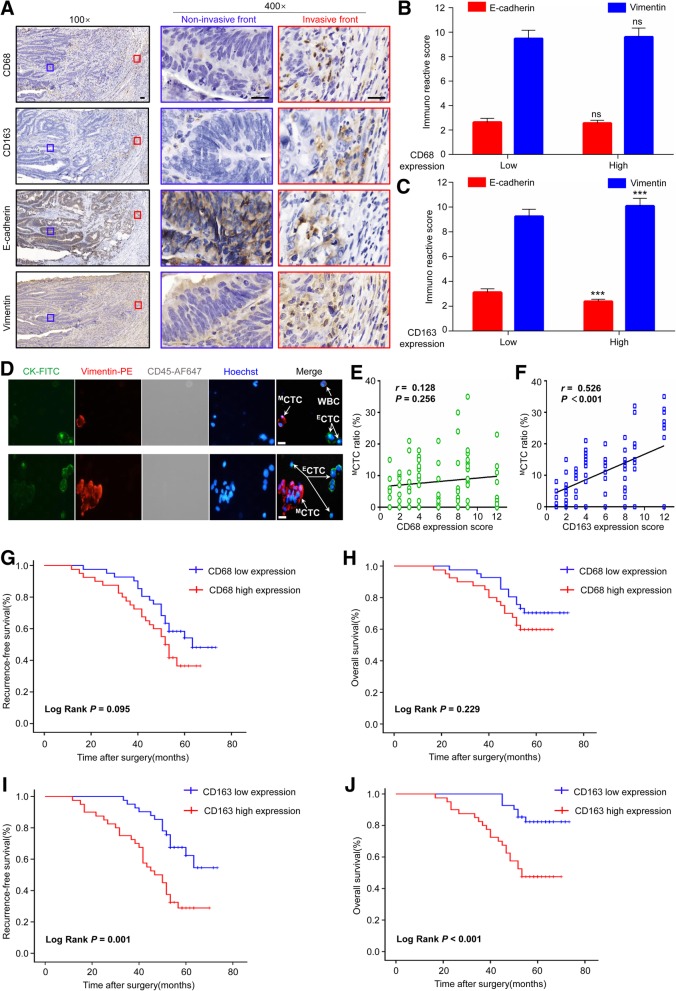
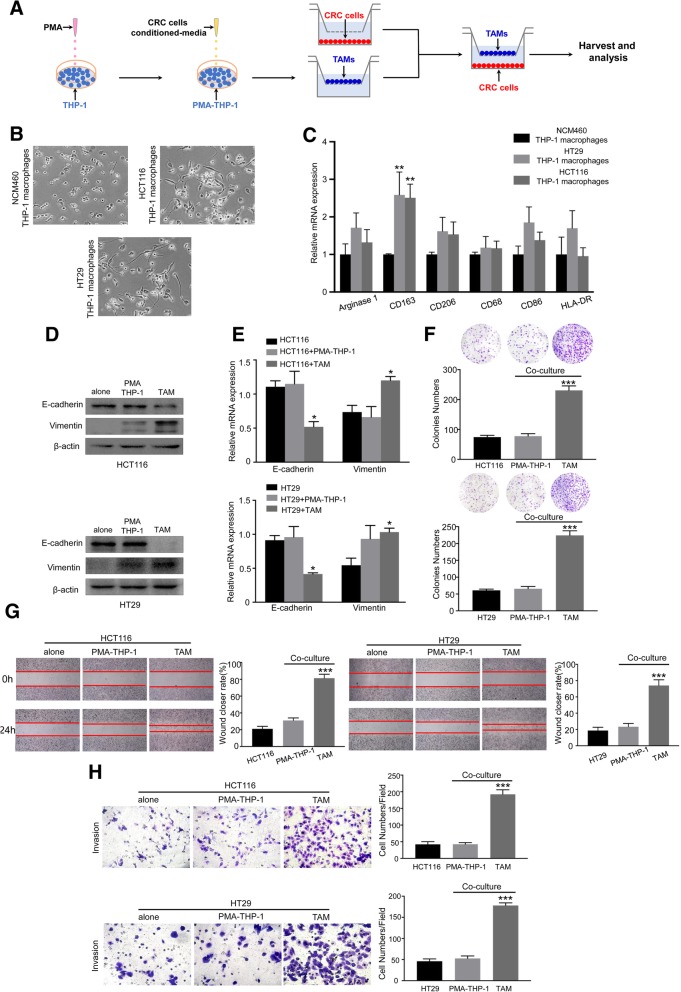
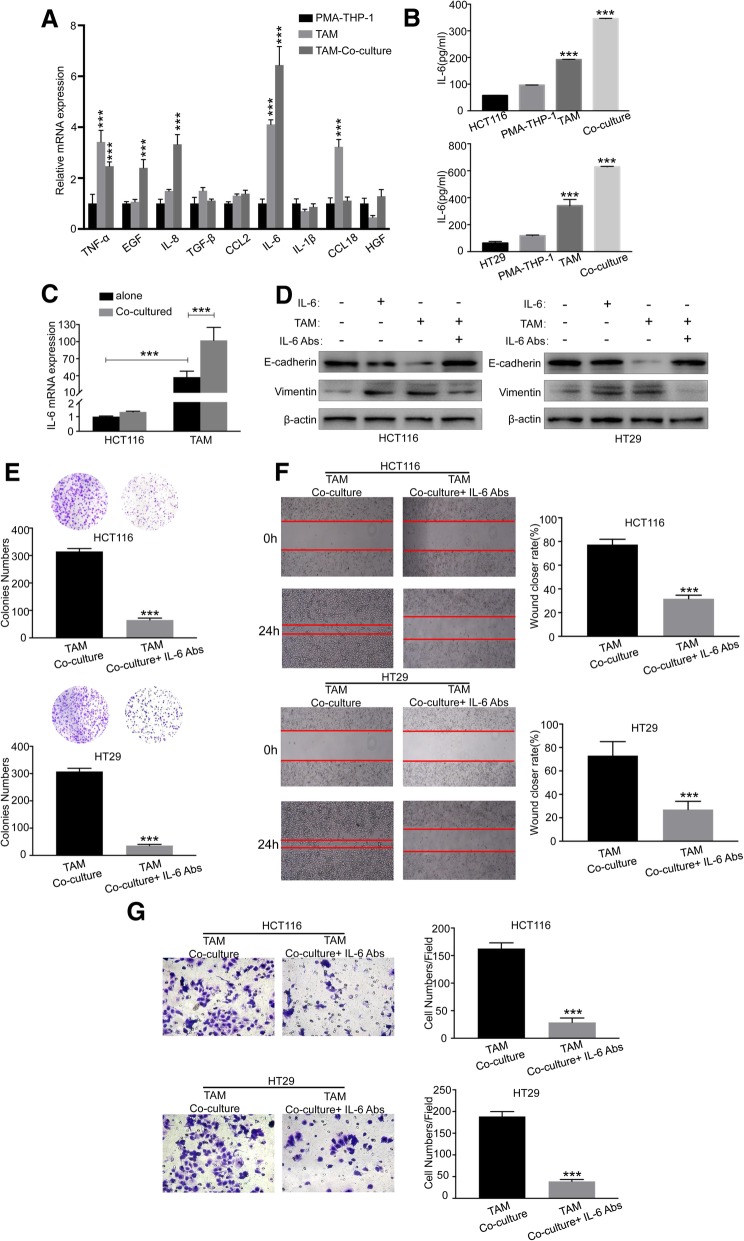
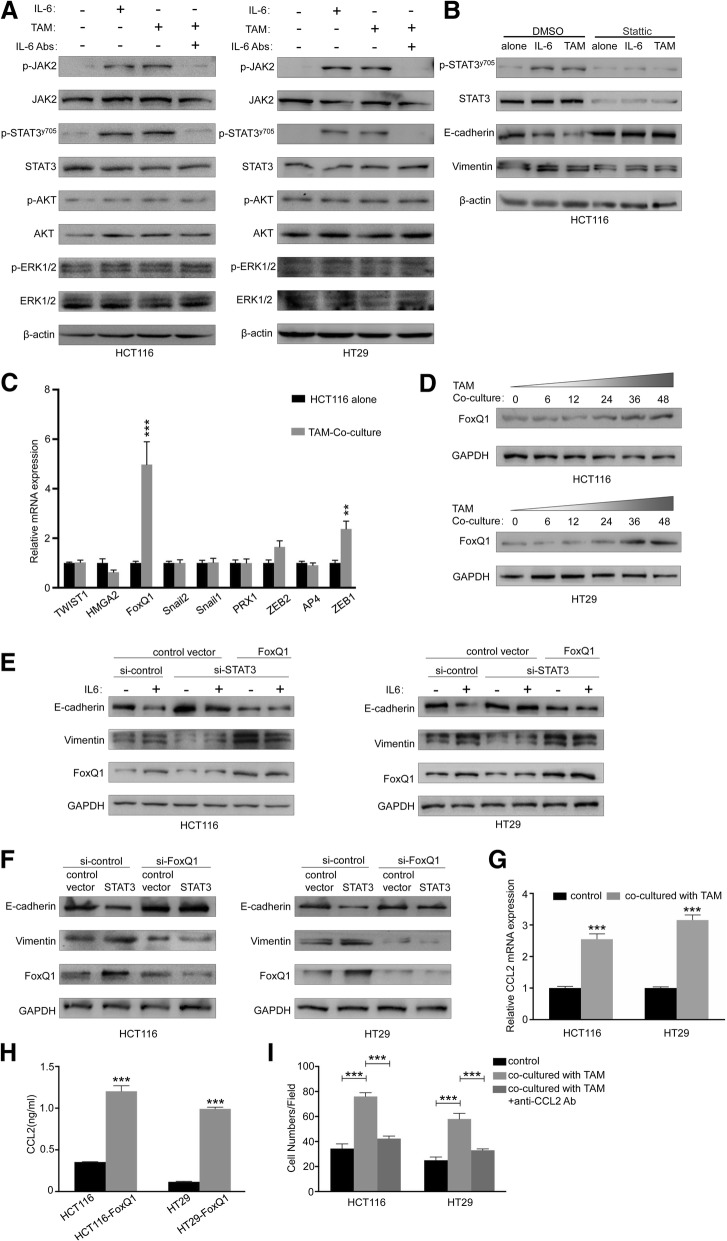
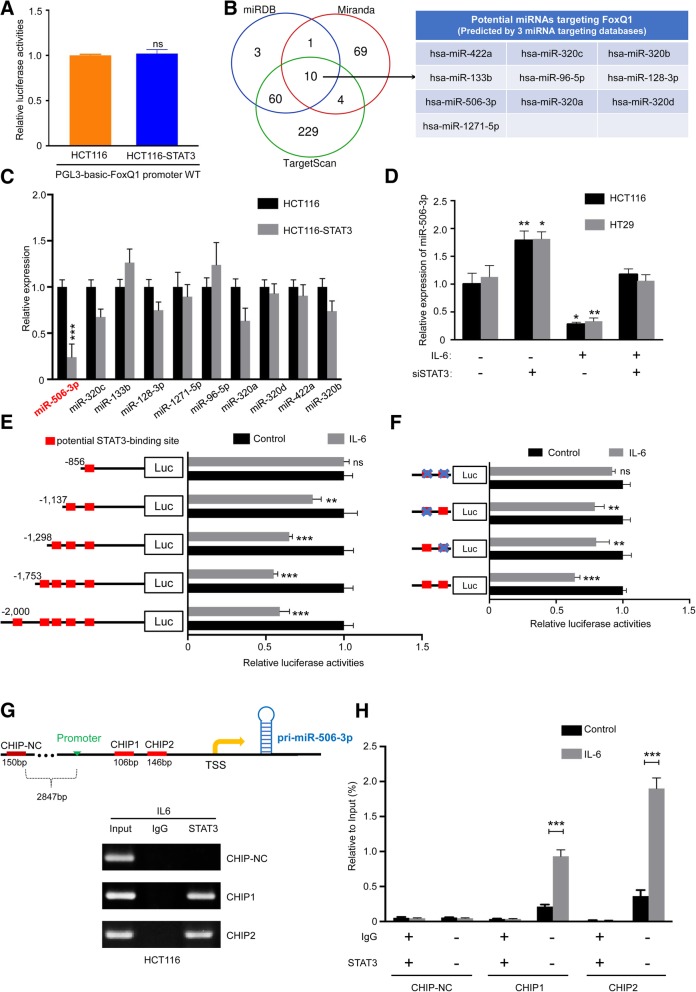
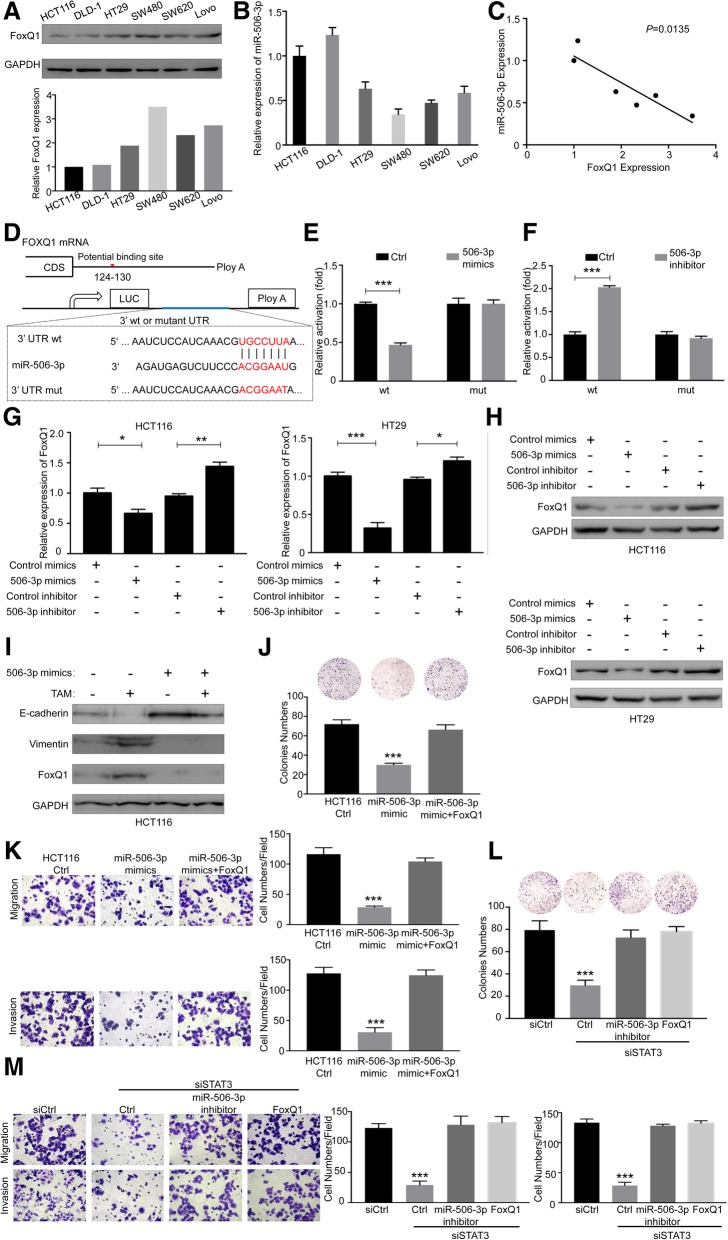
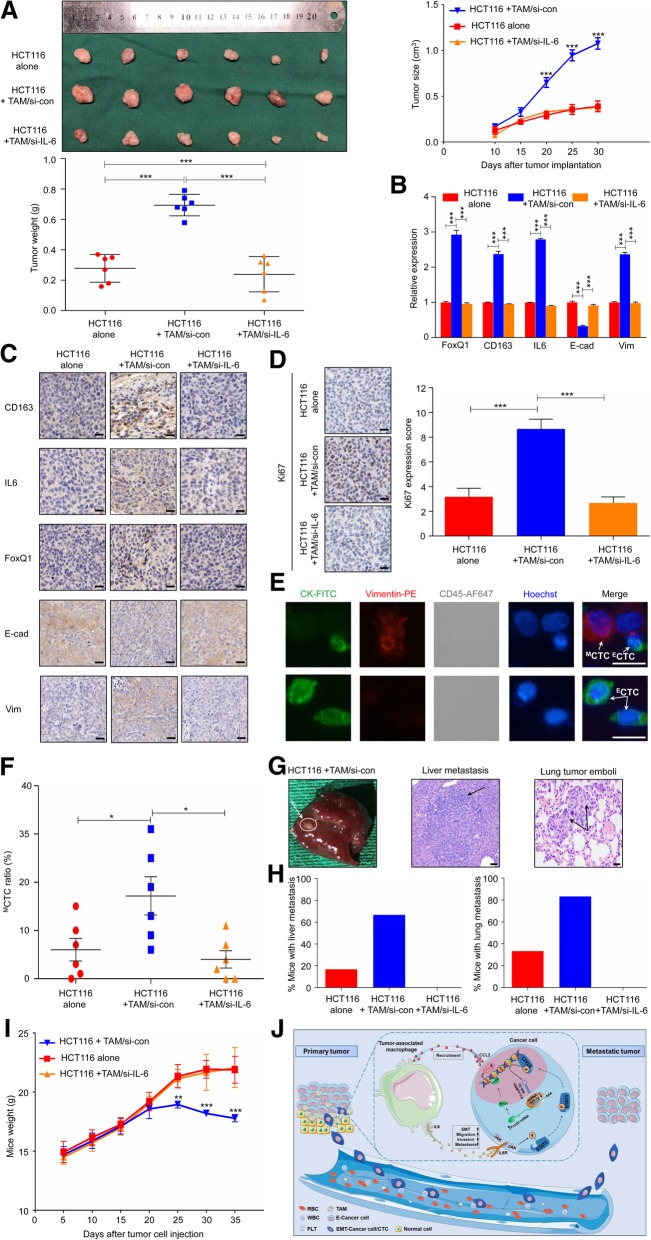
BACKGROUND: Tumor-associated macrophages (TAMs) are major components of tumor microenvironment that frequently associated with tumor metastasis in human cancers. Circulating tumor cell (CTC), originating from primary tumor sites, is considered to be the precursors of tumor metastasis. However, the regulatory mechanism of TAMs in CTC-mediated tumor metastasis still remains unclear. METHODS: Immunohistochemical staining was used to detect the macrophages infiltration (CD68 and CD163), epithelial-mesenchymal transition (EMT) markers (E-cadherin and Vimentin) expression in serial sections of human colorectal cancer (CRC) specimens. Then, the correlations between macrophages infiltration and clinicopathologic features, mesenchymal CTC ratio, and patients' prognosis were analyzed. A co-culture assay in vitro was used to evaluate the role of TAMs on CRC EMT, migration and invasion, and ELISA, luciferase reporter assay and CHIP were performed to uncover the underlying mechanism. Furthermore, an in vivo model was carried out to confirm the effect of TAMs on mesenchymal CTC-mediated metastasis. RESULTS: TAMs infiltrated in invasive front was associated with EMT, mesenchymal CTC ratio, and poor prognosis in patients with CRC. CRC-conditioned macrophages regulated EMT program to enhance CRC cells migration and invasion by secreting IL6. TAMs-derived IL6 activated the JAK2/STAT3 pathway, and activated STAT3 transcriptionally inhibited the tumor suppressor miR-506-3p in CRC cells. miR-506-3p, a key miRNA regulating FoxQ1, was downregulated in CRC cells, resulting in increased FoxQ1 expression, which in turn led to the production of CCL2 that promoted macrophage recruitment. Inhibition of CCL2 or IL6 broke this loop and reduced macrophage migration and mesenchymal CTC-mediated metastasis, respectively. CONCLUSIONS: Our data indicates that TAMs induce EMT program to enhance CRC migration, invasion, and CTC-mediated metastasis by regulating the JAK2/STAT3/miR-506-3p/FoxQ1 axis, which in turn leads to the production of CCL2 that promote macrophage recruitment, revealing a new cross-talk between immune cells and tumor cells in CRC microenvironment.
Overview
The claims and statistics of this paper haven’t been checked yet.
Free: it reads the open-access text and checks the first 5 claims that cite a source we can check. Create a free account to check every claim.
Integrity signals
Registry
Cites
Statistics
Figures
Verification
Claims the paper makes
The claims and statistics of this paper haven’t been checked yet.
Free: it reads the open-access text and checks the first 5 claims that cite a source we can check. Create a free account to check every claim.
Claims other papers make about this one
Each is checked against this paper’s own text: does it say what the citing paper says it does?
The cited source says what the claim attributes to it.
In the citing paper
“In this line, a study in human colorectal cancer (CRC) specimens and in vitro co-culture, revealed that TAMs induce EMT program to enhance CRC invasion, migration, and CTC-mediated metastasis by producing IL6 to activate JAK2/STAT3 axis and inhibit the suppressive role of miR-506-3p on FoxQ1 expression.”
From Tumor microenvironment complexity and therapeutic implications at a glance (2020) · cites this paper as [94]
Self-check
Percentages, sums and reported differences re-computed from the paper’s own numbers.
The self-check needs the paper’s full text.
Citations
Cites
Siegel, R. L., Miller, K. D., & Jemal, A. (2015) · CA: A Cancer Journal for Clinicians · doi:10.3322/caac.21254 · Cited by 11,853
Molecular mechanisms of epithelial–mesenchymal transition
Lamouille, S., Xu, J., & Derynck, R. (2014) · Nature Reviews Molecular Cell Biology · doi:10.1038/nrm3758 · Cited by 8,091
Macrophage Diversity Enhances Tumor Progression and Metastasis
Qian, B.-Z., & Pollard, J. W. (2010) · Cell · doi:10.1016/j.cell.2010.03.014 · Cited by 5,188 · cited 1×
“Macrophages in the TME, referred to as tumor-associated macrophages (TAMs), are one of the most abundant types of cells, and exhibit different phenotypes and functions in response to various microenvironmental signals generated from tumor and stromal cells [14].”
BackgroundCCL2 recruits inflammatory monocytes to facilitate breast-tumour metastasis
Qian, B.-Z., Li, J., Zhang, H., Kitamura, T., Zhang, J., Campion, L. R., Kaiser, E. A., Snyder, L. A., & Pollard, J. W. (2011) · Nature · doi:10.1038/nature10138 · Cited by 2,874
Berns, K., Horlings, H. M., Hennessy, B. T., Madiredjo, M., Hijmans, E. M., Beelen, K., Linn, S. C., Gonzalez-Angulo, A. M., Stemke-Hale, K., Hauptmann, M., et al. (2007) · Cancer Cell · doi:10.1016/j.ccr.2007.08.030 · Cited by 1,627
Dissecting the metastatic cascade
Pantel, K., & Brakenhoff, R. H. (2004) · Nature Reviews Cancer · doi:10.1038/nrc1370 · Cited by 1,281 · cited 1×
“Furthermore, CTC disseminate from primary tumor by undergoing EMT that allow them to penetrate blood vessels [35], and CTC was thought to have stronger invasive and metastatic ability [36].”
BackgroundApplied bioinformatics for the identification of regulatory elements
Wasserman, W. W., & Sandelin, A. (2004) · Nature Reviews Genetics · doi:10.1038/nrg1315 · Cited by 1,228 · cited 1×
“To validate whether transcription of miR-506-3p was directly activated by STAT3, we performed bioinformatics analysis of miR-506-3p promoter region to reveal potential transcription factor binding sites and five potential STAT3-binding sites were revealed by Jaspar [32] (Additional file 1: Figure S3A and Additional fi…”
MethodIliopoulos, D., Jaeger, S. A., Hirsch, H. A., Bulyk, M. L., & Struhl, K. (2010) · Molecular Cell · doi:10.1016/j.molcel.2010.07.023 · Cited by 830 · cited 1×
“For example, STAT3 activated by IL6 directly upregulated the miR-21 and miR-181b-1, which was shown to be necessary for the epigenetic switch linking inflammation to cancer [53].”
BackgroundSu, S., Liu, Q., Chen, J., Chen, J., Chen, F., He, C., Huang, D., Wu, W., Lin, L., Huang, W., et al. (2014) · Cancer Cell · doi:10.1016/j.ccr.2014.03.021 · Cited by 772 · cited 1×
“Our results were in accordance with previous study, which comprehensively demonstrated that CCL18 TAMs infiltration in the tumor invasive front might establish an aggressive TME and could regulate breast cancer cells an EMT shift to increase metastatic ability [33].”
ResultSelf-citationWang, X., Luo, G., Zhang, K., Cao, J., Huang, C., Jiang, T., Liu, B., Su, L., & Qiu, Z. (2018) · Cancer Research · doi:10.1158/0008-5472.can-17-3841 · Cited by 767 · cited 1×
“Additionally, Wang and colleagues revealed that pancreatic cancer (PC) cells activated macrophages to the M2 phenotype, which then promoted EMT progress to increase migration and invasion of PC cells [23].”
Background
Research works printed but not linked: 3
- Su S Liu Q Chen J Chen J Chen F He C Huang D Wu W Lin L Huang W A positive feedback loop between mesenchymal-like cancer cells and macrophages is essential to breast cancer metastasis Cancer Cell 2014 25 605 620 10.1016/j.ccr.2014.03.021 24823638 · DOI · Paper page
- Pantel K Brakenhoff RH Dissecting the metastatic cascade Nat Rev Cancer 2004 4 448 10.1038/nrc1370 15170447 · DOI · Paper page
- Guo J Yan Y Yan Y Guo Q Zhang M Zhang J Goltzman D Tumor-associated macrophages induce the expression of FOXQ1 to promote epithelial-mesenchymal transition and metastasis in gastric cancer cells Oncol Rep 2017 38 2003 2010 10.3892/or.2017.5877 28791370 PMC5652949 · DOI
Cited by
Items 601–700 of 861
Navidinia, A. A., Keshavarz, A., Dehaghi, B. H. K., Khayami, R., Karami, N., Amiri, V., & Farsani, M. A. (2025) · Scientific Reports · doi:10.1038/s41598-025-03557-9 · Cited by 3
“Moreover, CD163 is implicated in the pathogenesis of various cancers, including chronic lymphocytic leukemia, multiple myeloma, meningioma, Hodgkin’s lymphoma, and colorectal cancer 33–37 .”
MicroRNA: role in macrophage polarisation and colorectal cancer pathogenesis
Lin, H., Zhou, J., He, Y., Zhu, Y., Chen, P., Yan, H., Huang, J., Gong, E. S., & Wang, X. (2025) · Frontiers in Cell and Developmental Biology · doi:10.3389/fcell.2025.1619526 · Cited by 3
Xu, C., Zhang, S., Sun, B., Yu, Z., & Liu, H. (2025) · Frontiers in Immunology · doi:10.3389/fimmu.2025.1639303 · Cited by 5
Lin, W., Liu, W. Q., Alburiahi, T. A. H., Chen, R. B., Lu, H., Dong, J., & Yang, J. H. (2025) · Translational Oncology · doi:10.1016/j.tranon.2025.102598 · Cited by 3
“However, there are few reports on macrophage infiltration in CRC and the relationship between the polarization states of various macrophages and CRC prognosis remains underexplored [3 – 6].”
Liu, Z., Zhang, J., Chen, X., Sun, Z., Chen, J., Chen, Z., & Li, Q. (2026) · British Journal of Anaesthesia · doi:10.1016/j.bja.2025.12.056 · Cited by 3
Wei, C., Lan, X., Qiu, M., Cui, R., Fu, Q., Shinge, S. A. U., Muluh, T. A., & Jiang, O. (2023) · Oncology Letters · doi:10.3892/ol.2023.13958 · Cited by 4
“However, tumors can take advantage of this together with use of pre‑existing inhibitory mechanisms preventing destruction by the immune cells (112).”
BackgroundSelf-citationBoora, G. S., Chauhan, A., & Pal, A. (2023) · Medical Hypotheses · doi:10.1016/j.mehy.2023.111209 · Cited by 3
Baş, Y., Yılmaz, B., Acar, S. F., & Karadağ, İ. (2024) · Applied immunohistochemistry & molecular morphology · doi:10.1097/pai.0000000000001186 · Cited by 3
“8,12,15,25 TAMs directly express PD-L1 due to the interactions of cells in the tumor microenvironment and stimulate the downregulation of CD8 + T-cell action and apoptosis through binding of CD8 + T cells with PD-1 on its surface.”
BackgroundResultZheng, R., He, Y., Yang, L., Chen, Y., Wang, R., & Xie, S. (2024) · Molecular Biology Reports · doi:10.1007/s11033-024-09776-z · Cited by 3
Zhang, H., Zhuo, C., Lin, R., Ke, F., Wang, M., & Yang, C. (2024) · Annals of Surgical Oncology · doi:10.1245/s10434-024-16334-1 · Cited by 3
Self-citationBhola, N., Bareja, C., Jaiswal, A. K., & Saluja, D. (2025) · International Journal of Molecular Sciences · doi:10.3390/ijms26188867 · Cited by 3
“Chemokines, classified as chemotactic cytokines, play a crucial role in mediating immune cell trafficking, cell proliferation, migration, invasion, and angiogenesis [48,49].”
Guo, T., Wang, Z., & Liu, Y. (2021) · Journal of Gastrointestinal Oncology · doi:10.21037/jgo-21-522 · Cited by 3
Wang, N., Gao, X., Ji, H., Ma, S., Wu, J., Dong, J., Wang, F., Zhao, H., Liu, Z., Yan, X., et al. (2022) · Frontiers in Molecular Biosciences · doi:10.3389/fmolb.2022.942966 · Cited by 4
“Macrophages can activate and induce EMT through the TGF-β, NF-κB pathway (Wei et al., 2019).”
BackgroundLi, C., Zhang, J., & Bi, Y. (2023) · Aging · doi:10.18632/aging.204924 · Cited by 4
Chen, X., Yang, M., Tu, J., & Yuan, X. (2023) · Journal of Cancer Research and Clinical Oncology · doi:10.1007/s00432-023-05316-7 · Cited by 3
“The aberrant accumulation of immune cells, such as tumor-associated macrophages (TAMs) (Wei et al. 2019), natural killer cells (NK cells) (Dupaul-Chicoine et al. 2015), and regulatory T cells (Tregs) (Ye et al. 2019), within the tumor microenvironment (TME) has a substantial impact on the prognosis…”
BackgroundLi, K., Li, T., Yu, Z., Yuan, Q., & Qing, Y. (2023) · Medicine · doi:10.1097/md.0000000000036353 · Cited by 3
“13] The pathophysiology and treatment of CRC have evolved recently, but the prognosis for patients with advanced CRC remains dismal, and the 5-year survival rate of stage IV CRC patients is just 12%.”
BackgroundAnupriya, S., Chakraborty, A., & Patnaik, S. (2024) · Digestive Diseases and Sciences · doi:10.1007/s10620-023-08215-6 · Cited by 3
“The expression level of SOX4 was scored as immunoreactive score (IRS) based on staining intensity and percent of positive cells as demonstrated previously [10].”
An Epic Advancement in Targeting Macrophages for Cancer Therapy Approach
Lu, X., Qiuxia, F., Rui-e, L., Wang, D., Muluh, T. A., & Zhang, Y. (2024) · Current Drug Delivery · doi:10.2174/0115672018299798240403062508 · Cited by 3
The Stereotyping of Spanish Characters and their Speech Patterns in Anglo-American Films
Ros, M. I. (2007) · Revista Electrónica de Lingüística Aplicada · Cited by 7
Chen, S., Liu, S., Kong, L., Ren, D., Hu, Z., Wu, W., & Duan, G. (2023) · Biomarkers in Medicine · doi:10.2217/bmm-2023-0105 · Cited by 2
Lei, Y., Wang, X., Tian, Y., Xu, R., Pei, J., Fu, Y., Sun, H., Wang, Y., Zheng, P., Xia, F., et al. (2023) · Frontiers in Medicine · doi:10.3389/fmed.2023.1209403 · Cited by 3
Wu, S. P., Guo, F., Li, M., Chen, W., & Jin, L. (2024) · Scientific Reports · doi:10.1038/s41598-024-75922-z · Cited by 2
“It has been demonstrated that TAMs are a major component of the tumor microenvironment and directly influence tumor cell growth and immunosuppression 16 .”
BackgroundWang, S., Tang, J., Gan, L., & He, S. (2024) · Current Medicinal Chemistry · doi:10.2174/0109298673344265241014114804 · Cited by 2
Self-citationZimmer, Y. N., Hanke, B., Neyazi, B., Rashidi, A., Schaufler, A., Dumitru, C. A., Ignatov, A., Mawrin, C., Sandalcioglu, I. E., & Stein, K. (2025) · Frontiers in Immunology · doi:10.3389/fimmu.2025.1598293 · Cited by 2
Gu, L., Li, R., Wang, R., Hu, M., Wu, P., Chen, W., Zhang, S., Chen, Y., & Wang, L. (2025) · Medical Oncology · doi:10.1007/s12032-025-02840-z · Cited by 2
“TAMs play an important role in lung metastasis of BC [5].”
Lan, T.-H., Li, W., Xu, F., Meng, F.-L., Zhang, X., Ma, J., Yang, N., Zhao, Q.-W., & Zhao, Z. (2025) · Journal of Gastrointestinal Oncology · doi:10.21037/jgo-2024-878 · Cited by 3
“…or HCT116 cells with macrophages leads to the activation of the JAK2/STAT3 pathway by IL-6 derived from macrophages, resulting in increased expression of FoxQ1, triggers the production of CCL2 and enhances the recruitment of macrophages, thereby promoting migration and invasion of CRC cells (35).”
Bisht, D., Kumar, V., Gupta, S., & Sachan, M. (2025) · Biochimica et Biophysica Acta (BBA) - Reviews on Cancer · doi:10.1016/j.bbcan.2025.189384 · Cited by 2
Zhou, J., Lian, S., Geng, Z., Yang, Y., Wu, R., & Wang, J. (2025) · In Vitro Cellular & Developmental Biology - Animal · doi:10.1007/s11626-025-01055-w · Cited by 2
“(Wei et al. 2019) research.”
Colorectal cancer prognosis: insights from the tumor immune microenvironment and gut microbiota
Chen, Q., Zhou, Y., Lin, Z., Yang, C., Chen, H., & Ke, C. (2025) · Journal of Gastrointestinal Oncology · doi:10.21037/jgo-2025-517 · Cited by 4
“Macrophages drive epithelial-mesenchymal transition (EMT) to facilitate CRC metastasis (55).”
Self-citationMu, H., Zhu, Y., Yan, F., Lv, C., Tu, X., He, J., Wang, Z., Zeng, Y., Liu, Z., Chen, J., et al. (2025) · Discover Oncology · doi:10.1007/s12672-025-03524-w · Cited by 2
Kang, Y., Amoafo, E. B., Entsie, P., Layek, B., Grandgenett, P. M., Hollingsworth, M. A., di Magliano, M. P., & Liverani, E. (2025) · Biomedicine & Pharmacotherapy · doi:10.1016/j.biopha.2025.118695 · Cited by 3
Unveiling the potential role of ACSL1 in colorectal cancer proliferation: a novel therapeutic avenue
Liu, J., Yao, X., Chen, J., Gao, Y., Gong, L., Li, J., Cao, D., Zhao, C., & Gao, G. (2025) · Acta Biochimica et Biophysica Sinica · doi:10.3724/abbs.2025204 · Cited by 2
Advances in the study of FOXQ1: biological functions and mechanisms
Feng, X., Zhang, L., Shi, P., & Hu, Y. (2025) · Frontiers in Oncology · doi:10.3389/fonc.2025.1650022 · Cited by 2
“Similarly, the JAK2/STAT3/miR-506-3p/FOXQ1 signaling pathway plays a key role in the interaction between immune cells and cancer cells in the CRC pathological microenvironment (24).”
Ilie, S. M., Gales, L. N., Musina, A. M., Rouet, K., Stefan, A. E., Belceanu, M. S., Trandafir, A. S., Guillaume, C., Bertaut, A., Charifi, I., et al. (2025) · Frontiers in Oncology · doi:10.3389/fonc.2025.1635055 · Cited by 2
Breast cancer stem cells and circulating tumor cells: Dual drivers of progression and relapse
Azizi, Z., Urgancı, B. E., & Açıkbaş, İ. (2025) · World Journal of Stem Cells · doi:10.4252/wjsc.v17.i12.112990 · Cited by 2
Quiroz-Reyes, A. G., González, P. D., Islas, J. F., Loaiza-Gutiérrez, V. L., Santoyo-Suárez, M. G., García-Loredo, J. A., González-Villarreal, C. A., Ramirez-Fernandez, F., & Garza-Treviño, E. N. (2026) · World Journal of Gastrointestinal Oncology · doi:10.4251/wjgo.v18.i1.113553 · Cited by 3
“IL-6 also increases vimentin expression while reducing E-cadherin expression[22].”
Mu, S., Zhang, S., Wang, M., Yuan, X., Zou, G., Zhang, C., & Cao, Z. (2026) · Journal of Translational Medicine · doi:10.1186/s12967-026-07759-1 · Cited by 2
“Research suggests that EMT in CRC cells heavily depends on their interaction with the tumor microenvironment (TME) to ensure their survival during migration and colonization in distant organs [11–13].”
Self-citationYue, B., Song, C., Bao, T., He, W., Du, J., Yang, L., Zhao, E., & Zhang, Z. (2026) · Oncogene · doi:10.1038/s41388-026-03755-3 · Cited by 2
Advanced 3D cancer models for analyzing tumor-immune cell interaction and therapeutic response
Jeevanandan, S. P., Reidy, E., Clegg, J., Curvello, R., Ryan, A. E., & Loessner, D. (2026) · Molecular Cancer · doi:10.1186/s12943-026-02681-y · Cited by 2
Zhu, L., Hua, H., Huang, Y., Li, X., Liang, Y., Yi, T., Jin, H., Wu, J., Wan, Y., & Li, G. (2026) · Cancer Letters · doi:10.1016/j.canlet.2026.218614 · Cited by 2
Yang, K., Yang, K., Huang, X., Hou, D., Du, H., Wang, J., Yue, H., Guo, Y., Cui, S., Zhang, H., et al. (2026) · Research · doi:10.34133/research.1351 · Cited by 2
Wang, X., Zhang, C. X., Zhao, Y., He, J., & Thiery, J. P. (2026) · Cancer and Metastasis Reviews · doi:10.1007/s10555-026-10368-5 · Cited by 2
“…JAK2/ signal transducer and activator of transcription 3 (STAT3)/ miR-506-3p/forkhead box Q1 (FOXQ1) axis in carcinoma cells, which then secrete CCL2 to recruit further macrophages, a self-amplifying loop linking TAM infiltration, EMT, mesenchymal-like CTC enrichment, and poor prognosis [100].”
Self-citationThe Role of Macrophages in Cancer Immunity
Yang, W., Liu, W., Hu, N., & Li, C. (2022) · Springer eBooks · doi:10.1007/978-3-030-80962-1_19-1 · Cited by 2
CLASRP oncogene as a novel target for colorectal cancer
Gu, Q., Wu, J., Xu, H., Cao, H., Zhang, J., Jing, C., Wang, Z., Du, M., Ma, R., & Feng, J. (2023) · Functional & Integrative Genomics · doi:10.1007/s10142-023-01208-8 · Cited by 2
Shao, J., Wang, W., Tao, B., Cai, Z., Li, H., & Chen, J. (2023) · Frontiers of Medicine · doi:10.1007/s11684-023-0999-5 · Cited by 2
Increased PKN2 and M2-Polarized Macrophages Promote HCT116 Cell Invasion
He, C., Lin, Y.-M. J., Qiu, F., & Zeng, Q. (2024) · Critical Reviews in Immunology · doi:10.1615/critrevimmunol.2023052095 · Cited by 2
Li, Z., Chen, H., Chen, Z., Xie, L., & Pan, D. (2024) · Frontiers in Bioscience-Landmark · doi:10.31083/j.fbl2905172 · Cited by 3
“Colorectal cancer-conditioned macrophages with a mixed M1/M2 phenotype induce epithelial-mesenchymal transition process to enhance migration and invasion [14].”
BackgroundLiang, W., Yang, X., Li, X., Wang, P., Zhu, Z., Liu, S., Xu, D., Zhi, X., & Xue, J. W. (2024) · Aging · doi:10.18632/aging.205763 · Cited by 3
“In the microenvironment of CRC, IL6 generated by CD163 + tumor-associated macrophages stimulate epithelial mesenchymal transition by controlling the STAT3/miR-506-3p/FoxQ1 pathway, which in turn promotes CRC cell invasion and migration [18].”
BackgroundChen, Z., Chen, W., Hong, Z., Wu, X., Fang, T., Sheng, Y., Fang, S., & Zhou, C. (2024) · Journal of Cardiothoracic Surgery · doi:10.1186/s13019-024-03160-5 · Cited by 2
Shao, S., Tang, L., Rong, W.-Q., Han, Y.-C., Liu, X.-D., Zhu, H.-R., Song, Q., & Ji, Q. (2025) · Phytomedicine · doi:10.1016/j.phymed.2025.156390 · Cited by 2
Zuo, H., Liu, X., Lv, B., Gao, N., Du, M., Gao, X., Xiang, Y., Huang, R., Lin, M., Wang, Y., et al. (2025) · Genes & Diseases · doi:10.1016/j.gendis.2025.101549 · Cited by 5
“52 e 56 Shen et al confirmed that blocking ATM inhibited EMT and reduced metastasis in cisplatin-resistant lung cancer cells via the JAK/STAT3/PD-L1 pathway.”
Nie, Z., Chang, J.-J., Yang, Z., Zeng, K., Liu, Y., Tu, Q., Wang, C., Yan, Q., Shi, H. N., & Guo, Y. Q. (2025) · Cancer Immunology Immunotherapy · doi:10.1007/s00262-025-03981-w · Cited by 3
“…of CRC, the expression of CD16 (red), MPO (pink), and CD3 (green) in cancer foci was significantly higher than that in normal, while CD56 (blue) was significantly lower in cancer foci, and CD68 (yellow) was not significantly different between bowel cancer and normal marker of macrophages [28].”
Phototherapy of Brain Tumours Using a Fibre Optic Neurosystem
Maklygina, Y., Romanishkin, I. D., Skobeltsin, A. S., Салимовна, Ф. Д., & Loschenov, V. B. (2021) · Photonics · doi:10.3390/photonics8110462 · Cited by 2
Zhang, X., Yang, Z., Hu, Q., Zuo, L., Song, X., Geng, Z., Li, J., Wang, Y., Ge, S., & Hu, J. (2022) · PubMed · doi:10.12122/j.issn.1673-4254.2022.08.12 · Cited by 2
Zhang, X., Wu, T., Zhou, J., Chen, X., Dong, C., Guo, Z., Yang, R., Liang, R., Feng, Q., Hu, R., et al. (2023) · BMC Medical Genomics · doi:10.1186/s12920-023-01523-w · Cited by 3
“The abnormal aggregation of immune cells, like tumor associated macrophages (TAMs) [9], regulatory T cells (Tregs) [10] and natural killer cells (NK cells) [11] in TME significantly affected the prognosis and metastasis of CRC.”
BackgroundAQP1 as a novel biomarker to predict prognosis and tumor immunity in glioma patients
Gao, X., Jiang, W., Zhu, G., Xing, Z., Zhu, P., Ke, Z., & Huang, Q. (2023) · ONCOLOGIE · doi:10.1515/oncologie-2023-0292 · Cited by 2
Roles of Tumor-Associated Macrophages in Tumor Environment and Strategies for Targeting Therapy
Liu, M., Zhang, J., & Zhu, J. (2023) · Pharmaceutical Fronts · doi:10.1055/s-0043-1777704 · Cited by 2
“52 The process of angiogenesis, which is essential for tumor cell metastasis, is coordinated by tumor cells and tumor stromal cells.”
BackgroundGuo, B., Zheng, Q., Jiang, Y., Zhan, Y., Huang, W., & Chen, Z. (2024) · Cancer Reports · doi:10.1002/cnr2.2050 · Cited by 7
“33 In addition, epithelial-like CTCs (ECTCs) can acquire mesenchymal characteristics via EMT. phenotypic transition enhances their invasive capacity, thus overcoming barriers that prevent metastasis 34 and exhibit great potential for developing metastatic lesions.”
BackgroundTamuli, B., Sharma, S., Patkar, M., & Biswas, S. (2024) · Cancer Reports · doi:10.1002/cnr2.2066 · Cited by 3
Radiation-induced rescue effect on human breast carcinoma cells is regulated by macrophages
Pathikonda, S., Tian, L., Arava, C. M., Cheng, S. H., & Lam, Y. W. (2025) · Biochemistry and Biophysics Reports · doi:10.1016/j.bbrep.2025.101936 · Cited by 2
“TAMs were established by co-culturing using 4 × 10 5 M0 cells with 1.6 × 10 6 MCF7 cells for 24 h, as previously described [42,43].”
InfluentialWang, X., Zhang, Y., Wang, Y., Shi, L., Yuan, C., Yin, W., Teng, Y., Li, J., & Mao, Y. (2025) · Open Medicine · doi:10.1515/med-2024-1074 · Cited by 1
Zhou, S., Qin, Z., Cai, S., Ma, T., Lin, L., Feng, L.-H., Gao, X., & Ma, D.-N. (2025) · Surgery · doi:10.1016/j.surg.2025.109350 · Cited by 1
Huang, P., Guo, K., Tu, J., Fang, J., Zhou, L. F., Luo, X., & Xu, H. (2025) · Human Mutation · doi:10.1155/humu/6705599 · Cited by 1
“In CRC, EMT is considered one of the key driving factors of cancer progression and metastasis, and it has been demonstrated to be closely related to CT resistance [33, 34].”
VSIG4 Is Dispensable for Tumor Growth and Metastasis in Murine Colorectal and Breast Cancer Models
Lebegge, E., Jumapili, N. A., Craenenbroeck, J. V., Kancheva, D., Kiss, M., Barthelmess, R. M., Hamouda, A. E. I., Elkrim, Y., Raes, G., Hadadi, É., et al. (2025) · Cancers · doi:10.3390/cancers17193207 · Cited by 2
“Tumor-associated macrophages (TAMs) are known to promote tumor progression and metastasis in cancer types such as colorectal carcinomas (CRC) [2,3] and triple-negative breast carcinomas (TNBC) [4], but also mediate resistance to ICB in those cancer types [5,6].”
Li, J., Huang, R.-Z., Tian, J., Xu, Z., Zhang, Y.-F., Wang, X., Zhang, P.-L., Ling, J., Chao, L., & Hu, H. (2025) · International Journal of Biological Macromolecules · doi:10.1016/j.ijbiomac.2025.148234 · Cited by 2
Wang, P.-P., Liu, Q.-Y., Liu, H.-X., Xia, Y.-W., Shen, D.-Y., Shen, M.-H., Ruan, S.-M., & Sun, L.-T. (2025) · Journal of Ethnopharmacology · doi:10.1016/j.jep.2025.120752 · Cited by 1
Self-citationYan, S., Lan, T., Wang, H., Wang, N., Hou, Q., Luan, Y., Shi, Y., Hu, S., Gong, X., & Song, Y. (2025) · Biological and Pharmaceutical Bulletin · doi:10.1248/bpb.b25-00188 · Cited by 1
Shu, D., Chen, Z., Li, B., Wei, J., Liu, J., & Hu, Q. (2025) · Critical Reviews in Oncology/Hematology · doi:10.1016/j.critrevonc.2025.105079 · Cited by 1
Wei, H.-T., Luo, X.-L., Lv, F., Deng, H.-W., Tang, L., LI, K. W., Xie, L.-Y., Ning, S., Jiang, H.-X., & Hu, B.-L. (2026) · International Journal of Biological Macromolecules · doi:10.1016/j.ijbiomac.2026.150144 · Cited by 1
Wen, Q., Yuan, Y., Liu, Z., Wang, L., & Pan, C. (2026) · Molecular and Cellular Biochemistry · doi:10.1007/s11010-026-05489-y · Cited by 2
Sawaguchi, H., Uehara, T., Iwaya, M., Asaka, S., Nakajima, T., Komamura, S., Imamura, S., Iwaya, Y., Sugenoya, S., Kitazawa, M., et al. (2026) · Cancers · doi:10.3390/cancers18030482 · Cited by 1
“For the evaluation of CD163, expression was evaluated semiquantitatively using the immunoreactivity score, which was calculated by multiplying the staining intensity score (0–3 scale) by the score for the percentage of positive cells (0–4 scale), as previously described [27].”
Research trends of tumor-associated macrophages in colorectal cancer: a bibliometric analysis
Long, Y., Wang, X., Chao, X., Yang, Y., Jin, S., & Zhang, H. (2026) · International Journal of Surgery · doi:10.1097/js9.0000000000004422 · Cited by 1
“…between cancer cells and tumor associated macrophages is required for mesenchymal circulating tumor cell-mediated colorectal cancer metastasis [ 32 ] 2019 53 DeNardo DG Nat Rev Immunol Macrophages as regulators of tumour immunity and immunotherapy [ 16 ] 2020 53 Zhang L Cell Single-cell…”
Yin, X., Wang, L., Sun, Y., Li, S., Yu, W., Wang, S., Geng, Z., Zhao, H., & Wang, L. (2026) · International Journal of Molecular Sciences · doi:10.3390/ijms27083467 · Cited by 1
“Recent studies have shown that STAT1 , IRF1 and CSK are linked to immune response [16–18], whereas JUN , FOS and IL6 are associated with tumor progression [19,20].”
Self-citationZhang, Z., Kang, Y., 陆炳旭, Zhang, G., Xie, B., & Wang, Y. (2026) · Frontiers in Cell and Developmental Biology · doi:10.3389/fcell.2026.1803439 · Cited by 1
Gao, S., Zuo, K., Feng, L., Cao, H., Jiao, X., Ma, C., Zhang, Q., & Li, J. (2026) · International Immunopharmacology · doi:10.1016/j.intimp.2026.116846 · Cited by 1
Sweet, M. L., Bloomfield, M., Keen, N. C., Bano, N., Pan, X., Baudoin, N. C., Udayasuryan, B., Ahmad, R. N., Riddervold, E., Klaiber, E., et al. (2026) · Proceedings of the National Academy of Sciences · doi:10.1073/pnas.2522077123 · Cited by 1
“The presence of TAMs within tumor nests can lead to protumorigenic signaling by enhancing crosstalk between tumor cells, macrophages, and other stromal cells (39, 40).”
Wu, B., Hu, C.-D., & Lu, F.-C. (2026) · Journal of Cellular and Molecular Medicine · doi:10.1111/jcmm.71212 · Cited by 1
“These findings provide new insights into the role of TAMs in the CRC microenvironment and offer a theoretical basis for developing therapies targeting CRC metastasis [33].”
PLXNA3 is overexpressed and promotes cell proliferation and migration in colorectal cancer
Ling, S., Xiong, Z., Yan, D., & Feng, J. (2026) · Discover Oncology · doi:10.1007/s12672-026-05355-9 · Cited by 1
Meo, M. D., & Nicolazzo, C. (2026) · Cancers · doi:10.3390/cancers18132104 · Cited by 1
“…al., both in vitro and in vivo, highlighted that CD163+ TAMs induce EMT through the secretion of IL-6 and activation of the JAK2/STAT3/miR-506-3p/FoxQ1 axis, increasing the proportion of mesenchymal CTCs, which in turn produce CCL2 that recruits macrophages, creating a positive feedback loop [109].”
Cai, Z., Chen, Y., Cui, L., Yao, J., Qiao, J., Sun, W., Liu, H., Yang, L., Yang, Z., Liu, Q., et al. (2026) · Cellular and Molecular Life Sciences · doi:10.1007/s00018-026-06338-3 · Cited by 1
“Notably, studies indicate that CD163 + TAMs located at the invasive front correlate with EMT, an increased ratio of mesenchymal circulating tumor cells (CTCs), and poor prognosis for CRC patients [12].”
Self-citationHuang, J., Wu, X., Yp, F., & Yang, A. (2026) · Chinese Medical Journal · doi:10.1097/cm9.0000000000004221 · Cited by 1
Ieni, A., Caruso, R. A., Pizzimenti, C., Giuffrè, G., Irato, E., Rigoli, L. C., Navarra, G., Fadda, G., & Tuccari, G. (2021) · Gastrointestinal Disorders · doi:10.3390/gidisord3040020 · Cited by 1
Siegel, P. M., Nyström, H., & Brodt, P. (2022) · Elsevier eBooks · doi:10.1016/b978-0-323-91706-3.00011-4 · Cited by 1
Deciphering and Targeting Epigenetics in Cancer Metastasis
Huang, J., Lü, A., & Liang, C. (2023) · IntechOpen eBooks · doi:10.5772/intechopen.106584 · Cited by 1
Tumor-Associated Macrophages as Treatment Target in Colorectal Cancer
Wang, D. (2022) · Frontiers in Medical Science Research · doi:10.25236/fmsr.2022.040103 · Cited by 1
“the JAK/STAT3 pathway through il-6 production, and the activated STAT3 transcriptional inhibition of tumor suppressor Mir-506-3p leads to increased expression of FoxQ1, induces the occurrence of EMT, and accelerates the migration and invasion of CRC cells([22]).”
BackgroundSzlachcic, W. J., Letai, K. C., Scavuzzo, M. A., & Borowiak, M. (2023) · BioEssays · doi:10.1002/bies.202200186 · Cited by 1
“of these same microenvironmental cells, aggravating symptoms and promoting tumor progression.[110,111] In infection, immune cells initiate the inflammatory response driving a patient’s symptoms, and in response to this inflammation fibroblasts and enteric glial cells activate to promote not only epithelial healing, bu…”
BackgroundRen, C., Chang, X., Li, S., Yan, C., & Fu, X. (2023) · Brain Sciences · doi:10.3390/brainsci13030447 · Cited by 1
“This interaction can create an immunosuppressive microenvironment that promotes the EMT process and contributes to tumor invasion and metastasis [12,25].”
BackgroundDevelopment of a method to diagnose endometrial cancer based on the AuNRs‐AntiVimentin optical probe
Zhang, Q., Zhang, Z., Zhang, H., Wang, H., Tang, Q., Wang, Y., Gao, Q., Liu, J., & Liu, Y. (2023) · Cell Biology International · doi:10.1002/cbin.12035 · Cited by 1
“…endometrial cancer (Zhang et al., 2022a), breast cancer (Chen et al., 2021; Zhang et al., 2019), lung cancer (Tian et al., 2020), colorectal cancer (Wei et al., 2019), prostate cancer (Alwanian & Tyner, 2020), and cervical cancer (Fan et al., 2020a), among which the positive expression rate of Vim…”
BackgroundXu, L., Liu, M., Lian, J., Li, E., Dongmin, C., Li, X., & Wang, W. (2023) · Journal of Cancer Research and Clinical Oncology · doi:10.1007/s00432-023-05187-y · Cited by 1
“For example, substantial evidence suggests that colorectal cancer patients with higher M2-Macrophages have poorer clinical outcomes (Yin et al. 2017; Wei et al. 2019; Xue et al. 2021).”
BackgroundIdentification of EDNRA as the Key Biomarker for Hypercholesterolemia and Colorectal Cancer
Han, K., He, Z., Liu, Y., & Chen, H. (2023) · The Tohoku Journal of Experimental Medicine · doi:10.1620/tjem.2023.j101 · Cited by 1
Xu, L., & Che, X. (2024) · Frontiers in Oncology · doi:10.3389/fonc.2024.1478596 · Cited by 1
RetractedGuo, S., Zhang, Y., Wang, Y., Guo, T., Zhu, J., Chang, L., Ling, W., Westover, K. D., Zhou, Z., & Wei, X. (2025) · Chemical Engineering Journal · doi:10.1016/j.cej.2025.159277 · Cited by 1
Is the "PD-L1 macrophage score" possible as an immunotherapy target in colon adenocarcinoma?
Baş, Y. (2024) · Gastrointestinal Tumors · doi:10.48130/git-0024-0004 · Cited by 1
Lu, J., Ge, C., Yu, P., Jin, Z., Yang, M., & Jin, X. (2025) · Central European Journal of Immunology · doi:10.5114/ceji.2025.154516 · Cited by 1
“They are diverse and plastic [6] and interact extensively with cancer cells to influence the growth of tumors [7, 8].”
Hou, X., Zhou, G., Fan, Y., Zhang, Q., Xiang, C., Cao, F., & Yao, S. (2020) · doi:10.21203/rs.3.rs-31174/v2 · Cited by 1
Hou, X., Zhou, G., Fan, Y., Zhang, Q., Xiang, C., Cao, F., & Yao, S. (2020) · doi:10.21203/rs.3.rs-31174/v1 · Cited by 1
“Most TAMS are considered to exhibit a M2 phenotype, whereas M2 macrophages can produce cytokines such as IL-10, IL-6 and TGF-β, which contributes to immunosuppression and thus facilitates tumor growth and induce EMT [22,24,25].”
BackgroundAi, J., Samani, S., Kavianpour, M., Ebrahimi‐Barough, S., Abdi, M., Mikaeiliagah, E., Bahrami, N., Rahbari, R., Ai, A., & Mahmoodi, M. (2022) · Research Square · doi:10.21203/rs.3.rs-1960472/v1 · Cited by 1
Du, Y. L., Liu, J. T., Han, Y., Li, H., Kang, X., Zhu, J., Li, X., Wu, D., Li, W., Ma, J., et al. (2023) · Research Square · doi:10.21203/rs.3.rs-2625398/v1 · Cited by 1
Tan, Y. Q., Wei, C., Zhang, G., Ni, L., Chen, Y., Du, X., Zhu, M., Zhao, H., Cheng, Z., & Liu, Q. (2023) · Research Square · doi:10.21203/rs.3.rs-3321885/v1 · Cited by 1
Self-citationCurrent Clinical Applications and Challenges of Circulating Tumor Cells
Wang, S. (2020) · Novel Approaches in Cancer Study · doi:10.31031/nacs.2020.05.000607
“Clinical Applications of CTC In this review, we collected published original research articles (impact factor, IF>10) in Pubmed in the recent three years and classified researches in each application subset (Figure 1) [2,4-57].”
BackgroundMethodInfluentialSelf-citation
Metadata
- Authors
- Wei, C., Yang, C., Wang, S., Shi, D., Zhang, C., Lin, X., Liu, Q., Dou, R., & Xiong, B.
- Affiliations
- Zhongnan Hospital of Wuhan University (CN)
- Corresponding author
- Xiong, Bin
- Venue
- Molecular Cancer
- Published
- 2019-03-30
- Volume
- 18
- Issue
- 1
- Pages
- 64-64
- ISSN
- 1476-4598 (ISSN-L)
- PMC
- PMC6441214
- OpenAlex
- W2948024202
- Cited by
- 833
- References
- 55
- Citations by year
- 2026: 60 · 2025: 129 · 2024: 148 · 2023: 147 · 2022: 173 · 2021: 100 · 2020: 66 · 2019: 8
- FWCI
- 34.76
- Type
- journal article
- Language
- en
- Open access
- gold
- doi.org
- Licence
- cc-by
- creativecommons.org/licenses/by/4.0/ (tdm)
- Locations
- Molecular Cancer (publishedVersion, cc-by)
- PubMed Central (publishedVersion, cc-by)
- PubMed (publishedVersion)
- DOAJ (DOAJ: Directory of Open Access Journals) (submittedVersion, cc-by-sa)
- Funders
- National Natural Science Foundation of China ((81572874, 81702411)
- Topics
- Life Sciences › Immunology and Microbiology › Immunology › Immune cells in cancer
- Health Sciences › Medicine › Oncology › Cancer Cells and Metastasis
- Life Sciences › Biochemistry, Genetics and Molecular Biology › Molecular Biology › Mechanisms of cancer metastasis
- Keywords
- tumor-associated macrophages, circulating tumor cells, colorectal cancer, metastasis, epithelial-mesenchymal transition, interleukin-6, JAK2/STAT3 signaling, miR-506-3p, FOXQ1, MCP-1, macrophage recruitment, tumor microenvironment, cell migration and invasion
- MeSH terms
- Animals, Cell Movement, Female, Follow-Up Studies, Humans, Liver Neoplasms, Lung Neoplasms, Macrophages, Male, Mice, Nude, Middle Aged, Neoplastic Cells, Circulating, Neoplasm Invasiveness, Prognosis, Tumor Cells, Cultured, Biomarkers, Tumor, Colorectal Neoplasms, Signal Transduction, Gene Expression Regulation, Neoplastic, Survival Rate, Apoptosis, Xenograft Model Antitumor Assays, Cell Proliferation, Mice, Epithelial-Mesenchymal Transition, Tumor Microenvironment
About these checks
Registry, retraction, Cites and statistics results are computed, not judged, with one exception: a printed reference that no index lists is read once by a model before it counts as a citation error. Claims are extracted by a model and kept only when their quote appears verbatim in the text; each cited source is then checked, with a model’s help, for whether it says what the claim relies on. Those verdicts can be wrong — read the claim’s quote and the cited source before relying on one.
Statistics and arithmetic are recomputed, not judged.
Confidence bands are shown only for fields calibrated on our annotated test set. None is calibrated yet, so no band is shown.
What counts as a claim ›How we measure confidence ›How we check this ›
Are you an author, or do you see a problem with this page? Request a review
Data sources
Bibliographic data: Semantic Scholar, OpenAlex, Crossref.
Contains information from the Semantic Scholar Academic Graph Datasets, made available under the ODC Attribution License (ODC-BY 1.0).
Semantic Scholar’s data is described in: Kinney, R., et al. (2023). The Semantic Scholar Open Data Platform. arXiv:2301.10140.
