

Crosstalk between cancer cells and tumor associated macrophages is required for mesenchymal circulating tumor cell-mediated colorectal cancer metastasis
Open accessThe DOI matches its Crossref record; 55 of the 55 references it cites were found in a registry or an index.
Abstract
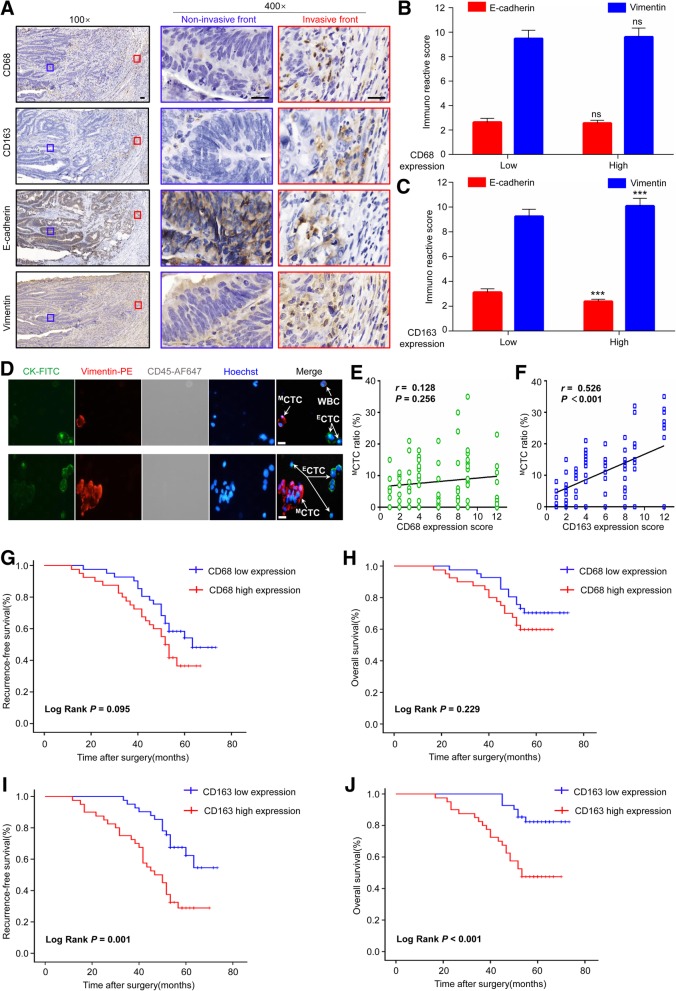
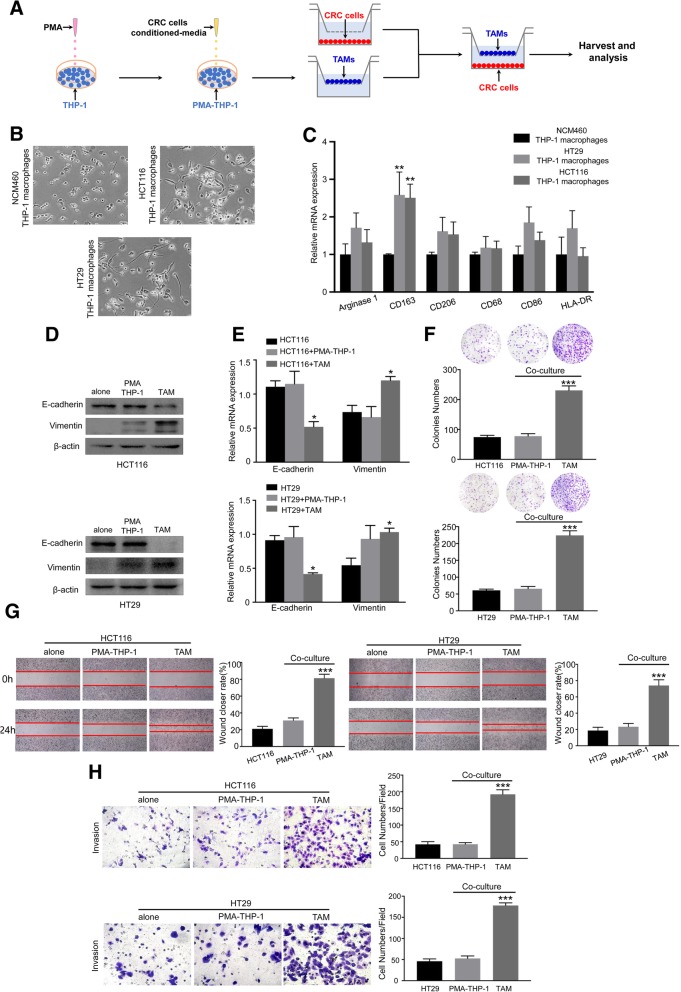
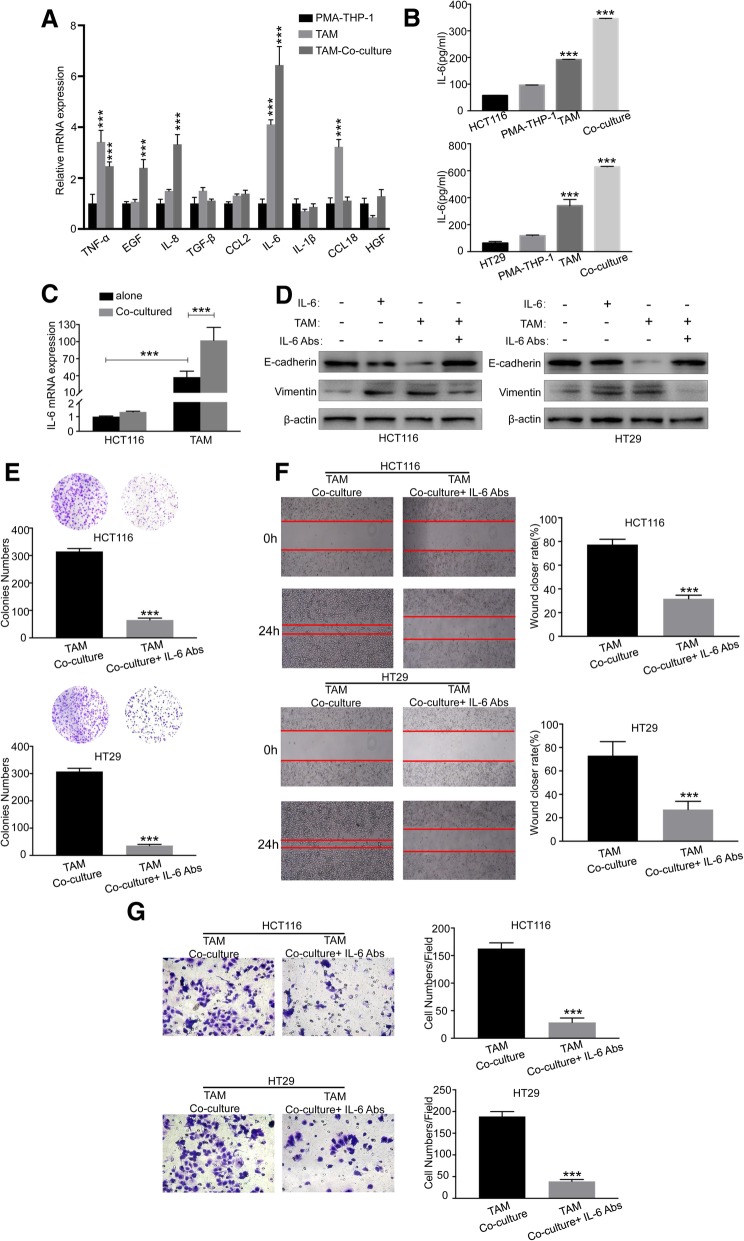
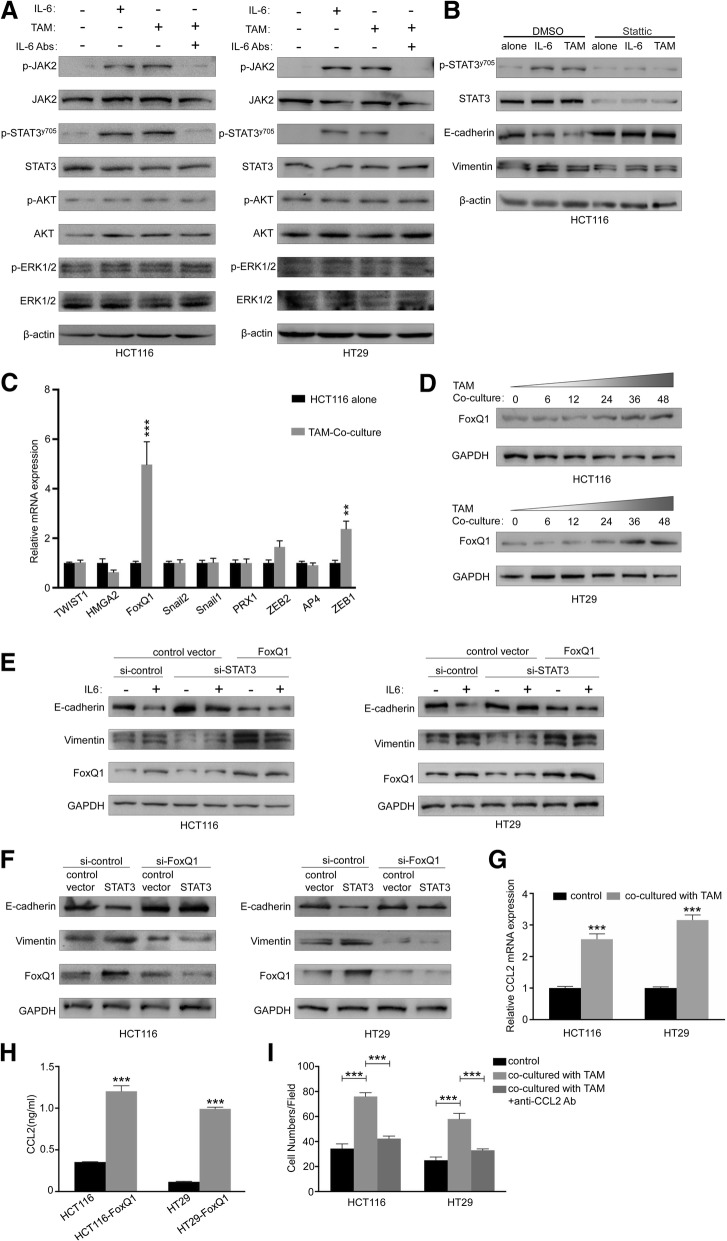
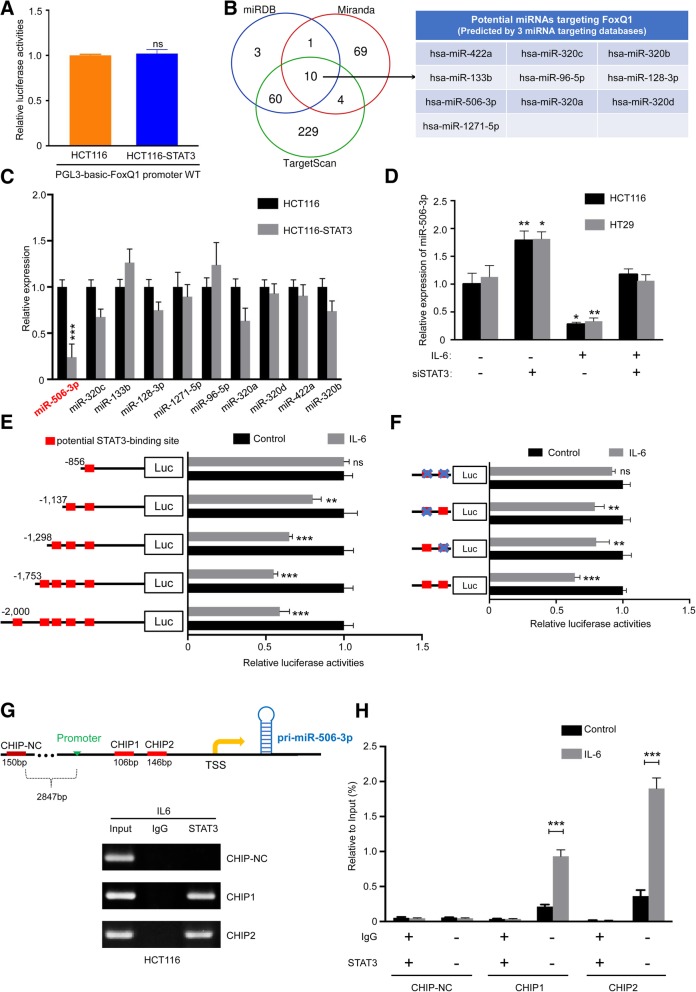
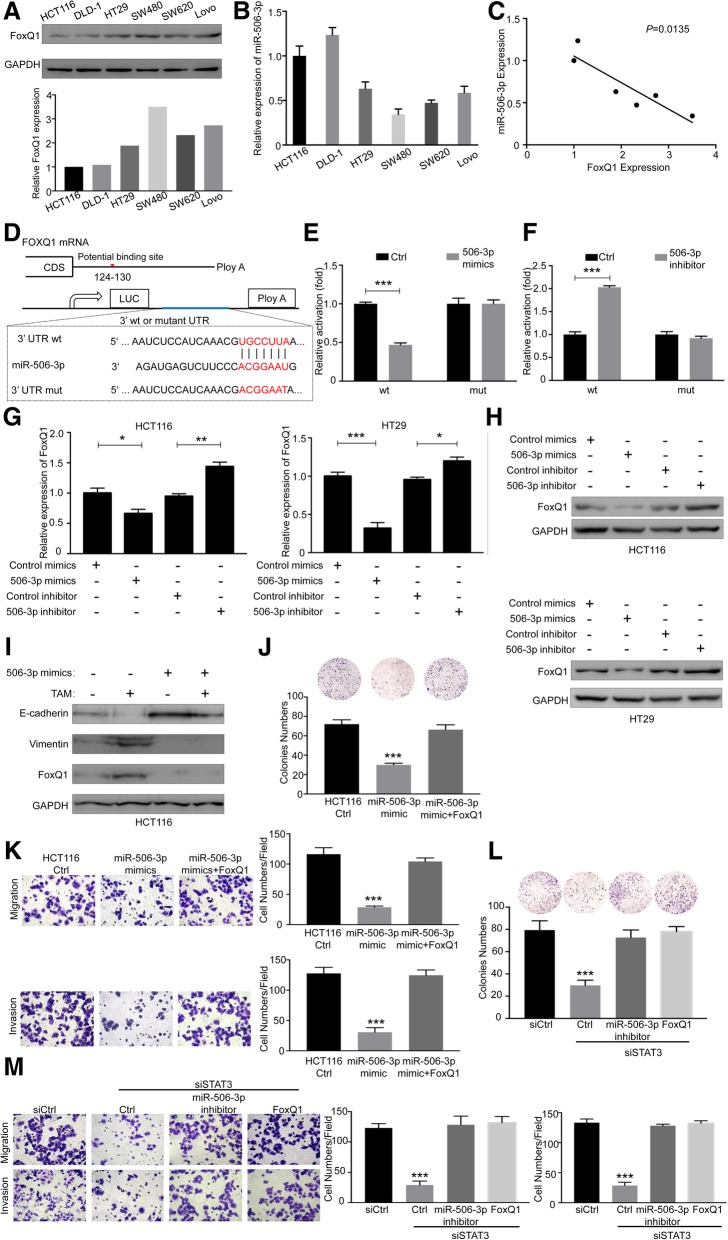
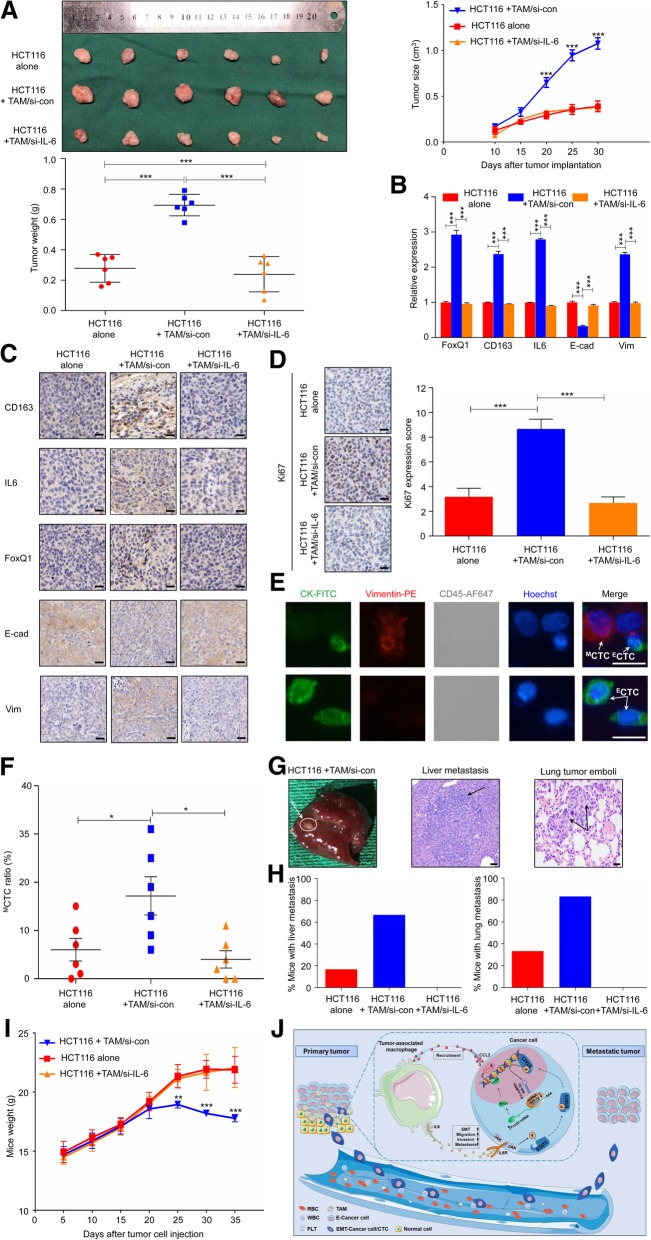
BACKGROUND: Tumor-associated macrophages (TAMs) are major components of tumor microenvironment that frequently associated with tumor metastasis in human cancers. Circulating tumor cell (CTC), originating from primary tumor sites, is considered to be the precursors of tumor metastasis. However, the regulatory mechanism of TAMs in CTC-mediated tumor metastasis still remains unclear. METHODS: Immunohistochemical staining was used to detect the macrophages infiltration (CD68 and CD163), epithelial-mesenchymal transition (EMT) markers (E-cadherin and Vimentin) expression in serial sections of human colorectal cancer (CRC) specimens. Then, the correlations between macrophages infiltration and clinicopathologic features, mesenchymal CTC ratio, and patients' prognosis were analyzed. A co-culture assay in vitro was used to evaluate the role of TAMs on CRC EMT, migration and invasion, and ELISA, luciferase reporter assay and CHIP were performed to uncover the underlying mechanism. Furthermore, an in vivo model was carried out to confirm the effect of TAMs on mesenchymal CTC-mediated metastasis. RESULTS: TAMs infiltrated in invasive front was associated with EMT, mesenchymal CTC ratio, and poor prognosis in patients with CRC. CRC-conditioned macrophages regulated EMT program to enhance CRC cells migration and invasion by secreting IL6. TAMs-derived IL6 activated the JAK2/STAT3 pathway, and activated STAT3 transcriptionally inhibited the tumor suppressor miR-506-3p in CRC cells. miR-506-3p, a key miRNA regulating FoxQ1, was downregulated in CRC cells, resulting in increased FoxQ1 expression, which in turn led to the production of CCL2 that promoted macrophage recruitment. Inhibition of CCL2 or IL6 broke this loop and reduced macrophage migration and mesenchymal CTC-mediated metastasis, respectively. CONCLUSIONS: Our data indicates that TAMs induce EMT program to enhance CRC migration, invasion, and CTC-mediated metastasis by regulating the JAK2/STAT3/miR-506-3p/FoxQ1 axis, which in turn leads to the production of CCL2 that promote macrophage recruitment, revealing a new cross-talk between immune cells and tumor cells in CRC microenvironment.
Overview
The claims and statistics of this paper haven’t been checked yet.
Free: it reads the open-access text and checks the first 5 claims that cite a source we can check. Create a free account to check every claim.
Integrity signals
Registry
Cites
Statistics
Figures
Verification
Claims the paper makes
The claims and statistics of this paper haven’t been checked yet.
Free: it reads the open-access text and checks the first 5 claims that cite a source we can check. Create a free account to check every claim.
Claims other papers make about this one
Each is checked against this paper’s own text: does it say what the citing paper says it does?
The cited source says what the claim attributes to it.
In the citing paper
“In this line, a study in human colorectal cancer (CRC) specimens and in vitro co-culture, revealed that TAMs induce EMT program to enhance CRC invasion, migration, and CTC-mediated metastasis by producing IL6 to activate JAK2/STAT3 axis and inhibit the suppressive role of miR-506-3p on FoxQ1 expression.”
From Tumor microenvironment complexity and therapeutic implications at a glance (2020) · cites this paper as [94]
Self-check
Percentages, sums and reported differences re-computed from the paper’s own numbers.
The self-check needs the paper’s full text.
Citations
Cites
Siegel, R. L., Miller, K. D., & Jemal, A. (2015) · CA: A Cancer Journal for Clinicians · doi:10.3322/caac.21254 · Cited by 11,853
Molecular mechanisms of epithelial–mesenchymal transition
Lamouille, S., Xu, J., & Derynck, R. (2014) · Nature Reviews Molecular Cell Biology · doi:10.1038/nrm3758 · Cited by 8,091
Macrophage Diversity Enhances Tumor Progression and Metastasis
Qian, B.-Z., & Pollard, J. W. (2010) · Cell · doi:10.1016/j.cell.2010.03.014 · Cited by 5,188 · cited 1×
“Macrophages in the TME, referred to as tumor-associated macrophages (TAMs), are one of the most abundant types of cells, and exhibit different phenotypes and functions in response to various microenvironmental signals generated from tumor and stromal cells [14].”
BackgroundCCL2 recruits inflammatory monocytes to facilitate breast-tumour metastasis
Qian, B.-Z., Li, J., Zhang, H., Kitamura, T., Zhang, J., Campion, L. R., Kaiser, E. A., Snyder, L. A., & Pollard, J. W. (2011) · Nature · doi:10.1038/nature10138 · Cited by 2,874
Berns, K., Horlings, H. M., Hennessy, B. T., Madiredjo, M., Hijmans, E. M., Beelen, K., Linn, S. C., Gonzalez-Angulo, A. M., Stemke-Hale, K., Hauptmann, M., et al. (2007) · Cancer Cell · doi:10.1016/j.ccr.2007.08.030 · Cited by 1,627
Dissecting the metastatic cascade
Pantel, K., & Brakenhoff, R. H. (2004) · Nature Reviews Cancer · doi:10.1038/nrc1370 · Cited by 1,281 · cited 1×
“Furthermore, CTC disseminate from primary tumor by undergoing EMT that allow them to penetrate blood vessels [35], and CTC was thought to have stronger invasive and metastatic ability [36].”
BackgroundApplied bioinformatics for the identification of regulatory elements
Wasserman, W. W., & Sandelin, A. (2004) · Nature Reviews Genetics · doi:10.1038/nrg1315 · Cited by 1,228 · cited 1×
“To validate whether transcription of miR-506-3p was directly activated by STAT3, we performed bioinformatics analysis of miR-506-3p promoter region to reveal potential transcription factor binding sites and five potential STAT3-binding sites were revealed by Jaspar [32] (Additional file 1: Figure S3A and Additional fi…”
MethodIliopoulos, D., Jaeger, S. A., Hirsch, H. A., Bulyk, M. L., & Struhl, K. (2010) · Molecular Cell · doi:10.1016/j.molcel.2010.07.023 · Cited by 830 · cited 1×
“For example, STAT3 activated by IL6 directly upregulated the miR-21 and miR-181b-1, which was shown to be necessary for the epigenetic switch linking inflammation to cancer [53].”
BackgroundSu, S., Liu, Q., Chen, J., Chen, J., Chen, F., He, C., Huang, D., Wu, W., Lin, L., Huang, W., et al. (2014) · Cancer Cell · doi:10.1016/j.ccr.2014.03.021 · Cited by 772 · cited 1×
“Our results were in accordance with previous study, which comprehensively demonstrated that CCL18 TAMs infiltration in the tumor invasive front might establish an aggressive TME and could regulate breast cancer cells an EMT shift to increase metastatic ability [33].”
ResultSelf-citationWang, X., Luo, G., Zhang, K., Cao, J., Huang, C., Jiang, T., Liu, B., Su, L., & Qiu, Z. (2018) · Cancer Research · doi:10.1158/0008-5472.can-17-3841 · Cited by 767 · cited 1×
“Additionally, Wang and colleagues revealed that pancreatic cancer (PC) cells activated macrophages to the M2 phenotype, which then promoted EMT progress to increase migration and invasion of PC cells [23].”
Background
Research works printed but not linked: 3
- Su S Liu Q Chen J Chen J Chen F He C Huang D Wu W Lin L Huang W A positive feedback loop between mesenchymal-like cancer cells and macrophages is essential to breast cancer metastasis Cancer Cell 2014 25 605 620 10.1016/j.ccr.2014.03.021 24823638 · DOI · Paper page
- Pantel K Brakenhoff RH Dissecting the metastatic cascade Nat Rev Cancer 2004 4 448 10.1038/nrc1370 15170447 · DOI · Paper page
- Guo J Yan Y Yan Y Guo Q Zhang M Zhang J Goltzman D Tumor-associated macrophages induce the expression of FOXQ1 to promote epithelial-mesenchymal transition and metastasis in gastric cancer cells Oncol Rep 2017 38 2003 2010 10.3892/or.2017.5877 28791370 PMC5652949 · DOI
Cited by
Items 501–600 of 861
Developing anti-TDE vaccine for sensitizing cancer cells to treatment and metastasis control
Meena, S. S., Kosgei, B. K., Soko, G. F., Cheng, T., Chambuso, R., Mwaiselage, J. D., & Han, R. P. S. (2025) · npj Vaccines · doi:10.1038/s41541-024-01035-3 · Cited by 7
Ding, M., Mao, S., Wu, H., Fang, S., Zhen, N., Chen, T., Zhu, J., Tang, X., Wang, X., Sun, F., et al. (2025) · Advanced Science · doi:10.1002/advs.202407671 · Cited by 8
Geltz, A., Geltz, J., & Kasprzak, A. (2025) · International Journal of Molecular Sciences · doi:10.3390/ijms26115336 · Cited by 9
Carnitine Shuttle and Ferroptosis in Cancer
Kim, Y.-A., Lee, Y., & Kim, M. S. (2025) · Antioxidants · doi:10.3390/antiox14080972 · Cited by 10
“For instance, in the process of colorectal cancer metastasis, it has been revealed that TAMs promote this process through the regulation of the JAK2/STAT3/miR-506-3p/FoxQ1 axis [90].”
Shin, H. C., Seo, I., Jeong, H., Byun, S. J., Kim, S., Bae, S. U., Kwon, S. Y., & Lee, H. W. (2021) · Life · doi:10.3390/life11111240 · Cited by 8
Dong, K., Liu, J., Zhou, W., & Zhang, G. (2022) · Frontiers in Genetics · doi:10.3389/fgene.2022.930248 · Cited by 8
Zhu, W., Zhang, R., Ma, C., Hu, Y., Shi, X., Wang, X., Wu, X., & Ai, K. (2022) · Evidence-based Complementary and Alternative Medicine · doi:10.1155/2022/6229444 · Cited by 7
“Cancer cells undergoing EMT are more aggressive and often display increased invasiveness, stem-like features, and resistance to apoptosis [36, 37].”
BackgroundMisbah, M., Kumar, M., Lee, K., & Shen, S. (2022) · BioMed Research International · doi:10.1155/2022/3825760 · Cited by 7
“High TAM levels are associated with invasion, migration, and interleukin-(IL-) 6 for tumor progression of CRC metastasis [68].”
Ni, Q., An, M., Luo, S., Li, X., He, G., Shen, M., Xu, L., Huang, J., Yan, M., Fan, Y., et al. (2022) · Biochemical and Biophysical Research Communications · doi:10.1016/j.bbrc.2022.11.054 · Cited by 7
Yoshizawa, T., Uehara, T., Iwaya, M., Asaka, S., Nakajima, T., Kinugawa, Y., Shimizu, A., Kubota, K., Notake, T., Masuo, H., et al. (2023) · Pathology · doi:10.1016/j.pathol.2022.11.007 · Cited by 7
Zhou, X., Wang, W., & Liu, L.-Z. (2023) · Discovery Medicine · doi:10.24976/discov.med.202335179.105 · Cited by 7
Wijler, L. A., Viergever, B. J., Strating, E., van Schelven, S. J., Poghosyan, S., Frenkel, N. C., Rietmole, H. T., Verheem, A., Raats, D., Rinkes, I. H. M. B., et al. (2024) · Cancers · doi:10.3390/cancers16051073 · Cited by 7
“CD163 + TAMs induce the epithelial-to-mesenchymal transition (EMT) and thereby enhance colorectal cancer cell migration and invasion [21].”
BackgroundCells in the liver microenvironment regulate the process of liver metastasis
Wang, P., Jie, Y., Yao, L., Sun, Y., Jiang, D., Zhang, S., Wang, X., & Fan, Y. (2024) · Cell Biochemistry and Function · doi:10.1002/cbf.3969 · Cited by 7
“59 VEGF secreted by CRC cells can stimulate TAMs to produce CXCL1, which recruits CXCR2 ‐ positive MDSCs to form pre ‐ metastatic niches and promotes liver metastasis.”
BackgroundZheng, Y., Li, W., Huang, Y., & Cheng, H. (2024) · Gene · doi:10.1016/j.gene.2024.148374 · Cited by 7
In vitro functional assays to assess the reciprocal interplay between tumor cells and macrophages
Karimova, A. F., Ketkar, A., Suezov, R. V., Khalitova, A. R., Gomzikova, M. O., Mukhamedshina, Y. O., Lauth, M., Huber, M., Simon, H., & Brichkina, A. I. (2024) · The FASEB Journal · doi:10.1096/fj.202400240r · Cited by 7
He, X., Ren, E., Dong, L., Yuan, P., Zhu, J., Liu, D., & Wang, J. (2024) · Heliyon · doi:10.1016/j.heliyon.2024.e37346 · Cited by 8
“Conventional techniques [44] were used to improve and identify the CTCs. Guangzhou, China-based RiboBio provided the Hsa-miR-885-5p mimic, inhibitor (also known as anti-miR-885-5p), and matching negative control.”
MethodLncRNA LINC00460 takes a stimulating role on hepatocellular carcinoma stemness property
Chen, B., Zhang, K., Han, Q., Zhong, W., Yi, J., Zhu, H., & Xia, S. (2021) · Cell Cycle · doi:10.1080/15384101.2021.1940627 · Cited by 7
Liu, L., Zhang, J., Li, Z., Yang, Y., Li, L., Zhao, Y., & Zhao, J. (2021) · International Journal of Nanomedicine · doi:10.2147/ijn.s336333 · Cited by 7
Rastegari‐Pouyani, M., Mohammadi‐Motlagh, H., Baghaei, K., Mansouri, K., Hajivalili, M., Mostafaie, A., & Amani, D. (2022) · International Immunopharmacology · doi:10.1016/j.intimp.2022.108581 · Cited by 7
Wu, J., Chen, G., Wang, W., Yang, Y., Yuan, Y., Shang, A., Quan, W., & Wang, L. (2022) · Journal of Oncology · doi:10.1155/2022/2164897 · Cited by 8
“Inhibition of E-cadherin expression has been shown to decrease adhesion between epithelial cells, resulting in loss of cell polarity and cell migration [13, 16].”
BackgroundDuan, X.-K., Sun, Y., Wang, H., Xu, Y., Fan, S.-Z., Tian, J.-Y., Yu, Y., Zhao, Y.-Y., & Jiang, Y.-L. (2023) · World Journal of Diabetes · doi:10.4239/wjd.v14.i3.209 · Cited by 7
Chen, X., Li, Y., Zhou, Z., Zhang, Y., Chang, L., Gao, X., Li, Q., Luo, H., Westover, K. D., Zhu, J., et al. (2023) · Cancer Medicine · doi:10.1002/cam4.6607 · Cited by 8
Wang, S., Cheng, L., Jing, F., & Gan, L. (2022) · BMC Medical Genomics · doi:10.1186/s12920-022-01329-2 · Cited by 7
“However, recent studies suggest that macrophages increase the migration, invasion, and metastatic ability of tumours, reflecting their tumour-promoting effect in CRC [42].”
BackgroundSelf-citationTranscription Factor MAFB as a Prognostic Biomarker for the Lung Adenocarcinoma
Samir, O., Kobayashi, N., Nishino, T., Siyam, M., Yadav, M. K., Inoue, Y., Takahashi, S., & Hamada, M. (2022) · International Journal of Molecular Sciences · doi:10.3390/ijms23179945 · Cited by 9
He, L., Liu, Z., Chen, Y., Zhang, X., Wu, N., & Wang, J. (2022) · Frontiers in Oncology · doi:10.3389/fonc.2022.999654 · Cited by 7
Wang, Y., Gao, J., Ren, Z., Shen, Z., Gu, W., Miao, Q., Hu, X., Wu, Y. P., Liu, W., Jia, J., et al. (2025) · Frontiers in Oncology · doi:10.3389/fonc.2025.1521652 · Cited by 8
Kou, Y., Tang, H., Gu, F., Shui, M., Liu, S., Guo, H., Xie, Y., Zhu, C., Han, B., & Li, X. (2025) · Chemical and Biological Technologies in Agriculture · doi:10.1186/s40538-025-00843-6 · Cited by 7
“Numerous studies have exhibited that the density of TAMs is associated with poor clinical outcomes in various solid cancers, such as bladder, breast, renal, prostate, colon, and gastric cancer [39].”
Inhibition of GDF15/GFRAL: A novel opportunity for the treatment of solid tumors
Zhang, P., Liu, Y., Yang, H., Li, J., Fan, G., Bai, H., Cao, X., & Li, Y. (2025) · International Immunopharmacology · doi:10.1016/j.intimp.2025.116109 · Cited by 6
Sharma, D., Bushnell, G. G., Kalman, A. P., Hutchens, C. M., & Burness, M. L. (2026) · Frontiers in Immunology · doi:10.3389/fimmu.2025.1727365 · Cited by 11
Asadi, M., Zafari, V., Mohammadi, S. S., Shanehbandi, D., Mert, U., Soleimani, Z., Caner, A., & Zarredar, H. (2024) · Bioimpacts · doi:10.34172/bi.30713 · Cited by 11
“77 Targeting functional TAM molecules is a promising therapeutic approach.”
Progress of IL-10 and liver metastasis
Zeng, C., Niu, F., Li, H., Huang, Z., Ke, Y., Yu, L., & Chen, M. (2025) · Cytokine · doi:10.1016/j.cyto.2025.156932 · Cited by 6
Yang, C., Gao, Z., Tang, R., Zhou, L., Zhou, P., Shi, W., Ren, D., Chen, H., Zhang, Z., Xie, X., et al. (2025) · British Journal of Cancer · doi:10.1038/s41416-025-03017-1 · Cited by 6
“…have demonstrated that the crosstalk between tumor cells and normal hepatocytes and stromal cells within the tumor microenvironment (TME) of liver plays a pivotal role in the liver metastatic process of a variety of human cancer types [4, 5], including liver metastasis of gastric cancer [6 – 8].”
Self-citationZhu, X., Wen, S., Deng, S., Wu, G., Tian, R., Hu, P., Ye, L., Sun, Q., Xu, Y., Deng, G., et al. (2022) · Frontiers in Oncology · doi:10.3389/fonc.2022.893769 · Cited by 6
“This may be because the group of determinant CTCs has not been precisely identified, as exemplified by the fact that only vimentin-positive CTCswere related to patient outcomes rather thanEpCAM-positiveCTCs in colon cancers (22).”
BackgroundZhao, X., Chai, W., Wang, T., Chen, X., Zhang, L., Li, F., & Liu, R. (2022) · Journal of Biochemical and Molecular Toxicology · doi:10.1002/jbt.23208 · Cited by 6
Jenei, V., Sára, B., Molnár, T., Kardos, B., Mácsik, R., Tóth, M., Debreceni, Z., Bácsi, A., Mázló, A., & Koncz, G. (2022) · Cancer Chemotherapy and Pharmacology · doi:10.1007/s00280-022-04497-1 · Cited by 6
“Accordingly, the blockade of CCL2 may prevent the development of cancer metastases [25].”
BackgroundWang, J., Sun, H., Cao, C., Hu, J., Qian, J., Jiang, T., Jiang, W., Zhou, S., Qiu, X., & Wang, H. (2023) · Frontiers in Oncology · doi:10.3389/fonc.2023.1136729 · Cited by 6
“In addition, IL6 and IL10 are a major immunomodulatory cytokine that acts on many cells of the immune system.”
BackgroundInfluentialMacrophage-Based Therapeutic Strategies in Hematologic Malignancies
Khalili, S., Zeinali, F., Fard, A. M., Taha, S. R., Naghibi, A. F., Bagheri, K., Zadeh, M. S., Eslami, Y., Fattah, K., Asadimanesh, N., et al. (2023) · Cancers · doi:10.3390/cancers15143722 · Cited by 7
“Furthermore, TAMs can enhance invasion, migration, and the circulating tumor cell-mediated metastasis of colorectal cancer by regulating the JAK2/STAT3/miR-506-3p/FoxQ1 axis, which leads to CCL2 production [64].”
BackgroundChen, C., Liu, Y., Wang, H., Zhang, X., Shi, Y., & Chen, J. (2023) · Journal of Zhejiang University SCIENCE B · doi:10.1631/jzus.b2200503 · Cited by 6
“High expression of miR-506 suppressed the metastasis of colorectal tumor (Wei et al., 2019) and gastric tumor (Wang et al.”
BackgroundQiu, Y., Ye, W., Wang, C., & Jin, Z. (2023) · Aging · doi:10.18632/aging.205242 · Cited by 6
Lin, Z., Wu, Z., & Luo, W. (2024) · Heliyon · doi:10.1016/j.heliyon.2024.e26091 · Cited by 6
“Prevailing research suggests that heightened macrophage infiltration correlates with a poor prognosis in cancer patients [16,17].”
BackgroundMagri, V., Renzi, G. D., Marino, L., Meo, M. D., Siringo, M., Gelibter, A. J., Gareri, R., Cataldi, C., Giannini, G., Santini, D., et al. (2024) · International Journal of Molecular Sciences · doi:10.3390/ijms25073752 · Cited by 6
“Consistently, numbers of CAM-Ls were reported to change in an inverse relationship to classical CTCs, increasing in numbers when treatment is effective, suggesting that they might be a direct result of antitumor immune activity [21].”
BackgroundLong, Z., Li, X., Deng, W., Tan, Y., & Liu, J. (2024) · World Journal of Surgical Oncology · doi:10.1186/s12957-024-03441-2 · Cited by 6
“Macrophages are one of the most abundant cell types in the TME and exhibit different phenotypes and functions in response to various signals generated by TME cells [24].”
BackgroundValue analysis of ITLN1 in the diagnostic and prognostic assessment of colorectal cancer
Zhang, Y., Gao, T., Wu, M., Xu, Z., & Hu, H. (2024) · Translational Cancer Research · doi:10.21037/tcr-24-137 · Cited by 7
STAT3 Regulates the Redox Profile in MDA-MB-231 Breast Cancer Cells
Rodrigues, J. A., Pires, B. R. B., de Amorim, Í. S. S., Siqueira, P. B., Rodrigues, M. M. D. S., da Fonseca, A. D. S., Panis, C., & Mencalha, A. L. (2024) · Cell Biochemistry and Biophysics · doi:10.1007/s12013-024-01439-x · Cited by 6
Investigating MATN3 and ASPN as novel drivers of gastric cancer progression via EMT pathways
Li, J., Xie, B., Wang, H., Wang, Q., & Wu, Y. (2024) · Human Molecular Genetics · doi:10.1093/hmg/ddae129 · Cited by 7
Circulating Tumor Cells Culture: Methods, Challenges, and Clinical Applications
Zhou, Z., Cai, S., Zhou, X., Zhao, W., Sun, J., Zhou, Z., Yang, Z., Li, W., Wang, Z., Zou, H., et al. (2024) · Small Methods · doi:10.1002/smtd.202401026 · Cited by 6
Wang, H., Shao, R., Liu, W., Peng, S., Bai, S., Fu, B., Zhao, C., & Lu, Y. (2022) · Cancer Cell International · doi:10.1186/s12935-022-02608-9 · Cited by 7
Kurdi, M. E., Katib, Y., Faizo, E., Bahakeem, B., Alkhotani, A., Alkhayyat, S. S., Najjar, A. A., Mehboob, R., Halawa, T. F., Addas, B. M. J., et al. (2022) · World Journal of Oncology · doi:10.14740/wjon1473 · Cited by 6
Chen, L., Yang, J., Lin, X., Xie, B.-L., Xu, Y., Lin, S., & Xu, T. (2022) · Frontiers in Oncology · doi:10.3389/fonc.2022.911856 · Cited by 7
“However, miR-195-5p could inhibit the polarization of M2-like TAMs, and patients with low miR195-5p levels have significantly shorter overall survival times (67).”
BackgroundSelf-citationYi-ran, Z., Zhang, L., Li, F., He, J., Xuan, J.-F., Chen, C., Gong, C., & Pan, Y.-L. (2022) · Journal of Oncology · doi:10.1155/2022/8394816 · Cited by 7
Zou, J., Wu, B., Lin, C., Ding, Q., & Li, J. (2022) · PubMed · Cited by 6
Lin, S., Ma, L., Mo, J., Zhao, R., Li, J., Yu, M., Jiang, M., & Peng, L. (2024) · Aging · doi:10.18632/aging.205778 · Cited by 10
Yao, W., Hua, D.-M., Zhang, Y., Zhao, Y., Feng, Y., Zhang, Z., Ni, Z., Guo, H., Guan, Y., & Wang, Y. (2025) · BMC Complementary Medicine and Therapies · doi:10.1186/s12906-025-04860-8 · Cited by 7
The distinct role of IL-34 and IL-35 in gastric cancer
He, Z., Dang, J., Cui, X., Li, B., Bao, S., & Fan, J. (2025) · Frontiers in Immunology · doi:10.3389/fimmu.2025.1559508 · Cited by 6
Circulating Tumor Cell‐Derived Organoids: Current Progress, Applications, and Future
Li, T., Deng, B., Li, S., Wu, Y., Lu, Z., & Zhu, L. (2025) · MedComm – Future Medicine · doi:10.1002/mef2.70030 · Cited by 5
Wu, Z., Zeng, B., Seah, D. H., Ng, I. Z. R., Ding, R. H., Zhang, T., Kalaichelvan, M., You, R., & Fong, E. L. S. (2025) · Advanced Materials · doi:10.1002/adma.202512252 · Cited by 5
Wang, S., Ma, Z., Lv, L., Qian, Y., Liu, S., & Lu, Y. (2025) · Critical Reviews in Oncology/Hematology · doi:10.1016/j.critrevonc.2025.105001 · Cited by 7
Self-citationLiu, Y., Yin, J., Lu, L., Pan, J., Shao, G., Xu, Y., Ji, G., & Xu, H. (2025) · Cancer & Metabolism · doi:10.1186/s40170-025-00416-z · Cited by 5
“Among them, macrophages, as key immune cells, have emerged as a critical research focus in CRC. Macrophages exhibit significant dynamic changes and functional heterogeneity during different stages of tumor progression, with their phenotypes and functions adapting to the evolving TME [6].”
Spatial and cellular composition of lung fibrosis induced by multi-walled carbon nanotubes
Han, B., Li, X., Li, J., Liu, Y., Li, S., Tian, J., Lv, Z., Liu, D., Li, M., Ji, S., et al. (2026) · Journal of Nanobiotechnology · doi:10.1186/s12951-026-04135-5 · Cited by 5
“Cd68 and Mpeg1 are recognized as marker genes for macrophages [36, 37], while Saa3, Gpnmb, and Cybb are commonly linked to inflammatory responses and oxidative stress [38–40].”
Zhang, Z., Xie, W., Gong, B., Liang, X., Yu, H., Yu, Y., Dong, Z., & Shao, F. (2023) · Discover Oncology · doi:10.1007/s12672-023-00832-x · Cited by 5
“For colony formation analysis, cells were seeded in 6-well plates (300 cells per well) and cultured for 10 days, and then fixed with 4% paraformaldehyde and stained with 0.1% crystal violet [27].”
MethodInfluentialCurrent Insights into Signature MicroRNA Networks and Signal Transduction in Osteosarcoma
Trivedi, J., Desai, A., Saha, P., Ajgaonkar, S., Nabar, S., Momin, M., Muzumdar, I., & Nair, S. (2024) · Current Pharmacology Reports · doi:10.1007/s40495-024-00355-1 · Cited by 5
Huang, L.-M., & Zhang, M.-J. (2024) · World Journal of Gastroenterology · doi:10.3748/wjg.v30.i20.2689 · Cited by 5
Chen, Z., Zhang, T., Li, W., Hu, J. N., Ou, Y., Ye, F., Zhang, J., Jiang, H., & Liu, S. (2024) · APOPTOSIS · doi:10.1007/s10495-024-02044-2 · Cited by 5
“A series of experiments demonstrated that IL6 is associated with M2 polarization of macrophages across various diseases [ 38 ].”
The regulatory role of m6A in cancer metastasis
Zhou, Y. F., Cao, P., & Zhu, Q. (2025) · Frontiers in Cell and Developmental Biology · doi:10.3389/fcell.2025.1539678 · Cited by 11
“This crosstalk is essential for the mesenchymal CTCs to maintain their invasive potential, allowing them to metastasize to distant organs, such as the liver and lungs (Wei et al., 2019).”
Xu, L., Mo, Y., Yu, B., & Fan, S. (2025) · Discover Oncology · doi:10.1007/s12672-025-03157-z · Cited by 5
“However, TAM2 polarization modulates the “find me” and “eat me” signals, resulting in tumor growth and metastasis of CRC [34–37].”
Role of STX6 as a prognostic factor associated with immune infiltration in hepatocellular carcinoma
Zhang, Y., Li, L., Tu, Y., Feng, Z., Li, Y. H., & Xiong, J. (2022) · Oncology Letters · doi:10.3892/ol.2022.13491 · Cited by 5
Kudo‐Saito, C., Boku, N., Hirano, H., & Shoji, H. (2022) · Frontiers in Immunology · doi:10.3389/fimmu.2022.1009701 · Cited by 5
Wang, X., Bai, Y., Zhou, Z., Ye, B., Chen, Z., Chen, X.-L., & Wu, W. (2023) · The Turkish Journal of Gastroenterology · doi:10.5152/tjg.2023.22064 · Cited by 8
Shu, H., Ren, Z., Li, H., Zhang, Y., Yin, C., & Nie, F. (2024) · European Journal of Pharmaceutical Sciences · doi:10.1016/j.ejps.2024.106894 · Cited by 5
Zhao, W., Wang, J., Luo, Q., Peng, W., Li, B., Wang, L., Zhang, C., & Duan, C. (2020) · BMC Medical Genomics · doi:10.1186/s12920-020-00834-6 · Cited by 5
Self-citationThe Biological Effect of Small Extracellular Vesicles on Colorectal Cancer Metastasis
Wang, X., Huang, D., Wu, J., Li, Z., Yi, X., & Zhong, T. (2022) · Cells · doi:10.3390/cells11244071 · Cited by 5
“g, CCL2 and IL-4) in cancer cells to enhance macrophage recruitment and promote M2 polarization [60,61].”
BackgroundHuang, H.-Y., Lan, J., & Zhuang, W. (2025) · World Journal of Gastrointestinal Oncology · doi:10.4251/wjgo.v17.i8.107412 · Cited by 4
“Blood or plasma sample-based liquid biopsies have demonstrated great promise in cancer research, particularly in the early identification and tracking of stomach cancer[71-76].”
Gebuza, M., Górczyńska, J., Paczos, W., Pieczara, S., Rekiel, K., Urbanowicz, P., Kulbacki, M., Novickij, V., & Kulbacka, J. (2025) · Archives of Biochemistry and Biophysics · doi:10.1016/j.abb.2025.110599 · Cited by 4
Curcumol Targets the VHL/HIF-1α Axis to Suppress Glycolysis-Driven Progression in Colorectal Cancer
Wang, G., Yue, Z., Yin, G., Zhu, L., Zhou, W., Sun, R., Bi, T., Zhao, L. B., Bian, Y., & Tang, D. (2025) · Cancers · doi:10.3390/cancers17183000 · Cited by 4
Kastinen, M., Härkönen, J., Sirniö, P., Elomaa, H., Karjalainen, H., Äijälä, V. K., Tapiainen, V. V., Sirkiä, O., Pohjanen, V., Ahtiainen, M., et al. (2025) · Clinical Cancer Research · doi:10.1158/1078-0432.ccr-25-2026 · Cited by 4
“Previous studies have linked M2-like macrophages to an immunosuppressive tumor microenvironment and EMT, (47, 48) whereas M1-like macrophages are typically associated with tumor suppression (49).”
Wei, P., Li, J., Cheng, X., Lu, Y., Xia, Q., & Wang, Z. (2026) · Frontiers in Immunology · doi:10.3389/fimmu.2025.1718894 · Cited by 5
Tumor-derived JAG2 programs macrophages via NOTCH3 to drive perineural invasion in colorectal cancer
Zhao, E., Liu, R., Chen, N., Zhou, C., Lin, D., Liang, X., Chu, J., Li, L., & Zhang, L. (2026) · International Journal of Biological Macromolecules · doi:10.1016/j.ijbiomac.2026.151724 · Cited by 4
Clinical plasma cells-related genes to aid therapy in colon cancer
Zhang, Q., Feng, X. S., Zhang, M., Sun, W., Zhai, Y., Qing, S., Liu, Y., Zhao, H., Sun, J., Zhang, Y., et al. (2023) · BMC Genomics · doi:10.1186/s12864-023-09481-4 · Cited by 4
“In the investigation of CC, TIC has been gaining increasing importance [54, 55].”
BackgroundKe, K., Lin, J., Huang, N., Yan, L., Liao, R., & Yang, W. (2023) · Cancer Reports · doi:10.1002/cnr2.1888 · Cited by 5
“Our results showed that TTR was highly expressed in HCCC9810 compared to huh-28 and positively correlated with the invasive ability of hepatobiliary tract cancer cells.”
BackgroundResultIde, D., Fujino, T., Kobayashi, T., Egashira, A., Miyashita, A., Mizuhara, K., Isa, R., Tsukamoto, T., Mizutani, S., Uchiyama, H., et al. (2024) · International Journal of Hematology · doi:10.1007/s12185-024-03750-y · Cited by 4
Pei, Q., Li, Z., Zhao, J., Zhang, H., Qin, T., & Zhao, J. (2024) · BMC Biotechnology · doi:10.1186/s12896-024-00879-w · Cited by 4
“In colorectal cancer (CRC) [46], EMT indications were more expressed in clinical samples with high CD163 expression.”
BackgroundCheng, C., 张克明, Lu, M., Zhang, Y., Wang, T., & Zhang, Y. (2024) · Experimental Cell Research · doi:10.1016/j.yexcr.2024.114374 · Cited by 4
Special Issues Encountered When Cancer Patients Confront COVID-19
Qi, L., Wang, K., Ye, C., & Zheng, S. S. (2020) · Frontiers in Oncology · doi:10.3389/fonc.2020.01380 · Cited by 4
“The IL6/JAK/STAT3 pathway was reported to promote the metastasis of colorectal cancer (41).”
BackgroundRecent Developments in the Study of the Microenvironment of Cancer and Drug Delivery
Chaudhary, B., Kumar, P., Arya, P., Singla, D., Kumar, V., Kumar, D., Roshan, S., Wadhwa, S., Gulati, M., Singh, S. K., et al. (2022) · Current Drug Metabolism · doi:10.2174/1389200224666230110145513 · Cited by 5
Cai, S., Sun, Z., Yan, Y., Li, W., & Wu, Q. (2023) · Immunotherapy · doi:10.2217/imt-2023-0096 · Cited by 5
Meng, S., Hara, T., Sato, H., Tatekawa, S., Tsuji, Y., Saito, Y., Hamano, Y., Arao, Y., Gotoh, N., Ogawa, K., et al. (2024) · Oncology Letters · doi:10.3892/ol.2024.14247 · Cited by 4
Qi, F., Fu, Z., Xu, M., Lv, F., Shi, J.-S., Zeng, Q.-Q., & Xiong, D. (2024) · World Journal of Gastrointestinal Oncology · doi:10.4251/wjgo.v16.i10.4064 · Cited by 5
Li, S., Hao, L., & Hu, X. (2024) · Journal of Inflammation Research · doi:10.2147/jir.s493656 · Cited by 5
Ko, D., Lee, Y., Yoon, J., Choi, E. H., Jang, D., & Kim, S. (2025) · International Journal of Oncology · doi:10.3892/ijo.2025.5801 · Cited by 4
“Tumor‑associated macrophages induce EMT programs in colorectal cancer cells, leading to production of CCL2, which in turn promotes macrophage recruitment (33).”
Cell-Based Immunotherapy Approaches for Colorectal Cancer: Main Achievements and Challenges
Shahnazari, M., Samadi, P., Pourjafar, M., & Jalali, A. (2021) · Future Oncology · doi:10.2217/fon-2020-1218 · Cited by 5
Chen, Q., Li, M., Chen, J., Huang, Z. J., Chen, X., Zhao, H., & Cai, J. (2022) · BMC Cancer · doi:10.1186/s12885-022-10009-4 · Cited by 5
“The process of EMT to enhance CRC migration, invasion, and metastasis can conversely lead to the production of CCL2, which promotes macrophage recruitment [19].”
BackgroundZhang, C., Huang, G., Yang, J., Jiang, Y., Huang, R., Ye, Z., Huang, Y., Hu, H., & Xi, X. (2023) · Frontiers in Immunology · doi:10.3389/fimmu.2023.1197011 · Cited by 5
Self-citationXiang, D., Li, H., Pan, J., & Chen, Y. (2024) · Current Medicinal Chemistry · doi:10.2174/0109298673277357231218070812 · Cited by 5
Two-color diffuse in vivo flow cytometer
Strawbridge, R. R., Davis, S. C., & Niedre, M. J. (2024) · Journal of Biomedical Optics · doi:10.1117/1.jbo.29.6.065003 · Cited by 4
“38 Although the focus of the present study was development and validation of a small animal pre-clinical research system, in our lab we are also studying potential clinical translation of DiFC through the use of molecularly-targeted contrast agents.”
MethodWeiler, S., & Nairz, M. (2021) · Frontiers in Oncology · doi:10.3389/fonc.2021.627223 · Cited by 4
Schuster, E. J., Dashzeveg, N. K., Jia, Y., Golam, K., Zhang, T., Hoffman, A., Zhang, Y., Zheng, C., Ramos, E. K., Taftaf, R., et al. (2023) · bioRxiv (Cold Spring Harbor Laboratory) · doi:10.1101/2023.04.10.536233 · Cited by 4
Cao, Y., Guo, A., Li, M., Ma, X., Bian, X., Chen, Y., Zhang, C., Huang, S., Zhao, W., & Zhao, S. (2024) · Carcinogenesis · doi:10.1093/carcin/bgae058 · Cited by 3
Self-citationZhu, T., Li, Y., Li, R., Zhang, J., & Zhang, W. (2025) · Medicine · doi:10.1097/md.0000000000041264 · Cited by 3
“[37,38] Sometimes these tiny metastatic lesions may not cause obvious symptoms immediately, but they may lead to disease progression over time.”
Qi, L., Zhou, B., Chen, J., Xu, K., Wang, K., Zheng, S. S., Hu, W., & Yang, Y. (2025) · Cell Communication and Signaling · doi:10.1186/s12964-025-02167-2 · Cited by 4
“IL6 secreted by macrophages was associated with EMT of tumor cells, which was consistent with a previous study [18].”
Unsupervised Classification for Circulating Tumor Cells
An, L., Hu, H., Song, M., Cheng, L., Ba, S., Liu, Z., Yu, Z., Zhang, Z., Liu, Y., & Zhou, C.-C. (2025) · IEEE Access · doi:10.1109/access.2025.3564012 · Cited by 3
“By utilizing unsupervised learning techniques to analyze unlabeled datasets, this method reveals the underlying structure of the data, enabling clustering and high-quality feature representation [27].”
Metadata
- Authors
- Wei, C., Yang, C., Wang, S., Shi, D., Zhang, C., Lin, X., Liu, Q., Dou, R., & Xiong, B.
- Affiliations
- Zhongnan Hospital of Wuhan University (CN)
- Corresponding author
- Xiong, Bin
- Venue
- Molecular Cancer
- Published
- 2019-03-30
- Volume
- 18
- Issue
- 1
- Pages
- 64-64
- ISSN
- 1476-4598 (ISSN-L)
- PMC
- PMC6441214
- OpenAlex
- W2948024202
- Cited by
- 833
- References
- 55
- Citations by year
- 2026: 60 · 2025: 129 · 2024: 148 · 2023: 147 · 2022: 173 · 2021: 100 · 2020: 66 · 2019: 8
- FWCI
- 34.76
- Type
- journal article
- Language
- en
- Open access
- gold
- doi.org
- Licence
- cc-by
- creativecommons.org/licenses/by/4.0/ (tdm)
- Locations
- Molecular Cancer (publishedVersion, cc-by)
- PubMed Central (publishedVersion, cc-by)
- PubMed (publishedVersion)
- DOAJ (DOAJ: Directory of Open Access Journals) (submittedVersion, cc-by-sa)
- Funders
- National Natural Science Foundation of China ((81572874, 81702411)
- Topics
- Life Sciences › Immunology and Microbiology › Immunology › Immune cells in cancer
- Health Sciences › Medicine › Oncology › Cancer Cells and Metastasis
- Life Sciences › Biochemistry, Genetics and Molecular Biology › Molecular Biology › Mechanisms of cancer metastasis
- Keywords
- tumor-associated macrophages, circulating tumor cells, colorectal cancer, metastasis, epithelial-mesenchymal transition, interleukin-6, JAK2/STAT3 signaling, miR-506-3p, FOXQ1, MCP-1, macrophage recruitment, tumor microenvironment, cell migration and invasion
- MeSH terms
- Animals, Cell Movement, Female, Follow-Up Studies, Humans, Liver Neoplasms, Lung Neoplasms, Macrophages, Male, Mice, Nude, Middle Aged, Neoplastic Cells, Circulating, Neoplasm Invasiveness, Prognosis, Tumor Cells, Cultured, Biomarkers, Tumor, Colorectal Neoplasms, Signal Transduction, Gene Expression Regulation, Neoplastic, Survival Rate, Apoptosis, Xenograft Model Antitumor Assays, Cell Proliferation, Mice, Epithelial-Mesenchymal Transition, Tumor Microenvironment
About these checks
Registry, retraction, Cites and statistics results are computed, not judged, with one exception: a printed reference that no index lists is read once by a model before it counts as a citation error. Claims are extracted by a model and kept only when their quote appears verbatim in the text; each cited source is then checked, with a model’s help, for whether it says what the claim relies on. Those verdicts can be wrong — read the claim’s quote and the cited source before relying on one.
Statistics and arithmetic are recomputed, not judged.
Confidence bands are shown only for fields calibrated on our annotated test set. None is calibrated yet, so no band is shown.
What counts as a claim ›How we measure confidence ›How we check this ›
Are you an author, or do you see a problem with this page? Request a review
Data sources
Bibliographic data: Semantic Scholar, OpenAlex, Crossref.
Contains information from the Semantic Scholar Academic Graph Datasets, made available under the ODC Attribution License (ODC-BY 1.0).
Semantic Scholar’s data is described in: Kinney, R., et al. (2023). The Semantic Scholar Open Data Platform. arXiv:2301.10140.
