

Targeting AURKA in Cancer: molecular mechanisms and opportunities for Cancer therapy
Open accessThe DOI matches its Crossref record; 237 of the 238 references it cites were found in a registry or an index.
Abstract
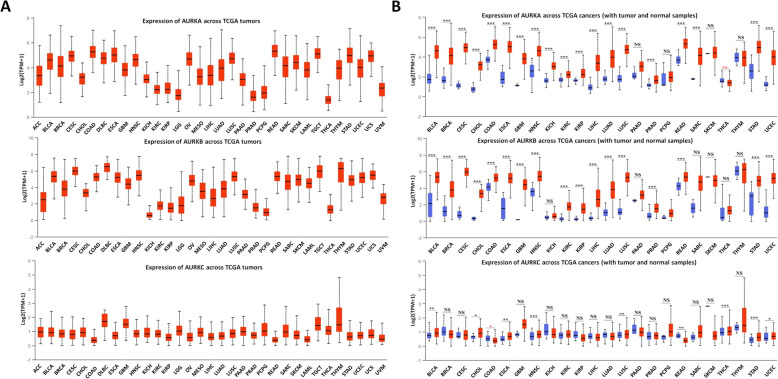
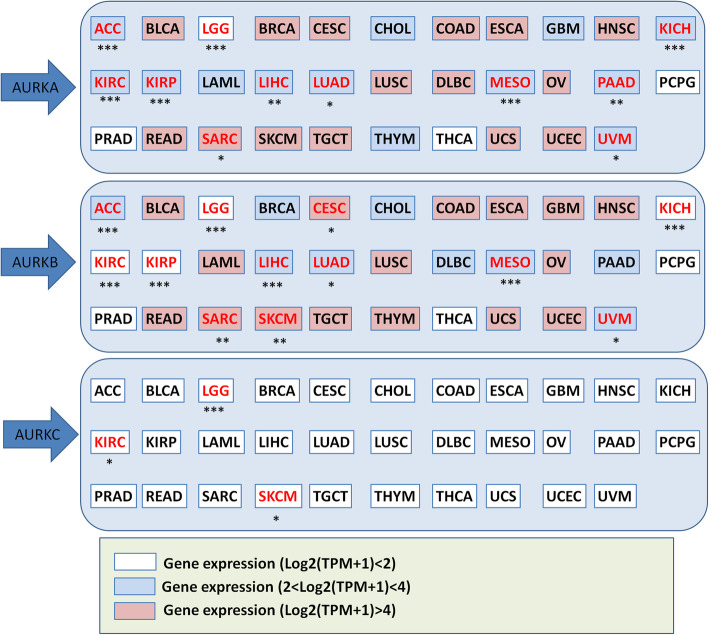
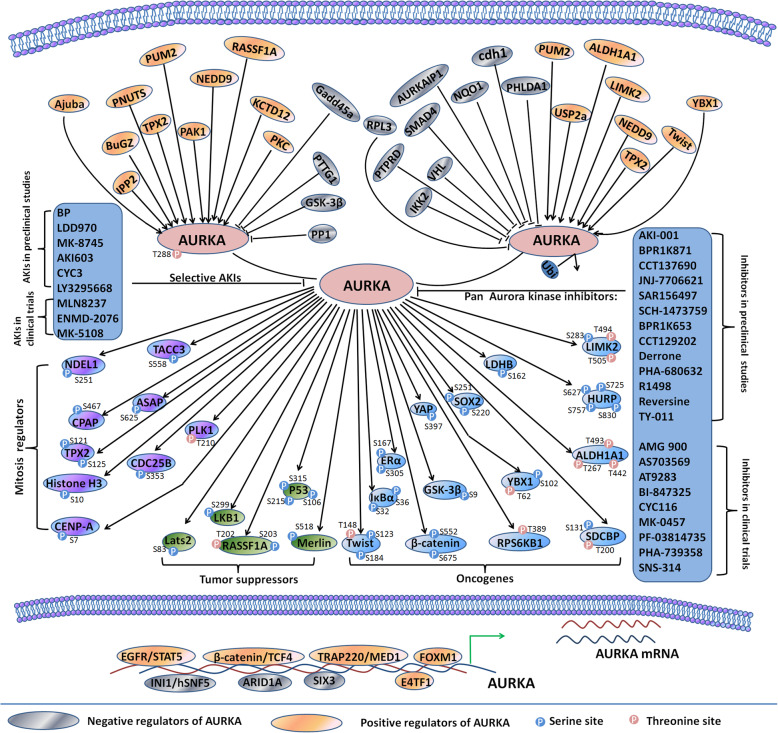
Aurora kinase A (AURKA) belongs to the family of serine/threonine kinases, whose activation is necessary for cell division processes via regulation of mitosis. AURKA shows significantly higher expression in cancer tissues than in normal control tissues for multiple tumor types according to the TCGA database. Activation of AURKA has been demonstrated to play an important role in a wide range of cancers, and numerous AURKA substrates have been identified. AURKA-mediated phosphorylation can regulate the functions of AURKA substrates, some of which are mitosis regulators, tumor suppressors or oncogenes. In addition, enrichment of AURKA-interacting proteins with KEGG pathway and GO analysis have demonstrated that these proteins are involved in classic oncogenic pathways. All of this evidence favors the idea of AURKA as a target for cancer therapy, and some small molecules targeting AURKA have been discovered. These AURKA inhibitors (AKIs) have been tested in preclinical studies, and some of them have been subjected to clinical trials as monotherapies or in combination with classic chemotherapy or other targeted therapies.
Overview
The claims and statistics of this paper haven’t been checked yet.
Free: it reads the open-access text and checks the first 5 claims that cite a source we can check. Create a free account to check every claim.
Integrity signals
Registry
Cites
Statistics
Figures
Verification
Claims the paper makes
The claims and statistics of this paper haven’t been checked yet.
Free: it reads the open-access text and checks the first 5 claims that cite a source we can check. Create a free account to check every claim.
Claims other papers make about this one
Each is checked against this paper’s own text: does it say what the citing paper says it does?
The cited source says what the claim attributes to it.
In the citing paper
“AURKA, a member of the AURK family member, is frequently overexpressed in a wide range of cancers and plays a critical role in oncogenesis [127, 128].”
From Differential Response and Resistance to KRAS-Targeted Therapy (2025) · cites this paper as [127]
Self-check
Percentages, sums and reported differences re-computed from the paper’s own numbers.
The self-check needs the paper’s full text.
Citations
Cites
3 retracted
Zhou, S.-F., Ding, Y.-H., Zhou, Z.-W., Ha, C., Zhang, X.-Y., Pan, S.-T., He, Z.-X., Edelman, J. L., Wang, D., Yang, Y.-X., et al. (2015) · Drug Design Development and Therapy · doi:10.2147/dddt.s74062 · Cited by 87 · cited 1×
“process is also impeded by MLN8237 treatment in human epithelial ovarian and pancreatic cancer cells [134].”
BackgroundRetractedAurora-A is a determinant of tamoxifen sensitivity through phosphorylation of ERα in breast cancer
Zheng, X.-Q., Guo, J., Yang, H., Kanai, M., He, L. L., Li, Y. Y., Koomen, J., Minton, S., Gao, M., Ren, X. B., et al. (2013) · Oncogene · doi:10.1038/onc.2013.444 · Cited by 44 · cited 1×
“Ser167 and Ser305, leading to an increase in the DNAbinding ability of ERα and the transcriptional activity of ERα toward its target cyclin D1 [55].”
BackgroundRetractedZhou, S.-F., Li, J.-P., Yang, Y.-X., Liu, Q., Zhou, Z.-W., Pan, S., He, Z., Zhang, X., Yang, T., Pan, S.-Y., et al. (2015) · Drug Design Development and Therapy · doi:10.2147/dddt.s74412 · Cited by 36 · cited 1×
“PHA-739358 also induces cell cycle arrest, apoptosis and autophagy and suppresses the EMT process [176, 177].”
BackgroundRetractedHarrington, E. A., Bebbington, D., Moore, J., Rasmussen, R. K., Ajose-Adeogun, A. O., Nakayama, T., Graham, J. A., Demur, C., Hercend, T., Diu-Hercend, A., et al. (2004) · Nature Medicine · doi:10.1038/nm1003 · Cited by 965 · cited 1×
“MK-0457, a pyrazoloquinazoline compound, inhibits all three Aurora kinases [166] and inhibits FLT-3 and Abl kinases [167].”
BackgroundDai, Y., Xu, C., Sun, X., & Chen, X. (2017) · Chemical Society Reviews · doi:10.1039/c6cs00592f · Cited by 931 · cited 1×
“Furthermore, development of nanoparticle therapeutic carriers that are passively targeted to tumors through the enhanced permeability and retention effect may be helpful [231].”
BackgroundPolo-like kinase-1 is activated by aurora A to promote checkpoint recovery
Macůrek, L., Lindqvist, A., Lim, D., Lampson, M. A., Klompmaker, R., Freire, R., Clouin, C., Taylor, S. S., Yaffe, M. B., & Medema, R. H. (2008) · Nature · doi:10.1038/nature07185 · Cited by 710 · cited 1×
“It has been reported that AURKA is responsible for the Thr210 phosphorylation of PLK1, which is required for checkpoint recovery [58].”
BackgroundMitotic Phosphorylation of Histone H3: Spatio-Temporal Regulation by Mammalian Aurora Kinases
Crosio, C., Fimia, G. M., Loury, R., Kimura, M., Okano, Y., Zhou, H., Sen, S., Allis, C. D., & Sassone-Corsi, P. (2002) · Molecular and Cellular Biology · doi:10.1128/mcb.22.3.874-885.2002 · Cited by 666 · cited 1×
“phosphorylates Ser10 both in vitro and in vivo [61].”
BackgroundStructural Basis of Aurora-A Activation by TPX2 at the Mitotic Spindle
Bayliss, R., Sardon, T., Vernos, I., & Conti, E. (2003) · Molecular Cell · doi:10.1016/s1097-2765(03)00392-7 · Cited by 636 · cited 1×
“The Nterminal domain of TPX2 binds to AURKA and protects AURKA from dephosphorylation according to experimental and structural analyses [10, 11].”
BackgroundHirota, T., Kunitoku, N., Sasayama, T., Marumoto, T., Zhang, D., Nitta, M., Hatakeyama, K., & Saya, H. (2003) · Cell · doi:10.1016/s0092-8674(03)00642-1 · Cited by 628 · cited 2×
“The LIM protein Ajuba efficiently stimulates AURKA autophosphorylation at Thr288 and increases kinase activity toward histone H3 in the late G2 phase [25].”
BackgroundPhosphorylation by aurora kinase A induces Mdm2-mediated destabilization and inhibition of p53
Katayama, H., Sasai, K., Kawai, H., Yuan, Z.-M., Bondaruk, J., Suzuki, F., Fujii, S., Arlinghaus, R. B., Czerniak, B. A., & Sen, S. (2004) · Nature Genetics · doi:10.1038/ng1279 · Cited by 588 · cited 1×
“It has been reported that AURKA phosphorylates p53 at Ser315, after which p53 is destabilized and the G2-M transition is enhanced [72].”
Background
Cited by
Items 301–400 of 631
Li, H., Tang, C., Zhao, P., Zhong, R., Lu, Y., Liu, Y., Li, R., Lan, S., Wu, C., Qiang, X., et al. (2025) · Cancer Science · doi:10.1111/cas.16450 · Cited by 5
“Tinengotinib with EP has a synergistic inhibitory effect on SCLC cell activity at the concentration from 0.1 to 2.8 μg/mL. AURKA promotes cell migration [21, 22].”
InfluentialZhu, M., Chu, Y., Yuan, Q., Li, J., Chen, S., & Li, L. (2025) · Frontiers in Bioinformatics · doi:10.3389/fbinf.2025.1495052 · Cited by 5
Aurora Kinase A Regulation by Cysteine Oxidative Modification
Lee, I., & Lee, B. (2023) · Antioxidants · doi:10.3390/antiox12020531 · Cited by 5
Tang, G., Peng, J., Huo, L., & Yin, W. (2023) · BMC Bioinformatics · doi:10.1186/s12859-023-05328-7 · Cited by 5
Multitarget inhibitors/probes that target LRRK2 and AURORA A kinases noncovalently and covalently
Wang, W., Wang, X., Tang, G., Zhu, C., Xiang, M., Xiao, Q., Zhang, Z., Gao, L., & Yao, S. Q. (2023) · Chemical Communications · doi:10.1039/d3cc03530a · Cited by 5
Mokhlesi, A., Sharifi, Z., Berimipour, A., Taleahmad, S., & Talkhabi, M. (2023) · Non-coding RNA Research · doi:10.1016/j.ncrna.2023.05.009 · Cited by 6
“Aurora kinase A (AURKA) is a serine/threonine kinase, which plays essential roles in cell division through regulation of mitosis [47].”
BackgroundDisclosing transcriptomics network-based signatures of glioma heterogeneity using sparse methods
Martins, S., Coletti, R., & Lopes, M. B. (2023) · BioData Mining · doi:10.1186/s13040-023-00341-1 · Cited by 5
Rahman, M. O., Das, A., Naeem, N., Jabeen-E-Tahnim, Hossain, M. A., Alam, M. N., Azad, A., Alyami, S. A., Alotaibi, N., Al-Moisheer, A. S., et al. (2024) · Biology · doi:10.3390/biology13120966 · Cited by 5
“…proteins; Figure S12: Deformability of receptor proteins bounded with drug in the active site, highlighting the specific amino acid most susceptible to breakdown due to interaction with drug; a. RRM2 b. CCNB1 c. AURKA; Table S4: Comparative results between primary datasets (GSE49515 and GSE29721)”
RNAi delivery mediated by milk extracellular vesicles in colon cancer
Santoro, J., Nuzzo, S., Soricelli, A., Salvatore, M., & Grimaldi, A. (2025) · Molecular Therapy — Nucleic Acids · doi:10.1016/j.omtn.2025.102644 · Cited by 4
“24 Many human malignancies have aberrant expression of AURKA.”
Guo, X., Tian, S., Li, X., Zhang, H., Wang, A., Jin, Y., Bian, C., Lin, J., Liu, S., Tang, M., et al. (2025) · MedComm · doi:10.1002/mco2.70492 · Cited by 4
“Alisertib is a selective inhibitor of Aurora kinase (AURK) A, a key regulator of mitotic progression and spindle formation [24, 59].”
Self-citationZheng, Z., Yang, H., Shi, Y., Zhou, F., Liu, L., Yan, Z., & Wang, X. (2023) · Journal Of Big Data · doi:10.1186/s40537-023-00803-7 · Cited by 4
“Du et al. cited significant evidence supporting the potential of AURKA as a therapeutic target for cancer [37].”
BackgroundTargeting mitotic regulators in cancer as a strategy to enhance immune recognition
Gregorczyk, M., & Parkes, E. E. (2023) · DNA repair · doi:10.1016/j.dnarep.2023.103583 · Cited by 4
Rao, R. S., Saravanan, D., & Mohan, M. (2024) · In Silico Pharmacology · doi:10.1007/s40203-023-00177-x · Cited by 4
“Aurora kinase A (AURKA), a protein kinase that belongs to the serine/threonine family, is abnormally overexpressed in multiple cancers (Du et al. 2021; Mou et al. 2021; Fu et al. 2022).”
DEPDC1 is a potential therapeutic target in lung adenocarcinoma
Wang, L., Xue, Y., Wang, X., Pan, Y., Li, S., Mei, J., Jiang, S., Zheng, Q., Liu, Y., Liu, Y., et al. (2024) · Nano Today · doi:10.1016/j.nantod.2024.102249 · Cited by 4
Crouch, S. A. W., Krause, J., Dandekar, T., & Breitenbach, T. (2024) · Computational and Structural Biotechnology Journal · doi:10.1016/j.csbj.2024.04.010 · Cited by 6
“According to the existing literature, it is established that TPX2 activates Aura Kinase A (AURKA) [15], while DYRK2 exerts an inhibitory influence on F-Box And WD Repeat Domain Containing 7 (FBXW7) [23].”
InfluentialCul3 substrate adaptor SPOP targets Nup153 for degradation
Ong, J. Y., Abdusamad, M., Ramírez, I., Gholkar, A. A., Zhang, X., Gimeno, T. V., & Torres, J. Z. (2025) · Molecular Biology of the Cell · doi:10.1091/mbc.e24-04-0198 · Cited by 4
Javali, P. S., & Thirumurugan, K. (2025) · Journal of Molecular Graphics and Modelling · doi:10.1016/j.jmgm.2025.108973 · Cited by 4
Hennessy, M., Cimino‐Mathews, A., Carter, J. M., Kachergus, J. M., Ma, Y., Leal, J. P., Sólnes, L. B., Denbow, R. L., Abramson, V. G., Carey, L., et al. (2025) · JCO Precision Oncology · doi:10.1200/po-24-00546 · Cited by 5
Self-citationAurora Kinase A: The Prominent Oncogenic Link in Helicobacter pylori ‐Driven Gastric Carcinogenesis
Varshney, N., Kandpal, M., Saini, V., Singh, S., Jain, A. K., Chatterji, D., Robertson, E. S., & Jha, H. C. (2025) · Apmis · doi:10.1111/apm.70077 · Cited by 4
“AURKA interacted with protein 53 (p53) and protein retinoblastoma (pRB) genes through direct interaction with various domains and downregulated their expression [31].”
Guo, K., & Li, K. (2022) · Archives of Biochemistry and Biophysics · doi:10.1016/j.abb.2022.109352 · Cited by 4
Arroyo-Berdugo, Y., Sendino, M., Greaves, D., Nojszewska, N., Idilli, O., So, C. W. E., Silvio, L. D., Quartey‐Papafio, R., Farzaneh, F., Rodríguez, J. A., et al. (2023) · Cancers · doi:10.3390/cancers15071988 · Cited by 4
“Two of the eight genes identified in this in silico analysis (AURKA and EZH2) were targets for specific pharmacological inhibitors: the AURKA inhibitor alisertib under testing in clinical trials [83] and the EZH2 inhibitor tazemetostat, which is FDA approved for subsets of sarcoma and lymphoma patients, respectively.”
BackgroundInfluentialJaved, M., Bukhari, R. S., Rasool, R., Alhomrani, M., Alghamdi, S. A., Habeeballah, H. H., Ramzan, F., Baothman, B. K., Kashif, M., Almaghrabi, S. A., et al. (2023) · PubMed Central · Cited by 4
AURKA Gene Variants rs1047972, and rs8173 Are Associated With Breast Cancer
Maciel‐Cruz, E. J., Figuera, L. E., Garibaldi-Ríos, A. F., Gómez‐Meda, B. C., Zúñiga‐González, G. M., Puebla‐Pérez, A. M., Castro-García, P. B., Ramírez-Patiño, R., & Gallegos‐Arreola, M. P. (2023) · Journal of Breast Cancer · doi:10.4048/jbc.2023.26.e31 · Cited by 4
“Probably, the variant alleles of rs1047972 (T) and rs8173 (G) of AURKA are located at the target sites of cell recognition and modulation, and as a consequence, may influence the imbalance of AURKA and the survival of cancer cells [12].”
BackgroundResultInfluentialWinter, P., Fuksiewicz, M., Jagiełło-Gruszfeld, A., Nowecki, Z. I., & Kotowicz, B. U. (2023) · Cancers · doi:10.3390/cancers15225446 · Cited by 4
“In a single-center pilot study, we showed that in a biologically heterogeneous group of breast cancer patients, the pretreatment serum Aurora A levels may be of significant value in predicting the response to NAT.”
BackgroundSha, R., Guo, R., Duan, H., Peng, Q., Yuan, N., Wang, Z., Li, Z., Xie, Z., You, X., & Feng, Y. (2024) · eLife · doi:10.7554/elife.98175 · Cited by 5
Aurora-B: a novel biomarker in the invasion and metastasis of osteosarcoma
Long, S., Zhong, Y., & Liu, J. (2024) · Biomarkers in Medicine · doi:10.1080/17520363.2024.2366160 · Cited by 4
Kolenda, T., Kozłowska-Masłoń, J., Mantaj, P., Grzejda, N., Kamiński, K., Dziuba, M., Czarnecka, M., Leszczyńska, A., Poter, P., Guglas, K., et al. (2025) · Reports of Practical Oncology & Radiotherapy · doi:10.5603/rpor.104016 · Cited by 4
“However, their parental genes are well described [23–25].”
Luo, G., Bo, C., & Li, J. (2025) · Medicine · doi:10.1097/md.0000000000042338 · Cited by 4
“[18] AURKA may play a role in impaired cell viability and enhanced apoptosis in UCEC.”
Bazinet, A., Loghavi, S., Wei, Y., Bataller, Á., Sasaki, K., Arani, N., Darbaniyan, F., Chien, K. S., Hammond, D. E., Bouligny, I. M., et al. (2025) · Leukemia · doi:10.1038/s41375-025-02711-6 · Cited by 4
Han, F., Wang, H., Chang, M., Hu, Y., Liang, L., Li, S., Liu, F., He, P. F., Yang, X., & Li, F. (2023) · Frontiers in Oncology · doi:10.3389/fonc.2022.972215 · Cited by 4
Oumeddour, A. (2023) · Medicine · doi:10.1097/md.0000000000033291 · Cited by 5
“[36] Wang et al [37] indicated that CCNB2 is upregulated in human cancers, and its inhibition leads to cell cycle arrest.”
Torralba, E. G., Manzano, E. N., Luengo‐Gil, G., Barrio, P. D. L. M., Benito, A. C., Pérez‐Ramos, M., Álvarez-Abril, B., Rubio, A. I., García-Garré, E., de la Peña, F. A., et al. (2023) · Frontiers in Oncology · doi:10.3389/fonc.2023.1182725 · Cited by 4
Post-transcriptional control drives Aurora kinase A expression in human cancers
Cacioppo, R., Rad, D., Pagani, G., Gandellini, P., & Lindon, C. (2024) · PLOS ONE · doi:10.1371/journal.pone.0310625 · Cited by 3
“However, even the most promising AURKA inhibitors are still under clinical studies and only alisertib has concluded phase III clinical assessment [4].”
BackgroundMethodInfluentialTuraga, S. M., Hembruff, S. L., Savelieff, M. G., Ghosh, A., Puri, R. V., Pathak, H. B., Paradiso, L. J., Myers, T. J., Li, A., & Godwin, A. K. (2025) · Journal of Cancer Research and Clinical Oncology · doi:10.1007/s00432-025-06152-7 · Cited by 3
“AURKA is a serine threonine kinase essential for mitosis (Du et al. 2021; Turaga et al. 2023), which also performs several non-mitotic functions, including a role in the DNA damage response (Bertolin and Tramier 2020) and interactions with BRCA (Hirst and God-win 2017; Tang et al. 2017; Blanco et…”
Targeting Cancer Drug-Tolerant Persister Cells in Minimal Residual Disease
Zhang, W., Chattrakarn, S., Chen, F., Chai, H., Maranga, M., & Zhang, J. (2025) · International Journal of Drug Discovery and Pharmacology · doi:10.53941/ijddp.2025.100011 · Cited by 3
“The involvement of AURKB in dormant DTPs is intriguing, as AURKB is primarily known for its role in mitosis regulation, suggesting pleiotropic functions of AURKB in regulating DTP survival beyond cell division [55].”
MCM4 as Potential Metastatic Biomarker in Lung Adenocarcinoma
Lai, H.-C., Liu, J., Chang, T.-M., & Ling, T. (2025) · Diagnostics · doi:10.3390/diagnostics15121555 · Cited by 4
“Abnormal expression of AURKA has been observed in breast, colorectal, gastric, pancreatic, lung, and ovarian cancers [51–54].”
Manoharan, S., Govindaraju, I., Venkatesan, V., & Perumal, E. (2025) · Phytochemistry Reviews · doi:10.1007/s11101-025-10165-y · Cited by 3
“Among these aurora kinases, AURKA has been recognized as a important target for cancer therapy (Du et al. 2021).”
AURKA Enhances Antitumor Immunity by Activating CD4+ T Cell Proliferation in Colorectal Cancer
Xu, Y., Wang, W., Yu, J., Zhao, J., Dai, X., & Liu, Z. (2025) · Cancer Investigation · doi:10.1080/07357907.2025.2559403 · Cited by 3
“In various cancer types, AURKA overexpression has been associated with both immunosuppressive and immunostimulatory effects, potentially through its influence on cytokine signaling, antigen presentation, and immune cell infiltration (21,22).”
InfluentialXie, Y., Feng, H., Huang, Y., Yang, R., Lei, H., He, W., Yang, B., Niu, F., & Ma, B. (2025) · Journal of Advanced Research · doi:10.1016/j.jare.2025.10.061 · Cited by 3
“This family includes Aurora A (AURKA) [23], Aurora B (AURKB) [24], and Aurora C (AURKC) [25].”
Boi, D., Fianco, G., Polverino, F., Fiorentino, F., Mastrangelo, A., Rossi, S., Rubini, E., Rosignoli, S., Troilo, F., Antonelli, M. R., et al. (2026) · Cell Death and Disease · doi:10.1038/s41419-026-08579-3 · Cited by 3
“Consequently, the kinase has been considered as a potential therapeutic target in the light of targeting mitosis to induce antiproliferative effects and cell death [11, 12].”
Zhu, W., Li, Y., Li, Z., Huang, J., Zhu, Q., Huijuan, Q., Chen, E., Sun, H., Shi, D., Chen, M., et al. (2026) · Cell Death and Disease · doi:10.1038/s41419-026-08774-2 · Cited by 4
“Aurora Kinase A (AURKA), a serine/threonine kinase over-expressed in HCC and other cancers, is known to drive chemoresistance via classical pathways such as cell cycle regulation and apoptosis suppression [31 – 33].”
Targeted therapy in thyroid cancer: molecular alterations and clinical management
Yang, Y., Zhang, Y., Xu, Y., Gu, X., Lou, N., & Ye, G. (2026) · Frontiers in Endocrinology · doi:10.3389/fendo.2026.1810813 · Cited by 3
“Among these, Aurora kinase A (AURKA) has attracted increasing attention because of its central role in cell-cycle regulation and chromosome segregation (190, 191).”
Bai, G., Mahati, S., Tulahong, A., Eli, M., & Mao, R. (2024) · Biochemical and Biophysical Research Communications · doi:10.1016/j.bbrc.2024.149687 · Cited by 3
Garcia, C. J. C., Grisetti, L., Tiribelli, C., & Pascut, D. (2024) · Life · doi:10.3390/life14111430 · Cited by 5
Choe, H., Wang, Z., Huang, J., Yang, Y., Zhao, Z., Jo, H., Pak, H., Ali, T., Ding, K., Ma, J., et al. (2025) · Cancer Cell International · doi:10.1186/s12935-025-03717-x · Cited by 3
“This makes cell cycle checkpoints critical targets in cancer research and therapy [3, 4].”
Liu, M., Guo, J., Liu, W., Yang, Z., & Yu, F. (2025) · Cancer Science · doi:10.1111/cas.70072 · Cited by 4
“efficacy [2, 6].”
AURKB as a Therapeutic Target and Key Driver of Liver Cancer Growth and Metastasis
Wang, C., Liu, J., Wu, Y., Cai, C., Chai, Z., Jia, P., Yuan, Y., & Jiang, Z. (2025) · Apmis · doi:10.1111/apm.70021 · Cited by 3
Liu, Z., Liu, L., Liu, S., Ba, Y., Zuo, A., Xu, H., Zhang, Y., Wang, S., Wang, L., & Han, X. (2025) · Journal of Gastroenterology and Hepatology · doi:10.1111/jgh.17016 · Cited by 3
Guo, Y., Xu, H., Shen, P., & Cai, R. (2025) · Phytotherapy Research · doi:10.1002/ptr.70073 · Cited by 3
Wang, C., & Zhang, L. (2022) · Medicine · doi:10.1097/md.0000000000030619 · Cited by 3
“Its expression in different cancer tissues is significantly higher than that of normal tissues according to the TCGA database.[13] It has been shown that increased AURKA expression in pancreatic cancer patients was negatively correlated with overall survival which may support the idea that AURKA constitutes a relevant…”
BackgroundAntineoplastic effects of pharmacological inhibitors of aurora kinases in CSF3RT618I-driven cells
Parducci, N. S., Garnique, A. M. B., Lima, K., Carlos, J. A. E. G., Fonseca, N. P., de Miranda, L. B. L., de Almeida, B. O., Rego, E. M., Traina, F., & Machado‐Neto, J. A. (2023) · Blood Cells Molecules and Diseases · doi:10.1016/j.bcmd.2023.102799 · Cited by 3
Tian, J., Mallinger, J. C., Shi, P., Ling, D., Deleyrolle, L. P., Lin, M., Khoshbouei, H., & Sarkisian, M. R. (2024) · Translational Oncology · doi:10.1016/j.tranon.2024.101956 · Cited by 3
“AURKA controls numerous downstream cellular events [19,21].”
BackgroundInfluentialZhou, X., Wu, Y., Lan, Q., Zeng, M., Zhang, M., & Zhang, J. (2024) · Frontiers in Cell and Developmental Biology · doi:10.3389/fcell.2024.1421673 · Cited by 3
NKX6.3 modulation of mitotic dynamics and genomic stability in gastric carcinogenesis
Yoon, J. H., Kim, J. K., Eun, J. W., Ashktorab, H., Smoot, D. T., Nam, S. W., & Park, W. S. (2025) · Cell Communication and Signaling · doi:10.1186/s12964-025-02030-4 · Cited by 3
Neto, R. F. D. O., Silva, S. R. B., Leal, C. E. Y., & Filho, E. B. D. A. (2025) · Brazilian Journal of Pharmaceutical Sciences · doi:10.1590/s2175-97902025e24510 · Cited by 4
Targeting cytoskeletal phosphorylation in cancer
Llorente-González, C., González-Rodríguez, M., & Vicente‐Manzanares, M. (2021) · Exploration of Targeted Anti-tumor Therapy · doi:10.37349/etat.2021.00047 · Cited by 3
“Two of the most prominent kinases that target MTs are AURKA and AURKB, and clinical approaches are underway to address the viability of their inhibition to treat different types of cancer [80].”
BackgroundAURKA/NFκB Axis: A Key Determinant of Radioresistance in Cervical Squamous Carcinoma Cells
Das, S., Ray, D. K., Mahapatra, E., Biswas, S., Sengupta, D., Roy, M., & Mukherjee, S. (2022) · Archives of Clinical and Biomedical Research · doi:10.26502/acbr.50170282 · Cited by 3
Tulpule, A., Menon, S., Breese, M. R., Lin, Y. K., Allegakoen, H. R., Perati, S. R., Heslin, A., Horlbeck, M. A., Weissman, J. S., Sweet-Cordero, A., et al. (2023) · Research Square · doi:10.21203/rs.3.rs-2869150/v1 · Cited by 3
Inhibition of TFIIH translocase reveals a novel lncRNA regulatory network at the BRCA1 locusPreprint
Cruz-Ruiz, S., Vidal, R. S., Furlan-Magaril, M., Lis, J. T., & Zurita, M. (2025) · bioRxiv (Cold Spring Harbor Laboratory) · doi:10.1101/2025.03.11.642677 · Cited by 3
Modeling and targeting general and chromosome-specific aneuploidy in cancer
Goldberg, A., Trifas, M., & Davoli, T. (2025) · Genes & Development · doi:10.1101/gad.352766.125 · Cited by 3
“Although Aurora kinase inhibitors have yet to achieve significant clinical success, efforts to develop and test more effective inhibitors are ongoing (Du et al. 2021).”
Post-transcriptional control drives Aurora kinase A expression in human cancers
(2024) · doi:10.1101/2024.02.22.581549 · Cited by 3
Shakerdi, A. L., & Pidgeon, G. P. (2025) · Metabolites · doi:10.3390/metabo15050304 · Cited by 3
“The discussed trials and future innovations highlight how personalised therapies based on genomic, metabolomic, and immunological profiling have the potential to be the mainstay of RT treatment and disease monitoring.”
The multifaceted functions of SPC25 in cancer: from molecular pathways to targeted therapy
Jin, Y., Chen, M., Chen, F., Gao, Z., Li, X., Hu, L., Cai, D., Zhao, S., & Song, Z. (2025) · Frontiers in Medicine · doi:10.3389/fmed.2025.1550901 · Cited by 2
Self-citationChen, R., Qiu, Q., Xie, W., Lin, J., Liu, R., Chen, J., Zhu, S., & Su, Y. (2025) · Frontiers in Cell and Developmental Biology · doi:10.3389/fcell.2025.1608711 · Cited by 2
Aurora‐A Promotes Cell‐Cycle Progression From Quiescence Through Primary Cilia Disassembly
Kohso, A., Inaba, H., Kanemaki, M. T., Gabazza, E. C., Toyoda, H., Hirayama, M., & Goto, H. (2025) · Cancer Science · doi:10.1111/cas.70153 · Cited by 2
“Notably, the human AurA gene locus ( AURKA ) is frequently amplified in various tumor types, and its protein expression is elevated in many cancerous lesions [2, 5–7].”
InfluentialMai, W., Jiao, Y., & Deng, T. (2025) · Scientific Reports · doi:10.1038/s41598-025-10879-1 · Cited by 2
“7F) is a pan inhibitor of the Aurora kinases, key regulators of mitotic progression and are commonly upregulated in human cancers 19 .”
Bioinformatics analysis of immune infiltration and cell cycle hub genes in atopic dermatitis
Liu, X., Lu, X., Wang, L., Du, Q., Li, X., Li, Y., Ding, X., Lai, Y., & Chen, X. (2025) · Biochemistry and Biophysics Reports · doi:10.1016/j.bbrep.2025.102253 · Cited by 2
“AURKA, a member of the serine/threonine kinase family, regulates centrosome maturation and spindle formation during mitosis and induces cell entry into mitosis [14].”
Self-citationUrbanova, M., Viol, F., Ruiz-Cañas, L., Koniaris, E., Saksis, R., Batres-Ramos, S., Earl, J., Kataki, A., Buociková, V., Buríková, M., et al. (2025) · Cancer Letters · doi:10.1016/j.canlet.2025.218033 · Cited by 2
Saravanan, D., & Mohan, M. (2025) · Journal of Molecular Modeling · doi:10.1007/s00894-025-06521-6 · Cited by 2
“A number of AURKA inhibitors (AKIs) such as Alisertib, ENMD-2076, and MK-5108 have been currently under clinical evaluation [14].”
Zhuo, J., Wu, H., Zhou, X., Wang, X., Qiu, T., Lin, M., & Tang, Y. (2026) · BMC Pharmacology and Toxicology · doi:10.1186/s40360-026-01092-5 · Cited by 2
“AURKA protein expression is significantly elevated in HCC tumors and has been identified as a central hub gene with critical functions in HCC [39, 40].”
Feng, C., Chen, G., Shu, Y., Chen, J., Ye, W., & Ren, L. (2026) · PLoS ONE · doi:10.1371/journal.pone.0342162 · Cited by 2
Liu, Y., & Li, Y. (2026) · Frontiers in Pharmacology · doi:10.3389/fphar.2026.1694895 · Cited by 2
AURKA promotes radioresistance in pancreatic cancer via GSK3β-mediated PTEN phosphorylation at T366
Chen, D., Zhu, X., Tong, J., Huang, C., Chen, W., Xu, B., Chen, L., Ye, C., & Zhang, H. (2026) · Experimental Cell Research · doi:10.1016/j.yexcr.2026.114986 · Cited by 2
Self-citationCovalent Reprogramming of Kinase Binders to Modulate Protein Abundance
Mozes, C., Jin, X., Campos, M. A. L., Zhou, C., & Zhang, X. (2026) · Advanced Science · doi:10.1002/advs.75153 · Cited by 2
“AURKA is a mitotic serine/threonine kinase critical for spindle assembly and centrosome maturation whose abundance is tightly regulated by proteasomal turnover [ 26, 27 ].”
Mechanistic insights and molecular therapy for neuroendocrine prostate cancer
Niu, Y., Zhang, S., Zhang, S., Tao, J., & Zhu, Y. (2026) · Frontiers in Oncology · doi:10.3389/fonc.2026.1806742 · Cited by 2
“AURKA and AURKB have been identi fi ed as oncogenes that promote tumorigenesis in various cancers, including solid tumors and hematologic malignancies (94).”
Liang, H., Ding, Q., Chen, J., Zhao, S., Zhou, Y., Hu, Y., Xu, L., Shi, M., Yang, J., Zhang, X., et al. (2026) · Phytomedicine · doi:10.1016/j.phymed.2026.158250 · Cited by 3
Lynch, K. N., Liu, J. F., Kesten, N., Chow, K.-H., Shetty, A., He, R., Afreen, M. F., Yuan, L., Matulonis, U. A., Growdon, W. B., et al. (2021) · Cancers · doi:10.3390/cancers13092195 · Cited by 2
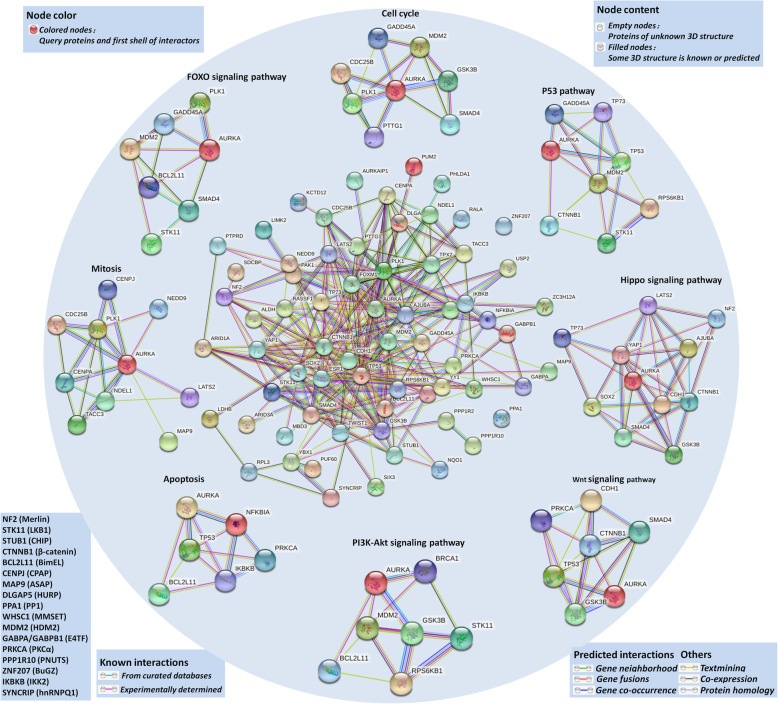
“Aurora kinases link to apoptosis signaling pathways regulated by the LKB1 serine/threonine kinase, including p53 and PI3K/AKT (Figure 3A) [18,35].”
BackgroundMethodResultInfluentialEssegian, D. J., Chavez, V. A., Bustamante, F., Schürer, S. C., & Merchan, J. R. (2022) · iScience · doi:10.1016/j.isci.2022.105621 · Cited by 2
Wei, H., Yang, C., Weng, C., & Zhu, X. (2023) · Heliyon · doi:10.1016/j.heliyon.2023.e14160 · Cited by 2
Leveraging Business Data Analytics Using Machine Learning Techniques
(2023) · Advances in Nanoscience and Nanotechnology · doi:10.33140/ann.07.01.05 · Cited by 2
Zhou, H., Fu, N., Tian, Y., Zhang, N., Fan, Q., Zeng, F., Wang, Y., Bai, G., & Chen, B. (2024) · Combinatorial Chemistry & High Throughput Screening · doi:10.2174/0113862073256803231114095626 · Cited by 2
Molecular genetic characteristics of colorectal cancer
Seferov, B. D., Grickevich, O. Y., Lazarev, A. E., Golubinskaya, E. P., & Maksimova, P. E. (2023) · Malignant tumours · doi:10.18027/2224-5057-2023-13-4-78-83 · Cited by 2
Asdemir, A., & Özgür, A. (2024) · Naunyn-Schmiedeberg s Archives of Pharmacology · doi:10.1007/s00210-024-02950-x · Cited by 2
“These genes are overexpressed in different cancer types and related to malignant progression and resistance to chemotherapy (Du et al. 2021; Knudsen et al. 2022).”
BackgroundChu, X., Sun, J., Dai, S., Liang, Y., Qian, X., Xu, J., & Zhang, J. (2024) · Advances in Wound Care · doi:10.1089/wound.2024.0055 · Cited by 2
“7 Nevertheless, the role of AURKA in keloids, a unique hyperplasia with invasiveness, remains elusive.”
Aurora kinase as a putative target to tick control
Moraes, B., Gomes, H., Saramago, L., Braz, V., Parizi, L. F., Braz, G. R. C., Vaz, I. D. S., Logullo, C., & Moraes, J. (2024) · Parasitology · doi:10.1017/s003118202400101x · Cited by 3
“Several AURK inhibitors have been developed over the years, targeting AURKA and AURKB to block cell cycle progression and induce apoptosis, a useful strategy to control many types of tumours (Du et al ., 2021; Mou et al ., 2021).”
Tasneem, A., Singh, M. K., Singh, P., & Dohare, R. (2024) · Journal of Biomolecular Structure and Dynamics · doi:10.1080/07391102.2024.2436556 · Cited by 2
“AURKA and AURKB have been shown to be significantly higher expression in cancer tissues than in normal control in multiple tumour types (Borah and Reddy, 2021; Du et al., 2021; Huang et al., 2021; Liu et al., 2022).”
Bioinformatics analysis of key genes associated with the prognosis of breast cancer
Zhou, K., Huang, D., Ruan, H.-C., & Wu, X. (2023) · journal of nutritional oncology · doi:10.1097/jn9.0000000000000024 · Cited by 2
“[34,35] BUB1B is a member of the protein family associated with the spindle assembly checkpoint and has been linked to different types of cancers, particularly important for breast cancer where its overexpression significantly correlates with decreased overall survival rate.”
BackgroundAbudoureyimu, M., Sun, N., Chen, W., Lin, X., Pan, F., & Wang, R. (2025) · International Journal of Immunopathology and Pharmacology · doi:10.1177/03946320251316692 · Cited by 2
“14 Furthermore, Aurora-A is commonly overexpressed in HCC and is associated with malignant traits, such as high-grade (grade II–IV) and advanced-stage (stage IIIB–IV) tumors, p53 mutations, infrequent beta-catenin mutations, and poor outcomes.”
Li, J., Zhang, J., Li, X., Liu, X., Zeng, B., Luo, J., Wang, H., Zhang, H., & Gao, X. (2025) · Advanced Science · doi:10.1002/advs.202413473 · Cited by 2
Self-citationAlisertib inhibits acute myeloid leukemia cell growth by inhibiting STAT3 activation
Cheng, P.-T., Lin, H., Cheng, Y.-C., Hsiao, T., Jhan, P., Tsai, J., Chen, M., Chen, T., & Teng, C. J. (2025) · Toxicology and Applied Pharmacology · doi:10.1016/j.taap.2025.117449 · Cited by 2
Soriano‐Lerma, A., Sánchez-Martín, V., Murciano‐Calles, J., Ortiz-González, M., Tello-Lopez, M. J., Pérez‐Carrasco, V., Linde-Rodríguez, Á., Ramírez-Macías, I., Gómez‐Pinto, I., López‐Aliaga, I., et al. (2025) · Cellular & Molecular Biology Letters · doi:10.1186/s11658-025-00747-1 · Cited by 3
“These genes were also selected on the basis of RSV biological effects in relation to cancer ( AMMECR1 , AURKA , and CDH1 ) [31–33], chromatin accessibility ( H1.”
Tian, Z., Wang, W., Hao, H., Kong, L., & Guochen, L. (2025) · Biotechnology and Applied Biochemistry · doi:10.1002/bab.70049 · Cited by 2
“…binding of VX6 is consistent with literature reports that Aurora kinase inhibition requires stronger non-covalent interactions, this indicates that all functional groups onVX6 are fully utilized, and future derivatives should explore the replacement of palmate functionalities for other groups [35].”
A Machine‐Learning Approach Identifies Rejuvenating Interventions in the Human Brain
Santamaria, G., Iglesias, C., Jung, S., Hodar, J. A., Nogueiras, R., & del Sol, A. (2025) · Advanced Science · doi:10.1002/advs.202503344 · Cited by 2
Zhu, Q., Zhang, L., Sadiq, F. M., Abdel-Maksoud, M. A., Almutairi, S. M., Al‐Qahtani, W. H., Gul, J., Jamil, M., Fatima, I., & Zia, S. (2023) · PubMed Central · Cited by 2
Liadi, Y. M., Campbell, T., Hwang, B.-J., Elliott, B., & Odero‐Marah, V. (2024) · Cancers · doi:10.3390/cancers16152631 · Cited by 2
“Aurora kinase A (AURKA) plays a crucial role in mitotic control and acts as an oncogene in various cancer types, including PCa [11].”
BackgroundAgbana, Y. L., Abu, T., Akinleye, T. E., Adeniji, A. J., & Ogbole, O. O. (2023) · Research Square · doi:10.21203/rs.3.rs-2462558/v1 · Cited by 2
Houben, R., Alimova, P., Sarma, B., Hesbacher, S., Schulte, C., Sarosi, E., Adam, C., Kervarrec, T., & Schrama, D. (2023) · Cancers · doi:10.3390/cancers15092542 · Cited by 1
“AURKA is a serine/threonine kinase known to be crucially involved in various processes related to cell cycle progression, such as the G2/M transition, mitotic spindle assembly and DNA replication [41].”
BackgroundGüneş, B. A., Özkan, T., Gürel, A. K., Dalkılıç, S., Belder, N., Özkeserli, Z., Özdağ, H., Beksaç, M., Sayınalp, N., Yağci, A. M., et al. (2024) · Mediterranean Journal of Hematology and Infectious Diseases · doi:10.4084/mjhid.2024.058 · Cited by 1
“32,33 GSK-3β is an Aurora kinase substrate.”
In Silico Method for ssDNA Aptamer Binding with Aurora Kinase A Protein
Woldekidan, H. B., & Woldesemayat, A. A. (2025) · Methods in molecular biology · doi:10.1007/7651_2024_596 · Cited by 1
Wang, P., Wang, P., Wang, C., Wang, Y., Wang, J., Zhou, D., Li, H., Li, H., & Liu, T. (2025) · Journal of Molecular Structure · doi:10.1016/j.molstruc.2025.141399 · Cited by 1
Metadata
- Authors
- Du, R., Huang, C., Liu, K., Li, X., & Dong, Z.
- Affiliations
- Zhengzhou University (CN)
- Corresponding author
- Du, Ruijuan
- Li, Xiang
- Dong, Zigang
- Venue
- Molecular Cancer
- Published
- 2021-01-15
- Volume
- 20
- Issue
- 1
- Pages
- 15-15
- ISSN
- 1476-4598 (ISSN-L)
- PMC
- PMC7809767
- OpenAlex
- W3123995258
- Cited by
- 586
- References
- 238
- Citations by year
- 2026: 71 · 2025: 118 · 2024: 145 · 2023: 124 · 2022: 100 · 2021: 26
- FWCI
- 12.94
- Type
- journal article
- Language
- en
- Open access
- gold
- doi.org
- Licence
- cc-by
- creativecommons.org/licenses/by/4.0/ (tdm)
- creativecommons.org/licenses/by/4.0/ (vor)
- Locations
- Molecular Cancer (publishedVersion, cc-by)
- PubMed Central (publishedVersion, cc-by)
- PubMed (publishedVersion)
- DOAJ (DOAJ: Directory of Open Access Journals) (submittedVersion, cc-by-sa)
- Funders
- National Natural Science Foundation of China (81802795, 82073075, 31301144)
- Topics
- Life Sciences › Biochemistry, Genetics and Molecular Biology › Cell Biology › Microtubule and mitosis dynamics
- Life Sciences › Biochemistry, Genetics and Molecular Biology › Cancer Research › Cancer Mechanisms and Therapy
- Health Sciences › Medicine › Oncology › Cancer-related Molecular Pathways
- Keywords
- AURKA, AURKA inhibitors, cancer therapy, mitosis regulation, serine/threonine kinase, oncogenic signaling, small-molecule kinase inhibitors, combination chemotherapy, targeted therapy
- MeSH terms
- Animals, Humans, Neoplasms, Substrate Specificity, Survival Analysis, Protein Kinase Inhibitors, Molecular Targeted Therapy, Aurora Kinase A
About these checks
Registry, retraction, Cites and statistics results are computed, not judged, with one exception: a printed reference that no index lists is read once by a model before it counts as a citation error. Claims are extracted by a model and kept only when their quote appears verbatim in the text; each cited source is then checked, with a model’s help, for whether it says what the claim relies on. Those verdicts can be wrong — read the claim’s quote and the cited source before relying on one.
Statistics and arithmetic are recomputed, not judged.
Confidence bands are shown only for fields calibrated on our annotated test set. None is calibrated yet, so no band is shown.
What counts as a claim ›How we measure confidence ›How we check this ›
Are you an author, or do you see a problem with this page? Request a review
Data sources
Bibliographic data: Semantic Scholar, OpenAlex, Crossref.
Contains information from the Semantic Scholar Academic Graph Datasets, made available under the ODC Attribution License (ODC-BY 1.0).
Semantic Scholar’s data is described in: Kinney, R., et al. (2023). The Semantic Scholar Open Data Platform. arXiv:2301.10140.
