

Targeting AURKA in Cancer: molecular mechanisms and opportunities for Cancer therapy
Open accessThe DOI matches its Crossref record; 237 of the 238 references it cites were found in a registry or an index.
Abstract
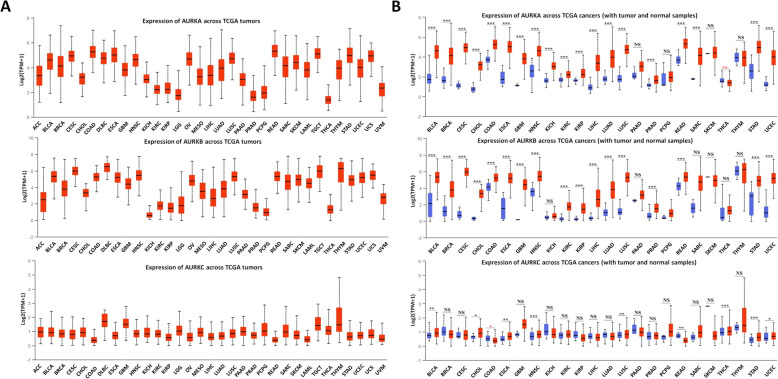
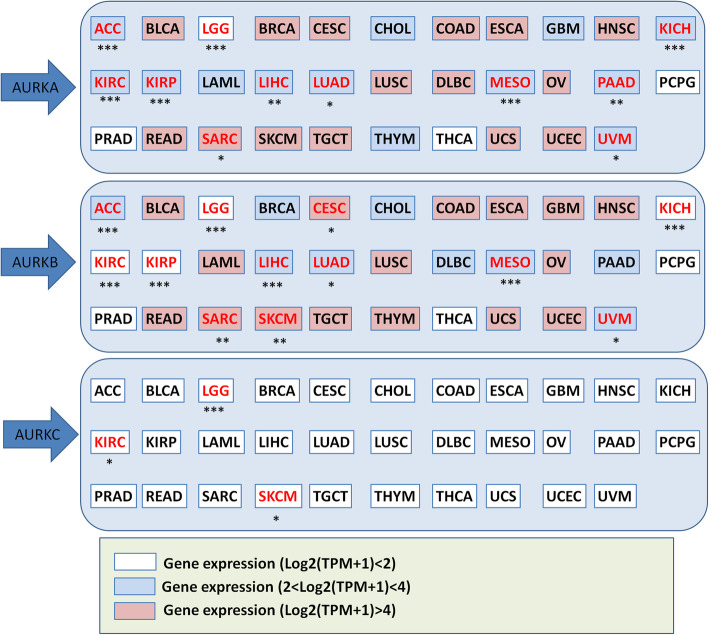
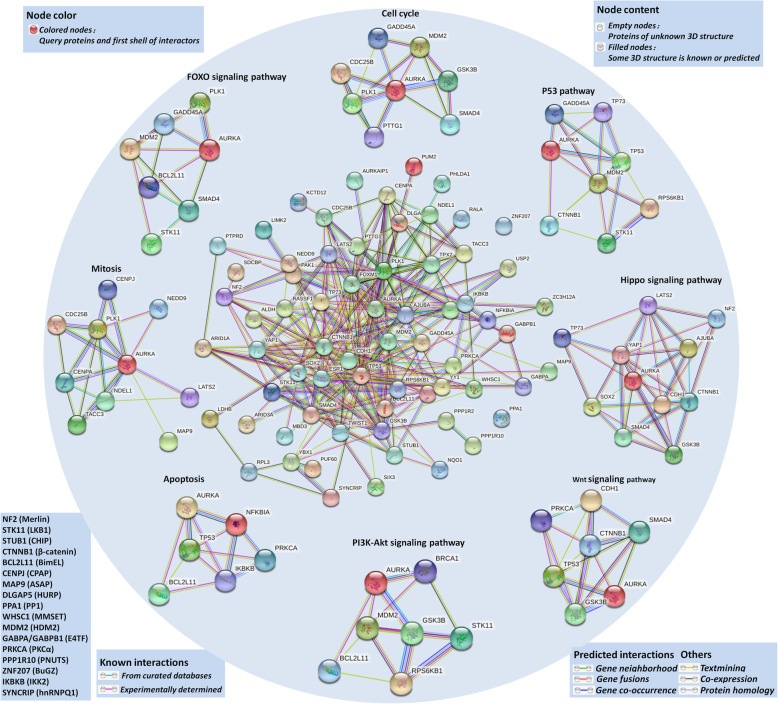
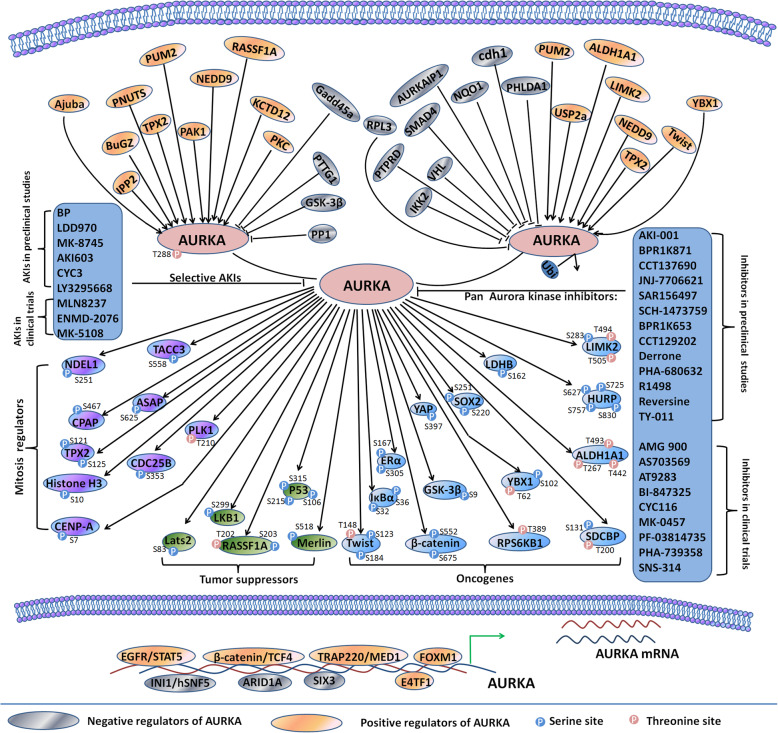
Aurora kinase A (AURKA) belongs to the family of serine/threonine kinases, whose activation is necessary for cell division processes via regulation of mitosis. AURKA shows significantly higher expression in cancer tissues than in normal control tissues for multiple tumor types according to the TCGA database. Activation of AURKA has been demonstrated to play an important role in a wide range of cancers, and numerous AURKA substrates have been identified. AURKA-mediated phosphorylation can regulate the functions of AURKA substrates, some of which are mitosis regulators, tumor suppressors or oncogenes. In addition, enrichment of AURKA-interacting proteins with KEGG pathway and GO analysis have demonstrated that these proteins are involved in classic oncogenic pathways. All of this evidence favors the idea of AURKA as a target for cancer therapy, and some small molecules targeting AURKA have been discovered. These AURKA inhibitors (AKIs) have been tested in preclinical studies, and some of them have been subjected to clinical trials as monotherapies or in combination with classic chemotherapy or other targeted therapies.
Overview
The claims and statistics of this paper haven’t been checked yet.
Free: it reads the open-access text and checks the first 5 claims that cite a source we can check. Create a free account to check every claim.
Integrity signals
Registry
Cites
Statistics
Figures
Verification
Claims the paper makes
The claims and statistics of this paper haven’t been checked yet.
Free: it reads the open-access text and checks the first 5 claims that cite a source we can check. Create a free account to check every claim.
Claims other papers make about this one
Each is checked against this paper’s own text: does it say what the citing paper says it does?
The cited source says what the claim attributes to it.
In the citing paper
“AURKA, a member of the AURK family member, is frequently overexpressed in a wide range of cancers and plays a critical role in oncogenesis [127, 128].”
From Differential Response and Resistance to KRAS-Targeted Therapy (2025) · cites this paper as [127]
Self-check
Percentages, sums and reported differences re-computed from the paper’s own numbers.
The self-check needs the paper’s full text.
Citations
Cites
3 retracted
Zhou, S.-F., Ding, Y.-H., Zhou, Z.-W., Ha, C., Zhang, X.-Y., Pan, S.-T., He, Z.-X., Edelman, J. L., Wang, D., Yang, Y.-X., et al. (2015) · Drug Design Development and Therapy · doi:10.2147/dddt.s74062 · Cited by 87 · cited 1×
“process is also impeded by MLN8237 treatment in human epithelial ovarian and pancreatic cancer cells [134].”
BackgroundRetractedAurora-A is a determinant of tamoxifen sensitivity through phosphorylation of ERα in breast cancer
Zheng, X.-Q., Guo, J., Yang, H., Kanai, M., He, L. L., Li, Y. Y., Koomen, J., Minton, S., Gao, M., Ren, X. B., et al. (2013) · Oncogene · doi:10.1038/onc.2013.444 · Cited by 44 · cited 1×
“Ser167 and Ser305, leading to an increase in the DNAbinding ability of ERα and the transcriptional activity of ERα toward its target cyclin D1 [55].”
BackgroundRetractedZhou, S.-F., Li, J.-P., Yang, Y.-X., Liu, Q., Zhou, Z.-W., Pan, S., He, Z., Zhang, X., Yang, T., Pan, S.-Y., et al. (2015) · Drug Design Development and Therapy · doi:10.2147/dddt.s74412 · Cited by 36 · cited 1×
“PHA-739358 also induces cell cycle arrest, apoptosis and autophagy and suppresses the EMT process [176, 177].”
BackgroundRetractedHarrington, E. A., Bebbington, D., Moore, J., Rasmussen, R. K., Ajose-Adeogun, A. O., Nakayama, T., Graham, J. A., Demur, C., Hercend, T., Diu-Hercend, A., et al. (2004) · Nature Medicine · doi:10.1038/nm1003 · Cited by 965 · cited 1×
“MK-0457, a pyrazoloquinazoline compound, inhibits all three Aurora kinases [166] and inhibits FLT-3 and Abl kinases [167].”
BackgroundDai, Y., Xu, C., Sun, X., & Chen, X. (2017) · Chemical Society Reviews · doi:10.1039/c6cs00592f · Cited by 931 · cited 1×
“Furthermore, development of nanoparticle therapeutic carriers that are passively targeted to tumors through the enhanced permeability and retention effect may be helpful [231].”
BackgroundPolo-like kinase-1 is activated by aurora A to promote checkpoint recovery
Macůrek, L., Lindqvist, A., Lim, D., Lampson, M. A., Klompmaker, R., Freire, R., Clouin, C., Taylor, S. S., Yaffe, M. B., & Medema, R. H. (2008) · Nature · doi:10.1038/nature07185 · Cited by 710 · cited 1×
“It has been reported that AURKA is responsible for the Thr210 phosphorylation of PLK1, which is required for checkpoint recovery [58].”
BackgroundMitotic Phosphorylation of Histone H3: Spatio-Temporal Regulation by Mammalian Aurora Kinases
Crosio, C., Fimia, G. M., Loury, R., Kimura, M., Okano, Y., Zhou, H., Sen, S., Allis, C. D., & Sassone-Corsi, P. (2002) · Molecular and Cellular Biology · doi:10.1128/mcb.22.3.874-885.2002 · Cited by 666 · cited 1×
“phosphorylates Ser10 both in vitro and in vivo [61].”
BackgroundStructural Basis of Aurora-A Activation by TPX2 at the Mitotic Spindle
Bayliss, R., Sardon, T., Vernos, I., & Conti, E. (2003) · Molecular Cell · doi:10.1016/s1097-2765(03)00392-7 · Cited by 636 · cited 1×
“The Nterminal domain of TPX2 binds to AURKA and protects AURKA from dephosphorylation according to experimental and structural analyses [10, 11].”
BackgroundHirota, T., Kunitoku, N., Sasayama, T., Marumoto, T., Zhang, D., Nitta, M., Hatakeyama, K., & Saya, H. (2003) · Cell · doi:10.1016/s0092-8674(03)00642-1 · Cited by 628 · cited 2×
“The LIM protein Ajuba efficiently stimulates AURKA autophosphorylation at Thr288 and increases kinase activity toward histone H3 in the late G2 phase [25].”
BackgroundPhosphorylation by aurora kinase A induces Mdm2-mediated destabilization and inhibition of p53
Katayama, H., Sasai, K., Kawai, H., Yuan, Z.-M., Bondaruk, J., Suzuki, F., Fujii, S., Arlinghaus, R. B., Czerniak, B. A., & Sen, S. (2004) · Nature Genetics · doi:10.1038/ng1279 · Cited by 588 · cited 1×
“It has been reported that AURKA phosphorylates p53 at Ser315, after which p53 is destabilized and the G2-M transition is enhanced [72].”
Background
Cited by
Items 201–300 of 631
A Network of 17 Microtubule-Related Genes Highlights Functional Deregulations in Breast Cancer
Rodrigues, S., MORIN, M., Guichaoua, G., Moindjie, H., Haykal, M. M., Collier, O., Stoven, V., & Nahmias, C. (2023) · Cancers · doi:10.3390/cancers15194870 · Cited by 11
“Together, these results may fill the gap towards the development of personalized medicine in breast cancer.”
BackgroundTheje ne sais quoiof 5-methylcytosine in messenger RNA
Guarnacci, M., & Preiß, T. (2024) · RNA · doi:10.1261/rna.079982.124 · Cited by 9
Fan, M., Hu, J., Xu, X., Chen, J., Zhang, W., Zheng, X., Pan, J., Xu, W., & Feng, S. (2024) · Heliyon · doi:10.1016/j.heliyon.2024.e38182 · Cited by 9
“EMT is considered one of the common features of cancer development [69], and in HCC, besides transcription factor promotion, signaling pathways such as AURK, MAPK, and NF-κ B also play important roles in the EMT process [70 – 72].”
BackgroundAURKA inhibition shows promise as a therapeutic strategy for ARID1A-mutant colorectal cancer
Qin, R., Li, C.-T., Chen, F., Luo, S., Wang, C., Li, J., Xu, S., Kang, M., & Hu, H.-W. (2024) · Discover Oncology · doi:10.1007/s12672-024-01433-y · Cited by 9
“In conclusion, AURKA has garnered increasing recognition as a promising target for cancer therapy due to its wide-spread overexpression in various cancer types [37, 38].”
BackgroundMa, Q., Wang, H., Zhao, X., Gao, X., Zhang, Q., Liu, Y., Ji, Y., Sun, Y., Lei, K., & Luo, W. (2025) · Cancer Cell International · doi:10.1186/s12935-025-03836-5 · Cited by 9
“Recent researches have demonstrated that AURKA was overexpressed in a variety of cancers, including ovarian, colorectal, gastric and hematologic malignancies [27, 28], and was strongly linked to tumor proliferation, invasiveness and unfavorable prognosis.”
Jung, J., Jeong, H., Choi, J.-W., Kim, H., Oh, H. E., Lee, E. S., Kim, Y., & Lee, J. H. (2021) · Pathology - Research and Practice · doi:10.1016/j.prp.2021.153524 · Cited by 9
Schmitt, M., Sinnberg, T. W., Bratl, K., Zittlau, K. I., Garbe, C., Maček, B., & Nalpas, N. (2021) · Molecular & Cellular Proteomics · doi:10.1016/j.mcpro.2021.100163 · Cited by 10
“We found that BRAFi-resistant A375 cells were sensitive to AURKA inhibition (AURKAi) with alisertib (40), regardless of the absence/presence of BRAFi vemurafenib (Fig.”
BackgroundAurora Kinase A as a Diagnostic and Prognostic Marker of Malignant Mesothelioma
Guo, Z., Shen, L., Li, N., Wu, X., Wang, C., Gu, Z., Chen, Z., Liu, J., Mao, W., & Han, Y. (2021) · Frontiers in Oncology · doi:10.3389/fonc.2021.789244 · Cited by 9
“Threemembers of theAurora kinase familyhave been identified in mammals: Aurora-A, Aurora-B, and Aurora-C (17).”
BackgroundXu, Y., Wang, S., Xu, B., Lin, H., Zhan, N., Ren, J., Song, W., Han, R., Cheng, L., Zhang, M., et al. (2023) · Oncology Letters · doi:10.3892/ol.2023.13824 · Cited by 10
“AURKA substrates have received widespread attention as tumor suppressors (19).”
BackgroundIslam, S., Teo, T., Kumarasiri, M., Slater, M. J., Martin, J. H., Wang, S., & Head, R. J. (2022) · Pharmaceuticals · doi:10.3390/ph15101186 · Cited by 10
“It is noteworthy that alisertib, used in this study, is the only Aurora A kinase inhibitor that has proceeded to phase III clinical evaluation [16].”
BackgroundThe expression and prognosis for Aurora kinases in human non-small cell lung cancer
Ji, Z., Wang, Y., 张翠萍, Cao, X., Li, Y., & Guan, M. (2025) · Discover Oncology · doi:10.1007/s12672-025-02878-5 · Cited by 8
AURKA Suppresses Ferroptosis via the KEAP1/NRF2/HO‑1 Axis in EGFR-Mutant Lung Adenocarcinoma
Huang, Y., Liu, G., Zhu, L., & Zhang, J.-H. (2025) · Frontiers in Bioscience-Landmark · doi:10.31083/fbl41293 · Cited by 10
Heidarzadehpilehrood, R., Ling, K., & Hamid, H. A. (2026) · Advances in Cancer Biology - Metastasis · doi:10.1016/j.adcanc.2026.100178 · Cited by 8
UBE2C expression is elevated in hepatoblastoma and correlates with inferior patient survival
Nousiainen, R., Eloranta, K., Isoaho, N., Cairo, S., Wilson, D. B., Heikinheimo, M., & Pihlajoki, M. (2023) · Frontiers in Genetics · doi:10.3389/fgene.2023.1170940 · Cited by 8
“Aurora Kinase A (AURKA), a serine/threonine kinase, has a critical role in regulating cell cycle and mitosis (Du et al., 2021).”
BackgroundInducing Mitotic Catastrophe as a Therapeutic Approach to Improve Outcomes in Ewing Sarcoma
Turaga, S. M., Vishwakarma, V., Hembruff, S. L., Gibbs, B. K., Sabu, P., Puri, R. V., Pathak, H. B., Samuel, G., & Godwin, A. K. (2023) · Cancers · doi:10.3390/cancers15204911 · Cited by 8
“KIF11 [52] and AURKA [12] are overexpressed in many different cancer types, indicating the importance of this mitotic machinery to facilitate aggressive tumor growth (Figure 1A).”
BackgroundGuan, C., Chen, H., Chen, H., Li, S., Chen, Y., Chen, J., Dong, Y., Zheng, Z., Wang, K., & Pan, C. (2024) · Medicine · doi:10.1097/md.0000000000037229 · Cited by 8
“[56] This appears to be an early clonal event in tumor evolution and is maintained in all subclones that develop during tumor development.”
BackgroundNavigating the tumor microenvironment: mesenchymal stem cell-mediated delivery of anticancer agents
Waqar, M. A., Zaman, M., Khan, R., Rahman, M. S. U., & Majeed, I. (2024) · Journal of drug targeting · doi:10.1080/1061186x.2024.2347356 · Cited by 8
“Although there are over 400,000 medicines that can destroy in vitro tumour cells, cancer remains a significant reason of mortality [21], selectively administer enough medication dosages to remaining tumours after radiation and surgery. it is critical to develop alternate techniques for selectively…”
BackgroundKrishnamoorthy, H. R., & Ramanathan, K. (2024) · Biotechnology and Applied Biochemistry · doi:10.1002/bab.2700 · Cited by 8
“31 A study by Takchi and Haddad 32 revealed that the AURKA plays a crucial role in the progression of TNBC by activating epithelial-to-mesenchymal transition (EMT)-mediated cancer cell plasticity.”
Yang, Y., Wang, X., Wu, L., Zhao, S., Chen, R., & Yu, G. (2025) · Discover Oncology · doi:10.1007/s12672-025-02396-4 · Cited by 8
“It is overexpressed in multiple cancers and is involved in cancer cell proliferation, epithelial-mesenchymal transition (EMT), metastasis, apoptosis, and the self-renewal of cancer stem cells, thereby contributing to tumorigenesis [19].”
Tu, T., Zheng, T., Lin, H., Cheng, P.-F., Ye, Y., Liu, B., Ying, X., & Xie, Q. (2025) · Toxins · doi:10.3390/toxins17080390 · Cited by 8
“Growing evidence is exploring the use of AURKA as a target for novel anticancer therapies in HCC [63].”
Almilaibary, A. (2022) · Medical Oncology · doi:10.1007/s12032-022-01852-3 · Cited by 9
“Given the role of AURKAs in cancer, targeting them in conjunction with traditional therapeutic regimens is a promising strategy [36].”
BackgroundPharmacophore Synergism in Diverse Scaffold Clinches in Aurora Kinase B
Masand, V. H., Al‐Hussain, S. A., Rathore, M. M., Thakur, S. D., Akasapu, S., Samad, A., Al‐Mutairi, A. A., & Zaki, M. E. A. (2022) · International Journal of Molecular Sciences · doi:10.3390/ijms232314527 · Cited by 8
“Any irregularity or imperfect mitosis results in nondiploid DNA content, which ultimately causes cancer [1].”
BackgroundAURORA KINASE A and related downstream molecules: A potential network for cancer therapy
Fatma, H., & Siddique, H. R. (2023) · Advances in protein chemistry and structural biology · doi:10.1016/bs.apcsb.2022.10.005 · Cited by 8
Power, E. A., Rechberger, J. S., Zhang, L., Oh, J., Anderson, J. B., Nesvick, C. L., Ge, J., Hinchcliffe, E. H., Elmquist, W. F., & Daniels, D. J. (2023) · Neuro-Oncology Advances · doi:10.1093/noajnl/vdad033 · Cited by 8
Adenovirus vaccine targeting kinases induces potent antitumor immunity in solid tumors
Zhu, F., Lu, Z., Tang, W., Zhao, G., Shao, Y., Lu, B., Ding, J., Zheng, Y., Fang, L., Li, H., et al. (2024) · Journal for ImmunoTherapy of Cancer · doi:10.1136/jitc-2024-009869 · Cited by 8
“25 Expressing an AURKA-specific T-cell receptor retained sensitivity and efficacy against AURKA-positive acute myeloid leukemia cells.”
Lee, J. Y., Yang, H., Kim, D., Kyaw, K. Z., Hu, R., Fan, Y., & Lee, S. K. (2022) · Pharmaceuticals · doi:10.3390/ph15060698 · Cited by 8
Samimi, H., Tavakoli, R., Fallah, P., Sohi, A. N., Shirkouhi, M. A., Naderi, M., & Haghpanah, V. (2022) · Cancer Cell International · doi:10.1186/s12935-022-02813-6 · Cited by 8
“Also, studies have shown that the Aurora kinase family is involved in tumor progression by suppressing apoptosis [56, 57].”
BackgroundDifferential Response and Resistance to KRAS-Targeted Therapy
Liu, Z., Lenz, H., Yu, J., & Zhang, L. (2025) · Molecular Carcinogenesis · doi:10.1002/mc.23908 · Cited by 7
“AURKA, a member of the AURK family member, is frequently overexpressed in a wide range of cancers and plays a critical role in oncogenesis [130, 131].”
Epigenetic regulation of ferroptosis in gastrointestinal cancers (Review)
Gong, L., Wu, L., Zhao, S., Xiao, S., Chu, X., Zhang, Y., Li, F., Li, S., Yang, H., & Jiang, P. (2025) · International Journal of Molecular Medicine · doi:10.3892/ijmm.2025.5534 · Cited by 7
“Aurora kinase A (AURKA), a serine/threonine kinase responsible for regulating mitotic spindle function (177,178), is another key player. miR‑4715‑3p can directly target the 3'‑UTR of AURKA, suppressing its expression, which in turn inhibits GPX4 and promotes ferroptosis (179).”
Chen, R., Zhou, Z.-L., Meng, X., Lei, Y., Wang, D., & Wang, Y. (2025) · Frontiers in Pharmacology · doi:10.3389/fphar.2025.1578342 · Cited by 13
“Moreover, AURKA is centrally involved in maintaining tumor stem cell-like properties (Yan et al., 2016; Damodaran et al., 2017; Du et al., 2021; Pradhan et al., 2021).”
Chen, C., Saha, E., Fischer, J., Guebila, M. B., Fanfani, V., Shutta, K. H., Padi, M., Glass, K., DeMeo, D. L., Lopes‐Ramos, C. M., et al. (2025) · Biology of Sex Differences · doi:10.1186/s13293-025-00752-1 · Cited by 9
“AURKA (Aurora kinase A) is a serine/threonine kinase critical for mitosis and cellular proliferation, frequently dysregulated in cancers and contributing to their progression [38].”
Sutanto, H., Ahkami, A., Fetarayani, D., & Romadhon, P. Z. (2025) · Journal of the Egyptian National Cancer Institute · doi:10.1186/s43046-025-00333-8 · Cited by 10
“Overexpression or hyperactivation of AURKA is frequently observed in a range of cancers, including breast, prostate, and melanoma, where it promotes genomic instability, unchecked proliferation, and resistance to therapy [46, 47].”
Toward generalizable predictive models for DNA-encoded libraries
Poongavanam, V., Turunen, S. P., Sandberg, K., Yngve, U., & Wannberg, J. (2026) · Drug Discovery Today · doi:10.1016/j.drudis.2026.104629 · Cited by 7
Hu, J., Song, F., Kang, W., Xia, F., Song, Z., Wang, Y., Li, J., & Zhao, Q. (2023) · Frontiers in Pharmacology · doi:10.3389/fphar.2023.1162563 · Cited by 7
Regnase-2 inhibits glioblastoma cell proliferation
Sowińska, W., Wawro, M., Kochan, J. A., Solecka, A., Polak, J., Kwinta, B. M., & Kasza, A. (2024) · Scientific Reports · doi:10.1038/s41598-024-51809-x · Cited by 7
“Both are also considered to be potential targets for glioblastoma therapy 22,23 .”
BackgroundEnhanced Cellular Uptake through Nanotopography‐Induced Macropinocytosis
Aramesh, M., Yu, D., Essand, M., & Persson, C. (2024) · Advanced Functional Materials · doi:10.1002/adfm.202400487 · Cited by 7
Almogaddam, M. A., Shoaib, T. H., Mohamed, S. G. A., Mohamed, G. A., Ibrahim, S. R. M., Hussein, H. G. A., Sindi, I. A., & Alzain, A. A. (2024) · Network Modeling Analysis in Health Informatics and Bioinformatics · doi:10.1007/s13721-024-00451-8 · Cited by 7
“1 (Carmena et al. 2015; Du et al. 2021).”
Abbasi, A. F., Asim, M. N., Ahmed, S., & Dengel, A. R. (2024) · Scientific Reports · doi:10.1038/s41598-024-57457-5 · Cited by 7
Aurora Kinases: Their Role in Cancer and Cellular Processes
Sarı, S., & Özsoy, E. R. (2024) · Türk doğa ve fen dergisi :/Türk doğa ve fen dergisi · doi:10.46810/tdfd.1476374 · Cited by 7
Identification of Hub Genes for Psoriasis and Cancer by Bioinformatic Analysis
Yu, Y., Liu, Y., Ma, S., & Zhou, J. (2024) · BioMed Research International · doi:10.1155/2024/5058607 · Cited by 7
“…associated with cancers; however, their relationships with psoriasis have barely been investigated, such as AURKA and AURKB belong to the serine/threonine kinase family and Currently, some small-molecule drugs targeting AURKA and AURKB have been discovered for the treatment of cancer [16, 17].”
BackgroundBrain multi-omic Mendelian randomisation to identify novel drug targets for gliomagenesis
Thornton, Z. A., Andrews, L., Zhao, H., Zheng, J., Paternoster, L., Robinson, J. W., & Kurian, K. M. (2024) · Human Molecular Genetics · doi:10.1093/hmg/ddae168 · Cited by 8
Fibroblasts regulate the transcriptional signature of human papillomavirus-positive keratinocytes
James, C. D., Lewis, R. L., Witt, A. J., Carter, C., Rais, N. M., Wang, X., & Bristol, M. L. (2024) · Tumour Virus Research · doi:10.1016/j.tvr.2024.200302 · Cited by 9
Matkar, S. S., East, M. P., Stuhlmiller, T. J., Witek, G. M., Farrel, A., Pastor, S. J., Okumu, D. O., Kennedy, A., Kalna, J. R., Berko, E. R., et al. (2025) · Molecular Cancer Therapeutics · doi:10.1158/1535-7163.mct-24-0684 · Cited by 7
“Inhibitors of G2/M kinases, including AURKA, WEE1, CHK1, and PLK1, have been investigated for the treatment of several cancers, including neuroblastoma (40–46).”
Liu, Y., Wang, Z., Du, Y., Liu, X.-H., Niu, J.-B., Song, J. H., Jin, C., & Zhang, S. (2025) · Bioorganic & Medicinal Chemistry · doi:10.1016/j.bmc.2025.118109 · Cited by 8
Zhuang, F., Gutman, D., Islas, N., Guzmán, B. B., Jimenez, A., Jewell, S., Hand, N. J., Nathanson, K. L., Dominguez, D., & Barash, Y. (2025) · Nature Communications · doi:10.1038/s41467-025-65020-7 · Cited by 8
Wang, H. (2022) · Frontiers in Genetics · doi:10.3389/fgene.2022.1017520 · Cited by 7
“AURKA is a membrane of serine/ threonine kinase family, and its activation is essential for cell division process by modulating mitosis (Du et al., 2021).”
BackgroundSanada, M., Yamazaki, M., Yamada, T., Fujino, K., Kudoh, S., Tenjin, Y., Saito, H., Kudo, N., Sato, Y., Matsuo, A., et al. (2022) · Human Cell · doi:10.1007/s13577-022-00830-1 · Cited by 7
“Forkhead box M1 (FOXM1) has been identified as an upstream molecule that regulates Aurora kinases [34, 36].”
BackgroundLu, K., Yuan, X., Zhao, L., Wang, B., & Zhang, Y. (2023) · Frontiers in Genetics · doi:10.3389/fgene.2022.996180 · Cited by 7
“Several studies have shown that highly expressed AURKA can be used as a prognostic marker in various malignancies, including ACC (Du et al., 2021; Tang et al., 2021; Zhang et al., 2022).”
BackgroundInhibitors of the Oncogenic PA2G4-MYCN Protein-Protein Interface
Massudi, H., Luo, J.-S., Holien, J. K., Gadde, S., Krishan, S., Herath, M., Koach, J., Stevenson, B. W., Gorman, M. A., Venkat, P., et al. (2023) · Cancers · doi:10.3390/cancers15061822 · Cited by 7
Kumari, P., Beeraka, N. M., Tengli, A., Gurupadayya, B., Baath, R. K., & Patil, M. (2023) · Current Medicinal Chemistry · doi:10.2174/0929867330666230503124408 · Cited by 7
ACAA2 is a novel molecular indicator for cancers with neuroendocrine phenotype
Shen, M., Liu, S., Toland, A. M. S., Hsu, E., Hartono, A. B., Alabi, B. R., Aslan, M., Nguyen, H. M., Sessions, C. J., Nolley, R., et al. (2023) · British Journal of Cancer · doi:10.1038/s41416-023-02448-y · Cited by 7
“Therapies targeting mutual pathways of SCNCs, such as Myc-targeting Aurora kinase inhibition [21 – 23] and EZH2 inhibition (NCT03460977; NCT03480646), are currently being explored in NEPC, SCLC, and other NE cancers [1, 24, 25].”
BackgroundThe PIN1-YTHDF1 axis promotes breast tumorigenesis via the m6A-dependent stabilization of AURKA mRNA
Shrestha, P., Kim, G., Kang, H., Bhattarai, P. Y., & Choi, H. S. (2023) · Archives of Pharmacal Research · doi:10.1007/s12272-023-01480-z · Cited by 7
“Depletion of AURKA inhibits cell proliferation and induces cell cycle arrest in breast cancer cells (Eterno et al. 2016; Du et al. 2021; Sharma et al. 2023). b YTHDF1 increased the stability of AURKA mRNA. sgCtrl-or sgYTHDF1-transfected MCF7 cells were treated with 1 µg/mL actinomycin D for 0, 1,…”
Papadakos, S., Issa, H., Alamri, A. M., Alamri, A., & Semlali, A. (2024) · Pharmaceuticals · doi:10.3390/ph17010131 · Cited by 7
Evaluating Ovarian Cancer Chemotherapy Response Using Gene Expression Data and Machine Learning
Amniouel, S., Yalamanchili, K., Sankararaman, S., & Jafri, M. S. (2024) · BioMedInformatics · doi:10.3390/biomedinformatics4020077 · Cited by 7
“Finally, possible association of FLRT2 down-regulation with the process of ovarian and uterine cancers due to downregulated expression has been suggested [92].”
BackgroundBisphenol A-sulfate conjugate disrupts AURKA transcription and cell cycle in BeWo cytotrophoblasts
Fujiki, J., Uchida, M., Tsunoda, S., Maeda, N., Inoue, H., Yokota, H., & Iwano, H. (2022) · Molecular and Cellular Endocrinology · doi:10.1016/j.mce.2022.111561 · Cited by 7
Aurora kinase: An emerging potential target in therapeutics
Varshney, N., Rani, A., Kashyap, D., Tiwari, D., & Jha, H. C. (2022) · Elsevier eBooks · doi:10.1016/b978-0-323-91287-7.00028-4 · Cited by 8
Zhou, W., Guo, S., Zhang, J., Yu, Y., Wu, J., & Liu, X. (2023) · Computers in Biology and Medicine · doi:10.1016/j.compbiomed.2023.107759 · Cited by 7
Discovery of N-benzylbenzamide-based allosteric inhibitors of Aurora kinase A
Lee, H., Kim, E., Hwang, N., Yoo, J., Nam, Y., Hwang, I., Park, J.-G., Park, S.-E., Chung, K., Chung, H. W., et al. (2024) · Bioorganic & Medicinal Chemistry · doi:10.1016/j.bmc.2024.117658 · Cited by 7
Anti-Leukaemic Activity of Rilpivirine Is Mediated by Aurora A Kinase Inhibition
Islam, S., Rahaman, M. H., Yu, M., Noll, B. D., Martin, J. H., Wang, S., & Head, R. J. (2023) · Cancers · doi:10.3390/cancers15041044 · Cited by 6
Liu, J., Huang, L., Zhou, X., Li, C., Liu, M.-F., Liang, Y., Yu, Q.-H., & Wu, J. (2024) · Translational Cancer Research · doi:10.21037/tcr-23-1594 · Cited by 6
“The oncogenic kinase AURKA is of significant importance in the control and coordination of the process of mitosis, as well as the proper segregation of chromosomes (33).”
Chen, X., Yan, Y., Liu, Y., Yi, Q., & Xu, Z. (2024) · Pharmaceutical Biology · doi:10.1080/13880209.2024.2351934 · Cited by 6
“Increasing evidence supports the oncogenic role of AURKA, particularly its role in facilitating EMT and chemoresistance to CDDP in various malignancies (Du et al. 2021).”
BackgroundRovik, A., Andyra, V. U., & Afifah, L. (2024) · Journal of Experimental and Clinical Pharmacy (JECP) · doi:10.52365/jecp.v4i2.1119 · Cited by 6
“…of this complex; it directs CPC movement to different locations from the inner centromere during prometaphase to the midbody during cytokinesis and participates in the organization of the center spindle by associating with polymerized microtubules. transcriptional modifications (Du et al., 2021).”
BackgroundLim, C., & Seo, D.-S. (2024) · Scientific Reports · doi:10.1038/s41598-024-75491-1 · Cited by 6
“…role in regulating cell division during mitosis and promoting tumorigenesis in various types of cancers, including solid tumors and hematological malignancies 19 , exhibited a 2.22-fold higher expression in the positive control group than in the negative control group on day 7 of promotion.”
BackgroundInfluentialTargeting Aurora A to Overcome Cisplatin Resistance in Head and Neck Cancer
Li, X., Wang, Z., Oakley, G. G., Wang, L., Lanzel, E. A., Buchakjian, M. R., & Peng, A. (2025) · Journal of Dental Research · doi:10.1177/00220345241309624 · Cited by 6
“Overexpression or hyperactivation of Aurora kinases is commonly observed in various types of cancer, and targeting Aurora kinases has emerged as a new strategy to disrupt tumor growth (Du et al. 2021).”
Self-citationBhattacharya, P., Linnenbach, A. J., South, A. P., Martinez‐Outschoorn, U., Curry, J., Johnson, J. M., Harshyne, L. A., Mahoney, M. G., Luginbuhl, A., & Vadigepalli, R. (2025) · PLoS Computational Biology · doi:10.1371/journal.pcbi.1013127 · Cited by 6
Mosley, S. R., Lapa, N., Namdar, A., Catley, T. E., Meier‐Stephenson, F., Mowat, C., Gao, P., Sun, X., Meier‐Stephenson, V., Pyne, A. L. B., et al. (2026) · Cell Reports · doi:10.1016/j.celrep.2026.117012 · Cited by 6
Solanki, R., Singh, P. K., Beg, M. A., Dohare, R., Verma, A. K., Ahmad, F. J., Alankar, B., Athar, F., & Kaur, H. (2023) · Human Gene · doi:10.1016/j.humgen.2023.201154 · Cited by 6
Alisertib exerts KRAS allele‑specific anticancer effects on colorectal cancer cell lines
Ren, B., 高卓维, Zheng, K., Yang, Y., Su, P., Luo, Q., Feng, J., Zhentao, L., Geng, Y., Ju, Y., et al. (2023) · Experimental and Therapeutic Medicine · doi:10.3892/etm.2023.11942 · Cited by 6
“Aurora kinases are considered a promising cancer target and several Aurora kinase inhibitors, including alisertib (ALS) and barasertib, have been developed and evaluated at various preclinical and clinical stages (26).”
Crosstalk of different cell-death patterns predicts prognosis and drug sensitivity in glioma
Yu, M., Huo, D., Yu, K., Zhou, K., Xu, F., Meng, Q., Cai, Y., & Chen, X. (2024) · Computers in Biology and Medicine · doi:10.1016/j.compbiomed.2024.108532 · Cited by 6
Yang, G., Lin, Y., Sun, X., Cheng, D., Li, H., Hu, S., Chen, M., Wang, Y., & Wang, Y. (2024) · ACS Omega · doi:10.1021/acsomega.4c01752 · Cited by 6
“5,14,15 Notably, in small cell lung cancer (SCLC), aberrant activation of AURKA overrides RB1 loss-primed spindle-assembly check-point (SAC) for mitotic exit and tumor cell survival.”
BackgroundColetti, R., de Mendonça, M. L., Vinga, S., & Lopes, M. B. (2024) · Bioinformatics and Biology Insights · doi:10.1177/11779322241271535 · Cited by 6
“47 This research highlights that the genes’ co-overexpression in glioma correlated with poor prognosis and therapy resistance, suggesting AURKB and UBE2C as potential therapeutic targets.”
Pandey, A. K. (2024) · Archives of Biochemistry and Biophysics · doi:10.1016/j.abb.2024.110209 · Cited by 6
Aurora Kinase A Is Involved in Controlling the Localization of Aquaporin-2 in Renal Principal Cells
Baltzer, S., Bulatov, T. M., Schmied, C., Krämer, A., Berger, B., Oder, A., Walker‐Gray, R., Kuschke, C., Zühlke, K., Eichhorst, J., et al. (2022) · International Journal of Molecular Sciences · doi:10.3390/ijms23020763 · Cited by 6
“The AURKA-selective inhibitor Alisertib has passed phase III, but none of the kinase inhibitors have yet been approved as an anti-cancer drug [29].”
BackgroundBioinformatics Analysis Identified Five Widely Expressed Genes Associated with Prognosis in Sarcoma
Tu, B., Jia, Y., & Qian, J. (2022) · International Journal of General Medicine · doi:10.2147/ijgm.s352048 · Cited by 7
“AURKA belongs to the family of serine/threonine kinases, which widely participate in the mechanism of occurrence and development of various tumors.(34) The high level of AURKB is Figure 7 The logistic regression-based predicted nomogram for the probability of survival time among SARC individuals (A).”
BackgroundMolecular Profiling of Kenyan Acute Myeloid Leukemia Patients
Gatua, M., Navari, M., Ong’ondi, M., Onyango, N., Kaggia, S., Rogena, E. A., Visani, G., Abinya, N. A. O., & Piccaluga, P. P. (2022) · Frontiers in Genetics · doi:10.3389/fgene.2022.843705 · Cited by 6
Lin, R., Lin, X., Wu, J., Chen, T., & Huang, Z. (2022) · Evidence-based Complementary and Alternative Medicine · doi:10.1155/2022/2696347 · Cited by 6
“AURKA is a member of the serine/ threonine kinase family, which has been shown to act as an oncogene, promoting carcinogenesis in a variety of cancer types, including solid tumors and haematological malignancies [52].”
BackgroundMarocchi, F., Palluzzi, F., Nicoli, P., Melixetian, M. B., Lovati, G., Bertalot, G., Pece, S., Ferrucci, P. F., Bossi, D., & Lanfrancone, L. (2023) · Journal of Investigative Dermatology · doi:10.1016/j.jid.2023.03.1665 · Cited by 7
Interactions of piRNAs with the mRNA of Candidate Genes in Esophageal Squamous Cell Carcinoma
At, I., Rakhmetullina, A., Niyazova, T., Niyazova, T., Pyrkova, A., Tauassarova, M., & Zielenkiewicz, P. (2023) · Current Issues in Molecular Biology · doi:10.3390/cimb45070387 · Cited by 6
Wu, J., Luo, H., Wang, K., & Yi, B. (2023) · Cancer Management and Research · doi:10.2147/cmar.s402572 · Cited by 6
Knowledge mapping of AURKA in Oncology:An advanced Bibliometric analysis (1998–2023)
Qiong, Z., Tao, C., Yuan, J., Pan, F., & Wang, R. (2024) · Heliyon · doi:10.1016/j.heliyon.2024.e31945 · Cited by 5
“…Abbreviations: AURKA, Aurora Kinase A; WOS, Web of Science; AKIs, AURKA Inhibitors; Chemo, Chemotherapy; Immune, immunotherapy; HDACi, Histone Deacetylase Inhibitors Vascular Endothelial Growth Factor Inhibitors; ARIs, Androgen Receptor Inhibitors. emerged as a key player in cancer research [3].”
BackgroundChen, L., Che, Y., & Huang, C. (2025) · Biochimica et Biophysica Acta (BBA) - Reviews on Cancer · doi:10.1016/j.bbcan.2025.189260 · Cited by 5
Self-citationDuBois, S. G., Ogawa, C., Moreno, L., Mossé, Y. P., Fischer, M., Ryan, A. L., Vo, K. T., Wilde, B. D., Rubio‐San‐Simón, A., Macy, M. E., et al. (2025) · Cancer · doi:10.1002/cncr.35751 · Cited by 5
“7 10 Furthermore, AurA inhibitors have demonstrated additive preclinical effects when combined with conventional chemotherapy.”
“Exploration of Novel Anticancerous Agents Targeting Human Aurora Kinase C”
Gupta, D., Shukla, P., Chowdhury, S., Kumari, S., Kaur, P., & Kumar, M. (2025) · Journal of Cellular Biochemistry · doi:10.1002/jcb.70025 · Cited by 6
Xia, D., Yu, C., Zhou, X., Huang, L., & Yang, S. (2025) · The FASEB Journal · doi:10.1096/fj.202500241r · Cited by 5
“Aurora kinase A (AURKA) belongs to the Aurora kinase family, which is a crucial regulator of mitosis, cell division, and cell cycle [11].”
Deng, X.-Y., Xu, H., Peng, Y.-X., Guo, Y.-Y., He, R.-F., & Lu, G. (2025) · European Journal of Medicinal Chemistry · doi:10.1016/j.ejmech.2025.118141 · Cited by 5
Zhong, M., Luo, Y., Guo, Y.-Y., Xiang, S., & Lin, W. (2025) · Journal of Chinese Integrative Medicine · doi:10.1016/j.joim.2025.09.002 · Cited by 5
Targeting asymmetric division in cancer stem cells: implications for relapse and resistance
Latifi, M., Sani, M., & Sani, F. (2025) · Cancer Cell International · doi:10.1186/s12935-025-04052-x · Cited by 6
“AURORA kinase inhibitors like alisertib selectively induce polyploidy and dormancy escape in therapy-resistant CSCs, but on-target mitotic effects on proliferating normal tissues remain a concern and require dose/schedule optimization or tumor-targeted strategies [148, 149].”
Liang, X., Li, Y., Cai, J., Luo, L., Yang, P., Chen, Y., Zhou, J., Zeng, Y., Yu, J., Zhang, W., et al. (2025) · Advanced Science · doi:10.1002/advs.202513257 · Cited by 6
Sivaraman, B., Maji, L., Chagaleti, B. K., & Muthukumaradoss, K. (2026) · Molecular Diversity · doi:10.1007/s11030-026-11537-y · Cited by 5
“It can also influence oncogenic sig - nalling and destabilise the tumour suppressor p53 [5, 7, 8].”
Identification of novel mycocompounds as inhibitors of PI3K/AKT/mTOR pathway against RCC
Yadav, R. P., Chatterjee, S., Chatterjee, A., Pal, D. K., Ghosh, S., Acharya, K., & Das, M. (2022) · Journal of Receptors and Signal Transduction · doi:10.1080/10799893.2022.2123515 · Cited by 5
Mukherjee, A., Yadav, P. H., & Mukunthan, K. S. (2023) · Molecular Biotechnology · doi:10.1007/s12033-023-00879-9 · Cited by 6
“…was found to be associated with high survival risk in the patients, emphasizing the need for screening drugs that can inhibit the shielding potential of TPX2 in AURKA autophosphorylation and address increased cell proliferation, genomic instability, and resistance to apoptosis in LUAD [32].”
BackgroundZhu, J.-J., Huang, F., Chen, H., Zhang, Y., Chen, M., Wu, R.-H., Dai, S.-Z., He, G.-S., Tan, G., & Zheng, W.-P. (2024) · PLoS ONE · doi:10.1371/journal.pone.0299571 · Cited by 6
Davis, S. L., Messersmith, W. A., Purcell, W. T., Lam, E. T., Corr, B. R., Leal, A. D., Lieu, C. H., O’Bryant, C. L., Smoots, S. G., Dus, E. D., et al. (2024) · Cancers · doi:10.3390/cancers16081456 · Cited by 5
“Accordingly, drugs targeting Aurora A kinase are of significant interest as cancer therapy and have been evaluated in multiple clinical settings [3,4].”
BackgroundLubachowski, M., VanGenderen, C. A., Valentine, S., Belak, Z. R., Davies, G. F., Arnason, T., & Harkness, T. A. A. (2024) · Cancers · doi:10.3390/cancers16091755 · Cited by 5
“Aurora kinase inhibitors are currently in phase I–III clinical trials with some success as monotherapy and show promise as a combined therapy, but the inhibitors exhibit high toxicity [60].”
BackgroundOkabe, S., Moriyama, M., & Gotoh, A. (2024) · Medical Oncology · doi:10.1007/s12032-024-02394-6 · Cited by 5
“Aurora kinases are a group of serine/threonine kinases that possess a highly conserved catalytic domain with auto-phosphorylating sites [8].”
BackgroundInfluentialSun, Y., Chen, J., Hong, J. H., Xiao, R., Teng, Y., Wang, P., Deng, P., Yu, Z., Chan, J. Y., Chai, K. X. Y., et al. (2024) · Oncogene · doi:10.1038/s41388-024-03065-6 · Cited by 5
“Experimental procedures are provided in the Supplementary Methods.”
Borah, N. A., Mittal, R., Sucharita, S., Rath, S., Kaliki, S., Patnaik, S., Tripathy, D., & Reddy, M. M. (2024) · American Journal Of Pathology · doi:10.1016/j.ajpath.2024.05.006 · Cited by 5
Yanagida, S., Yuki, R., Saito, Y., & Nakayama, Y. (2024) · Journal of Biological Chemistry · doi:10.1016/j.jbc.2024.107761 · Cited by 5
“Various mitotic regulators are highly expressed in cancer cells and support their division (51, 52).”
Dai, G., Lin, J., Jiang, Y., Liu, X., Chen, P., Zhang, Y., Song, Z., Zhuang, X., Cong, J., Li, Y., et al. (2025) · Frontiers in Oncology · doi:10.3389/fonc.2024.1517226 · Cited by 6
Khan, J., Bareja, C., Dwivedi, K., Mathur, A., Kumar, N., & Saluja, D. (2025) · Scientific Reports · doi:10.1038/s41598-025-85366-8 · Cited by 5
Metadata
- Authors
- Du, R., Huang, C., Liu, K., Li, X., & Dong, Z.
- Affiliations
- Zhengzhou University (CN)
- Corresponding author
- Du, Ruijuan
- Li, Xiang
- Dong, Zigang
- Venue
- Molecular Cancer
- Published
- 2021-01-15
- Volume
- 20
- Issue
- 1
- Pages
- 15-15
- ISSN
- 1476-4598 (ISSN-L)
- PMC
- PMC7809767
- OpenAlex
- W3123995258
- Cited by
- 586
- References
- 238
- Citations by year
- 2026: 71 · 2025: 118 · 2024: 145 · 2023: 124 · 2022: 100 · 2021: 26
- FWCI
- 12.94
- Type
- journal article
- Language
- en
- Open access
- gold
- doi.org
- Licence
- cc-by
- creativecommons.org/licenses/by/4.0/ (tdm)
- creativecommons.org/licenses/by/4.0/ (vor)
- Locations
- Molecular Cancer (publishedVersion, cc-by)
- PubMed Central (publishedVersion, cc-by)
- PubMed (publishedVersion)
- DOAJ (DOAJ: Directory of Open Access Journals) (submittedVersion, cc-by-sa)
- Funders
- National Natural Science Foundation of China (81802795, 82073075, 31301144)
- Topics
- Life Sciences › Biochemistry, Genetics and Molecular Biology › Cell Biology › Microtubule and mitosis dynamics
- Life Sciences › Biochemistry, Genetics and Molecular Biology › Cancer Research › Cancer Mechanisms and Therapy
- Health Sciences › Medicine › Oncology › Cancer-related Molecular Pathways
- Keywords
- AURKA, AURKA inhibitors, cancer therapy, mitosis regulation, serine/threonine kinase, oncogenic signaling, small-molecule kinase inhibitors, combination chemotherapy, targeted therapy
- MeSH terms
- Animals, Humans, Neoplasms, Substrate Specificity, Survival Analysis, Protein Kinase Inhibitors, Molecular Targeted Therapy, Aurora Kinase A
About these checks
Registry, retraction, Cites and statistics results are computed, not judged, with one exception: a printed reference that no index lists is read once by a model before it counts as a citation error. Claims are extracted by a model and kept only when their quote appears verbatim in the text; each cited source is then checked, with a model’s help, for whether it says what the claim relies on. Those verdicts can be wrong — read the claim’s quote and the cited source before relying on one.
Statistics and arithmetic are recomputed, not judged.
Confidence bands are shown only for fields calibrated on our annotated test set. None is calibrated yet, so no band is shown.
What counts as a claim ›How we measure confidence ›How we check this ›
Are you an author, or do you see a problem with this page? Request a review
Data sources
Bibliographic data: Semantic Scholar, OpenAlex, Crossref.
Contains information from the Semantic Scholar Academic Graph Datasets, made available under the ODC Attribution License (ODC-BY 1.0).
Semantic Scholar’s data is described in: Kinney, R., et al. (2023). The Semantic Scholar Open Data Platform. arXiv:2301.10140.
