

Wnt signaling in colorectal cancer: pathogenic role and therapeutic target
Open accessThe DOI matches its Crossref record; 276 of the 276 references it cites were found in a registry or an index.
Abstract
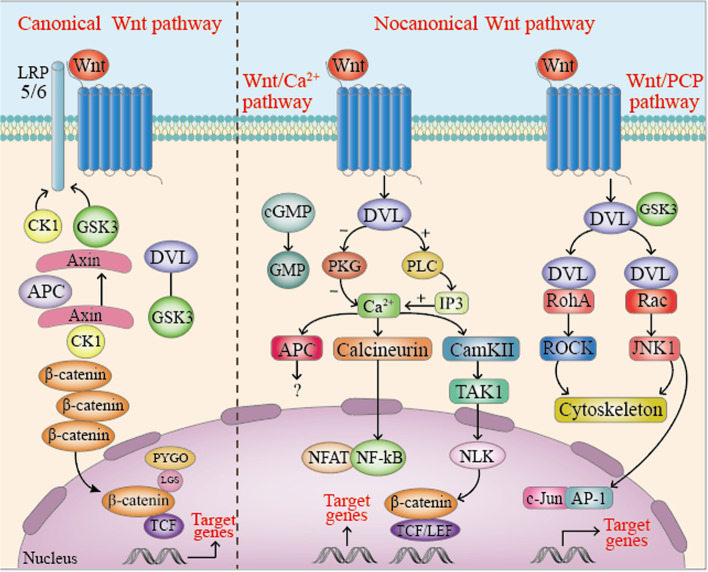
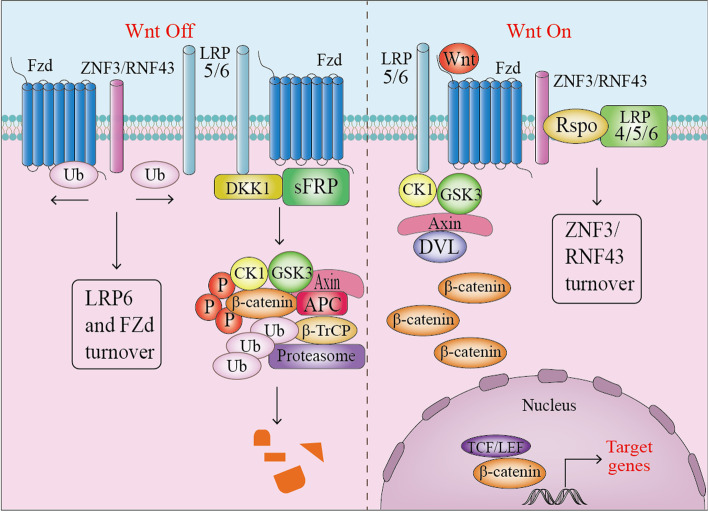
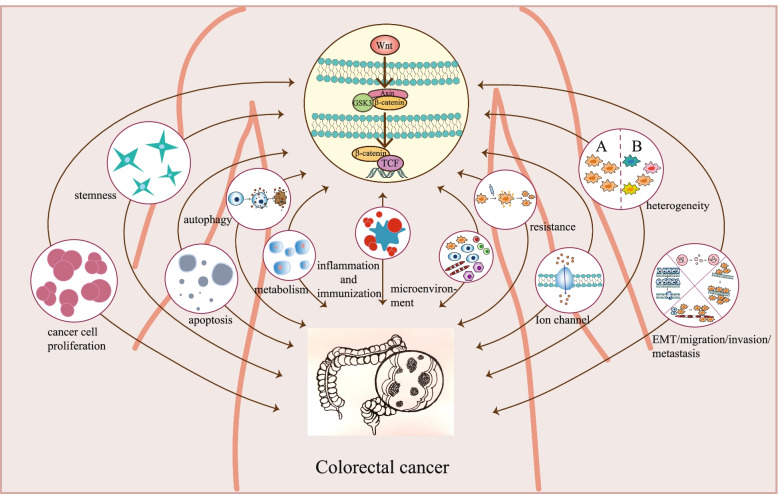
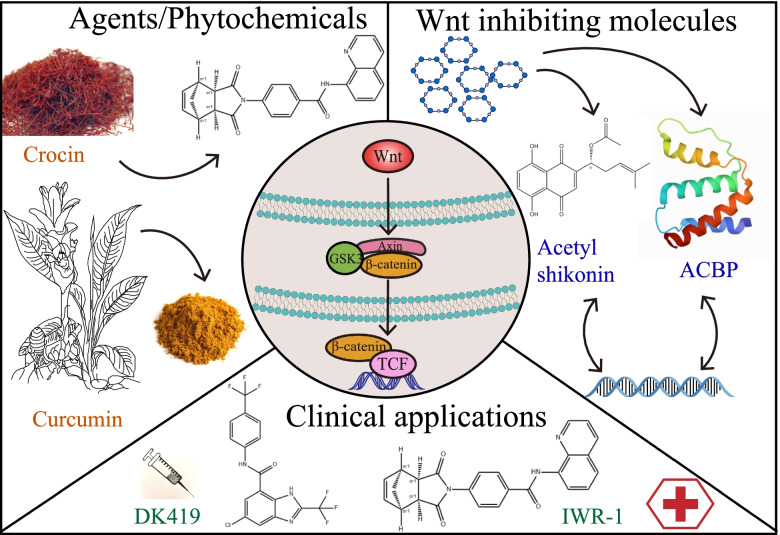
Background: The Wnt signaling pathway is a complex network of protein interactions that functions most commonly in embryonic development and cancer, but is also involved in normal physiological processes in adults. The canonical Wnt signaling pathway regulates cell pluripotency and determines the differentiation fate of cells during development. The canonical Wnt signaling pathway (also known as the Wnt/β-catenin signaling pathway) is a recognized driver of colon cancer and one of the most representative signaling pathways. As a functional effector molecule of Wnt signaling, the modification and degradation of β-catenin are key events in the Wnt signaling pathway and the development and progression of colon cancer. Therefore, the Wnt signaling pathway plays an important role in the pathogenesis of diseases, especially the pathogenesis of colorectal cancer (CRC). Objective: Inhibit the Wnt signaling pathway to explore the therapeutic targets of colorectal cancer. Methods: Based on studying the Wnt pathway, master the biochemical processes related to the Wnt pathway, and analyze the relevant targets when drugs or inhibitors act on the Wnt pathway, to clarify the medication ideas of drugs or inhibitors for the treatment of diseases, especially colorectal cancer. Results: Wnt signaling pathways include: Wnt/β-catenin or canonical Wnt signaling pathway, planar cell polarity (Wnt-PCP) pathway and Wnt-Ca 2+ signaling pathway. The Wnt signaling pathway is closely related to cancer cell proliferation, stemness, apoptosis, autophagy, metabolism, inflammation and immunization, microenvironment, resistance, ion channel, heterogeneity, EMT/migration/invasion/metastasis. Drugs/phytochemicals and molecular preparations for the Wnt pathway of CRC treatment have now been developed. Wnt inhibitors are also commonly used clinically for the treatment of CRC. Conclusion: The development of drugs/phytochemicals and molecular inhibitors targeting the Wnt pathway can effectively treat colorectal cancer clinically.
Overview
The claims and statistics of this paper haven’t been checked yet.
Free: it reads the open-access text and checks the first 5 claims that cite a source we can check. Create a free account to check every claim.
Integrity signals
Registry
Cites
Statistics
Figures
Verification
Claims the paper makes
The claims and statistics of this paper haven’t been checked yet.
Free: it reads the open-access text and checks the first 5 claims that cite a source we can check. Create a free account to check every claim.
Claims other papers make about this one
Each is checked against this paper’s own text: does it say what the citing paper says it does?
The source backs part of the claim, not all of it — or backs it for a different population, condition or comparison.
In the citing paper
“Multiple agents targeting both canonical and the β-catenin-independent non-canonical Wnt signaling including v-ATPase inhibitors and anti-RSPO antibody are undergoing clinical trials in CRC and other malignancies [119,120].”
From Recent Advances in Therapeutic Strategies to Improve Colorectal Cancer Treatment (2024) · cites this paper as [120]
Experimental — accuracy not yet measured
Self-check
Percentages, sums and reported differences re-computed from the paper’s own numbers.
The self-check needs the paper’s full text.
Citations
Cites
4 retracted
RETRACTED: Phytosomal curcumin inhibits tumor growth in colitis‐associated colorectal cancer
Marjaneh, R. M., Rahmani, F., Hassanian, S. M., Rezaei, N., Hashemzehi, M., Bahrami, A., Ariakia, F., Fiuji, H., Sahebkar, A., Avan, A., et al. (2018) · Journal of Cellular Physiology · doi:10.1002/jcp.26538 · Cited by 200
RetractedAmerizadeh, F., Rezaei, N., Rahmani, F., Hassanian, S. M., Moradi‐Marjaneh, R., Fiuji, H., Boroumand, N., Tirkani, A. N., Ghayour‐Mobarhan, M., Ferns, G. A., et al. (2018) · Journal of Cellular Biochemistry · doi:10.1002/jcb.27367 · Cited by 97
RetractedSun, J., Zhang, T., Cheng, M., Hong, L., Zhang, C., Xie, M., Sun, P., Fan, R., Wang, Z., Wang, L., et al. (2019) · Journal of Experimental & Clinical Cancer Research · doi:10.1186/s13046-019-1098-y · Cited by 65
RetractedHuang, T., Zhang, Q., Ren, W., Yan, B., Liang, Y., Tang, T., Lin, H. L., & Zhang, Y. (2020) · Cell Biology International · doi:10.1002/cbin.11358 · Cited by 52
RetractedWnt/β-Catenin Signaling, Disease, and Emerging Therapeutic Modalities
Nusse, R., & Clevers, H. (2017) · Cell · doi:10.1016/j.cell.2017.05.016 · Cited by 4,342
Targeting the Wnt/β-catenin signaling pathway in cancer
Zhang, Y., & Wang, X. (2020) · Journal of Hematology & Oncology · doi:10.1186/s13045-020-00990-3 · Cited by 1,431
Wnt signaling in development and tissue homeostasis
Steinhart, Z., & Angers, S. (2018) · Development · doi:10.1242/dev.146589 · Cited by 821
Wnt/β-catenin signaling in cancer stemness and malignant behavior
Fodde, R., & Brabletz, T. (2007) · Current Opinion in Cell Biology · doi:10.1016/j.ceb.2007.02.007 · Cited by 785
Hu, J. L., Wang, W., Lan, X. L., Zeng, Z. C., Liang, Y. S., Yan, Y. R., Song, F. Y., Wang, F. F., Zhu, X. H., Liao, W. J., et al. (2019) · Molecular Cancer · doi:10.1186/s12943-019-1019-x · Cited by 773 · cited 1×
“In terms of mechanism, the increased expression of miR-92a-3p activates the Wnt/β-catenin pathway, inhibits mitochondrial apoptosis by directly inhibiting FBXW7 and MOAP1, and promotes the stem cell, EMT, and metastasis of colorectal cancer cells [128].”
BackgroundWnt signaling in breast cancer: biological mechanisms, challenges and opportunities
Xu, X., Zhang, M., Xu, F., & Jiang, S. (2020) · Molecular Cancer · doi:10.1186/s12943-020-01276-5 · Cited by 588
Cited by
Items 301–400 of 973
Sun, M., Zhu, H., Yang, Y. P., Yao, Y., Li, H., Feng, F., Wáng, Q., Liu, R., & Sun, C. (2025) · International Journal of Oncology · doi:10.3892/ijo.2025.5742 · Cited by 9
N6-methyladenosine-dependent signaling in colorectal cancer: Functions and clinical potential
Liu, S., Liu, M., Li, Y., & Song, Q. (2024) · Critical Reviews in Oncology/Hematology · doi:10.1016/j.critrevonc.2024.104360 · Cited by 9
Self-citationTargeting CircAURKA prevents colorectal cancer progression via enhancing CTNNB1 protein degradation
Sun, Z., Dang, P., Guo, Y., Liu, S., Hu, S., Sun, H., Xu, Y., Wang, W., Chen, C., Liu, J., et al. (2024) · Oncogene · doi:10.1038/s41388-024-03155-5 · Cited by 9
Genetic and molecular mechanisms of hydrocephalus
Deng, X., Chen, Y., Duan, Q., Ding, J., Wang, Z., Wang, J. D., Chen, X., Zhou, L., & Zhao, L. (2025) · Frontiers in Molecular Neuroscience · doi:10.3389/fnmol.2024.1512455 · Cited by 9
Song, W., Miao, L., Zhang, K., Liu, Y., Lin, J., Li, J., Huang, Z., Cao, D., Zhang, Y., & Hu, C. (2023) · Cellular Signalling · doi:10.1016/j.cellsig.2023.110987 · Cited by 9
Seryl‐ tRNA synthetase inhibits Wnt signaling and breast cancer progression and metastasis
Lei, J., Wang, J., Liu, Z., Zhang, Q., & Yang, X. (2025) · The FASEB Journal · doi:10.1096/fj.202401720r · Cited by 9
Amrutha Krishnan, K., Valavi, S. G., & Joy, A. (2024) · Anti-Cancer Agents in Medicinal Chemistry · doi:10.2174/0118715206275566231206094645 · Cited by 9
Progress in the development of modulators targeting Frizzleds
Chuan, J., Li, W., Pan, S., Jiang, Z., Shi, J., & Yang, Z. (2024) · Pharmacological Research · doi:10.1016/j.phrs.2024.107286 · Cited by 9
Lee, J., Kim, I., Ryu, J., Eling, T. E., & Baek, S. J. (2025) · Cell Death and Disease · doi:10.1038/s41419-025-07695-w · Cited by 9
Gila, F., Khoddam, S., Jamali, Z., Ghasemian, M., Shakeri, S., Dehghan, Z., & Fallahi, J. (2025) · Personalized Medicine · doi:10.1080/17410541.2025.2459050 · Cited by 9
Advancing colorectal cancer research through lipidomics
Santiago, P., Melo, T., Barceló‐Nicolau, M., Barceló‐Coblijn, G., Domingues, P. M., & Domingues, M. R. (2025) · Molecular Omics · doi:10.1039/d5mo00045a · Cited by 9
Macrophage polarization in tumors: The impact of efferocytosis
Zhang, Y., Zang, H., & Wen, Q. (2025) · International Immunopharmacology · doi:10.1016/j.intimp.2025.115807 · Cited by 9
Chung, K., Heo, S.-W., Lee, J.-H., Han, H.-S., Kim, G.-H., Kim, Y.-R., Kim, M.-S., Hong, J.-E., Rhee, K., & Lee, K. (2025) · International Immunopharmacology · doi:10.1016/j.intimp.2025.114734 · Cited by 9
Shen, D., & Kang, S. (2024) · Biology Direct · doi:10.1186/s13062-024-00461-6 · Cited by 9
Epigenetic Impact of Curcumin and Thymoquinone on Cancer Therapeutics
Kumar, V., Kesharwani, R., Patel, D. K., Verma, A., Mehanna, M. G., Mohammad, A., Bawadood, A. S., Al-Abbasi, F. A., & Anwar, F. (2024) · Current Medicinal Chemistry · doi:10.2174/0109298673288542240327112351 · Cited by 9
Emerging therapeutic strategies for Wnt-dependent colon cancer targeting macropinocytosis
Tejeda‐Muñoz, N., Binder, G., & Mei, K. (2024) · Cells and Development · doi:10.1016/j.cdev.2024.203974 · Cited by 9
Cai, Y., Xia, L., Zhu, H., Cheng, H., Tian, Y., Sun, L., Wang, J., Lu, N., Wang, J., & Chen, Y. (2024) · Cellular Signalling · doi:10.1016/j.cellsig.2024.111155 · Cited by 9
Heydarian, R., Divsalar, A., Kouchesfehani, H. M., & Rasouli, M. (2025) · International Journal of Pharmaceutics · doi:10.1016/j.ijpharm.2025.125262 · Cited by 9
Wu, W., Li, A., He, H., Ye, S., Zhou, Z., Quan, J., & Tan, W. (2024) · Journal of Biochemical and Molecular Toxicology · doi:10.1002/jbt.23774 · Cited by 9
Gao, D., Zhou, Z., Chen, L. V., Zheng, J., & Yang, J. (2025) · BMC Cancer · doi:10.1186/s12885-025-13808-7 · Cited by 9
Zhang, Y., Yan, Z., Wu, H., Yang, X. M., Yang, K., & Song, W. (2023) · Biomolecules · doi:10.3390/biom13071073 · Cited by 9
Ridwan, S., Erlina, L., Bahtiar, A., & SUKMAWATI, D. (2023) · International Journal of Applied Pharmaceutics · doi:10.22159/ijap.2023v15i1.46570 · Cited by 9
Gul, H., Irum, S., Ahmed, W., Awais, M., & Khan, M. I. (2023) · Biomass Conversion and Biorefinery · doi:10.1007/s13399-023-04440-1 · Cited by 9
A Zinc Oxide Nanorod-Based Electrochemical Aptasensor for the Detection of Tumor Markers in Saliva
Li, J., Ding, Y., Shi, Y., Liu, Z., Lin, J., Cao, R., Wang, M., Tan, Y., Zong, X., Qu, Z., et al. (2024) · Chemosensors · doi:10.3390/chemosensors12100203 · Cited by 9
Molecular modeling for sensing of cisplatin drug by graphdiyne: electronic study via DFT
Kadhim, M. M., Taha, A., Mahal, R. K., Hachim, S. K., Abdullaha, S. A. H., & Rheima, A. M. (2023) · Journal of Molecular Modeling · doi:10.1007/s00894-023-05511-w · Cited by 9
Qin, J.-J., Niu, M., Cha, Z., Geng, Q.-H., Li, Y.-L., Ren, C.-G., Molloy, D. P., & Hua-rong, Y. (2023) · Chinese Journal of Integrative Medicine · doi:10.1007/s11655-023-3752-7 · Cited by 9
Yang, K., Liu, Z., Wang, H., Xiao, Z., Zhao, W., & Gong, W. (2025) · Gut Microbes · doi:10.1080/19490976.2025.2597626 · Cited by 8
Damane, B. P., Mulaudzi, T. V., Kader, S., Naidoo, P., Savkovic, S. D., Dlamini, Z., & Mkhize‐Kwitshana, Z. L. (2023) · Cancers · doi:10.3390/cancers15030748 · Cited by 8
Greenberg, I., Khair, F., Merenbakh-Lamin, K., Sokol, E. S., Goldberg, A. K., Simkin, D., Spitzer, A., Benhamou, M., Bar-Shira, S., Raz, M. A., et al. (2025) · Neuro-Oncology · doi:10.1093/neuonc/noaf028 · Cited by 8
Regulation of autophagy and cellular signaling through non-histone protein methylation
Bao, Y., Ma, Y., Huang, W., Bai, Y., Gao, S., Xiu, L., Xie, Y., Wan, X., Shan, S., Chen, C., et al. (2024) · International Journal of Biological Macromolecules · doi:10.1016/j.ijbiomac.2024.139057 · Cited by 8
Gao, M., Qian, J., Xia, P., Liu, W., Jiang, Y., Xia, Y., Yao, X., Jiao, Q., & Wei, M. (2025) · Frontiers in Immunology · doi:10.3389/fimmu.2025.1593639 · Cited by 8
The Homeobox Genes: Classification, Regulation, Biological Functions, and Diseases
Dadzadi, M., Ramazi, S., Darvazi, M., Yoosefi, S., Abbasi, M., & Farsad, S. (2026) · MedComm · doi:10.1002/mco2.70651 · Cited by 8
Otálora-Otálora, B. A., Payán‐Gómez, C., Rivera, J. J. L., Pedroza-Aconcha, N. B., Aristizábal-Guzmán, C., Isaza-Ruget, M. A., & Álvarez, C. (2024) · Frontiers in Cellular and Infection Microbiology · doi:10.3389/fcimb.2024.1425388 · Cited by 8
Smad7 is a negative regulator of immunogenic cell death in colorectal cancer
Maresca, C., Franzè, E., Laudisi, F., Colella, M., Iannucci, A., Frascatani, R., Monteleone, I., Stolfi, C., & Monteleone, G. (2025) · OncoImmunology · doi:10.1080/2162402x.2025.2490346 · Cited by 8
Robson, J. L., Thorn, R. M. S., Williams, A. C., Collard, T. J., & Qualtrough, D. (2023) · Scientific Reports · doi:10.1038/s41598-023-44130-6 · Cited by 8
The intestinal stem cell as a target: A review
Faizo, N. L. (2024) · Medicine · doi:10.1097/md.0000000000039456 · Cited by 8
Assanga, S. B. I., Luján, L. M. L., & McCarty, M. F. (2023) · European Journal of Pharmacology · doi:10.1016/j.ejphar.2023.175898 · Cited by 8
Xu, J., Gu, H., Zhou, K., Wu, L. L., Zhang, Y., Bian, C., Huang, Z., Chen, G., Cheng, X., & Yin, X. (2025) · Journal of Cellular and Molecular Medicine · doi:10.1111/jcmm.70431 · Cited by 8
Vuong, L. T., & Mlodzik, M. (2024) · Cell Reports · doi:10.1016/j.celrep.2024.114362 · Cited by 8
Ji, A., Li, H., Fu, X., Zhang, Y., & Liu, Y. (2024) · Cell Division · doi:10.1186/s13008-024-00129-7 · Cited by 8
Zhang, Q., Miao, Y.-S., Hu, J., Liu, R.-X., Hu, Y.-X., & Wang, F. (2024) · Molecular and Cellular Biochemistry · doi:10.1007/s11010-024-05012-1 · Cited by 8
LGALS4 inhibits glycolysis and promotes apoptosis of colorectal cancer cells via β‑catenin signaling
Li, S., Yang, K., Ye, J., Xu, C., Qin, Z., Chen, Y., Yu, L., Zhou, T., Sun, B., & Xu, J. (2025) · Oncology Letters · doi:10.3892/ol.2025.14873 · Cited by 8
Therapeutic Potential of Prunus Species in Gastrointestinal Oncology
Mitea, G., Iancu, I. M., Schröder, V., Roșca, A. C., Iancu, V., Crețu, R., & Mireşan, H. (2025) · Cancers · doi:10.3390/cancers17060938 · Cited by 8
Chen, J., Yang, T., Xiao, T., Wang, Z., He, F., Bao, T., & Cao, Y. (2024) · ONCOLOGIE · doi:10.1515/oncologie-2023-0562 · Cited by 8
Wei, Z., Xia, K., Liu, W., Huang, X., Wei, Z., & Guo, W. (2024) · Molecular Medicine · doi:10.1186/s10020-024-01038-9 · Cited by 8
Wang, X., Jia, Y. R., & Wang, D. (2024) · Frontiers in Bioscience-Landmark · doi:10.31083/j.fbl2909327 · Cited by 8
Chen, H., Zhu, P., Zhu, D., Jin, J., Yang, Q., & Han, X. (2024) · Biomolecules and Biomedicine · doi:10.17305/bb.2024.10313 · Cited by 8
An updated landscape on nanopharmaceutical delivery for mitigation of colon cancer
Shahzad, M., Hameed, H., Amjad, A., Khan, M. A., Qureshi, I. S., Hameed, A., Saeed, A., & Munir, R. (2025) · Naunyn-Schmiedeberg's Archives of Pharmacology · doi:10.1007/s00210-024-03482-0 · Cited by 7
“This instability produces replication anomalies, amplified mutation rates, and also a greater chance for malignant growth due to the loss or insufficiency of MMR activity (Zhao et al. 2022).”
Xu, J., Xu, X., Yang, L., & Xu, X. (2025) · Experimental Cell Research · doi:10.1016/j.yexcr.2025.114407 · Cited by 7
Fang, X., Zhao, J., Wu, S., Liao, P., & Guan, G. (2025) · Environmental Pollution · doi:10.1016/j.envpol.2025.126396 · Cited by 7
A Novel Molecular Analysis Approach in Colorectal Cancer Suggests New Treatment Opportunities
López‐Camacho, E., Prado-Vázquez, G., Martínez-Pérez, D., Ferrer-Gómez, M., Llorente-Armijo, S., López‐Vacas, R., Díaz‐Almirón, M., Gámez‐Pozo, A., Vara, J. Á. F., Feliú, J., et al. (2023) · Cancers · doi:10.3390/cancers15041104 · Cited by 7
Chilimoniuk, Z., Gładysz, K., Moniczewska, N., Chawrylak, K., Pelc, Z., & Mlak, R. (2025) · Cancers · doi:10.3390/cancers17162632 · Cited by 7
Biomarker Landscape in RASopathies
Ferrito, N., Báez-Flores, J., Rodríguez-Martín, M., Sastre-Rodríguez, J., Coppola, A., Isidoro‐García, M., Prieto‐Matos, P., & Lacal, J. (2024) · International Journal of Molecular Sciences · doi:10.3390/ijms25168563 · Cited by 7
Li, Z., Wang, Y.-Y., Zhang, C., Shi, J., Xiao, Y., Ying, N.-T., Xu, X.-K., Li, J., & Guo, T. (2025) · Cellular Signalling · doi:10.1016/j.cellsig.2025.112252 · Cited by 7
Gao, R., Zheng, X., Jiang, A., He, W., & Liu, T. (2023) · Frontiers in Immunology · doi:10.3389/fimmu.2023.1274223 · Cited by 7
Role of m5C methylation in digestive system tumors (Review)
Zhang, L., Yuan, J., Yao, S., Wen, G., An, J., Jin, H., & Tuo, B. (2025) · Molecular Medicine Reports · doi:10.3892/mmr.2025.13507 · Cited by 7
Yang, W., Li, Z., Li, Y., He, W., & Yan, J. (2024) · ACS Nano · doi:10.1021/acsnano.4c05893 · Cited by 7
Ren, Z., Su, R., Liu, D., Wang, Q., Liu, S., Kong, D., & Qiu, Y. (2024) · Phytomedicine · doi:10.1016/j.phymed.2024.156156 · Cited by 7
Applications of engineered exosomes in drugging noncoding RNAs for cancer therapy
Alemi, F., Sadeghsoltani, F., Fattah, K., Hassanpour, P., Malakoti, F., Kardeh, S., Izadpanah, M., Zuccari, D. A. P. D. C., Yousefi, B., & Majidinia, M. (2023) · Chemical Biology & Drug Design · doi:10.1111/cbdd.14300 · Cited by 7
Fang, S., Cao, H., Liu, J., Cao, G., & Li, T. (2024) · International Immunopharmacology · doi:10.1016/j.intimp.2024.112896 · Cited by 7
Tian, J., Zhang, L., La, X., An, Y., Fan, X., & Li, Z. (2024) · Journal of Agricultural and Food Chemistry · doi:10.1021/acs.jafc.4c03761 · Cited by 7
Short Linear Motifs in Colorectal Cancer Interactome and Tumorigenesis
Fasano, C., Grossi, V., Forte, G., & Simone, C. (2022) · Cells · doi:10.3390/cells11233739 · Cited by 7
Rectal Cancer: Exploring Predictive Biomarkers Through Molecular Pathways Involved in Carcinogenesis
Martins, S., Veiga, P., Tralhão, J. G., Carreira, I. M., & Ribeiro, I. P. (2024) · Biology · doi:10.3390/biology13121007 · Cited by 7
Xi Tao, X. U., Gong, C., Wang, Y., Yin, Z., Wang, X., Hu, Y., & Fang, Z. (2023) · PubMed Central · Cited by 7
Delineating the tumour-regulatory roles of EYA4
Chong, Z. X., Ho, W. Y., & Yeap, S. K. (2023) · Biochemical Pharmacology · doi:10.1016/j.bcp.2023.115466 · Cited by 7
Li, Y., Xu, C., Weng, W., & Goel, A. (2024) · Molecular Carcinogenesis · doi:10.1002/mc.23800 · Cited by 7
Gheibi, M., Sadeghi, S., Hessami, A., Erfani, Z., Ghadirzadeh, E., & Moosazadeh, M. (2025) · Cancer Genetics · doi:10.1016/j.cancergen.2025.10.003 · Cited by 7
Targeted therapy for liver cancer: Current status and future directions
Wang, Q. (2025) · Bioimpacts · doi:10.34172/bi.32630 · Cited by 7
Samandar, F., Mohsenpour, A., Rastin, F., Doustmohammadi-Salmani, S., Saberi, M. R., & Chamani, J. (2024) · Spectrochimica Acta Part A Molecular and Biomolecular Spectroscopy · doi:10.1016/j.saa.2024.125638 · Cited by 7
Vanan, A. G., Ghorbaninezhad, F., Nikeghbali, G., Mohamadi, F., Firoozabadi, A. A., Mastani, R. G., Shahhoseini, Z., Eini, P., Ahmadi, R., Tahmasebi, S., et al. (2025) · Clinical and Experimental Medicine · doi:10.1007/s10238-025-01730-y · Cited by 7
Mahanujam, A. (2025) · Undergraduate Research in Natural and Clinical Science and Technology (URNCST) Journal · doi:10.26685/urncst.715 · Cited by 7
Luo, P., Huang, C., Guo, J., Yao, X., Pan, C., Bao, A., Li, F., & Li, Y. (2024) · Discover Oncology · doi:10.1007/s12672-024-01641-6 · Cited by 7
Cytotoxicity against human cancer cells and lymphocytes based on cerium oxide nanostructures
Dunna, M., Kailasa, S., Saida, L., Pallagani, J. K., Babu, T. G. K., Chepuri, K., & Rao, K. V. (2023) · Inorganic Chemistry Communications · doi:10.1016/j.inoche.2023.110899 · Cited by 7
Chen, Y., & Tang, D. (2025) · Future Oncology · doi:10.1080/14796694.2025.2558287 · Cited by 6
Lin, Q., Wang, Z., Wang, J., Xu, M., Zhang, X., Sun, P., & Yuan, Y. (2024) · Frontiers in Immunology · doi:10.3389/fimmu.2024.1509658 · Cited by 6
Yu, M., Yang, L., Pei, Y., & Xu, M. (2024) · Journal of Molecular Histology · doi:10.1007/s10735-024-10301-6 · Cited by 6
Yu, T., Peng, D., Liang, X. H., Nie, W., Tan, H., Chen, S., Shi, H., Wei, Y., & Wei, X. (2025) · Drug Resistance Updates · doi:10.1016/j.drup.2025.101331 · Cited by 6
Yang, L., Akbarabadi, P., & Babashah, S. (2026) · Biochimica et Biophysica Acta (BBA) - Reviews on Cancer · doi:10.1016/j.bbcan.2026.189545 · Cited by 6
Suwatthanarak, T., Tanjak, P., Suwatthanarak, T., Acharayothin, O., Thanormjit, K., Chaiboonchoe, A., Tawantanakorn, T., Phalanusitthepha, C., Trakarnsanga, A., Methasate, A., et al. (2023) · BMC Cancer · doi:10.1186/s12885-023-11595-7 · Cited by 6
Cui, T., Yue, Y., & Yan, S. (2025) · Journal of Ethnopharmacology · doi:10.1016/j.jep.2025.119972 · Cited by 6
Chen, Y., Yang, J., Du, Y., Yan, Z., Gao, J., Zhang, H., Wu, Q., Nian, B., Huang, X., & Da, M. (2025) · Discover Oncology · doi:10.1007/s12672-025-01917-5 · Cited by 6
SREBP2 confers ferroptosis resistance by targeting GPX4 in colorectal cancer
Zhong, H., Chen, R., Chen, T., Lin, M., Wen, S., Zhang, M., Liu, D., Yu, J., Chen, J., Yi, B., et al. (2026) · APOPTOSIS · doi:10.1007/s10495-025-02209-7 · Cited by 6
Zhang, J., Liu, Z., Ma, X., Shi, Z., Zhao, J., Xie, Y., Shang, X., & Zhang, X. (2025) · Discover Oncology · doi:10.1007/s12672-025-02568-2 · Cited by 6
Yan, Y., Gong, Y., Liang, X., Xiong, Q., Lin, J., Wu, Y., Zhang, L., Chen, H., Jin, J., & Luan, X. (2024) · Biochimica et Biophysica Acta (BBA) - Reviews on Cancer · doi:10.1016/j.bbcan.2024.189232 · Cited by 6
Current prospects of hereditary adrenal tumors: towards better clinical management
Ohmoto, A., Hayashi, N., Takahashi, S., & Ueki, A. (2024) · Hereditary Cancer in Clinical Practice · doi:10.1186/s13053-024-00276-6 · Cited by 6
VEGF-C propagates ‘onward’ colorectal cancer metastasis from liver to lung
Poghosyan, S., Frenkel, N. C., van den Bent, L., Raats, D., Spaapen, T. O. M., Laoukili, J., Rinkes, I. H. M. B., Kranenburg, O., & Hagendoorn, J. (2024) · British Journal of Cancer · doi:10.1038/s41416-024-02892-4 · Cited by 6
Evolutionary conservation and cancer implications of the WNT signaling pathway
Prajapati, D., Ambere, G. D., Mathure, D. M., Karati, D., & Kumar, D. (2025) · Medical Oncology · doi:10.1007/s12032-025-02950-8 · Cited by 6
The crosstalk between autophagy and myeloid-derived suppressor cell responses in cancer
Nie, J., Wang, D., & Li, M. (2023) · Clinical & Translational Oncology · doi:10.1007/s12094-023-03160-2 · Cited by 6
Tang, X., Zhang, Q., Shen, Z., Xiao, J., Li, M., Meng, X., Wang, C., Zhang, G., Liu, A., & Yin, Y. (2025) · Cell Death and Disease · doi:10.1038/s41419-025-08060-7 · Cited by 7
Novel insights into biomarkers of progression in Desmoid tumor
Liu, B., Sun, Z., Zhou, R., Shen, D., Zhu, S., Chen, L., & Huang, G. (2023) · Frontiers in Oncology · doi:10.3389/fonc.2023.1206800 · Cited by 6
Ghobashi, A. H., Lanzloth, R., Ladaika, C. A., Masood, A., & O’Hagan, H. M. (2024) · Cancers · doi:10.3390/cancers16112040 · Cited by 6
Ephraim, R., Fraser, S., Devereaux, J., Stavely, R. G., Feehan, J., Eri, R. D., Nurgali, K., & Apostolopoulos, V. (2023) · Cancers · doi:10.3390/cancers15194793 · Cited by 6
Chi, X.-J., Song, Y.-B., Liu, D.-H., Wei, L.-Q., Zhao, A., An, X., Feng, Z.-Z., Lan, X.-H., Lv, Y.-M., Li, H.-J., et al. (2023) · BMC Gastroenterology · doi:10.1186/s12876-023-02927-9 · Cited by 6
Liu, Q., Jiang, L., Zhao, Y., Su, F., Li, J., Tian, X., Liu, W., Jiang, X., Xu, Y., & Tao, F. (2024) · International Journal of Molecular Medicine · doi:10.3892/ijmm.2024.5384 · Cited by 6
TRIM22 inhibits the metastasis of colorectal cancer through facilitating β-Catenin degradation
Hu, H., Li, W., Ma, P., Song, J., Zhang, X., Ruan, L., Zhang, J., & Zheng, Y. (2025) · Experimental Cell Research · doi:10.1016/j.yexcr.2025.114473 · Cited by 6
The KDM5A/HOXA5 axis regulates osteosarcoma progression via activating the Wnt/β-catenin pathway
Luo, Y., He, Y., Xu, Y.-X., Wang, Y., & Yang, L. (2025) · European Journal of Medical Research · doi:10.1186/s40001-025-02478-7 · Cited by 5
Li, J., Tang, Y., Long, F., Tian, L., Tang, A., Ding, L., Chen, J., & Liu, M. (2024) · Computational and Structural Biotechnology Journal · doi:10.1016/j.csbj.2024.05.021 · Cited by 6
Self-citationZhang, W., Zhang, P., Zhan, J., Wei, X., Du, Y., Zhao, K., Zhu, L., Xie, R., Xie, H., Zhou, S., et al. (2026) · Current Molecular Medicine · doi:10.2174/0115665240370788250617070218 · Cited by 6
Tankyrases and Their Binding Proteins: Origins of Their Roles in Diverse Cellular Pathways
Hagkarim, N. C., & Grand, R. J. A. (2026) · Cells · doi:10.3390/cells15040348 · Cited by 6
Sharma, D., & Arumugam, S. (2025) · Molecular Diversity · doi:10.1007/s11030-024-11103-4 · Cited by 7
Metadata
- Authors
- Zhao, H., Ming, T., Tang, S., Ren, S., Yang, H., Liu, M., Tao, Q., & Xu, H.
- Affiliations
- Chengdu University of Traditional Chinese Medicine (CN)
- Corresponding author
- Xu, Haibo
- Venue
- Molecular Cancer
- Published
- 2022-07-14
- Volume
- 21
- Issue
- 1
- Pages
- 144-144
- ISSN
- 1476-4598 (ISSN-L)
- PMC
- PMC9281132
- OpenAlex
- W4285391272
- Cited by
- 857
- References
- 275
- Citations by year
- 2026: 151 · 2025: 276 · 2024: 245 · 2023: 169 · 2022: 15
- FWCI
- 18.63
- Type
- journal article
- Language
- en
- Open access
- gold
- doi.org
- Licence
- cc-by
- creativecommons.org/licenses/by/4.0 (tdm)
- creativecommons.org/licenses/by/4.0 (vor)
- Locations
- Molecular Cancer (publishedVersion, cc-by)
- PubMed Central (publishedVersion, cc-by)
- PubMed (publishedVersion)
- DOAJ (DOAJ: Directory of Open Access Journals) (submittedVersion, cc-by-sa)
- Funders
- National Natural Science Foundation of China (81173598, 81573813)
- Chengdu University of Traditional Chinese Medicine (GJJJ2021003)
- Chengdu University
- Sichuan Provincial Administration of Traditional Chinese Medicine (2021XYCZ007, 2021MS447)
- Health Commission of Sichuan Province (21PJ107)
- Topics
- Life Sciences › Biochemistry, Genetics and Molecular Biology › Molecular Biology › Wnt/β-catenin signaling in development and cancer
- Health Sciences › Medicine › Oncology › Colorectal Cancer Treatments and Studies
- Health Sciences › Medicine › Oncology › Cancer Cells and Metastasis
- Keywords
- Wnt signaling, colorectal cancer, Wnt/β-catenin signaling, β-catenin degradation, therapeutic target, Wnt inhibitors, cancer stemness, epithelial-mesenchymal transition, drug resistance, tumor microenvironment, phytochemicals
- MeSH terms
- Cell Movement, Colonic Neoplasms, Humans, Colorectal Neoplasms, Cell Line, Tumor, Cell Proliferation, beta Catenin, Epithelial-Mesenchymal Transition, Tumor Microenvironment, Wnt Signaling Pathway
About these checks
Registry, retraction, Cites and statistics results are computed, not judged, with one exception: a printed reference that no index lists is read once by a model before it counts as a citation error. Claims are extracted by a model and kept only when their quote appears verbatim in the text; each cited source is then checked, with a model’s help, for whether it says what the claim relies on. Those verdicts can be wrong — read the claim’s quote and the cited source before relying on one.
Statistics and arithmetic are recomputed, not judged.
Confidence bands are shown only for fields calibrated on our annotated test set. None is calibrated yet, so no band is shown.
What counts as a claim ›How we measure confidence ›How we check this ›
Are you an author, or do you see a problem with this page? Request a review
Data sources
Bibliographic data: Semantic Scholar, OpenAlex, Crossref.
Contains information from the Semantic Scholar Academic Graph Datasets, made available under the ODC Attribution License (ODC-BY 1.0).
Semantic Scholar’s data is described in: Kinney, R., et al. (2023). The Semantic Scholar Open Data Platform. arXiv:2301.10140.
