

Wnt signaling in colorectal cancer: pathogenic role and therapeutic target
Open accessThe DOI matches its Crossref record; 276 of the 276 references it cites were found in a registry or an index.
Abstract
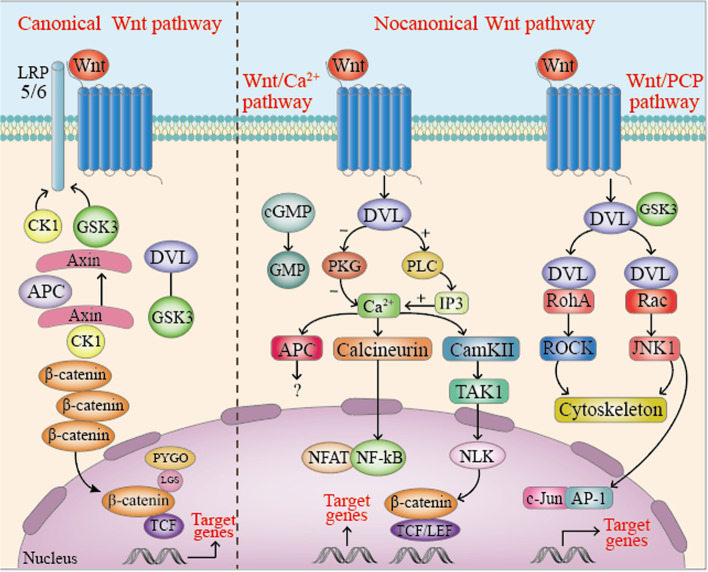
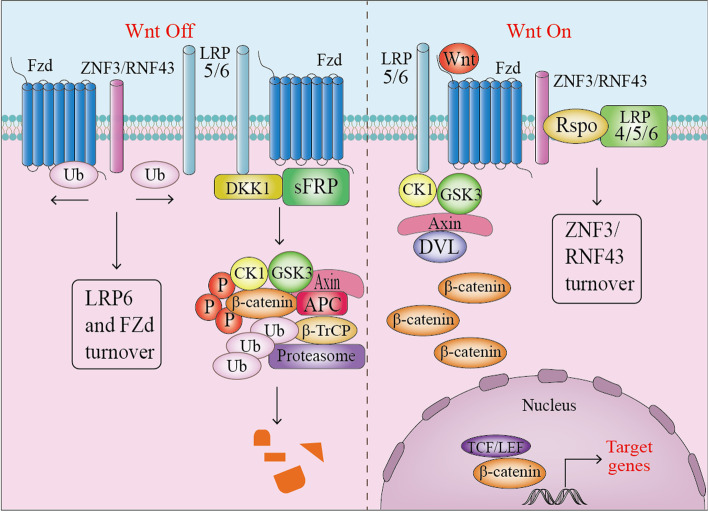
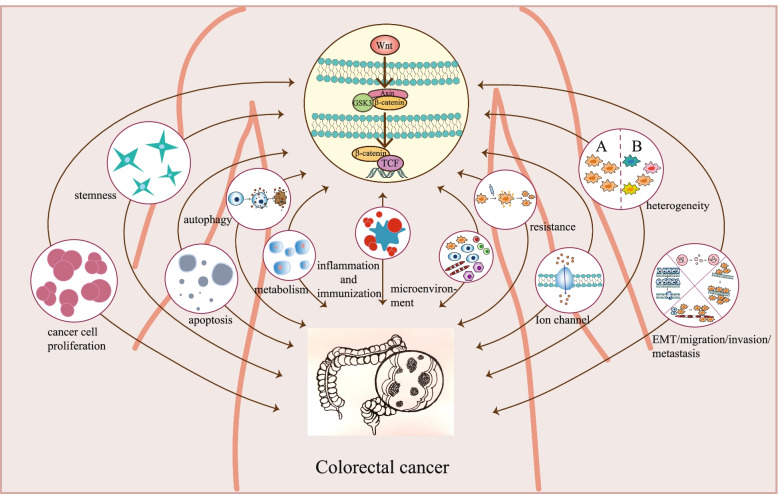
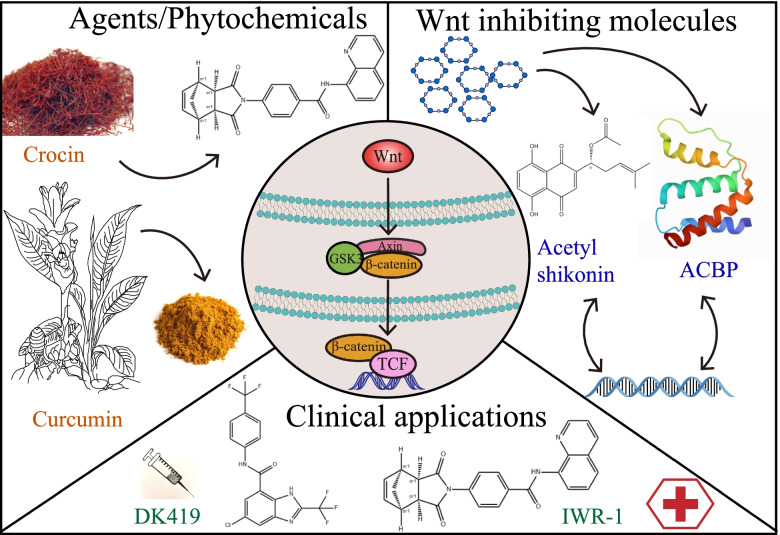
Background: The Wnt signaling pathway is a complex network of protein interactions that functions most commonly in embryonic development and cancer, but is also involved in normal physiological processes in adults. The canonical Wnt signaling pathway regulates cell pluripotency and determines the differentiation fate of cells during development. The canonical Wnt signaling pathway (also known as the Wnt/β-catenin signaling pathway) is a recognized driver of colon cancer and one of the most representative signaling pathways. As a functional effector molecule of Wnt signaling, the modification and degradation of β-catenin are key events in the Wnt signaling pathway and the development and progression of colon cancer. Therefore, the Wnt signaling pathway plays an important role in the pathogenesis of diseases, especially the pathogenesis of colorectal cancer (CRC). Objective: Inhibit the Wnt signaling pathway to explore the therapeutic targets of colorectal cancer. Methods: Based on studying the Wnt pathway, master the biochemical processes related to the Wnt pathway, and analyze the relevant targets when drugs or inhibitors act on the Wnt pathway, to clarify the medication ideas of drugs or inhibitors for the treatment of diseases, especially colorectal cancer. Results: Wnt signaling pathways include: Wnt/β-catenin or canonical Wnt signaling pathway, planar cell polarity (Wnt-PCP) pathway and Wnt-Ca 2+ signaling pathway. The Wnt signaling pathway is closely related to cancer cell proliferation, stemness, apoptosis, autophagy, metabolism, inflammation and immunization, microenvironment, resistance, ion channel, heterogeneity, EMT/migration/invasion/metastasis. Drugs/phytochemicals and molecular preparations for the Wnt pathway of CRC treatment have now been developed. Wnt inhibitors are also commonly used clinically for the treatment of CRC. Conclusion: The development of drugs/phytochemicals and molecular inhibitors targeting the Wnt pathway can effectively treat colorectal cancer clinically.
Overview
The claims and statistics of this paper haven’t been checked yet.
Free: it reads the open-access text and checks the first 5 claims that cite a source we can check. Create a free account to check every claim.
Integrity signals
Registry
Cites
Statistics
Figures
Verification
Claims the paper makes
The claims and statistics of this paper haven’t been checked yet.
Free: it reads the open-access text and checks the first 5 claims that cite a source we can check. Create a free account to check every claim.
Claims other papers make about this one
Each is checked against this paper’s own text: does it say what the citing paper says it does?
The source backs part of the claim, not all of it — or backs it for a different population, condition or comparison.
In the citing paper
“Multiple agents targeting both canonical and the β-catenin-independent non-canonical Wnt signaling including v-ATPase inhibitors and anti-RSPO antibody are undergoing clinical trials in CRC and other malignancies [119,120].”
From Recent Advances in Therapeutic Strategies to Improve Colorectal Cancer Treatment (2024) · cites this paper as [120]
Experimental — accuracy not yet measured
Self-check
Percentages, sums and reported differences re-computed from the paper’s own numbers.
The self-check needs the paper’s full text.
Citations
Cites
4 retracted
RETRACTED: Phytosomal curcumin inhibits tumor growth in colitis‐associated colorectal cancer
Marjaneh, R. M., Rahmani, F., Hassanian, S. M., Rezaei, N., Hashemzehi, M., Bahrami, A., Ariakia, F., Fiuji, H., Sahebkar, A., Avan, A., et al. (2018) · Journal of Cellular Physiology · doi:10.1002/jcp.26538 · Cited by 200
RetractedAmerizadeh, F., Rezaei, N., Rahmani, F., Hassanian, S. M., Moradi‐Marjaneh, R., Fiuji, H., Boroumand, N., Tirkani, A. N., Ghayour‐Mobarhan, M., Ferns, G. A., et al. (2018) · Journal of Cellular Biochemistry · doi:10.1002/jcb.27367 · Cited by 97
RetractedSun, J., Zhang, T., Cheng, M., Hong, L., Zhang, C., Xie, M., Sun, P., Fan, R., Wang, Z., Wang, L., et al. (2019) · Journal of Experimental & Clinical Cancer Research · doi:10.1186/s13046-019-1098-y · Cited by 65
RetractedHuang, T., Zhang, Q., Ren, W., Yan, B., Liang, Y., Tang, T., Lin, H. L., & Zhang, Y. (2020) · Cell Biology International · doi:10.1002/cbin.11358 · Cited by 52
RetractedWnt/β-Catenin Signaling, Disease, and Emerging Therapeutic Modalities
Nusse, R., & Clevers, H. (2017) · Cell · doi:10.1016/j.cell.2017.05.016 · Cited by 4,342
Targeting the Wnt/β-catenin signaling pathway in cancer
Zhang, Y., & Wang, X. (2020) · Journal of Hematology & Oncology · doi:10.1186/s13045-020-00990-3 · Cited by 1,431
Wnt signaling in development and tissue homeostasis
Steinhart, Z., & Angers, S. (2018) · Development · doi:10.1242/dev.146589 · Cited by 821
Wnt/β-catenin signaling in cancer stemness and malignant behavior
Fodde, R., & Brabletz, T. (2007) · Current Opinion in Cell Biology · doi:10.1016/j.ceb.2007.02.007 · Cited by 785
Hu, J. L., Wang, W., Lan, X. L., Zeng, Z. C., Liang, Y. S., Yan, Y. R., Song, F. Y., Wang, F. F., Zhu, X. H., Liao, W. J., et al. (2019) · Molecular Cancer · doi:10.1186/s12943-019-1019-x · Cited by 773 · cited 1×
“In terms of mechanism, the increased expression of miR-92a-3p activates the Wnt/β-catenin pathway, inhibits mitochondrial apoptosis by directly inhibiting FBXW7 and MOAP1, and promotes the stem cell, EMT, and metastasis of colorectal cancer cells [128].”
BackgroundWnt signaling in breast cancer: biological mechanisms, challenges and opportunities
Xu, X., Zhang, M., Xu, F., & Jiang, S. (2020) · Molecular Cancer · doi:10.1186/s12943-020-01276-5 · Cited by 588
Cited by
Items 501–600 of 973
Li, Y., Wang, F., Wang, K., Chen, G., Bai, L., Shi, J., & Yu, D. (2025) · Bioorganic Chemistry · doi:10.1016/j.bioorg.2025.108768 · Cited by 3
LncRNA TINCR: An Irreplaceable Biological Target in Human Malignancies
Jia, D., He, Y., & Zhang, Y. (2024) · Current Medicinal Chemistry · doi:10.2174/0109298673290217240513093711 · Cited by 3
Ahmad, A., Tiwari, R. K., Siddiqui, S., Chadha, M., Shukla, R., & Srivastava, V. (2024) · International review of cytology · doi:10.1016/bs.ircmb.2023.11.006 · Cited by 3
Feng, R., Cheng, D., Chen, X., Liu, Y., & Wu, H. (2023) · World Journal of Gastrointestinal Oncology · doi:10.4251/wjgo.v15.i11.1925 · Cited by 3
Kahkesh, S., Hedayati, N., Rahimzadeh, P., Farahani, N., Khoozani, M. F., Abedi, M., Nabavi, N., Naeimi, B., Khoshnazar, S. M., Alimohammadi, M., et al. (2025) · Pathology - Research and Practice · doi:10.1016/j.prp.2025.155944 · Cited by 3
Shah, D., & Alavala, R. R. (2026) · Cell Biochemistry and Function · doi:10.1002/cbf.70271 · Cited by 3
Biofilm mediated integrin activation and directing acceleration of colorectal cancer
Saravanan, V., Gopalakrishnan, V., Mahendran, M. I. M. S., Vaithianathan, R., Srinivasan, S., Boopathy, V., & Krishnamurthy, S. (2024) · Apmis · doi:10.1111/apm.13466 · Cited by 3
Chen, S., Jiang, Z., Song, W., Lu, C., Lin, Y., Xu, S. S., Xie, K., Wan, L., & Yuan, X. (2025) · BMC Gastroenterology · doi:10.1186/s12876-025-03918-8 · Cited by 3
Gong, R., Chen, S., & Chen, G. (2024) · Journal of Translational Gastroenterology · doi:10.14218/jtg.2023.00063 · Cited by 3
Huang, B., Liu, W., Du, Y., Liu, P., Lu, Z., Zhong, S., Hu, X., Zhou, W., Shi, Y., Huang, R., et al. (2025) · Genome Medicine · doi:10.1186/s13073-025-01585-8 · Cited by 3
Wang, W., Zhou, L., Zhang, X., & Li, Z. (2025) · Biology Direct · doi:10.1186/s13062-025-00685-0 · Cited by 3
Pandey, P., Verma, M., Siddiqui, S., Alkhathami, A. G., Saeed, M., Singh, M., & Khan, F. (2025) · Pharmaceutical Research · doi:10.1007/s11095-025-03977-2 · Cited by 3
Novohradský, V., Babu, T., Kostrhunová, H., Plaskow, M., Marková, L., Acharya, S., Gibson, D., & Brabec, V. (2025) · Biomedicine & Pharmacotherapy · doi:10.1016/j.biopha.2025.117854 · Cited by 3
Kazelnik, M., Masri, R., Caspi, M., Wittenstein, A., Tsarfaty, I., Borenstein, E., Caller, T., Shatalin, K., Nudler, E., & Rosin‐Arbesfeld, R. (2026) · Gut Microbes · doi:10.1080/19490976.2026.2647532 · Cited by 3
Winnberg, J. S., Vermani, L., Liu, W., Soller, V., Thutkawkorapin, J., Lindblad, M., & Lindblom, A. (2024) · Hereditary Cancer in Clinical Practice · doi:10.1186/s13053-024-00299-z · Cited by 3
Zhao, S., Sun, L., Xia, J., Yan, S., Zhang, B., Lu, B., Huang, N., Sun, F., & Fuming, S. (2026) · Cell Death Discovery · doi:10.1038/s41420-026-03161-4 · Cited by 3
Comprehensive analysis reveals TSPEAR as a prognostic biomarker in colorectal cancer
Dong, X., Peng, H., Li, Z., Xu, J., Ma, H., Dang, Y., Li, F., Wang, G., & Sun, Q. (2024) · Journal of Cancer · doi:10.7150/jca.90028 · Cited by 3
Li, T., Fan, L., Jia, Y., Chen, X., Guo, W., Wang, Y., & Li, Y. (2024) · Clinical and Experimental Pharmacology and Physiology · doi:10.1111/1440-1681.13856 · Cited by 3
Beta Catenin Expression in Colorectal Carcinoma and its relation to survival and prognostic factors
Awad, H., Saleh, T., Alhesa, A., Shboul, S. A., Yousef, R., Obeid, A., Qteish, A., & Obeid, J. M. (2024) · Annals of Cancer Research and Therapy · doi:10.4993/acrt.32.10 · Cited by 3
Dong, Y., Ye, S., Li, H., Li, J., Liu, R., & Zhu, Y. (2024) · Journal of Personalized Medicine · doi:10.3390/jpm14020131 · Cited by 3
A powerful representation learning method for enhanced analysis of incomplete multi-omics data
Ballard, J. L., Dai, Z., Shen, L., Long, Q., & Initiative, A. D. N. (2026) · npj Systems Biology and Applications · doi:10.1038/s41540-026-00759-3 · Cited by 3
Sadeq, L. M. J., Kadhim, M. M., Azeez, N. F., Waleed, I., Abdullaha, S. A. H., Hachim, S. K., Awiz, A. S., & Rheima, A. M. (2023) · Bulletin of Materials Science · doi:10.1007/s12034-023-02979-3 · Cited by 3
Hamoya, T., Tomono, S., Miyamoto, S., Fujii, G., Wakabayashi, K., & Mutoh, M. (2023) · Scientific Reports · doi:10.1038/s41598-023-49254-3 · Cited by 3
Dashti, N., Kiaei, A. A., Boush, M., Gholami-Borujeni, B., & Nazari, A. (2024) · bioRxiv (Cold Spring Harbor Laboratory) · doi:10.1101/2024.05.28.596215 · Cited by 3
TCOF1 promotes the colorectal cancer progression by stabilizing β-catenin
Yun, H., You, J.-E., Hong, J. K., Kim, D. Y., Lee, J.-U., Kang, D., Ryu, Y. S., Koh, D., & Jin, D. (2023) · Medical Oncology · doi:10.1007/s12032-023-02218-z · Cited by 3
Involvement of platelet signaling pathways in colorectal cancer and new therapeutic targets
Bonfitto, P. H. L. (2024) · American Journal of Cancer Research · doi:10.62347/pjnu8987 · Cited by 3
Meng, R., Wang, S., She, Z., Wang, H., Wu, B., Qiao, Y., Chen, P., Nargerel, Yang, X., & Wang, L. (2026) · Translational Oncology · doi:10.1016/j.tranon.2026.102775 · Cited by 3
Berber, M., Haykir, B., Guagliardo, N. A., Chortis, V., Borges, K. S., Barrett, P. Q., Beuschlein, F., Carlone, D. L., & Breault, D. T. (2026) · Journal of Clinical Investigation · doi:10.1172/jci196271 · Cited by 3
Lee, Y., Kim, K. D., Choi, M. H., Park, S. Q., Choi, Y. S., Bae, Y., Nam, H. S., Lee, S.-H., & Cho, M. K. (2025) · Biomedicines · doi:10.3390/biomedicines13102389 · Cited by 3
GINS1 facilitates the development of lung adenocarcinoma via Wnt/β-catenin activation
Ma, L., Li, R., Li, P., Yu, W., Tang, Z., Si, L., & Tian, H. (2025) · World Journal of Surgical Oncology · doi:10.1186/s12957-025-03786-2 · Cited by 3
Xu, Y., Xie, K., Li, L., Li, Z., Lu, Q., & Jin, F. (2024) · Molecular Carcinogenesis · doi:10.1002/mc.23852 · Cited by 3
Involvement of the DNA Demethylase Thymine DNA Glycosylase in Anticancer Drug Resistance
Kang, K. A., Piao, M. J., Senavirathna, H. M. M. M., Boo, H., Yoon, S. P., Yi, J. M., Park, J., & Hyun, J. W. (2025) · Biomolecules & Therapeutics · doi:10.4062/biomolther.2025.143 · Cited by 3
Fathollahzadeh, M., Vanan, A. G., Mohammadmoradi, N., Ghorbaninezhad, F., Eini, P., Zavareh, M. A. T., Rahmani, Y., Rostami, S. M., Tahmasebi, S., & Safarzadeh, E. (2025) · Cancer Cell International · doi:10.1186/s12935-025-04086-1 · Cited by 3
Exosomal circular RNAs: A key player in cancer drug resistance
Jalil, A. T., Abdulhadi, M. A., Al-Ameer, L. R., Shalal, A. A. A.-H., Merza, M. S., Yaas, M. H., Zabibah, R. S., & Fadhil, A. A. (2023) · Gene Reports · doi:10.1016/j.genrep.2023.101835 · Cited by 3
Potent GSK-3β Inhibition: Exploring Emerging Chemical Scaffolds and Biological Activities.
Saleh, J. S., & Abouzid, K. A. M. (2025) · ERU Research Journal · doi:10.21608/erurj.2025.269615.1119 · Cited by 3
Zhang, X., Yang, L., Liu, J., Wang, T., Wang, Z., & Liu, C. (2024) · Cytotechnology · doi:10.1007/s10616-024-00643-0 · Cited by 3
Tu, W., Ma, Y.-X., Yang, L., Chen, Y., Shen, M.-X., Li, R.-H., Sun, Z., Zhou, Z.-P., Su, J., & Wu, X.-D. (2026) · Journal of Natural Products · doi:10.1021/acs.jnatprod.5c01467 · Cited by 3
Fu, L., Li, F., Xia, X., Xi, H., Sun, X., Hu, R., Wen, H., & Liu, S. (2024) · Heliyon · doi:10.1016/j.heliyon.2024.e32241 · Cited by 3
Baig, Z. A., Shafqat, F., Mushtaq, I., Aslam, U., Faryal, A., & Maryam, A. (2024) · Advances in Cancer Biology - Metastasis · doi:10.1016/j.adcanc.2024.100123 · Cited by 3
Liu, Y., Yang, J., Han, W., Gu, T., Yao, L., Wang, Y., & Chen, H. (2024) · Frontiers in Oncology · doi:10.3389/fonc.2024.1409329 · Cited by 3
Expression Analysis of VPS72 and Associated Biological Behaviors in Colon Cancer
Cao, J., Zhang, H., Xie, X., & Wang, W. (2024) · International Journal of General Medicine · doi:10.2147/ijgm.s465064 · Cited by 3
Ghasemi, N., Azizi, H., Qorbanee, A., & Skutella, T. (2025) · BMC Genomics · doi:10.1186/s12864-025-11612-y · Cited by 3
Wu, L. J., Jun, L., Wang, H., Xu, C., & Kong, Q. (2025) · Journal of Molecular Histology · doi:10.1007/s10735-025-10423-5 · Cited by 3
Jothimani, M., Vijayaraghavalu, S., Sadasivam, K., & Muthusamy, K. (2024) · Current Computer - Aided Drug Design · doi:10.2174/0115734099312707240702110653 · Cited by 3
Roles of the WNT/β-catenin signaling pathway in the metastasis and recurrence of NSCLC
Liu, Y., Ma, J., Zhang, J., & Sun, Q. (2025) · Advances in Cancer Biology - Metastasis · doi:10.1016/j.adcanc.2025.100162 · Cited by 2
eIF4A1 is essential for reprogramming the translational landscape of Wnt-driven colorectal cancersPreprint
Waldron, J. A., Kanellos, G., Smith, R. C. L., Knight, J. R. P., Munro, J., Alexandrou, C., Vlahov, N., Pardo, L., Moore, M. H., Gillen, S. L., et al. (2023) · bioRxiv (Cold Spring Harbor Laboratory) · doi:10.1101/2023.11.10.566546 · Cited by 2
Impact of the microbiome on colorectal cancer development
Chorawala, M. R., Postwala, H. I., Prajapati, B. G., Shah, Y. B., Shah, A. C., Pandya, A. J., & Kothari, N. R. (2024) · Elsevier eBooks · doi:10.1016/b978-0-443-13870-6.00021-0 · Cited by 2
Liu, Y., Huang, M., Tian, X., & Huang, X. (2025) · Current Issues in Molecular Biology · doi:10.3390/cimb47040267 · Cited by 2
Wang, W., Sun, X., & Wu, G. (2025) · International Journal of Molecular Sciences · doi:10.3390/ijms26209846 · Cited by 2
Colorectal Cancer and Its Microenvironment: A Brief Review
Imanbayev, N. M., Koyshybaev, A. K., Kereyeva, N. M., Aitmagambetova, M. A., & Zharylgapov, A. (2024) · Medical Journal of the Islamic Republic of Iran · doi:10.47176/mjiri.38.108 · Cited by 2
Promoting intestinal regeneration without tumor risk in immune-mediated inflammatory diseases
Díaz‐Basabe, A., He, N., & Villablanca, E. J. (2026) · Trends in Immunology · doi:10.1016/j.it.2026.05.004 · Cited by 2
Sahoo, R. K., Ansari, Z. A., Pradhan, S. K., & Biswal, B. K. (2025) · Pathology - Research and Practice · doi:10.1016/j.prp.2025.156243 · Cited by 2
Bahria, K., Slama, N., Abdellatif, A., & Benachour, K. (2025) · Journal of Molecular Histology · doi:10.1007/s10735-025-10625-x · Cited by 2
Goh, K. W., Ji, J., Phang, H. C., Gu, X. Z., Nair, R. S., Wei, X., Ansari, M. T., & Liew, K. B. (2025) · Progress In Microbes & Molecular Biology · doi:10.36877/pmmb.a0000460 · Cited by 2
Liang, J., Xiang, C., & Liang, Y. (2025) · Medicine · doi:10.1097/md.0000000000043274 · Cited by 2
Tripathi, P. K., & Jain, C. K. (2024) · Recent Advances in Food Nutrition & Agriculture · doi:10.2174/012772574x294492240527081926 · Cited by 2
Jaiswal, S., The, S., Chang, T.-S., Shi, J., & Wang, T. D. (2026) · Neoplasia · doi:10.1016/j.neo.2026.101300 · Cited by 3
Shang, Y., Yang, Q., Zhang, R., Xu, W., EL-Aty, A. M. A., Gao, Y., & Wang, T. (2026) · Lipids in Health and Disease · doi:10.1186/s12944-026-02956-9 · Cited by 2
Tanaka, A., Otani, Y., Klimstra, D. S., Baştürk, O., Vyas, M., Wang, J. Y., & Roehrl, M. H. A. (2025) · Biomarker Research · doi:10.1186/s40364-025-00875-y · Cited by 2
Zhou, S., Jiang, D., Liu, Y., Wang, Q., Hu, M., Dai, K., Chen, L., Zhang, T., Cai, C., & Wang, J. (2025) · Biochemical and Biophysical Research Communications · doi:10.1016/j.bbrc.2025.152038 · Cited by 2
Exploring the prognostic function of TMB-related prognostic signature in patients with colon cancer
Zhao, Y., Liang, X., Duan, X., & Zhang, C. (2023) · BMC Medical Genomics · doi:10.1186/s12920-023-01555-2 · Cited by 2
Lee, C., Park, S., Han, I., & Yoon, S. K. (2025) · Cell Death Discovery · doi:10.1038/s41420-025-02731-2 · Cited by 2
Tan, J., Wen, T., Liu, J. S., & Ru, X. (2026) · Journal of Hematology & Oncology · doi:10.1186/s13045-026-01828-0 · Cited by 2
Sun, H., Chen, Q., Li, G., Chen, M., Dai, J., & Yan, M. (2026) · Journal of the Chinese Medical Association · doi:10.1097/jcma.0000000000001334 · Cited by 2
Quantifying ‘just-right’ APC inactivation for colorectal cancer initiationPreprint
Guasch, M. B., Feeley, N. A., Soriano, I., Thorn, S., Tomlinson, I. P. M., Nicholson, M. D., & Antal, T. (2024) · bioRxiv (Cold Spring Harbor Laboratory) · doi:10.1101/2024.07.10.602868 · Cited by 2
The sequestosome 1 protein: therapeutic vulnerabilities in ovarian cancer
Nurzadeh, M., Attar, S. M. G., Ghalandarpoor‐Attar, S. N., & Rabiei, M. (2023) · Clinical & Translational Oncology · doi:10.1007/s12094-023-03148-y · Cited by 2
Hong, W., Wang, X., Huang, X., Chen, P., Liu, Y., Zheng, Z., You, X., Chen, Y., Xie, Z., Zhan, G., et al. (2025) · Frontiers in Pharmacology · doi:10.3389/fphar.2024.1501849 · Cited by 2
A paracrine-to-autocrine shunt of GREM1 fuels colorectal cancer metastasis via ACVR1C
Zhou, H., Jin, Q., Fu, Z., Yang, Y., Gao, Y., Wang, N., Zhao, B., Gui, L., Li, J., Zhu, Z., et al. (2026) · Molecular Cancer · doi:10.1186/s12943-025-02554-w · Cited by 2
Zhao, Z., Bai, M., Wang, S., Zhang, Y., Liu, S., Bao, M., Lu, S., Cao, D., Shen, S., Xie, L., et al. (2025) · Journal of Molecular Cell Biology · doi:10.1093/jmcb/mjaf048 · Cited by 2
Wang, Y., Khabibovna, Y. S., Alkhamessi, R. N., Kadham, M. J., Aboqader, R. F., Thakur, V., Naser, R. H., Lakshmaiya, N., Jayapal, P., Almagharbeh, W. T., et al. (2026) · Discover Oncology · doi:10.1007/s12672-025-04358-2 · Cited by 2
Chen, M., Chen, B., He, Q., Xiao, S., Li, B., Ye, Y., Zhang, H., Wong, H. L. X., Ji, Y., Su, T., et al. (2025) · Journal of Translational Medicine · doi:10.1186/s12967-025-07317-1 · Cited by 2
Role of eosinophil counts in mediating the association between asthma and colon cancer
Zhan, Z., Huang, Z., Xie, Z., Zhou, H., Luo, Y., Chen, P., Luo, T., Sun, B., & Cheng, Z. J. (2024) · Clinical and Translational Allergy · doi:10.1002/clt2.70012 · Cited by 2
The Potential and Mechanisms of Tea Polyphenols in the Prevention and Treatment of Colorectal Cancer
Xiong, H., Zhang, W., Tan, X., Xiao, X., Ma, Z., Ma, X., Zeng, J., & Zhao, Y. (2025) · Food Reviews International · doi:10.1080/87559129.2025.2540985 · Cited by 2
Słoka, J., Madej, M., Nowak, I., & Strzałka‐Mrozik, B. (2025) · Current Issues in Molecular Biology · doi:10.3390/cimb47050327 · Cited by 2
Semaphorin Receptors Antagonize Wnt Signaling Through Beta-Catenin DegradationPreprint
Hoard, T. M., Liu, K. A., Cadigan, K. M., Giger, R. J., & Allen, B. L. (2024) · bioRxiv (Cold Spring Harbor Laboratory) · doi:10.1101/2024.05.29.596372 · Cited by 2
Li, X., Yan-jiao, L., Ren, D.-D., Yuan, M., Qi, Y., Li, H.-W., Zhang, Y., & Wang, R.-Y. (2026) · World Journal of Gastrointestinal Oncology · doi:10.4251/wjgo.v18.i5.115697 · Cited by 2
Li, Z., & Chen, D. (2025) · Integrative Biology · doi:10.1093/intbio/zyaf011 · Cited by 2
Liu, C., Zhang, R., Jin, C., Liu, E., Feng, P., Ding, J., Yang, Y., & Zhai, S. (2026) · Poultry Science · doi:10.1016/j.psj.2026.106827 · Cited by 2
Chen, L., Chen, M., Mu, Z., Tian, X., Zhao, W., Hu, Y., & Su, J. (2025) · Biological Trace Element Research · doi:10.1007/s12011-025-04512-5 · Cited by 2
Embryonic Lethal Phenotyping to Identify Candidate Genes Related with Birth Defects
Yan, B., Gong, B., Wang, X., Zheng, Y., Sun, L., & Wu, X. (2024) · International Journal of Molecular Sciences · doi:10.3390/ijms25168788 · Cited by 2
Tsai, M.-H., Chen, C., Chen, C.-L., Lee, M., Wu, L.-C., Hsu, Y., Hsiao, C.-Y., Lee, C.-T., Pi, K.-L., & Su, L. (2025) · Current Issues in Molecular Biology · doi:10.3390/cimb47020128 · Cited by 2
Xu, X., Chen, Y., Zhang, L. N., Pan, P., Duan, T., Cheng, Z., & Lu, G. (2026) · Digestive Diseases and Sciences · doi:10.1007/s10620-026-09801-0 · Cited by 2
LHX3 promotes EMT in hepatoma cell through β-catenin/TCF4 pathway
Xia, J., Chen, K., Wang, J., Wang, J., Yi, F., Li, Q., Kong, L., & You, Z. (2024) · Medical Oncology · doi:10.1007/s12032-024-02585-1 · Cited by 2
Mustafov, D., Thomas, L., Siddiqui, S. S., Lambrou, G. Ι., & Braoudaki, M. (2025) · Scientific Reports · doi:10.1038/s41598-025-05517-9 · Cited by 2
Lu, Y., Wang, G., Zhou, M., Chen, T., & Fan, Z. (2026) · Marine Drugs · doi:10.3390/md24050170 · Cited by 2
CRD-BP as a Tumor Marker of Colorectal Cancer
Fen-Xu, Jiang, L.-H., Chen-Fu, Feng, W., & Zhou, C. (2023) · Anti-Cancer Agents in Medicinal Chemistry · doi:10.2174/0118715206256546231108095912 · Cited by 2
Xu, J., Geng, J., Ma, J., Lu, Y., Ma, F., Qin, Y., & Huang, B. (2025) · Human Gene · doi:10.1016/j.humgen.2025.201524 · Cited by 2
Expression Pattern of AIFM3, VGLL4, and WNT4 in Patients with Different Stages of Colorectal Cancer
Bevanda, D., Racetin, A., Kelam, N., Filipović, N., Bevanda, M., Dimlić, M. R., Budimir, J., Glibo, D. B., Bevanda, I., Ramljak, D., et al. (2025) · Cancers · doi:10.3390/cancers17020166 · Cited by 2
Goncharov, S. V., Bozhenko, K. V., Владимировна, З. М., Kiseleva, Y. Y., Александрович, Ч. А., Михайловна, К. Т., Krashikhina, T. V., & Solodkiy, V. А. (2024) · Almanac of Clinical Medicine · doi:10.18786/2072-0505-2023-51-046 · Cited by 2
Mohamed, A. A. K., Asiamah, I., Elamin, G., Darkwa, J., & Adokoh, C. K. (2025) · Frontiers in Chemistry · doi:10.3389/fchem.2025.1533026 · Cited by 2
Hua, X., Chen, Z., Tian, J., Wang, J., Miao, X., Zheng, G., Wu, M., Ye, M., Liu, Y., & Zhou, Y. (2024) · eLife · doi:10.7554/elife.98238.1 · Cited by 2
Liu, X., Chen, X., Wang, N., Cheng, Z., Xie, Y., Jiang, T., & Pei, Z. (2026) · Nano Biomedicine and Engineering · doi:10.1016/j.nbe.2026.100058 · Cited by 2
Leveraging WNT Hyperactivation to Kill Colorectal Cancer While Rejuvenating Healthy IntestinePreprint
Eng, G. M., Braverman, J., Gala, M. K., & Yilmaz, Ö. H. (2025) · bioRxiv (Cold Spring Harbor Laboratory) · doi:10.1101/2025.10.05.680591 · Cited by 2
Dewi, F. R. P., Wahyuningsih, S. P. A., Lim, V., In, L. L. A., & Hayati, A. (2024) · PubMed Central · doi:10.30476/ijms.2024.99450.3149 · Cited by 2
LncRNAs: Emerging biomarkers and therapeutic targets in rectal cancer
Abida, A., Imran, M., Eltaib, L., Ali, A., Alanazi, R. A. S., Singla, N., Asdaq, S. M. B., Al‐Hajeili, M., Alhakami, F. A., Al-Abdulhadi, S., et al. (2024) · Pathology - Research and Practice · doi:10.1016/j.prp.2024.155294 · Cited by 2
miR-424(322)~503 impairs colon cancer progression driven by PTEN deficiency
Vidal‐Sabanés, M., Bonifaci, N., Navaridas, R., Egea, J., Encinas, M., Barrueco, R. R., Silva, J. M., Matías‐Guiu, X., Tarragona, J., Llobet‐Navàs, D., et al. (2026) · Cell Death and Disease · doi:10.1038/s41419-026-08504-8 · Cited by 2
Actin-Like Protein 6A as an Oncogene and Therapeutic Target in Cancer
Song, G., Xiang, L., Tian, P., Li, Y.-N., Ying, H., & Cheng, X. (2025) · International Journal of Medical Sciences · doi:10.7150/ijms.113736 · Cited by 2
Mohammed, A., Khan, A., & Zhang, X. (2024) · Cancer Cell International · doi:10.1186/s12935-024-03408-z · Cited by 2
Loss of FAT1 drives cyclophosphamide resistance in breast cancer via the Wnt/β-Catenin pathway
Zhong, L., Cao, D., Zheng, C., Zhang, L.-Y., Xu, Y., Zhao, S., Liu, X., Wei, G., Niu, G., Xu, H., et al. (2025) · International Journal of Biological Sciences · doi:10.7150/ijbs.117161 · Cited by 2
Self-citationLi, Z., Geng, B., Zhang, S., Zhao, C.-J., Ren, Q., Hao, Y., Wen, X., Liu, H., Zheng, J., & Cao, L. (2025) · CyTA - Journal of Food · doi:10.1080/19476337.2025.2460690 · Cited by 2
Metadata
- Authors
- Zhao, H., Ming, T., Tang, S., Ren, S., Yang, H., Liu, M., Tao, Q., & Xu, H.
- Affiliations
- Chengdu University of Traditional Chinese Medicine (CN)
- Corresponding author
- Xu, Haibo
- Venue
- Molecular Cancer
- Published
- 2022-07-14
- Volume
- 21
- Issue
- 1
- Pages
- 144-144
- ISSN
- 1476-4598 (ISSN-L)
- PMC
- PMC9281132
- OpenAlex
- W4285391272
- Cited by
- 857
- References
- 275
- Citations by year
- 2026: 151 · 2025: 276 · 2024: 245 · 2023: 169 · 2022: 15
- FWCI
- 18.63
- Type
- journal article
- Language
- en
- Open access
- gold
- doi.org
- Licence
- cc-by
- creativecommons.org/licenses/by/4.0 (tdm)
- creativecommons.org/licenses/by/4.0 (vor)
- Locations
- Molecular Cancer (publishedVersion, cc-by)
- PubMed Central (publishedVersion, cc-by)
- PubMed (publishedVersion)
- DOAJ (DOAJ: Directory of Open Access Journals) (submittedVersion, cc-by-sa)
- Funders
- National Natural Science Foundation of China (81173598, 81573813)
- Chengdu University of Traditional Chinese Medicine (GJJJ2021003)
- Chengdu University
- Sichuan Provincial Administration of Traditional Chinese Medicine (2021XYCZ007, 2021MS447)
- Health Commission of Sichuan Province (21PJ107)
- Topics
- Life Sciences › Biochemistry, Genetics and Molecular Biology › Molecular Biology › Wnt/β-catenin signaling in development and cancer
- Health Sciences › Medicine › Oncology › Colorectal Cancer Treatments and Studies
- Health Sciences › Medicine › Oncology › Cancer Cells and Metastasis
- Keywords
- Wnt signaling, colorectal cancer, Wnt/β-catenin signaling, β-catenin degradation, therapeutic target, Wnt inhibitors, cancer stemness, epithelial-mesenchymal transition, drug resistance, tumor microenvironment, phytochemicals
- MeSH terms
- Cell Movement, Colonic Neoplasms, Humans, Colorectal Neoplasms, Cell Line, Tumor, Cell Proliferation, beta Catenin, Epithelial-Mesenchymal Transition, Tumor Microenvironment, Wnt Signaling Pathway
About these checks
Registry, retraction, Cites and statistics results are computed, not judged, with one exception: a printed reference that no index lists is read once by a model before it counts as a citation error. Claims are extracted by a model and kept only when their quote appears verbatim in the text; each cited source is then checked, with a model’s help, for whether it says what the claim relies on. Those verdicts can be wrong — read the claim’s quote and the cited source before relying on one.
Statistics and arithmetic are recomputed, not judged.
Confidence bands are shown only for fields calibrated on our annotated test set. None is calibrated yet, so no band is shown.
What counts as a claim ›How we measure confidence ›How we check this ›
Are you an author, or do you see a problem with this page? Request a review
Data sources
Bibliographic data: Semantic Scholar, OpenAlex, Crossref.
Contains information from the Semantic Scholar Academic Graph Datasets, made available under the ODC Attribution License (ODC-BY 1.0).
Semantic Scholar’s data is described in: Kinney, R., et al. (2023). The Semantic Scholar Open Data Platform. arXiv:2301.10140.
