

Wnt signaling in colorectal cancer: pathogenic role and therapeutic target
Open accessThe DOI matches its Crossref record; 276 of the 276 references it cites were found in a registry or an index.
Abstract
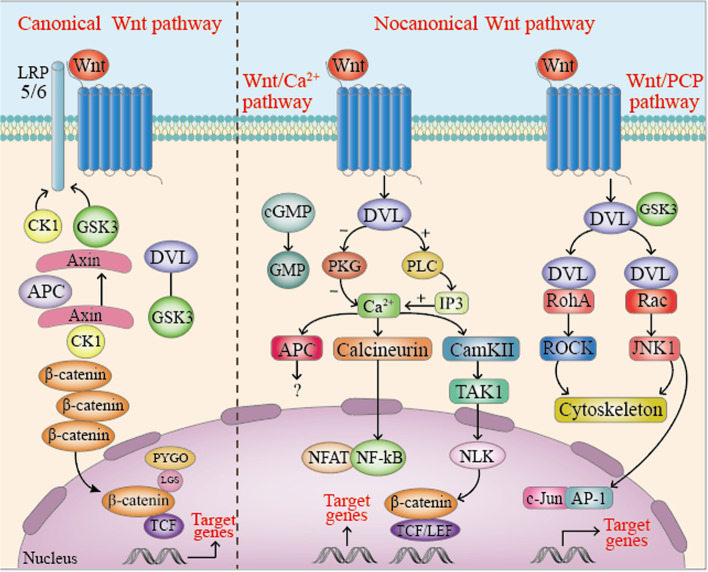
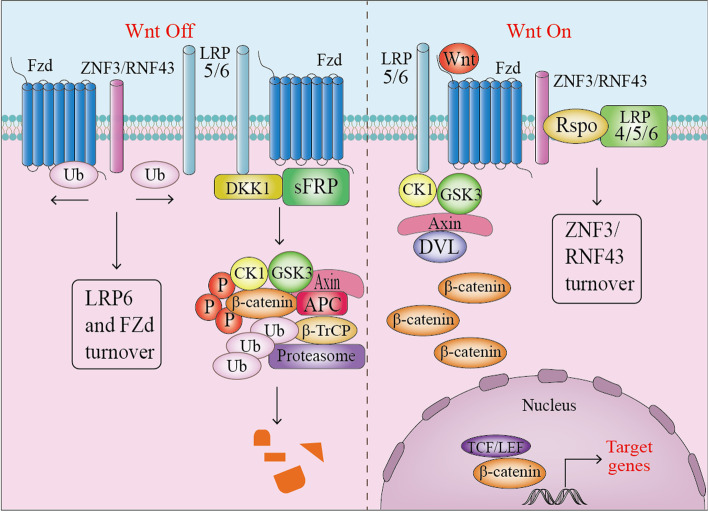
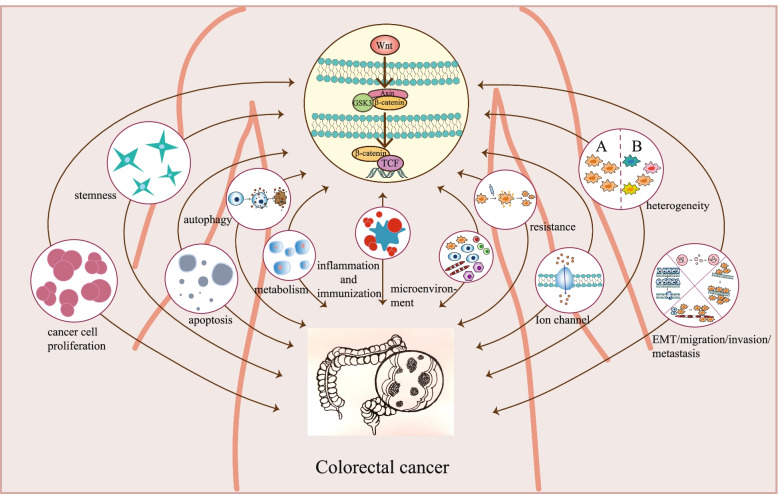
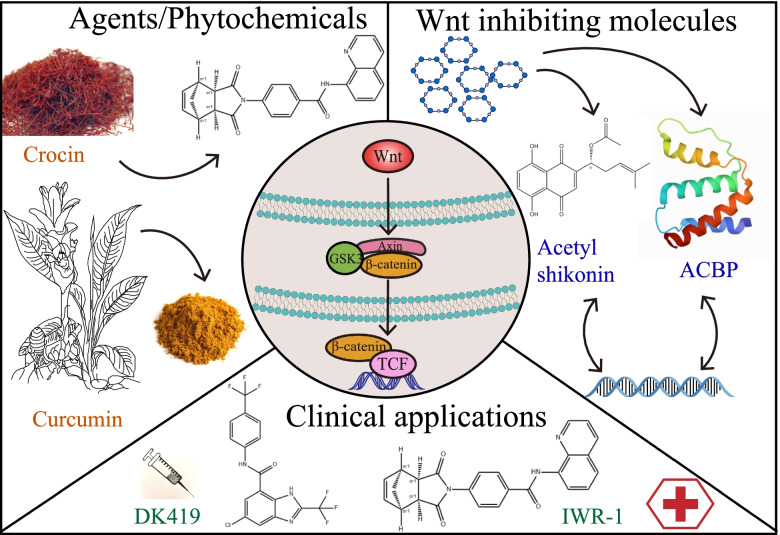
Background: The Wnt signaling pathway is a complex network of protein interactions that functions most commonly in embryonic development and cancer, but is also involved in normal physiological processes in adults. The canonical Wnt signaling pathway regulates cell pluripotency and determines the differentiation fate of cells during development. The canonical Wnt signaling pathway (also known as the Wnt/β-catenin signaling pathway) is a recognized driver of colon cancer and one of the most representative signaling pathways. As a functional effector molecule of Wnt signaling, the modification and degradation of β-catenin are key events in the Wnt signaling pathway and the development and progression of colon cancer. Therefore, the Wnt signaling pathway plays an important role in the pathogenesis of diseases, especially the pathogenesis of colorectal cancer (CRC). Objective: Inhibit the Wnt signaling pathway to explore the therapeutic targets of colorectal cancer. Methods: Based on studying the Wnt pathway, master the biochemical processes related to the Wnt pathway, and analyze the relevant targets when drugs or inhibitors act on the Wnt pathway, to clarify the medication ideas of drugs or inhibitors for the treatment of diseases, especially colorectal cancer. Results: Wnt signaling pathways include: Wnt/β-catenin or canonical Wnt signaling pathway, planar cell polarity (Wnt-PCP) pathway and Wnt-Ca 2+ signaling pathway. The Wnt signaling pathway is closely related to cancer cell proliferation, stemness, apoptosis, autophagy, metabolism, inflammation and immunization, microenvironment, resistance, ion channel, heterogeneity, EMT/migration/invasion/metastasis. Drugs/phytochemicals and molecular preparations for the Wnt pathway of CRC treatment have now been developed. Wnt inhibitors are also commonly used clinically for the treatment of CRC. Conclusion: The development of drugs/phytochemicals and molecular inhibitors targeting the Wnt pathway can effectively treat colorectal cancer clinically.
Overview
The claims and statistics of this paper haven’t been checked yet.
Free: it reads the open-access text and checks the first 5 claims that cite a source we can check. Create a free account to check every claim.
Integrity signals
Registry
Cites
Statistics
Figures
Verification
Claims the paper makes
The claims and statistics of this paper haven’t been checked yet.
Free: it reads the open-access text and checks the first 5 claims that cite a source we can check. Create a free account to check every claim.
Claims other papers make about this one
Each is checked against this paper’s own text: does it say what the citing paper says it does?
The source backs part of the claim, not all of it — or backs it for a different population, condition or comparison.
In the citing paper
“Multiple agents targeting both canonical and the β-catenin-independent non-canonical Wnt signaling including v-ATPase inhibitors and anti-RSPO antibody are undergoing clinical trials in CRC and other malignancies [119,120].”
From Recent Advances in Therapeutic Strategies to Improve Colorectal Cancer Treatment (2024) · cites this paper as [120]
Experimental — accuracy not yet measured
Self-check
Percentages, sums and reported differences re-computed from the paper’s own numbers.
The self-check needs the paper’s full text.
Citations
Cites
4 retracted
RETRACTED: Phytosomal curcumin inhibits tumor growth in colitis‐associated colorectal cancer
Marjaneh, R. M., Rahmani, F., Hassanian, S. M., Rezaei, N., Hashemzehi, M., Bahrami, A., Ariakia, F., Fiuji, H., Sahebkar, A., Avan, A., et al. (2018) · Journal of Cellular Physiology · doi:10.1002/jcp.26538 · Cited by 200
RetractedAmerizadeh, F., Rezaei, N., Rahmani, F., Hassanian, S. M., Moradi‐Marjaneh, R., Fiuji, H., Boroumand, N., Tirkani, A. N., Ghayour‐Mobarhan, M., Ferns, G. A., et al. (2018) · Journal of Cellular Biochemistry · doi:10.1002/jcb.27367 · Cited by 97
RetractedSun, J., Zhang, T., Cheng, M., Hong, L., Zhang, C., Xie, M., Sun, P., Fan, R., Wang, Z., Wang, L., et al. (2019) · Journal of Experimental & Clinical Cancer Research · doi:10.1186/s13046-019-1098-y · Cited by 65
RetractedHuang, T., Zhang, Q., Ren, W., Yan, B., Liang, Y., Tang, T., Lin, H. L., & Zhang, Y. (2020) · Cell Biology International · doi:10.1002/cbin.11358 · Cited by 52
RetractedWnt/β-Catenin Signaling, Disease, and Emerging Therapeutic Modalities
Nusse, R., & Clevers, H. (2017) · Cell · doi:10.1016/j.cell.2017.05.016 · Cited by 4,342
Targeting the Wnt/β-catenin signaling pathway in cancer
Zhang, Y., & Wang, X. (2020) · Journal of Hematology & Oncology · doi:10.1186/s13045-020-00990-3 · Cited by 1,431
Wnt signaling in development and tissue homeostasis
Steinhart, Z., & Angers, S. (2018) · Development · doi:10.1242/dev.146589 · Cited by 821
Wnt/β-catenin signaling in cancer stemness and malignant behavior
Fodde, R., & Brabletz, T. (2007) · Current Opinion in Cell Biology · doi:10.1016/j.ceb.2007.02.007 · Cited by 785
Hu, J. L., Wang, W., Lan, X. L., Zeng, Z. C., Liang, Y. S., Yan, Y. R., Song, F. Y., Wang, F. F., Zhu, X. H., Liao, W. J., et al. (2019) · Molecular Cancer · doi:10.1186/s12943-019-1019-x · Cited by 773 · cited 1×
“In terms of mechanism, the increased expression of miR-92a-3p activates the Wnt/β-catenin pathway, inhibits mitochondrial apoptosis by directly inhibiting FBXW7 and MOAP1, and promotes the stem cell, EMT, and metastasis of colorectal cancer cells [128].”
BackgroundWnt signaling in breast cancer: biological mechanisms, challenges and opportunities
Xu, X., Zhang, M., Xu, F., & Jiang, S. (2020) · Molecular Cancer · doi:10.1186/s12943-020-01276-5 · Cited by 588
Cited by
Items 401–500 of 973
SERPINC1 , a new prognostic predictor of colon cancer, promote colon cancer progression through EMT
Le, Z., Chen, S., Feng, Y., Lu, W., & Liu, M. (2024) · Cancer Reports · doi:10.1002/cnr2.2079 · Cited by 6
Self-citationWanna-udom, S., Aluksanasuwan, S., Somsuan, K., Mongkolwat, W., & Sakulsak, N. (2024) · Molecular Medicine Reports · doi:10.3892/mmr.2024.13325 · Cited by 6
Mathias, G. E., Iwuala, L. C., Ikenyirimba, O. J., Obannaya, S. N., Ekep-Obasi, M. R., & Ebenso, E. E. (2025) · Scientific Reports · doi:10.1038/s41598-025-23373-5 · Cited by 6
ELK3 Targeting AEG1 Promotes Migration and Invasion of Ovarian Cancer Cells under Hypoxia
Yu, X., Du, C., Cui, Y., Jiang, Y. Z., & Feng, D. (2023) · Biological and Pharmaceutical Bulletin · doi:10.1248/bpb.b22-00780 · Cited by 6
Hu, J., Zhu, S., He, X., Cen, B., Xu, Z., Han, F., Ding, K., Jiang, M., Chen, Y., & Huang, Y. (2026) · Chemico-Biological Interactions · doi:10.1016/j.cbi.2026.111905 · Cited by 6
Progastrin: An Overview of Its Crucial Role in the Tumorigenesis of Gastrointestinal Cancers
Fioretzaki, R., Sarantis, P., Charalampakis, N., Christofidis, K., Mylonakis, A., Koustas, E., Karamouzis, M. V., Sakellariou, S., & Schizas, D. (2024) · Biomedicines · doi:10.3390/biomedicines12040885 · Cited by 6
Hu, H., Wu, J., & Lu, Y. (2025) · International Journal of Surgery · doi:10.1097/js9.0000000000003859 · Cited by 6
Xu, G., Yang, Q., Zhang, S., Ma, G., Wang, Y., Huang, Y., Kong, L., & Li, Y. (2026) · Phytomedicine · doi:10.1016/j.phymed.2026.157765 · Cited by 6
Yan, R., & Chen, T. (2025) · Scientific Reports · doi:10.1038/s41598-024-84584-w · Cited by 6
Zarnescu, E. C., Zărnescu, N. O., Sanda, N., & Costea, R. (2022) · Medicina · doi:10.3390/medicina58111598 · Cited by 6
Zhou, H., & Zhao, L.-M. (2023) · Frontiers in Pharmacology · doi:10.3389/fphar.2022.1091018 · Cited by 6
Zhao, Y., Sui, J.-F., Wu, D., Chen, M., Ni, J., Zhang, Y., Xin, S.-Y., & Fan, M. (2026) · Frontiers in Immunology · doi:10.3389/fimmu.2025.1682356 · Cited by 5
Chandrasekar, D., Guerrier, C., Alisson‐Silva, F., Dhar, C., Čaval, T., Schwarz, F., & Hommes, D. W. (2023) · Clinical and Translational Gastroenterology · doi:10.14309/ctg.0000000000000592 · Cited by 5
Etiopathogenesis and Treatment of Colorectal Cancer
Bocchi, M., Fernandes, E. V., Pereira, N. D. S., & Amarante, M. K. (2025) · Immuno · doi:10.3390/immuno5030031 · Cited by 5
Progress in targeting the untouchables: emerging approaches for hard-to-drug cancer targets
Coleman, N., Tan, H., & Rodon, J. A. (2026) · Annals of Oncology · doi:10.1016/j.annonc.2026.01.012 · Cited by 5
Li, X., Zhou, J., Tang, N. X., Chai, Y. X., Zhou, M., Gao, A., Lu, Z., & Min, H. (2025) · Cancer Medicine · doi:10.1002/cam4.70530 · Cited by 5
Micu, A., Diaconescu, A.-S., Minciuna, C.-E., Manuc, T. E., Dima, S., Droc, G., Herlea, V., Becheanu, G., Croitoru, A. E., & Vasilescu, C. (2025) · Journal of Gastrointestinal Cancer · doi:10.1007/s12029-025-01324-7 · Cited by 5
Anti-resonance in developmental signaling regulates cell fate decisionsPreprint
Rosen, S. J., Witteveen, O., Baxter, N. J., Lach, R. S., Hopkins, E., Bauer, M., & Wilson, M. Z. (2026) · eLife · doi:10.7554/elife.107794 · Cited by 5
Monzer, A., Ghamlouche, F., Wakimian, K., Ballout, F., Bitar, S. A., Yehya, A., Kanso, M., Saheb, N., Tawil, A. N., Doughan, S., et al. (2024) · Pharmacological Reports · doi:10.1007/s43440-024-00676-4 · Cited by 5
Hashemiyan, M. K., Ardekani, R. M., Razavizade, M., Rafat, A., & Hemmati-Dinarvand, M. (2025) · Molecular Biology Reports · doi:10.1007/s11033-025-10696-9 · Cited by 5
MicroRNAs at the crossroad of cancer therapeutics: insights from WNT signaling & flavonoids
Gupta, A., Mehrotra, A., Sood, A., Sharma, B., Yadav, V., Kaur, G., Sak, K., Satapathy, S. R., & Tuli, H. S. (2025) · Frontiers in Molecular Biosciences · doi:10.3389/fmolb.2025.1616221 · Cited by 5
Chu, J., Song, H., Fu, K., Xiao, W., Jiang, J., Gan, Q., & Deng, B. (2025) · PLoS ONE · doi:10.1371/journal.pone.0325520 · Cited by 5
Shao, J., Yang, L., Jin, Z., Bao, Y., He, J., Le, Q. H., Sivakumar, P. M., Wang, M., & Wang, R. (2024) · Journal of Chemistry · doi:10.1155/2024/7139556 · Cited by 5
Absence of Scaffold Protein Tks4 Disrupts Several Signaling Pathways in Colon Cancer Cells
Jacksi, M., Schád, É., Buday, L., & Tantos, Á. (2023) · International Journal of Molecular Sciences · doi:10.3390/ijms24021310 · Cited by 5
Discovery of a stilbenoid-flavanone hybrid as an antitumor Wnt/β-catenin signaling pathway inhibitor
Hassan, A. H. E., Wang, C. Y., Oh, T., Ham, G., Lee, S. K., & Lee, Y. S. (2024) · Bioorganic Chemistry · doi:10.1016/j.bioorg.2024.107178 · Cited by 5
Xiao, Y., Zhu, Y., Chen, J., Wu, M., Wang, L., Su, L., Feng, F., & Hou, Y. (2024) · Discover Oncology · doi:10.1007/s12672-024-00997-z · Cited by 5
Li, S., Yang, S., Wang, H., Hui, T., Cheng, M., Zhang, X., Li, B.-K., & Wang, G. (2024) · World Journal of Gastrointestinal Oncology · doi:10.4251/wjgo.v16.i4.1564 · Cited by 5
Taank, Y., & Agnihotri, N. (2025) · Biochemical Pharmacology · doi:10.1016/j.bcp.2025.117061 · Cited by 5
Acevedo, M., Dô, F., El-Mortada, F., Tanguay, P., Voisin, L., Houlès, T., Lavoie, G., Allard, D., Roux, P. P., Stagg, J., et al. (2026) · Oncogene · doi:10.1038/s41388-026-03695-y · Cited by 5
Mizoo, T., Oka, T., Sugahara, O., Minato, T., Higa, T., & Nakayama, K. I. (2025) · The Journal of Biochemistry · doi:10.1093/jb/mvae082 · Cited by 5
Zeng, M., Wang, Y., Tao, X., Fan, T., Yin, X., Shen, C., & Wang, X. (2024) · Phytotherapy Research · doi:10.1002/ptr.8363 · Cited by 5
PSMA2 promotes glioma proliferation and migration via EMT
Zhang, Y., Xiang, Z., Chen, L., Deng, X., Liu, H., & Peng, X. (2024) · Pathology - Research and Practice · doi:10.1016/j.prp.2024.155278 · Cited by 5
Novel NIR fluorescent probe IR-546 inhibits melanoma through the AKT/GSK3β/β-catenin pathway
Liao, H., Xia, T., Zeng, Z., Xun, Y., Yang, S., Xiong, X., He, Y., Sun, C., Hao, N., & Liu, L. (2025) · Molecular Medicine · doi:10.1186/s10020-025-01289-0 · Cited by 5
Jiang, L., Meng, Q., Liu, L., & Li, W. (2024) · Natural Product Communications · doi:10.1177/1934578x241284873 · Cited by 5
ZHUANG, Y., Ning, C., Liu, P., Zhao, Y., Li, Y., MA, Z., Shan, L., Piao, Y., ZHAO, P., & JIN, X. (2022) · Oncology Research Featuring Preclinical and Clinical Cancer Therapeutics · doi:10.32604/or.2022.028225 · Cited by 5
Saadh, M. J., Menon, S. V., Verma, R., Prasad, G. V. S., Allela, O. Q. B., Mahdi, M. S., Ahmad, N., & Husseen, B. (2024) · Pathology - Research and Practice · doi:10.1016/j.prp.2024.155778 · Cited by 5
LPIN3 promotes colorectal cancer growth by dampening intratumoral CD8+ T cell effector function
Zhang, X., Fang, H., Wu, W., Jiang, C., Wang, H., & Shi, Y. (2025) · Cancer Immunology Immunotherapy · doi:10.1007/s00262-025-03989-2 · Cited by 5
Mechanisms Underlying Immunotherapy Resistance in Microsatellite-stable Colorectal Cancer
Di, J., Liu, J., & Zhang, X. (2025) · Oncology Advances · doi:10.14218/ona.2025.00021 · Cited by 5
Mathematical Modeling Quantifies “Just-Right” APC Inactivation for Colorectal Cancer Initiation
Guasch, M. B., Feeley, N. A., Soriano, I., Thorn, S., Tomlinson, I. P. M., Nicholson, M. D., & Antal, T. (2025) · Cancer Research · doi:10.1158/0008-5472.can-25-0445 · Cited by 5
Proteomic insights into the regulatory function of ARID1A in colon cancer cells
Aluksanasuwan, S., Somsuan, K., Wanna-udom, S., Roytrakul, S., Morchang, A., Rongjumnong, A., & Sakulsak, N. (2024) · Oncology Letters · doi:10.3892/ol.2024.14525 · Cited by 5
Chen, J., Wu, S., Shi, Z.-M., Qu, Y.-J., Ding, M.-R., & Hu, B. (2023) · Hereditas · doi:10.1186/s41065-023-00303-x · Cited by 5
Expression Pattern of PDE4B, PDE4D, and SFRP5 Markers in Colorectal Cancer
Bevanda, M., Kelam, N., Racetin, A., Filipović, N., Glibo, D. B., Bevanda, I., & Vukojević, K. (2024) · Medicina · doi:10.3390/medicina60081202 · Cited by 5
Murine Models of Obesity-Related Cancer Risk
Raji, L. M., Siddique, M. M., Bohm, M. S., Pierre, J. F., Playdon, M. C., Summers, S. A., Li, B., Cook, K. L., Murphy, E. A., & Makowski, L. (2025) · Cancer Prevention Research · doi:10.1158/1940-6207.capr-24-0545 · Cited by 5
Cao, Z., Guan, L., Yu, R., Yang, F., & Chen, J. (2023) · Journal of Hepatocellular Carcinoma · doi:10.2147/jhc.s402247 · Cited by 5
Xia, P., Qu, Y., Liu, Q., Zhu, M., Huang, B., Wu, W., Li, K., Wu, L., Zhang, R., Lv, Y., et al. (2026) · Theranostics · doi:10.7150/thno.126314 · Cited by 5
Malik, S., Hamdy, R. M., Bajou, K., & Mosa, K. A. (2025) · Biochemical and Biophysical Research Communications · doi:10.1016/j.bbrc.2025.153100 · Cited by 5
Zhang, L., Chen, K.-Y., Bai, Z.-M., & Huang, Y. (2025) · Biochemical Pharmacology · doi:10.1016/j.bcp.2025.117638 · Cited by 5
Secreted frizzled-related proteins in angiogenesis: molecular mechanisms and clinical implications
Wu, W., Zhang, Y., Song, W., Virshup, D. M., & Wang, X. (2025) · Angiogenesis · doi:10.1007/s10456-025-10024-6 · Cited by 4
Zhen, J., Liu, C., Liao, F., Zhang, J., Xie, H., Tan, C., & Dong, W. (2023) · Frontiers in Oncology · doi:10.3389/fonc.2023.1169369 · Cited by 4
Anti-resonance in developmental signaling regulates cell fate decisions
Rosen, S. J., Witteveen, O., Baxter, N. J., Lach, R. S., Hopkins, E., Bauer, M., & Wilson, M. Z. (2026) · eLife · doi:10.1101/2025.02.04.636331 · Cited by 4
Mahajan, M., Sarkar, A., & Mondal, S. (2024) · Cancer Medicine · doi:10.1002/cam4.7391 · Cited by 4
Periostin-positive stellate cells associated with perineural invasion in pancreatic adenocarcinoma
Fraga, C. A. D. C., Santos, C. R. E. S., Lima, K. F. B., Rodrigues, G., Porto, C. C. F. N., de Menezes, M. N., da Silva, G. V. L., Simizo, A., Duarte, A. K. D. S. F., Baggio, J. A. D. O., et al. (2025) · Molecular and Cellular Endocrinology · doi:10.1016/j.mce.2025.112678 · Cited by 4
Xu, H., Li, W., Yue, H., Bai, Y., Li, J., Lu, X., & Wang, J. (2025) · Journal of Advanced Research · doi:10.1016/j.jare.2025.05.060 · Cited by 4
Self-citationLiu, X., Wang, J., Borghi, A., Xiao, S., Caracciolo, G., Pozzi, D., Marchini, C., & Miceli, C. (2025) · Microplastics and Nanoplastics · doi:10.1186/s43591-025-00170-5 · Cited by 4
Intestinal epithelial cells in health and disease
An, C., Jiang, C., Pei, W., Li, A., Wang, M., Wang, Y., Wang, H., & Zuo, L. (2025) · Tissue Barriers · doi:10.1080/21688370.2025.2504744 · Cited by 4
RAN-S100A10-EGFR axis facilitates papillary thyroid cancer metastasis by PI3K/AKT signaling
Song, W., Liu, Z., Shi, C., Wang, G., He, L., Chen, Z., Li, Y., Yu, Y., Jiang, R., Wang, X., et al. (2026) · Cell Death and Disease · doi:10.1038/s41419-026-08649-6 · Cited by 4
FZD6 promotes 5-fluorouracil resistance through inhibiting pyroptosis in colorectal cancer
He, Z., Yang, J., Zhang, Y., Zhang, T., Guo, T., Jin, L., Mao, Y., & Wang, T. (2025) · Carcinogenesis · doi:10.1093/carcin/bgaf041 · Cited by 4
Liu, S., Li, Q., Niu, L., Feng, P., Li, W., Dang, Y., Jia, J., Yuan, G., & Pan, Y. (2025) · Molecular Carcinogenesis · doi:10.1002/mc.23911 · Cited by 4
Jacksi, M., Schád, É., & Tantos, Á. (2024) · Biomolecules · doi:10.3390/biom14040445 · Cited by 4
Wang, J., Yang, C., Yu, R., Zhuang, M., & Jiang, F. (2023) · Environmental Toxicology · doi:10.1002/tox.24013 · Cited by 4
The CK 1ε/ SIAH1 axis regulates AXIN 1 stability in colorectal cancer cells
Yan, M., Su, Z., Pang, X., Wang, H., Dai, H., Ning, J., Liu, S., Sun, Q., Song, J., Zhao, X., et al. (2024) · Molecular Oncology · doi:10.1002/1878-0261.13624 · Cited by 4
Prabhakaran, R., Muthu, R., Rajkumar, M., Subramanian, V., & Mahendran, K. (2026) · Frontiers in Molecular Biosciences · doi:10.3389/fmolb.2025.1736094 · Cited by 4
Chatterjee, S. B., Kapila, D., Dubey, P., Pasunooti, S., Tatavarthi, S., Park, C., & Ramdat, C. (2025) · International Journal of Molecular Sciences · doi:10.3390/ijms26168088 · Cited by 4
Lu, J., Feng, Y., Yu, D., Li, H., Li, W., Chen, H., & Chen, L. (2024) · International Journal of Biological Macromolecules · doi:10.1016/j.ijbiomac.2023.129188 · Cited by 4
So, S. H. S., Jiang, W., Li, Y., Hold, G. L., Goodrick, K., Min, A., Bourke, M. J., El-Omar, E. M., Jiang, X., & Yim, H. C. H. (2025) · eGastroenterology · doi:10.1136/egastro-2025-100194 · Cited by 4
Li, Z., Lv, D.-X., Niu, L., Wan, Y., & Li, J. (2025) · Pathology - Research and Practice · doi:10.1016/j.prp.2025.156231 · Cited by 4
The ncRNA-TGF-β axis: Unveiling new frontiers in colorectal cancer research
Alharbi, K. S. (2024) · Pathology - Research and Practice · doi:10.1016/j.prp.2024.155138 · Cited by 4
Sepúlveda, A. M., Castañeda-Cifuentes, A. M., Uribe, D., Santa-González, G. A., & Pedroza-Díaz, J. (2025) · Phytomedicine Plus · doi:10.1016/j.phyplu.2025.100868 · Cited by 4
Wang, B., Zhang, N., Dai, L., Zhang, Y., Yin, S., & Yang, X. (2025) · Discover Oncology · doi:10.1007/s12672-025-01805-y · Cited by 4
Alfonsín, G., Berral-González, A., Rodríguez-Alonso, A., Quiroga, M., Rivas, J. D. L., & Figueroa, A. (2024) · International Journal of Molecular Sciences · doi:10.3390/ijms25031919 · Cited by 4
Calder, A. N., Peter, M. Q., Tobias, J. W., Zaki, N. H. M., Keeley, T. M., Frankel, T. L., Samuelson, L. C., & Razumilava, N. (2024) · JCI Insight · doi:10.1172/jci.insight.181857 · Cited by 4
Wu, Y., Chen, T., Wu, S., Huang, Y., & Li, F. (2025) · Fundamental and Clinical Pharmacology · doi:10.1111/fcp.13044 · Cited by 4
Sun, Q. L., Liu, B., Lan, Q., Su, Z., Fu, Q., Wang, L. Y., Deng, Y., Li, C., Xue, V. W., Liu, S., et al. (2023) · International Journal of Oncology · doi:10.3892/ijo.2023.5569 · Cited by 4
Role of the WNT signalling pathway in physiological and pathological blood-brain barrier
Yang, F., Wang, F., Jiang, Y., Qian, D., & Chen, L. (2026) · Annals of Medicine · doi:10.1080/07853890.2026.2657638 · Cited by 4
Zhou, J., Xiong, K., Wang, H., Sun, W., Ke, H., Zhang, S., Dong, Z.-W., & Fan, L. (2024) · International Journal of Biological Macromolecules · doi:10.1016/j.ijbiomac.2024.138639 · Cited by 4
Wnt signaling pathway: Therapeutic target of natural products for cancer therapy
Fang, W., Luo, W., Hu, J., He, Z., Liu, X., Tang, X., Li, Y., Ming, T., Li, Y., He, Y., et al. (2026) · Pharmacology & Therapeutics · doi:10.1016/j.pharmthera.2026.109000 · Cited by 4
Self-citationLee, H.-J., Park, J.-H., Kim, D.-Y., Kim, D., Yi, M.-J., Choi, W.-S., Na, H.-H., 채세현, Oh, Y. T., & Kim, K. (2026) · APOPTOSIS · doi:10.1007/s10495-025-02211-z · Cited by 4
Murtazina, A. S., Jiménez-Martínez, Y., Ruiz-Alcalá, G., Marchal, J. A., Tarabayeva, A., Bitanova, E., RAKHIMBAYEV, I., McDougall, G. J., Bishimbayeva, N., & Boulaiz, H. (2025) · Polymers · doi:10.3390/polym17081048 · Cited by 4
Hoover, E. C., & Day, E. S. (2025) · Journal of Biomedical Materials Research Part A · doi:10.1002/jbm.a.37867 · Cited by 4
Phytonutrients: Harnessing Anti-inflammatory and Anti-cancer Potential for Health Benefits
Kumar, R., Kamboj, N., Gunsola, D., Karmakar, R., Chattaraj, S., Gangola, S., Mudgal, B., Verma, D., Gururani, P., Rathi, N., et al. (2025) · Current Research in Nutrition and Food Science Journal · doi:10.12944/crnfsj.13.special-issue-july.04 · Cited by 4
Yun, C., Kim, S. H., Kwon, D., Woo, R., Chung, K. W., Lee, J., Lee, Y., & Jung, Y. (2025) · Biomolecules & Therapeutics · doi:10.4062/biomolther.2025.217 · Cited by 4
Asghariazar, V., Vakili-Ojarood, M., Vatankhah, M. A., Panahizadeh, R., Haris, H. M., Najafzadeh, N., Khakbaz, P., Soozangar, N., & Jeddi, F. (2025) · Naunyn-Schmiedeberg s Archives of Pharmacology · doi:10.1007/s00210-025-03879-5 · Cited by 4
Geng, Y., Jiang, C., Zhang, H., Yang, H., Peng, Y., Chen, Y., Hu, C., Liu, H., Li, S., Chen, H., et al. (2025) · Virulence · doi:10.1080/21505594.2025.2589554 · Cited by 4
Self-citationCancer stem cells and their role in metastasis
Czarnogórski, M. C., Czernicka, A., Koper, K., Petrasz, P., Pokrywczyńska, M., Juszczak, K., Kowalski, F., Drewa, T. A., & Adamowicz, J. (2025) · Editor-in-Chief s Voice List of Authors is an Important Element in a Scientific Publication · doi:10.5173/ceju.2024.0144 · Cited by 4
Wang, J., Xing, C., Wang, H., Zhang, H., Wei, W., Xu, J., Liu, Y., Guo, X., & Jiang, R. (2024) · Poultry Science · doi:10.1016/j.psj.2024.103903 · Cited by 4
ATP5A1 as a potential prognostic biomarker in clear-cell renal cell carcinoma
Zhou, W., Tang, Q., Wu, J., Huang, M.-Y., Huang, Q., Qin, T., Tang, N., & Gai, S. (2025) · Translational Cancer Research · doi:10.21037/tcr-24-1397 · Cited by 4
Lv, M., Hu, C., Li, J., Zhang, Y., Lu, C. C., Zhang, S., He, L., Li, H., Ouyang, Q., & Yang, S. (2025) · Oncogene · doi:10.1038/s41388-025-03645-0 · Cited by 4
Behera, J., Mir, I. H., Shyam, K. T., Guha, S., Sujatha, V., Chikkonda, R., & Thirunavukkarasu, C. (2023) · Journal of Molecular Structure · doi:10.1016/j.molstruc.2023.136426 · Cited by 4
Platycodin D Enhances Glioma Sensitivity to Temozolomide by Inhibition of the Wnt/β-Catenin Pathway
Li, H., Ouyang, J., Wang, X., & Qian, C. (2025) · Drug Design Development and Therapy · doi:10.2147/dddt.s503167 · Cited by 4
Aljahdali, M. O., & Molla, M. H. R. (2023) · Health Information Science and Systems · doi:10.1007/s13755-023-00259-2 · Cited by 4
Huifu, H., Shefrin, S., Yang, S., Zhang, Z., Kaul, S. C., Sundar, D., & Wadhwa, R. (2023) · Journal of Biomolecular Structure and Dynamics · doi:10.1080/07391102.2023.2206914 · Cited by 4
Lin, R., Xiao, J., Chen, Y., Xu, L., Zhang, P., Zhang, R., & Luo, M. H. (2025) · Journal of Cellular and Molecular Medicine · doi:10.1111/jcmm.70772 · Cited by 3
Weber, L. I., Timpen, L. E., Egger, A.-S., Schöpf, P., Ayhan, N. D., Demmel, D., Hotze, M., Zhang, Y., Mehrabi, M., Puglisi, K., et al. (2026) · Proceedings of the National Academy of Sciences · doi:10.1073/pnas.2524159123 · Cited by 3
Geometrically Controlled WNT Activation Drives Intestinal Morphogenesis
Burmas, N. C., Fabian, A. M., Vanavadiya, A., & Smith, Q. (2025) · Advanced Healthcare Materials · doi:10.1002/adhm.202502832 · Cited by 3
Cui, Y., Ye, F., Hou, Z., Li, G., Li, L., Zhao, H., Hu, D., Yin, Z., Chen, L., Ning, H., et al. (2025) · Biological Research · doi:10.1186/s40659-025-00657-8 · Cited by 3
Self-citationTripathi, A., Pandey, V. K., Mishra, H., Dar, A. H., Singh, G., Rustagi, S., Sulaiman, G. M., & Jha, A. K. (2024) · Food Bioscience · doi:10.1016/j.fbio.2024.105266 · Cited by 3
Signaling Pathways in Cancer Drug Resistance: Potential Targets for Therapeutic Intervention
Sajeev, A., Manickasamy, M. K., Vishwa, R., & Kunnumakkara, A. B. (2025) · Springer eBooks · doi:10.1007/978-981-96-7336-0_5 · Cited by 3
Qi, J., Wang, L., Zhou, Y., Chen, Q., Sun, X., Sun, X., Si, D., Ma, K., Zhang, Q., & Wang, Y. (2026) · Phytomedicine · doi:10.1016/j.phymed.2025.157699 · Cited by 3
Research Progress on the Molecular Mechanism of Poultry Feather Follicle Development
Wang, J., Zhu, S., Xiong, X., Qiu, M., Zhang, Z., Hu, C., Li, Y., Peng, H., Song, X., Chen, J., et al. (2025) · Current Issues in Molecular Biology · doi:10.3390/cimb47090684 · Cited by 3
Park, C., Wong, T. L., & K, S. (2026) · Carcinogenesis · doi:10.1093/carcin/bgag040 · Cited by 3
Metadata
- Authors
- Zhao, H., Ming, T., Tang, S., Ren, S., Yang, H., Liu, M., Tao, Q., & Xu, H.
- Affiliations
- Chengdu University of Traditional Chinese Medicine (CN)
- Corresponding author
- Xu, Haibo
- Venue
- Molecular Cancer
- Published
- 2022-07-14
- Volume
- 21
- Issue
- 1
- Pages
- 144-144
- ISSN
- 1476-4598 (ISSN-L)
- PMC
- PMC9281132
- OpenAlex
- W4285391272
- Cited by
- 857
- References
- 275
- Citations by year
- 2026: 151 · 2025: 276 · 2024: 245 · 2023: 169 · 2022: 15
- FWCI
- 18.63
- Type
- journal article
- Language
- en
- Open access
- gold
- doi.org
- Licence
- cc-by
- creativecommons.org/licenses/by/4.0 (tdm)
- creativecommons.org/licenses/by/4.0 (vor)
- Locations
- Molecular Cancer (publishedVersion, cc-by)
- PubMed Central (publishedVersion, cc-by)
- PubMed (publishedVersion)
- DOAJ (DOAJ: Directory of Open Access Journals) (submittedVersion, cc-by-sa)
- Funders
- National Natural Science Foundation of China (81173598, 81573813)
- Chengdu University of Traditional Chinese Medicine (GJJJ2021003)
- Chengdu University
- Sichuan Provincial Administration of Traditional Chinese Medicine (2021XYCZ007, 2021MS447)
- Health Commission of Sichuan Province (21PJ107)
- Topics
- Life Sciences › Biochemistry, Genetics and Molecular Biology › Molecular Biology › Wnt/β-catenin signaling in development and cancer
- Health Sciences › Medicine › Oncology › Colorectal Cancer Treatments and Studies
- Health Sciences › Medicine › Oncology › Cancer Cells and Metastasis
- Keywords
- Wnt signaling, colorectal cancer, Wnt/β-catenin signaling, β-catenin degradation, therapeutic target, Wnt inhibitors, cancer stemness, epithelial-mesenchymal transition, drug resistance, tumor microenvironment, phytochemicals
- MeSH terms
- Cell Movement, Colonic Neoplasms, Humans, Colorectal Neoplasms, Cell Line, Tumor, Cell Proliferation, beta Catenin, Epithelial-Mesenchymal Transition, Tumor Microenvironment, Wnt Signaling Pathway
About these checks
Registry, retraction, Cites and statistics results are computed, not judged, with one exception: a printed reference that no index lists is read once by a model before it counts as a citation error. Claims are extracted by a model and kept only when their quote appears verbatim in the text; each cited source is then checked, with a model’s help, for whether it says what the claim relies on. Those verdicts can be wrong — read the claim’s quote and the cited source before relying on one.
Statistics and arithmetic are recomputed, not judged.
Confidence bands are shown only for fields calibrated on our annotated test set. None is calibrated yet, so no band is shown.
What counts as a claim ›How we measure confidence ›How we check this ›
Are you an author, or do you see a problem with this page? Request a review
Data sources
Bibliographic data: Semantic Scholar, OpenAlex, Crossref.
Contains information from the Semantic Scholar Academic Graph Datasets, made available under the ODC Attribution License (ODC-BY 1.0).
Semantic Scholar’s data is described in: Kinney, R., et al. (2023). The Semantic Scholar Open Data Platform. arXiv:2301.10140.
