

Gold nanoparticles reduce inflammation in cerebral microvessels of mice with sepsis
Open accessThe DOI matches its Crossref record; 87 of the 87 references it cites were found in a registry or an index.
Abstract
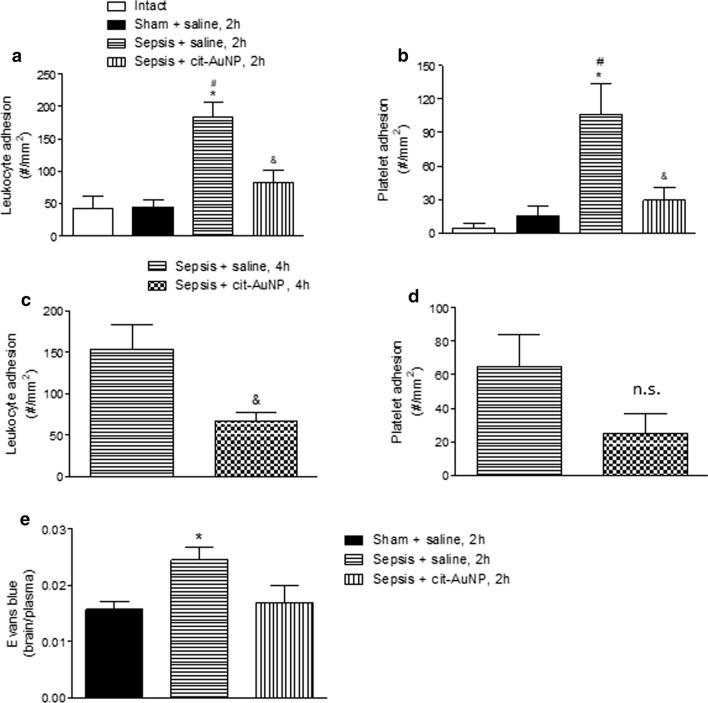
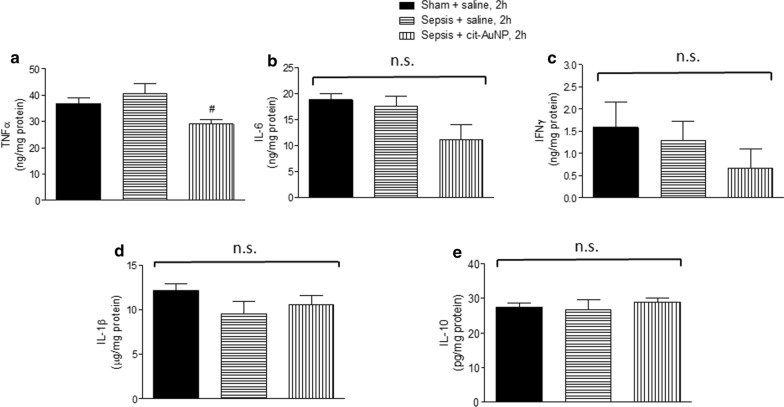
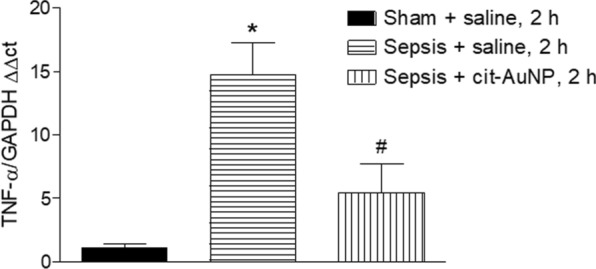
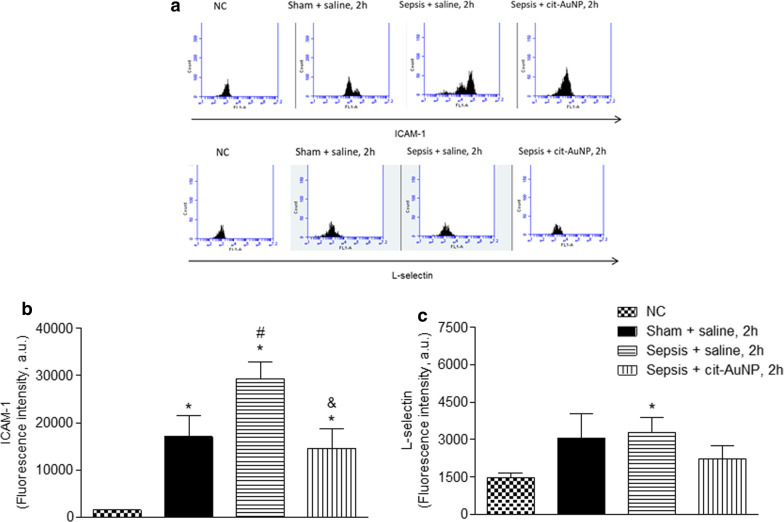
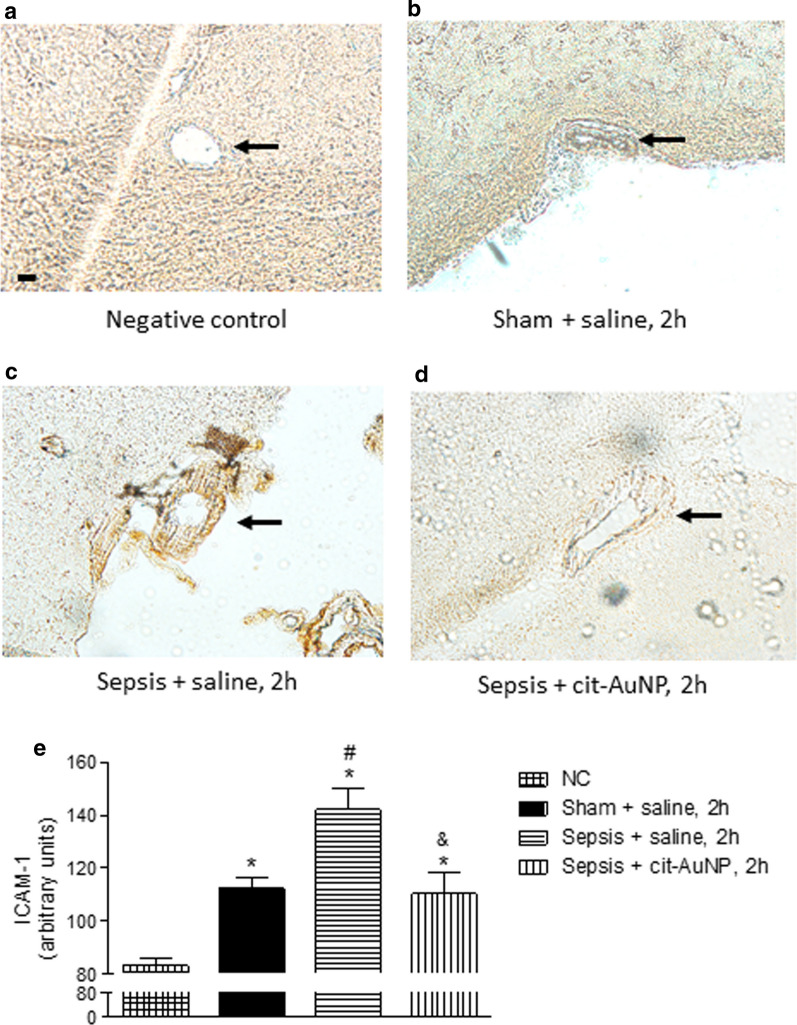
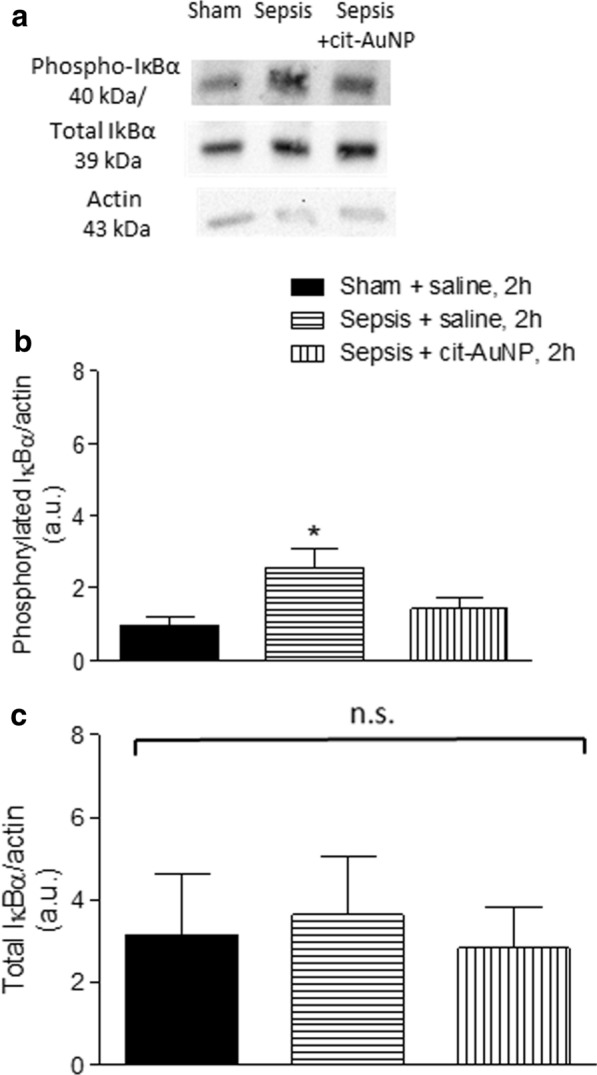
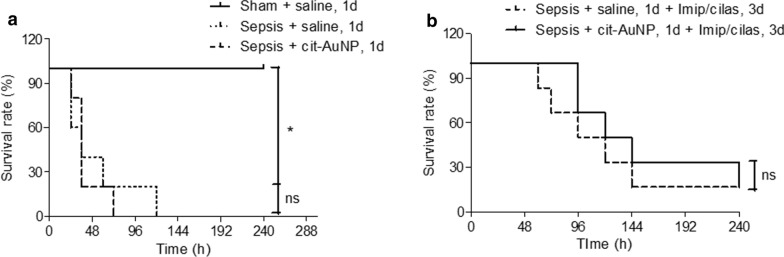
Background: Sepsis is an emergency medical condition that can lead to death and it is defined as a life-threatening organ dysfunction caused by immune dysregulation in response to an infection. It is considered the main killer in intensive care units. Sepsis associated-encephalopathy (SAE) is mostly caused by a sepsis-induced systemic inflammatory response. Studies report SAE in 14–63% of septic patients. Main SAE symptoms are not specific and usually include acute impairment of consciousness, delirium and/or coma, along with electroencephalogram (EEG) changes. For those who recover from sepsis and SAE, impaired cognitive function, mobility and quality of life are often observed months to years after hospital discharge, and there is no treatment available today to prevent that. Inflammation and oxidative stress are key players for the SAE pathophysiology. Gold nanoparticles have been demonstrated to own important anti-inflammatory properties. It was also reported 20 nm citrate-covered gold nanoparticles (cit-AuNP) reduce oxidative stress. In this context, we tested whether 20 nm cit-AuNP could alleviate the acute changes caused by sepsis in brain of mice, with focus on inflammation. Sepsis was induced in female C57BL/6 mice by cecal ligation and puncture (CLP), 20 nm cit-AuNP or saline were intravenously (IV) injected 2 h after induction of sepsis and experiments performed 6 h after induction. Intravital microscopy was used for leukocyte and platelet adhesion study in brain, blood brain barrier (BBB) permeability carried out by Evans blue assay, cytokines measured by ELISA and real time PCR, cell adhesion molecules (CAMs) by flow cytometry and immunohistochemistry, and transcription factors, by western blotting. Results: 20 nm cit-AuNP treatment reduced leukocyte and platelet adhesion to cerebral blood vessels, prevented BBB failure, reduced TNF- concentration in brain, and ICAM-1 expression both in circulating polymorphonuclear (PMN) leukocytes and cerebral blood vessels of mice with sepsis. Furthermore, 20 nm cit-AuNP did not interfere with the antibiotic effect on the survival rate of mice with sepsis. Conclusions: Cit-AuNP showed important anti-inflammatory properties in the brain of mice with sepsis, being a potential candidate to be used as adjuvant drug along with antibiotics in the treatment of sepsis to avoid SAE
Overview
The claims and statistics of this paper haven’t been checked yet.
Free: it reads the open-access text and checks the first 5 claims that cite a source we can check. Create a free account to check every claim.
Integrity signals
Registry
Cites
Statistics
Figures
Verification
Claims the paper makes
The claims and statistics of this paper haven’t been checked yet.
Free: it reads the open-access text and checks the first 5 claims that cite a source we can check. Create a free account to check every claim.
Claims other papers make about this one
Each is checked against this paper’s own text: does it say what the citing paper says it does?
The source backs part of the claim, not all of it — or backs it for a different population, condition or comparison.
In the citing paper
“Activated endothelial cells highly express adhesion molecules such as E-selectin, P-selectin, ICAM-1, and VCAM-1, which interact with neutrophils and monocytes, mediating their rolling, firm adhesion, and transendothelial migration.”
From Research Advances in the Pathogenesis of Sepsis-Associated Encephalopathy (2026) · cites this paper as [50]
Experimental — accuracy not yet measuredThe source backs part of the claim, not all of it — or backs it for a different population, condition or comparison.
In the citing paper
“Infiltrating immune cells release toxic substances and form local inflammatory foci, establishing a vicious cycle [50].”
From Research Advances in the Pathogenesis of Sepsis-Associated Encephalopathy (2026) · cites this paper as [50]
Experimental — accuracy not yet measured
Self-check
Percentages, sums and reported differences re-computed from the paper’s own numbers.
The self-check needs the paper’s full text.
Citations
Cites
Surviving Sepsis Campaign: International Guidelines for Management of Severe Sepsis and Septic Shock
Dellinger, R. P., Levy, M. M., Rhodes, A., Annane, D., Gerlach, H., Opal, S. M., Sevransky, J. E., Sprung, C. L., Douglas, I. S., Jaeschke, R., et al. (2013) · Critical Care Medicine · doi:10.1097/ccm.0b013e31827e83af · Cited by 9,694
Rudd, K. E., Johnson, S. C., Agesa, K. M., Shackelford, K. A., Tsoi, D., Kievlan, D. R., Colombara, D. V., Ikuta, K. S., Kissoon, N., Finfer, S., et al. (2020) · The Lancet · doi:10.1016/s0140-6736(19)32989-7 · Cited by 7,971
A study of the nucleation and growth processes in the synthesis of colloidal gold
Turkevich, J., Stevenson, P. C., & Hillier, J. (1951) · Discussions of the Faraday Society · doi:10.1039/df9511100055 · Cited by 7,792 · cited 1×
“Citrate was used as a reducing agent to form and stabilize the gold nanoparticles in solution, avoiding aggregates formation and, then, changes in nanoparticles diameter, as described in [80].”
MethodSurviving Sepsis Campaign: International guidelines for management of sepsis and septic shock: 2016.
Rhodes, A., Evans, L. E., Alhazzani, W., Levy, M. M., Antonelli, M., Ferrer, R., Kumar, A., Sevransky, J. E., Sprung, C. L., Nunnally, M. E., et al. (2017) · Intensive Care Medicine · doi:10.1007/s00134-017-4683-6 · Cited by 6,621
Shared Principles in NF-κB Signaling
Hayden, M. S., & Ghosh, S. (2008) · Cell · doi:10.1016/j.cell.2008.01.020 · Cited by 4,494
Tissue Destruction by Neutrophils
Epstein, F. H., & Weiss, S. J. (1989) · New England Journal of Medicine · doi:10.1056/nejm198902093200606 · Cited by 3,950
Tissue Destruction by Neutrophils
(1989) · New England Journal of Medicine · doi:10.1056/nejm198908033210513 · Cited by 3,631
Fleischmann, C., Scherag, A., Adhikari, N. K. J., Hartog, C. S., Tsaganos, T., Schlattmann, P., Angus, D. C., & Reinhart, K. (2016) · American Journal of Respiratory and Critical Care Medicine · doi:10.1164/rccm.201504-0781oc · Cited by 3,548
Long-term cognitive impairment and functional disability among survivors of severe sepsis.
Iwashyna, T. J., Ely, E. W., Smith, D. M., & Langa, K. M. (2010) · JAMA · doi:10.1001/jama.2010.1553 · Cited by 2,582 · cited 1×
“For those who recover from sepsis and SAE, impaired cognitive function, mobility and quality of life are often observed months to years after hospital discharge [14, 15], and there is no treatment available today to prevent that.”
BackgroundBiological basis of the behavior of sick animals
Hart, B. L. (1988) · Neuroscience & Biobehavioral Reviews · doi:10.1016/s0149-7634(88)80004-6 · Cited by 2,223
Sepsis: pathophysiology and clinical management
Gotts, J. E., & Matthay, M. A. (2016) · BMJ · doi:10.1136/bmj.i1585 · Cited by 1,243
Sickness behavior as a new target for drug development
Kent, S., Bluthé, R.-M., Kelley, K. W., & Dantzer, R. (1992) · Trends in Pharmacological Sciences · doi:10.1016/0165-6147(92)90012-u · Cited by 863 · cited 1×
“These mediators play important roles in endotoxin-induced responses in brain such as fever, anorexia, sleep, behavioral and neuroendocrine changes [19, 24].”
BackgroundSepsis-associated encephalopathy
Gofton, T. E., & Young, G. B. (2012) · Nature Reviews Neurology · doi:10.1038/nrneurol.2012.183 · Cited by 821 · cited 2×
“Then, SAE diagnosis is manly performed by exclusion in all patients with delirium of unknown origin [9].”
BackgroundCytokine-induced sickness behaviour: a neuroimmune response to activation of innate immunity
Dantzer, R. (2004) · European Journal of Pharmacology · doi:10.1016/j.ejphar.2004.07.040 · Cited by 743 · cited 1×
“These mediators play important roles in endotoxin-induced responses in brain such as fever, anorexia, sleep, behavioral and neuroendocrine changes [19, 24].”
BackgroundTwo Decades of Mortality Trends Among Patients With Severe Sepsis: A Comparative Meta-Analysis*
Stevenson, E. K., Rubenstein, A. R., Radin, G. T., Wiener, R. S., & Walkey, A. J. (2014) · Critical Care Medicine · doi:10.1097/ccm.0000000000000026 · Cited by 648
Selectins: initiators of leucocyte adhesion and signalling at the vascular wall
McEver, R. P. (2015) · Cardiovascular Research · doi:10.1093/cvr/cvv154 · Cited by 575 · cited 1×
“CAMs are greatly responsible for that interaction [48].”
BackgroundPopulation Burden of Long‐Term Survivorship After Severe Sepsis in Older Americans
Iwashyna, T. J., Cooke, C. R., Wunsch, H., & Kahn, J. M. (2012) · Journal of the American Geriatrics Society · doi:10.1111/j.1532-5415.2012.03989.x · Cited by 500
The Spectrum of Septic Encephalopathy: Definitions, Etiologies, and Mortalities
Eidelman, L. A. (1996) · JAMA · doi:10.1001/jama.1996.03530300054040 · Cited by 430 · cited 1×
“Epidemiologically, studies report SAE in 14–63% of septic patients and suggest the large variability observed is due to differences in sepsis severity, SAE diagnostic criteria and individual patient characteristics [6, 7].”
BackgroundImpact of encephalopathy on mortality in the sepsis syndrome
SPRUNG, C. L., PEDUZZI, P. N., SHATNEY, C. H., SCHEIN, R. M. H., WILSON, M. F., SHEAGREN, J. N., & HINSHAW, L. B. (1990) · Critical Care Medicine · doi:10.1097/00003246-199008000-00001 · Cited by 427
Molecular mechanisms of endothelial hyperpermeability: implications in inflammation
Kumar, P., Shen, Q., Pivetti, C. D., Lee, E. S., Wu, M. H., & Yuan, S. Y. (2009) · Expert Reviews in Molecular Medicine · doi:10.1017/s1462399409001112 · Cited by 380 · cited 1×
“Prolonged leukocytes and endothelial cells interaction can greatly increase blood vessels permeability [65].”
BackgroundSharshar, T., Gray, F., de la Grandmaison, G. L., Hopklnson, N. S., Ross, E., Dorandeu, A., Orlikowski, D., Raphael, J.-C., Gajdos, P., & Annane, D. (2003) · The Lancet · doi:10.1016/s0140-6736(03)14899-4 · Cited by 341 · cited 1×
“NO probably contributes to neurons toxicity as well by triggering their apoptosis [29, 30].”
BackgroundMolecular insights on the cerebral innate immune system
Rivest, S. (2003) · Brain, Behavior, and Immunity · doi:10.1016/s0889-1591(02)00055-7 · Cited by 338 · cited 2×
“LPS leads to synthesis and release of pro-inflammatory mediators such as TNFα, IL-1β, IL-6, and nitric oxide (NO) [22, 23].”
BackgroundLate mortality after sepsis: propensity matched cohort study
Prescott, H. C., Osterholzer, J. J., Langa, K. M., Angus, D. C., & Iwashyna, T. J. (2016) · BMJ · doi:10.1136/bmj.i2375 · Cited by 337
Potentially modifiable factors contributing to sepsis-associated encephalopathy
Sonneville, R., de Montmollin, E., Poujade, J., Garrouste-Orgeas, M., Souweine, B., Darmon, M., Mariotte, E., Argaud, L., Barbier, F., Goldgran-Toledano, D., et al. (2017) · Intensive Care Medicine · doi:10.1007/s00134-017-4807-z · Cited by 323 · cited 1×
“Epidemiologically, studies report SAE in 14–63% of septic patients and suggest the large variability observed is due to differences in sepsis severity, SAE diagnostic criteria and individual patient characteristics [6, 7].”
BackgroundThe Electroencephalogram in Sepsis-Associated Encephalopathy
Young, G. B., Bolton, C. F., Archibald, Y. M., Austin, T. W., & Wells, G. A. (1992) · Journal of Clinical Neurophysiology · doi:10.1097/00004691-199201000-00016 · Cited by 299 · cited 1×
“Main SAE symptoms are not specific and usually include acute impairment of consciousness, delirium and/or coma, along with electroencephalogram (EEG) changes [8, 9].”
Background(1994) · PubMed · Cited by 294
Increased 1-Year Healthcare Use in Survivors of Severe Sepsis
Prescott, H. C., Langa, K. M., Liu, V., Escobar, G. J., & Iwashyna, T. J. (2014) · American Journal of Respiratory and Critical Care Medicine · doi:10.1164/rccm.201403-0471oc · Cited by 283
Long-Term Quality of Life Among Survivors of Severe Sepsis: Analyses of Two International Trials*
Yende, S., Austin, S., Rhodes, A., Finfer, S., Opal, S., Thompson, T., Bozza, F. A., LaRosa, S. P., Ranieri, V. M., & Angus, D. C. (2016) · Critical Care Medicine · doi:10.1097/ccm.0000000000001658 · Cited by 277 · cited 1×
“For those who recover from sepsis and SAE, impaired cognitive function, mobility and quality of life are often observed months to years after hospital discharge [14, 15], and there is no treatment available today to prevent that.”
BackgroundKonsman, J. P., Vigues, S., Mackerlova, L., Bristow, A., & Blomqvist, A. (2004) · Journal of Comparative Neurology · doi:10.1002/cne.20052 · Cited by 257
Histamine induces leukocyte rolling in post-capillary venules. A P-selectin-mediated event.
Kubes, P., & Kanwar, S. (1994) · The Journal of Immunology · doi:10.4049/jimmunol.152.7.3570 · Cited by 236
Konsman, J. P., Kelley, K., & Dantzer, R. (1999) · Neuroscience · doi:10.1016/s0306-4522(98)00368-6 · Cited by 231
Lacroix, S., Feinstein, D., & Rivest, S. (1998) · Brain Pathology · doi:10.1111/j.1750-3639.1998.tb00189.x · Cited by 223 · cited 4×
“TLR4 and CD14 are receptors that recognize the lipopolysaccharide (LPS) endotoxin, a component of the cell wall of Gram-negative bacteria [17, 22].”
InfluentialIn Vivo Study of Spherical Gold Nanoparticles: Inflammatory Effects and Distribution in Mice
Chen, H., Dorrigan, A., Saad, S., Hare, D. J., Cortie, M. B., & Valenzuela, S. M. (2013) · PLoS ONE · doi:10.1371/journal.pone.0058208 · Cited by 207
Amelioration of collagen‐induced arthritis in rats by nanogold
Tsai, C., Shiau, A., Chen, S., Chen, Y., Cheng, P., Chang, M., Chen, D., Chou, C., Wang, C., & Wu, C. (2007) · Arthritis & Rheumatism · doi:10.1002/art.22401 · Cited by 206 · cited 1×
“Together, the above-mentioned pharmacological features of the 20 nm cit-AuNP have largely contributed to their success in treating several different animal models of disease in which inflammation and oxidative stress play important roles, such as, colitis, Alzheimer’s disease, and rheumatoid arthritis [33, 34, 38, 40].”
BackgroundAndonegui, G., Zelinski, E. L., Schubert, C. L., Knight, D., Craig, L. A., Winston, B. W., Spanswick, S. C., Petri, B., Jenne, C. N., Sutherland, J. C., et al. (2018) · JCI Insight · doi:10.1172/jci.insight.99364 · Cited by 179
Zhou, H., Andonegui, G., Wong, C. H. Y., & Kubes, P. (2009) · The Journal of Immunology · doi:10.4049/jimmunol.0901309 · Cited by 174 · cited 1×
“5, 1, 2, 4, and 24 h in brain of mice after LPS injection [69].”
BackgroundHughes, C. G., Pandharipande, P. P., Thompson, J. L., Chandrasekhar, R., Ware, L. B., Ely, E. W., & Girard, T. D. (2016) · Critical Care Medicine · doi:10.1097/ccm.0000000000001739 · Cited by 157 · cited 1×
“BBB damage in patients with sepsis was observed using different strategies: (i) post-mortem [59]; (ii) after incubating hCMEC/D3 cells, as a model of BBB, in presence of serum from septic patients [60]; and (iii) indirectly, by measuring plasma S100B, a marker of BBB lesion [61].”
MethodNano-gold displayed anti-inflammatory property via NF-kB pathways by suppressing COX-2 activity
Khan, M. A., & Khan, M. J. (2018) · Artificial Cells Nanomedicine and Biotechnology · doi:10.1080/21691401.2018.1446968 · Cited by 156 · cited 2×
“Together, the above-mentioned pharmacological features of the 20 nm cit-AuNP have largely contributed to their success in treating several different animal models of disease in which inflammation and oxidative stress play important roles, such as, colitis, Alzheimer’s disease, and rheumatoid arthritis [33, 34, 38, 40].”
BackgroundICAM-1–expressing neutrophils exhibit enhanced effector functions in murine models of endotoxemia
Woodfin, A., Beyrau, M., Voisin, M.-B., Ma, B., Whiteford, J. R., Hordijk, P. L., Hogg, N., & Nourshargh, S. (2015) · Blood · doi:10.1182/blood-2015-08-664995 · Cited by 155
Muller, A. P., Ferreira, G. K., Pires, A. J., Silveira, G. D. B., de Souza, D. L., Brandolfi, J. D. A., de Souza, C. T., Paula, M. M. D. S., & Silveira, P. C. L. (2017) · Materials Science and Engineering C · doi:10.1016/j.msec.2017.03.283 · Cited by 140 · cited 1×
“Together, the above-mentioned pharmacological features of the 20 nm cit-AuNP have largely contributed to their success in treating several different animal models of disease in which inflammation and oxidative stress play important roles, such as, colitis, Alzheimer’s disease, and rheumatoid arthritis [33, 34, 38, 40].”
BackgroundFaecal peritonitis causes oedema and neuronal injury in pig cerebral cortex
PAPADOPOULOS, M. C., LAMB, F. J., MOSS, R. F., DAVIES, D. C., TIGHE, D., & BENNETT, E. D. (1999) · Clinical Science · doi:10.1042/cs0960461 · Cited by 139 · cited 1×
“Progression of sepsis results in BBB failure and further cerebral inflammatory injury [26].”
BackgroundBlood-brain barrier derangement in sepsis: Cause of septic encephalopathy?
Jeppsson, B. W., Freund, H. R., Gimmon, Z., James, J. H., MEYENFELDT, M. F. V., & Fischer, J. E. (1981) · The American Journal of Surgery · doi:10.1016/0002-9610(81)90026-x · Cited by 139
Sepsis-induced brain dysfunction
Adam, N., Kandelman, S., Mantz, J., Chrétien, F., & Sharshar, T. (2013) · Expert Review of Anti-infective Therapy · doi:10.1586/eri.12.159 · Cited by 132 · cited 1×
“Inflammation and oxidative stress are key players for the SAE pathophysiology [16].”
BackgroundBouchard, C., Pagé, J., Bédard, A., Tremblay, P., & Vallières, L. (2007) · Glia · doi:10.1002/glia.20506 · Cited by 131 · cited 1×
“Microglial cells and astrocytes are then activated and release several mediators to keep the inflammation ongoing [28].”
BackgroundSu, J., Kim, W. J., Kim, J. J., Kim, T., Ye, S. K., Song, M. D., Kang, H. W., Kim, D. W., Moon, W. K., & Lee, K. H. (2010) · Nitric Oxide · doi:10.1016/j.niox.2010.06.005 · Cited by 125
Wang, H., Hong, L.-J., Huang, J.-Y., Jiang, Q., Tao, R.-R., Tan, C., Lu, N.-N., Wang, C.-K., Ahmed, M. M., Lu, Y.-M., et al. (2015) · Cell Research · doi:10.1038/cr.2015.61 · Cited by 123 · cited 1×
“Of those, ICAM-1 plays a critical role for the leukocyte adhesion to endothelial cells in several tissues, including in cerebral blood vessels of mice after induction of sepsis [72], or in an in vitro model of interaction of human PMN and human cerebrovascular endothelial cells, in which PMN were previously stimulated…”
BackgroundPoldip2 mediates blood-brain barrier disruption in a model of sepsis-associated encephalopathy
Kikuchi, D. S., Campos, A. C. P., Qu, H., Forrester, S. J., Pagano, R. L., Lassègue, B., Sadikot, R. T., Griendling, K. K., & Hernandes, M. S. (2019) · Journal of Neuroinflammation · doi:10.1186/s12974-019-1575-4 · Cited by 112
Gold nanoparticles improve metabolic profile of mice fed a high-fat diet
Chen, H., Ng, J. P. M., Tan, Y., McGrath, K. C. Y., Bishop, D., Oliver, B. G. G., Chan, Y. L., Cortie, M. B., MILTHORPE, B. K., & Valenzuela, S. M. (2018) · Journal of Nanobiotechnology · doi:10.1186/s12951-018-0338-1 · Cited by 109 · cited 1×
“Not only protein concentration, but also TNF mRNA are reduced after cit-AuNP treatment in liver and fatty tissue of mice fed high fat diet (HFD) for 28 days and treated for nine weeks with 21 nm cit-AuNP compared to HFD mice that received only vehicle [71].”
MethodTaratummarat, S., Sangphech, N., Vu, C. T. B., Palaga, T., Ondee, T., Surawut, S., Sereemaspun, A., Ritprajak, P., & Leelahavanichkul, A. (2018) · BMC Microbiology · doi:10.1186/s12866-018-1227-3 · Cited by 100 · cited 3×
“Concomitantly injected in mice with antibiotic treatment, 21 nm cit-AuNP showed both reduced mortality and systemic inflammatory parameters in mice with sepsis [41].”
BackgroundInfluentialObesity Exacerbates Sepsis‐Induced Inflammation and Microvascular Dysfunction in Mouse Brain
VACHHARAJANI, V., RUSSELL, J. M., SCOTT, K. L., CONRAD, S., STOKES, K. Y., TALLAM, L., HALL, J., & GRANGER, D. N. (2005) · Microcirculation · doi:10.1080/10739680590904982 · Cited by 98
Signaling via β2 Integrins Triggers Neutrophil-Dependent Alteration in Endothelial Barrier Function
Gautam, N., Herwald, H., Hedqvist, P., & Lindbom, L. (2000) · The Journal of Experimental Medicine · doi:10.1084/jem.191.11.1829 · Cited by 97
Cecal Ligation and Puncture Results in Long-Term Central Nervous System Myeloid Inflammation
Singer, B. H., Newstead, M. W., Zeng, X., Cooke, C. L., Thompson, R. C., Singer, K., Ghantasala, R., Parent, J. M., Murphy, G. G., Iwashyna, T. J., et al. (2016) · PLOS ONE · doi:10.1371/journal.pone.0149136 · Cited by 95 · cited 1×
“This antibiotic regimen was previously described in [84], and slightly modified.”
BackgroundLow venular shear rates promote leukocyte-dependent recruitment of adherent platelets
Russell, J., Cooper, D., Tailor, A., Stokes, K. Y., & Granger, D. N. (2003) · American Journal of Physiology-Gastrointestinal and Liver Physiology · doi:10.1152/ajpgi.00303.2002 · Cited by 94 · cited 1×
“Platelets isolation and labelling Approximately 100 × 106 platelets were isolated from a healthy donor mouse, labeled (in green) ex vivo with 90 μM carboxyfluorescein diacetate succinimidyl ester (carboxyfluorescein diacetate, succinimidyl ester, mixed isomers, ThermoFisher Scientific, Waltham, MA, USA)— this extracor…”
MethodBrain tight junction protein expression in sepsis in an autopsy series
Erikson, K., Tuominen, H., Vakkala, M., Liisanantti, J. H., Karttunen, T., Syrjälä, H., & Ala-Kokko, T. I. (2020) · Critical Care · doi:10.1186/s13054-020-03101-3 · Cited by 94 · cited 1×
“BBB damage in patients with sepsis was observed using different strategies: (i) post-mortem [59]; (ii) after incubating hCMEC/D3 cells, as a model of BBB, in presence of serum from septic patients [60]; and (iii) indirectly, by measuring plasma S100B, a marker of BBB lesion [61].”
MethodIshikawa, M., Kusaka, G., Yamaguchi, N., Sekizuka, E., NAKADATE, H., Minamitani, H., Shinoda, S., & Watanabe, E. (2009) · Neurosurgery · doi:10.1227/01.neu.0000337579.05110.f4 · Cited by 92
Matrix Metalloproteinase-8 Plays a Pivotal Role in Neuroinflammation by Modulating TNF-α Activation
Lee, E.-J., Han, J. E., Woo, M.-S., Shin, J. A., Park, E.-M., Kang, J. L., Moon, P. G., Baek, M.-C., Son, W.-S., Ko, Y. T., et al. (2014) · The Journal of Immunology · doi:10.4049/jimmunol.1303240 · Cited by 90 · cited 1×
“Other reports showed increase in TNFα concentration 3 h and 4 h, respectively, but not 24 h after LPS injection in mice [67, 68].”
BackgroundUchiyama, M. K., Deda, D. K., Rodrigues, S. F., Drewes, C. C., Bolonheis, S. M., Kiyohara, P. K., de Toledo, S. P., Colli, W., Araki, K., & Farsky, S. H. P. (2014) · Toxicological Sciences · doi:10.1093/toxsci/kfu202 · Cited by 89 · cited 4×
“Regarding to the effect of 20 nm cit-AuNP on the leukocyte adhesion, we demonstrated in a previous study enhanced leukocyte adhesion in mesentery microvessels of rats submitted to laparotomy, and previous treatment with 20 nm cit-AuNP prevented that leukocyte-endothelial cells interaction [32].”
BackgroundMethodSelf-citationYe, B., Tao, T., Zhao, A., Wen, L., He, X., Liu, Y., Fu, Q., Mi, W., & Lou, J. (2019) · Mediators of Inflammation · doi:10.1155/2019/8461725 · Cited by 83 · cited 1×
“higher 12 h up to 7 days after induction [66].”
BackgroundThe Neurobiology of Fever: Thoughts on Recent Developments
Cooper, K. E. (1987) · Annual Review of Neuroscience · doi:10.1146/annurev.ne.10.030187.001501 · Cited by 81 · cited 1×
“TLR4 and CD14 are receptors that recognize the lipopolysaccharide (LPS) endotoxin, a component of the cell wall of Gram-negative bacteria [17, 22].”
BackgroundEffects of Gold Nanoparticles on Endotoxin-Induced Uveitis in Rats
Pereira, D. V., Petronilho, F., Pereira, H. R. S. B., Vuolo, F., Mina, F., Possato, J. C., Vitto, M. F., de Souza, D. R., da Silva, L., da Silva Paula, M. M., et al. (2012) · Investigative Opthalmology & Visual Science · doi:10.1167/iovs.12-10743 · Cited by 76 · cited 1×
“Thirty nanometers cit-AuNP topically applied reduced the enhanced TNFα concentration in aqueous humor of rats 24 h after LPS-induced uveitis compared to saline-treated rats [70].”
MethodMayhan, W. G. (1998) · Brain Research · doi:10.1016/s0006-8993(98)00259-5 · Cited by 71 · cited 1×
“Contribute to BBB breakdown IL-1, TNF and NO [27].”
BackgroundMechanisms of platelet and leukocyte recruitment in experimental colitis
Vowinkel, T., Wood, K. C., Stokes, K. Y., Russell, J., Tailor, A., Anthoni, C., Senninger, N. J., Krieglstein, C. F., & Granger, D. N. (2007) · American Journal of Physiology-Gastrointestinal and Liver Physiology · doi:10.1152/ajpgi.00350.2007 · Cited by 71
Extracellular CIRP and TREM‐1 axis promotes ICAM‐1‐Rho‐mediated NETosis in sepsis
Murao, A., Arif, A., Brenner, M., Denning, N., Jin, H. Z., Takizawa, S., Nicastro, B., Wang, P., & Aziz, M. (2020) · The FASEB Journal · doi:10.1096/fj.202000482r · Cited by 65 · cited 1×
“It was demonstrated ICAM-1 activation in neutrophils triggers neutrophil extracellular traps (NET) formation and then results in exaggerated sepsis-induced inflammation [74].”
BackgroundPolymorphonuclear leukocyte chemotaxis induced by zinc, copper and nickel in vitro
Hujanen, E., Seppä, S., & Virtanen, K. K. (1995) · Biochimica et Biophysica Acta (BBA) - General Subjects · doi:10.1016/0304-4165(95)00082-m · Cited by 64 · cited 1×
“Not only PMN leukocyte adhesion, but also PMN leukocyte migration is inhibited by gold ions, as demonstrated in [53].”
BackgroundRizwan, H., Mohanta, J., Si, S., & Pal, A. (2017) · International Journal of Nanomedicine · doi:10.2147/ijn.s141839 · Cited by 61
Gold Nanoparticles sensitize pancreatic cancer cells to gemcitabine
Huai, Y., Zhang, Y., Xiong, X., Das, S., Bhattacharya, R., & Mukherjee, P. (2019) · Cell Stress · doi:10.15698/cst2019.08.195 · Cited by 59
Chuang, Y., Tsai, J.-L., Chang, A. Y., Chan, J. Y. H., Liou, C.-W., & Chan, S. H. H. (2002) · Journal of Biomedical Science · doi:10.1007/bf02254981 · Cited by 58 · cited 1×
“NO-mediated neuronal death seems to be mediated by mitochondrial respiratory chain blockade, and oxidative stress, as consequence of the peroxinitrite—reactive oxygen species (ROS)—formation [31].”
BackgroundSINGER, G., URAKAMI, H., SPECIAN, R. D., STOKES, K. Y., & GRANGER, D. N. (2006) · Microcirculation · doi:10.1080/10739680500466343 · Cited by 56 · cited 1×
“Sepsis induced by cecal ligation and puncture Sepsis was induced in eight- to ten-week-old mice by doing the cecal ligation and puncture (CLP) method, according to [81].”
MethodVisitchanakun, P., Tangtanatakul, P., Trithiphen, O., Soonthornchai, W., Wongphoom, J., Tachaboon, S., Srisawat, N., & Leelahavanichkul, A. (2019) · Shock · doi:10.1097/shk.0000000000001473 · Cited by 54
Zhang, Y., Xiong, X., Huai, Y., Dey, A., Hossen, M. N., Roy, R. V., Elechalawar, C. K., Rao, G., Bhattacharya, R., & Mukherjee, P. (2019) · Bioconjugate Chemistry · doi:10.1021/acs.bioconjchem.9b00262 · Cited by 53
Duport, S., & Garthwaite, J. (2005) · Neuroscience · doi:10.1016/j.neuroscience.2005.06.035 · Cited by 52 · cited 1×
“NO probably contributes to neurons toxicity as well by triggering their apoptosis [29, 30].”
BackgroundChuang, Y., Tsai, J.-L., Chang, A. Y., et al. (2002) · Journal of Biomedical Science · doi:10.1159/000064727 · Cited by 49
Chan, C.-M., Hsiao, C., Li, H., Fang, J., Chang, D., & Hung, C. (2019) · International Journal of Molecular Sciences · doi:10.3390/ijms21010109 · Cited by 49
Adiponectin‐Deficiency Exaggerates Sepsis‐Induced Microvascular Dysfunction in the Mouse Brain
Vachharajani, V., Cunningham, C., Yoza, B. K., Carson, J., Vachharajani, T. J., & McCall, C. E. (2011) · Obesity · doi:10.1038/oby.2011.316 · Cited by 48
Haupenthal, D. P. D. S., Mendes, C., Silveira, G. D. B., Zaccaron, R. P., Corrêa, M. E. A. B., Nesi, R. T., Pinho, R. A., Paula, M. M. D. S., & Silveira, P. C. L. (2019) · Journal of Biomedical Materials Research Part A · doi:10.1002/jbm.a.36796 · Cited by 48
Hasegawa‐Ishii, S., Inaba, M., & Shimada, A. (2019) · NeuroToxicology · doi:10.1016/j.neuro.2019.10.006 · Cited by 47 · cited 1×
“Other reports showed increase in TNFα concentration 3 h and 4 h, respectively, but not 24 h after LPS injection in mice [67, 68].”
BackgroundEffects of antirheumatic drugs on adhesiveness of endothelial cells and neutrophils
Heimbürger, M., Lerner, R., & Palmblad, J. E. W. (1998) · Biochemical Pharmacology · doi:10.1016/s0006-2952(98)00201-9 · Cited by 32 · cited 1×
“It was showed gold sodium thiomalate and auranofin impaired interleukin 1 beta (IL-1β)-induced human umbilical vein endothelial cells (HUVEC) to bind PMN cells by diminishing E-selectin and/or ICAM-1 expression, in vitro [52].”
BackgroundLai, T., Chung, C., Chen, B., Hung, C., Inbaraj, B. S., Ma, M., Chen, H., Tsou, C.-J., Wu, P., & Wu, W. (2016) · Journal of Biomedical Nanotechnology · doi:10.1166/jbn.2016.2315 · Cited by 30
Nwafor, D. C., Chakraborty, S., Brichacek, A. L., Jun, S., Gambill, C. A., Wang, W., Engler-Chiurazzi, E. B., Dakhlallah, D. A., Pinkerton, A. B., Millán, J. L., et al. (2019) · Brain Behavior and Immunity · doi:10.1016/j.bbi.2019.11.016 · Cited by 25
Blom, C., Deller, B., Fraser, D. D., Patterson, E. K., Martin, C. M., Young, G. B., Liaw, P. C., Yazdan-Ashoori, P., Ortiz, A., Webb, B., et al. (2015) · Critical Care · doi:10.1186/s13054-015-0883-z · Cited by 24 · cited 2×
“Of those, ICAM-1 plays a critical role for the leukocyte adhesion to endothelial cells in several tissues, including in cerebral blood vessels of mice after induction of sepsis [72], or in an in vitro model of interaction of human PMN and human cerebrovascular endothelial cells, in which PMN were previously stimulated…”
BackgroundHussein, R., & Saleh, H. M. (2018) · Nanomedicine · doi:10.2217/nnm-2018-0009 · Cited by 23 · cited 1×
“Together, the above-mentioned pharmacological features of the 20 nm cit-AuNP have largely contributed to their success in treating several different animal models of disease in which inflammation and oxidative stress play important roles, such as, colitis, Alzheimer’s disease, and rheumatoid arthritis [33, 34, 38, 40].”
BackgroundRodrigues, S. F., Almeida-Paula, L. D., & Granger, D. N. (2013) · Hypertension · doi:10.1161/hypertensionaha.113.02627 · Cited by 21
Self-citationGoeritzer, M., Bernhart, E. M., Plastira, I., Reicher, H., Leopold, C., Eichmann, T. O., Rechberger, G. N., Madreiter‐Sokolowski, C. T., Prasch, J., Eller, P., et al. (2020) · International Journal of Molecular Sciences · doi:10.3390/ijms21031143 · Cited by 16 · cited 1×
“BBB damage in patients with sepsis was observed using different strategies: (i) post-mortem [59]; (ii) after incubating hCMEC/D3 cells, as a model of BBB, in presence of serum from septic patients [60]; and (iii) indirectly, by measuring plasma S100B, a marker of BBB lesion [61].”
MethodOral gold for rheumatoid arthritis.
Wright, V. A. (1984) · BMJ · doi:10.1136/bmj.289.6449.858 · Cited by 15
Rodrigues, S. F., Vital, S. A., & Granger, D. N. (2013) · Journal of Cerebral Blood Flow & Metabolism · doi:10.1038/jcbfm.2012.194 · Cited by 15 · cited 2×
“Mice preparation for pial vessels observation Leukocytes and platelet adhesion to pial vessels were studied by fluorescence intravital microscopy, as previously described [82].”
MethodSelf-citationGold Therapy in the Treatment of Rheumatoid Arthritis
Davis, P. C. (1988) · PubMed Central · Cited by 11
Activated protein C improves pial microcirculation in experimental endotoxemia in rats
Zhou, J., Pavlović, D., Willecke, J., Friedel, C., Whynot, S., Hung, O. R., Černý, V., Schroeder, H. W. S., Wendt, M., Shukla, R., et al. (2012) · Microvascular Research · doi:10.1016/j.mvr.2012.03.003 · Cited by 11
Cited by
Blood-Brain Barrier Disruption by Lipopolysaccharide and Sepsis-Associated Encephalopathy
Peng, X., Luo, Z., He, S., Zhang, L., & Li, Y. (2021) · Frontiers in Cellular and Infection Microbiology · doi:10.3389/fcimb.2021.768108 · Cited by 267
Gold nanoparticles (GNPs) in biomedical and clinical applications: A review
Anik, M. I., Mahmud, N., Al Masud, A., & Hasan, M. (2022) · Nano Select · doi:10.1002/nano.202100255 · Cited by 228
Yin, X.-Y., Tang, X.-H., Wang, S.-X., Zhao, Y.-C., Jia, M., Yang, J.-J., Ji, M.-H., & Shen, J.-C. (2023) · Journal of Neuroinflammation · doi:10.1186/s12974-023-02756-3 · Cited by 138
Gold nanostructures: synthesis, properties, and neurological applications
Zare, I., Yaraki, M. T., Speranza, G., Najafabadi, A. H., Shourangiz-Haghighi, A., Nik, A. B., Manshian, B. B., Saraiva, C., Soenen, S. J., Kogan, M. J., et al. (2022) · Chemical Society Reviews · doi:10.1039/d1cs01111a · Cited by 133
Ding, H., Li, Y., Chen, S., Wen, Y., Zhang, S., Luo, E., Li, X., Zhong, W., & Zeng, H. (2022) · CNS Neuroscience & Therapeutics · doi:10.1111/cns.13765 · Cited by 126
Metadata
- Authors
- Di Bella, D., Ferreira, J. P. S., Silva, R. D. N. O., Echem, C., Milan, A., Akamine, E. H., Carvalho, M. H., & Rodrigues, S. F.
- Affiliations
- Universidade de São Paulo (BR)
- Corresponding author
- Rodrigues, Stephen F.
- Venue
- Journal of Nanobiotechnology
- Published
- 2021-02-19
- Volume
- 19
- Issue
- 1
- Pages
- 52-52
- ISSN
- 1477-3155 (ISSN-L)
- PMC
- PMC7893894
- OpenAlex
- W3130675998
- Cited by
- 69
- References
- 86
- Citations by year
- 2026: 8 · 2025: 21 · 2024: 11 · 2023: 17 · 2022: 8 · 2021: 4
- FWCI
- 7.21
- Type
- journal article
- Language
- en
- Open access
- gold
- doi.org
- Licence
- cc-by
- creativecommons.org/licenses/by/4.0/ (tdm)
- creativecommons.org/licenses/by/4.0/ (vor)
- Locations
- Journal of Nanobiotechnology (publishedVersion, cc-by)
- PubMed Central (publishedVersion, cc-by)
- PubMed (publishedVersion)
- DOAJ (DOAJ: Directory of Open Access Journals) (submittedVersion, cc-by-sa)
- Funders
- Fundação de Amparo à Pesquisa do Estado de São Paulo (2014/04156-6, 2018/12258-6, 2016/18602-5, 2015/04281-0)
- Topics
- Health Sciences › Medicine › Critical Care and Intensive Care Medicine › Sepsis Diagnosis and Treatment
- Physical Sciences › Materials Science › Electronic, Optical and Magnetic Materials › Gold and Silver Nanoparticles Synthesis and Applications
- Life Sciences › Immunology and Microbiology › Microbiology › Bacterial Infections and Vaccines
- Keywords
- gold nanoparticles, sepsis, sepsis-associated encephalopathy, cerebral microvasculature, inflammation, blood-brain barrier permeability, leukocyte adhesion, platelet adhesion, ICAM-1, TNF-α, oxidative stress, cecal ligation and puncture, anti-inflammatory therapy, antibiotic adjuvants, adhesion molecules
- MeSH terms
- Animals, Blood-Brain Barrier, Brain, Brain Diseases, Cecum, Cell Adhesion, Disease Models, Animal, Female, Gold, Inflammation, Leukocytes, Mice, Inbred C57BL, Neutrophils, Quality of Life, Cytokines, Sepsis, Mice, Metal Nanoparticles, Microvessels, Sepsis-Associated Encephalopathy
About these checks
Registry, retraction, Cites and statistics results are computed, not judged, with one exception: a printed reference that no index lists is read once by a model before it counts as a citation error. Claims are extracted by a model and kept only when their quote appears verbatim in the text; each cited source is then checked, with a model’s help, for whether it says what the claim relies on. Those verdicts can be wrong — read the claim’s quote and the cited source before relying on one.
Statistics and arithmetic are recomputed, not judged.
Confidence bands are shown only for fields calibrated on our annotated test set. None is calibrated yet, so no band is shown.
What counts as a claim ›How we measure confidence ›How we check this ›
Are you an author, or do you see a problem with this page? Request a review
Data sources
Bibliographic data: Semantic Scholar, OpenAlex, Crossref.
Contains information from the Semantic Scholar Academic Graph Datasets, made available under the ODC Attribution License (ODC-BY 1.0).
Semantic Scholar’s data is described in: Kinney, R., et al. (2023). The Semantic Scholar Open Data Platform. arXiv:2301.10140.
