

Understanding the factors that effect maximal fat oxidation.
Open accessThe DOI matches its Crossref record; 76 of the 77 references it cites were found in a registry or an index; 74 of the 302 sources its claims cite were checked for support.
Abstract
Review of factors affecting maximal fat oxidation during exercise, including sex differences and crossover to carbohydrate predominance at higher intensities.
Overview
CoChat Summary
## TL;DR
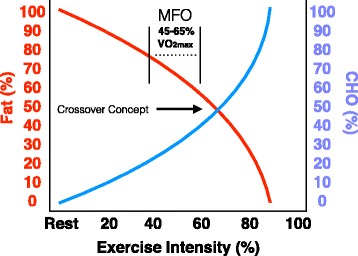
This review explains how maximal fat oxidation (MFO) during exercise is shaped by training status, exercise intensity and duration, sex, and nutrition. It argues that exercise intensity is the strongest acute driver of substrate use, with MFO typically occurring around 45–75% VO2max and declining above the crossover point.
## Key findings
- MFO has been reported to occur between 47 and 75% of VO2max, with the abstract noting rates of 0.17–1.27 g/min and ketogenic-adapted individuals exceeding ≥1.5 g/min.
- In one prospective study, sedentary subjects increased MFO from 0.26 ± 0.10 to 0.33 ± 0.12 g/min after 12 months of training, and the exercise intensity at MFO shifted from 35 ± 6% to 50 ± 14% VO2max.
- In a comparison of moderate vs highly trained subjects, MFO was higher in the highly trained group (0.47 ± 0.17 vs 0.29 ± 0.10 g/min), and mitochondrial enzymes citrate synthase and HAD were increased by 49% and 35%, respectively.
- In a study of over 300 men and premenopausal women, women had a significantly higher fat energy contribution than men at exercise intensities from 41–61% VO2max; after 90 min of cycling at 60% VO2max, women had 85% higher CD36 mRNA than men.
- High-fat diets were reported to reduce PDH activity by 59% at rest and 29% at 70% VO2max, but a 5-day fat adaptation plus 24 h short-term carbohydrate loading partially restored PDH activity to 71% of the high-CHO diet while maintaining 80% HSL activity.
## Methods
- This is a narrative review synthesizing prior studies on the physiology of maximal fat oxidation, not an original experiment.
- The paper draws on human exercise, training, sex, and nutrition studies across sedentary, trained, obese, male, female, and athlete populations; specific sample sizes are only stated for some cited studies (e.g., over 300 men and premenopausal women; 1121 athletes in a cited paper).
- The analysis is a qualitative integration of prior findings on lipolysis, fatty acid transport, mitochondrial transport, and beta-oxidation, with examples of reported percentages, rates, and exercise intensities.
## Limitations
- The paper explicitly notes that IMTG energy contribution remains under debate because of tissue variability and that comparative efforts are challenging due to differing methods such as muscle biopsy, isotope tracers, and magnetic resonance spectroscopy.
- The text states that variation in training status and dietary macronutrient specificity complicate definitive conclusions, and that more research is necessary on IMTG flux, hormone-related FA kinetic limitations, and short-term macronutrient manipulation.
- Evident from the text: because this is a review, it does not present a single standardized sample or new causal test, so conclusions depend on the heterogeneous underlying studies it summarizes.
Model-written summary. Check it against the paper before relying on it.
Integrity signals
Registry
Cites
Statistics
Figures
Verification
Claims the paper makes
59 Valid · 6 Not valid · 104 Not checked · 23 Own results and interpretations
Some cited sources support this claim and some don’t — read each source’s verdict below.
In the paper
“However, during sustained high intensity exercise (>70% VO2max) which is common during competition, CHO is the primary substrate relied upon despite short and long term fat acclimation [71, 75].”
§ Understanding the factors that effect maximal fat oxidation > Factors that influence maximal fat oxidation > Nutrition
What the sources say
- Disputedcites [71] Webster C, Noakes T, Chacko S, Swart J, Kohn T, Smith J. Gluconeogenesis during endurance exercise in cyclists habituated to a long-term low carbohydrate high fat diet. J Physiol. 2016. 10.1113/JP271934. PMC4967730 26918583 sourceExperimental — accuracy not yet measured
Results (Table 3; page not provided) report that at 72% of maximal oxygen uptake, long-term LCHF-adapted cyclists oxidized 1.21 g/min of fat and 1.22 g/min of carbohydrate. Because fat supplies substantially more energy per gram, these figures make fat—not carbohydrate—the primary energy substrate in that group. The Discussion also says the role of fat oxidation during high-intensity exercise requires further research; it does not establish the claim for both short- and long-term adaptation. (LLM, conf=0.90)
Checked by a reasoning model — may be wrong.
- Partly supportedcites [75] Leckey J, Burke J, Morton J, Hawley J. Altering fatty acid availability does not impair prolonged, continuous running to fatigue: evidence for carbohydrate dependence. J of Appl Physiol. 2016;120(3):107–13. 26586912 sourceExperimental — accuracy not yet measured
The Introduction says carbohydrate is the predominant fuel at the high exercise intensities sustained in competition, including relative intensities of 70–90% VO₂max. The Discussion reports that carbohydrate supplied 83–91% of energy during the study’s intense running trials, even when participants fasted overnight. The study did not test short- or long-term fat acclimation, so that qualifier is not established by this source. (LLM, conf=0.87)
plainstates a cause- Asserted: passes — The authors put it forward as true.
- Checkable: passes — It can be checked against evidence.
- Load-bearing: passes — The paper’s conclusions depend on it.
- Based: passes — The paper gives a reason why it holds.
- Disputed
The cited sources support only part of this claim — read each source’s verdict below.
In the paper
“Recent findings indicate that lipolysis is under a hierarchal regulation by ATGL and hormone sensitive lipase (HSL) [8, 9, 17].”
§ Understanding the factors that effect maximal fat oxidation > Lipid oxidation > Lipolysis
What the sources say
- Supportedcites [8] Ogasawara J, Izawa T, Sakurai T, Sakurai T, Shirato K, Ishibashi Y, Ishida H, Ohno H, Kizaki T. The molecular mechanism underlying continuous exercise training-induced adaptive changes of lipolysis in white adipose cells. J Obesity. 2015; 10.1155/2015/473430. PMC4444571 26075089 source
Section 2, “Basic Structure of the Lipolytic Cascade in White Adipocytes,” explicitly says that ATGL and HSL act hierarchically to regulate triglyceride hydrolysis. It describes ATGL initiating lipolysis and HSL acting on the resulting products. (LLM, conf=0.95)
- Not checked — no full text of the sourcecites [9] Watt M Spriet LL Triacylglycerol lipases and metabolic control: implications for health and disease. Am J of Physol Endocrinol Metab 2010 299 2 162 168 20071561 source
- Partly supportedcites [17] Spriet LL New insights into the interaction of carbohydrate and fat metabolism during exercise Sports Med 2014 44 Suppl 1 S87 S96 10.1007/s40279-014-0154-1 24791920 PMC4008806 sourceExperimental — accuracy not yet measured
Section 6.5 identifies ATGL and HSL as key enzymes regulating intramuscular triglyceride hydrolysis during exercise. It does not describe their regulation as hierarchical, and its discussion is specific to skeletal-muscle lipolysis rather than lipolysis generally. No page number is available in our copy. (LLM, conf=0.82)
hedgedstates a cause- Asserted: passes — The authors put it forward as true.
- Checkable: passes — It can be checked against evidence.
- Load-bearing: unclear — It is unclear whether the paper’s conclusions depend on it.
- Based: passes — The paper gives a reason why it holds.
- Supported
The sources with a verdict support this claim; the rest weren’t checked yet, have no full text we could read, or their verdicts aren’t rated yet.
In the paper
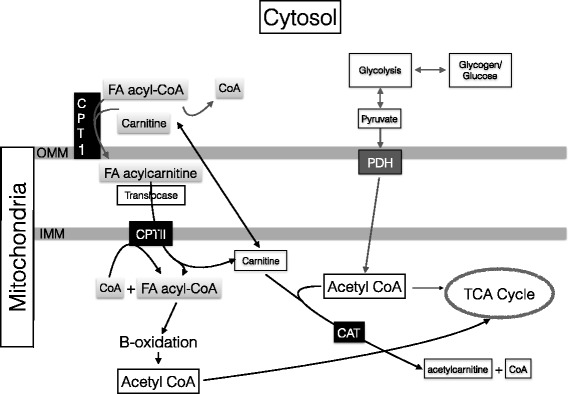
“In summary, transport of FAs across the cell membrane positively affects FAox [13, 26, 30].”
§ Understanding the factors that effect maximal fat oxidation > Lipid oxidation > Fatty acid transport
What the sources say
- Supportedcites [13] van Hall G. THe physiological regulation of skeletal muscle fatty acid supply and oxidation during moderate-intensity exercise. Sports Med. 2015;Suppl 1:S23-S32. PMC4672010 26553490 source
The Introduction (Fig. 1 description) calls facilitated fatty-acid uptake across the muscle membrane mandatory for NEFA oxidation and describes a close relationship between uptake and oxidation during moderate-intensity exercise. The paper cautions that membrane transport is likely not the rate-limiting step in healthy individuals, but the claim does not say that it is. (LLM, conf=0.87)
- Not checked — no full text of the sourcecites [26] Schenk S Horowitz JF Coimmunoprecipitation of FAT/CD36 and CPT I in skeletal muscle increases proportionally with fat oxidation after endurance exercise training Am J Physiol Endocrinol Metab 2006 291 2 E254 E260 10.1152/ajpendo.00051.2006 16670153 source
- Not checked — no full text of the sourcecites [30] Kiens B Roepstorff C Glatz J Bonen A Schjerling P Knudsen J Nielsen J Lipid-binding proteins and lipoprotein lipase activity in human skeletal muscle: influence of physical activity and gender J Appl Physiol 2004 97 1209 1218 10.1152/japplphysiol.01278.2003 15155715 source
plainstates a cause- Asserted: passes — The authors put it forward as true.
- Checkable: passes — It can be checked against evidence.
- Load-bearing: passes — The paper’s conclusions depend on it.
- Based: passes — The paper gives a reason why it holds.
- Supported
The cited sources support only part of this claim — read each source’s verdict below.
In the paper
“Fatty acid transport across the muscle cell membrane occurs via transport proteins, mainly CD36 [24, 25].”
§ Understanding the factors that effect maximal fat oxidation > Lipid oxidation > Fatty acid transport
What the sources say
- Not checked — no full text of the sourcecites [24] Jeppesen J Keins B Regulation and limitations to fatty acid oxidation during exercise J Phys 2012 1 590pt. 5 1059 1068 PMC3381814 22271865 source
- Partly supportedcites [25] Yoshida Y Jain SS McFarlan JT Snook LA Chabowski A Bonen A Exercise- and training-induced upregulation of skeletal muscle fatty acid oxidation are not solely dependent on mitochondrial machinery and biogenesis J Physiol 2013 591 18 4415 4426 10.1113/jphysiol.2012.238451 22890711 PMC3784190 sourceExperimental — accuracy not yet measured
The discussion of fatty acid transport says that membrane proteins facilitate fatty acid uptake into skeletal muscle and that CD36 is likely to be the key transporter. The citing sentence presents CD36’s primacy as settled, whereas the source qualifies it as based on current evidence and says that view may change. Page numbers were not provided in the supplied passages. (LLM, conf=0.82)
plainstates a cause- Asserted: passes — The authors put it forward as true.
- Checkable: passes — It can be checked against evidence.
- Load-bearing: passes — The paper’s conclusions depend on it.
- Based: passes — The paper gives a reason why it holds.
The cited sources that could be checked couldn’t confirm or dispute this claim.
In the paper
“Increasing transport of FAs into the cell for oxidation spares CHO stores for both high intensity exercise and prolonged exercise [11].”
§ Understanding the factors that effect maximal fat oxidation > Lipid oxidation > Fatty acid transport
What the sources say
- Could not verifycites [11] van Loon L Greenhaff PL Constantin-Teodosiu D Wagenmakers AJ The effects of increasing exercise intensity on muscle fuel utilisation in humans J Physiol 2001 536 1 295 304 10.1111/j.1469-7793.2001.00295.x 11579177 PMC2278845 sourceExperimental — accuracy not yet measured
The available Abstract reports that fat oxidation declined and muscle glycogen and glucose oxidation increased at the highest exercise intensity. It does not test increased fatty-acid transport into cells or report carbohydrate sparing during prolonged exercise. Searches for fatty-acid transport and prolonged exercise found no decisive passage in our copy. (LLM, conf=0.72)
plainstates a cause- Asserted: passes — The authors put it forward as true.
- Checkable: passes — It can be checked against evidence.
- Load-bearing: unclear — It is unclear whether the paper’s conclusions depend on it.
- Based: passes — The paper gives a reason why it holds.
- Could not verify
120 more claims · 38 with their cited sources checked
Create a free account to see all 192 claims and to verify the 9 references still open.
- It may state two separate claims as one. 53
- Probably not a substantial claim. 16
- Not yet classified. 1
Claims other papers make about this one
Each is checked against this paper’s own text: does it say what the citing paper says it does?
The source backs part of the claim, not all of it — or backs it for a different population, condition or comparison.
In the citing paper
“This suggests that the extent of carbohydrate depletion during high-intensity exercise directly influences the reliance of the body on lipid metabolism during recovery, highlighting the complementary role of these substrates in meeting energy demands [12,29,32,33,34].”
From Isocaloric High-Intensity Interval and Circuit Training Increases Excess Post-Exercise Oxygen Consumption and Lipid Oxidation Compared to Moderate-Intensity Continuous Training (2025) · cites this paper as [33]
Experimental — accuracy not yet measured
Citations
Cites
Romijn, J. A., Coyle, E. F., Sidossis, L. S., Gastaldelli, A., Horowitz, J. F., Endert, E., & Wolfe, R. R. (1993) · American Journal of Physiology-Endocrinology and Metabolism · doi:10.1152/ajpendo.1993.265.3.e380 · Cited by 1,747 · cited 3×
“Another factor that significantly influences FAox is the duration of exercise [13, 45, 48].”
BackgroundBurgomaster, K. A., Howarth, K. R., Phillips, S. M., Rakobowchuk, M., MacDonald, M. J., McGee, S. L., & Gibala, M. J. (2008) · The Journal of Physiology · doi:10.1113/jphysiol.2007.142109 · Cited by 1,257 · cited 5×
“(2008) [49] compared 6wks of sprint interval training (Wingate Purdom et al.”
BackgroundInfluentialThe effects of increasing exercise intensity on muscle fuel utilisation in humans
van Loon, L. J. C., Greenhaff, P. L., Constantin‐Teodosiu, D., Saris, W. H. M., & Wagenmakers, A. J. M. (2001) · The Journal of Physiology · doi:10.1111/j.1469-7793.2001.00295.x · Cited by 897 · cited 2×
“sities exceed ~65% VO2max, FAox is reduced increasing the reliance on CHO for energy [2, 4, 11].”
BackgroundBalance of carbohydrate and lipid utilization during exercise: the "crossover" concept
Brooks, G. A., & Mercier, J. (1994) · Journal of Applied Physiology · doi:10.1152/jappl.1994.76.6.2253 · Cited by 862 · cited 8×
“However, as exercise intensity increases, the contribution of carbohydrate oxidation increases in proportion to the decrease in lipid oxidation [4].”
BackgroundInfluentialAdipose triglyceride lipase and the lipolytic catabolism of cellular fat stores.
Zechner, R., Kienesberger, P. C., Haemmerle, G., Zimmermann, R., & Lass, A. (2009) · Journal of Lipid Research · doi:10.1194/jlr.r800031-jlr200 · Cited by 576
Differential oxidation of individual dietary fatty acids in humans
DeLany, J. P., Windhauser, M. M., Champagne, C. M., & Bray, G. A. (2000) · The American Journal of Clinical Nutrition · doi:10.1093/ajcn/72.4.905 · Cited by 560 · cited 2×
“An inverse relationship of FA carbon chain length and oxidation exists where the longer the FA chain the slower the oxidation [31].”
BackgroundCatecholamines and the Effects of Exercise, Training and Gender
Zouhal, H., Jacob, C., Delamarche, P., & Gratas-Delamarche, A. (2008) · Sports Medicine · doi:10.2165/00007256-200838050-00004 · Cited by 553 · cited 1×
“Depending on exercise intensity and/or duration, catecholamine concentrations can increase >20 times above basal levels [14].”
BackgroundDetermination of the exercise intensity that elicits maximal fat oxidation
ACHTEN, J., GLEESON, M., & JEUKENDRUP, A. E. (2002) · Medicine & Science in Sports & Exercise · doi:10.1097/00005768-200201000-00015 · Cited by 551 · cited 5×
“However, the body still favors FAox at exercise intensities <65% VO2max [5, 17].”
BackgroundInfluentialDeterminants of fat oxidation during exercise in healthy men and women: a cross-sectional study
Venables, M. C., Achten, J., & Jeukendrup, A. E. (2005) · Journal of Applied Physiology · doi:10.1152/japplphysiol.00662.2003 · Cited by 503 · cited 5×
“Studies have consistently shown that premenopausal women have a significantly greater ability to oxidize fat during exercise [2, 57, 58].”
BackgroundMethodInfluentialSkeletal Muscle Lipid Metabolism in Exercise and Insulin Resistance
Kiens, B. (2006) · Physiological Reviews · doi:10.1152/physrev.00023.2004 · Cited by 478 · cited 6×
“and independent of the energy sensitive cAMP cascade known to stimulate lipolysis [18, 20].”
BackgroundInfluential
Cited by
Items 101–200 of 242
Predictors of Fat Oxidation and Caloric Expenditure With and Without Weighted Vest Running
Purdom, T. M., Mermier, C. M., Dokładny, K., Moriarty, T. A., Lunsford, L., Cole, N. H., Johnson, K. E., & Kravitz, L. R. (2019) · The Journal of Strength and Conditioning Research · doi:10.1519/jsc.0000000000003049 · Cited by 7
“Fat oxidation has been shown to be the principal substrate at low intensity while carbohydrate (CHO) metabolism increases as exercise intensity rises (7,23).”
BackgroundSelf-citationHausswirth, C., Marquet, L.-A., Nesi, X., & Slattery, K. (2019) · Frontiers in Physiology · doi:10.3389/fphys.2019.01307 · Cited by 8
“A limiting factor of fat oxidation is the release of triglycerides from the adipose tissue (Purdom et al., 2018).”
BackgroundMethenitis, S. K., Cherouveim, E. D., Κroupis, C., Tsantes, A., Ketselidi, K., Vlachopoulou, E., Stavroulakis, G., Mavrogenis, A. F., Tsolakis, C. K., & Koulouvaris, P. (2021) · International Journal of Sports Science & Coaching · doi:10.1177/17479541211056398 · Cited by 8
“suppressed, while glucose oxidation increases.(56) These metabolic demands, combined with inadequate carbohydrate intake, result in increased rates of muscle protein degradation,(43) and thus a greater LBM reduction, as observed in this study.”
ResultShangguan, R., Hu, Z., Luo, Y., Chen, M., Lai, X., Sun, J., & Chen, S. (2023) · Molecular Biology Reports · doi:10.1007/s11033-022-08205-3 · Cited by 9
“Despite the fact that skeletal muscle uptakes FFA from the circulation, the mitochondrial FFA consumption during aerobic exercise is largely dependent on IMTG (intramuscular triglyceride) hydrolysis [4].”
BackgroundMing Xin, Q. I., Wang, Y., Hu, L., Chen, G., Zheng, T., Ding, X., Bei, Y., Tang, J., Ma, W., & Chen, X. (2025) · Fishes · doi:10.3390/fishes10030089 · Cited by 9
Ruíz‐Moreno, C., Amaro‐Gahete, F. J., González‐García, J., Giráldez‐Costas, V., Mañas, A., Gutiérrez‐Hellín, J., & Coso, J. D. (2022) · European Journal of Nutrition · doi:10.1007/s00394-022-02894-z · Cited by 7
“Exercise intensity is the main factor affecting fat oxidation rate during aerobic exercise [13] and caffeine can increase both, exercise intensity through a reduction of perceived fatigue and pain [14] and fat oxidation rate [5].”
BackgroundLi, L., Lai, X., Ni, Y., Chen, S., Qu, Y., Hu, Z., & Sun, J. (2024) · The Journal of Physiological Sciences · doi:10.1186/s12576-024-00902-x · Cited by 7
“IMTG plays an important role as the primary fuel source for skeletal muscle energy throughout submaximal exercise [26].”
BackgroundPhysiological Key Determinants of Elite Open-Water Swimmers
Pla, R., Raineteau, Y., Barbier, X., & Aubry, A. (2024) · Physiologia · doi:10.3390/physiologia4030018 · Cited by 12
Storoschuk, K. L., Moran-MacDonald, A., Gibala, M. J., & Gurd, B. J. (2025) · Sports Medicine · doi:10.1007/s40279-025-02261-y · Cited by 8
Corral‐Pérez, J., Velázquez‐Díaz, D., Pérez‐Bey, A., Montes‐de‐Oca‐García, A., Fernández‐Santos, J. R., Amaro‐Gahete, F. J., Jiménez‐Pavón, D., Casals, C., & Ponce‐González, J. G. (2021) · European Journal of Sport Science · doi:10.1080/17461391.2021.1953149 · Cited by 10
Bhandarkar, N. S., Lahav, R., Maixner, N., Haim, Y., Wong, G. W., Rudich, A., & Yoel, U. (2021) · Physiological Reports · doi:10.14814/phy2.15044 · Cited by 5
“How voluntary energy expenditure (VEE) interacts with dietary energy sources through oxidation (mainly lipid and carbohydrate) is a field of active research (Purdom et al., 2018).”
BackgroundEffects of 24-week Polarized Training vs. Threshold Training in Obese Male Adults
D’Alleva, M., Giovanelli, N., Graniero, F., Billat, V. L., Fiori, F., Marinoni, M., Parpinel, M. T., & Lazzer, S. (2023) · International Journal of Sports Medicine · doi:10.1055/a-2123-0851 · Cited by 6
“The high volume in Z1 performed in both groups may have led to favorable adaptations, such as enhanced mitochondrial content and respiratory function [48], as well as improved fat and glu - cose utilization during endurance exercise [44, 49].”
BackgroundWelhaven, H. D., Welfley, A. H., Pershad, P., Satalich, J. R., O’Connell, R., Bothner, B. B., Vap, A. R., & June, R. K. (2023) · bioRxiv (Cold Spring Harbor Laboratory) · doi:10.1101/2023.02.03.527040 · Cited by 6
Physical Exercise and Metabolic Reprogramming
Batatinha, H. P., Lira, F. S., Kruger, K., & Rosa Neto, J. C. (2022) · Essential Aspects of Immunometabolism in Health and Disease · doi:10.1007/978-3-030-86684-6_12 · Cited by 5
Liu, H., Yang, T., & Choi, S. (2025) · Frontiers in Endocrinology · doi:10.3389/fendo.2025.1580559 · Cited by 11
“These fatty acids come from stored body fat, lipids present in muscle tissues, and the food you eat (85).”
López‐Moreno, M., Fresán, U., Coso, J. D., Muñoz, A., Aguilar‐Navarro, M., López, M. T. I., Amaro‐Gahete, F. J., & Gutiérrez‐Hellín, J. (2025) · Nutrients · doi:10.3390/nu17142274 · Cited by 6
“For example, diets with higher proportions of unsaturated fats, such as monounsaturated and polyunsaturated fatty acids, are often associated with higher fat oxidation during exercise [43].”
Rubio-Valles, M., Amaro‐Gahete, F. J., Creasy, S. A., Ramos‐Jiménez, A., Pérez-León, J. A., & Chávez-Guevara, I. A. (2024) · Sports Medicine · doi:10.1007/s40279-024-02154-6 · Cited by 8
“During FATmax exercise, free fatty acids released from adipose tissue and intramuscular triglycerides provide most of the required energy in skeletal muscle [35].”
Brand, C., Gaya, A. C. A., Dias, A. F., Agostinis‐Sobrinho, C., Farinha, J. B., Macedo, R. C. O., Mota, J. A. P. S., Reischak-Oliveira, Á., & Gaya, A. R. (2020) · Sport Sciences for Health · doi:10.1007/s11332-020-00662-2 · Cited by 5
Matthews, A. R. D., Astorino, T. A., Crocker, G. H., & Sheard, A. C. (2020) · The Journal of Strength and Conditioning Research · doi:10.1519/jsc.0000000000003834 · Cited by 6
“19 kcal) despite a greater catecholamine release that stimulates lipolysis (30).”
BackgroundLee, Y. G., Woo, H., Choi, C. W., Ryoo, G.-H., Chung, Y., Lee, J. H., Jung, S., Chae, S., Bae, E. J., & Park, B. (2022) · Nutrients · doi:10.3390/nu14194033 · Cited by 7
“It is welldocumented that aerobic exercise or endurance training increases mitochondrial volume and the capacity for fat oxidation, even despite high carbohydrate intake [32].”
BackgroundBeltran‐Valls, M. R., Santos, R., Mota, J. A. P. S., Moreira, C. M. M., Lopes, L., & Agostinis‐Sobrinho, C. (2020) · European Journal of Clinical Investigation · doi:10.1111/eci.13430 · Cited by 6
Ferri-Marini, C., Garcia Murillo, O. G., Corral-Castillo, D. A., Amaro-Gahete, F. J., Peric, R., & Chavez Guevara, I. A. (2026) · International Journal of Sport Nutrition and Exercise Metabolism · doi:10.1123/ijsnem.2025-0108 · Cited by 4
Maximal fat oxidation rate across the adult lifespan of trained women
Hansen, I. M. D., Wismann, J., Sahl, R. E., Frandsen, J., Hansen, M., Ingersen, A., Schmücker, M., Modvig, J. L., Dela, F., Larsen, S., et al. (2024) · European Journal of Sport Science · doi:10.1002/ejsc.12027 · Cited by 4
“It is well known that the MFO rate depends on various factors such as training status, sex, LBM, and nutritional status (Maunder et al., 2018; Purdom et al., 2018).”
BackgroundLiang, L., Peng, F., Wang, L., Lin, C., & Chi, H. (2025) · Medicine · doi:10.1097/md.0000000000041493 · Cited by 8
Gámez-Valdez, J. S., Corona-Cervantes, K., Sánchez-Salguero, E. S., Alcorta-García, M. R., López-Villaseñor, C. N., Carballo-Castañeda, R. A., Moreno‐Ulloa, A., Díaz, V. J. L., Brunck, M. E. G., & Licona‐Cassani, C. (2025) · Food & Function · doi:10.1039/d4fo05637j · Cited by 5
Wang, D., Zhang, P., & Li, J. (2023) · Frontiers in Physiology · doi:10.3389/fphys.2023.1190109 · Cited by 5
“COP is the exercise intensity at which energy from carbohydrate (CHO)-derived fuels surpasses energy from lipids (Brooks, and Mercier, 1994; Purdom, et al., 2018), and studies on COP training are limited (Borel, et al., 2015).”
BackgroundImproved Traditional Fitness Model by Applying Big Data Analysis
Rana, M. E., Yanyu, L., Hameed, V. A., et al. (2023) · International Conference on Developments in eSystems Engineering (DeSE) · doi:10.1109/dese58274.2023.10100118 · Cited by 4
“The regulation and utilization of maximum fat oxidation (MFO) occurred mainly at exercise intensity between 45% and 65% VO2 max (maximum oxygen consumption) [6].”
BackgroundPérez, A., Ramos‐Campo, D. J., Marín‐Pagán, C., Martínez-Noguera, F. J., Chung, L. H., & Alcaráz, P. E. (2019) · International Journal of Sports Physiology and Performance · doi:10.1123/ijspp.2019-0113 · Cited by 6
Sharma, P., & Agarwal, M. (2022) · Journal of Family Medicine and Primary Care · doi:10.4103/jfmpc.jfmpc_1209_21 · Cited by 5
“Moderate‐intensity exercise was chosen for the study because it induces greater FOx and is well tolerated by untrained individuals.[17,18] A long‐duration steady‐state moderate‐intensity exercise is better termed as ‘endurance’ exercise.”
BackgroundRashvand, F., Irandoust, K., Taheri, M., Khoei, S. G., & Gheibi, N. (2022) · Asian Journal of Sports Medicine · doi:10.5812/asjsm-120515 · Cited by 4
“Also, lipids that originate from the fatty acids of adipose tissue, intramuscular triacylglyc-erides (IMTG), and cholesterol are used as a fuel source for energy stock during the time of submaximal exercise (2, 3).”
Backgroundder Looven, R. V., Vos, E. D., Vandekerckhove, K., Coomans, I., Laureys, G., & Dhooge, C. (2022) · European Journal of Cancer Care · doi:10.1111/ecc.13761 · Cited by 6
Farooque, S., Mitra, M., & Das, P. K. (2023) · Physical Education Theory and Methodology · doi:10.17309/tmfv.2023.6.12 · Cited by 7
Obesity and physical exercise in adults
Orellana, J. N., Medina, J. Á., Blasco-Lafarga, C., & Aurrekoetxea, T. G. (2020) · Archivos de medicina del deporte: revista de la Federación Española de Medicina del Deporte y de la Confederación Iberoamericana de Medicina del Deporte · doi:10.18176/archmeddeporte.0007 · Cited by 9
Faleiro, V., Gurgel, A. V., Guimarães, T. T., Figueiredo, T. C., Teixeira, F. G., Jotta, B., Monteiro, E. R., Meirelles, A. G., Caldas, C. C. A., de Almeida, M. T., et al. (2025) · Sports · doi:10.3390/sports13100355 · Cited by 4
da Silva, B. N. M., Protzen, G. V., & Vecchio, F. B. D. (2021) · Applied Physiology, Nutrition, and Metabolism · doi:10.1139/apnm-2021-0383 · Cited by 3
Marques, L., Neves, J., Pereira, A., Santiago, A., Troia, S., Vilarinho, R., Amorim, M. M., & Noites, A. (2025) · Obesities · doi:10.3390/obesities5020031 · Cited by 5
“Thus, the aerobic exercise adopted in this study was intended to allow lipid oxidation in a global manner [54].”
Tarry, E. K., Vestergaard, S., Petersen, E. A., Olsen, M. C., Hansen, M., Ingersen, A., Connor, T., Pilegaard, H., Dela, F., Larsen, S., et al. (2025) · Scandinavian Journal of Medicine and Science in Sports · doi:10.1111/sms.70132 · Cited by 2
“At present, the underlying mechanisms driving substrate shifts in response to changes to dietary macronutrient composition are not fully elucidated, and the majority of studies focus on intervention periods longer than 3 days [17].”
Fuentes-Barría, H., Urbano-Cerda, S., Aguilera-Eguía, R. A., & González-Wong, C. (2020) · Universidad y Salud · doi:10.22267/rus.212301.213 · Cited by 10
Three-Day Dietary Manipulation in Multiple Sclerosis
Bromley, L. E., Horvath, P. J., Bennett, S. E., Weinstock‐Guttman, B., Rideout, T. C., Browne, R. W., & Ray, A. D. (2021) · International Journal of MS Care · doi:10.7224/1537-2073.2020-036 · Cited by 3
Cho, W., Jung, H., Hong, S., Yang, H. I., Park, D., Suh, S., Lee, D. H., Choe, Y.-S., Kim, J. Y., Lee, W., et al. (2023) · Journal of the International Society of Sports Nutrition · doi:10.1080/15502783.2023.2264278 · Cited by 4
“Considering the important role of carbohydrates as a major energy resource during high-intensity increases (>65% VO2max) [39] and a source of carbon for biosynthesis and anaplerosis [40], it is physiologically natural that the KD derives elevation of fat availability along with reduced muscle glycogen content, thereby…”
BackgroundMaximum Aerobic Function: Clinical Relevance, Physiological Underpinnings, and Practical Application
Maffetone, P. B., & Laursen, P. B. (2020) · Frontiers in Physiology · doi:10.3389/fphys.2020.00296 · Cited by 6
“Training at the MAF HR over time may also increase work rates at the same HR (Ekblom et al., 1973; Romain et al., 2012; Randell et al., 2017; Fletcher et al., 2017; Purdom et al., 2018).”
BackgroundSugiharto, S., Adji, B. S., Merawati, D., & Pranoto, A. (2021) · Jurnal SPORTIF Jurnal Penelitian Pembelajaran · doi:10.29407/js_unpgri.v7i2.15932 · Cited by 6
“Several studies have reported that low-moderate-intensity physical exercise increases fat metabolism, but high-intensity physical exercise tends to decrease fat metabolism (Purdom et al., 2018; Oh et al., 2017).”
BackgroundWu, Y.-Y., Zhang, L., Li, H., Xue, B., Shang, W., & Lu, Y. (2025) · Frontiers in Physiology · doi:10.3389/fphys.2025.1510949 · Cited by 3
Chávez-Guevara, I. A., & Amaro‐Gahete, F. J. (2025) · International Journal of Obesity · doi:10.1038/s41366-025-01861-y · Cited by 8
“It seems, therefore, that physical fi tness and biological sex are key determinants of MFO and FATmax intra-individual variability [7, 11].”
D’Alleva, M., Lazzer, S., Martino, M. D., Mari, L., Rejc, E., Zaccaron, S., Stafuzza, J., Isola, M., Bondesan, A., Caroli, D., et al. (2025) · Frontiers in Nutrition · doi:10.3389/fnut.2025.1624696 · Cited by 3
Xu, Y., Ye, C., Ma, S., & Gao, B. (2025) · Frontiers in Physiology · doi:10.3389/fphys.2025.1581594 · Cited by 2
“Prior studies found that the maximum rate of fat oxidation occurs at aerobic intensities of 60%–65% V ̇ O 2 max (Purdom et al., 2018).”
Zhou, P., Hu, Z., Kim, T.-S., Kim, Y., Leng, Z., & Choi, M. (2025) · Life · doi:10.3390/life15091401 · Cited by 6
“This difference aligns with the physiological adaptations induced by continuous moderate-intensity aerobic training, which is known to enhance fatty acid oxidation capacity within the range of 45–65% VO 2 max— the intensity window where maximal fat oxidation (MFO) typically occurs [59].”
Antonio, G. C. F., Macêdo, A. P. A., Antunes, G. C., de Lima, R. D., Rios, T. D. S., Pitoli, B. D. S., Brisque, G. D., Dias, L. M., Silva, A. S. R., Cintra, D. E., et al. (2026) · Scientific Reports · doi:10.1038/s41598-025-33139-8 · Cited by 4
“This reduction can be explained by the increased rate of total fatty acid oxidation in the liver during fasting, which was enhanced by physical training, particularly aerobic exercise, known to more strongly stimulate the use of fatty acids as an energy source 17,83,84 .”
Murru, E., Manca, C., Carta, G., Ruggiu, M., Solinas, R., Montisci, R., Hodson, L., Dearlove, D., Mollica, M. P., Tocco, F., et al. (2024) · Nutrients · doi:10.3390/nu16040525 · Cited by 7
Pühringer, M., & Ring‐Dimitriou, S. (2024) · Frontiers in Sports and Active Living · doi:10.3389/fspor.2024.1321896 · Cited by 4
Li, L., Zhou, Z., Fang, J., Liu, D., Deng, C., Chen, Y., Ahasan, Z., Zhu, W., & Cai, K. (2024) · European Journal of Radiology · doi:10.1016/j.ejrad.2024.111559 · Cited by 2
The Effects of L-Citrulline and Malic Acid on Substrate Utilisation and Lactate Elimination
Baráth, A., Annár, D., Györe, I., & Szmodis, M. (2024) · Applied Sciences · doi:10.3390/app14178055 · Cited by 2
Zhu, H., Pan, J., Wen, J., Dang, X., Chen, X., Fan, Y., Lu, W., & Jiang, W. (2025) · Frontiers in Cardiovascular Medicine · doi:10.3389/fcvm.2025.1485755 · Cited by 2
“The exercise intensity eliciting MFO (Fat max ) has been reported to be between 47% and 75% of VO 2max (10).”
InfluentialEffects of HIIT and Sprint Interval Training on Adiposity in Overweight Adults: A Meta-analysis
Liu, H., Li, Q., Yang, W., Poon, E. T., Liu, H., Bao, D., & Ho, I. M. K. (2025) · International Journal of Sports Medicine · doi:10.1055/a-2559-8063 · Cited by 2
Saghiv, M. S., & Sagiv, M. S. (2020) · Springer eBooks · doi:10.1007/978-3-030-48806-2_2 · Cited by 2
Nagy, D., Trunić, N., Prémusz, V., Krutek, L., Lipcsik, Z., & Ács, P. (2022) · International Journal of Environmental Research and Public Health · doi:10.3390/ijerph20010070 · Cited by 4
Barquissau, V., Zanou, N., Geller, S., Castillo‐Armengol, J., Marzetta, F., Huber, K., Ziegler, D. V., López‐Mejía, I. C., Fernandez, J. B., Roger, C., et al. (2022) · bioRxiv (Cold Spring Harbor Laboratory) · doi:10.1101/2022.03.03.482783 · Cited by 3
“Indeed, cdk4-/- mice have a basal muscle phenotype that evokes molecular training effects, including upregulation of pathways and genes involved in fatty acid metabolism (Lundsgaard et al, 2018; Purdom et al, 2018) as well as higher mitochondrial content (Hood et al, 2011).”
BackgroundHollands, T., & Drury, L. (2023) · CABI eBooks · doi:10.1079/9781789245134.0012 · Cited by 2
Ahmadi, A., Rajabi, H., & Baker, J. S. (2022) · Comparative Exercise Physiology · doi:10.3920/cep210028 · Cited by 1
New insights into NAFLD based on preclinical MRI studies
Bamburowicz‐Klimkowska, M., Ruzycka-Ayoush, M., Cieszanowski, A., Szeszkowski, W., Białek, M., Małkowska, A., & Grudziński, I. P. (2022) · Chemistry and Physics of Lipids · doi:10.1016/j.chemphyslip.2022.105192 · Cited by 1
Совенко, С., & Попов, С. (2023) · Теорія і методика фізичного виховання і спорту · doi:10.32652/tmfvs.2023.3.22-30 · Cited by 2
Irvine, C. J., Browning, M., Brustia, S., Carter, V., Beridon, D., Gordon, R. A., & Sokoloski, M. L. (2024) · Journal of Exercise and Nutrition · doi:10.53520/jen2024.103161 · Cited by 1
Associations of strength indices and cycling economy in young adults
Feuerbacher, J. F., & Schumann, M. (2024) · Translational Exercise Biomedicine · doi:10.1515/teb-2024-0008 · Cited by 2
Fatty acids significance in improvement athlete’s aerobic performance: review and prospects
Lyudinina, A. Y., Андреевна, Б. Е., & Bojko, E. R. (2024) · Human Physiology · doi:10.31857/s0131164624030095 · Cited by 1
“This point is illustrated in the concept of crossover [13, 49] and confirmed in studies measuring the use of energy substrates during exercise through the respiratory quotient [7].”
InfluentialOpazo‐Díaz, E., Corral‐Pérez, J., Pérez‐Bey, A., Marín-Galindo, A., Montes‐de‐Oca‐García, A., Rebollo‐Ramos, M., Velázquez‐Díaz, D., Casals, C., & Ponce‐González, J. G. (2025) · Journal of the International Society of Sports Nutrition · doi:10.1080/15502783.2025.2455011 · Cited by 5
Mora-Fernández, A., López-Grueso, R., Conde-Pipó, J., Latorre, J. A., Giménez-Blasi, N., & Mariscal‐Arcas, M. (2025) · Science & Sports · doi:10.1016/j.scispo.2024.10.004 · Cited by 1
Metabolic Flexibility as a Candidate Mechanism for the Development of Postoperative Morbidity
Arina, P., Whittle, J., Kaczorek, M. R., Ferrari, D., Tetlow, N., Dewar, A., Stephens, R. C. M., Martín, D., Moonesinghe, R., Mazomenos, E. B., et al. (2025) · Anesthesia & Analgesia · doi:10.1213/ane.0000000000007494 · Cited by 2
Romarate, A., Jauregi, A. P., Feldmann, A., Viribay, A., & Santos‐Concejero, J. (2025) · European Journal of Sport Science · doi:10.1002/ejsc.70025 · Cited by 2
“Although fat oxidation has a higher overall ATP yield, the limited capacity per unit of time to generate ATP drives the need for carbohydrate utilisation (Spriet 2014; Purdom et al. 2018).”
InfluentialBaker, P. A., Henning, P. C., Cheung, S. N., Spiering, B. A., Conkright, W. R., Smith, M. A., Kheterpal, I., Nindl, B. C., Matheny, R. W., & Berryman, C. E. (2025) · Applied Physiology, Nutrition, and Metabolism · doi:10.1139/apnm-2025-0089 · Cited by 2
The Metabolic Adaptation to Exercise Following Intensity-Specific Aerobic Training in Female Rats
Mereu, J., Sammut, M. J., Tijo, T., & Melling, C. W. J. (2025) · Medicine & Science in Sports & Exercise · doi:10.1249/mss.0000000000003846 · Cited by 1
Peric, R., Mercado-Ruiz, J. P., Meucci, M., Kim, H., Amaro‐Gahete, F. J., Ramos‐Jiménez, A., & Chávez-Guevara, I. A. (2025) · Sports Medicine - Open · doi:10.1186/s40798-025-00889-8 · Cited by 4
Metabolomics in the Context of Exercise in Subjects with Multimorbidity: A Pilot Study
Bankamp, R., Schweda, S., Janzen, N., Niess, A. M., Krauß, I., & Munz, B. (2025) · Biomolecules · doi:10.3390/biom15101474 · Cited by 4
“On the other hand, skeletal muscle ACs appear to be associated with a high degree of cardiovascular fitness, probably because they are linked to efficient fatty acid oxidation [26].”
Huynh, E., Wiley, E., Moncion, K., Beauchamp, M., MacDonald, M. J., & Tang, A. (2025) · Applied Physiology, Nutrition, and Metabolism · doi:10.1139/apnm-2025-0208 · Cited by 1
Energy, carbohydrates and fats in clinical sports nutrition
Kozjek, A. K., Knap, K., Tonin, G., Kozjek, N. R., & Gleeson, M. (2026) · Clinical Nutrition ESPEN · doi:10.1016/j.clnesp.2025.102900 · Cited by 4
Maximal glycolytic flux modulates metabolic thresholds independent of maximal oxygen uptake
Meixner, B. J., Leo, P. D., & Sperlich, B. (2026) · European Journal of Applied Physiology · doi:10.1007/s00421-026-06270-1 · Cited by 2
“…were lowered before the start of the incremental test; (iii) other factors such as time of day, habitual nutrition and muscle glycogen levels as well as age may influence the measurement of PFO more than V̇ O 2 max and v La peak (Amaro-Gahete et al. 2018 ; Maunder et al. 2018 ; Purdom et al. 2018).”
Intermittent fasting & performance: The iFast clinical trial protocol
El‐Outa, A., Ghandour, L., Hamade, H., Borgi, C., Fares, E.-J., Gherbal, T., & Mufarrij, A. J. (2021) · Contemporary Clinical Trials Communications · doi:10.1016/j.conctc.2021.100766 · Cited by 2
“FATMAX is affected by gender, nutritional intake as well as exercise intensity and duration [16].”
BackgroundExercise and Fat Metabolism: Solutions to a Long-Standing Conundrum
Leslie, E., Mermier, C. M., & Kravitz, L. R. (2022) · ACSMʼs Health & Fitness Journal · doi:10.1249/fit.0000000000000768 · Cited by 1
“This increases the number of metabolic reactions and the time it takes to fully break down a fatty acid for ATP production.”
BackgroundInfluentialSelf-citationContreras, M. M., Garcia, A. I. P., Ramos‐Jiménez, A., Torres, R. P. H., & Chavez-Guevara, I. A. (2023) · Retos · doi:10.47197/retos.v47.95197 · Cited by 6
da Silva, L. R., Stefani, G. P., Dorneles, G. P., Marcadenti, A., & Lago, P. D. (2023) · Archives of Endocrinology and Metabolism · doi:10.20945/2359-3997000000618 · Cited by 1
“Although exercise intensity is the main determinant of fat oxidation, feeding can also modulate the concentration of substrates (5,6).”
BackgroundSubstrate oxidation during exercise in childhood acute lymphoblastic leukemia survivors
Bertrand, É., Caru, M., Morel, S., Parenteau, A. B., Bélanger, V., Laverdière, C., Krajinović, M., Sinnett, D., Levy, E. H., Marcil, V., et al. (2023) · Pediatric Hematology and Oncology · doi:10.1080/08880018.2023.2232399 · Cited by 1
“2 It has been hypothesized that childhood cancer survivors cannot achieve a normal level of energy expenditure during exercise due to physiological limitation and exercise intolerance.”
Kusnanik, N. W., Muhammad, M., Khamidi, A., Kurniawan, W. D., Ayubi, N., Muin, A., Pradana, P. Y., & Ridho, A. (2023) · Retos · doi:10.47197/retos.v52.98180 · Cited by 2
Solianik, R., Dauksaite, G., Jarutienė, L., & Brazaitis, M. (2024) · Journal of Thermal Biology · doi:10.1016/j.jtherbio.2024.104029 · Cited by 1
Brenmoehl, J., Meyer, Z., Walz, C., Ohde, D., & Hoeflich, A. (2024) · Cells · doi:10.3390/cells13242123 · Cited by 1
Sex- and endurance training-mediated cardiovascular protection through lipids during exercise
An, J., Thorson, A. S., Wasserman, D. H., Stafford, J. M., & Zhu, L. (2024) · Trends in Endocrinology and Metabolism · doi:10.1016/j.tem.2024.12.004 · Cited by 1
Efek Latihan Intensitas Rendah dan Sedang Terhadap Lemak pada Overweight
Dyaksa, R. S. (2018) · Jurnal Biosains Pascasarjana · doi:10.20473/jbp.v20i2.2018.120-132 · Cited by 6
Sugiharto, S., Susanto, H., Andiana, O., & Merawati, D. (2019) · IOP Conference Series Materials Science and Engineering · doi:10.1088/1757-899x/515/1/012069 · Cited by 3
Methodological Issues Related to Exercise Interventions during Fasted or Fed State
Dote‐Montero, M., & Amaro‐Gahete, F. J. (2020) · Medicine & Science in Sports & Exercise · doi:10.1249/mss.0000000000002365 · Cited by 1
Clinical, Metabolic, and Biochemical Behaviors in Overtraining Syndrome and Overall Athletes
Cadegiani, F. (2020) · Springer eBooks · doi:10.1007/978-3-030-52628-3_5 · Cited by 2
Novelties in Sport Sciences: Novi Sad, Serbia. 11 September 2021
(2021) · BMC Proceedings · doi:10.1186/s12919-021-00227-2 · Cited by 1
Shavandi, M., Naghibi, S., Joneydi, M. S., Vatandoust, M., & Zare, A. (2022) · Journal of Sport and Exercise Physiology · doi:10.52547/joeppa.15.3.35 · Cited by 1
Olenick, A., Pearson Regis, C., & Jenkins, N. T. (2022) · International Journal of Sports and Exercise Medicine · doi:10.23937/2469-5718/1510227 · Cited by 2
Merawati, D., Sugiharto, S., Pranoto, A., Andiana, O., & Angga, P. D. (2022) · Jurnal SPORTIF Jurnal Penelitian Pembelajaran · doi:10.29407/js_unpgri.v8i2.17674 · Cited by 1
“Physical activation increases aerobic metabolism and browning activity (Purdom et al., 2018) thus, it enables increasing UCP-1 secretion (Kim and Plutzky, 2016).”
BackgroundLagacé, J., Paquin, J., Tremblay, R., St‐Martin, P., Tessier, D., Plourde, M., Riesco, É., & Dionne, I. J. (2022) · Nutrients · doi:10.3390/nu14214638 · Cited by 2
“Subcutaneous adipose tissue fatty acids, intramuscular triglycerides, cholesterol (from very-low-density lipoproteins [VLDL]), and dietary lipids are the main fuel sources for lipids oxidation during exercise [20,35].”
BackgroundMasoga, S. (2021) · Research Square · doi:10.21203/rs.3.rs-978867/v1 · Cited by 1
Welhaven, H. D., Welfley, A. H., Brahmachary, P. P., et al. (2024) · bioRxiv (Cold Spring Harbor Laboratory) · doi:10.1101/2024.09.30.615873 · Cited by 1
Farklı aerobik kapasiteye sahip kişilerde yağ oksidasyon devamlılığının takibi
Özdemir, Ç., Günaştı, Ö., Özgünen, K., Kılcı, A., Eryılmaz, S. K., & Kurdak, S. S. (2019) · Çukurova medical journal (Online)/Çukurova medical journal · doi:10.17826/cumj.578040 · Cited by 3
Günaştı, Ö., Özdemir, Ç., Özgünen, K., Kılcı, A., Eryılmaz, S. K., & Kurdak, S. S. (2019) · Çukurova medical journal (Online)/Çukurova medical journal · doi:10.17826/cumj.571942
Endurance races effects in non-elite runners by clinical biomarkers and bioimpedance measurements
Rodríguez, E. R. (2019) · UPCommons institutional repository (Universitat Politècnica de Catalunya) · doi:10.5821/dissertation-2117-334942 · Cited by 2
Interval Training Using the Lactate Retention Method: A Pilot Study
Dundore, T. (2020)
Woodgate, C. (2020) · UWSpace (University of Waterloo)
Metadata
- Authors
- Purdom, T., Kravitz, L., Dokladny, K., & Mermier, C.
- Affiliations
- Longwood University (US)
- University of New Mexico (US)
- Department of Health, Exercise & Sports SciencesUniversity of New Mexico Albuquerque NM USA
- Corresponding author
- Purdom, Troy
- Venue
- Journal of the International Society of Sports Nutrition
- Publisher
- Informa UK Limited
- Published
- 2018-01-05
- Volume
- 15
- Issue
- 1
- Pages
- 3-3
- ISSN
- 1550-2783 (ISSN-L)
- PMC
- PMC5766985
- OpenAlex
- W2783061531
- Cited by
- 247
- References
- 77
- Citations by year
- 2026: 17 · 2025: 38 · 2024: 34 · 2023: 35 · 2022: 26 · 2021: 38 · 2020: 33 · 2019: 18 · 2018: 8
- FWCI
- 2.72
- Type
- journal article
- Language
- en
- Open access
- gold
- doi.org
- Licence
- Locations
- Journal of the International Society of Sports Nutrition (publishedVersion, cc-by)
- PubMed Central (publishedVersion, cc-by)
- PubMed (publishedVersion)
- Informationszentrum Lebenswissenschaften (ZB MED) (submittedVersion, cc-by)
- DOAJ (DOAJ: Directory of Open Access Journals) (submittedVersion)
- Topics
- Health Sciences › Nursing › Nutrition and Dietetics › Muscle metabolism and nutrition
- Health Sciences › Medicine › Physiology (medical) › Cardiovascular and exercise physiology
- Health Sciences › Medicine › Orthopedics and Sports Medicine › Sports Performance and Training
- Keywords
- maximal fat oxidation, fatty acid oxidation, crossover point, endurance exercise, endurance training adaptation, dietary fat, sex differences, nutrition, exercise intensity, carbohydrate oxidation
- MeSH terms
- Dietary Carbohydrates, Dietary Fats, Fatty Acids, Humans, Oxidation-Reduction, Oxygen Consumption, Exercise
About these checks
Registry, retraction, Cites and statistics results are computed, not judged, with one exception: a printed reference that no index lists is read once by a model before it counts as a citation error. Claims are extracted by a model and kept only when their quote appears verbatim in the text; each cited source is then checked, with a model’s help, for whether it says what the claim relies on. Those verdicts can be wrong — read the claim’s quote and the cited source before relying on one.
The claim verdicts this report counts are experimental: their accuracy is not yet measured.
A language model drew the claims from the paper on 2026-09-28, under version 3 of the claim definition (model deepseek-v4.1-flash, prompt extract-v3).
A second model labelled each claim on 2026-09-28 (model jev-1.13-20260917, definition revision gold-guideline-v0.2).
Cited sources are checked with a language model’s help (gpt-6-sol).
Statistics and arithmetic are recomputed, not judged.
Confidence bands are shown only for fields calibrated on our annotated test set. None is calibrated yet, so no band is shown.
What counts as a claim ›How we measure confidence ›How we check this ›
Are you an author, or do you see a problem with this page? Request a review
Data sources
Bibliographic data: Semantic Scholar, OpenAlex, Crossref.
Contains information from the Semantic Scholar Academic Graph Datasets, made available under the ODC Attribution License (ODC-BY 1.0).
Semantic Scholar’s data is described in: Kinney, R., et al. (2023). The Semantic Scholar Open Data Platform. arXiv:2301.10140.
