

Altered gut microbiota and inflammatory cytokine responses in patients with Parkinson's disease
Open accessThe DOI matches its Crossref record; 33 of the 33 references it cites were found in a registry or an index.
Abstract
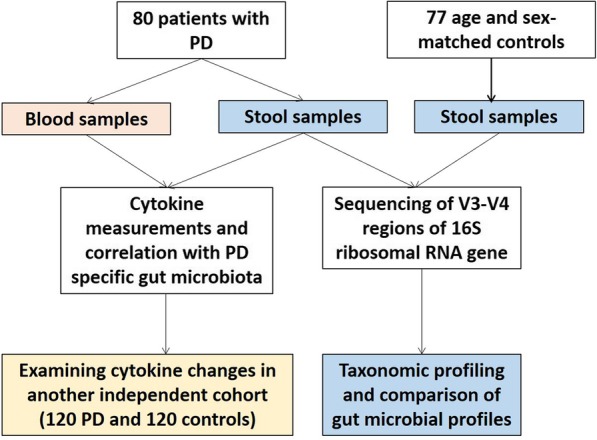
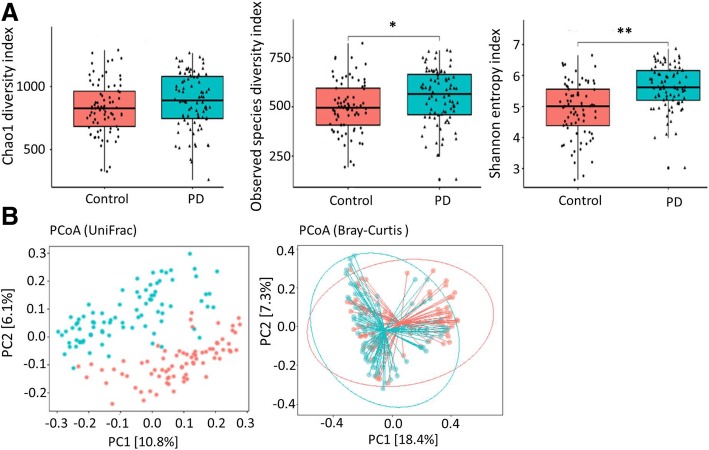
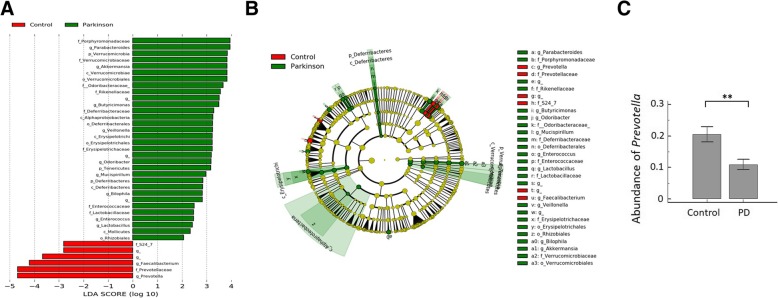
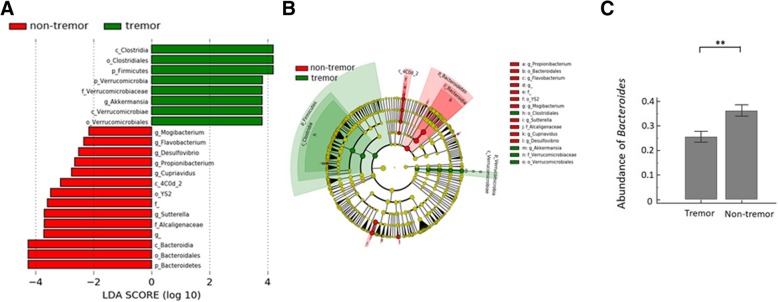
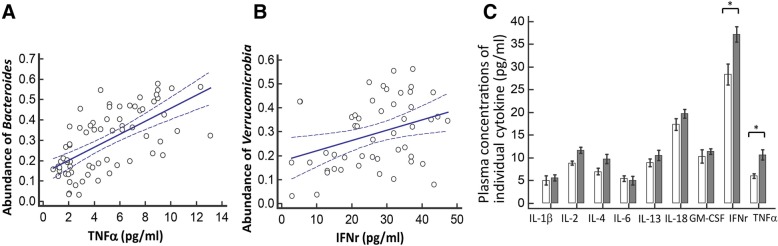
OBJECTIVE: Emerging evidence suggests that gut microbiome composition alterations affect neurodegeneration through neuroinflammation in the pathogenesis of Parkinson's disease (PD). Here, we evaluate gut microbiota alterations and host cytokine responses in a population of Taiwanese patients with PD. METHODS: Fecal microbiota communities from 80 patients with PD and 77 age and gender-matched controls were assessed by sequencing the V3-V4 region of the 16S ribosomal RNA gene. Diet and comorbidities were controlled in the analyses. Plasma concentrations of IL-1β, IL-2, IL-4, IL-6, IL-13, IL-18, GM-CSF, IFNγ, and TNFα were measured by a multiplex immunoassay and relationships between microbiota, clinical characteristics, and cytokine levels were analyzed in the PD group. We further examined the cytokine changes associated with the altered gut microbiota seen in patients with PD in another independent cohort of 120 PD patients and 120 controls. RESULTS: Microbiota from patients with PD was altered relative to controls and dominated by Verrucomicrobia, Mucispirillum, Porphyromonas, Lactobacillus, and Parabacteroides. In contrast, Prevotella was more abundant in controls. The abundances of Bacteroides were more increased in patients with non-tremor PD subtype than patients with tremor subtype. Bacteroides abundance was correlated with motor symptom severity defined by UPDRS part III motor scores (rho = 0.637 [95% confidence interval 0.474 to 0.758], P < 0.01). Altered microbiota was correlated with plasma concentrations of IFNγ and TNFα. There was a correlation between Bacteroides and plasma level of TNFα (rho = 0.638 [95% CI: 0.102-0.887], P = 0.02); and a correlation between Verrucomicrobia abundance and plasma concentrations of IFNγ (rho = 0.545 [95% CI - 0.043-0.852], P = 0.05). The elevated plasma cytokine responses were confirmed in an additional independent 120 patients with PD and 120 controls (TNFα: PD vs. control 8.51 ± 4.63 pg/ml vs. 4.82 ± 2.23 pg/ml, P < 0.01; and IFNγ: PD vs. control: 38.45 ± 7.12 pg/ml vs. 32.79 ± 8.03 pg/ml, P = 0.03). CONCLUSIONS: This study reveals altered gut microbiota in PD and its correlation with clinical phenotypes and severity in our population. The altered plasma cytokine profiles associated with gut microbiome composition alterations suggest aberrant immune responses may contribute to inflammatory processes in PD.
Overview
The claims and statistics of this paper haven’t been checked yet.
Free: it reads the open-access text and checks the first 5 claims that cite a source we can check. Create a free account to check every claim.
Integrity signals
Registry
Cites
Statistics
Figures
Verification
Claims the paper makes
The claims and statistics of this paper haven’t been checked yet.
Free: it reads the open-access text and checks the first 5 claims that cite a source we can check. Create a free account to check every claim.
Claims other papers make about this one
Each is checked against this paper’s own text: does it say what the citing paper says it does?
The source backs part of the claim, not all of it — or backs it for a different population, condition or comparison.
In the citing paper
“Investigators have shown that the gut microbiota is significantly related to the duration, 28,35 onset time, 35 and motor and non-motor symptoms 23,25,29,34,40 of Parkinson's disease.”
From The role of gut dysbiosis in Parkinson’s disease: mechanistic insights and therapeutic options (2021) · cites this paper as [40]
Experimental — accuracy not yet measuredThe source backs part of the claim, not all of it — or backs it for a different population, condition or comparison.
In the citing paper
“Another study in Asian population observed that Bacteroides was associated with plasma TNF levels, while Verrucomicrobiaceae abundance was correlated with plasma IFNc levels”
From The role of gut dysbiosis in Parkinson’s disease: mechanistic insights and therapeutic options (2021) · cites this paper as [40]
Experimental — accuracy not yet measuredThe cited source says what the claim attributes to it.
In the citing paper
“suggesting that alterations in the microbiota may be closely related to the systemic inflammatory response.40”
From The role of gut dysbiosis in Parkinson’s disease: mechanistic insights and therapeutic options (2021) · cites this paper as [40]
Self-check
Percentages, sums and reported differences re-computed from the paper’s own numbers.
The self-check needs the paper’s full text.
Citations
Cites
Staging of brain pathology related to sporadic Parkinson’s disease
Braak, H., Tredici, K. D., Rüb, U., de Vos, R. A. I., Jansen Steur, E. N. H., & Braak, E. (2003) · Neurobiology of Aging · doi:10.1016/s0197-4580(02)00065-9 · Cited by 10,777
Hughes, A. J., Daniel, S. E., Kilford, L., & Lees, A. J. (1992) · Journal of Neurology, Neurosurgery & Psychiatry · doi:10.1136/jnnp.55.3.181 · Cited by 10,378
Kalia, L. V., & Lang, A. E. (2015) · The Lancet · doi:10.1016/s0140-6736(14)61393-3 · Cited by 6,184
Longstreth, G. F., Thompson, W. G., Chey, W. D., Houghton, L. A., Mearin, F., & Spiller, R. C. (2006) · Gastroenterology · doi:10.1053/j.gastro.2005.11.061 · Cited by 4,856
Gut microbiota regulate motor deficits and neuroinflammation in a model of Parkinson's disease
Sampson, T. R., Debelius, J. W., Thron, T., Janssen, S., Shastri, G. G., Ilhan, Z. E., Challis, C., Schretter, C. E., Rocha, S., Gradinaru, V., et al. (2016) · Cell · doi:10.1016/j.cell.2016.11.018 · Cited by 3,622
Expansion of intestinal Prevotella copri correlates with enhanced susceptibility to arthritis
Scher, J. U., Sczesnak, A., Longman, R. S., Segata, N., Ubeda, C., Bielski, C., Rostron, T., Cerundolo, V., Pamer, E. G., Abramson, S. B., et al. (2013) · eLife · doi:10.7554/elife.01202 · Cited by 2,047 · cited 1×
“glycoproteins in the gut mucosal layer but may also interact with the immune system [25].”
BackgroundGut microbiota are related to Parkinson's disease and clinical phenotype
Scheperjans, F., Aho, V., Pereira, P. A. B., Koskinen, K., Paulin, L., Pekkonen, E., Haapaniemi, E., Kaakkola, S., Eerola‐Rautio, J., Pohja, M., et al. (2015) · Movement Disorders · doi:10.1002/mds.26069 · Cited by 1,968
Healy, D. G., Falchi, M., O'Sullivan, S. S., Bonifati, V., Durr, A., Bressman, S., Brice, A., Aasly, J., Zabetian, C. P., Goldwurm, S., et al. (2008) · The Lancet Neurology · doi:10.1016/s1474-4422(08)70117-0 · Cited by 1,425
Colonic bacterial composition in Parkinson's disease
Keshavarzian, A., Green, S. J., Engen, P. A., Voigt, R. M., Naqib, A., Forsyth, C. B., Mutlu, E., & Shannon, K. M. (2015) · Movement Disorders · doi:10.1002/mds.26307 · Cited by 1,281
Unger, M. M., Spiegel, J., Dillmann, K.-U., Grundmann, D., Philippeit, H., Bürmann, J., Faßbender, K., Schwiertz, A., & Schäfer, K.-H. (2016) · Parkinsonism & Related Disorders · doi:10.1016/j.parkreldis.2016.08.019 · Cited by 1,159
Cited by
Items 201–300 of 468
Yan, S., Wang, H., Feng, B., Ye, L., & Chen, A. (2024) · Frontiers in Immunology · doi:10.3389/fimmu.2024.1332757 · Cited by 22
Differentiation and regulation of CD4+ T cell subsets in Parkinson’s disease
Sun, X., Gu, R., & Bai, J. (2024) · Cellular and Molecular Life Sciences · doi:10.1007/s00018-024-05402-0 · Cited by 27
“A large number of studies have found that IFN-γ in the peripheral blood of PD patients is significantly increased [156, 157, 193], however, there are also studies to prove that the level of IFN-γ in the peripheral blood of PD patients is unchanged or even decreased compared with healthy controls…”
ResultCui, C., Shi, Y. W., Hong, H., Zhou, Y., Qiao, C.-M., Zhao, L., Jia, X.-B., Zhao, W., & Shen, Y. (2023) · Journal of Neuroimmune Pharmacology · doi:10.1007/s11481-023-10085-8 · Cited by 25
“We found the abundance of Bacteroidetes , Parabac-teroides , Escherichia coli increases in the MPTP group, as seen in previous studies (Lin et al. 2019; Zhu et al. 2020).”
Kim, J. H., Choi, Y., Lee, S.-M., & Oh, M. S. (2024) · Biomolecules & Therapeutics · doi:10.4062/biomolther.2024.215 · Cited by 29
“Specifically, there were increased abundances of genera such as Verrucomicrobia , Mucispirillum , Porphyromonas , Lactobacillus , and Parabacte-roides , alongside decreased levels of Prevotella and Prevotel-laceae when compared to healthy controls (Scheperjans et al ., 2015; Lin et al ., 2019).”
Effects of red ginseng extract on gut microbial distribution
Kim, Y. K., & Yum, K. (2021) · Journal of Ginseng Research · doi:10.1016/j.jgr.2021.04.005 · Cited by 20
Sancho‐Balsells, A., Borràs‐Pernas, S., Flotta, F., Chen, W., del Toro, D., Rodríguez, M. J., Alberch, J., Blivet, G., Touchon, J., Xifró, X., et al. (2024) · Journal of Affective Disorders · doi:10.1016/j.jad.2024.03.075 · Cited by 23
Marzouk, N. H., Rashwan, H. H., El-Hadidi, M. S., Ramadan, R., & Mysara, M. (2025) · npj Parkinson's Disease · doi:10.1038/s41531-025-00950-z · Cited by 26
Parkinson’s disease: Are gut microbes involved?
Bhattarai, Y., & Kashyap, P. (2020) · American Journal of Physiology-Gastrointestinal and Liver Physiology · doi:10.1152/ajpgi.00058.2020 · Cited by 21
Neuro-Immunity and Gut Dysbiosis Drive Parkinson’s Disease-Induced Pain
Roversi, K., Callai-Silva, N., Roversi, K., Griffith, M., Boutopoulos, C., Prediger, R. D., & Talbot, S. (2021) · Frontiers in Immunology · doi:10.3389/fimmu.2021.759679 · Cited by 20
Marchi, F. D., Vignaroli, F., Mazzini, L., Comi, C., & Tondo, G. (2023) · CNS & Neurological Disorders - Drug Targets · doi:10.2174/1871527322666230608110201 · Cited by 21
Plasma Lipopolysaccharide-Binding Protein Reflects Risk and Progression of Parkinson’s Disease
Chen, S.-J., Chi, Y., Ho, C.-H., Yang, W., & Lin, C. (2021) · Journal of Parkinson s Disease · doi:10.3233/jpd-212574 · Cited by 24
Self-citationRole of sulfidogenic members of the gut microbiota in human disease
Pimenta, A. I., Bernardino, R. M., & Pereira, I. A. C. (2024) · Advances in microbial physiology/Advances in Microbial Physiology · doi:10.1016/bs.ampbs.2024.04.003 · Cited by 21
Rathor, P., & Ch, R. (2024) · Dietetics · doi:10.3390/dietetics3030023 · Cited by 20
“Studies have identified alterations in the gut microbiome among PD patients compared to healthy individuals, underscoring the potential advantages of dietary interventions in managing PD [114].”
BackgroundZhao, R., Mu, B., Wang, D., XinHuang, Ma, Q., & Lu, M. (2024) · Molecular Neurobiology · doi:10.1007/s12035-024-04584-9 · Cited by 30
“Notably, PD patients consistently exhibited reduced abundance of Prevo-tellaceae [17–24], Roseburia [20–22, 25–31], Blautia [ 20, 21, 27, The findings above demonstrate inconsistent changes in the abundance of certain microbial families and genera in the gastrointestinal tract of PD patients across…”
Precision Nutrition and Gut–Brain Axis Modulation in the Prevention of Neurodegenerative Diseases
Tuigunov, D. N., Sinyavskiy, Y. A., Nurgozhin, T. S., Zholdassova, Z., Smagul, G., Omarov, Y., Dolmatova, O., Yeshmanova, A., & Omarova, I. (2025) · Nutrients · doi:10.3390/nu17193068 · Cited by 28
“The results of another study indicate that patients with PD have a significantly increased number of taxa such as Verrucomicrobia , Mucispirullum , Porphyromonas , Lacto-bacillus and Parabacteroides , while in the control group, bacteria of the genus Prevotella predominated [171].”
Cabral, G. F., Schaan, A. P., Cavalcante, G. C., Sena-dos-Santos, C., de Souza, T. P., Port’s, N. M. D. S., Pinheiro, J. A. D. S., Ribeiro‐dos‐Santos, Â., & Vidal, A. F. (2021) · International Journal of Molecular Sciences · doi:10.3390/ijms22189839 · Cited by 19
Bao, W., Sun, Y., Lin, Y., Yang, X., & Chen, Z. (2022) · Brain Research · doi:10.1016/j.brainres.2022.148149 · Cited by 19
A review of the auditory-gut-brain axis
Graham, A. S., Ben‐Azu, B., Tremblay, M., Torre, P., Senekal, M., Laughton, B., van der Kouwe, A. J. W., Jankiewicz, M., Kaba, M., & Holmes, M. (2023) · Frontiers in Neuroscience · doi:10.3389/fnins.2023.1183694 · Cited by 23
“Gut bacteria may also contribute to inflammatory responses in the brain by influencing cytokine signaling (Lin et al., 2019).”
BackgroundLu, Y., Gao, X., Mohammed, S. A. D., Wang, T., Fu, J., Yang, N., Yang, N., Liu, S., & Liu, S. (2023) · Journal of Ethnopharmacology · doi:10.1016/j.jep.2023.117182 · Cited by 20
Tao, W., Zhang, Y., Wang, B., Nie, S., Li, F., Xiao, J., & Wu, Y. (2024) · Journal of Advanced Research · doi:10.1016/j.jare.2024.03.023 · Cited by 22
Mousavi, S. M., Younesian, S., & Ejtahed, H. (2024) · Microbial Pathogenesis · doi:10.1016/j.micpath.2024.107266 · Cited by 21
Safari‐Alighiarloo, N., Emami, Z., Rezaei–Tavirani, M., Alaei-Shahmiri, F., & Razavi, S. (2022) · Metabolic Syndrome and Related Disorders · doi:10.1089/met.2022.0049 · Cited by 20
The Role of an Altered Gut Microbiome in Parkinson’s Disease: A Narrative Review
Hashish, S. A., & Salama, M. (2023) · Applied Microbiology · doi:10.3390/applmicrobiol3020030 · Cited by 18
“The genera Clostridium IV, Aquabacterium, Holdemania, Sphingomonas, Clostridium XVIII, Butyricicoccus, and Anaerotruncus were overabundant in PD patients [24], while in northeast China, Li et al. documented a remarkably altered abundance in various taxa in PD cases compared to the controls, and an elevation in Akkerma…”
BackgroundInfluentialForero-Rodríguez, J., Zimmermann, J., Taubenheim, J., Rodríguez, N. A., Caicedo, J. D., Best, L., Mendieta, C. V., López-Castiblanco, J. A., Gómez-Muñoz, L. A., Gonzalez-Santos, J., et al. (2024) · Microorganisms · doi:10.3390/microorganisms12020325 · Cited by 26
Peripherally-sourced myeloid antigen presenting cells increase with advanced aging
Honarpisheh, P., Blixt, F. W., Conesa, M. P. B., Won, W. W., d’Aigle, J., Munshi, Y., Hudobenko, J., Furr, J. W., Mobley, A. S., Lee, J., et al. (2020) · Brain Behavior and Immunity · doi:10.1016/j.bbi.2020.08.023 · Cited by 19
“, 2018) have been linked to age-related changes in APC numbers and antigen processing(Lin et al., 2019; Lindenberg et al., 2019).”
BackgroundGastrointestinal dysfunction in the synucleinopathies
Chung, K. A., & Pfeiffer, R. F. (2020) · Clinical Autonomic Research · doi:10.1007/s10286-020-00745-7 · Cited by 19
“1 3 which is associated with a leaky gut [44].”
BackgroundAging effects on the diurnal patterns of gut microbial composition in male and female mice
Kim, H.-J., Moon, C. M., Kang, J., & Park, E. (2021) · Korean Journal of Physiology and Pharmacology · doi:10.4196/kjpp.2021.25.6.575 · Cited by 18
“Additionally, the relative abundance of Verrucomicrobia, which was increased in aged male mice at nighttime in the present study, has been positively correlated with plasma concentration of inflammatory cytokine interferon gamma in patients with Parkinson’s disease [30].”
BackgroundXiromerisiou, G., Marogianni, C., Androutsopoulou, A., Ntavaroukas, P., Mysiris, D. S., & Papoutsopoulou, S. (2023) · Biology · doi:10.3390/biology12010093 · Cited by 22
“measured fecal microbiota in healthy and PD donors, as well as inflammatory mediators in serum, combining two different cohorts [60].”
BackgroundLin, M., Su, T., Chen, C., Wu, W., Hsu, S., Tseng, T., Liao, S., Hong, C., Yang, H., Liu, C., et al. (2023) · Gut Pathogens · doi:10.1186/s13099-023-00549-w · Cited by 19
Self-citationThe Impact of microRNAs on Mitochondrial Function and Immunity: Relevance to Parkinson’s Disease
Guedes, B. F. S., Cardoso, S. M., & Esteves, A. R. (2023) · Biomedicines · doi:10.3390/biomedicines11051349 · Cited by 17
Qi, Y., Dong, Y., Chen, J., Xie, S., Ma, X., Yu, X., Yu, Y., & Wang, Y. (2024) · Experimental Neurology · doi:10.1016/j.expneurol.2024.115001 · Cited by 22
Approaching precision medicine by tailoring the microbiota
Ryu, G., Kim, H., & Koh, A. (2021) · Mammalian Genome · doi:10.1007/s00335-021-09859-3 · Cited by 17
Lensu, S., Waselius, T., Mäkinen, E., Kettunen, H., Virtanen, A., Tiirola, M., Penttonen, M., Pekkala, S., & Nokia, M. S. (2021) · European Journal of Neuroscience · doi:10.1111/ejn.15102 · Cited by 17
“Emerging evidence suggests that gut-derived inflammatory cytokines can affect neurodegeneration via neuroinflammation (Lin et al., 2019).”
BackgroundIdentification of gut metabolites associated with Parkinson’s disease using bioinformatic analyses
Yan, J., Feng, X., Zhou, X., Zhao, M., Xiao, H., Li, R., & Shen, H. (2022) · Frontiers in Aging Neuroscience · doi:10.3389/fnagi.2022.927625 · Cited by 16
“inflammatory mediators, including cytokines (Lin et al., 2019) and chemokines.”
High levels of Bifidobacteriaceae are associated with the pathogenesis of Parkinson’s disease
Zuo, S., Wang, H., Zhao, Q., Tang, J., Wang, M., Zhang, Y., Sang, M., Tian, J., & Wang, P. (2023) · Frontiers in Integrative Neuroscience · doi:10.3389/fnint.2022.1054627 · Cited by 19
“Gastrointestinal dysfunction, particularly constipation, is the most common non-motor symptom of PD and often precedes the motor disability onset by decades (Lin et al., 2019).”
BackgroundShang, W., Zhang, S., Qian, H., Pan, X., Huang, S., Wen, Z., Liu, J., & Chen, D. (2023) · Journal of Medical Virology · doi:10.1002/jmv.28734 · Cited by 15
“, IL‐1, CXCL8, IFNγ, and tumor necrosis factor‐α), leading to aberrant inflammatory reactions owing to cytokine storm.(44) Regarding MollicutesRF9 exacerbating COVID‐19, it may be due to the fact that Mollicutes were prone to mycoplasma pneumonia and there is a risk of exacerbating the disease if COVID‐19 patients wer…”
BackgroundChang, C.-C., Liu, T.-C., Lu, C.-J., Chiu, H., & Lin, W. (2023) · Frontiers in Microbiology · doi:10.3389/fmicb.2023.1227300 · Cited by 17
“Research revealed that gut microbiomes may contain biomarkers that can be used to evaluate several neurological diseases, such as Parkinson’s disease (Lin et al., 2019).”
BackgroundSelf-citationRegulation of Pain Perception by Microbiota in Parkinson Disease
Manjarres, Z., Calvo, M., & Pacheco, R. (2023) · Pharmacological Reviews · doi:10.1124/pharmrev.122.000674 · Cited by 15
Roy, R., Kumar, D., Bhattacharya, P., & Borah, A. (2024) · Neurochemistry International · doi:10.1016/j.neuint.2024.105803 · Cited by 20
Sadowski, K. A., Zając, W., Milanowski, Ł., Koziorowski, D., & Figura, M. (2024) · International Journal of Molecular Sciences · doi:10.3390/ijms25147741 · Cited by 24
Shen, S., Zhang, C., Xu, Y.-M., & Shi, C.-H. (2021) · Journal of Parkinson s Disease · doi:10.3233/jpd-212929 · Cited by 17
Hatton, S. L., & Pandey, M. K. (2022) · International Journal of Molecular Sciences · doi:10.3390/ijms23031089 · Cited by 17
Borrego-Ruiz, A., & Borrego, J. J. (2025) · International Journal of Molecular Sciences · doi:10.3390/ijms26188849 · Cited by 22
Observation of the Gut Microbiota Profile in BALB/c Mice Induced by Plasmodium yoelii 17XL Infection
Guan, W., Song, X., Yang, S., Zhu, H., Li, F., & Li, J. (2022) · Frontiers in Microbiology · doi:10.3389/fmicb.2022.858897 · Cited by 15
Bacteria-Derived Protein Aggregates Contribute to the Disruption of Host Proteostasis
Walker, A. C., Bhargava, R., Dove, A. S., Brust, A. S., Owji, A. A., & Czyż, D. M. (2022) · International Journal of Molecular Sciences · doi:10.3390/ijms23094807 · Cited by 18
Do Bacterial Outer Membrane Vesicles Contribute to Chronic Inflammation in Parkinson’s Disease?
Koukoulis, T. F., Beauchamp, L. C., Kaparakis‐Liaskos, M., McQuade, R. M., Purnianto, A., Finkelstein, D. I., Barnham, K. J., & Vella, L. J. (2024) · Journal of Parkinson s Disease · doi:10.3233/jpd-230315 · Cited by 16
Jiao, F., Zhou, L., & Wu, Z. (2024) · Neurological Sciences · doi:10.1007/s10072-024-07878-x · Cited by 16
Kong, Y., Wang, L., & Jiang, B. (2021) · Life · doi:10.3390/life11080855 · Cited by 18
“The abundance of Bacteroides is decreased in PD patients with tremors compared to those without this symptom, indicating that the severity of PD correlates with microbiota alteration [67].”
BackgroundGuo, M., Gao, H., Wang, Y., & Xiang, Y. (2025) · Frontiers in Neuroscience · doi:10.3389/fnins.2025.1574512 · Cited by 19
Bytowska, Z. K., Korewo-Labelle, D., Kowalski, K., Libionka, W., Przewłócka, K., Kloc, W., & Kaczor, J. J. (2023) · Nutrients · doi:10.3390/nu15173839 · Cited by 14
“In a study conducted in 2019, the authors found that plasma concentration of tumour necrosis factor-alpha (TNF-α) was relevantly higher in PD patients than in controls [21].”
Serum cytokines profile changes in amyotrophic lateral sclerosis
Xu, C., Huan, X., Luo, S.-S., Zhong, H., Zhao, C., Chen, Y., Zou, Z., & Chen, S. (2024) · Heliyon · doi:10.1016/j.heliyon.2024.e28553 · Cited by 16
Crosstalk Between the Nervous System and Colorectal Cancer
Li, X., Ye, C., Wang, M., Kwan, P., Tian, X., & Zhang, Y. (2024) · Neuroscience Bulletin · doi:10.1007/s12264-024-01238-7 · Cited by 17
“Anti-inflammatory bacteria slaughter bacteria genera (Blautia), fecal bacteria (Coprococcus) and Ross’s species (Roseburia) relatively decrease in abundance [59–61].”
A review of the pathogenesis of epilepsy based on the microbiota-gut-brain-axis theory
Yang, W., Cui, H., Wang, C., Wang, X., Yan, C., & Cheng, W. (2024) · Frontiers in Molecular Neuroscience · doi:10.3389/fnmol.2024.1454780 · Cited by 19
Is Gut Dysbiosis an Epicenter of Parkinson’s Disease?
Rajput, C., Sarkar, A., Sachan, N., Rawat, N., & Singh, M. P. (2021) · Neurochemical Research · doi:10.1007/s11064-020-03187-9 · Cited by 14
Gut microbiota and inflammation in Parkinson’s disease: Pathogenetic and therapeutic insights
Guo, T., & Chen, L. (2022) · European Journal of Inflammation · doi:10.1177/1721727x221083763 · Cited by 14
Theranostic nanoemulsions suppress macrophage-mediated acute inflammation in rats
Vichare, R., Külahçı, Y., McCallin, R., Zor, F., Selek, F. N., Liu, L., Crelli, C. V., Troidle, A., Herneisey, M., Nichols, J. M., et al. (2025) · Journal of Nanobiotechnology · doi:10.1186/s12951-025-03164-w · Cited by 17
“To further study the pharmacological effect of CUR-NE, we assessed the levels of pro-inflammatory and anti-inflammatory cytokines, which directly correlate with the extent of inflammatory insult in several diseases [52–54].”
Zhang, M., Zhai, Z., Yang, B., He, L., Wang, J., Dai, W., Xue, L., Yang, X., Feng, Y., & Wang, H. (2023) · Frontiers in Aging Neuroscience · doi:10.3389/fnagi.2023.1148546 · Cited by 14
Gut-directed therapy in Parkinson’s disease
Benvenuti, L., Salvo, C. D., Bellini, G., Seguella, L., Rettura, F., Esposito, G., Antonioli, L., Ceravolo, R., Bernardini, N., Pellegrini, C., et al. (2024) · Frontiers in Pharmacology · doi:10.3389/fphar.2024.1407925 · Cited by 13
Bai, X., Xiao, W. Q., & Tian, H. (2019) · Biochemical and Biophysical Research Communications · doi:10.1016/j.bbrc.2019.10.118 · Cited by 13
Liao, P., Chiang, H., Shun, C., Hang, J., Chiu, H., Wu, M., & Lin, C. (2022) · Frontiers in Aging Neuroscience · doi:10.3389/fnagi.2021.819373 · Cited by 13
“Our observations show a higher colonic expression level of LRRK2 in PD patients compared to controls, especially in those with LRRK2 risk or mutation carriers, and the expression correlated with disease severity, suggesting that LRRK2 may be involved in the pathophysiology of PD in the very beginning of the disease pr…”
BackgroundSelf-citationLin, L., Lin, J., Qiu, J., Feng, W., Bai, X., Ma, W., Zeng, J., & Lin, D. (2022) · Frontiers in Microbiology · doi:10.3389/fmicb.2022.994170 · Cited by 14
“An increasing number of studies has shown that altered gut microbiota is associated with inflammatory cytokines such as IL-6, IL-8, IFN-γ, and TNF-α (Lin et al., 2019).”
BackgroundCytokine profiles of plasma extracellular vesicles as progression biomarkers in Parkinson’s disease
Chan, L., Chung, C., Yu, R., & Hong, C. (2023) · Aging · doi:10.18632/aging.204575 · Cited by 14
Pelvic irradiation induces behavioural and neuronal damage through gut dysbiosis in a rat model
Venkidesh, B. S., Narasimhamurthy, R. K., Jnana, A., Reghunathan, D., Sharan, K., Chandraguthi, S. G., Saigal, M., Murali, T. S., & Mumbrekar, K. D. (2023) · Chemico-Biological Interactions · doi:10.1016/j.cbi.2023.110775 · Cited by 14
Gastrointestinal Characteristics of Constipation from the Perspectives of Microbiome and Metabolome
Wang, H., Zhao, D., Wang, S., Liu, H., Zhao, S., Li, Z., Qin, X., & Liu, X. (2024) · Digestive Diseases and Sciences · doi:10.1007/s10620-024-08334-8 · Cited by 15
“In the V3–V4 region (length 468bp) [19], specific primers 338F (5 ′ -barcode + ACT CCT ACG GGA GCA GCA -3 ′ ) and 806R (5 ′ -GGA CTA CHVGGG TWT CTAAT-3 ′ ) were used for PCR amplification.”
Magalhães, J. D., Esteves, A. R., Candeias, E., Silva, D. F., Empadinhas, N., & Cardoso, S. M. (2023) · International Journal of Molecular Sciences · doi:10.3390/ijms24054339 · Cited by 14
“Indeed, an increase of pro-inflammatory markers in the blood [57,58], brain parenchyma [59,60] and cerebrospinal fluid [61] in PD patients and patients with other Synucleinopathies was observed, which indicates a chronic activation of TLRs and neuroinflammation that may lead to neurodegeneration.”
BackgroundMoreno, L. O., Bagüés, A., Martínez, V., & Abalo, R. (2023) · Nutrients · doi:10.3390/nu15122775 · Cited by 11
Introduction to Cytokine and Chemokine Networks
Mir, M. A., Jan, A., & Sofi, S. (2023) · Springer eBooks · doi:10.1007/978-981-99-4657-0_1 · Cited by 13
Pesticides and the Gut Microbiota: Implications for Parkinson’s Disease
Ghosh, N., Sinha, K., & Sil, P. C. (2024) · Chemical Research in Toxicology · doi:10.1021/acs.chemrestox.4c00057 · Cited by 11
The Intricate Interplay: Microbial Metabolites and the Gut‐Liver‐Brain Axis in Parkinson's Disease
Kishanchand, D. K., A., A. K. K., Chandrababu, K., Philips, C. A., Sivan, U., & Chakrapani, P. S. B. (2025) · Journal of Neuroscience Research · doi:10.1002/jnr.70016 · Cited by 15
“The abundance of Verrucomicrobiaceae and Bacteroides was linked with raised plasma levels of the pro-inflammatory cytokines IFN-γ and TNF, respectively, suggesting that gut dysbiosis is connected to a systemic inflammatory response (Keshavarzian et al. 2015; Lin et al. 2019).”
The role of the gut microbiota in neuropsychiatric disorders and therapy
Zhang, F., Ding, K., Zhang, L., Liu, D., Dong, X., Wang, M., Zhou, F.-L., Sun, Y., Zhang, W., Yu, Y., et al. (2025) · Ageing Research Reviews · doi:10.1016/j.arr.2025.102894 · Cited by 12
Gut-oriented disease modifying therapy for Parkinson's disease
Lin, C., Lai, H., & Wu, M. (2022) · Journal of the Formosan Medical Association · doi:10.1016/j.jfma.2022.09.010 · Cited by 12
Self-citationGut microbiota: a potential therapeutic target for Parkinson’s disease
Baizabal‐Carvallo, J. F. (2020) · Neural Regeneration Research · doi:10.4103/1673-5374.290896 · Cited by 12
“For example, one study showed that the abundance of LPS-producing bacteria, correlated with the plasma levels of TNF-α in Taiwanese patients with PD (Lin et al., 2019).”
BackgroundResultGut microbiota in Parkinson’s disease patients: hospital-based study
Khedr, E. M., Ali, A. M., Daef, E., Hassan, H. M., Alaa, A., & Gamea, A. (2021) · The Egyptian Journal of Neurology Psychiatry and Neurosurgery · doi:10.1186/s41983-021-00407-z · Cited by 13
“Others found that Bacteroides abundance correlated with motor symptom severity as defined by UPDRS part III motor scores [38] and in another study, the abundance of Enterobacteriaceae was positively associated with the severity of postural instability and gait difficulty [39].”
BackgroundDhapola, R., Kumari, S., Sharma, P., Paidlewar, M., Vellingiri, B., Medhi, B., & HariKrishnaReddy, D. (2026) · Cytokine & Growth Factor Reviews · doi:10.1016/j.cytogfr.2026.01.001 · Cited by 11
Wang, Y., Pu, Z., Zhang, Y., Du, Z., Guo, Z., & Bai, Q. (2022) · Behavioural Brain Research · doi:10.1016/j.bbr.2022.114240 · Cited by 14
Kashyap, Y., & Wang, Z. J. (2023) · Pain · doi:10.1097/j.pain.0000000000003034 · Cited by 11
Yi, H., Liang, X., Xu, F., Li, T., Yang, X., Wei, M., Ou, Z., Wang, L., & Tong, Q. (2024) · BMC Neurology · doi:10.1186/s12883-024-03887-7 · Cited by 10
“Additionally, Wu et al. discovered that the altered microbiota seen in patients with IPD could be associated with systemic inflammatory responses that contribute to the development of IPD [32].”
BackgroundOral and gut microbiome profiles in people with early idiopathic Parkinson’s disease
Stagaman, K., Kmiecik, M. J., Wetzel, M., Aslibekyan, S. W., Sönmez, T. F., Fontanillas, P., Auton, A., Babalola, E., Bell, R. K., Bielenberg, J., et al. (2024) · Communications Medicine · doi:10.1038/s43856-024-00630-8 · Cited by 19
Bulut, S. D., Döndaş, H. A., Çelebioğlu, H. U., Sansano, J. M., & Döndaş, N. Y. (2025) · Probiotics and Antimicrobial Proteins · doi:10.1007/s12602-025-10613-3 · Cited by 15
“In neuroinflammatory diseases, such as Parkinson’s and Alzheimer, inflammation often precedes motor symptoms and is associated with the development of symptoms in related diseases [209, 210].”
Han, J.-R., Liu, C., Chen, Z., Ruan, F., Xue, F., Ye, L., Yu, Y., Zuo, Z., & He, C. (2025) · Environment International · doi:10.1016/j.envint.2025.109780 · Cited by 11
Sharma, P., & Agrawal, A. (2021) · Neurosurgical Review · doi:10.1007/s10143-021-01516-2 · Cited by 11
“[50] 2019 Taiwan Case-control study Total n = 157 PD n = 80 C n = 77 16S rRNA sequencing of fecal samples; plasma concentrations of IL-1β, IL-2, IL-4, IL-6, IL-13, IL-18, GM-CSF, IFNγ, and TNFα (measured using multiplex immunoassay) Higher counts of Verrucomicrobia, Mucispirillum, Porphyromonas, Lactobacillus, and Par…”
MethodThe Role of Gut Dysbiosis in the Pathophysiology of Tinnitus: A Literature Review
Megantara, I., Wikargana, G. L., Dewi, Y. A., Permana, A. D., & Sylviana, N. (2022) · The International Tinnitus Journal · doi:10.5935/0946-5448.20220005 · Cited by 11
Long, D., Alghoul, Z., Sung, J. J., Yang, C., & Merlin, D. (2023) · Expert Opinion on Drug Delivery · doi:10.1080/17425247.2023.2231345 · Cited by 10
“This treatment appeared to enrich phyla with anti-inflammatory functions (e.g. Firmicutes ) while depleting phyla with pro-inflammatory functions (e.g. Verrucomicrobia ), thereby generating a more balanced microbiota similar to that of healthy mice [52,53].”
BackgroundWidjaja, F., & Rietjens, I. M. C. M. (2023) · Biomedicines · doi:10.3390/biomedicines11102658 · Cited by 13
Association of immune cell traits with Parkinson’s disease: a Mendelian randomization study
Song, Z., Li, W., Han, Y., Xu, Y., Ding, H., & Wang, Y. (2024) · Frontiers in Aging Neuroscience · doi:10.3389/fnagi.2024.1340110 · Cited by 11
Prebiotics and probiotics and Parkinson's disease
Amani, R., & Mehrabani, S. (2023) · Elsevier eBooks · doi:10.1016/b978-0-323-90052-2.00034-2 · Cited by 9
Gonçalves, M., Rodrigues‐Santos, P., Januário, C., Cosentino, M., & Pereira, F. C. (2024) · International Immunopharmacology · doi:10.1016/j.intimp.2024.112062 · Cited by 10
Liao, P., Tung, H.-Y., Lim, W. S., Jang, J.-S. R., Li, H., Shun, C., Chiu, H., Wu, M., & Lin, C. (2024) · Neurological Sciences · doi:10.1007/s10072-024-07641-2 · Cited by 11
Self-citationThe Association between Gut Microbiota and Serum Biomarkers in Children with Atopic Dermatitis
Kalashnikova, I., Nekrasova, A. I., Korobeinikova, A. V., Bobrova, M. M., Ashniev, G. A., Bakoev, S. Y., Zagainova, A. V., Lukashina, M. V., Tolkacheva, L. R., Petriaikina, E. S., et al. (2024) · Biomedicines · doi:10.3390/biomedicines12102351 · Cited by 11
Quan, J., Liu, X., Liang, S., Nie, L., Zhang, L., Hong, X., He, M., Lei, S., Duan, L., Zhang, Y., et al. (2025) · International Immunopharmacology · doi:10.1016/j.intimp.2025.115089 · Cited by 11
Hemmings, S. M. J., Swart, P., Womersley, J. S., Ovenden, E. S., van den Heuvel, L. L., McGregor, N. W., Meier, S., Bardien, S., Abrahams, S., Tromp, G., et al. (2022) · Discover Mental Health · doi:10.1007/s44192-022-00009-y · Cited by 13
“An altered gut microbiome has been found to be associated with PD [107, 108].”
BackgroundSha, Y., Wu, H. C., Guo, Y., Liu, X., Mo, Y., Yang, Q., Wei, S., Long, K., Lu, D., Xia, Y., et al. (2022) · Journal of Environmental Sciences · doi:10.1016/j.jes.2022.02.048 · Cited by 12
Kovács, A., Langin, L. M., González-Hernández, J. L., & Pearce, D. A. (2022) · Scientific Reports · doi:10.1038/s41598-022-12981-0 · Cited by 10
Nutrition and Gut–Brain Pathways Impacting the Onset of Parkinson’s Disease
Terenzi, D., Muth, A.-K., & Park, S. Q. (2022) · Nutrients · doi:10.3390/nu14142781 · Cited by 12
Dopamine and Gastrointestinal Motility
Zheng, L., Liu, S., Zhou, L., Zhang, X., Xiao, Y., & Zhu, J. (2021) · Springer eBooks · doi:10.1007/978-981-33-6586-5_5 · Cited by 13
Wu, W., Li, S., & Ye, Z. (2025) · Journal of Affective Disorders · doi:10.1016/j.jad.2025.01.050 · Cited by 13
Grünenwald, F., Huerta, T. J., Sepúlveda, D., Jerez, C., Urbina, V., Carrera, B., Díaz‐Espinoza, R., Nova, E., Pacheco, R., Martín‐Montañez, E., et al. (2025) · Aging Cell · doi:10.1111/acel.70020 · Cited by 12
Microbiome: A Key Regulator of Body-Brain Interactions
O’Riordan, K. J., Aburto, M. R., Nagpal, J. K., Clarke, G. A., & Cryan, J. F. (2025) · Advances in experimental medicine and biology · doi:10.1007/978-3-031-89525-8_6 · Cited by 10
Liu, Z., Nie, J., Li, Y., Huang, M., Chen, Z., Yu, S., Zheng, J., Tan, Y., & Chen, S. (2026) · Translational Neurodegeneration · doi:10.1186/s40035-026-00542-8 · Cited by 11
Fan, S., Xue, B., & Ma, J. (2024) · Medicine · doi:10.1097/md.0000000000039013 · Cited by 9
“[36] Bacteroidetes can increase bile acid levels in the liver through 2 pathways: catabolizing bile acids by bile salt hydrolases and causing a decrease in the absorption of bile acids in the ileum.”
Background
Metadata
- Authors
- Lin, C.-H., Chen, C.-C., Chiang, H.-L., Liou, J.-M., Chang, C.-M., Lu, T.-P., Chuang, E. Y., Tai, Y.-C., Cheng, C., Lin, H.-Y., & Wu, M.-S.
- Affiliations
- National Taiwan University (TW)
- Taipei Veterans General Hospital (TW)
- E-Da Hospital (TW)
- Corresponding author
- Lin, Chin-Hsien
- ORCID
- Venue
- Journal of Neuroinflammation
- Published
- 2019-06-27
- Volume
- 16
- Issue
- 1
- Pages
- 129-129
- ISSN
- 1742-2094 (ISSN-L)
- PMC
- PMC6598278
- OpenAlex
- W2955669984
- Semantic Scholar
- fe1e7c9bffbb24110a7586cdc218454249dcb6de
- Cited by
- 469
- References
- 32
- Citations by year
- 2026: 41 · 2025: 62 · 2024: 76 · 2023: 88 · 2022: 88 · 2021: 76 · 2020: 34 · 2019: 3
- FWCI
- 16.54
- Type
- journal article
- Language
- en
- Open access
- gold
- doi.org
- Licence
- cc-by
- creativecommons.org/licenses/by/4.0/ (tdm)
- creativecommons.org/licenses/by/4.0/ (vor)
- Locations
- Journal of Neuroinflammation (publishedVersion, cc-by)
- PubMed Central (publishedVersion, cc-by)
- PubMed (publishedVersion)
- DOAJ (DOAJ: Directory of Open Access Journals) (submittedVersion, cc-by-sa)
- Funders
- Ministry of Science and Technology, Taiwan (MOST 106-2314-B-002-227-, MOST 107-2320-B-002-032-)
- National Taiwan University Hospital (106-EDN06, 107-EDN14)
- National Health Research Institutes (NHRI-EX107-10716NC)
- Topics
- Life Sciences › Biochemistry, Genetics and Molecular Biology › Molecular Biology › Gut microbiota and health
- Health Sciences › Medicine › Clinical Neurology › Parkinson's Disease Mechanisms and Treatments
- Health Sciences › Medicine › Gastroenterology › Gastrointestinal motility and disorders
- Keywords
- Parkinson's disease, gut microbiota, neuroinflammation, inflammatory cytokines, Bacteroides, Verrucomicrobia, TNF-α, interferon-gamma, motor impairment severity, Prevotella, Mucispirillum, Porphyromonas, Lactobacillus, Parabacteroides
- MeSH terms
- Gastrointestinal Microbiome, Aged, Female, Humans, Male, Middle Aged, Parkinson Disease, Taiwan, Cohort Studies, Biomarkers, Cytokines, Inflammation Mediators
About these checks
Registry, retraction, Cites and statistics results are computed, not judged, with one exception: a printed reference that no index lists is read once by a model before it counts as a citation error. Claims are extracted by a model and kept only when their quote appears verbatim in the text; each cited source is then checked, with a model’s help, for whether it says what the claim relies on. Those verdicts can be wrong — read the claim’s quote and the cited source before relying on one.
Statistics and arithmetic are recomputed, not judged.
Confidence bands are shown only for fields calibrated on our annotated test set. None is calibrated yet, so no band is shown.
What counts as a claim ›How we measure confidence ›How we check this ›
Are you an author, or do you see a problem with this page? Request a review
Data sources
Bibliographic data: Semantic Scholar, OpenAlex, Crossref.
Contains information from the Semantic Scholar Academic Graph Datasets, made available under the ODC Attribution License (ODC-BY 1.0).
Semantic Scholar’s data is described in: Kinney, R., et al. (2023). The Semantic Scholar Open Data Platform. arXiv:2301.10140.
