

The DOI matches its Crossref record; 61 of the 61 references it cites were found in a registry or an index.
Nanopolystyrene translocation and fetal deposition after acute lung exposure during late-stage pregnancy
Open accessPublished version of a preprint
Abstract
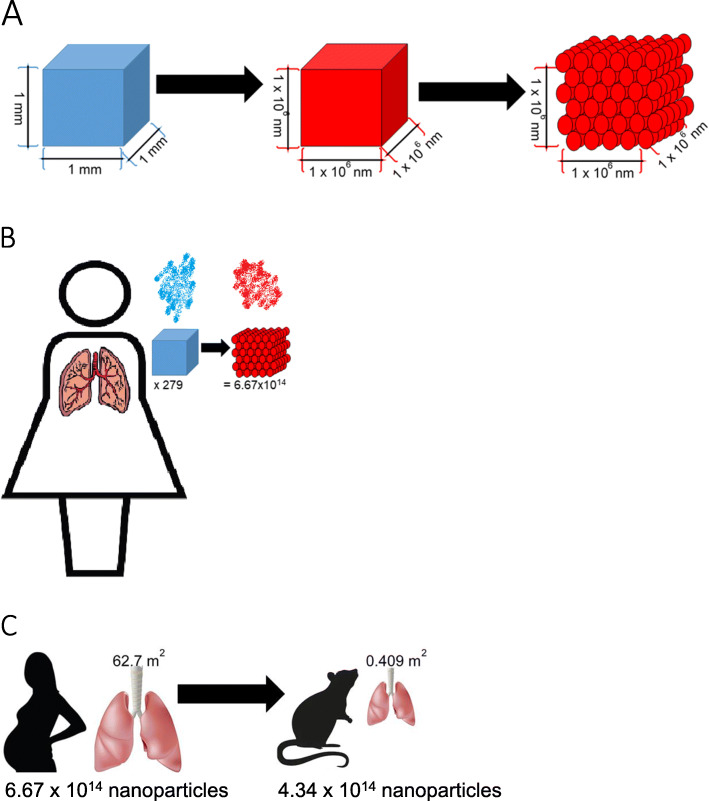
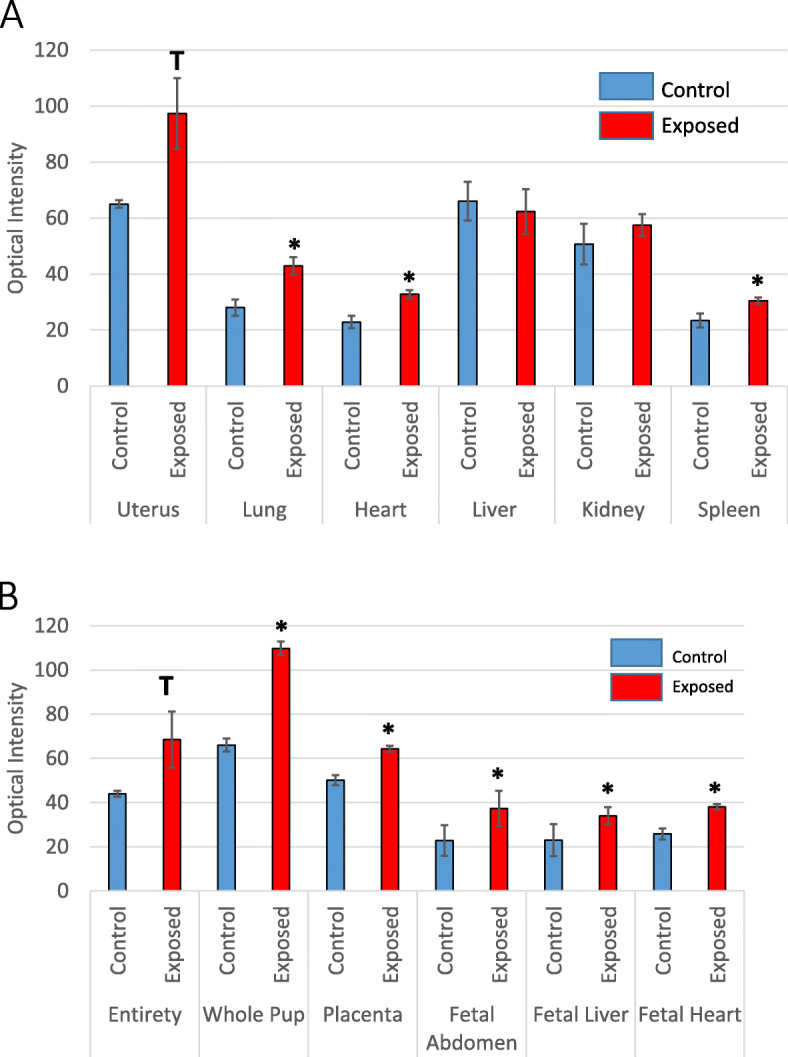
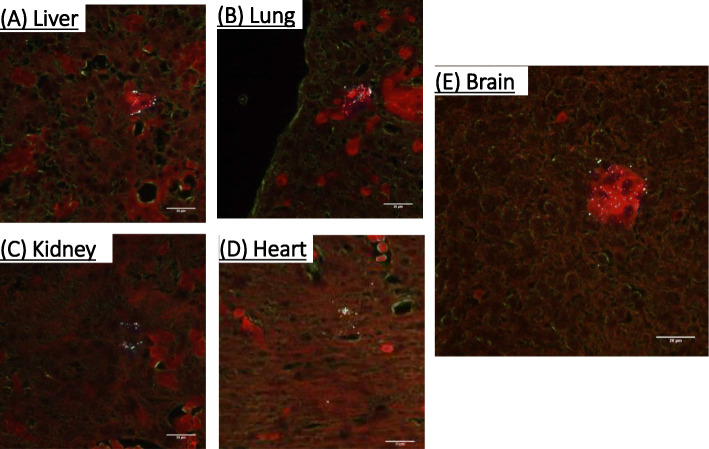
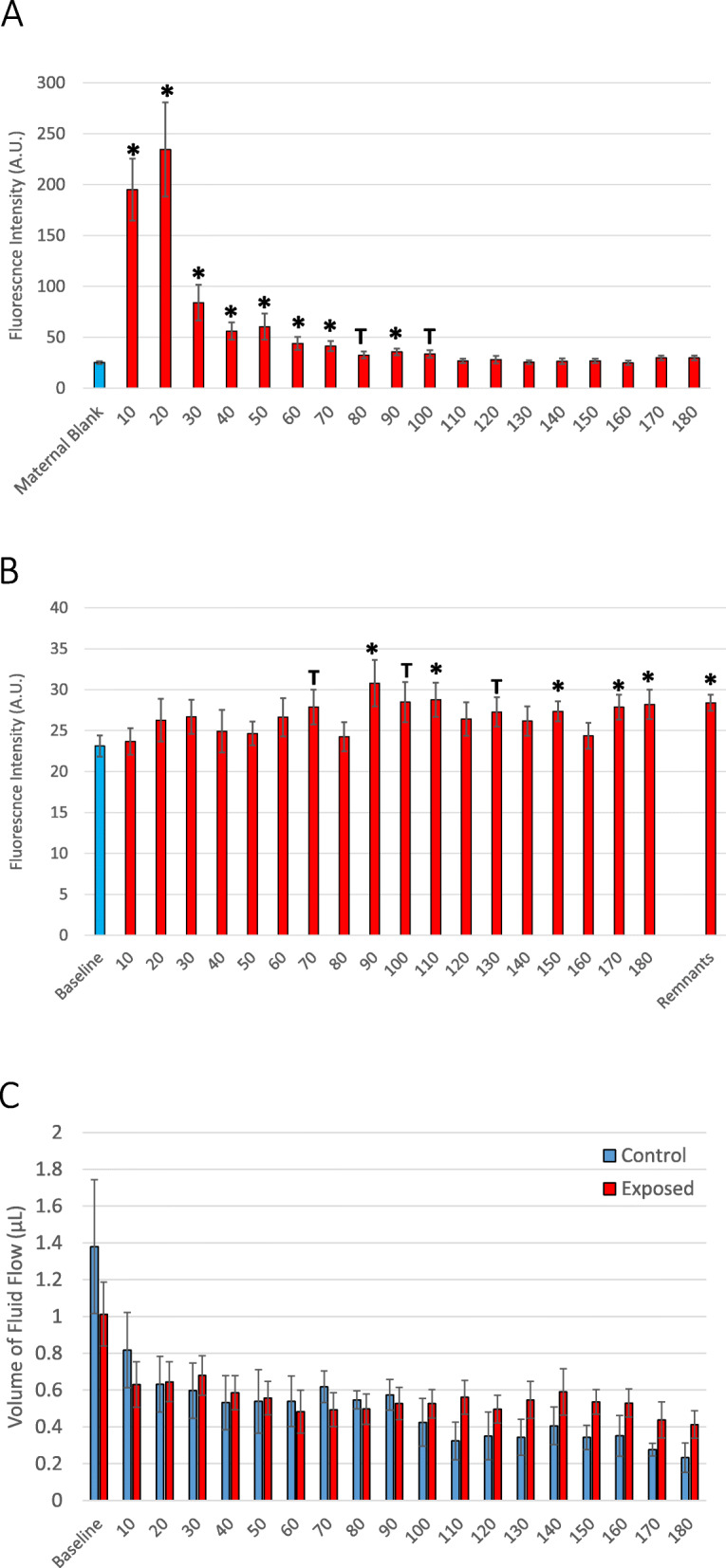
Background: Plastic is everywhere. It is used in food packaging, storage containers, electronics, furniture, clothing, and common single-use disposable items. Microplastic and nanoplastic particulates are formed from bulk fragmentation and disintegration of plastic pollution. Plastic particulates have recently been detected in indoor air and remote atmospheric fallout. Due to their small size, microplastic and nanoplastic particulate in the atmosphere can be inhaled and may pose a risk for human health, specifically in susceptible populations. When inhaled, nanosized particles have been shown to translocate across pulmonary cell barriers to secondary organs, including the placenta. However, the potential for maternal-to-fetal translocation of nanosized-plastic particles and the impact of nanoplastic deposition or accumulation on fetal health remain unknown. In this study we investigated whether nanopolystyrene particles can cross the placental barrier and deposit in fetal tissues after maternal pulmonary exposure. Results: Pregnant Sprague Dawley rats were exposed to 20 nm rhodamine-labeled nanopolystyrene beads (2.64 × 10 14 particles) via intratracheal instillation on gestational day (GD) 19. Twenty-four hours later on GD 20, maternal and fetal tissues were evaluated using fluorescent optical imaging. Fetal tissues were fixed for particle visualization with hyperspectral microscopy. Using isolated placental perfusion, a known concentration of nanopolystyrene was injected into the uterine artery. Maternal and fetal effluents were collected for 180 min and assessed for polystyrene particle concentration. Twenty-four hours after maternal exposure, fetal and placental weights were significantly lower (7 and 8%, respectively) compared with controls. Nanopolystyrene particles were detected in the maternal lung, heart, and spleen. Polystyrene nanoparticles were also observed in the placenta, fetal liver, lungs, heart, kidney, and brain suggesting maternal lung-to-fetal tissue nanoparticle translocation in late stage pregnancy. Conclusion: These studies confirm that maternal pulmonary exposure to nanopolystyrene results in the translocation of plastic particles to placental and fetal tissues and renders the fetoplacental unit vulnerable to adverse effects. These data are vital to the understanding of plastic particulate toxicology and the developmental origins of health and disease.
Overview
The claims and statistics of this paper haven’t been checked yet.
Run the check — free, no account needed. It reads the open-access text and checks the sources it cites.
Integrity signals
Registry
Cites
Statistics
Figures
Verification
Claims the paper makes
The claims and statistics of this paper haven’t been checked yet.
Run the check — free, no account needed. It reads the open-access text and checks the sources it cites.
Claims other papers make about this one
Each is checked against this paper’s own text: does it say what the citing paper says it does?
The source backs part of the claim, not all of it — or backs it for a different population, condition or comparison.
In the citing paper
“However, given the capability of these nanoplastic particles to cross the biological barrier, nanoparticles, despite the seemingly trivial contribution to the mass measurement, might play a predominant role in terms of toxicity evaluation (72, 73).”
From Rapid single-particle chemical imaging of nanoplastics by SRS microscopy (2024) · cites this paper as [72]
Experimental — accuracy not yet measured
Self-check
Percentages, sums and reported differences re-computed from the paper’s own numbers.
The self-check needs the paper’s full text.
Citations
Cites
Production, use, and fate of all plastics ever made
Geyer, R., Jambeck, J. R., & Law, K. L. (2017) · Science Advances · doi:10.1126/sciadv.1700782 · Cited by 18,606
Human Consumption of Microplastics
Cox, K. D., Covernton, G. A., Davies, H. L., Dower, J. F., Juanes, F., & Dudas, S. E. (2019) · Environmental Science & Technology · doi:10.1021/acs.est.9b01517 · Cited by 2,745
Atmospheric transport and deposition of microplastics in a remote mountain catchment
Allen, S., Allen, D., Phoenix, V. R., Roux, G. L., Durantez, P., Simonneau, A., Binet, S., & Galop, D. (2019) · Nature Geoscience · doi:10.1038/s41561-019-0335-5 · Cited by 2,584
Browne, M. A., Dissanayake, A., Galloway, T. S., Lowe, D. M., & Thompson, R. C. (2008) · Environmental Science & Technology · doi:10.1021/es800249a · Cited by 2,263
Airborne microplastics: consequences to human health?
Prata, J. C. (2018) · Environmental Pollution · doi:10.1016/j.envpol.2017.11.043 · Cited by 1,852
A first overview of textile fibers, including microplastics, in indoor and outdoor environments
Dris, R., Gaspéri, J., Mirande-Bret, C., Mandin, C., Guerrouache, M., Langlois, V., & Tassin, B. (2016) · Environmental Pollution · doi:10.1016/j.envpol.2016.12.013 · Cited by 1,635
Deng, Y., Zhang, Y., Lemos, B., & Ren, H. (2017) · Scientific Reports · doi:10.1038/srep46687 · Cited by 1,471
Pollutants bioavailability and toxicological risk from microplastics to marine mussels
Avio, C. G., Gorbi, S., Milan, M., Benedetti, M., Fattorini, D., d'Errico, G., Pauletto, M., Bargelloni, L., & Regoli, F. (2015) · Environmental Pollution · doi:10.1016/j.envpol.2014.12.021 · Cited by 1,413
Anthropogenic contamination of tap water, beer, and sea salt
Kosuth, M., Mason, S. A., & Wattenberg, E. V. (2018) · PLoS ONE · doi:10.1371/journal.pone.0194970 · Cited by 1,257
Differentially charged nanoplastics demonstrate distinct accumulation in Arabidopsis thaliana
Sun, X., Yuan, X.-Z., Jia, Y., Feng, L., Zhu, F., Dong, S., Liu, J., Kong, X., Tian, H., Duan, J.-L., et al. (2020) · Nature Nanotechnology · doi:10.1038/s41565-020-0707-4 · Cited by 1,240
Cited by
Sorted by citations
Items 201–300 of 479
Rapid detection of microplastics and nanoplastics in seconds by mass spectrometry
Xiao, M., Yang, Y., Alahmadi, H., Harbolic, A., Moreno, G. M., Yu, T., Liu, J., Guo, A., Warner, G. R., Stapleton, P. A., et al. (2025) · Journal of Hazardous Materials · doi:10.1016/j.jhazmat.2025.138322 · Cited by 23
Self-citationYang, L., Wang, X., Ma, J., Li, G., Wei, L., & Sheng, G. (2022) · Applied Soil Ecology · doi:10.1016/j.apsoil.2022.104426 · Cited by 23
Nanoplastic-Induced Biological Effects In Vivo and In Vitro: An Overview
Xie, H., Tian, X., Lin, X., Chen, R., Hameed, S. F., Wang, L., Yu, Y., Li, Y., & Li, Y. (2023) · Reviews of Environmental Contamination and Toxicology · doi:10.1007/s44169-023-00027-z · Cited by 23
“Besides, recent studies found that MPs existed in human lungs, feces, human placenta and body fluids (Fournier et al. 2020; Amato-Lourenço et al. 2021; Ragusa et al. 2021; Zhang et al. 2021a; Jenner et al. 2022; Leslie et al. 2022; Guan et al. 2023).”
BackgroundMicroplastics: A threat for developing and repairing organs?
Hofstede, L. T., Vasse, G. F., & Melgert, B. N. (2023) · Cambridge Prisms Plastics · doi:10.1017/plc.2023.19 · Cited by 23
“…like lower fetal body weights, less vascularization of the placenta and higher expression of genes involved in cholesterol/lipid metabolism, the complement system and the coagulation cascade (Fournier et al., 2020; Park et al., 2020; Huang et al., 2022; Aghaei et al., 2022a, b; Chen et al., 2023).”
BackgroundUnraveling the micro- and nanoplastic predicament: A human-centric insight
Boever, S. D., Devisscher, L., & Vinken, M. (2024) · The Science of The Total Environment · doi:10.1016/j.scitotenv.2024.170262 · Cited by 26
The threat of microplastics and microbial degradation potential; a current perspective
Ullah, Z., Peng, L., Lodhi, A. F., Kakar, M. U., Mehboob, M. Z., & Iqbal, I. (2024) · The Science of The Total Environment · doi:10.1016/j.scitotenv.2024.177045 · Cited by 23
Microplastics in Cosmetics: Emerging Risks for Skin Health and the Environment
Han, J. H., & Kim, H. S. (2025) · Cosmetics · doi:10.3390/cosmetics12040171 · Cited by 30
“Moreover, research has demonstrated that inhaled microplastics can translocate to the placenta and fetal tissues [26].”
Angnunavuri, P. N., Attiogbe, F. K., & Mensah, B. (2022) · Environmental Pollution · doi:10.1016/j.envpol.2022.120714 · Cited by 26
Li, J., Wang, K., Lin, Z., Zhu, M., Xu, S., Cui, Z., Ouyang, Z., Wen, D., & Li, Q. (2025) · Journal of Chromatography A · doi:10.1016/j.chroma.2025.465868 · Cited by 22
Exploring the Impact of Microplastics and Nanoplastics on Macromolecular Structure and Functions
Marycleopha, M., Balarabe, B. Y., Kumar, S., & Adjama, I. (2025) · Journal of Applied Toxicology · doi:10.1002/jat.4915 · Cited by 23
“This mobility allows them to reach tissues and organs once thought to be protected, raising serious concerns about their overall health effects (Fournier et al. 2020).”
Garcia, M. A., Romero, A. S., Merkley, S. D., Meyer-Hagen, J. L., Forbes, C., Hayek, E. E., Sciezka, D. P., Templeton, R., González-Estrella, J., Jin, Y., et al. (2023) · bioRxiv (Cold Spring Harbor Laboratory) · doi:10.1101/2023.06.02.542598 · Cited by 22
Transfer of Micro(nano)plastics in animals: A mini-review and future research recommendation
Hu, L., Zhou, Y., Wang, Y., Zhang, D., & Pan, X. (2022) · Journal of Hazardous Materials Advances · doi:10.1016/j.hazadv.2022.100101 · Cited by 21
The Montreal Protocol and the fate of environmental plastic debris
Jansen, M. A. K., Barnes, P. W., Bornman, J. F., Rose, K. C., Madronich, S., White, C. C., Zepp, R. G., & Andrady, A. L. (2023) · Photochemical & Photobiological Sciences · doi:10.1007/s43630-023-00372-x · Cited by 22
“Although some of the MPs crossed the placental barrier into the foetal side, no foetal translocation was noted, unlike in studies on inhaled MPs in rats where foetal translocation was observed [18].”
ResultYe, J., Ren, Y., Dong, Y., & Fan, D. (2024) · Toxicology · doi:10.1016/j.tox.2024.153792 · Cited by 24
Liu, Y., Qin, Z., Jia, X., Zhou, J., Li, H., Wang, X., & Wang, G. (2024) · Journal of environmental chemical engineering · doi:10.1016/j.jece.2024.113311 · Cited by 21
Virgin and photo-degraded microplastics induce the activation of human vascular smooth muscle cells
Persiani, E., Cecchettini, A., Amato, S., Ceccherini, E., Gisone, I., Sgalippa, A., Ippolito, C., Castelvetro, V., Lomonaco, T., & Vozzi, F. (2025) · Scientific Reports · doi:10.1038/s41598-025-89006-z · Cited by 20
Yang, Z., Zhu, K., Yang, K., Qing, Y. M., Zhao, Y., Wu, L., Zong, S., Cui, Y., & Wang, Z. (2024) · Talanta · doi:10.1016/j.talanta.2024.127076 · Cited by 21
Li, H., Xu, S., Zhou, F., Liu, S., Zhang, D., & Wei, X. (2024) · Ecotoxicology and Environmental Safety · doi:10.1016/j.ecoenv.2024.117357 · Cited by 21
Li, R., Wang, X., Zhang, J., Hu, Y., Yang, Y., Zhang, Y., Li, B., Shen, M., Wang, C., Yang, Y., et al. (2025) · Nano Letters · doi:10.1021/acs.nanolett.4c05372 · Cited by 19
Gender-specific effects of prenatal polystyrene nanoparticle exposure on offspring lung development
Bu, W., Yu, M., Ma, X., Shen, Z., Ruan, J., Qu, Y., Huang, R., Xue, P., Ma, Y., Tang, J., et al. (2025) · Toxicology Letters · doi:10.1016/j.toxlet.2025.03.001 · Cited by 19
Vignon, A., Dudon, G., Oliva, G., Thirard, S., Alenda, U. G., Brugoux, A., Cazevieille, C., Imbert, J., Bellières, C., Lehmann, S., et al. (2025) · Journal of Hazardous Materials · doi:10.1016/j.jhazmat.2025.138640 · Cited by 22
Du, J., Hu, Y., Li, Z., Zhou, J., Xiang, F., Zheng, H., & Xiao, H. (2023) · Environmental Toxicology and Chemistry · doi:10.1002/etc.5767 · Cited by 21
“The NPs can cross the placenta from the mother and enter the liver, lungs, kidneys, heart, and brain of the human fetus, thereby affecting fetal development (Fournier et al., 2020).”
BackgroundHe, J., Xiong, S., Zhou, W., Qiu, H., Rao, Y., Liu, Y., Shen, G., Zhao, P., Chen, G., & Li, J. (2024) · Journal of Hazardous Materials · doi:10.1016/j.jhazmat.2024.134586 · Cited by 21
Wang, Z., Shi, R., Wang, R., Ma, Z., Jiang, S., Zhang, F., & Wu, W. (2025) · Ecotoxicology and Environmental Safety · doi:10.1016/j.ecoenv.2025.118056 · Cited by 20
Ragusa, A., Lelli, V., Fanelli, G., Gevi, F., Svelato, A., D'Avino, S., Gevi, F., Santacroce, C., Catalano, P., Rongioletti, M. C. A., et al. (2022) · International Journal of Molecular Sciences · doi:10.2139/ssrn.4027282 · Cited by 18
Das, M., Calderon, L., Singh, D., Majumder, S., Bazina, L., Vaze, N., Trivanovic, U., DeLoid, G. M., Zuverza‐Mena, N., Kaur, M., et al. (2025) · NanoImpact · doi:10.1016/j.impact.2025.100567 · Cited by 21
Mondal, M., Chouksey, A., Gurjar, V., Tiwari, R. R., Srivasatava, R. K., & Mishra, P. K. (2025) · Neurotoxicology and Teratology · doi:10.1016/j.ntt.2025.107521 · Cited by 20
D’Errico, J. N., Fournier, S., & Stapleton, P. A. (2021) · Frontiers in Toxicology · doi:10.3389/ftox.2021.643804 · Cited by 21
Self-citationExamining the hidden dangers: Understanding how microplastics affect pregnancy
Panneerselvam, D., Murugesan, A., Raveendran, S. K., Kumar, J. S., & Venkataraman, P. (2024) · European Journal of Obstetrics & Gynecology and Reproductive Biology · doi:10.1016/j.ejogrb.2024.11.024 · Cited by 18
Durkin, A. M., Zou, R., Boucher, J. M., Boyles, M. S., van Boxel, J., Bustamante, M., Christopher, E. A., Dadvand, P., Dusza, H. M., van Duursen, M., et al. (2024) · doi:10.2196/preprints.63176 · Cited by 18
Durkin, A. M., Zou, R., Boucher, J. M., Boyles, M. S., van Boxel, J., Bustamante, M., Christopher, E. A., Dadvand, P., Dusza, H. M., van Duursen, M., et al. (2024) · JMIR Research Protocols · doi:10.2196/63176 · Cited by 18
“Despite evidence suggesting that MNPs can cross the placental barrier, placental toxicokinetics and toxicity of MNPs remain largely unexplored [33,53-55].”
BackgroundMicro and nano plastics: contaminants in beverages and prevention strategies
Ma, C., Ramachandraiah, K., & Jiang, G. (2024) · Frontiers in Sustainable Food Systems · doi:10.3389/fsufs.2024.1491290 · Cited by 19
Wawer, J., Panuszko, A., Kozłowski, D., Juniewicz, J., Szymikowski, J., & Brodnicka, E. (2025) · Applied Sciences · doi:10.3390/app15105322 · Cited by 20
Schmidt, A., Mühl, M., Brito, W. A. D. S., Singer, D., & Bekeschus, S. (2023) · Antioxidants · doi:10.3390/antiox12020227 · Cited by 18
“The aternal pul onary exposure to polystyrene (PS) nanoparticles as de onstrated, resulting in the translocation of plastic particles to placental and fetal tissues in rats [36].”
BackgroundHuman Exposure to Dietary Microplastics and Health Risk: A Comprehensive Review
Hore, M., Bhattacharyya, S., Roy, S., Sarkar, D., & Biswas, J. K. (2024) · Reviews of Environmental Contamination and Toxicology · doi:10.1007/s44169-024-00066-0 · Cited by 23
“MPs may enter the digestive system through plastic-con-taining personal care items, beverages, fish/shellfish, drinks, and plastic-packaged meals etc. MP exposure during pregnancy may be transferred to the child during breastfeeding (Fournier et al. 2020) (Fig.”
Particulate matter 2.5 accelerates aging: Exploring cellular senescence and age-related diseases
Wang, S., Shi, Y., Lin, S., & He, H.-F. (2024) · Ecotoxicology and Environmental Safety · doi:10.1016/j.ecoenv.2024.116920 · Cited by 20
Human and ecological health effects of nanoplastics: May not be a tiny problem
Hughes, M. F., Clapper, H. M., Burgess, R. M., & Ho, K. T. (2021) · Current Opinion in Toxicology · doi:10.1016/j.cotox.2021.09.004 · Cited by 18
Singh, P., Varshney, G., & Kaur, R. (2024) · Journal of Environmental Science and Health Part C · doi:10.1080/26896583.2024.2370715 · Cited by 17
James, B. D., Medvedev, A. V., Makarov, S. S., Nelson, R. K., Reddy, C. M., & Hahn, M. E. (2024) · ACS Biomaterials Science & Engineering · doi:10.1021/acsbiomaterials.4c00693 · Cited by 15
Micro-nanoplastics pollution and mammalian fertility: A systematic review and meta-analysis
Volsa, A. M., Iacono, E., & Merlo, B. (2025) · Theriogenology · doi:10.1016/j.theriogenology.2025.117369 · Cited by 16
Cellular and Systemic Effects of Micro- and Nanoplastics in Mammals—What We Know So Far
Grote, K., Brüstle, F., & Vlacil, A.-K. (2023) · Materials · doi:10.3390/ma16083123 · Cited by 15
Bongaerts, E., Nawrot, T. S., Wang, C., Ameloot, M. M., Bové, H., Roeffaers, M. B. J., Chavatte‐Palmer, P., Couturier‐Tarrade, A., & Cassee, F. R. (2023) · Particle and Fibre Toxicology · doi:10.1186/s12989-023-00531-z · Cited by 15
Maternal exposure to polystyrene nanoplastics induces sex-specific cardiotoxicity in offspring mice
Chen, X., Huang, S., Wang, L., Liu, K., & Wu, H. (2024) · Heliyon · doi:10.1016/j.heliyon.2024.e39139 · Cited by 15
Ali, M., Xu, C., & Li, K. (2025) · Veterinary Sciences · doi:10.3390/vetsci12080688 · Cited by 16
Wang, P., Li, G., Shou, H., Huang, X., Xu, H., Zhang, S., & Zhu, H. (2025) · EBioMedicine · doi:10.1016/j.ebiom.2025.105918 · Cited by 14
Suman, T. Y., Keerthiga, R., & Kwak, I. (2025) · Archives of Toxicology · doi:10.1007/s00204-025-04233-7 · Cited by 20
Microplastic Contamination in Different Marine Species of Bintaro Fish Market, Indonesia
Widyastuti, S. H., Abidin, A. S., Hikmaturrohmi, H., Ilhami, B. T. K., Kurniawan, N. S. H., Jupri, A., Candri, D. A., Frediansyah, A., & Prasedya, E. S. (2023) · Sustainability · doi:10.3390/su15129836 · Cited by 22
Nanoparticles at the maternal-fetal interface
Adams, S., & Stapleton, P. A. (2023) · Molecular and Cellular Endocrinology · doi:10.1016/j.mce.2023.112067 · Cited by 17
Self-citationYu, F., Qu, C., Ding, Z., Wang, X., Zheng, L., Su, M., & Liu, H. (2023) · Journal of Agricultural and Food Chemistry · doi:10.1021/acs.jafc.3c03860 · Cited by 14
Lizoňová, D., Trivanovic, U., Demokritou, P., & Kelesidis, G. A. (2024) · Nanomaterials · doi:10.3390/nano14070589 · Cited by 15
Hepatic and metabolic outcomes induced by sub-chronic exposure to polystyrene microplastics in mice
Lee, S.-H., Lin, T.-A., Yan, Y., Chien, C., & Cheng, T. (2024) · Archives of Toxicology · doi:10.1007/s00204-024-03847-7 · Cited by 16
“MPs can enter organisms through oral intake, inhalation, and dermal contact and then accumulate inside rodent bodies (Deng et al. 2017; Fournier et al. 2020; Revel et al. 2018).”
Xu, Y., Liu, L., Ma, Y., Wang, C., Duan, F., Feng, J., Yin, H., Sun, L., Cao, Z., Jung, J., et al. (2024) · Aquatic Toxicology · doi:10.1016/j.aquatox.2024.107215 · Cited by 17
Bao, S., Feng, Z., & Cao, S. (2025) · Urban Climate · doi:10.1016/j.uclim.2025.102377 · Cited by 14
Predictive biomarkers for the early detection and management of heart failure
Mariappan, V., Srinivasan, R., Pratheesh, R., Jujjuvarapu, M. R., & Pillai, A. B. (2023) · Heart Failure Reviews · doi:10.1007/s10741-023-10347-w · Cited by 15
“A study has identified the deposition of nano-polystyrene in the heart, spleen, and lungs of maternal rats; moreover, elevated levels of PS-MPs were noted in all fetal tissues [168].”
Qu, M., An, Y., Jiang, X., Wu, Q., Miao, L., Zhang, X., & Wang, Y. (2023) · Aquatic Toxicology · doi:10.1016/j.aquatox.2023.106710 · Cited by 13
From Cradle to Grave: Microplastics—A Dangerous Legacy for Future Generations
Lang, T., Jelić, F., & Wechselberger, C. (2024) · Environments · doi:10.3390/environments11120263 · Cited by 14
Qiao, Q., Wang, L., Xu, Q., Wu, X., Chen, Q., Sheng, T., Cui, M., Li, J., Pang, X., & Zhou, Y. (2025) · Journal of Applied Toxicology · doi:10.1002/jat.4765 · Cited by 14
“Exposure to NPs results in reduced rats fetal and placental weights and increased number of fetal reabsorptions (Fournier et al. 2020).”
Yu, H., Tiao, M., Huang, S., Sheu, J. J., Tain, Y., Sheen, J., Lin, I.-C. F., Tsai, C., Huang, L., Hsu, C., et al. (2025) · Ecotoxicology and Environmental Safety · doi:10.1016/j.ecoenv.2025.118397 · Cited by 15
Microplastic-induced multi-organ toxicity: cellular mechanisms and critical roles of organ crosstalk
Zheng, L., Ma, X., Jin, Z., & Rao, Z. (2026) · Frontiers in Public Health · doi:10.3389/fpubh.2026.1746924 · Cited by 15
“Animal studies reveal that acute maternal inhalation of MPs (20 nm, 1% concentration, 300 μ L) leads to cardiac deposition in both dams and offspring (73), whereas oral MP intake (50 mg/mL, 60 nm) showed no significant cardiac accumulation (74).”
Zhou, P., Zhang, K., Zhang, T., Cen, C., Zheng, Y., & Shuai, Y. (2024) · Water · doi:10.3390/w16131898 · Cited by 15
Tripathi, N., Saudrais, F., Rysak, M., Pieri, L., Pin, S., Roma, G., Renault, J., & Boulard, Y. (2024) · Biomacromolecules · doi:10.1021/acs.biomac.4c00918 · Cited by 12
Developmental Toxicity of Micro(Nano)Plastics (MNPs) Exposure in Mammals: A Mini-Review
Xia, G., Wan, T., Chen, Z., et al. (2025) · Toxics · doi:10.3390/toxics13030224 · Cited by 12
“Studies have demonstrated that MNPs can translocate from maternal systems to the placenta and fetal tissues, including the liver, lung, heart, kidney, and brain [26].”
Bai, Y., Song, Y., He, X., He, W., Chen, Y., Zhao, M. M., Zhang, J., Han, W., & Bai, W. (2025) · Journal of Hazardous Materials · doi:10.1016/j.jhazmat.2025.138201 · Cited by 13
Wu, Y., Yao, Y., Shen, Y., Bai, H., Zhang, L. M., & Zhang, C. (2025) · Small · doi:10.1002/smll.202412286 · Cited by 12
Englert, F. H., Müller, F. A., Dugershaw, B. B., Kissling, V. M., Boentges, S., Gupta, G. S., Fontana, G. A., Diedrich, S., Suter‐Dick, L., Sturla, S. J., et al. (2023) · Environmental Science Nano · doi:10.1039/d3en00044c · Cited by 13
Binder, A. R. D., Mussack, V., Kirchner, B., & Pfaffl, M. W. (2023) · Ecotoxicology and Environmental Safety · doi:10.1016/j.ecoenv.2023.115147 · Cited by 11
Walker-Franklin, I., & Jambeck, J. (2023) · The MIT Press eBooks · doi:10.7551/mitpress/14571.001.0001 · Cited by 11
Aditya, M. R., Muhammad, A. R., Adriansyah, V., Samsu, N., & Sulistomo, H. W. (2025) · All Life · doi:10.1080/26895293.2025.2457760 · Cited by 12
Gürmeriç, H. E., & Başaran, B. (2025) · Applied Sciences · doi:10.3390/app15179411 · Cited by 16
Discovery of microplastics and nanoplastics in pediatric myocardium and blood
Lv, L., Lang, X., Sun, Y., Li, G., Wu, Y., Liu, Z., & Wang, Q. (2025) · Environmental Technology & Innovation · doi:10.1016/j.eti.2025.104371 · Cited by 11
Microplastics exposure and immunologic response
Urrutia‐Pereira, M., Fogelbach, G. G., Chong‐Neto, H. J., & Solé, D. (2023) · Allergologia et Immunopathologia · doi:10.15586/aei.v51i5.834 · Cited by 14
Zhang, Y., Hales, B. F., & Robaire, B. (2025) · Archives of Toxicology · doi:10.1007/s00204-025-03969-6 · Cited by 13
“Previous studies have reported that PSNPs accumulate in female reproductive tissues, can cross the placental barrier, and may have adverse effects on progeny outcome (Fournier et al. 2020).”
Maternal exposure to polystyrene nanoplastics induces sex-specific kidney injury in offspring
Chen, X., Wang, L., Liu, K., Wang, Q., Li, R., Niu, L., & Wu, H. (2025) · Ecotoxicology and Environmental Safety · doi:10.1016/j.ecoenv.2025.118006 · Cited by 13
Cheng, Y., Li, Y., Zhang, Y., Liu, H., Yang, B., Zhu, J., & Kuang, H. (2025) · Environmental Pollution · doi:10.1016/j.envpol.2025.126520 · Cited by 12
Airborne microplastics and their impact on human health: A critical review
Zhang, Y., Kumar, P., Yuan, J., Haleem, N., Traub, J., Gu, Z., & Yang, X. (2025) · Journal of Environmental Sciences · doi:10.1016/j.jes.2025.06.047 · Cited by 14
Counteracting the Harms of Microplastics on Humans: An Overview from the Perspective of Exposure
Tang, K. H. D. (2025) · Microplastics · doi:10.3390/microplastics4030047 · Cited by 19
“Alarmingly, inhaled microplastics have been found to migrate to placental and fetal tissues [44].”
Polystyrene nanoplastics induced lung injury in mice: Insights into lung metabolic disorders
Wang, Z., Wang, N., Jiang, S., Shi, R., Wang, R., & Wu, W. (2025) · Ecotoxicology and Environmental Safety · doi:10.1016/j.ecoenv.2025.119060 · Cited by 10
Micro(Nano)Plastics as Carriers of Toxic Agents and Their Impact on Human Health
Morales-Cano, K. L., Hermida-Castellanos, L., Adame-Adame, C. M., Peláez, L. A. P., & Peña-Montes, C. (2023) · Environmental sciences · doi:10.5772/intechopen.111889 · Cited by 10
Microplastic Pollution in Indian Aquatic Ecosystems: Insights and Implications
Resmi, M. R., & Vaishnavi, V. (2024) · Water Air & Soil Pollution · doi:10.1007/s11270-024-07640-1 · Cited by 9
“…and apoptosis was observed after exposure of 24 h. Reproductive health is adversely affected by certain additives that leach from microplastics since they are endocrine dis-ruptors, such phthalates (Deng et al., 2017; Fournier et al., 2020; Zhang, Han, et al., 2023; Zhang, Wang, et al., 2023).”
Wang, F., Wang, J., Luo, N., Luo, Y., Gao, Z., Ye, C., Jiang, M., Shen, Z., Xiao, J., Xue, P., et al. (2025) · Ecotoxicology and Environmental Safety · doi:10.1016/j.ecoenv.2025.117736 · Cited by 13
Biochemical Effects of Microplastics on Human Health: A Comprehensive Review
Anih, D. C., Arowora, A. K., Abah, M. A., & Ugwuoke, K. C. (2025) · Science International · doi:10.17311/sciintl.2025.27.34 · Cited by 11
Nadarasan, S., Phuna, Z. X., Zaman, R., Tan, C. K., Bustami, N. A., Ho, Y. B., Kosasih, S. J., & Tan, E. S. S. (2025) · Toxicology Reports · doi:10.1016/j.toxrep.2025.102143 · Cited by 14
“Research using mammalian models has proven that nano-polystyrene particles can move from the maternal lungs, cross the placenta, and reach the fetal ’ s kidney, heart, lungs, liver, and brain during late-stage pregnancy [64].”
Fournier, S., Lam, V., Goedken, M. J., Fabris, L., & Stapleton, P. A. (2021) · Scientific Reports · doi:10.1038/s41598-021-98818-8 · Cited by 9
Self-citationBrouwer, H., Oijen, F. L. N. V., & Bouwmeester, H. (2022) · Elsevier eBooks · doi:10.1016/b978-0-12-819470-6.00014-7 · Cited by 9
Lee, S. (2026) · Toxicology Mechanisms and Methods · doi:10.1080/15376516.2025.2584495 · Cited by 8
“Once absorbed, they trans-locate across the intestinal epithelium, alveolar membranes, skin, and even highly selective physiological barriers, such as the blood–brain barrier (BBB), blood–testis barrier (BTB), and placenta (Fournier et al. 2020; Shan et al. 2022).”
Detection of microplastics in the feline placenta and fetus
Ferraboschi, I., Canzolino, F., Ferrari, E., Sissa, C., Masino, M., Rizzi, M., Bussolati, S., Basini, G., Bertini, S., Grolli, S., et al. (2025) · PLoS ONE · doi:10.1371/journal.pone.0320694 · Cited by 8
“Other studies have shown that in pregnant rats exposed to nanoplastics, the percentage of embryonic resorption increased significantly [57].”
Pause, F. C., Baufeld, A., Urli, S., et al. (2025) · The Science of The Total Environment · doi:10.1016/j.scitotenv.2025.179378 · Cited by 8
Mathew, A. S., Harjith, A., & Guruvayoorappan, C. (2025) · Reproductive Toxicology · doi:10.1016/j.reprotox.2025.109021 · Cited by 10
Cary, C. M., Adams, S. E., Moreno, G. M., Seymore, T., Polunas, M., Goedken, M. J., Wang, X., Yurkow, E. J., & Stapleton, P. A. (2025) · Toxicology and Applied Pharmacology · doi:10.1016/j.taap.2025.117507 · Cited by 10
Self-citationMicroplastic pollution in water Systems of the Global South: A review
Saadat, A. M., Emami, S. K., Hamidifar, H., & Shilsar, M. J. F. (2025) · Journal of Contaminant Hydrology · doi:10.1016/j.jconhyd.2025.104729 · Cited by 8
Health Risks of Prenatal and Early-Life Microplastics Exposure: A Comprehensive Review
Zhang, H., Ding, X., Zheng, H., Ma, Q., & Zhang, T. (2025) · Environment & Health · doi:10.1021/envhealth.5c00388 · Cited by 13
“66 This study offered the first in vivo evidence supporting the transplacental transport of micro-plastics.”
InfluentialPlacental transfer and hazards of silver nanoparticles exposure during pregnancy: a review
Han, Y., Li, C., & Wāng, Y. (2024) · Environmental Chemistry Letters · doi:10.1007/s10311-024-01709-3 · Cited by 8
“Inhalable nanoparticles are presumed to interact with the placenta through systemic circulation from the lung (Adamcakova-Dodd et al. 2015; Fournier et al. 2020; Liu et al. 2021; Wu et al. 2020).”
Bai, Y., Chen, Y., Song, Y., Bai, R., He, W., Zhao, M. M., Zhang, J., Zhang, W., Zhang, Y., Dong, S., et al. (2024) · Journal of Hazardous Materials · doi:10.1016/j.jhazmat.2024.135310 · Cited by 8
Campos, A. R. A., Luza, K. M. B., Subebe, M. J. B., Tabelin, C. B., Phengsaart, T., Arima, T., Seno, R. T., Butalid, R. M., Escabarte, A. B. S., Mazahery, A. R., et al. (2024) · Emerging contaminants · doi:10.1016/j.emcon.2024.100433 · Cited by 8
Microplastics: the hidden danger
Urrutia‐Pereira, M., Camargos, P. A. M., & Solé, D. (2024) · Jornal de Pediatria · doi:10.1016/j.jped.2024.10.004 · Cited by 9
“30 In human placentas (fetal side, maternal side and chorioamniotic membrane) the presence of MiP fragments (size ranging from 5 to 10 m m, with spherical or irregular shape) has been documented.”
Neurofluids—Deep inspiration, cilia and preloading of the astrocytic network
Ludwig, H. C., Dreha‐Kulaczewski, S. F., & Bock, H. C. (2021) · Journal of Neuroscience Research · doi:10.1002/jnr.24935 · Cited by 10
Budhwar, M., Mehra, S., Sharma, M., Ahsan, A. U., & Chopra, M. (2024) · Journal of Hazardous Materials Advances · doi:10.1016/j.hazadv.2024.100581 · Cited by 11
Li, X., Cao, H., Yang, Q., Yu, S., Huang, L., Liu, Q., Xiao, X., Chen, S., Ruan, J., Zhao, X., et al. (2025) · Environmental Science Processes & Impacts · doi:10.1039/d4em00642a · Cited by 7
Insights into microplastic exposure routes in the earthworm (Eisenia fetida): Gut and skin
Wang, T., Ling, S., Hu, S., et al. (2025) · Journal of Hazardous Materials · doi:10.1016/j.jhazmat.2025.139653 · Cited by 7
Wang, F., Li, Q., Xie, C., Zhu, N., Deng, Y., Li, Y. H., Chen, K., Meng, W., Wen, Y., Liu, T., et al. (2025) · Ecotoxicology and Environmental Safety · doi:10.1016/j.ecoenv.2025.118946 · Cited by 7
Metadata
- Authors
- Fournier, S. B., D’Errico, J. N., Adler, D. S., Kollontzi, S., Goedken, M. J., Fabris, L., Yurkow, E. J., & Stapleton, P. A.
- Affiliations
- Rutgers, The State University of New Jersey (US)
- Corresponding author
- Stapleton, Phoebe A.
- Venue
- Particle and Fibre Toxicology
- Published
- 2020-10-24
- Volume
- 17
- Issue
- 1
- Pages
- 55-55
- ISSN
- 1743-8977 (ISSN-L)
- PMC
- PMC7585297
- OpenAlex
- W3094032648
- Semantic Scholar
- dcf614bf21877a0149197c66ae35c909f27165a8
- Cited by
- 482
- References
- 60
- Citations by year
- 2026: 73 · 2025: 111 · 2024: 110 · 2023: 95 · 2022: 67 · 2021: 26
- FWCI
- 11.59
- Type
- journal article
- Language
- en
- Open access
- gold
- doi.org
- Locations
- Particle and Fibre Toxicology (publishedVersion, cc-by)
- Research Square (acceptedVersion, cc-by)
- PubMed Central (publishedVersion, cc-by)
- PubMed (publishedVersion)
- PORTO@Iris (submittedVersion, cc-by)
- Rutgers University Community Repository (Rutgers University) (submittedVersion, cc-by)
- DOAJ (DOAJ: Directory of Open Access Journals) (submittedVersion, cc-by-sa)
- Funders
- National Institute of Environmental Health Sciences (R00-ES024783, P30-ES005022, T32-ES007148)
- Topics
- Physical Sciences › Environmental Science › Pollution › Microplastics and Plastic Pollution
- Physical Sciences › Materials Science › Materials Chemistry › Nanoparticles: synthesis and applications
- Physical Sciences › Environmental Science › Health, Toxicology and Mutagenesis › Air Quality and Health Impacts
- Keywords
- polystyrene nanoparticles, nanoplastics, placental barrier, fetal growth restriction, placental perfusion, intratracheal instillation, developmental origins of health and disease
- MeSH terms
- Animals, Female, Fetus, Humans, Maternal-Fetal Exchange, Particle Size, Placenta, Plastics, Polystyrenes, Pregnancy, Rats, Sprague-Dawley, Maternal Exposure, Inhalation Exposure, Rats
About these checks
Registry, retraction, Cites and statistics results are computed, not judged, with one exception: a printed reference that no index lists is read once by a model before it counts as a citation error. Claims are extracted by a model and kept only when their quote appears verbatim in the text; each cited source is then checked, with a model’s help, for whether it says what the claim relies on. Those verdicts can be wrong — read the claim’s quote and the cited source before relying on one.
Statistics and arithmetic are recomputed, not judged.
Confidence bands are shown only for fields calibrated on our annotated test set. None is calibrated yet, so no band is shown.
What counts as a claim ›How we measure confidence ›How we check this ›
Are you an author, or do you see a problem with this page? Request a review
