

The DOI matches its Crossref record; 61 of the 61 references it cites were found in a registry or an index.
Nanopolystyrene translocation and fetal deposition after acute lung exposure during late-stage pregnancy
Open accessPublished version of a preprint
Abstract
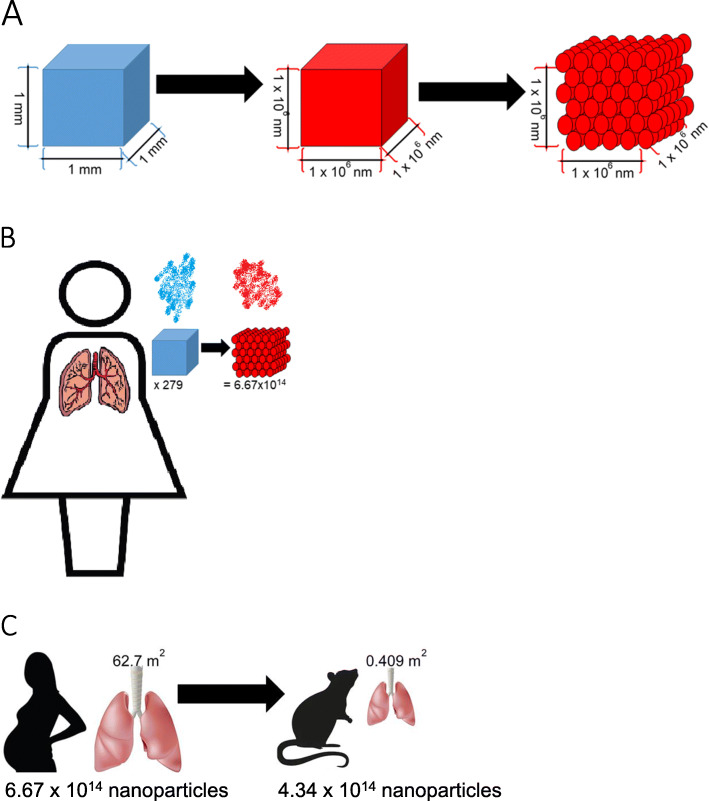
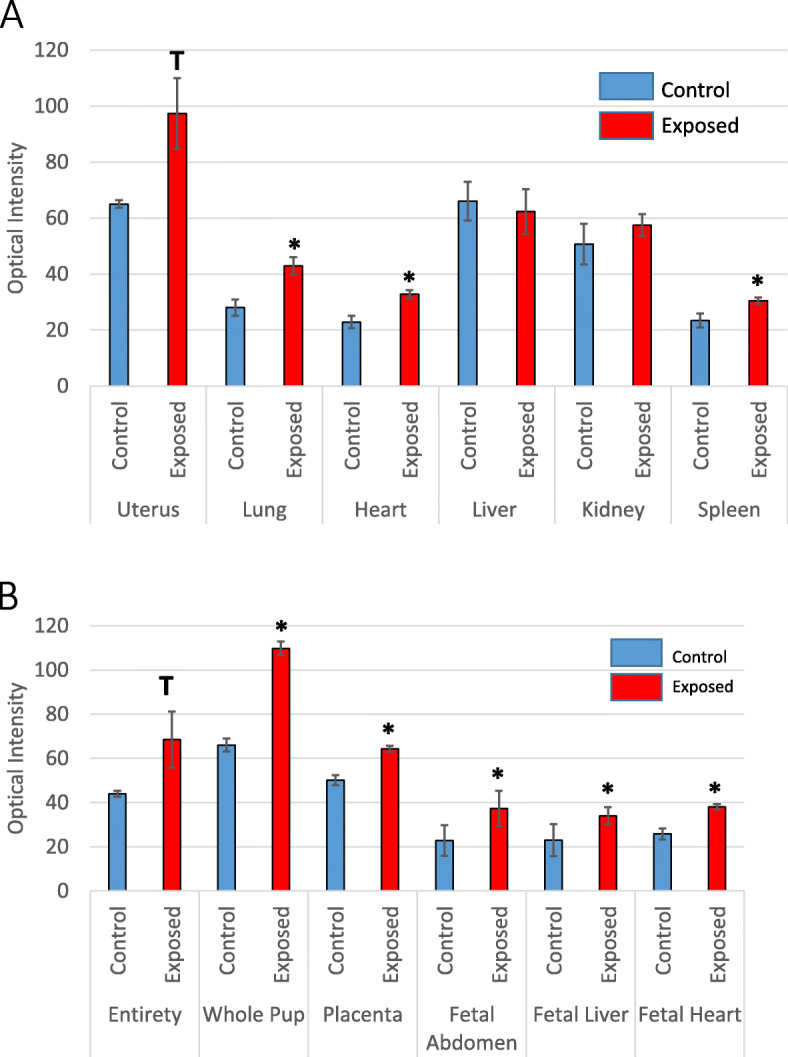
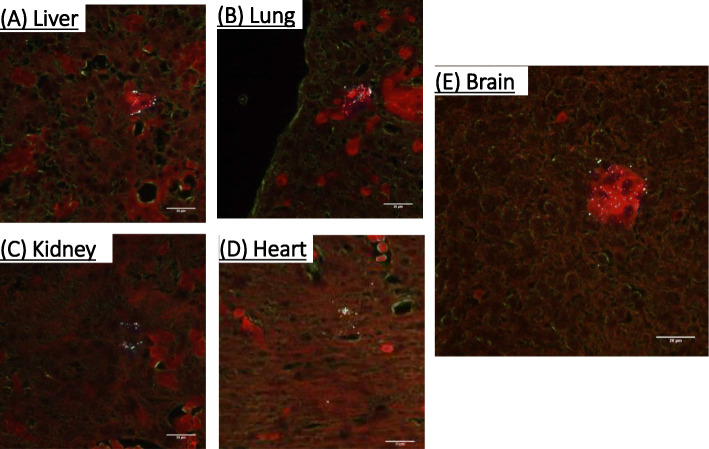
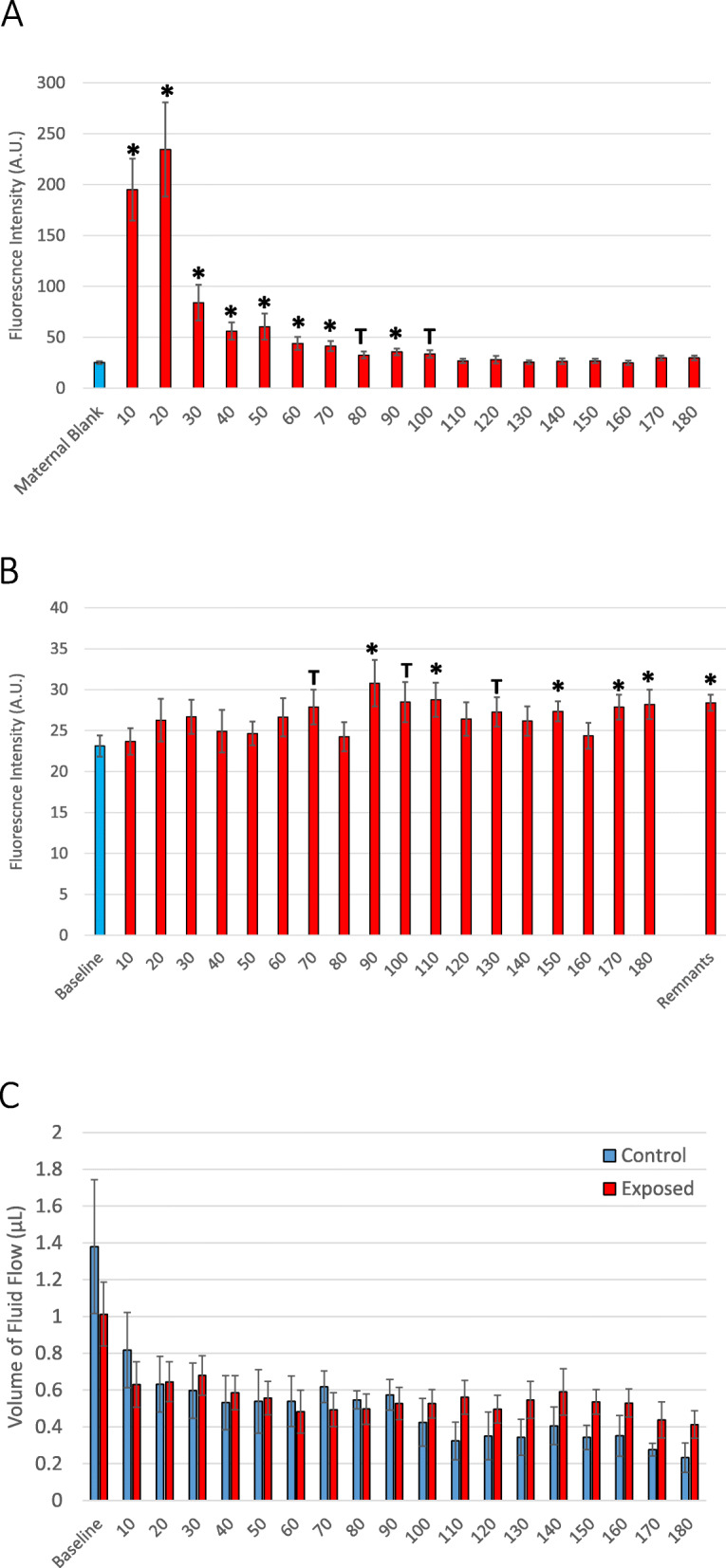
Background: Plastic is everywhere. It is used in food packaging, storage containers, electronics, furniture, clothing, and common single-use disposable items. Microplastic and nanoplastic particulates are formed from bulk fragmentation and disintegration of plastic pollution. Plastic particulates have recently been detected in indoor air and remote atmospheric fallout. Due to their small size, microplastic and nanoplastic particulate in the atmosphere can be inhaled and may pose a risk for human health, specifically in susceptible populations. When inhaled, nanosized particles have been shown to translocate across pulmonary cell barriers to secondary organs, including the placenta. However, the potential for maternal-to-fetal translocation of nanosized-plastic particles and the impact of nanoplastic deposition or accumulation on fetal health remain unknown. In this study we investigated whether nanopolystyrene particles can cross the placental barrier and deposit in fetal tissues after maternal pulmonary exposure. Results: Pregnant Sprague Dawley rats were exposed to 20 nm rhodamine-labeled nanopolystyrene beads (2.64 × 10 14 particles) via intratracheal instillation on gestational day (GD) 19. Twenty-four hours later on GD 20, maternal and fetal tissues were evaluated using fluorescent optical imaging. Fetal tissues were fixed for particle visualization with hyperspectral microscopy. Using isolated placental perfusion, a known concentration of nanopolystyrene was injected into the uterine artery. Maternal and fetal effluents were collected for 180 min and assessed for polystyrene particle concentration. Twenty-four hours after maternal exposure, fetal and placental weights were significantly lower (7 and 8%, respectively) compared with controls. Nanopolystyrene particles were detected in the maternal lung, heart, and spleen. Polystyrene nanoparticles were also observed in the placenta, fetal liver, lungs, heart, kidney, and brain suggesting maternal lung-to-fetal tissue nanoparticle translocation in late stage pregnancy. Conclusion: These studies confirm that maternal pulmonary exposure to nanopolystyrene results in the translocation of plastic particles to placental and fetal tissues and renders the fetoplacental unit vulnerable to adverse effects. These data are vital to the understanding of plastic particulate toxicology and the developmental origins of health and disease.
Overview
The claims and statistics of this paper haven’t been checked yet.
Run the check — free, no account needed. It reads the open-access text and checks the sources it cites.
Integrity signals
Registry
Cites
Statistics
Figures
Verification
Claims the paper makes
The claims and statistics of this paper haven’t been checked yet.
Run the check — free, no account needed. It reads the open-access text and checks the sources it cites.
Claims other papers make about this one
Each is checked against this paper’s own text: does it say what the citing paper says it does?
The source backs part of the claim, not all of it — or backs it for a different population, condition or comparison.
In the citing paper
“However, given the capability of these nanoplastic particles to cross the biological barrier, nanoparticles, despite the seemingly trivial contribution to the mass measurement, might play a predominant role in terms of toxicity evaluation (72, 73).”
From Rapid single-particle chemical imaging of nanoplastics by SRS microscopy (2024) · cites this paper as [72]
Experimental — accuracy not yet measured
Self-check
Percentages, sums and reported differences re-computed from the paper’s own numbers.
The self-check needs the paper’s full text.
Citations
Cites
Production, use, and fate of all plastics ever made
Geyer, R., Jambeck, J. R., & Law, K. L. (2017) · Science Advances · doi:10.1126/sciadv.1700782 · Cited by 18,606
Human Consumption of Microplastics
Cox, K. D., Covernton, G. A., Davies, H. L., Dower, J. F., Juanes, F., & Dudas, S. E. (2019) · Environmental Science & Technology · doi:10.1021/acs.est.9b01517 · Cited by 2,745
Atmospheric transport and deposition of microplastics in a remote mountain catchment
Allen, S., Allen, D., Phoenix, V. R., Roux, G. L., Durantez, P., Simonneau, A., Binet, S., & Galop, D. (2019) · Nature Geoscience · doi:10.1038/s41561-019-0335-5 · Cited by 2,584
Browne, M. A., Dissanayake, A., Galloway, T. S., Lowe, D. M., & Thompson, R. C. (2008) · Environmental Science & Technology · doi:10.1021/es800249a · Cited by 2,263
Airborne microplastics: consequences to human health?
Prata, J. C. (2018) · Environmental Pollution · doi:10.1016/j.envpol.2017.11.043 · Cited by 1,852
A first overview of textile fibers, including microplastics, in indoor and outdoor environments
Dris, R., Gaspéri, J., Mirande-Bret, C., Mandin, C., Guerrouache, M., Langlois, V., & Tassin, B. (2016) · Environmental Pollution · doi:10.1016/j.envpol.2016.12.013 · Cited by 1,635
Deng, Y., Zhang, Y., Lemos, B., & Ren, H. (2017) · Scientific Reports · doi:10.1038/srep46687 · Cited by 1,471
Pollutants bioavailability and toxicological risk from microplastics to marine mussels
Avio, C. G., Gorbi, S., Milan, M., Benedetti, M., Fattorini, D., d'Errico, G., Pauletto, M., Bargelloni, L., & Regoli, F. (2015) · Environmental Pollution · doi:10.1016/j.envpol.2014.12.021 · Cited by 1,413
Anthropogenic contamination of tap water, beer, and sea salt
Kosuth, M., Mason, S. A., & Wattenberg, E. V. (2018) · PLoS ONE · doi:10.1371/journal.pone.0194970 · Cited by 1,257
Differentially charged nanoplastics demonstrate distinct accumulation in Arabidopsis thaliana
Sun, X., Yuan, X.-Z., Jia, Y., Feng, L., Zhu, F., Dong, S., Liu, J., Kong, X., Tian, H., Duan, J.-L., et al. (2020) · Nature Nanotechnology · doi:10.1038/s41565-020-0707-4 · Cited by 1,240
Cited by
Sorted by citations
Items 301–400 of 479
EDCs: Focus on reproductive alterations in mammalian and nonmammalian models
Maradonna, F., & Meccariello, R. (2023) · Elsevier eBooks · doi:10.1016/b978-0-12-824464-7.00003-9 · Cited by 7
Abdel-Halim, K. Y., Salim, E. I., Abdel-Latif, A. S., et al. (2023) · Environmental Analysis Health and Toxicology · doi:10.5620/eaht.2023023 · Cited by 7
“For example, the prospective fetal toxicity depends on the passage of chemical particles from the maternal fluids which are mainly determined through the placental barrier in the case of mammals [3].”
BackgroundThe causal impact of fetal exposure to PM2.5 on birth outcomes: Evidence from rural China
Li, L., & Zhang, X. (2024) · Economics & Human Biology · doi:10.1016/j.ehb.2024.101380 · Cited by 7
Ahamed, M., & Akhtar, M. J. (2024) · Journal of King Saud University - Science · doi:10.1016/j.jksus.2024.103505 · Cited by 7
Assessment of pulmonary toxicity of inhaled polycarbonate 3D printer emissions in rats
Mandler, W. K., McKinney, W., Stueckle, T. A., Knepp, A. K., Anderson, S. E., Jackson, L. G., Keeley, S. P. E., Krajnak, K., Shirzadi, A. P., Farcas, M. T., et al. (2025) · Journal of Toxicology and Environmental Health · doi:10.1080/15287394.2025.2473559 · Cited by 6
“Few studies have used enhanced darkfield microscopy to identify MNPs in exposed cells and rodent tissue following inhalation exposure (Cary, DeLoid, et al. 2023; Fournier et al. 2020; Moreno et al. 2024; Zhang et al. 2023).”
Polystyrene nanoplastics target electron transport chain complexes in brain mitochondria
Seward, D. M., Keegan, C. D., & Davey, G. P. (2025) · Journal of Hazardous Materials Plastics · doi:10.1016/j.hazmp.2025.100003 · Cited by 6
Principi, N., Argentiero, A., Campana, B. R., Seferi, H., Cinti, E., & Esposito, S. (2025) · Journal of Clinical Medicine · doi:10.3390/jcm14238399 · Cited by 7
Kasuske, Z. A., Roy, P., Clouse, D. E., Pas, S. E., Arole, K. D., Green, M. J., Cañas‐Carrell, J. E., & Singh, K. P. (2026) · Environmental Toxicology · doi:10.1002/tox.70036 · Cited by 6
Yu, X., Yao, R., Ge, M., Zeng, L., Zhou, L., Shen, Y., Wijayaraja, A. U., Kariyapperuma, R. H., Xu, W., Mei, Y., et al. (2025) · Ecotoxicology and Environmental Safety · doi:10.1016/j.ecoenv.2025.117748 · Cited by 6
Bhattacharjee, S., Ghosh, P. K., Basu, S., Mukherjee, T., Mandal, B., Sinha, P., & Mukherjee, A. (2025) · Environmental Research · doi:10.1016/j.envres.2025.121218 · Cited by 6
Oral Exposure to Nylon-11 and Polystyrene Nanoplastics During Early-Life in Rats
Mortensen, N. P., Caffaro, M. M. M., Krovi, S. A., Kim, J., Watson, S. L., Snyder, R. W., Patel, P. R., Fennell, T. R., & Johnson, L. M. (2025) · Nanomaterials · doi:10.3390/nano15060465 · Cited by 7
Current approaches and advances in placental toxicology
Veiga‐Lopez, A., Elkin, E. R., Harris, S. M., Blake, B. E., Paquette, A. G., Aleksunes, L. M., & Stapleton, P. A. (2025) · Trends in Endocrinology and Metabolism · doi:10.1016/j.tem.2025.05.001 · Cited by 6
Self-citationThe forgotten tonsils—does the immune active organ absorb nanoplastics?
Ekvall, M. T., Naidu, S., Lundqvist, M., Cedervall, T., & Värendh, M. (2022) · Frontiers in Nanotechnology · doi:10.3389/fnano.2022.923634 · Cited by 7
“In rat, nano-sized polystyrene placed in trachea of the mother could translocate to maternal internal organs as well as in the organs of the fetus (Fournier et al., 2020).”
BackgroundMigration and transformation of airborne microplastics
Zhang, J., & Diao, X. (2022) · Comprehensive analytical chemistry · doi:10.1016/bs.coac.2022.07.004 · Cited by 7
Huang, D., Duan, X., Feng, X., Zhang, W., Li, Z., Mao, Z., & Yang, C. (2023) · AIChE Journal · doi:10.1002/aic.18218 · Cited by 7
Easy Breathing: A Review of the Impact of Air Quality on Pediatric Health Outcomes
Gonzales, T. R., & Whalen, E. C. (2021) · Journal of Pediatric Health Care · doi:10.1016/j.pedhc.2021.08.002 · Cited by 9
Exposure to Nanoplastics During Pregnancy Induces Brown Adipose Tissue Whitening in Male Offspring
Shen, Z., Tian, K., Tang, J., Wang, L., Zhang, F., Yang, L., Ge, Y., Jiang, M., Zhao, X., Yang, J., et al. (2025) · Toxics · doi:10.3390/toxics13030171 · Cited by 5
Maternal exposure to polystyrene nanoplastics leads to ovotoxicity in female mouse offspring
Liu, H. (2025) · Reproductive Toxicology · doi:10.1016/j.reprotox.2025.108996 · Cited by 5
Felsenstein, J., Nelson, K. M., Shirazi, J., & Gleghorn, J. P. (2025) · Journal of Controlled Release · doi:10.1016/j.jconrel.2025.114026 · Cited by 7
The Impact of Microplastics on Allergy: Current Status and Future Research Directions
Hu, J., Zheng, Y., & Gao, Y. (2025) · International Archives of Allergy and Immunology · doi:10.1159/000547873 · Cited by 5
“The first documented evidence of MPs contamination in human pulmonary, hepatic, splenic, and renal tissues was reported at the 2020 American Chemical Society (ACS) Fall Meeting [9].”
Hidden Threats in Infant Diets and Environment ‒ Risks of Microplastics and Nanoplastics in Food
Kadac-Czapska, K., Bukowska, B., Sicińska, P., & Grembecka, M. (2025) · Reviews of Environmental Contamination and Toxicology · doi:10.1007/s44169-025-00099-z · Cited by 8
“These tests demonstrated that MPs and NPs can pass the placental barrier and concentrate in the offspring’s internal organs (Bongaerts et al. 2020; Fournier et al. 2020; Ho et al. 2017; Huang et al. 2015).”
Lung retention, distribution and persistence of polymer particles in rats exposed via inhalation
Thá, E. L., Ma‐Hock, L., Rueckel, M., Gruendling, T., Wohlleben, W., Reck, B., & Landsiedel, R. (2026) · Particle and Fibre Toxicology · doi:10.1186/s12989-025-00655-4 · Cited by 5
“…particles showing greater retention compared to their larger counterparts, opposite to the size related tendency observed by Sarlo et al. By contrast, several studies have demonstrated the translocation of PS to extrapulmonary organs, including brain, liver, kidney, spleen, and placenta [90–94].”
Israni, D. K., Soni, J., Singh, S. K., & Prajapati, B. G. (2024) · Water Air & Soil Pollution · doi:10.1007/s11270-024-07146-w · Cited by 5
“…to this, Fournier et al. discovered that following maternal pulmonary contact, PS was transferred from the maternal lung, passed the placenta to the fetal blood, and was then deposited in fetal organs such the hepatocytes, alveoli, renal tissue, myocardium, and neurons (Fournier et al., 2020).”
MICROPLASTICS: FORMATION, DISPOSITION, AND ASSOCIATED DANGERS. AN OVERVIEW
Aranda, F. L., & Rivas, B. L. (2023) · Journal of the Chilean Chemical Society · doi:10.4067/s0717-97072023000105755 · Cited by 6
“Studies have verified that a large amount of microplastic can enter the human body and even the placenta, fetal liver, lungs [122], heart [123], kidneys [124], and even the brain [125, 126].”
BackgroundLi, F., Xu, X., Wang, Z., Xie, J., Wei, S., Ji, Z., Liu, L., Wu, H., & Zhao, Y. (2025) · Ecotoxicology and Environmental Safety · doi:10.1016/j.ecoenv.2025.118500 · Cited by 5
The Application of Engineered Nanomaterials in Perinatal Therapeutics
Stapleton, P. A. (2023) · Small · doi:10.1002/smll.202303072 · Cited by 5
Self-citationMass Spectrometry Imaging Reveals In Situ Behaviors of Multiple Components in Aerosol Particles
Jiang, Y., Sun, J., Xiong, C., et al. (2021) · Angewandte Chemie · doi:10.1002/ange.202103874 · Cited by 5
Jeong, J., Kang, K. W., Kim, H.-W., et al. (2025) · Toxicology · doi:10.1016/j.tox.2025.154268 · Cited by 4
Hazardous substances present in crop-livestock recycling system: hazards to animals and humans
Sun, M., Guo, J., Wang, X., & Chang, X. (2025) · The Science of The Total Environment · doi:10.1016/j.scitotenv.2025.180481 · Cited by 4
Zhang, T., Tian, H., Teng, Y., Duan, Z., Han, D., Cheng, D., Han, J., & Liu, M. (2025) · Ecotoxicology and Environmental Safety · doi:10.1016/j.ecoenv.2025.119332 · Cited by 4
Organ-level translocation and tissue-specific accumulation of micro- and nanoplastics in wild birds
Wang, M., Wang, S., Zhou, P., Shan, H., Zhang, S., Yang, Z., Wang, Y., Hu, Z., Zhang, J., Wu, Y., et al. (2025) · Journal of Hazardous Materials · doi:10.1016/j.jhazmat.2025.140738 · Cited by 4
Shi, R., Xia, P., Yang, X., Zhang, X. C., Liu, S., Shen, R., Tan, H., Deng, Y., & Zhang, Y. (2025) · Archives of Toxicology · doi:10.1007/s00204-025-04259-x · Cited by 6
Fluorescent nanoplastics: What steps are needed towards a representative toolkit?
van den Akker, K., Mandemaker, L. D. B., Dorresteijn, J. M., Amaral‐Zettler, L., Weckhuysen, B. M., & Meirer, F. (2025) · Microplastics and Nanoplastics · doi:10.1186/s43591-025-00159-0 · Cited by 5
Bu, W., Jin, Y., Zhou, Y., Wang, F., Zheng, D., Liu, R., Wang, X., Yu, M., Bao, S., Zhao, R., et al. (2025) · Materials Today Bio · doi:10.1016/j.mtbio.2025.102738 · Cited by 4
Lee, J. G., Park, S., Lee, D. Y., & Cho, S. (2025) · Toxicology · doi:10.1016/j.tox.2025.154392 · Cited by 6
Kumar, A., Madan, M., Kumar, V., Bhattacharya, J., & Dubey, K. K. (2026) · Frontiers in Water · doi:10.3389/frwa.2026.1763916 · Cited by 4
Matondo, J. D., Issa-Zacharia, A., & Chacha, J. S. (2026) · Trends in Food Science & Technology · doi:10.1016/j.tifs.2026.105836 · Cited by 5
THE EFFECT OF NANOPLASTICS AND MICROPLASTICS ON LUNG MORPHOLOGY AND PHYSIOLOGY: A SYSTEMATIC REVIEW
Rybalchenko, Y. (2024) · The Medical and Ecological Problems · doi:10.31718/mep.2024.28.3.06 · Cited by 6
Qiu, H., Li, J., Chen, G., Cao, T., Li, J., Li, X., & Qiu, R. (2023) · Chinese Science Bulletin (Chinese Version) · doi:10.1360/tb-2023-0295 · Cited by 6
Microplastics in the atmosphere: transportation and impact on humans
Pham, T. H., Do, H. T., Nguyen, T. L., Thi, L. P., & Dang, T. H. L. (2024) · Elsevier eBooks · doi:10.1016/b978-0-443-29804-2.00007-x · Cited by 4
Liang, M., Huang, X., Luo, S., Zeng, Y., Chen, K., Wang, X., Li, Y., Liu, C., Cui, L., Huang, W., et al. (2025) · Journal of Hazardous Materials · doi:10.1016/j.jhazmat.2025.138978 · Cited by 4
A review of the association of air pollution on pregnant health
Ayseli, M. T., & Çetinkaya, T. (2024) · Elsevier eBooks · doi:10.1016/b978-0-443-16080-6.00008-2 · Cited by 4
Exposure to Nanoplastics Affects Brain Development and Behavior in Offspring MicePreprint
Shin, H. S., Lee, S. H., Choi, S. M., Moon, H. J., Lee, H. R., & Jung, E. (2022) · SSRN Electronic Journal · doi:10.2139/ssrn.4112032 · Cited by 4
Describing the Accumulation, Concentration, and Amplification Effects of MPs Through the Food Chain
DAĞDELEN, Ü., TÜRKYILMAZ, D., & Esenbuğa, N. (2024) · Current Nutrition & Food Science · doi:10.2174/0115734013321875240913043337 · Cited by 3
Optical trapping stability of different irregularly shaped microplastic particles
Kazemi, N., Truong, M., Stilgoe, A. B., Nascak, V., Poblano, J., & Bezryadina, A. (2025) · Scientific Reports · doi:10.1038/s41598-025-02571-1 · Cited by 4
“contact 14,17–19 .”
Feng, Y., Wu, D., Guan, Q., Wang, Q., Xu, Q., Li, R., Tu, C., Pan, X., Inman, J. L., Snijders, A. M., et al. (2025) · Journal of Hazardous Materials · doi:10.1016/j.jhazmat.2025.140628 · Cited by 3
Cary, C. M., Moore, T. L., Gow, A. J., & Stapleton, P. A. (2025) · American Journal of Physiology-Heart and Circulatory Physiology · doi:10.1152/ajpheart.00666.2025 · Cited by 3
Self-citationAn exploration into the transplacental transfer of microplastics through placental transporters
Guo, B., Wang, Y., Wang, W., Guan, R., Li, D., Wang, Q., & Zhao, C. (2025) · Journal of Environmental Sciences · doi:10.1016/j.jes.2025.12.015 · Cited by 3
Pulmonary toxicity of polymethyl methacrylate nanoplastics via intratracheal intubation in mice
Youn, C., Jo, Y.-J., Kwon, J., Yoon, S.-B., You, H.-J., & Kim, J.-S. (2026) · Scientific Reports · doi:10.1038/s41598-025-31615-9 · Cited by 3
Ruiz‐Sagalés, M., Salvia, R., Halldórsson, S. D., Chosson, V., Sigurðsson, G. M., Aguilar, Á., Borrell, A., Ward, M. D., Pétriz, J., & Garcia‐Garin, O. (2026) · Environmental Research · doi:10.1016/j.envres.2026.124237 · Cited by 3
Xia, H., Li, Y., Wang, F., Li, G., Tan, Z., & Song, M. (2026) · Environment & Health · doi:10.1021/envhealth.6c00122 · Cited by 4
Pollutant distribution in vertebrates across scales: Organs, cells, and organelles
Ren, B., Zhao, Y., Wang, X., Wang, M., Wang, Y., Li, X., & Fan, W. (2025) · Environmental Pollution · doi:10.1016/j.envpol.2025.126680 · Cited by 3
Roberts, D. J., & Torous, V. F. (2022) · Elsevier eBooks · doi:10.1016/b978-0-323-89773-0.00069-2 · Cited by 4
Numerical Study towards In Vivo Tracking of Micro-/Nanoplastic Based on X-ray Fluorescence Imaging
von der Osten-Sacken, C., Staufer, T., Rothkamm, K., Kuhrwahl, R., & Grüner, F. J. (2024) · Biomedicines · doi:10.3390/biomedicines12071500 · Cited by 3
“Confirmed microplastics in placenta, both on the maternal and the fetal side, let us think about a probable effect on the newborn [13,32,33].”
BackgroundJian, X., Zhang, X., Chang, S., Xue, Y., Shang, P., Liu, Y., Chen, H., Zhou, X., Wang, W., Wang, P., et al. (2025) · Ecotoxicology and Environmental Safety · doi:10.1016/j.ecoenv.2025.118643 · Cited by 4
Using the Isolated Rat Placenta to Assess Fetoplacental Hemodynamics
Garner, K. L., Bowdridge, E. C., DeVallance, E., et al. (2022) · Frontiers in Toxicology · doi:10.3389/ftox.2022.814071 · Cited by 3
“Other groups have successfully used an ex vivo placental perfusion model to study the transfer of chemical compounds fromdam to fetus in rats (Fournier et al., 2020) and in humans (Conings et al.”
Shamshad, S., Sidra, S., Iqbal, A., Ishaq, A., Nimra, A., Ali, M. M., Hashmi, S. G. M. D., Rashid, M. A., Arooj, F., Qadir, A., et al. (2025) · International Journal of Environmental Research · doi:10.1007/s41742-025-00909-1 · Cited by 3
“Microplastics have also been reported in fetal and placental tissues, leading to preeclampsia, and intrauterine growth restriction (IUGR) (Ilekis et al. 2016; Fournier et al. 2020 ).”
Applications of fluorescence-based techniques for microplastics and nanoplastics analysis
Bhavsar, P. S., Devre, P. V., Sawat, A. H., Patil, A., Nille, O. S., Naik, V. M., Dongare, P. R., Gunjal, D. B., Panja, S. K., & Gore, A. H. (2025) · Elsevier eBooks · doi:10.1016/b978-0-443-30270-1.00009-7 · Cited by 2
Roy, S. S., Bhuvanendran, N., Saravanan, P., et al. (2025) · Journal of Molecular Liquids · doi:10.1016/j.molliq.2025.129227 · Cited by 2
Hepatotoxic mechanisms of functionalized nanopolystyrene: decoding the role of ionic surface groups
Liu, Y., Miao, W., Zhang, J. Q., Li, J., Wang, Y., Zhao, R., Zhuang, R., Dai, X., Zhang, S., Miao, Z., et al. (2026) · Hepatology International · doi:10.1007/s12072-025-10997-y · Cited by 3
“Although nPS translocation across the placental barrier has been reported [35], its effects on blood vessels remain unclear.”
Nanoplastics in the Biological System: A Microscopic Menace with an Impact
Dennis, J., & Mistri, T. K. (2026) · Environmental sciences · doi:10.5772/intechopen.1013429 · Cited by 3
Subbotina, J., McElligott, O., & Lobaskin, V. (2026) · Environmental Science Nano · doi:10.1039/d5en00784d · Cited by 2
Miao, X., Conghui, P., Renxin, Z., Chen, B., Zongzheng, C., Hui, L., Fu, T., Yuan, L., & Longshan, L. (2026) · Journal of Hazardous Materials · doi:10.1016/j.jhazmat.2026.141378 · Cited by 2
Nanoplastic toxicology following gestational and lactational exposure
He, J. (2026) · Nanotoxicology · doi:10.1080/17435390.2026.2622920 · Cited by 2
“…the placenta, amniotic fluid, blood, alimentary tract, brain, mammary tissues, lung, heart, spleen, gonads, and uterus, as well as in fetal tissues (Fournier et al. 2020; yang et al. 2022; 2023; Zhang et al. 2024). in mice offspring, the spleen accumulated the highest concentration of micro-and…”
InfluentialMoreno, G. M., Kidd, J., Garcia, M. A., Farias, S., Scott, J., González-Estrella, J., Cavalere, R., Tiwari, A. J., & Stapleton, P. A. (2026) · Microplastics and Nanoplastics · doi:10.1186/s43591-026-00174-9 · Cited by 2
“Within rodent models nanosized particles are capable of bypassing the pulmonary barrier after exposure and deposit in systemic organs [24–29].”
Self-citationSha, M., Peng, J., Yang, Y., Zhong, N., & Zhao, Y. (2026) · Journal of Developmental Origins of Health and Disease · doi:10.1017/s2040174425100159 · Cited by 2
“Studies have found that MNPs particles can cross the placental barrier in various experimental models, 73 including in vitro cell models, 74 in vivo animal models, 49 and ex vivo human placental perfusion systems.”
Tracking of [ 14 C]Polystyrene Nanoplastics in Pregnant Mice
Khaybullina, O. A., Sarkhel, P., & Keinänen, O. M. (2026) · Advanced Science · doi:10.1002/advs.202523995 · Cited by 2
“In contrast to previous reports of placental/fetal translocation in other NP exposure models [ 38, 39 ], 14 C signals were not detected in the placenta or fetus.”
Murthy, M. K. (2026) · Environmental Science and Pollution Research · doi:10.1007/s11356-026-37939-x · Cited by 2
Yousefi, A., Moradi, H. R., Khaksar, Z., & Abbasi, S. (2026) · Neuroscience · doi:10.1016/j.neuroscience.2026.07.055 · Cited by 2
Molecular Imaging, Radiochemistry, and Environmental Pollutants
Delaney, S., Sebastiano, J., Zeglis, B. M., & Keinänen, O. M. (2023) · Journal of Nuclear Medicine · doi:10.2967/jnumed.122.265209 · Cited by 2
“In another study, the translocation and fetal deposition of 20 nm rhodamine-labeled polystyrene nanoparticles were interrogated in pregnant rats ( 11 ).”
Lakhawat, S. S., Jangid, Y., Dubey, D., Thakuria, B., Mathur, A., Malik, N., Kumar, A., Kumar, V., Kumar, S., & Sharma, P. K. (2024) · Elsevier eBooks · doi:10.1016/b978-0-443-29804-2.00003-2 · Cited by 2
Öztürk-Ufuk, İ., Waseem, A., Vasef, M., et al. (2024) · Springer eBooks · doi:10.1007/978-3-031-51967-3_9 · Cited by 2
The ubiquity of microplastics and phthalates in aquatic ecosystems and toxicological concerns
Kumari, A., Rajput, S., Raina, P., Chaudhary, G., & Kaur, R. (2024) · Elsevier eBooks · doi:10.1016/b978-0-443-18985-2.00009-2 · Cited by 2
Toxicity and Health Effects of Microplastics
Zheng, H., Li, Q., Gu, X., Qian, Y., Shang, Y., Yu, H. Y., An, L., & Wang, F. (2025) · Wiley eBooks · doi:10.1002/9783527842124.ch3 · Cited by 2
Lefrère, B., Poinsignon, L., Fournier, T., Lespès, G., Beaudeux, J., & Zerrad-Saadi, A. (2025) · Journal of Hazardous Materials · doi:10.1016/j.jhazmat.2025.140018 · Cited by 2
Is there a glymphatic pathway to environmental risk in neurodevelopmental disorders?
da Costa, M. D. A., Bolan, S. J., Ebs, M. F. P., Araújo, S. L., Faller, C. J., Barichello, T., Aschner, M., Generoso, J. S., & Gonçalves, C. L. (2025) · Neurotoxicology and Teratology · doi:10.1016/j.ntt.2025.107578 · Cited by 2
Adji, A. S., Dharmasaputra, A., Audrey, F., et al. (2025) · Jurnal Penelitian Pendidikan IPA · doi:10.29303/jppipa.v11i11.13225 · Cited by 1
Roy, A., Kiran, B. R., Tiwari, M., Tripathi, S., & Poluri, K. M. (2026) · Environmental Science Nano · doi:10.1039/d5en00863h · Cited by 1
The oral–systemic interface of micro- and nanoplastics
Li, Y., Fan, D., Bing, X., Kang, N., Wang, Y., Wei, Y., & Zuo, Y. Y. (2026) · Advances in Colloid and Interface Science · doi:10.1016/j.cis.2026.103863 · Cited by 2
Chen, K., Deng, Y., Meng, W., Xie, C., Li, Q., Wang, F., Zhu, J., Liu, J.-Y., Bie, M., & Han, F. (2026) · Journal of Hazardous Materials Advances · doi:10.1016/j.hazadv.2026.101114 · Cited by 1
Lan, M., Zhong, C., Xu, X., He, M., Fan, L., Lu, W., Qiu, L., Fang, J., Wang, J., Wang, S., et al. (2026) · Environment International · doi:10.1016/j.envint.2026.110211 · Cited by 1
Liu, Y., Ji, D., Lin, Y., Ye, S., Guo, R., Luo, Z., & Xiao, F. (2026) · Environmental Pollution · doi:10.1016/j.envpol.2026.128062 · Cited by 1
Liang, Z., Zhang, E., Han, B., Yang, Z., Meng, X., Zhang, Y., Ma, J., Xu, Z., Cheng, M., Shao, H., et al. (2026) · Toxics · doi:10.3390/toxics14050359 · Cited by 1
Environmental Micro-Nanoplastics and Musculoskeletal Disorders: Current Research and Insights
Cheng, J., Dong, H., Liu, R., Ma, Y., Luo, R., & Hu, H. (2026) · International Journal of Nanomedicine · doi:10.2147/ijn.s606793 · Cited by 1
Särndahl, E., Bergman, E., Kotlyar, O., Karlsson, P., Zetzsche, J., Wu, R., Engwall, M., Hyötyläinen, T., & Alijagić, A. (2026) · Environment International · doi:10.1016/j.envint.2026.110370 · Cited by 3
Lee, S. (2026) · Toxicology Mechanisms and Methods · doi:10.1080/15376516.2026.2699441 · Cited by 1
Labi, M. M., Begum, M., Jaman, M. F., Alam, S., Uddin, M. N., Islam, S., Sultana, N. N., & Rahman, M. M. (2026) · Emerging contaminants · doi:10.1016/j.emcon.2026.100708 · Cited by 1
Analysis Methods for the Detection of Plastic Particles in Biological–Environmental Samples
Bunea, A. C., Badea, M. A., Dinischiotu, A., & Balaș, M. (2026) · Microplastics · doi:10.3390/microplastics5030146 · Cited by 2
Nehme, N. M., Serpa, N. O., Almeida, M. D. S., da Silva, B. S., Souza, L. L., Miranda, R. A., Pinheiro, V. H. S. D., Manhães, A. C., de Moura, E. G., Bertasso, I. M., et al. (2026) · Food and Chemical Toxicology · doi:10.1016/j.fct.2026.116305 · Cited by 1
Zhao, X., Guo, Z., Wan, D., Liu, Y., Xu, H., Xu, Y., Wang, Q., Hu, W., Tun, H. M., Wei, H., et al. (2026) · Ecotoxicology and Environmental Safety · doi:10.1016/j.ecoenv.2026.120578 · Cited by 1
Microplastics and female infertility: reproductive toxicity and underlying mechanisms
Ma, S., Wang, M., Fan, M., Meng, Y., Sun, R., Shen, C., Sheng, M., & Zou, Y. (2026) · Frontiers in Endocrinology · doi:10.3389/fendo.2026.1867408 · Cited by 2
“Maternal NP exposure enables particles to accumulate in placental and fetal tissues, damage endothelial trophoblasts, and disrupt uteroplacental blood perfusion, resulting in decreased fetal and placental weights (86).”
Patisaul, H. B. (2024) · Masterclass in neuroendocrinology · doi:10.1007/978-3-031-51112-7_9 · Cited by 1
Research Progress on Sources and Ecological Effects of Microplastics in Sediments
Wang, S. Y., & Zhang, Z. (2025) · Polish Journal of Environmental Studies · doi:10.15244/pjoes/197404 · Cited by 1
“It has been demonstrated that toxic substances that mothers come into contact with during pregnancy or have accumulated in their bodies a few years ago can be transmitted to their offspring during pregnancy and lactation [9].”
Interactions of Microplastics Toward an Ecological Risk in Soil Diversity
Ansari, I., Hanafiah, M. M., El‐Kady, M. M., et al. (2022) · doi:10.1002/9781119800897.ch5 · Cited by 1
Fan, X., Xu, T., Peng, L., Tang, X., Chi, Q., Li, Z., Shi, G., & Li, S. (2022) · Research Square · doi:10.21203/rs.3.rs-1907903/v1 · Cited by 1
Shen, Z., Wang, L., Tang, J., Gao, Z., Tang, C., Huang, D., Mo, S., Tang, J., Xiao, P., Zhao, X., et al. (2024) · Research Square · doi:10.21203/rs.3.rs-3912884/v1 · Cited by 1
Characterizing Microplastics in the Context of Risk Assessment
Tripathi, A., Ghangrekar, M. M., & Surampalli, R. Y. (2025) · doi:10.1002/9781394251100.ch6 · Cited by 1
Metadata
- Authors
- Fournier, S. B., D’Errico, J. N., Adler, D. S., Kollontzi, S., Goedken, M. J., Fabris, L., Yurkow, E. J., & Stapleton, P. A.
- Affiliations
- Rutgers, The State University of New Jersey (US)
- Corresponding author
- Stapleton, Phoebe A.
- Venue
- Particle and Fibre Toxicology
- Published
- 2020-10-24
- Volume
- 17
- Issue
- 1
- Pages
- 55-55
- ISSN
- 1743-8977 (ISSN-L)
- PMC
- PMC7585297
- OpenAlex
- W3094032648
- Semantic Scholar
- dcf614bf21877a0149197c66ae35c909f27165a8
- Cited by
- 482
- References
- 60
- Citations by year
- 2026: 73 · 2025: 111 · 2024: 110 · 2023: 95 · 2022: 67 · 2021: 26
- FWCI
- 11.59
- Type
- journal article
- Language
- en
- Open access
- gold
- doi.org
- Locations
- Particle and Fibre Toxicology (publishedVersion, cc-by)
- Research Square (acceptedVersion, cc-by)
- PubMed Central (publishedVersion, cc-by)
- PubMed (publishedVersion)
- PORTO@Iris (submittedVersion, cc-by)
- Rutgers University Community Repository (Rutgers University) (submittedVersion, cc-by)
- DOAJ (DOAJ: Directory of Open Access Journals) (submittedVersion, cc-by-sa)
- Funders
- National Institute of Environmental Health Sciences (R00-ES024783, P30-ES005022, T32-ES007148)
- Topics
- Physical Sciences › Environmental Science › Pollution › Microplastics and Plastic Pollution
- Physical Sciences › Materials Science › Materials Chemistry › Nanoparticles: synthesis and applications
- Physical Sciences › Environmental Science › Health, Toxicology and Mutagenesis › Air Quality and Health Impacts
- Keywords
- polystyrene nanoparticles, nanoplastics, placental barrier, fetal growth restriction, placental perfusion, intratracheal instillation, developmental origins of health and disease
- MeSH terms
- Animals, Female, Fetus, Humans, Maternal-Fetal Exchange, Particle Size, Placenta, Plastics, Polystyrenes, Pregnancy, Rats, Sprague-Dawley, Maternal Exposure, Inhalation Exposure, Rats
About these checks
Registry, retraction, Cites and statistics results are computed, not judged, with one exception: a printed reference that no index lists is read once by a model before it counts as a citation error. Claims are extracted by a model and kept only when their quote appears verbatim in the text; each cited source is then checked, with a model’s help, for whether it says what the claim relies on. Those verdicts can be wrong — read the claim’s quote and the cited source before relying on one.
Statistics and arithmetic are recomputed, not judged.
Confidence bands are shown only for fields calibrated on our annotated test set. None is calibrated yet, so no band is shown.
What counts as a claim ›How we measure confidence ›How we check this ›
Are you an author, or do you see a problem with this page? Request a review
