

A guide to using the Theoretical Domains Framework of behaviour change to investigate implementation problems
Open accessThe DOI matches its Crossref record; 90 of the 90 references it cites were found in a registry or an index; 40 of the 57 sources its claims cite were checked for support.
Abstract
BACKGROUND: Implementing new practices requires changes in the behaviour of relevant actors, and this is facilitated by understanding of the determinants of current and desired behaviours. The Theoretical Domains Framework (TDF) was developed by a collaboration of behavioural scientists and implementation researchers who identified theories relevant to implementation and grouped constructs from these theories into domains. The collaboration aimed to provide a comprehensive, theory-informed approach to identify determinants of behaviour. The first version was published in 2005, and a subsequent version following a validation exercise was published in 2012. This guide offers practical guidance for those who wish to apply the TDF to assess implementation problems and support intervention design. It presents a brief rationale for using a theoretical approach to investigate and address implementation problems, summarises the TDF and its development, and describes how to apply the TDF to achieve implementation objectives. Examples from the implementation research literature are presented to illustrate relevant methods and practical considerations. METHODS: Researchers from Canada, the UK and Australia attended a 3-day meeting in December 2012 to build an international collaboration among researchers and decision-makers interested in the advancing use of the TDF. The participants were experienced in using the TDF to assess implementation problems, design interventions, and/or understand change processes. This guide is an output of the meeting and also draws on the authors' collective experience. Examples from the implementation research literature judged by authors to be representative of specific applications of the TDF are included in this guide. RESULTS: We explain and illustrate methods, with a focus on qualitative approaches, for selecting and specifying target behaviours key to implementation, selecting the study design, deciding the sampling strategy, developing study materials, collecting and analysing data, and reporting findings of TDF-based studies. Areas for development include methods for triangulating data, e.g. from interviews, questionnaires and observation and methods for designing interventions based on TDF-based problem analysis. CONCLUSIONS: We offer this guide to the implementation community to assist in the application of the TDF to achieve implementation objectives. Benefits of using the TDF include the provision of a theoretical basis for implementation studies, good coverage of potential reasons for slow diffusion of evidence into practice and a method for progressing from theory-based investigation to intervention.
Overview
CoChat Summary
TL;DR
This guide explains how to apply the Theoretical Domains Framework (TDF) to investigate implementation problems, focusing mainly on qualitative interview and focus group methods. It outlines steps from specifying target behaviours to analysing and reporting TDF-based data, with illustrative examples and stated limitations.
Key findings
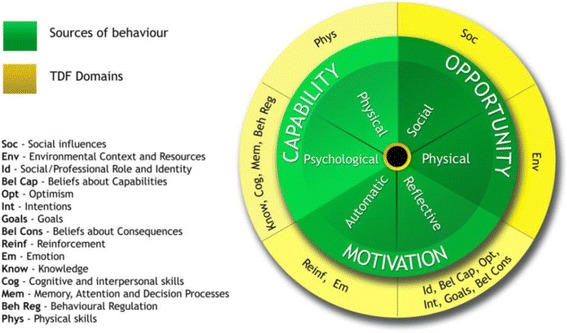
- The TDF is an integrated theoretical framework synthesised from 128 theoretical constructs from 33 theories; version 1 has 12 domains, and version 2 has 14 domains covering 84 theoretical constructs. It has been cited in over 800 peer-reviewed publications (Web of Knowledge accessed April 2017).
- The guide provides step-by-step methodological guidance for TDF-based implementation research, primarily qualitative interviews and focus groups: selecting and specifying target behaviours, selecting study design, deciding sampling strategy, developing interview schedules, collecting and analysing data, and reporting findings.
- Benefits of using the TDF include providing a theoretical basis for implementation studies, good coverage of potential reasons for slow diffusion of evidence into practice, and a method for progressing from theory-based investigation to intervention. Areas for development include methods for triangulating data (e.g., interviews, questionnaires, observation) and methods for designing interventions based on TDF-based problem analysis.
- Illustrative examples include a low back pain study with focus groups of 42 GPs and a cluster randomised trial randomising 47 practices (53 GPs) to control and 45 practices (59 GPs) to intervention; an SDD Delphi study that interviewed 141 participants; and a diabetes management qualitative systematic review that included 32 studies.
Methods
- Design: researchers from Canada, the UK and Australia attended a 3-day collaborative meeting in December 2012 to discuss the state of the science in using the TDF in implementation research and identify areas needing further development. Participants represented health psychology, sociology, implementation and health services research, statistics, and clinical disciplines including general practice, occupational therapy and chiropractic.
- Guide production: the group identified key steps in applying the TDF, pooled their experience and expertise to elaborate each step, and selected examples from the implementation research literature judged representative of specific TDF applications. The guide draws on the authors’ collective experience.
- Analysis: no datasets were generated or analysed for this article; the guide is a narrative, consensus-based resource focused mainly on qualitative approaches.
Limitations
- Stated in the paper: the scope is mostly limited to qualitative approaches, mainly interview and focus group data, with limited detail on using the TDF with other data collection methods such as survey or observation.
- Stated in the paper: illustrative applications were selected based on an informal rather than structured consensus process, leaving the possibility of selection bias in these examples; the aim was not to be representative but to provide examples across settings and implementation problems.
- Evident from the text: the guide is not a systematic review or an empirical validation of TDF application; its recommendations rest on the authors’ collective experience and selected illustrative examples.
Model-written summary. Check it against the paper before relying on it.
Integrity signals
Registry
Cites
Statistics
Figures
Verification
Claims the paper makes
25 Valid · 2 Not valid · 8 Not checked · 49 Own results and interpretations
Every source the paper cites for this claim was checked and supports it.
In the paper
“In an effort to make theories more accessible to those working in implementation, a team of behavioural scientists developed the TDF in collaboration with implementation researchers [15].”
§ A guide to using the Theoretical Domains Framework of behaviour change to investigate implementation problems > Development of the TDF
What the sources say
- Supportedcites [15] 15. Michie S, Johnston M, Abraham C, Lawton R, Parker D, Walker A, et al. Making psychological theory useful for implementing evidence based practice: a consensus approach. Qual Saf Health Care. 2005;14(1):26-33. source
The Discussion states that the project sought to simplify psychological theory and make it accessible to people involved in implementing evidence-based practice. The Health psychology theorists and Health services researchers sections describe the psychologists who developed the domains and the implementation researchers who evaluated them. Page numbers are not available in our copy. (LLM, conf=0.93)
plainstates a cause- Asserted: passes — The authors put it forward as true.
- Checkable: passes — It can be checked against evidence.
- Load-bearing: unclear — It is unclear whether the paper’s conclusions depend on it.
- Based: passes — The paper gives a reason why it holds.
- Supported
Every source the paper cites for this claim was checked and supports it.
In the paper
“The version of TDF, resulting from this validation, showed similar structure and content to the original with slight differences leading to 14 domains covering 84 theoretical constructs.”
§ A guide to using the Theoretical Domains Framework of behaviour change to investigate implementation problems > Development of the TDF
What the sources say
- Supportedcites [16] 16. Cane J, O'Connor D, Michie S. Validation of the theoretical domains framework for use in behaviour change and implementation research. Implement Sci. 2012;7:37. doi:10.1186/1748-5908-7-37. source
The Discussion reports good support for the TDF’s basic structure alongside refinements producing 14 domains. The Conclusions state that the refined framework contains 84 component constructs. (LLM, conf=0.93)
plainstates a cause- Asserted: passes — The authors put it forward as true.
- Checkable: passes — It can be checked against evidence.
- Load-bearing: unclear — It is unclear whether the paper’s conclusions depend on it.
- Based: passes — The paper gives a reason why it holds.
- Supported
The cited sources support only part of this claim — read each source’s verdict below.
In the paper
“The TDF is an integrated theoretical framework synthesised from 128 theoretical constructs from 33 theories judged most relevant to implementation questions.”
§ A guide to using the Theoretical Domains Framework of behaviour change to investigate implementation problems > Development of the TDF
What the sources say
- Partly supportedcites [15] 15. Michie S, Johnston M, Abraham C, Lawton R, Parker D, Walker A, et al. Making psychological theory useful for implementing evidence based practice: a consensus approach. Qual Saf Health Care. 2005;14(1):26-33. sourceExperimental — accuracy not yet measured
The Results report identifying 128 constructs drawn from 33 psychological theories, and the paper describes developing an integrative framework for implementation research. But the Simplifying into theoretical domains section says only a subset of those constructs was prioritised as particularly relevant; it does not say that all 128 were judged most relevant to implementation questions. Page numbers are unavailable in our copy. (LLM, conf=0.84)
plain- Asserted: passes — The authors put it forward as true.
- Checkable: passes — It can be checked against evidence.
- Load-bearing: unclear — It is unclear whether the paper’s conclusions depend on it.
- Based: passes — The paper gives a reason why it holds.
- Partly supported
Every source the paper cites for this claim was checked and supports it.
In the paper
“The Theoretical Domains Framework (TDF) was initially developed for implementation research to identify influences on health professional behaviour related to implementation of evidence-based recommendations and has been cited in over 800 peer-review publications (Web of Knowledge accessed April 2017).”
§ A guide to using the Theoretical Domains Framework of behaviour change to investigate implementation problems > Background
What the sources say
- Supportedcites [15] 15. Michie S, Johnston M, Abraham C, Lawton R, Parker D, Walker A, et al. Making psychological theory useful for implementing evidence based practice: a consensus approach. Qual Saf Health Care. 2005;14(1):26-33. source
The Abstract says the framework was developed for implementation research to study implementation of evidence-based practice and understand healthcare professionals’ behaviour. The Discussion says its theoretical domains were intended to explain failures to implement evidence-based practice. The separate publication-count statement is attributed to Web of Knowledge, not this source. (LLM, conf=0.93)
plain- Asserted: passes — The authors put it forward as true.
- Checkable: passes — It can be checked against evidence.
- Load-bearing: unclear — It is unclear whether the paper’s conclusions depend on it.
- Based: passes — The paper gives a reason why it holds.
- Supported
Every source the paper cites for this claim was checked and supports it.
In the paper
“The TDF underwent a validation exercise with an independent group of behavioural experts to investigate the optimal structure and content of the framework [16].”
§ A guide to using the Theoretical Domains Framework of behaviour change to investigate implementation problems > Development of the TDF
What the sources say
- Supportedcites [16] 16. Cane J, O'Connor D, Michie S. Validation of the theoretical domains framework for use in behaviour change and implementation research. Implement Sci. 2012;7:37. doi:10.1186/1748-5908-7-37. source
The Background states that the study aimed to validate the TDF’s optimal domain structure and content. The Materials > Procedure passage says participants had expertise in behaviour change theory and did not know the original framework, supporting the description of an independent group of experts. (LLM, conf=0.94)
plain- Asserted: passes — The authors put it forward as true.
- Checkable: passes — It can be checked against evidence.
- Load-bearing: unclear — It is unclear whether the paper’s conclusions depend on it.
- Based: passes — The paper gives a reason why it holds.
- Supported
16 more claims · 9 with their cited sources checked
Create a free account to see all 84 claims and every source verdict.
- Probably not a substantial claim. 59
- It may state two separate claims as one. 19
Claims other papers make about this one
Each is checked against this paper’s own text: does it say what the citing paper says it does?
The cited source says what the claim attributes to it.
In the citing paper
“The TDF organizes constructs across 14 domains, ranging from individual knowledge and skills to environmental context and social influences.”
The cited source says what the claim attributes to it.
In the citing paper
“The 14 domains of the TDF, described elsewhere [24], offer a concise coding framework that can be usefully conceptualized as possible targets for behavior change interventions.”
From Influences on the Uptake of and Engagement With Health and Well-Being Smartphone Apps: Systematic Review (2020) · cites this paper as [24]
Self-check
Percentages, sums and reported differences re-computed from the paper’s own numbers.
Each contradiction between two passages listed here was confirmed by an independent check.
Rated minor: it would not touch a result — a value no result rests on, a p-value that stays on the same side of the significance level, or a conflict that is clerical, resolved elsewhere in the paper, or outside its own findings.
In the paper
§ A guide to using the Theoretical Domains Framework of behaviour change to investigate implementation problems > 5. Collect the data
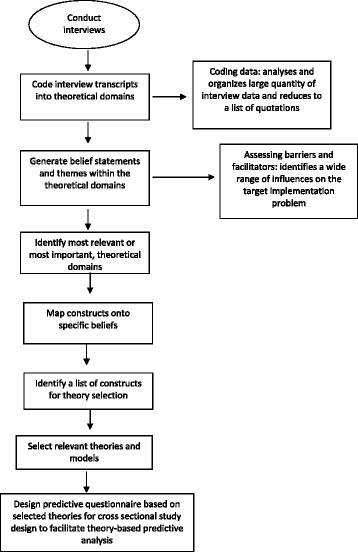
“In the example given above reported in Francis et al. [15], this step resulted in a list of belief statements supported by responses made in the interviews within each theoretical domain.”
§ A guide to using the Theoretical Domains Framework of behaviour change to investigate implementation problems > References
“15. Michie S, Johnston M, Abraham C, Lawton R, Parker D, Walker A, et al. Making psychological theory useful for implementing evidence based practice: a consensus approach.”
Rated minor: it would not touch a result — a value no result rests on, a p-value that stays on the same side of the significance level, or a conflict that is clerical, resolved elsewhere in the paper, or outside its own findings.
In the paper
§ A guide to using the Theoretical Domains Framework of behaviour change to investigate implementation problems > 3. Decide the sampling strategy
“## 3. Decide the sampling strategy”
§ A guide to using the Theoretical Domains Framework of behaviour change to investigate implementation problems > Conclusions
“| 3. Develop study materials | Although materials from previous studies may be | Requires in-depth understanding of the theoretical |”
Citations
Cites
Using thematic analysis in psychology
Braun, V., & Clarke, V. (2006) · Qualitative Research in Psychology · doi:10.1191/1478088706qp063oa · Cited by 194,414
The Measurement of Observer Agreement for Categorical Data
Landis, J. R., & Koch, G. G. (1977) · Biometrics · doi:10.2307/2529310 · Cited by 81,148 · cited 1×
“6 or percentage agreement > 60% is achieved [63].”
BackgroundThe Discovery of Grounded Theory: Strategies for Qualitative Research.
Wagner, H. R., Glaser, B. G., & Strauss, A. L. (1968) · Social Forces · doi:10.2307/2575405 · Cited by 46,361
Three Approaches to Qualitative Content Analysis
Hsieh, H.-F., & Shannon, S. E. (2005) · Qualitative Health Research · doi:10.1177/1049732305276687 · Cited by 44,601 · cited 1×
“theory and/or relevant research findings to interpret meaning from the content of qualitative data for initial codes [57].”
BackgroundThe Discovery of Grounded Theory; Strategies for Qualitative Research
Glaser, B. G., Strauss, A. L., & Strutzel, E. (1968) · Nursing Research · doi:10.1097/00006199-196807000-00014 · Cited by 39,449
(2006) · Cited by 18,730
Damschroder, L. J., Aron, D. C., Keith, R. E., Kirsh, S. R., Alexander, J. A., & Lowery, J. C. (2009) · Implementation Science · doi:10.1186/1748-5908-4-50 · Cited by 14,496 · cited 2×
“by Normalisation Process Theory [66], the Consolidated Framework For Implementation Research [67] and the Yorkshire Contributory Factors Framework [68].”
MethodHao (2015) · doi:10.1002/14651858 · Cited by 11,321
Developing and evaluating complex interventions: the new Medical Research Council guidance
Craig, P., Dieppe, P., Macintyre, S., Michie, S., Nazareth, I., & Petticrew, M. (2008) · BMJ · doi:10.1136/bmj.a1655 · Cited by 10,995
Self-citationQualitative research practice: a guide for social science students and researchers
(2003) · Choice Reviews Online · doi:10.5860/choice.41-1319 · Cited by 10,543
Cited by
Items 1,601–1,700 of 3,792
Guillot, M., Robitaille, C.-A., Turner, L., Pronovost, É., Caouette, G., Matte‐Gagné, C., Olivier, F., Bartholomew, J., Massé, É., Morin, A., et al. (2022) · BMJ Open · doi:10.1136/bmjopen-2021-057482 · Cited by 6
Abrahams, Z., Schneider, M., Honikman, S., Olckers, P., Boisits, S., Seward, N., & Lund, C. (2022) · Pilot and Feasibility Studies · doi:10.1186/s40814-022-01053-9 · Cited by 8
“Abbreviations AFFIRM: Africa Focus on Intervention Research for Mental Health; ANC: Antenatal care; BANC: Basic antenatal care; CBS: Community-based services; CHW: Community health worker; CMD: Common mental disorder; DoH: Department of Health; EPDS: Edinburgh Postnatal Depression Scale; EPOC: Effective Practice and O…”
MethodInfluentialBorn, J., & Frank, C. (2022) · BMC Health Services Research · doi:10.1186/s12913-022-07850-5 · Cited by 6
“Interventions developed to improve access to care that systematically address the known psychological, social or environmental barrier factors are poised to have a higher probability of success [21].”
BackgroundRoman, G., Samar, V. J., Ossip, D. J., McKee, M. M., Barnett, S. L., & Nooraie, R. Y. (2022) · Frontiers in Health Services · doi:10.3389/frhs.2022.882615 · Cited by 7
“The Determinants of Implementation Behavior Questionnaire (DIBQ) was used to measure healthcare professionals’ perceptions of factors influencing implementation to effectively integrate innovations into routine healthcare practice (specifically physical therapists in Sweden and Denmark delivering various physical acti…”
InfluentialKatz, S. L., Blinder, H., Newhook, D., Azerrad, L., Nicholls, S. G., McMillan, H. J., Mah, J. K., Campbell, C., McAdam, L. C., Zielinski, D., et al. (2022) · Pediatric Pulmonology · doi:10.1002/ppul.26154 · Cited by 5
Belavý, D. L., Tagliaferri, S. D., Buntine, P., Saueressig, T., Ehrenbrusthoff, K., Chen, X., Diwan, A. D., Miller, C. T., & Owen, P. J. (2022) · European Spine Journal · doi:10.1007/s00586-022-07378-6 · Cited by 5
“Future work should consider adopting a framework (such as the Theoretical Domains Framework [46]) to guide the design of interventions which consider the cognitive, affective, social, and environmental influences of behaviour within the context of the modified behaviours that are intended to be adopted [46, 47].”
Nadler, M. B., Corrado, A. M., Desveaux, L., Neil‐Sztramko, S., Wilson, B. E., Desnoyers, A., Amir, E., & Ivers, N. M. (2022) · CMAJ Open · doi:10.9778/cmajo.20210266 · Cited by 6
Self-citationTheory-Based Approaches and Determinants of Disease Prevention Behaviours
Thaivalappil, A. (2022) · The Atrium (University of Guelph) · doi:10.1177/11786302221129955 · Cited by 1
Corcuff, M., Routhier, F., Gamache, S., Fiset, D., Leblond, J., & Lamontagne, M. (2022) · International Journal of Environmental Research and Public Health · doi:10.3390/ijerph192214651 · Cited by 6
Remote constraint induced therapy of the upper extremity (ReCITE): A feasibility study protocol
Christie, L., Fearn, N., McCluskey, A., Lannin, N. A., Shiner, C. T., Kilkenny, A., Boydell, J., Meharg, A., Howes, E., Churilov, L. P., et al. (2022) · Frontiers in Neurology · doi:10.3389/fneur.2022.1010449 · Cited by 5
“Abbreviations: ARAT, Action Research Arm Test; BBT, Box and Block Test; COM-B, Capability, Opportunity, Motivation-Behaviour model; CIMT, Constraint induced movement therapy; EQ 5D 5L, EuroQOL 5 dimensions, 5 level; MCID, minimal clinically important di erence; MAL-30, Motor Activity Log; NHPT, Nine Hole Peg Test; SIS…”
MethodKilcullen, S. M., Heffernan, E., Hussey, P., Lee, H., Moran, K., Murphy, C., Smeaton, A. F., Timon, C., Gallagher, P., & Hopper, L. (2022) · Gerontechnology · doi:10.4017/gt.2022.21.1.591.12 · Cited by 8
Bernard, S., Tandon, P., Waters, A., et al. (2023) · BMJ Open · doi:10.1136/bmjopen-2022-067606 · Cited by 5
Surgeon perspectives on the STITCH trial: a mixed methods study
Cochrun, S. L., Herbey, I. I., Ivankova, N. V., Nikolian, V. C., Jansen, J. O., & Parmar, A. D. (2023) · Surgical Endoscopy · doi:10.1007/s00464-023-10086-x · Cited by 6
“The TDF has been used in mixed methods research for the practical application of identifying and characterizing limitations to intervention adoption, which can ultimately inform future systematic interventions.”
InfluentialHuang, J., Qi, H., Lv, K., Zhu, Y., Wang, Y., & Jin, L. (2023) · Journal of PeriAnesthesia Nursing · doi:10.1016/j.jopan.2022.11.004 · Cited by 5
Wright, L., Bennett, S. H., & Meredith, P. J. (2023) · Australian Occupational Therapy Journal · doi:10.1111/1440-1630.12889 · Cited by 6
Unravelling the web: Experiences of adolescents returning to school following a concussion
Shepherd, H. A., Kolstad, A. T., Caron, J. G., Reed, N. P., Yeates, K. O., Schneider, K., Black, A. M., & Emery, C. A. (2023) · Neuropsychological Rehabilitation · doi:10.1080/09602011.2023.2236776 · Cited by 8
“Interview questions were developed through review of the literature and my personal and clinical experiences with concussion, and initial questions were aligned with the Theoretical Domains Framework (Atkins et al., 2017; Michie et al., 2005).”
Reszel, J., Daub, O., Leese, J., Augustsson, H., Bellows, D. M., Cassidy, C. E., Crowner, B. E., Dunn, S., Goodwin, L. B., Hoens, A. M., et al. (2023) · Implementation Science Communications · doi:10.1186/s43058-023-00525-0 · Cited by 9
“The content for this stage frequently included different TMFAs to guide the work (e.g., Theoretical Domains Framework [TDF] [37], Consolidated Framework for Implementation Research [CFIR] [41, 42]).”
MethodTheory-based implementation of an enhanced recovery protocol for cranial surgery
Jamjoom, A. A. B., Sluijters, O. J. J., Yeung, T. L., Wildman, J., Malcolm, G. P., Charalambides, C., Iyer, V., & Barua, N. U. (2023) · Neurosurgical FOCUS · doi:10.3171/2023.9.focus23485 · Cited by 4
Using implementation science to promote the use of the fascia iliaca blocks in hip fracture care
Hammond, M., Law, V., de Launay, K. Q., Cooper, J., Togo, E., Silveira, K., MacKinnon, D., Lo, N., Ward, S. E., Chan, S. K. W., et al. (2023) · Canadian Journal of Anesthesia/Journal canadien d anesthésie · doi:10.1007/s12630-023-02665-2 · Cited by 6
Lloyd, K. E., Hall, L., Ziegler, L. E., Foy, R., Green, S. M. C., MacKenzie, M., Taylor, D. G., & Smith, S. G. (2023) · BMJ Open · doi:10.1136/bmjopen-2023-078703 · Cited by 5
“We developed the interview schedule based on the Theoretical Domains Framework (TDF; V.2), 25 which is a framework derived from multiple behaviour change theories (online supplemental materials 2).”
BackgroundMethodSelf-citationMugweni, E., Lowenhoff, C., Walker, M., Jaswal, S., Emrys‐Jones, A., Adams, C., & Kendall, S. A. (2020) · Child Care Health and Development · doi:10.1111/cch.12758 · Cited by 5
“All qualitative data were managed using NVivo and analysed by EM, CL, SK, SJ using Framework analysis (Ritchie & Spencer, 1994) guided by the Theoretical Domains Framework (TDF) version 2 (Atkins et al., 2017; Cane et al., 2012).”
MethodMcEwen-Smith, L., Price, M. J., Fleming, G., et al. (2020) · International Journal of Pharmacy Practice · doi:10.1111/ijpp.12609 · Cited by 5
“TDF has been widely adopted in health care and education research in understanding and changing behaviours and investigating implementation problems.([14]) In April 2018, Heads of Schools and pre-registration training recruitment leads in all Schools of Pharmacy in the UK (n = 32) were requested to circulate a letter…”
MethodGirling, C., Packham, A., Robinson, L., Arden, M. A., Hind, D., & Wildman, M. J. (2022) · Implementation Science Communications · doi:10.1186/s43058-022-00263-9 · Cited by 7
“Multiple coding using a validated framework [34, 58] with the input of an experienced health psychologist increases the trustworthiness of the findings.”
MethodShun, P. L. W., & Bottari, C. L. (2018) · Journal of Continuing Education in the Health Professions · doi:10.1097/ceh.0000000000000194 · Cited by 8
Wan, T. T. H. (2021) · Health Services Research and Managerial Epidemiology · doi:10.1177/23333928211023220 · Cited by 6
“The KMAP-O model or other transdisciplinary oriented research 21,24,25 could serve as one of the heuristic frameworks for developing a longitudinal and multi-wave causal study and help advance the state of implementation science in diabetes education research with self-care management.”
BackgroundMethodBrown, C. E. B., Richardson, K. E., Pizzirani, B., Atkins, L., Yücel, M., & Segrave, R. A. (2023) · Research Square · doi:10.21203/rs.3.rs-3298861/v1 · Cited by 5
Self-citationRizvi-Toner, A., Coe, A. B., Friese, C. R., Manojlovich, M., Wallner, L. P., & Farris, K. B. (2024) · BMJ Open · doi:10.1136/bmjopen-2023-081375 · Cited by 5
Jackson, H. M., Batterham, P. J., Ohan, J. L., Calear, A. L., & Farrer, L. M. (2024) · BMC Psychiatry · doi:10.1186/s12888-024-05953-3 · Cited by 9
“Consistent with existing behavioural theories and evidence-based behaviour change techniques [53, 54], the participants observed that this process could be facilitated by various factors, including adopting a “just do it” attitude, creating action plans, and reminding themselves of the benefits of…”
Alagöz, E., Saucke, M. C., Balasubramanian, P., Liebenstein, T., & Kakumanu, S. (2024) · BMC Health Services Research · doi:10.1186/s12913-024-11364-7 · Cited by 6
“We then mapped these intervention targets onto domains and constructs within the Theoretical Domains Framework (TDF) [15] to organize the major barriers to implementing the de-labeling protocol (Table 1).”
MethodMabaya, G., Evans, J. M., Longo, C. J., & Morris, A. M. (2024) · Open Forum Infectious Diseases · doi:10.1093/ofid/ofae728 · Cited by 15
Maltby, S., Mahadevan, J., Spratt, N. J., García-Esperón, C., Kluge, M. G., Paul, C. L., Kleinig, T. J., Levi, C. R., & Walker, F. R. (2024) · BMC Medical Education · doi:10.1186/s12909-024-06438-3 · Cited by 4
Understanding variations in the use of tranexamic acid in surgery: A qualitative interview study
Strickland, L. H. H., Evans, H. G., Palmer, A. J. R., Warnakulasuriya, S. R., Murphy, M. F., Stanworth, S. J., Foy, R., & collaborators, N. B. I. D. D. T. P. (2025) · British Journal of Haematology · doi:10.1111/bjh.20008 · Cited by 4
“Nevertheless, we used a structured approach to eliciting influences which has been found to be helpful across many other targeted clinical behaviours and contexts 17 and which is likely to have captured most of the relevant influences on TXA use.”
Self-citationGu, Y., Tang, Y., Xue, Y., Wu, J., & Xie, J. Y. (2025) · BMC Health Services Research · doi:10.1186/s12913-025-12511-4 · Cited by 5
“To address this, the TDF offers a solution by aligning the components of the COM-B model with its 14 domains, allowing for a focused analysis of barriers across different domains and complementing the research findings [23].”
Leppin, C., Okpako, T., Garnett, C. V., Perski, O., & Brown, J. (2025) · PLOS Digital Health · doi:10.1371/journal.pdig.0000705 · Cited by 7
“…(TDF) which is an empirically informed theoretical framework which outlines 14 domains of factors that influence behaviour and behaviour change [43] and the extended version of the second iteration of the Technology Acceptance Model (TAM2), which adapts the Theory of Reasoned Action [44] and…”
The SIMPLER Nutrition Pathway for Fragility Fractures: A Quality Improvement Initiative
Bell, J., Geirsdóttir, Ó. G., Johansen, A., Santy‐Tomlinson, J., Frihagen, F., McGlasson, R. A., Sutton, E., & Hertz, K. (2025) · Nutrients · doi:10.3390/nu17121987 · Cited by 6
McFarlane, M. L., Morra, A., Podgers, D., Barber, D., & Lougheed, M. D. (2025) · JMIR Formative Research · doi:10.2196/74043 · Cited by 6
“…due to many factors, such as change management issues (diffusion of innovations theory) [27], the implementation model did not address sufficient determinants of behavior to effect change (Theoretical Domains Framework) [28,29], or insufficient time in the clinic for providers to adopt a new tool.”
Oosterveld, B., Broese, J. M., Ossebaard, H. C., & van der Kleij, R. (2025) · BMJ Open · doi:10.1136/bmjopen-2024-086484 · Cited by 4
“17 It comprises 14 domains of determinants that influence implementation behaviour, ranging from social influencing to knowledge and outcome expectancies.”
Evaluating learning health systems: a jurisdictional scan
Panesar, B., Whitmore, C., Vanderhout, S. M., & Bird, M. (2025) · SSM - Health Systems · doi:10.1016/j.ssmhs.2025.100117 · Cited by 6
Yan, Y., Yang, J., Lu, Y., Fu, Y., Chen, J., Li, X., & Chang, Y. (2025) · Antimicrobial Resistance and Infection Control · doi:10.1186/s13756-025-01617-3 · Cited by 5
“…market constraints can catalyze reform in public–private collaboration [57], and aligns with the "environmental context and resources" domain of the TDF [36], wherein structural limitations not only hinder action but can also serve as behavioral catalysts under conditions of urgency or competition.”
InfluentialLi, Y., Chang, F., Zhang, W., Ren, Z., Chen, Y., & Liu, Z. (2025) · Journal of Medical Internet Research · doi:10.2196/66981 · Cited by 8
“The TDF provides a broader understanding of behavior, with 14 domains mapped onto the COM-B model [36,44,45].”
Healthy lifestyle behaviors after venous thromboembolism: the patient’s perspective
Kenny, C., Curran, F., Lennon, O. C., Klok, F. A., Matthews, J. J., Áinle, F. N., Rosovsky, R. P. G., & O’Donoghue, G. (2025) · Research and Practice in Thrombosis and Haemostasis · doi:10.1016/j.rpth.2025.103190 · Cited by 4
“Unlike models that focus solely on individual traits, the TDF incorporates external influences that may either hinder or enable behavior change [26,30,31].”
InfluentialLoeb, S., Agarwal, N., El-Chaar, N. N., de Ruiter, L., Kim, J., Mack, J., Thompson, B. J., Rich-Zendel, S., Sheldon, J., Joo, J. S., et al. (2025) · JAMA Network Open · doi:10.1001/jamanetworkopen.2025.35728 · Cited by 5
Gomes, K., Desbrow, B., Bell, J., & Roberts, S. (2025) · Journal of Human Nutrition and Dietetics · doi:10.1111/jhn.70143 · Cited by 6
Lobo, E. H., Worthy, P., Brooks, D., Shrubsole, K., Pourzinal, D., Sriram, D., Fels, R., Yang, J. H., Liddle, J., Mitchell, L. K., et al. (2025) · Frontiers in Digital Health · doi:10.3389/fdgth.2025.1681221 · Cited by 5
Olsen, M., Nielsen, C., Emme, C., Godtfredsen, N. S., & Hansen, H. (2025) · Patient Preference and Adherence · doi:10.2147/ppa.s549332 · Cited by 6
“29,30 In the present study, TDF was applied to develop interview guides, ensure data saturation, and serve as a preliminary coding framework.”
Qin, C., Hua, N., Wang, A., Yang, Y., Zhang, X., Chen, J., & Zhang, Q. (2025) · BMC Geriatrics · doi:10.1186/s12877-025-06686-y · Cited by 8
“A 23-item, four-section self-administered questionnaire was designed based on the Knowledge-Attitude-Practice (KAP) framework and Theoretical Domains Framework (TDF) [31].”
Shapoval, V., Hubert, M. D. S., Pétein, C., Viaud, C., Adda, T., Aubert, C. E., Mooser, B., Tsoutsi, V., Dikeos, D. G., Maldonado, L. F., et al. (2025) · Age and Ageing · doi:10.1093/ageing/afaf342 · Cited by 4
“Thequestionnaire was developed using the Theoretical Domains Framework (TDF), a comprehensive framework grounded in 33 psychological and organisational behaviour change theories [31, 32].”
Self-citationHashad, N., Jabbari, S., Fahmy, A. M., et al. (2026) · International Journal of Pharmacy Practice · doi:10.1093/ijpp/riag010 · Cited by 4
Anandam, T., Peters, S., Lauretta, M. L., Morgan, A. T., & Best, S. (2026) · European Journal of Human Genetics · doi:10.1038/s41431-026-02038-5 · Cited by 5
“The Theoretical Domains Framework (TDF) is a comprehensive framework used to identify and address myriad factors in fl uencing behaviour [27].”
InfluentialFeliu, A., Barrera, B., Boland, V., Drury, A., Hâncean, M.-G., Geantă, M., Koczkodaj, P., Symmons, S. M., Pinto, P., Rees, V. W., et al. (2026) · The Lancet Regional Health - Europe · doi:10.1016/j.lanepe.2026.101633 · Cited by 4
Shi, H., Huang, J., Jin, Y., & Han, M. (2026) · Journal of Medical Internet Research · doi:10.2196/80581 · Cited by 10
“To deepen the behavioral analysis, these factors based on UTAUT2 were further analyzed through the TDF [33].”
Acharya, A., Ashrafian, H., Cunningham, D., Ruwende, J., Darzi, A., & Judah, G. (2022) · BMC Public Health · doi:10.1186/s12889-022-13781-x · Cited by 4
Sánchez, Á., Elizondo-Alzola, U., Pijoán, J. I., Mediavilla, M. M., Pablo, S., de Rozas, R. S., Lekue, I., Gonzalez-Larragan, S., Llarena, M., Larrañaga, O., et al. (2022) · Frontiers in Medicine · doi:10.3389/fmed.2022.967887 · Cited by 6
Krahe, M. A., O’Leary, K., Reilly, S., Wallis, K., & Walsh, K. (2022) · Behaviour Change · doi:10.1017/bec.2022.23 · Cited by 4
“…or environment that discourages or encourages the development of skills and abilities, independence, social competence, and adaptive behaviour; Social Influences : those interpersonal processes that can cause individuals to change their thoughts, feelings, or behaviours (Atkins et al., 2017).”
BackgroundBootsma, J. N., Phoenix, M. P., Geytenbeek, J., Stadskleiv, K., Gorter, J. W., Fiske, S. I., & Cunningham, B. J. (2022) · BMC Health Services Research · doi:10.1186/s12913-022-08803-8 · Cited by 6
“Therefore, the COM-B model was used to understand the facilitators and barriers to tool use in the clinical context and what needs to shift or be modified to achieve desired behaviours [36].”
MethodDiermayr, G., Greisberger, A., Stadel, M., Garbade, S. F., & Salbach, N. M. (2023) · Neurorehabilitation · doi:10.3233/nre-230010 · Cited by 4
Gebreyohannes, E. A., Salter, S. M., Chalmers, L., Radford, J. C., Lee, K., & D’Lima, D. (2023) · Pharmacy · doi:10.3390/pharmacy11050153 · Cited by 7
“TDF [23] and the COM-B model [24] underpinned the design of the interview guide and data analysis (Figure 1).”
MethodPack, A. P., Masters, M. C., O’Conor, R. M., Alcantara, K., Svoboda, S. A., Smith, R., Yeh, F., Wismer, G. A., Wallia, A., & Bailey, S. C. (2023) · Patient Preference and Adherence · doi:10.2147/ppa.s431869 · Cited by 5
“16,17 The original TDF includes 12 multi-level constructs designed to capture determinants of current or future successful intervention implementation strategies.”
BackgroundReid, L., Mangalgi, S., Mann, G., et al. (2023) · Kidney International Reports · doi:10.1016/j.ekir.2023.11.013 · Cited by 4
“8,9 Accordingly, we started with 13 donor candidate interviews until thematic saturation was achieved and no additional information was obtained.”
BackgroundPhysical activity promotion in the community pharmacy: An opportunity for an expanded role?
Viegas, R., Silva, F., Nørgaard, L. S., Duarte‐Ramos, F., Mendes, R., & da Costa, F. A. (2023) · Research in Social and Administrative Pharmacy · doi:10.1016/j.sapharm.2023.12.003 · Cited by 4
Brauer, E. R., Petersen, L., & Ganz, P. A. (2023) · JNCI Cancer Spectrum · doi:10.1093/jncics/pkad108 · Cited by 8
“Using the “TACTA” approach described by Atkins and colleagues, we adapted generic Theoretical Domains Framework–based statements representing specific domains by inserting time (T), action (A), context (C), and target (Ta) details of the problem under investigation (24).”
Ng, W. L., Hussein, N. B., Ng, C. J., Qureshi, N., Lee, Y. K., Kwan, Z., Kee, B. P., Then, S., Malik, T. F. A., Zaidan, F. Z. M., et al. (2024) · PLoS ONE · doi:10.1371/journal.pone.0296498 · Cited by 5
“Theoretical Domain Framework (doctor’s factor, organizational factor, etc) was used as the conceptual framework to explore feasibility of implementing HLA-B * 58:01 testing from the perspective of primary care doctors [21].”
MethodFactors responsible for student nurses’ use of non-sterile gloves: An exploratory qualitative study
Bate, J. (2024) · Journal of Infection Prevention · doi:10.1177/17571774241238686 · Cited by 4
“…users of the TDF work in collaboration with someone to discuss coding and challenges in the initial stages of the process, and that the data should be coded separately using an agreed methodical way, to increase the reliability of the coding, and to iron out any disagreements (Atkins et al., 2017).”
Foster, A. B., Haxton, J., Bennett, N., Hyett, J. A., & Park, F. J. (2024) · Australian and New Zealand Journal of Obstetrics and Gynaecology · doi:10.1111/ajo.13837 · Cited by 5
Kitto, S. C., Fantaye, A. W., You, Y., Schalkwyk, S. C. V., & Cleland, J. (2024) · Medical Teacher · doi:10.1080/0142159x.2024.2387157 · Cited by 4
“Indeed, alignment of new innovations or initiatives with the vision, missions and goals of the institution or organization is a strong predictor of their successful implementation and delivery [76 – 78].”
Hug, S., Cavalheri, V., Hill, K., & Gucciardi, D. F. (2024) · Respiratory Medicine · doi:10.1016/j.rmed.2024.107790 · Cited by 6
Verret, M., Lalu, M. M., Assi, A., Nicholls, S. G., Turgeon, A. F., Carrier, F. M., McIsaac, D. I., Gilron, I., Zikovic, F., Graham, M., et al. (2024) · Canadian Journal of Anesthesia/Journal canadien d anesthésie · doi:10.1007/s12630-024-02847-6 · Cited by 4
Mental health crisis situations: the nurse’s work in Primary Health Care
de Paula, G. B., Akra, N. M. A. E., Córdova, L. F., Cardoso, L., Zanetti, A. C. G., & Giacon-Arruda, B. C. C. (2024) · Revista Latino-Americana de Enfermagem · doi:10.1590/1518-8345.7015.4356 · Cited by 4
Coe, M., Yoshioka, E., Odhiambo, D., Masheti, M., Amam, P., Nyaoke, J., Oduor, E., Serede, M., Ndirangu, A., Singa, B. O., et al. (2024) · BMC Health Services Research · doi:10.1186/s12913-024-11942-9 · Cited by 5
“The TDF was selected for this study as it offers a taxonomy of factors that influence health worker behaviors and the use of evidence-based recommendations [22].”
A survey of NHS nurses' delivery of treatments to prevent recurrence of venous leg ulcers
Alkahtani, A. M., Dumville, J. C., & Armitage, C. J. (2025) · International Wound Journal · doi:10.1111/iwj.70101 · Cited by 4
Slater, K., Taylor, R., McLaughlin, K., Pennell, C. E., Forbes, K., Marcetic, M., Collins, C. E., & Hutchesson, M. (2025) · Health Research Policy and Systems · doi:10.1186/s12961-024-01269-6 · Cited by 5
Devane, N., Marshall, J., Wilson, S., & Hilari, K. (2025) · Disability and Rehabilitation · doi:10.1080/09638288.2025.2470401 · Cited by 7
“The manipulation of treatment components in efficacy studies could explore which are essential to outcomes.”
NoorAli, S., Anda, S. D., Cycyk, L. M., & Starlin, S. (2025) · American Journal of Speech-Language Pathology · doi:10.1044/2024_ajslp-24-00256 · Cited by 6
Flynn, N., Froude, E., Cooke, D. M., & Kuys, S. S. (2025) · Australian Occupational Therapy Journal · doi:10.1111/1440-1630.70010 · Cited by 6
“…skills, social/professional role and identity, beliefs about capabilities, optimism, beliefs about consequences, reinforcement, intentions, goals, memory/attention/decision process, environmental context and resources, social influences, emotion, and behavioural regulation (Atkins et al., 2017).”
InfluentialLangley, J. E., Warner, G., Cassidy, C. E., Urquhart, R., MacNeil, M. V., & Keats, M. R. (2025) · Current Oncology · doi:10.3390/curroncol32040197 · Cited by 4
“The Behaviour Change Wheel (BCW) is a theoretical framework that can be used by researchers to increase the likeliness that interventions are implemented effectively and are sustainable by using its components, including the COM-B model and Theoretical Domains Framework (TDF) [17,18].”
Bellmann, K. P., de Vries, G., & Scholten, L. (2025) · Journal of Environmental Psychology · doi:10.1016/j.jenvp.2025.102666 · Cited by 5
Sivakumar, B., Ricupero, M., Mahajan, A., Jefferson, K., Wenger, J., Code, J., Theodorou, A., & Arcand, J. (2025) · BMC Nutrition · doi:10.1186/s40795-025-01117-y · Cited by 6
“The TDF was used to identify the factors that influence dietary behaviour change such as knowledge, skills, beliefs about capabilities, optimism, beliefs about consequences, reinforcement, memory, attention, decision processes, goals, and behavioural regulation [18].”
Kobson, B., Hanley, J., Mair, A. R., Dima, A. L., Rea, N., & Paterson, R. (2025) · International Journal of Clinical Pharmacy · doi:10.1007/s11096-025-01958-4 · Cited by 8
“This may be attributed to the integration of behaviour change techniques that align with established theoretical frameworks such as the Theoretical Domains Framework (TDF)[50].”
Sarant, J. Z., Francis, J., Harris, D., Hariname, I., Anderson, C., & Peters, S. (2025) · International Journal of Audiology · doi:10.1080/14992027.2025.2537689 · Cited by 4
“Changing behaviour requires a thorough understanding of the factors that influence behaviour and the contexts in which they occur (Atkins et al. 2017).”
InfluentialSelf-citationPeters, S., Pope, N., Klaic, M., Francis, J., & Harrison, D. M. (2025) · The Journal of Perinatal & Neonatal Nursing · doi:10.1097/jpn.0000000000000928 · Cited by 4
Self-citationSelmani, E., Raka, L., Krasniqi, S., Jakupi, A., Sreenivasan, N., Zaman, A. W., Agahi, R., Lila, L., Skov, R. L., & Hoxha, I. S. (2025) · BMJ Open · doi:10.1136/bmjopen-2025-100582 · Cited by 4
“22 While each of the mentioned frameworks has its advantages, the decision to use the CFIR is based on its comprehensiveness and the broad range of constructs.”
Powell, N., Upton, M., Kent, B., et al. (2025) · JAC-Antimicrobial Resistance · doi:10.1093/jacamr/dlaf174 · Cited by 4
Korman, N., Stanton, R., Trott, M., Stubbs, B., Baker, A., Butler, C., Siskind, D. J., Rosenbaum, S., Firth, J., Martland, R., et al. (2025) · Australian & New Zealand Journal of Psychiatry · doi:10.1177/00048674251361681 · Cited by 4
“The Behaviour Change Wheel and COM-B model (Michie et al., 2011) and Theoretical Domains Framework (TDF) (Atkins et al., 2017) were used to map intervention components (Supplemental Appendix 5).”
Bott, D., Senthil, S., Subramanian, A., et al. (2025) · Indian Journal of Ophthalmology · doi:10.4103/ijo.ijo_556_25 · Cited by 4
“Data analysis was conducted using NVivo 12 software (QST International, Doncaster, Australia), following a combined content and framework analysis approach, [20] outlined in Fig.”
Haregu, T., Mahat, K., Miller, S. M., & Oldenburg, B. F. (2020) · Translational Behavioral Medicine · doi:10.1093/tbm/ibz199 · Cited by 4
“These include “SelfManagement Approach and Reciprocal learning for Type 2 Diabetes” (SMART2D) [12], Consolidated Framework for Implementation Research (CFIR) [13], the Theoretical Domains Framework (TDF) [14], Normalization Process Theory (NPT) [15], and applyparastyle "fig//caption/p[1]" parastyle "FigCapt" applypara…”
MethodInfluentialBracher, M., Pilkington, G. J., Hanemann, C. O., & Pilkington, K. (2020) · Frontiers in Bioengineering and Biotechnology · doi:10.3389/fbioe.2020.00936 · Cited by 5
Beaton, L., Humphris, G. M., Rodríguez, A., & Freeman, R. (2021) · BMC Oral Health · doi:10.1186/s12903-021-01747-1 · Cited by 6
“Moreover, since the BCW connects to the Theoretical Domains Framework (TDF), it provides a more detailed understanding of behaviour, and can be used to examine determinants of behaviour [21, 22].”
BackgroundCorker, E., Lorencatto, F., Anderson, N., Gobin, M., Scott, S., Michie, S., & Angel, G. (2021) · HIV Medicine · doi:10.1111/hiv.13187 · Cited by 6
“Analysis was based on guidance for analysing qualitative data based on the TDF [37], and thematic analysis [38] using the qualitative software package, NVivo version 12 [39].”
MethodSelf-citationSaleme, P., & Pang, B. (2021) · Health Education · doi:10.1108/he-09-2021-0120 · Cited by 5
A theory-based exploration of antibiotic use in primary healthcare in Gezira state, Sudan
Lohiniva, A., Elwali, E. S., Abuobaida, D., Abdulrahim, A., Bukuluki, P., & Talaat, M. (2021) · Implementation Science Communications · doi:10.1186/s43058-021-00229-3 · Cited by 7
“The framework consists of 14 domains that include (1) knowledge, (2) skills, (3) social/professional role and identity, (4) beliefs about capabilities, (5) optimism, (6) beliefs about consequences, (7) reinforcement, (8) intentions, (9) goals, (10) memory, attention and decision processes, (11) environmental context a…”
BackgroundLeveraging Implementation Science to Achieve Empirical Outcomes
Kaiser, J. (2022) · JONA The Journal of Nursing Administration · doi:10.1097/nna.0000000000001108 · Cited by 5
Cassarino, M., Cronin, U. M., Robinson, K., Quinn, R., Boland, F., Ward, M. E., McNamara, R., O’Connor, M., McCarthy, G., Ryan, D., et al. (2022) · PLoS ONE · doi:10.1371/journal.pone.0269117 · Cited by 6
Backman, C., Harley, A., Papp, S., Webber, C., Poitras, S., Berdusco, R., Beaulé, P. E., & French-Merkley, V. (2022) · Pilot and Feasibility Studies · doi:10.1186/s40814-022-01079-z · Cited by 4
“Atkins L, Francis J, Islam R, et al. A guide to using the Theoretical Domains Framework of behaviour change to investigate implementation prob‑ lems.”
MethodTan, E., Haskell, L., Beck, S., MacLean, A., Rogan, A., Than, M. P., Venning, B., White, C., Yates, K. M., McKinlay, C. J. D., et al. (2022) · Journal of Paediatrics and Child Health · doi:10.1111/jpc.16127 · Cited by 4
Enhancing the appropriateness of eyecare delivery: the iCaretrack approach
Gyawali, R., Toomey, M., Stapleton, F. J., Keay, L. J., & Jalbert, I. (2023) · Clinical and Experimental Optometry · doi:10.1080/08164622.2023.2178286 · Cited by 4
“22,29 A qualitative study (focus group discussion and interviews) was conducted to explore barriers and enablers experienced by optometrists when providing diabetic eyecare.”
BackgroundYang, T. (2023) · Social Science Research Frontiers · doi:10.57237/j.ssrf.2023.01.004 · Cited by 4
Flemons, K., Cameron, A., Dossett, L. A., Helmle, K. E., McKeen, J. A., & Ruzycki, S. M. (2023) · Canadian Journal of Diabetes · doi:10.1016/j.jcjd.2023.05.001 · Cited by 6
Mathura, P. V., Marini, S., Hagtvedt, R., Spalding, K., Duhn, L., Kassam, N., & Medves, J. (2023) · BMJ Open Quality · doi:10.1136/bmjoq-2022-002016 · Cited by 4
“Comparing the monthly total count of BUN test ordered for each participating MED programme and ED before and after the initiative, a decline in BUN test ordering was found at all study locations (figure 1).”
Kopanidis, F. Z. (2023) · Journal of Social Marketing · doi:10.1108/jsocm-10-2022-0214 · Cited by 8
Yeung, K. W. C. M., Lee, S. K. M., Bin, Y. S., & Cheung, J. M. Y. (2023) · International Journal of Clinical Pharmacy · doi:10.1007/s11096-023-01605-w · Cited by 8
“Concepts from the Theoretical Domains Framework (TDF) were utilised to develop a schedule of interview questions to understand how pharmacists responded to the down-scheduling of melatonin [32].”
Method
Metadata
- Authors
- Atkins, L., Francis, J., Islam, R., O’Connor, D., Patey, A., Ivers, N., Foy, R., Duncan, E. M., Colquhoun, H., Grimshaw, J. M., Lawton, R., & Michie, S.
- Affiliations
- University College London (GB)
- University of London (GB)
- Ottawa Hospital Research Institute (CA)
- Monash University (AU)
- University of Toronto (CA)
- University of Leeds (GB)
- University of Aberdeen (GB)
- University of Ottawa (CA)
- Corresponding author
- Atkins, Lou
- ORCID
- Venue
- Implementation Science
- Published
- 2017-06-21
- Volume
- 12
- Issue
- 1
- Pages
- 77-77
- ISSN
- 1748-5908 (ISSN-L)
- PMC
- PMC5480145
- OpenAlex
- W2674995983
- Semantic Scholar
- 7ae5ea98c6f51755ffa2f67330dea33e0663f161
- Cited by
- 3,819
- References
- 87
- Citations by year
- 2026: 501 · 2025: 619 · 2024: 623 · 2023: 531 · 2022: 554 · 2021: 437 · 2020: 309 · 2019: 160 · 2018: 67 · 2017: 12
- FWCI
- 242.11
- Type
- journal article
- Language
- en
- Open access
- gold
- doi.org
- Licence
- cc-by
- Locations
- Implementation Science (publishedVersion, cc-by)
- Europe PMC (PubMed Central) (publishedVersion, other-oa)
- PubMed Central (publishedVersion, cc-by)
- PubMed (publishedVersion)
- UCL Discovery (University College London) (publishedVersion)
- White Rose Research Online (University of Leeds, The University of Sheffield, University of York) (acceptedVersion)
- TSpace (University of Toronto) (acceptedVersion, cc-by)
- City Research Online (City University London) (acceptedVersion)
- Monash University Research Portal (Monash University) (submittedVersion, other-oa)
- Aberdeen University Research Archive (Aberdeen University) (submittedVersion)
- DOAJ (DOAJ: Directory of Open Access Journals) (submittedVersion, cc-by-sa)
- Minerva Access (University of Melbourne) (submittedVersion, cc-by)
- Funders
- Canadian Institutes of Health Research
- Topics
- Health Sciences › Health Professions › General Health Professions › Health Policy Implementation Science
- Social Sciences › Psychology › Applied Psychology › Behavioral Health and Interventions
- Health Sciences › Health Professions › General Health Professions › Health Sciences Research and Education
- Keywords
- Theoretical Domains Framework, behavior change, implementation problems, implementation research, behavioral factors, intervention design, qualitative research
- MeSH terms
- Australia, Canada, Diffusion of Innovation, United Kingdom, Health Plan Implementation, Health Services Research, Humans, Health Behavior
About these checks
Registry, retraction, Cites and statistics results are computed, not judged, with one exception: a printed reference that no index lists is read once by a model before it counts as a citation error. Claims are extracted by a model and kept only when their quote appears verbatim in the text; each cited source is then checked, with a model’s help, for whether it says what the claim relies on. Those verdicts can be wrong — read the claim’s quote and the cited source before relying on one.
The claim verdicts this report counts are experimental: their accuracy is not yet measured.
A language model drew the claims from the paper on 2026-10-16, under version 3 of the claim definition (model deepseek-v4.1-flash, prompt extract-v3).
A second model labelled each claim on 2026-10-16 (model jev-1.13-20260917, definition revision gold-guideline-v0.2).
Cited sources are checked with a language model’s help (gpt-6-sol).
Statistics and arithmetic are recomputed, not judged.
Confidence bands are shown only for fields calibrated on our annotated test set. None is calibrated yet, so no band is shown.
What counts as a claim ›How we measure confidence ›How we check this ›
Are you an author, or do you see a problem with this page? Request a review
Data sources
Bibliographic data: Semantic Scholar, OpenAlex, Crossref.
Contains information from the Semantic Scholar Academic Graph Datasets, made available under the ODC Attribution License (ODC-BY 1.0).
Semantic Scholar’s data is described in: Kinney, R., et al. (2023). The Semantic Scholar Open Data Platform. arXiv:2301.10140.
