

Action, actor, context, target, time (AACTT): a framework for specifying behaviour
Open accessThe DOI matches its Crossref record; 56 of the 56 references it cites were found in a registry or an index.
Abstract
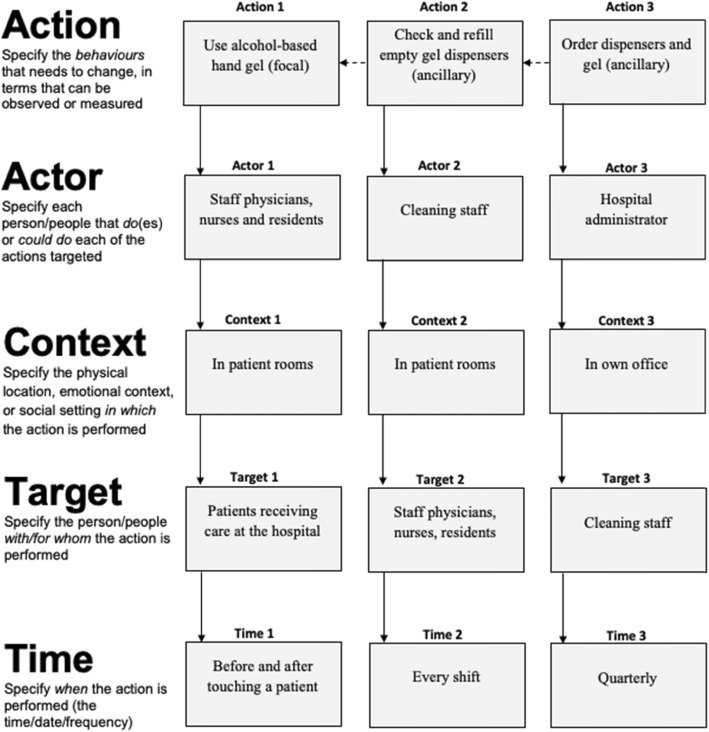
Background: Designing implementation interventions to change the behaviour of healthcare providers and other professionals in the health system requires detailed specification of the behaviour(s) targeted for change to ensure alignment between intervention components and measured outcomes. Detailed behaviour specification can help to clarify evidence-practice gaps, clarify who needs to do what differently, identify modifiable barriers and enablers, design interventions to address these and ultimately provides an indicator of what to measure to evaluate an intervention’s effect on behaviour change. An existing behaviour specification framework proposes four domains (Target, Action, Context, Time; TACT), but insufficiently clarifies who is performing the behaviour (i.e. the Actor). Specifying the Actor is especially important in healthcare settings characterised by multiple behaviours performed by multiple different people. We propose and describe an extension and re-ordering of TACT to enhance its utility to implementation intervention designers, practitioners and trialists: the Action, Actor, Context, Target, Time (AACTT) framework. We aim to demonstrate its application across key steps of implementation research and to provide tools for its use in practice to clarify the behaviours of stakeholders across multiple levels of the healthcare system. Methods and results: We used French et al.’s four-step implementation process model to describe the potential applications of the AACTT framework for (a) clarifying who needs to do what differently, (b) identifying barriers and enablers, (c) selecting fit-for-purpose intervention strategies and components and (d) evaluating implementation interventions. Conclusions: Describing and detailing behaviour using the AACTT framework may help to enhance measurement of theoretical constructs, inform development of topic guides and questionnaires, enhance the design of implementation interventions and clarify outcome measurement for evaluating implementation interventions.
Overview
The claims and statistics of this paper haven’t been checked yet.
Free: it reads the open-access text and checks the first 5 claims that cite a source we can check. Create a free account to check every claim.
Integrity signals
Registry
Cites
Statistics
Figures
Verification
Claims the paper makes
The claims and statistics of this paper haven’t been checked yet.
Free: it reads the open-access text and checks the first 5 claims that cite a source we can check. Create a free account to check every claim.
Claims other papers make about this one
Each is checked against this paper’s own text: does it say what the citing paper says it does?
The source backs part of the claim, not all of it — or backs it for a different population, condition or comparison.
In the citing paper
“This call for hypothesis testing in implementation outcomes research has been echoed by a number of recent papers [21–24].”
From Ten years of implementation outcomes research: a scoping review (2023) · cites this paper as [21]
Experimental — accuracy not yet measured
Self-check
Percentages, sums and reported differences re-computed from the paper’s own numbers.
The self-check needs the paper’s full text.
Citations
Cites
The theory of planned behavior
Ajzen, I. (1991) · Organizational Behavior and Human Decision Processes · doi:10.1016/0749-5978(91)90020-t · Cited by 134,657 · cited 6×
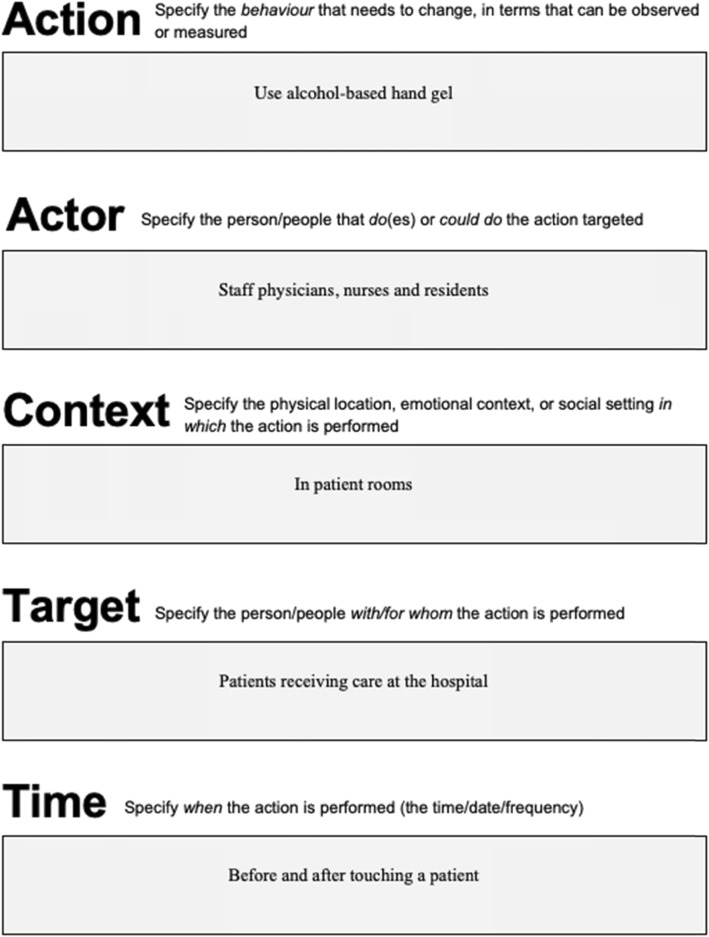
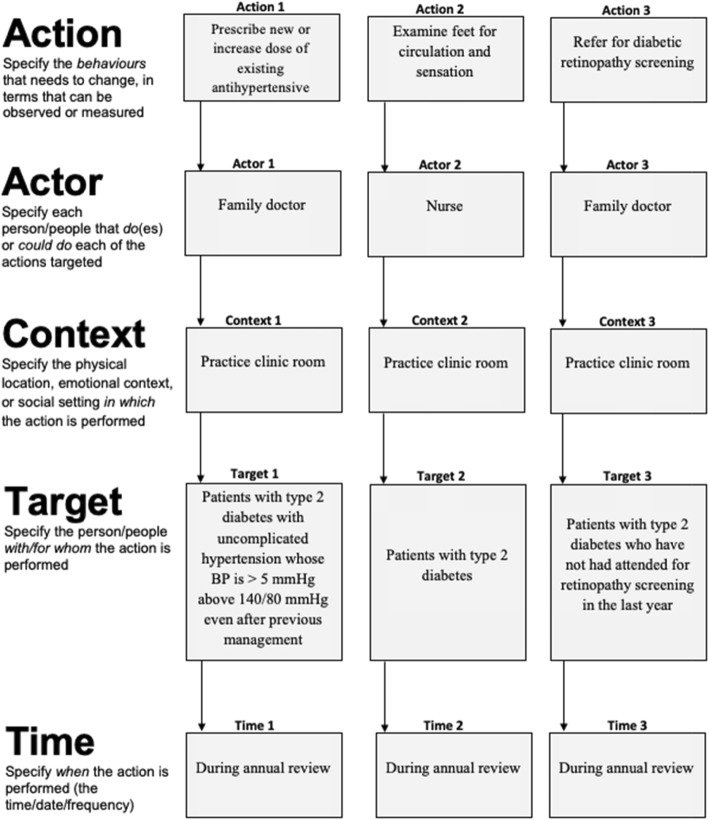
“Drawing upon Fishbein and Ajzen’s [9] early advice, a clearer, more actionable specification could be: ‘For people with diabetes (Target), record a blood pressure reading in the patient’s medical records (Action) in the primary care clinic (Context) when they attend for their annual diabetes review (Time)’ (Example 2).”
InfluentialDamschroder, L. J., Aron, D. C., Keith, R. E., Kirsh, S. R., Alexander, J. A., & Lowery, J. C. (2009) · Implementation Science · doi:10.1186/1748-5908-4-50 · Cited by 14,496 · cited 5×
“Birken SA, Powell BJ, Presseau J, Kirk MA, Lorencatto F, Gould NJ, et al. Combined use of the Consolidated Framework for Implementation Research (CFIR) and the Theoretical Domains Framework (TDF): a systematic review.”
BackgroundMethodInfluentialMichie, S., van Stralen, M. M., & West, R. (2011) · Implementation Science · doi:10.1186/1748-5908-6-42 · Cited by 13,697 · cited 3×
“Implementation intervention developers have a range of tools at their disposal for selecting and specifying interventions: high-level descriptors of implementation strategies such as those described in Cochrane’s Effective Practice and Organisation of Care (EPOC) [41] and Expert Recommendation for Implementing Change…”
MethodDeveloping and evaluating complex interventions: the new Medical Research Council guidance
Craig, P., Dieppe, P., Macintyre, S., Michie, S., Nazareth, I., & Petticrew, M. (2008) · BMJ · doi:10.1136/bmj.a1655 · Cited by 10,995 · cited 1×
“Knowledge-to-Action Framework [21], the UK MRC framework for developing and evaluating complex interventions [22] and process evaluations [23]).”
MethodCrossing the Quality Chasm: A New Health System for the 21st Century
Baker, A. (2001) · BMJ · doi:10.1136/bmj.323.7322.1192 · Cited by 10,736
Hoffmann, T. C., Glasziou, P. P., Boutron, I., Milne, R., Perera, R., Moher, D., Altman, D. G., Barbour, V., Macdonald, H., Johnston, M., et al. (2014) · BMJ · doi:10.1136/bmj.g1687 · Cited by 10,548 · cited 1×
“Best practice in implementation intervention development involves selecting evidence-based techniques and strategies that address the barriers and enablers identified [39], and clarifying who delivers and receives the intervention, how, when, where and how much [40].”
BackgroundCrossing the Quality Chasm: A New Health System for the 21st Century
Committee on Quality of Health Care in America (2002) · Journal For Healthcare Quality · doi:10.1111/j.1945-1474.2002.tb00463.x · Cited by 8,483
Michie, S., Richardson, M., Johnston, M., Abraham, C., Francis, J., Hardeman, W., Eccles, M. P., Cane, J., & Wood, C. E. (2013) · Annals of Behavioral Medicine · doi:10.1007/s12160-013-9486-6 · Cited by 7,629 · cited 3×
“Existing calls for better specification and reporting have focused on the description and labelling of implementation intervention strategies (e.g. with taxonomies of change strategies such as the ERIC [42] and BCT [43] taxonomies) and on the wider components of interventions (e.g. with checklists such as TIDIER [40]).”
MethodSelf-citationAttitude-behavior relations: A theoretical analysis and review of empirical research
Ajzen, I., & Fishbein, M. (1977) · Psychological Bulletin · doi:10.1037/0033-2909.84.5.888 · Cited by 7,611
Process evaluation of complex interventions: Medical Research Council guidance
Moore, G. F., Audrey, S., Barker, M., Bond, L., Bonell, C., Hardeman, W., Moore, L., O'Cathain, A., Tinati, T., Wight, D., et al. (2015) · BMJ · doi:10.1136/bmj.h1258 · Cited by 6,204
Research works printed but not linked: 2
- 7. Fishbein M, editor. Attitude and the prediction of behaviour (Chapter 51). In: Readings in attitude theory and measurement. New York: Wiley; 1967. p. 477-492.
- 11. Miller M. How well is the target behaviour specified in reports of behaviour change interventions for health care professionals? A systematic review of reporting practice [Master's thesis]: City University of London; 2015.
Cited by
Items 101–200 of 450
Presentation and management of female breast cancer in Egypt
Rostom, Y., Abdelmoneim, S.-E., Shaker, M., & Mahmoud, N. (2022) · Eastern Mediterranean Health Journal · doi:10.26719/emhj.22.076 · Cited by 14
Smith, J. A., van der Groen, O., & Learmonth, Y. C. (2023) · International Journal of Qualitative Methods · doi:10.1177/16094069231180162 · Cited by 14
“…in feasibility research because we could improve current feasibility research by helping to map out those individuals who could ultimately take on these roles (Chambers, 2012; Presseau et al., 2019; Wandersman et al., 2008) and this could further inform later phases (ef fi cacy and effectiveness).”
BackgroundMitra, B., Archer, D. E., Hurst, J., & Lycett, D. (2023) · Journal of Religion and Health · doi:10.1007/s10943-023-01861-0 · Cited by 14
“Implication of findings have been framed in the context of AACTT (Action, Actor, Context, Target, Time) (Presseau et al., 2019) to support readers to take action.”
BackgroundGodbee, K., Guccione, L., Palmer, V. J., Gunn, J., Lautenschlager, N., & Francis, J. J. (2022) · Journal of Alzheimer's Disease · doi:10.3233/jad-220382 · Cited by 13
“The data extraction, interpretation and discussion of findings were directed by the Action-Actor-Context-Target-Time (AACTT) framework [42].”
BackgroundMethodSelf-citationBIM adoption predictors for health and safety management among construction SMEs
Sila, N., Agumba, J. N., & Adebowale, O. J. (2024) · Construction Innovation · doi:10.1108/ci-04-2024-0100 · Cited by 13
Evidence-Informed Quality Indicators for Pediatric Trauma Care
Moore, L., Yanchar, N. L., Tardif, P., Weiss, M. J., Beaulieu, É., Stang, A. S., Gagnon, I. J., Gabbe, B. J., Stelfox, T., Pike, I., et al. (2025) · Archives of Pediatrics and Adolescent Medicine · doi:10.1001/jamapediatrics.2025.0036 · Cited by 13
Weight, C., Vinette, B., Laritz, R., Mooney, M., Castiglione, S. A., Maheu‐Cadotte, M., Argiropoulos, N., Konnyu, K. J., Cassidy, C. E., Collins, S. E., et al. (2025) · Implementation Science · doi:10.1186/s13012-025-01442-7 · Cited by 14
“In healthcare settings where multiple actions are often performed by various professionals, the framework helps ensure that each behavior is clearly defined, measurable, and aligned with the goals of an intervention [9].”
InfluentialQian, Q., & Shi, J. (2024) · Accident Analysis & Prevention · doi:10.1016/j.aap.2024.107648 · Cited by 13
Porter, C. D., Groves, C. I., Huong, C., & Brown, D. M. Y. (2024) · Psychology of sport and exercise · doi:10.1016/j.psychsport.2024.102716 · Cited by 13
Crawshaw, J., Callum, J. L., CHARGÉ, S. B. P., Lorencatto, F., Presseau, J., Raza, S., Relke, N., Wolfe, A., & Stanworth, S. J. (2025) · Transfusion · doi:10.1111/trf.18234 · Cited by 12
“51 As an illustration, our work on the ICTMG guideline on the use of intravenous albumin 44 included a “ who needs to do what differently ” mapping exercise by a multidisciplinary team to match each guideline recommendation with the most appropriate knowledge users by clinical role or specialty.”
Self-citationAudit, Feedback, and Behaviour Change
Ivers, N. M., & Foy, R. (2025) · Cambridge University Press eBooks · doi:10.1017/9781009604697 · Cited by 12
Nguyen‐Trung, K., Saeri, A. K., Zhao, K., Boulet, M., & Kaufman, S. (2025) · Socio-Ecological Practice Research · doi:10.1007/s42532-025-00227-y · Cited by 13
“…2024), or by identifying the Action, Actor, Context, Target, and Time components of behaviour change needed to create valued outcomes, stakeholders can discuss and agree on ways forward through complex challenges using human behaviour as a primary focus (Smith & Curtis 2020; Presseau et al. 2019).”
Castillo, G., Vesnaver, E., Gibson, E., Butler‐Foster, T., Goldman, M., Hill, N. E., Rosser, A., Lapierre, D., Rubini, K. A., MacDonagh, R., et al. (2022) · Transfusion · doi:10.1111/trf.17000 · Cited by 12
Self-citationCrocker, J., Ogutu, E. A., Snyder, J. S., & Freeman, M. C. (2024) · International Journal of Hygiene and Environmental Health · doi:10.1016/j.ijheh.2024.114363 · Cited by 12
Smith, D., Cartwright, M., Dyson, J., Hartin, J., & Aitken, L. M. (2022) · BMC Health Services Research · doi:10.1186/s12913-022-08128-6 · Cited by 12
“The individual responsible for enacting a specific behaviour has been termed ‘the actor’ [60].”
BackgroundUmaefulam, V. O., Wilson, M. K., Boucher, M. C., Brent, M. H., Dogba, M. J., Drescher, O., Grimshaw, J., Ivers, N. M., Lawrenson, J. G., Lorencatto, F., et al. (2023) · BMC Health Services Research · doi:10.1186/s12913-023-09329-3 · Cited by 12
“We asked participants to describe (using the Action, Actor, Context, Target, Time – AACTT framework) [26] who would need to do what differently to deliver the intervention as described, and whether any alterations would enhance the feasibility of delivery.”
MethodSelf-citationNguyen‐Trung, K., Saeri, A. K., Zhao, K., Boulet, M., & Kaufman, S. (2023) · OSF Preprints (OSF Preprints) · doi:10.31219/osf.io/4x6wa · Cited by 12
Applying extended theory of planned behaviour to develop a high school traffic education programme
Vo, M. T., & Nguyen, X. L. (2024) · Transportation Research Part F Traffic Psychology and Behaviour · doi:10.1016/j.trf.2024.12.032 · Cited by 12
Lemoh, A. Y., Rashidzada, Z., Krishnasamy, M., Wilkinson, A., Blackwood, R., Rivalland, A., Ierano, C., Thursky, K., & Guccione, L. (2025) · BMJ Open Quality · doi:10.1136/bmjoq-2025-003485 · Cited by 12
Hladkowicz, E., Dorrance, K., Bryson, G. L., Forster, A. J., Gagné, S., Huang, A. R., Lalu, M. M., Lavallée, L. T., Moloo, H., Squires, J. E., et al. (2022) · Canadian Journal of Anesthesia/Journal canadien d anesthésie · doi:10.1007/s12630-022-02298-x · Cited by 11
“While using barriers and facilitators to identify and design evidence-based interventions to increase guidelinerecommended frailty assessment, specific design considerations will also need to consider the type of clinician performing assessment as different informant groups did identify different specific beliefs rela…”
BackgroundReese, T. J., Mixon, A. S., Matheny, M. E., Flatt, C. N., Rubenstein, M. D., Han, J. H., Wrenn, J. O., Dagostino, C., Bonnet, K. R., Anders, S. H., et al. (2023) · Translational Behavioral Medicine · doi:10.1093/tbm/ibad063 · Cited by 11
Harkness, A., Soulliard, Z. A., Layland, E. K., Behari, K., Rogers, B. G., Bharat, B., Safren, S. A., & Pachankis, J. E. (2024) · Implementation Science Communications · doi:10.1186/s43058-024-00657-x · Cited by 11
“(b) The context (physical or social) in which the action took place [40].”
BackgroundCrocker, J., Ogutu, E. A., Snyder, J. S., Kome, A., Tidwell, B., Rosenboom, J. W., Shapiro, J., Mahongo, J. S., Alexander, K., Gnilo, M., et al. (2024) · Environmental Health Perspectives · doi:10.1289/ehp14780 · Cited by 11
“…“ Specifying and Reporting Complex Behaviour Change Interventions: the Need for a Scienti fi c Method ” editorial 19 ; c ) the “ Action, Actor, Context, Target, Time (AACTT) ” framework for specifying behavior 20 ; and d ) “ Implementation Strategies: Recommendations for Specifying and Reporting.”
Shuldiner, J., Schwartz, K. L., Langford, B. J., Ivers, N. M., Taljaard, M., Grimshaw, J., Lacroix, M., Tadrous, M., Leung, V., Brown, K. A., et al. (2022) · Implementation Science · doi:10.1186/s13012-022-01194-8 · Cited by 11
“We will use questionnaires and the AACTT framework (Action, Actor, Context, Target, Time) to specify the targeted behaviour [33]: Action: prescribing antibiotics Actor: primary care physician Context: community-based clinic Target: patients presenting to a community physician with infection-like symptoms Time: any pat…”
MethodSelf-citationNewlands, R. S. N., Duncan, E., Treweek, S. P., Elliott, J., Presseau, J., Bower, P., MacLennan, G., Ogden, M., Wells, M., Witham, M. D., et al. (2022) · Trials · doi:10.1186/s13063-022-06218-8 · Cited by 11
“To develop the interventions we first specified the target behaviours using the Action, Actor, Context, Target, Time (AACTT) framework [14] and focused on participant retention in trials requiring questionnaire return and/or attendance at follow-up clinics (see Supplementary Information Table 1).”
MethodSelf-citationDonald, M., Beanlands, H. J., Straus, S. E., Harwood, L., Herrington, G., Waldvogel, B., Delgado, M., Sparkes, D., Watson, P., Elliott, M. J., et al. (2022) · Global Implementation Research and Applications · doi:10.1007/s43477-022-00038-3 · Cited by 11
Vasiliou, V. S., Issari, P., Drosatou, C., Mitsi, E., & Tsakonas, I. (2023) · Psychology Health & Medicine · doi:10.1080/13548506.2023.2206144 · Cited by 10
“We followed an established implementation framework, named Theoretical Domain Framework (TDF) (Michie, 2005), to identify the factors that can support physicians in routinely using soft communication skills.”
MethodInfluentialComprehensive framework for developing mHealth-based behavior change interventions
Rachad, T., Hafidy, A. E., Aabbad, M., & Idri, A. (2024) · Digital Health · doi:10.1177/20552076241289979 · Cited by 10
McCarthy, L. M., Farrell, B. J., Metge, C. J., Jeffs, L. P., Toenjes, S., & Rodriguez, M. C. (2024) · Implementation Science Communications · doi:10.1186/s43058-024-00673-x · Cited by 10
Rudd, B. N., & Beidas, R. S. (2021) · Family Court Review · doi:10.1111/fcre.12606 · Cited by 10
Managing asthma in primary healthcare
CORREIA-DE-SOUSA, J., VICENTE, C., BRITO, D., Tsiligianni, I., KOCKS, J. W., ROMÁN-RODRIGUEZ, M., BAXTER, N., MARICOTO, T., & Williams, S. (2021) · Minerva Medica · doi:10.23736/s0026-4806.21.07277-3 · Cited by 10
Diel, I., Greil, R., Janßen, J., Kluike, C. W., Behera, B., Abbasi, A., Seesaghur, A., Kellner, M., Jaeger, C., Björklöf, K., et al. (2022) · Supportive Care in Cancer · doi:10.1007/s00520-022-07333-7 · Cited by 10
Badawy, S. M., DiMartino, L., Brambilla, D. J., Klesges, L. M., Baumann, A. A., Burns, E. N., DeMartino, T., Jacobs, S., Khan, H., Nwosu, C., et al. (2022) · JMIR Formative Research · doi:10.2196/41415 · Cited by 11
“Specification is done according to the action, actor, context, target, and time (AACTT) framework [14].”
BackgroundMethodMill, D., Page, A., Johnson, J., Lee, K., Salter, S. M., Seubert, L., Clifford, R., & D’Lima, D. (2022) · BMC Health Services Research · doi:10.1186/s12913-021-07358-4 · Cited by 9
“’ [22, 25, 26] The most recent iteration of these frameworks is the Action, Actor, Context, Target, Time (AACTT) framework, that includes the Actor extension, additional detail added to the Target definition and a re-ordering of the components to improve its useability [23].”
BackgroundMethodInfluentialLinedale, E., Bills, E. R., Dimopoulos, A., Yeoh, J., Nolan, M., Hume, V., Coles, S., & Andrews, J. M. (2023) · Frontiers in Digital Health · doi:10.3389/fdgth.2023.1054894 · Cited by 9
Challenges and opportunities for conducting pre-hospital trauma trials: a behavioural investigation
Lawrie, L., Duncan, E., Lendrum, R. A., Lebrec, V., & Gillies, K. (2023) · Trials · doi:10.1186/s13063-023-07184-5 · Cited by 9
“(AACTT) For the interviews with P-PRO clinical investigators, we applied the Action, Actor, Context, Target, Time (AACTT) framework [18] to define the behaviour(s) of interest, inform sampling, and the design of the interview topic guide.”
MethodMarck, C. H., Weld-Blundell, I., Klaic, M., Motl, R. W., & Learmonth, Y. C. (2024) · Archives of Physical Medicine and Rehabilitation · doi:10.1016/j.apmr.2024.09.020 · Cited by 9
Ahonkhai, A. A., Wudil, U. J., Dankishiya, F. S., Ingles, D. J., Musa, B. M., Hamza, M., Sani, M. U., Nalado, A. M., Abdu, A., Abdussalam, K., et al. (2021) · Current HIV/AIDS Reports · doi:10.1007/s11904-021-00566-x · Cited by 9
Coffey, T., Duncan, E., Morgan, H. M., & Gillies, K. (2023) · Trials · doi:10.1186/s13063-023-07268-2 · Cited by 9
Professionals guidance about palliative medicine in chronic heart failure: a mixed-method study
Ament, S. M. C., Everdingen, M. H. J. V. D. B.-V., Maessen, J. M. C., Boyne, J. J., Schols, J. M. G. A., Stoffers, J., Bellersen, L., Rocca, H. B., Engels, Y., & Janssen, D. J. A. (2020) · BMJ Supportive & Palliative Care · doi:10.1136/bmjspcare-2020-002580 · Cited by 11
“37 38 Future research is needed to test the criterion validity and reliability of I-HARP.”
Woodfield, M. J., Merry, S., & Hetrick, S. E. (2022) · Implementation Research and Practice · doi:10.1177/26334895221082330 · Cited by 9
“…leadership through to those providing direct patient care) doing something (usually more than one thing) differently … taking up new evidence requires healthcare providers and other health system stakeholders to change their behaviour’ (Presseau et al., 2019, p. 2, emphasis original).”
BackgroundPublic sector leadership meta-skills
Tammeaid, M. (2023) · Osuva (University of Vaasa) · Cited by 9
Johnston, M. (2021) · Health Psychology and Behavioral Medicine · doi:10.1080/21642850.2021.1939701 · Cited by 8
“Presseau et al. (2019) have proposed a minimum description of the behaviours as AACTT (action, actor, context, target, time).”
BackgroundFactors that influence oral hygiene care with hospitalised stroke patients: a mixed methods study
Klaic, M., Seng, E., & McGrath, R. (2021) · Disability and Rehabilitation · doi:10.1080/09638288.2021.2003450 · Cited by 8
Loeliger, J. M., Edbrooke, L., Daly, R. M., Stewart, J. A., Bucci, L., Puskas, C., Fitzgerald, M., Baguley, B. J., & Kiss, N. K. (2022) · International Journal of Environmental Research and Public Health · doi:10.3390/ijerph19074038 · Cited by 8
“The component behaviours of action (behaviour), actor (who does the action), context (the setting in which the behaviour occurs), target (whom the actor performs the action on) and time (the time period or duration) were defined [19] (Table 1).”
BackgroundMethodThe space of user aggression in Human-Robot Interaction
Rezzani, A., Angeli, A. D., Menéndez-Blanco, M., & Dorfmann, M. (2023) · Biannual Conference of the Italian SIGCHI Chapter (CHItaly) · doi:10.1145/3605390.3605402 · Cited by 8
Implementation of Evidence-Based Practice in Long-Term Care: A Scoping Review
McGough, E. L., & Thompson, H. J. (2024) · Journal of the American Medical Directors Association · doi:10.1016/j.jamda.2024.105026 · Cited by 8
Wills, O. C., Brischetto, D., Zoszak, K., Allogmanny, S., McMahon, A.-T., Haartsen, J., & Probst, Y. (2024) · Multiple Sclerosis and Related Disorders · doi:10.1016/j.msard.2024.105949 · Cited by 9
Cormie, P., Bradford, A., Guccione, L., Martin, P., Chiswell, M., Doran, C. M., & Krishnasamy, M. (2025) · Journal of Cancer Survivorship · doi:10.1007/s11764-025-01779-4 · Cited by 9
“The AACTT framework [44] was used to identify preferences across domains: ‘who’ (Actor domain) should ‘provide exercise information’ (Action domain); in ‘what format’ (e.g. discussion, information booklet; Con-text domain) and ‘when’ should exercise information be provided (Time domain) to the…”
InfluentialCurrie, C. C., Walburn, J., Hackett, K. L., McCabe, R., Sniehotta, F. F., O’Keeffe, S., Jong, N. B.-D., & Araújo‐Soares, V. (2021) · Elsevier eBooks · doi:10.1016/b978-0-12-818697-8.00177-1 · Cited by 8
Flowers, P., Vojt, G., Pothoulaki, M., Mapp, F., Owusu, M. W., Cassell, J., Estcourt, C. S., & Saunders, J. (2022) · British Journal of Health Psychology · doi:10.1111/bjhp.12607 · Cited by 8
“…highlights that the best insights into behavioural change occur when we can harmonize the highly specific nature of our understandings of antecedents to behaviours with an equally fine grained, highly specific, understanding of the behaviour that we seek to change (e.g., Presseau et al., 2019).”
BackgroundCheron, D. M., Becker‐Haimes, E. M., Stern, H. G., Dwight, A. R., Stanick, C., Chiu, A. W., Daleiden, E. L., & Chorpita, B. F. (2022) · Implementation Research and Practice · doi:10.1177/26334895221115216 · Cited by 8
“Implementation strategies used are described in Table 1 using the AACTT Framework for Implementation Interventions (Presseau et al., 2019).”
MethodBrunner, C., Theiler, M., Znoj, H., Holzer, S., & Seliner, B. (2023) · Patient Education and Counseling · doi:10.1016/j.pec.2023.107936 · Cited by 8
Hinrichs‐Kinney, L., Beisheim, E. H., Butera, K. A., Braaten, M., Holtrop, J. S., & Stevens‐Lapsley, J. E. (2025) · PM&R · doi:10.1002/pmrj.13389 · Cited by 8
“41 This step enhanced our capacity to articulate behaviors to relevant parties clearly and pinpoint determinants associated with each behavior, thereby optimizing our ability to address them with precise components of an implementation strategy.”
Matuluko, A., MacDonald, J., Ness, V., & Currie, K. (2020) · JAC-Antimicrobial Resistance · doi:10.1093/jacamr/dlaa065 · Cited by 8
Chan, V. F., Belluigi, D. Z., Yong, A. C., Mulewa, D., Govender-Poonsamy, P., Graham, C., Mashayo, E., Graham, R., Price-Sanchez, C., & Omar, F. (2022) · BMJ Global Health · doi:10.1136/bmjgh-2022-009317 · Cited by 8
Dyson, J., Onukwugha, F. I., Howlett, H., Combe, K., Catterick, M., & Smith, L. A. (2023) · Journal of Advanced Nursing · doi:10.1111/jan.15622 · Cited by 8
Crowe, J., Edbrooke, L., Khot, A. S., Denehy, L., & Francis, J. (2023) · Supportive Care in Cancer · doi:10.1007/s00520-023-08234-z · Cited by 7
“Step 1: Behaviours required for referral and delivery of prehabilitation were specified for each profession using the Action, Actor, Context, Target, Time (AACTT) framework [21] to ensure each behaviour was appropriately identified as described in Supplementary file 2.”
Self-citationExploring the content and delivery of feedback facilitation co-interventions: a systematic review
Sykes, M., Rosenberg-Yunger, Z. R. S., Quigley, M., Gupta, L., Thomas, O., Robinson, L., Caulfield, K., Ivers, N., & Alderson, S. (2024) · Implementation Science · doi:10.1186/s13012-024-01365-9 · Cited by 7
“Behaviour change literature (e.g. [179]) recommends specifying the target behaviour prior to the development of interventions.”
BackgroundMaher, J. P., Labban, J. D., Hudgins, B. L., Hevel, D. J., Bittel, K. M., Kennedy‐Malone, L., & Hedeker, D. (2024) · Journal of Physical Activity and Health · doi:10.1123/jpah.2024-0350 · Cited by 7
Gharzai, L. A., Bromfield, J. A., Kwan, M., Larson, A., Kingsbury, J. A., Akthar, A. S., Agarwal, G., Vermylen, J. H., Becker, S. J., Scott, K., et al. (2025) · Otolaryngology · doi:10.1002/ohn.1268 · Cited by 7
Martín‐Ramos, P., Sánchez‐Hernández, E., Fourati-Jamoussi, F., Annelin, A., Charatsari, C., Ferreira-Santos, J., Doran, P., Sousa, D. N., Eugenio‐Gozalbo, M., Giudice, L. A. L., et al. (2025) · Open Research Europe · doi:10.12688/openreseurope.20927.1 · Cited by 7
A systematic review of microplastics perception and its factors: Implications on SDGs
Sumaway, A. M. N., Rajput, R., Mohan, G., Katsuma, Y., & Pu, J. Y. (2025) · Sustainable Futures · doi:10.1016/j.sftr.2025.101417 · Cited by 7
Koripalli, M., Giruparajah, M., Laur, C. V., & Shulman, R. M. (2022) · Pediatric Diabetes · doi:10.1111/pedi.13314 · Cited by 7
“The group applied the AACTT framework to potential interventions during the October 2021 meeting (n = 9).(10)”
MethodHanrahan, V., Lawrie, L., Duncan, E., Biesty, L., & Gillies, K. (2022) · Trials · doi:10.1186/s13063-022-06816-6 · Cited by 7
“The target behaviour of interest ‘Maternity Healthcare Professionals inviting all eligible people to participate in a maternity care trial’ was specified in our previous study [22] using the AACTT framework [23].”
MethodGallant, A. J., Steenbeek, A., Halperin, S. A., Leigh, J. P., & Curran, J. (2024) · Vaccine · doi:10.1016/j.vaccine.2024.126226 · Cited by 7
Willis, T. A., Wright-Hughes, A. M., Weller, A., Alderson, S. L., Wilson, S., Walwyn, R. E. A., Wood, S., Lorencatto, F., Farrin, A. J., Hartley, S., et al. (2022) · Health and Social Care Delivery Research · doi:10.3310/qbbz1124 · Cited by 7
Self-citationRoberts, D. J., Mor, R., Rosen, M. N., Talarico, R., Lalu, M. M., Jerath, A., Wijeysundera, D. N., & McIsaac, D. I. (2022) · Anesthesia & Analgesia · doi:10.1213/ane.0000000000006232 · Cited by 7
Pain Interventions for people with dementia: a quasi-experimental study
Spichiger, F., Volken, T., Bosshard, G., Zigan, N., Blanc, G., Büscher, A., Nagl‐Cupal, M., Bernard, M., Truchard, E. R., Larkin, P. J., et al. (2022) · BMC Palliative Care · doi:10.1186/s12904-022-01118-9 · Cited by 7
King, L. K., Ivers, N. M., Waugh, E. J., MacKay, C., Stanaitis, I., Krystia, O., Stretton, J., Wong, S., Weisman, A., Bardai, Z., et al. (2023) · Implementation Science Communications · doi:10.1186/s43058-023-00398-3 · Cited by 7
“Using the Action, Actor, Context, Target, Time (AACTT) framework [63], we further specify these behaviours in Table 1.”
MethodKelly, H. T., Smith, J. J., Verdonschot, A., Kennedy, S. G., Scott, J. J., McKay, H. A., Nathan, N., Sutherland, R., Morgan, P. J., Salmon, J., et al. (2023) · BMJ Open · doi:10.1136/bmjopen-2023-075488 · Cited by 8
Flowers, P., MacDonald, J., McDaid, L. M., Nandwani, R., Frankis, J. S., Young, I., Saunders, J., Clutterbuck, D., Dalrymple, J., Steedman, N., et al. (2022) · medRxiv · doi:10.1101/2022.06.09.22276189 · Cited by 7
Riley-Gibson, E., Hall, A. E., Shoesmith, A., Wolfenden, L., Shelton, R. C., Pascoe, W., Peden, B., Doherty, E. L., Pollock, E. R., Booth, D., et al. (2025) · Translational Behavioral Medicine · doi:10.1093/tbm/ibae070 · Cited by 7
“…synthesis of sustainment strategies, we recommend that standardized terminology be used, in line with the sustainment-explicit ERIC glossary [28], and that strategies are reported in combination with frameworks such as the Action, Actor, Context, Target, Time (AACTT) [41] and Proctor et al .”
Jassemi, S., Sparkes, D., Delgado, M., Harwood, L., Bello, A. K., Beanlands, H. J., Elliott, M. J., McBrien, K., Gil, S., Straus, S. E., et al. (2025) · Journal of Medical Internet Research · doi:10.2196/71832 · Cited by 6
“With the support of a graphic designer and feedback from our patient partners, strategies were developed using the action, actor, context, target, time (AACTT) framework [40] and evidence-based system for implementation supports [30].”
Foy, R., Lorencatto, F., Walwyn, R. E. A., Farrin, A. J., Francis, J., Gould, N. J., McIntyre, S. A., Patel, R., Smith, J., During, C., et al. (2022) · Programme Grants for Applied Research · doi:10.3310/rehp1241 · Cited by 6
Self-citationBorn, J., & Frank, C. (2022) · BMC Health Services Research · doi:10.1186/s12913-022-07850-5 · Cited by 6
“Recommendations by Presseau and colleagues highlight that the action, actor, context, target, and time should be detailed for each behaviour [39].”
BackgroundNadler, M. B., Corrado, A. M., Desveaux, L., Neil‐Sztramko, S., Wilson, B. E., Desnoyers, A., Amir, E., & Ivers, N. M. (2022) · CMAJ Open · doi:10.9778/cmajo.20210266 · Cited by 6
“23 We considered 3 behaviours necessary to fulfill guideline-concordant care, namely breast cancer risk assessment; discussion of benefits, harms and preferences (i.e., shared decision-making); and decision or referral for screening mammography.”
Five steps to high quality antimicrobial stewardship research
Langford, B. J., Bailey, P., Livorsi, D. J., Brown, K. A., Advani, S. D., Ashley, E. D., Bearman, G. M., & Nori, P. (2024) · Antimicrobial Stewardship & Healthcare Epidemiology · doi:10.1017/ash.2024.73 · Cited by 6
“13 This provides a foundation to inform subsequent steps in the process.”
BackgroundWard, M. J., Matheny, M. E., Rubenstein, M. D., Bonnet, K. R., Dagostino, C., Schlundt, D. G., Anders, S. H., Reese, T., & Mixon, A. S. (2024) · BMC Health Services Research · doi:10.1186/s12913-024-11082-0 · Cited by 5
“…use of ineffective feedback strategies [46] compromises the ability to implement effective feedback interventions; feedback must be specific [47] and address the Intention-to-Action gap [48] by including co-interventions to address recipient characteristics (i.e., beliefs and capabilities)…”
BackgroundImplementation Science: Strategies to Improve Adoption and Adherence to Clinical Practice Guidelines
Jones, L. K., Sarkies, M., Gionfriddo, M. R., Gidding, S. S., & Watts, G. F. (2024) · Contemporary cardiology · doi:10.1007/978-3-031-54960-1_6 · Cited by 5
Hassen, H. M., Behera, M. R., Behera, D., & Dehury, R. K. (2024) · PLoS ONE · doi:10.1371/journal.pone.0295545 · Cited by 5
Guccione, L., Best, S., Fullerton, S., Aranda, S. K., & Francis, J. (2025) · BMC Health Services Research · doi:10.1186/s12913-025-12240-8 · Cited by 5
“…actor, context, target, time (AACTT) framework aims to specify single behaviours and sequences of multiple behaviours at different levels of a healthcare organisation, and provides a structured approach to identifying key elements: who needs to do what; where; to, with or for whom; and when [19].”
Self-citationSibille, F., Salbert, J., Bolt, L., Tsoutsi, V., Callegari, E., Dalleur, O., Adda, T., Agoritsas, T., Berger, T., Aubert, C. E., et al. (2025) · Research in Social and Administrative Pharmacy · doi:10.1016/j.sapharm.2025.05.002 · Cited by 5
Self-citationLarocque, C., Venegas, C. L., Dunn, S., Campbell-Yeo, M. L., Gilmore, L., Harrold, J., Hu, J., McArthur, L., Modanloo, S., Nicholls, S. G., et al. (2023) · Journal of Child Health Care · doi:10.1177/13674935231176888 · Cited by 5
“We used the action, actor, context, target, and time (AACTT) framework to specify behaviors and ensure barriers and facilitators pertained directly to actions and actors of interest (Presseau et al., 2019) (see Table 1).”
Why Is It So Hard to Change Behaviour and How Can We Influence It?
Francis, J., Peters, S., Patey, A. M., McCleary, N., van Bodegom‐Vos, L., & Hiscock, H. (2023) · Wiley eBooks · doi:10.1002/9781119862758.ch3 · Cited by 5
Self-citationMcCleary, N., Laur, C. V., Presseau, J., Dobell, G., Lam, J. M. C., Gushue, S., Hagel, K., Bevan, L., Salach, L., Desveaux, L., et al. (2023) · Implementation Research and Practice · doi:10.1177/26334895231206569 · Cited by 5
“…on behavior change-informed implementation science approaches (Curran et al., 2013; French et al., 2012; Lorencatto et al., 2016; Mc Sharry et al., 2016; Patey et al., 2023; Presseau et al., 2019, 2022; Rodrigues et al., 2022; Steinmo et al., 2015) and completion of training in BCTTv1 use.”
Self-citationYoong, S. L., Brown, A. D., Leung, G. K. W., Hillenaar, M., David, J., Hayward, J., Strugnell, C., Bell, C., Brown, V., Jackson, M., et al. (2024) · PLoS ONE · doi:10.1371/journal.pone.0302047 · Cited by 5
“The strategies were intentionally selected to address the determinants identified in Table 1, based on evidence of effectiveness from a systematic review of facilitation strategies [45] and described using the Action, Actor, Context, Target, and Time framework [46].”
MethodBrown, D. M. Y., Porter, C. D., Huong, C., Groves, C. I., & KWAN, M. Y. W. (2024) · Behavioral Sciences · doi:10.3390/bs14090841 · Cited by 5
Wilson, M. K., van Allen, Z., Grimshaw, J., Brehaut, J., Durand, A., Lalonde, J., Manuel, D. G., Michie, S., West, R., & Presseau, J. (2023) · British Journal of Health Psychology · doi:10.1111/bjhp.12660 · Cited by 5
“The AACTT framework, which includes identification of the Action, Actor, Context, Target and Time to specify behaviour, was used to clearly describe the behaviour of interest (Presseau et al., 2019).”
MethodSelf-citationMusanje, K., Kamya, M. R., Kasujja, R., Hooper, N., Katahoire, A., White, R. G., Kimera, E., Getahun, M., Sinclair, D. L., Ojiambo, D., et al. (2023) · Journal of Contextual Behavioral Science · doi:10.1016/j.jcbs.2023.07.002 · Cited by 5
“Relatedly, innovations in healthcare can only reach their full potential if translated into routine care, thus, engaging HCPs who perform the translation taps into barriers and facilitators to implementation (Presseau et al., 2019).”
BackgroundTRANSDISCIPLINARY BEHAVIOUR CHANGE: A BURST MODE APPROACH TO HEALTHCARE DESIGN EDUCATION
Wojdecka, A. B., Hall, A., & Judah, G. (2021) · International Conference on Engineering and Product Design Education (EPDE) · doi:10.35199/epde.2021.62 · Cited by 5
“Students used Action Actor Context Target Time (AACTT) framework [6] to identify a specific behaviour to change and then understand the determinants of that behaviour, followed by designing ways to overcome barriers and harness facilitators.”
MethodMurray, D. M., Heagerty, P. J., Troendle, J. F., Lin, F., Moyer, J., Stevens, J., Lytle, L. A., Zhang, X., Ilias, M. R., Masterson, M. Y., et al. (2023) · Ethnicity & Disease · doi:10.18865/ed.decipher.12 · Cited by 5
Turner, K. L., Taweel, M. A., Petrucci, C., Rosas, S. R., Potter, C., Cramer, E., Shorr, R. I., Mion, L. C., & McNett, M. (2025) · BMJ Quality & Safety · doi:10.1136/bmjqs-2024-018391 · Cited by 4
“49 54–56 The package included the theory-informed core deimplementation strategies (external facilitation, audit- and-feedback, education, cham-pions) to address previously identified barriers to fall alarm deimplementation, 25 31 and strategies prioritised by local sites during the GCM and focus…”
McKinlay, A. R., Antonopoulou, V., Schenk, P. M., Lorencatto, F., Oliver, E. J., Vlaev, I., Kelly, M. P., Sniehotta, F. F., & Chater, A. (2025) · Health Psychology Review · doi:10.1080/17437199.2025.2485094 · Cited by 4
“Data extracted on intervention components and coded to the AACTT Relevant data were extracted and coded by ARM onto the AACTT framework (Presseau et al., 2019), with 20% double coding carried out by postdoctoral level researcher (JVZ).”
Self-citationPeng, S., Yuan, F., Yang, H., Li, M., & Yang, X. (2025) · Behavioral Sciences · doi:10.3390/bs15111448 · Cited by 4
“Programs delivered in clinical or hospital environments typically prioritize safety-related and informational BCTs, whereas community-based interventions rely more on motivational and participatory strategies that foster social connectedness (Ahmed et al., 2024; Presseau et al., 2019).”
Verhoeff, N. J., Cheema, W., Mojdehi, S., Gad, H., Mumford, D., WANISS, M. R., Orszag, A., Jain, A., Bapat, P., BUDHRAM, D. R., et al. (2025) · Canadian Journal of Diabetes · doi:10.1016/j.jcjd.2025.11.002 · Cited by 4
Shapoval, V., Hubert, M. D. S., Pétein, C., Viaud, C., Adda, T., Aubert, C. E., Mooser, B., Tsoutsi, V., Dikeos, D. G., Maldonado, L. F., et al. (2025) · Age and Ageing · doi:10.1093/ageing/afaf342 · Cited by 4
“The targeted behaviour was defined using the AACTT framework (Action, Actor, Context, Target, Time) [30] as follows: gradual discontinuation of sleeping pills within 6 months in adults aged 65 and older who use BZRA for sleep problems.”
Self-citationTurner, R. R., Coupe, N., Griffiths, S., Cheng, K., Byrne-Davis, L. M. T., Shallcross, L. J., Hart, J., Rice, S. J. C., Shabaninejad, H., Meader, N., et al. (2025) · Antimicrobial Resistance and Infection Control · doi:10.1186/s13756-025-01660-0 · Cited by 5
Self-citationEbbers, S., Jansen, J., & Stol, W. (2026) · Computers & Security · doi:10.1016/j.cose.2026.104920 · Cited by 4
Chew, H. S. J., Ang, W. W., Tan, X. S., Vashishtha, R., Chan, S. L., & Sevdalis, N. (2026) · International Journal of Nursing Sciences · doi:10.1016/j.ijnss.2026.04.013 · Cited by 4
“AACTT framework was used to specify implementation-related behaviors based on the details specified in the 5 domains of Action, Actor, Context, Target, and Time [17].”
Metadata
- Authors
- Presseau, J., McCleary, N., Lorencatto, F., Patey, A. M., Grimshaw, J. M., & Francis, J. J.
- Affiliations
- University of Ottawa (CA)
- University College London (GB)
- Ottawa Hospital Research Institute (CA)
- City, University of London (GB)
- Corresponding author
- Presseau, Justin
- ORCID
- Venue
- Implementation Science
- Published
- 2019-12
- Volume
- 14
- Issue
- 1
- Pages
- 102-102
- ISSN
- 1748-5908 (ISSN-L)
- PMC
- PMC6896730
- OpenAlex
- W2992424904
- Semantic Scholar
- eb078a483997a0adf8600d44d0a9ed59fa27d2ef
- Cited by
- 411
- References
- 56
- Citations by year
- 2026: 54 · 2025: 75 · 2024: 73 · 2023: 67 · 2022: 88 · 2021: 35 · 2020: 16 · 2019: 1
- FWCI
- 47.69
- Type
- journal article
- Language
- en
- Open access
- gold
- doi.org
- Licence
- cc-by
- creativecommons.org/licenses/by/4.0/ (tdm)
- creativecommons.org/licenses/by/4.0/ (vor, 4 d)
- Locations
- Implementation Science (publishedVersion, cc-by)
- PubMed Central (publishedVersion, cc-by)
- PubMed (publishedVersion)
- City Research Online (City University London) (acceptedVersion)
- Minerva Access (University of Melbourne) (submittedVersion, other-oa)
- uO Research (University of Ottawa) (submittedVersion, public-domain)
- DOAJ (DOAJ: Directory of Open Access Journals) (submittedVersion, cc-by-sa)
- UCL Discovery (University College London) (submittedVersion)
- Funders
- Canadian Institutes of Health Research
- Topics
- Health Sciences › Health Professions › General Health Professions › Health Policy Implementation Science
- Social Sciences › Psychology › Applied Psychology › Behavioral Health and Interventions
- Health Sciences › Health Professions › General Health Professions › Health Sciences Research and Education
- Keywords
- implementation strategies, barriers and facilitators, implementation process model, outcome measurement, intervention design, topic guide, questionnaire
- MeSH terms
- Clinical Competence, Health Personnel, Health Plan Implementation, Health Services Research, Humans, Models, Theoretical, Time, Guideline Adherence, Quality Improvement
About these checks
Registry, retraction, Cites and statistics results are computed, not judged, with one exception: a printed reference that no index lists is read once by a model before it counts as a citation error. Claims are extracted by a model and kept only when their quote appears verbatim in the text; each cited source is then checked, with a model’s help, for whether it says what the claim relies on. Those verdicts can be wrong — read the claim’s quote and the cited source before relying on one.
Statistics and arithmetic are recomputed, not judged.
Confidence bands are shown only for fields calibrated on our annotated test set. None is calibrated yet, so no band is shown.
What counts as a claim ›How we measure confidence ›How we check this ›
Are you an author, or do you see a problem with this page? Request a review
Data sources
Bibliographic data: Semantic Scholar, OpenAlex, Crossref.
Contains information from the Semantic Scholar Academic Graph Datasets, made available under the ODC Attribution License (ODC-BY 1.0).
Semantic Scholar’s data is described in: Kinney, R., et al. (2023). The Semantic Scholar Open Data Platform. arXiv:2301.10140.
