

Evaluating and optimizing the consolidated framework for implementation research (CFIR) for use in low- and middle-income countries: a systematic review
Open accessThe DOI matches its Crossref record; 61 of the 61 references it cites were found in a registry or an index.
Abstract
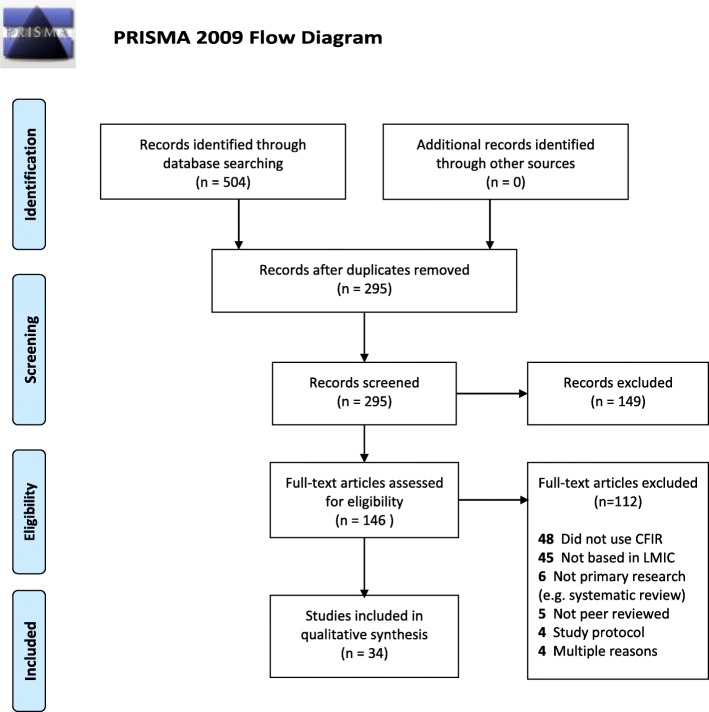
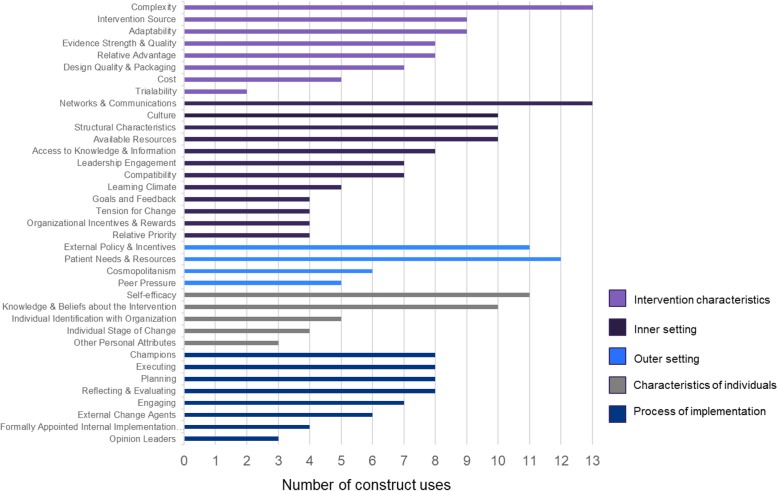
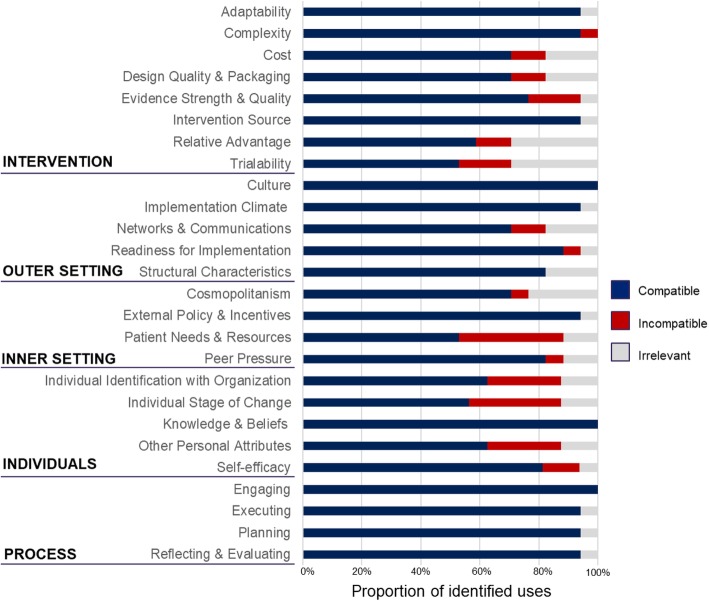
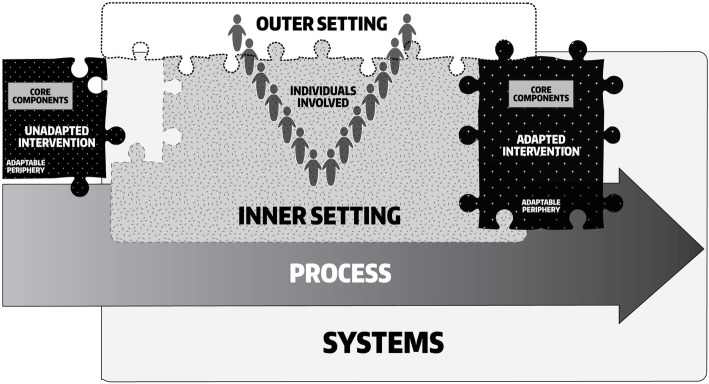
Background: The Consolidated Framework for Implementation Research (CFIR) is a determinants framework that may require adaptation or contextualization to fit the needs of implementation scientists in low- and middle-income countries (LMICs). The purpose of this review is to characterize how the CFIR has been applied in LMIC contexts, to evaluate the utility of specific constructs to global implementation science research, and to identify opportunities to refine the CFIR to optimize utility in LMIC settings. Methods: A systematic literature review was performed to evaluate the use of the CFIR in LMICs. Citation searches were conducted in Medline, CINAHL, PsycINFO, CINAHL, SCOPUS, and Web of Science. Data abstraction included study location, study design, phase of implementation, manner of implementation (ex., data analysis), domains and constructs used, and justifications for use, among other variables. A standardized questionnaire was sent to the corresponding authors of included studies to determine which CFIR domains and constructs authors found to be compatible with use in LMICs and to solicit feedback regarding ways in which CFIR performance could be improved for use in LMICs. Results: Our database search yielded 504 articles, of which 34 met final inclusion criteria. The studies took place across 21 countries and focused on 18 different health topics. The studies primarily used qualitative study designs (68%). Over half (59%) of the studies applied the CFIR at study endline, primarily to guide data analysis or to contextualize study findings. Nineteen (59%) of the contacted authors participated in the survey. Authors unanimously identified culture and engaging as compatible with use in global implementation research. Only two constructs, patient needs and resources and individual stages of change were commonly identified as incompatible with use. Author feedback centered on team level influences on implementation, as well as systems characteristics, such as health system architecture. We propose a “Characteristics of Systems” domain and eleven novel constructs be added to the CFIR to increase its compatibility for use in LMICs. Conclusions: These additions provide global implementation science practitioners opportunities to account for systems-level determinants operating independently of the implementing organization. Newly proposed constructs require further reliability and validity assessments. Trial registration: PROSPERO, CRD42018095762
Overview
The claims and statistics of this paper haven’t been checked yet.
Free: it reads the open-access text and checks the first 5 claims that cite a source we can check. Create a free account to check every claim.
Integrity signals
Registry
Cites
Statistics
Figures
Verification
Claims the paper makes
The claims and statistics of this paper haven’t been checked yet.
Free: it reads the open-access text and checks the first 5 claims that cite a source we can check. Create a free account to check every claim.
Claims other papers make about this one
Each is checked against this paper’s own text: does it say what the citing paper says it does?
The source backs part of the claim, not all of it — or backs it for a different population, condition or comparison.
In the citing paper
“The updated CFIR adds constructs to capture the potential influence of Local Attitudes, i.e., sociocultural values and beliefs, and Local Conditions, i.e., economic, environmental, political, and/or technological conditions, on the willingness and ability of entities within the Outer Setting to support implementation and delivery of the innovation [42–47]”
From The updated consolidated framework for implementation research based on user feedback (2022) · cites this paper as [42]
Experimental — accuracy not yet measuredThe source backs part of the claim, not all of it — or backs it for a different population, condition or comparison.
In the citing paper
“a few best practices have been added: Teaming [42, 46, 73], Assessing Needs [46, 47], Assessing Context, Tailoring Strategies [14], and Adapting [45, 74, 75].”
From The updated consolidated framework for implementation research based on user feedback (2022) · cites this paper as [42]
Experimental — accuracy not yet measuredThe source backs part of the claim, not all of it — or backs it for a different population, condition or comparison.
In the citing paper
“Means et al. further recommended that studies encompassing dual resource-limited subgroups must conduct systematic cross-group comparisons to disentangle divergent barriers and enablers: LMICs suffer nationwide systemic underinvestment, whereas health inequities in high-income nations stem from localized uneven resource distribution.”
From Implementation and translation of evidence-based dietary strategies for type 2 diabetes in resource-limited settings: a scoping review based on the CFIR framework (2026) · cites this paper as [8]
Experimental — accuracy not yet measuredThe source backs part of the claim, not all of it — or backs it for a different population, condition or comparison.
In the citing paper
“This broad two-tier classification is methodologically justified by prior implementation science research reported by Means et al. (8), who conducted a systematic review of CFIR applications across LMIC contexts.”
From Implementation and translation of evidence-based dietary strategies for type 2 diabetes in resource-limited settings: a scoping review based on the CFIR framework (2026) · cites this paper as [8]
Experimental — accuracy not yet measuredThe cited source says what the claim attributes to it.
In the citing paper
“These constructs are especially important for innovations that require support from community entities, such as Housing First models of care [48], and for capturing common resource constraints in LMICs [42].”
From The updated consolidated framework for implementation research based on user feedback (2022) · cites this paper as [42]
8 more claims about this paper
Create a free account to see every claim other papers make about this one.
Self-check
Percentages, sums and reported differences re-computed from the paper’s own numbers.
The self-check needs the paper’s full text.
Citations
Cites
Preferred Reporting Items for Systematic Reviews and Meta-Analyses: the PRISMA statement
Moher, D., Liberati, A., Tetzlaff, J., Altman, D. G., & for the PRISMA Group (2009) · BMJ · doi:10.1136/bmj.b2535 · Cited by 83,823
Preferred Reporting Items for Systematic Reviews and Meta-Analyses: The PRISMA Statement
Moher, D., Liberati, A., Tetzlaff, J., Altman, D. G., & The PRISMA Group (2009) · PLoS Medicine · doi:10.1371/journal.pmed.1000097 · Cited by 64,042 · cited 1×
“The systematic review protocol is registered in the International Prospective Register of Systematic Reviews (PROSPERO #CRD42018095762) and followed the Preferred Reporting Items for Systematic Reviews and MetaAnalyses (PRISMA) guidelines (Additional file 1) [6].”
Harris, P. A., Taylor, R., Thielke, R., Payne, J., Gonzalez, N., & Conde, J. G. (2009) · Journal of Biomedical Informatics · doi:10.1016/j.jbi.2008.08.010 · Cited by 51,384 · cited 1×
“We designed a standardized questionnaire in REDCap, and sent the questionnaire to the corresponding author of most included studies (surveys were not sent to authors of studies published immediately prior to paper submission) [9].”
MethodPreferred reporting items for systematic reviews and meta-analyses: the PRISMA Statement.
(2009) · PubMed Central · Cited by 44,859
Damschroder, L. J., Aron, D. C., Keith, R. E., Kirsh, S. R., Alexander, J. A., & Lowery, J. C. (2009) · Implementation Science · doi:10.1186/1748-5908-4-50 · Cited by 14,496 · cited 5×
“Damschroder and colleagues introduced the CFIR in 2009 as a meta-theoretical framework compiling nineteen preceding implementation theories [2].”
BackgroundInfluentialProctor, E., Silmere, H., Raghavan, R., Hovmand, P., Aarons, G., Bunger, A., Griffey, R., & Hensley, M. (2011) · Administration and Policy in Mental Health and Mental Health Services Research · doi:10.1007/s10488-010-0319-7 · Cited by 8,721 · cited 1×
“Sustainability is a key implementation outcome, and definitions of sustainability vary in the implementation literature [51, 52].”
BackgroundMaking sense of implementation theories, models and frameworks
Nilsen, P. (2015) · Implementation Science · doi:10.1186/s13012-015-0242-0 · Cited by 4,447 · cited 13×
“Author questionnaire respondents, in addition to CFIR utilizers from HICs, identified spread and scale as key missing constructs [50].”
BackgroundInfluentialUse of NeuroEyeCoach™ to Improve Eye Movement Efficacy in Patients with Homonymous Visual Field Loss
Sahraie, A., Smania, N., & Zihl, J. (2016) · BioMed Research International · doi:10.1155/2016/5186461 · Cited by 1,772
A systematic review of the use of the Consolidated Framework for Implementation Research
Kirk, M. A., Kelley, C., Yankey, N., Birken, S. A., Abadie, B., & Damschroder, L. (2015) · Implementation Science · doi:10.1186/s13012-016-0437-z · Cited by 1,496 · cited 5×
“study design, monitoring implementation processes, data analysis, and outcome interpretation [3].”
BackgroundResultInfluentialWhat Do We Know about Health Care Team Effectiveness? A Review of the Literature
Lemieux-Charles, L., & McGuire, W. L. (2006) · Medical Care Research and Review · doi:10.1177/1077558706287003 · Cited by 844 · cited 2×
“Examples of these features might include team diversity, interdependence/collaboration, and practice norms [46].”
BackgroundMethod
Research works printed but not linked: 1
- Rojas Smith L, Ashok M, Morss Dy S, Wines R, Teixeira-Poit S. Contextual frameworks for research on the implementation of complex system interventions. Methods research report. (Prepared by the RTI International–University of North Carolina at Chapel Hill Evidence-Based Practice Center under contract No. 290-2007-10056-I.). Rockville: Agency for Healthcare Research and Quality; 2014. 24783308
Cited by
The updated consolidated framework for implementation research based on user feedback
Damschroder, L. J., Reardon, C. M., Widerquist, M. A. O., & Lowery, J. (2022) · Implementation Science · doi:10.1186/s13012-022-01245-0 · Cited by 4,452
“Though it is outside the scope of the CFIR to include all 73 implementation strategies from the Expert Recommendations for Implementing Change (ERIC) [26, 27], a few best practices have been added: Teaming [42, 46, 73], Assessing Needs [46, 47], Assessing Context, Tailoring Strategies [14], and Adapting [45, 74, 75].”
BackgroundMethodInfluentialTen considerations for effectively managing the COVID-19 transition
Habersaat, K. B., Betsch, C., Danchin, M., Sunstein, C. R., Böhm, R., Falk, A., Brewer, N. T., Omer, S. B., Scherzer, M., Sah, S., et al. (2020) · Nature Human Behaviour · doi:10.1038/s41562-020-0906-x · Cited by 297
Woodward, E. N., Singh, R. S., Ndebele-Ngwenya, P., Melgar Castillo, A., Dickson, K. S., & Kirchner, J. E. (2021) · Implementation Science Communications · doi:10.1186/s43058-021-00146-5 · Cited by 270
Huo, Y., Couzner, L., Windsor, T. D., Laver, K., Dissanayaka, N. N., & Cations, M. (2023) · Implementation Science Communications · doi:10.1186/s43058-023-00428-0 · Cited by 220
“Nine of the studies explicitly described using existing implementation frameworks, theories and/or models to design and evaluate their implementation strategies, including the Exploration, Preparation, Implementation and Sustainment (EPIS) framework [23, 24], the Service Integration Framework [25, 26], Chen’s theoreti…”
MethodInfluentialThe Lancet Psychiatry Commission: transforming mental health implementation research
McGinty, E. E., Alegria, M. M., Beidas, R. S., Braithwaite, J., Kola, L., LESLIE, D. L., Moise, N., Mueller, B., Pincus, H. A., Shidhaye, R. R., et al. (2024) · The Lancet Psychiatry · doi:10.1016/s2215-0366(24)00040-3 · Cited by 148
Economic Perspective of Cancer Care and Its Consequences for Vulnerable Groups
Haier, J., & Schaefers, J. (2022) · Cancers · doi:10.3390/cancers14133158 · Cited by 122
“This might require the adaptation of existing research methodologies, such as the consideration of regional distribution in trial recruitment, the potential worldwide transferability of evidence, modified or novel trial endpoints and statistical strategies for handling socioeconomic cofactors [102,103].”
MethodLongworth, G. R., Erikowa-Orighoye, O., Anieto, E. M., Agnello, D. M., Zapata-Restrepo, J. R., Masquillier, C., & Giné‐Garriga, M. (2024) · Globalization and Health · doi:10.1186/s12992-024-01014-2 · Cited by 104
“The CFIR framework has been previously used and considered valuable to contextualize study findings in the context of LMICs [18].”
BackgroundMethodInfluentialAl-Omary, H., Soltani, A., Stewart, D. C., & Nazar, Z. J. (2024) · BMC Medical Education · doi:10.1186/s12909-024-06016-7 · Cited by 109
Scaling up mental health care and psychosocial support in low-resource settings: a roadmap to impact
Jordans, M. J. D., & Kohrt, B. A. (2020) · Epidemiology and Psychiatric Sciences · doi:10.1017/s2045796020001018 · Cited by 94
“Recent years have seen several responses to the large unmet mental health needs due to unavailable human and financial resources in LMIC.”
BackgroundInfluentialA scoping review of frameworks in empirical studies and a review of dissemination frameworks
Baumann, A. A., Hooley, C., Kryzer, E., Morshed, A. B., Gutner, C. A., Malone, S. M., Walsh‐Bailey, C., Pilar, M. R., Sandler, B., Tabak, R. G., et al. (2022) · Implementation Science · doi:10.1186/s13012-022-01225-4 · Cited by 88
Grounding implementation science in health equity for cancer prevention and control
Adsul, P., Chambers, D., Brandt, H. M., Fernández, M. E., Ramanadhan, S., Torres, E., Leeman, J., Baquero, B. I., Fleisher, L. G., Escoffery, C., et al. (2022) · Implementation Science Communications · doi:10.1186/s43058-022-00311-4 · Cited by 72
“, applications of CFIR in low-and middle-income countries [111]), research institutions (i.”
BackgroundVélez, C. M., Lugo‐Agudelo, L. H., Patiño-Lugo, D. F., Glenton, C., Posada, A. M., Franco, L. F. M., Négrini, S., Kiekens, C., Brunal, M. A. S., Røberg, A.-S. B., et al. (2023) · Cochrane Database of Systematic Reviews · doi:10.1002/14651858.cd014823 · Cited by 103
Implementing mHealth Interventions in a Resource-Constrained Setting: Case Study From Uganda
Meyer, A. J., Armstrong-Hough, M., Babirye, D., Mark, D., Turimumahoro, P., Ayakaka, I., Haberer, J. E., Katamba, A., & Davis, J. L. (2020) · JMIR mHealth and uHealth · doi:10.2196/19552 · Cited by 62
“Although the CFIR and other determinant frameworks have been widely applied to characterize implementation research [21-23], the CFIR has rarely if ever been used to examine the unique challenges associated with implementing mHealth interventions.”
BackgroundŁobczowska, K., Banik, A., Brukało, K., Forberger, S., Kubiak, T., Romaniuk, P., Scheidmeir, M., Scheller, D. A., Steinacker, J. M., Wendt, J., et al. (2022) · Implementation Science · doi:10.1186/s13012-021-01176-2 · Cited by 65
“version of the CFIR [27] may not capture climate/geography-related barriers or specific system-level determinants.”
BackgroundResultInfluentialDiversifying Implementation Science: A Global Perspective
Bartels, S. M., Haider, S., Williams, C. R., Mazumder, Y., Ibisomi, L., Alonge, O., Theobald, S., Bärnighausen, T., Escallon, J. V., Vahedi, M., et al. (2022) · Global Health Science and Practice · doi:10.9745/ghsp-d-21-00757 · Cited by 70
“of the Consolidated Framework for Implementation Research (CFIR) and Reach, Effectiveness, Adoption, Implementation, Maintenance (RE-AIM) to lowresource settings, these have been led by researchers from HIC institutions.(8,32)”
Odhus, C. O., Kapanga, R. R., & Oele, E. (2024) · PLOS Global Public Health · doi:10.1371/journal.pgph.0002756 · Cited by 63
Lovero, K. L., Kemp, C. G., Wagenaar, B. H., Giusto, A., Greene, M. C., Powell, B. J., & Proctor, E. K. (2023) · Implementation Science · doi:10.1186/s13012-023-01310-2 · Cited by 52
“There is now a growing evidence base for using implementation frameworks [34, 35] and measures [36, 37], and specific determinants to implementation [38] in LMICs have been identified.”
BackgroundSelf-citationGrant, J., Gyan, T., Agbokey, F., Webster, J., Greenwood, B. M., & Asante, K. P. (2022) · Malaria Journal · doi:10.1186/s12936-022-04168-9 · Cited by 53
“[18] made a similar suggestion, proposing the addition of a construct called community characteristics into the outer setting.”
Ezezika, O. C., Gong, J., Abdirahman, H., & Sellen, D. (2021) · Global Implementation Research and Applications · doi:10.1007/s43477-021-00007-2 · Cited by 55
Robinson, C. H., & Damschroder, L. J. (2023) · Implementation Science Communications · doi:10.1186/s43058-022-00380-5 · Cited by 53
Agulnik, A., Ferrara, G., Puerto‐Torres, M., Gillipelli, S. R., Elish, P. N., Muñiz‐Talavera, H., Gonzalez‐Ruiz, A., Armenta, M., Barra, C., Díaz, R., et al. (2022) · JAMA Network Open · doi:10.1001/jamanetworkopen.2022.1547 · Cited by 55
Scaling up public health interventions: engaging partners across multiple levels
Leeman, J., Boisson, A., & Go, V. (2022) · Annual Review of Public Health · doi:10.1146/annurev-publhealth-052020-113438 · Cited by 45
Adsul, P., Shelton, R. C., Oh, A., Moise, N., Iwelunmor, J., & Griffith, D. M. (2024) · Annual Review of Public Health · doi:10.1146/annurev-publhealth-060922-034822 · Cited by 44
Shenoy, S., Sharma, P., Rao, A., Aparna, N., Adenikinju, D., Iloegbu, C., Patena, J. V., Vieira, D. L., Gyamfi, J., & Peprah, E. K. (2023) · Frontiers in Health Services · doi:10.3389/frhs.2023.1155928 · Cited by 47
Semrau, M., Gronholm, P. C., Eaton, J., Maulik, P. K., Ayele, B., Bakolis, I., Mendon, G. B., Bhattarai, K., Brohan, E., Cherian, A. V., et al. (2024) · International Journal of Mental Health Systems · doi:10.1186/s13033-024-00649-3 · Cited by 42
Bartley, L., Metz, A. J. R., & Fleming, W. O. (2022) · Frontiers in Health Services · doi:10.3389/frhs.2022.913585 · Cited by 36
Ezezika, O. C., Ragunathan, A., El-Bakri, Y., & Barrett, K. (2021) · PLoS ONE · doi:10.1371/journal.pone.0249638 · Cited by 71
“However, the use of the CFIR allowed the findings to be placed in the context of the wider implementation research literature [88, 89].”
MethodMeshkovska, B., Gebremariam, M. K., Atukunda, P., Iversen, P. O., Wandel, M., & Lien, N. (2023) · Implementation Science Communications · doi:10.1186/s43058-023-00454-y · Cited by 39
“Research both in- and outside of LMIC contexts and in- and outside of school settings highlights the relevance of constructs such as target group needs and resources [62, 63], knowledge and beliefs [16, 64], and engagement [65, 66].”
BackgroundLyu, J., Zhang, H., Wang, H., Liu, X., Jing, Y., Yin, L., & Wang, A. (2024) · Implementation Science Communications · doi:10.1186/s43058-024-00654-0 · Cited by 42
“Because the CFIR can be used to identify implementation influences, develop strategies, and evaluate implementation effectiveness [59, 60], this systematic review will identify and weigh important factors influencing PRO implementation in oncology clinical practice settings.”
BackgroundSchäfer, S. K., Streit, S., Schäfer, C. G., Roembell, L. B., Corneli, M., Schaubruch, L. M., Wessa, M., Lieb, K., Equit, M., & Fuhr, D. C. (2025) · European Child & Adolescent Psychiatry · doi:10.1007/s00787-025-02796-5 · Cited by 40
“Third, using the CFIR [33] we employed a structured, evidence-based implementation framework to categorize and analyze implementation factors, yet this approach has its own limitations (see [97] for a critical overview of implementation frameworks and [98, 99 ] for critical reflections on the CFIR).”
Ezezika, O. C., Mengistu, M., Opoku, E., Farheen, A., Chauhan, A., & Barrett, K. (2022) · PLOS Global Public Health · doi:10.1371/journal.pgph.0001283 · Cited by 41
“Because these geopolitical factors were challenges faced in numerous settings, a new proposed domain may be more applicable to similar contexts and may be more appropriate in informing implementation [45, 46].”
BackgroundThe Mechanisms of Implementation Support - Findings from a Systematic Integrative Review
Albers, B., Metz, A. J. R., Burke, K., Bührmann, L., Bartley, L., Driessen, P., & Varsi, C. (2021) · Research on Social Work Practice · doi:10.1177/10497315211042375 · Cited by 41
“…et al., 2016), and to support the conduct of systematic reviews in a diverse range of human and social service sectors (Li, Jeffs, Barwick, & Stevens, 2018; Means et al., 2020; Pellerin, Lamontagne, Viau-Guay, & Poulin, 2019; Weiner et al., 2020), demonstrating its robustness as analytical tool.”
BackgroundA scoping review of implementation of health-focused interventions in vulnerable populations
Daniels, S. I., Cheng, H. L., Gray, C. P., Kim, B., Stave, C. D., & Midboe, A. M. (2022) · Translational Behavioral Medicine · doi:10.1093/tbm/ibac025 · Cited by 32
Łobczowska, K., Banik, A., Romaniuk, P., Forberger, S., Kubiak, T., Meshkovska, B., Neumann‐Podczaska, A., Kaczmarek, K., Scheidmeir, M., Wendt, J., et al. (2022) · International Journal of Behavioral Nutrition and Physical Activity · doi:10.1186/s12966-021-01242-4 · Cited by 34
“Recent framework-guided research on implementation suggested that to increase the usability of policy implementation frameworks in research and practice, the frameworks should include a higher number of specific system-level constructs such as external funding agent priorities, resource source, resource continuity, an…”
BackgroundMelder, A., Robinson, T., McLoughlin, I. P., Iedema, R. A. M., & Teede, H. J. (2022) · BMC Health Services Research · doi:10.1186/s12913-022-07505-5 · Cited by 30
“This means that frameworks such as the CFIR may require adaptation and, while there has been significant growth in the use of the CFIR to support implementation research, missing elements, or limitations, of the framework have been identified, including sustainability and a focus on teams [10].”
BackgroundMethodKhalid, A., Dong, Q., Chuluunbaatar, E., Haldane, V., Durrani, H., & Wei, X. (2023) · Journal of Medical Internet Research · doi:10.2196/42134 · Cited by 27
Nnaji, C. A., Wiysonge, C. S., Okeibunor, J., Malinga, T., Adamu, A. A., Tumusiime, P., & Karamagi, H. C. (2021) · BMC Health Services Research · doi:10.1186/s12913-021-06449-6 · Cited by 31
“institutional leadership, financial incentives, clarity of goals as well as strong collaboration among stakeholders, are consistent with those reported in previous reviews [76, 78].”
BackgroundResultTheorizing is for everybody: Advancing the process of theorizing in implementation science
Meza, R. D., Moreland, J. C., Pullmann, M. D., Klasnja, P., Lewis, C. C., & Weiner, B. J. (2023) · Frontiers in Health Services · doi:10.3389/frhs.2023.1134931 · Cited by 36
“Within implementation science, evidence syntheses are beginning to answer the question what is missing (16–18), proposing key concepts, such as the health systems’ architecture, previously overlooked in frameworks (16).”
BackgroundSelf-citationHirschhorn, L. R., Frisch, M. F., Ntawukuriryayo, J. T., VanderZanden, A., Donahoe, K. B., Mathewos, K., Sayinzoga, F., & Binagwaho, A. (2021) · Gates Open Research · doi:10.12688/gatesopenres.13214.3 · Cited by 34
“In addition, existing IR frameworks with adaptations are needed to understand the full path from decisions at the policy level through to sustainable scaling and the contextual factors specific to public sector health systems in LMICs and ensure the focus on equity, central to achieving Universal Health Coverage (UHC)…”
Smith, J. A., Braithwaite, J., O'Brien, T. A., Smith, S., Tyrrell, V. J., Mould, E. V. A., Long, J. C., & Rapport, F. (2022) · International Journal of Qualitative Methods · doi:10.1177/16094069221103097 · Cited by 28
“Like past studies before us (Keith et al., 2017; McDonald, 2013; Means et al., 2020; Safaeinili et al., 2020), we refined CFIR into its intervention design characteristics and contextual characteristics to better fit the precision medicine context (Chambers et al.”
BackgroundMethodRoche, S. D., Barnabee, G., Omollo, V. O., Mogaka, F. O., Odoyo, J. B., Bukusi, E. A., Morton, J. F., Johnson, R. E., Celum, C., Baeten, J. M., et al. (2022) · BMC Health Services Research · doi:10.1186/s12913-022-07742-8 · Cited by 29
“incorporated an additional 11 constructs [23].”
MethodParascandola, M. J., Neta, G. I., Salloum, R. G., Shelley, D., & Rositch, A. F. (2022) · JCO Global Oncology · doi:10.1200/go.22.00054 · Cited by 28
Ciencias de la Implementación y Salud Mental: un Diálogo Urgente
Agudelo‐Hernández, F., & Andrade, R. M. R. (2021) · Revista Colombiana de Psiquiatría · doi:10.1016/j.rcp.2021.08.001 · Cited by 25
“29,30 proceso de implementación .”
Hirschhorn, L. R., Frisch, M. F., Ntawukuriryayo, J. T., VanderZanden, A., Donahoe, K. B., Mathewos, K., Sayinzoga, F., & Binagwaho, A. (2021) · Gates Open Research · doi:10.12688/gatesopenres.13214.1 · Cited by 18
Hasson, R. E., Beemer, L. R., Eisman, A. B., & Friday, P. J. (2023) · Kinesiology Review · doi:10.1123/kr.2022-0041 · Cited by 22
Heine, M., & Hanekom, S. D. (2023) · International Journal of Environmental Research and Public Health · doi:10.3390/ijerph20043580 · Cited by 23
“The CFIR is mostly used in the formative phase to identify determinants that may affect implementation outcomes yet also commonly contextualize research findings [18].”
BackgroundThe Indonesian Mental Health Act: psychiatrists’ views on the act and its implementation
Bikker, A., Lesmana, C. B. J., & Tiliopoulos, N. (2020) · Health Policy and Planning · doi:10.1093/heapol/czaa139 · Cited by 22
Evaluating blinatumomab implementation in low- and middle-income countries: a study protocol
Duffy, C., Santana, V. M., Inaba, H., Jeha, S., Pauley, J. L., Sniderman, E., Ghara, N., Mushtaq, N., Narula, G., Bhakta, N. H., et al. (2022) · Implementation Science Communications · doi:10.1186/s43058-022-00310-5 · Cited by 23
Wong, J., Wong, K. L. Y., Kan, W., Wu, C., Upreti, M., Van, M., Temirova, A., Alfares, H., Wen, K., Sharma, V., et al. (2024) · Frontiers in Dementia · doi:10.3389/frdem.2024.1462946 · Cited by 21
Coulibaly, A., Gautier, L., Zitti, T., & Ridde, V. (2020) · Health Research Policy and Systems · doi:10.1186/s12961-020-00566-0 · Cited by 23
“At the same time, this situation emphasises the need to adapt the CFIR according to the stages of a programme’s implementation (start-up, mid-term, post-implementation) and more broadly to the context of the study [39].”
BackgroundMethodLynch, E. A., Connell, L., Carvalho, L. B., & Bird, M. (2021) · Disability and Rehabilitation · doi:10.1080/09638288.2021.1891304 · Cited by 20
“that if using in LMICs, it may be of use to add a “Characteristics of Systems” domain that characterizes broader health systems and geopolitical factors.[52] However, this was published after our analyses was complete, and we felt able to code all responses using the existing constructs and that each construct had sal…”
Steinman, L. E., Gasca, A., Hoeft, T. J., Raue, P. J., Henderson, S., Perez, R., Huerta, A., Fajardo, A., Vredevoogd, M. A., James, K. L., et al. (2023) · Frontiers in Public Health · doi:10.3389/fpubh.2023.1079319 · Cited by 22
“Abbreviations: BA, Behavioral Activation; CCM, collaborative care model; CFIR, Consolidated Framework for Implementation Research; CHW/P, Community Health Worker; EBP, evidence-based programs/practices; FRAME, Framework for Reporting Adaptations and Modifications Expanded; HIC, high-income countries; IOF, Implementati…”
BackgroundAlidina, S., Zanial, N., Meara, J. G., Barash, D. M., Buberwa, L., Chirangi, B., Hellar, A. M., Kisakye, S., Mazhiqi, A., Mnyonyela, W., et al. (2021) · Journal of the American College of Surgeons · doi:10.1016/j.jamcollsurg.2021.04.006 · Cited by 21
Mootz, J. J., Fennig, M., & Wainberg, M. L. (2021) · Journal of Substance Abuse Treatment · doi:10.1016/j.jsat.2021.108694 · Cited by 21
Frech, S., Doherty, R. M., Duque, M., Ramírez, Ó., Pomata, A., Samudio, A., Antwi, O.-A., Htun, Y. Y., Mra, R., Htoon, P. T., et al. (2021) · JCO Global Oncology · doi:10.1200/go.20.00606 · Cited by 21
“The CEPF incorporates key elements of existing implementation science frameworks and approaches 1,3,8-11, 13, As promoted by the WHO Cancer Control Framework, 12 early learnings suggest that the gradual implementation of a limited number of priority projects that are designed through a locally led…”
Babili, A., Nsanzimana, S., Rwagasore, E., & Lester, R. T. (2023) · Frontiers in Digital Health · doi:10.3389/fdgth.2022.1071790 · Cited by 23
Renwick, L., Susanti, H., Brooks, H. L., Keliat, B. A., Bradshaw, T., Bee, P., & Lovell, K. (2023) · Pilot and Feasibility Studies · doi:10.1186/s40814-023-01280-8 · Cited by 23
Riaz, A., Cambaço, O., Ellington, L. E., Lenahan, J. L., Munguambe, K., Mehmood, U., Lamorte, A., Qaisar, S., Baloch, B., Kanth, N., et al. (2021) · BMJ Open · doi:10.1136/bmjopen-2020-042547 · Cited by 18
Cations, M., Laver, K., Couzner, L., Flatman, S., Bierer, P., Ames, C., Huo, Y., & Whitehead, C. (2021) · BMC Geriatrics · doi:10.1186/s12877-021-02441-1 · Cited by 20
“The Consolidated Framework for Implementation Research was used to design the interview questions to ensure that we capture the breadth of constructs known to affect implementation success [36, 37].”
MethodKola, L., Abiona, D., Oladeji, B. D., Ayinde, O. O., Bello, T., & Gureje, O. (2021) · Social Psychiatry and Psychiatric Epidemiology · doi:10.1007/s00127-021-02198-3 · Cited by 19
“The Consolidated Framework for Implementation Research (CFIR), a menu of constructs across five domains which provides a practical guide to assessing possible barriers and facilitators of health innovations even in low-income contexts [23] was also utilised.”
MethodImplementation Science in School-Based, Universal-Level Intervention Research: A Scoping Review
Gallagher, A., Murphy, R., Eochaidh, C. N., Fitzgerald, J., Murphy, C., & Law, J. (2023) · Language Speech and Hearing Services in Schools · doi:10.1044/2023_lshss-22-00181 · Cited by 17
Ralefala, T. B., Mokokwe, L. T., Jammalamadugu, S. B., Legobere, D., Motlhwa, W. S., Oyekunle, A. A., Grover, S., Barg, F. K., Shulman, L. N., & Martei, Y. M. (2021) · The Oncologist · doi:10.1002/onco.13935 · Cited by 21
Yount, K. M., Anderson, K. M., Trang, Q. T., & Bergenfeld, I. (2023) · BMC Public Health · doi:10.1186/s12889-023-15973-5 · Cited by 16
“Researchers select domains and constructs that resonate with a particular research question and targeted implementation outcomes [38, 39].”
BackgroundInfluentialUmutesi, G., Oluoch, L. M., Weiner, B. J., Bukusi, E. A., Onono, M. A., Njoroge, B., Mecca, L., Ngure, K., Mugo, N., & Barnabas, R. V. (2023) · Frontiers in Health Services · doi:10.3389/frhs.2023.1233923 · Cited by 16
Self-citationCarambas-Platon, J. R., & Espique, F. P. (2023) · Educational Technology Quarterly · doi:10.55056/etq.606 · Cited by 20
“The immediacy of the situation forced a reevaluation of teaching methodologies, requiring educators to explore creative ways to engage students remotely, maintain academic rigor, and provide necessary support [17, 35].”
BackgroundFisher, E., Venkatesan, S., Benevides, P., Bertrand, E., Brum, P. S., Baou, C. E., Ferri, C. P., Fossey, J., Jelen, M. B., Laks, J., et al. (2024) · JMIR Aging · doi:10.2196/55557 · Cited by 16
“The CFIR is a determinant framework, which incorporates domains that are hypothesized or found to influence implementation outcomes and has been applied in LMIC settings [26].”
BackgroundTransitioning health workers from PEPFAR contracts to the Uganda government payroll
Zakumumpa, H., Rujumba, J., Amde, W. K., Damian, R. S., Maniple, E., & Ssengooba, F. (2021) · Health Policy and Planning · doi:10.1093/heapol/czab077 · Cited by 16
“The role of ‘external change agents’ is recognized in implementation research (Means et al., 2020).”
BackgroundMethodInfluentialVorkoper, S., Tahlil, K. M., Sam-Agudu, N. A., Tucker, J. D., Livinski, A. A., Fernando, F., & Sturke, R. (2022) · AIDS and Behavior · doi:10.1007/s10461-022-03770-x · Cited by 17
Kapatsa, T., Bwanali, A. N., Kambewa, L. N., Mkandawire, V., Mwale, G., Harawa, G., Ssebibubbu, S., Ali, A. Y., Mudenda, S., Masi, A., et al. (2025) · Frontiers in Microbiology · doi:10.3389/fmicb.2025.1660778 · Cited by 19
Ashcraft, L. E., Cabrera, K. I., Lane-Fall, M. B., & South, E. C. (2024) · Annual Review of Public Health · doi:10.1146/annurev-publhealth-060222-033003 · Cited by 17
Lovero, K. L., dos Santos, P. F., Adam, S. E., Bila, C., Fernandes, M. E., Kann, B., Rodrigues, T. A. O., Jumbe, A. M., Duarte, C. S., Beidas, R. S., et al. (2022) · Frontiers in Public Health · doi:10.3389/fpubh.2022.876062 · Cited by 16
Agulnik, A., Schmidt-Grimminger, G., Ferrara, G., Puerto‐Torres, M., Gillipelli, S. R., Elish, P. N., Muñiz‐Talavera, H., Gonzalez‐Ruiz, A., Armenta, M., Barra, C., et al. (2022) · Frontiers in Health Services · doi:10.3389/frhs.2022.1004805 · Cited by 16
“To study barriers and enablers of PEWS implementation, an interview guide was developed using the Consolidated Framework for Implementation Research (CFIR) (50, 51) with adaptations for low-resource settings (52) (Supplementary Figure 1).”
MethodMartínez-Cajas, J., Torres-Isasiga, J. A., Mueses-Marín, H. F., Plazas, P. C., Arrivillaga, M., Gómez, S. A., Galindo-Orrego, X., Martínez, E., & Alvarado, B. (2022) · Implementation Science Communications · doi:10.1186/s43058-022-00278-2 · Cited by 15
Vaitheswaran, S., Currie, G., Dhandapani, V. R., Mohan, G., Rangaswamy, T., & Preet Singh, S. (2021) · SSM - Mental Health · doi:10.1016/j.ssmmh.2021.100018 · Cited by 13
Does the “17-year gap” tell the right story about implementation science?
Thomson, D., Zimmermann, G. L., & Montesanti, S. R. (2025) · Frontiers in Health Services · doi:10.3389/frhs.2025.1704368 · Cited by 13
Piat, M., Wainwright, M., Cherkas, D., LeBlanc, S., Sofouli, E., Rivest, M.-P., Albert, H., Casey, R., O’Rourke, J. J., & Labonté, L. (2021) · Implementation Science Communications · doi:10.1186/s43058-021-00206-w · Cited by 16
“Researchers have suggested additional constructs like coercive, mimetic, normative pressure, uncertainty in the task environment, transaction costs [28], and community characteristics [33].”
BackgroundBaron, D., Leslie, H. H., Mabetha, D., Becker, N., Kahn, K., & Lippman, S. A. (2024) · Social Science & Medicine · doi:10.1016/j.socscimed.2024.117370 · Cited by 13
Rose, A. L., Jack, H. E., Wan, C., Toloza, E., Bhattiprolu, K., Ragunathan, M., Schwartz, K. T. G., & Magidson, J. F. (2022) · Journal of Clinical Child & Adolescent Psychology · doi:10.1080/15374416.2022.2151450 · Cited by 17
Moucheraud, C., Kawale, P., Kafwafwa, S., Bastani, R., & Hoffman, R. M. (2020) · Implementation Science Communications · doi:10.1186/s43058-020-00097-3 · Cited by 14
“Highly experienced research staff transcribed and translated the audio-recorded interviews; these transcripts were coded (by CM) using an a priori codebook developed from the CFIR Guide codebook [46] plus modifications recommended for low-resource settings [44].”
BackgroundMethodKonrad‐Martin, D., Polaski, R. S., Debacker, J. R., Theodoroff, S. M., Garinis, A. C., Lacey, C., Johansson, K., Mannino, R., Milnes, T., Hungerford, M. E., et al. (2023) · Journal of Cancer Survivorship · doi:10.1007/s11764-022-01316-7 · Cited by 13
Wei, H., Daniels, S., Whitfield, C. A., Han, Y., Denning, D. W., Hall, I., Regan, M., Verma, A., & van Tongeren, M. (2022) · Frontiers in Public Health · doi:10.3389/fpubh.2022.864506 · Cited by 13
Adamu, A. A., Jalo, R. I., Masresha, B., Ndwandwe, D. E., & Wiysonge, C. S. (2024) · Vaccines · doi:10.3390/vaccines12080896 · Cited by 19
“…why insights on the implementation determinants of second-dose measles vaccination are crucial so that policymakers understand the causes of variation in implementation success, and use this knowledge to guide decision-making and action for optimising sustained uptake across diverse settings [58].”
BackgroundHow to leverage implementation research for equity in global health
Alonge, O. (2024) · Global Health Research and Policy · doi:10.1186/s41256-024-00388-5 · Cited by 14
“The complex and dynamic interactions within health systems may be more significant for implementation in low-and middle-income countries (LMIC) [2, 3], and may constrain implementation outcomes and their impact on health equity given the resource limitation in these settings [4].”
BackgroundNalugwa, T., Handley, M. A., Shete, P. B., Ojok, C., Nantale, M., Reza, T. F., Katamba, A., Cattamanchi, A., & Ackerman, S. (2022) · Implementation Science Communications · doi:10.1186/s43058-022-00260-y · Cited by 12
“Our results expand on findings from similar studies conducted in Mongolia and South Africa [20, 21] that reported similar barriers such as stock outs of laboratory supplies and inadequate trainings for health workers, and highlight specific issues that can be addressed when deploying point-of-care molecular testing pl…”
BackgroundParascandola, M. J., Neta, G. I., Bloch, M., Gopal, S., & Ward, K. D. (2022) · The Journal of Smoking Cessation · doi:10.1155/2022/6835146 · Cited by 13
“…Preparation, Implementation, Sustainment (EPIS) framework are widely used to formulate such research questions [94, 95] including in LMIC settings [96], by identifying key determinants and processes that are likely to in fl uence successful implementation of evidence-based interventions.”
Long, J. E., Eastment, M. C., Wanje, G., Richardson, B. A., Mwaringa, E., Mohamed, M. A., Sherr, K., Barnabas, R. V., Mandaliya, K. N., Jaoko, W. G., et al. (2022) · Implementation Science · doi:10.1186/s13012-022-01242-3 · Cited by 12
“In addition, emergent themes were well aligned with recently proposed new constructs to adapt CFIR to research in low- and middleincome countries [22].”
BackgroundSelf-citationUetela, D. M., Gimbel, S., Inguane, C., Uetela, O., Dinis, A., Couto, A. M., Gaspar, I., Gudo, E. S., Chicumbe, S., Gaveta, S., et al. (2023) · Journal of the International AIDS Society · doi:10.1002/jia2.26076 · Cited by 12
“proposed the addition of a new domain to CFIR, the Characteristic of Systems, under which Sustainability could be coded as a Resource Continuity construct [24].”
BackgroundMethodSelf-citationGhomrawi, H., Many, B. T., Holl, J. L., Ahmed, A. G., Jackson, M. E., Sibley, J., Khan, R., Kaufmann, E. E., Appeadu‐Mensah, W., & Abdullah, F. (2023) · International Journal of Medical Informatics · doi:10.1016/j.ijmedinf.2023.105046 · Cited by 12
Cardona, M. I., Monsees, J., Schmachtenberg, T., Grünewald, A., & Thyrian, J. R. (2023) · PLoS ONE · doi:10.1371/journal.pone.0289737 · Cited by 12
Eboreime, E., & Banke-Thomas, A. O. (2020) · International Journal of Health Policy and Management · doi:10.34172/ijhpm.2020.131 · Cited by 13
Patel, S. A., Vashist, K., Jarhyan, P., Sharma, H., Gupta, P., Jindal, D., Venkateshmurthy, N. S., Pfadenhauer, L. M., Mohan, S., & Tandon, N. (2021) · BMC Health Services Research · doi:10.1186/s12913-021-06999-9 · Cited by 16
Inguane, C., Soi, C., Gimbel, S., Manaca, N., Ramiro, I., Floriano, F., Castro, G. D., Augusto, O. J., Tembe, S., Pfeiffer, J. T., et al. (2022) · Global Health Science and Practice · doi:10.9745/ghsp-d-21-00714 · Cited by 17
“Yet, to date, the CFIR has mostly been used in the post-implementation phase, to guide data analysis; and some studies have provided the rationale and methods for selecting and using constructs, whereas others have not.(14,15) Using the CFIR in this fashion limits its analytical contribution to implementation science…”
MethodSelf-citationBeima‐Sofie, K., Wagner, A. D., Soi, C., Liu, W., Tollefson, D., Njuguna, I. N., Ogutu, E. A., Gaitho, D., Mburu, N., Oluoch, G., et al. (2022) · Implementation Science Communications · doi:10.1186/s43058-022-00304-3 · Cited by 12
Self-citationTsai, L. C., Carlson, C., Baylosis, R., Hentschel, E., Nicholson, T., Eleccion, J., Ubaldo, J., Stanley, B., Brown, G. K., & Wainberg, M. L. (2021) · Qualitative Health Research · doi:10.1177/10497323211062858 · Cited by 11
“These theoretical domains have demonstrated relevance in the successful use of evidence-based health interventions in practice settings in other low- and middleincome countries (Means et al., 2020).”
BackgroundKohler, P. K., Agot, K. E., Njuguna, I. N., Dyer, J., Badia, J., Jiang, W., Beima‐Sofie, K., Chhun, N., Inwani, I. W., Shah, S. K., et al. (2022) · BMJ Open · doi:10.1136/bmjopen-2022-062134 · Cited by 12
Miti, S., Shato, T., Asante, C., Baumann, A. A., Chongwe, G., Bobo, P. M., Silver, M. I., & Hunleth, J. M. (2023) · PLoS ONE · doi:10.1371/journal.pone.0285031 · Cited by 10
“We will use REA, focusing on the three domains from the Consolidated Frameworks for Implementation Research (CFIR) [30] emphasized in INSPIRE Phase 1: outer setting, inner setting, and characteristics of individuals.”
MethodTowards a decolonising implementation science: principles from Indigenous leadership
Kemp, C. G., White, L. A., Haroz, E. E., & Warne, D. K. (2026) · The Lancet Global Health · doi:10.1016/s2214-109x(25)00469-3 · Cited by 14
“9 Common features of foundational approaches complicate their application and limit their relevance in Indigenous and other marginalised communities.”
Self-citationKalbarczyk, A., Rao, A., & Alonge, O. (2021) · BMJ Open · doi:10.1136/bmjopen-2021-050049 · Cited by 11
Singh, K., Huffman, M. D., Johnson, L. C. M., Tandon, N., Prabhakaran, D., & Mendenhall, E. (2022) · Global Heart · doi:10.5334/gh.1161 · Cited by 12
Colón‐López, V., Soto-Abreu, R., Medina-Laabes, D. T., Diaz-miranda, O. L., Ortiz, A. P., Suarez, E. L., & Hull, P. C. (2021) · Human Vaccines & Immunotherapeutics · doi:10.1080/21645515.2021.1955609 · Cited by 10
“26–28 This framework has been used previously to describe similar interventions related to HPV vaccination in adolescents.”
Method
Metadata
- Authors
- Means, A. R., Kemp, C. G., Gwayi-Chore, M.-C., Gimbel, S., Soi, C., Sherr, K., Wagenaar, B. H., Wasserheit, J. N., & Weiner, B. J.
- Affiliations
- University of Washington (US)
- Corresponding author
- Means, Arianna Rubin
- ORCID
- Venue
- Implementation Science
- Published
- 2020-03-12
- Volume
- 15
- Issue
- 1
- Pages
- 17-17
- ISSN
- 1748-5908 (ISSN-L)
- PMC
- PMC7069199
- OpenAlex
- W3011338064
- Semantic Scholar
- 62e24d7f5bd4bfed5761e7fc4758895d8d8f1ad2
- Cited by
- 418
- References
- 61
- Citations by year
- 2026: 69 · 2025: 54 · 2024: 82 · 2023: 82 · 2022: 70 · 2021: 48 · 2020: 13
- FWCI
- 10.15
- Type
- journal article
- Language
- en
- Open access
- gold
- doi.org
- Licence
- cc-by
- creativecommons.org/licenses/by/4.0/ (tdm)
- creativecommons.org/licenses/by/4.0/ (vor)
- Locations
- Implementation Science (publishedVersion, cc-by)
- PubMed Central (publishedVersion, cc-by)
- PubMed (publishedVersion)
- DOAJ (DOAJ: Directory of Open Access Journals) (submittedVersion, cc-by-sa)
- Funders
- National Institute of Mental Health (K01MH110599)
- Topics
- Health Sciences › Health Professions › General Health Professions › Health Policy Implementation Science
- Health Sciences › Health Professions › General Health Professions › Health Sciences Research and Education
- Health Sciences › Medicine › Public Health, Environmental and Occupational Health › Clinical practice guidelines implementation
- Keywords
- Consolidated Framework for Implementation Research, implementation research, low- and middle-income countries, framework adaptation, contextualization, implementation factors, health system architecture, stages of change
- MeSH terms
- Implementation Science, Developing Countries, Health Services Needs and Demand, Humans, Reproducibility of Results, Health Care Rationing, Organizational Culture
About these checks
Registry, retraction, Cites and statistics results are computed, not judged, with one exception: a printed reference that no index lists is read once by a model before it counts as a citation error. Claims are extracted by a model and kept only when their quote appears verbatim in the text; each cited source is then checked, with a model’s help, for whether it says what the claim relies on. Those verdicts can be wrong — read the claim’s quote and the cited source before relying on one.
Statistics and arithmetic are recomputed, not judged.
Confidence bands are shown only for fields calibrated on our annotated test set. None is calibrated yet, so no band is shown.
What counts as a claim ›How we measure confidence ›How we check this ›
Are you an author, or do you see a problem with this page? Request a review
Data sources
Bibliographic data: Semantic Scholar, OpenAlex, Crossref.
Contains information from the Semantic Scholar Academic Graph Datasets, made available under the ODC Attribution License (ODC-BY 1.0).
Semantic Scholar’s data is described in: Kinney, R., et al. (2023). The Semantic Scholar Open Data Platform. arXiv:2301.10140.
