

Prevalence, incidence and carrier frequency of 5q-linked spinal muscular atrophy - a literature review
Open accessThe DOI matches its Crossref record; 119 of the 119 references it cites were found in a registry or an index.
Abstract
Spinal muscular atrophy linked to chromosome 5q (SMA) is a recessive, progressive, neuromuscular disorder caused by bi-allelic mutations in the SMN1 gene, resulting in motor neuron degeneration and variable presentation in relation to onset and severity. A prevalence of approximately 1-2 per 100,000 persons and incidence around 1 in 10,000 live births have been estimated with SMA type I accounting for around 60% of all cases. Since SMA is a relatively rare condition, studies of its prevalence and incidence are challenging. Most published studies are outdated and therefore rely on clinical rather than genetic diagnosis. Furthermore they are performed in small cohorts in small geographical regions and only study European populations. In addition, the heterogeneity of the condition can lead to delays and difficulties in diagnosing the condition, especially outside of specialist clinics, and contributes to the challenges in understanding the epidemiology of the disease. The frequency of unaffected, heterozygous carriers of the SMN1 mutations appears to be higher among Caucasian and Asian populations compared to the Black (Sub-Saharan African ancestry) population. However, carrier frequencies cannot directly be translated into incidence and prevalence, as very severe (death in utero) and very mild (symptom free in adults) phenotypes carrying bi-allelic SMN1 mutations exist, and their frequency is unknown. More robust epidemiological data on SMA covering larger populations based on accurate genetic diagnosis or newborn screening would be helpful to support planning of clinical studies, provision of care and therapies and evaluation of outcomes.
Overview
The claims and statistics of this paper haven’t been checked yet.
Free: it reads the open-access text and checks the first 5 claims that cite a source we can check. Create a free account to check every claim.
Integrity signals
Registry
Cites
Statistics
Figures
Verification
Claims the paper makes
The claims and statistics of this paper haven’t been checked yet.
Free: it reads the open-access text and checks the first 5 claims that cite a source we can check. Create a free account to check every claim.
Claims other papers make about this one
Each is checked against this paper’s own text: does it say what the citing paper says it does?
In the citing paper
“This autosomal recessive disorder results from a mutation in the survival motor neuron SMN1 gene with an incidence of approximately 1:10,000 live births, 60% of whom have SMA type 1.2,3”
From Current clinical applications of in vivo gene therapy with AAVs (2021) · cites this paper as [2]
Self-check
Percentages, sums and reported differences re-computed from the paper’s own numbers.
The self-check needs the paper’s full text.
Citations
Cites
Identification and characterization of a spinal muscular atrophy-determining gene
Lefebvre, S., Bürglen, L., Reboullet, S., Clermont, O., Burlet, P., Viollet, L., Benichou, B., Cruaud, C., Millasseau, P., Zeviani, M., et al. (1995) · Cell · doi:10.1016/0092-8674(95)90460-3 · Cited by 3,990 · cited 2×
“This results in a frame-shift and production of a protein with a different C-terminal end, which is unstable and non-functional [3, 6].”
BackgroundMethodPrevalence of Muscular Dystrophies: A Systematic Literature Review
Theadom, A., Rodrigues, M., Roxburgh, R., Balalla, S., Higgins, C., Bhattacharjee, R., Jones, K., Krishnamurthi, R., & Feigin, V. (2014) · Neuroepidemiology · doi:10.1159/000369343 · Cited by 2,046
Population frequencies of inherited neuromuscular diseases—A world survey
Emery, A. E. H. (1991) · Neuromuscular Disorders · doi:10.1016/0960-8966(91)90039-u · Cited by 1,448 · cited 1×
“In 1991, Alan Emery published a review estimating the incidence for SMA type I to be around 4–6 in 100,000 (1 in 12,500–1 in 16,667) live births [49], which was based on only three studies [50–52].”
BackgroundFeldkötter, M., Schwarzer, V., Wirth, R., Wienker, T. F., & Wirth, B. (2002) · The American Journal of Human Genetics · doi:10.1086/338627 · Cited by 1,004
Lunn, M. R., & Wang, C. H. (2008) · The Lancet · doi:10.1016/s0140-6736(08)60921-6 · Cited by 995
Roy, N., Mahadevan, M. S., McLean, M., Shutter, G., Yaraghi, Z., Farahani, R., Baird, S., Besner-Johnston, A., Lefebvre, C., Kang, X., et al. (1995) · Cell · doi:10.1016/0092-8674(95)90461-1 · Cited by 981 · cited 1×
“NAIP, H4F5 and GTF2H2 are thought to be a modifiers due to their proximity to the SMN1 gene and NAIP also shows homology to apoptosis inhibitory proteins [12, 14, 16].”
BackgroundSugarman, E. A., Nagan, N., Zhu, H., Akmaev, V. R., Zhou, Z., Rohlfs, E. M., Flynn, K., Hendrickson, B. C., Scholl, T., Sirko-Osadsa, D. A., et al. (2012) · European Journal of Human Genetics · doi:10.1038/ejhg.2011.134 · Cited by 661 · cited 2×
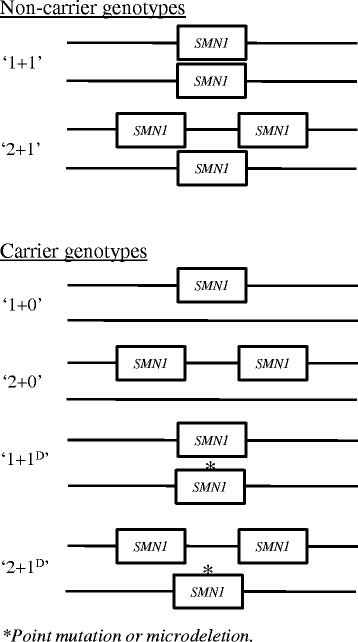
“This was seen in African Americans [46, 62, 77], as well as in Black Africans [66] and would indicate a higher proportion of 2-copy (duplication) alleles, thereby suggesting a higher number of ‘2 + 0’ carriers.”
BackgroundResultZerres, K. (1995) · Archives of Neurology · doi:10.1001/archneur.1995.00540290108025 · Cited by 563
McAndrew, P. E., Parsons, D. W., Simard, L. R., Rochette, C., Ray, P. N., Mendell, J. R., Prior, T. W., & Burghes, A. H. M. (1997) · The American Journal of Human Genetics · doi:10.1086/515465 · Cited by 543
Norwood, F. L. M., Harling, C., Chinnery, P. F., Eagle, M., Bushby, K., & Straub, V. (2009) · Brain · doi:10.1093/brain/awp236 · Cited by 541 · cited 1×
“Of three studies that investigated type II and type III separately, two found a higher prevalence of type III compared to type II [24, 32].”
Background
Research works printed but not linked: 2
- SPINRAZA® (Nusinersen) Approved in the European Union as First Treatment for Spinal Muscular Atrophy [ http://media.biogen.com/press-release/investor-relations/spinraza-nusinersen-approved-european-union-first-treatment-spinal-].
- Ignatius J Donner M H L Epidemiology of childhood disorders (in Finnish) Lihastautien Kehittyvä Tutkimus Ja Hoito 1989 Turku Kiasma
Cited by
Items 301–400 of 738
Lemska, A., Rumiński, P., Szymarek, J., Studzińska, S., & Mazurkiewicz‐Bełdzińska, M. (2024) · Neurology International · doi:10.3390/neurolint16060096 · Cited by 9
“SMA has long been regarded as the leading genetic cause of death in infants [1,6,7].”
Comprehensive copy number analysis of spinal muscular atrophy among the Iranian population
Khanbazi, A., Beheshtian, M., Azad, M. H., Kelishomi, M. A., Afroozan, F., Fatehi, F., Noudehi, K., Najafabadi, S. Z., Omrani, M., Habibi, H., et al. (2024) · Scientific Reports · doi:10.1038/s41598-024-76815-x · Cited by 9
Kant‐Smits, K., Bartels, B., van der Heiden, L., Veldhoen, E. S., van der Ent, C. K., van der Pol, W. L., & Hulzebos, E. H. J. (2025) · Respiratory Care · doi:10.4187/respcare.12378 · Cited by 10
Khorshid, A., Boyd, A. L. H., Behr, B. R., Zhao, Q., Alvero, R. J., & Bavan, B. (2023) · Journal of Assisted Reproduction and Genetics · doi:10.1007/s10815-023-02738-7 · Cited by 9
“Overall, the genotypic complexity of SMA can preclude accurate identification of carriers and disease incidence and carrier frequency also vary widely based on racial and ethnic differences [8].”
BackgroundWhitney, D. G., Knierbein, E. E. N., & Daunter, A. K. (2023) · Orphanet Journal of Rare Diseases · doi:10.1186/s13023-023-02872-6 · Cited by 11
“While studies of prevalence and incidence for this rare population have significant challenges [31], reported prevalence estimates range from 1 to ~ 7 per 100,000 people; although, these studies were among those < 20 years old [31–35].”
BackgroundResultInfluentialZeevi, D. A., Chung, W. K., Levi, C., Scher, S. Y., Bringer, R., Kahan, Y., Muallem, H., Benel, R., Hirsch, Y., Weiden, T., et al. (2021) · Molecular Genetics & Genomic Medicine · doi:10.1002/mgg3.1756 · Cited by 8
Al-Tawari, A. A., Zakaria, M., Kamel, W. A., Bastaki, L. A., Elghazawi, G. A. I., Ali, M. E. A., Salota, D., Attia, A., Elanay, E. E. A., Shalaby, O., et al. (2024) · Neurology International · doi:10.3390/neurolint16030047 · Cited by 7
“It is thought that higher rates of consanguinity in the region may account for the increased incidence and carrier frequency [2,7].”
BackgroundMacrostructural Brain Abnormalities in Spinal Muscular Atrophy
Groulx‐Boivin, É., Oliveira-Carneiro, A., Carlson, H. L., Floer, A., Kirton, A., Mah, J. K., Saint‐Martin, C., Piana, R. L., & Oskoui, M. (2024) · Neurology Genetics · doi:10.1212/nxg.0000000000200193 · Cited by 7
Diagnosing missed cases of spinal muscular atrophy in genome, exome, and panel sequencing data sets
Weisburd, B., Sharma, R., Pata, V., Reimand, T., Ganesh, V. S., Austin-Tse, C. A., Osei‐Owusu, I., O’Heir, E., O’Leary, M., Pais, L. S., et al. (2024) · Genetics in Medicine · doi:10.1016/j.gim.2024.101336 · Cited by 13
Self-citationSpectrum of Phenotypes in SMA Patients With 4 SMN2 Copies in the French Population
Gerin, L., Ropars, J., García-Uzquiano, R., de la Banda, M. G. G., Saugier-Véber, P., Desguerre, I., Salort‐Campana, E., Espil, C., Barnérias, C., Laugel, V., et al. (2025) · Neurology Genetics · doi:10.1212/nxg.0000000000200222 · Cited by 7
Chen, T., Chen, Q., Ye, J., Wu, Y., Liu, T., & Zhang, Y. (2025) · Orphanet Journal of Rare Diseases · doi:10.1186/s13023-025-03715-2 · Cited by 7
Belančić, A., Gkrinia, E. M. M., Eustaquio, P. C., Faour, A. K., & Vitezić, D. (2025) · British Journal of Clinical Pharmacology · doi:10.1002/bcp.70145 · Cited by 8
Landfeldt, E., Udo, C., Lövgren, M., Sejersen, T., & Kreicbergs, U. C. (2023) · European Journal of Paediatric Neurology · doi:10.1016/j.ejpn.2023.06.008 · Cited by 7
Diagnosis of Challenging Spinal Muscular Atrophy Cases with Long-Read Sequencing
Wang, N., Jiao, K., He, J., Zhu, B., Cheng, N., Sun, J., Chen, L., Chen, W., Gong, L., Qiao, K., et al. (2024) · Journal of Molecular Diagnostics · doi:10.1016/j.jmoldx.2024.02.004 · Cited by 8
Khuntha, S., Prawjaeng, J., Ponragdee, K., Sanmaneechai, O., Srinonprasert, V., & Leelahavarong, P. (2024) · Applied Health Economics and Health Policy · doi:10.1007/s40258-024-00915-y · Cited by 10
Hereditary Neuromuscular Disorders in Reproductive Medicine
Luglio, A., Maggi, E., Riviello, F. N., Conforti, A., Sorrentino, U., & Zuccarello, D. (2024) · Genes · doi:10.3390/genes15111409 · Cited by 11
“Indeed, the detection rate of carrier screening drops significantly in populations with a high frequency of “2+0” carriers, such as sub-Saharan Africans (70% vs. approximately 95% in other populations) [145].”
InfluentialOutcomes of a Pilot Newborn Screening Program for Spinal Muscular Atrophy in the Valencian Community
Berzal-Serrano, A., García‐Bohórquez, B., Aller, E., Jaijo, T., Castellano, I. P., Rausell, D., García‐García, G., & Millán, J. M. (2025) · International Journal of Neonatal Screening · doi:10.3390/ijns11010007 · Cited by 8
Slayter, J., Casey, L., McCullum, S. A., Drost, D., Banks, A., & O’Connell, C. M. (2025) · Journal of Rehabilitation Medicine · doi:10.2340/jrm.v57.41254 · Cited by 8
Abbott, L., Main, M. L., Wolfe, A., Rohwer, A., Baranello, G., Munot, P., Manzur, A. Y., Muntoni, F., & Scoto, M. (2025) · BMJ Open · doi:10.1136/bmjopen-2023-082240 · Cited by 7
Human-based complex in vitro models: their promise and potential for rare disease therapeutics
Parvatam, S., Pistollato, F., Marshall, L. J., Furtmann, F., Jahagirdar, D., Choudhury, M. C., Mohanty, S., Mittal, H., Meganathan, S., & Mishra, R. (2025) · Frontiers in Cell and Developmental Biology · doi:10.3389/fcell.2025.1526306 · Cited by 9
Ramos, T. D. M., Thomasi, T. Z., & Júnior, D. P. D. (2020) · CADERNOS IBERO-AMERICANOS DE DIREITO SANITÁRIO · doi:10.17566/ciads.v9i2.656 · Cited by 7
Evaluation of exonic copy numbers of SMN1 and SMN2 genes in SMA
Arıkan, Y., Karaüzüm, S. B., Uysal, H., Mıhçı, E., Nur, B. G., Duman, Ö., Haspolat, Ş., Clark, Ö. A., & Toylu, A. (2022) · Gene · doi:10.1016/j.gene.2022.146322 · Cited by 9
Mouchet, J., Roumpanis, S., Gaki, Ε., Lipnick, S., Oskoui, M., Scalco, R., & Darras, B. T. (2022) · Journal of Neuromuscular Diseases · doi:10.3233/jnd-210764 · Cited by 8
“It is typically classified into five types (0–4), based on age of onset and severity of disease [9, 10].”
BackgroundInfluentialClinical gene therapy development for the central nervous system: Candidates and challenges for AAVs
Leong, T. W., Pal, A., Cai, Q., Gao, Z., Li, X., Bleris, L. G., Hayenga, H. N., & Qin, Z. (2023) · Journal of Controlled Release · doi:10.1016/j.jconrel.2023.04.009 · Cited by 8
Telemedicine Use, Comfort, and Perceived Effectiveness in the Spinal Muscular Atrophy Community
Peterson, I. S., Belter, L. T., Curry, M. A., & Jarecki, J. (2024) · Telemedicine Journal and e-Health · doi:10.1089/tmj.2023.0293 · Cited by 7
Chen, Y., Yang, D., Huang, X., Feng, J., Zhao, Q., Huang, H., Liang, L., Zhang, X., & Ruan, Y. (2024) · Frontiers in Neurology · doi:10.3389/fneur.2024.1391613 · Cited by 9
Cappella, M., Elouej, S., & Biferi, M. G. (2021) · Frontiers in Cell and Developmental Biology · doi:10.3389/fcell.2021.662837 · Cited by 9
Accuracy of muscle fasciculations for the diagnosis of later-onset spinal muscle atrophy
dos Santos, M. A. R., Brighente, S. F., Massignan, Â., Tenório, R. B., Makariewicz, L. L., Moreira, A. L., & Saute, J. A. M. (2022) · Neuromuscular Disorders · doi:10.1016/j.nmd.2022.07.395 · Cited by 10
Cumplido, C., Barquín-Santos, E., Aneiros-Tarancón, F., Plaza, A., Espinosa-García, S., Fernández, R., & García, E. (2024) · Children · doi:10.3390/children11121500 · Cited by 8
Cost-Effectiveness of Newborn Screening for Spinal Muscular Atrophy in Australian Hospitals
Woodcock, I. R., Kariyawasam, D. S. T., Kava, M. P., Yiu, E. M., Clark, D., Adams, J., Bischof, M., Peacock, A., Taylor, C. B., & Smith, N. J. C. (2025) · Neurology and Therapy · doi:10.1007/s40120-025-00744-8 · Cited by 7
Parsons, J. A., Land, N., Maravić, M. C., Cagle, C., Jamaleddine, A., Shah, H., Brown, T. E., Cherubino, C., & Gueye, M. (2025) · Annals of Clinical and Translational Neurology · doi:10.1002/acn3.70132 · Cited by 7
Winnicka, E., Łabuz, A., Kułaga, Z., Grochowski, T., & Socha, P. (2025) · Nutrients · doi:10.3390/nu17152561 · Cited by 6
“However, as SMA is a very rare disorder (SMA occurs with an estimated frequency of approximately 1 in 10,000 live births) [34], we believe that our observation of a strong correlation between tongue strength and impaired solid food intake merits attention.”
Belančić, A., Eustaquio, P. C., Gkrinia, E. M. M., Rački, V., Pilipović, K., & Vitezić, D. (2025) · Biomedicines · doi:10.3390/biomedicines13081939 · Cited by 8
“The underlying genetic defect is typically a homozygous deletion or mutation in the SMN1 gene, leading to insufficient levels of survival motor neuron (SMN) protein, a critical factor for motor neuron maintenance and function [1,2].”
Martí, Y., Gorni, K., Kumari, S., Mahajan, A., Baranello, G., Waele, L. D., & McGrattan, K. E. (2026) · Orphanet Journal of Rare Diseases · doi:10.1186/s13023-025-04118-z · Cited by 6
Current and emerging targeted therapies for spinal muscular atrophy
Lakhina, Y., Boulis, N. M., & Donsante, A. (2023) · Expert Review of Neurotherapeutics · doi:10.1080/14737175.2023.2268276 · Cited by 8
Arteaga-Bracho, E. E., Cosne, G., Kanzler, C. M., Karatsidis, A., Mazzà, C., Penalver-Andres, J. A., Zhu, C., Shen, C., Erb, M. K., Freigang, M., et al. (2024) · Journal of Neuromuscular Diseases · doi:10.3233/jnd-240004 · Cited by 6
“Spinal muscular atrophy (SMA) is an autosomal recessive neuromuscular disorder characterized by progressive loss of motor function due to the ongoing death of lower motor neurons in the anterior horn of the spinal cord [1].”
BackgroundWolfe, A., Sheehan, J., Schofield, A., Cranney, H., O’Reilly, E., Stimpson, G., Andrews, A., Vanegas, M., Lucas, J. D., Scoto, M., et al. (2024) · Neuromuscular Disorders · doi:10.1016/j.nmd.2024.104451 · Cited by 6
Öyekçin, D. G., & Şahin, E. M. (2011) · Turkish Journal of Family Practice · doi:10.2399/tahd.11.029 · Cited by 6
Exploring spinal muscular atrophy and its impact on functional status: Indian scenario
Bose, M., Parab, S., Patil, S., Pandey, N., Pednekar, G., & Saini, S. (2019) · Indian Journal of Public Health · doi:10.4103/ijph.ijph_239_18 · Cited by 6
Wiwaha, G., Sari, D. M., Biben, V., Sunjaya, D. K., & Hilmanto, D. (2022) · Health and Quality of Life Outcomes · doi:10.1186/s12955-022-01933-x · Cited by 6
Fernandes, I. A. M., Menezes, R. O. A., & Rêgo, G. (2022) · International Journal of Environmental Research and Public Health · doi:10.3390/ijerph192416935 · Cited by 7
“Forty-nine percent of respondents had SMA type 3 or were the mother of a patient with this phenotype, whose life expectancy was equal to that of the general population; and 39% presented type 2, whose expectation is to reach adulthood [8].”
BackgroundToro, W., Yang, M., Georgieva, M. V., Anderson, A., LaMarca, N. M., Patel, A. A., Akbarnejad, H., & Dabbous, O. H. (2023) · Advances in Therapy · doi:10.1007/s12325-023-02685-w · Cited by 7
“SMA type 4 is the least common type for live births, with less severe symptoms that pre-sent during adulthood (usually in the second or third decade of life) [2, 3, 5, 6].”
InfluentialFernandes, B. D., Rodrigues, F. D., Cirilo, H. N. C., Borges, S. S., Krug, B. C., Probst, L. F., & Zimmermann, I. R. (2024) · Value in Health Regional Issues · doi:10.1016/j.vhri.2023.11.004 · Cited by 6
Carrier screening for spinal muscular atrophy in 22913 Chinese reproductive age women
Zhang, L., Mo, J., Zhou, L., Xu, X., Xu, Z., Zhang, L., & Wu, W. (2024) · Molecular Genetics & Genomic Medicine · doi:10.1002/mgg3.2359 · Cited by 8
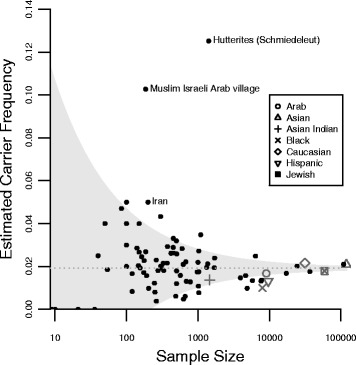
“Because a large foreign reports (Hasanzad et al., 2010; Lyahyai et al., 2012; Verhaart et al., 2017) have showed that the carrier frequency of SMA, ranging from 1/20 to 1/80, varies among different ethnic groups which is higher in Morocco, Iran, and Saudi Arabia and relatively lower in the African…”
BackgroundBadina, M., Sporea, C., Bejan, G. C., Mirea, A., & Ion, D. A. (2024) · Balneo and PRM Research Journal · doi:10.12680/balneo.2024.681 · Cited by 6
Intelligent Ratio: A New Method for Carrier and Newborn Screening in Spinal Muscular Atrophy
Çavdarlı, B., Öztürk, F. N., Ergün, S. G., Ergün, M. A., Doğan, Ö., & Perçin, E. F. (2020) · Genetic Testing and Molecular Biomarkers · doi:10.1089/gtmb.2020.0085 · Cited by 7
Tran, D. K., Shah, V. B., & Muhonen, M. G. (2020) · Cureus · doi:10.7759/cureus.9525 · Cited by 7
Cardona, N., Ocampo, S. J., Estrada-Álvarez, J. M., Mojica, M. I., & Porras, G. L. (2022) · Biomédica · doi:10.7705/biomedica.6178 · Cited by 6
“000 nacidos vivos, siendo las atrofias musculares de tipo II y III las más frecuentes, con el 75 % de casos, en tanto que la de tipo I registró el 28 % de los casos, aproximadamente (4).”
BackgroundAgosto, C., Salamon, E., Giacomelli, L., Papa, S., Benedetti, F., & Benini, F. (2021) · Frontiers in Neurology · doi:10.3389/fneur.2021.704928 · Cited by 8
“Consequent to the COVID-19 emergency, clinical and social issues for SMA patients were evaluated through a medical record review that has been carried out during these time points: (1) first diagnosis of SMA; (2) last nusinersen administration before the first lockdown period; (3) first nusinersen administration after…”
BackgroundMethodWong, K. N., McIntyre, M., Cook, S., Hart, K., Wilson, A., Moldt, S., Rohrwasser, A., & Butterfield, R. J. (2024) · International Journal of Neonatal Screening · doi:10.3390/ijns10030054 · Cited by 11
“In these severe cases, clinical symptoms can be identified in the first weeks to months of life [5].”
BackgroundSelf-citationde Felipe, B., Delgado‐Pecellín, C., Lobato, M. L., Olbrich, P., Blanco-Lobo, P., Marquez, J., Salamanca, C., Mendoza, B., Castro-Serrano, R., Duque, C., et al. (2025) · International Journal of Neonatal Screening · doi:10.3390/ijns11010011 · Cited by 5
“SMA is one of the most common neuromuscular disorders in childhood and the second most frequent genetic cause of infant mortality [1].”
Zwartkruis, M. M., Kortooms, J. V., Gommers, D., Elferink, M., Signoria, I., van der Sel, J., Hop, P. J., Zwamborn, R. A. J., Geene, R., Green, J. W., et al. (2025) · iScience · doi:10.1016/j.isci.2025.112461 · Cited by 6
Belančić, A., Mas, P., Miletić, L., Bytyqi, B. K., & Vitezić, D. (2025) · Journal of Clinical Medicine · doi:10.3390/jcm14093173 · Cited by 7
“This deficiency results in the progressive degeneration of lower motor neurons, manifesting as symmetrical muscle weakness and atrophy [1,2].”
Epigenetic regulation in spinal muscular atrophy: emerging areas and future directions
Li, H., Yu, B., Yuan, Y., Chen, N., Wu, J., & Zhang, Z. (2025) · Orphanet Journal of Rare Diseases · doi:10.1186/s13023-025-03857-3 · Cited by 9
“As a rare autosomal recessive genetic disease, SMA exhibits an incidence rate of approximately 1/6,000–1/10,000 live births [2].”
Mežnarić, S., Belančić, A., Rački, V., Vitezić, D., Mršić‐Pelčić, J., & Pilipović, K. (2025) · Biomedicines · doi:10.3390/biomedicines13081796 · Cited by 6
“With an estimated incidence of approximately 1 in 10,000 live births and a prevalence of 1–2 per 100,000 individuals, SMA is among the most clinically significant inherited neurological disorders identified in infancy [1,2].”
Single Nucleotide SMN1 Variants in a Cohort of Individuals With Spinal Muscular Atrophy
Rimoldi, M., Magri, F., Meneri, M., Gagliardi, D., Sansone, V., Albamonte, E., Ottoboni, L., Comi, G. P., Mercuri, E. M., Tiziano, F. D., et al. (2025) · Neurology Genetics · doi:10.1212/nxg.0000000000200286 · Cited by 5
Ricci, G., Torri, F., Bianchi, F., Fontanelli, L., Schirinzi, E., Gualdani, E., Francesconi, P., Gagliardi, D., Serra, G., Mongini, T., et al. (2022) · Acta myologica : myopathies and cardiomyopathies : official journal of the Mediterranean Society of Myology / edited by the Gaetano Conte Academy for the study of striated muscle diseases · doi:10.36185/2532-1900-065 · Cited by 5
Patel, A., Toro, W., Bourke, S., Oluboyede, Y., Barbier, S., Bogoeva, N., Reyna, S. P., & Dabbous, O. H. (2024) · PLoS ONE · doi:10.1371/journal.pone.0309666 · Cited by 5
Reilly, A., Beauvais, A., Al-Aarg, M., Yaworski, R., Sutton, E. R., Thebault, S., & Kothary, R. (2024) · Journal of Neuromuscular Diseases · doi:10.1177/22143602241288036 · Cited by 6
Zhao, X. O., Liao, Y., Zhao, J., Zhu, L., Liu, J., Zhang, M., & Li, W. (2025) · Advances in Therapy · doi:10.1007/s12325-024-03101-7 · Cited by 9
“SMA is a leading genetic cause of infant death, with an average incidence of around 8 per 100,000 live births (~ 1 in 12,000) [2].”
Short review on determination of nusinersen for spinal muscular atrophy treatment
Ostrowska, K., Balińska, N., & Studzińska, S. (2025) · Microchemical Journal · doi:10.1016/j.microc.2025.113559 · Cited by 4
O’Connell, C. M., Rodrigue, X., Hodgkinson, V. L., Henley, K., Slayter, J., Alemán, A., Drost, D., Izenberg, A., Knowles, B. L., Lochmüller, H., et al. (2025) · Journal of Neuromuscular Diseases · doi:10.1177/22143602251336076 · Cited by 5
Self-citationA cost-utility analysis of newborn screening for spinal muscular atrophy in Canada
Pace, A., Roda, W. C., Poon, C., McMillan, H. J., Oskoui, M., MacKenzie, A., Chakraborty, P. K., & Round, J. A. (2025) · Orphanet Journal of Rare Diseases · doi:10.1186/s13023-025-03927-6 · Cited by 6
“The incidence of SMA is approximately 1 in 10,000 live births, with a prevalence of 1 to 2 per 100,000 individuals [3, 4].”
Treatment of Adult Spinal Muscular Atrophy: Overview and Recent Developments
Brakemeier, S., Stolte, B., Kleinschnitz, C., & Hagenacker, T. (2022) · Current Pharmaceutical Design · doi:10.2174/1381612828666220329115433 · Cited by 6
Dysregulation of Aldh1a2 underlies motor neuron degeneration in spinal muscular atrophy
Kataoka, M., Sahashi, K., Tsujikawa, K., Takeda, J., Hirunagi, T., Iida, M., & Katsuno, M. (2023) · Neuroscience Research · doi:10.1016/j.neures.2023.04.007 · Cited by 5
Chaytow, H., Motyl, A. A. L., Huang, Y.-T., Wong, C., Currie, G. L., Bahor, Z., Sena, E. S., & Gillingwater, T. H. (2024) · Brain Communications · doi:10.1093/braincomms/fcae267 · Cited by 6
Ouyang, S., Peng, X., Huang, W., Bai, J., Wang, H., Jin, Y.-W., Jiao, H., Wei, M., Ge, X., Song, F., et al. (2024) · Frontiers in Neurology · doi:10.3389/fneur.2024.1382410 · Cited by 5
Screening for spinal muscular atrophy
Sampaio, H. A., Wilcken, B., & Farrar, M. A. (2018) · The Medical Journal of Australia · doi:10.5694/mja17.00772 · Cited by 6
Combien de patients atteints de SMA en France ?
Urtizberea, J. A., Daidj, F., & Filnemus, L. R. (2018) · médecine/sciences · doi:10.1051/medsci/201834s209 · Cited by 5
Sharifi, Z., Forouzesh, F., Taheri, M. N., & Zeinali, S. (2019) · Gene Reports · doi:10.1016/j.genrep.2019.100440 · Cited by 4
Pechmann, A., Langer, T., & Kirschner, J. (2019) · Neuropediatrics · doi:10.1055/s-0039-1694986 · Cited by 5
Birinci basamak hekimleri serviks kanseri ve HPV aşısı ile ilgili ne biliyorlar?
Kartal, M., Günvar, T., Limnili, G., Hatipoğlu, Ş., & Güldal, D. (2011) · Turkish Journal of Family Practice · doi:10.2399/tahd.11.001 · Cited by 5
Global Economic Burden of Spinal Muscular Atrophy: A Systematic Literature Review
Elshahawy, R., Elezbawy, B., Ashmawy, R., Elshahawy, R., Mahmoud, Y. S., Korra, N., Abaza, S., Alnajjar, A., Alabdulkarim, H. A., Al‐Omar, H. A., et al. (2025) · Cureus · doi:10.7759/cureus.81023 · Cited by 6
“Studies report incidence values ranging from one in 6,000 to one in 10,000 live births and a prevalence of approximately 1-2 per 100,000 persons [4,5].”
Kirk, E. P., Mundy, L., Lee, E., Lundie, B., Laing, N. G., Archibald, A. D., Newson, A. J., Mina, K., Carpenter, K., Neas, K., et al. (2025) · Pathology · doi:10.1016/j.pathol.2025.02.004 · Cited by 6
SMN2 as a therapeutic target in spinal muscular atrophy: advances in gene expression modulation
Virata, M. J., Abello, R. M. R., Brillante, E. M. B., & Corneta, M. B. (2025) · Journal of Translational Genetics and Genomics · doi:10.20517/jtgg.2025.56 · Cited by 8
Burden of disease of spinal muscular atrophy linked to chromosome 5q (5q-SMA) in Colombia
Gil-Rojas, Y., Suárez‐Obando, F., Amaya-Granados, D., Prieto‐Pinto, L., Samacá-Samacá, D., Ortiz, B., & Hernández, F. (2023) · Expert Review of Pharmacoeconomics & Outcomes Research · doi:10.1080/14737167.2023.2206569 · Cited by 4
“of 5q-SMA from the suggested formulas [73,74] would be”
MethodThe Evolving Landscape of Genetic Carrier Screening: Clinical Considerations and Challenges
Buckley, L. E., Hopkins, M. K., & Kuller, J. A. (2023) · Obstetrical & Gynecological Survey · doi:10.1097/ogx.0000000000001168 · Cited by 7
The socioeconomic burden of spinal muscular atrophy in Saudi Arabia: a cross-sectional pilot study
Alotaibi, K., Alsuhaibani, M., Al-Essa, K. S., Bamaga, A. K., Mukhtar, A. S., Alrumaih, A. M., Al-Hasinah, H. F., Aldossary, S., Alghamdi, F., Temsah, M.-H. A., et al. (2024) · Frontiers in Public Health · doi:10.3389/fpubh.2024.1303475 · Cited by 5
Vaccination proposal for patients on onasemnogene abeparvovec therapy
Dobner, S., Kulcsár, A., Liptai, Z., Vojnisek, Z., Constantin, T., & Szabó, L. (2024) · European Journal of Paediatric Neurology · doi:10.1016/j.ejpn.2024.02.010 · Cited by 4
Puig-Ram, C., Segovia, S., García-Uzquiano, R., Garzón, N. C. Ñ., Aragon‐Gawinska, K., Romero, M. G., Expósito-Escudero, J., Carrera‐García, L., Lobato, M. L., Paradas, C., et al. (2025) · Journal of Neuromuscular Diseases · doi:10.1177/22143602251361190 · Cited by 5
Updates of spinal muscular atrophy in advanced therapies
Weng, W., Lee, W., Chien, Y., & Tsai, L. (2025) · Journal of the Formosan Medical Association · doi:10.1016/j.jfma.2025.10.018 · Cited by 9
Xu, B., Wei, C., Hu, X., Li, W., Huang, Z., Que, C., Qiu, J., Li, C., & Xiong, H. (2022) · Frontiers in Neurology · doi:10.3389/fneur.2022.869230 · Cited by 4
“The more severely the child is affected, the higher the probability of developing scoliosis at an earlier age and also the greater anticipated curve progression (1).”
BackgroundMethodReal-World Data on Access to Standards of Care for People With Spinal Muscular Atrophy in the UK
Muni‐Lofra, R., Murphy, L. B., Adcock, K., Farrugia, M. E., Irwin, J., Lilleker, J. B., McConville, J., Merrison, A. F. A., Parton, M. J., Ryburn, L., et al. (2022) · Frontiers in Neurology · doi:10.3389/fneur.2022.866243 · Cited by 6
“Nine topics were included in the updated document: (1) Diagnosis and genetics; (2) Physical therapy and rehabilitation; (3) Orthopedic care, growth, and bone health care; (4) Nutrition; (5) Pulmonary care; (6) Acute care in the hospital setting; (7) Other organ system involvement; (8) Medication; (9) Ethics and pallia…”
BackgroundOkamoto, K., Nishio, H., Motoki, T., Jogamoto, T., Aibara, K., Kondo, Y., Kawamura, K., Konishi, Y., Tokorodani, C., Nishiuchi, R., et al. (2022) · International Journal of Neonatal Screening · doi:10.3390/ijns8040052 · Cited by 4
Epidemiology of spinal muscular atrophy caused by SMN1 deletions in Maritime Canada
McKee‐Muir, O., Dyack, S., Taillon, M., Brock, J., & Sheriko, J. (2023) · American Journal of Medical Genetics Part A · doi:10.1002/ajmg.a.63369 · Cited by 4
“The incidence of SMA has been estimated to range between 1:6000 and 1:11,000 live births (König et al., 2019; Sugarman et al., 2012; Verhaart et al., 2017).”
Feng, Y., Jia, W., Yao, M., Jin, J., Cui, Y., Long, Q., Chen, F., Hong, Y., Zhou, D., Hu, J., et al. (2024) · Chinese Medical Journal · doi:10.1097/cm9.0000000000003049 · Cited by 5
Tavares, V. L. R., Mendonça, R. D. H., Toledo, M. S., Hadachi, S. M., Grindler, C. M., Zanoteli, E., Marques, W., Oliveira, A. S. B., Breinis, P., Morita, M. D. P. A., et al. (2024) · Genes · doi:10.3390/genes15070858 · Cited by 10
Chi, Y., Qiao, Y., & Ma, Y. (2024) · Neurological Sciences · doi:10.1007/s10072-024-07651-0 · Cited by 4
Genetic counselors' awareness and attitudes regarding gene therapies
Walsh, C., Durst, A. L., Ortiz, D. N., Miller, R. G., & Alabek, M. L. (2024) · Journal of Genetic Counseling · doi:10.1002/jgc4.1953 · Cited by 4
“…abeparvovec-xioi ^ This could be related to prev - alence of the conditions treated by these therapies, with SMA estimated to be 3 to 4 times more prevalent than RPE65 - related inherited retinal dystrophy in the United States (U.S. and World Clock, 2023; Lloyd et al., 2019; Verhaart et al., 2017).”
Tawiah, E. D.-Y., & Sarfo, J. O. (2025) · BMC Palliative Care · doi:10.1186/s12904-025-01651-3 · Cited by 6
Biomarkers in spinal muscular atrophy
Yan, L., Zhang, J., Zheng, J., & Hao, H. (2025) · Frontiers in Neurology · doi:10.3389/fneur.2025.1636992 · Cited by 4
Alkhars, F. Z., Almajhad, N., AlObaid, J. J., Alghadeer, F., & Ali, A. Y. B. (2020) · Cureus · doi:10.7759/cureus.11433 · Cited by 4
“According to the age at onset and the disease severity, SMA has three main subtypes: type I (Werdnig-Hoffmann disease), with onset in non-sitters, before 6 months of age; type II, with onset in sitters, at 6-18 months of age; and type III (Kugelberg-Welander disease), with onset in walkers, after the age of 18 months…”
BackgroundJohnson, N. B., Proud, C. M., Wassel, C. L., Dreyfus, J., Cochrane, T., & Paradis, A. D. (2021) · Journal of Neuromuscular Diseases · doi:10.3233/jnd-200624 · Cited by 5
“The global incidence of SMA is estimated to be one in 12,000 births [6].”
BackgroundConsensus on gene replacement therapy for spinal muscular atrophy
Artemyeva, S. B., Белоусова, Е. Д., Владимирович, В. Д., Guzeva, V. I., Kuzenkova, L. M., Kutsev, S. I., Владимирович, М. А., Pechatnikova, N. L., & Polyakov, A. V. (2021) · L O Badalyan Neurological Journal · doi:10.46563/2686-8997-2021-2-1-7-9 · Cited by 4
Neugeborenenscreeningprogramm für die spinale Muskelatrophie
Kölbel, H., Vill, K., Schwartz, O., Blaschek, A., Nennstiel, U., Schara, U., Hoffmann, G. F., Gläser, D., Röschinger, W., Bernert, G., et al. (2021) · Der Nervenarzt · doi:10.1007/s00115-021-01204-y · Cited by 4
Screening of Neonatal UK Dried Blood Spots Using a Duplex SMN1 Screening Assay
Adams, S. P., Gravett, E., Kent, N., Kricke, S., Ifederu, A., Scoto, M., Samsuddin, S., & Francesco Muntoni, A. (2021) · International Journal of Neonatal Screening · doi:10.3390/ijns7040069 · Cited by 4
“Introduction Spinal muscular atrophy (SMA) is one of the most common lethal recessive genetic conditions, with an incidence of 1:8000 births in Europe dependent on ethnicity [1,2].”
BackgroundCADTH (2022) · Canadian Journal of Health Technologies · doi:10.51731/cjht.2022.496 · Cited by 5
Quirke, M. B., Cassidy, L., Alexander, D., Walsh, C., Hill, K., Masterson, K., Flynn, N., & Brenner, M. (2023) · Frontiers in Pediatrics · doi:10.3389/fped.2023.1252440 · Cited by 4
Efficacy and safety of salbutamol in treatment of children with later-onset spinal muscular atrophy
Feng, Y., Jin, J., Chen, T. T., Jianhua, W. A. N. G., Jiang, Y., Gao, F., & Shanshan, M. A. O. (2023) · Journal of Zhejiang University (Medical Sciences) · doi:10.3724/zdxbyxb-2023-0463 · Cited by 5
Metadata
- Authors
- Verhaart, I. E. C., Robertson, A., Wilson, I. J., Aartsma-Rus, A., Cameron, S., Jones, C. C., Cook, S. F., & Lochmüller, H.
- Affiliations
- Newcastle University (GB)
- Biogen (United States) (US)
- Corresponding author
- Lochmüller, Hanns
- ORCID
- Venue
- Orphanet Journal of Rare Diseases
- Published
- 2017-07-04
- Volume
- 12
- Issue
- 1
- Pages
- 124-124
- ISSN
- 1750-1172 (ISSN-L)
- PMC
- PMC5496354
- OpenAlex
- W2733659072
- Cited by
- 739
- References
- 117
- Citations by year
- 2026: 82 · 2025: 108 · 2024: 125 · 2023: 91 · 2022: 90 · 2021: 91 · 2020: 63 · 2019: 45 · 2018: 33 · 2017: 2
- FWCI
- 5.52
- Type
- journal article
- Language
- en
- Open access
- gold
- doi.org
- Licence
- cc-by
- Locations
- Orphanet Journal of Rare Diseases (publishedVersion, cc-by)
- PubMed Central (publishedVersion, cc-by)
- PubMed (publishedVersion)
- Data Archiving and Networked Services (DANS) (submittedVersion)
- Leiden Repository (Leiden University) (submittedVersion)
- DOAJ (DOAJ: Directory of Open Access Journals) (submittedVersion, cc-by-sa)
- Newcastle University ePrints (Newcastle Univesity) (cc-by)
- Funders
- Biogen
- Topics
- Health Sciences › Medicine › Genetics (clinical) › Neurogenetic and Muscular Disorders Research
- Life Sciences › Neuroscience › Cellular and Molecular Neuroscience › Hereditary Neurological Disorders
- Life Sciences › Neuroscience › Cellular and Molecular Neuroscience › Genetic Neurodegenerative Diseases
- Keywords
- spinal muscular atrophy, chromosome 5q, SMN1, prevalence, incidence, carrier frequency, heterozygous carriers, SMA type I, phenotypic heterogeneity, genetic diagnosis, newborn screening
- MeSH terms
- Chromosomes, Human, Pair 5, Female, Humans, Male, Muscular Atrophy, Spinal, Incidence, Prevalence, Survival of Motor Neuron 1 Protein
About these checks
Registry, retraction, Cites and statistics results are computed, not judged, with one exception: a printed reference that no index lists is read once by a model before it counts as a citation error. Claims are extracted by a model and kept only when their quote appears verbatim in the text; each cited source is then checked, with a model’s help, for whether it says what the claim relies on. Those verdicts can be wrong — read the claim’s quote and the cited source before relying on one.
Statistics and arithmetic are recomputed, not judged.
Confidence bands are shown only for fields calibrated on our annotated test set. None is calibrated yet, so no band is shown.
What counts as a claim ›How we measure confidence ›How we check this ›
Are you an author, or do you see a problem with this page? Request a review
Data sources
Bibliographic data: Semantic Scholar, OpenAlex, Crossref.
Contains information from the Semantic Scholar Academic Graph Datasets, made available under the ODC Attribution License (ODC-BY 1.0).
Semantic Scholar’s data is described in: Kinney, R., et al. (2023). The Semantic Scholar Open Data Platform. arXiv:2301.10140.
