

The DOI matches its Crossref record; 83 of the 83 references it cites were found in a registry or an index.
PU.1 regulates Alzheimer’s disease-associated genes in primary human microglia
Open accessAbstract
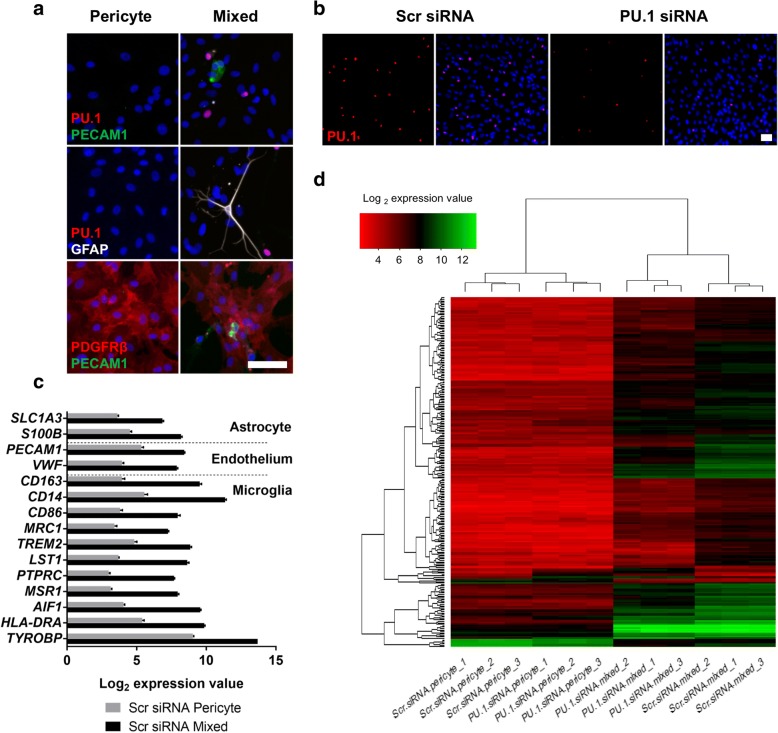
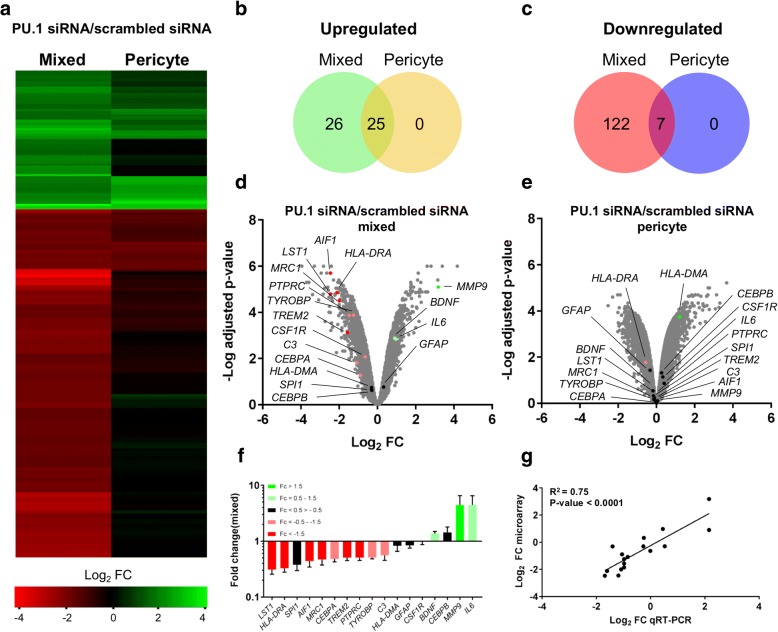
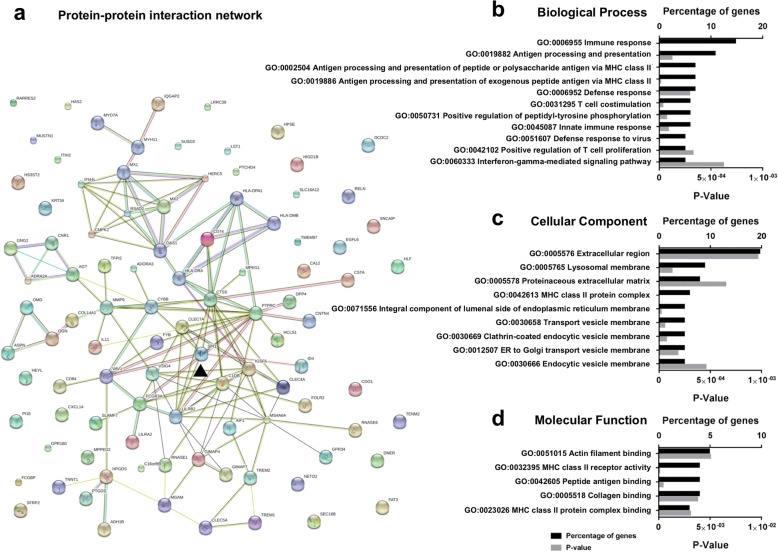
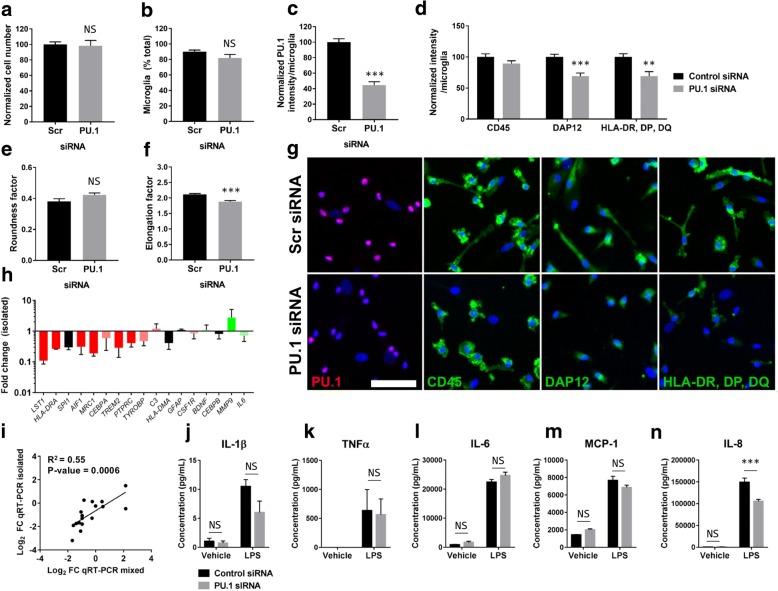
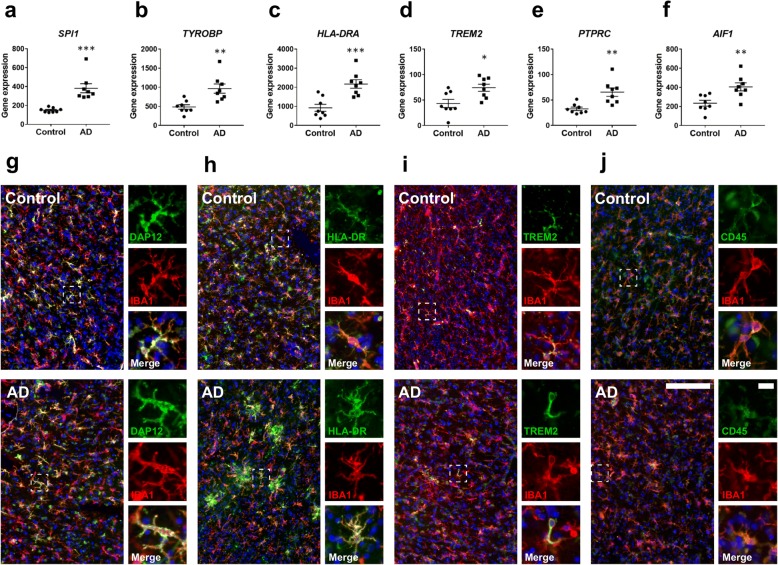
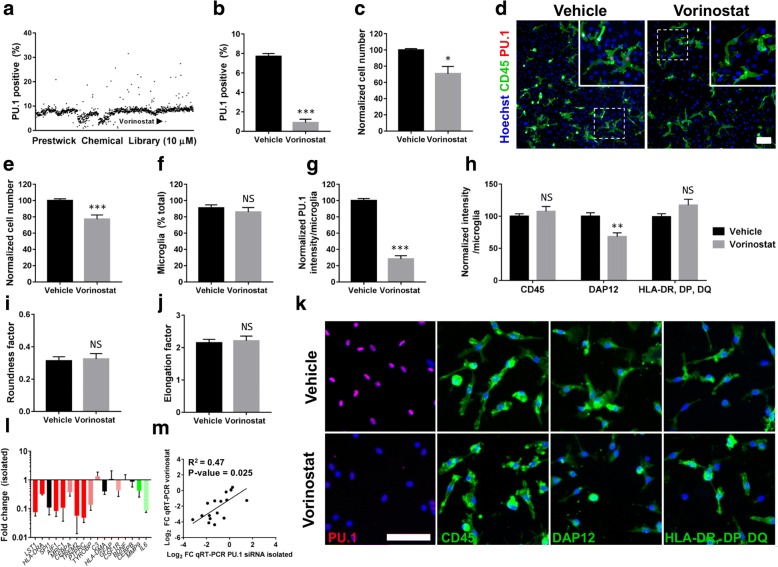
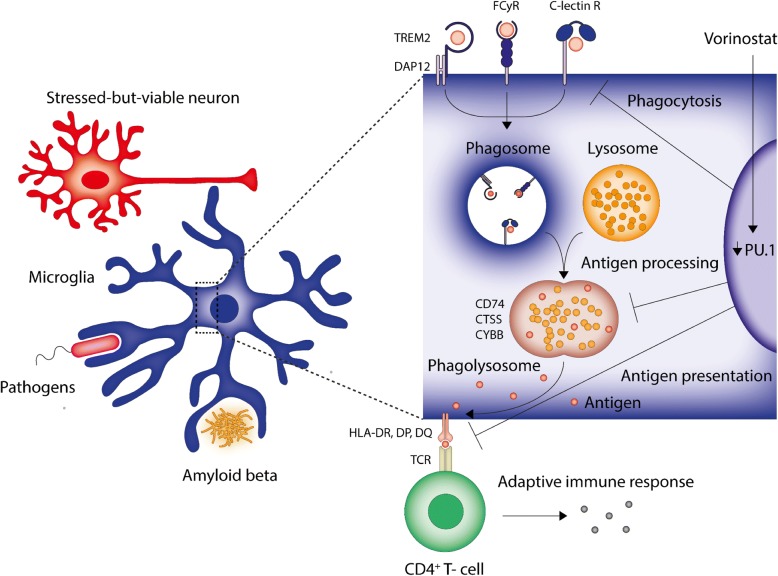
BACKGROUND: Microglia play critical roles in the brain during homeostasis and pathological conditions. Understanding the molecular events underpinning microglial functions and activation states will further enable us to target these cells for the treatment of neurological disorders. The transcription factor PU.1 is critical in the development of myeloid cells and a major regulator of microglial gene expression. In the brain, PU.1 is specifically expressed in microglia and recent evidence from genome-wide association studies suggests that reductions in PU.1 contribute to a delayed onset of Alzheimer's disease (AD), possibly through limiting neuroinflammatory responses. METHODS: To investigate how PU.1 contributes to immune activation in human microglia, microarray analysis was performed on primary human mixed glial cultures subjected to siRNA-mediated knockdown of PU.1. Microarray hits were confirmed by qRT-PCR and immunocytochemistry in both mixed glial cultures and isolated microglia following PU.1 knockdown. To identify attenuators of PU.1 expression in microglia, high throughput drug screening was undertaken using a compound library containing FDA-approved drugs. NanoString and immunohistochemistry was utilised to investigate the expression of PU.1 itself and PU.1-regulated mediators in primary human brain tissue derived from neurologically normal and clinically and pathologically confirmed cases of AD. RESULTS: Bioinformatic analysis of gene expression upon PU.1 silencing in mixed glial cultures revealed a network of modified AD-associated microglial genes involved in the innate and adaptive immune systems, particularly those involved in antigen presentation and phagocytosis. These gene changes were confirmed using isolated microglial cultures. Utilising high throughput screening of FDA-approved compounds in mixed glial cultures we identified the histone deacetylase inhibitor vorinostat as an effective attenuator of PU.1 expression in human microglia. Further characterisation of vorinostat in isolated microglial cultures revealed gene and protein changes partially recapitulating those seen following siRNA-mediated PU.1 knockdown. Lastly, we demonstrate that several of these PU.1-regulated genes are expressed by microglia in the human AD brain in situ. CONCLUSIONS: Collectively, these results suggest that attenuating PU.1 may be a valid therapeutic approach to limit microglial-mediated inflammatory responses in AD and demonstrate utility of vorinostat for this purpose.
Overview
The claims and statistics of this paper haven’t been checked yet.
Run the check — free, no account needed. It reads the open-access text and checks the sources it cites.
Integrity signals
Registry
Cites
Statistics
Figures
Verification
Claims the paper makes
The claims and statistics of this paper haven’t been checked yet.
Run the check — free, no account needed. It reads the open-access text and checks the sources it cites.
Claims other papers make about this one
Each is checked against this paper’s own text: does it say what the citing paper says it does?
The source backs part of the claim, not all of it — or backs it for a different population, condition or comparison.
In the citing paper
“given that PU.1 reduction has been reported to result in the down-regulation of massive proinflammatory genes and cell cycle–related genes (14, 43).”
From Arresting the bad seed: HDAC3 regulates proliferation of different microglia after ischemic stroke (2024) · cites this paper as [43]
Experimental — accuracy not yet measuredThe source backs part of the claim, not all of it — or backs it for a different population, condition or comparison.
In the citing paper
“Another similar study observed no reduction in microglia number, though PU.1 loss was measured at a culture level so the reduction could not be quantified on a single-cell level31.”
From Modest changes in Spi1 dosage reveal the potential for altered microglial function as seen in Alzheimer’s disease (2021) · cites this paper as [31]
Experimental — accuracy not yet measuredThe source backs part of the claim, not all of it — or backs it for a different population, condition or comparison.
In the citing paper
“Silencing of PU.1 in human microglia culture suppressed expression of myeloid adapter protein DAP12/TYROBP, TREM2, LST1, CD11b, MRC1, CEBPA, PTPRC and MHC class II genes HLA-DR, HLA-DP and HLA-DQ [30, 31], suggesting its role in antigen presentation and pro-inflammatory response by PU.1 [30, 31].”
From Transcriptional and Epigenetic Regulation of Microglia in Health and Disease (2019) · cites this paper as [30]
Experimental — accuracy not yet measuredThe source backs part of the claim, not all of it — or backs it for a different population, condition or comparison.
In the citing paper
“However, vorinostat treatment showed reduction in DAP12 expression, whereas expression of CD45 and HLA-DR, HLA-DP or HLA-D1 remained unchanged [30].”
From Transcriptional and Epigenetic Regulation of Microglia in Health and Disease (2019) · cites this paper as [30]
Experimental — accuracy not yet measuredThe cited source says what the claim attributes to it.
In the citing paper
“Increased PU.1 expression levels are associated with AD (Gjoneska et al., 2015; Huang et al., 2017; Rustenhoven et al., 2018) and Huntington’s disease (Crotti et al., 2014)”
From A novel molecular class that recruits HDAC/MECP2 complexes to PU.1 motifs reduces neuroinflammation (2023) · cites this paper as Rustenhoven et al., 2018
The cited source says what the claim attributes to it.
In the citing paper
“High-throughput screening of 1280 US Food and Drug Administration–approved compounds also identified an HDAC inhibitor, vorinostat, as a candidate drug for attenuating PU.1 level, which is then found to mimic partial effects of PU.1 knockdown (43).”
From Arresting the bad seed: HDAC3 regulates proliferation of different microglia after ischemic stroke (2024) · cites this paper as [43]
The cited source says what the claim attributes to it.
In the citing paper
“In BV2 microglial cells protective low expression of PU.1 led to decreased phagocytic uptake (Fig. 2), which is in line with previous data showing that siRNA knock-down of PU.1 in human microglia in vitro reduces expression of genes involved in phagocytic and antigen presentation pathways (Rustenhoven et al., 2018).”
From Alzheimer's-associated PU.1 expression levels regulate microglial inflammatory response (2021) · cites this paper as Rustenhoven et al., 2018
The cited source says what the claim attributes to it.
In the citing paper
“Analysis of mixed microglia/pericyte cultures where PU.1 was reduced via siRNA showed reduced expression of DAP12 and HLA-DR/DP/DQ31.”
From Modest changes in Spi1 dosage reveal the potential for altered microglial function as seen in Alzheimer’s disease (2021) · cites this paper as [31]
The cited source says what the claim attributes to it.
In the citing paper
“Previous work has identified that Spi1 is able to influence multiple gene networks in microglia5,7,31 and has been proposed as central to a network of AD risk genes that are conserved between species50.”
From Modest changes in Spi1 dosage reveal the potential for altered microglial function as seen in Alzheimer’s disease (2021) · cites this paper as [31]
The cited source says what the claim attributes to it.
In the citing paper
“In vitro cell culture studies have demonstrated that Spi1 regulates the expression of AD-associated genes involved in the phagocytic activity and immune response of microglia1,6.”
From Effects of SPI1-mediated transcriptome remodeling on Alzheimer's disease-related phenotypes in mouse models of Aβ amyloidosis (2024) · cites this paper as [6]
The cited source says what the claim attributes to it.
In the citing paper
“which encodes microglia receptors involved in antigen presentation and is regulated by PU.1 [61].”
From Sex-specific DNA methylation differences in Alzheimer’s disease pathology (2021) · cites this paper as [61]
The cited source says what the claim attributes to it.
In the citing paper
“In males, the most significant CpG-gene expression was for HLA-DRB1, another PU.1 target gene [61].”
From Sex-specific DNA methylation differences in Alzheimer’s disease pathology (2021) · cites this paper as [61]
In the citing paper
“In addition, PU.1 can regulate expression of genes associated with AD risk or onset, including ABCA7, CD33, TREM2, MS4A4A, MS4A6A, TYROBP, Aif1, and MYBPC3 [492, 493].”
From Molecular and cellular mechanisms underlying the pathogenesis of Alzheimer’s disease (2020) · cites this paper as [493]
In the citing paper
“Furthermore, Rustenhoven et al. identified another HDAC class I/II/IV inhibitor vorinostat as an effective attenuator of PU.1 in primary human microglia-enriched culture [30, 39].”
From Transcriptional and Epigenetic Regulation of Microglia in Health and Disease (2019) · cites this paper as [30]
In the citing paper
“suggesting its role in antigen presentation and pro-inflammatory response by PU.1 [30, 31].”
From Transcriptional and Epigenetic Regulation of Microglia in Health and Disease (2019) · cites this paper as [30]
Self-check
Percentages, sums and reported differences re-computed from the paper’s own numbers.
The self-check needs the paper’s full text.
Citations
Cites
1 retracted
RETRACTED ARTICLE: Pericyte loss influences Alzheimer-like neurodegeneration in mice
Sagare, A. P., Bell, R. D., Zhao, Z., Ma, Q., Winkler, E. A., Ramanathan, A., & Zlokovic, B. V. (2013) · Nature Communications · doi:10.1038/ncomms3932 · Cited by 589
RetractedSubramanian, A., Tamayo, P., Mootha, V. K., Mukherjee, S., Ebert, B. L., Gillette, M. A., Paulovich, A., Pomeroy, S. L., Golub, T. R., Lander, E. S., et al. (2005) · Proceedings of the National Academy of Sciences · doi:10.1073/pnas.0506580102 · Cited by 53,625
McKhann, G., Drachman, D., Folstein, M., Katzman, R., Price, D., & Stadlan, E. M. (1984) · Neurology · doi:10.1212/wnl.34.7.939 · Cited by 27,915
Neuropathological stageing of Alzheimer-related changes.
Braak, H., & Braak, E. (1991) · Acta Neuropathologica · doi:10.1007/bf00308809 · Cited by 16,123
Mootha, V. K., Lindgren, C. M., Eriksson, K.-F., Subramanian, A., Sihag, S., Lehar, J., Puigserver, P., Carlsson, E., Ridderstråle, M., Laurila, E., et al. (2003) · Nature Genetics · doi:10.1038/ng1180 · Cited by 10,197
Corder, E. H., Saunders, A. M., Strittmatter, W. J., Schmechel, D. E., Gaskell, P. C., Small, G. W., Roses, A. D., Haines, J. L., & Pericak-Vance, M. A. (1993) · Science · doi:10.1126/science.8346443 · Cited by 9,429
Polazzi, E., Mengoni, I., Caprini, M., Peña‐Altamira, E., Kurtys, E., & Monti, B. (2012) · Neurosignals · doi:10.1159/000337115 · Cited by 9,023
Microglia: a sensor for pathological events in the CNS
Kreutzberg, G. W. (1996) · Trends in Neurosciences · doi:10.1016/0166-2236(96)10049-7 · Cited by 4,396
Meta-Analysis of 74,046 Individuals Identifies 11 New Susceptibility Loci for Alzheimer’s Disease
(EADI), E. A. D. I., Lambert, J.-C., (GERAD), G. A. E. R. I. A. D., Alzheimer's Disease Genetic Consortium (ADGC), (CHARGE), C. F. H. A. A. R. I. G. E., Ibrahim-Verbaas, C. A., Harold, D., Naj, A. C., Sims, R., Bellenguez, C., et al. (2013) · Nature Genetics · doi:10.1038/ng.2802 · Cited by 4,336
Self-citationSynaptic Pruning by Microglia Is Necessary for Normal Brain Development
Paolicelli, R. C., Bolasco, G., Pagani, F., Maggi, L., Scianni, M., Panzanelli, P., Giustetto, M., Ferreira, T. A., Guiducci, E., Dumas, L., et al. (2011) · Science · doi:10.1126/science.1202529 · Cited by 4,244
Cited by
Sorted by citations
Molecular and cellular mechanisms underlying the pathogenesis of Alzheimer’s disease
Guo, T., Zhang, D., Zeng, Y., Huang, T. Y., Xu, H., & Zhao, Y. (2020) · Molecular Neurodegeneration · doi:10.1186/s13024-020-00391-7 · Cited by 994
Liu, Z., Yao, X., Sun, B., Jiang, W., Liao, C., Dai, X., Chen, Y., Chen, J., & Ding, R. (2021) · Free Radical Biology and Medicine · doi:10.1016/j.freeradbiomed.2021.03.037 · Cited by 196
Insights into Alzheimer’s disease from single-cell genomic approaches
Murdock, M. H., & Tsai, L.-H. (2023) · Nature Neuroscience · doi:10.1038/s41593-022-01222-2 · Cited by 148
Alzheimer's-associated PU.1 expression levels regulate microglial inflammatory response
Pimenova, A. A., Herbinet, M., Gupta, I., Machlovi, S. I., Bowles, K. R., Marcora, E., & Goate, A. M. (2021) · Neurobiology of Disease · doi:10.1016/j.nbd.2020.105217 · Cited by 120
“1 in human microglia in vitro reduces expression of genes involved in phagocytic and antigen presentation pathways (Rustenhoven et al., 2018).”
Zhang, L., Silva, T. C., Young, J. I., Gomez, L., Schmidt, M. A., Hamilton-Nelson, K. L., Kunkle, B. W., Chen, X., Martin, E. R., & Wang, L. (2020) · Nature Communications · doi:10.1038/s41467-020-19791-w · Cited by 139
Transcriptional and Epigenetic Regulation of Microglia in Health and Disease
Yeh, H., & Ikezu, T. (2019) · Trends in Molecular Medicine · doi:10.1016/j.molmed.2018.11.004 · Cited by 135
Yeo, I. J., Lee, C., Han, S., Yun, J., & Hong, J. T. (2019) · Pharmacology & Therapeutics · doi:10.1016/j.pharmthera.2019.107394 · Cited by 137
Smyth, L. C. D., Murray, H. C., Hill, M. J., van Leeuwen, E., Highet, B., Magon, N. J., Osanlouy, M., Mathiesen, S. N., Mockett, B. G., Singh‐Bains, M. K., et al. (2022) · Acta Neuropathologica Communications · doi:10.1186/s40478-022-01347-2 · Cited by 133
Self-citationExtracellular signal‐regulated kinase regulates microglial immune responses in Alzheimer’s disease
Chen, M. J., Ramesha, S., Weinstock, L. D., Gao, T., Ping, L., Xiao, H., Dammer, E. B., Duong, D. D., Levey, A. I., Lah, J. J., et al. (2021) · Journal of Neuroscience Research · doi:10.1002/jnr.24829 · Cited by 120
Alzheimer’s Disorder: Epigenetic Connection and Associated Risk Factors
Sharma, V., Mehta, V., & Singh, T. G. (2020) · Current Neuropharmacology · doi:10.2174/1570159x18666200128125641 · Cited by 124
Microglial efferocytosis: Diving into the Alzheimer’s disease gene pool
Romero-Molina, C., Garretti, F., Andrews, S. J., Marcora, E., & Goate, A. M. (2022) · Neuron · doi:10.1016/j.neuron.2022.10.015 · Cited by 111
BIN1 is a key regulator of proinflammatory and neurodegeneration-related activation in microglia
Sudwarts, A., Ramesha, S., Gao, T., Ponnusamy, M., Wang, S., Hansen, M. T., Kozlova, A., Bitarafan, S., Kumar, P., Beaulieu‐Abdelahad, D., et al. (2022) · Molecular Neurodegeneration · doi:10.1186/s13024-022-00535-x · Cited by 110
Wang, M., Song, W., Chen, M., Wang, Q., Zhou, X., Xu, P., Krek, A., Yoon, Y., Ho, L., Orr, M. E., et al. (2022) · Molecular Neurodegeneration · doi:10.1186/s13024-022-00517-z · Cited by 104
Single-cell analysis of chromatin accessibility in the adult mouse brain
Zu, S., Li, Y. E., Wang, K., Armand, E. J., Mamde, S., Amaral, M. L., Wang, Y., Chu, A., Xie, Y., Miller, M., et al. (2023) · Nature · doi:10.1038/s41586-023-06824-9 · Cited by 107
Ralvenius, W. T., Andresen, J. L., Huston, M. M., Penney, J., Bonner, J. M., Fenton, O. S., Langer, R., & Tsai, L. (2024) · Advanced Materials · doi:10.1002/adma.202309225 · Cited by 78
Epigenetic Modifications in Alzheimer’s Neuropathology and Therapeutics
Esposito, M. M., & Sherr, G. L. (2019) · Frontiers in Neuroscience · doi:10.3389/fnins.2019.00476 · Cited by 69
Muñoz-Castro, C., Mejias-Ortega, M., Sanchez-Mejias, E., Navarro, V., Trujillo-Estrada, L., Jimenez, S., Garcia-Leon, J. A., Fernandez-Valenzuela, J. J., Sanchez-Mico, M. V., Romero-Molina, C., et al. (2023) · Acta Neuropathologica Communications · doi:10.1186/s40478-023-01530-z · Cited by 66
Gao, T., Jernigan, J. E., Raza, S. A., Dammer, E. B., Xiao, H., Seyfried, N. T., Levey, A. I., & Rangaraju, S. (2019) · Glia · doi:10.1002/glia.23678 · Cited by 68
Ali, M., Timsina, J., Western, D., Liu, M., Beric, A., Budde, J., Do, A., Heo, G., Wang, L., Gentsch, J., et al. (2025) · Neuron · doi:10.1016/j.neuron.2025.02.014 · Cited by 61
Sex-specific DNA methylation differences in Alzheimer’s disease pathology
Zhang, L., Young, J. I., Gomez, L., Silva, T. C., Schmidt, M. A., Cai, J., Chen, X., Martin, E. R., & Wang, L. (2021) · Acta Neuropathologica Communications · doi:10.1186/s40478-021-01177-8 · Cited by 58
Zhang, G., Lü, J., Zheng, J., Mei, S., Li, H., Zhang, X., Ping, A., Gao, S., Fang, Y., & Yu, J. (2023) · Neural Regeneration Research · doi:10.4103/1673-5374.375343 · Cited by 58
Arresting the bad seed: HDAC3 regulates proliferation of different microglia after ischemic stroke
Zhang, Y., Li, J., Zhao, Y., Huang, Y., Shi, Z., Wang, H., Cao, H., Wang, C., Wang, Y., Chen, D., et al. (2024) · Science Advances · doi:10.1126/sciadv.ade6900 · Cited by 55
Watt, S., Vasquez, L., Walter, K., Mann, A. L., Kundu, K., Chen, L., Sims, Y., Ecker, S., Burden, F., Farrow, S., et al. (2021) · Nature Communications · doi:10.1038/s41467-021-22548-8 · Cited by 63
Podleśny-Drabiniok, A., Novikova, G., Liu, Y., Dunst, J., Temizer, R., Giannarelli, C., Marro, S., Kreslavsky, T., Marcora, E., & Goate, A. M. (2024) · Nature Communications · doi:10.1038/s41467-024-46315-7 · Cited by 52
Epigenetics: Recent Advances and Its Role in the Treatment of Alzheimer's Disease
Xiao, X., Liu, X., & Jiao, B. (2020) · Frontiers in Neurology · doi:10.3389/fneur.2020.538301 · Cited by 53
Deep learning-based cell-specific gene regulatory networks inferred from single-cell multiome data
Xu, J., Lu, C., Jin, S., Meng, Y., Fu, X., Zeng, X., Nussinov, R., & Cheng, F. (2025) · Nucleic Acids Research · doi:10.1093/nar/gkaf138 · Cited by 54
Transcriptional Networks of Microglia in Alzheimer’s Disease and Insights into Pathogenesis
Chew, G., & Petretto, E. G. (2019) · Genes · doi:10.3390/genes10100798 · Cited by 46
Jones, R. E., Andrews, R., Holmans, P., Hill, M., & Taylor, P. R. (2021) · Scientific Reports · doi:10.1038/s41598-021-94324-z · Cited by 39
“1 have resulted in changes to gene expression and a reduced phagocytic capacity [7,31,32].”
BackgroundAlzheimer’s genes in microglia: a risk worth investigating
Sudwarts, A., & Thinakaran, G. (2023) · Molecular Neurodegeneration · doi:10.1186/s13024-023-00679-4 · Cited by 52
Maurel, O. M., Torrisi, S. A., Barbagallo, C., Purrello, M., Salomone, S., Drago, F., Ragusa, M., & Leggio, G. M. (2021) · International Journal of Molecular Sciences · doi:10.3390/ijms22105157 · Cited by 44
Functional genomics of inflamm-aging and immunosenescence
Lu, R. J., Wang, E. K., & Benayoun, B. A. (2021) · Briefings in Functional Genomics · doi:10.1093/bfgp/elab009 · Cited by 43
Regulation of the Late Onset alzheimer’s Disease Associated HLA-DQA1/DRB1 Expression
Zhang, X., Zou, M., Wu, Y., Jiang, D., Wu, T., Zhao, Y., Wu, D., Cui, J., & Li, G. (2022) · American Journal of Alzheimer s Disease & Other Dementias® · doi:10.1177/15333175221085066 · Cited by 45
Firdaus, Z., & Li, X. (2024) · International Journal of Molecular Sciences · doi:10.3390/ijms25042320 · Cited by 46
Gao, C., Shen, X., Tan, Y., & Chen, S. (2022) · Journal of Neuroinflammation · doi:10.1186/s12974-022-02580-1 · Cited by 48
O′Neill, E., Griffin, É. W., O'Sullivan, R., Murray, C., Ryan, L., Yssel, J. D., Harkin, A., & Cunningham, C. M. (2020) · Brain Behavior and Immunity · doi:10.1016/j.bbi.2020.12.002 · Cited by 38
Routine culture and study of adult human brain cells from neurosurgical specimens
Park, T., Smyth, L. C. D., Aalderink, M., Woolf, Z., Rustenhoven, J., Lee, K., Jansson, D., Smith, A. M., Feng, S. X., Correia, J. A., et al. (2022) · Nature Protocols · doi:10.1038/s41596-021-00637-8 · Cited by 38
Self-citationIn vitro models of microglia: a comparative study
Woolf, Z., Stevenson, T. J., Lee, K., Highet, B., Foliaki, J. M., Ratiu, R., Rustenhoven, J., Correia, J. A., Schweder, P. M., Heppner, P. A., et al. (2025) · Scientific Reports · doi:10.1038/s41598-025-99867-z · Cited by 40
Self-citationGarcía‐León, J. A., Cáceres-Palomo, L., Sánchez‐Mejías, E., Mejias‐Ortega, M., Nuñez‐Diaz, C., Fernandez-Valenzuela, J. J., Sanchez-Varo, R. M., Dávila, J. C., Vitórica, J., & Gutiérrez, A. (2020) · International Journal of Molecular Sciences · doi:10.3390/ijms21186867 · Cited by 35
Xie, Z., Meng, J., Kong, W., Wu, Z., Lan, F., Narengaowa, Hayashi, Y., Yang, Q., Bai, Z., Nakanishi, H., et al. (2022) · Aging Cell · doi:10.1111/acel.13565 · Cited by 33
A novel molecular class that recruits HDAC/MECP2 complexes to PU.1 motifs reduces neuroinflammation
Ralvenius, W. T., Mungenast, A. E., Woolf, H., Huston, M. M., Gillingham, T. Z., Godin, S. K., Penney, J., Cam, H. P., Gao, F., Fernandez, C. G., et al. (2023) · Journal of Experimental Medicine · doi:10.1084/jem.20222105 · Cited by 29
“Increased PU.1 expression levels are associated with AD (Gjoneska et al., 2015; Huang et al., 2017; Rustenhoven et al., 2018) and Huntington ’ s disease (Crotti et al., 2014), while polymorphisms in the PU.1 gene SPI1 that reduce PU.1 expression levels lower the risk of AD (Cao et al., 2022) and…”
Lish, A. M., Ashour, N., Pearse, R. V., Galle, P. C., Orme, G. A., Heuer, S. E., Benoit, C. R., Alexander, K. D., Grogan, E. F. L., Terzioğlu, G., et al. (2025) · Cell Reports · doi:10.1016/j.celrep.2025.115777 · Cited by 35
Bahado-Singh, R. O., Vishweswaraiah, S., Aydas, B., Yılmaz, A., Metpally, R. P. R., Carey, D. J., Crist, R. C., Berrettini, W. H., Wilson, G. D., Imam, K., et al. (2021) · PLoS ONE · doi:10.1371/journal.pone.0248375 · Cited by 32
Personalizing the Care and Treatment of Alzheimer’s Disease: An Overview
Štrac, D. Š., Konjevod, M., Šagud, M., Perković, M. N., Erjavec, G. N., Vuić, B., Šimić, G., Vukić, V., Mimica, N., & Pivac, N. (2021) · Pharmacogenomics and Personalized Medicine · doi:10.2147/pgpm.s284615 · Cited by 30
Lymphoid gene expression supports neuroprotective microglia function
Ayata, P., Crowley, J. M., Challman, M. F., Sahasrabuddhe, V., Gratuze, M., Werneburg, S., Ribeiro, D., Hays, E. C., Durán-Laforet, V., Faust, T. E., et al. (2025) · Nature · doi:10.1038/s41586-025-09662-z · Cited by 32
He, H., Xie, X., Zhang, J., Mo, L., Kang, X., Zhang, Y., Wang, L., Hu, N., Xie, L., Peng, C., et al. (2023) · Journal of Affective Disorders · doi:10.1016/j.jad.2023.01.065 · Cited by 30
Kim, B., Dabin, L. C., Tate, M. D., Karahan, H., Sharify, A. D., Acri, D. J., Al-Amin, M. M., Philtjens, S., Smith, D. C., Wijeratne, H. R. S., et al. (2024) · Nature Communications · doi:10.1038/s41467-024-48484-x · Cited by 28
Epigenetic regulation in Alzheimer’s disease: is it a potential therapeutic target?
Coppedè, F. (2021) · Expert Opinion on Therapeutic Targets · doi:10.1080/14728222.2021.1916469 · Cited by 30
MethReg: estimating the regulatory potential of DNA methylation in gene transcription
Silva, T. C., Young, J. I., Martin, E. R., Chen, X. S., & Wang, L. (2022) · Nucleic Acids Research · doi:10.1093/nar/gkac030 · Cited by 26
Sonn, I., Honda‐Ozaki, F., Yoshimatsu, S., Morimoto, S., Watanabe, H., & Okano, H. (2022) · Inflammation and Regeneration · doi:10.1186/s41232-022-00201-1 · Cited by 30
Zimmer, T. S., Korotkov, A., Zwakenberg, S., Jansen, F. E., Zwartkruis, F. J. T., Rensing, N. R., Wong, M., Mühlebner, A., van Vliet, E. A., Aronica, E., et al. (2021) · Brain Pathology · doi:10.1111/bpa.12949 · Cited by 27
Wu, D., Bi, X., & Chow, H. (2024) · Journal of Neuroinflammation · doi:10.1186/s12974-023-02987-4 · Cited by 31
Hassan-Abdi, R., Brenet, A., Bennis, M., Yanicostas, C., & Soussi‐Yanicostas, N. (2019) · Frontiers in Neuroscience · doi:10.3389/fnins.2019.01199 · Cited by 28
Maurya, S. K., Gupta, S., & Mishra, R. (2023) · Frontiers in Molecular Neuroscience · doi:10.3389/fnmol.2022.1072046 · Cited by 26
Basavarajappa, B. S., & Subbanna, S. (2024) · Epigenomics · doi:10.2217/epi-2023-0428 · Cited by 24
Martin-Estebane, M., & Gomez-Nicola, D. (2020) · Frontiers in Cellular Neuroscience · doi:10.3389/fncel.2020.00149 · Cited by 25
Aging and pathological aging signatures of the brain: through the focusing lens of SIRT6
Stein, D., Mizrahi, A., Golova, A., Saretzky, A., García-Venzor, A., Slobodnik, Z., Kaluski, S., Einav, M., Khrameeva, E. E., & Toiber, D. (2021) · Aging · doi:10.18632/aging.202755 · Cited by 25
Yu, Y., Wei, X., Deng, Q., Lan, Q., Guo, Y., Han, L., Yuan, Y., Fan, P., Wu, P.-Y., Shangguan, S., et al. (2021) · Frontiers in Molecular Neuroscience · doi:10.3389/fnmol.2021.651355 · Cited by 22
Zhang, Q., Cheng, X., Wu, W., Yang, S., You, H., Ye, Z., Liu, N., Chen, X., & Pan, X. (2021) · Journal of Molecular Neuroscience · doi:10.1007/s12031-021-01896-6 · Cited by 22
Automated segmentation and analysis of retinal microglia within ImageJ
Ash, N. F., Massengill, M. T., Harmer, L., Jafri, A., & Lewin, A. S. (2020) · Experimental Eye Research · doi:10.1016/j.exer.2020.108416 · Cited by 21
Huang, J., Tao, Q., Ang, T. F. A., Farrell, J. J., Zhu, C., Wang, Y., Stein, T. D., Lunetta, K. L., Massaro, J. M., Mez, J., et al. (2022) · Translational Psychiatry · doi:10.1038/s41398-022-02281-6 · Cited by 21
Xu, M., Liu, Q., Bi, R., Li, Y., Li, H., Kang, W.-B., Yan, Z., Zheng, Q., Sun, C., Ye, M., et al. (2023) · Biological Psychiatry · doi:10.1016/j.biopsych.2023.05.020 · Cited by 21
Human Brain Neuropharmacology: A Platform for Translational Neuroscience
Dragunow, M. (2020) · Trends in Pharmacological Sciences · doi:10.1016/j.tips.2020.09.002 · Cited by 23
Self-citationCore transcriptional regulatory circuits in prion diseases
Kim, T., Lee, I., Cho, J.-H., Canine, B., Keller, A., Price, N. D., Hwang, D., Carlson, G. A., & Hood, L. (2020) · Molecular Brain · doi:10.1186/s13041-020-0551-3 · Cited by 20
MicroRNA-124 Alleviates Retinal Vasoregression via Regulating Microglial Polarization
Chen, Y., Lin, J., Schlotterer, A., Kurowski, L., Hoffmann, S., Hammad, S., Dooley, S., Buchholz, M., Hu, J., Fleming, I., et al. (2021) · International Journal of Molecular Sciences · doi:10.3390/ijms222011068 · Cited by 20
Alzheimer’s Disease Genetics: A Dampened Microglial Response?
Chatila, Z. K., & Bradshaw, E. M. (2021) · The Neuroscientist · doi:10.1177/10738584211024531 · Cited by 20
Bobotis, B. C., Halvorson, T., Carrier, M., & Tremblay, M. (2024) · Frontiers in Cellular Neuroscience · doi:10.3389/fncel.2024.1317125 · Cited by 22
Son, Y., Park, H.-J., Jeong, Y. J., Choi, H., Kim, N., & Lee, H. (2023) · Neural Regeneration Research · doi:10.4103/1673-5374.371379 · Cited by 19
Kilian, J., Mejias‐Ortega, M., Hsu, H.-W., Herman, D. A., Vidal, J., Arechavala, R. J., Renusch, S. R., Dalal, H., Hasen, I., Ting, A., et al. (2023) · Toxicological Sciences · doi:10.1093/toxsci/kfad036 · Cited by 18
Nachun, D. C., Ramos, E., Karydas, A., Dokuru, D., Gao, F., Yang, Z., Berlo, V. V., Sears, R., Kramer, J., Boxer, A. L., et al. (2019) · bioRxiv (Cold Spring Harbor Laboratory) · doi:10.1101/2019.12.13.875112 · Cited by 16
The Therapeutic Potential of Epigenetic Modifications in Alzheimer’s Disease
Bufill, E., Nogué, R. R., & Blesa, R. (2020) · Exon Publications eBooks · doi:10.36255/exonpublications.alzheimersdisease.2020.ch9 · Cited by 15
Li, D., Liu, S., Lu, X., Gong, Z., Wang, H., Xia, X., Lu, F., Jiang, J., Zhang, Y., Xu, G., et al. (2024) · CNS Neuroscience & Therapeutics · doi:10.1111/cns.70130 · Cited by 15
Tuddenham, J. F., Fujita, M., Lee, E., Nimmagadda, N., Khairallah, A., Harbison, C., Flowers, X. E., Coronas‐Samano, G., Maniatis, S., Daly, A. C., et al. (2025) · Acta Neuropathologica · doi:10.1007/s00401-025-02913-3 · Cited by 16
Missing lnc(RNAs) in Alzheimer’s Disease?
Policarpo, R., & d’Ydewalle, C. V. O. (2021) · Genes · doi:10.3390/genes13010039 · Cited by 14
The effects of the dietary compound L-sulforaphane against respiratory pathogens
Mazarakis, N., Higgins, R. A., Anderson, J., Toh, Z. Q., Luwor, R. B., Snibson, K. J., Karagiannis, T. C., Do, L. A. H., & Licciardi, P. V. (2021) · International Journal of Antimicrobial Agents · doi:10.1016/j.ijantimicag.2021.106460 · Cited by 14
Cruchaga, C., Ali, M., Shen, Y., Do, A. N., Wang, L., Western, D., Liu, M., Beric, A., Budde, J., Gentsch, J., et al. (2024) · Research Square · doi:10.21203/rs.3.rs-3631708/v1 · Cited by 14
Functional insight into LOAD-associated microglial response genes
Jonas, L. A., Jain, T., & Li, Y. (2022) · Open Biology · doi:10.1098/rsob.210280 · Cited by 13
Dual-Stream Subspace Clustering Network for revealing gene targets in Alzheimer's disease
Chen, M., Jia, S., Xue, M., Huang, H., Xu, Z., Yang, D., Zhu, W., & Song, Q. (2022) · Computers in Biology and Medicine · doi:10.1016/j.compbiomed.2022.106305 · Cited by 12
Cooper, E. A., Woolf, Z., Swanson, M. E. V., Correia, J. A., Schweder, P. M., Mee, E. T., Heppner, P. A., Turner, C. P., Faull, R. L. M., Scotter, E. L., et al. (2022) · Neuro-Oncology Advances · doi:10.1093/noajnl/vdac166 · Cited by 11
Self-citationKuang, G., Salowe, R., & O’Brien, J. M. (2023) · Genes · doi:10.3390/genes14020338 · Cited by 12
Teo, F., Kok, C. Y. L., Tan, M.-J., & Je, H. S. (2024) · IBRO Neuroscience Reports · doi:10.1016/j.ibneur.2024.03.005 · Cited by 11
Microglial phagocytosis in epilepsy: Mechanisms and impact
Barath, A. S., & Wu, L. (2025) · The Journal of Physiology · doi:10.1113/jp288573 · Cited by 17
Narayan, P. J., Reid, S. J., Scotter, E. L., McGregor, A. L., Mehrabi, N. F., Singh‐Bains, M. K., Glass, M., Faull, R. L. M., Snell, R. G., & Dragunow, M. (2020) · Neurobiology of Disease · doi:10.1016/j.nbd.2020.105092 · Cited by 12
Self-citationKhullar, S., & Wang, D. (2023) · Human Molecular Genetics · doi:10.1093/hmg/ddad009 · Cited by 12
Kumar, S., Fritz, Z., Sulakhiya, K., Theis, T., & Francois Berthiaume, B. (2020) · Current Neuropharmacology · doi:10.2174/1570159x18666200522203542 · Cited by 11
Xu, Y., Liu, X., Chen, H., Zhao, Y., Zhao, Y., Xie, Y., Pang, J., Zeng, H., Zeng, Y., Peng, W., et al. (2025) · The Journal of Headache and Pain · doi:10.1186/s10194-025-02089-x · Cited by 9
Lin, Z., Xue, H., Malakhov, M. M., Knutson, K. A., & Pan, W. (2022) · Human Molecular Genetics · doi:10.1093/hmg/ddac015 · Cited by 11
Ricciardi, N. R., Modarresi, F., Lohse, I., Andrade, N. S., Newman, I. A., Brown, J. M., Borja, C., Marples, B., Wahlestedt, C., & Volmar, C. (2023) · Molecular Neurobiology · doi:10.1007/s12035-023-03373-0 · Cited by 11
Hu, B., Zhuang, X.-L., Zhou, L., Zhang, G., Cooper, D. N., & Wu, D. (2024) · Molecular Biology and Evolution · doi:10.1093/molbev/msae001 · Cited by 8
Cho, Y., Kim, J., Vorn, R., Cho, H., Baek, W., Park, H., Yun, S., Kim, H., Cashion, A. K., Gill, J., et al. (2024) · The Journals of Gerontology Series A · doi:10.1093/gerona/glae162 · Cited by 9
The Construction of a Multidomain Risk Model of Alzheimer’s Disease and Related Dementias
Akushevich, I. V., Yashkin, A. P., Ukraintseva, S. V., Yashin, A. I., & Kravchenko, J. S. (2023) · Journal of Alzheimer s Disease · doi:10.3233/jad-221292 · Cited by 10
Kadam, R., Gupta, M., Lazarov, O., & Prabhakar, B. S. (2024) · Journal of Leukocyte Biology · doi:10.1093/jleuko/qiae134 · Cited by 8
Amyloids and brain cancer: molecular linkages and crossovers
Singh, S., Joshi, V., & Upadhyay, A. (2023) · Bioscience Reports · doi:10.1042/bsr20230489 · Cited by 8
Nuthikattu, S., Milenković, D., Rutledge, J. C., & Villablanca, A. C. (2020) · International Journal of Molecular Sciences · doi:10.3390/ijms21218146 · Cited by 8
Highet, B., Anekal, P. V., Ryan, B., Murray, H. C., Coppieters, N., Dieriks, B. V., Singh‐Bains, M. K., Mehrabi, N. F., Faull, R. L. M., Dragunow, M., et al. (2020) · Journal of Neurochemistry · doi:10.1111/jnc.15283 · Cited by 9
Self-citationHoule, S., Tapp, Z. M., Dobres, S., Ahsan, S., Reyes, Y., Cotter, C., Mitsch, J., Zimomra, Z., Peng, J., Rowe, R. K., et al. (2024) · Brain Behavior & Immunity - Health · doi:10.1016/j.bbih.2024.100797 · Cited by 9
Du, J., & An, Z. (2025) · Journal of Neuroimmunology · doi:10.1016/j.jneuroim.2025.578650 · Cited by 7
Wei, Z., Pan, X., Cui, X., Zhang, J., Dai, X., Zeng, Y., & Chen, X. (2025) · Frontiers in Aging Neuroscience · doi:10.3389/fnagi.2025.1537388 · Cited by 7
Obtaining Human Microglia from Adult Human Brain Tissue
Agrawal, I., Saxena, S., Nair, P., Jha, D. K., & Jha, S. (2020) · Journal of Visualized Experiments · doi:10.3791/61438 · Cited by 7
Network reconstruction for trans acting genetic loci using multi-omics data and prior information
Hawe, J. S., Saha, A., Waldenberger, M., Kunze, S., Wahl, S., Müller‐Nurasyid, M., Prokisch, H., Grallert, H., Herder, C., Peters, A., et al. (2022) · Genome Medicine · doi:10.1186/s13073-022-01124-9 · Cited by 6
Podleśny-Drabiniok, A., Novikova, G., Liu, Y.-Y., Dunst, J., Temizer, R., Giannarelli, C., Marro, S. G., Kreslavsky, T., Marcora, E., & Goate, A. (2023) · bioRxiv · doi:10.1101/2023.02.13.528372 · Cited by 5
Metadata
- Authors
- Rustenhoven, J., Smith, A. M., Smyth, L. C., Jansson, D., Scotter, E. L., Swanson, M. E. V., Aalderink, M., Coppieters, N., Narayan, P., Handley, R., Overall, C., Park, T. I. H., Schweder, P., Heppner, P., Curtis, M. A., Faull, R. L. M., & Dragunow, M.
- Affiliations
- University of Auckland (NZ)
- Imperial College London (GB)
- Auckland City Hospital (NZ)
- Corresponding author
- Dragunow, Mike
- ORCID
- Venue
- Molecular Neurodegeneration
- Published
- 2018-08-20
- Volume
- 13
- Issue
- 1
- Pages
- 44-44
- ISSN
- 1750-1326 (ISSN-L)
- PMC
- PMC6102813
- OpenAlex
- W2888188888
- Cited by
- 155
- References
- 83
- Citations by year
- 2026: 8 · 2025: 26 · 2024: 20 · 2023: 21 · 2022: 31 · 2021: 22 · 2020: 17 · 2019: 9 · 2018: 1
- FWCI
- 5.61
- Type
- journal article
- Language
- en
- Open access
- gold
- doi.org
- Licence
- Locations
- Molecular Neurodegeneration (publishedVersion, cc-by)
- Europe PMC (PubMed Central) (publishedVersion, cc-by)
- PubMed Central (publishedVersion, cc-by)
- PubMed (publishedVersion)
- DOAJ (DOAJ: Directory of Open Access Journals) (submittedVersion, cc-by-sa)
- ResearchSpace (University of Auckland) (submittedVersion, cc-by)
- Spiral (Imperial College London) (submittedVersion, other-oa)
- Funders
- Hugh Green Foundation
- Neurological Foundation of New Zealand
- Health Research Council of New Zealand
- Topics
- Life Sciences › Neuroscience › Neurology › Neuroinflammation and Neurodegeneration Mechanisms
- Life Sciences › Neuroscience › Cellular and Molecular Neuroscience › Alzheimer's disease research and treatments
- Life Sciences › Neuroscience › Neurology › Neurological Disease Mechanisms and Treatments
- Keywords
- PU.1, Alzheimer's disease, microglia, transcription factors, neuroinflammation, vorinostat, histone deacetylase inhibitors, microglial gene expression, antigen presentation, phagocytosis, mixed glial cultures, therapeutic target
- MeSH terms
- Vorinostat, Proto-Oncogene Protein Spi-1, Alzheimer Disease, Gene Expression Regulation, Humans, Proto-Oncogene Proteins, Trans-Activators, Microglia, Histone Deacetylase Inhibitors
About these checks
Registry, retraction, Cites and statistics results are computed, not judged, with one exception: a printed reference that no index lists is read once by a model before it counts as a citation error. Claims are extracted by a model and kept only when their quote appears verbatim in the text; each cited source is then checked, with a model’s help, for whether it says what the claim relies on. Those verdicts can be wrong — read the claim’s quote and the cited source before relying on one.
Statistics and arithmetic are recomputed, not judged.
Confidence bands are shown only for fields calibrated on our annotated test set. None is calibrated yet, so no band is shown.
What counts as a claim ›How we measure confidence ›How we check this ›
Are you an author, or do you see a problem with this page? Request a review
