

Targeting hypoxia in the tumor microenvironment: a potential strategy to improve cancer immunotherapy
Open accessThe DOI matches its Crossref record; 111 of the 111 references it cites were found in a registry or an index.
Abstract
With the success of immune checkpoint inhibitors (ICIs), significant progress has been made in the field of cancer immunotherapy. Despite the long-lasting outcomes in responders, the majority of patients with cancer still do not benefit from this revolutionary therapy. Increasing evidence suggests that one of the major barriers limiting the efficacy of immunotherapy seems to coalesce with the hypoxic tumor microenvironment (TME), which is an intrinsic property of all solid tumors. In addition to its impact on shaping tumor invasion and metastasis, the hypoxic TME plays an essential role in inducing immune suppression and resistance though fostering diverse changes in stromal cell biology. Therefore, targeting hypoxia may provide a means to enhance the efficacy of immunotherapy. In this review, the potential impact of hypoxia within the TME, in terms of key immune cell populations, and the contribution to immune suppression are discussed. In addition, we outline how hypoxia can be manipulated to tailor the immune response and provide a promising combinational therapeutic strategy to improve immunotherapy.
Overview
The claims and statistics of this paper haven’t been checked yet.
Free: it reads the open-access text and checks the first 5 claims that cite a source we can check. Create a free account to check every claim.
Integrity signals
Registry
Cites
Statistics
Figures
Verification
Claims the paper makes
The claims and statistics of this paper haven’t been checked yet.
Free: it reads the open-access text and checks the first 5 claims that cite a source we can check. Create a free account to check every claim.
Claims other papers make about this one
Each is checked against this paper’s own text: does it say what the citing paper says it does?
The source backs part of the claim, not all of it — or backs it for a different population, condition or comparison.
In the citing paper
“MICA is the ligand for Natural killer group 2 member D (NKG2D), the activating receptor that promotes tumor elimination by NK and CD8+ T cells.”
From Revisiting the HIF switch in the tumor and its immune microenvironment. (2022) · cites this paper as [83]
Experimental — accuracy not yet measuredThe cited source says what the claim attributes to it.
In the citing paper
“Soluble MICA downregulates the NKG2D activating receptor on NK and T cells, facilitating tumor cell escape (Fig. 2C) [83].”
From Revisiting the HIF switch in the tumor and its immune microenvironment. (2022) · cites this paper as [83]
The check wasn’t confident either way, so it gives no verdict — never disputed.
In the citing paper
“In addition, HIF-1α upregulates a disintegrin and metalloproteinase domain-containing protein 10 (ADAM10) in tumor cells, which promotes the shedding of Major histocompatibility complex class I chain related molecule (MICA) from the surface of tumor cells.”
From Revisiting the HIF switch in the tumor and its immune microenvironment. (2022) · cites this paper as [83]
Experimental — accuracy not yet measured
Self-check
Percentages, sums and reported differences re-computed from the paper’s own numbers.
The self-check needs the paper’s full text.
Citations
Cites
Cancer immunotherapy using checkpoint blockade
Ribas, A., & Wolchok, J. D. (2018) · Science · doi:10.1126/science.aar4060 · Cited by 6,791 · cited 1×
“Monoclonal antibodies against cytotoxic T lymphocyte antigen 4 (CTLA4) or programmed cell death protein 1 (PD-1) and its ligand (PD-L1) have achieved never-before-seen clinical benefit and obtained FDA-approval for more than 15 cancer types [2].”
BackgroundMetabolic regulation of gene expression by histone lactylation
Zhang, D., Tang, Z., Huang, H., Zhou, G., Cui, C., Weng, Y., Liu, W., Kim, S., Lee, S., Perez-Neut, M., et al. (2019) · Nature · doi:10.1038/s41586-019-1678-1 · Cited by 4,371 · cited 1×
“kinetics serves as a ‘lactate clock’, which promotes a late-phase switch to a homeostatic phenotype and the expression of genes with M2-like functions after stimulation [61].”
BackgroundFunctional Polarization of Tumour-Associated Macrophages by Tumour-Derived Lactic Acid
Colegio, O. R., Chu, N.-Q., Szabo, A. L., Chu, T., Rhebergen, A. M., Jairam, V., Cyrus, N., Brokowski, C. E., Eisenbarth, S. C., Phillips, G. M., et al. (2014) · Nature · doi:10.1038/nature13490 · Cited by 3,046 · cited 1×
“M2-like polarization of TAMs, which is partly mediated by HIF-1α activation [58].”
BackgroundTop 10 Challenges in Cancer Immunotherapy
Hegde, P. S., & Chen, D. S. (2020) · Immunity · doi:10.1016/j.immuni.2019.12.011 · Cited by 2,238 · cited 2×
“In addition, acquired resistance develops in one-third of patients who initially respond, eventually resulting in disease relapse or progression [3].”
BackgroundNoman, M. Z., Desantis, G., Janji, B., Hasmim, M., Karray, S., Dessen, P., Bronte, V., & Chouaib, S. (2014) · Journal of Experimental Medicine · doi:10.1084/jem.20131916 · Cited by 2,166 · cited 8×
“Under hypoxic conditions, inhibition of PD-L1 promotes MDSCmediated T cell activation along with decreased MDSC production of IL-6 and IL-10 [65].”
BackgroundInfluentialRole of hypoxia in cancer therapy by regulating the tumor microenvironment
Jing, X., Yang, F., Shao, C., Wei, K., Xie, M., Shen, H., & Shu, Y. (2019) · Molecular Cancer · doi:10.1186/s12943-019-1089-9 · Cited by 2,054 · cited 1×
“Substantial cellular stress caused by the hypoxic TME promotes the heterogeneity and plasticity of tumors and contributes to the development of more invasive and therapeutically resistant tumor phenotypes [4].”
BackgroundEnhancing cancer immunotherapy using antiangiogenics: opportunities and challenges
Fukumura, D., Kloepper, J., Amoozgar, Z., Duda, D. G., & Jain, R. K. (2018) · Nature Reviews Clinical Oncology · doi:10.1038/nrclinonc.2018.29 · Cited by 2,027
Macrophages and metabolism in the tumor microenvironment
Vitale, I., Manic, G., Coussens, L. M., Kroemer, G., & Galluzzi, L. (2019) · Cell Metabolism · doi:10.1016/j.cmet.2019.06.001 · Cited by 1,837 · cited 2×
“TAMs constitute the primary immune cell infiltrate in the TME of solid tumors [55].”
BackgroundNormalization of the Vasculature for Treatment of Cancer and Other Diseases
Goel, S., Duda, D. G., Xu, L., Munn, L. L., Boucher, Y., Fukumura, D., & Jain, R. K. (2011) · Physiological Reviews · doi:10.1152/physrev.00038.2010 · Cited by 1,605 · cited 1×
“Some preclinical studies revealed tumor shrinkage after anti-VEGF therapy, others suggesting vascular normalization have been related to increased rates of tumor growth [108].”
BackgroundControl of TH17/Treg Balance by Hypoxia-Inducible Factor 1
Dang, E. V., Barbi, J., Yang, H.-Y., Jinasena, D., Yu, H., Zheng, Y., Bordman, Z., Fu, J., Kim, Y., Yen, H.-R., et al. (2011) · Cell · doi:10.1016/j.cell.2011.07.033 · Cited by 1,595
A Paradigm Shift in Cancer Immunotherapy: From Enhancement to Normalization
Sanmamed, M. F., & Chen, L. (2018) · Cell · doi:10.1016/j.cell.2018.09.035 · Cited by 1,392 · cited 1×
“Background In the last decade, emerging cancer immunotherapy based on immune checkpoint inhibitors (ICIs) has revolutionized the paradigm of oncotherapy [1].”
BackgroundTumour hypoxia promotes tolerance and angiogenesis via CCL28 and Treg cells
Facciabene, A., Peng, X., Hagemann, I. S., Balint, K., Barchetti, A., Wang, L.-P., Gimotty, P. A., Gilks, C. B., Lal, P., Zhang, L., et al. (2011) · Nature · doi:10.1038/nature10169 · Cited by 1,376 · cited 2×
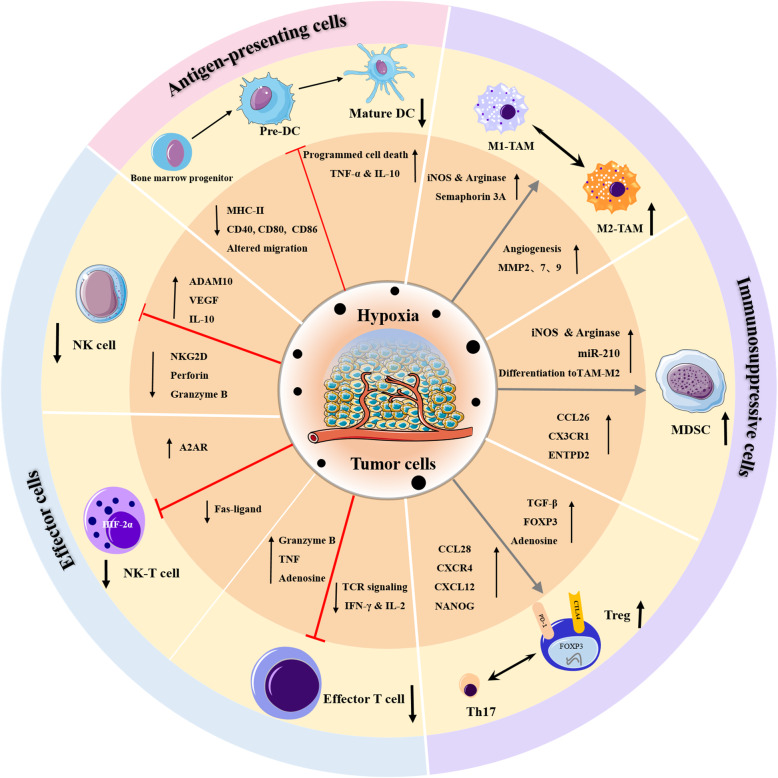
“By binding to its receptor, CCR10, CCL28 can effectively recruit CCR10+ Treg cells to the tumor site, thus suppressing the functions of effector T-cells and promoting the tumor growth [44, 46].”
BackgroundCellular Adaptation to Hypoxia through Hypoxia Inducible Factors and beyond
Lee, P., Chandel, N. S., & Simon, M. C. (2020) · Nature Reviews Molecular Cell Biology · doi:10.1038/s41580-020-0227-y · Cited by 1,272 · cited 5×
“Immature DCs exposed to the hypoxic TME express high levels of HIF-1α along with the upregulation of B-cell lymphoma 2 (Bcl-2)/ Adenovirus E1B 19-kd interacting protein 3 (BNIP3), which mediate programmed cell death in these DCs [34].”
BackgroundInfluentialCD47 blockade triggers T cell–mediated destruction of immunogenic tumors
Liu, X., Pu, Y., Cron, K., Deng, L., Kline, J., Frazier, W. A., Xu, H., Peng, H., Fu, Y.-X., & Xu, M. M. (2015) · Nature Medicine · doi:10.1038/nm.3931 · Cited by 767
A mechanism of hypoxia-mediated escape from adaptive immunity in cancer cells
Barsoum, I. B., Smallwood, C. A., Siemens, D. R., & Graham, C. H. (2014) · Cancer Research · doi:10.1158/0008-5472.can-13-0992 · Cited by 767
The CD47-SIRPα Immune Checkpoint
Logtenberg, M. E. W., Scheeren, F. A., & Schumacher, T. N. (2020) · Immunity · doi:10.1016/j.immuni.2020.04.011 · Cited by 735
Wallin, J. J., Bendell, J. C., Funke, R., Sznol, M., Korski, K., Jones, S., Hernandez, G., Mier, J., He, X., Hodi, F. S., et al. (2016) · Nature Communications · doi:10.1038/ncomms12624 · Cited by 713 · cited 1×
“Another clinical study showed that anti-PD-L1 (atezolizumab) combined with bevacizumab increases the migration of tumor-specific T-cells and the number of intra-tumoral CD8+ T-cells [107].”
BackgroundAntiangiogenic agents increase breast cancer stem cells via the generation of tumor hypoxia
Conley, S. J., Gheordunescu, E., Kakarala, P., Newman, B., Korkaya, H., Heath, A. N., Clouthier, S. G., & Wicha, M. S. (2012) · Proceedings of the National Academy of Sciences · doi:10.1073/pnas.1018866109 · Cited by 663 · cited 1×
“Besides, the induction of hypoxia by anti-angiogenic agents have been proven to increase numbers of breast cancer stem cells [110].”
BackgroundHypoxia-inducible factors enhance the effector responses of CD8(+) T cells to persistent antigen
Doedens, A. L., Phan, A. T., Stradner, M. H., Fujimoto, J. K., Nguyen, J. V., Yang, E., Johnson, R. S., & Goldrath, A. W. (2013) · Nature Immunology · doi:10.1038/ni.2714 · Cited by 660 · cited 1×
“However, hypoxia has also been shown to augment the lytic capacities of CD8+ T cells by the secretion of effector molecules such as granzyme B and tumor necrosis factor (TNF) in mouse models [22].”
BackgroundMüller, S., Kohanbash, G., Liu, S. J., Alvarado, B., Carrera, D., Bhaduri, A., Watchmaker, P. B., Yagnik, G., Di Lullo, E., Malatesta, M., et al. (2017) · Genome Biology · doi:10.1186/s13059-017-1362-4 · Cited by 654 · cited 1×
“Transcriptomic analyses have demonstrated that TAMs co-express a mixture of both tumor-type specific M1 and M2 markers [57].”
BackgroundSelf-citationTumor-associated macrophages: Potential therapeutic targets for anti-cancer therapy
Komohara, Y., Fujiwara, Y., Ohnishi, K., & Takeya, M. (2016) · Advanced Drug Delivery Reviews · doi:10.1016/j.addr.2015.11.009 · Cited by 612 · cited 2×
“According to their position in tumors, TAMs can either adopt an M2like proangiogenic and immunosuppressive phenotype in hypoxic niches or an M1-like proinflammatory phenotype in normoxic regions [56].”
BackgroundImmunological mechanisms of the antitumor effects of supplemental oxygenation
Hatfield, S. M., Kjaergaard, J., Lukashev, D., Schreiber, T. H., Belikoff, B., Abbott, R., Sethumadhavan, S., Philbrook, P., Ko, K., Cannici, R., et al. (2015) · Science Translational Medicine · doi:10.1126/scitranslmed.aaa1260 · Cited by 600 · cited 7×
“Hatfield reported that respiratory hyperoxia with 60% oxygen enhances intra-tumoral infiltration and decreases inhibition of CTLs, promoting pulmonary tumor extinction induced by dual inhibition of PD-1 and CTLA-4 [95].”
BackgroundInfluentialBevacizumab plus ipilimumab in patients with metastatic melanoma
Hodi, F. S., Lawrence, D., Lezcano, C., Wu, X., Zhou, J., Sasada, T., Zeng, W., Giobbie-Hurder, A., Atkins, M. B., Ibrahim, N., et al. (2014) · Cancer Immunology Research · doi:10.1158/2326-6066.cir-14-0053 · Cited by 593 · cited 1×
“A Phase I clinical trial involving the dual blockade of VEGF (bevacizumab) and CTLA-4 (ipilimumab) revealed increased tumor antigen recognition, tumor-associated endothelial activation, and infiltration of T-cells in melanomas [106].”
BackgroundClambey, E. T., McNamee, E. N., Westrich, J. A., Glover, L. E., Campbell, E. L., Jedlicka, P., de Zoeten, E. F., Cambier, J. C., Stenmark, K. R., Colgan, S. P., et al. (2012) · Proceedings of the National Academy of Sciences · doi:10.1073/pnas.1202366109 · Cited by 560 · cited 7×
“Hypoxia-driven HIF-1 can directly bind to the FOXP3 promoter region in CD4+ T cells and promote the transcription of Foxp3 in a TGF-βdependent mechanism and enhance the differentiation to Tregs [42].”
BackgroundInfluentialEfficacy of PD-1 Blockade Is Potentiated by Metformin-Induced Reduction of Tumor Hypoxia
Scharping, N. E., Menk, A. V., Whetstone, R. D., Zeng, X., & Delgoffe, G. M. (2017) · Cancer Immunology Research · doi:10.1158/2326-6066.cir-16-0103 · Cited by 520 · cited 3×
“In contrast, inhibiting both oxygen consumption and subsequent tumor hypoxia with metformin has been correlated with a better efficacy of PD-1 blockade immunotherapy [96].”
BackgroundMethodInfluentialChiu, D. K.-C., Tse, A. P.-W., Xu, I. M.-J., Di Cui, J., Lai, R. K.-H., Li, L. L., Koh, H.-Y., Tsang, F. H.-C., Wei, L. L., Wong, C.-M., et al. (2017) · Nature Communications · doi:10.1038/s41467-017-00530-7 · Cited by 448 · cited 21×
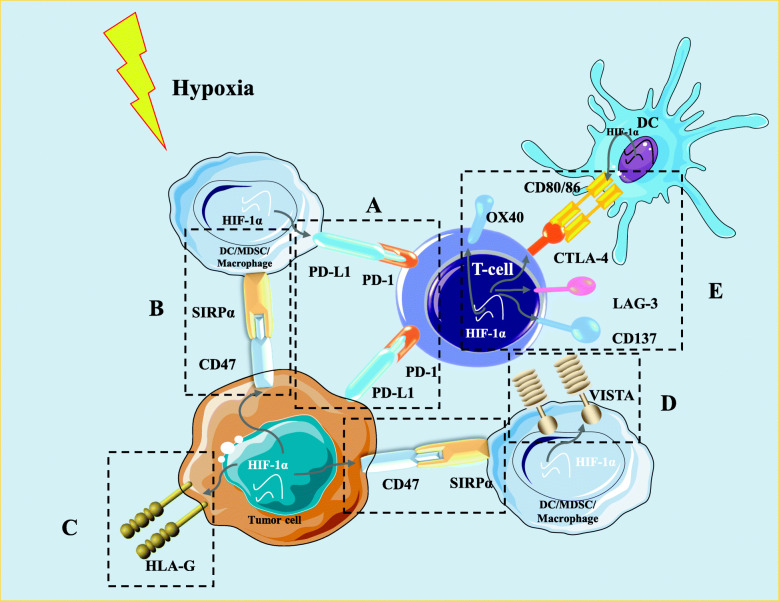
“Data from B16-F10 melanoma-bearing mouse models have revealed that the exposure of MDSCs isolated from the spleen to hypoxia significantly promotes PD-L1 expression [65].”
BackgroundInfluentialZhang, H., Lu, H., Xiang, L., Bullen, J. W., Zhang, C., Samanta, D., Gilkes, D. M., He, J., & Semenza, G. L. (2015) · Proceedings of the National Academy of Sciences · doi:10.1073/pnas.1520032112 · Cited by 420 · cited 1×
“Recent investigations have noted that HIF-1α can directly bind to its promoter to regulate the transcription of CD47 gene, and inhibition of CD47 increases the phagocytic ability of macrophages against breast tumor cells [74].”
BackgroundNoman, M. Z., Hasmim, M., Messai, Y., Terry, S., Kieda, C., Janji, B., & Chouaib, S. (2015) · American Journal of Physiology-Cell Physiology · doi:10.1152/ajpcell.00207.2015 · Cited by 400 · cited 3×
“A recent study suggested that HIF-1α-deficient T cells have normal proliferation and Th-1/Th-2 polarization [24], whereas HIF-1α deficiency in murine thymocytes was shown to lead to increased caspase-8mediated apoptosis [25].”
BackgroundJayaprakash, P., Ai, M., Liu, A., Budhani, P., Bartkowiak, T., Sheng, J., Ager, C., Nicholas, C., Jaiswal, A. R., Sun, Y., et al. (2018) · Journal of Clinical Investigation · doi:10.1172/jci96268 · Cited by 399 · cited 3×
“Indeed, CD8+ T cells in the combination group showed increased granzyme B production, expression and proliferation of CD44, and production of effector cytokines [87].”
BackgroundResistance Mechanisms to Anti-angiogenic Therapies in Cancer
Haibe, Y., Kreidieh, M., El Hajj, H., Khalifeh, I., Mukherji, D., Temraz, S., & Shamseddine, A. (2020) · Frontiers in Oncology · doi:10.3389/fonc.2020.00221 · Cited by 396
Kumar, V., Cheng, P., Condamine, T., Mony, S., Languino, L. R., McCaffrey, J. C., Hockstein, N., Guarino, M., Masters, G., Penman, E., et al. (2016) · Immunity · doi:10.1016/j.immuni.2016.01.014 · Cited by 371 · cited 14×
“A high level of total TAMs, especially M2 TAMs, is believed to be closely related to worse clinical prognosis in multiple malignant tumors by promoting immunosuppression, angiogenesis, tumor cell activation, and metastasis [56].”
BackgroundInfluentialHypoxic stress: obstacles and opportunities for innovative immunotherapy of cancer
Chouaib, S., Noman, M. Z., Kosmatopoulos, K., & Curran, M. A. (2017) · Oncogene · doi:10.1038/onc.2016.225 · Cited by 365 · cited 17×
“A high level of total TAMs, especially M2 TAMs, is believed to be closely related to worse clinical prognosis in multiple malignant tumors by promoting immunosuppression, angiogenesis, tumor cell activation, and metastasis [56].”
BackgroundInfluentialThe hypoxia–lactate axis tempers inflammation
Ivashkiv, L. B. (2020) · Nature Reviews Immunology · doi:10.1038/s41577-019-0259-8 · Cited by 305 · cited 1×
“ulates gene transcription from chromatin [60].”
Combining microenvironment normalization strategies to improve cancer immunotherapy
Mpekris, F., Voutouri, C., Baish, J. W., Duda, D. G., Munn, L. L., Stylianopoulos, T., & Jain, R. K. (2020) · Proceedings of the National Academy of Sciences · doi:10.1073/pnas.1919764117 · Cited by 286 · cited 1×
“Hypoxia has been reported to promote apoptosis of T lymphocytes, and very few T cells are found around hypoxia-induced necrotic regions of solid tumors [21].”
BackgroundBalsamo, M., Manzini, C., Pietra, G., Raggi, F., Blengio, F., Mingari, M. C., Varesio, L., Moretta, L., Bosco, M. C., & Vitale, M. (2013) · European Journal of Immunology · doi:10.1002/eji.201343448 · Cited by 282 · cited 1×
“This can result in impaired tumor cell killing, without affecting the Fc-γ receptor CD16, which can trigger antibodydependent cellular cytotoxicity [29].”
BackgroundDuffy, M. J., & Crown, J. (2019) · Clinical Chemistry · doi:10.1373/clinchem.2019.303644 · Cited by 273 · cited 1×
“Currently available biomarkers to predict immunotherapy efficacy mainly include PD-L1, tumor mutational burden (TMB), and microsatellite instability/deficient mismatch repair (MSI/dMMR); however, the problem of “poor soil” is often ignored [14].”
BackgroundHypoxia-Driven Immune Escape in the Tumor Microenvironment
Vito, A., El-Sayes, N., & Mossman, K. (2020) · Cells · doi:10.3390/cells9040992 · Cited by 270 · cited 2×
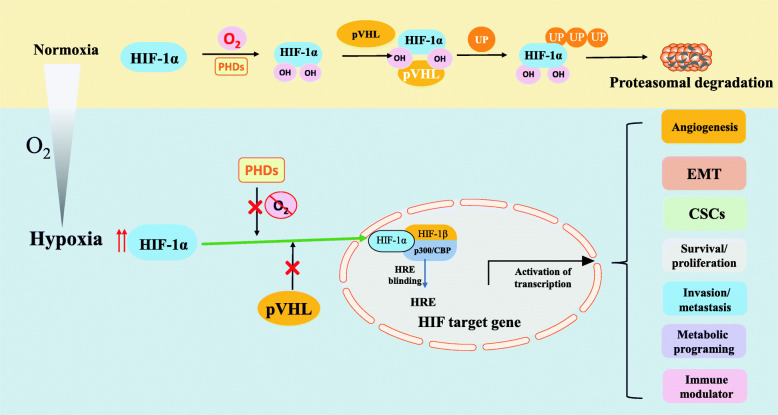
“HIFs are heterodimeric helix-loophelix proteins consisting of an O2-sensitive α-subunit (HIF-1α, HIF-2α, and HIF-3α) and a constitutively expressed β-subunit (HIF-1β) [17].”
BackgroundNoman, M. Z., Janji, B., Kaminska, B., Van Moer, K., Pierson, S., Przanowski, P., Buart, S., Berchem, G., Romero, P., Mami-Chouaib, F., et al. (2011) · Cancer Research · doi:10.1158/0008-5472.can-11-1094 · Cited by 256 · cited 1×
“Furthermore, Noman’s group found that targeting autophagy with hydroxychloroquine in hypoxic tumors could improve the efficacy of TRP-2-peptide vaccination and promote tumor regression in vivo [80].”
BackgroundQiu, G.-Z., Jin, M.-Z., Dai, J.-X., Sun, W., Feng, J.-H., & Jin, W.-L. (2017) · Trends in Pharmacological Sciences · doi:10.1016/j.tips.2017.05.002 · Cited by 245 · cited 3×
“Hypoxia-dependent HIF-1α and HIF-2α allow for the induction of numerous target genes regulating various biological processes of tumors, including angiogenesis, the epithelial-mesenchymal transition (EMT), maintenance of cancer stem cells (CSCs), metabolic reprogramming, tumor cell survival/proliferation, invasion/ met…”
BackgroundChiu, D. K., Xu, I. M., Lai, R. K., Tse, A. P., Wei, L. L., Koh, H., Li, L. L., Lee, D., Lo, R. C., Wong, C., et al. (2016) · Hepatology · doi:10.1002/hep.28655 · Cited by 241
Liu, N., Luo, J., Kuang, D., Xu, S., Duan, Y., Xia, Y., Wei, Z., Xie, X., Yin, B., Chen, F., et al. (2019) · Journal of Clinical Investigation · doi:10.1172/jci123027 · Cited by 239
Hypoxia and acidosis: immune suppressors and therapeutic targets
Damgaci, S., Ibrahim‐Hashim, A., Enriquez‐Navas, P. M., Pilon‐Thomas, S., Guvenis, A., & Gillies, R. J. (2018) · Immunology · doi:10.1111/imm.12917 · Cited by 231
Hypoxia-activated prodrugs: paths forward in the era of personalised medicine
Hunter, F. W., Wouters, B. G., & Wilson, W. R. (2016) · British Journal of Cancer · doi:10.1038/bjc.2016.79 · Cited by 228 · cited 2×
“hypoxic cytotoxicity according to pre-clinical data, several HAPs have shown disappointing clinical efficacy, and their development has been discontinued as a result [99].”
BackgroundPayen, V. L., Porporato, P. E., Baselet, B., & Sonveaux, P. (2016) · Cellular and Molecular Life Sciences · doi:10.1007/s00018-015-2098-5 · Cited by 220 · cited 2×
“Interaction of free adenosine with the adenosine A2A receptor (A2AR) on the T cell surface leads to the accumulation of cyclic adenosine monophosphate (cAMP) and inhibition of T cell proliferation and cytotoxicity [26].”
BackgroundNoman, M. Z., Hasmim, M., Lequeux, A., Xiao, M., Duhem, C., Chouaib, S., Berchem, G., & Janji, B. (2019) · Cells · doi:10.3390/cells8091083 · Cited by 212
Myeloid-Derived Suppressor Cells in the Tumor Microenvironment
Dysthe, M., & Parihar, R. (2020) · Advances in Experimental Medicine and Biology · doi:10.1007/978-3-030-35723-8_8 · Cited by 210 · cited 5×
“Tumor MDSCs can restrain the activities of both non-specific and antigen-specific T-cells, which are more immunosuppressive than MDSCs, in the spleen that only suppresses antigen-specific CD8+ T cells; this is mostly due to the increased arginase activity and nitric oxide (NO) production as a result of regulation by H…”
BackgroundInfluentialHypoxia as a barrier to immunotherapy in pancreatic adenocarcinoma
Daniel, S. K., Sullivan, K. M., Labadie, K. P., & Pillarisetty, V. G. (2019) · Clinical and Translational Medicine · doi:10.1186/s40169-019-0226-9 · Cited by 207 · cited 22×
“On the contrary, other studies have shown that hypoxia can induce differentiation and maturation of DCs. Hypoxia in combination with lipopolysaccharide markedly increased the expression of costimulatory molecules, promoted the synthesis of proinflammatory cytokines, and induced the proliferation of allogeneic lymphocy…”
BackgroundInfluentialLee, J. H., Elly, C., Park, Y., & Liu, Y.-C. (2015) · Immunity · doi:10.1016/j.immuni.2015.05.016 · Cited by 203 · cited 1×
“phenotype, with an overproduction of Treg IFN-γ, and impairment of Treg suppressive activities [43].”
BackgroundVascular regulation of antitumor immunity
Munn, L. L., & Jain, R. K. (2019) · Science · doi:10.1126/science.aaw7875 · Cited by 195 · cited 2×
“Bevacizumab Inhibiting the binding of VEGF to its receptors Anti-angiogenesis [97]”
BackgroundPalazón, A., Martínez-Forero, I., Teijeira, A., Morales-Kastresana, A., Alfaro, C., Sanmamed, M. F., Perez-Gracia, J. L., Peñuelas, I., Hervás-Stubbs, S., Rouzaut, A., et al. (2012) · Cancer Discovery · doi:10.1158/2159-8290.cd-11-0314 · Cited by 187
Datta, M., Coussens, L. M., Nishikawa, H., Hodi, F. S., & Jain, R. K. (2019) · American Society of Clinical Oncology Educational Book · doi:10.1200/edbk_237987 · Cited by 184 · cited 1×
“HIF-1α and HIF-2α have similar DNA binding and dimerization domains, but different transactivation domains, suggesting that they have both overlapping and distinct target genes and regulation mechanisms [18].”
BackgroundNoman, M. Z., Buart, S., Van Pelt, J., Richon, C., Hasmim, M., Leleu, N., Suchorska, W. M., Jalil, A., Lecluse, Y., El Hage, F., et al. (2009) · The Journal of Immunology · doi:10.4049/jimmunol.0800854 · Cited by 183
Yan, M., Jene, N., Byrne, D., Millar, E. K., O'Toole, S. A., McNeil, C. M., Bates, G. J., Harris, A. L., Banham, A. H., Sutherland, R. L., et al. (2011) · Breast Cancer Research · doi:10.1186/bcr2869 · Cited by 180 · cited 1×
“Furthermore, Treg recruitment in basal-like breast tumors is associated with hypoxia-induced CXCR4 upregulation in Tregs, which is also related to CXCL12 expression [47].”
BackgroundMa, S.-R., Deng, W.-W., Liu, J.-F., Mao, L., Yu, G.-T., Bu, L.-L., Kulkarni, A. B., Zhang, W.-F., & Sun, Z.-J. (2017) · Molecular Cancer · doi:10.1186/s12943-017-0665-0 · Cited by 179 · cited 2×
“SCH58261 A2AR antagonist Inhibits immunosuppressive adenosine [94]”
BackgroundKrzywinska, E., Kantari-Mimoun, C., Kerdiles, Y., Sobecki, M., Isagawa, T., Gotthardt, D., Castells, M., Haubold, J., Millien, C., Viel, T., et al. (2017) · Nature Communications · doi:10.1038/s41467-017-01599-w · Cited by 176 · cited 1×
“[31] demonstrated that the hypoxic response in NK cells could inhibit vascular endothelial growth factor (VEGF)-driven angiogenesis and enhance functionally improved vessels to promote tumor growth.”
BackgroundImmune Response Regulation in the Tumor Microenvironment by Hypoxia
Labiano, S., Palazón, A., & Melero, I. (2015) · Seminars in Oncology · doi:10.1053/j.seminoncol.2015.02.009 · Cited by 169 · cited 10×
“However, hypoxia has also been shown to augment the lytic capacities of CD8+ T cells by the secretion of effector molecules such as granzyme B and tumor necrosis factor (TNF) in mouse models [22].”
BackgroundInfluentialMessai, Y., Gad, S., Noman, M. Z., Le Teuff, G., Couve, S., Janji, B., Kammerer, S. F., Rioux-Leclerc, N., Hasmim, M., Ferlicot, S., et al. (2016) · European Urology · doi:10.1016/j.eururo.2015.11.029 · Cited by 168 · cited 1×
“HIF-2α is also involved in PD-L1 upregulation, and in patients with clear cell renal cell carcinoma, increased PD-L1 expression is strikingly correlated with VHL mutation and HIF-2α stabilization [66].”
BackgroundChafe, S. C., McDonald, P. C., Saberi, S., Nemirovsky, O., Venkateswaran, G., Burugu, S., Gao, D., Delaidelli, A., Kyle, A. H., Baker, J. H. E., et al. (2019) · Cancer Immunology Research · doi:10.1158/2326-6066.cir-18-0657 · Cited by 165 · cited 1×
“SLC-0111 CA IX inhibitor Decreases glycolytic metabolism of tumor cells and acidification of the TME [93]”
BackgroundSun, X., Kanwar, J. R., Leung, E. Y., Lehnert, K., Wang, D., & Krissansen, G. W. (2001) · Gene Therapy · doi:10.1038/sj.gt.3301388 · Cited by 163 · cited 1×
“Previous studies have reported that downregulation of HIF-1 expression by antisense HIF1-α with B7–1-T could enhance NK cell and CD8 T cell-mediated antitumor immunity and induce rejection of tumors [89].”
BackgroundMcDonald, P. C., Chafe, S. C., & Dedhar, S. (2016) · Frontiers in Cell and Developmental Biology · doi:10.3389/fcell.2016.00027 · Cited by 152 · cited 1×
“types, including head and neck, breast, non-small cell lung, cervical, and ovarian cancers [6].”
BackgroundHypoxia-induced CCL28 promotes recruitment of regulatory T cells and tumor growth in liver cancer
Ren, L., Yu, Y., Wang, L., Zhu, Z., Lu, R., & Yao, Z. (2016) · Oncotarget · doi:10.18632/oncotarget.12409 · Cited by 149 · cited 1×
“Similarly, in hepatocellular carcinoma, hypoxia was shown to promote the recruitment of Tregs by upregulating CCL28 in a HIF-1α-dependent manner [45].”
BackgroundHou, A., Hou, K., Huang, Q., Lei, Y., & Chen, W. (2020) · Frontiers in Immunology · doi:10.3389/fimmu.2020.00783 · Cited by 145 · cited 1×
“Besides directly repressing DCs, NK cells, and T cells and promoting immune tolerance, MDSCs also contribute to angiogenesis and metastases [50].”
BackgroundNoman, M. Z., Janji, B., Hu, S., Wu, J. C., Martelli, F., Bronte, V., & Chouaib, S. (2015) · Cancer Research · doi:10.1158/0008-5472.can-15-0405 · Cited by 143 · cited 1×
“mediated T-cell repression though increased arginase activity and NO production [53].”
BackgroundHypoxia Modulates HLA-G Gene Expression in Tumor Cells
Mouillot, G., Marcou, C., Zidi, I., Guillard, C., Sangrouber, D., Carosella, E. D., & Moreau, P. (2006) · Human Immunology · doi:10.1016/j.humimm.2006.10.016 · Cited by 140 · cited 20×
“firstly demonstrated that HIF-1α upregulates the expression of HLA-G mRNA in the HLA-G–negative M8 melanoma cell line under hypoxic conditions [70].”
BackgroundInfluentialAzimi, I., Petersen, R. M., Thompson, E. W., Roberts-Thomson, S. J., & Monteith, G. R. (2017) · Scientific Reports · doi:10.1038/s41598-017-15474-7 · Cited by 137 · cited 1×
“Hypoxia is also the primary barrier against the therapeutic efficacy of photodynamic therapy (PDT), as the photosensitizers utilize molecular oxygen to transfer near-infrared laser energy to generate high reactive singlet oxygen and other reactive oxygen species (ROS), which directly or indirectly induces tumor cell a…”
BackgroundMolecular Pathways: Human Leukocyte Antigen G (HLA-G)
Curigliano, G., Criscitiello, C., Gelao, L., & Goldhirsch, A. (2013) · Clinical Cancer Research · doi:10.1158/1078-0432.ccr-12-3697 · Cited by 134 · cited 2×
“The binding of soluble or membrane-bound HLA-G to its inhibitory receptors on immune cells can induce immune suppression and promote immune escape by interfering with DC antigen presentation, suppressor T-cell induction, and inhibition of cytotoxic effects [68].”
BackgroundZhu, H., Wang, D., Liu, Y., Su, Z., Zhang, L., Chen, F., Zhou, Y., Wu, Y., Yu, M., Zhang, Z., et al. (2013) · Cancer Cell International · doi:10.1186/1475-2867-13-119 · Cited by 132 · cited 2×
“Blockade of the Sema3A/Neuropilin-1 pathway could repress tumor growth and metastasis by preventing angiogenesis and restoring antitumor immunity [62].”
BackgroundTakayama, T., Morelli, A. E., Onai, N., Hirao, M., Matsushima, K., Tahara, H., & Thomson, A. W. (2001) · The Journal of Immunology · doi:10.4049/jimmunol.166.12.7136 · Cited by 127
Bosco, M. C., Pierobon, D., Blengio, F., Raggi, F., Vanni, C., Gattorno, M., Eva, A., Novelli, F., Cappello, P., Giovarelli, M., et al. (2011) · Blood · doi:10.1182/blood-2010-06-292136 · Cited by 125 · cited 1×
“In mature DCs, hypoxia increase the expression of genes involved in the innate and adaptive immune responses, thus promoting T cell activation [30, 41].”
BackgroundBhattarai, D., Xu, X., & Lee, K. (2018) · Medicinal Research Reviews · doi:10.1002/med.21477 · Cited by 123 · cited 2×
“hensive overview of these agents, we did not discuss this further in the current review [25, 101].”
BackgroundITPR1 Protects Renal Cancer Cells against Natural Killer Cells by Inducing Autophagy
Messai, Y., Noman, M. Z., Hasmim, M., Janji, B., Tittarelli, A., Boutet, M., Baud, V., Viry, E., Billot, K., Nanbakhsh, A., et al. (2014) · Cancer Research · doi:10.1158/0008-5472.can-14-0303 · Cited by 119 · cited 3×
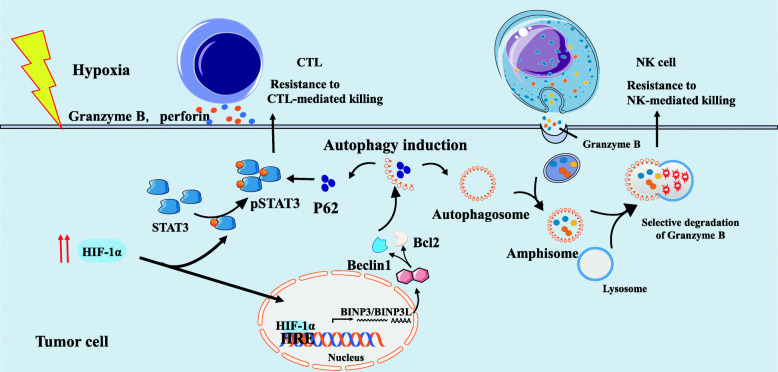
“A study exploring the role of autophagy in the regulation of NK cell-mediated immune response demonstrated that the VHL-mutated 786-O renal carcinoma cell line is resistant to NK-mediated lysis [84].”
BackgroundCurrent developments in nanotechnology for improved cancer treatment, focusing on tumor hypoxia
Phung, C. D., Tran, T. H., Pham, L. M., Nguyen, H. T., Jeong, J., Yong, C. S., & Kim, J. O. (2020) · Journal of Controlled Release · doi:10.1016/j.jconrel.2020.05.029 · Cited by 115 · cited 2×
“Hypoxia in the TME can enhance the resistance of tumor cells to radiotherapy through promoting DNA self-repairing by cells [8].”
BackgroundLlovet, J. M., Kudo, M., Cheng, A., Finn, R. S., Galle, P. R., Kaneko, S., Meyer, T., Qin, S., Dutcus, C. E., Chen, E., et al. (2019) · Journal of Clinical Oncology · doi:10.1200/jco.2019.37.15_suppl.tps4152 · Cited by 112 · cited 2×
“Furthermore, a Phase Ib trial of a combination of lenvatinib and anti-PD-1 (pembrolizumab) in patients with unresectable hepatocellular carcinoma showed a good tolerability to combination therapy, promoting the initiation of a Phase III trial comparing the combination of lenvatinib + pembrolizumab with lenvatinib alon…”
BackgroundHasmim, M., Noman, M. Z., Messai, Y., Bordereaux, D., Gros, G., Baud, V., & Chouaib, S. (2013) · The Journal of Immunology · doi:10.4049/jimmunol.1302140 · Cited by 109
Influence of hypoxia-inducible factor 1α on dendritic cell differentiation and migration
Köhler, T., Reizis, B., Johnson, R. S., Weighardt, H., & Förster, I. (2012) · European Journal of Immunology · doi:10.1002/eji.201142053 · Cited by 108 · cited 1×
“Moreover, hypoxia could impair mature DC migration to the lymph nodes via the downregulation of CCR7 by HIF-1α-dependent mechanisms [36].”
BackgroundLight Triggered Oxygen-Affording Engines for Repeated Hypoxia-Resistant Photodynamic Therapy
Zhou, T.-J., Xing, L., Fan, Y.-T., Cui, P.-F., & Jiang, H.-L. (2019) · Journal of Controlled Release · doi:10.1016/j.jconrel.2019.06.016 · Cited by 104 · cited 1×
“Hypoxia is also the primary barrier against the therapeutic efficacy of photodynamic therapy (PDT), as the photosensitizers utilize molecular oxygen to transfer near-infrared laser energy to generate high reactive singlet oxygen and other reactive oxygen species (ROS), which directly or indirectly induces tumor cell a…”
BackgroundCD47 Blockade as an Adjuvant Immunotherapy for Resectable Pancreatic Cancer
Michaels, A. D., Newhook, T. E., Adair, S. J., Morioka, S., Goudreau, B. J., Nagdas, S., Mullen, M. G., Persily, J. B., Bullock, T. N. J., Slingluff, C. L., et al. (2018) · Clinical Cancer Research · doi:10.1158/1078-0432.ccr-17-2283 · Cited by 101 · cited 17×
“Data from B16-F10 melanoma-bearing mouse models have revealed that the exposure of MDSCs isolated from the spleen to hypoxia significantly promotes PD-L1 expression [65].”
BackgroundInfluentialCorreale, P., Rotundo, M. S., Botta, C., Vecchio, M. T. D., Ginanneschi, C., Licchetta, A., Conca, R., Apollinari, S., Luca, F. D., Tassone, P., et al. (2012) · Clinical Cancer Research · doi:10.1158/1078-0432.ccr-10-3186 · Cited by 100 · cited 2×
“Numerous studies have reported that hypoxia decreases the surface expression of DC differentiation and maturation markers, including MHC-II and co-stimulatory molecules (CD40, CD80, and CD86) [35].”
BackgroundRole of Hypoxic Stress in Regulating Tumor Immunogenicity, Resistance and Plasticity
Terry, S., Zaarour, R. F., Venkatesh, G. H., Francis, A., El‐Sayed, W., Buart, S., Bravo, P. E., Thiery, J., & Chouaïb, S. (2018) · International Journal of Molecular Sciences · doi:10.3390/ijms19103044 · Cited by 99 · cited 2×
“A variety of strategies have been proposed to overcome hypoxia in cancer; among them, the majority of studies have involved hypoxia-activated prodrugs (HAPs), inhibition of HIF signaling, downstream targeting of important hypoxic pathways, like the UPR (unfolded protein response) and mTOR pathways, and metabolic inter…”
BackgroundKheshtchin, N., Arab, S., Ajami, M., Mirzaei, R., Ashourpour, M., Mousavi-Niri, N., Khosravianfar, N., Jadidi‐Niaragh, F., Namdar, A., Noorbakhsh, F., et al. (2016) · Cancer Immunology Immunotherapy · doi:10.1007/s00262-016-1879-5 · Cited by 96 · cited 2×
“PX-478 HIF-1α inhibitor Reduces expression of Foxp3 and VEGF transcript and/or protein, molecules that are directly controlled by HIF-1 [90]”
BackgroundThe yin and yang functions of extracellular ATP and adenosine in tumor immunity
Feng, L.-L., Cai, Y.-Q., Zhu, M.-C., Xing, L.-J., & Wang, X. (2020) · Cancer Cell International · doi:10.1186/s12935-020-01195-x · Cited by 93 · cited 2×
“Indeed, high levels of extracellular adenosine can considerably alter immune cell functions and drive an immunosuppressive TME [103].”
BackgroundViry, E., Baginska, J., Berchem, G., Noman, M. Z., Medves, S., Chouaib, S., & Janji, B. (2014) · Autophagy · doi:10.4161/auto.26924 · Cited by 92 · cited 1×
“NK cell-released granzyme B, which is responsible for NK-mediated apoptosis of target cells [83].”
BackgroundIntegrating tumor hypoxic stress in novel and more adaptable strategies for cancer immunotherapy
Abou Khouzam, R., Goutham, H. V., Zaarour, R. F., Chamseddine, A. N., Francis, A., Buart, S., Terry, S., & Chouaib, S. (2020) · Seminars in Cancer Biology · doi:10.1016/j.semcancer.2020.01.003 · Cited by 83 · cited 6×
“Hypoxia-driven adaptive mechanisms allow tumor cells to continue to survive and even proliferate in the hypoxic TME while also creating an inhospitable environment for immune cells and damaging key regulatory pathways [12].”
BackgroundInfluentialBlengio, F., Raggi, F., Pierobon, D., Cappello, P., Eva, A., Giovarelli, M., Varesio, L., & Bosco, M. C. (2012) · Immunobiology · doi:10.1016/j.imbio.2012.02.002 · Cited by 82 · cited 1×
“hypoxic DCs secrete large amounts of osteopontin, whose function is to enhance the migration of tumor cells [37].”
BackgroundHypoxia and antitumor CD8+ T cells: An incompatible alliance?
Vuillefroy de Silly, R., Dietrich, P.-Y., & Walker, P. R. (2016) · OncoImmunology · doi:10.1080/2162402x.2016.1232236 · Cited by 81
Vaupel, P., & Multhoff, G. (2017) · Frontiers in Immunology · doi:10.3389/fimmu.2017.01887 · Cited by 81
EO9 (Apaziquone): from the clinic to the laboratory and back again
Phillips, R. M., Hendriks, H. R., Peters, G. J., & on behalf of the EORTC‐Pharmacology and Molecular Mechanism Group (2013) · British Journal of Pharmacology · doi:10.1111/j.1476-5381.2012.01996.x · Cited by 79 · cited 1×
“Simultaneously, the data from a recently published Phase II clinical trial on TH-302 in combination with adriamycin for the treatment of soft tissue sarcoma (or gemcitabine for pancreatic cancer) are encouraging [100].”
Pinato, D. J., Black, J. R., Trousil, S., Dina, R. E., Trivedi, P., Mauri, F. A., & Sharma, R. (2017) · OncoImmunology · doi:10.1080/2162402x.2017.1358332 · Cited by 72
Yaghi, L., Poras, I., Simoes, R. T., Donadi, E. A., Tost, J., Daunay, A., de Almeida, B. S., Carosella, E. D., & Moreau, P. (2016) · Oncotarget · doi:10.18632/oncotarget.11628 · Cited by 71
Chang, D.-K., Moniz, R. J., Xu, Z., Sun, J., Signoretti, S., Zhu, Q., & Marasco, W. A. (2015) · Molecular Cancer · doi:10.1186/s12943-015-0384-3 · Cited by 70 · cited 2×
“anti-CAIX antibodies Targeting CA IX Mediates immune killing of CAIX+ tumor cells [92]”
BackgroundTargeting hypoxia in tumor: a new promising therapeutic strategy
Bosco, M. C., D’Orazi, G., & Del Bufalo, D. (2020) · Journal of Experimental & Clinical Cancer Research · doi:10.1186/s13046-019-1517-0 · Cited by 69 · cited 2×
“Hypoxia-dependent HIF-1α and HIF-2α allow for the induction of numerous target genes regulating various biological processes of tumors, including angiogenesis, the epithelial-mesenchymal transition (EMT), maintenance of cancer stem cells (CSCs), metabolic reprogramming, tumor cell survival/proliferation, invasion/ met…”
BackgroundHasmim, M., Noman, M. Z., Lauriol, J., Benlalam, H., Mallavialle, A., Rosselli, F., Mami-Chouaib, F., Alcaide-Loridan, C., & Chouaib, S. (2011) · The Journal of Immunology · doi:10.4049/jimmunol.1101011 · Cited by 65 · cited 2×
“Interestingly, NANOG depletion leads to inhibition of STAT3 phosphorylation and nuclear translocation [81].”
BackgroundZhang, J., Han, C., Dai, H., Hou, J., Dong, Y., Cui, X., Xu, L., Zhang, M., & Xia, Q. (2016) · Journal of the American Society of Nephrology · doi:10.1681/asn.2014121248 · Cited by 62 · cited 2×
“[32] reported that increased HIF-2α could suppress NK-T cell activation by downregulating the expression of Fas-ligands and simultaneously inducing A2AR expression.”
BackgroundHypoxic Modulation of HLA-G Expression through the Metabolic Sensor HIF-1 in Human Cancer Cells
Garziera, M., Scarabel, L., & Toffoli, G. (2017) · Journal of Immunology Research · doi:10.1155/2017/4587520 · Cited by 60 · cited 2×
“A few HREs have been identified in the HLA-G promoter, which suggests that the mechanism underlying hypoxia-dependent expression of HLA-G most likely depends on the binding of HIF-1 to HRE motifs and the induction of HLA-G transcription [69].”
BackgroundContribution of hypoxia inducible factor-1 during viral infections
Reyes, A., Corrales, N., Gálvez, N. M. S., Bueno, S. M., Kalergis, A. M., & González, P. A. (2020) · Virulence · doi:10.1080/21505594.2020.1836904 · Cited by 59 · cited 1×
“Deletion of the HIF-1α gene in activated T cells has been shown to enhance T-cell responses by increasing proliferation and IFN-γ production, suggesting that HIF-1α is an immunosuppressive regulator of T-cell function under hypoxic conditions [23].”
BackgroundChang, W. H., & Lai, A. G. (2020) · Cancer Letters · doi:10.1016/j.canlet.2020.05.011 · Cited by 55 · cited 4×
“Clinical trials investigating a combination of PD-1 blockade (nivolumab) with lenvatinib (NCT03418922) and cabozantinib (NCT03299946) are currently going on [38].”
BackgroundInfluentialWu, Q., Chen, J., Chen, Y., Cai, L., Wang, X.-Z., Guo, W.-H., & Zheng, J. (2018) · Cell Death and Disease · doi:10.1038/s41419-018-0267-9 · Cited by 53 · cited 1×
“By binding to its receptor, CCR10, CCL28 can effectively recruit CCR10+ Treg cells to the tumor site, thus suppressing the functions of effector T-cells and promoting the tumor growth [44, 46].”
BackgroundShaping of Dendritic Cell Function by the Metabolic Micro-Environment
Brombacher, E. C., & Everts, B. (2020) · Frontiers in Endocrinology · doi:10.3389/fendo.2020.00555 · Cited by 47 · cited 1×
“This DC activation was accompanied by accumulation of HIF-1α protein levels, induction of glycolytic HIF target genes, and enhanced glycolytic activity [40].”
BackgroundZarrilli, G., Businello, G., Dieci, M. V., Paccagnella, S., Carraro, V., Cappellesso, R., Miglietta, F., Griguolo, G., Guarneri, V., Mele, M. L., et al. (2020) · International Journal of Molecular Sciences · doi:10.3390/ijms21218102 · Cited by 45 · cited 1×
“In a hypoxic breast cancer model, myeloid HIF-1α was shown to mediate the induction of T cell suppression by the control of arginase-I (ArgI) and inducible NO synthase (iNOS) in macrophages [63].”
BackgroundThe autophagy sensor ITPR1 protects renal carcinoma cells from NK-mediated killing
Messai, Y., Noman, M. Z., Janji, B., Hasmim, M., Escudier, B. J., & Chouaı̈b, S. (2015) · Autophagy · doi:10.1080/15548627.2015.1017194 · Cited by 44 · cited 1×
“Furthermore, inhibition of ITPR1/autophagy in tumors significantly increases granzyme B activity and improves NK-mediated tumor extinction [84, 85].”
BackgroundLeone, R. D., Horton, M. R., & Powell, J. D. (2015) · Cancer Cell · doi:10.1016/j.ccell.2015.03.014 · Cited by 42 · cited 2×
“Together, this strategy functions to weaken the A2AR/A2BR-mediated pleiotropic cascade of immunosuppression in the hypoxic TME [12, 104].”
BackgroundCutting Edge: NANOG Activates Autophagy under Hypoxic Stress by Binding to BNIP3L Promoter
Hasmim, M., Janji, B., Khaled, M., Noman, M. Z., Louache, F., Bordereaux, D., Abderamane, A., Baud, V., Mami‐Chouaib, F., & Chouaïb, S. (2017) · The Journal of Immunology · doi:10.4049/jimmunol.1600981 · Cited by 40
Hendricksen, K., Cornel, E. B., de Reijke, T. M., Arentsen, H. C., Chawla, S., & Witjes, J. A. (2012) · The Journal of Urology · doi:10.1016/j.juro.2011.11.101 · Cited by 39 · cited 2×
“Praziquantel (EO9) Hypoxia activated prodrug Apaziquone can be converted to a cytotoxic species after enzymatic activation [88]”
BackgroundStrategies for Targeting Cancer Immunotherapy Through Modulation of the Tumor Microenvironment
Parayath, N. N., Padmakumar, S., Nair, S. V., Menon, D., & Amiji, M. M. (2019) · Regenerative Engineering and Translational Medicine · doi:10.1007/s40883-019-00113-6 · Cited by 34 · cited 1×
“Many classical chemotherapeutic agents, including epirubicin, cisplatin, doxorubicin, and cyclophosphamide, are known immunogenic cell-death inducers, which, in combination with immunotherapy, may boost antitumor immune responses [102].”
BackgroundFrancis, A., Venkatesh, G. H., Zaarour, R. F., Zeinelabdin, N. A., Nawafleh, H. H., Prasad, P., Buart, S., Terry, S., & Chouaı̈b, S. (2018) · Critical Reviews in Immunology · doi:10.1615/critrevimmunol.2019030168 · Cited by 29 · cited 2×
“SN30000, which is a tirapazamine analogue with improved pharmacokinetic and pharmacodynamic properties, has also been shown to have antitumor effects in xenograft models [27].”
BackgroundFeng, J., Byrne, N. M., Al-Jamal, W. T., & Coulter, J. A. (2019) · Cancers · doi:10.3390/cancers11121989 · Cited by 29
Restoration of antitumor immunity through anti-MICA antibodies elicited with a chimeric protein
Torres, N., Regge, M. V., Secchiari, F., Friedrich, A. D., Spallanzani, R. G., Raffo Iraolagoitia, X. L., Núñez, S. Y., Sierra, J. M., Ziblat, A., Santilli, M. C., et al. (2020) · Journal for ImmunoTherapy of Cancer · doi:10.1136/jitc-2019-000233 · Cited by 29
Sasaki, T., Kanaseki, T., Shionoya, Y., Tokita, S., Miyamoto, S., Saka, E., Kochin, V., Takasawa, A., Hirohashi, Y., Tamura, Y., et al. (2016) · European Journal of Immunology · doi:10.1002/eji.201545835 · Cited by 23 · cited 1×
“This leads the cells to interact with the inhibitory CD94/NKG2 receptor on activated T cells and allows escape from CD8+ T-cell recognition [72].”
BackgroundLiapis, E., Klemm, U., Karlas, A., Reber, J., & Ntziachristos, V. (2020) · Cancer Research · doi:10.1158/0008-5472.can-20-1011 · Cited by 23 · cited 1×
“Data from clinical studies in breast cancer and glioblastoma patients treated with bevacizumab are also contradictory, with some studies reporting increased oxygenation in tumors, and others describing aggravation in intratumoral hypoxia [109].”
BackgroundDecrease in circulating plasmacytoid dendritic cells during short‐term systemic normobaric hypoxia
Yılmaz, A., Ratka, J., Rohm, I., Pistulli, R., Goebel, B., Asadi, Y., Petri, A., Kiehntopf, M., Figulla, H. R., & Jung, C. (2015) · European Journal of Clinical Investigation · doi:10.1111/eci.12416 · Cited by 16 · cited 3×
“Various factors enriched in this environment, including prostaglandin E2, TGF-β, VEGF, IL-4, IL-6, and ROS, are favorable for the differentiation of macrophages into suppressive M2 TAMs [11].”
BackgroundLazarus, D. D., Peters, C., Stockmann, A. P., Eliasof, S. D., & Jayaraman, L. (2016) · Cancer Research · doi:10.1158/1538-7445.am2016-3209 · Cited by 6 · cited 2×
“CRLX101, a dual inhibitor of topoisomerase 1 and HIF-1α, also demonstrated synergy with immunotherapy in pre-clinical models [91].”
Background
Cited by
Angiogenic signaling pathways and anti-angiogenic therapy for cancer
Liu, Z.-L., Chen, H.-H., Zheng, L.-L., Sun, L.-P., & Shi, L. (2023) · Signal Transduction and Targeted Therapy · doi:10.1038/s41392-023-01460-1 · Cited by 1,300
Self-citationChallenges in developing personalized neoantigen cancer vaccines
Katsikis, P. D., Ishii, K. J., & Schliehe, C. (2024) · Nature Reviews Immunology · doi:10.1038/s41577-023-00937-y · Cited by 258
“These physical conditions can all impair the activity of neoantigen-specific T cells 170,171 , highlighting the need for novel approaches to manipulate the cancer microenvironment for more efficient T cell responses.”
Revisiting the HIF switch in the tumor and its immune microenvironment.
Cowman, S. J., & Koh, M. Y. (2022) · Trends in Cancer · doi:10.1016/j.trecan.2021.10.004 · Cited by 256
Hypoxia as a driver of resistance to immunotherapy
Kopecka, J., Salaroglio, I. C., Perez-Ruiz, E., Sarmento-Ribeiro, A. B., Saponara, S., De Las Rivas, J., & Riganti, C. (2021) · Drug Resistance Updates · doi:10.1016/j.drup.2021.100787 · Cited by 246
Harnessing Nanomaterials for Cancer Sonodynamic Immunotherapy
Liang, S., Yao, J., Liu, D., Rao, L., Chen, X., & Wang, Z. (2023) · Advanced Materials · doi:10.1002/adma.202211130 · Cited by 243
Metadata
- Authors
- Wang, B., Zhao, Q., Zhang, Y., Liu, Z., Zheng, Z., Liu, S., Meng, L., Xin, Y., & Jiang, X.
- Affiliations
- Jilin University (CN)
- Moffitt Cancer Center (US)
- Corresponding author
- Xin, Ying
- Jiang, Xin
- ORCID
- Venue
- Journal of Experimental & Clinical Cancer Research
- Published
- 2021-01-09
- Volume
- 40
- Issue
- 1
- Pages
- 24-24
- ISSN
- 0392-9078 (ISSN-L)
- 1756-9966
- PMC
- PMC7796640
- OpenAlex
- W3118395892
- Semantic Scholar
- eca6d9ec297cd850410f4d6c8325e834f1f6bf62
- Cited by
- 315
- References
- 111
- Citations by year
- 2026: 36 · 2025: 51 · 2024: 70 · 2023: 54 · 2022: 71 · 2021: 33
- FWCI
- 7.33
- Type
- journal article
- Language
- en
- Open access
- gold
- doi.org
- Licence
- cc-by
- creativecommons.org/licenses/by/4.0/ (tdm)
- creativecommons.org/licenses/by/4.0/ (vor)
- Locations
- Journal of Experimental & Clinical Cancer Research (publishedVersion, cc-by)
- PubMed Central (publishedVersion, cc-by)
- PubMed (publishedVersion)
- DOAJ (DOAJ: Directory of Open Access Journals) (submittedVersion, cc-by-sa)
- Funders
- the National Natural Science Foundation of China (81570344)
- National Key R&D Program of China (2017YFC0112100)
- the Education Department Foundation of Jilin Province (JJKH20201036KJ)
- the Health and Family Planning Commission of Jilin Province Foundations (2016Q034 and 2017J11)
- the Norman Bethune Program of Jilin University (2015225 and 2015203)
- Jilin Scientific and Technological Development Program (20180414039GH and 20190201200JC)
- Topics
- Health Sciences › Medicine › Oncology › Cancer Immunotherapy and Biomarkers
- Life Sciences › Biochemistry, Genetics and Molecular Biology › Cancer Research › Cancer, Hypoxia, and Metabolism
- Life Sciences › Immunology and Microbiology › Immunology › Immune cells in cancer
- Keywords
- tumor hypoxia, tumor microenvironment, cancer immunotherapy, immune checkpoint inhibitors, immunosuppression, immune evasion, stromal cells, immune cell subsets, combination therapy, tumor invasion and metastasis
- MeSH terms
- Humans, Immunotherapy, Neoplasms, Cell Hypoxia, Tumor Microenvironment
About these checks
Registry, retraction, Cites and statistics results are computed, not judged, with one exception: a printed reference that no index lists is read once by a model before it counts as a citation error. Claims are extracted by a model and kept only when their quote appears verbatim in the text; each cited source is then checked, with a model’s help, for whether it says what the claim relies on. Those verdicts can be wrong — read the claim’s quote and the cited source before relying on one.
Statistics and arithmetic are recomputed, not judged.
Confidence bands are shown only for fields calibrated on our annotated test set. None is calibrated yet, so no band is shown.
What counts as a claim ›How we measure confidence ›How we check this ›
Are you an author, or do you see a problem with this page? Request a review
Data sources
Bibliographic data: Semantic Scholar, OpenAlex, Crossref.
Contains information from the Semantic Scholar Academic Graph Datasets, made available under the ODC Attribution License (ODC-BY 1.0).
Semantic Scholar’s data is described in: Kinney, R., et al. (2023). The Semantic Scholar Open Data Platform. arXiv:2301.10140.
