

The DOI matches its Crossref record; 71 of the 71 references it cites were found in a registry or an index.
Correlation of an epigenetic mitotic clock with cancer risk
Open accessAbstract
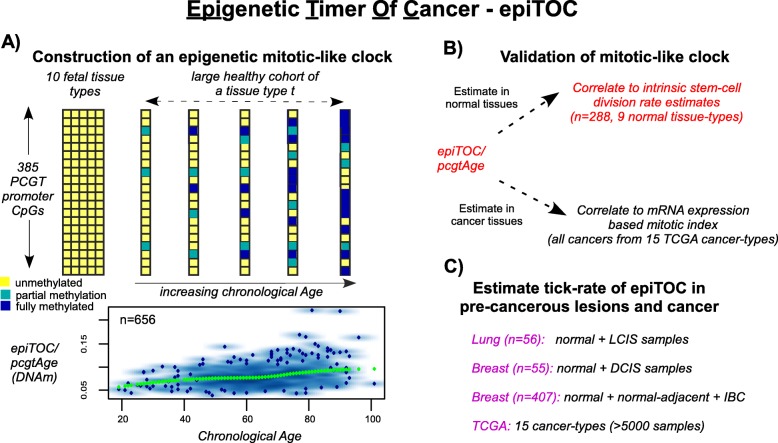
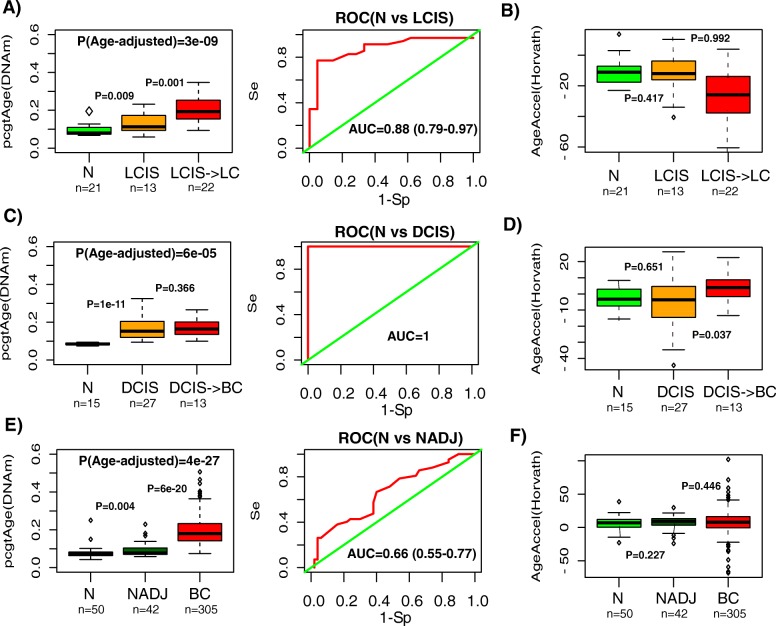
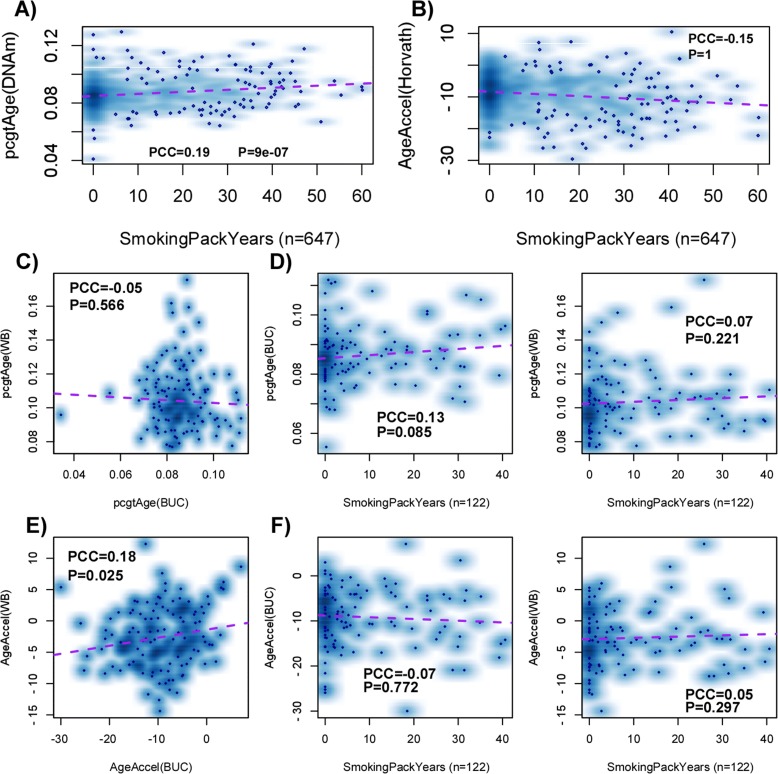
BACKGROUND: Variation in cancer risk among somatic tissues has been attributed to variations in the underlying rate of stem cell division. For a given tissue type, variable cancer risk between individuals is thought to be influenced by extrinsic factors which modulate this rate of stem cell division. To date, no molecular mitotic clock has been developed to approximate the number of stem cell divisions in a tissue of an individual and which is correlated with cancer risk. RESULTS: Here, we integrate mathematical modeling with prior biological knowledge to construct a DNA methylation-based age-correlative model which approximates a mitotic clock in both normal and cancer tissue. By focusing on promoter CpG sites that localize to Polycomb group target genes that are unmethylated in 11 different fetal tissue types, we show that increases in DNA methylation at these sites defines a tick rate which correlates with the estimated rate of stem cell division in normal tissues. Using matched DNA methylation and RNA-seq data, we further show that it correlates with an expression-based mitotic index in cancer tissue. We demonstrate that this mitotic-like clock is universally accelerated in cancer, including pre-cancerous lesions, and that it is also accelerated in normal epithelial cells exposed to a major carcinogen. CONCLUSIONS: Unlike other epigenetic and mutational clocks or the telomere clock, the epigenetic clock proposed here provides a concrete example of a mitotic-like clock which is universally accelerated in cancer and precancerous lesions.
Overview
The claims and statistics of this paper haven’t been checked yet.
Run the check — free, no account needed. It reads the open-access text and checks the sources it cites.
Integrity signals
Registry
Cites
Statistics
Figures
Verification
Claims the paper makes
The claims and statistics of this paper haven’t been checked yet.
Run the check — free, no account needed. It reads the open-access text and checks the sources it cites.
Claims other papers make about this one
Each is checked against this paper’s own text: does it say what the citing paper says it does?
In the citing paper
“In 2016, Yang et al.62 built an epigenetic clock associated with the number of cell divisions by pre-selecting CpG sites that had low levels of methylation in fetal tissue and increased methylation levels throughout adulthood and that mapped to Polycomb group target (PCGT) promoters, before training a sparse linear model.”
From Measuring biological age using omics data (2022) · cites this paper as [62]
In the citing paper
“Strikingly, this clock uniquely detected precancerous tissue samples to be age accelerated.”
From Measuring biological age using omics data (2022) · cites this paper as [62]
In the citing paper
“Yang et al.62 and Lu et al.167 took a different approach and trained clocks on cellular features — mitotic cell division and telomere length, respectively — to develop models with specific sensitivity for these aspects of cellular ageing.”
From Measuring biological age using omics data (2022) · cites this paper as [62]
Self-check
Percentages, sums and reported differences re-computed from the paper’s own numbers.
The self-check needs the paper’s full text.
Citations
Cites
The cancer genome atlas pan-cancer analysis project
The Cancer Genome Atlas Research Network, Weinstein, J. N., Collisson, E. A., Mills, G. B., Shaw, K. R. M., Ozenberger, B. A., Ellrott, K., Shmulevich, I., Sander, C., & Stuart, J. M. (2013) · Nature Genetics · doi:10.1038/ng.2764 · Cited by 9,092
DNA methylation age of human tissues and cell types
Horvath, S. (2013) · Genome Biology · doi:10.1186/gb-2013-14-10-r115 · Cited by 7,075
Age-related clonal hematopoiesis associated with adverse outcomes
Jaiswal, S., Fontanillas, P., Flannick, J., Manning, A., Grauman, P. V., Mar, B. G., Lindsley, R. C., Mermel, C. H., Burtt, N., Chavez, A., et al. (2014) · New England Journal of Medicine · doi:10.1056/nejmoa1408617 · Cited by 4,841
Genome-wide methylation profiles reveal quantitative views of human aging rates
Hannum, G., Guinney, J., Zhao, L., Zhang, L., Hughes, G., Sadda, S., Klotzle, B., Bibikova, M., Fan, J.-B., Gao, Y., et al. (2013) · Molecular Cell · doi:10.1016/j.molcel.2012.10.016 · Cited by 4,270
Clonal hematopoiesis and blood-cancer risk inferred from blood DNA sequence
Genovese, G., Kähler, A. K., Handsaker, R. E., Lindberg, J., Rose, S. A., Bakhoum, S. F., Chambert, K., Mick, E., Neale, B. M., Fromer, M., et al. (2014) · New England Journal of Medicine · doi:10.1056/nejmoa1409405 · Cited by 3,531
DNA methylation arrays as surrogate measures of cell mixture distribution
Houseman, E. A., Accomando, W. P., Koestler, D. C., Christensen, B. C., Marsit, C. J., Nelson, H. H., Wiencke, J. K., & Kelsey, K. T. (2012) · BMC Bioinformatics · doi:10.1186/1471-2105-13-86 · Cited by 3,175
Ben‐Porath, I., Thomson, M., Carey, V. J., Ge, R., Bell, G. W., Regev, A., & Weinberg, R. A. (2008) · Nature Genetics · doi:10.1038/ng.127 · Cited by 2,571
Control of Developmental Regulators by Polycomb in Human Embryonic Stem Cells
Lee, T. I., Jenner, R. G., Boyer, L. A., Guenther, M. G., Levine, S. S., Kumar, R., Chevalier, B. S., Johnstone, S. E., Cole, M. F., Isono, K., et al. (2006) · Cell · doi:10.1016/j.cell.2006.02.043 · Cited by 2,296
IDH1 mutation is sufficient to establish the glioma hypermethylator phenotype
Turcan, S., Rohle, D., Goenka, A., Walsh, L. A., Fang, F., Yilmaz, E., Campos, C., Fabius, A. W. M., Lu, C., Ward, P. S., et al. (2012) · Nature · doi:10.1038/nature10866 · Cited by 1,974
Variation in cancer risk among tissues can be explained by the number of stem cell divisions
Tomasetti, C., & Vogelstein, B. (2015) · Science · doi:10.1126/science.1260825 · Cited by 1,927
Cited by
Sorted by citations
DNA methylation-based biomarkers and the epigenetic clock theory of ageing
Horvath, S., & Raj, K. (2018) · Nature Reviews Genetics · doi:10.1038/s41576-018-0004-3 · Cited by 3,095
DNA methylation aging clocks: challenges and recommendations
Bell, C. G., Lowe, R., Adams, P. D., Baccarelli, A. A., Beck, S., Bell, J. T., Christensen, B. C., Gladyshev, V. N., Heijmans, B. T., Horvath, S., et al. (2019) · Genome Biology · doi:10.1186/s13059-019-1824-y · Cited by 1,025
Self-citationDNA Methylation Clocks in Aging: Categories, Causes, and Consequences
Field, A. E., Robertson, N., Wang, T., Havas, A. P., Ideker, T., & Adams, P. D. (2018) · Molecular Cell · doi:10.1016/j.molcel.2018.08.008 · Cited by 644
Oblak, L., van der Zaag, J., Higgins‐Chen, A., Levine, M. E., & Boks, M. P. (2021) · Ageing Research Reviews · doi:10.1016/j.arr.2021.101348 · Cited by 610
Measuring biological age using omics data
Rutledge, J., Oh, H., & Wyss-Coray, T. (2022) · Nature Reviews Genetics · doi:10.1038/s41576-022-00511-7 · Cited by 570
Zhang, Q., Vallerga, C. L., Walker, R. M., Lin, T., Henders, A. K., Montgomery, G. W., He, J., Fan, D., Fowdar, J., Kennedy, M., et al. (2019) · Genome Medicine · doi:10.1186/s13073-019-0667-1 · Cited by 487
A clinically applicable integrative molecular classification of meningiomas
Nassiri, F., Liu, J., Patil, V. S., Mamatjan, Y., Wang, J. Z., Hugh-White, R., Macklin, A. M., Khan, S., Singh, O., Karimi, S., et al. (2021) · Nature · doi:10.1038/s41586-021-03850-3 · Cited by 474
Pan-Cancer Landscape of Aberrant DNA Methylation across Human Tumors
Saghafinia, S., Mina, M., Riggi, N., Hanahan, D., & Ciriello, G. (2018) · Cell Reports · doi:10.1016/j.celrep.2018.09.082 · Cited by 356
Statistical and integrative system-level analysis of DNA methylation data
Teschendorff, A. E., & Relton, C. L. (2017) · Nature Reviews Genetics · doi:10.1038/nrg.2017.86 · Cited by 297
Self-citationMaking sense of the ageing methylome
Seale, K., Horvath, S., Teschendorff, A., Eynon, N., & Voisin, S. (2022) · Nature Reviews Genetics · doi:10.1038/s41576-022-00477-6 · Cited by 274
Self-citationUnderlying features of epigenetic aging clocks in vivo and in vitro.
Liu, Z., Leung, D., Thrush, K., Zhao, W., Ratliff, S., Tanaka, T., Schmitz, L. L., Smith, J. A., Ferrucci, L., & Levine, M. E. (2020) · Aging Cell · doi:10.1111/acel.13229 · Cited by 227
Epigenome-wide association studies: current knowledge, strategies and recommendations
Campagna, M. P., Xavier, A., Lechner‐Scott, J., Maltby, V., Scott, R. J., Butzkueven, H., Jokubaitis, V., & Lea, R. A. (2021) · Clinical Epigenetics · doi:10.1186/s13148-021-01200-8 · Cited by 245
Epigenetic ageing clocks: statistical methods and emerging computational challenges
Teschendorff, A. E., & Horvath, S. (2025) · Nature Reviews Genetics · doi:10.1038/s41576-024-00807-w · Cited by 226
Self-citationCrimmins, E. M., Thyagarajan, B., Levine, M. E., Weir, D. R., & Faul, J. (2021) · The Journals of Gerontology: Series A · doi:10.1093/gerona/glab016 · Cited by 213
Nadeu, F., Martin‐García, D., Clot, G., Díaz‐Navarro, A., Duran‐Ferrer, M., Navarro, A., Vilarrasa‐Blasi, R., Kulis, M., Royo, R., Gutiérrez‐Abril, J., et al. (2020) · Blood · doi:10.1182/blood.2020005289 · Cited by 211
Cell-type deconvolution in epigenome-wide association studies: a review and recommendations
Teschendorff, A. E., & Zheng, S. (2017) · Epigenomics · doi:10.2217/epi-2016-0153 · Cited by 206
Self-citationCell-type deconvolution from DNA methylation: a review of recent applications
Titus, A., Gallimore, R. M., Salas, L. A., & Christensen, B. C. (2017) · Human Molecular Genetics · doi:10.1093/hmg/ddx275 · Cited by 190
Multi-omic rejuvenation of human cells by maturation phase transient reprogramming
Gill, D., Parry, A., Santos, F., Okkenhaug, H., Todd, C. D., Hernando-Herraez, I., Stubbs, T. M., Milagre, I., & Reik, W. (2022) · eLife · doi:10.7554/elife.71624 · Cited by 185
Simpson, D. J., & Chandra, T. (2021) · Aging Cell · doi:10.1111/acel.13452 · Cited by 195
Tao, Y., Kang, B., Petkovich, D. A., Bhandari, Y. R., In, J., Stein-O’Brien, G., Kong, X., Xie, W., Zachos, N. C., Maegawa, S., et al. (2019) · Cancer Cell · doi:10.1016/j.ccell.2019.01.005 · Cited by 171
Epigenome-based cancer risk prediction: rationale, opportunities and challenges
Widschwendter, M., Jones, A., Evans, I., Reisel, D., Dillner, J., Sundström, K., Steyerberg, E. W., Vergouwe, Y., Wegwarth, O., Rebitschek, F. G., et al. (2018) · Nature Reviews Clinical Oncology · doi:10.1038/nrclinonc.2018.30 · Cited by 163
Self-citationA comparison of epigenetic mitotic-like clocks for cancer risk prediction
Teschendorff, A. E. (2020) · Genome Medicine · doi:10.1186/s13073-020-00752-3 · Cited by 148
Self-citationEpigenetic Aging: More Than Just a Clock When It Comes to Cancer
Yu, M., Hazelton, W. D., Luebeck, E. G., & Grady, W. M. (2019) · Cancer Research · doi:10.1158/0008-5472.can-19-0924 · Cited by 141
DNA Methylation Clocks and Their Predictive Capacity for Aging Phenotypes and Healthspan
Bergsma, T., & Rogaeva, E. A. (2020) · Neuroscience Insights · doi:10.1177/2633105520942221 · Cited by 145
Wenger, A., Vega, S. F., Kling, T., Bontell, T. O., Jakola, A. S., & Carén, H. (2019) · Neuro-Oncology · doi:10.1093/neuonc/noz011 · Cited by 136
DNA methylation in thyroid cancer
Zafón, C., Gil, J., Pérez-González, B., & Jordà, M. (2019) · Endocrine Related Cancer · doi:10.1530/erc-19-0093 · Cited by 138
Precancer Atlas to Drive Precision Prevention Trials
Spira, A. E., Yurgelun, M. B. B., Alexandrov, L. B., Rao, A., Bejar, R., Polyák, K., Giannakis, M., Shilatifard, A., Finn, O. J., Dhodapkar, M., et al. (2017) · Cancer Research · doi:10.1158/0008-5472.can-16-2346 · Cited by 134
Aging clocks based on accumulating stochastic variation
Meyer, D. H., & Schumacher, B. (2024) · Nature Aging · doi:10.1038/s43587-024-00619-x · Cited by 128
Klughammer, J., Romanovskaia, D., Nemc, A., Posautz, A., Seid, C. A., Schuster, L. C., Keinath, M. C., Ramos, J. S. L., Kosack, L., Evankow, A. M., et al. (2023) · Nature Communications · doi:10.1038/s41467-022-34828-y · Cited by 131
Epigenetic aging: Biological age prediction and informing a mechanistic theory of aging
Li, A., Koch, Z., & Ideker, T. (2022) · Journal of Internal Medicine · doi:10.1111/joim.13533 · Cited by 123
Schmitz, L., Zhao, W., Ratliff, S. M., Goodwin, J., Miao, J., Lu, Q., Guo, X., Taylor, K. D., Ding, J., Liu, Y., et al. (2021) · Epigenetics · doi:10.1080/15592294.2021.1939479 · Cited by 114
EPISCORE: cell type deconvolution of bulk tissue DNA methylomes from single-cell RNA-Seq data
Teschendorff, A. E., Zhu, T., Breeze, C. E., & Beck, S. (2020) · Genome biology · doi:10.1186/s13059-020-02126-9 · Cited by 118
Self-citationBack to the future: Epigenetic clock plasticity towards healthy aging
Declerck, K., & Berghe, W. V. (2018) · Mechanisms of Ageing and Development · doi:10.1016/j.mad.2018.01.002 · Cited by 107
Zhu, T., Liu, J., Beck, S., Pan, S., Capper, D., Lechner, M., Thirlwell, C., Breeze, C. E., & Teschendorff, A. E. (2022) · Nature Methods · doi:10.1038/s41592-022-01412-7 · Cited by 103
Self-citationDistinct chromatin signatures of DNA hypomethylation in aging and cancer
Pérez, R. F., Tejedor, J. R., Bayón, G. F., Fernández, A. F., & Fraga, M. F. (2018) · Aging Cell · doi:10.1111/acel.12744 · Cited by 106
Higgins‐Chen, A., Boks, M. P., Vinkers, C. H., Kahn, R. S., & Levine, M. E. (2020) · Biological Psychiatry · doi:10.1016/j.biopsych.2020.01.025 · Cited by 105
Martin-Herranz, D. E., Aref‐Eshghi, E., Bonder, M. J., Stubbs, T. M., Choufani, S., Weksberg, R., Stegle, O., Sadiković, B., Reik, W., & Thornton, J. M. (2019) · Genome biology · doi:10.1186/s13059-019-1753-9 · Cited by 101
The proliferative history shapes the DNA methylome of B-cell tumors and predicts clinical outcome
Duran‐Ferrer, M., Clot, G., Nadeu, F., Beekman, R., Baumann, T., Nordlund, J., Marincevic-Zuniga, Y., Lönnerholm, G., Rivas‐Delgado, A., Martín, S., et al. (2020) · Nature Cancer · doi:10.1038/s43018-020-00131-2 · Cited by 102
Integrating DNA Methylation Measures of Biological Aging into Social Determinants of Health Research
Raffington, L., & Belsky, D. W. (2022) · Current Environmental Health Reports · doi:10.1007/s40572-022-00338-8 · Cited by 97
Epigenetic clocks, aging, and cancer
Johnstone, S. E., Gladyshev, V. N., Aryee, M. J., & Bernstein, B. (2022) · Science · doi:10.1126/science.abn4009 · Cited by 95
Mancarella, D., & Plass, C. (2021) · Genome Medicine · doi:10.1186/s13073-021-00837-7 · Cited by 91
Cell division drives DNA methylation loss in late-replicating domains in primary human cells
Endicott, J. L., Nolte, P. A., Shen, H., & Laird, P. W. (2022) · Nature Communications · doi:10.1038/s41467-022-34268-8 · Cited by 93
Aging biomarkers and the brain
Higgins‐Chen, A., Thrush, K., & Levine, M. E. (2021) · Seminars in Cell and Developmental Biology · doi:10.1016/j.semcdb.2021.01.003 · Cited by 85
Nature of epigenetic aging from a single-cell perspective
Tarkhov, A. E., Lindstrom-Vautrin, T., Zhang, S., Ying, K., Moqri, M., Zhang, B., Tyshkovskiy, A., Levy, O., & Gladyshev, V. N. (2024) · Nature Aging · doi:10.1038/s43587-024-00616-0 · Cited by 86
The MiAge Calculator: a DNA methylation-based mitotic age calculator of human tissue types
Youn, A., & Wang, S. (2017) · Epigenetics · doi:10.1080/15592294.2017.1389361 · Cited by 82
Integrated Multi-Omics for Novel Aging Biomarkers and Antiaging Targets
Wu, L., Xie, X., Liang, T., Ma, J., Yang, L., Yang, J., Li, L., Xi, Y., Li, H., Zhang, J., et al. (2021) · Biomolecules · doi:10.3390/biom12010039 · Cited by 87
Kuiper, L. M., Polinder-Bos, H. A., Bizzarri, D., Vojinovic, D., Vallerga, C. L., Beekman, M., Dollé, M. E. T., Ghanbari, M., Voortman, T., Reinders, M. J. T., et al. (2023) · The Journals of Gerontology: Series A · doi:10.1093/gerona/glad137 · Cited by 92
The immune factors driving DNA methylation variation in human blood
Bergstedt, J., Azzou, S. A. K., Tsuo, K., Jaquaniello, A., Urrutia, A., Rotival, M., Lin, D. T. S., MacIsaac, J. L., Kobor, M. S., Albert, M. L., et al. (2022) · Nature Communications · doi:10.1038/s41467-022-33511-6 · Cited by 82
Johnson, K. C., Houseman, E. A., King, J. E., & Christensen, B. C. (2017) · Breast Cancer Research · doi:10.1186/s13058-017-0873-y · Cited by 81
Lundgren, S., Kuitunen, S., Pietiläinen, K. H., Hurme, M., Kähönen, M. A. P., Männistö, S., Perola, M., Lehtimäki, T. J., Raitakari, O. T., Kaprio, J. A., et al. (2022) · Journal of Internal Medicine · doi:10.1111/joim.13528 · Cited by 84
Dysfunctional epigenetic aging of the normal colon and colorectal cancer risk
Wang, T., Maden, S. K., Luebeck, E. G., Li, C. I., Newcomb, P. A., Ulrich, C. M., Joo, J.-H. E., Buchanan, D. D., Milne, R. L., Southey, M. C., et al. (2020) · Clinical Epigenetics · doi:10.1186/s13148-019-0801-3 · Cited by 80
Quantifying the stochastic component of epigenetic aging
Tong, H., Dwaraka, V. B., Chen, Q., Luo, Q., Lasky-Su, J. A., Smith, R., & Teschendorff, A. E. (2024) · Nature Aging · doi:10.1038/s43587-024-00600-8 · Cited by 83
Self-citationThe mTOR–lysosome axis at the centre of ageing
Carosi, J. M., Fourrier, C., Bensalem, J., & Sargeant, T. J. (2021) · FEBS Open Bio · doi:10.1002/2211-5463.13347 · Cited by 70
Cell and tissue type independent age-associated DNA methylation changes are not rare but common
Zhu, T., Zheng, S., Paul, D. S., Horvath, S., & Teschendorff, A. E. (2018) · Aging · doi:10.18632/aging.101666 · Cited by 66
Self-citationCell-type-specific effects of age and sex on human cortical neurons
Chien, J.-F., Liu, H., Wang, B.-A., Luo, C., Bartlett, A., Castanon, R., Johnson, N. D., Nery, J. R., Osteen, J. K., Li, J., et al. (2024) · Neuron · doi:10.1016/j.neuron.2024.05.013 · Cited by 72
Ji, L., Jazwinski, S. M., & Kim, S. (2021) · Annals of Geriatric Medicine and Research · doi:10.4235/agmr.21.0080 · Cited by 70
Porter, H. L., Brown, C. A., Roopnarinesingh, X., Giles, C. B., Georgescu, C., Freeman, W. M., & Wren, J. D. (2021) · Aging Cell · doi:10.1111/acel.13492 · Cited by 63
Verschoor, C. P., Lin, D. T. S., Kobor, M. S., Mian, O., Ma, J., Pare, G., & Ybazeta, G. (2021) · Clinical Epigenetics · doi:10.1186/s13148-021-01150-1 · Cited by 58
Short-Term Exposure of PM 2.5 and Epigenetic Aging: A Quasi-Experimental Study
Gao, X., Huang, J., Cárdenas, A., Zhao, Y., Sun, Y., Wang, J., Xue, L., Baccarelli, A., Guo, X., Zhang, L., et al. (2022) · Environmental Science & Technology · doi:10.1021/acs.est.2c05534 · Cited by 58
Clock Work: Deconstructing the Epigenetic Clock Signals in Aging, Disease, and ReprogrammingPreprint
Levine, M. E., Higgins‐Chen, A., Thrush, K., Minteer, C. J., & Niimi, P. (2022) · bioRxiv (Cold Spring Harbor Laboratory) · doi:10.1101/2022.02.13.480245 · Cited by 60
In utero exposure to the Great Depression is reflected in late-life epigenetic aging signatures
Schmitz, L., & Duque, V. (2022) · Proceedings of the National Academy of Sciences · doi:10.1073/pnas.2208530119 · Cited by 59
Chen, Y.-C., Gotea, V., Margolin, G., & Elnitski, L. L. (2017) · PLoS Computational Biology · doi:10.1371/journal.pcbi.1005840 · Cited by 56
Epigenetic Drift Is a Determinant of Mammalian Lifespan
Mendelsohn, A. R., & Larrick, J. W. (2017) · Rejuvenation Research · doi:10.1089/rej.2017.2024 · Cited by 56
Chen, W., Morabito, S., Kessenbrock, K., Enver, T., Meyer, K. B., & Teschendorff, A. E. (2019) · Communications Biology · doi:10.1038/s42003-019-0554-8 · Cited by 56
Self-citationManoochehri, M., Borhani, N., Gerhäuser, C., Assenov, Y., Schönung, M., Hielscher, T., Christensen, B. C., Lee, M. K., Gröne, H., Lipka, D. B., et al. (2022) · International Journal of Cancer · doi:10.1002/ijc.34337 · Cited by 54
Liao, P., Ostrom, Q. T., Stetson, L. C., & Barnholtz‐Sloan, J. S. (2018) · Neuro-Oncology · doi:10.1093/neuonc/noy003 · Cited by 54
Pang, A. P. S., Higgins‐Chen, A., Comite, F., Raica, I., Arboleda, C., Went, H., Mendez, T. L., Schotsaert, M., Dwaraka, V. B., Smith, R. C., et al. (2022) · Frontiers in Genetics · doi:10.3389/fgene.2022.819749 · Cited by 53
Horvath, S., Lu, A. T.-H., Cohen, H., & Raj, K. (2019) · Aging · doi:10.18632/aging.101976 · Cited by 51
Joo, J. E., Clendenning, M., Wong, E. M., Rosty, C., Mahmood, K., Georgeson, P., Winship, I., Preston, S., Win, A. K., Dugué, P., et al. (2021) · Cancers · doi:10.3390/cancers13112589 · Cited by 50
Gao, Y., Widschwendter, M., & Teschendorff, A. E. (2018) · EBioMedicine · doi:10.1016/j.ebiom.2018.04.025 · Cited by 50
Self-citationMulti-omics approaches to human biological age estimation
Solovev, I. A., Shaposhnikov, M. V., & Moskalev, A. (2019) · Mechanisms of Ageing and Development · doi:10.1016/j.mad.2019.111192 · Cited by 49
Assessing the rate of aging to monitor aging itself
Xia, X., Wang, Y., Yu, Z., Chen, J., & Han, J. J. (2021) · Ageing Research Reviews · doi:10.1016/j.arr.2021.101350 · Cited by 46
Dmitrijeva, M., Ossowski, S., Serrano, L. G., & Schaefer, M. H. (2018) · Nucleic Acids Research · doi:10.1093/nar/gky498 · Cited by 54
Coninx, E., Chew, Y. C., Yang, X., Guo, W., Coolkens, A., Baatout, S., Moons, L., Verslegers, M., & Quintens, R. (2020) · Aging · doi:10.18632/aging.104056 · Cited by 46
Biologically informed deep learning for explainable epigenetic clocks
Prósz, A. G., Pipek, O., Börcsök, J., Palla, G., Szállási, Z., Spisák, S., & Csabai, I. (2024) · Scientific Reports · doi:10.1038/s41598-023-50495-5 · Cited by 46
Aging and cancer epigenetics: Where do the paths fork?
Pérez, R. F., Tejedor, J. R., Fernández, A. F., & Fraga, M. F. (2022) · Aging Cell · doi:10.1111/acel.13709 · Cited by 44
Tracking single-cell evolution using clock-like chromatin accessibility loci
Xiao, Y., Jin, W., Ju, L., Fu, J., Wang, G., Yu, M., Chen, F., Qian, K., Wang, X., & Zhang, Y. (2024) · Nature Biotechnology · doi:10.1038/s41587-024-02241-z · Cited by 46
Nwanaji-Enwerem, J. C., Van Der Laan, L., Kogut, K., Eskenazi, B., Holland, N., Deardorff, J., & Cardenas, A. (2021) · Aging · doi:10.18632/aging.203776 · Cited by 42
Hanson, B. M., Tao, X., Zhan, Y., Jenkins, T. G., Morin, S. J., Scott, R. T. W., & Seli, E. U. (2020) · Human Reproduction · doi:10.1093/humrep/deaa206 · Cited by 42
Trauma, adversity, and biological aging: behavioral mechanisms relevant to treatment and theory
Bourassa, K. J., & Sbarra, D. A. (2024) · Translational Psychiatry · doi:10.1038/s41398-024-03004-9 · Cited by 44
Roels, J., Thénoz, M., Szarzyńska‐Zawadzka, B., Landfors, M., Coninck, S. D., Demoen, L., Provez, L., Kuchmiy, A. A., Strubbe, S., Reunes, L., et al. (2020) · Blood Cancer Discovery · doi:10.1158/2643-3230.bcd-20-0059 · Cited by 40
DNA methylation age as a biomarker for cancer
Lau, C. E., & Robinson, O. (2021) · International Journal of Cancer · doi:10.1002/ijc.33451 · Cited by 40
Ori, A. P. S., Lu, A. T.-H., Horvath, S., & Ophoff, R. A. (2022) · Genome biology · doi:10.1186/s13059-022-02793-w · Cited by 40
Racial Disparities in Epigenetic Aging of the Right vs Left Colon
Devall, M. A. M., Sun, X., Yuan, F., Cooper, G. S., Willis, J. E., Weisenberger, D. J., Casey, G., & Li, L. (2020) · JNCI Journal of the National Cancer Institute · doi:10.1093/jnci/djaa206 · Cited by 39
Epigenetic clocks in neurodegenerative diseases: a systematic review
Yang, T., Xiao, Y., Cheng, Y., Huang, J., Wei, Q., Li, C., & Shang, H. (2023) · Journal of Neurology Neurosurgery & Psychiatry · doi:10.1136/jnnp-2022-330931 · Cited by 40
Watkins, S., Testa, C., Chen, J. T., Vivo, I. D., Simpkin, A. J., Tilling, K. M., Roux, A. V. D., Smith, G. D., Waterman, P. D., Suderman, M. J., et al. (2023) · Current Zoology · doi:10.1093/eep/dvad005 · Cited by 39
DNA Methylation, Aging, and Cancer Risk: A Mini-Review
Chen, L., Ganz, P. A., & Sehl, M. E. (2022) · Frontiers in Bioinformatics · doi:10.3389/fbinf.2022.847629 · Cited by 39
Toward a Framework for Assessing Privacy Risks in Multi-Omic Research and Databases
Dupras, C., & Bunnik, E. M. (2021) · The American Journal of Bioethics · doi:10.1080/15265161.2020.1863516 · Cited by 40
Utility of DNA Methylation as a Biomarker in Aging and Alzheimer’s Disease
Milicic, L., Porter, T., Vacher, M. A., & Laws, S. M. (2023) · Journal of Alzheimer s Disease Reports · doi:10.3233/adr-220109 · Cited by 36
Dutta, S., Goodrich, J. M., Dolinoy, D. C., & Ruden, D. M. (2023) · Genes · doi:10.3390/genes15010016 · Cited by 37
Fluctuating DNA methylation tracks cancer evolution at clinical scale
Gabbutt, C., Duran‐Ferrer, M., Grant, H. E., Mallo, D., Nadeu, F., Househam, J., Villamor, N., Müller, M., Heath, S. C., Raineri, E., et al. (2025) · Nature · doi:10.1038/s41586-025-09374-4 · Cited by 36
Biomarkers of Aging and Relevant Evaluation Techniques: A Comprehensive Review
Xue, T., Zhu, Z., Wang, L., Li, C., Sun, L., Wang, W., & Gong, W. (2023) · Aging and Disease · doi:10.14336/ad.2023.00808-1 · Cited by 37
Application of AI in biological age prediction
Meng, D., Zhang, S., Huang, Y., Mao, K., & Han, J. J. (2024) · Current Opinion in Structural Biology · doi:10.1016/j.sbi.2024.102777 · Cited by 35
Decelerated DNA methylation age predicts poor prognosis of breast cancer
Ren, J., Wang, M., Su, Y., Tang, L.-Y., & Ren, Z. (2018) · BMC Cancer · doi:10.1186/s12885-018-4884-6 · Cited by 33
Beck, S., Berner, A., Bignell, G. R., Bond, M., Callanan, M., Chervova, O., Conde, L., Corpas, M., Ecker, S., Elliott, H. R., et al. (2018) · BMC Medical Genomics · doi:10.1186/s12920-018-0423-1 · Cited by 34
Self-citationDNA methylation-based age estimation in pediatric healthy tissues and brain tumors
Kling, T., Wenger, A., & Carén, H. (2020) · Aging · doi:10.18632/aging.202145 · Cited by 32
Epigenetic age oscillates during the day
Koncevičius, K., Nair, A., Šveikauskaitė, A., Šeštokaitė, A., Kazlauskaitė, A., Dulskas, A., & Petronis, A. (2024) · Aging Cell · doi:10.1111/acel.14170 · Cited by 33
DNA methylation associates with survival in non-metastatic clear cell renal cell carcinoma
Evelönn, E. A., Landfors, M., Haider, Z., Köhn, L., Ljungberg, B., Roos, G., & Degerman, S. (2019) · BMC Cancer · doi:10.1186/s12885-019-5291-3 · Cited by 31
Conserved epigenetic hallmarks of T cell aging during immunity and malignancy
Tian, M., Soerens, A. G., Alli, S., Kang, T. G., Vasandan, A. B., Wang, Z., Vezys, V., Kimura, S., Iacobucci, I., Baylin, S. B., et al. (2024) · Nature Aging · doi:10.1038/s43587-024-00649-5 · Cited by 32
Tick tock, tick tock: Mouse culture and tissue aging captured by an epigenetic clock
Minteer, C. J., Morselli, M., Meer, M. V., Cao, J. P., Higgins‐Chen, A., Lang, S. M., Pellegrini, M. A., Yan, Q., & Levine, M. E. (2022) · Aging Cell · doi:10.1111/acel.13553 · Cited by 33
Metadata
- Authors
- Yang, Z., Wong, A., Kuh, D., Paul, D. S., Rakyan, V. K., Leslie, R. D., Zheng, S. C., Widschwendter, M., Beck, S., & Teschendorff, A. E.
- Affiliations
- Chinese Academy of Sciences (CN)
- MRC Unit for Lifelong Health and Ageing (GB)
- University College London (GB)
- Queen Mary University of London (GB)
- Corresponding author
- Teschendorff, Andrew E.
- ORCID
- Venue
- Genome Biology
- Published
- 2016-10-03
- Volume
- 17
- Issue
- 1
- Pages
- 205-205
- ISSN
- 1465-6906 (ISSN-L)
- 1474-760X
- PMC
- PMC5046977
- OpenAlex
- W2529317472
- Cited by
- 325
- References
- 71
- Citations by year
- 2026: 31 · 2025: 52 · 2024: 43 · 2023: 40 · 2022: 53 · 2021: 32 · 2020: 25 · 2019: 17 · 2018: 18 · 2017: 12 · 2016: 1
- FWCI
- 8.27
- Type
- journal article
- Language
- en
- Open access
- gold
- doi.org
- Licence
- cc-by
- Locations
- Genome biology (publishedVersion, cc-by)
- PubMed Central (publishedVersion, cc-by)
- PubMed (publishedVersion)
- UCL Discovery (University College London) (submittedVersion)
- Queen Mary Research Online (Queen Mary University of London) (submittedVersion, cc-by)
- Apollo (University of Cambridge) (submittedVersion, cc-by)
- Apollo (cc-by)
- Funders
- Royal Society (NAF 164914)
- National Science Foundation of China (NSFC 31571359)
- Topics
- Life Sciences › Biochemistry, Genetics and Molecular Biology › Molecular Biology › Epigenetics and DNA Methylation
- Life Sciences › Biochemistry, Genetics and Molecular Biology › Cancer Research › Cancer Genomics and Diagnostics
- Life Sciences › Biochemistry, Genetics and Molecular Biology › Cell Biology › Telomeres, Telomerase, and Senescence
- Keywords
- epigenetic clocks, DNA methylation, stem cell division, cancer risk, promoter CpG sites, fetal tissue, carcinogen exposure, precancerous lesions, cancer risk stratification
- MeSH terms
- Aging, Humans, Mitosis, Mitotic Index, Models, Theoretical, Neoplasms, Promoter Regions, Genetic, Neoplastic Stem Cells, Gene Expression Regulation, Neoplastic, CpG Islands, DNA Methylation, Epigenesis, Genetic, High-Throughput Nucleotide Sequencing, Polycomb-Group Proteins
About these checks
Registry, retraction, Cites and statistics results are computed, not judged, with one exception: a printed reference that no index lists is read once by a model before it counts as a citation error. Claims are extracted by a model and kept only when their quote appears verbatim in the text; each cited source is then checked, with a model’s help, for whether it says what the claim relies on. Those verdicts can be wrong — read the claim’s quote and the cited source before relying on one.
Statistics and arithmetic are recomputed, not judged.
Confidence bands are shown only for fields calibrated on our annotated test set. None is calibrated yet, so no band is shown.
What counts as a claim ›How we measure confidence ›How we check this ›
Are you an author, or do you see a problem with this page? Request a review
