

The DOI matches its Crossref record; 71 of the 71 references it cites were found in a registry or an index.
Correlation of an epigenetic mitotic clock with cancer risk
Open accessAbstract
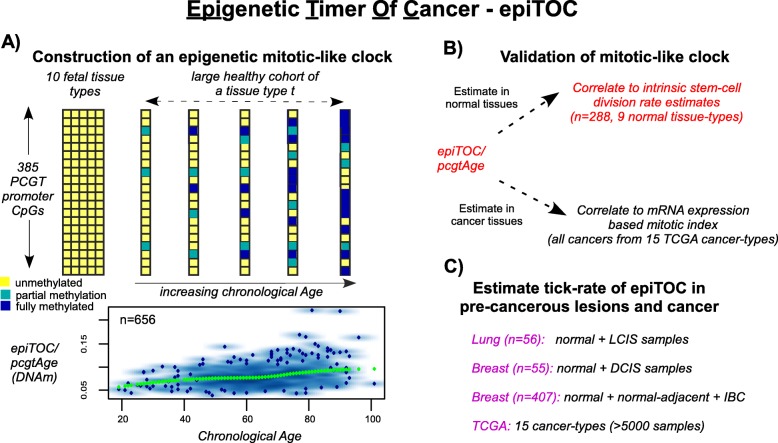
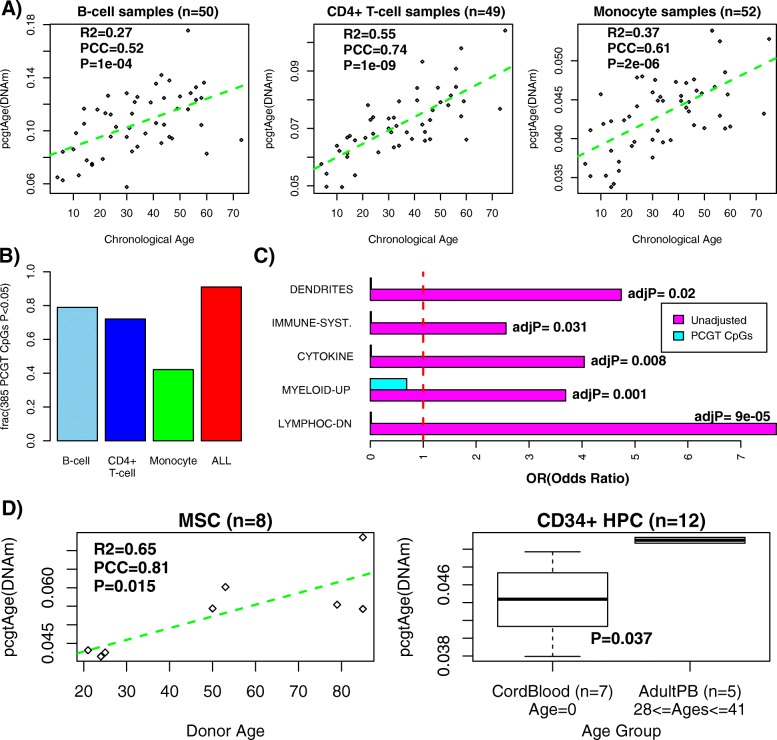
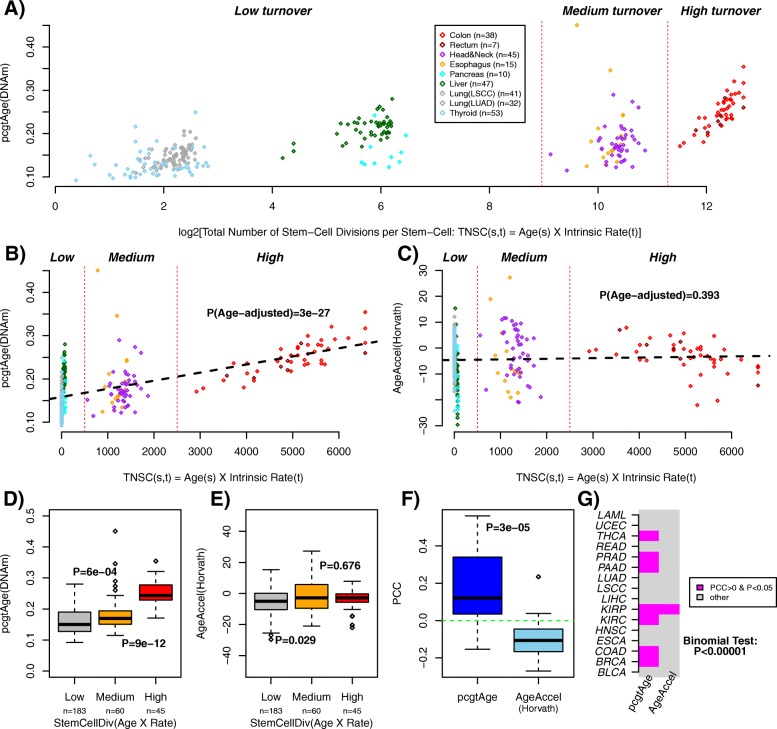
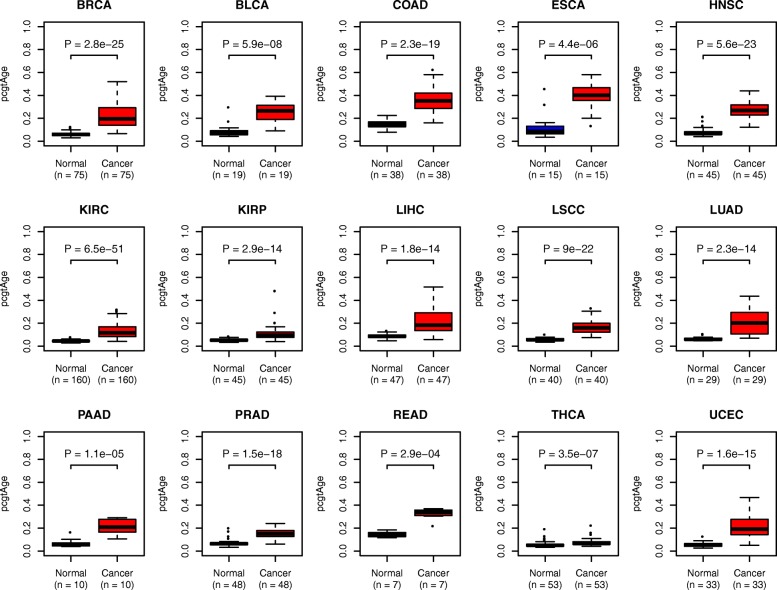
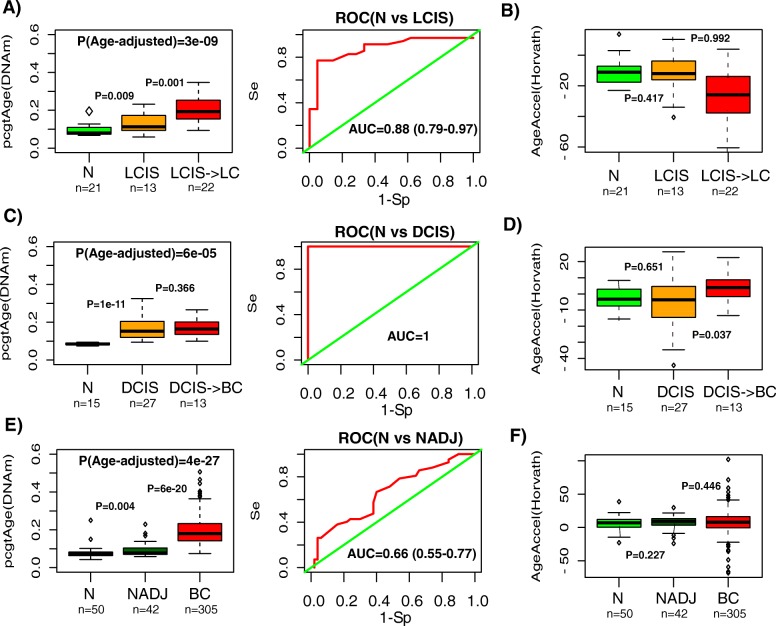
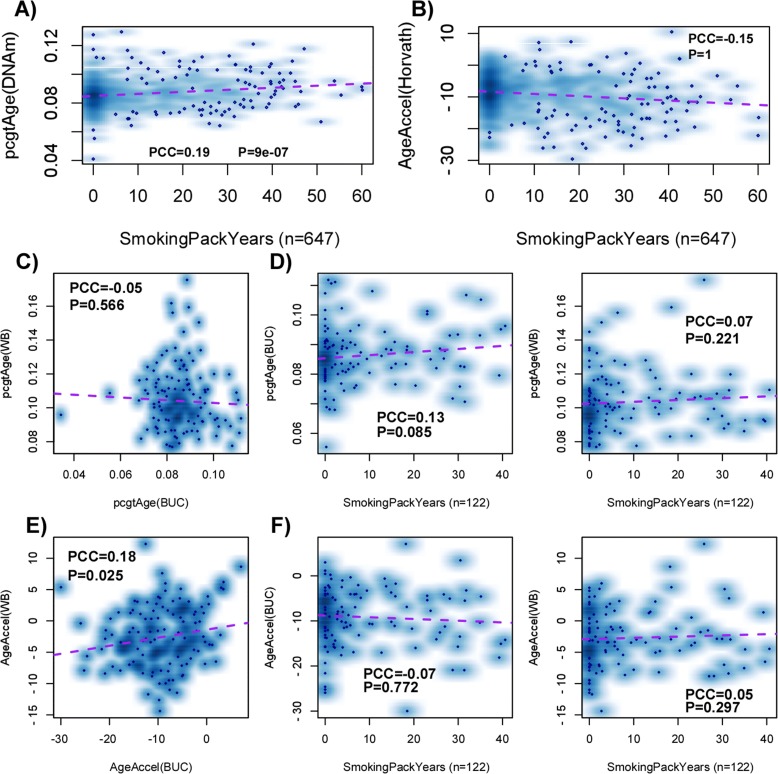
BACKGROUND: Variation in cancer risk among somatic tissues has been attributed to variations in the underlying rate of stem cell division. For a given tissue type, variable cancer risk between individuals is thought to be influenced by extrinsic factors which modulate this rate of stem cell division. To date, no molecular mitotic clock has been developed to approximate the number of stem cell divisions in a tissue of an individual and which is correlated with cancer risk. RESULTS: Here, we integrate mathematical modeling with prior biological knowledge to construct a DNA methylation-based age-correlative model which approximates a mitotic clock in both normal and cancer tissue. By focusing on promoter CpG sites that localize to Polycomb group target genes that are unmethylated in 11 different fetal tissue types, we show that increases in DNA methylation at these sites defines a tick rate which correlates with the estimated rate of stem cell division in normal tissues. Using matched DNA methylation and RNA-seq data, we further show that it correlates with an expression-based mitotic index in cancer tissue. We demonstrate that this mitotic-like clock is universally accelerated in cancer, including pre-cancerous lesions, and that it is also accelerated in normal epithelial cells exposed to a major carcinogen. CONCLUSIONS: Unlike other epigenetic and mutational clocks or the telomere clock, the epigenetic clock proposed here provides a concrete example of a mitotic-like clock which is universally accelerated in cancer and precancerous lesions.
Overview
The claims and statistics of this paper haven’t been checked yet.
Run the check — free, no account needed. It reads the open-access text and checks the sources it cites.
Integrity signals
Registry
Cites
Statistics
Figures
Verification
Claims the paper makes
The claims and statistics of this paper haven’t been checked yet.
Run the check — free, no account needed. It reads the open-access text and checks the sources it cites.
Claims other papers make about this one
Each is checked against this paper’s own text: does it say what the citing paper says it does?
In the citing paper
“In 2016, Yang et al.62 built an epigenetic clock associated with the number of cell divisions by pre-selecting CpG sites that had low levels of methylation in fetal tissue and increased methylation levels throughout adulthood and that mapped to Polycomb group target (PCGT) promoters, before training a sparse linear model.”
From Measuring biological age using omics data (2022) · cites this paper as [62]
In the citing paper
“Strikingly, this clock uniquely detected precancerous tissue samples to be age accelerated.”
From Measuring biological age using omics data (2022) · cites this paper as [62]
In the citing paper
“Yang et al.62 and Lu et al.167 took a different approach and trained clocks on cellular features — mitotic cell division and telomere length, respectively — to develop models with specific sensitivity for these aspects of cellular ageing.”
From Measuring biological age using omics data (2022) · cites this paper as [62]
Self-check
Percentages, sums and reported differences re-computed from the paper’s own numbers.
The self-check needs the paper’s full text.
Citations
Cites
The cancer genome atlas pan-cancer analysis project
The Cancer Genome Atlas Research Network, Weinstein, J. N., Collisson, E. A., Mills, G. B., Shaw, K. R. M., Ozenberger, B. A., Ellrott, K., Shmulevich, I., Sander, C., & Stuart, J. M. (2013) · Nature Genetics · doi:10.1038/ng.2764 · Cited by 9,092
DNA methylation age of human tissues and cell types
Horvath, S. (2013) · Genome Biology · doi:10.1186/gb-2013-14-10-r115 · Cited by 7,075
Age-related clonal hematopoiesis associated with adverse outcomes
Jaiswal, S., Fontanillas, P., Flannick, J., Manning, A., Grauman, P. V., Mar, B. G., Lindsley, R. C., Mermel, C. H., Burtt, N., Chavez, A., et al. (2014) · New England Journal of Medicine · doi:10.1056/nejmoa1408617 · Cited by 4,841
Genome-wide methylation profiles reveal quantitative views of human aging rates
Hannum, G., Guinney, J., Zhao, L., Zhang, L., Hughes, G., Sadda, S., Klotzle, B., Bibikova, M., Fan, J.-B., Gao, Y., et al. (2013) · Molecular Cell · doi:10.1016/j.molcel.2012.10.016 · Cited by 4,270
Clonal hematopoiesis and blood-cancer risk inferred from blood DNA sequence
Genovese, G., Kähler, A. K., Handsaker, R. E., Lindberg, J., Rose, S. A., Bakhoum, S. F., Chambert, K., Mick, E., Neale, B. M., Fromer, M., et al. (2014) · New England Journal of Medicine · doi:10.1056/nejmoa1409405 · Cited by 3,531
DNA methylation arrays as surrogate measures of cell mixture distribution
Houseman, E. A., Accomando, W. P., Koestler, D. C., Christensen, B. C., Marsit, C. J., Nelson, H. H., Wiencke, J. K., & Kelsey, K. T. (2012) · BMC Bioinformatics · doi:10.1186/1471-2105-13-86 · Cited by 3,175
Ben‐Porath, I., Thomson, M., Carey, V. J., Ge, R., Bell, G. W., Regev, A., & Weinberg, R. A. (2008) · Nature Genetics · doi:10.1038/ng.127 · Cited by 2,571
Control of Developmental Regulators by Polycomb in Human Embryonic Stem Cells
Lee, T. I., Jenner, R. G., Boyer, L. A., Guenther, M. G., Levine, S. S., Kumar, R., Chevalier, B. S., Johnstone, S. E., Cole, M. F., Isono, K., et al. (2006) · Cell · doi:10.1016/j.cell.2006.02.043 · Cited by 2,296
IDH1 mutation is sufficient to establish the glioma hypermethylator phenotype
Turcan, S., Rohle, D., Goenka, A., Walsh, L. A., Fang, F., Yilmaz, E., Campos, C., Fabius, A. W. M., Lu, C., Ward, P. S., et al. (2012) · Nature · doi:10.1038/nature10866 · Cited by 1,974
Variation in cancer risk among tissues can be explained by the number of stem cell divisions
Tomasetti, C., & Vogelstein, B. (2015) · Science · doi:10.1126/science.1260825 · Cited by 1,927
The epigenetic progenitor origin of human cancer
Feinberg, A. P., OHLSSON, R. I., & Henikoff, S. (2005) · Nature Reviews Genetics · doi:10.1038/nrg1748 · Cited by 1,885
21st-Century Hazards of Smoking and Benefits of Cessation in the United States
Jha, P., Ramasundarahettige, C., Landsman, V., Rostron, B., Thun, M., Anderson, R. N., McAfee, T., & Peto, R. (2013) · New England Journal of Medicine · doi:10.1056/nejmsa1211128 · Cited by 1,767
Evaluating cell lines as tumour models by comparison of genomic profiles
Domcke, S., Sinha, R., Levine, D. A., Sander, C., & Schultz, N. D. (2013) · Nature Communications · doi:10.1038/ncomms3126 · Cited by 1,457
50-Year Trends in Smoking-Related Mortality in the United States
Thun, M. J., Carter, B. D., Feskanich, D., Freedman, N. D., Prentice, R., Lopez, A. D., Hartge, P., & Gapstur, S. M. (2013) · New England Journal of Medicine · doi:10.1056/nejmsa1211127 · Cited by 1,177
Accounting for cellular heterogeneity is critical in epigenome-wide association studies
Jaffe, A. E., & Irizarry, R. A. (2014) · Genome Biology · doi:10.1186/gb-2014-15-2-r31 · Cited by 1,067
Clock-like mutational processes in human somatic cells
Alexandrov, L. B., Jones, P. H., Wedge, D. C., Sale, J. E., Campbell, P. J., Nik‐Zainal, S., & Stratton, M. R. (2015) · Nature Genetics · doi:10.1038/ng.3441 · Cited by 1,065
A Big Bang model of human colorectal tumor growth
Sottoriva, A., Kang, H., Ma, Z., Graham, T. A., Salomon, M. P., Zhao, J., Marjoram, P., Siegmund, K. D., Press, M. F., Shibata, D. K., et al. (2015) · Nature Genetics · doi:10.1038/ng.3214 · Cited by 1,037
Reinius, L. E., Acevedo, N., Joerink, M., Pershagen, G., Dahlén, S., Greco, D., Söderhäll, C., Scheynius, A., & Kere, J. (2012) · PLoS ONE · doi:10.1371/journal.pone.0041361 · Cited by 1,037
Rhodes, D. R., Yu, J., Sundaram, S. K., Deshpande, N., Varambally, R., Ghosh, D., Barrette, T. R., Pandey, A., & Chinnaiyan, A. M. (2004) · Proceedings of the National Academy of Sciences · doi:10.1073/pnas.0401994101 · Cited by 1,018
Liu, Y., Aryee, M. J., Padyukov, L., Fallin, M. D., Hesselberg, E., Rúnarsson, Á. R., Reinius, L. E., Acevedo, N., Taub, M. A., Ronninger, M., et al. (2013) · Nature Biotechnology · doi:10.1038/nbt.2487 · Cited by 997
Telomeres and telomerase: the path from maize, Tetrahymena and yeast to human cancer and aging
Blackburn, E. H., Greider, C. W., & Szostak, J. W. (2006) · Nature Medicine · doi:10.1038/nm1006-1133 · Cited by 880
Age-dependent DNA methylation of genes that are suppressed in stem cells is a hallmark of cancer
Teschendorff, A. E., Menon, U., Gentry-Maharaj, A., Ramus, S. J., Weisenberger, D. J., Shen, H., Campan, M., Noushmehr, H., Bell, C. G., Maxwell, A. P., et al. (2010) · Genome Research · doi:10.1101/gr.103606.109 · Cited by 855
Self-citationDistinct DNA methylomes of newborns and centenarians
Heyn, H., Li, N., Ferreira, H. J., Moran, S., Pisano, D. G., Gomez, A., Diez, J., Sanchez-Mut, J. V., Setien, F., Carmona, F. J., et al. (2012) · Proceedings of the National Academy of Sciences · doi:10.1073/pnas.1120658109 · Cited by 802
Human aging-associated DNA hypermethylation occurs preferentially at bivalent chromatin domainsPreprint
Rakyan, V. K., Down, T. A., Maslau, S., Andrew, T., Yang, T.-P., Beyan, H., Whittaker, P., McCann, O. T., Finer, S., Valdes, A. M., et al. (2010) · Genome Research · doi:10.1101/gr.103101.109 · Cited by 746
Self-citationMeta-analysis of age-related gene expression profiles identifies common signatures of aging
de Magalhães, J. P., Curado, J., & Church, G. M. (2009) · Bioinformatics · doi:10.1093/bioinformatics/btp073 · Cited by 737
Substantial contribution of extrinsic risk factors to cancer development
Wu, S., Powers, S., Zhu, W., & Hannun, Y. A. (2015) · Nature · doi:10.1038/nature16166 · Cited by 691
Cancer as a dysregulated epigenome allowing cellular growth advantage at the expense of the host
Timp, W., & Feinberg, A. P. (2013) · Nature reviews. Cancer · doi:10.1038/nrc3486 · Cited by 611
Detectable clonal mosaicism from birth to old age and its relationship to cancer
Laurie, C. C., Laurie, C. A., Rice, K., Doheny, K. F., Zelnick, L. R., McHugh, C. P., Ling, H., Hetrick, K. N., Pugh, E. W., Amos, C., et al. (2012) · Nature Genetics · doi:10.1038/ng.2271 · Cited by 594
Detectable clonal mosaicism and its relationship to aging and cancer
Jacobs, K. B., Yeager, M., Zhou, W., Wacholder, S., Wang, Z., Rodriguez-Santiago, B., Hutchinson, A., Deng, X., Liu, C., Horner, M.-J., et al. (2012) · Nature Genetics · doi:10.1038/ng.2270 · Cited by 589
Beerman, I., Bock, C., Garrison, B. S., Smith, Z. D., Gu, H., Meissner, A., & Rossi, D. J. (2013) · Cell Stem Cell · doi:10.1016/j.stem.2013.01.017 · Cited by 485
Telomere length and risk of incident cancer and cancer mortality
Willeit, P., Willeit, J., Mayr, A., Weger, S., Oberhollenzer, F., Brandstätter, A., Kronenberg, F., & Kiechl, S. (2010) · JAMA · doi:10.1001/jama.2010.897 · Cited by 484
Aging and epigenetic drift: a vicious cycle
Issa, J.-P. (2014) · Journal of Clinical Investigation · doi:10.1172/jci69735 · Cited by 419
DNA methylation pattern changes upon long‐term culture and aging of human mesenchymal stromal cells
Bork, S., Pfister, S. M., Witt, H., Horn, P., Korn, B., Ho, A. D., & Wagner, W. (2009) · Aging Cell · doi:10.1111/j.1474-9726.2009.00535.x · Cited by 418
Nazor, K. L., Altun, G., Lynch, C., Tran, H. T. T., Harness, J. V., Slavin, I., Garitaonandia, I., Müller, F.-J., Wang, Y.-C., Boscolo, F. S., et al. (2012) · Cell stem cell · doi:10.1016/j.stem.2012.02.013 · Cited by 411
Age-associated DNA methylation in pediatric populationsPreprint
Alisch, R. S., Barwick, B. G., Chopra, P., Myrick, L. K., Satten, G. A., Conneely, K. N., & Warren, S. T. (2012) · Genome Research · doi:10.1101/gr.125187.111 · Cited by 388
Mouradov, D., Sloggett, C., Jorissen, R. N., Love, C. G., Li, S., Burgess, A. W., Arango, D., Strausberg, R. L., Buchanan, D., Wormald, S., et al. (2014) · Cancer Research · doi:10.1158/0008-5472.can-14-0013 · Cited by 375
Investigating stem cells in human colon by using methylation patterns
Yatabe, Y., Tavaré, S., & Shibata, D. K. (2001) · Proceedings of the National Academy of Sciences · doi:10.1073/pnas.191225998 · Cited by 368
An Epigenetic Signature in Peripheral Blood Predicts Active Ovarian Cancer
Teschendorff, A. E., Menon, U., Gentry‐Maharaj, A., Ramus, S. J., Gayther, S. A., Apostolidou, S., Jones, A., Lechner, M., Beck, S., Jacobs, I. J., et al. (2009) · PLoS ONE · doi:10.1371/journal.pone.0008274 · Cited by 364
Self-citationPersonalized Epigenomic Signatures That Are Stable Over Time and Covary with Body Mass Index
Feinberg, A. P., Irizarry, R. A., Fradin, D., Aryee, M. J., Murakami, P. N., Aspelund, T., Eiríksdóttir, G., Harris, T. B., Launer, L. J., Gudnason, V. G., et al. (2010) · Science Translational Medicine · doi:10.1126/scitranslmed.3001262 · Cited by 341
DNA methylation outliers in normal breast tissue identify field defects that are enriched in cancer
Teschendorff, A. E., Gao, Y., Jones, A., Ruebner, M., Beckmann, M. W., Wachter, D. L., Fasching, P. A., & Widschwendter, M. (2016) · Nature Communications · doi:10.1038/ncomms10478 · Cited by 252
Self-citationExcessive CpG island hypermethylation in cancer cell lines versus primary human malignancies
Smiraglia, D. J. (2001) · Human Molecular Genetics · doi:10.1093/hmg/10.13.1413 · Cited by 243
Methylation of Polycomb Target Genes in Intestinal Cancer Is Mediated by Inflammation
Hahn, M. A., Hahn, T., Lee, D.-H., Esworthy, R. S., Kim, B.-W., Riggs, A. D., Chu, F., & Pfeifer, G. P. (2008) · Cancer Research · doi:10.1158/0008-5472.can-08-1957 · Cited by 217
Large hypomethylated blocks as a universal defining epigenetic alteration in human solid tumors
Timp, W., Bravo, H. C., McDonald, O. G., Goggins, M., Umbricht, C. B., Zeiger, M. A., Feinberg, A. P., & Irizarry, R. A. (2014) · Genome Medicine · doi:10.1186/s13073-014-0061-y · Cited by 205
Reynolds, L. M., Taylor, J. R., Ding, J., Lohman, K., Johnson, C. W., Siscovick, D. S., Burke, G. L., Post, W. S., Shea, S., Jacobs, D. R., et al. (2014) · Nature Communications · doi:10.1038/ncomms6366 · Cited by 204
Bocker, M., Hellwig, I., Breiling, A., Eckstein, V., Ho, A. D., & Lyko, F. (2011) · Blood · doi:10.1182/blood-2011-01-331926 · Cited by 201
Teschendorff, A. E., Yang, Z., Wong, A., Pipinikas, C., Jiao, Y., Jones, A., Anjum, S., Hardy, R., Salvesen, H. B., Thirlwell, C., et al. (2015) · JAMA Oncology · doi:10.1001/jamaoncol.2015.1053 · Cited by 200
Self-citationMartino, D., Loke, Y. J., Gordon, L., Ollikainen, M., Cruickshank, M. N., Saffery, R., & Craig, J. M. (2013) · Genome biology · doi:10.1186/gb-2013-14-5-r42 · Cited by 194
Teschendorff, A. E., Jones, A., Fiegl, H., Sargent, A., Zhuang, J. J., Kitchener, H. C., & Widschwendter, M. (2012) · Genome Medicine · doi:10.1186/gm323 · Cited by 188
Self-citationAge and sun exposure-related widespread genomic blocks of hypomethylation in nonmalignant skin
Vandiver, A. R., Irizarry, R. A., Hansen, K. D., Garza, L. A., Rúnarsson, Á. R., Li, X., Chien, A. L.-L., Wang, T. S., Leung, S. G., Kang, S., et al. (2015) · Genome biology · doi:10.1186/s13059-015-0644-y · Cited by 164
An integrative multi-scale analysis of the dynamic DNA methylation landscape in aging
Yuan, T., Jiao, Y., de Jong, S., Ophoff, R. A., Beck, S., & Teschendorff, A. E. (2015) · PLOS Genetics · doi:10.1371/journal.pgen.1004996 · Cited by 155 · cited 1×
“Although it is also plausible that the DNAm changes seen in the buccal epithelium of smokers reflects active changes associated with smoking-induced DNA damage, there is another observation supporting the view that inflammation and increased proliferation underlie most of the observed changes: smoking-associated DNAm…”
ResultSelf-citationSiegmund, K. D., Marjoram, P., Woo, Y., Tavaré, S., & Shibata, D. K. (2009) · Proceedings of the National Academy of Sciences · doi:10.1073/pnas.0810276106 · Cited by 155
HOTAIR and its surrogate DNA methylation signature indicate carboplatin resistance in ovarian cancer
Teschendorff, A. E., Lee, S., Jones, A., Fiegl, H., Kalwa, M., Wagner, W., Chindera, K., Evans, I., Dubeau, L., Orjalo, A. V., et al. (2015) · Genome Medicine · doi:10.1186/s13073-015-0233-4 · Cited by 152
Self-citationGenetic determinants of telomere length and risk of common cancers: a Mendelian randomization study
Zhang, C., Doherty, J. A., Burgess, S., Hung, R. J., Lindström, S., Kraft, P. L., Gong, J., Amos, C. I., Sellers, T. A., Monteiro, Á. N. A., et al. (2015) · Human Molecular Genetics · doi:10.1093/hmg/ddv252 · Cited by 145
Quantitative reconstruction of leukocyte subsets using DNA methylation
Accomando, W. P., Wiencke, J. K., Houseman, E. A., Nelson, H. H., & Kelsey, K. T. (2014) · Genome biology · doi:10.1186/gb-2014-15-3-r50 · Cited by 144
Epigenetic Aging Signatures Are Coherently Modified in Cancer
Lin, Q., & Wagner, W. (2015) · PLoS Genetics · doi:10.1371/journal.pgen.1005334 · Cited by 129
TEIXEIRA, V. H., Nadarajan, P., Graham, T. A., Pipinikas, C., Brown, J., Falzon, M., Nye, E. L., Poulsom, R., Lawrence, D. R., Wright, N. A., et al. (2013) · eLife · doi:10.7554/elife.00966 · Cited by 126
Epigenetic Drift, Epigenetic Clocks and Cancer Risk
Zheng, S., Widschwendter, M., & Teschendorff, A. E. (2016) · Epigenomics · doi:10.2217/epi-2015-0017 · Cited by 118
Self-citationGrafodatskaya, D., Choufani, S., Ferreira, J. C., Butcher, D. T., Lou, Y., Zhao, C., Scherer, S. W., & Weksberg, R. (2009) · Genomics · doi:10.1016/j.ygeno.2009.12.001 · Cited by 112
Counting human somatic cell replications: Methylation mirrors endometrial stem cell divisions
Kim, J. Y., Tavaré, S., & Shibata, D. K. (2005) · Proceedings of the National Academy of Sciences · doi:10.1073/pnas.0503976102 · Cited by 106
Taking the measure of the methylome
Beck, S. (2010) · Nature Biotechnology · doi:10.1038/nbt1010-1026 · Cited by 99
Self-citationYang, Z., Jones, A., Widschwendter, M., & Teschendorff, A. E. (2015) · Genome biology · doi:10.1186/s13059-015-0699-9 · Cited by 83
Self-citationTissue-independent and tissue-specific patterns of DNA methylation alteration in cancer
Chen, Y., Breeze, C. E., Zhen, S., Beck, S., & Teschendorff, A. E. (2016) · Epigenetics & Chromatin · doi:10.1186/s13072-016-0058-4 · Cited by 67
Self-citationJohnson, K. C., Koestler, D. C., Fleischer, T., Chen, P., Jenson, E. G., Marotti, J. D., Onega, T., Kristensen, V. N., & Christensen, B. C. (2015) · Clinical Epigenetics · doi:10.1186/s13148-015-0094-0 · Cited by 63
Molecular Rules Governing De Novo Methylation in Cancer
Nejman, D., Straussman, R., Steinfeld, I., Ruvolo, M., Roberts, D. N., Yakhini, Z., & Cedar, H. (2014) · Cancer Research · doi:10.1158/0008-5472.can-13-3042 · Cited by 57
The Dynamics of DNA Methylation Covariation Patterns in Carcinogenesis
Teschendorff, A. E., Liu, X., Carén, H., Pollard, S. M., Beck, S., Widschwendter, M., & Chen, L. (2014) · PLoS Computational Biology · doi:10.1371/journal.pcbi.1003709 · Cited by 54
Self-citationEpigenetic variation and cellular Darwinism
Issa, J. J. (2011) · Nature Genetics · doi:10.1038/ng.897 · Cited by 51
ENCODE leads the way on big data
Gerstein, M. (2012) · Nature · doi:10.1038/489208b · Cited by 49
Evaluation of cytological alterations of oral mucosa in smokers and waterpipe users.
Seifi, S., Feizi, F., Mehdizadeh, M., Khafri, S., & Ahmadi, B. (2014) · PubMed Central · Cited by 38
Fu, X., Deng, H., Zhao, L., Li, J., Zhou, Y., & Zhang, Y. (2009) · Molecular and Cellular Biochemistry · doi:10.1007/s11010-009-0298-8 · Cited by 18
Epigenetic Noise Fuels Cancer Evolution
Swanton, C., & Beck, S. (2014) · Cancer Cell · doi:10.1016/j.ccell.2014.11.003 · Cited by 13
Self-citationGedoz, L., Lauxen, I. D. S., Mf, S., & Rados, P. V. (2007) · PubMed · Cited by 11
Cited by
Sorted by citations
DNA methylation-based biomarkers and the epigenetic clock theory of ageing
Horvath, S., & Raj, K. (2018) · Nature Reviews Genetics · doi:10.1038/s41576-018-0004-3 · Cited by 3,095
DNA methylation aging clocks: challenges and recommendations
Bell, C. G., Lowe, R., Adams, P. D., Baccarelli, A. A., Beck, S., Bell, J. T., Christensen, B. C., Gladyshev, V. N., Heijmans, B. T., Horvath, S., et al. (2019) · Genome Biology · doi:10.1186/s13059-019-1824-y · Cited by 1,025
Self-citationDNA Methylation Clocks in Aging: Categories, Causes, and Consequences
Field, A. E., Robertson, N., Wang, T., Havas, A. P., Ideker, T., & Adams, P. D. (2018) · Molecular Cell · doi:10.1016/j.molcel.2018.08.008 · Cited by 644
Oblak, L., van der Zaag, J., Higgins‐Chen, A., Levine, M. E., & Boks, M. P. (2021) · Ageing Research Reviews · doi:10.1016/j.arr.2021.101348 · Cited by 610
Measuring biological age using omics data
Rutledge, J., Oh, H., & Wyss-Coray, T. (2022) · Nature Reviews Genetics · doi:10.1038/s41576-022-00511-7 · Cited by 570
Metadata
- Authors
- Yang, Z., Wong, A., Kuh, D., Paul, D. S., Rakyan, V. K., Leslie, R. D., Zheng, S. C., Widschwendter, M., Beck, S., & Teschendorff, A. E.
- Affiliations
- Chinese Academy of Sciences (CN)
- MRC Unit for Lifelong Health and Ageing (GB)
- University College London (GB)
- Queen Mary University of London (GB)
- Corresponding author
- Teschendorff, Andrew E.
- ORCID
- Venue
- Genome Biology
- Published
- 2016-10-03
- Volume
- 17
- Issue
- 1
- Pages
- 205-205
- ISSN
- 1465-6906 (ISSN-L)
- 1474-760X
- PMC
- PMC5046977
- OpenAlex
- W2529317472
- Cited by
- 325
- References
- 71
- Citations by year
- 2026: 31 · 2025: 52 · 2024: 43 · 2023: 40 · 2022: 53 · 2021: 32 · 2020: 25 · 2019: 17 · 2018: 18 · 2017: 12 · 2016: 1
- FWCI
- 8.27
- Type
- journal article
- Language
- en
- Open access
- gold
- doi.org
- Licence
- cc-by
- Locations
- Genome biology (publishedVersion, cc-by)
- PubMed Central (publishedVersion, cc-by)
- PubMed (publishedVersion)
- UCL Discovery (University College London) (submittedVersion)
- Queen Mary Research Online (Queen Mary University of London) (submittedVersion, cc-by)
- Apollo (University of Cambridge) (submittedVersion, cc-by)
- Apollo (cc-by)
- Funders
- Royal Society (NAF 164914)
- National Science Foundation of China (NSFC 31571359)
- Topics
- Life Sciences › Biochemistry, Genetics and Molecular Biology › Molecular Biology › Epigenetics and DNA Methylation
- Life Sciences › Biochemistry, Genetics and Molecular Biology › Cancer Research › Cancer Genomics and Diagnostics
- Life Sciences › Biochemistry, Genetics and Molecular Biology › Cell Biology › Telomeres, Telomerase, and Senescence
- Keywords
- epigenetic clocks, DNA methylation, stem cell division, cancer risk, promoter CpG sites, fetal tissue, carcinogen exposure, precancerous lesions, cancer risk stratification
- MeSH terms
- Aging, Humans, Mitosis, Mitotic Index, Models, Theoretical, Neoplasms, Promoter Regions, Genetic, Neoplastic Stem Cells, Gene Expression Regulation, Neoplastic, CpG Islands, DNA Methylation, Epigenesis, Genetic, High-Throughput Nucleotide Sequencing, Polycomb-Group Proteins
About these checks
Registry, retraction, Cites and statistics results are computed, not judged, with one exception: a printed reference that no index lists is read once by a model before it counts as a citation error. Claims are extracted by a model and kept only when their quote appears verbatim in the text; each cited source is then checked, with a model’s help, for whether it says what the claim relies on. Those verdicts can be wrong — read the claim’s quote and the cited source before relying on one.
Statistics and arithmetic are recomputed, not judged.
Confidence bands are shown only for fields calibrated on our annotated test set. None is calibrated yet, so no band is shown.
What counts as a claim ›How we measure confidence ›How we check this ›
Are you an author, or do you see a problem with this page? Request a review
